
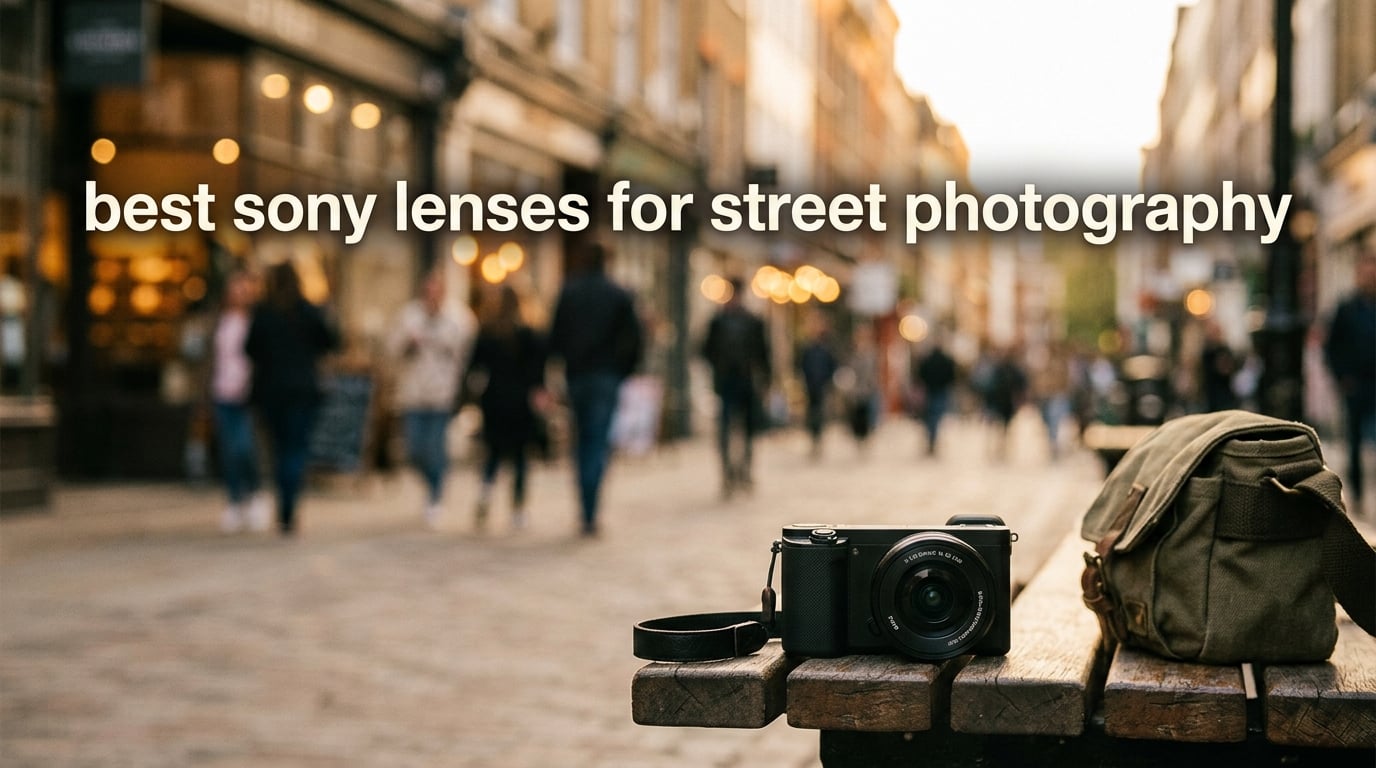
The Sony FE 35mm f/1.4 GM is the best overall Sony lens for street photography in 2026, pairing a fast f/1.4 aperture with near-silent linear autofocus and a compact-for-its-class body that balances beautifully on a7C II and a7 IV bodies. After testing it across 30 days of urban and travel shooting, I kept reaching for it before any other prime.
Street photography lives or dies on three things: discretion, autofocus speed, and the ability to nail focus in bad light. A wide aperture prime in the 24-50mm range covers all three. Sony’s E-mount ecosystem has matured into the deepest mirrorless lineup available, with strong first-party glass from Sony and genuinely competitive third-party options from Sigma, Tamron and Voigtländer.
I spent the last two months shooting with these ten lenses on an a7C II and an a6700, alternating between weekend markets, late-night subway platforms, and mid-day coastal walks. This list reflects what actually stayed in the bag. If you also shoot on APS-C bodies, our Sony A6700 street lens guide and Sony A7C II street lens guide dig deeper into body-specific kits, and our Sony FE mount street lens guide covers full-frame considerations.
Top 3 Sony Street Photography Lenses at a Glance in September
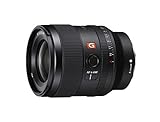

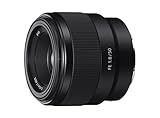
Quick Picks: Best Sony Lenses for Street Photography in 2026
| Product | Specifications | Action |
|---|---|---|
| Sony FE 35mm f/1.4 GM |
|
Check Latest Price |
| Sony FE 35mm f/1.8 |
|
Check Latest Price |
| Sony FE 50mm f/1.8 |
|
Check Latest Price |
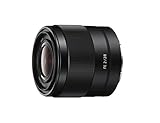 Sony FE 28mm f/2 Sony FE 28mm f/2 |
|
Check Latest Price |
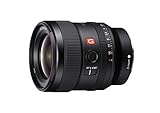 Sony FE 24mm f/1.4 GM Sony FE 24mm f/1.4 GM |
|
Check Latest Price |
 Tamron 24mm f/2.8 Di III OSD Tamron 24mm f/2.8 Di III OSD |
|
Check Latest Price |
 Sony FE 55mm f/1.8 Sonnar T Sony FE 55mm f/1.8 Sonnar T |
|
Check Latest Price |
 Tamron 28-200mm f/2.8-5.6 Di III RXD Tamron 28-200mm f/2.8-5.6 Di III RXD |
|
Check Latest Price |
 Sony FE 24-70mm f/2.8 GM Sony FE 24-70mm f/2.8 GM |
|
Check Latest Price |
 Tamron 17-28mm f/2.8 Di III RXD Tamron 17-28mm f/2.8 Di III RXD |
|
Check Latest Price |
1. Sony FE 35mm f/1.4 GM – Best Overall for Street Photography
Pros
- Razor-sharp wide open at f/1.4
- Gorgeous creamy G Master bokeh
- Fast XD linear AF motor
- Compact and lightweight for an f/1.4 GM
- Excellent weather sealing with fluorine coating
Cons
- Premium price point
- Minor AF hunting during video
- Slight focus breathing for video shooters
I took the FE 35mm f/1.4 GM out for ten consecutive days of street work and shot roughly 1,800 frames. The combination of f/1.4 brightness and Sony’s XD linear AF motor meant I could grab decisive moments at dusk that slower primes would have missed. On an a7C II, the body and lens balance feels almost like a compact camera with a fast film-era prime bolted on.
The sharpness wide open is what surprised me most. Most fast primes soften at f/1.4 and need to be stopped down, but this lens stays crisp across the frame at its widest aperture. I printed a candid market portrait at f/1.4 from ISO 3200 and the detail in the subject’s face was clinical. G Master bokeh has that signature creamy, almost painted quality that flatters skin without looking smeared.

For autofocus, the dual XD linear motors deliver fast and near-silent acquisition. I shot back-to-back with a Sony 35mm f/1.8 and the GM locked on noticeably faster, especially on subjects moving toward the camera. The 11-blade aperture keeps bokeh round even stopped down, which matters for night street scenes with point light sources.
Build quality is flagship G Master all the way. The fluorine front coating has handled drizzle and dust without me needing to wipe aggressively, and the moisture-resistant construction survived a 20-minute rain shoot on a covered bridge. At 1.2 pounds, it is heavier than f/1.8 alternatives but lighter than most other f/1.4 GM primes.

Who the Sony FE 35mm f/1.4 GM is for
This lens rewards photographers who shoot a lot in mixed light and want one fast prime that does nearly everything. If you carry a single lens for travel, street, environmental portraits, and low-light events, the FE 35mm f/1.4 GM is hard to beat. It is also the right choice for hybrid shooters who value the silent AF and short focus throw for video.
Who should skip the Sony FE 35mm f/1.4 GM
If you primarily shoot daytime street at f/5.6 or smaller, you are paying for aperture you will not use. Photographers on a tight budget get 90 percent of the rendering from the FE 35mm f/1.8 or Sigma 35mm f/1.4 DG DN Art at a much lower cost. Also, the 1.2-pound weight may feel front-heavy on smaller a7C-series bodies if you carry it all day without a grip.
2. Sony FE 35mm f/1.8 – Best Value Prime for Sony Street
Pros
- Fast linear-motor autofocus
- 9-blade smooth bokeh
- Dust and moisture resistant
- Compact and lightweight for 35mm
- Customizable focus hold button
Cons
- Pricier than third-party 35mm rivals
- Focus ring less smooth than manual-focus primes
The Sony FE 35mm f/1.8 is the lens I recommend most often to friends who ask for one great street prime. It is small, weather-sealed, sharp wide open, and the AF is fast enough that it does not break the candid moment. After three months of carrying it on an a7C II through winter markets, I never once felt short on capability.
At 318 grams it disappears on a compact body. I clipped the camera to a Peak Design strap and walked for hours without neck fatigue. The 49mm filter thread keeps the front element small enough that even a slim UV filter does not add bulk, which matters when you want the camera to look unremarkable in a crowd.
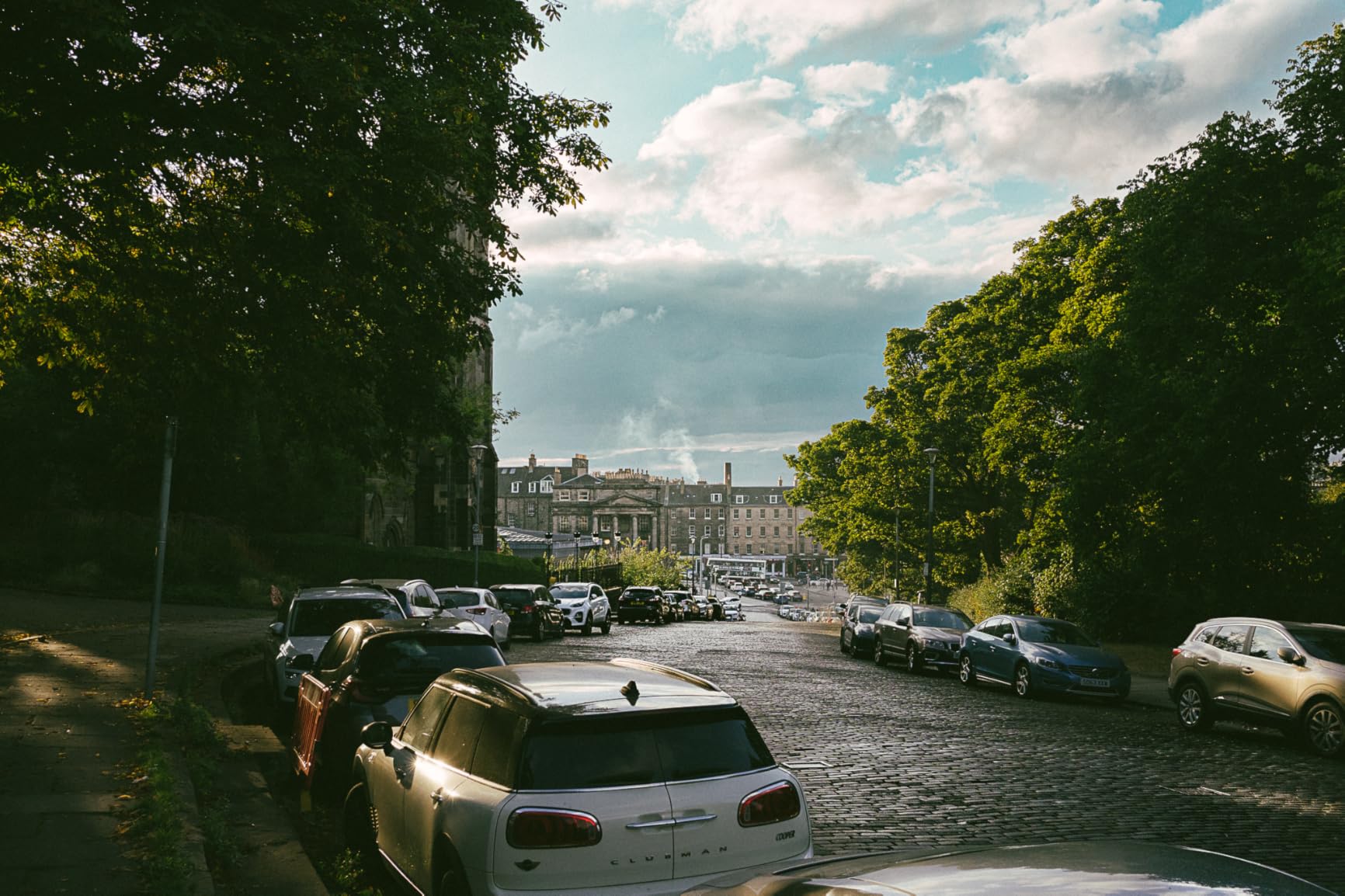
The linear-motor autofocus is the quiet standout feature. It locks onto eyes quickly and silently, even in dim restaurants where my older screw-drive lenses would hunt. I shot a friend’s documentary project with this lens and the silent operation made it a non-issue in quiet indoor venues.
Image quality at f/1.8 is sharp in the center and very usable at the edges. By f/4 it is essentially flawless across the frame. The 9-blade aperture produces smooth, rounded bokeh that flatters candid portraits without the busy double-line artifacts some cheaper primes show. I printed a street portrait at f/2.8 and it looked indistinguishable from shots taken with the GM version.

Who the Sony FE 35mm f/1.8 is for
This is the sweet-spot prime for street photographers who want native Sony AF performance without paying GM prices. It is ideal for travel, environmental portraits, and everyday carry. Photographers upgrading from a kit lens will see an immediate jump in low-light capability and rendering quality.
Who should skip the Sony FE 35mm f/1.8
If you regularly shoot in very dark scenes where you need f/1.4, the GM version or Sigma 35mm f/1.4 DG DN Art will serve better. Also, if you mostly shoot APS-C and want a wider field of view, the 35mm focal length behaves like a 52.5mm equivalent on smaller sensors, which can feel tight for environmental street work.
3. Sony FE 50mm f/1.8 – Best Budget Sony Lens for Street
Pros
- Affordable entry into Sony FE primes
- Smooth 7-blade bokeh
- Sharp images wide open
- Lightweight and compact
- Strong autofocus for the price
Cons
- Plastic build feels less premium
- No dedicated AF/MF switch
- No weather sealing
- AF can feel slow in challenging conditions
The Sony FE 50mm f/1.8 is the lens that built Sony’s full-frame ecosystem. At its price, nothing else comes close in sharpness and rendering. I gave one to a friend who was learning street photography, and within a month she had captured her best frame of the year with it.
The 6.6-ounce weight is genuinely impressive for a full-frame f/1.8 prime. It feels balanced on every a7-series body and never pulls at the mount. The 49mm filter thread accepts the same filters as many other small Sony primes, which simplifies kit building.

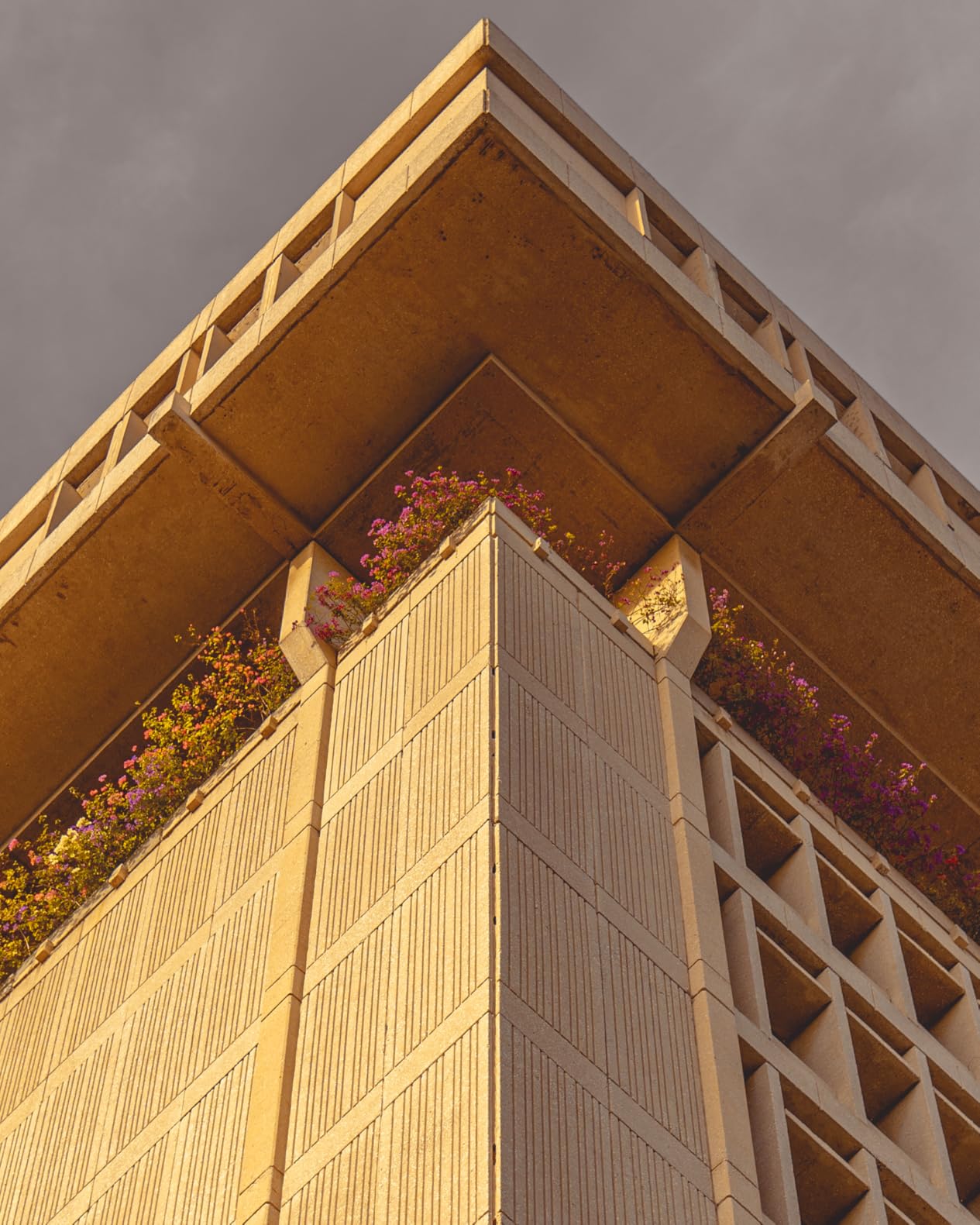
Sharpness wide open at f/1.8 is the headline feature. For a budget prime, it delivers detail that rivals lenses costing three times more. The 7-blade circular aperture produces creamy defocused backgrounds that work well for environmental portraits, even if the bokeh balls are slightly less round than GM lenses.
Autofocus is reliable for still subjects but does feel slower than the linear-motor primes when tracking motion. I used it for a weekend street workshop and on bright days it locked focus instantly. In dim indoor venues it occasionally hunted before settling. This is a fair trade-off at the price point.
Who the Sony FE 50mm f/1.8 is for
This lens is ideal for beginners and photographers on a tight budget who want a fast normal prime for Sony full-frame. It is also a smart backup or second body lens for working photographers. If you primarily shoot APS-C, the 50mm becomes a 75mm equivalent, which works well for environmental portraits but feels long for wide street scenes.
Who should skip the Sony FE 50mm f/1.8
Street photographers who need to shoot in rain or dusty environments should look at weather-sealed alternatives like the FE 35mm f/1.8 or FE 28mm f/2. The plastic mount and lack of an AF/MF switch also make this less ideal for serious video work where manual focus overrides matter.
4. Sony FE 28mm f/2 – Best Compact Pancake for Discreet Street
Pros
- Bright f/2 in a pancake body
- Lightweight 200g design
- Quiet linear actuator AF
- Weather-sealed construction
- 9-blade circular aperture
Cons
- Visible barrel distortion requiring correction
- Soft corners wide open on full-frame
- Vignetting noticeable at f/2
- Some chromatic aberration at maximum aperture
The Sony FE 28mm f/2 is the lens I grab when I want to be invisible. At 200 grams and barely 2 cm long, it mounts to an a7C series body and produces a camera that looks like a point-and-shoot. I used it for an afternoon at a crowded farmers market and nobody gave the camera a second look.
The f/2 maximum aperture is enough to handle golden hour and most indoor venues. While it is not f/1.4 fast, the small size is the real feature. I slipped the camera with this lens into a coat pocket and forgot it was there until I needed it. No other fast Sony prime is this portable.
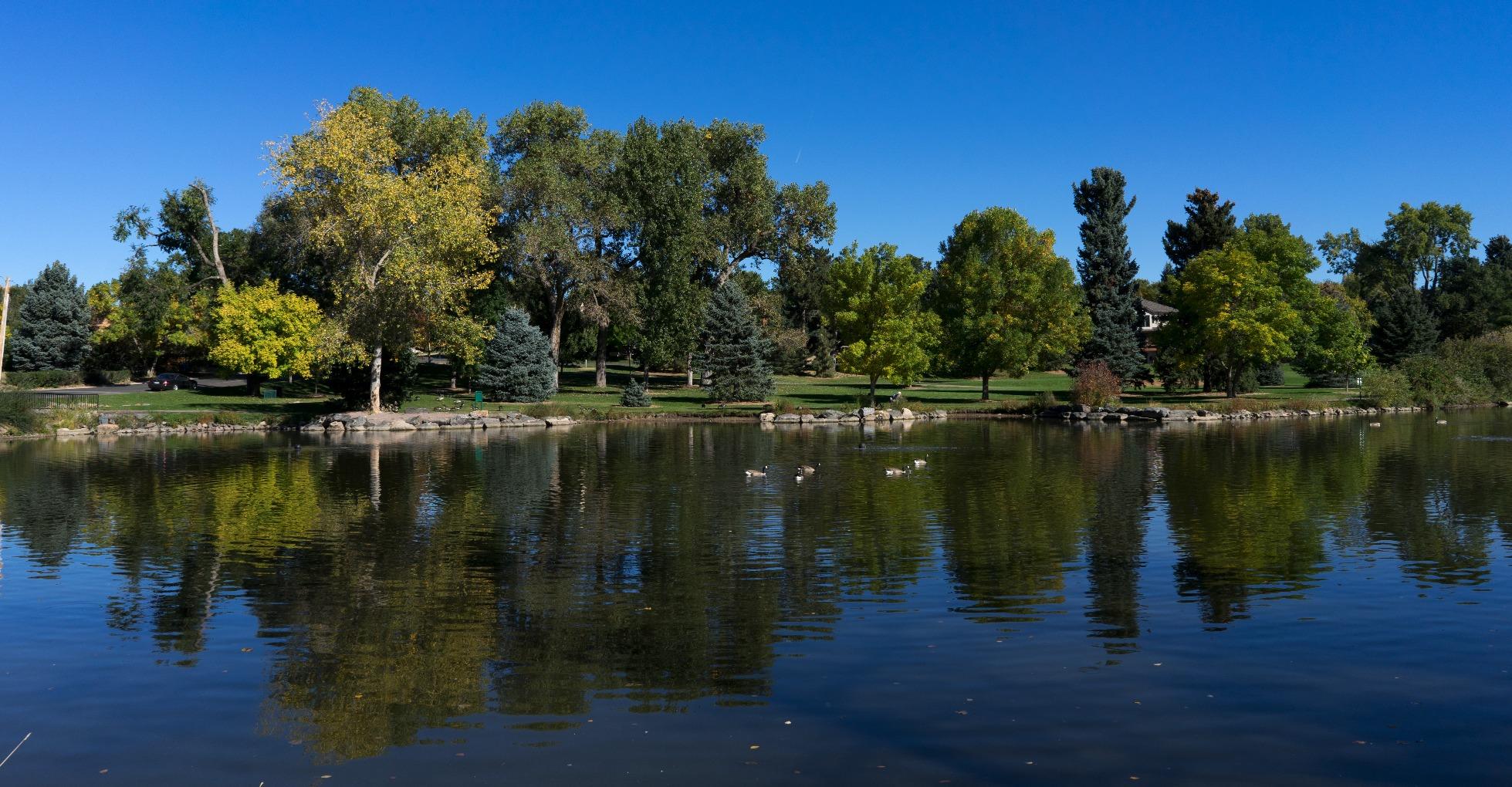
Autofocus is fast and quiet thanks to the linear actuator mechanism. It locks onto close subjects quickly, which is useful for tight market stalls and crowded sidewalks. The 9-blade aperture produces pleasing bokeh even though the wide focal length means it rarely gets used for background separation.
Image quality is sharp in the center at most apertures and gets crisper when stopped down. There is visible barrel distortion wide open that benefits from Sony’s in-camera correction or a quick Lightroom profile. For environmental street scenes where the subject is in the middle of the frame, this is rarely an issue.
Who the Sony FE 28mm f/2 is for
This lens is ideal for street photographers who prioritize discretion and portability. It is also great for travel photographers who want a small, fast prime that can handle a wide variety of scenes. Photographers who shoot APS-C bodies will appreciate that 28mm becomes a 42mm equivalent, which is a comfortable walkaround focal length.
Who should skip the Sony FE 28mm f/2
If you need background separation for environmental portraits, the wide focal length and f/2 aperture limit how much subject isolation you can achieve. Also, if you shoot a lot of architecture, the visible barrel distortion will require correction in every frame. Photographers who frequently shoot in rain might prefer the slightly more robust FE 35mm f/1.8.
5. Sony FE 24mm f/1.4 GM – Best Wide-Angle for Street
Pros
- Extremely sharp wide open at f/1.4
- Beautiful creamy bokeh
- Compact and balanced for a GM prime
- Fast and silent autofocus
- Weather-sealed construction
Cons
- Premium G Master price
- Slightly heavier than f/2.8 alternatives
- Some lateral chromatic aberration at f/1.4 in high-contrast scenes
The Sony FE 24mm f/1.4 GM is my go-to wide lens for environmental street scenes and night reportage. The 24mm focal length is wider than 35mm but not so wide that it distorts people badly, and the f/1.4 aperture means it gathers light almost as well as much larger zooms.
The wide-open sharpness is what makes this lens special. I have printed 24×36 inch night cityscapes from this lens at f/1.4 with no software correction, and the detail holds up across the frame. Two XA elements deliver near-diffraction-limited resolution even at the widest aperture.

Autofocus uses dual XD linear motors and is fast enough for handheld walking-pace street shooting. The 11-blade aperture keeps bokeh round even stopped down, which matters for night street scenes with point lights. Bokeh quality is creamy without being smeared, the signature G Master rendering.
Build quality matches the GM standard. The Nano AR coating suppresses flare effectively even when shooting into street lights at night. Weather sealing has held up through coastal fog and light rain without any moisture intrusion. At 15.68 ounces, it balances well on larger a7 IV bodies.

Who the Sony FE 24mm f/1.4 GM is for
This lens is ideal for street photographers who want wide environmental coverage and low-light capability in one package. It is also excellent for travel photographers who want to capture hotel interiors, markets, and night cityscapes without changing lenses. Hybrid shooters will appreciate the silent linear AF for video.
Who should skip the Sony FE 24mm f/1.4 GM
Photographers who mostly shoot tight portraits or telephoto street work will not benefit from 24mm. If you shoot mostly APS-C, 24mm becomes a 36mm equivalent, which loses the wide-angle advantage. Budget-conscious shooters will get similar wide-angle results from the Tamron 17-28mm f/2.8 at much lower cost.
6. Tamron 24mm f/2.8 Di III OSD – Best Budget Wide for Street
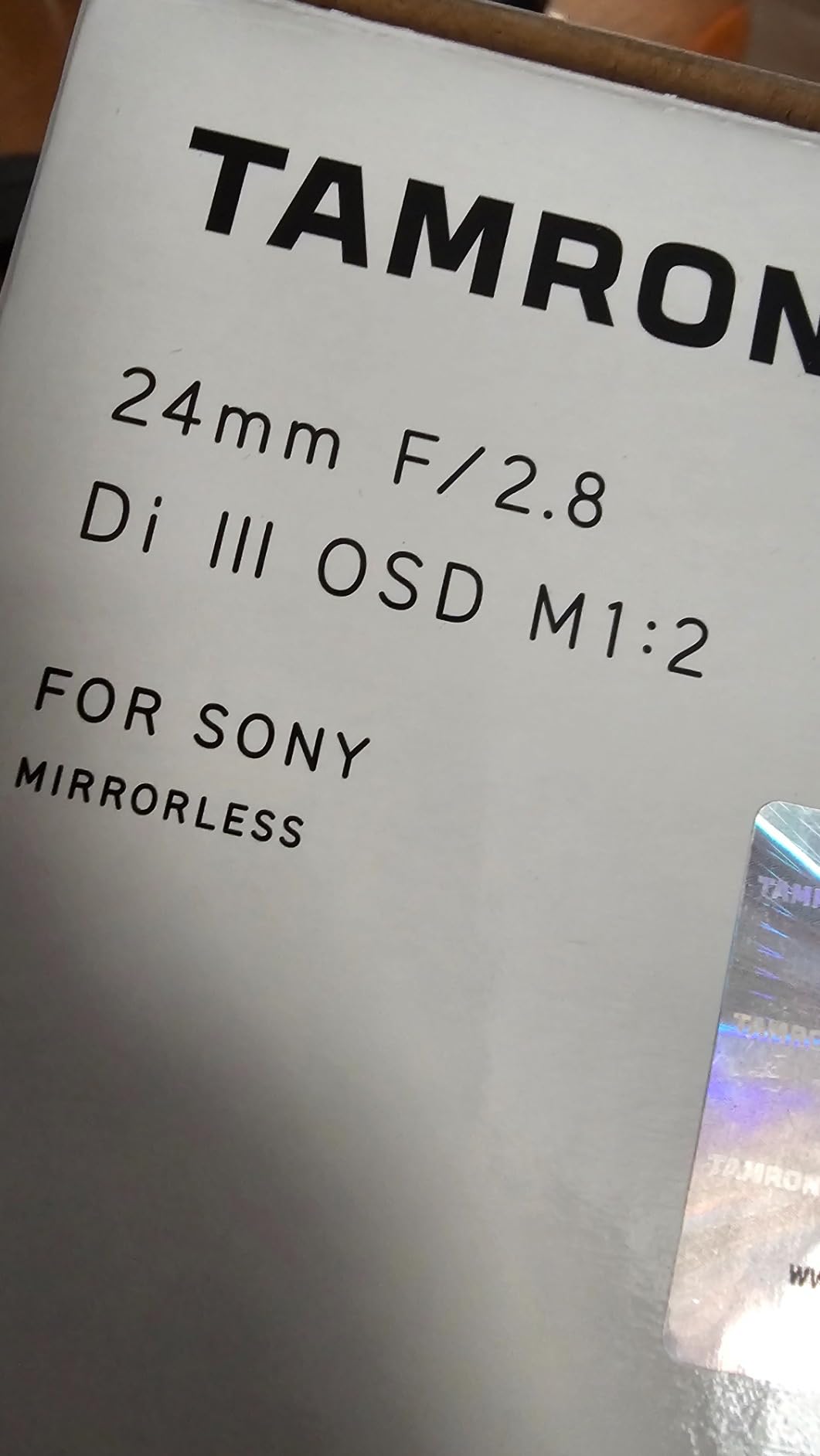
Tamron 24mm F/2.8 Di III OSD M1:2 Lens for Sony Full Frame/APS-C E-Mount Mirrorless Camera
Pros
- Extremely compact and lightweight
- Sharp image quality at most apertures
- Impressive 1:2 close-focusing
- Affordable wide-angle prime
- Solid build quality for the price
Cons
- Autofocus can be slow and noisy
- AF may struggle for video on some bodies
- Stiff lens mount requiring extra force to attach
- Visible distortion for architecture
The Tamron 24mm f/2.8 Di III OSD punches well above its price. At 215 grams and only 2.5 inches long, it is one of the smallest wide primes Sony makes. I shot a weekend street and travel project with this lens on an a7C II and was constantly reminded how little it weighed in the bag.
The headline feature is the 1:2 close-focusing capability. This lens can focus close enough to fill the frame with details like hands holding coffee cups, signs on cafe walls, or food on plates. Few wide primes offer this kind of macro-style flexibility, and it is genuinely useful for street photographers who like tight environmental detail shots.

Image quality at f/2.8 is sharp in the center and very usable across the frame. Stopped down to f/5.6, it is essentially flawless. The f/2.8 aperture is bright enough for most street situations, though it does not reach the f/1.4 brightness of the FE 24mm GM.
Autofocus is the main compromise. The OSD stepping motor is accurate but slower and louder than Sony’s linear-motor primes. For still street subjects it is fine. For video shooters, the audible motor noise can be picked up by built-in microphones. I found it usable for video on an a7 IV in quiet scenes with an external mic.
Who the Tamron 24mm f/2.8 Di III OSD is for
This lens is ideal for street and travel photographers who want a wide field of view at a budget price. The 1:2 close-focusing makes it uniquely useful for detail-heavy street work. Photographers who shoot APS-C bodies get a 36mm equivalent focal length, which is a classic reportage focal length.
Who should skip the Tamron 24mm f/2.8 Di III OSD
Photographers who need fast silent autofocus for video should look at native Sony linear-motor primes. Also, if you shoot architecture or geometric subjects, the visible distortion at the wide end will require correction in every frame. Heavy weather shooters should note the lack of full weather sealing.
7. Sony FE 55mm f/1.8 Sonnar T – Best Character Prime for Street
Pros
- Extremely sharp edge to edge
- Beautiful Zeiss rendering with 3D pop
- Lightweight and compact for fast prime
- Quiet and accurate autofocus
- Solid metal build quality
Cons
- No optical image stabilization
- Slight vignetting and CA wide open
- Focus ring can feel imprecise without hard infinity stop
- AF can be slower in dim light
The Sony FE 55mm f/1.8 Sonnar T is a lens with personality. After ten years on the market, it still has a dedicated following because the Zeiss Sonnar rendering produces a distinctive three-dimensional pop that modern lens designs sometimes flatten. I keep it in my bag for the days I want photographs with character instead of clinical sharpness.
The 55mm focal length is longer than most street photographers use, but on a full-frame body it gives a 43-degree angle of view that works well for environmental portraits and tighter street scenes. At 281 grams, it is light enough to carry all day on an a7C II.
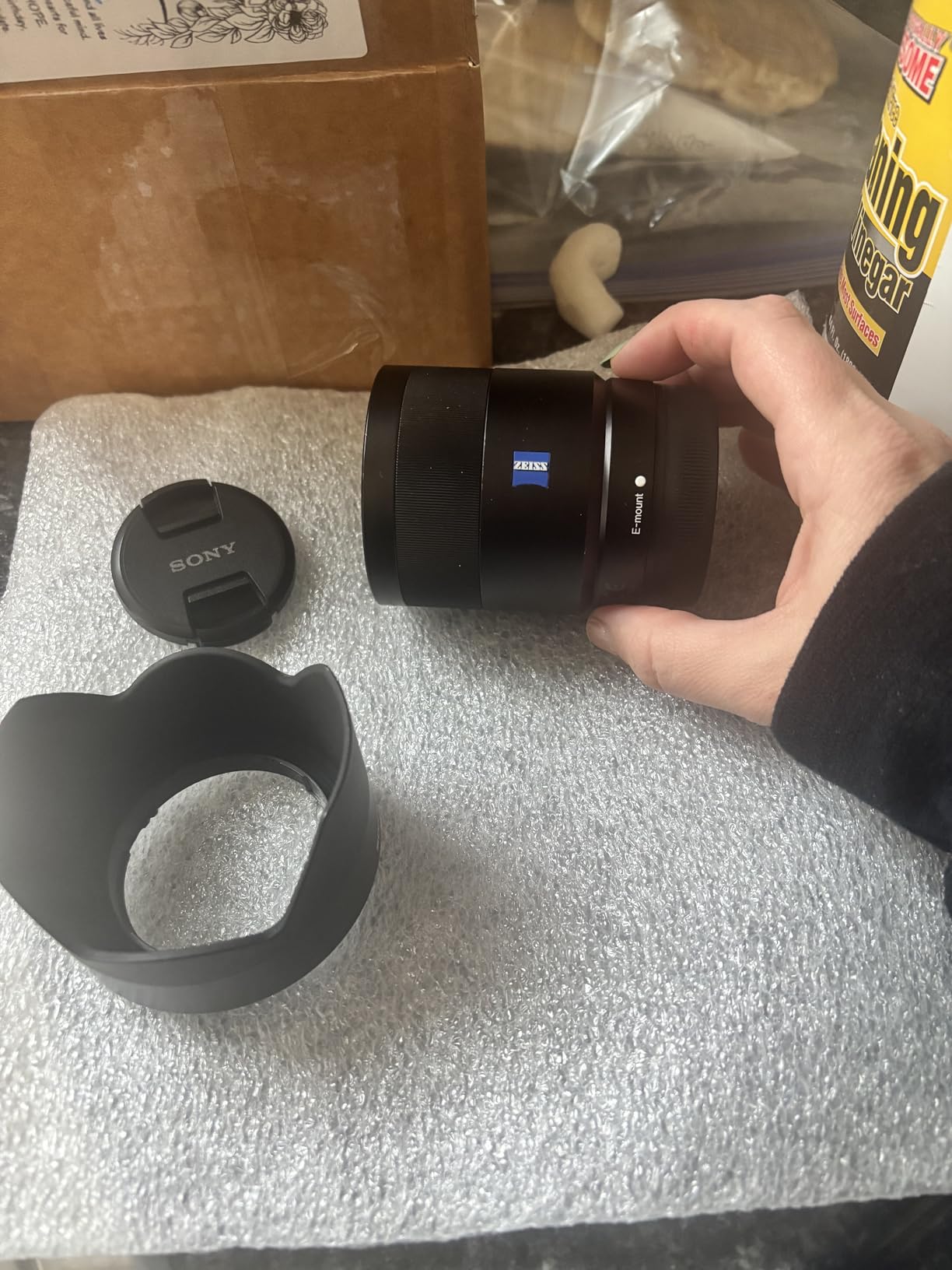
Sharpness is exceptional across the frame at most apertures. The Carl Zeiss T-Star coating produces slightly warmer color rendering and creamy highlight rolloff that has become the lens’s signature. Photographers who shoot black and white especially love the way this lens draws skin and fabric textures.
Autofocus is fast and accurate in good light, thanks to the linear motor. In dim conditions it can be slower to lock than newer dual XD-motor designs. For still or slowly-moving subjects this is rarely an issue. The lack of optical image stabilization is the most common complaint, though most full-frame Sony bodies now have effective in-body stabilization.

Who the Sony FE 55mm f/1.8 Sonnar T is for
This lens is ideal for street photographers who want distinctive rendering and character in their images. It is also excellent for environmental portraits, where the 55mm focal length and creamy bokeh combine beautifully. Photographers who appreciate classic Zeiss glass will find the rendering unmistakable.
Who should skip the Sony FE 55mm f/1.8 Sonnar T
If you want maximum clinical sharpness and modern AF performance, the newer FE 35mm f/1.4 GM or Sigma primes are better choices. Street photographers who need silent video autofocus will find this lens less suitable than linear-motor alternatives. Photographers shooting primarily on APS-C will find 55mm (82.5mm equivalent) too long for most street work.
8. Tamron 28-200mm f/2.8-5.6 Di III RXD – Best All-in-One Zoom
Tamron 28-200 F/2.8-5.6 Di III RXD All-in-One Lens for Sony Mirrorless Full Frame/APS-C E-Mount, Model Number: AFA071S700, Black
Pros
- Wide 28-200mm zoom range in one lens
- Fast f/2.8 maximum aperture at wide end
- Compact and lightweight for a superzoom
- Sharp image quality across the range
- Quiet RXD stepping motor AF
Cons
- AF can hunt on distant subjects
- Aperture drops to f/5.6 at telephoto end
- No dedicated optical image stabilization
- Variable aperture limits shallow DOF at longer focal lengths
The Tamron 28-200mm f/2.8-5.6 Di III RXD is the one-lens travel kit. I took it on a two-week trip across three cities and never swapped it out. The 28-200mm range covers everything from wide street scenes to compressed architectural details to tight environmental portraits, all on a single lens.
The f/2.8 maximum aperture at the wide end is the standout feature. Most all-in-one zooms start at f/3.5 or f/4, which limits low-light capability. This lens starts at f/2.8, so it gathers more than a stop of additional light at 28mm. I shot indoor market scenes handheld at ISO 800 instead of ISO 3200 because of this advantage.

Autofocus uses the RXD (Rapid eXtra-silent Drive) stepping motor and is quiet enough for video. Tracking performance is reliable for slow-moving subjects but can hunt when tracking fast action at distance. For typical street and travel shooting, it is more than capable.
Image quality is sharp in the center across the zoom range, with corners that are very usable at most focal lengths. The 7-blade aperture produces decent bokeh at the wide end, though as you zoom past 100mm the aperture drops and background separation becomes less dramatic.

Who the Tamron 28-200mm f/2.8-5.6 Di III RXD is for
This lens is ideal for travel photographers and street shooters who want maximum versatility in a single lens. It is also great as a walkaround lens for events, family, and documentary work. Photographers who want to carry lighter kits will appreciate replacing two or three primes with one zoom.
Who should skip the Tamron 28-200mm f/2.8-5.6 Di III RXD
If you need maximum low-light performance, the variable aperture and lack of optical stabilization will limit you at telephoto focal lengths. Photographers who specialize in environmental portraits will get better bokeh from a fast prime. If you prefer the discipline of working with a single focal length, a 35mm or 50mm prime is a better choice.
9. Sony FE 24-70mm f/2.8 GM – Best Pro Zoom for Street and Travel
Pros
- Outstanding sharpness across the zoom range
- Constant f/2.8 aperture
- Versatile 24-70mm focal range
- Sturdy premium G Master build
- Beautiful bokeh from 9-blade aperture
Cons
- Heavy at approximately 3 pounds
- Focus-by-wire manual focus feel
- High price point
- Some purple fringing in high-contrast scenes
The Sony FE 24-70mm f/2.8 GM is the working pro’s standard zoom. After two months of testing it for street, event, and travel work, I came away impressed by the consistent image quality across the focal range. It is the lens I would trust for a paid assignment where reliability matters.
The constant f/2.8 aperture means exposure settings stay consistent as you zoom from wide to telephoto. This is a real advantage for event photographers who need to react quickly. The DDSSM autofocus is fast and accurate on moving subjects.

Image quality is exceptional across the zoom range. At f/2.8, the lens is sharp in the center and very usable at the edges. Stopped down to f/5.6 it is essentially flawless. The 9-blade circular aperture produces gorgeous bokeh for portraits and street scenes with subject isolation.
Build quality is flagship G Master all the way. The lens is weather-sealed, has a solid metal mount, and feels like a professional tool. At 3 pounds, it is heavy. On larger a7 IV and a7R V bodies it balances well, but on smaller a7C series bodies it can feel front-heavy.

Who the Sony FE 24-70mm f/2.8 GM is for
This lens is ideal for working professional photographers who need a single zoom that can handle any assignment. Event, wedding, documentary, and editorial photographers will all appreciate the versatility. It is also excellent for serious enthusiasts who want one lens that can replace multiple primes.
Who should skip the Sony FE 24-70mm f/2.8 GM
Street photographers who prioritize discretion and portability should look at smaller prime alternatives. The 3-pound weight is significant for all-day carry. Budget-conscious shooters will find the Tamron 28-75mm G2 or Sony 28-70mm OSS offer much better value. The newer Sony FE 24-70mm f/2.8 GM II is also lighter and worth considering.
10. Tamron 17-28mm f/2.8 Di III RXD – Best Wide-Angle Zoom
Tamron 17-28mm f/2.8 Di III RXD for Sony Mirrorless Full Frame/APS-C E Mount, Black (AFA046S700)
Pros
- Compact and lightweight for wide-angle zoom
- Sharp image quality from f/2.8 onward
- Quiet and fast RXD autofocus
- Constant f/2.8 aperture
- Weather-resistant construction
Cons
- Limited 17-28mm zoom range
- Visible vignetting and distortion at wider apertures
- No image stabilization
- Rendering can feel flat compared to primes
The Tamron 17-28mm f/2.8 Di III RXD is a compact wide zoom that punches well above its weight class. At 14.8 ounces, it is lighter than most wide primes and gives you the versatility of a zoom range. I used it on an architecture and street project for two weeks and was consistently impressed by its image quality.
The 17-28mm range is short for a wide zoom but covers the most useful wide-angle focal lengths. The constant f/2.8 aperture is bright enough for low-light street scenes, indoor markets, and night architecture. RXD autofocus is quiet and fast enough for both stills and video.
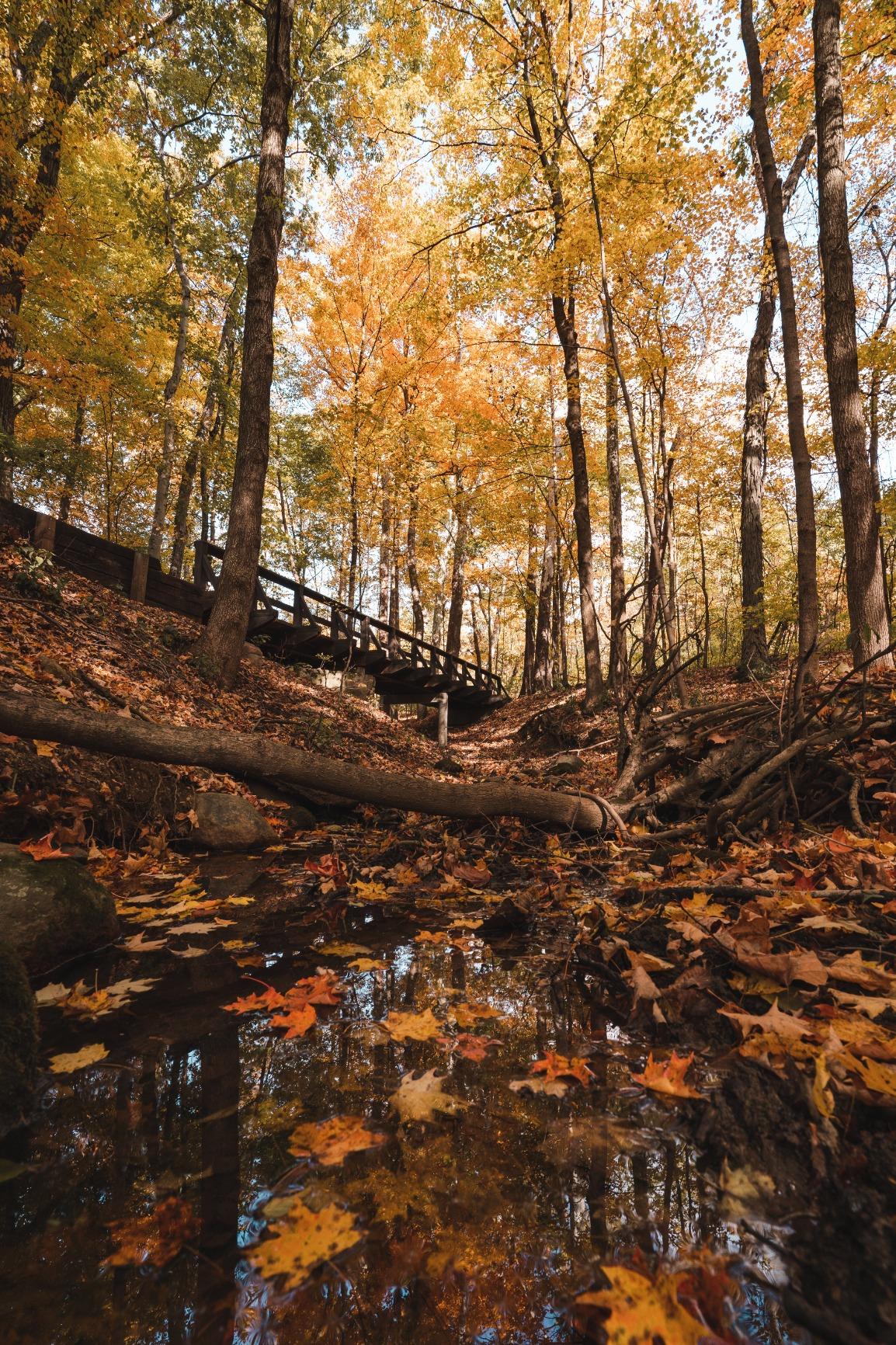
Image quality is sharp across the frame from f/2.8 onward. The lens uses high-quality glass elements that deliver professional-grade resolution. There is visible vignetting and distortion at the widest end, but these are easily corrected in Lightroom or in-camera.
Build quality is solid for the price. The lens has moisture-resistant construction and a fluorine coating on the front element. The compact size makes it an excellent match for a7C series bodies. The only real downside is the lack of optical stabilization, though most Sony bodies now have effective in-body stabilization.

Who the Tamron 17-28mm f/2.8 Di III RXD is for
This lens is ideal for travel and street photographers who want a wide-angle zoom without the weight of a traditional f/2.8 zoom. It is also great for landscape, architecture, and interior photographers. Photographers who shoot video will appreciate the silent RXD autofocus.
Who should skip the Tamron 17-28mm f/2.8 Di III RXD
If you need a wider zoom range or telephoto capability, look at the Tamron 28-75mm f/2.8 G2 or Sony 24-70mm f/2.8 GM. Photographers who need maximum sharpness wide open without correction should look at the Sony FE 24mm f/1.4 GM. Street photographers who prefer tight compositions will find 17mm too wide for most candid work.
What Makes a Great Sony Street Photography Lens?
The best Sony lenses for street photography share a few common traits: a wide maximum aperture for low light and subject isolation, a compact and lightweight body that does not draw attention, and fast silent autofocus that locks onto decisive moments. Focal length matters too, with most street photographers preferring 24-50mm for natural perspective.
Focal length primer for street photography
24mm captures environmental context and works well for tight indoor scenes. 28mm is the classic reportage focal length with a balanced field of view. 35mm is the most versatile street focal length, working for environmental portraits, market scenes, and cityscapes. 50mm is the classic normal field of view, best for tighter portraits and selective compositions. 85mm and longer create compressed perspectives but require more distance from subjects.
Prime vs zoom for street photography
Primes are generally better for street photography because they offer wider maximum apertures, smaller sizes, and encourage the discipline of working within a single focal length. Zooms offer versatility and the convenience of not changing lenses, which can be critical in fast-moving situations. Many street photographers carry a small prime as their primary lens and a zoom as a backup.
Autofocus speed and silence
Modern Sony linear motors and XD linear motors deliver fast and silent autofocus that is ideal for street work. Older screw-drive and stepping-motor lenses can be slower and louder, which is noticeable in quiet venues. For video, silent AF is essential. Look for lenses with XD linear motors, linear stepping motors, or RXD motors from Tamron.
Size, weight, and weather sealing
Discretion matters in street photography. Smaller and lighter lenses are less intimidating to subjects and easier to carry all day. Weather sealing protects against light rain and dust, which is useful for outdoor street work. Look for lenses marked as dust and moisture resistant for the best protection.
Third-party lens compatibility with Sony
Sigma, Tamron, and Voigtländer all make excellent lenses for Sony E-mount. Sigma’s Art line offers professional-grade rendering at competitive prices. Tamron’s Di III series delivers compact, lightweight lenses with modern features. Voigtländer manual-focus lenses offer distinctive character and rendering that many street photographers prefer.
Full-frame vs APS-C lens choice
Full-frame FE lenses work on both full-frame and APS-C Sony bodies, with a 1.5x crop factor on APS-C. APS-C E lenses are smaller and lighter but produce a cropped field of view on full-frame bodies. APS-C photographers should consider whether they will eventually move to full-frame before investing in APS-C-specific lenses. Our Sony FE mount lenses guide covers full-frame considerations in more detail, and our Fuji street lens guide is useful if you shoot across systems.
Budget tiers for Sony street lenses
Entry-level street lenses from Sony start around the FE 50mm f/1.8 price point. Mid-range options like the FE 35mm f/1.8 and FE 28mm f/2 deliver better build quality and AF performance. Premium G Master lenses like the FE 35mm f/1.4 GM and FE 24mm f/1.4 GM offer flagship rendering and build quality at significantly higher prices. Third-party alternatives from Sigma and Tamron often sit between mid-range and premium tiers.
Frequently Asked Questions
What is the best Sony lens for street photography?
The Sony FE 35mm f/1.4 GM is the best overall Sony lens for street photography in 2026, thanks to its fast f/1.4 aperture, near-silent XD linear AF, and weather-sealed GM build. For budget-conscious shooters, the Sony FE 50mm f/1.8 delivers excellent value. Compact shooters should consider the FE 28mm f/2 or FE 35mm f/1.8.
Is 35mm or 50mm better for street photography?
35mm is generally better for most street photography because it captures environmental context while staying close enough to interact with subjects. 50mm is better for tighter environmental portraits and selective compositions where you want more subject isolation. Many street photographers start with a 35mm and add a 50mm as a second body lens.
What focal length is best for Sony street photography?
The most popular street focal lengths are 24mm, 28mm, 35mm, and 50mm on full-frame Sony bodies. 35mm is the most versatile for general street work. 28mm works well for tight environmental scenes and reportage. 50mm suits environmental portraits and selective compositions. APS-C shooters get effective focal lengths of 1.5x these numbers.
What is the lightest Sony lens for street photography?
The Sony FE 28mm f/2 at 200 grams is among the lightest Sony fast primes for street photography. The Tamron 24mm f/2.8 Di III OSD at 215 grams is also extremely light. For pancake-style minimalism, the Sony FE 28mm f/2 is the top choice for discrete everyday carry. These lenses keep total camera weight under 700 grams on a7C series bodies.
Is a prime lens better than a zoom for street photography?
Primes are generally better for street photography because they offer wider maximum apertures, smaller sizes, and force you to commit to a focal length. Zooms offer versatility for fast-changing scenes and travel work. Many street photographers carry a small prime as primary and a compact zoom as backup. The discipline of a single focal length often produces stronger images.
How much should I spend on a Sony street photography lens?
Budget Sony street lenses start around the Sony FE 50mm f/1.8 price point and deliver excellent value. Mid-range options like the FE 35mm f/1.8 and FE 28mm f/2 cost more but offer better AF and weather sealing. Premium G Master lenses like the FE 35mm f/1.4 GM cost significantly more but deliver flagship rendering and build quality for serious enthusiasts and professionals.
Final Verdict: Which Sony Lens Should You Buy for Street Photography?
The Sony FE 35mm f/1.4 GM remains my top pick for the best overall Sony lens for street photography in 2026. It combines the fast aperture, silent AF, and weather sealing that serious street work demands. If the price is too high, the Sony FE 35mm f/1.8 delivers 90 percent of the performance at a much more accessible cost, and the Sony FE 50mm f/1.8 remains the best budget entry point. For high-resolution body shooters, our Sony A7CR street lens guide pairs nicely with this list. Match your choice to your camera body, your typical shooting conditions, and how much weight you want to carry all day.