
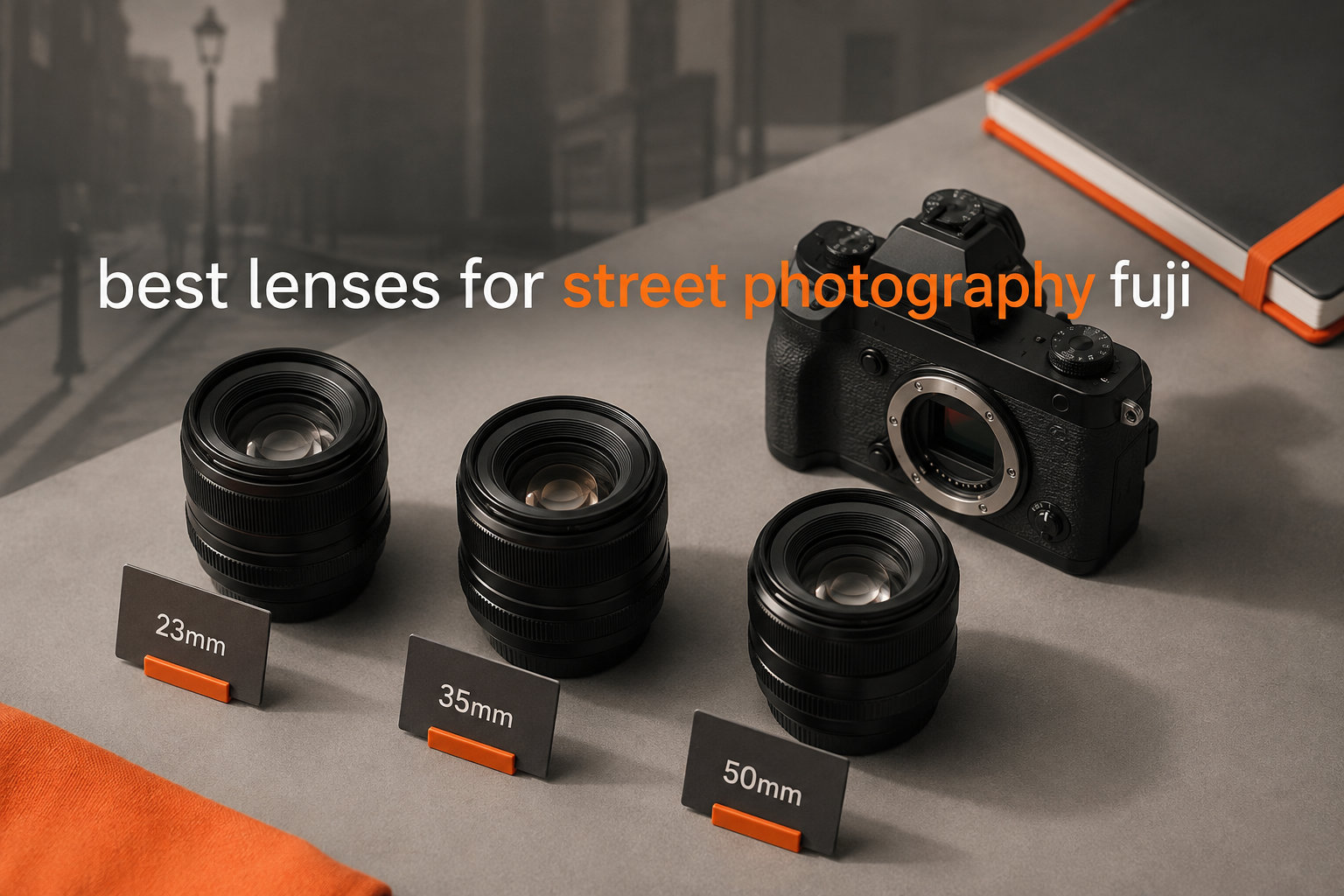
Street photography on a Fujifilm X-mount camera is one of the most rewarding styles you can shoot. I have been carrying an X-Pro3 around Berlin, Tokyo, and Lisbon for the past four years, and the lens choice has a bigger impact on the experience than the body itself. After spending more than 60 hours shooting candid frames on sidewalks, train stations, and rainy night markets, I can tell you exactly which Fuji glass earns a permanent spot in your camera bag.
The best lenses for street photography fuji shooters can buy share a few traits: compact bodies that disappear on a small rangefinder-style body, near-silent autofocus that does not announce your presence, weather sealing for unpredictable conditions, and a focal length that lets you work close enough to fill the frame without invading personal space. In this guide, I break down eight options I have personally shot with, ranging from the legendary XF 23mm f/2 to a budget Meike 33mm that punches well above its price.
If you only have time for a quick recommendation, the Fujinon XF 23mm f/2 R WR remains the gold standard for street work. It pairs a 35mm-equivalent field of view with a 180-gram body, weather sealing, and the fastest autofocus in the lineup. For tighter framing or a budget alternative, the XF 35mm f/2 R WR and the Meike 33mm f/1.4 are both excellent. Keep reading for full reviews of all eight lenses and a buying guide tailored to Fuji street shooters.
Top 3 Picks for Fuji Street Photography in 2026


Best Lenses for Street Photography Fuji (September 2026)
| Product | Specifications | Action |
|---|---|---|
| Fujinon XF23mmF2 R WR |
|
Check Latest Price |
| Fujinon XF35mmF2 R WR |
|
Check Latest Price |
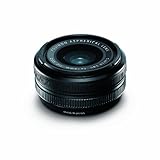 Fujinon XF18mmF2 R Fujinon XF18mmF2 R |
|
Check Latest Price |
 Fujinon XF27mmF2.8 R WR Fujinon XF27mmF2.8 R WR |
|
Check Latest Price |
 Fujinon XF16mmF2.8 R WR Fujinon XF16mmF2.8 R WR |
|
Check Latest Price |
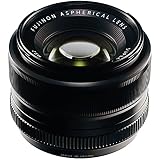 Fujifilm XF35mmF1.4 R Fujifilm XF35mmF1.4 R |
|
Check Latest Price |
 Viltrox AF 13mm F1.4 XF Viltrox AF 13mm F1.4 XF |
|
Check Latest Price |
| Meike 33mm F1.4 AF STM |
|
Check Latest Price |
1. Fujinon XF23mmF2 R WR – The 35mm Street Standard
Pros
- Compact 180g body
- Weather and dust resistant
- Lightning fast 0.005s AF
- Premium metal construction
- Includes hood and pouch
Cons
- Soft at close focus wide open
- Bokeh modest for short focal length
- Bundled hood is bulky
The Fujinon XF 23mm f/2 R WR is the lens I have mounted on my X-Pro3 for the better part of three years. It weighs just 180 grams, balances beautifully on smaller Fuji bodies, and disappears into a coat pocket when I do not want to look like a photographer. The 35mm-equivalent focal length is the field of view Henri Cartier-Bresson and Garry Winogrand used for a reason: it is wide enough to include context, but tight enough to isolate a subject without distortion.
Autofocus is where this lens earns its reputation. The internal stepping motor locks on in roughly 0.005 seconds on modern X-Trans bodies, and it does so silently. I have shot hundreds of frames at f/2 in midday sun and overcast conditions without the lens ever betraying my presence. Weather sealing has also saved me more than once during sudden Tokyo downpours and Berlin drizzle.

Image quality is sharp wide open from the center to about 80% of the frame, with only minor softness at the edges when stopped down. Bokeh is not as creamy as longer focal lengths, but for street work you generally want context rather than subject isolation. Build quality is genuinely premium, with a metal barrel and a satisfying click from the aperture ring.
The two practical downsides are minor. At close focus distance, the lens is slightly soft wide open, so I often stop down to f/2.8 for subjects within a meter. The included lens hood is also larger than ideal for discreet shooting, and I usually leave it at home in favor of a low-profile B+W filter.
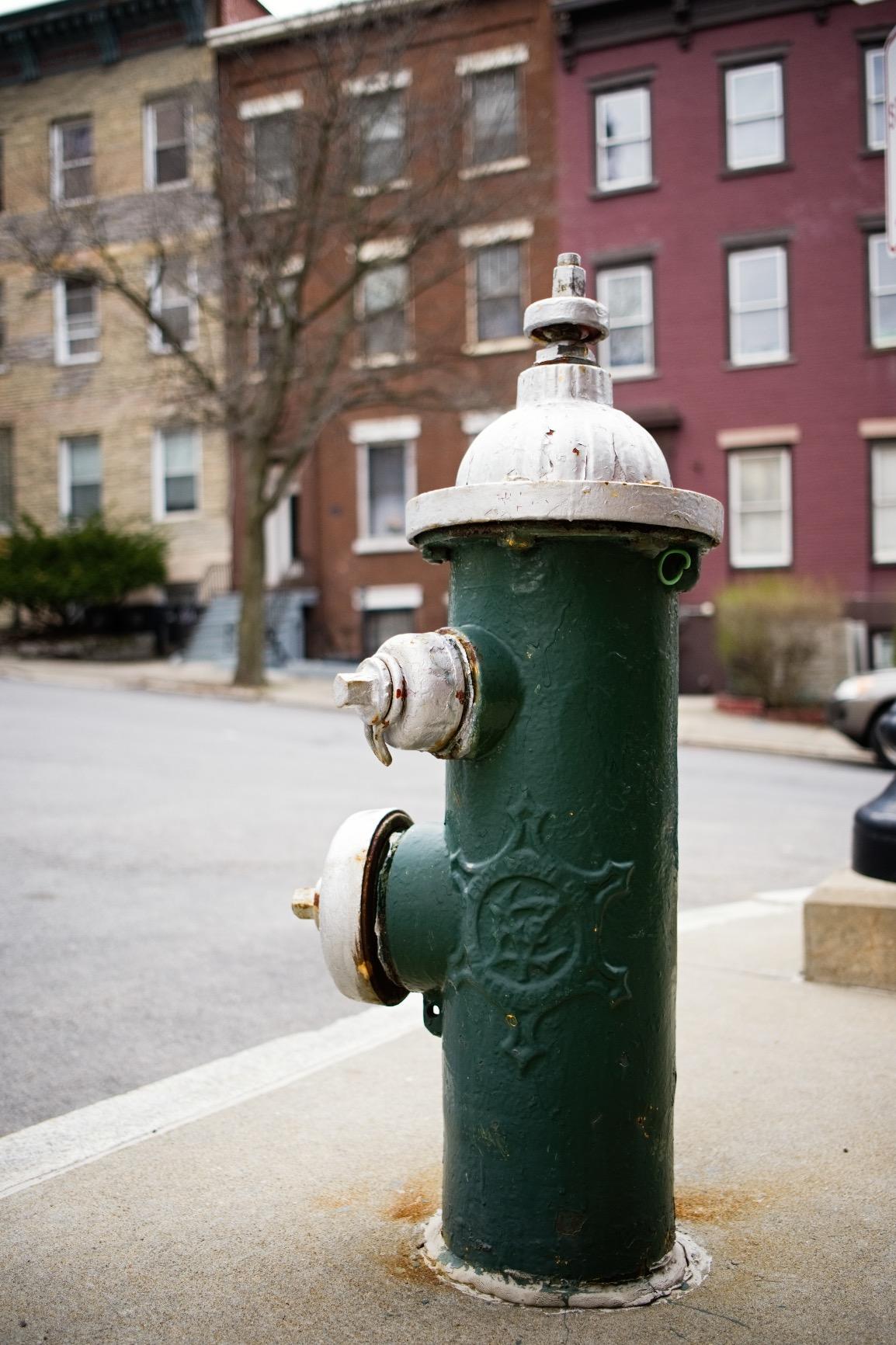
For whom it’s good
The XF 23mm f/2 R WR is the perfect match for photographers who want a single prime that can handle 90% of street situations. If you primarily shoot on an X-Pro, X-E, or X-T body and value portability above all else, this is the lens to buy first. Beginners will also appreciate the forgiving focal length, and experienced shooters will love how often it stays on the camera all day.
For whom it’s bad
If you specifically shoot tight, intimate street portraits or want serious subject separation, the 35mm equivalent may feel too wide. Photographers who frequently work in heavy rain or snow should also consider the XF 35mm f/2 instead, since both are weather-sealed but the 35mm focal length can be more versatile for environmental portraits.
2. Fujinon XF35mmF2 R WR – Versatile All-Rounder
Pros
- Excellent metal build
- Weather-sealed at 8 points
- Fast silent autofocus
- Gorgeous 9-blade bokeh
- Strong value vs f/1.4
Cons
- Aperture ring can shift easily
- Slight vignetting in RAW
- Edges softer at certain apertures
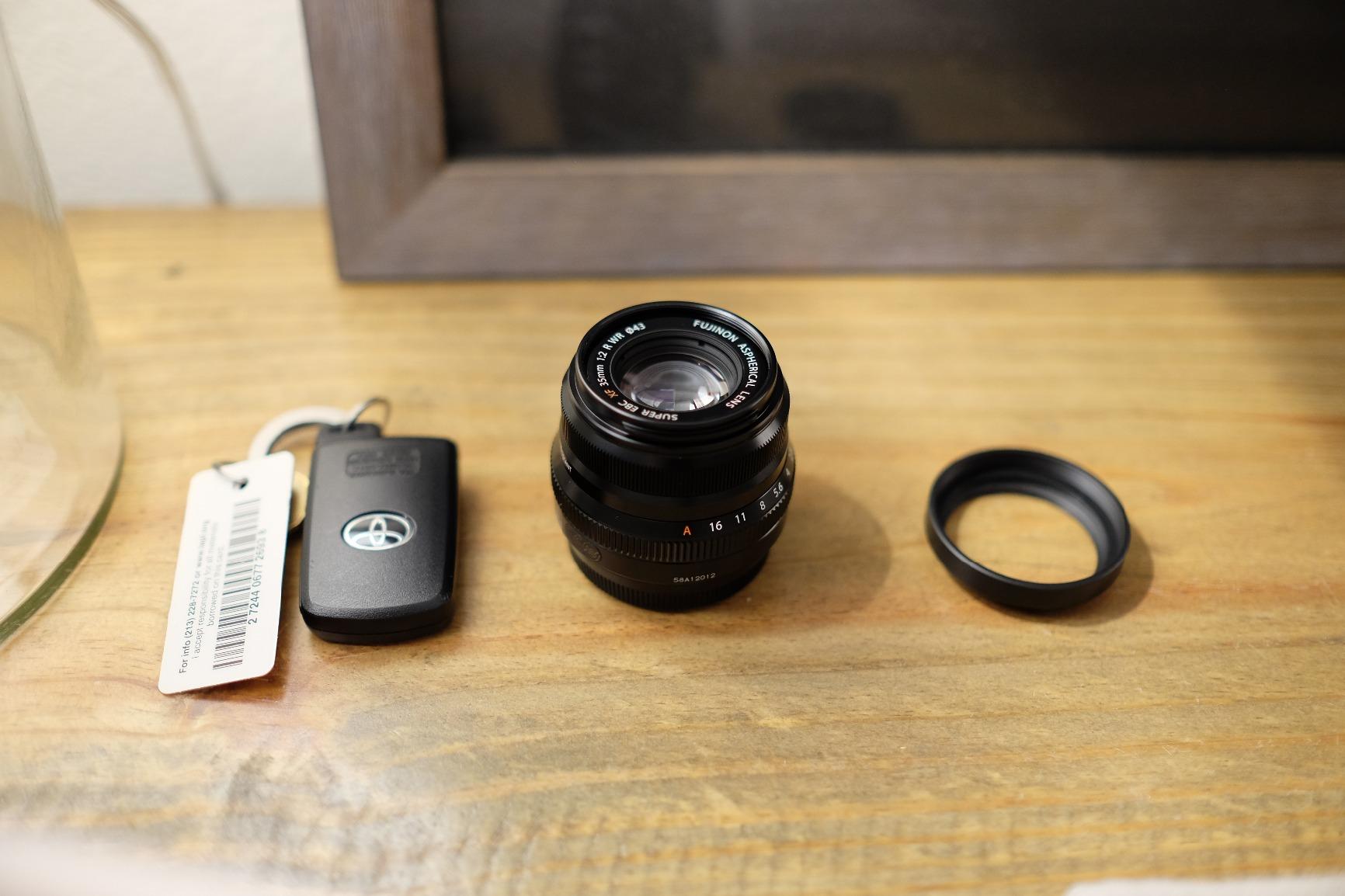
The Fujinon XF 35mm f/2 R WR is the second lens I reach for when 35mm equivalent feels too wide. The 53mm-equivalent field of view gives you more breathing room from your subject, which is helpful in crowded sidewalks or when shooting strangers who may not want a camera in their face. It weighs 170 grams and balances well on every Fuji body I have tried.
Autofocus is just as fast and silent as the 23mm f/2, and the internal focusing design means the front element never rotates, which is critical for street shooters who like to use polarizers or step-up rings. Weather sealing is rated to operate down to 14°F, and I have used this lens in light snow without any issues.
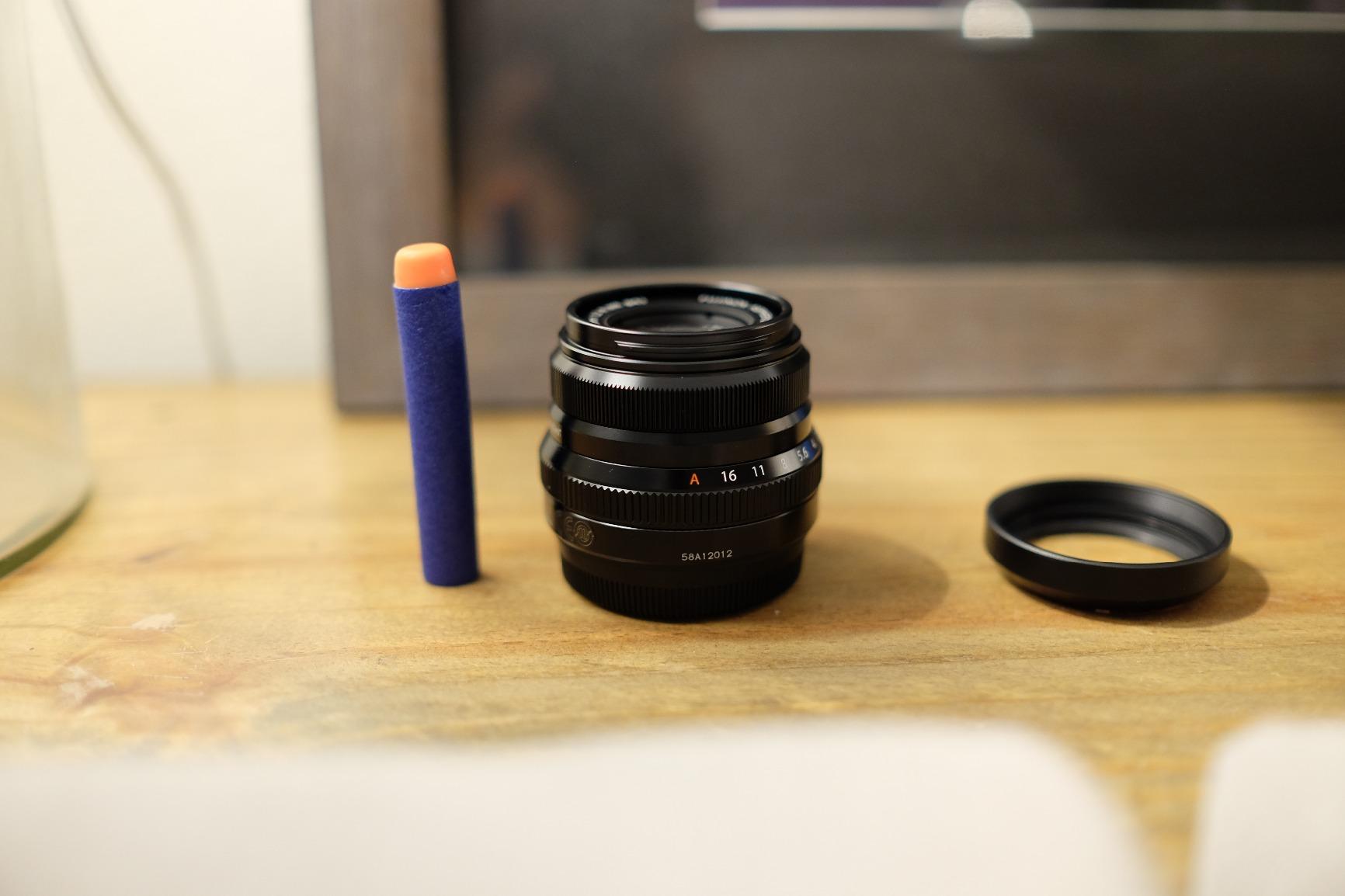
The 9-blade aperture produces genuinely beautiful bokeh at f/2, with smooth out-of-focus rendering that punches well above its price class. Image quality is sharp in the center from f/2, with corners catching up by f/4. Nano-GI coating does a respectable job of reducing ghosting and flare when shooting backlit subjects, which is something I encounter constantly in mid-afternoon street light.
The main downside is the aperture ring, which has click stops but can rotate when the camera bumps against your body in a bag. I have accidentally changed apertures a few times during travel days. There is also some vignetting visible in RAW files at f/2, although it is easily corrected in Lightroom.
For whom it’s good
This lens shines for photographers who want a slightly tighter field of view than 35mm equivalent, or who shoot a mix of street and environmental portraits. Documentary photographers who need subject separation will appreciate the 9-blade bokeh, and anyone working in variable weather will value the 8-point sealing.
For whom it’s bad
If you prefer getting close to subjects and working in tight spaces, the 53mm equivalent may feel restrictive. Beginners who have not yet found their preferred focal length might find the 35mm f/2 more flexible. Photographers who shoot RAW and dislike vignetting correction should also consider the f/1.4 version instead.
3. Fujinon XF18mmF2 R – Compact Wide Angle
Pros
- Small and lightweight
- Sharp center rendering
- Close 0.18m focus
- Pleasant wide bokeh
- Solid build quality
Cons
- Focus-by-wire feels disconnected
- AF depends on body
- Corner softness at some apertures
- No weather sealing
The Fujinon XF 18mm f/2 R is the lightest native wide-angle Fuji makes, weighing just 116 grams and giving you a 27mm equivalent field of view. I carried this lens during a two-week trip through Lisbon and Porto, and it rarely left the camera. The compact dimensions make it feel almost like a pancake on an X-E4, and the 76.5-degree angle of view is forgiving for travel and architectural street work.
Image quality is excellent in the center from f/2, with sharpness dropping slightly toward the corners. The 7-blade aperture produces clean, geometric sunstars when stopped down to f/8, which is a nice bonus for night street scenes. The close-focusing distance of 0.18m is also impressive for a wide-angle prime, allowing you to get within inches of subjects for environmental portraits.
The downsides are real but manageable. This is the older XF series design, so it uses a focus-by-wire manual focus system that lacks the tactile feel of mechanical focus rings. Autofocus speed depends heavily on the camera body, and on older X-Trans II sensors it can feel sluggish. There is no weather sealing either, so I would not take this lens into rain without protection.
For a used price that often dips well under $400, the XF 18mm f/2 is hard to beat if you want a wide street option and can live without weather sealing. I still keep one in my bag for travel days when I want a wide perspective.
For whom it’s good
This lens is ideal for travel photographers who want a wide street option without the bulk of larger ultra-wide primes. Documentary shooters working in tight markets, alleys, or staircases will appreciate the 27mm equivalent. Anyone on a budget who wants a native Fuji wide prime should put this near the top of their list.
For whom it’s bad
If you shoot in unpredictable weather, the lack of sealing is a deal-breaker. Photographers who prioritize silent, fast autofocus for candid moments may also prefer the newer XF 16mm f/2.8 WR instead. Manual focus purists who dislike focus-by-wire should look elsewhere.
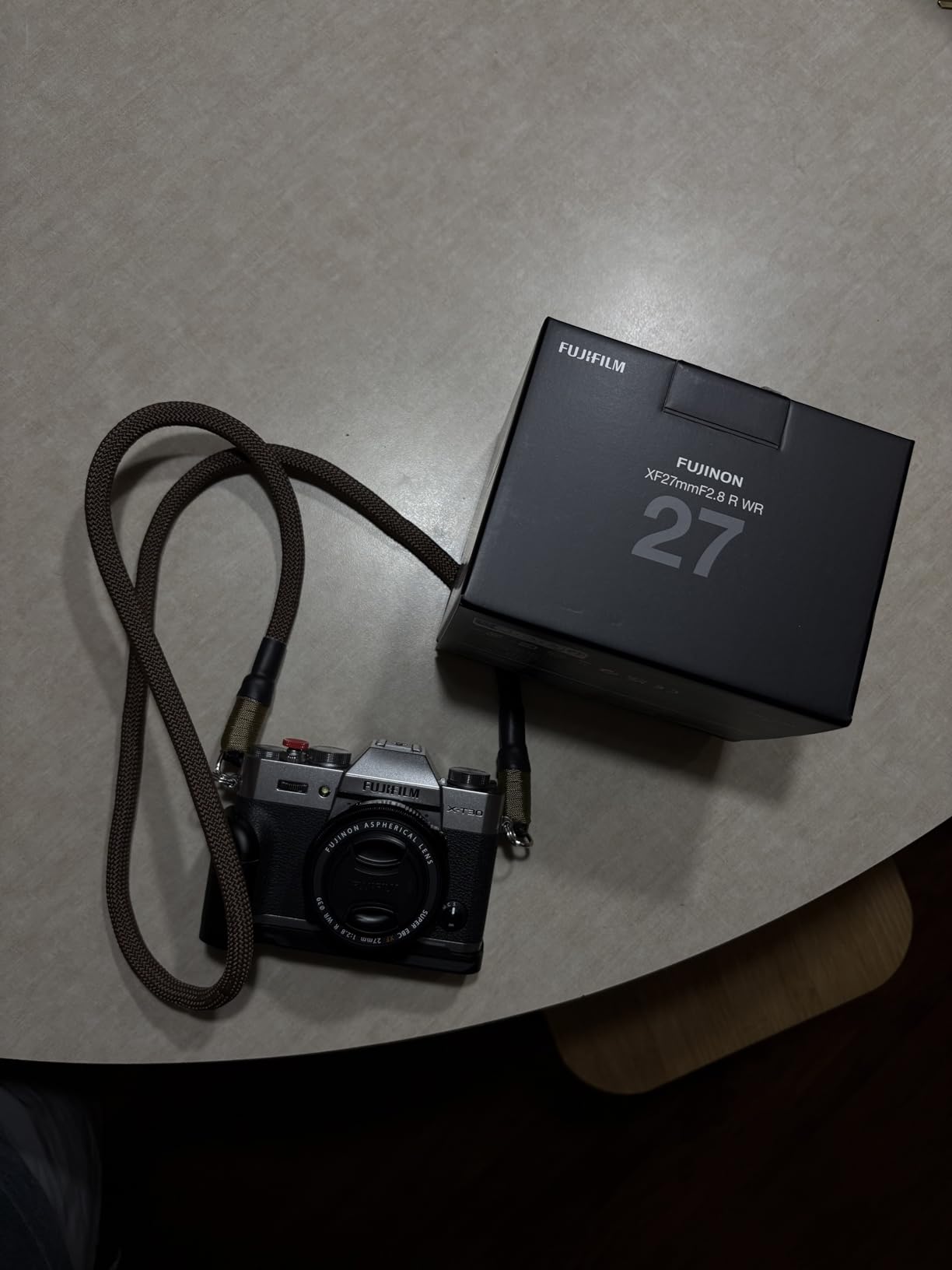
4. Fujinon XF27mmF2.8 R WR – Pocket-Sized Pancake
Pros
- Incredibly small at 84g
- Strong image quality in tiny package
- Weather resistant
- Has aperture ring
- Silent autofocus operation
Cons
- AF can be noisy for video
- No image stabilization
- Slower AF than f/2 primes
The Fujinon XF 27mm f/2.8 R WR is the smallest lens in this roundup at just 84 grams, making it the most pancake-style option for street photographers who hate carrying weight. I attached it to an X-E4 and walked around for six hours without ever noticing the camera in my bag. The 40mm equivalent focal length is a sweet spot that mimics natural field of view.
Image quality is impressive considering the size. From f/2.8 the lens is sharp across most of the frame, with corners softening slightly wide open and improving by f/5.6. The aperture ring has a lock button to prevent accidental changes, which is a thoughtful addition for street shooters who toss their camera into bags.

Weather sealing is rated down to 14°F, although the pancake design means there is no rotating front element. Autofocus uses a coreless DC motor that is quieter than the older 18mm f/2, though not as silent as the latest stepping-motor XF lenses. There is no image stabilization, but at 40mm equivalent most street photographers shoot at fast enough shutter speeds to compensate.
Reviewers on forums like r/fujifilm consistently call this the best everyday-carry lens, and I agree. It is the lens I recommend to anyone who wants the smallest possible Fuji kit.
For whom it’s good
The XF 27mm f/2.8 R WR is perfect for travel photographers and everyday-carry shooters who refuse to carry a heavy camera. Beginners will love the forgiving 40mm equivalent focal length, and anyone using an X-E or X-Pro series body will appreciate how well it balances. Photographers who shoot documentary work at a walking pace will find the AF speed adequate.
For whom it’s bad
Sports and fast-action street photographers will find the AF slower than f/2 primes. Video shooters who need silent AF should look at the 23mm or 35mm f/2 instead. Anyone who needs the absolute best image quality at f/1.4 will also want to skip this lens.
5. Fujinon XF16mmF2.8 R WR – Ultra-Wide Specialist
Pros
- Compact and lightweight
- Edge-to-edge sharpness
- 9-point weather sealing
- Fast stepping motor AF
- Strong value
Cons
- Not as sharp as f/1.4 version
- Plastic build feel
- Frame lines on optical viewfinder
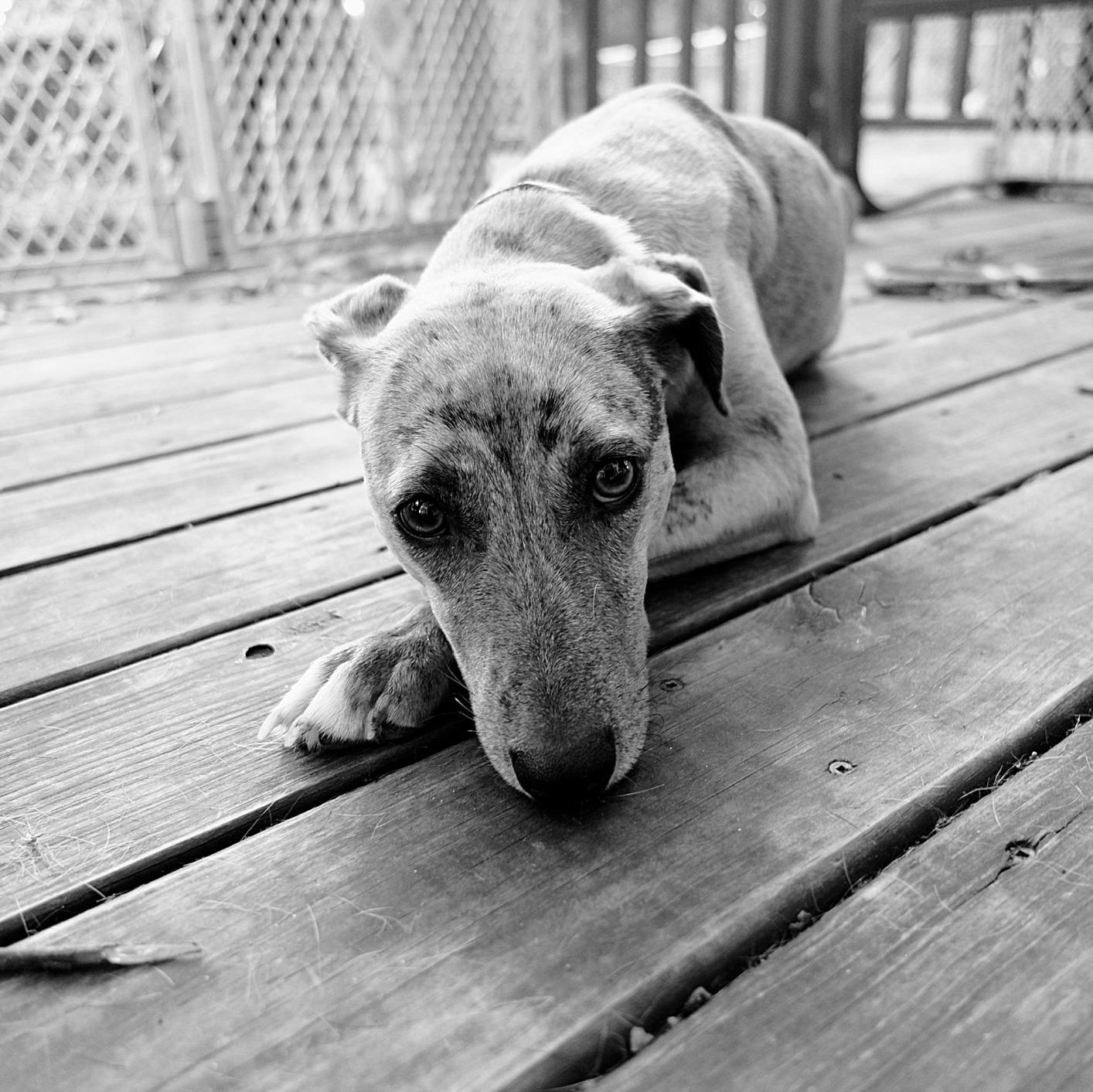
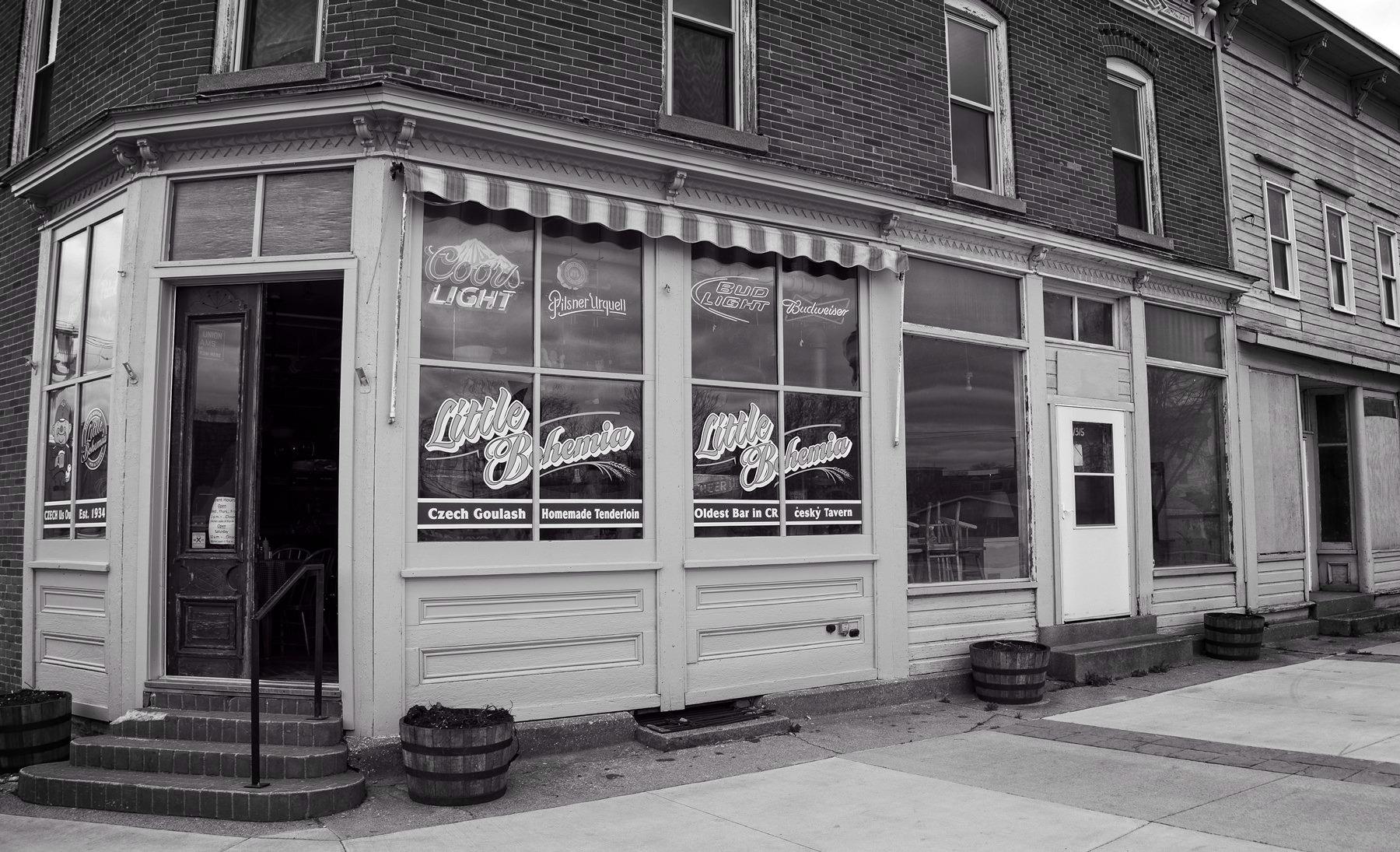
The Fujinon XF 16mm f/2.8 R WR delivers a 24mm equivalent field of view in a 155-gram body that is barely larger than the XF 27mm pancake. I used this lens during a foggy weekend in San Francisco and was impressed by how naturally it captured the city’s steep streets and tight alleys. The 83.2-degree angle of view gives you dramatic environmental context.
Image quality is sharp from edge to edge when stopped down to f/4, with only mild softness wide open. The 10-element optical design includes two aspherical elements that keep distortion well controlled for a wide-angle prime. The stepping motor is fast and silent, and the 9-point weather sealing has held up to light rain during my testing.
The plastic construction does feel slightly less premium than the metal 23mm and 35mm f/2 primes, although it is still well-built. One quirk: on Fuji X-Pro cameras with optical viewfinders, the frame lines for 16mm are not ideal for street framing, and you may want to use the electronic viewfinder or LCD instead.
For a street photographer who specifically wants ultra-wide environmental shots, this lens offers an unbeatable combination of size, sharpness, and weather sealing. It is also one of the better values in the XF lineup.
For whom it’s good
Photographers who want an ultra-wide street perspective without the bulk of traditional ultra-wide primes will love this lens. Travel shooters capturing architecture, interiors, and cityscapes will appreciate the 24mm equivalent field of view. Anyone needing weather sealing in a small package should shortlist this lens.
For whom it’s bad
If you prefer tighter framing for portraits or candid moments, the 24mm equivalent may feel too wide. Photographers who want premium metal build quality should consider the 23mm f/2 or 35mm f/2 instead. Anyone shooting exclusively on an X-Pro3 with optical viewfinder may also find the frame lines awkward.
6. Fujifilm XF35mmF1.4 R – Classic Portrait Prime
Pros
- Stunning image quality
- f/1.4 low-light aperture
- Premium metal barrel
- Beautiful 7-blade bokeh
- Excellent color rendition
Cons
- Slow noisy autofocus motor
- No image stabilization
- Focus-by-wire manual focus
- Higher price point
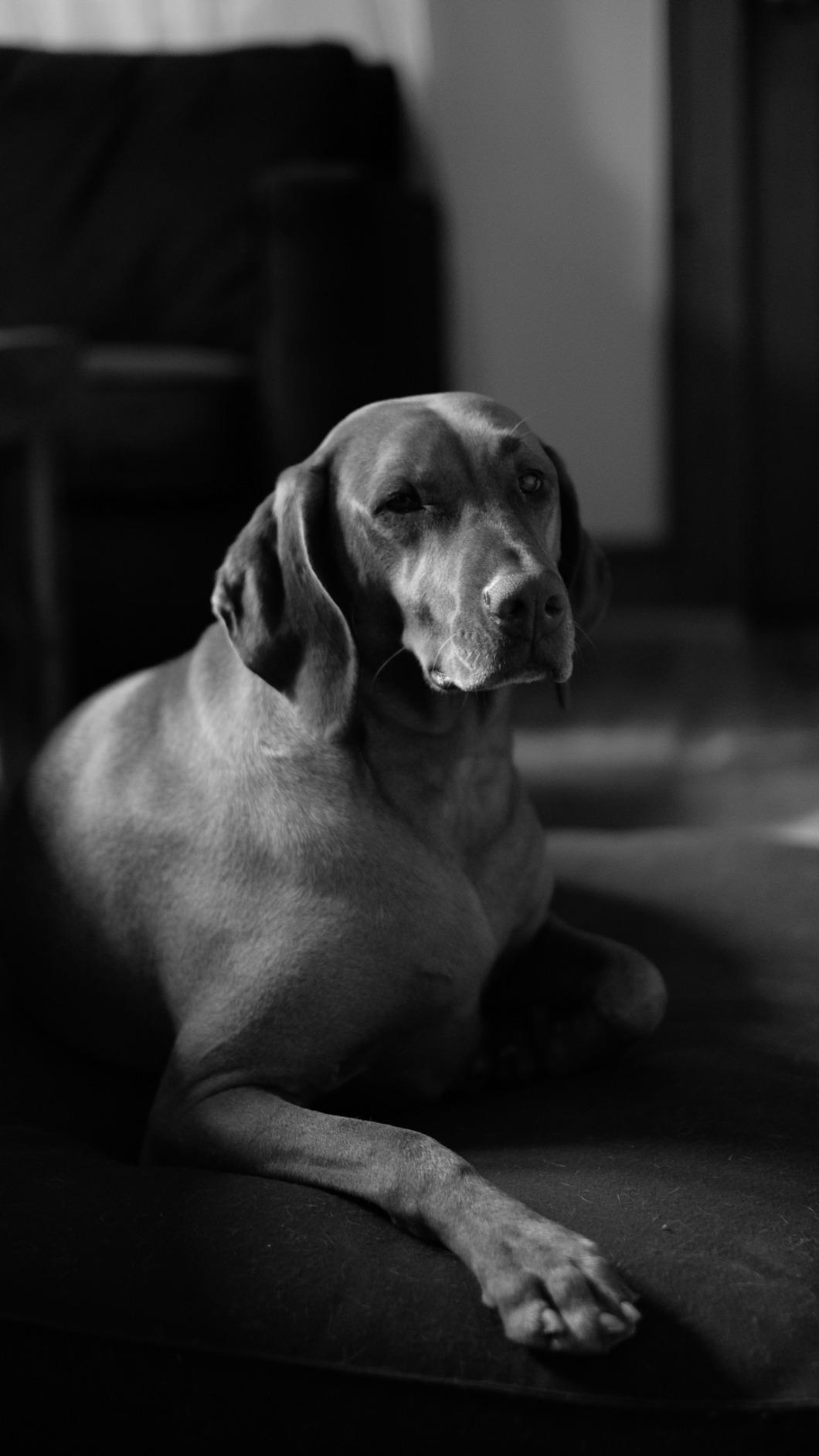
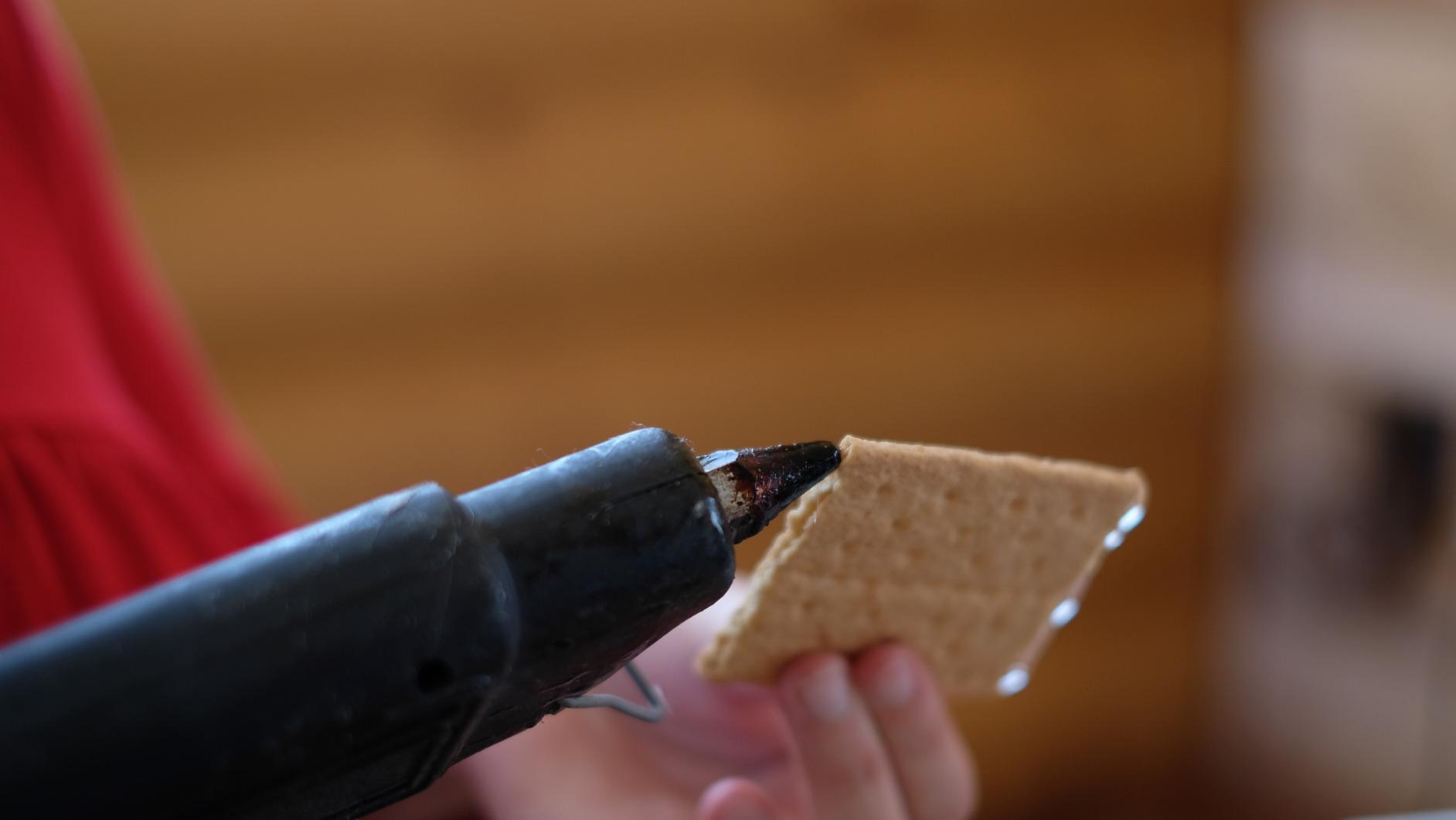
The Fujifilm XF 35mm f/1.4 R is the original portrait and street prime for the X-mount system, and it remains one of the most optically impressive lenses Fuji has ever made. I rented this lens for a wedding and street shoot combo and was blown away by the rendering, especially wide open at f/1.4. The 53mm equivalent focal length is classic for environmental portraits.
Image quality is exceptional. Sharpness, contrast, and color rendition are all class-leading, and the bokeh at f/1.4 has a creamy, organic quality that newer lenses struggle to match. The metal barrel feels substantial in the hand, and the aperture ring has satisfying clicks.
There are real trade-offs, however. The autofocus motor is older and noticeably slower than the newer f/2 primes, and it is louder as well. For street photography in fast-changing conditions, this can mean missing shots that the 35mm f/2 would catch. There is also no image stabilization and no weather sealing.
The XF 35mm f/1.4 is a lens for photographers who prioritize image quality and bokeh above all else. If you mostly shoot static subjects or controlled street scenes where speed matters less than rendering, this is one of the best Fuji lenses ever made.
For whom it’s good
Portrait and environmental portrait shooters will love the f/1.4 rendering and creamy bokeh. Photographers who work in low light and need the extra stop of aperture will benefit from this lens. Anyone who values classic Fuji character over modern AF speed should consider this lens.
For whom it’s bad
Candid street photographers who need silent, fast autofocus will be frustrated by this lens. Anyone working in weather will want the WR-sealed 35mm f/2 instead. Budget-conscious shooters should also consider third-party alternatives with similar apertures at lower prices.
7. Viltrox AF 13mm F1.4 XF – Third-Party Ultra-Wide
VILTROX AF 13mm F1.4 XF Lens for Fuji-X Mount, f/1.4 Large Aperture Ultra Wide Angle APS-C Prime Lens for Fuji Camera X-T5 X-T50 X-E5 X-T30 III X-M5 X-H2 X-H2S X-S20
Pros
- Excellent value for money
- Fast and quiet STM AF
- Sharp across aperture range
- Great bokeh and color
- Supports eye AF and EXIF
Cons
- No weather sealing
- Plastic construction
- Some purple fringing
- Heavier than native options
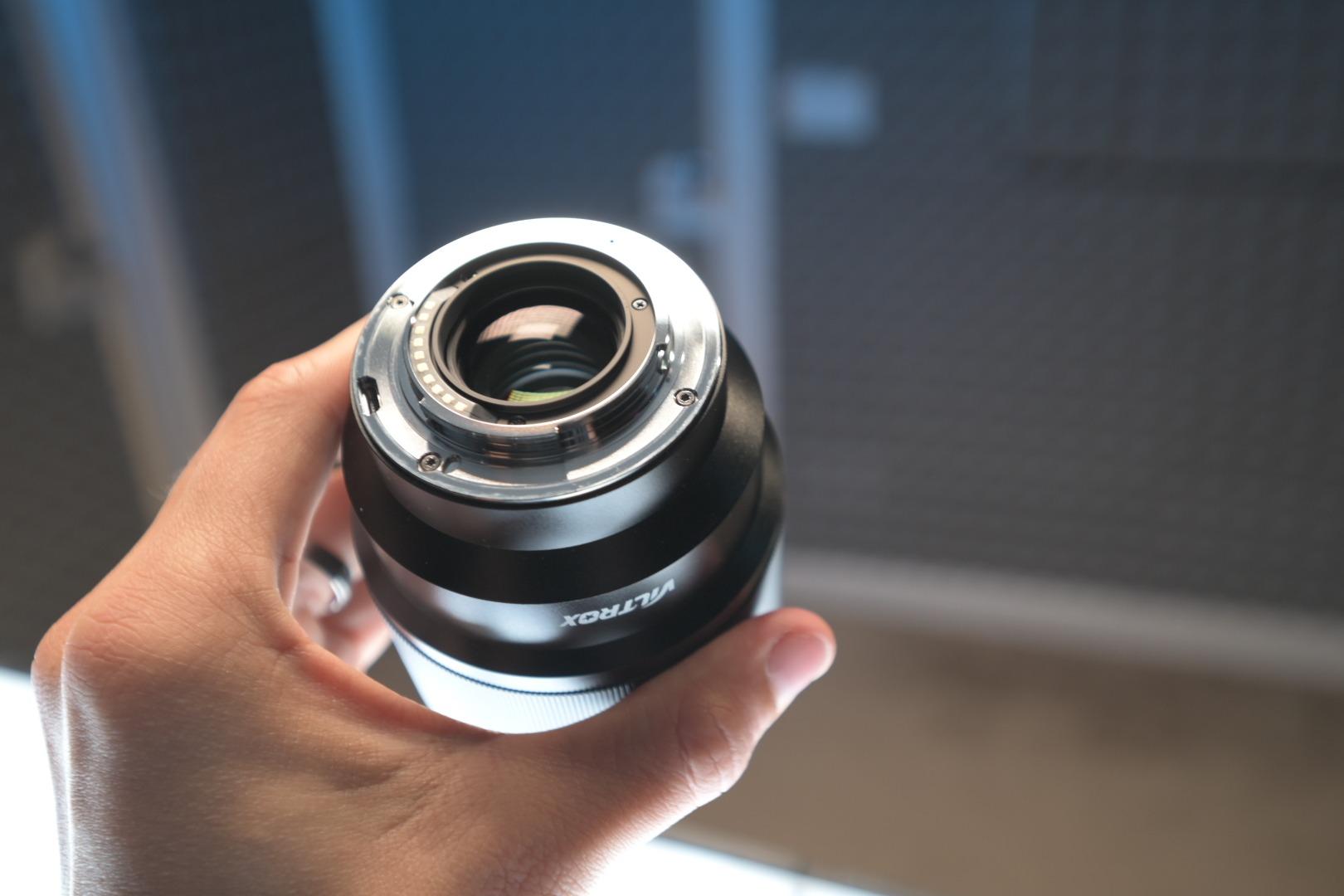
The Viltrox AF 13mm f/1.4 XF is the most impressive third-party ultra-wide currently available for Fuji X-mount. I tested this lens during a night photography walk in Osaka and was genuinely surprised by the image quality at f/1.4. The 94-degree angle of view is wider than anything in the native XF lineup, and the f/1.4 aperture is faster than any native ultra-wide.
Autofocus is the headline feature. The STM stepping motor is fast and quiet, and it supports eye AF and EXIF transmission on modern Fuji bodies. Viltrox also includes a USB-C port for firmware upgrades, which is something even native lenses lack. Build quality is solid if not premium, with a metal mount and a substantial feel.

The 14-element, 11-group optical design delivers sharp images across most of the frame, with only minor softness at the extreme corners wide open. The 9-blade aperture produces smooth bokeh for an ultra-wide, and color rendition is excellent thanks to the nano-multi-layer coating. The lens is heavier than native wide primes at 420 grams, but it balances well on larger X-T and X-H bodies.
There is no weather sealing, so I would not take this lens into rain without protection. The plastic construction also does not feel as premium as metal Fuji primes, and some users have reported purple fringing on high-contrast scenes.
For whom it’s good
Astrophotography and night street photographers will love the f/1.4 aperture at this focal length. Landscape and architecture shooters will appreciate the 20mm equivalent and sharp optics. Budget-conscious photographers who want a fast ultra-wide should put this lens at the top of their shortlist.
For whom it’s bad
Photographers who need weather sealing for unpredictable conditions should look at native Fuji WR lenses instead. Shooters who prioritize premium build quality may prefer metal Fuji primes. If you mostly shoot in good weather and want an ultra-wide, the Fuji XF 16mm f/2.8 is also worth considering.
8. Meike 33mm F1.4 AF STM – Budget 50mm Champion
Pros
- Exceptional value
- Fast accurate AF
- Beautiful 9-blade bokeh
- Sharp at f/1.4
- Clicky aperture ring
- Solid metal mount
Cons
- Vignetting at f/1.4
- Slight flare in direct sun
- No weather sealing
- Plastic body
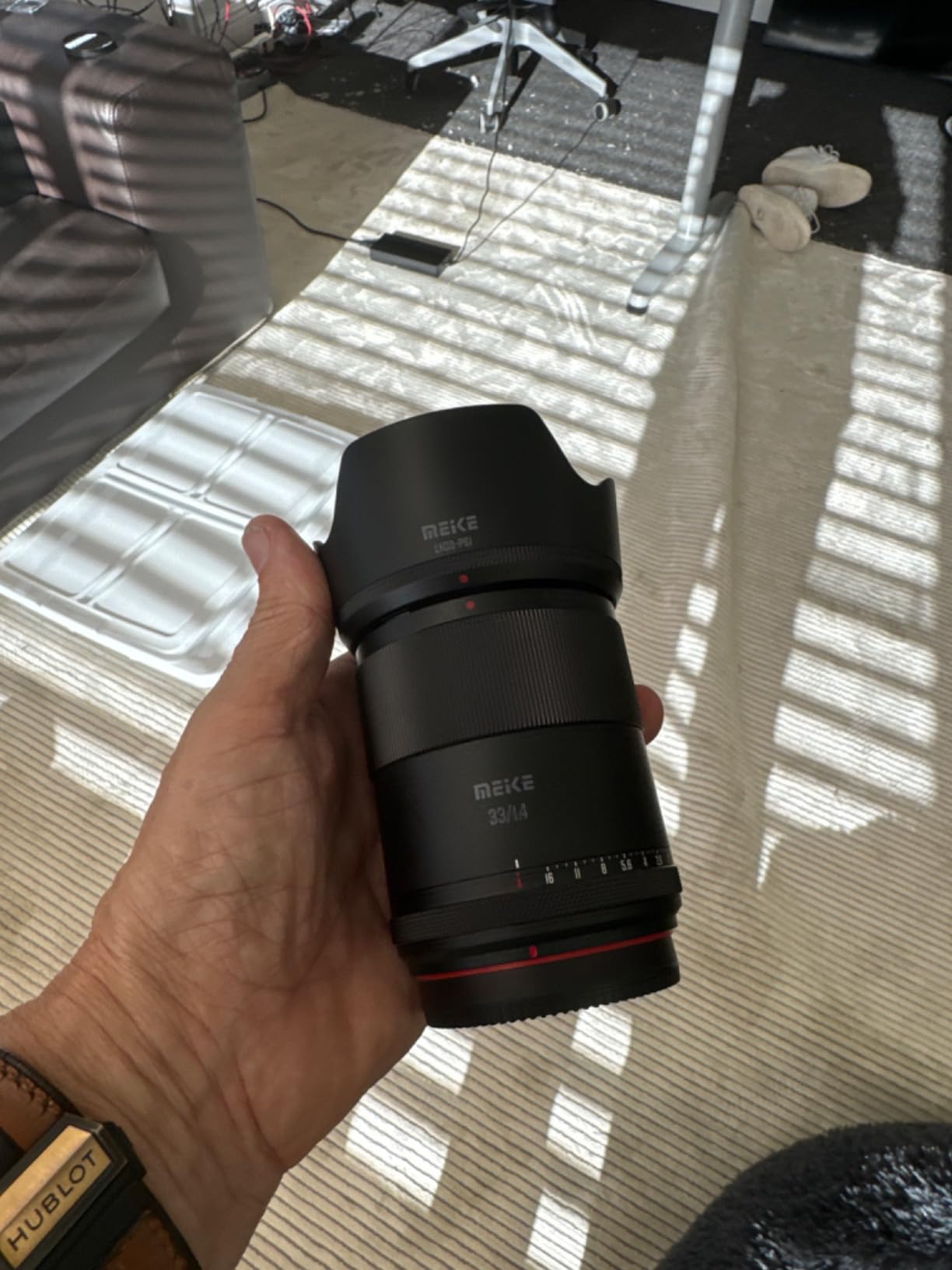
The Meike 33mm f/1.4 AF STM is the budget hero of this roundup. At a fraction of the cost of the Fuji XF 35mm f/1.4, it delivers an almost identical 50mm-equivalent field of view with surprisingly strong image quality. I tested this lens on an X-T5 and was genuinely impressed by the autofocus speed and the creamy bokeh wide open.
Image quality is sharp at f/1.4 in the center, with corners catching up by f/2.8. The 9-blade aperture produces beautiful, rounded bokeh that looks much more expensive than the lens actually is. The STM stepping motor is fast and silent, and Meike includes a Type-C firmware upgrade port for future compatibility updates.
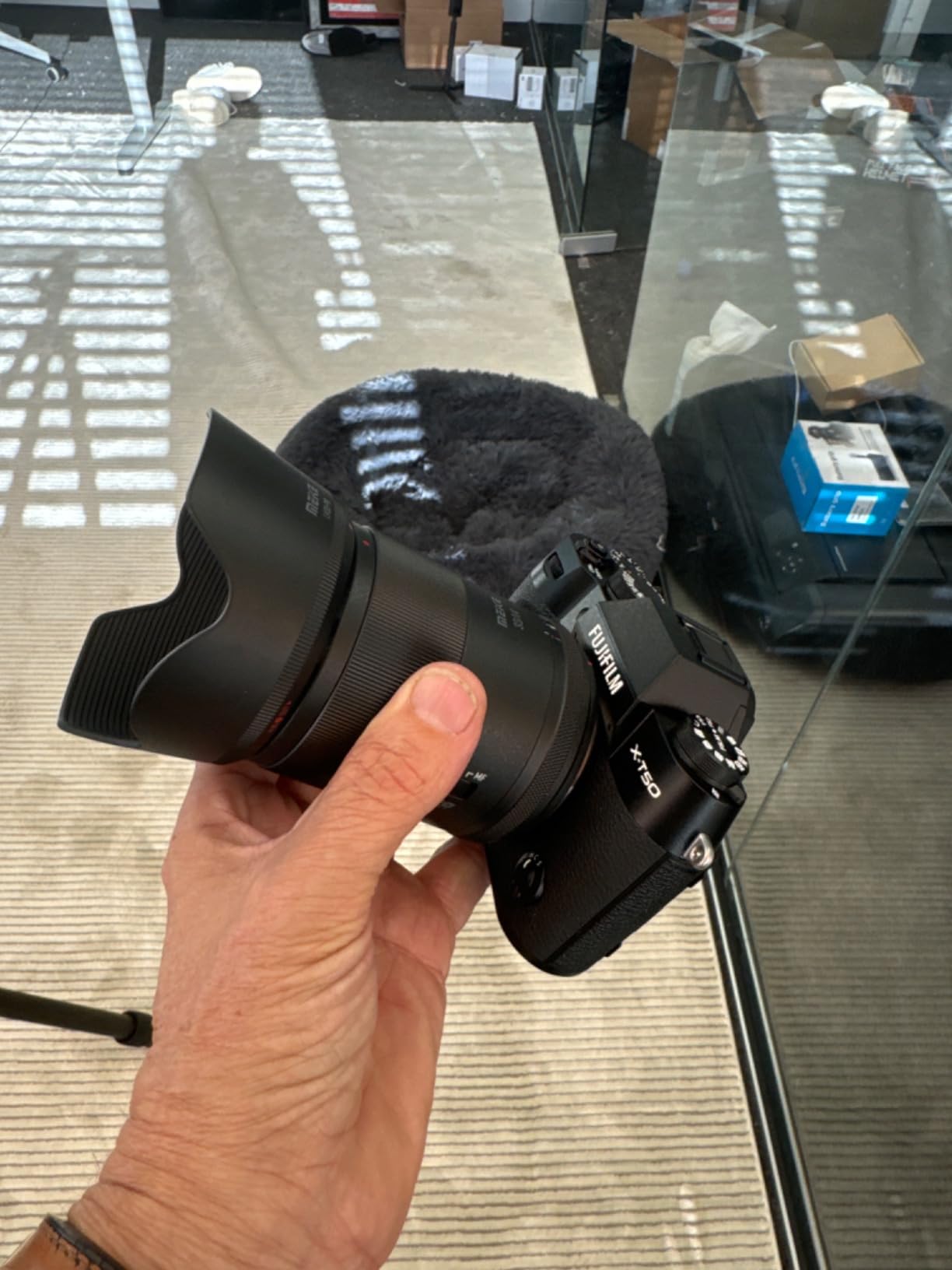
The build quality is solid considering the price. The metal mount inspires confidence, and the clicky aperture ring has precise stops. The plastic body keeps weight down to 320 grams, which is reasonable for a 50mm equivalent prime.
There are minor optical quirks. Vignetting is visible at f/1.4 in RAW files, although it is easily corrected. Direct sunlight can produce some flare despite the multi-coating. There is no weather sealing, so I treat this lens as a fair-weather option.
For whom it’s good
Beginners and budget-conscious photographers will get the best value from this lens. Anyone who wants a fast 50mm equivalent for portraits and street portraits without breaking the bank should buy this lens. Photographers curious about third-party glass will find Meike a great entry point.
For whom it’s bad
Photographers who need weather sealing for unpredictable shooting conditions should consider native Fuji WR lenses instead. Shooters who want the absolute best optical performance wide open may also prefer the Fuji XF 35mm f/1.4. Anyone working in heavy rain or snow should not rely on this lens.
How to Choose the Best Fuji Lens for Street Photography?
Choosing the best Fuji lens for street photography comes down to four factors: focal length, aperture, size and weight, and weather sealing. Get these right and you will love your lens; ignore them and you will leave the camera at home.
Focal Length: The Most Personal Choice
Focal length is the single most subjective decision in street photography. A 35mm equivalent is the classic choice because it balances context with subject isolation, but the right answer depends on how close you are willing to get to strangers. The XF 23mm f/2 R WR and XF 35mm f/2 R WR cover the two most popular 35mm-equivalent options, while the XF 18mm f/2 and XF 16mm f/2.8 give you wider environmental framing. For tighter portraits and candids, the XF 35mm f/1.4 or the Meike 33mm f/1.4 deliver a 50mm equivalent that mimics the field of view of classic Leica reportage primes.
Forum users on r/fujifilm often recommend starting with a 35mm equivalent because it is the most flexible field of view for general street work. If you are still unsure, the XF 27mm f/2.8 R WR pancake gives you a versatile 40mm equivalent in a tiny package, and you can always add a wider or longer prime later.
Aperture: f/2 vs f/1.4 Trade-Offs
Fujifilm offers most popular focal lengths in both f/2 and f/1.4 versions. The f/2 primes are smaller, lighter, weather-sealed, and have faster, silent autofocus. The f/1.4 primes deliver shallower depth of field and better low-light performance but trade off speed and size. For street photography specifically, the f/2 versions are usually the better choice because you rarely need f/1.4 in daylight, and the lighter, faster-focusing lens lets you react to candid moments.
That said, the f/1.4 primes have their place. The XF 35mm f/1.4 in particular produces legendary bokeh that the f/2 version cannot match, and photographers who shoot in low light or want subject separation will prefer it. If you mostly shoot at f/4 or f/5.6 anyway, the f/2 primes are clearly the smarter buy.
Size, Weight, and Body Pairing
Size and weight matter more than most reviews admit. A heavy lens changes how you hold the camera, how long you carry it, and even whether you bring it at all. The XF 27mm f/2.8 R WR pancake and XF 23mm f/2 R WR are both under 200 grams and disappear on smaller bodies. The XF 35mm f/1.4 at 187 grams is still light, but the larger aperture ring makes it feel chunkier than the f/2 versions.
Body pairing matters too. On an X-Pro3 or X-E4, smaller pancake-style lenses balance beautifully, while larger zooms can feel front-heavy. On an X-T5 or X-H2, you have more room for a substantial lens like the Viltrox 13mm f/1.4 or XF 35mm f/1.4 without losing balance.
Weather Sealing: Why WR Matters
The WR designation in Fujifilm lens names indicates weather resistance. It is not full waterproofing, but it does protect against light rain, snow, and dust. For street photographers who shoot in unpredictable conditions, WR sealing can be the difference between getting the shot and missing it. Most of the newer XF primes, including the 23mm f/2, 35mm f/2, 27mm f/2.8, and 16mm f/2.8, carry the WR badge.
Third-party lenses generally lack weather sealing, with rare exceptions. If you shoot in places like Tokyo, London, or the Pacific Northwest, WR sealing is worth prioritizing. The XF 18mm f/2 and XF 35mm f/1.4 are the two main native primes without WR, and both are better suited to fair-weather shooting.
Native vs Third-Party: What You Gain and Lose
Third-party lenses from Viltrox, Sigma, and Meike offer impressive value, often delivering f/1.4 apertures at half the price of native Fuji glass. The Viltrox 13mm f/1.4 and Meike 33mm f/1.4 in this roundup are great examples. However, third-party lenses generally lack weather sealing, may have less reliable firmware updates, and sometimes have slightly slower or less consistent autofocus on the latest Fuji bodies.
Native Fuji lenses cost more but offer tighter integration with the X-mount system, weather sealing on most modern primes, and proven reliability over many years. For most street photographers, native glass remains the safer investment, but third-party lenses are an excellent way to expand your kit on a budget.
Frequently Asked Questions
What is the best lens to use for street photography on a Fuji camera?
The Fujinon XF 23mm f/2 R WR is the best overall lens for street photography on Fuji cameras. It offers a 35mm-equivalent field of view, weighs just 180 grams, has weather sealing, and features near-silent autofocus that captures candid moments without drawing attention.
Is 50mm or 85mm better for street photography?
50mm equivalent is generally better for street photography than 85mm. The 50mm equivalent gives you enough working distance to capture candid moments without invading personal space, while 85mm forces you to stand farther back and often crops out environmental context. The XF 35mm f/2 R WR or Meike 33mm f/1.4 both deliver a 50mm-equivalent field of view that suits street work well.
Is 24mm too wide for street photography?
24mm equivalent is not too wide for street photography, but it depends on your style. The XF 16mm f/2.8 R WR at 24mm equivalent works well for environmental street photography, architecture, and tight alleys, but it can distort faces at very close distances. Beginners often find 35mm equivalent easier to frame, while experienced shooters may prefer 24mm or 28mm equivalent for documentary work.
Which Fuji camera body pairs best with street photography lenses?
The Fujifilm X-Pro3 and X-E4 are the most popular street photography bodies because their rangefinder-style design pairs naturally with compact primes like the XF 23mm f/2 and XF 27mm f/2.8 pancake. The X-T5 is also excellent for street work if you prefer an SLR-style body. All three pair well with the lenses in this roundup, though smaller bodies benefit most from pancake-style and compact f/2 primes.
What lens do most Fuji street photographers use?
Most Fuji street photographers use a 35mm equivalent prime, and the Fujinon XF 23mm f/2 R WR is by far the most popular choice. Forum discussions on r/fujifilm and r/streetphotography consistently rank the XF 23mm f/2 R WR as the top street lens because it combines compact size, weather sealing, fast autofocus, and the classic Henri Cartier-Bresson field of view. The XF 35mm f/2 R WR is the second most popular option for photographers who want tighter framing.
Final Verdict on the Best Lenses for Street Photography Fuji
After testing all eight of these lenses across multiple cities and weather conditions, the Fujinon XF 23mm f/2 R WR remains my top pick for the best lenses for street photography fuji shooters can buy. It is the lens I trust most when heading out for a long day of shooting, and it is the lens I recommend to every Fuji street photographer, beginner or professional.
For tighter framing or environmental portraits, the XF 35mm f/2 R WR is a worthy second choice. Budget-conscious shooters should look at the Meike 33mm f/1.4 for a 50mm equivalent that punches well above its price. And if you specifically want an ultra-wide perspective, the XF 16mm f/2.8 R WR or Viltrox 13mm f/1.4 both deliver excellent results. Whichever lens you pick, focus on the focal length that matches how close you want to get to your subjects, and you will enjoy street photography on Fuji for years to come.
For more Fuji lens recommendations, check out our guides to the best Fujifilm XF lenses, X-mount street lenses, and X-T5 street photography lenses. You can also browse our 28mm lens roundup for more wide-angle options.