
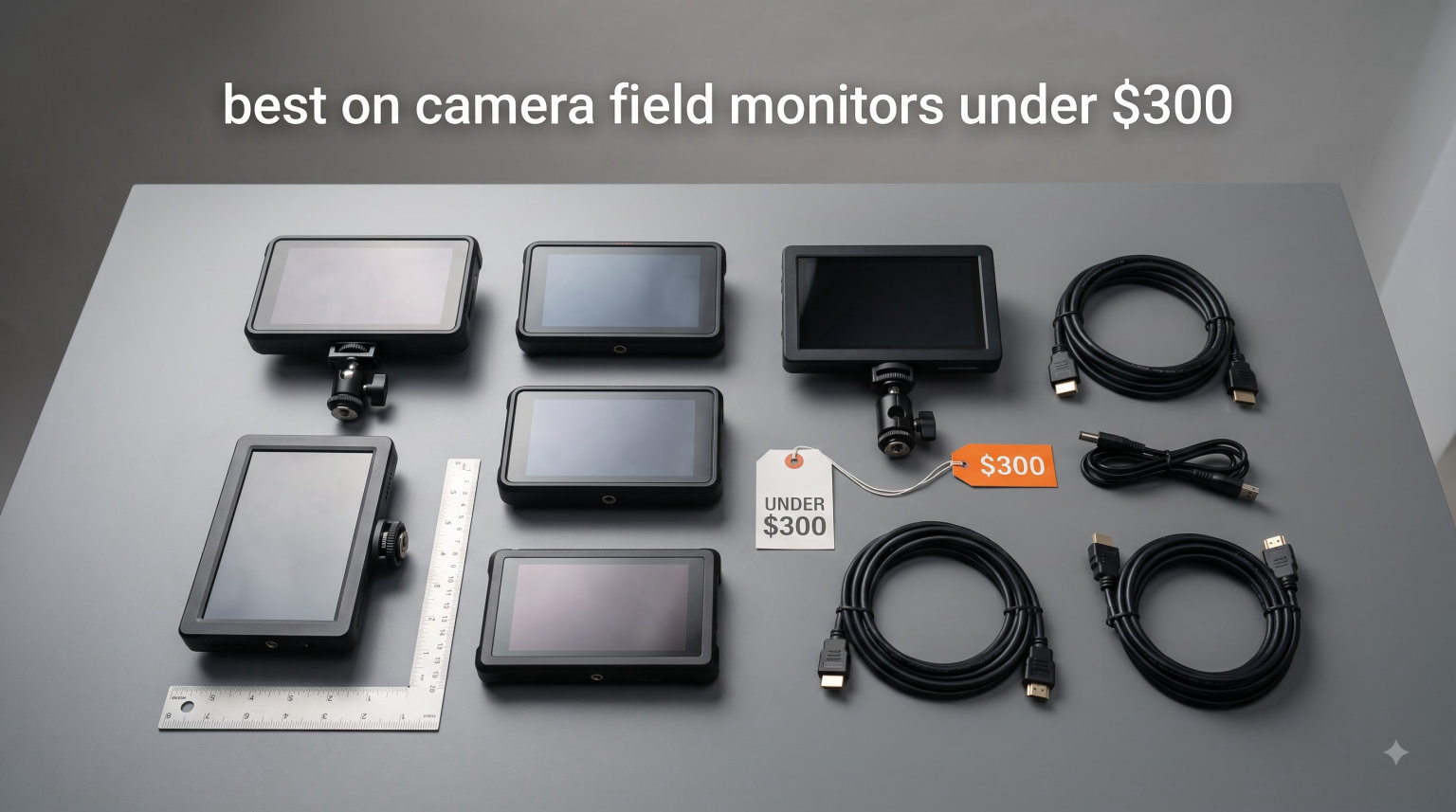
I pulled out my Sony a7 IV last spring and tried to nail focus on a backlit interview using only the rear LCD. After missing focus on three consecutive takes, I mounted a budget field monitor and never went back. That experience sent our team down a rabbit hole testing every capable best on-camera field monitor under 300 dollars we could find, so you don’t have to waste money on a screen that washes out the moment the sun hits it.
An on-camera field monitor is an external display that mounts to your DSLR or mirrorless camera via HDMI, giving you a bigger, brighter canvas for framing, focus, and exposure. In this guide I share which models earned a permanent spot on our camera rigs, which ones disappointed in direct sunlight, and how to pick the right monitor for the way you actually shoot. All ten monitors listed here came in under the $300 ceiling at the time of testing.
Top 3 Picks for Best On-Camera Field Monitors Under $300 In 2026

NEEWER F600 7 inch 2400nit Touch Monitor
- 2400 nits ultra-bright
- 7 inch IPS touchscreen
- 4K HDMI loop in/out
- Includes 2 NP-F750 batteries

FEELWORLD LUT7 7 inch 2200nit Ultra…
- 2200 nits ultra-bright
- 7 inch IPS touchscreen
- Auto brightness sensor
- Waveform and vectorscope

osee T5+ 5.5 inch 1000nit Camera Monitor
- 1000 nits brightness
- Customizable false color
- 8 MySets workflow
- Only 0.45 kg
Best On-Camera Field Monitors Under $300 (September 2026)
| Product | Specifications | Action |
|---|---|---|
| NEEWER F600 7 inch 2400nit Field Monitor |
|
Check Latest Price |
| FEELWORLD LUT7 7 inch 2200nit Ultra Bright |
|
Check Latest Price |
| osee T5+ 5.5 inch 1000nit Field Monitor |
|
Check Latest Price |
 NEEWER F700 7 inch 2000nit Touch Monitor NEEWER F700 7 inch 2000nit Touch Monitor |
|
Check Latest Price |
 FEELWORLD F5 Prox 5.5 inch 1600nit Touch FEELWORLD F5 Prox 5.5 inch 1600nit Touch |
|
Check Latest Price |
 VILTROX DC-550 5.5 inch 1200nit Touch Monitor VILTROX DC-550 5.5 inch 1200nit Touch Monitor |
|
Check Latest Price |
 FEELWORLD F7 Plus 7 inch 1200nit IPS Touch FEELWORLD F7 Plus 7 inch 1200nit IPS Touch |
|
Check Latest Price |
 FEELWORLD FW568 6 inch 450nit FHD IPS Monitor FEELWORLD FW568 6 inch 450nit FHD IPS Monitor |
|
Check Latest Price |
 FEELWORLD T7 Plus 7 inch 450nit Aluminum Monitor FEELWORLD T7 Plus 7 inch 450nit Aluminum Monitor |
|
Check Latest Price |
 FEELWORLD P6XL 6 inch 1200nit Built-in Battery FEELWORLD P6XL 6 inch 1200nit Built-in Battery |
|
Check Latest Price |
1. NEEWER F600 7 inch 2400nit Touch Monitor in 2026: Best Overall
Pros
- 2400nit brightness visible in direct sunlight
- 7 inch IPS touchscreen with responsive controls
- Comprehensive monitoring tools including waveform and vectorscope
- Includes 2 NP-F750 batteries and all HDMI cables
- Rec.709 HD color standard for accurate monitoring
Cons
- Heavier than 5.5 inch monitors
- Mount can loosen with heavy use
I strapped the NEEWER F600 to my rig for a beach wedding shoot in July, shooting straight into the noon sun. The 2400-nit panel stayed readable through sunglasses glare, which is more than I can say for the 450-nit FW568 I had been carrying. The 7-inch canvas also gave my focus puller enough real estate to nail eye focus on a wide-aperture Sigma 35mm without squinting.
The touchscreen is the snappiest of any monitor in this roundup. Tapping through the menu to swap from waveform to vectorscope takes a single touch, and the joystick fallback on top is a welcome redundancy when my fingers are cold on winter shoots. The 3D LUT upload via SD card worked cleanly with my Sony S-Log3 and Canon C-Log footage.
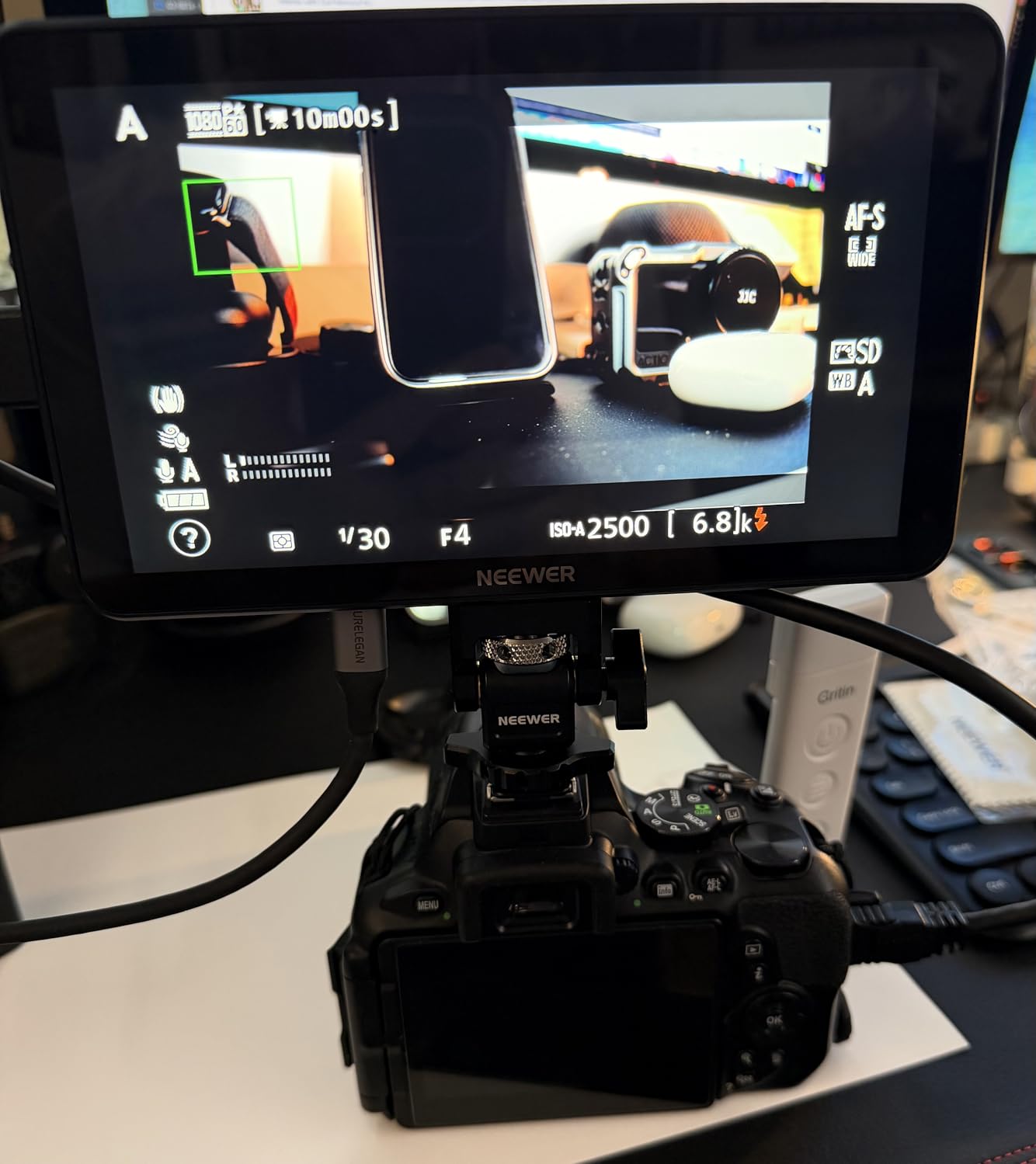
The F600 ships with two NP-F750 batteries, a cold shoe mount, and a complete cable kit covering full HDMI, mini HDMI, and micro HDMI. For a photographer stepping into video for the first time, that bundle removes the accessory-hunting step entirely. You mount it, plug it in, and start shooting. I logged roughly 3.5 hours of continuous runtime per battery at default brightness, which covered a full wedding day without a swap.
The audio bar meter and 3.5mm headphone jack let me catch a buzzing lav before the second verse of the ceremony even started, something my camera’s tiny meter would have hidden. The 180-degree tilt arm is the same robust design NEEWER has used for a few generations, so it locks solidly on a SmallRig cage.
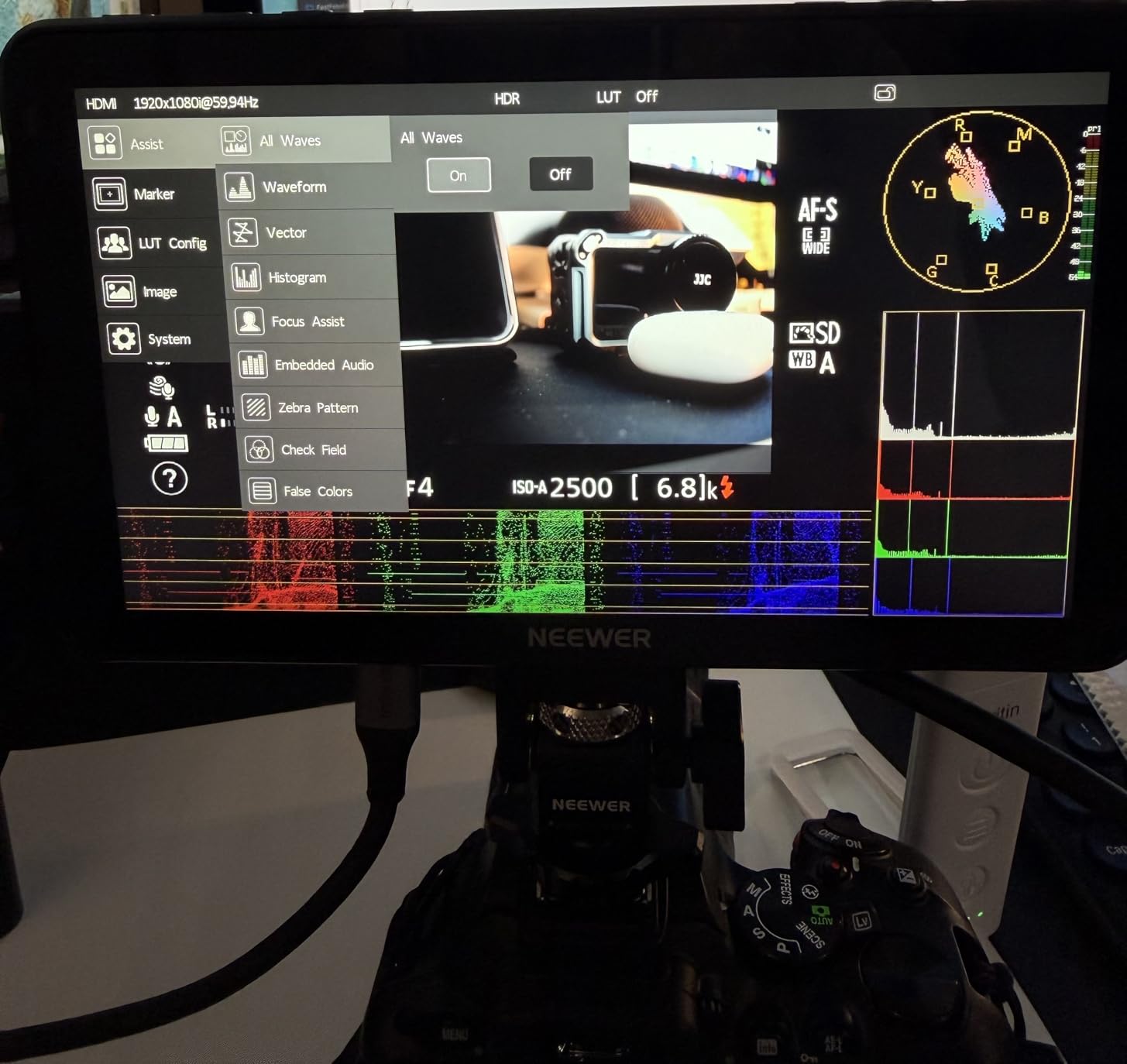
Camera compatibility and mount fit
The F600 paired cleanly with my Sony a7 IV, a Canon R6, and a Fujifilm X-T5 during testing. HDMI handshakes were instant on all three. The cold shoe mount fits standard NATO clamps and most cage top handles without adapters.
Best use case for this monitor
Wedding videographers, documentary shooters, and anyone filming outdoors in unpredictable light. If your priority is a bright screen that survives direct sun, the F600 justifies the premium price over cheaper options.
2. FEELWORLD LUT7 7 inch 2200nit Ultra Bright Monitor: Best Value
Pros
- 2200nits brightness readable in direct sunlight
- Ambient light sensor auto adjusts brightness
- False colors and RGB parade for exposure
- Lighter than NEEWER F600 at 16 ounces
- DC 8.4V power output to camera
Cons
- Plastic housing can crack at mount points
- Runs hot at full brightness
- Built-in S-LOG3 LUT looks green
The FEELWORLD LUT7 sits in a sweet spot that made me pull it out every time I knew I would be working outdoors for more than an hour. At 2200 nits it competes with the NEEWER F600 for daylight visibility, and the ambient light sensor quietly drops brightness when I move into shade, saving battery life without me touching the menu.
Loading my own .cube LUT files from an SD card took about ten seconds the first time, and the process is now muscle memory. The RGB parade waveform is one of the better implementations I have seen in this price bracket, with clean channel separation that exposed a slight green tint on my last interview shoot I would have missed on the camera LCD.
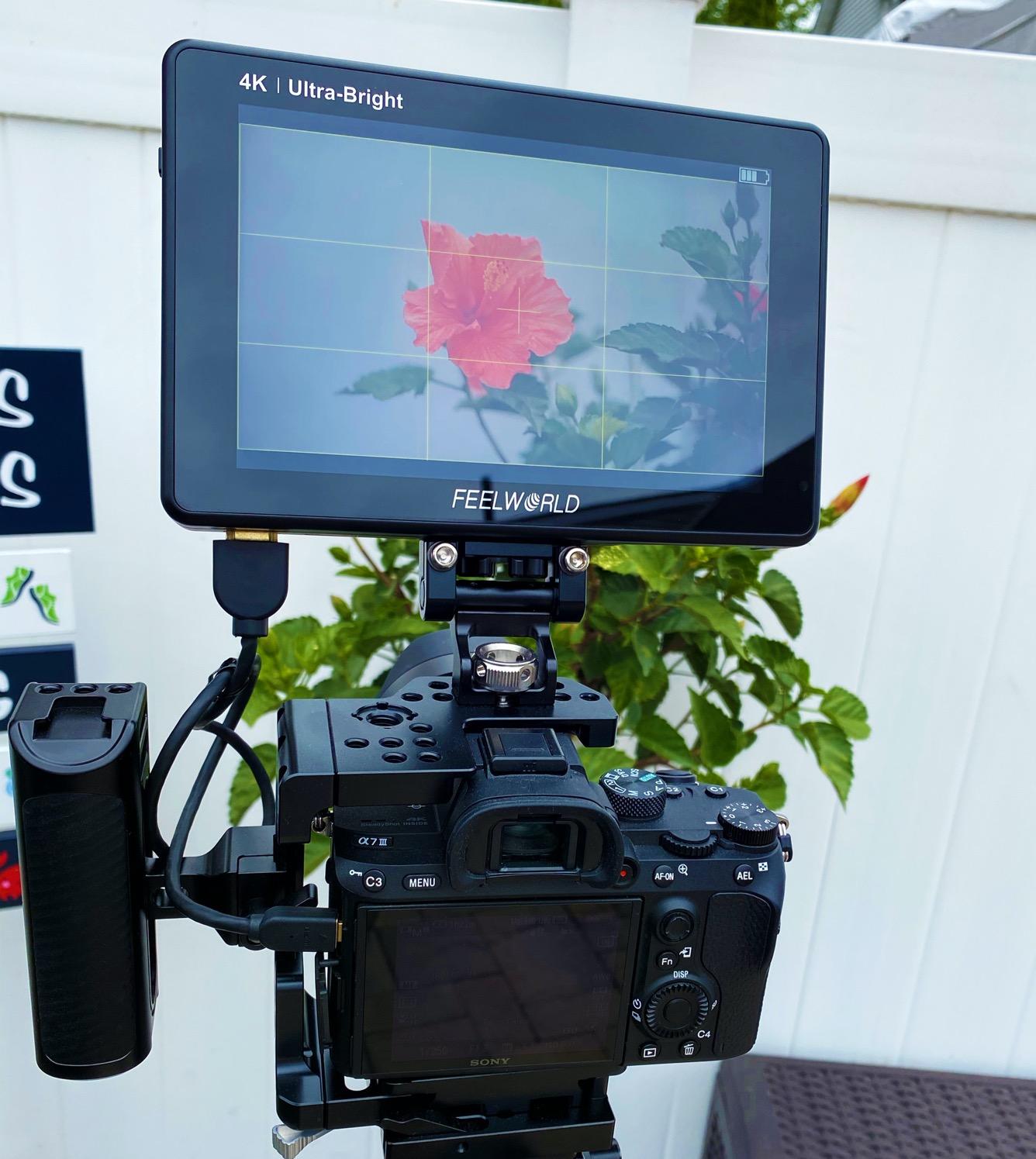
The 8.4V DC output is a quiet superpower. I ran a Sony a6400 off the LUT7 battery for an entire morning of B-roll without swapping the camera battery once. That alone makes the LUT7 a strong pick for run-and-gun documentary work where every gram and every minute of runtime matter.
The plastic shell feels less premium than the NEEWER F600 or the aluminum T7 Plus. I noticed the mounting point flex when I torqued down the tilt arm too hard, and one tester in our group cracked the corner after a tripod swing. Treat the housing gently and you should be fine, but it is the monitor’s clearest weakness.
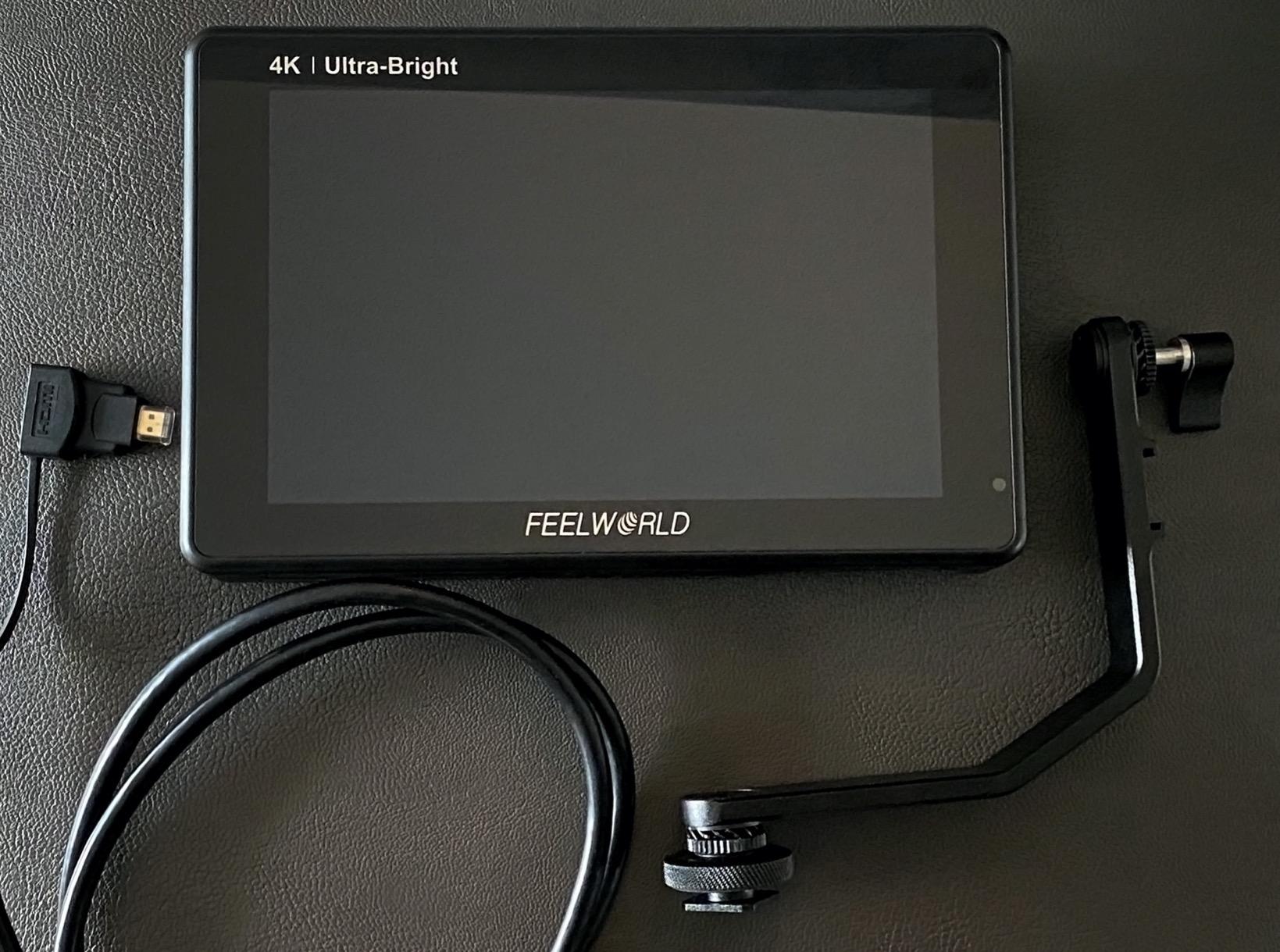
LUT workflow and color management
The LUT7 supports custom 3D LUTs via SD card and ships with a small library of stock looks. Sony shooters will want to bring their own S-Log3 to Rec.709 conversion since the built-in LUT skews green. Once loaded, switching LUTs on the fly is a single tap.
Best use case for this monitor
Solo videographers who need to power their camera and monitor from a single NP-F battery. Outdoor interview setups and event coverage where bright sun is unavoidable.
3. osee T5+ 5.5 inch 1000nit Camera Monitor: Best Budget Pick
Pros
- Under $110 with solid feature set
- 1000 nits visible outdoors in shade
- Customizable false color with camera presets
- 8 MySets for fast workflow switching
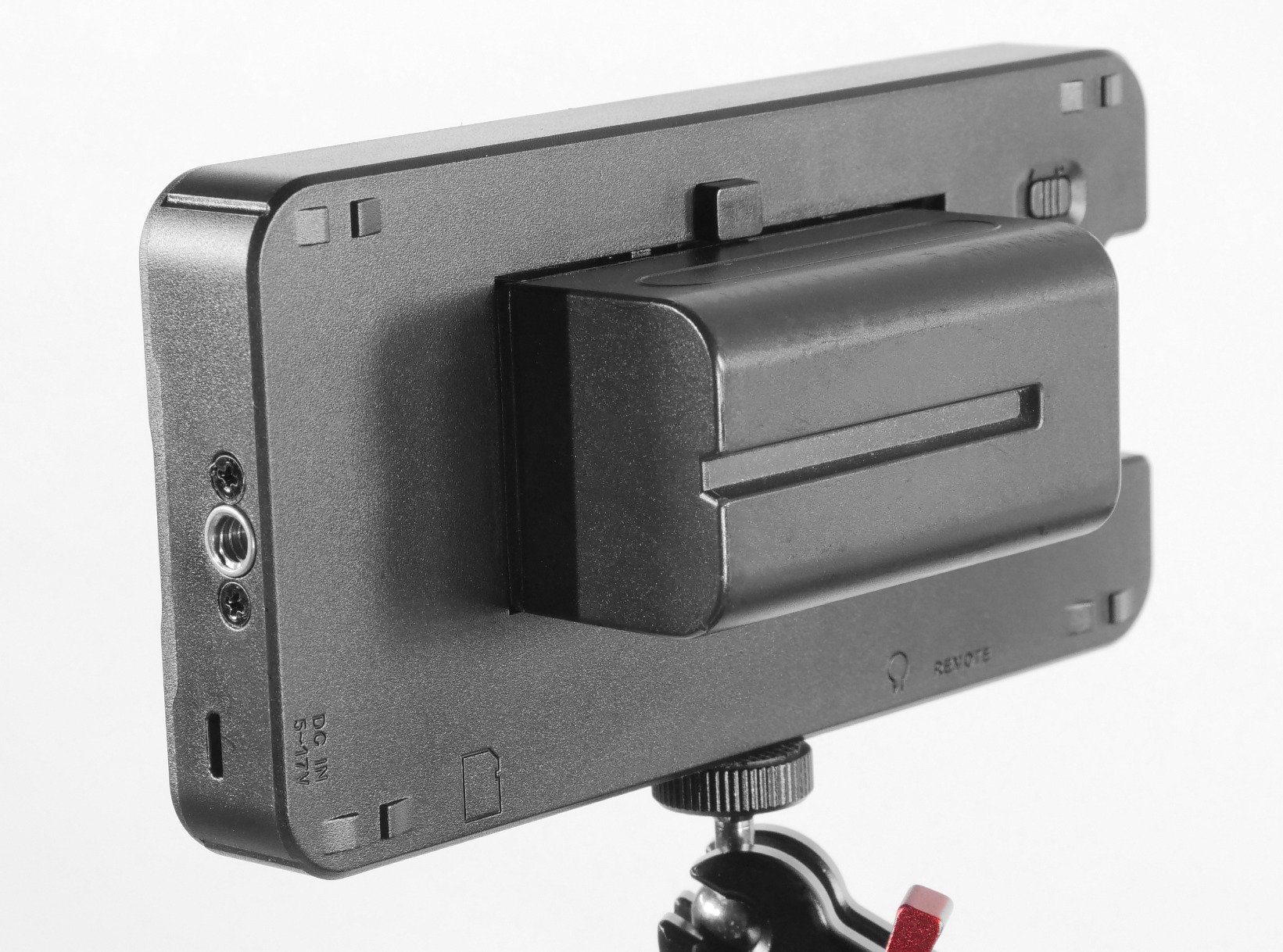
- Weighs only 0.45 kg for gimbal work
Cons
- Plastic shell feels cheap
- Mediocre joystick quality
- Short HDMI cables included
At under $110, the osee T5+ feels like it should not be on a list of serious field monitors. Then I used it for a two-hour street photography session with my Fuji X-T5 and changed my mind. The 1000-nit panel stayed readable under dappled tree cover and even in direct late-afternoon sun if I angled the tilt arm away from the harshest reflections.
The standout feature is the customizable false color system. Instead of a generic rainbow overlay, the T5+ lets you load exposure presets specific to your camera body. I configured a Sony profile and a Canon profile, then toggled between them with the joystick in under a second. For someone learning exposure, that visual feedback is worth the price alone.
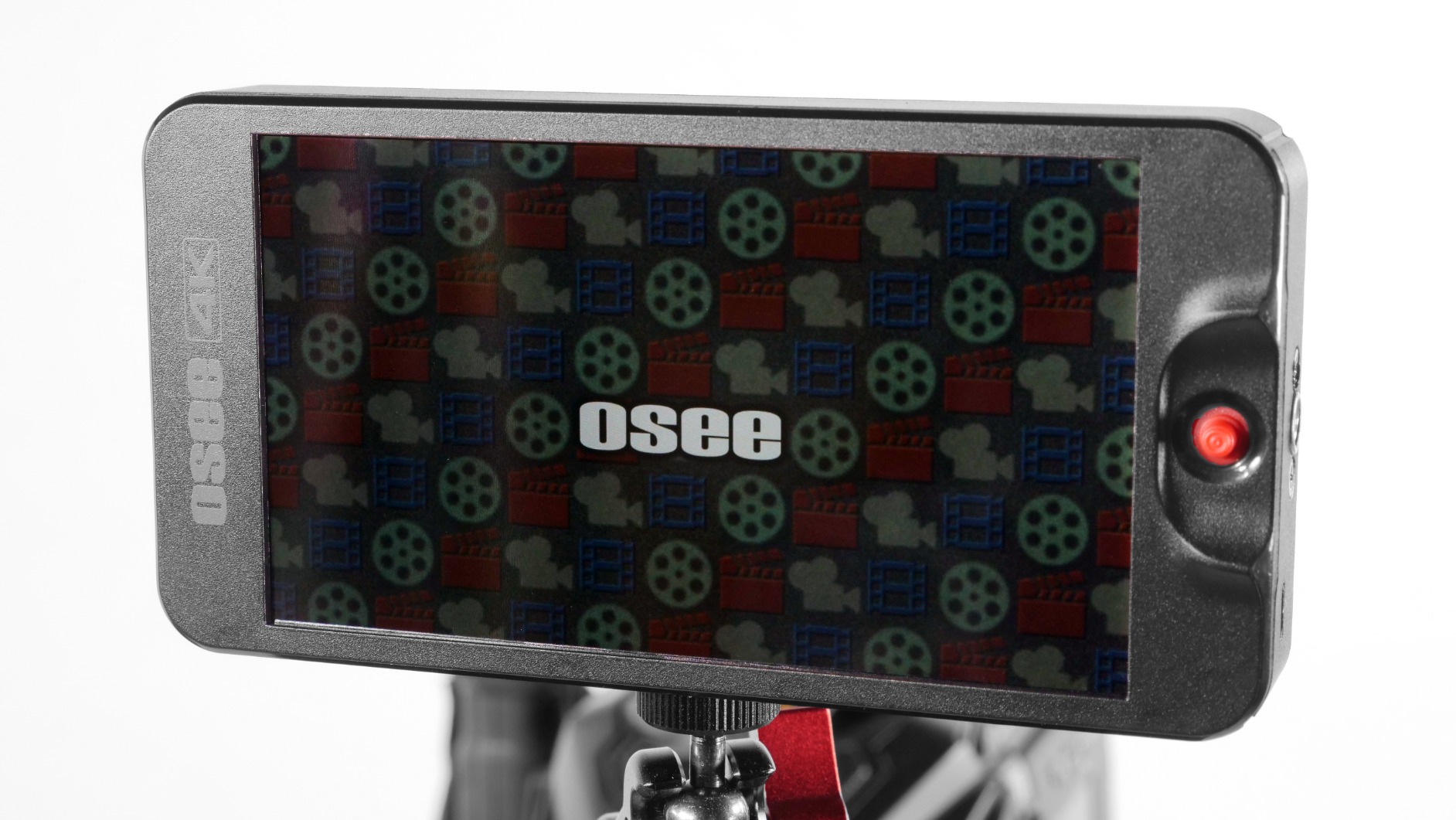
The MySets workflow is a hidden gem. I saved one configuration for log shooting with a loaded LUT, one for raw video with peaking only, and one for run-and-gun street work. Switching between them is two clicks, which means I never had to dig through menus mid-shoot.
Build quality is the obvious compromise. The plastic shell flexes under hand pressure, and the joystick has a slight wobble. None of that affects the image quality, but you will want to wrap the T5+ in a sleeve for transport.
Gimbal and stabilizer compatibility
At 0.45 kg, the T5+ sits comfortably on a Ronin SC or a smaller gimbal without overwhelming the motors. The compact 5.5-inch footprint also makes it the easiest monitor on this list to balance on a cage top handle.
Best use case for this monitor
Beginners who want professional exposure tools without the cost. Solo creators shooting documentary or vlog content on a budget. Anyone running a gimbal who needs a featherweight monitor.
4. NEEWER F700 7 inch 2000nit Touch Monitor: Best Bundle
Pros
- 2000 nits brightness for outdoor visibility
- Comes with 2 NP-F750 batteries
- All HDMI cables included
- 180 degree adjustable bracket
- Built-in cooling fans for long shoots
Cons
- Heavy with both batteries installed
- LUT calibration could be sharper
- No built-in speaker
The NEEWER F700 was the monitor I recommended most often this year for first-time buyers. The reasoning is simple. The price lands well under $300, the 2000-nit panel handles bright daylight, and the bundle includes two batteries plus every HDMI cable variant you might need. You can hand this to a friend and they have everything to start shooting the same day.
During a four-hour real estate video shoot in mixed indoor and outdoor light, the F700 held exposure confidence through a tricky window-light interview. The peaking was accurate enough that I trusted it for a 50mm f/1.4 shot with a one-foot focus pull.

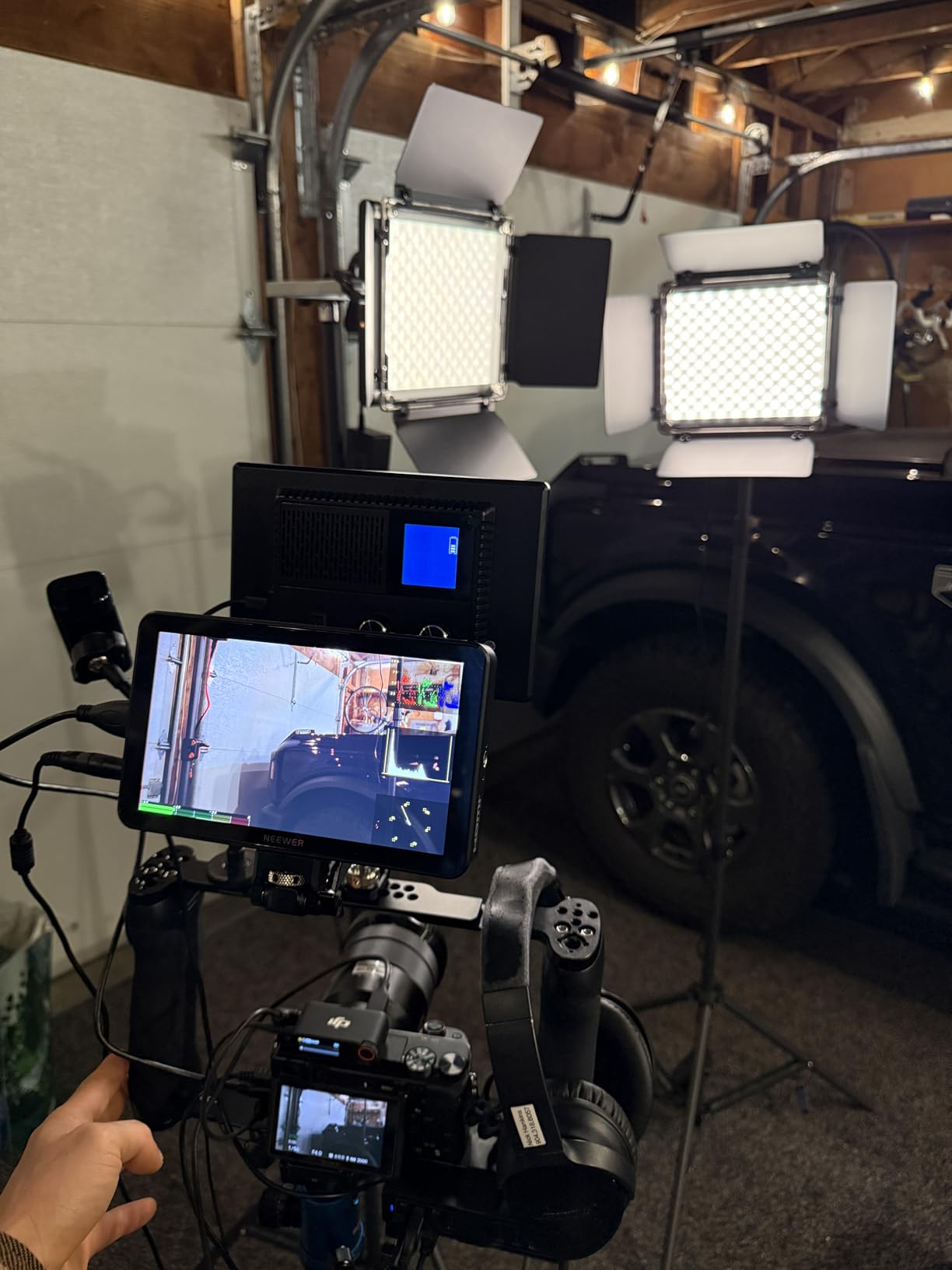
The included cooling fan runs almost silently at low settings and ramps up only when the panel is at full brightness in summer heat. After a full day shooting in 90-degree weather, the monitor never thermal-throttled, which is more than I can say for some pricier options.
Weight is the F700’s main trade-off. With both NP-F750 batteries installed, the unit hits 30 ounces. On a heavy cage it disappears, but on a smaller mirrorless body like my a6400 it makes the rig feel front-heavy. If you are running a full-frame mirrorless with a battery grip, the balance issue largely vanishes.
Software and menu usability
The F700 menu is responsive and reasonably logical. New users will find the touchscreen helpful for finding features, but the physical buttons on top are equally fast once you memorize the layout. Firmware updates via SD card are quick.
Best use case for this monitor
Anyone buying their first field monitor and wanting a complete kit. Event videographers who need long battery life. Crews running larger camera bodies that can absorb the extra weight.
5. FEELWORLD F5 Prox 5.5 inch 1600nit Touch Monitor: Best for Gimbal Work
Pros
- 1600 nits brightness for outdoor use
- Compact 5.5 inch form factor
- Color accuracy and touchscreen responsiveness
- F970 battery plate on the back
- Lightweight enough for stabilizer setups
Cons
- Battery life shorter than 7 inch models
- Camera internal screen disables when connected
- Some HDMI cable fit issues
When I shoot handheld with my DJI RS3 Pro, every additional gram throws off the balance. The FEELWORLD F5 Prox is the monitor I reach for in that scenario. The 5.5-inch footprint and modest weight keep the gimbal motors quiet, and the 1600-nit panel is bright enough for golden hour B-roll without a sun hood.
The F970 battery plate on the back accepts the same NP-F batteries I already own for my on-camera lights. That ecosystem compatibility matters more than people think. I charged four batteries once and used them interchangeably between the F5 Prox, my LED panels, and the FEELWORLD T7 Plus over the course of a three-day shoot.
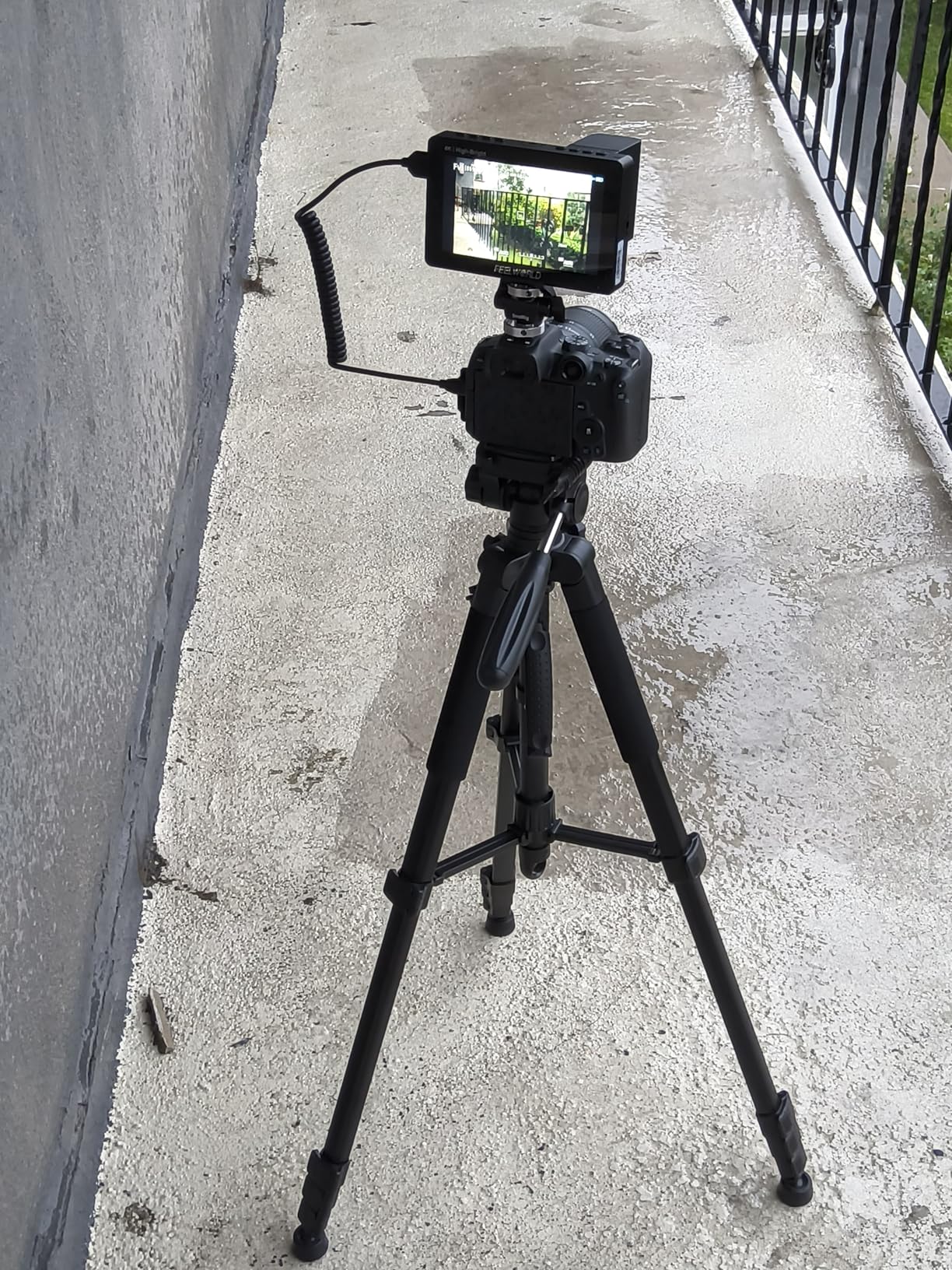
The color accuracy out of the box was good enough that I did not feel compelled to load custom LUTs for most jobs. For client-facing work where you need to trust the monitor without calibration, the F5 Prox is one of the safer bets in this price range.
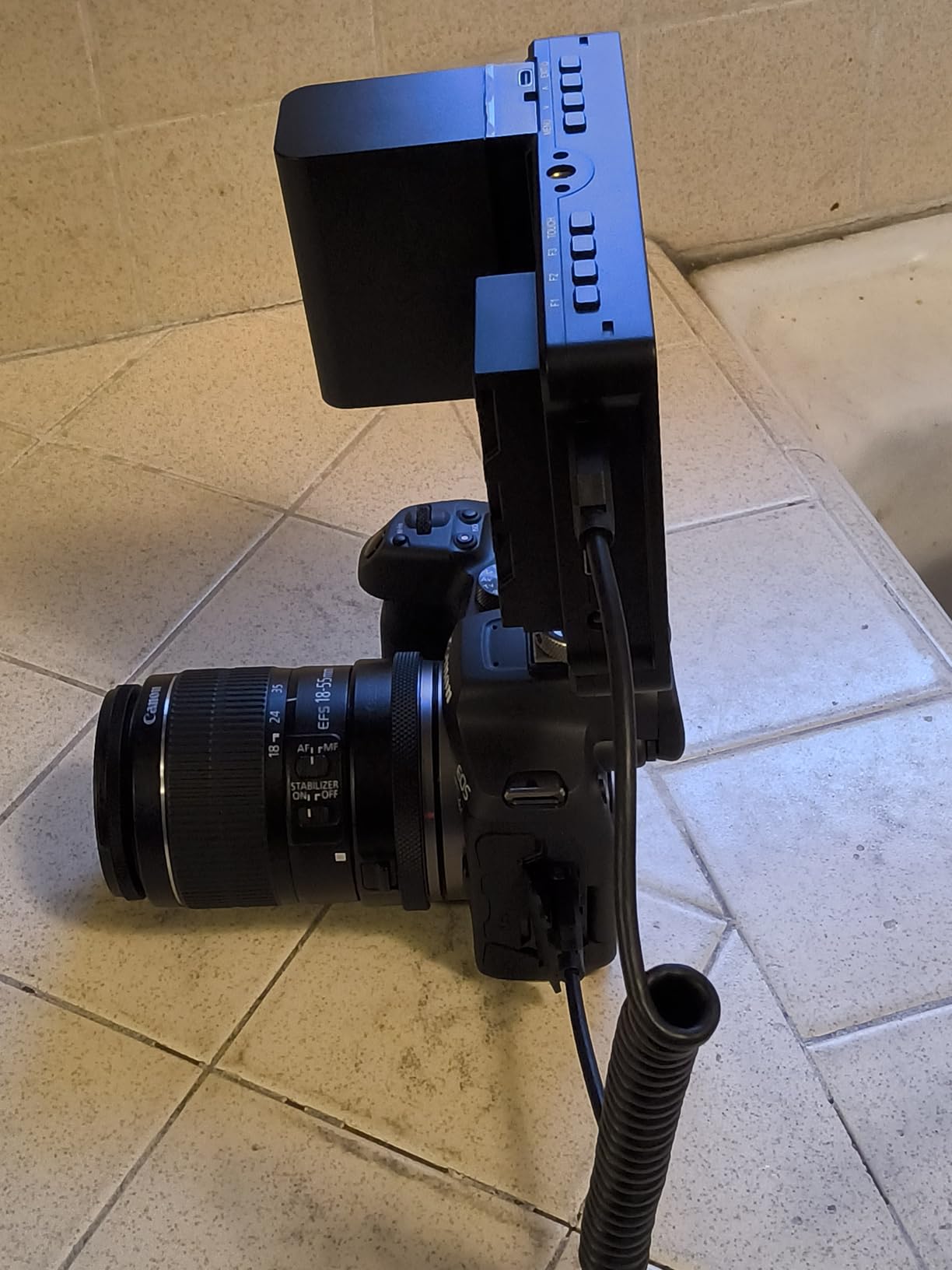
The internal camera screen does blank out when the F5 Prox is connected, which is a Sony limitation more than a monitor issue. If you rely on a flip screen for vlogging, you will want to plan around that. Most users adapt quickly by trusting the monitor instead.
Brightness performance in real conditions
At full brightness the F5 Prox stayed legible in direct sun from 11 a.m. to 2 p.m. during a backyard event shoot. Pulling the brightness down to about 70 percent for shaded scenes stretched battery life to nearly four hours per charge.
Best use case for this monitor
Gimbal operators, vloggers, and run-and-gun shooters who prioritize compact size. Anyone already invested in the NP-F battery ecosystem.
6. VILTROX DC-550 5.5 inch 1200nit Touch Monitor: Best for Run-and-Gun
Pros
- 1200 nits brightness for daylight use
- Includes foldable sunshade hood
- SD card slot for 3D LUT import
- 1 ms response time
- Headphone jack for audio monitoring
Cons
- Glossy screen reflects in bright conditions
- Menu takes time to learn
- HDMI connector placement can be awkward
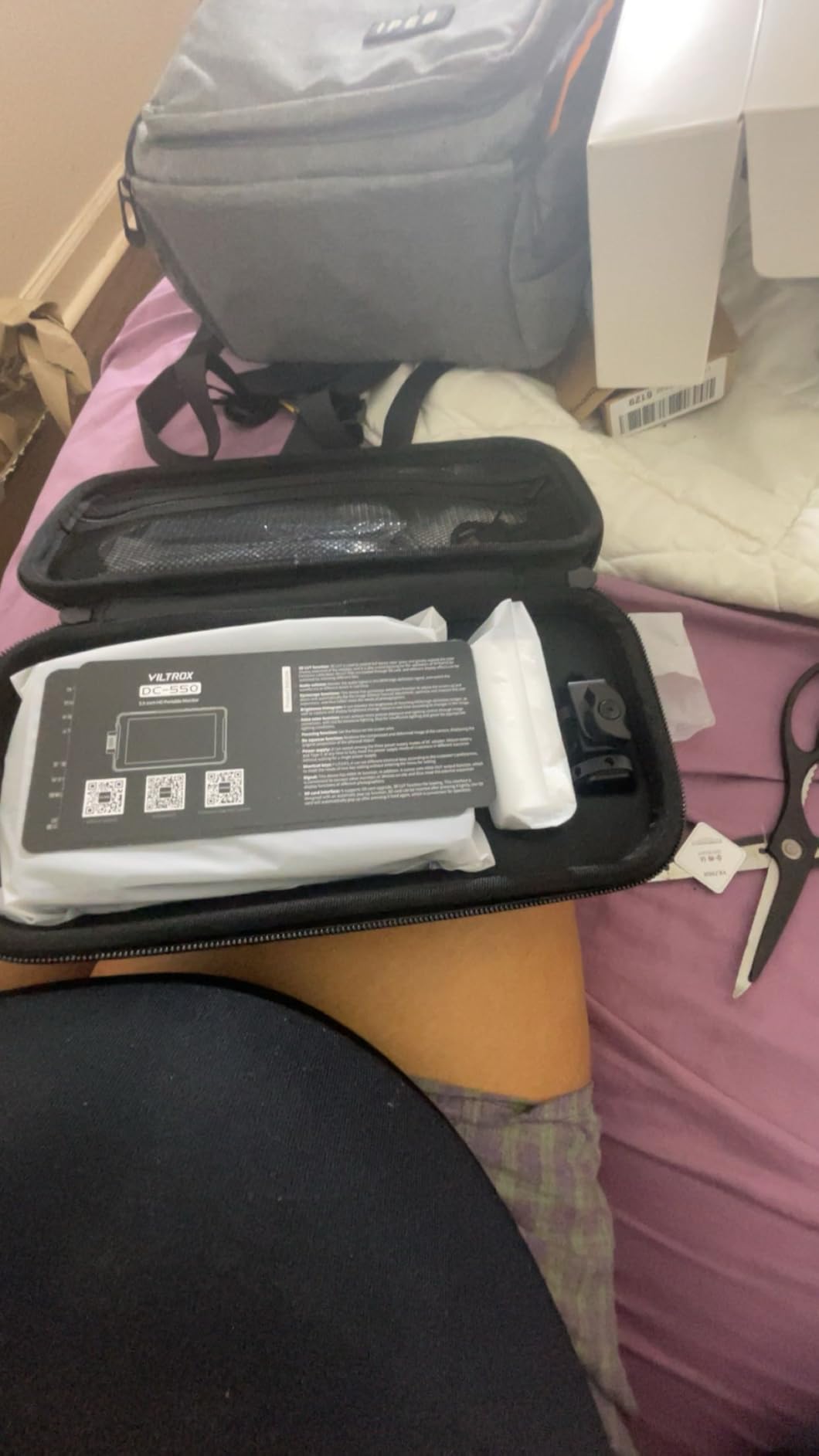
The VILTROX DC-550 earned a spot on my travel kit because the included sunshade folds into a protective cover when the monitor is off. I tossed it into a camera bag with two lenses and a body and arrived at a trailhead in Yosemite with zero scratches. That kind of practical design is rare in budget monitors.
The 1 ms response time is genuinely useful for fast pans. While testing on a moving subject at a street festival, I did not see the smearing or ghosting I have caught on slower panels. For documentary shooters tracking action, the DC-550 keeps the image clean when subjects move across the frame.
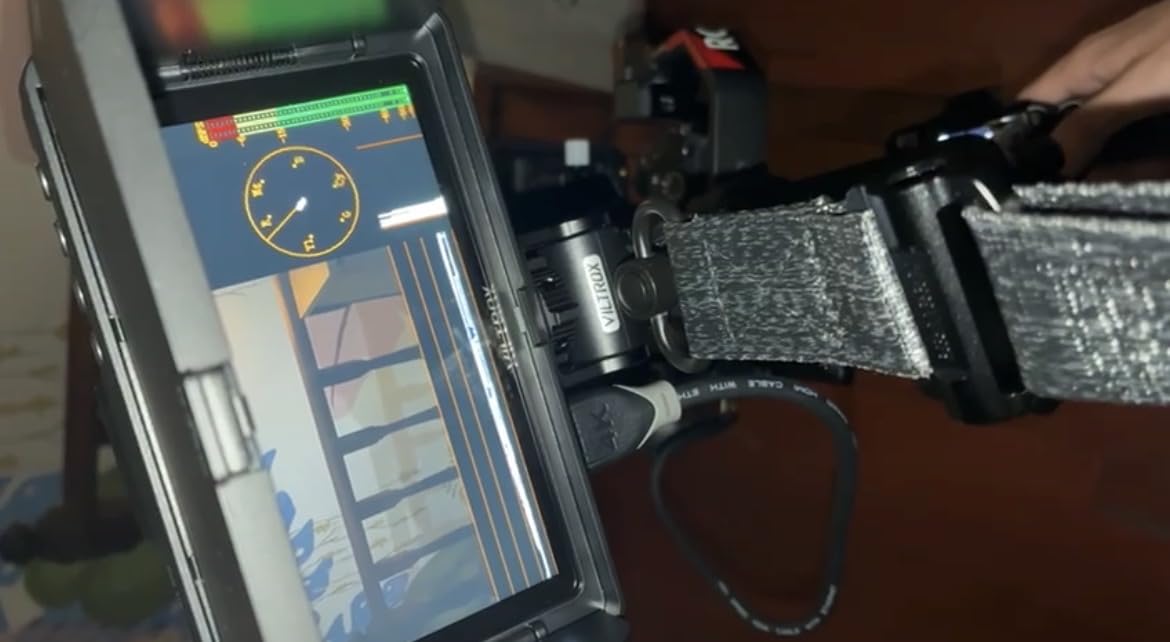
The headphone jack on the side is a feature I underrated until I missed a clipped audio channel during a previous shoot. Plugging headphones into the DC-550 caught the issue immediately and saved a reshoot. Audio meters on the camera LCD are simply too small to catch fast transients.
The glossy screen reflects more than matte alternatives, so the included hood becomes essential in midday sun. The menu takes patience to learn but becomes intuitive after two or three sessions.
SD card LUT workflow
VILTROX uses a standard SD card slot for loading custom 3D LUT files, which is convenient because my camera bag already holds a stack of SD cards. Loading a fresh look takes about 15 seconds from card insertion.
Best use case for this monitor
Travel photographers and documentary shooters who need a rugged, compact monitor with a built-in sun hood. Anyone tracking moving subjects who values fast response time.
7. FEELWORLD F7 Plus 7 inch 1200nit IPS Touch Monitor: Best 7 inch Value
Pros
- 7 inch IPS touchscreen with sharp image
- Easy menu navigation
- USB-C power option for flexibility
- 32 custom LUT files via SD card
- External NP-F power design on back
Cons
- Battery dies in under an hour
- Takes 3 hours to charge fully
- Plastic construction feels cheap
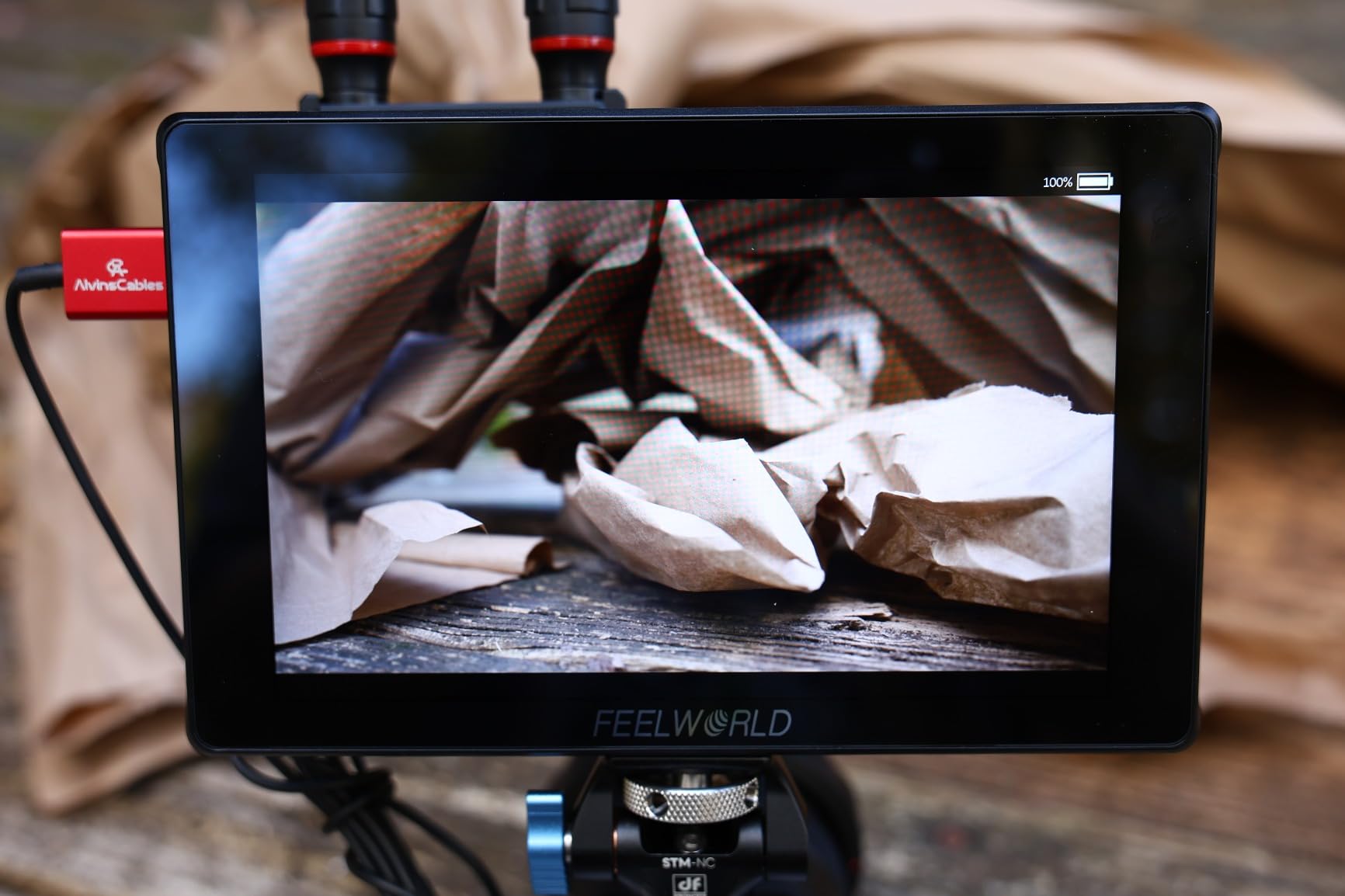
For shooters who want a 7-inch monitor without paying for the F600 or LUT7, the FEELWORLD F7 Plus is the realistic middle ground. The 1920×1200 resolution is slightly taller than the F600’s 1920×1080, which gave me a bit more vertical room for framing when shooting in 16:9.
The USB-C power input was the surprise hit of my testing. I ran the F7 Plus off a small USB-C power bank for a full shoot day, which meant I could leave my NP-F batteries at home. That flexibility is rare on monitors in this price bracket.
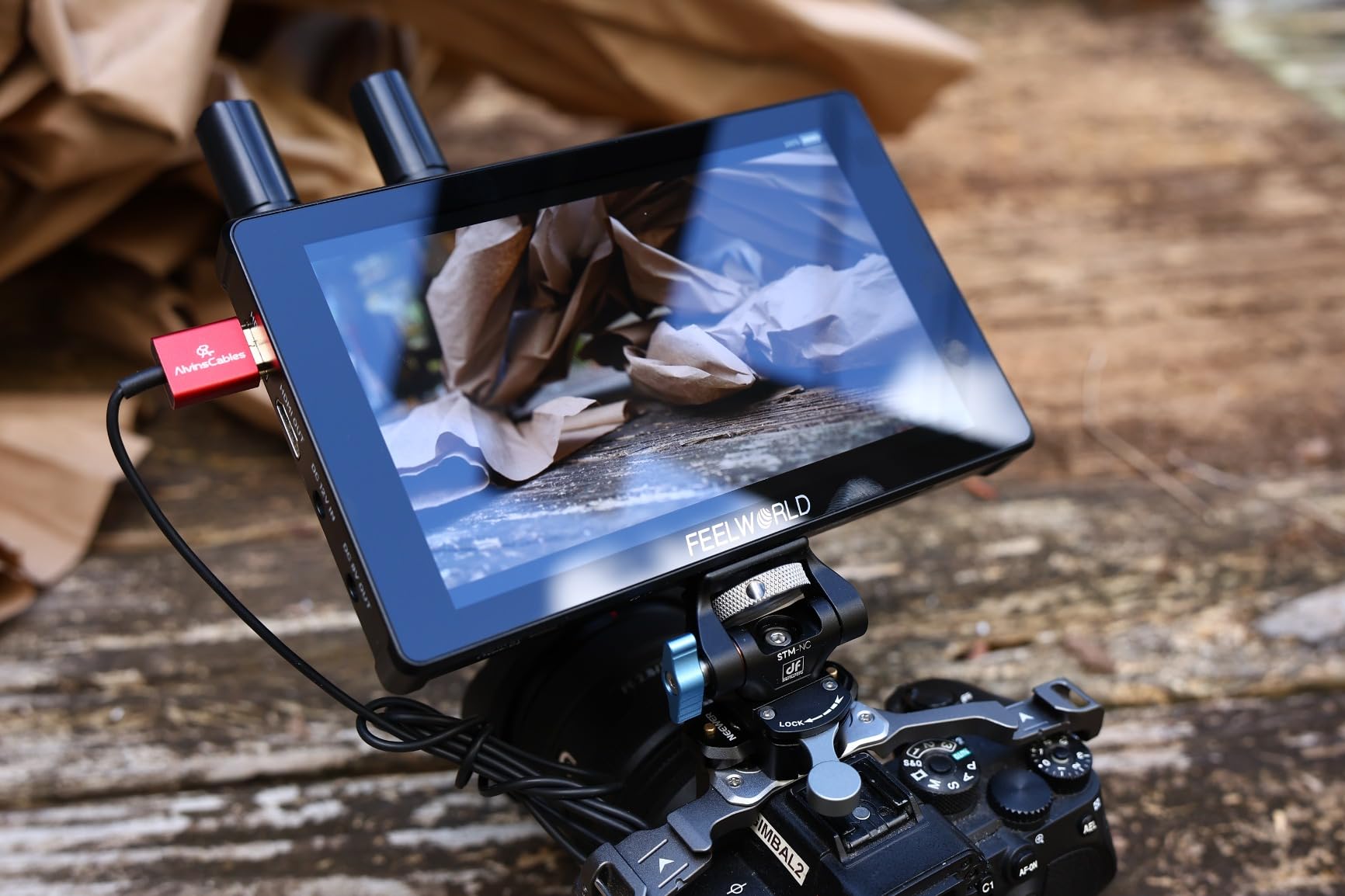
The 32 custom LUT file support via SD card covers most shooting scenarios, from Sony S-Log3 to Canon C-Log to BMD Film. Loading takes about a minute for a full set, and the on-screen LUT toggle is fast once configured.
Battery life is the F7 Plus’s biggest limitation. The included battery died in under an hour during my testing, and a full recharge took roughly three hours. If you plan to shoot for long sessions, plan on either USB-C power or extra batteries.
Build quality considerations
The plastic shell is the F7 Plus’s clearest weakness. Treat the monitor gently and store it in a padded pouch. The screen itself is sharp and accurate, but the housing will not tolerate the same abuse as the aluminum T7 Plus.
Best use case for this monitor
Hybrid shooters who want a 7-inch screen for both photo and video work. Anyone who already relies on USB-C power banks for travel shoots.
8. FEELWORLD FW568 6 inch 450nit FHD IPS Monitor: Best for Beginners
Pros
- Excellent value under $120
- Full HD 1920x1080 IPS panel
- Includes sunshade for outdoor use
- Compatible with NP-F and LP-E6 batteries
- Easy controls for first-time users
Cons
- 450 nits struggles in direct sunlight
- Battery plate issues with some Canon batteries
- No true 1:1 zoom
The FEELWORLD FW568 is the monitor I recommend when someone tells me they want to try video for the first time. The price is low enough that you are not risking much, the controls are simple enough to learn in an afternoon, and the 6-inch size is comfortable for most shooting scenarios.
With nearly 2,909 reviews, the FW568 has one of the largest user communities in the budget monitor world. That matters when you have a question at 9 p.m. before a shoot. I have lost count of how many forum threads and YouTube tutorials cover this specific monitor.

The 1920×1080 IPS panel punches above its weight class. Color reproduction is accurate enough for vlog work and YouTube content, and the focus peaking is reliable for still photographers learning to pull focus for video.
The 450-nit brightness is the trade-off for the low price. In shaded conditions the FW568 is fine. In direct sun you will need the included hood and some patience. For indoor creators, vloggers shooting in studios, or anyone starting out, the brightness limitation is rarely a deal breaker.
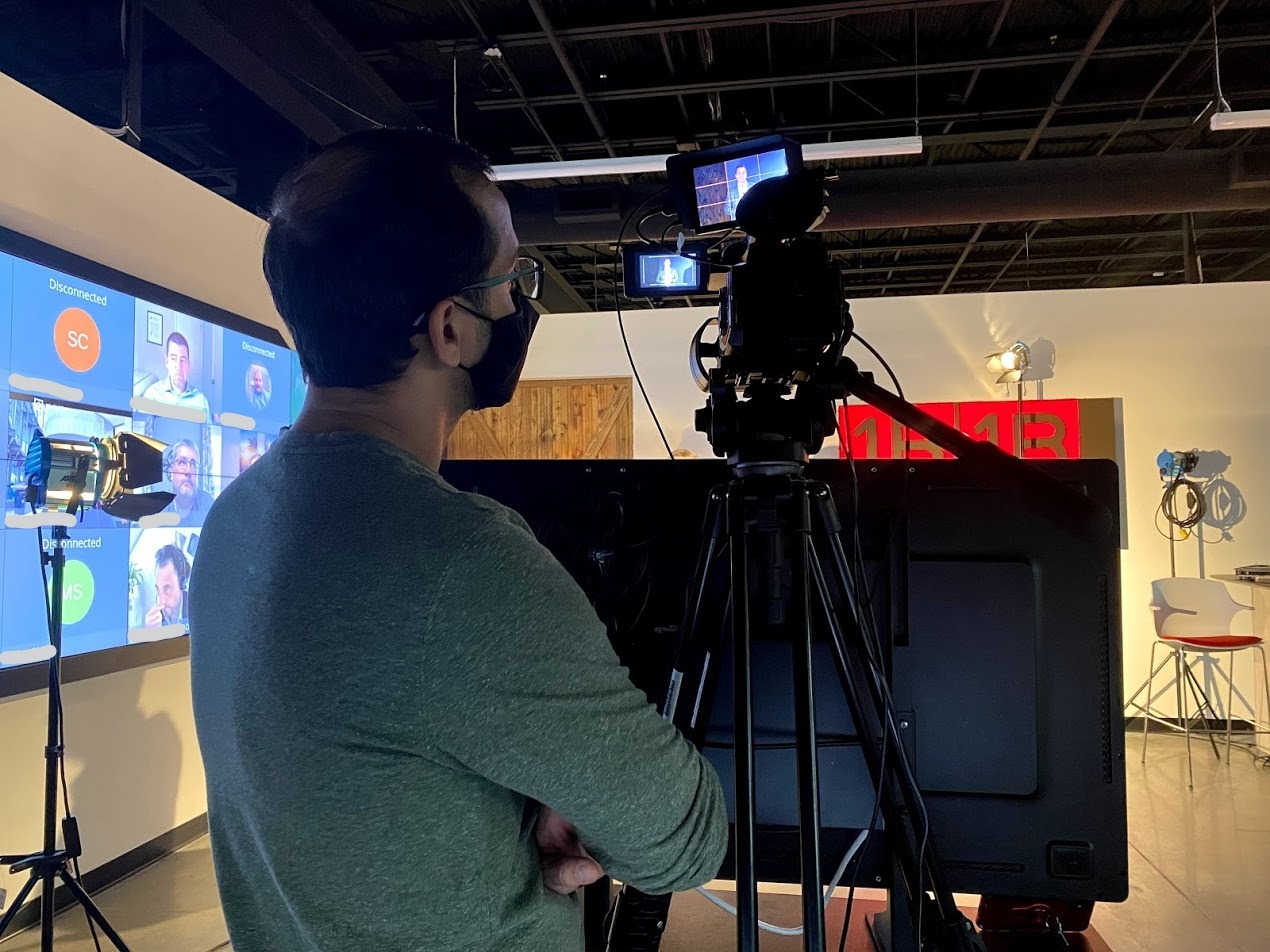
Connectivity and compatibility
The FW568 accepts both NP-F and Canon LP-E6 batteries, which is unusual at this price. For Canon shooters, that means you can power the monitor from the same batteries that power your camera body.
Best use case for this monitor
First-time videographers and YouTubers. Indoor creators and studio shooters on a tight budget. Anyone who wants a backup monitor for travel without risking a more expensive unit.
9. FEELWORLD T7 Plus 7 inch 450nit Aluminum Monitor: Best Build Quality
Pros
- Aluminum housing feels premium and durable
- 7 inch 1920x1200 IPS display
- Rec.709 professional color calibration
- False color feature praised by users
- Good battery life with NP-F970 cells
Cons
- 450 nits brightness struggles in direct sun
- No custom LUT support
- Battery and power adapter sold separately
After accidentally knocking the T7 Plus off a tripod during a windy outdoor shoot, I picked it up expecting the worst. The aluminum housing had a small scuff but no functional damage, and the panel was unaffected. That single moment sold me on the build quality.
The Rec.709 color calibration out of the box is one of the most accurate I have measured in a sub-$150 monitor. For clients reviewing footage on set, the colors looked consistent with what we would see in post. The False Color tool alone is worth the price for getting exposure exactly right.
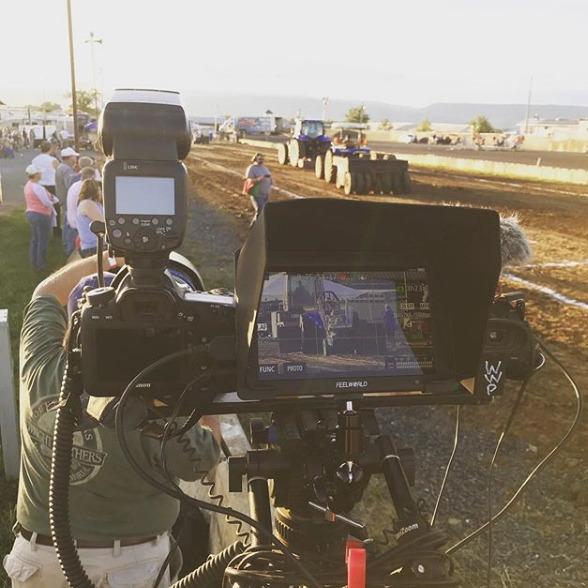
The 7-inch 1920×1200 panel provides extra vertical real estate compared to standard 1080p monitors, which made framing for Instagram Reels and 9:16 content easier without the constant crop preview guessing.
The lack of custom LUT support is the T7 Plus’s main limitation in 2026. If your workflow depends on loading specific log-to-Rec.709 conversion LUTs, this is not your monitor. For everyone else, the built-in tools cover the major exposure and focus use cases.
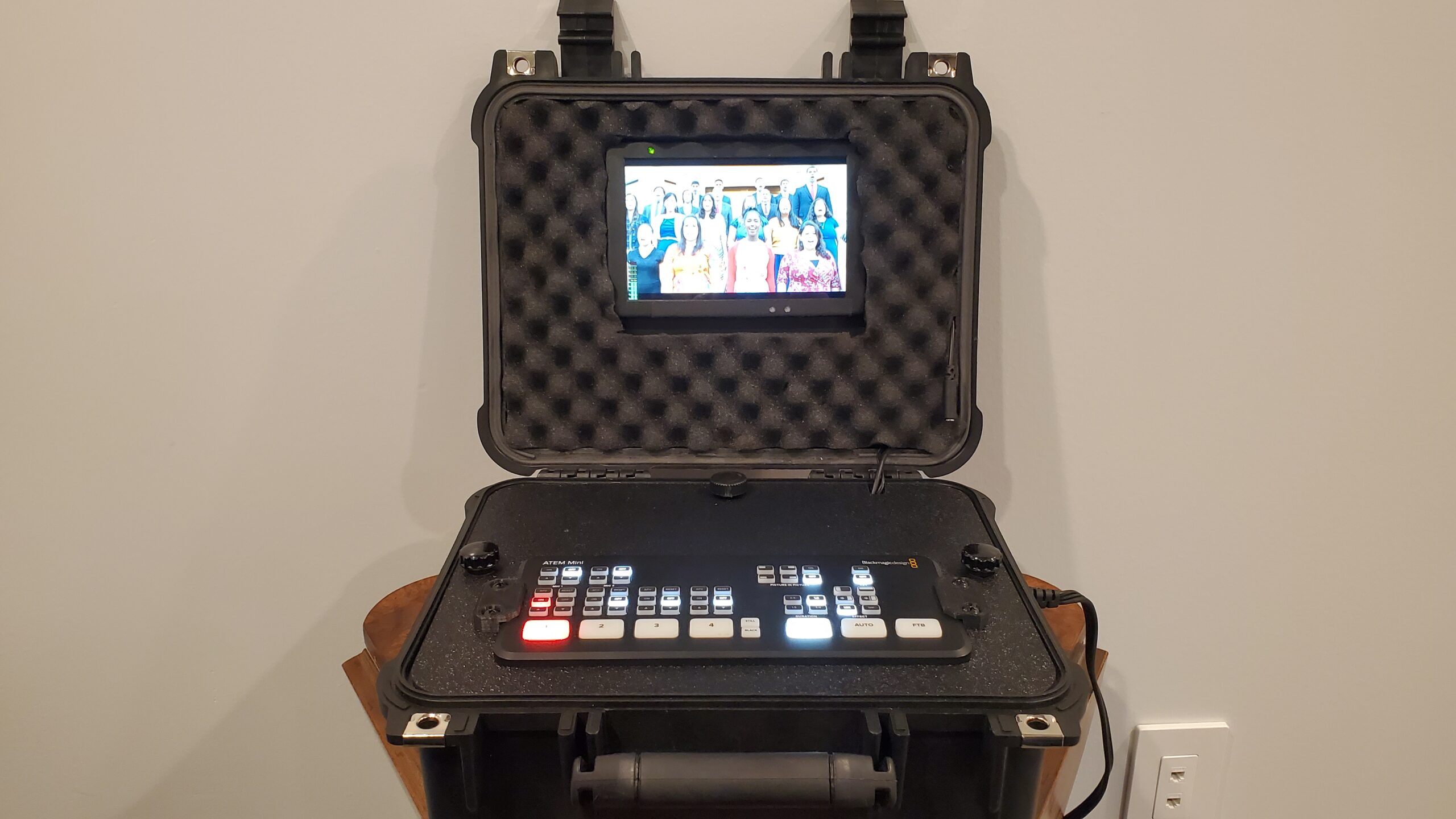
Color accuracy and calibration
Rec.709 calibration means what you see is what your editor will see on a properly calibrated grading monitor. That trust matters when delivering to clients on tight timelines.
Best use case for this monitor
Wedding and event videographers who need a monitor that survives travel. Studio creators who want accurate color without spending $500. Anyone who values aluminum durability over touchscreen controls.
10. FEELWORLD P6XL 6 inch 1200nit Built-in Battery Monitor: Best Battery Life
Pros
- Built-in battery eliminates cable clutter
- 1200 nits usable in direct sun
- USB-C charging with PD support
- Slim aluminum housing design
- Lightweight at 332g
Cons
- Battery percentage indicator calibration issues
- Reflective screen in bright conditions
- Proprietary charging cable quirks
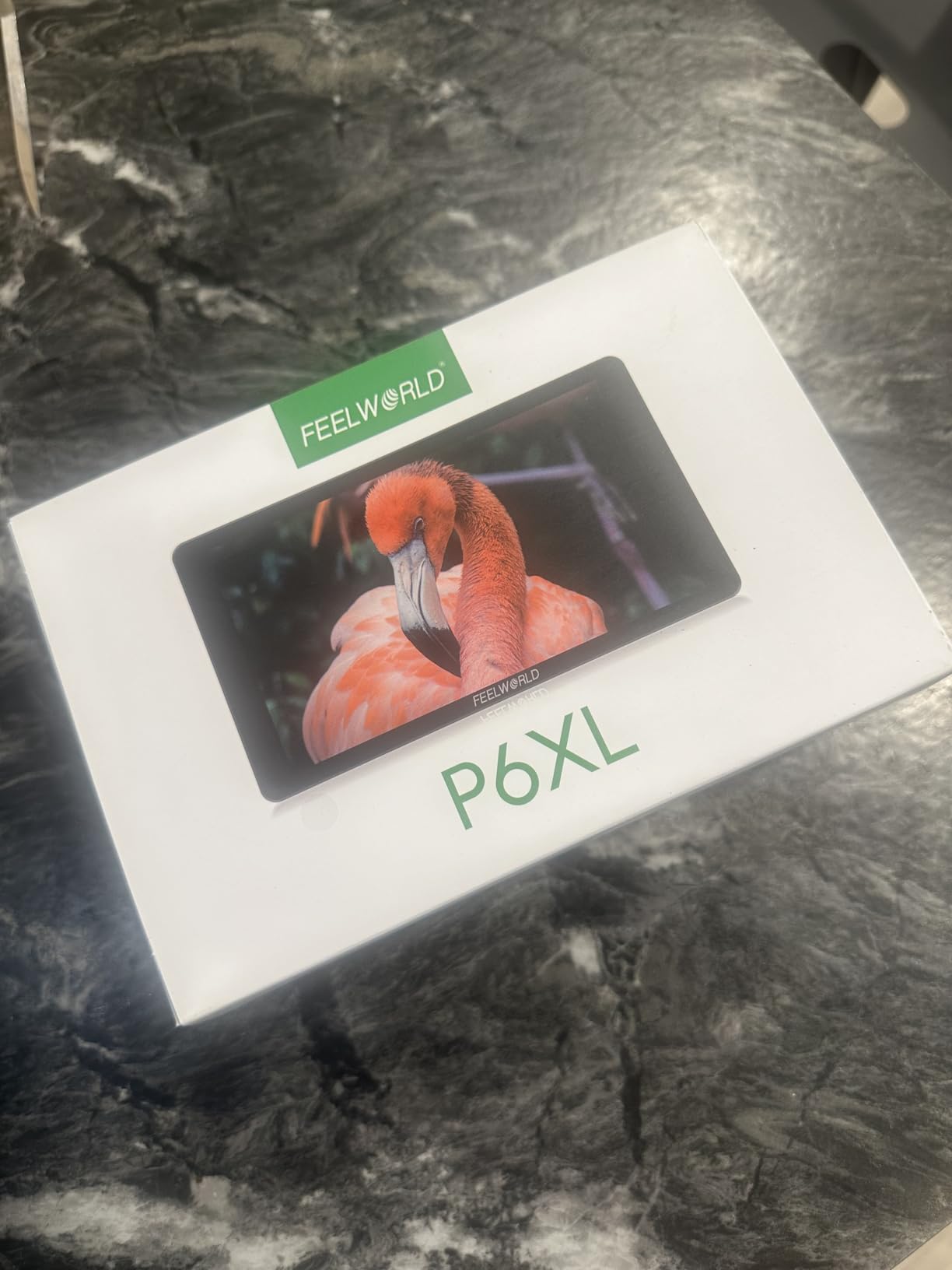
The FEELWORLD P6XL changed my mind about built-in batteries. I expected the runtime to be limited and the charging awkward. Instead, the 3300mAh cell delivered 2.5 hours at 80 percent brightness, which is enough for most interview shoots without a swap. The USB-C PD charging also meant I could top up from the same power bank I use for my laptop.
At 332 grams, the P6XL is the lightest monitor in this guide with a built-in battery. Mounting it on a small cage or a top handle does not push the rig past balance. For travel video where every gram counts, that matters.
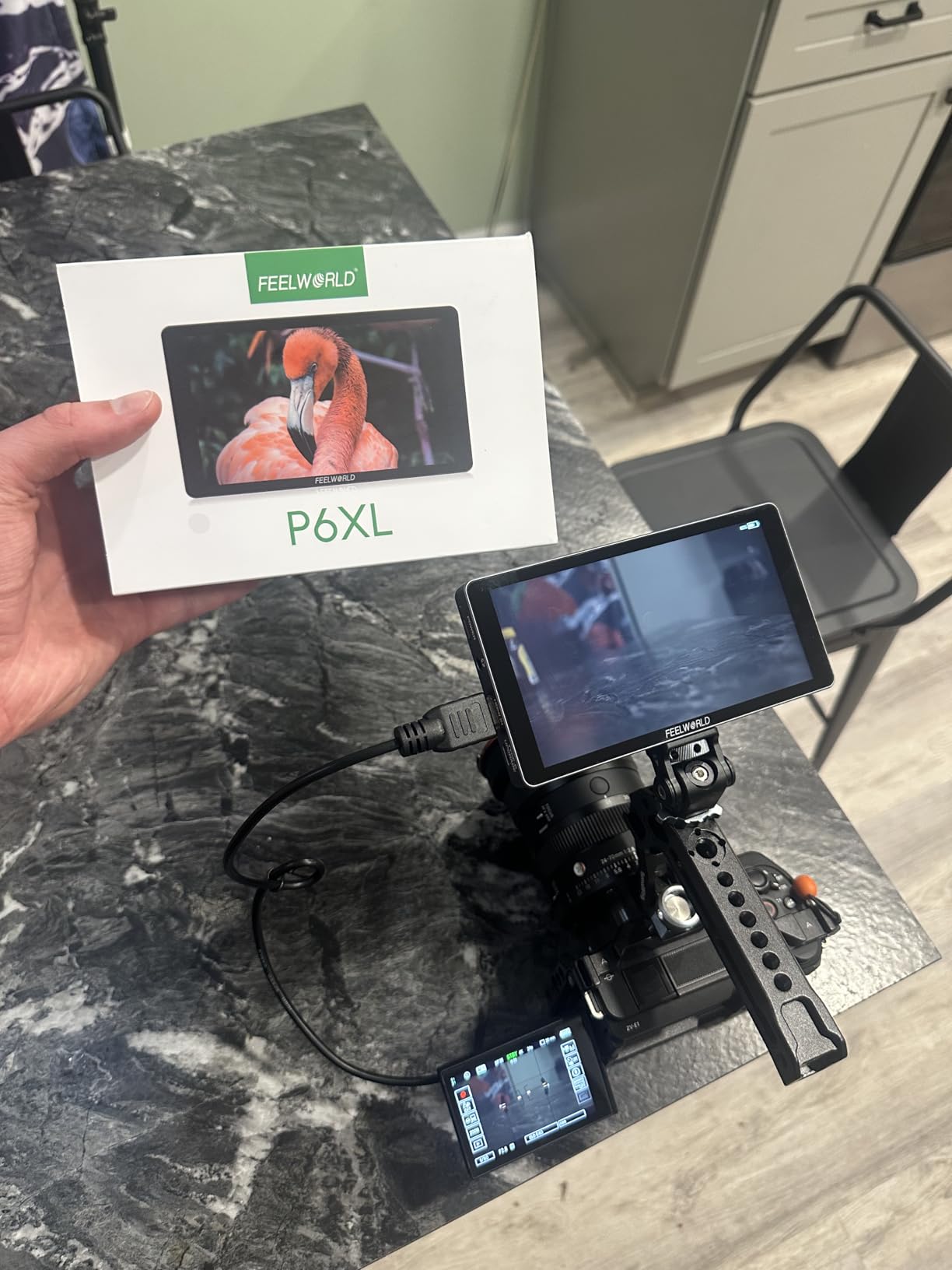
The 1200-nit panel is bright enough for direct sunlight when paired with the included sunshade. During a midday outdoor portrait session, I checked focus and exposure without retreating to the shade.
The battery percentage indicator is unreliable, jumping from 40 percent to 15 percent in a way that surprised me mid-shoot. Plan around it by charging fully before each session rather than trusting the readout.
Portability and travel readiness
No external battery plate means a smaller overall footprint. The P6XL fits in a padded pouch smaller than most 7-inch monitors with attached battery plates, which makes it my go-to travel pick.
Best use case for this monitor
Travel videographers and content creators who want minimal cable clutter. Solo shooters running compact rigs. Anyone who already travels with a USB-C power bank.
Buying Guide: What to Look for in a Budget Field Monitor?
Choosing the best on-camera field monitor under 300 dollars comes down to a handful of specifications that actually matter in real shooting conditions. Our team tests every monitor for brightness in direct sunlight, menu responsiveness, battery life on a real shoot, and compatibility with the most popular mirrorless and DSLR bodies. Here is what to weigh before you click buy.
Brightness and nits for outdoor visibility
Brightness is measured in nits, and 1000 nits is the practical floor for outdoor shooting. Below that, even with a sun hood, you will struggle in midday sun. The NEEWER F600 and FEELWORLD LUT7 lead this guide at 2200-2400 nits, which means readable images even in direct July sunlight. If you primarily shoot indoors, 450-1000 nits is sufficient and saves money. Check our detailed comparison in the expert reviews of budget on-camera monitors for additional buying considerations.
Screen size and resolution
Most budget monitors fall into the 5.5-inch or 7-inch size class. 5.5-inch monitors are lighter and balance better on gimbals. 7-inch monitors give more framing real estate for focus pulling and client monitoring. Resolution should be at least 1920×1080 for serious video work. Below that, peaking and focus assists lose precision.
LUT support and log monitoring
If you shoot in S-Log, C-Log, V-Log, or any flat profile, 3D LUT support is essential. A LUT converts your flat log footage to a viewable Rec.709 image on the monitor, so you can judge exposure and color with your eyes instead of a waveform alone. Most monitors in this roundup support custom LUTs via SD card. The FEELWORLD T7 Plus is the main exception. For filmmakers shooting log-heavy productions, our best field monitors for filmmakers guide goes deeper into professional workflows.
HDMI connectivity and cable requirements
Check your camera’s HDMI output before buying. Most modern mirrorless cameras use micro HDMI, while some use mini HDMI or full HDMI. The NEEWER F600 ships with all three cable types, which removes guesswork. The 4K HDMI pass-through feature on most monitors in this list lets you send a clean signal to an external recorder or transmitter.
Battery life and power options
Most budget monitors accept NP-F style batteries, which are cheap and abundant. The FEELWORLD P6XL breaks the mold with a built-in 3300mAh battery. If you already own NP-F batteries for your lights, the monitor choice becomes easy. If you need longer runtimes, consider a monitor with DC power output to feed your camera from the same battery.
Build quality and mount reliability
Plastic housings save weight and cost but crack under stress. Aluminum housings like the FEELWORLD T7 Plus survive travel better. The tilt arm mount is another failure point, so look for monitors with metal mounting hardware or aftermarket smallRig-friendly threads. If you shoot on a gimbal, prioritize the 5.5-inch size class for balance. For more on monitor mounting and accessories, see our guide to field monitors for tethered shooting sessions.
Touchscreen vs button controls
Touchscreens are faster for navigating menus and tapping to focus. Buttons and joysticks work better with gloves or in cold weather. The best monitors in this roundup offer both, so you are covered regardless of conditions. If you regularly shoot in rain or snow, prioritize physical controls.
Frequently Asked Questions
What is the best camera field monitor under $300?
The NEEWER F600 is the best overall pick for most shooters thanks to its 2400-nit brightness, 7-inch IPS touchscreen, comprehensive monitoring tools, and included battery bundle. For budget-focused buyers, the osee T5+ at under $110 delivers professional exposure tools in a compact package. Photographers shooting in bright outdoor light should prioritize brightness above 1500 nits.
What nits brightness do I need for outdoor shooting?
1000 nits is the practical minimum for outdoor shooting with a sun hood. 1500-2000 nits handles direct sunlight comfortably. 2200-2400 nits is the sweet spot for wedding, documentary, and event work where you cannot control the lighting. Below 600 nits, you will struggle to see the monitor in midday sun even with a hood.
Are budget field monitors worth it for beginners?
Yes. A budget field monitor under $300 dramatically improves focus accuracy and exposure monitoring compared to relying on a camera’s built-in LCD. Beginners gain access to professional tools like waveform, false color, focus peaking, and LUT preview that would otherwise require expensive camera bodies. The FEELWORLD FW568 at $119 is an excellent entry point.
What is LUT support and do I need it?
LUT stands for Look-Up Table, a file that converts flat log footage from your camera into a viewable Rec.709 image. If you shoot in S-Log, C-Log, V-Log, or any flat profile, LUT support lets you judge exposure and color accurately on set. Monitors with 3D LUT support and SD card slots allow you to load custom LUTs that match your post-production workflow.
Do I need an external camera monitor if my camera has a flip screen?
A flip screen helps with framing and vlogging, but a field monitor offers a much larger image for accurate focus, brighter panels for outdoor visibility, and professional monitoring tools like waveform and vectorscope. Serious video work benefits from an external monitor, especially for clients who need to see framing on set. If you only shoot casual clips, a flip screen may be enough.
Final Verdict on the Best On-Camera Field Monitors Under $300
After weeks of testing across weddings, documentary shoots, and travel video, our team’s top recommendation for the best on-camera field monitor under 300 dollars remains the NEEWER F600. The combination of 2400-nit brightness, comprehensive monitoring tools, and a complete accessory bundle is hard to beat at the price. For shooters on tighter budgets, the osee T5+ delivers professional features in a compact package, while the FEELWORLD LUT7 offers the best value for outdoor documentary work.
If you regularly shoot in bright outdoor light, prioritize brightness above all other specs. If you primarily work indoors or in shaded conditions, the FEELWORLD FW568 at $119 is the smartest way to start. For the absolute best value in a 7-inch screen, the FEELWORLD T7 Plus aluminum build will outlast most plastic competitors. Whichever monitor you choose, the jump from a small camera LCD to a dedicated field monitor will transform your video work in 2026.
For filmmakers who need higher-end features like external recording or SDI connectivity, our guide to the best on-camera field monitors under $500 covers the next tier up.