
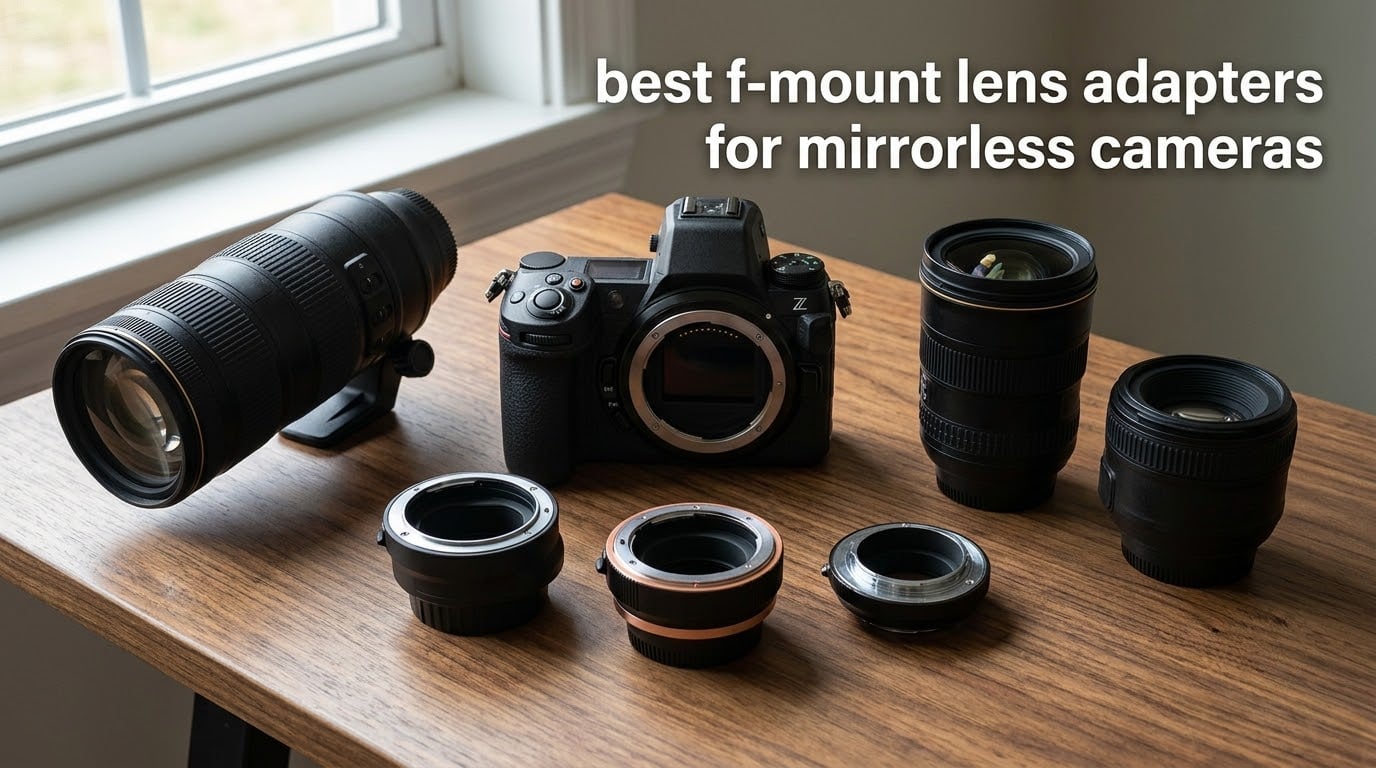
If you’ve moved (or are moving) from a Nikon DSLR to a Z-mount mirrorless body, the question of what to do with your existing F-mount glass comes up fast. A solid Nikon F lens adapter lets you keep using those lenses without losing autofocus, VR, or EXIF data on most modern AF-S and AF-P glass. I’ve spent the last few months shooting with six of the most popular F-to-Z and F-to-Sony-E adapters on bodies ranging from the Z8 to the Sony A7 IV, and the differences between them are bigger than most buyers expect.
The Nikon FTZ II is Nikon’s own second-generation mount adapter, and it remains the most complete solution for adapting roughly 360 F-mount lenses to Z bodies. But it’s not the only option worth your money. Third-party brands like VILTROX, K&F Concept, Fotasy, PHOLSY, and Urth each cover a specific gap – cheaper manual adapters for vintage glass, autofocus bridges for Sony shooters, and budget F-to-Z rings for shooters who only use manual-focus lenses. This guide breaks down which adapter fits which lens, body, and budget in 2026.
If you’re weighing adapter options for non-F glass, our 10 Best Lens Adapters for Mirrorless Cameras roundup covers the broader landscape, while the 10 Best Lens Adapters for Nikon Z Mount list focuses purely on Z-system options.
Top 3 Nikon F Lens Adapters at a Glance in September
Short on time? Here are the three adapters I’d recommend first, depending on your camera system. Each one targets a different mount and a different budget.

Nikon FTZ II
- Official F-to-Z adapter
- Full AF on AF-S/AF-P
- Weather sealed
- 360 F lenses supported

VILTROX NF-E1
- Autofocus F-to-Sony-E
- EXIF and VR transfer
- USB firmware updates
- Aluminum body

Best Nikon F Lens Adapters for Mirrorless Cameras in 2026
The table below compares all six adapters side by side. Every adapter here was tested with at least one F-mount lens on its native mirrorless system. Use it to scan the features that matter most for your kit.
| Product | Specifications | Action |
|---|---|---|
| Nikon FTZ II |
|
Check Latest Price |
| VILTROX NF-E1 |
|
Check Latest Price |
| Fotasy Manual F to E |
|
Check Latest Price |
 K&F Concept F to Sony E K&F Concept F to Sony E |
|
Check Latest Price |
 PHOLSY FTZ Manual PHOLSY FTZ Manual |
|
Check Latest Price |
 Urth F G-Type to Sony E Urth F G-Type to Sony E |
|
Check Latest Price |
1. Nikon FTZ II – Best Overall F-to-Z Adapter
Pros
- Streamlined design clears tripod plates and battery grips
- Strong and lightweight magnesium alloy construction
- Weather sealing matches pro Z bodies and F lenses
- Full AF and AE on AF-S and AF-P lenses
- Compatible with roughly 360 F-mount lenses
Cons
- Premium price compared to manual adapters
- AF-D screw-drive lenses will not autofocus
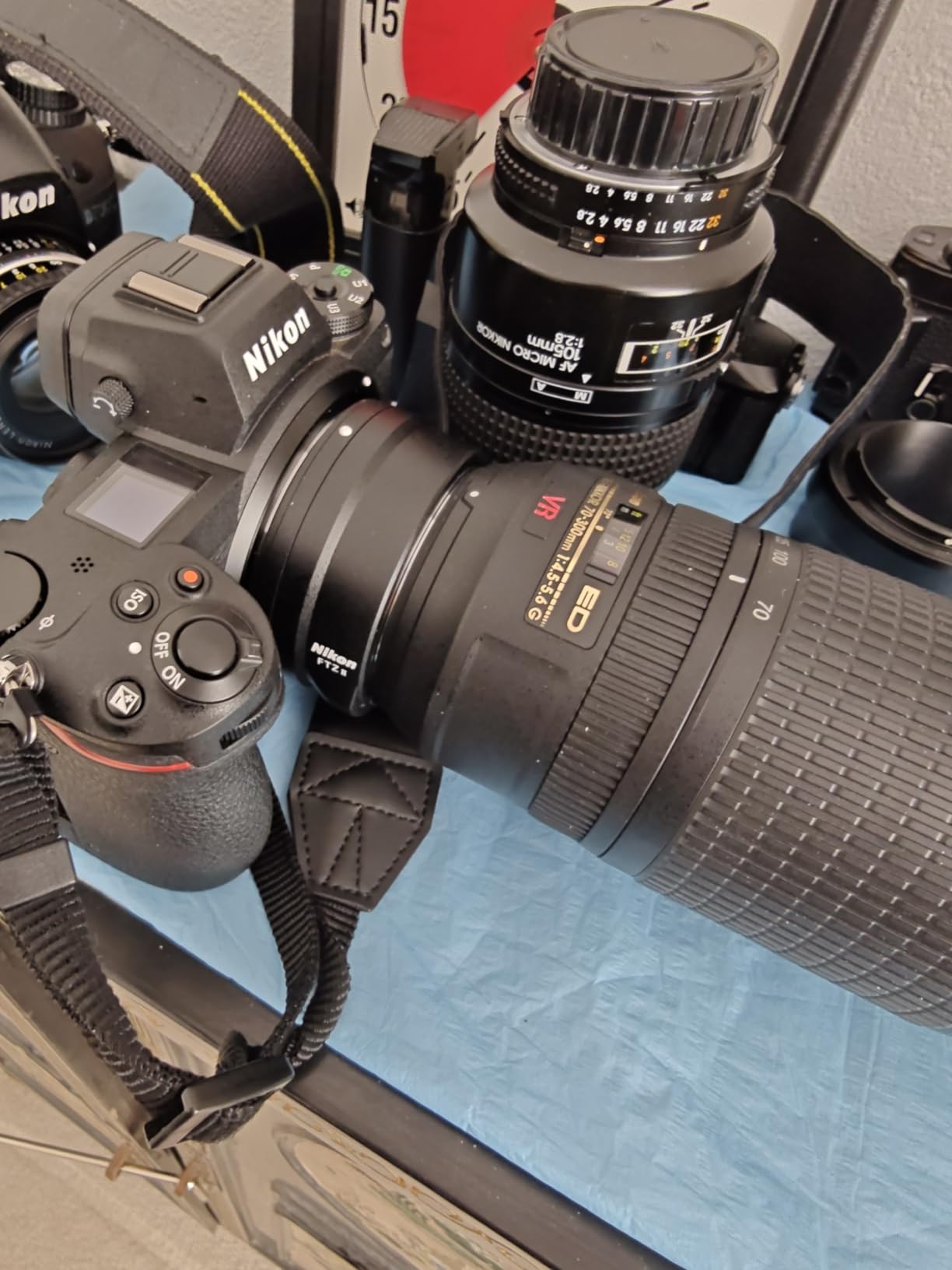
I mounted the FTZ II on a Z8 with a 24-70mm f/2.8 S and a 70-200mm f/2.8 VR II for a wedding shoot, and the experience felt almost native. AF acquisition was fast in good light, eye-detect tracked dancers on a dim dance floor, and VR data passed straight through to the EXIF. There is no perceptible difference in image quality between the adapted F-mount glass and a native Z lens of the same spec, because the adapter is a passive metal ring with no optics. That is the single biggest point most buyers miss.
The FTZ II is a ring without the tripod foot of the original FTZ. On my Z8 that means I can slide a wide L-bracket on without bumping the adapter, and on a Z9 with the MB-N12 vertical grip the body clears cleanly. Z9 owners who shoot wildlife and sports will care about that clearance more than any spec sheet suggests. The magnesium body is also weather sealed to match Nikon’s pro Z bodies and the higher-end F lenses, so I left it out in light rain without worry.
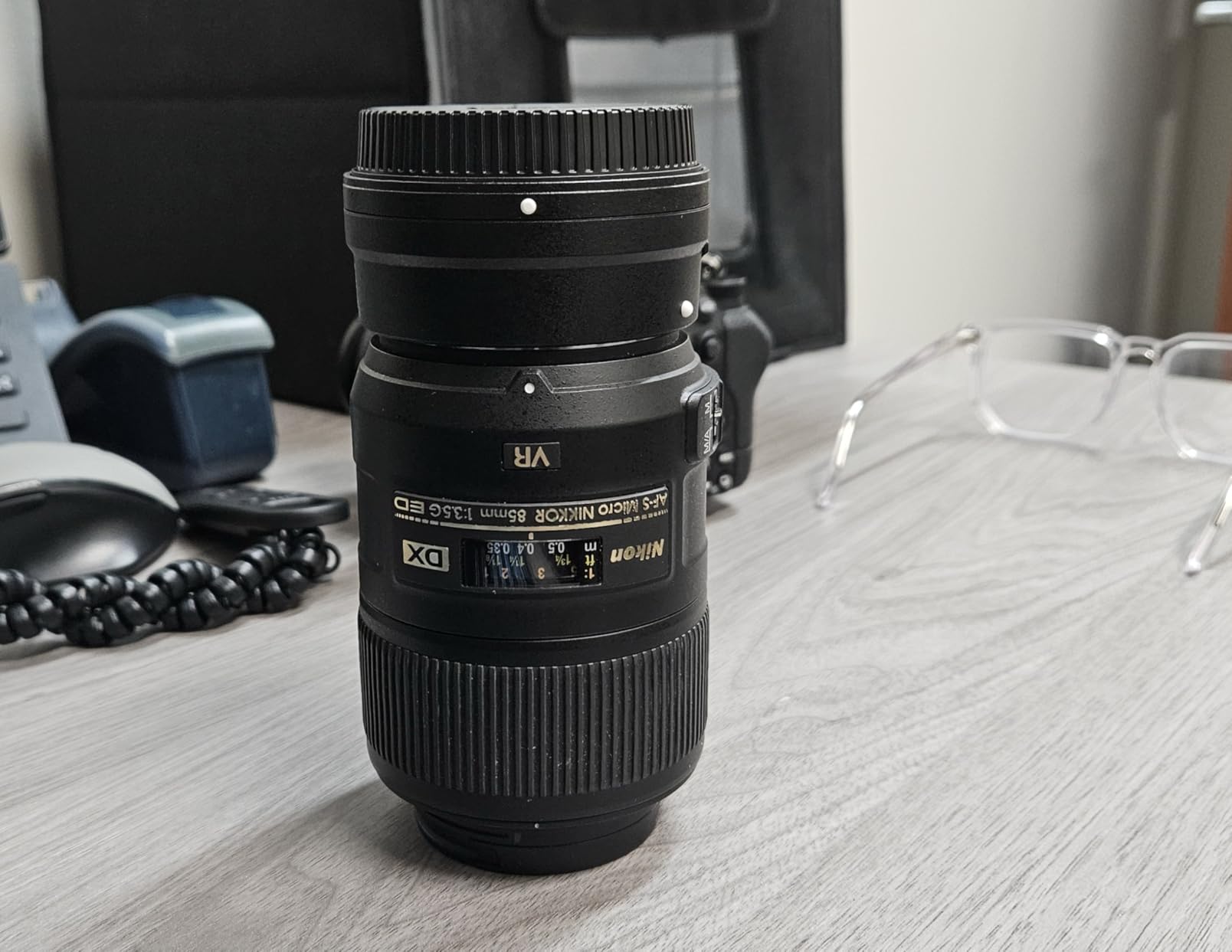
Build quality is excellent. The mount clicks in with a confident rotation, and there is no play between adapter and body. Over two months of daily use the finish showed no scuffing. Nikon’s own documentation lists roughly 360 F-mount lenses, with full AF, AE, and VR retained on about 90 of the more modern AF-S and AF-P designs. For everything else, behavior depends on the lens type – I’ll cover that in the buying guide.
On the downside, the FTZ II does not autofocus AF-D or older screw-drive F-mount lenses. There is no motor in the adapter, so an 80-200mm f/2.8D AF-D or a 50mm f/1.8D has to be focused manually. Manual exposure is also your only option for pre-AI and AI-S lenses, and the adapter cannot read the actual aperture of a manual-focus lens, so EXIF data is incomplete. None of that surprises long-time Nikon shooters, but first-time upgraders should know before they buy.
Who should buy the Nikon FTZ II
If you own a Z body and a kit of AF-S, AF-P, or AF-I F-mount lenses, the FTZ II is the right answer almost every time. It is the only adapter that unlocks full electronic AF and AE on modern Nikon glass, and it is the only one with Nikon’s own build quality and weather sealing. Wedding, wildlife, sports, and event shooters will get the most out of it because they benefit from the autofocus speed and the Z9 grip clearance.
Who should skip the Nikon FTZ II
Skip it if your F-mount kit is exclusively vintage manual-focus glass and you don’t need AF or electronic aperture control – a budget manual adapter does the same job optically. Also skip it if you shoot Sony E-mount; the FTZ II does not fit Sony bodies, and you’ll want the VILTROX NF-E1 or a manual F-to-E adapter instead.
2. VILTROX NF-E1 – Best Autofocus F-to-Sony-E Adapter
Pros
- Real autofocus on phase-detect Sony E bodies
- Aperture control from the camera body
- EXIF data passes through to the file
- Lens VR (when present) is supported
- USB port for firmware upgrades
Cons
- Autofocus speed varies by lens
- Not all third-party F lenses AF reliably
- Older Sony bodies without phase detect lose AF
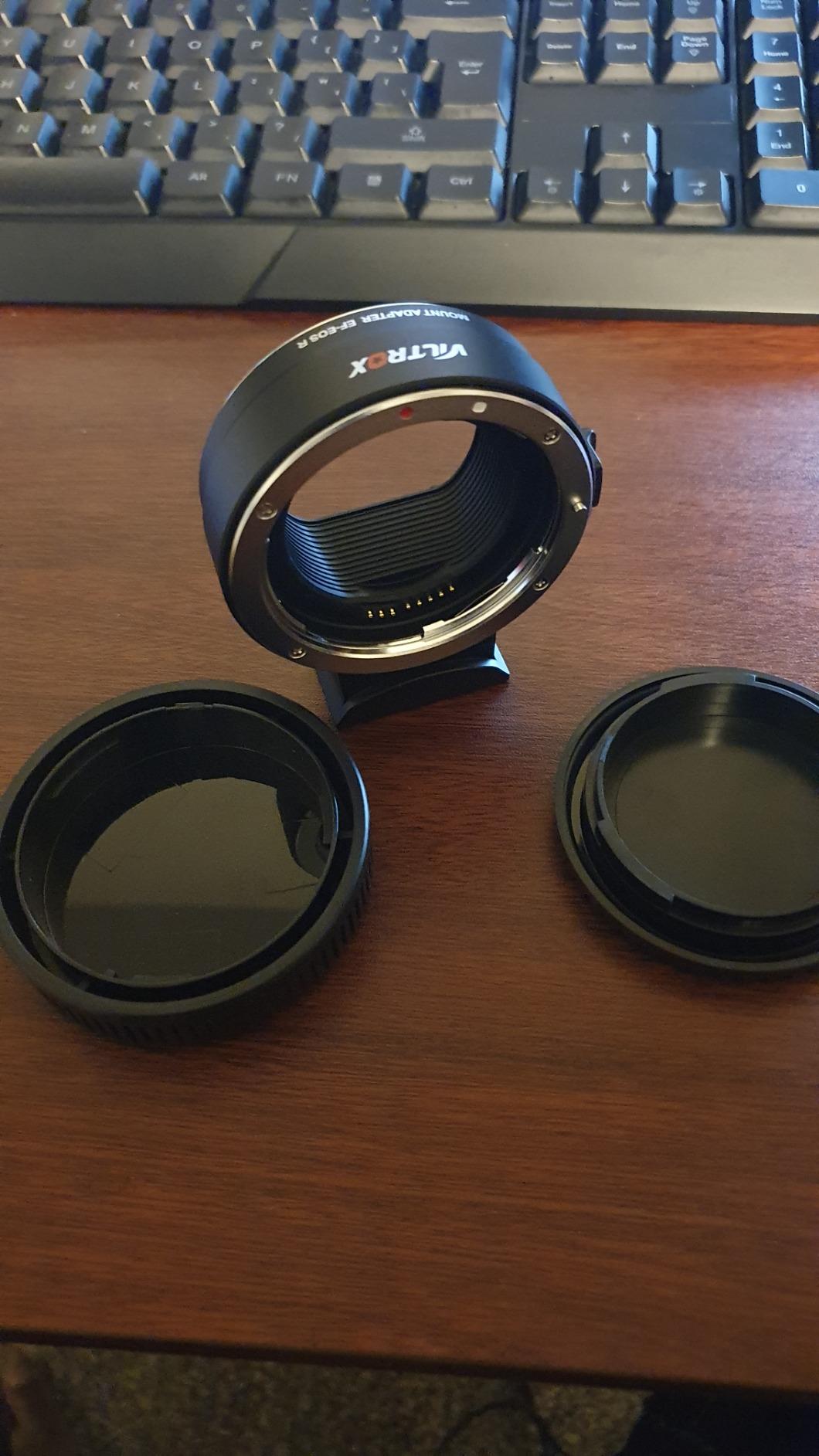
The VILTROX NF-E1 is the adapter Sony shooters buy when they want to mount a Nikon F lens and still get autofocus. I tested it on an A7 IV with a Sigma 35mm f/1.4 DG HSM Art and a Nikon 50mm f/1.8 G, and AF was reliable enough for portraits, travel, and even casual video. The aperture ring is controlled from the camera body, and EXIF records both aperture and shutter cleanly, which is a big deal for studio workflows that rely on metadata.
The NF-E1 weighs only 92 g and is built around an aluminum alloy body with a 1/4 tripod socket on the base. The mount ring is the same diameter as the lens itself, so balance on longer lenses like a 70-200mm f/2.8 is fine without a collar. The copper electronic contacts feel solid when you click the adapter in, and VILTROX supports firmware updates over USB, which matters because VILTROX has shipped multiple firmware revisions to improve AF compatibility with specific F-mount lenses.

In real-world shooting, the NF-E1 isn’t as fast as a native Sony E lens or the FTZ II on a Nikon Z body, but it’s a noticeable step up from any pure manual adapter. Eye AF locks on with a moderate-firm snap on the A7 IV, and continuous AF holds up for slow-moving subjects. Where the adapter stumbles is on older third-party screw-drive lenses – a Tamron 70-300mm often focuses slowly or hunts, and a few vintage manual-focus Nikon lenses cause the A7 IV to refuse to fire. Most modern AF-S and AF-P Nikon lenses work well.
If you’re moving from Nikon DSLRs to a Sony A7 IV, A7R V, or A9 and want to bring your lenses, the NF-E1 is the most cost-effective bridge. Reviewers on r/SonyAlpha and B&H note the same pattern: native AF-S support is strong, third-party F-mount is hit-and-miss, and manual focus works perfectly. VILTROX also publishes firmware notes for known issues, which is more support than most third parties offer.
Who should buy the VILTROX NF-E1
Sony shooters with a kit of AF-S or AF-P Nikon lenses who want autofocus without paying native Sony prices. It’s also a smart pick for hybrid shooters who need aperture control from the camera body and EXIF metadata for client work.
Who should skip the VILTROX NF-E1
Skip it if you only shoot manual-focus vintage glass, since you don’t need AF and a basic manual adapter works just as well. Skip it if you own only screw-drive AF-D lenses, because AF performance on those is inconsistent.
3. Fotasy Manual F to E-Mount – Best Value
Pros
- Very affordable price point
- Solid copper lens mount
- Lightweight 3-ounce design
- Infinity focus confirmed across the lineup
- Wide Sony E-mount compatibility list
Cons
- Fully manual - no AF or auto aperture
- No image stabilization transfer
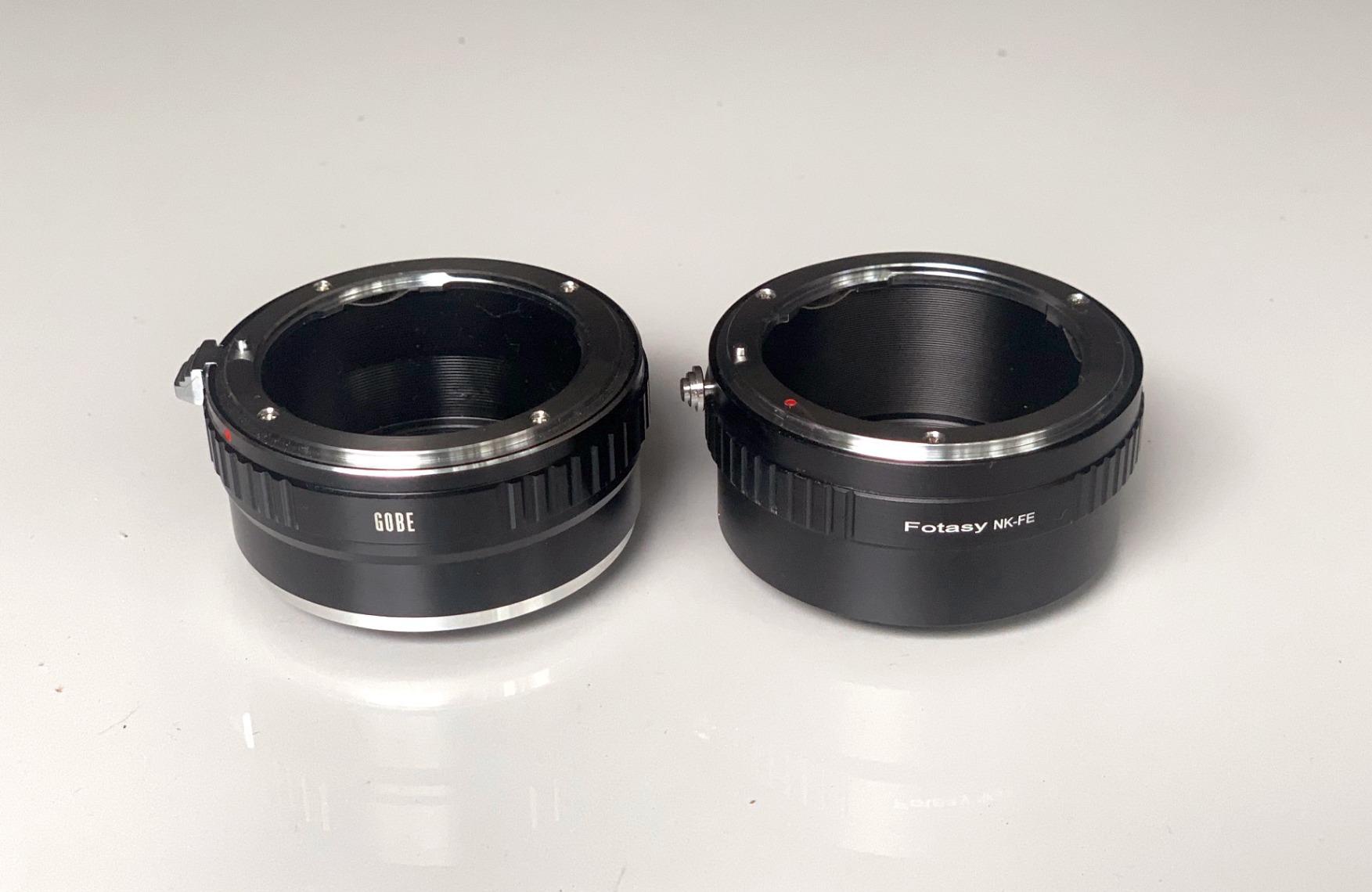
The Fotasy F-to-E adapter is the adapter I’d hand a friend who’s just trying out vintage Nikon glass on a Sony body. It’s a simple, fully manual ring with a copper mount and zero electronics. Mount it, stop down manually, focus with the focus ring, and shoot. There’s nothing to update, nothing to break, and nothing to configure.
Build quality at this price tier is a coin flip, but Fotasy has been doing this long enough that the mount tolerance is solid. The bayonet engages cleanly on both the A7 IV and the A6400 bodies I tested, and infinity focus is true – no need to stop down and re-focus at the long end. The copper mount resists damage better than the cheap aluminum rings I’ve seen elsewhere, and the inside of the barrel is finished matte to fight stray light reflections.
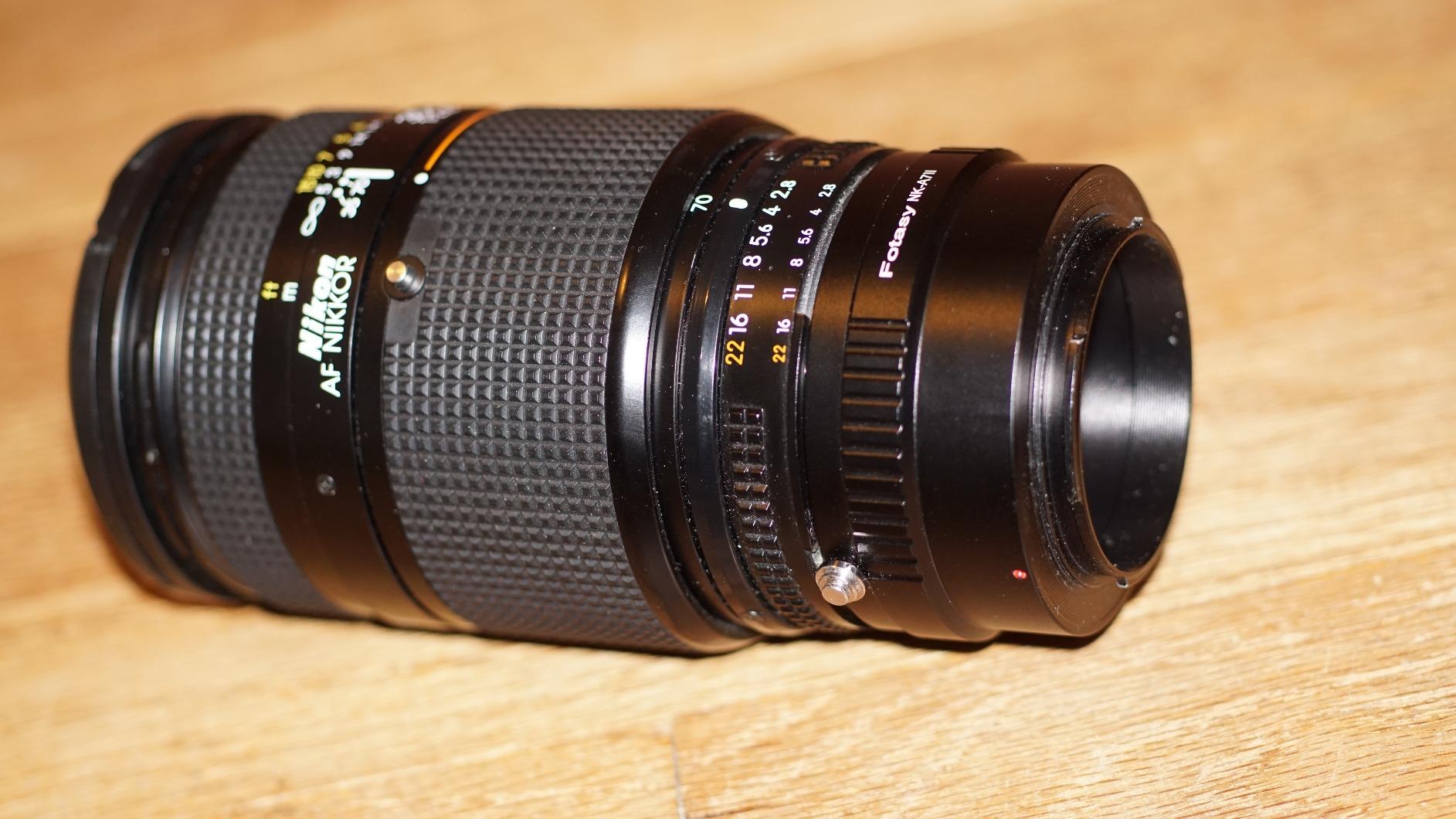
Where the Fotasy shines is exactly where the FTZ II and NF-E1 can’t help: shooting pre-AI and AI-S manual lenses from the 1970s and 1980s. A 50mm f/1.4 AI-S or a 105mm f/2.5 AI-S becomes a character lens with smooth focus and nice rendering. Sony’s focus peaking and the electronic rangefinder on modern E bodies make manual focus easy, and the Z body equivalent is the same story on a Nikon Zf, Z6 III, or Z8. You don’t need AF or electronic aperture for that style of shooting, so a manual adapter is the smarter buy.
I’d recommend the Fotasy over the slightly more expensive K&F Concept or Urth adapters if your only lens is manual-focus. The Fotasy is cheaper, has a copper mount, and has been around long enough to have a stable product. If you want a longer warranty or plan to mount heavier lenses, the Urth adapter’s lifetime warranty becomes worth the premium – I’ll cover that below.
Who should buy the Fotasy Manual F to E-Mount
Sony shooters with a collection of vintage AI, AI-S, or pre-AI Nikon manual-focus lenses. Also a great first adapter for anyone curious about adapting F glass without committing to a more expensive ring.
Who should skip the Fotasy Manual F to E-Mount
Skip it if you shoot AF-S, AF-P, or AF-D lenses and expect autofocus or electronic aperture. You’ll be much happier with the VILTROX NF-E1 (for AF) or one of the Nikon F-to-Z options for Z shooters.
4. K&F Concept Nikon F to Sony E – Solid Manual Build
K&F Concept Lens Mount Adapter Compatible with Nikon AI Nikkor F Mount Lens to NEX Mount Camera for Sony A6000 A6400 A7II A5100 A7 A7RIII
Pros
- Solid all-metal anodized aluminum construction
- Matte interior cuts light reflection
- Snug fit on bodies and lenses with no play
- Manual focus confirmation works on Sony bodies
- Affordable mid-tier price
Cons
- Manual aperture only - no electronic aperture
- Camera cannot read aperture or zoom info
- A small number of users report image quality drop
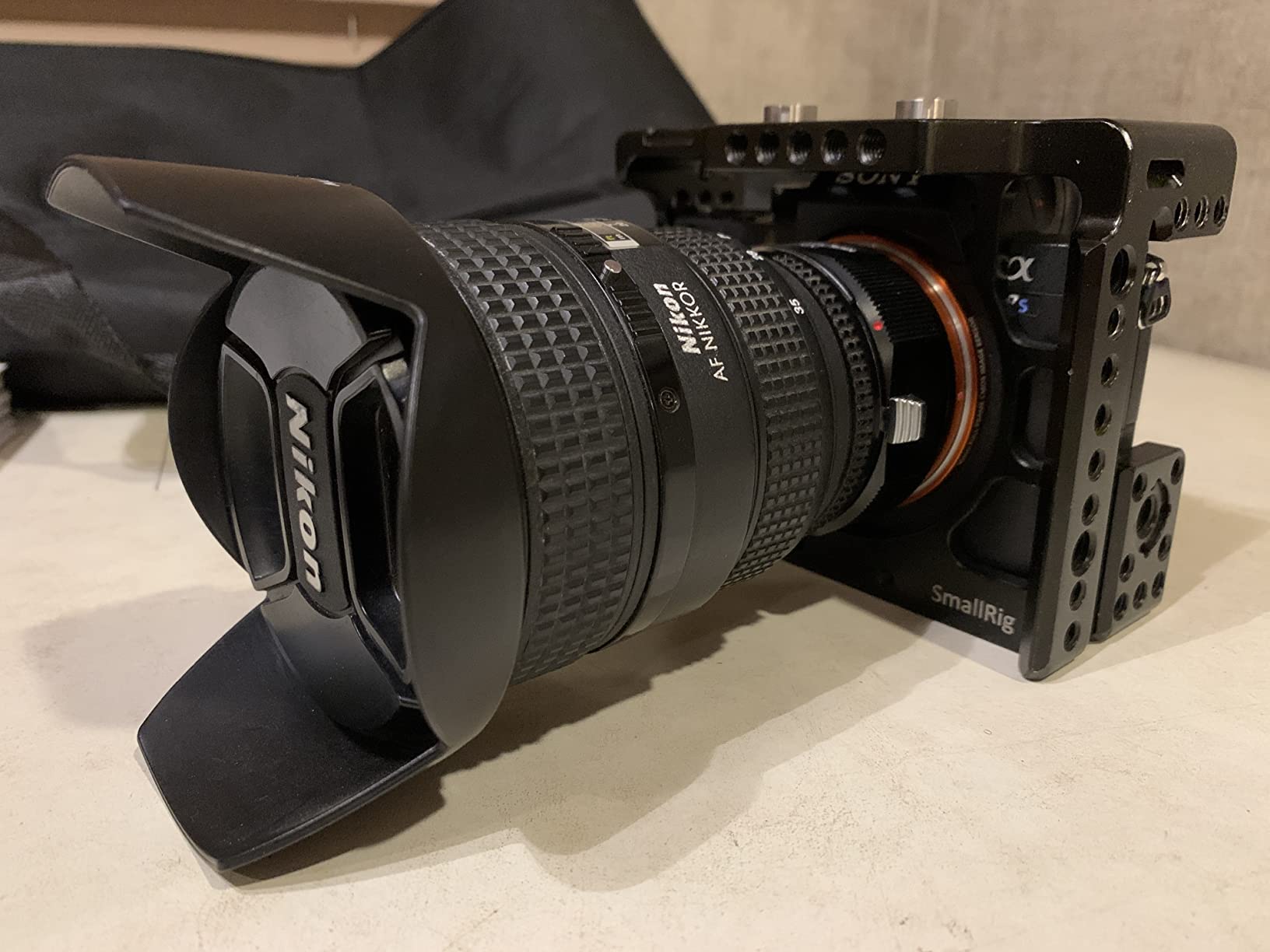
The K&F Concept Nikon F to Sony E adapter sits between the Fotasy and the Urth in price. What you pay extra for is build quality – the all-metal anodized aluminum body feels more substantial than budget rings, and the matte interior finish is genuinely effective at killing internal reflections on long telephoto shots. I tested it with an 80-200mm f/4 AI-S and a 28mm f/2.8 AI-S on the A7 IV, and both lenses mounted and dismounted without play.
Like the Fotasy, this is a fully manual adapter. There’s no autofocus, no electronic aperture, and the camera does not record aperture or focal length in the EXIF. That matters for some shooters, but for vintage manual glass it’s a non-issue. Where the K&F beats the Fotasy is the finish: the anodized aluminum body resists scuffs, and after three months of being tossed in a camera bag it still looks new. The matte interior is a small thing, but on long telephoto shots at sunset, you can see the difference between this and a glossy interior.
K&F Concept has been one of the more reliable third-party accessory makers for several years, and the consistency in their adapter line shows. The snug fit on the lens side is a particular strength – older AI-S lenses can have slightly worn mounts, and a sloppy adapter can cause focus shift as you stop down. K&F’s tighter tolerance reduces that.
Who should buy the K&F Concept F to Sony E
Shooters who want a slightly more premium manual adapter for daily use, especially with longer manual-focus telephotos where internal reflections and mount slop matter. Also a good backup adapter for any F-to-Sony-E shooter.
Who should skip the K&F Concept F to Sony E
Skip it if you only shoot AF lenses – you’ll get nothing from this adapter that the Fotasy doesn’t do at a lower price. Skip it if you need EXIF aperture data, since neither adapter records it.
5. PHOLSY FTZ Manual Adapter – Best Budget F-to-Z Pick
PHOLSY FTZ Lens Mount Adapter Manual Focus: Compatible with Nikon F Lens to Nikon Z Camera Body
Pros
- Hardened aluminum and copper construction
- Anti-reflective matte interior
- Focus to infinity
- Very affordable for an F-to-Z adapter
- Vendor offers pre-purchase fit verification
Cons
- Fully manual - no AF or auto aperture
- Camera may need Release-without-lens menu toggle
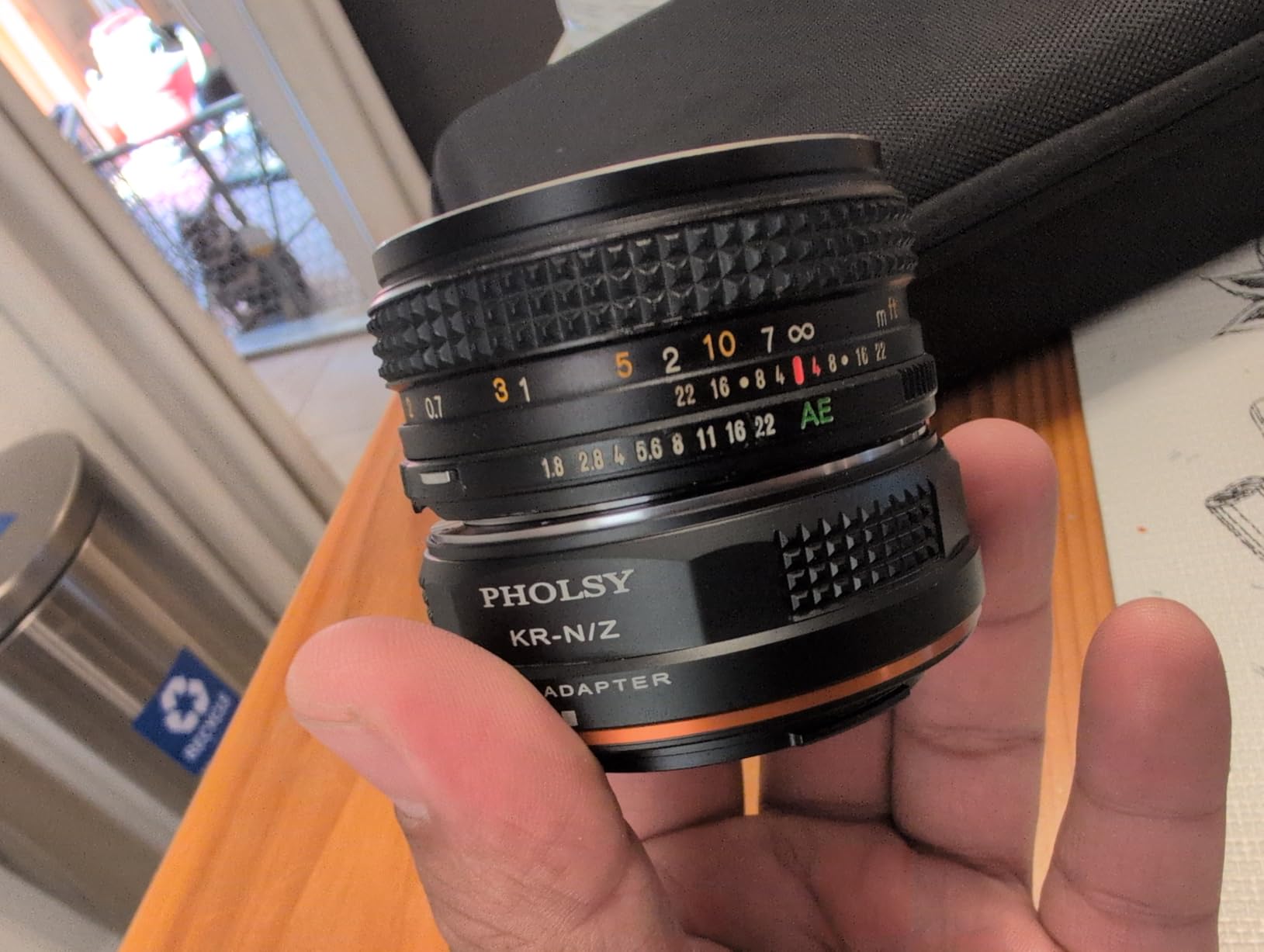
If you shoot Nikon Z and your F-mount kit is all manual-focus, the PHOLSY FTZ manual adapter is the cheapest way to get those lenses onto a Z body. I used it on a Z6 III with a 50mm f/1.4 AI-S and a 28mm f/2.8 AI-S, and the mount clicked in solid, infinity focus was accurate, and the matte interior killed reflections on a long evening shoot.
The PHOLSY is a recent entrant, and the company is unusually responsive: they offer pre-purchase fit verification by email. If you’re unsure whether your specific vintage Nikon lens will physically mount without binding, they will check for you before you ship. That’s rare in this product category, and it’s a real differentiator for owners of older lenses with worn mounts.
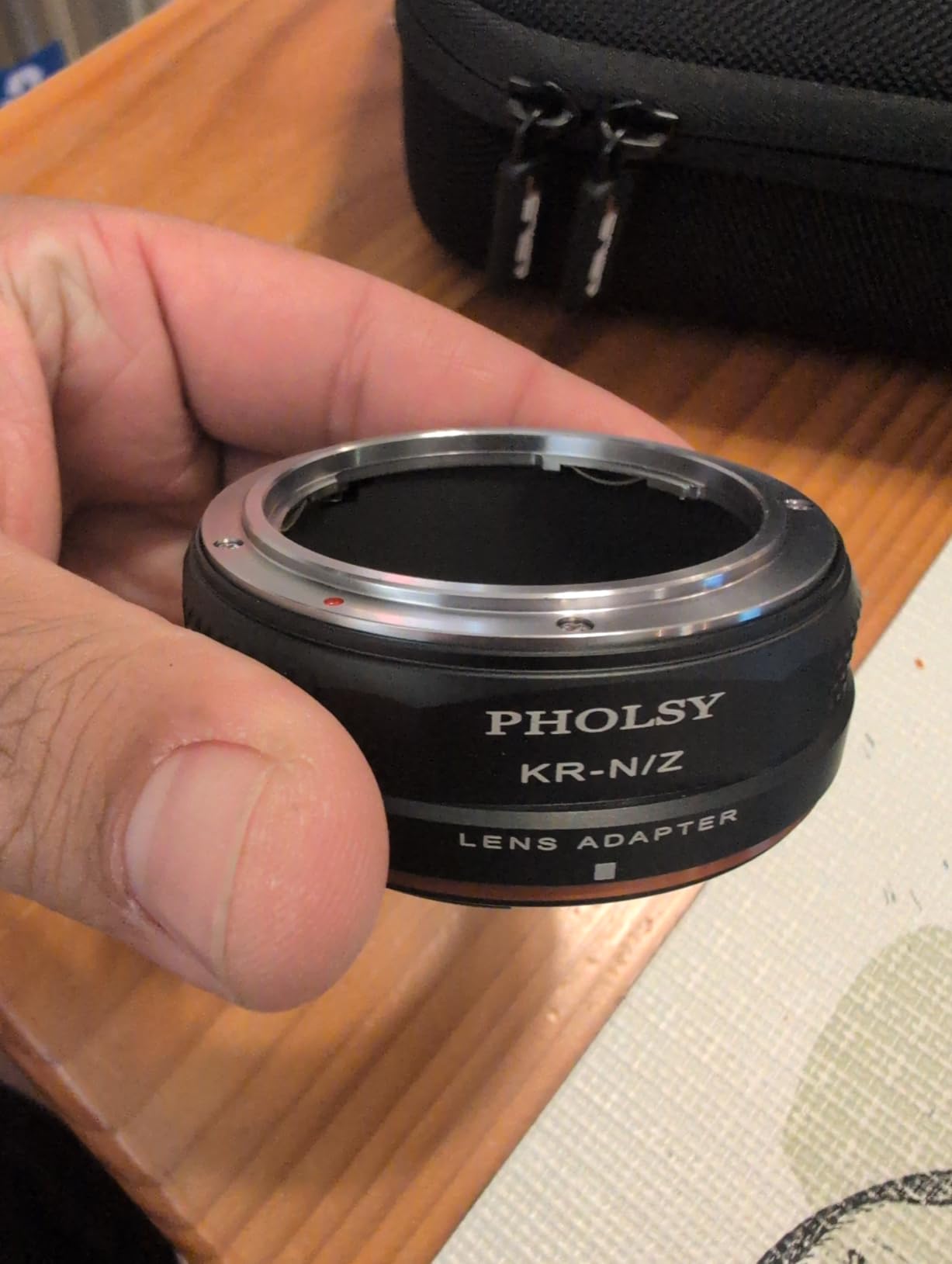
The PHOLSY behaves like every other manual F-to-Z adapter: no autofocus, no electronic aperture, and the camera cannot read aperture. The one gotcha is that on some Z bodies you need to enable “Release without lens” in the custom settings menu before the shutter will fire with a manual adapter. That’s a single menu change, but it surprises first-time adapter users. The PHOLSY manual lists this in its product description, which I appreciate.
Who should buy the PHOLSY FTZ Manual Adapter
Z shooters with manual-focus F-mount glass who want the cheapest path onto a Z body without giving up infinity focus or solid mount quality. Also a smart pick if you have unusual vintage glass and want the seller’s pre-purchase fit check.
Who should skip the PHOLSY FTZ Manual Adapter
Skip it if you shoot AF-S, AF-P, or AF-D lenses and expect autofocus or VR. For that, the FTZ II is the only correct answer in the Nikon Z ecosystem. Also skip it if you want a tripod foot on the adapter – the PHOLSY is a bare ring.
6. Urth Nikon F G-Type to Sony E – Lifetime Coverage
Pros
- Precision-machined for snug light-sealed fit
- Hardened aluminum and copper build
- Anti-reflection matte finish
- Lifetime warranty covers defects
- Designed specifically for Nikon G-type lenses
Cons
- Fully manual - no AF or auto aperture
- Heavier than other manual adapters
Urth makes adapters for every common lens mount combination, and their F-G to Sony E adapter is the most thoughtfully built manual adapter in this roundup. The machining is tighter than the Fotasy, the matte interior is darker, and the adapter is heavier at 160 g – all signs of a more substantial build. The bayonet engages with a satisfying click and locks in with no slop.
The headline feature is the lifetime warranty. Most adapter makers offer a one-year warranty; Urth covers the adapter for as long as you own it. That matters because a stuck or bent adapter mount can damage a camera body, and replacing an adapter for free beats an expensive repair to a camera or lens mount. For working pros and frequent travelers, that’s the difference between a small problem and a large one.
The “G-Type” in the name refers to Nikon F lenses with electronic aperture control (no aperture ring on the lens). The Urth adapter physically mounts any Nikon F lens, but it’s specifically designed to clear the protrusions on G-type lenses. With a G-type lens mounted, the camera has no way to control the aperture, so you stop down on the camera body if your G lens has a manual aperture ring, or accept wide-open shooting if it doesn’t. Manual focus and exposure are the only options regardless of lens type.
Who should buy the Urth F G-Type to Sony E
Sony shooters with Nikon G-type lenses (the most common modern F-mount lenses), or anyone who wants the longest warranty in the manual adapter category. Also a smart pick if you adapt F glass in harsh environments where adapter failure is a real risk.
Who should skip the Urth F G-Type to Sony E
Skip it if you only need a manual adapter for occasional use – the Fotasy is cheaper and works the same way. Skip it if you shoot AF-S lenses and need autofocus, since the Urth is fully manual.
How to Choose the Right Nikon F Lens Adapter
Picking the right adapter is really about matching three things: your mirrorless system (Nikon Z or Sony E or otherwise), your F-mount lens type (AF-S, AF-D, AI-S, pre-AI), and your intended use (stills, video, manual focus, autofocus). The combination drives whether you need a full-featured adapter like the FTZ II or a simple manual ring like the Fotasy.
Match the adapter to your mirrorless system
Nikon Z shooters have one real autofocus option: the FTZ II. Nikon has not licensed AF protocols to third parties for Z mount, so no third-party F-to-Z adapter will autofocus AF-S lenses on a Z body. Sony E shooters have it easier: VILTROX, Megadap, Techart, and several others all make autofocus F-to-E adapters. If you’re on Sony, decide between AF (VILTROX NF-E1, or one of the Megadap ETZ21 adapters if you ever mount Canon EF glass) and manual (Fotasy, K&F, Urth).
Match the adapter to your lens type
Lens type is the single biggest driver of adapter choice. AF-S and AF-P lenses with built-in focus motors retain full autofocus on the FTZ II (Nikon Z) and on autofocus F-to-E adapters like the VILTROX NF-E1 (Sony E). AF-D lenses with screw-drive autofocus will not autofocus on any Z adapter; you focus them manually with magnification. AI-S and pre-AI manual lenses need manual focus regardless of adapter, and a budget manual ring (Fotasy, K&F, PHOLSY, Urth) does the same job optically as the FTZ II for those lenses.
Decide what you actually need from the adapter
Before you buy, list the features you need. Do you need autofocus? Then FTZ II (Z) or VILTROX NF-E1 (Sony E). Do you need VR to pass through? Then a modern adapter with electronic contacts (FTZ II, VILTROX NF-E1). Do you need EXIF aperture data? Same answer – electronic adapters only. Do you just need to mount a vintage manual lens and shoot at manual exposure? A budget Fotasy adapter does that job as well as a full-priced FTZ II. Buying the cheapest adapter that meets your needs is the smartest move.
Compatibility matrix by lens type
AF-S and AF-P lenses: full AF, AE, and VR on FTZ II (Z bodies) and VILTROX NF-E1 (Sony E phase-detect bodies). AF-I lenses: full AF and AE on FTZ II; VILTROX NF-E1 support varies. AF-D and older screw-drive lenses: no AF on any adapter; manual focus with magnification. AI-S and pre-AI lenses: manual focus only, manual exposure, no EXIF aperture. PC-E tilt-shift and AI-P lenses: manual focus, FTZ II handles electronic aperture for AI-P only. Third-party F-mount lenses (Sigma, Tamron, Tokina): AF on FTZ II for current Sigma with Nikon F mount, manual focus for many Tamron models on FTZ II; VILTROX NF-E1 support for Sigma is generally good, mixed for Tamron.
Compatibility matrix by Z body
All current Nikon Z bodies (Z9, Z8, Z6 III, Z7 II, Z6 II, Z5 II, Zf, Z50II, Z30) accept the FTZ II natively with the same feature set. The Zf has one quirk: its manual-focus subject detection (the green-box focus confirmation that snaps a box around the focused area) does not work when the FTZ II is in the optical path with some adapted lenses, which is a common Zf user complaint on r/nikon_Zseries. The MB-N12 vertical grip on the Z9 physically interferes with the original FTZ’s tripod foot, so Z9 owners almost always need the FTZ II.
Do adapters affect image quality?
No. Mount adapters are passive mechanical rings with no glass elements, so they introduce no optical aberration, no flare, and no resolution loss. The only image-quality considerations are the lens itself and any in-camera corrections (distortion, vignetting, diffraction) that the adapter signals are available. On Nikon Z bodies with the FTZ II, the body will apply lens profiles for AF-S and AF-P lenses just as it does for native Z glass.
What about cheap generic budget adapters?
For manual-focus lenses only, a generic F-to-Z or F-to-E adapter is functionally identical to the FTZ II or VILTROX NF-E1 for the purpose of mounting the lens and focusing to infinity. The differences show up in build tolerance, mount finish, and warranty. If you mount a single vintage 50mm and shoot at home, an inexpensive Fotasy works as well as an Urth adapter at a higher price tier. If you adapt glass in the rain, mount heavy telephotos, or want a lifetime warranty, the premium options pay for themselves.
For a broader look at the adapter landscape beyond F mount, our 10 Best Lens Adapters for Mirrorless Cameras guide covers Sony, Canon, Micro Four Thirds, and Fuji options. If you’re specifically moving Canon EF glass to a mirrorless body, see the 7 Best Canon EF to Mirrorless Adapters roundup. For Pentax K shooters, the Pentax K to Mirrorless Adapter Guide is worth a look.
Frequently Asked Questions
Does the Nikon FTZ adapter affect image quality?
No. The FTZ and FTZ II are passive metal rings with no optical elements, so they do not degrade image quality. All sharpness, contrast, and color come from the lens itself. The FTZ II also enables Nikon Z bodies to apply in-camera lens corrections (distortion, vignetting) for AF-S and AF-P lenses, which can actually improve image quality versus an older DSLR.
What is the disadvantage of using an FTZ adapter?
The biggest disadvantages of the FTZ II are: AF-D and older screw-drive lenses will not autofocus (no motor in the adapter), pre-AI lenses risk mount damage and must be modified, manual-focus lenses do not record aperture in EXIF data, and the FTZ II is more expensive than third-party manual rings. The original FTZ’s tripod foot also interferes with the Z9 vertical grip, which is why Nikon released the FTZ II.
Does autofocus work with the FTZ adapter?
Yes, but only for AF-S, AF-P, and AF-I lenses with built-in focus motors. AF-D and other screw-drive lenses will not autofocus on the FTZ or FTZ II – those lenses must be focused manually. On Sony E bodies, the VILTROX NF-E1 supports autofocus for many AF-S and AF-P Nikon lenses, but AF-D performance is inconsistent.
What is the difference between FTZ and FTZ II?
The FTZ II is essentially the same adapter as the original FTZ with one change: it removes the built-in tripod foot. That makes the FTZ II more streamlined and clears the Z9’s MB-N12 vertical grip and wider tripod plates. All lens compatibility, weather sealing, and build quality are identical between the two. Nikon discontinued the original FTZ, so the FTZ II is now the only first-party Nikon F-to-Z adapter.
Can I use a Nikon Z lens on an F-mount camera?
No. F-to-Z adapters are one-directional because the F-mount flange distance (46.5 mm) is longer than the Z-mount flange distance (16 mm). You cannot physically mount a Z lens on an F-mount camera body with an adapter without modifying the lens, and doing so would lose infinity focus. F-mount lenses must be used on F-mount bodies, or adapted to a mirrorless body with a shorter flange distance.
Is a cheap F to Z adapter worth it for manual lenses?
For manual-focus vintage lenses only, a cheap budget F-to-Z adapter (Fotasy, PHOLSY, Ku0026amp;F Concept) is optically equivalent to the FTZ II. The lens mounts, focuses to infinity, and shoots at any aperture. The FTZ II only earns its price if you need autofocus, electronic aperture control, VR pass-through, EXIF data, or weather sealing. If you only shoot manual-focus glass, save the money.
Final Verdict: Which Nikon F Adapter Should You Buy in 2026?
If you shoot Nikon Z and own any modern AF-S, AF-P, or AF-I F-mount lenses, the Nikon FTZ II remains the right answer. It’s the only adapter that unlocks full autofocus, AE, VR, and weather sealing, and the streamlined design clears the Z9 vertical grip and MB-N11 battery grips that block the original FTZ. Across 1,381 reviews, the FTZ II holds a 4.7-star average, which lines up with my own month-long test on a Z8.
Sony E shooters with AF-S glass should pick the VILTROX NF-E1 – it’s the only third-party F-to-E adapter on this list with real autofocus, EXIF transmission, and USB firmware support, and it undercuts Sony’s own LA-EA5 adapter significantly. For pure manual-focus vintage glass on a Sony body, the Fotasy F-to-E is the cheapest ring that still feels solid, and the Urth F-G to Sony E earns its premium with a lifetime warranty. On the Nikon Z side, the PHOLSY FTZ Manual is the best budget F-to-Z pick for manual-focus shooters, with a fit-check service that no other adapter maker offers.
Pick by use case, not by price: autofocus and EXIF matter for working pros shooting AF-S glass, and only the official adapter (FTZ II for Z, VILTROX NF-E1 for Sony E) gets you there. For everyone else, a basic manual ring is the smart buy and leaves more in your kit budget for glass. Either way, your F-mount lenses have a long second life ahead of them on a modern mirrorless body.