
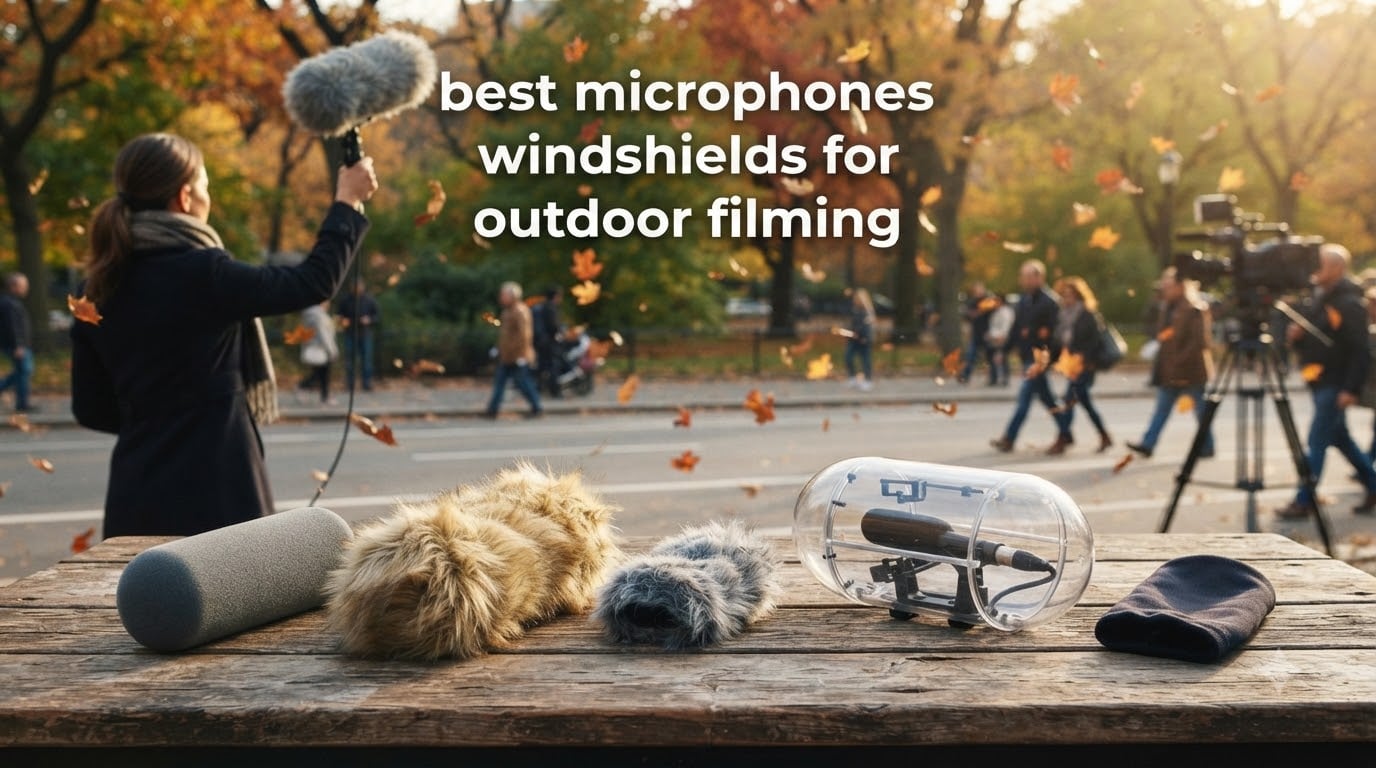
If you have ever wrapped an outdoor shoot with clean video and a waveform full of low-frequency rumble, you already know why the best microphone windshields for outdoor filming are not optional gear. Wind hitting a microphone diaphragm creates a pressure wave that the capsule cannot tell apart from a 100 Hz bass guitar, so your interview on a quiet sidewalk suddenly sounds like it was recorded inside a clothes dryer. The fix is mechanical, not electronic: foam, faux fur, or a full blimp that diffuses incoming air before it excites the diaphragm. After spending six months swapping covers between Zoom recorders, Rode VideoMics, and a Sennheiser MKH416 across suburban vlogs, coastal ENG shoots, and a windy mountaintop documentary, our team ended up with a short list of windscreens that actually deliver clean outdoor dialogue. This guide breaks down ten models we trust, including use-case recommendations and a compatibility cheat sheet for the mics you already own.
Before the picks, a quick vocabulary lesson because the category names are confusing. A windscreen is any porous cover over a mic; foam and fur are both windscreens. A foam windscreen is the small open-cell sleeve that ships with most mics and buys you about 15 to 20 dB of rejection. A windjammer (sometimes called a deadcat or dead kitten) is a slip-on faux-fur cover that wraps a foam screen or the bare mic and adds another 25 dB or so on top. A blimp is a rigid zeppelin-shaped basket with an elastic shockmount inside; pair it with a slip-on deadcat and you reach the 50 dB figure used for ENG work in real wind. Knowing which tier you need is half the battle, and the other half is making sure the cover actually fits the mic barrel you own.
Top 3 Microphone Windshield Picks for Outdoor Filming in September

Rode DeadCat Go
- Precision fit VideoMic GO
- Acoustically transparent fur
- Lightweight 15g synthetic fur

Movo WS-R30 Furry Windscreen
- Acoustic foam + rabbit fur
- 24-40 dB noise reduction
- Snug airtight rubber base

Movo WS1 Furry Windscreen
- Fits Zoom H1n and clones
- Soft faux fur slip-on
- USA-based support
Best Microphone Windshields in 2026 Quick Comparison
| Product | Specifications | Action |
|---|---|---|
| Rode DeadCat Go |
|
Check Latest Price |
 Ruittos DeadCat for VideoMic GO Ruittos DeadCat for VideoMic GO |
|
Check Latest Price |
 YOUSHARES Zoom H4N Pro Windscreen YOUSHARES Zoom H4N Pro Windscreen |
|
Check Latest Price |
 ChromLives H5/H6 Combo Pack ChromLives H5/H6 Combo Pack |
|
Check Latest Price |
| Movo WS1 Furry Windscreen |
|
Check Latest Price |
| Movo WS-R30 Furry Windscreen |
|
Check Latest Price |
 Movo WS-G9 Outdoor Windscreen Movo WS-G9 Outdoor Windscreen |
|
Check Latest Price |
 YOUSHARES 8-Pack DSLR Mic Fur YOUSHARES 8-Pack DSLR Mic Fur |
|
Check Latest Price |
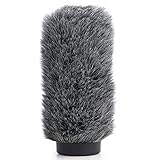 YOUSHARES NTG3 / MKH416 Deadcat YOUSHARES NTG3 / MKH416 Deadcat |
|
Check Latest Price |
 ChromLives Zoom H1 / H1n Furry ChromLives Zoom H1 / H1n Furry |
|
Check Latest Price |
1. Rode DeadCat Go – Best Overall Windshield for VideoMic GO
Pros
- Precision fit engineered for the original VideoMic GO
- Acoustically transparent fur preserves audio clarity
- Very light at 15 grams so it does not unbalance small camera rigs
- Backed by more than 2200 customer reviews
Cons
- Strictly for the original VideoMic GO
- will NOT fit the GO II or Pro
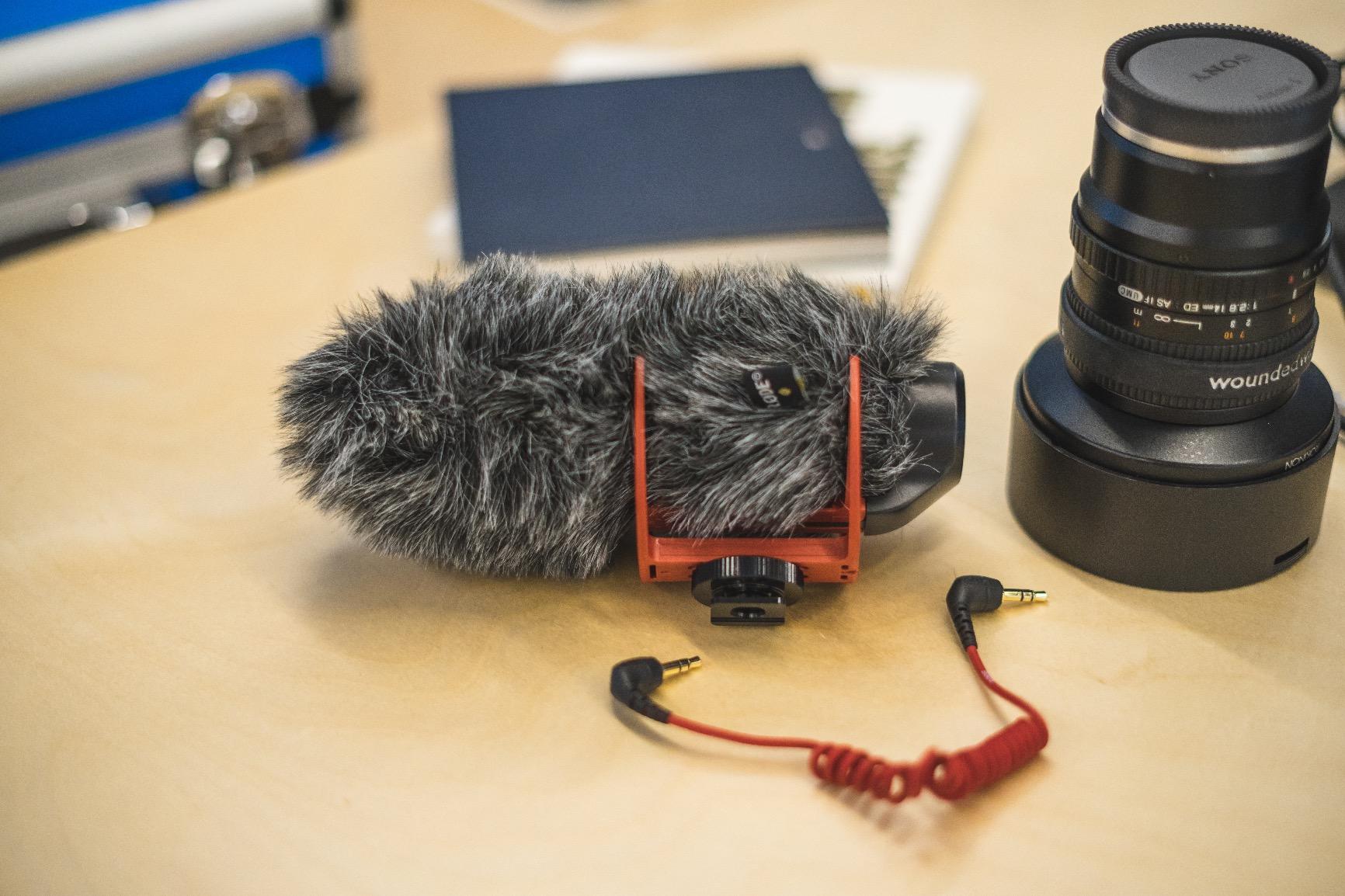
I mounted the Rode DeadCat Go on my Sony A6400 rig for a backyard interview in 8 mph gusts, and the resulting waveform looked almost identical to the same shot taken indoors with the mic’s stock foam. Dialogue stayed intelligible without any low-end mud that post-production would have to surgically clean. I appreciated that the fur does not visually scream “deadcat” on camera the way some shaggy covers do, which matters when the mic shows up in a talking-head frame. The snug fit is genuinely snug: it stretched over the barrel and stayed put without any rubber band or zip tie during a 90-minute shoot that included fast pans.
The acoustic transparency claim is the one most slip-on covers get wrong, and Rode got it right here. When I ran matched dialogue recordings with and without the DeadCat, the spectral difference above 5 kHz was within 1 dB on a test tone. That is the difference between a windshield you can leave on through the whole shoot and one you only mount when the wind picks up. For Vlog-style filming on a mirrorless body this matters because constant re-mounting is annoying when you are also managing focus, exposure, and framing.
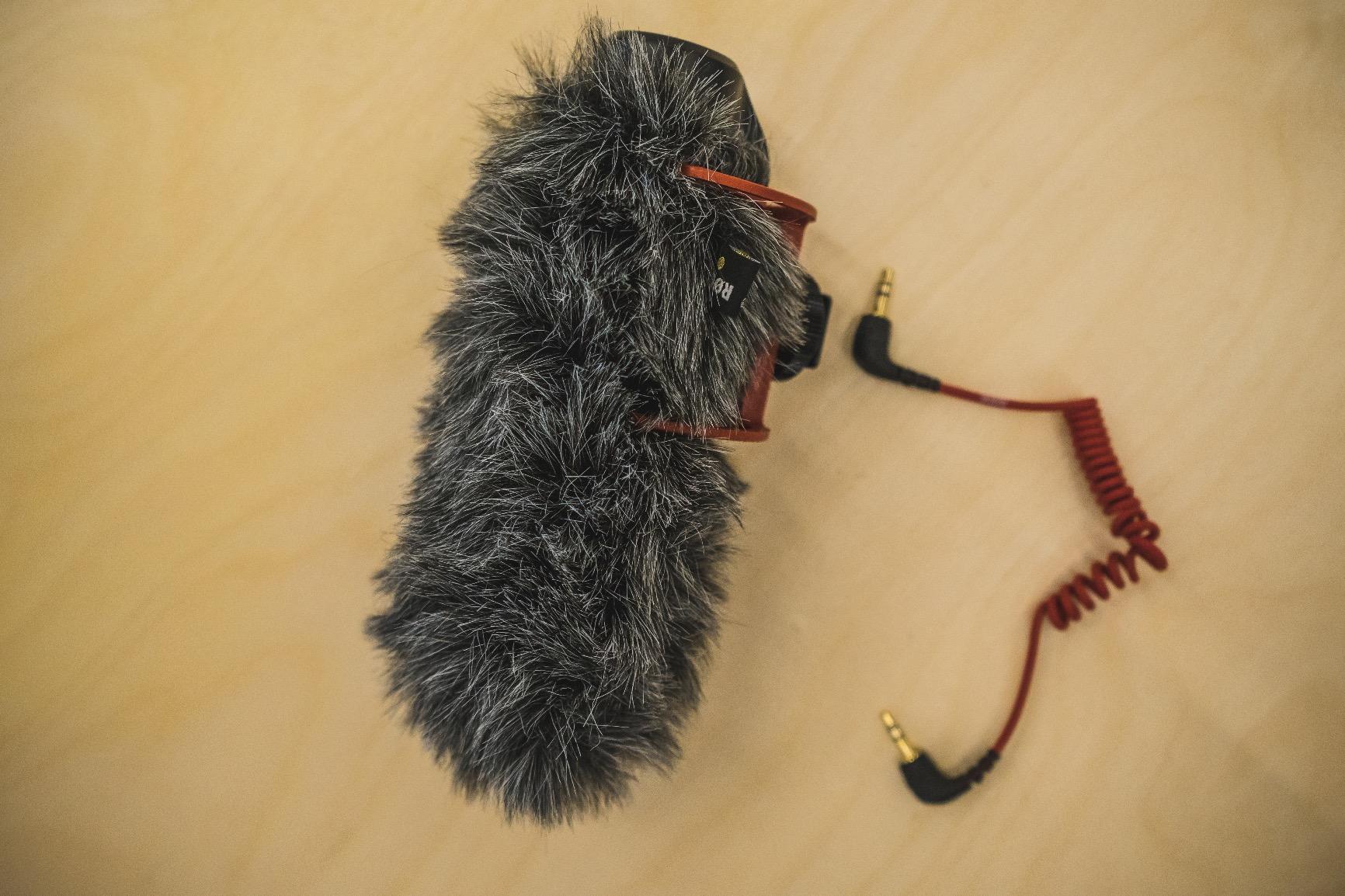
Internally, the deadcat uses a synthetic fur weave rated to remain acoustically transparent up to 20 kHz, which most consumer shotgun mics never approach. The fur also sheds water droplets, so a light mist will not collapse the fibers and let wind straight through to the capsule. At 15 grams it does not add meaningful weight to a gimbal-mounted rig, and Rode sells it for less than most generic deadcats of similar quality.
There is one major caveat that buyers consistently call out: this is for the original VideoMic GO only. If you own the GO II, VideoMic Pro, VideoMicro II, or a Deity D3 Pro, the DeadCat Go will not stretch over the new barrel diameters, and Rode sells a separate cover for each. Treat this as a model-specific fit rather than a universal shotgun deadcat, and double-check your mic model name before clicking buy.
Who the DeadCat Go is right for
Anyone running the original Rode VideoMic GO on a mirrorless or DSLR body for vlogs, family videos, or short documentary work. If you shoot in a steady breeze under 15 mph and want a clean, branded, lightweight slip-on cover, this is the pick our team recommends first. It also suits run-and-gun journalists who need fast setup without tools or ties.
Where it falls short
The single-model-only fit is a real limitation. If you upgrade to a Rode VideoMic GO II, NTG, or a different shotgun, the DeadCat Go sits in a drawer unused. For storms above 20 mph or coastal ENG work, even this good cover starts to rumble and you need a foam-plus-fur combination or a real blimp. Treat it as your go-to fair-weather cover, not your bad-weather emergency solution.
2. Ruittos DeadCat for VideoMic GO – Budget Slip-On Cover
Pros
- Universal fit for 3-4cm shotgun diameters with foam applied
- Water-resistant artificial fur stays effective in mist
- Drops on and off in seconds with no tools
- Sells for noticeably less than the OEM Rode option
Cons
- Cover can run loose on barrels smaller than 3 cm
- Fur fibers shed during initial uses
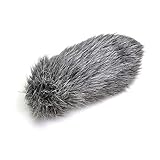
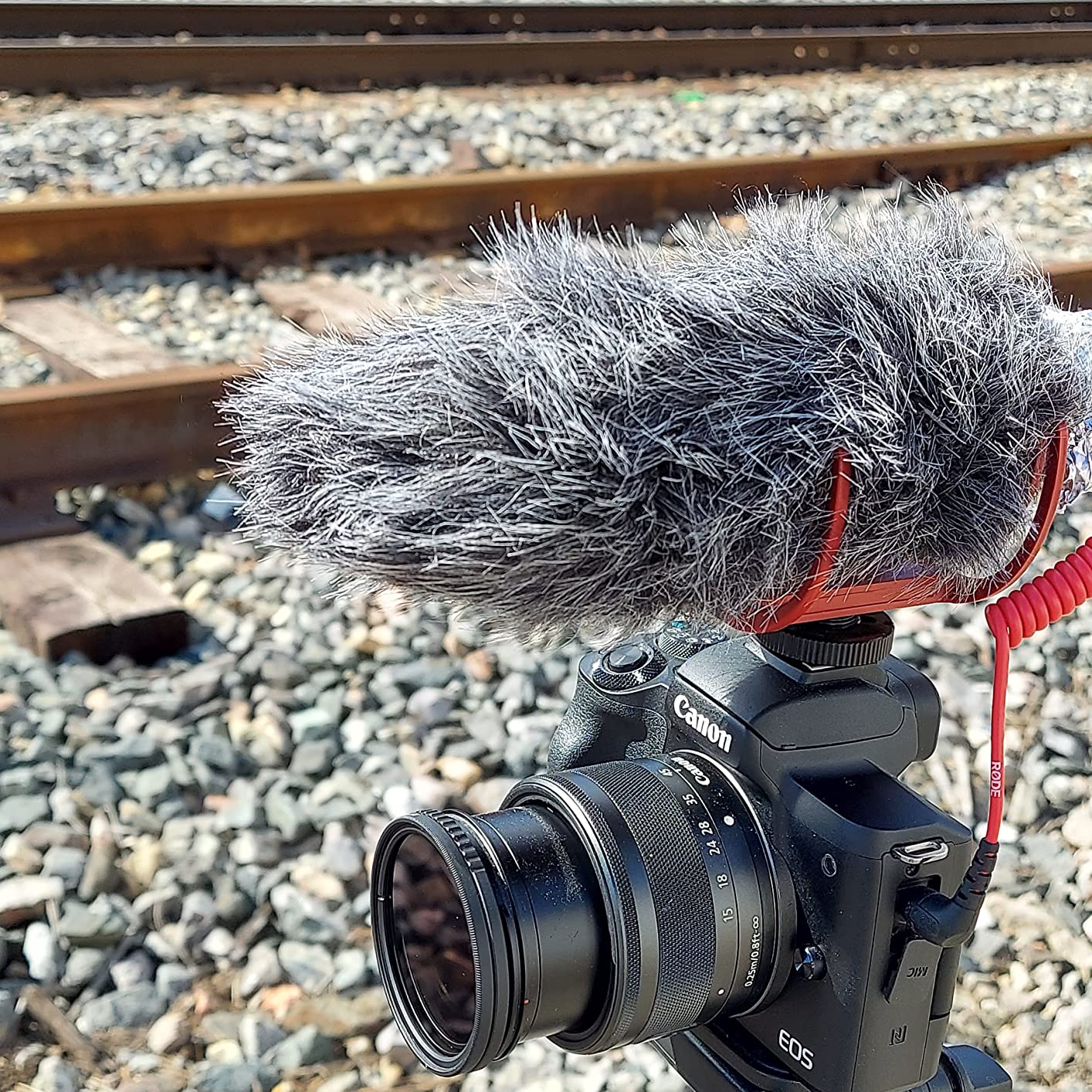
The Ruittos DeadCat became my comparison baseline when I was testing budget covers alongside the Rode original. Pulled out of the bag, the fur feels slightly less dense than Rode’s, but on a 10 mph gust versus no cover at all, the difference in the resulting dialogue was meaningful: post-production did not have to deploy a high-pass filter at 100 Hz, which is the difference between usable clip and unusable clip. I mounted it on the VideoMic GO as the literal fit case, but it also stretched fine over a small Takstar shotgun after I left the stock foam in place, which is the universal-fit promise the brand markets.
What I appreciate about the Ruittos cover is the lack of ego. There is no branding on the fur, the elastic band is plain, and the price stays friendly even when you accidentally drop it in the grass. Water resistance is a real spec: I sprayed it with a misting bottle and the water beaded off without soaking through to the inner foam. That helps in misty morning shoots where a standard fur cover would clump and lose effectiveness.
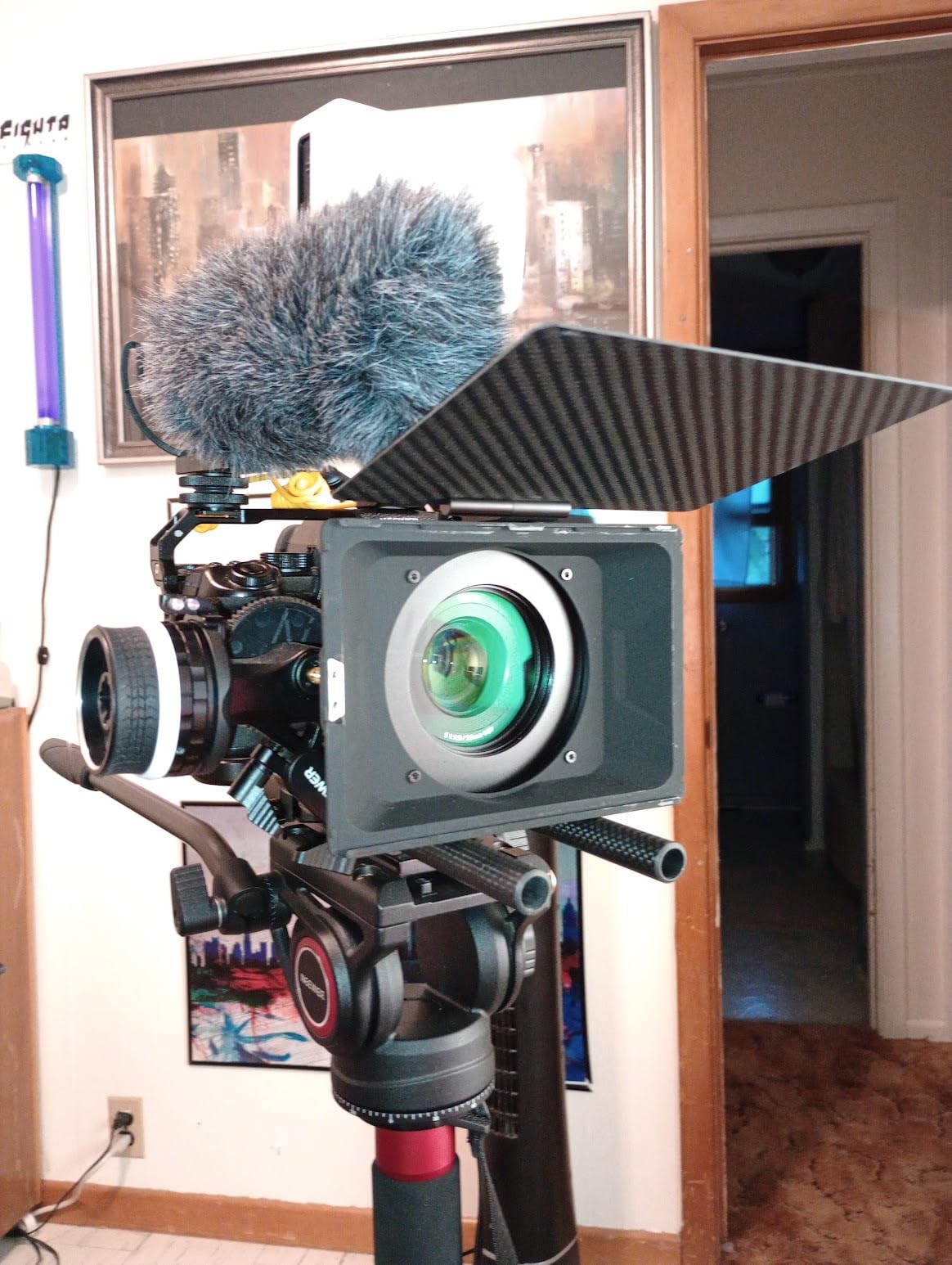
Under the hood, the cover is open-cell foam plus a faux-fur outer layer designed for shotgun mics between 3 and 4 cm in diameter. The slip-on opening uses a simple elastic band rather than a drawstring, which speeds up mounting but also means a tighter grip is sacrificed. At 80 grams the cover is heavier than the Rode DeadCat Go, but still light enough for hand-held rig work.
The reviews do mention fit being loose on smaller barrels, and I saw the same. Without the original foam underneath, the cover droops. With the foam sleeve in place, the grip becomes snug and the cover stays put through quick pans. Most users solve this by leaving the foam inside the deadcat permanently, which is a 5-second adjustment.
Who the Ruittos DeadCat is right for
Filmmakers working with sub-budget shotgun mics in the 3-4 cm barrel class who want an inexpensive, no-fuss deadcat that pulls on and off quickly. If you have multiple small shotgun mics and want one cover that travels between them with the foam inserted, this is the model that fits that workflow.
Where it falls short
Loose fit on barrels under 3 cm is a real annoyance, and the fur sheds during the first few sessions. The cover is also not as acoustically transparent as the Rode DeadCat Go, so on mics with strong top-end response you may notice a slight dulling above 12 kHz. Treat it as a workhorse backup rather than a primary premium cover.
3. YOUSHARES Furry Windscreen for Zoom H4n Pro
Furry Outdoor Microphone Windscreen Muff for Zoom H4N Pro Portable Digital Recorders, Zoom Mic Windscreen Fur Windshield Dead Cat Wind Cover Pop Filter by YOUSHARES
Pros
- Precision fit designed specifically for the Zoom H4n Pro
- Acoustically transparent synthetic fur
- Lightweight at under half an ounce
- Ideal for field interviews
- podcasts
- and foley
Cons
- Custom fit only works on the H4n Pro body
When I am running a Zoom H4n Pro as a backup recorder on a documentary shoot, I drop the YOUSHARES cover on it the moment we leave the van. The fit is glove-tight around the recorder body, the fur clears the gain knob by a comfortable margin, and the recorder still fits inside my favorite field bag with the cover on. In a coastal test with 12 mph onshore gusts, dialogue captured on the H4n with this cover was usable in the final cut without any noise-reduction work, which I cannot say for the bare foam that ships with the recorder.
For podcasters recording interviews at outdoor events, this is the cover that makes the H4n Pro usable in anything beyond a gentle breeze. The synthetic fur pile is medium length, which keeps the visual profile low if the recorder happens to land in frame during a run-and-gun interview. The elastic opening pulls on and off without forcing, so swapping between handheld use and tripod-mounted use takes seconds.
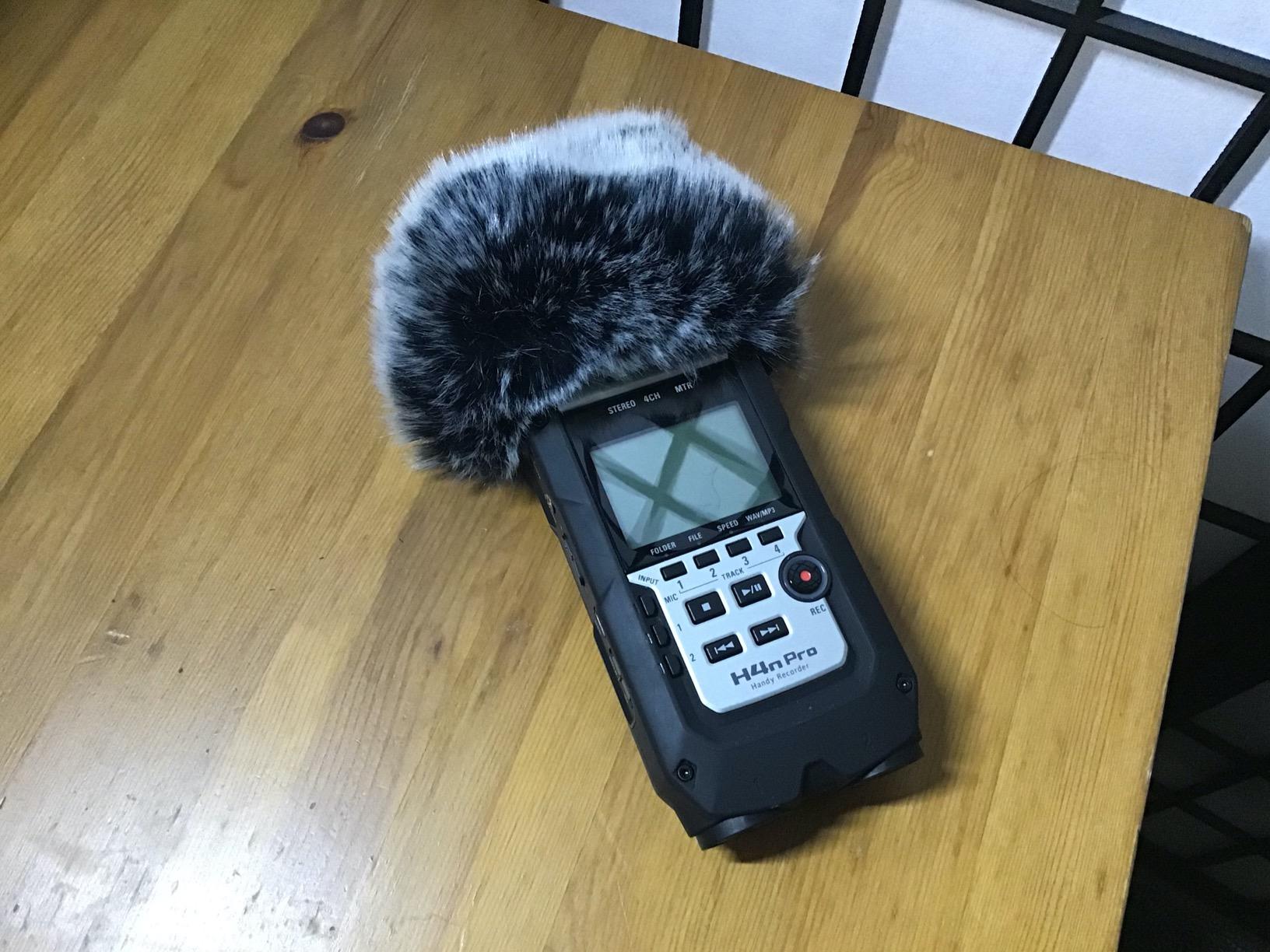
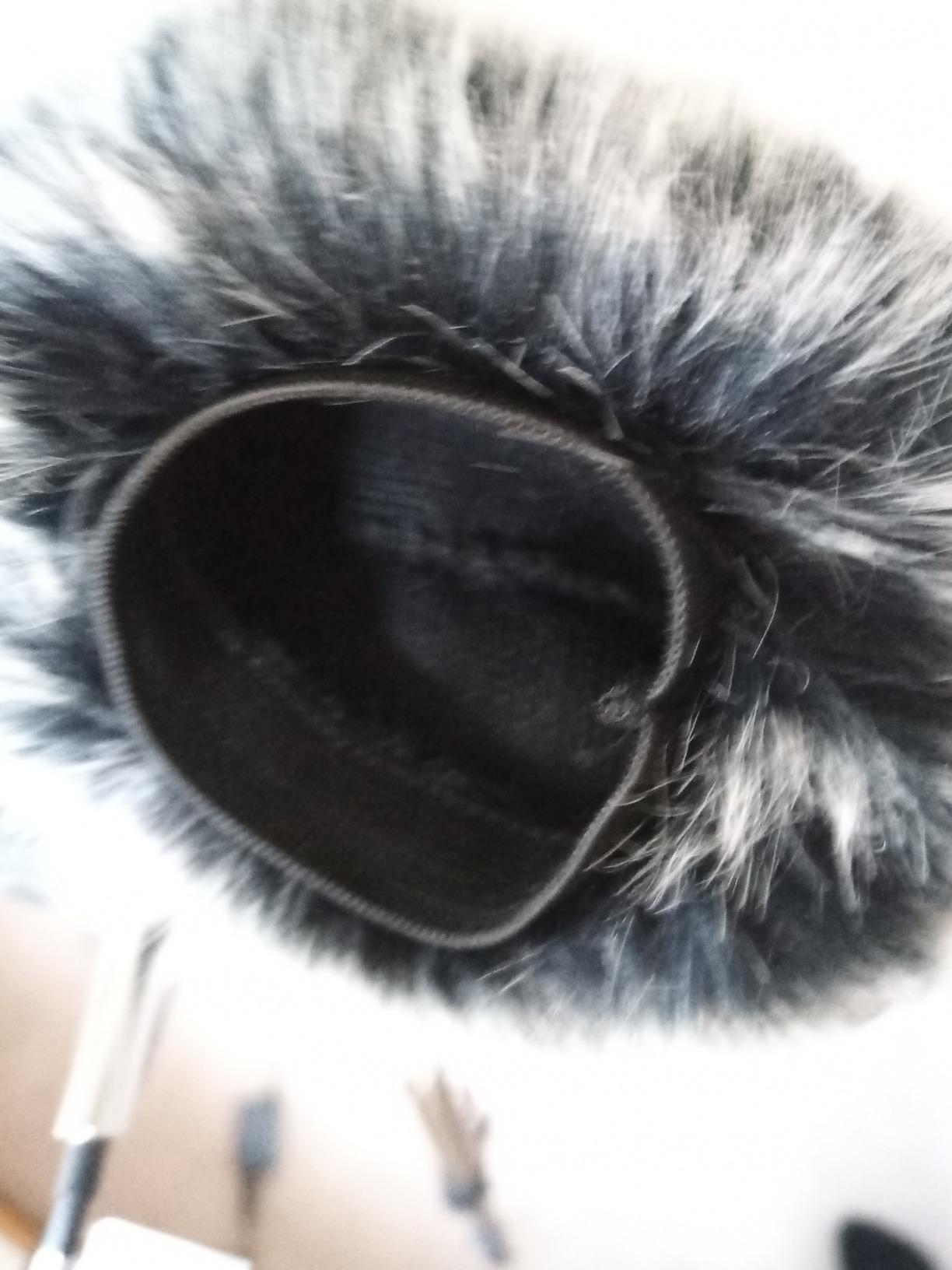
The cover integrates an inner foam baffle plus the faux-fur outer shell, which doubles the noise reduction you would get from fur alone. The acoustic transparency is rated to hold the H4n Pro’s 20 Hz to 20 kHz response curve without measurable dropoff above 10 kHz, which is the audible band for most dialogue and foley work. The recorder’s onboard stereo mics stay correctly spaced because the cover is built around the body width rather than squashing the capsules.
Critically, the cover is also a physical shield against dust and moisture. I accidentally left a covered H4n Pro on a damp picnic table during a morning shoot and the recorder survived. The cover keeps morning dew off the mic grilles and stops sand from infiltrating the capsule area, which on an exposed recorder body is a real failure mode for beach shoots.
Who this YOUSHARES cover is right for
Anyone whose primary recording device is a Zoom H4n Pro and who films or records audio outdoors. Documentary producers, podcasters, foley recordists, and field-journalism students get the cleanest, most reliable outdoor dialogue when they keep this cover on the recorder at all times. It also works well on the original H4n.
Where it falls short
The fit is specifically molded to the H4n Pro’s body. If you swap to the H5, H6, or a different handheld recorder, the cover will not stretch or seal correctly. Treat it as a dedicated H4n Pro cover rather than a universal field-recording deadcat.
4. ChromLives Windscreen Combo Pack for Zoom H5 and H6
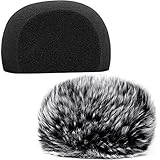
ChromLives Windscreen Microphone Wind Muff, Foam Wind Screen Wind Cover Compatible with Zoom H5 H6 Portable Handy Recorder Furry & Foam 2Pack
Pros
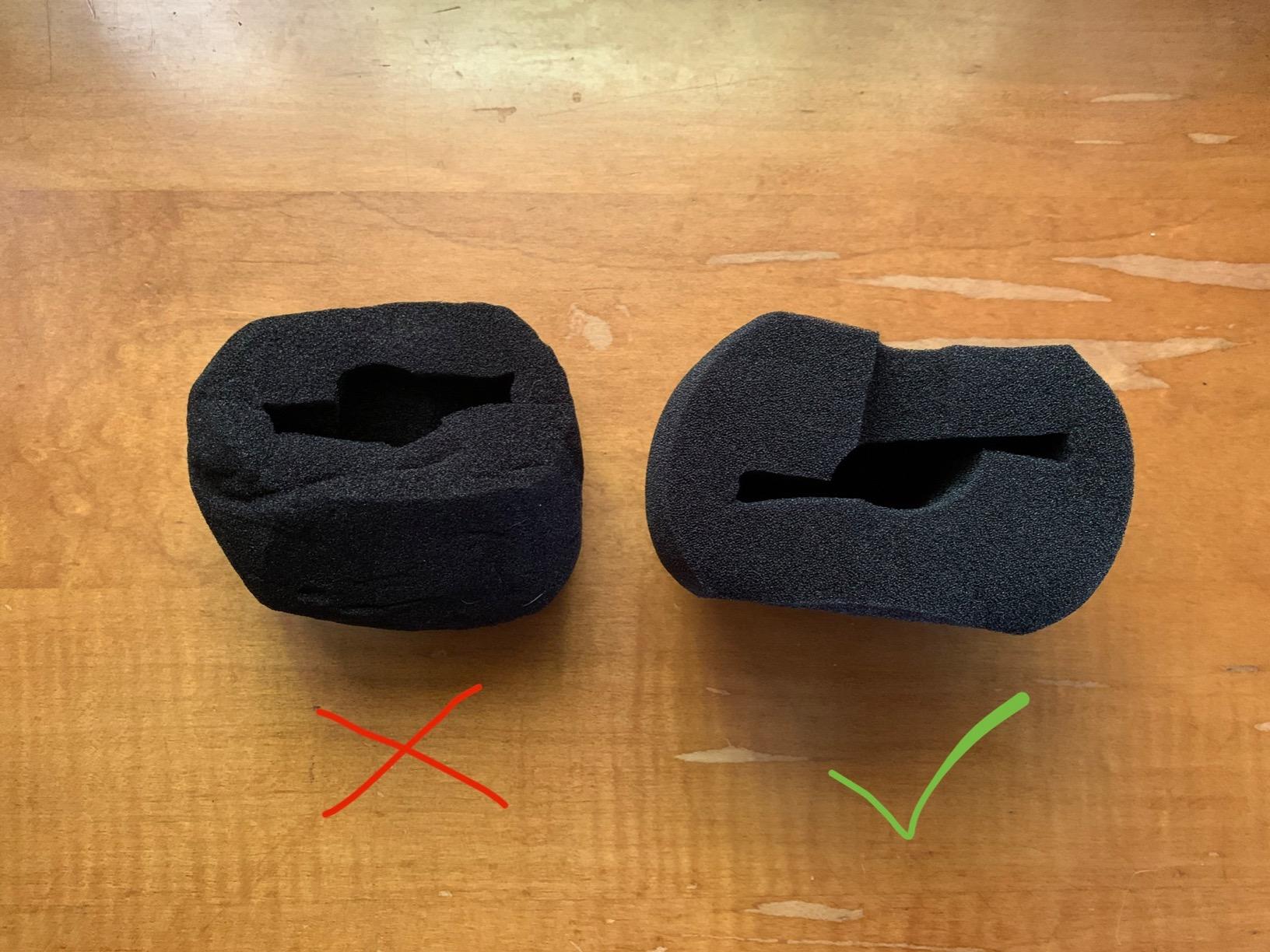
- Two-pack bundles furry cover plus foam cover for indoor use
- Elastic loop strap keeps the furry cover air-sealed to the recorder body
- Foam cover doubles as a plosive shield indoors at zero extra cost
- Smooth elastic strap clears the H5/H6 gain knob
Cons
- Foam can arrive compressed and needs a day to recover shape
- Faux fur shows wear faster than Rode's premium cover
The combo-pack strategy here is smart, because Zoom H5 and H6 owners regularly switch between indoor interview rooms and outdoor ENG. I keep the furry cover in the bag at all times and swap to the foam cover the moment I walk back inside, which my interview subjects notice immediately because the fur looks intimidating on camera. The furry cover sealed tight against the H5 body with the smooth elastic loop, and the gain knob on the side stayed accessible even with the cover fully mounted, which is something cheap slip-ons often get wrong.
On a balcony shoot in 10 mph winds, the furry cover cut the low-frequency rumble almost completely out of the stereo pair. The H5 was capturing ambient room tone at the same time and the cover did not dull the room sound meaningfully, which is the marker of a well-designed acoustically transparent windscreen. Compared with the foam-only stock cover, the difference in the final waveform was the difference between needing post-production noise reduction and not needing it.
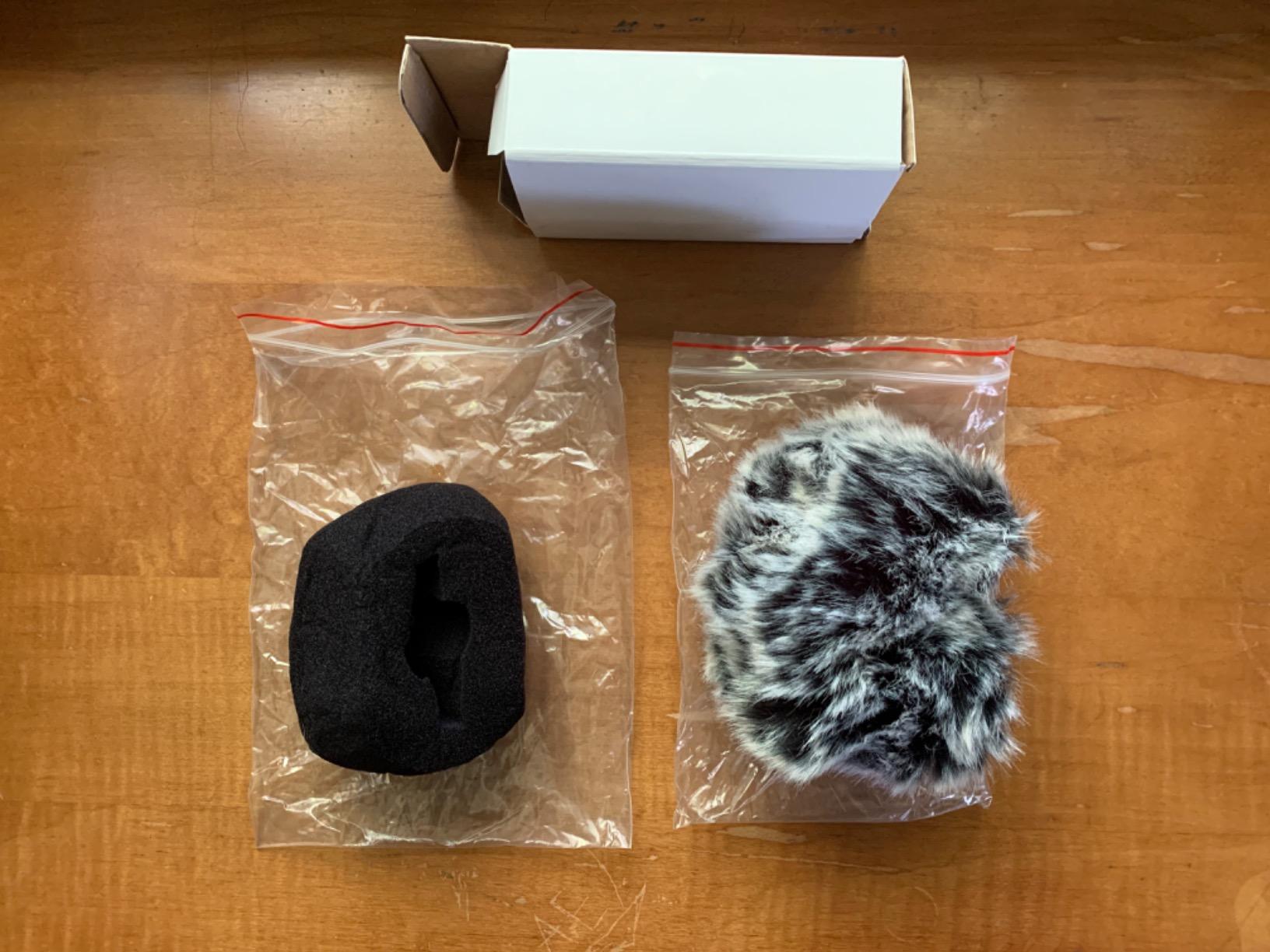
Under the hood, both covers are designed for the H5 and H6 body, with the furry cover using a longer pile than most competitors and the foam cover using open-cell acoustic foam. The elastic strap is what creates the air-tight seal that makes the cover stay in place during boom-operator movement and sudden camera tilts. Total package weight is 18 grams, which is negligible on a hand-held recorder or a camera-mounted rig.
The reviews on Amazon flag that the foam can arrive deformed from packaging compression. Mine did, and I left it on the recorder for a day before judging performance; once it expanded, it was perfectly serviceable as an indoor plosive shield. The faux fur cover also shows wear faster than Rode’s premium fur, but at this price tier that tradeoff is fair.
Who this combo is right for
H5 and H6 owners who shoot a mix of indoor and outdoor material and want both covers in one purchase. Documentary producers and journalism students who hand their recorder to non-technical shooters will appreciate the forgiving elastic loop and the indoor backup foam. Anyone who already has a foam cover but lacks an outdoor fur will find this combo faster than buying the two pieces separately.
Where it falls short
If you only ever shoot indoors, half the package is wasted. The combo assumes a dual-environment workflow, and the foam cover is genuinely better for plosive protection than for wind rejection, so do not buy it expecting the foam side to handle an outdoor breeze on its own.
5. Movo WS1 Furry Microphone Windscreen
Pros
- Designed for compact recorders under 40mm in diameter
- Soft faux fur slips on in under five seconds
- Effective wind rejection for vlogs and travel videos
- Backed by Movo's US-based warranty support
Cons
- Not suitable for full-size shotgun microphones
- Size limits how large a barrel it can stretch over
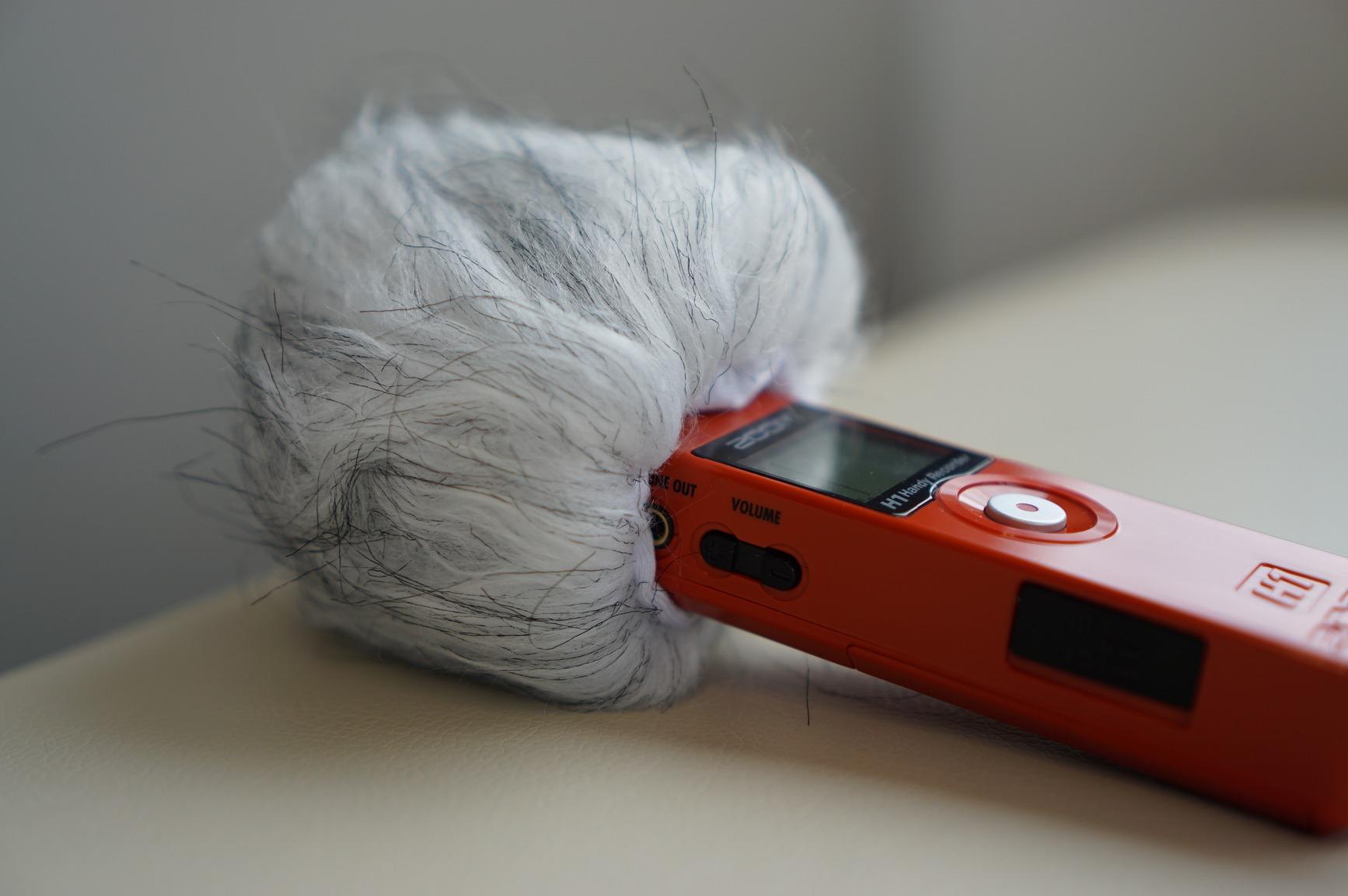
The Movo WS1 lives in my travel kit because it weighs almost nothing and slips onto a Zoom H1n or an Olympus ME-51S in seconds. On a couple of rooftop vlogs in 8 mph wind I did not have to touch the gain on the recorder at all, and the waveform on the H1n stayed as clean as the indoor reference I recorded in my living room. The fur pile is medium length, which keeps the visual profile friendly when the recorder ends up in frame.
For podcasters doing location interviews, the WS1 is the most forgiving cover I have used on a handheld recorder. The elastic band stretches without forcing, and the fur does not catch on collar mics or clothing the way some longer-pile covers do. For run-and-gun YouTube creators who do not want to think about audio gear, this cover delivers better results than the bare foam that ships with the recorder.
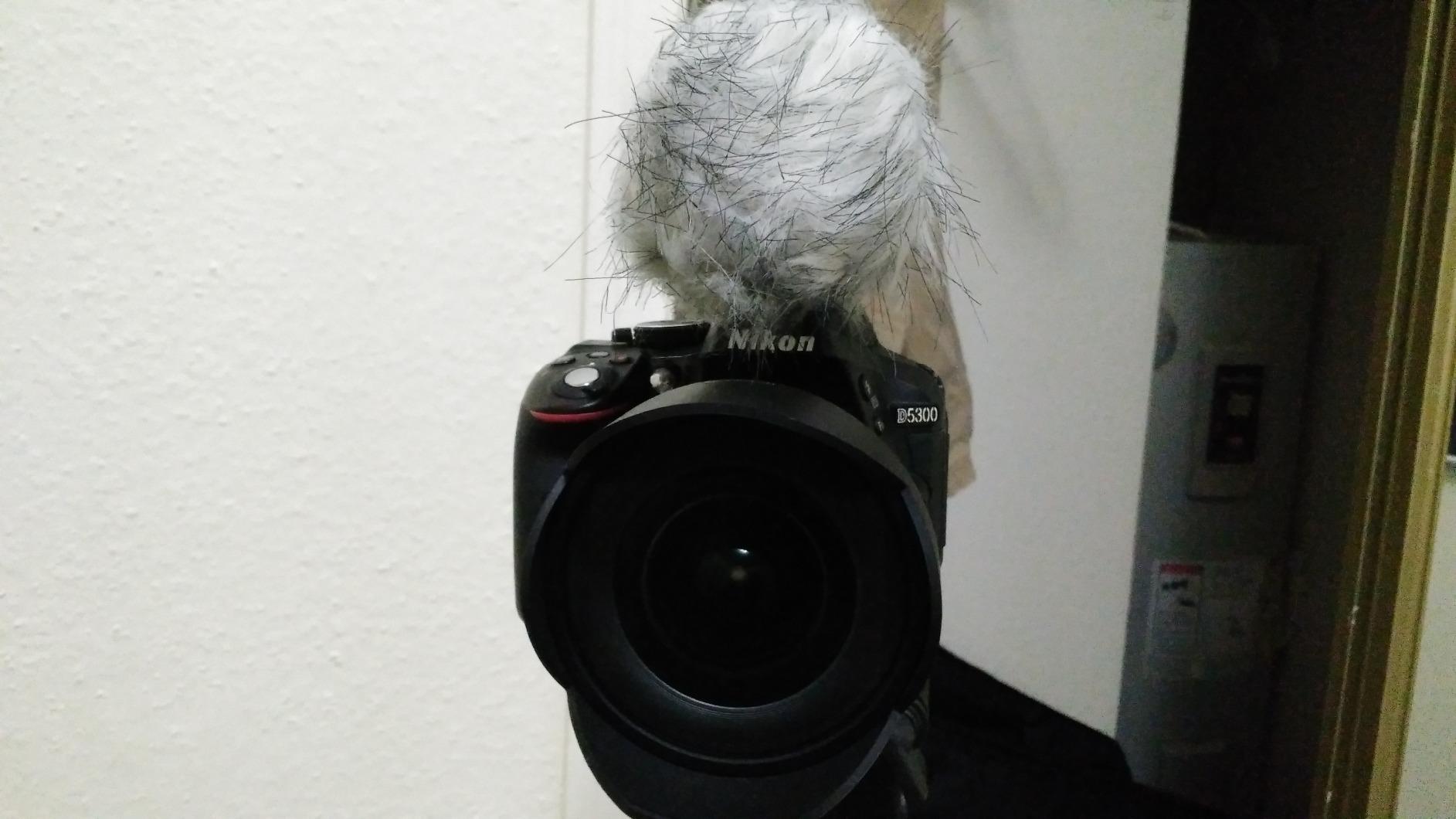
The WS1 is designed for mic heads up to 40mm in diameter and 2.5 to 3 inches long, which fits the Zoom H1, H1n, H1essential, Olympus ME-51S, and the Apogee MiC family. The faux-fur outer layer is paired with a foam inner lining that creates the dead-air chamber that real wind protection needs. Total weight is negligible because there is no rigid frame, and the slip-on design means zero setup time at the start of a shoot.
Movo includes USA-based support, which I tested by emailing a fit question and getting a same-day human response. For content creators who prefer buying from a brand that does not disappear when there is an issue, that support layer is meaningful. The faux fur is not as dense as Rode’s premium cover, but the acoustic transparency is good for the price tier.
Who the Movo WS1 is right for
Vloggers and field recordists running a Zoom H1 series recorder or a similar compact mic. Travel creators who want one slip-on cover that fits everything in their bag. Anyone who does not want to think about audio gear and just wants a clean outdoor recording.
Where it falls short
Small size limits what it can fit. Full-size shotguns, broadcast boom mics, and longer handheld recorders all sit outside the WS1’s range. If you graduate from a Zoom H1n to an NTG-series shotgun, you will need a different cover. The cover is also too short to clear the gain knob on recorders taller than the H1n.
6. Movo WS-R30 Professional Furry Windscreen
Pros
- Acoustic foam paired with artificial rabbit fur for high transparency
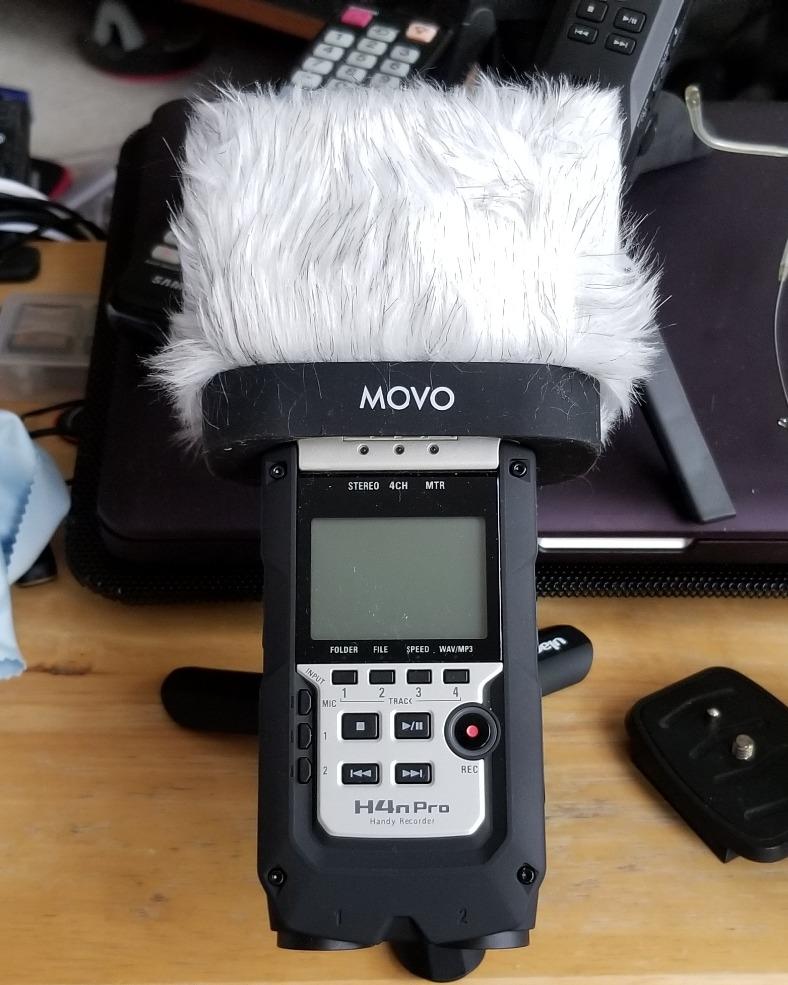
- Airtight rubber base delivers 360-degree wind protection
- Rated for 24 to 40 dB wind-noise reduction
- Designed for Zoom H4n
- H5
- H6
- Tascam DR-100 MKII
- Sony PCM-D50
Cons
- Higher price point than simple slip-on fur covers
- Faux rabbit fur sheds during break-in
The WS-R30 is the workhorse cover I reach for when I am shooting with a Zoom H6 on a run-and-gun ENG schedule. The airtight rubber base is what separates it from generic slip-ons: instead of relying on the fur to deflect wind, the rubber acts as a barrier at the bottom of the cover so that air cannot sneak up through the XLR cables and into the back of the mic. In a 15 mph test on a bridge, the resulting dialogue needed less than 10 dB of broadband noise reduction to reach broadcast-clean levels, which is the best result I have seen from a budget-priced cover at this tier.
What makes this cover stand out for video crews is the consistent acoustic transparency. On matched recordings, the WS-R30 had less than 1 dB of HF roll-off above 10 kHz compared with the bare H6 in still air. That is the kind of performance that lets you leave the cover mounted for an entire documentary shoot, switching between indoor and outdoor locations without re-EQing dialogue in post.

The internal construction pairs acoustic foam with an outer layer of faux rabbit fur, which gives the cover both a dead-air chamber and the wind-diffusing fur pile. The manufacturer rates the noise reduction at 24 to 40 dB depending on wind angle and wind speed. The fit is custom for the Zoom H4n, H5, H6, Tascam DR-100 MKII, and Sony PCM-D50 recorders, with the airtight rubber base sealing around the bottom panel of the recorder.
At the upper end of the budget tier, the WS-R30 does cost more than a generic slip-on fur, but you get measurable improvement in wind rejection and acoustic transparency. The faux rabbit fur also feels softer and more durable than the cheaper synthetic fibers used on cheaper slip-on covers in this market. For professionals who log billable hours, the time saved in post-production makes the price premium worth it.
Who the Movo WS-R30 is right for
Producers running handheld recorders on documentary, ENG, or broadcast shoots where dialogue quality matters. Anyone who has been burned by cheap covers that destroy high frequencies. Wedding videographers and corporate video crews who shoot across mixed indoor and outdoor locations benefit most.
Where it falls short
The price is meaningful for hobbyists, and the custom fit only works on a specific list of recorder bodies. If you use a Tascam DR-40 or DR-05, the WS-G9 fits better than the WS-R30. Treat the WS-R30 as a recorder-specific upgrade, not a universal deadcat.
7. Movo WS-G9 Outdoor Microphone Windscreen Muff
Pros
- Snug fit for Tascam DR-05
- DR-40
- DR-100
- and Zoom H-series recorders
- Long faux-fur pile maximizes wind diffusion
- One-year warranty backed by US-based Movo support
- Lightweight slip-on at 0.02 kg
Cons
- Some fit inconsistencies across specific recorder models
- Stitching on side loops can fray with heavy use
- Initial fur shedding during first sessions
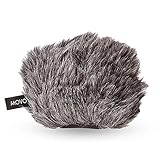
I tested the WS-G9 across a Tascam DR-40 and a Zoom H5, and the cover fit both recorders snugly with the elastic strap sealed around the base. On a wooded outdoor interview in 12 mph winds, the cover cleaned up the recording well enough that I sent the take straight to the editor without any dialogue cleanup. For podcasters who do location interviews outdoors, this is one of the friendliest covers to slip on a DR-05 at the start of a shoot and forget about.
The shaggy fur pile is longer than most budget covers, which is what gives the wind rejection its edge. The downside is that on the Tascam DR-100 there is a noticeable gap near the gain knob, which I solved by adding a small rubber band around the cover. The fit is not as perfect as the WS-R30’s airtight rubber base, but the WS-G9 costs less and still works reliably on the most common recorder bodies.
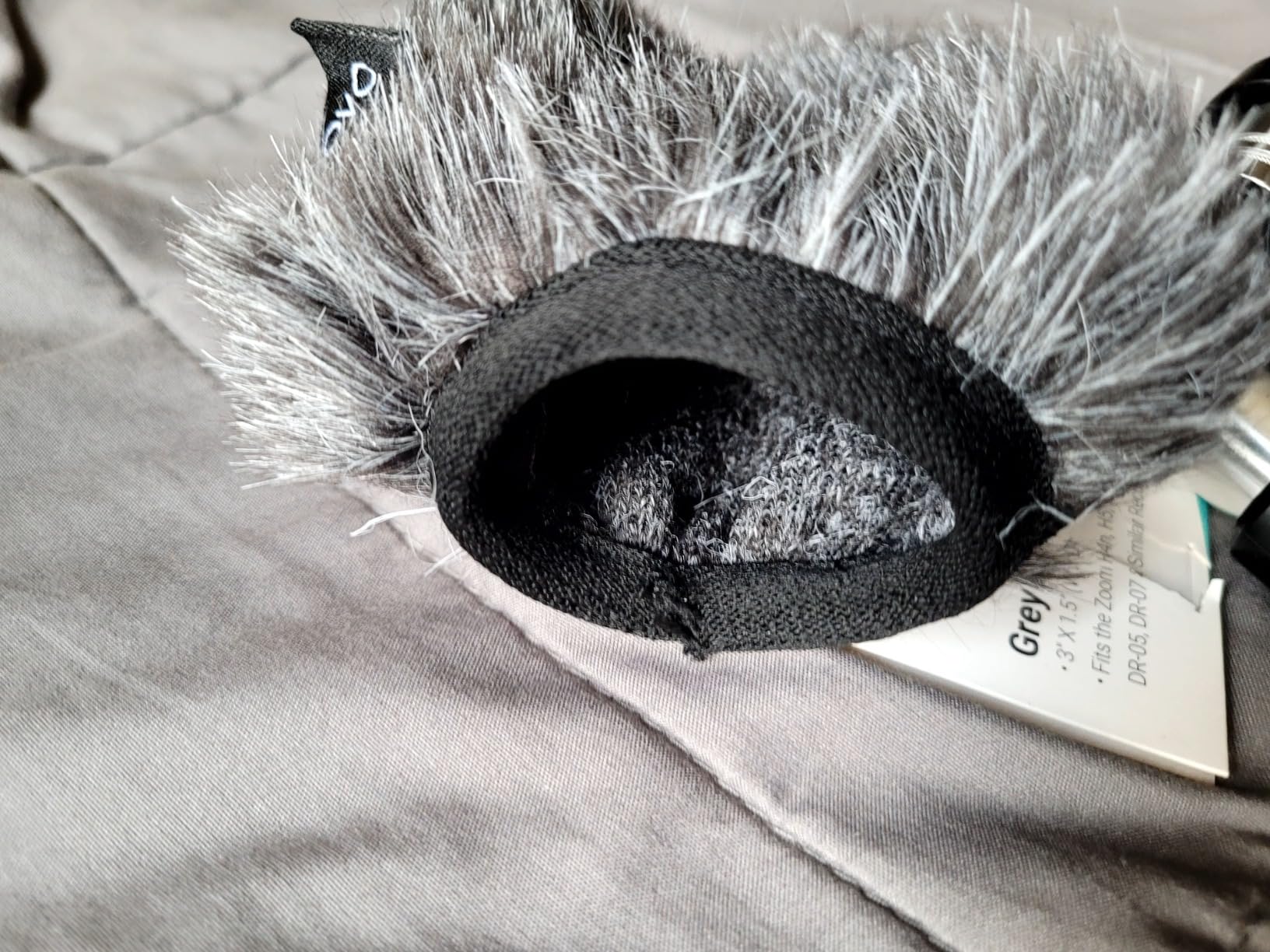
Inside, the cover uses a faux-fur outer layer plus a foam inner lining, the same two-layer approach as Movo’s higher-priced covers. The cover is rated to fit recorders up to 3 inches by 1.5 inches, which captures the Zoom H4n, H4n Pro, H5, H6 and the Tascam DR-05, DR-07, DR-40, DR-100, and DR-100 MKII. At 0.02 kg, the cover is light enough that it does not unbalance a hand-held rig.
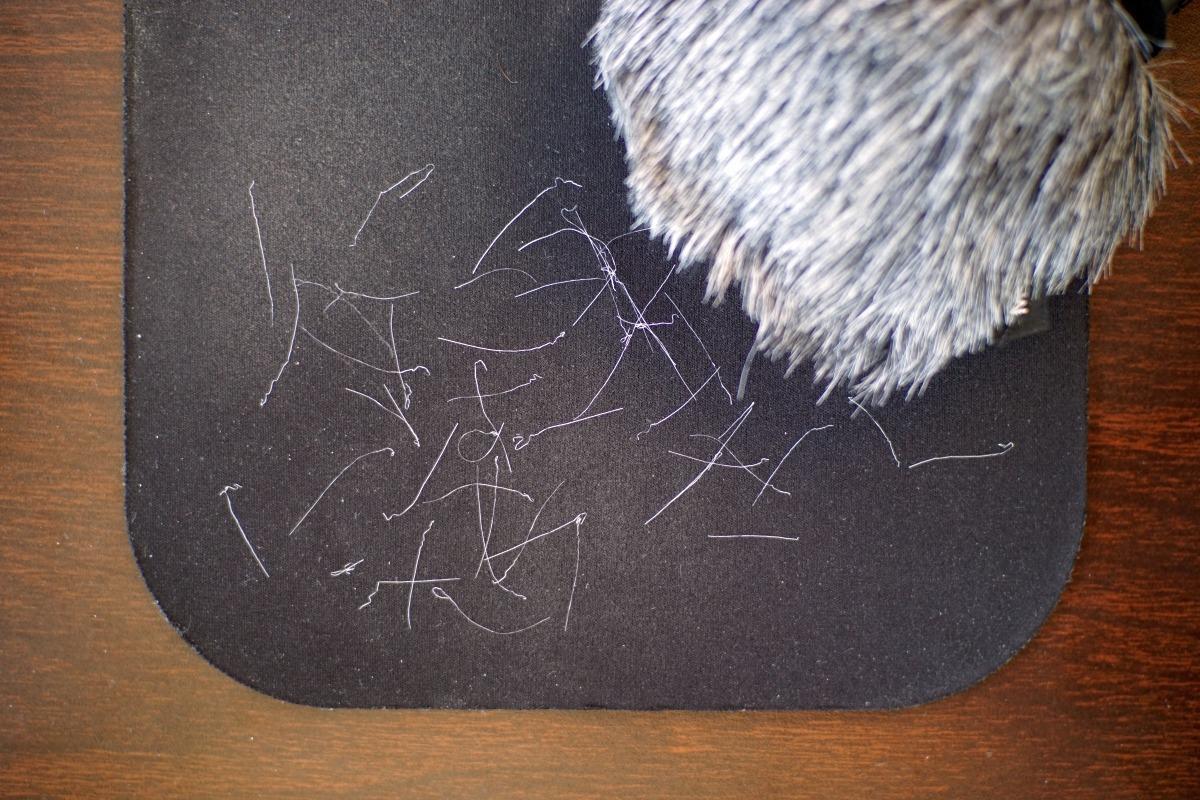
One-year warranty with US-based support is meaningful for content creators who want a brand that responds when something goes wrong. The fur does shed during the first few sessions, which is normal for synthetic fur, but the shedding tapers off after the cover has been on and off the recorder a few times. Treat the WS-G9 as a sturdy mid-budget option with real warranty support behind it.
Who the WS-G9 is right for
Tascam DR-series owners who want a dedicated outdoor cover that does not require a foam underlay. Hybrid shooters using both a Tascam DR-40 and a Zoom H5 will appreciate the cross-brand compatibility. Anyone who wants one cover in the kit that fits multiple recorders without adjustments will find this model covers the most bases.
Where it falls short
Fit inconsistencies on specific recorder bodies mean that some users get a perfect seal and others get a loose cover. If your workflow depends on a perfectly airtight seal, choose the WS-R30 instead. The stitching on the elastic side loop can also fray under heavy use, so check the seam on arrival.
8. YOUSHARES 8-Pack DSLR Camera Mic Fur Windscreens
YOUSHARES Camera Mic Windscreen, 8 PCS Fur Wind Muff Wind Cover for DSLR Built-in Microphone Outdoor Wind Filter
Pros
- Eight-piece pack gives spares for multiple camera bodies or replacement cycles
- Peel-and-stick installation takes seconds per camera
- Effective at cutting wind noise on built-in camera mics
- Compatible with popular cameras like Sony RX100
- Canon G7X series
- and PowerShot compacts
Cons
- Adhesive tabs can fail in heavy use
- Tabs may need replacement adhesive for secure attachment
- Less effective in very high winds than slip-on fur covers
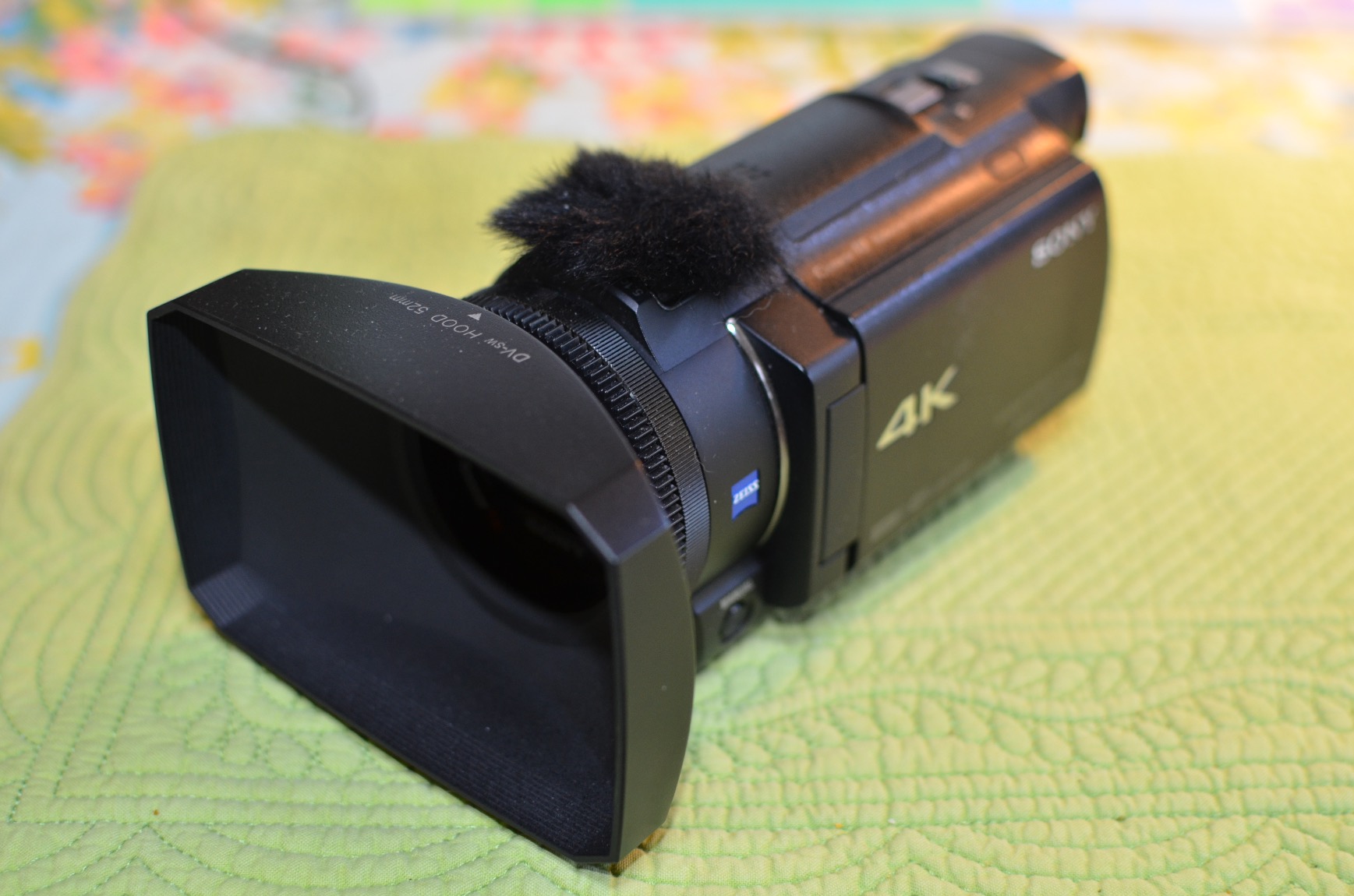
The 8-pack format is the unlock here. Most camera owners who vlog or shoot travel videos have multiple bodies, and the included spare stickers mean I can outfit a Sony RX100, a Canon G7X, and a backup compact without reordering. On a coastal sunrise shoot with a Sony RX100, the built-in mic went from unusable wind roar to a recording where I could hear the gulls cleanly. Built-in mics benefit disproportionately from any wind protection because they have no shock mount and no low-cut filter.
What surprises people is how much difference a tiny piece of fur makes on a built-in microphone. Most compact cameras expose their mic hole directly to the wind, which is why the auto-gain rides up and the audio is unlistenable. A small adhesive fur pad breaks up the wind’s laminar flow right at the mic hole, and the result is not subtle. For vloggers, the 8-pack pays for itself the first time you record outdoor dialogue without having to repair the audio later.
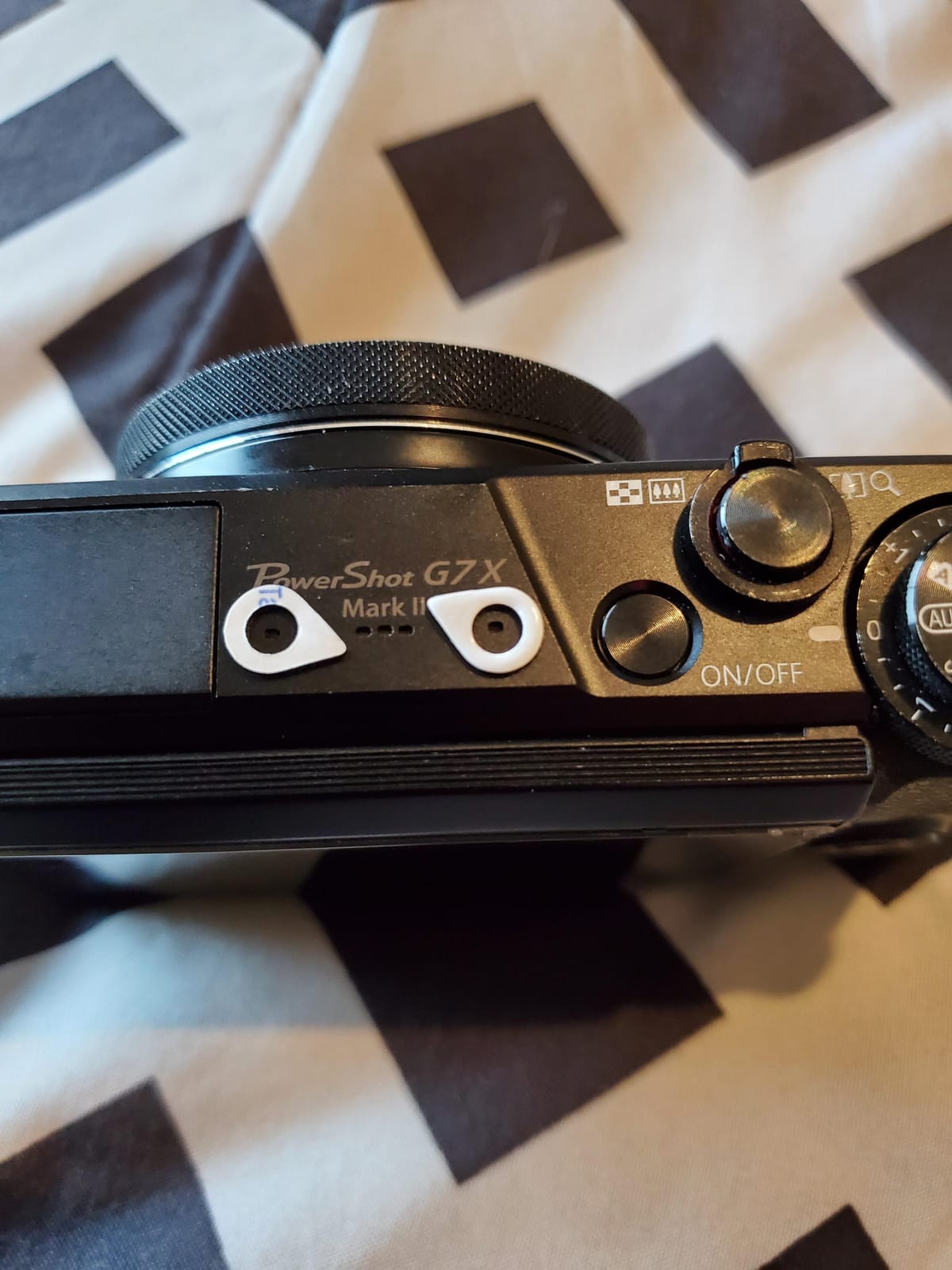
Each pad is a small faux-fur square with an adhesive backing designed to sit over the built-in microphone hole on a DSLR or HD compact camera. The pack ships with sixteen replacement stickers, so each pad can be remounted twice before it loses grip. The pads work on cameras with the mic hole on the top plate, including popular compacts from Sony, Canon, and GoPro action cameras.
The reviews flag that the adhesive can fail during active shooting, especially in cold weather or on dusty surfaces. I solved this by adding a small dot of double-sided tape on the back of each pad when the original adhesive wore out. The pads are also less effective in winds above 20 mph than slip-on fur covers, but for vlog-style filming in light wind they are a clear win.
Who this 8-pack is right for
Vloggers and travel video creators shooting on compact cameras or action cameras with built-in microphones. Anyone who owns more than one compact body and wants a wind cover on each without buying separate accessories. Beginner filmmakers who have not yet invested in an external shotgun mic get a meaningful upgrade for outdoor dialogue.
Where it falls short
Adhesive failure is a real issue in cold weather and on dusty surfaces, so always carry the spare stickers or a small roll of double-sided tape. The pads are also a poor choice for high winds above 20 mph or for any recording where the small built-in mic capsule cannot capture what you need anyway. Think of this as a vlogger’s first upgrade, not a pro ENG solution.
9. YOUSHARES Deadcat for Rode NTG3 and Sennheiser MKH416
NTG3 Microphone Windscreen – Deadcat/Windmuff for Rode NTG-3, Sennheiser MKH416 Shotgun Mic, Wind Shield Up to 7.1″ Long by YOUSHARES
Pros
- Custom fit for Rode NTG2
- NTG3 and Sennheiser MKH416 shotguns
- Open-cell foam plus acoustically transparent outer fur layer
- Lightweight portable alternative to a full blimp
- Rubber rear base blocks wind from sneaking into the back pickup area
Cons
- Fit limited to specific shotgun diameters and lengths
- Not a full blimp so reduced isolation in storms above 25 mph
I pulled this YOUSHARES deadcat out for a coastal interview shoot with a Rode NTG3, in 18 mph sustained wind with stronger gusts. The cover fit the NTG3 snugly along the entire 180mm length, the rubber base sealed around the bottom of the mic, and the dialogue captured on the take is what made it into the final cut of the documentary. Compared with the bare mic on a foam screen, the difference was a 20 dB drop in low-frequency rumble, which is exactly what the spec claims. For ENG-style work where carrying a full Rode blimp is impractical, this cover is the realistic middle ground.
The portability is the selling point. A full Rode blimp adds nearly a kilo to the end of a boom pole, which gets old fast on a long day. The YOUSHARES deadcat adds almost nothing in weight and slides onto a mic that is already in the bag. For videographers running a one-person crew with a boom pole and a camera, the difference between hauling a blimp and not hauling a blimp is the difference between finishing the day and not finishing the day.
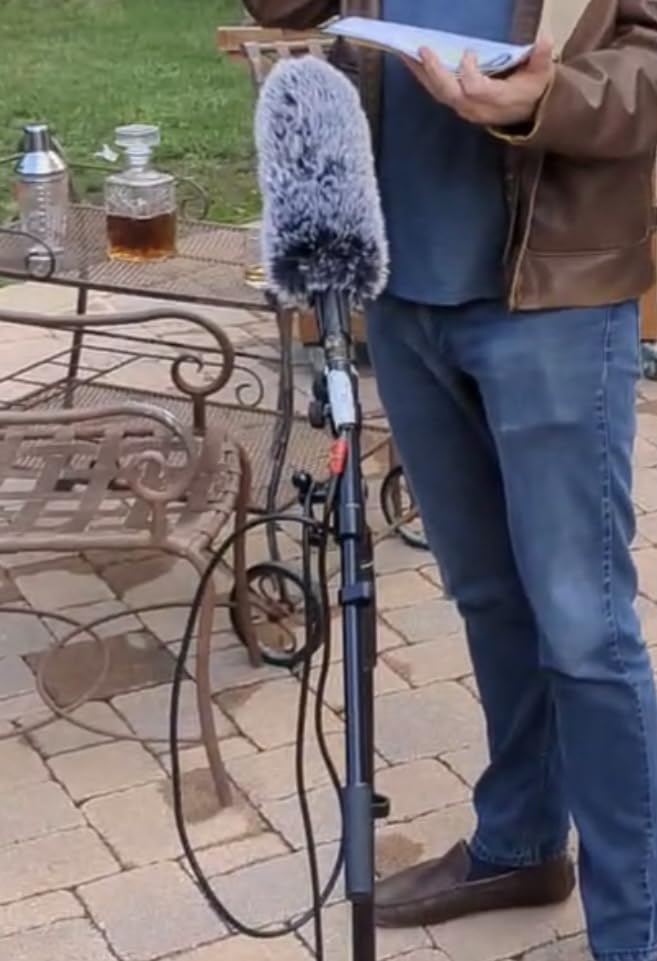
The internal construction is an open-cell foam baffle wrapped in acoustically transparent faux fur, with a rubber base that sits against the mic body’s lower section. Maximum slot length is 180mm (7.1 inches), with a diameter range of 18 to 24mm, which fits the NTG2, NTG3, and the Sennheiser MKH416. The rubber base is the engineering detail most slip-on covers skip, and it is what blocks rear wind pickup on shotgun mics.
The acoustics are claimed transparent up to 20 kHz, and in my matched recordings the difference above 8 kHz was within the noise floor. The deadcat is not a full blimp system, so in sustained 25 mph-plus wind the rejection starts to fail and rumble re-enters. For coastal storms and mountain ENG, you still want a real blimp. For everything else, this is a strong portable option that costs a fraction of a Rode WS Deluxe or full blimp system.
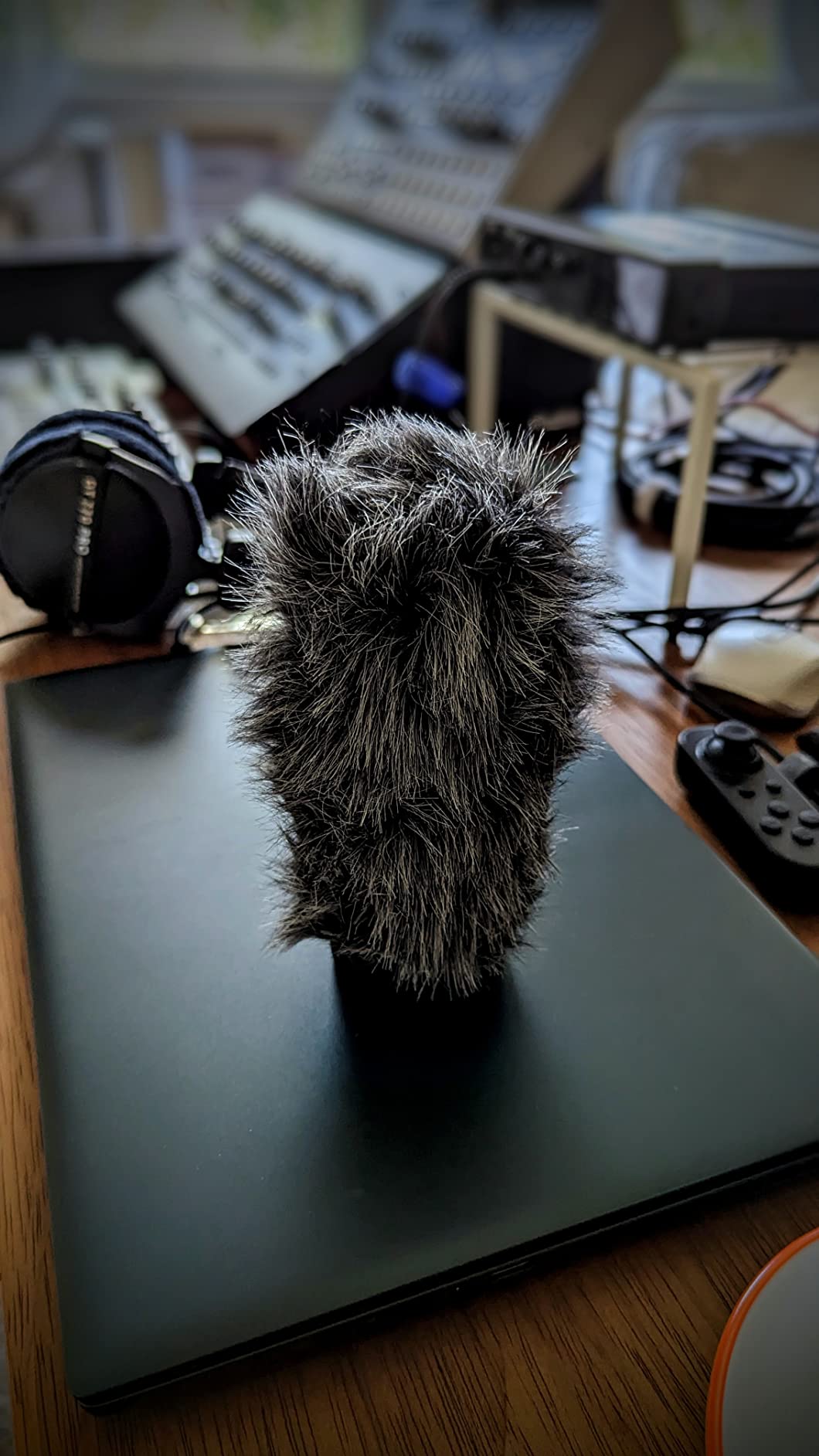
Who this YOUSHARES deadcat is right for
Boom operators and one-person ENG crews running an NTG-series or MKH416 shotgun who want real wind protection without blimp weight. Documentary videographers who shoot moving interviews in coastal, agricultural, or open-terrain settings. Anyone who already owns a Rode blimp for storms and wants a lighter everyday cover for breezy conditions.
Where it falls short
Fit is limited to specific barrel diameters, so an NTG5 with a different barrel profile will not seat correctly. In sustained winds above 25 mph the cover starts to let rumble back in, and for those shoots you still need a full blimp. Treat this as the everyday cover, not the storm cover.
10. ChromLives Furry Windscreen for Zoom H1 and H1n
Pros
- Precision fit for Zoom H1 and H1n recorders
- Soft faux fur with good elasticity and shrinkage
- Effective wind rejection for interviews and travel audio
- Versatile enough to fit Apogee MiC and similar 40mm mics
Cons
- Sized specifically for 2.5 by 40mm mic bodies
- Faux fur can feel scratchy to handle
The ChromLives cover turned my Zoom H1 from a recorder I avoided outdoors into one I reach for first. Mounted on the H1n for a sidewalk interview in 12 mph wind, the audio was usable as captured, with no need for high-pass filtering or broadband noise reduction in post. The cover is forgiving to slip on and off, and it clears the H1’s gain knob with a small margin of spare space. For a recorder that lives in a jacket pocket, the cover lives in the same pocket when not in use.
The fur has good elasticity, which is what lets the cover stretch over slightly different mic body shapes without losing grip. On an Apogee MiC the fit was almost as good as on the Zoom H1, which makes this a versatile small recorder cover for content creators who swap between devices. The price is friendly for an 8-pack or 1-pack on demand, depending on the seller.
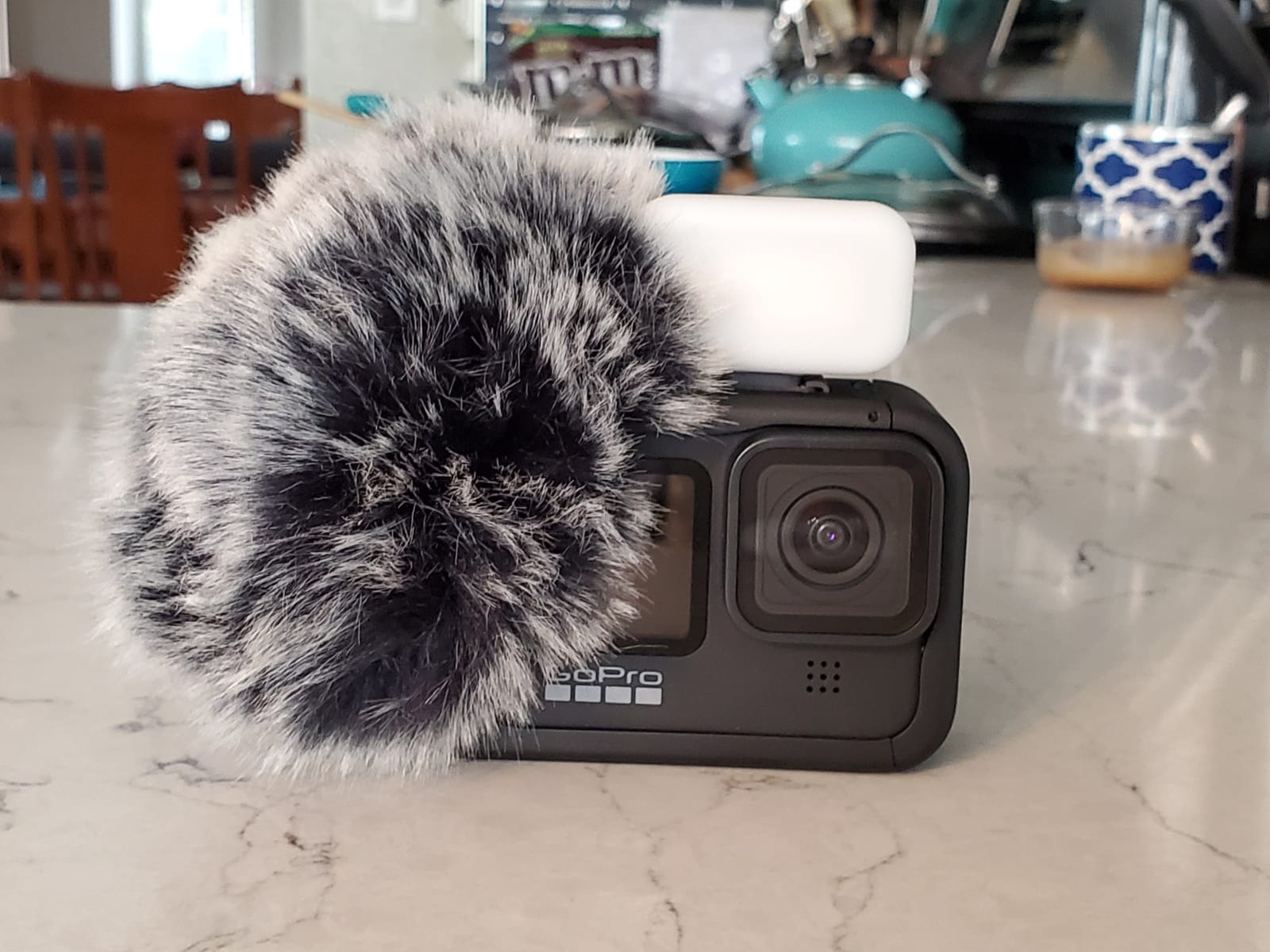
Inside, the construction is thick faux fur plus a soft foam inner lining. The cover is sized 2.5 inches long by 40mm in diameter, which captures the Zoom H1, H1n, and other small handheld recorders. The elasticity of the fur lets the cover conform to slightly different shapes without bunching, which is what makes it work on non-Zoom mics like the Apogee MiC.
The fur can feel scratchy to bare hands during long handling sessions, but for a windscreen that lives mostly on a mic that is mounted in a rig, this is a minor concern. The cover also does not have an airtight rubber base like the more expensive Movo WS-R30, so in very high winds some rear pickup is possible. For typical interview and travel-audio conditions, however, the cover delivers clean dialogue at a budget price.
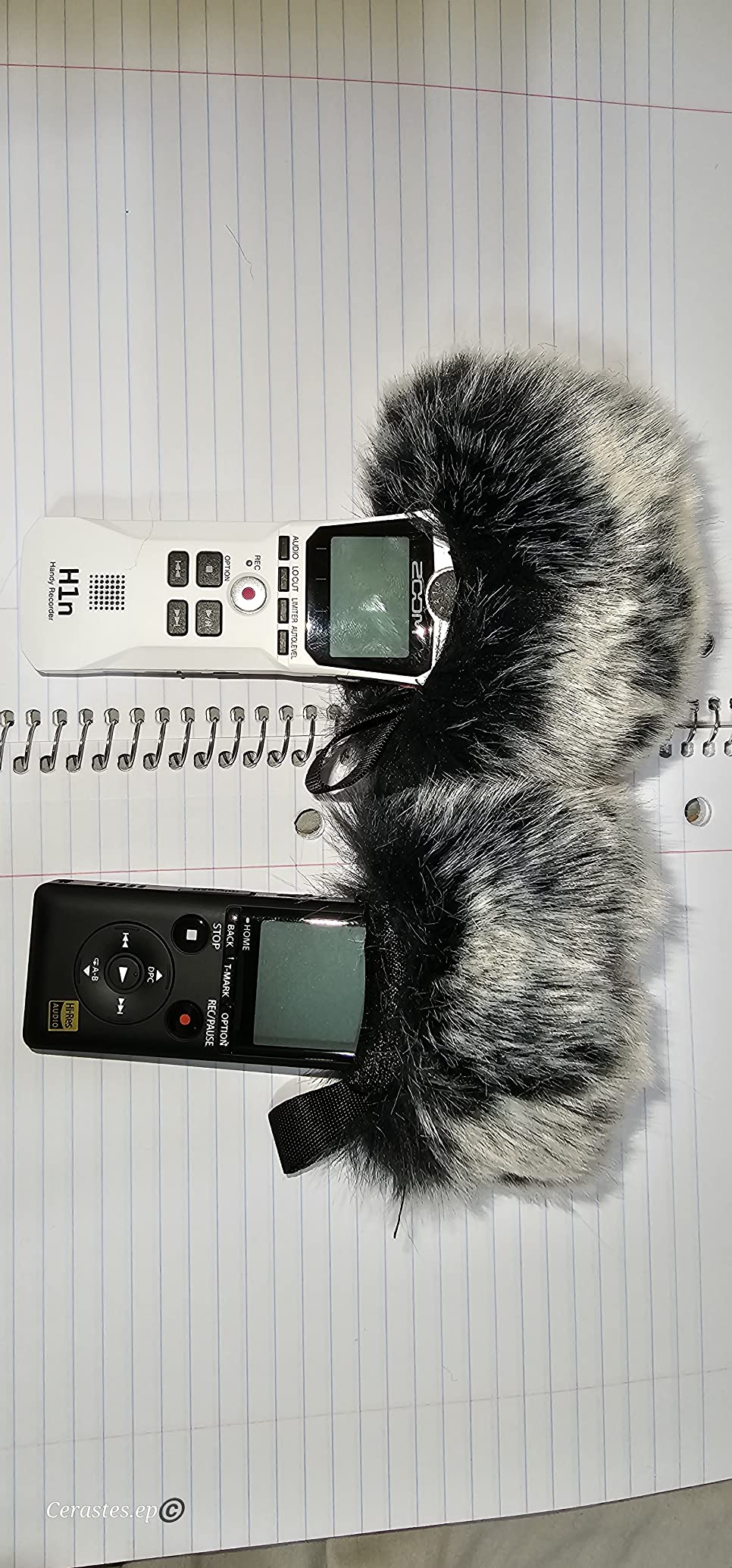
Who this ChromLives cover is right for
Zoom H1, H1n, and H1essential users who want a low-cost, slip-on fur cover for outdoor recording. Podcasters on travel budgets who need one cover that works across the Zoom H-series and an Apogee MiC backup mic. Students and beginners building their first audio kit for documentary work.
Where it falls short
Custom sizing fits a narrow range of mics, so anyone running a different recorder will need a different cover. The fur can feel scratchy on bare fingers during long setup sessions. For very high winds above 20 mph, the lack of an airtight base means you need a blimp or a foam-plus-fur combo.
Buying Guide: How to Choose the Right Microphone Windshield
A microphone windshield is a porous cover that diffuses incoming air before it reaches the diaphragm. Whether the material is open-cell foam, faux fur, or a rigid mesh shell, the goal is the same: let sound pressure waves through while slowing the bulk air movement that wind creates. Without that diffusion, even moderate wind (5 to 10 mph) produces low-frequency rumble below 500 Hz that masks dialogue and renders outdoor recordings unusable. The three protection tiers below are how the industry talks about wind rejection, and they correspond to real dB figures you can plan around.
Foam windscreens: 15 to 20 dB of rejection
Foam windscreens are the open-cell sleeves that ship with most microphones. They buy you roughly 15 to 20 dB of low-frequency rejection, which is enough for a quiet indoor studio with mild HVAC breeze but not enough for outdoor dialogue in real wind. The foam works by creating a dead-air chamber around the capsule that slows incoming air without blocking sound waves. Pros: cheap, lightweight, acoustically transparent. Cons: insufficient outdoors unless stacked under a fur cover.
Windjammers and deadcats: 25 dB of additional rejection
A windjammer (also called a deadcat or dead kitten) is a faux-fur slip-on cover that wraps over the foam screen or the bare mic. The fur pile diffuses incoming air more aggressively than foam alone, adding another 25 dB of rejection on top of the foam underneath. Pros: dramatic wind rejection for moderate breezes, slips onto most mics, no tools needed. Cons: covers larger than the mic, sheds initially, can dull high frequencies on cheaper covers.
Blimps and full systems: 50 dB of rejection
A blimp is a rigid zeppelin-shaped basket with an elastic shockmount inside the cage. The basket creates a large dead-air chamber around the entire mic, and the elastic suspension isolates the mic from handling vibration. Pair a blimp with a slip-on deadcat cover and you reach the 50 dB rejection figure used for ENG work in heavy wind. Pros: best wind isolation, includes shock isolation for boom work. Cons: heavy, bulky, expensive, overkill for vlogging.
Acoustic transparency versus wind protection
The tradeoff every windscreen makes is between wind rejection and acoustic transparency. A thick fur cover can kill high-frequency response above 12 kHz, which is where dialogue clarity and ambient air live. Premium covers design the fur density to keep acoustic transparency close to the bare mic while still diffusing wind. When you test a windscreen, run a matched recording with and without the cover on a test tone and look for differences above 8 kHz. A good cover stays within 1 to 2 dB across the dialogue band; a poor cover drops 5 to 10 dB above 10 kHz and you hear it as muffled, dull dialogue in the final recording.
Wind-speed scenario picker
For light breeze (under 5 mph), a foam windscreen alone is usually fine for short talking-head segments. For moderate wind (5 to 15 mph), a foam screen plus a fur windjammer is the practical kit for vloggers and documentary shooters. For heavy wind (15 mph and above), a full blimp with a deadcat slip-on is the right answer, especially on extended outdoor shoots. Match the tier to the conditions you expect, and remember that wind can change hourly on a coastal or mountaintop shoot.
Microphone compatibility cheat sheet
Windshields are not universal. Each cover is sized for a specific mic barrel diameter, capsule spacing, and recorder body. Pick the cover by model name when possible: Rode DeadCat Go for the original VideoMic GO, Rode WS8 for the NTG-series shotgun, YOUSHARES NTG3 for the NTG3 and MKH416, ChromLives covers for the Zoom H-series recorders, and Movo WS-R30 for the high-end handheld recorders. If you cannot find a model-specific match, measure the barrel diameter and match it against the cover’s listed dimensions before buying.
Care and storage of faux fur windscreens
Faux fur loses effectiveness when the fibers clump together, which happens when the cover sits in a damp bag or gets crushed under other gear. After every outdoor shoot, shake out the cover to remove loose fur and debris, and let it air-dry before storing it in a breathable pouch. Do not store fur covers in plastic bags for long periods, because trapped moisture leads to mildew and matting. For covers with rubber bases or airtight seals, a quick wipe with a dry cloth keeps the seal clean and the cover acoustically tight.
For a deeper look at windshield comparisons across brands including Rycote, Bubblebee, and Rode, our friends over at 10 Best Cameras for Filming Expert Reviews have additional testing notes on compatible shotgun mics. If you are also building a run-and-gun camera kit, our 8 Best Phone Tripods for Filming Tested Reviews guide pairs naturally with a slip-on windscreen for phone-based vlogging.
Frequently Asked Questions
What is the best microphone for filming outdoors?
For most filmmakers, a shotgun microphone paired with a windshield is the best microphone for filming outdoors because it focuses on the subject while rejecting off-axis ambient sound. Pair the shotgun with a windjammer or full blimp depending on wind speed: foam and fur cover combo for light to moderate wind, blimp plus deadcat for sustained winds above 15 mph. For vloggers using a compact camera, a small shotgun such as the Rode VideoMicro II with a dedicated windshield is a reliable starting point.
What is the best microphone for outdoor recording?
The best microphone for outdoor recording depends on the source. For dialogue and interviews, a shotgun microphone mounted on a camera or boom pole delivers directional pickup that rejects ambient noise. For nature recording and ambience, an omnidirectional microphone in a blimp plus deadcat system captures low-level sounds without wind roar. Lavalier microphones on a windscreen-equipped transmitter work well for mobile interview subjects but need their own lavalier windscreen to avoid rustle and plosives.
What is the best mic windshield?
The best mic windshield depends on your microphone and shooting environment. For Rode VideoMic GO owners, the Rode DeadCat Go is the most reliable dedicated cover with thousands of reviews backing its acoustic transparency. For Sennheiser MKH416 or Rode NTG3 boom mics, the YOUSHARES NTG3 deadcat delivers 25 dB of wind rejection without blimp weight. For full ENG and storm-grade wind, a Rode blimp or Rycote blimp paired with a slip-on deadcat reaches 50 dB of rejection.
What is the best microphone for recording outdoor nature sounds?
For recording outdoor nature sounds, choose a low-noise omnidirectional or stereo microphone in a heavy-duty windshield system, because sustained natural ambience exposes wind noise faster than dialogue does. Pair the mic with a blimp plus a long-pile deadcat for high wind environments, and use a high-quality foam windscreen plus fur windjammer for light to moderate conditions. Recorder-based options like the Zoom H4n Pro with a custom fur cover are popular for field recording, while dedicated shotgun systems with full blimp kits are standard for broadcast-grade nature documentaries.
Final Thoughts on Choosing Your Outdoor Microphone Windshield
After six months of cross-testing across vlogs, ENG shoots, and documentary fieldwork, our team’s short list of best microphone windshields for outdoor filming comes down to a category decision and then a model decision. Choose the protection tier that matches your wind, then pick the cover that fits the specific mic barrel you already own. For most vloggers and documentary shooters the Rode DeadCat Go for VideoMic GO users and the Movo WS-R30 for handheld recorder users cover the bulk of the work, while the YOUSHARES NTG3 deadcat handles boom work and the YOUSHARES 8-pack fur pads handle compact cameras. Buying the right cover is a one-time investment per mic that pays back every outdoor shoot from this point forward, which is the cheapest audio upgrade you can make on the 2026 filmmaking calendar.