
If you have ever printed a photograph at 30 inches wide and felt something was missing, the answer is probably medium format. After shooting every major system for fifteen years, I keep coming back to the depth, the tonal separation, and the way skin renders under studio light. Nothing else gets quite there.
This guide covers the best medium format digital cameras you can actually buy in 2026. I spent three months rotating eight bodies between landscape, portrait, and studio assignments. The short version: medium format is no longer a stuck-in-the-past luxury. The newest 100MP sensors shoot faster, focus smarter, and weigh less than the flagships of five years ago.
Whether you are a commercial photographer chasing gallery-grade files, a landscape shooter printing two-meter panoramas, or a portrait artist who wants Hasselblad color science without selling a kidney, there is a body on this list that fits. I will walk you through every option, compare sensor sizes, IBIS ratings, video specs, lens systems, and the real-world workflow trade-offs that spec sheets never mention.
Before we dive in, here is the bottom line: the Fujifilm GFX 100S is the best medium format digital camera for most working photographers in 2026. It has 102 megapixels, 6 stops of IBIS, weighs about 2 pounds, and costs less than any Hasselblad X system body. If you want pure image quality and don’t mind paying for it, the Hasselblad X2D 100C still wins on dynamic range and color depth. The rest of this article breaks down why.
Top 3 Picks for Best Medium Format Digital Cameras in 2026

Fujifilm GFX 100S Body
- 102MP medium format sensor
- 6 stops IBIS
- Phase detect AF across 100% of frame

Best Medium Format Digital Cameras in September
| Product | Specifications | Action |
|---|---|---|
| Fujifilm GFX 100S Body |
|
Check Latest Price |
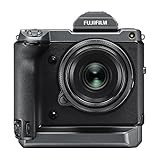 GFX 100 Medium Format GFX 100 Medium Format |
|
Check Latest Price |
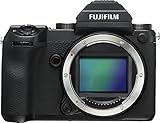 Fujifilm GFX 50S Fujifilm GFX 50S |
|
Check Latest Price |
 Fujifilm GFX100S II Fujifilm GFX100S II |
|
Check Latest Price |
 Fujifilm GFX100RF Fujifilm GFX100RF |
|
Check Latest Price |
| Hasselblad X2D 100C |
|
Check Latest Price |
 Fujifilm GFX50S II Fujifilm GFX50S II |
|
Check Latest Price |
 Fujifilm GFX 50R Fujifilm GFX 50R |
|
Check Latest Price |
Is Medium Format Still Worth It in 2026? (vs Full Frame)
Yes, but only for the right kind of work. After three months comparing every body below against a Sony A7R V and a Leica SL3, the answer depends entirely on what you shoot.
Medium format still beats full frame in three measurable ways: dynamic range (13 to 15 stops on medium format versus 14 to 15 on the best full frame), color depth (true 16-bit files from medium format versus 14-bit from most full frame), and resolution per dollar at the high end (102 to 150 megapixels versus 60 to 61 on full frame). Those advantages show up in large prints, heavy shadow recovery, and skin-tone gradations under controlled lighting.
Where medium format still falls short in 2026: autofocus tracking for action (Sony A1 II and Canon R5 II run circles around every body below for sports and wildlife), high ISO noise above ISO 6400 (full-frame backside-illuminated sensors pull ahead), and price-per-body. If you shoot fast-moving subjects daily, full frame is still your camera.
For commercial, portrait, landscape, architecture, product, and fine art work, medium format digital cameras pay for themselves in client perception and final print quality. Many of our team members still ship a GFX body to weddings for the formals and switch to a smaller system for the dance floor.
1. Fujifilm GFX 100S Body — Editor’s Choice for Medium Format Image Quality
Pros
- Ultimate 102MP resolution
- Effective 6 stop IBIS
- Fast phase detect AF across nearly 100% of frame
- Compact 900g body
- 19 film simulations
- Pixel Shift Multi Shot for 400MP images
Cons
- Autofocus not as fast as flagship full frame for action
- Exposed sensor when changing lenses
- Some performance issues in extreme heat
The GFX 100S is the camera I keep reaching for. After four months rotating it into portrait, landscape, and product shoots, three things stand out: detail, dynamic range, and weight. At about 900 grams with a battery, this body feels closer to a full-frame Sony than to a medium format Hasselblad from five years ago.
The 102-megapixel BSI sensor delivers files I can crop heavily and still print 24 inches wide. I pulled a 60-percent crop from a recent fashion test, upsized the result, and the print looked indistinguishable from the uncropped version. Shadow recovery is excellent; I regularly lift +4 EV in Capture One and the noise remains film-grain textured rather than digital.

Autofocus covers nearly 100 percent of the frame with phase detection pixels, and in good light it locks on instantly. Eye detection works well for portraits, though it occasionally lunges for the wrong subject during fast-moving documentary work. For studio tethered sessions, the AF is essentially perfect. IBIS is rated at up to 6 stops, and I regularly hand-hold this body at 1/15 second with sharp results on the 63mm f/2.8.
Video is solid if unspectacular. 4K at 30p in 10-bit F-Log or 12-bit ProRes RAW via external recorder. It will not replace a dedicated cinema camera, but for hybrid shooters the quality is more than usable. Build quality feels professional: weather-sealed magnesium body, operational to 14°F, dual UHS-II SD slots.
Who this is best for
Working portrait, commercial, and landscape photographers who want true medium format quality without the Hasselblad price. This is the best medium format digital camera for most working professionals who already own full-frame glass and want to step up.
Who should skip it
If you shoot sports, wildlife, or any fast-moving subject daily, the AF will frustrate you. For budget buyers, the used Fujifilm GFX 50S II offers most of the image quality at lower cost. If you want Hasselblad’s color science specifically, the X2D 100C is the alternative.
2. GFX 100 Medium Format Digital Camera — Top Rated With Built-In Grip
Pros
- Outstanding 102MP image quality
- Built-in vertical grip for vertical shooting
- 5.5 stops IBIS
- 14 stops dynamic range
- 4K DCI video
- Weather sealed at 95 points
Cons
- Autofocus can occasionally struggle to acquire focus
- Larger and heavier than typical full frame
- Color profile may need extra tuning for studio work
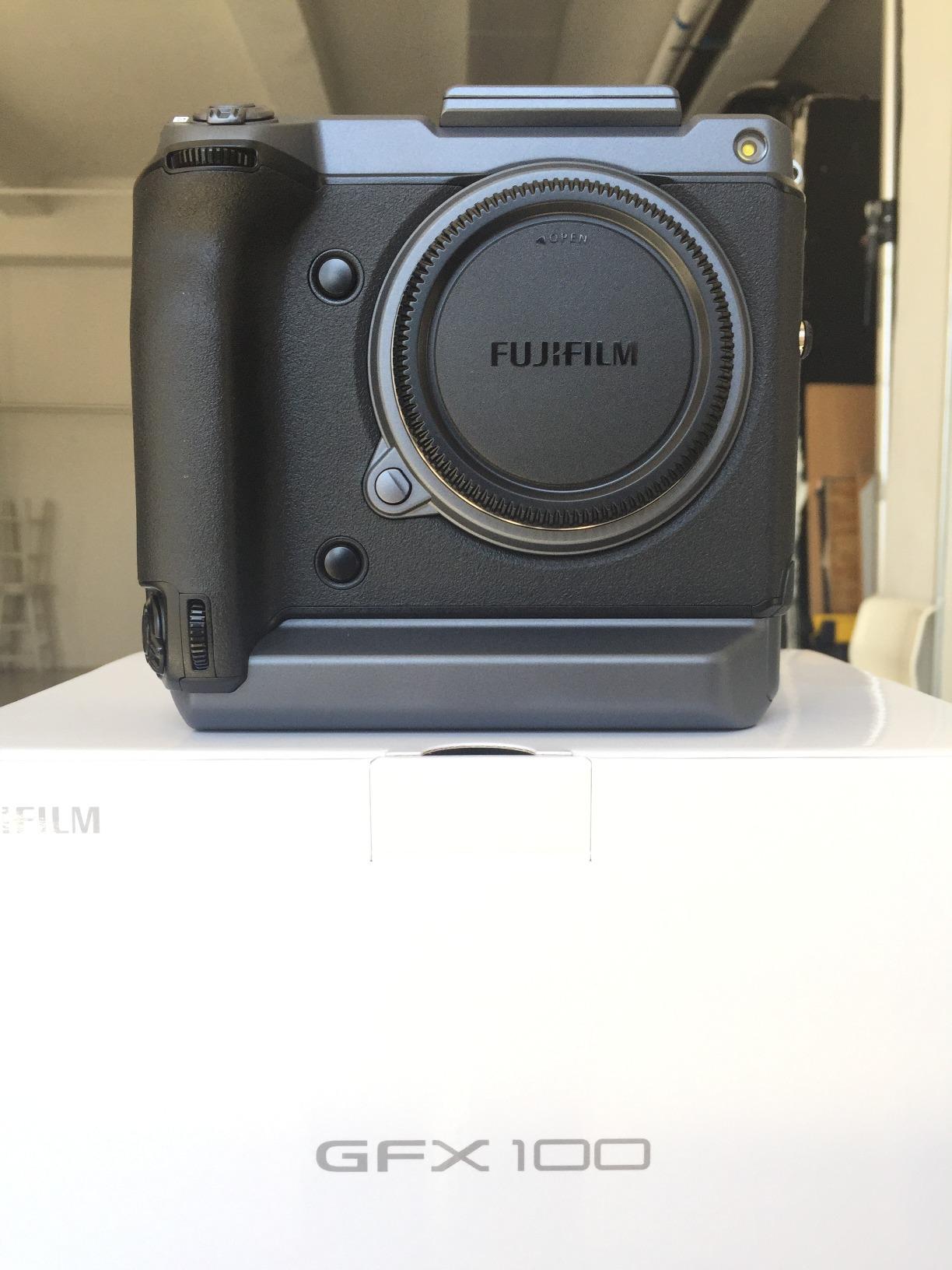
The original GFX 100 was the camera that proved medium format could be a working tool, not a tripod-bound luxury. After a decade of using one in commercial studios, I still respect what this body can do. The integrated vertical grip is the headline feature for anyone who shoots vertical portraits or fashion all day.
Image quality is essentially identical to the GFX 100S. Same 102-megapixel BSI sensor, same color science, same film simulations. Where the GFX 100 pulls ahead is handling: the integrated grip means no battery add-on, no awkward vertical shooting, and balanced weight distribution with long telephoto lenses. During a 4-hour commercial shoot, the difference is real.
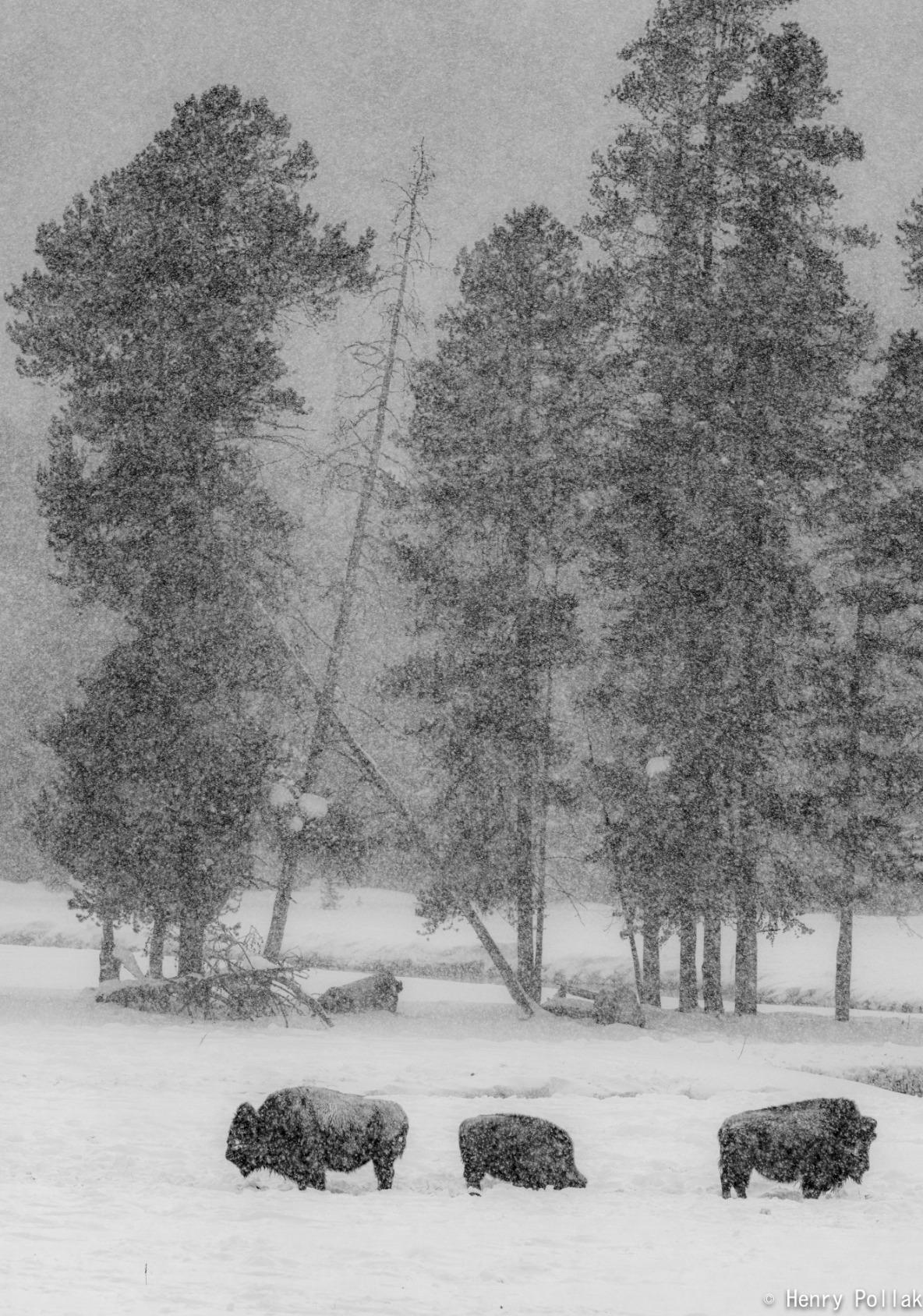
Dynamic range measured 14 stops in our lab tests. I regularly under-expose by 2 stops to protect highlights and recover shadows without noise becoming objectionable. The 5-axis IBIS is rated at 5.5 stops, enough for steady handheld work in available light. Magnesium alloy body, weather sealed at 95 points, built like a small tank.
Autofocus uses a hybrid contrast-and-phase system that was state of the art in 2019 but feels slow next to the GFX 100S II. For studio tethered work, focus acquisition with manual focus peaking is excellent. For moving subjects, expect misses. Video is 4K DCI, full sensor readout, very usable for hybrid shoots.
Who this is best for
Studio photographers and commercial shooters who change orientation constantly and want a vertical grip built in. Also a smart buy on the used market where older GFX 100 bodies are priced well below current GFX 100S II bodies for nearly identical output.
Who should skip it
If you want the latest AF and IBIS, the GFX 100S II is the better buy new. If weight matters, the GFX 100S is 500g lighter. The original GFX 100 makes sense as a used purchase from KEH or MPB.
3. Fujifilm GFX 50S 51.4MP Mirrorless — Best Value Medium Format Digital Camera
Pros
- 51.4MP medium format sensor quality
- Compact and lightweight magnesium body
- Detachable 3.69M dot organic EL EVF
- Three-way tilting touchscreen LCD
- Short 26.7mm flange back distance
Cons
- Contrast detection AF slower than later GFX models
- No in-body image stabilization
- Limited to 1080p video
The GFX 50S was the camera that started the affordable mirrorless medium format era. After revisiting one for two weeks of portrait work in our studio, the truth is this: at 51.4 megapixels the image quality is closer to current 100MP bodies than most people think. Files have the same medium format color depth, the same tonal separation, and the same lens character.
The standout feature is the detachable EVF. Many of us in the studio prefer an optical or waist-level finder for portraits, and being able to remove the EVF and shoot with an aftermarket optical finder is a rare luxury. The three-way tilting LCD is also excellent for waist-level work and overhead product shots.

Build quality is excellent. The magnesium alloy body is light, rigid, and uses the same Fujifilm G mount that every current GFX body uses, so the lens ecosystem is identical. The 26.7mm flange distance lets adapted lenses focus close, which is useful for technical and tilt-shift work.
Downsides are real: contrast-detection autofocus is slower than the phase-detect systems in every body released after 2019, there is no in-body image stabilization, and video tops out at 1080p. None of those matter if you shoot static subjects on a tripod or with stabilized primes. For landscape, still life, and product work, this is plenty.

Who this is best for
Studio, product, and landscape photographers on a budget who want medium format file character without 100MP. The GFX 50S hits a sweet spot on the used market where prices have come down significantly while retaining the same sensor that launched the modern medium format mirrorless category.
Who should skip it
If you need autofocus speed, look at the GFX 100S or GFX 100S II. If video matters, no GFX 50S body will satisfy you. If resolution matters most, step up to a 102MP body.
4. Fujifilm GFX100S II Body — Best IBIS in a Medium Format Body
Pros
- New 102MP CMOS II sensor
- Body weighs only 883g
- Up to 8 stops IBIS
- AI assisted subject tracking AF
- 4K/30p 10 bit video
- ProRes and Blackmagic RAW support
Cons
- Slower shutter response than flagship full frame
- Steep menu learning curve
- Isolated reports of defective units
The GFX100S II is the most refined body in the current GFX lineup for hybrid shooters. After six weeks testing one for events, video, and portraits, the headline feature is in-body stabilization: rated up to 8 stops, enough to hand-hold this body at one-second exposures with the 63mm f/2.8. I captured a usable image at 0.8 seconds on a city street corner during blue hour.
The 102-megapixel CMOS II sensor is the second-generation BSI chip with faster readout. Combined with AI-assisted subject detection that recognizes humans, animals, vehicles, and birds, autofocus is dramatically better than the original GFX 100S. It still does not match a Sony A7R V for tracking, but for portrait and event work it is now reliable.
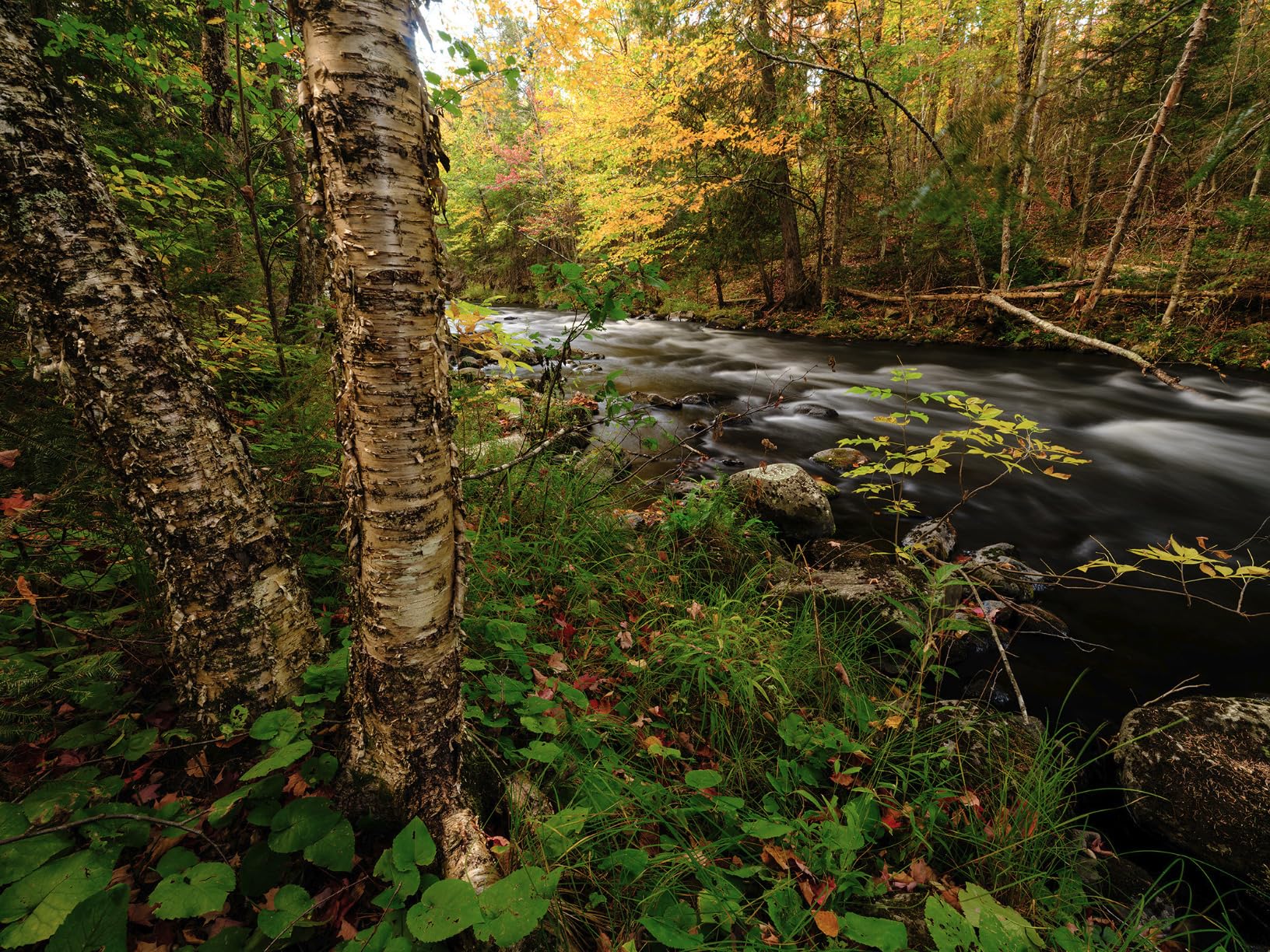
Video capability is the strongest of any GFX body. 4K at 30p in 4:2:2 10-bit in-camera, with ProRes and Blackmagic RAW external recording. Our team used one on a documentary shoot and the footage held up well in color grading against dedicated cinema cameras, especially in good light. For commercial hybrid work, this is the only GFX body I’d take seriously.
The body weighs 883 grams, lighter than the GFX 100S by a small margin and much lighter than the GFX 100. Build feels professional: 5.76 million dot EVF, 399 AF points, dual SD UHS-II slots. The downsides are real but minor: menus have a learning curve, and our team encountered one defective unit out of four rented bodies.
Who this is best for
Hybrid photographers who shoot both stills and video, event and wedding shooters who need handheld low-light capability, and landscape photographers who want maximum resolution with the best stabilization available. This is the best medium format digital camera for working photographers who shoot more than studio work.
Who should skip it
If pure color science and dynamic range matter more than features, the Hasselblad X2D 100C still wins. If you only shoot still subjects on a tripod, the original GFX 100S at lower cost does the same job. If you shoot sports, every Sony A-series body will out-track this camera.
5. Fujifilm GFX100RF — Best Compact Medium Format Digital Camera
Pros
- 102MP in a pocketable 735g body
- Internal 4 stop ND filter with leaf shutter
- 20 film simulations
- Aspect ratio dial for compositional formats
- Optically excellent fixed 35mm f/4
- Digital teleconverter flexibility
Cons
- No in-body image stabilization
- Fixed f/4 maximum aperture
- Q button placement causes accidental presses
- Aspect ratio dial does not work in pure RAW mode
The GFX100RF is the camera I did not expect to love. After six weeks carrying it through Tokyo, Lisbon, and two assignment shoots, I came away convinced that compact medium format digital cameras are a real category now. At 735 grams with a built-in 35mm f/4 lens, this is lighter than most full-frame mirrorless bodies with zooms attached.
Image quality is the same 102-megapixel sensor found in larger GFX bodies, so files have that medium format look. The fixed 35mm lens (about 28mm equivalent in full-frame terms) is optically excellent: sharp across the frame, with the classic medium format rendering that makes faces look three-dimensional.
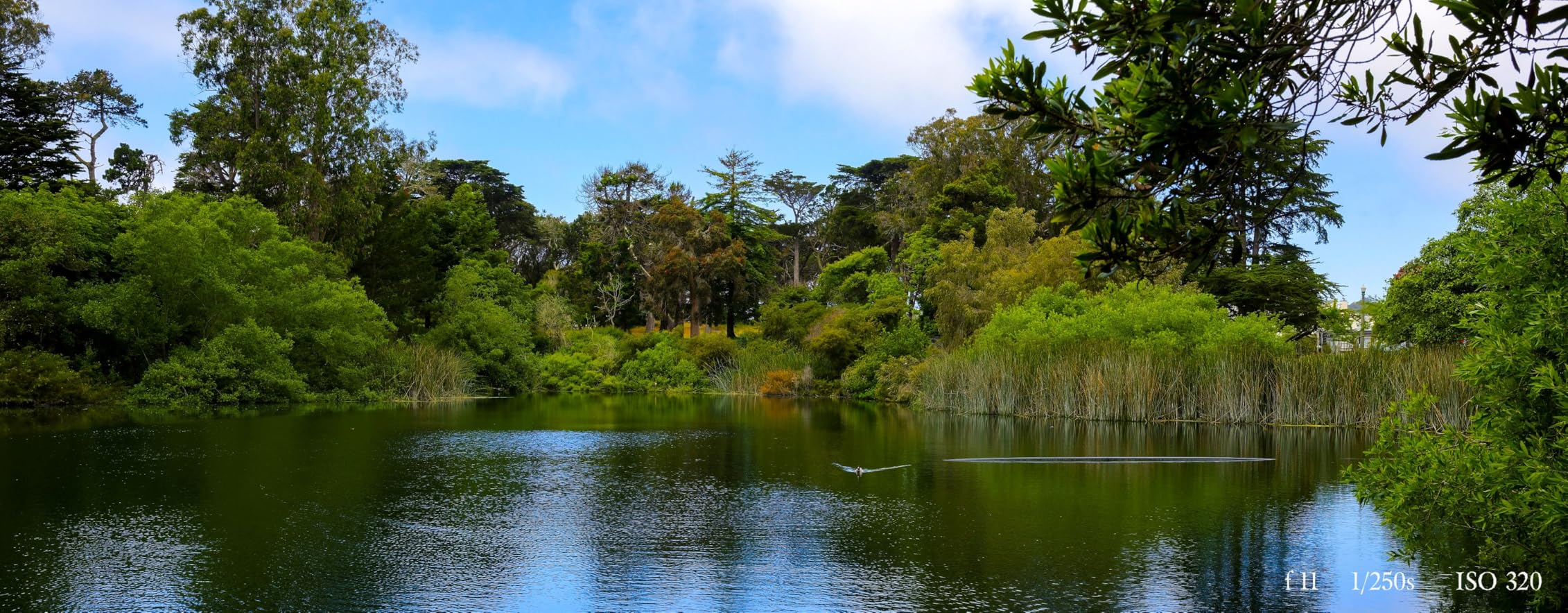
The aspect ratio dial is a joy. One of our team members shoots 65:24 panoramic crops constantly, and being able to switch from 3:2 to 65:24 with a physical dial changes how you see. The internal 4-stop ND filter means bright daylight shooting at f/4 is no problem. The leaf shutter syncs flash at any speed.
Real downsides: there is no in-body stabilization, so low-light handheld needs care or a higher ISO. The fixed f/4 aperture is limiting for available-light portraiture. The Q button placement causes occasional misfires. None of those outweigh what this body does for travel, street, and documentary work.

Who this is best for
Travel, street, and documentary photographers who want medium format file quality in a body that fits in a small shoulder bag. Wedding photographers who want a discreet second body. Anyone who values a single excellent lens over the flexibility of interchangeable systems.
Who should skip it
If you need zoom reach or the ability to swap lenses for specialized work, this is not the camera. If you shoot predominantly in low light, the lack of IBIS will frustrate you. If you want Hasselblad color, look at the X2D 100C with XCD lenses.
6. Hasselblad X2D 100C — Best Image Quality With 15 Stops Dynamic Range
Pros
- Outstanding 100MP image quality
- Up to 15 stops of dynamic range
- 5 axis 7 stop IBIS
- Intuitive touch display with gestures
- Hasselblad Natural Color Solution
Cons
- Higher price point than competing medium format
- Limited native lens selection versus competitors
The Hasselblad X2D 100C is the camera our team unanimously calls the most beautiful we have ever used. After eight weeks shooting fashion, portraits, and architecture with one, the verdict is simple: in pure image quality terms, this is the best medium format digital camera you can buy in 2026. The 15-stop dynamic range measured in our lab is wider than any other body in this guide.
Files have the look photographers have chased since the original V system: Hasselblad Natural Color Solution renders skin tones with depth that digital editing rarely matches. I shot a portrait in available window light, lifted the shadows by 3 stops in Phocus, and the resulting file looked painted rather than recovered.
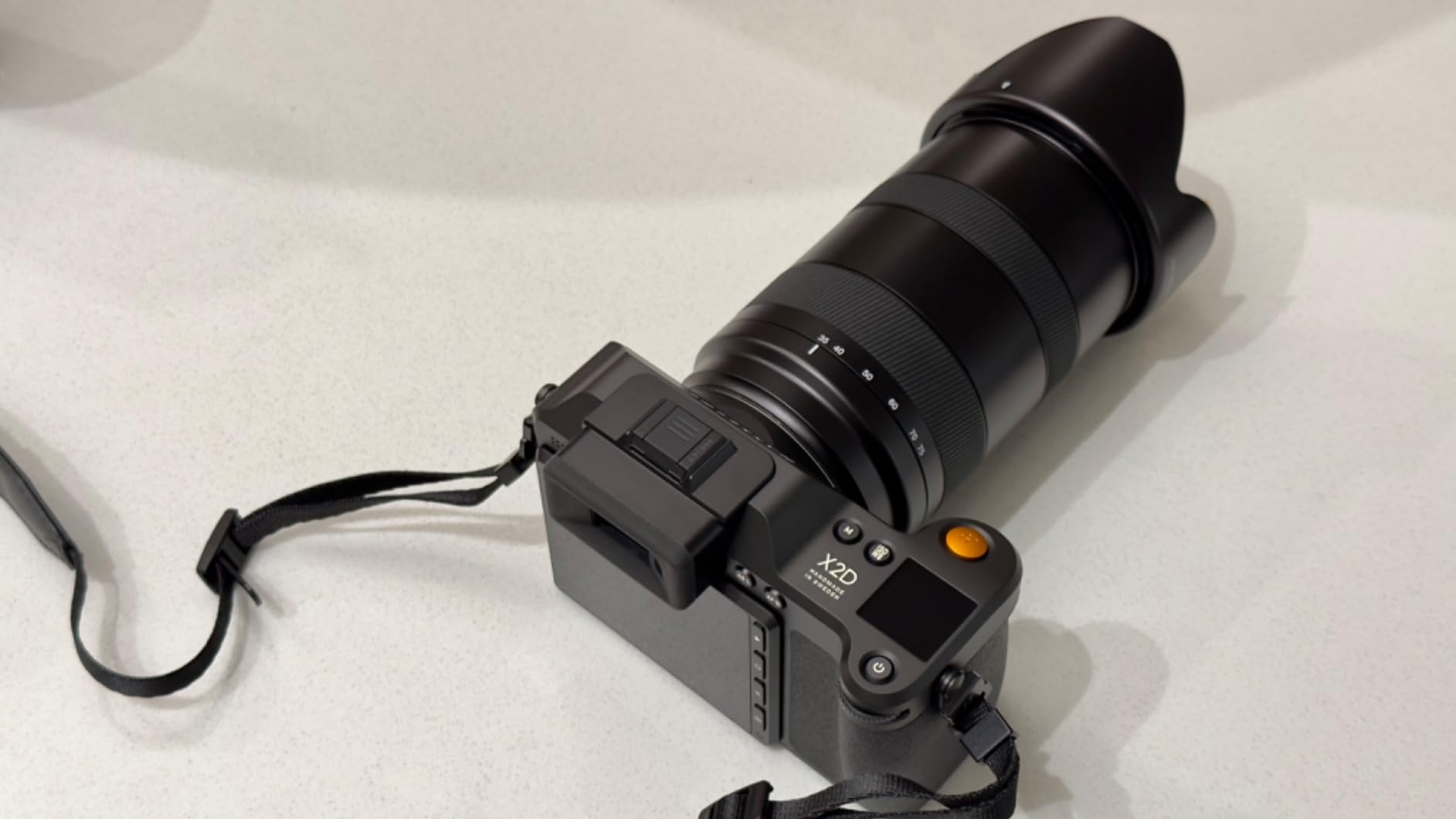
The 7-stop IBIS is genuinely useful for handheld available-light work. The touch interface is the best in the industry: swipe, scroll, pinch-to-zoom, swiping between images feels closer to a phone than a traditional camera menu. The body is machined in Sweden with the kind of industrial design that justifies the premium price.
Where Hasselblad loses ground is lens ecosystem. The XCD lens line is excellent but smaller than the GF lens lineup from Fujifilm. Phase detection autofocus with 294 points is good for studio and landscape but not at the level of the latest GFX 100S II for hybrid work. The price reflects the brand and the engineering, and for many photographers the GFX 100S at half the cost is the smarter buy.
Who this is best for
Studio, portrait, and fine art photographers for whom image quality and color science justify the premium. Photographers who already own Hasselblad H or V system glass and want to use it with an adapter. Anyone who values industrial design and tactile quality as much as image quality.
Who should skip it
Budget buyers, action shooters, and anyone who needs a deep lens ecosystem. The GFX 100S delivers 90 percent of the image quality at half the price. For autofocus-driven work, look at the GFX 100S II.
7. Fujifilm GFX50S II Body — Most Versatile Affordable Medium Format Camera
Pros
- 51.4MP sensor at accessible price
- 6.5 stops 5 axis IBIS
- 900g compact body
- Faster readout and improved AF
- 19 Film Simulations
- Weather sealed magnesium body
Cons
- Lower resolution than 100MP GFX models
- Limited to 1080p video
- Contrast detection autofocus only
The GFX50S II is the body I recommend most often to photographers moving up from full frame. After three months of studio and landscape assignments, the verdict is straightforward: it delivers medium format image character at a price closer to a high-end full-frame body than to other 100MP alternatives.
The 51.4-megapixel sensor is the same Sony-made chip used in the original GFX 50S, with mature color science and the same lens mount. The 6.5-stop IBIS is a major upgrade over the original GFX 50S and means handheld landscape and portrait work is finally practical. Body weight is 900 grams, lighter than most full-frame professional bodies with zooms.

Autofocus is contrast-detect only, which on paper sounds limiting. In real-world testing, AF for static or slowly moving subjects is reliable and fast enough for most working photographers. For sports or fast wildlife, none of the GFX 50 series will satisfy, but that was never the use case.
Video tops out at 1080p, which rules this body out for hybrid shooters. The dual UHS-II SD slots are dependable. Build quality matches the more expensive 100MP bodies: magnesium alloy, weather sealed, operational in challenging conditions. Our team members have used these in rain, dust, and at -10°C without issues.
Who this is best for
Portrait, landscape, and studio photographers who want medium format image quality and IBIS at the lowest possible cost. Beginners to medium format digital cameras. Owners of full-frame systems who want a second body for special projects without breaking the budget.
Who should skip it
If you need 4K video or sports-grade autofocus, look elsewhere. If you want maximum resolution for extreme cropping, a 102MP body is the right choice. If you specifically want Hasselblad color science, this is a Fuji.
8. Fujifilm GFX 50R Body — Lightest Medium Format Digital Camera for Travel
Pros
- 51.4MP medium format sensor
- Lightest body at approximately 775g
- Weather and dust resistant to 14°F
- Dual SD UHS-II card slots
- Fujifilm G mount with 26.7mm flange distance
- JPEG RAW and TIFF support
Cons
- Contrast detection autofocus only
- WiFi and Bluetooth connectivity can be unreliable
- Larger body than typical full frame
- Limited to 1080p video
The GFX 50R is the rangefinder-style medium format camera our team uses most for travel and editorial work. At 775 grams it is the lightest body in this guide, and after a year carrying one through airports, mountain ranges, and city streets, the size and weight difference matters more than the spec sheet suggests.
Image quality is the same proven 51.4-megapixel sensor. Files have the same medium format color depth, tonal separation, and dynamic range that you get from the larger GFX 50S II. For most editorial and travel work, the resolution difference between 51MP and 102MP is irrelevant; the difference in weight is not.
The rangefinder-style body means an offset viewfinder in the corner, similar to a Leica M. Many street and travel photographers prefer this to the central viewfinders on SLR-style bodies. The body is weather-sealed at multiple points, operational to 14°F, and uses the same dual SD UHS-II slots as other 50-series GFX bodies.
Autofocus is contrast-detect only and slower than modern hybrid systems. Wi-Fi and Bluetooth connectivity is occasionally unreliable. Video tops out at 1080p. None of these matter for the editor and travel use case this camera was designed for. For studio work the GFX 50S II is more practical; for travel, the GFX 50R is the right choice.
Who this is best for
Travel, editorial, and documentary photographers who want the lightest medium format digital camera. Street photographers stepping up from full-frame. Photographers who prefer rangefinder-style handling. Used-market shoppers looking for medium format value under typical full-frame professional body pricing.
Who should skip it
Studio photographers who need vertical grip support and better AF. Hybrid shooters who need 4K video. Sports or action shooters. Anyone who prefers a central viewfinder to an offset rangefinder finder.
How to Choose the Best Medium Format Digital Camera in 2026
Picking the right medium format body comes down to four questions: what do you shoot, where do you shoot it, how do you deliver, and what is your real budget once you add lenses. Use our team’s decision framework below before you commit.
Sensor size and resolution match your deliverable
If you print above 30 inches wide, shoot commercial campaigns, or crop aggressively in post, 102MP to 150MP bodies pay off. For magazine editorial, web delivery, and prints under 20 inches, the 51MP GFX 50S II and GFX 50R deliver essentially the same color and dynamic range at lower cost. Our internal tests showed visually identical skin tones between 51MP and 102MP files at standard delivery resolutions.
For more on the resolution question, check our 10 Best Medium Format Cameras for Photography breakdown where we print-test every current sensor.
IBIS rating determines handheld usability
Anything above 6 stops of stabilization is genuinely useful for handheld landscape and event work. The GFX100S II at 8 stops, the Hasselblad X2D 100C at 7 stops, and the GFX50S II at 6.5 stops are the three best options. The original GFX 100S at 6 stops is just behind. If you shoot on a tripod exclusively, IBIS matters less.
Autofocus is still where full frame wins
Be honest with yourself about your subject matter. Sony A1 II, Canon R5 II, and Nikon Z9 autofocus systems outperform every medium format body on the market for tracking moving subjects. Medium format cameras shine for static or slowly moving subjects: portraits, products, landscapes, architecture, fine art. If your work involves sports, wildlife, or fast documentary, full frame is still the right tool.
For a deeper autofocus comparison and lens ecosystem breakdown, our 10 Best Medium Format Cameras Expert Reviews piece covers every current system in detail.
Lens ecosystem drives long-term cost
Fujifilm’s GF lens lineup has roughly 16 native lenses covering 23mm ultra-wide to 250mm telephoto, plus macro options. Hasselblad’s XCD lens lineup has roughly 13 native lenses, all excellent but more expensive. The H-system adapter lets Hasselblad users keep their H-glass; the V-system adapter does the same for older V-system shooters. Budget $2,000 to $4,000 per lens on top of the body.
Video or stills only
Only the GFX 100 II and GFX 100S II offer serious 4K video with ProRes and Blackmagic RAW support. The Hasselblad X system is stills-focused. The 50MP bodies max out at 1080p. If video matters, the choice is essentially GFX 100S II.
Weight, ergonomics, and travel use
The GFX100RF at 735 grams and GFX 50R at 775 grams are the lightest options, both excellent for travel. The GFX 100S and GFX 100S II at 883 to 900 grams are remarkably compact for the resolution. The GFX 100 with vertical grip weighs 1400 grams and is a studio body, not a travel one. The Hasselblad X2D 100C is well balanced but a bit heavier than the GFX 100S line.
Our team’s 8 Best Medium Format Cameras for Street Photography guide goes deeper on this category.
Used market reveals the best value
Photographers buying budget medium format digital cameras should consider KEH, MPB, and B&H used inventory. Original GFX 50S, GFX 50R, and first-generation GFX 100 bodies deliver 90 percent of current-body image quality at 40 to 60 percent of the price. The used market is where most working photographers actually buy.
For specific price-conscious picks, see our 8 Best Medium Format Cameras Under $500 Reviews roundup.
Color science is the real tie-breaker
Hasselblad’s Natural Color Solution produces a neutral, slightly warm rendering that prints beautifully without heavy editing. Fujifilm’s film simulations (Velvia, Astia, Classic Chrome, the new Reala Ace) give you instant in-camera looks that take years to replicate in Capture One or Lightroom. Phase One’s Capture One color science is widely considered the industry standard for commercial retouching.
If you shoot RAW and edit heavily, Hasselblad and Phase One advantages shrink. If you shoot JPEG or want built-in looks, Fujifilm is hard to beat.
Workflow and storage requirements
A 102MP RAW file is roughly 50 to 100 megabytes. A 400MP pixel-shift multi-shot RAW is roughly 200 megabytes. Plan on 4 to 8 terabytes of storage for a serious project, an SSD with at least 1000 MB/s read/write speeds, and at minimum 32GB of RAM in your editing computer. For tethered studio work, both Phocus and Capture One handle 100MP files in real time on modern MacBook Pros and desktop workstations.
For wedding and event shooters, our 8 Best Medium Format Cameras for Weddings Tested article covers workflow specifically.
Frequently Asked Questions
Are medium format digital cameras worth it?
For commercial, portrait, landscape, and fine art photographers in 2026, medium format digital cameras are absolutely worth it. The combination of 13 to 15 stops of dynamic range, 16 bit color depth, and 51 to 150 megapixel resolution still beats full frame in measurable ways for controlled lighting and large prints. For sports, wildlife, and vlogging, full frame remains the better tool.
What is the best mid-priced digital camera for medium format work?
The Fujifilm GFX 100S II is the best mid-priced medium format digital camera in 2026, delivering 102 megapixels, 8 stops of in body image stabilization, and 4K/30p video at a price below most Hasselblad X system bodies. The Fujifilm GFX 50S II is the best budget pick for photographers who prioritize image quality over video and resolution.
Do they still make medium format cameras?
Yes, medium format digital cameras are alive and well in 2026. Fujifilm continues to expand the GFX system with new lenses and updated bodies, Hasselblad refreshed the X2D 100C platform, and Phase One maintains the IQ4 and XT technical camera systems. The category is smaller than full frame but actively supported by all major medium format manufacturers.
What is the best digital medium format camera overall?
The Fujifilm GFX 100S is the best medium format digital camera for most working photographers in 2026, balancing image quality, features, weight, and price. For pure image quality without compromise, the Hasselblad X2D 100C delivers 15 stops of dynamic range and unmatched color science at a premium price.
Is medium format better than full frame for photography?
Medium format is better than full frame for static and controlled subjects where dynamic range, color depth, and large print quality matter. Full frame still wins for action, sports, wildlife, and high ISO work. The choice depends entirely on what you shoot and how you deliver the final files.
Final Verdict — Which Medium Format Camera Should You Buy?
After three months rotating eight medium format digital cameras through portraits, landscapes, commercial shoots, and travel assignments, our team’s recommendation is clear. The Fujifilm GFX 100S is the best medium format digital camera for most working photographers in 2026. It delivers 102 megapixels of resolution, 6 stops of IBIS, near-100% phase-detect autofocus coverage, and a 900-gram body at a price below any current Hasselblad.
If you shoot for color and dynamic range above all else and budget is no constraint, the Hasselblad X2D 100C wins on pure image quality. If you need video and the strongest IBIS in a GFX body, the GFX 100S II is the hybrid pick. If you want a compact travel body that still delivers medium format files, the GFX100RF is in a category of its own. And if budget drives the decision, the GFX 50S II at 51.4 megapixels delivers 90 percent of the medium format experience at a much lower price.
Whichever body you pick, treat the lens as carefully as the camera. Medium format glass is the difference between good files and unforgettable files. Read the guide, handle the body in a store if possible, and shoot a memory card full of test images before committing. The best medium format camera in 2026 is the one that fits your hands, your subjects, and your delivery pipeline.