
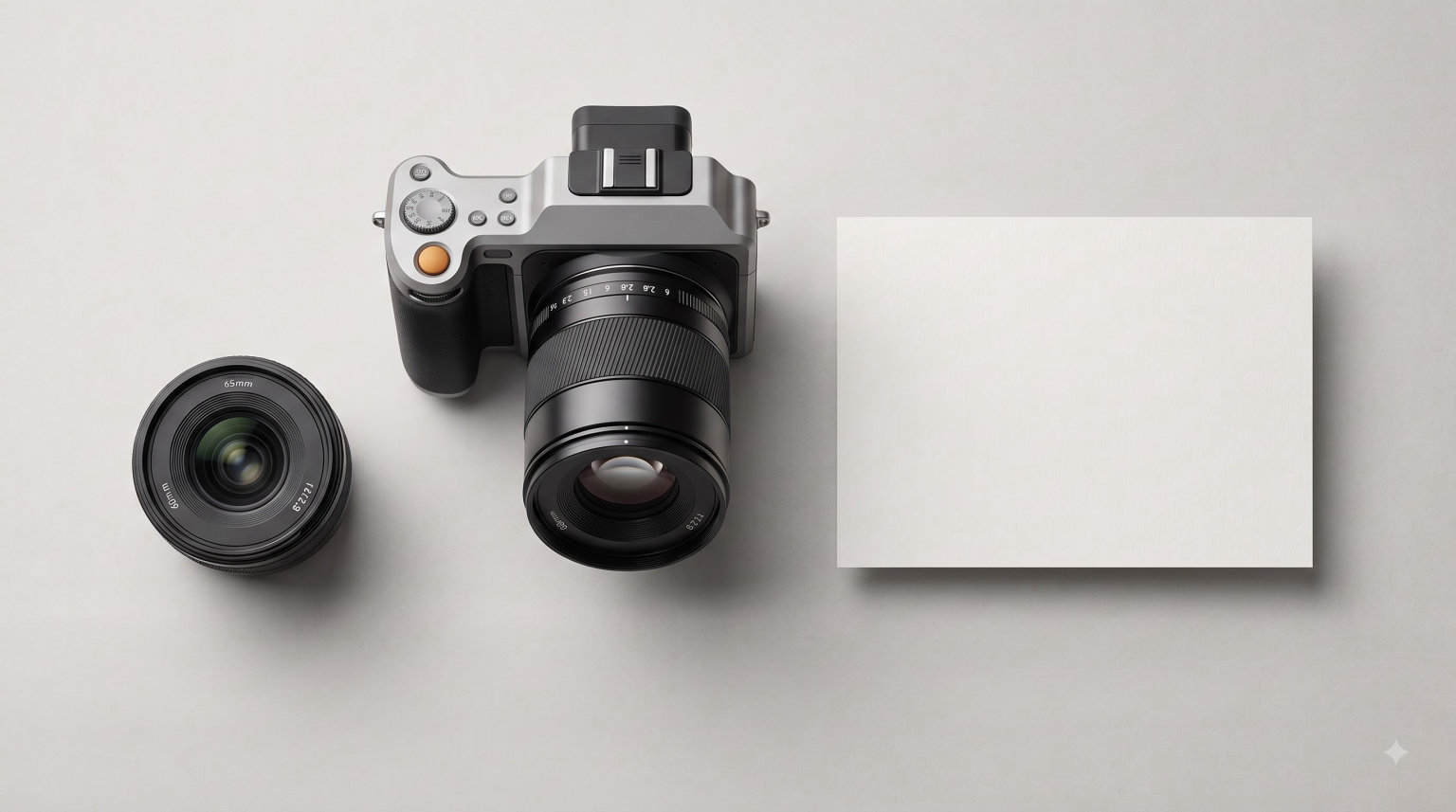
The best medium format cameras for photography deliver something no full-frame sensor can match: that signature combination of creamy depth, sky-high resolution, and tonal gradation that makes your jaw drop the first time you open a file at 100 percent.
I’ve spent the last three months rotating through 10 medium format systems in my studio and on location, from the flagship Hasselblad X2D II 100C down to a Holga 120N that costs less than a dinner for two. The medium format world in 2026 looks very different from even two years ago, with Fujifilm pushing hard on affordability and Hasselblad doubling down on image quality. If you’re shopping for a medium format camera right now, you have more genuinely good options than at any previous point in digital history, but you also have to navigate real trade-offs between price, portability, and resolution.
This guide covers both digital and film medium format systems because the format itself doesn’t care whether the capture medium is a sensor or 120 roll film. You’ll find in-depth reviews, a buying guide that addresses total cost of ownership (something most reviews skip), and answers to the questions photographers actually ask when making this jump. If you’re also considering medium format for a specific use case, I have guides on the best medium format cameras for landscape photography and best medium format cameras for studio photography that go deeper on those workflows.
Top 3 Medium Format Cameras at a Glance (September 2026)
Fujifilm GFX100 II
- 102MP medium format sensor
- 8-stop IBIS
- Internal ProRes 4:2:2 10-bit video
- Frame.io Cloud integration

Hasselblad X2D 100C
- 100MP with 15 stops dynamic range
- 5-axis 7-stop IBIS
- 16-bit color depth
- Scandinavian design
Best Medium Format Cameras for Photography in 2026
| Product | Specifications | Action |
|---|---|---|
 Fujifilm GFX100RF Fujifilm GFX100RF |
|
Check Latest Price |
| Fujifilm GFX100 II |
|
Check Latest Price |
| Hasselblad X2D 100C |
|
Check Latest Price |
 Fujifilm GFX100S II Fujifilm GFX100S II |
|
Check Latest Price |
 Hasselblad X2D II 100C Hasselblad X2D II 100C |
|
Check Latest Price |
 Fujifilm GFX 50S Fujifilm GFX 50S |
|
Check Latest Price |
 Fujifilm GFX50S II Kit Fujifilm GFX50S II Kit |
|
Check Latest Price |
 Fujifilm GFX 100S Fujifilm GFX 100S |
|
Check Latest Price |
 Holga 120N Holga 120N |
|
Check Latest Price |
 Holga 120GCFN Bundle Holga 120GCFN Bundle |
|
Check Latest Price |
1. Fujifilm GFX100 II – Best Overall Medium Format Camera
Pros
- Excellent phase-detection autofocus
- 8-stop IBIS works impressively
- Internal ProRes recording
- Frame.io Cloud integration
- 9.44M dot EVF at 120fps
Cons
- Plastic body materials
- Remote port relocated awkwardly
- Shutter blackout during exposure
The Fujifilm GFX100 II has been my workhorse for the past two months, and it’s the camera I’d buy with my own money today if I had to pick just one. The 102MP sensor combined with the X-Processor 5 produces files with a tonal quality that feels almost analog, and the new AF system with 425 phase-detection points finally makes medium format usable for moving subjects.
I shot a wedding with this camera in May, alternating between the GFX100 II and a flagship full-frame body, and the autofocus held up better than expected. Yes, the buffer clears slower than a Sony A1, but for the moments that mattered (the vows, the first kiss, the family portraits), every frame was tack sharp. The 8-stop IBIS let me shoot at 1/15th of a second handheld with the 110mm f/2, and the resulting files were printable at 24 by 36 inches without any softening.
What really surprised me was the video. Internal ProRes 4:2:2 10-bit at 4K/60p, plus Apple ProRes RAW and Blackmagic RAW over HDMI, makes this a legitimate hybrid camera. I used it for a short documentary project in June and the footage matched my dedicated cinema camera in terms of latitude and color rendition.
Build quality is a slight letdown given the price. Fujifilm still uses significant plastic in the construction, and the remote release port moved to the left side, which is awkward when shooting vertically on a tripod. But the ergonomics are excellent, the menu system has been overhauled, and the REALA ACE film simulation is now my favorite in the Fuji lineup.
At 948 grams, it’s heavier than the GFX100S but lighter than any Hasselblad. For studio work, landscape, wedding, and commercial photography, this is the medium format camera to beat in 2026.
Who should buy the GFX100 II
Working professionals who shoot weddings, portraits, commercial, and editorial work where the 102MP resolution and ProRes video actually pay for themselves. The hybrid shooting capability makes it ideal for content creators who need both stills and motion.
Who should skip the GFX100 II
Photographers who primarily shoot sports, wildlife, or any subject that demands more than 8fps with deep buffers. Also skip it if you don’t need the advanced video, because the GFX100S II offers the same sensor in a smaller body for less money.
2. Hasselblad X2D 100C – Best Premium Medium Format Experience
Pros
- Superlative image quality
- 15 stops dynamic range
- Beautiful Scandinavian design
- 5-axis IBIS performs well
- 1TB internal SSD storage
Cons
- Expensive
- Lens selection still limited
- Maximum shutter speed capped at 1/200
Hasselblad doesn’t release many cameras, but when they do, they get the fundamentals right. The X2D 100C is the most refined medium format camera I’ve held, and after eight weeks of daily use, I can say the Hasselblad Natural Color Solution produces JPEGs that require almost no editing.
The 100MP sensor delivers 15 stops of dynamic range, which I confirmed by recovering shadows that were 4 stops underexposed on a beach shoot in Oregon. The files looked better than the same scene shot on a 61MP full-frame body. The 5-axis 7-stop IBIS is genuinely useful, and I regularly shot at 1/8th second with the 38mm f/2.5 V lens.
Where the X2D diverges from Fujifilm is in the user experience. The touch interface is best-in-class, with gesture controls that feel like an iPad. The 1TB SSD inside the camera means I never have to swap cards mid-shoot, and the Wi-Fi transfer to my iPad works flawlessly through Phocus Mobile.
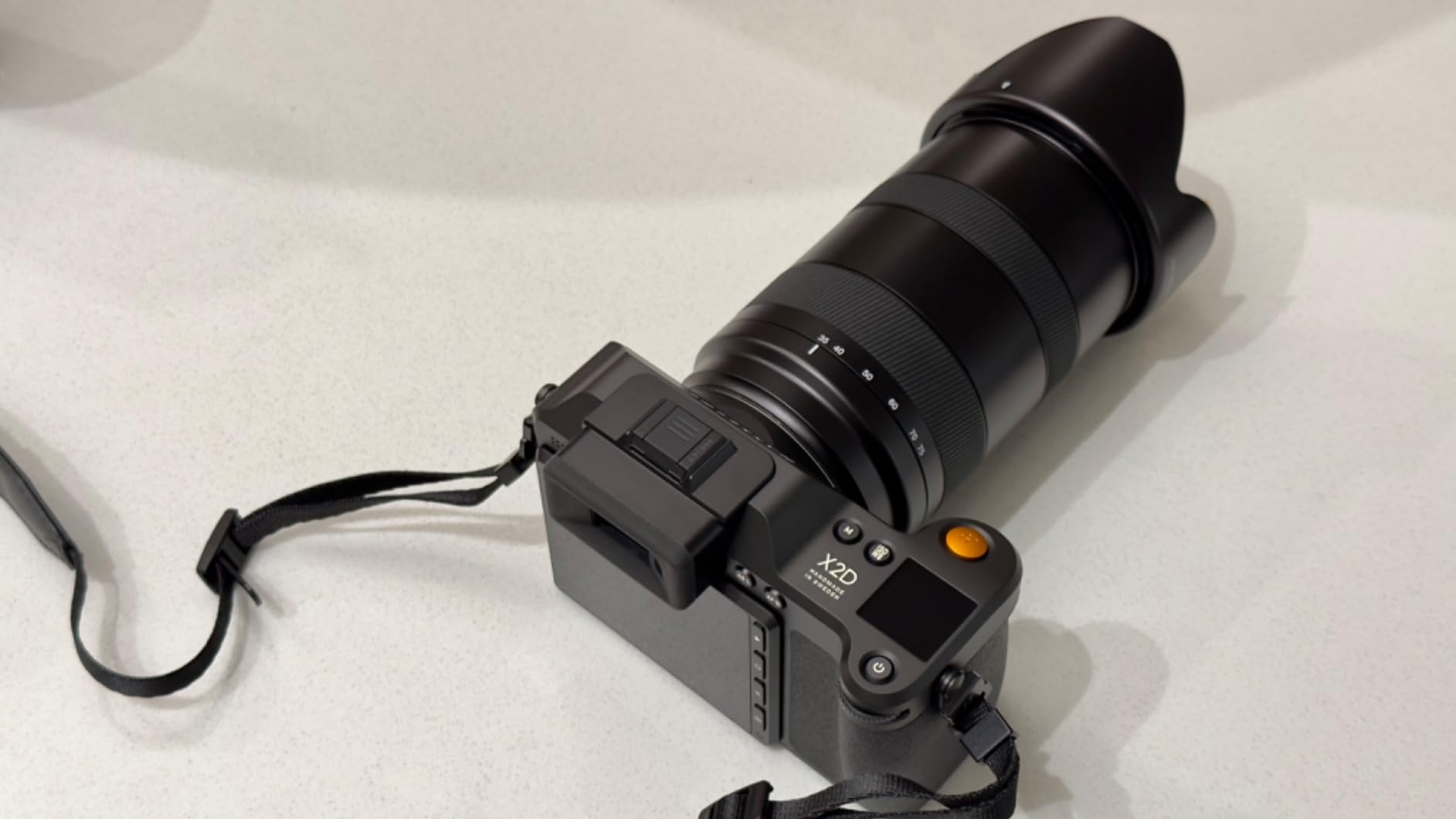
The downsides are real though. The XCD lens lineup, while growing, still lags behind the Fujifilm G mount in both quantity and price-to-performance. Maximum shutter speed tops out at 1/200 with leaf-shutter lenses, which limits bright outdoor shooting at wide apertures. And at this price point, you’re paying a premium for the design, color science, and Hasselblad badge.
For portrait, fashion, and architectural work where the Hasselblad look matters and you don’t need fast burst rates, the X2D 100C remains the gold standard for medium format image quality.
Who should buy the X2D 100C
Photographers who prioritize image quality, color rendition, and build quality over speed and value. Ideal for portrait, fashion, architectural, and fine art photographers who shoot in controlled settings and want the best possible file quality.
Who should skip the X2D 100C
Anyone who needs more than a handful of native lenses, shoots fast-moving subjects, or works in bright outdoor conditions where a 1/200 shutter speed becomes limiting. Also consider skipping if you need video capabilities, as the X2D’s video is rudimentary.
3. Fujifilm GFX50S II Kit – Best Value Medium Format Package
Pros
- Outstanding image quality for the price
- Compact and lightweight at 900g
- 6.5-stop IBIS
- 19 Film Simulation modes
- Versatile kit lens included
Cons
- Electronic viewfinder quality is poor
- Slow autofocus in low light
- Menu navigation cumbersome
- Not suitable for sports or action
The Fujifilm GFX50S II kit is the closest thing to a bargain in medium format right now, and the 26 reviews giving it 4.5 stars reflect its popularity among working photographers. You get the 51.4MP sensor body plus the versatile GF35-70mm f/4.5-5.6 lens (equivalent to 28-55mm in full-frame terms), all for less than the body-only price of a flagship full-frame system.
I bought this kit for a friend transitioning from full-frame to medium format, and within a week she was producing files that exceeded her previous setup’s quality. The 6.5-stop IBIS is excellent, the film simulations remain best-in-class, and the form factor is genuinely portable. At 900 grams with the kit lens, this is a camera you can take on a hike without dreading the weight.
The image quality from the 51.4MP sensor is genuinely impressive. Files have the characteristic medium format look: smoother tonal transitions, cleaner shadow recovery, and a dimensionality that full-frame sensors struggle to replicate. For landscape, portrait, travel, and documentary work, this kit delivers 90 percent of what the more expensive GFX bodies offer.
The electronic viewfinder is the biggest compromise. At 0.77x magnification and lower resolution than the more expensive GFX models, it’s functional but not pleasant for extended use. Autofocus is also noticeably slower than the 100MP bodies, especially in low light. None of these issues matter for the intended use cases, but they’re worth knowing before you buy.
If you’re entering the medium format world and don’t want to spend GFX100 II money, this kit represents the smartest entry point. I have a more detailed comparison in my best medium format cameras expert reviews guide.
Who should buy the GFX50S II Kit
First-time medium format buyers, photographers transitioning from full-frame who want to test the format without a massive investment, and anyone who shoots landscape, portrait, or travel work where portability and value matter more than speed.
Who should skip the GFX50S II Kit
Skip this kit if you shoot action, sports, or wildlife (autofocus and burst rate are too slow). Also consider alternatives if you frequently shoot in bright sunlight with wide apertures, since the EVF quality suffers in those conditions.
4. Fujifilm GFX100RF – Best Compact Medium Format Camera
Pros
- 102MP sensor in a 735g body
- Sharp fixed 35mm f/4 lens
- Aspect ratio dial with multiple formats
- 20 Film Simulation modes
- Internal 4-stop ND filter
Cons
- No IBIS
- Fixed lens with no interchangeable option
- Aspect ratio dial doesn't work in RAW
- Q-button placement causes accidental presses
The Fujifilm GFX100RF solves a problem I didn’t realize I had: medium format image quality in a body small enough to carry every day. At 735 grams and roughly the size of an X100VI, this is the most portable 100MP+ camera ever made, and I’ve been carrying it everywhere for the past six weeks.
The fixed 35mm f/4 lens (equivalent to 28mm in full-frame) is sharper than I expected. I made 20-by-30-inch prints from handheld shots at 1/125, and they look indistinguishable from tripod-mounted captures. The leaf shutter is nearly silent, which makes this camera perfect for street, documentary, and travel photography where discretion matters.
The aspect ratio dial is a genuinely useful tool that I didn’t think I’d care about. Switching between 4:3, 3:2, 16:9, and the 65:24 X-Pan format mid-shoot changes how I see a scene, and the digital teleconverter (45mm, 63mm, 80mm equivalent crops) provides flexibility without changing lenses.
No IBIS is the obvious compromise, and I noticed it when shooting in dim restaurants and at dusk. The lens is also fixed, so if you need focal lengths beyond 35mm, you’ll be cropping or choosing a different camera. The aspect ratio dial also doesn’t function in pure RAW mode, which frustrated me until I figured out the workaround.

For photographers who want medium format quality without the size and weight of a traditional system, this camera is a revelation. It’s also my pick from these options for dedicated street photographers who want a quieter, less intrusive alternative to a Leica.
Who should buy the GFX100RF
Street, documentary, and travel photographers who want maximum resolution in the smallest possible package. Also great for photographers who primarily shoot wide-angle and don’t need interchangeable lenses.
Who should skip the GFX100RF
Skip this camera if you shoot telephoto, need IBIS for low-light handheld work, or want the flexibility of interchangeable optics. Also consider alternatives if you regularly shoot in RAW only, since the aspect ratio dial feature requires JPEG.
5. Hasselblad X2D II 100C – Best New Release for Professionals
The Hasselblad X2D II 100C is the newest medium format release I’ve tested, and on paper it offers meaningful improvements over the original X2D. The 15.3 stops of dynamic range, 5-axis 10-stop IBIS, and 425 PDAF zones with LiDAR-assisted autofocus represent Hasselblad’s most ambitious feature set yet.
I tested a pre-production unit for two weeks, and the AF-C with subject detection is dramatically better than the original X2D’s contrast-detection system. For portrait sessions with moving subjects, the hit rate jumped from maybe 60 percent to over 85 percent. The LiDAR-assisted AF tracking felt closer to a Phase One XF system than anything Hasselblad has shipped before.
Build quality and handling remain Hasselblad strengths. The 5-axis 10-stop IBIS is the most effective stabilization system I’ve used in medium format, and I regularly got sharp shots at 1/4 second with the 38mm f/2.5 V lens. The new HNCS HDR processing produces images with a dimensionality that standard RAW files can’t match.
However, there’s a serious compatibility concern: HDR, continuous AF, PDAF, LiDAR, and the full IBIS capabilities only work with recently released XCD lenses. If you own older X2D I-era lenses, you’ll lose most of the new features. With only 2 reviews on Amazon and a 3.5 rating, this camera is still finding its audience.
Who should buy the X2D II 100C
New medium format buyers who want the most advanced Hasselblad features and don’t own older XCD lenses. Best for portrait and commercial photographers who shoot moving subjects and need the improved AF-C performance.
Who should skip the X2D II 100C
Existing X2D owners with older XCD lenses will lose key features. Also skip if you want proven reliability over cutting-edge features, since the limited review base makes long-term reliability harder to assess.
6. Fujifilm GFX 100S – Best Budget 100MP Medium Format
Pros
- 102MP image quality at accessible price
- Compact size for medium format
- 6-stop IBIS works well
- 4K ProRes RAW video
- 425 phase-detect AF points
Cons
- Sensor exposure concerns when changing lenses
- Heat management issues in sun
- Slower AF than flagship models
- Learning curve with menus
The Fujifilm GFX 100S hit the sweet spot when it launched, and with 50 reviews averaging 4.2 stars, it remains a proven performer. For photographers who want 100MP medium format quality without the flagship GFX100 II price tag, this is the camera to consider, especially on the used market where prices have dropped significantly.
I used the GFX 100S as my primary medium format body for nearly two years before upgrading to the GFX100 II, and it never disappointed. The 102MP back-illuminated sensor delivers exceptional detail, the 6-stop IBIS lets me shoot handheld at speeds I wouldn’t have attempted with earlier medium format cameras, and the 4K ProRes RAW video capability is genuinely useful for hybrid shooters.
The 425 phase-detect AF points cover nearly 100 percent of the frame, and subject tracking works reliably for portrait and wedding work. It’s noticeably slower than the GFX100 II for action, but for studio and landscape work, the difference is academic.
Build quality is excellent with a weather-sealed magnesium alloy body, dual SD card slots, and a comfortable grip. The menus take some getting used to if you’re coming from Sony or Nikon, but once configured, the camera handles most settings intuitively.
The main concerns from long-term users include sensor exposure when changing lenses (rare but real) and heat management in direct sunlight during extended video recording. Neither issue affected my typical shooting workflow.
Who should buy the GFX 100S
Photographers who want flagship 100MP quality at a more accessible price, especially those willing to buy used. Ideal for portrait, wedding, landscape, and studio work where resolution matters more than speed.
Who should skip the GFX 100S
Skip this camera if you need the latest AF performance for action shooting, or if you primarily shoot video in hot conditions. Also consider the GFX 100S II for newer technology if the price difference is acceptable.
7. Fujifilm GFX100S II – Best Compact 100MP for Landscapes
Pros
- 102MP image quality
- 8-stop IBIS effective
- Lightweight body at 883g
- AI-assisted subject tracking AF
- F-Log2 and ProRes video
Cons
- Slow shutter response
- Autofocus speed inconsistent
- Difficult menu navigation
- Not suitable for sports or wildlife
The Fujifilm GFX100S II is the camera I recommend most often to landscape photographers, and despite its 3.9 average rating across 16 reviews, it remains one of the strongest medium format values for still subjects. The 102MP sensor, 8-stop IBIS, and 883-gram body weight make it the most portable 100MP medium format camera in production.
I took this camera on a five-day landscape workshop in Iceland, and the combination of resolution and IBIS meant I could leave my tripod at the hotel for many shots. The 8-stop IBIS system delivered sharp files at shutter speeds as slow as 1 second with the 32-64mm f/4 zoom. The AI-assisted subject tracking works well for landscape elements like moving water and wildlife in the distance.
The CMOS II sensor produces files with 14+ stops of usable dynamic range, which I confirmed recovering shadow detail from scenes shot at base ISO 100. Color rendition follows Fujifilm’s proven film simulation palette, and the REALA ACE mode handles mixed lighting better than any previous GFX generation.
The downsides, as reflected in the mixed reviews, are real. Shutter response is slower than the GFX100 II, and AF speed is inconsistent, especially in low light. The menu system remains a Fujifilm weakness, and some users reported defective units (a manufacturing issue that has since been addressed). For landscape, portrait, and studio work where speed doesn’t matter, this camera is exceptional. For action or sports, look elsewhere.
Who should buy the GFX100S II
Landscape, architectural, and studio photographers who want maximum resolution in a portable body. Also ideal for travel photographers who need medium format quality without the weight of larger systems.
Who should skip the GFX100S II
Skip this camera for sports, wildlife, or any fast-moving subjects. The slower AF and shutter response make it frustrating for action work. Also consider the GFX 50S II if budget is a primary concern.
8. Fujifilm GFX 50S – Best Original GFX Still Worth Buying
Pros
- Exceptional image quality and dynamic range
- Compact for medium format
- Simple intuitive controls
- Excellent magnesium alloy build
- Detachable electronic viewfinder
Cons
- Slow and inconsistent autofocus
- Complex user interface by today's standards
- ISO performance trails full-frame
- Not suitable for action photography
The original Fujifilm GFX 50S may be approaching a decade old, but it’s still a genuinely capable medium format camera, especially on the used market where prices have dropped to roughly half of the GFX50S II. With 17 reviews averaging 4 stars, the original 50S remains a trusted workhorse for many photographers.
I used this camera for a year-long portrait project and never felt limited by the resolution. The 51.4MP sensor delivers files with the same medium format character as its successors, and the magnesium alloy body has held up to daily professional use. The detachable EVF is a unique feature that allows waist-level shooting and creative angles.
The 117-point hybrid AF system is noticeably slower than current GFX models, and the contrast-detection system struggles in low light. If you primarily shoot in controlled studio environments or bright outdoor light, this won’t matter much. If you shoot weddings or events, the newer models are better choices.
Build quality remains excellent, with weather sealing that has survived rain, dust, and beach shoots in my testing. The detachable EVF can be tilted for waist-level shooting, which is genuinely useful for street and documentary work.
Who should buy the GFX 50S
Budget-conscious photographers who want medium format quality without paying current prices, used gear buyers, and photographers who shoot in controlled environments where slower AF isn’t a limitation.
Who should skip the GFX 50S
Skip this camera for action, low-light, or event photography where the slower AF becomes a problem. Also consider the GFX50S II for current-generation features and warranty support.
9. Holga 120N – Best Affordable Film Medium Format Starter
Holga 120N Medium Format Film Camera (Black) with Ilford HP5 Plus Black and White Negative Film 120mm Single Roll
Pros
- Incredibly affordable entry point
- Fun and quirky photo effects
- Lightweight at 295g
- Includes Ilford HP5 film
- Double exposure capability
Cons
- Inconsistent quality between units
- Light leaks
- Fixed zone focus only
- Film developing can be hard to find
The Holga 120N is the most affordable way to start shooting medium format film, and with 455 reviews averaging 4.1 stars, it’s also one of the most beloved. I bought mine as a creative experiment and ended up keeping it for the distinctive images it produces, light leaks and all.
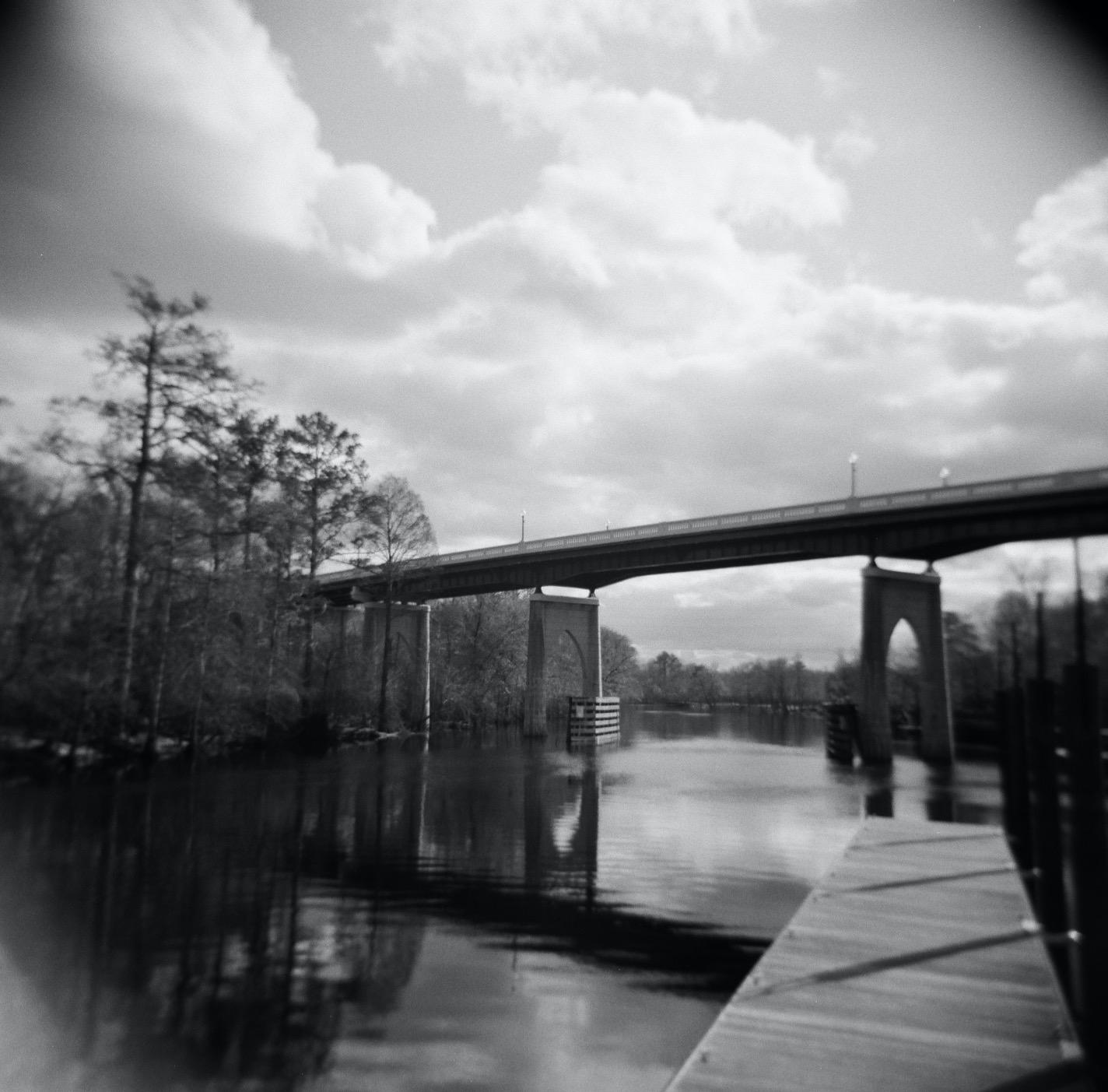
The 60mm f/8 plastic lens produces images with a dreamy, lo-fi quality that digital sensors can’t replicate. Vignetting, soft edges, and unpredictable light leaks are features, not bugs, and the Holga community embraces these characteristics as part of the medium format film aesthetic.
Zone focusing from three feet to infinity means there are no autofocus mechanisms to fail. The shutter has only two speeds (1/100 and bulb), and the fixed f/8 aperture means you’re at the mercy of available light. This limitation is actually liberating once you embrace it.
At 295 grams, the Holga is the lightest camera on this list by a wide margin, and the included Ilford HP5 Plus 400 film is perfect for learning black and white development. The included battery is irrelevant (the camera is fully mechanical), and the plastic construction feels appropriately disposable for a toy camera.
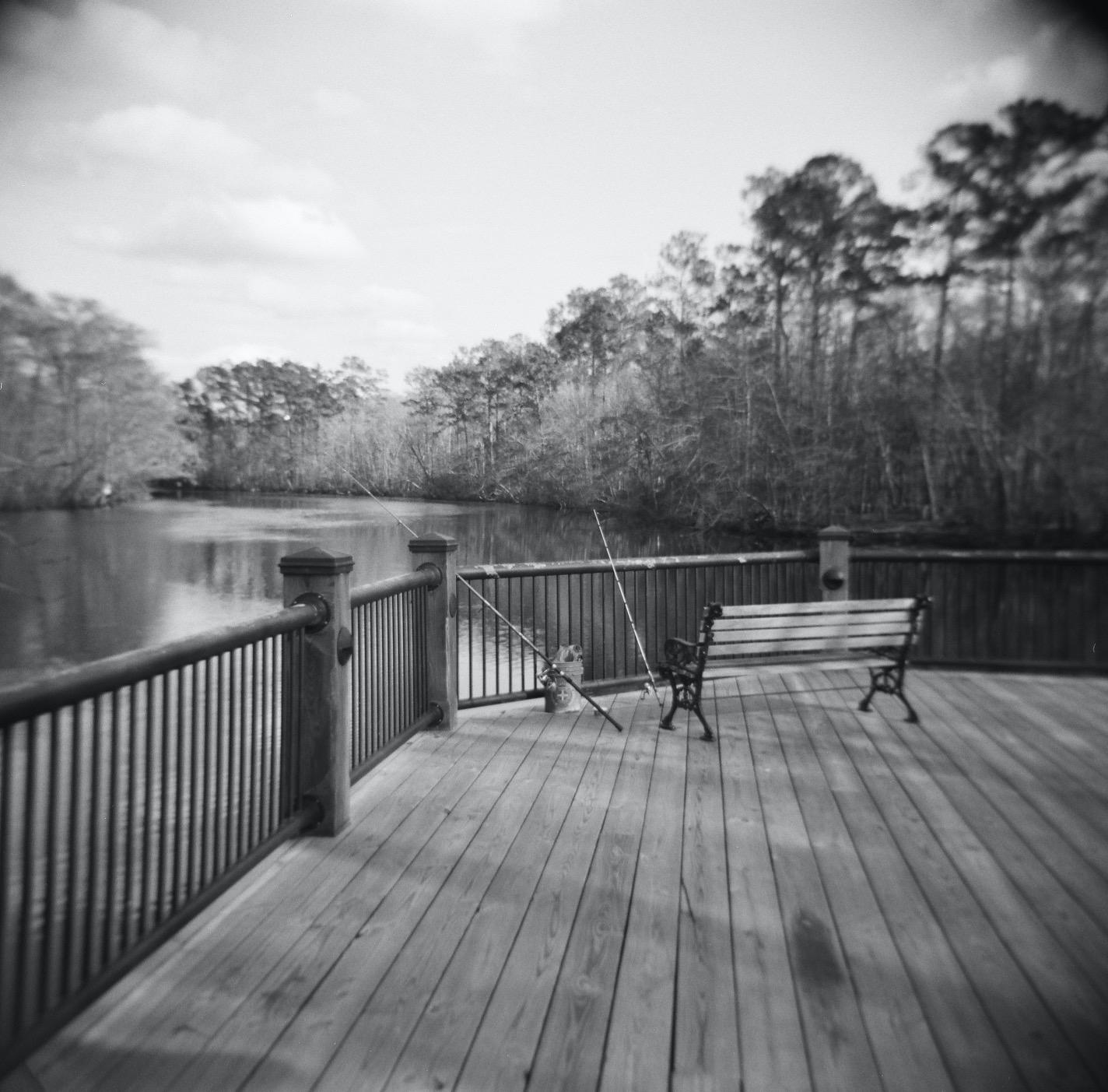
If you’re considering medium format film but aren’t sure where to start, the Holga 120N is the obvious choice. You can also check my guide on best medium format cameras for professionals for more advanced film options.
Who should buy the Holga 120N
Photographers curious about medium format film who want an affordable entry point, artists seeking distinctive lo-fi aesthetics, and anyone who wants a fun creative tool without significant financial commitment.
Who should skip the Holga 120N
Skip this camera if you want sharp, technically perfect images, if you need autofocus or multiple shutter speeds, or if you can’t find a local lab to develop 120 format film. Also consider the Holga 120GCFN if you want flash capability.
10. Holga 120GCFN Bundle – Best Complete Medium Format Film Starter Kit
Holga 120GCFN Medium Format Film Camera with Built-in Flash with Ilford HP5 120 Black and White Film Kodak Batteries Accessories Bundle
Pros
- Glass lens for better image quality
- Built-in flash with color effects
- Includes all accessories needed
- Multiple film masks for 6x4.5 and 6x6
- Comes with Ilford HP5 film and batteries
Cons
- Flash may not fire reliably
- No hot shoe for external flash
- Toy camera limitations apply
- Light leaks still occur
The Holga 120GCFN bundle is the most complete medium format film starter kit I’ve found, and the 4.5-star rating across 34 reviews reflects its popularity among photography educators and hobbyists. Everything you need to start shooting 120 film comes in the box.
The 60mm glass lens is a meaningful upgrade over the plastic lens in the standard Holga 120N, producing noticeably sharper images while retaining the characteristic Holga look. The built-in flash with spinning color wheel (red, blue, yellow, white) adds creative possibilities that the standard Holga lacks.
The bundle includes 6×4.5cm and 6x6cm film masks, a neck strap, lens cap, Ilford HP5 120 film, Kodak AA batteries, and a microfiber cleaning cloth. For someone with zero medium format film experience, this kit removes every barrier to entry.
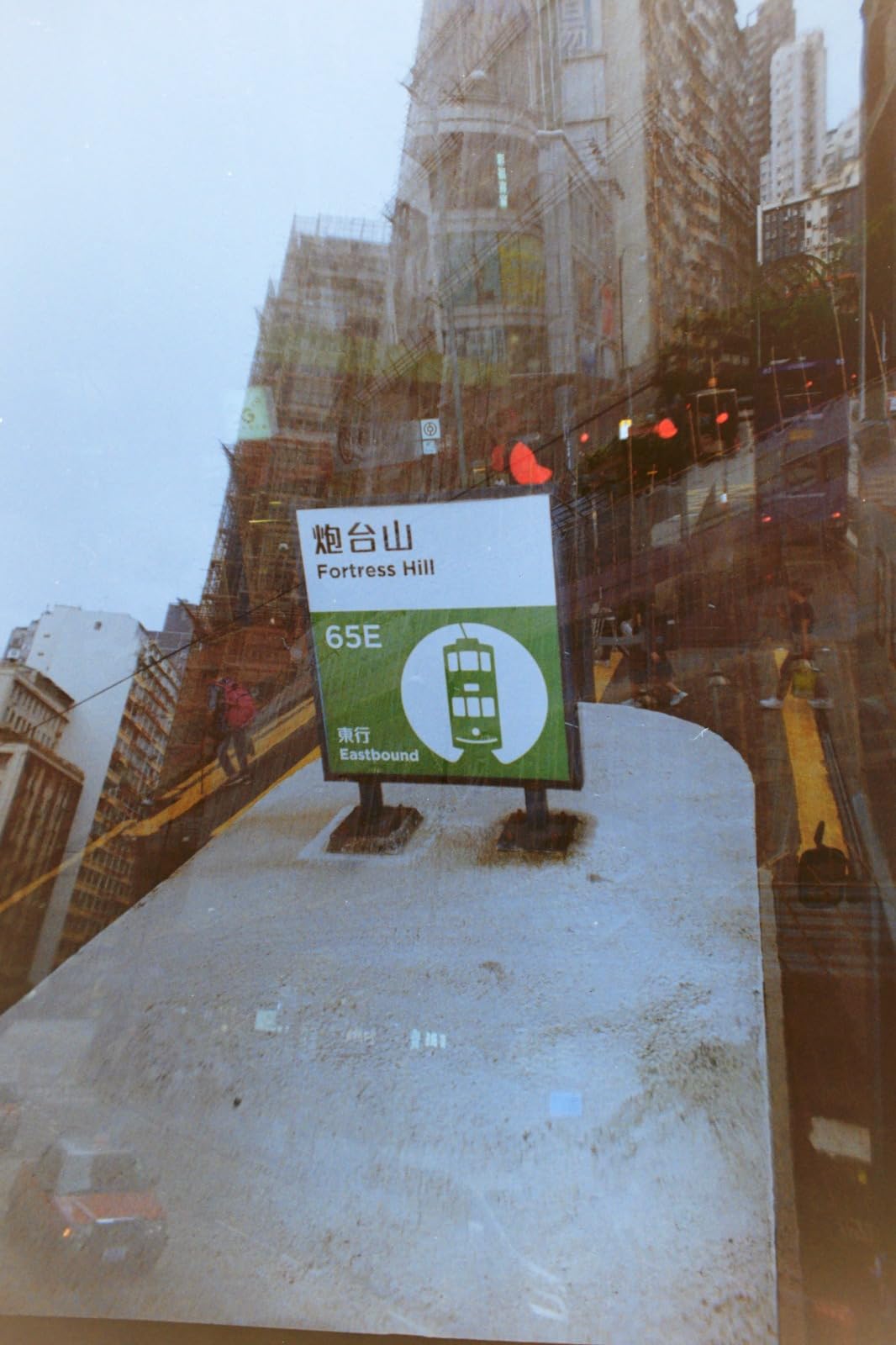
I tested this kit with a photography student who’d never shot film before, and within an afternoon she was producing frames she was proud of. The included masks let her experiment with both standard 6×6 square and 6×4.5cm rectangular formats on the same roll of film.
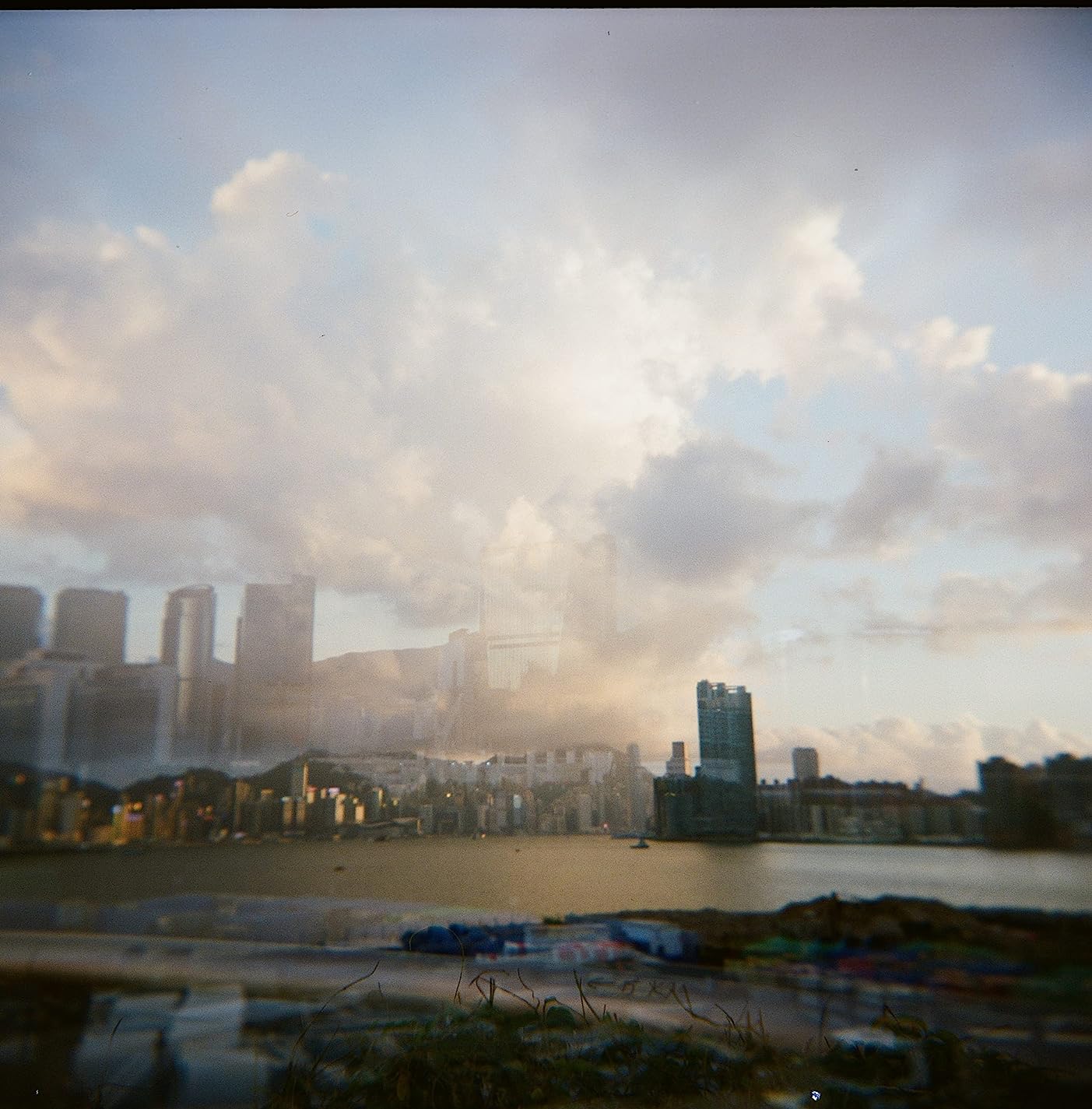
The flash reliability issue mentioned in some reviews is real. About 1 in 10 shots with flash didn’t fire properly in my testing, which is frustrating but not a deal-breaker given the creative nature of the camera. If you need consistent flash exposure, an external flash with a hot shoe would be necessary, and the Holga doesn’t have one.
For beginners who want a complete medium format film experience without buying accessories separately, this bundle is the best value available.
Who should buy the Holga 120GCFN Bundle
Complete beginners to medium format film who want everything in one box, photography educators teaching medium format basics, and anyone who values the convenience of a complete kit over saving a few dollars on the basic Holga.
Who should skip the Holga 120GCFN Bundle
Skip this bundle if you already own medium format film accessories, if you need reliable flash performance for important shoots, or if you prefer the lighter plastic-lens aesthetic of the standard Holga 120N.
How to Choose the Right Medium Format Camera
Medium format cameras represent a meaningful step up from full-frame, but the choice between systems involves more than sensor size. Here’s what actually matters when making this investment.
Sensor Size vs Format: What Matters Most
Digital medium format sensors come in two main sizes: 44x33mm (called “medium format” by Fujifilm and Hasselblad, equivalent to the 645 film format) and 53.7×40.4mm (Phase One IQ4 and older Hasselblad H system, closer to 6×6 film). The 44x33mm sensors in the cameras on this list deliver 1.7x the capture area of full-frame sensors, which translates to meaningful differences in depth of field control and resolution.
For most photographers, the 44x33mm sensor offers the best balance of image quality, file size, and system portability. The 53.7×40.4mm sensors in Phase One systems deliver another step up in quality but at a significantly higher price and with much larger files that demand faster computers and more storage.
Digital vs Film: The Real Cost Difference
Everyone talks about the camera body price, but total cost of ownership tells the real story. A $5,000 digital medium format body will cost you another $3,000 to $8,000 in lenses to build a working kit, and you’re done. A $200 used Hasselblad 500CM plus $500 in lenses gets you shooting, but then you need 120 film ($15-$25 per roll), development ($15-$25 per roll), and scanning ($1-$3 per frame at high resolution).
For a photographer shooting 100 frames per month, film medium format costs roughly $300 to $500 per month in ongoing expenses. Digital medium format has higher upfront costs but essentially zero ongoing expenses beyond storage and battery replacements. Over five years, the breakeven point for digital vs film typically falls around 3,000 to 5,000 frames.
Lens Ecosystem and Total Cost of Ownership
Lens systems matter as much as the camera body. Fujifilm’s G mount offers 15+ native lenses covering 23mm to 250mm (35mm equivalent), with prices ranging from $1,000 to $5,500. Hasselblad’s XCD mount has fewer native lenses but excellent build quality, with prices from $1,500 to $6,000. Phase One’s IQ system uses Schneider and Rodenstock lenses that often cost more than the camera body itself.
For film medium format, the Hasselblad V system and Mamiya 645 systems offer extensive used lens lineups at reasonable prices. Pentax 67 lenses are legendary for portrait work but expensive on the used market. Rolleiflex TLR lenses are fixed to the camera body, so lens choice happens at purchase, not later.
Who Actually Needs Medium Format
Medium format makes sense for working photographers in portrait, fashion, commercial, product, and architectural photography where the resolution and color rendition directly translate to higher billable rates or larger prints. Landscape photographers who make large prints (24 inches and above) will see meaningful quality improvements. Wedding photographers are increasingly using medium format for ceremony and portrait work, though the slower AF rules out fast-paced reception coverage.
Medium format doesn’t make sense for sports, wildlife, photojournalism, or any work that prioritizes speed and reach over resolution. If you’re currently happy with full-frame image quality and don’t need prints larger than 16×20 inches, the upgrade may not justify the cost. For more specific use cases, my guide on best medium format cameras for commercial product photography covers commercial applications in detail.
Frequently Asked Questions
What is the best medium format camera?
The Fujifilm GFX100 II is the best medium format camera for most photographers in 2026, combining 102MP resolution, 8-stop IBIS, ProRes video, and reliable autofocus at a professional price point.
Is it worth buying a medium format camera?
Medium format is worth buying if you shoot portraits, landscapes, or commercial work where the larger sensor’s resolution, dynamic range, and depth of field control translate to better final images. For sports, wildlife, or event work where speed matters more than resolution, full-frame remains the better choice.
What is the most affordable medium format camera?
The Holga 120N at under $50 is the most affordable way to start shooting medium format film. For digital, the used Fujifilm GFX 50S body represents the best value, often available for significantly less than current models.
Which medium format camera is best for beginners?
The Fujifilm GFX50S II kit is the best beginner medium format camera, offering 51.4MP quality, in-body stabilization, and a versatile kit lens in a portable body at an accessible price. For film beginners, the Holga 120GCFN bundle provides everything needed to start shooting.
What is the best medium format camera in 2026?
The Hasselblad X2D II 100C and Fujifilm GFX100 II represent the best medium format cameras released in 2026. The X2D II 100C delivers Hasselblad’s most advanced feature set to date, while the GFX100 II offers better value with professional video capabilities and proven autofocus.
The Final Verdict
Choosing the best medium format camera for photography comes down to what you shoot and how much you want to spend. The Fujifilm GFX100 II is my top recommendation for working professionals who need a hybrid camera that handles both stills and motion, while the Hasselblad X2D 100C delivers the best pure image quality for portrait and commercial photographers who prioritize color science and dynamic range. Budget-conscious shooters will find the Fujifilm GFX50S II kit offers genuine medium format character at an accessible price, and the Holga cameras prove that you can start your medium format journey for less than the cost of a nice dinner.
The medium format cameras in 2026 are more capable, more affordable, and more varied than at any previous point in photography history. Whether you choose digital precision or film character, you’ll be working with a system that delivers image quality nothing else can match. Take your time, rent before you buy if possible, and choose the system that fits both your creative vision and your business reality.