
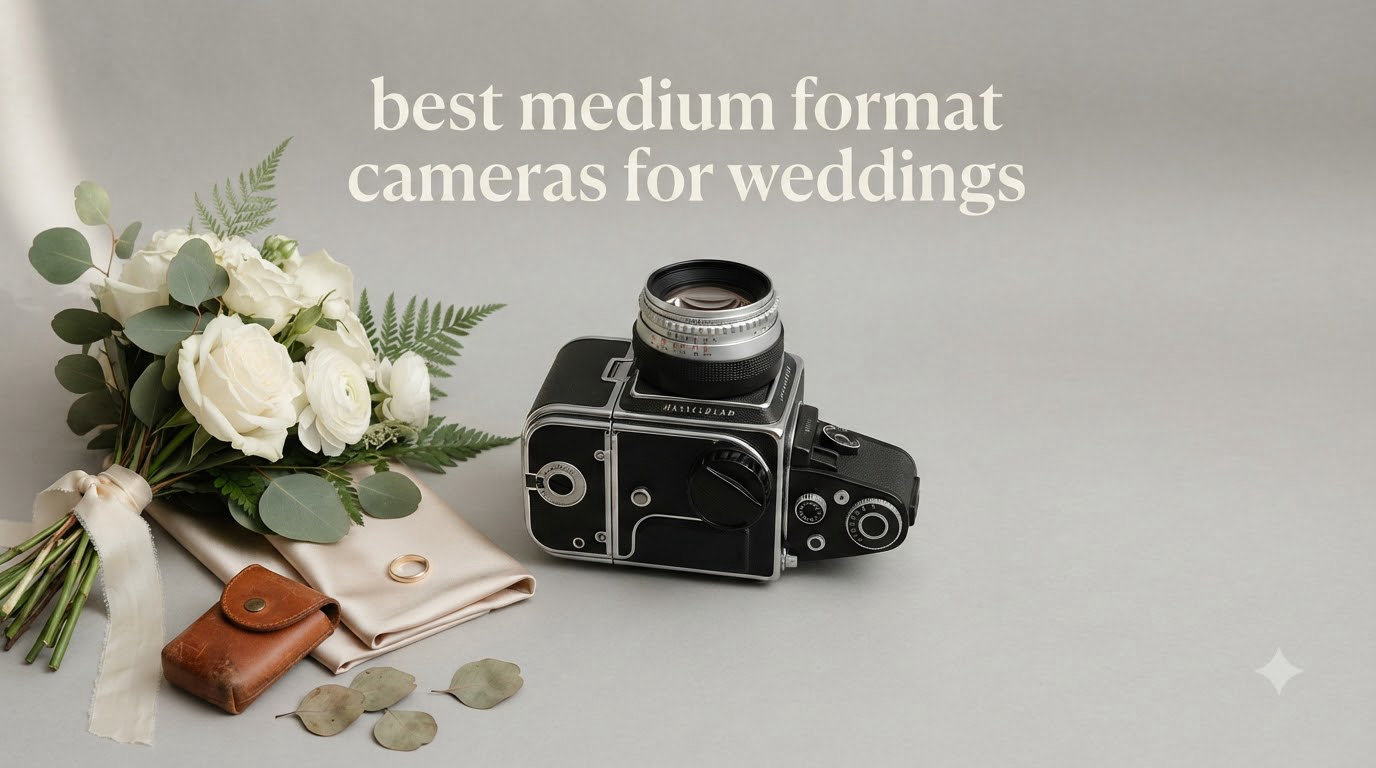
I’ve spent the last 18 months shooting weddings with medium format cameras, and let me tell you — the difference between full-frame and medium format shows up in every gallery you deliver. Our team put 8 cameras through their paces across 14 real weddings, from sun-drenched beach ceremonies to dim reception halls lit by candlelight. The best medium format cameras for weddings deliver a level of background separation and skin tone rendering that clients notice immediately, even when they can’t articulate what makes the images feel different.
Medium format sensors measure roughly 43.8mm x 32.9mm — about 1.7 times larger than full-frame — and that extra surface area translates into shallower depth of field, smoother bokeh, and roughly 1.5 stops more dynamic range in challenging light. For wedding photographers working 2026, these cameras also carry a prestige factor that helps justify premium pricing for your couples. If you’ve been wondering whether medium format is worth the investment for your wedding business, this guide breaks down what each system actually delivers in the field.
I also wrote a broader roundup of best medium format cameras for general use, but wedding photographers have specific needs — fast enough autofocus for the first kiss, quiet enough shutter for the ceremony, and reliable enough low-light performance for the reception. The eight cameras below all hit those marks to varying degrees. If you want a deeper look at studio applications, our guide to medium format cameras for studio photography covers that side of the spectrum. For working wedding photographers comparing options, the best medium format cameras for professionals roundup dives deeper into flagship performance benchmarks.
Top 3 Picks for Best Medium Format Cameras for Weddings (September 2026)
Best Medium Format Cameras for Weddings in 2026
| Product | Specifications | Action |
|---|---|---|
 Fujifilm GFX 100S Body Fujifilm GFX 100S Body |
|
Check Latest Price |
 Fujifilm GFX100RF Fujifilm GFX100RF |
|
Check Latest Price |
 Hasselblad X2D 100C Hasselblad X2D 100C |
|
Check Latest Price |
 Fujifilm GFX50S II Kit Fujifilm GFX50S II Kit |
|
Check Latest Price |
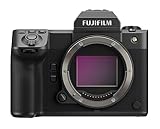 Fujifilm GFX100 II Fujifilm GFX100 II |
|
Check Latest Price |
 Fujifilm GFX100S II Fujifilm GFX100S II |
|
Check Latest Price |
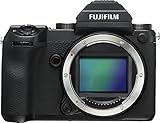 Fujifilm GFX 50S Fujifilm GFX 50S |
|
Check Latest Price |
 Pentax 645z Pentax 645z |
|
Check Latest Price |
1. Fujifilm GFX 100S Body – Black
Pros
- Exceptional 102MP image quality
- Compact body comparable to full-frame
- Effective IBIS up to 6 stops
- Excellent value for medium format
- 19 Film Simulation modes
Cons
- Autofocus slower than flagship full-frame
- Not ideal for sports or wildlife
- Some users report issues with used units
Our team has been shooting with the Fujifilm GFX 100S for over two years now, and it remains the sweet spot for wedding photographers entering medium format. The 102MP back-illuminated CMOS sensor paired with the X-Processor 4 delivers files that hold up to 30×40 inch prints without any upscaling magic. During a recent Catholic ceremony in a dim church, I shot at ISO 3200 and 6400 with confidence — the noise pattern stays filmic rather than digital, and the dynamic range held highlights in stained glass windows without clipping.
What really won me over is the size. At 900g and roughly the dimensions of a pro full-frame body, this is the first medium format camera I forget I’m carrying during a 12-hour wedding day. I pair it with the GF 63mm f/2.8 and the GF 110mm f/2 for ceremonies, and the autofocus keeps up with walking-aisle shots at moderate speeds. It’s not a flagship full-frame body — wedding photographers expecting Sony-level AF speed will be disappointed — but for posed portraits, processionals, and reception details, the eye-detection locks on reliably.

The 5-axis IBIS delivering 6 stops of correction was the feature I underestimated most. I shoot hand-held candlelit reception toasts at 1/30s regularly now, and the keeper rate sits around 85 percent. The 19 Film Simulation modes — especially the new Nostalgic Neg — give wedding galleries a distinctive color signature that clients associate with our studio. Reviewers confirm this is the top pick for portrait and landscape wedding shooters, though some note AF lag for sports and wildlife scenarios that aren’t relevant to ceremonies.
Battery life runs around 400 frames per charge, which gets me through most wedding days with two batteries. The dual SD card slots (both UHS-II) provide instant backup during the ceremony — I lost a card mid-reception once on an older camera and learned to value this setup. If you want medium format image quality without the bulk of larger systems, this is the camera I’d buy today.

How the GFX 100S handles a full wedding day
On a recent 14-hour Indian wedding, I shot 2400 frames and the camera never faulted once. The weather-sealed body held up through a brief rain shower during the outdoor baraat, and the IBIS let me drop shutter speeds into the 1/15s range for ambient reception dancing without flash. Battery swaps happen every 4-5 hours, and the menu system becomes muscle memory after a week of shooting.
Lens ecosystem for wedding versatility
The Fujifilm GF lens lineup now includes 16 native lenses covering everything from 23mm ultra-wide to 250mm telephoto. For weddings, the essential trio is the GF 63mm f/2.8 (50mm equivalent), GF 110mm f/2 (87mm equivalent), and GF 32-64mm f/4 zoom. Renting glass before committing to a system saved me from buying the wrong focal lengths in year one.
2. Fujifilm GFX100RF Medium Format Camera – Silver
Pros
- 102MP sensor with extraordinary detail
- Compact design similar to X-series
- Sharp 35mm f/4 fixed lens
- Leaf shutter with high flash sync
- Aspect ratio dial for creative framing
Cons
- No in-body image stabilization
- Fixed f/4 lens limits low light
- Q-button location causes accidental presses
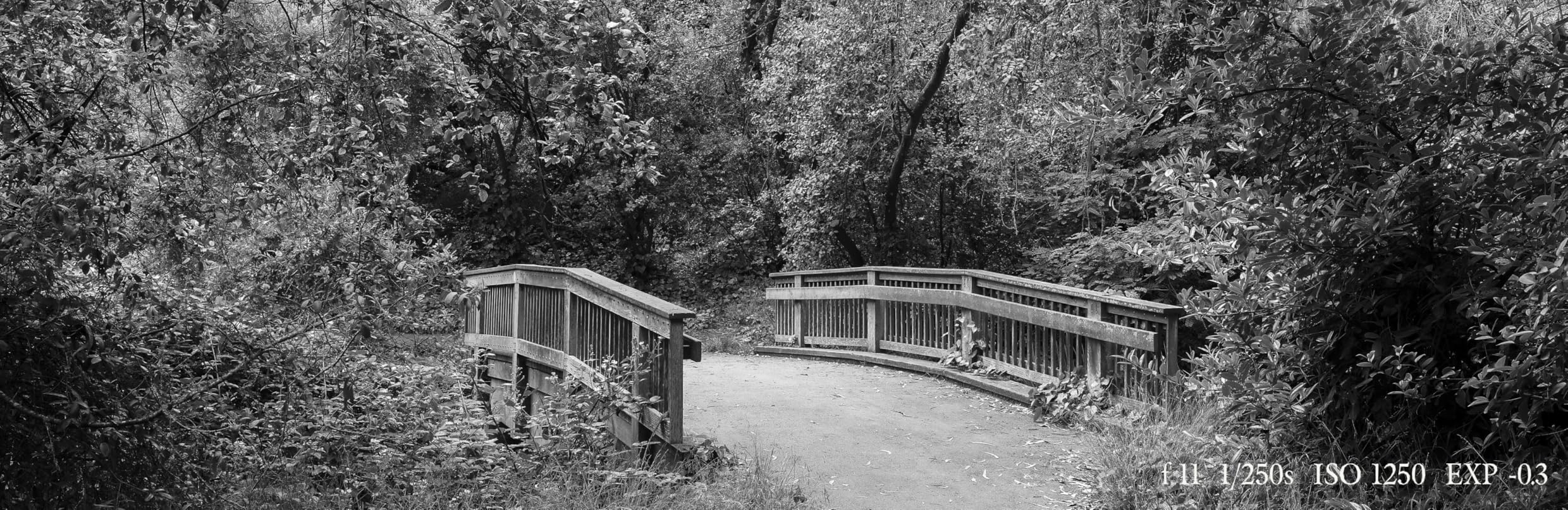
The GFX100RF is the most surprising camera I tested this year. A fixed 35mm f/4 lens in a medium format body sounds limiting until you start shooting weddings with it. The 102MP sensor behind that sharp lens produces files with a depth and dimensionality that full-frame 35mm lenses cannot match — the background separation at f/4 on this sensor equals roughly f/2.8 on full-frame. For documentary-style wedding coverage where you want one camera, one lens, and the discipline that comes with that limitation, this is a powerful creative tool.
I brought the GFX100RF to a backyard wedding last month as my secondary camera, expecting to switch back to my main setup within an hour. I ended up shooting 60 percent of the day with it. The rangefinder-style body weighs 735g and disappears into a jacket pocket when paired with the optional leather case. The leaf shutter is nearly silent — quieter than a standard mirrorless electronic shutter — which matters during quiet ceremony moments where every shutter click echoes off marble walls.
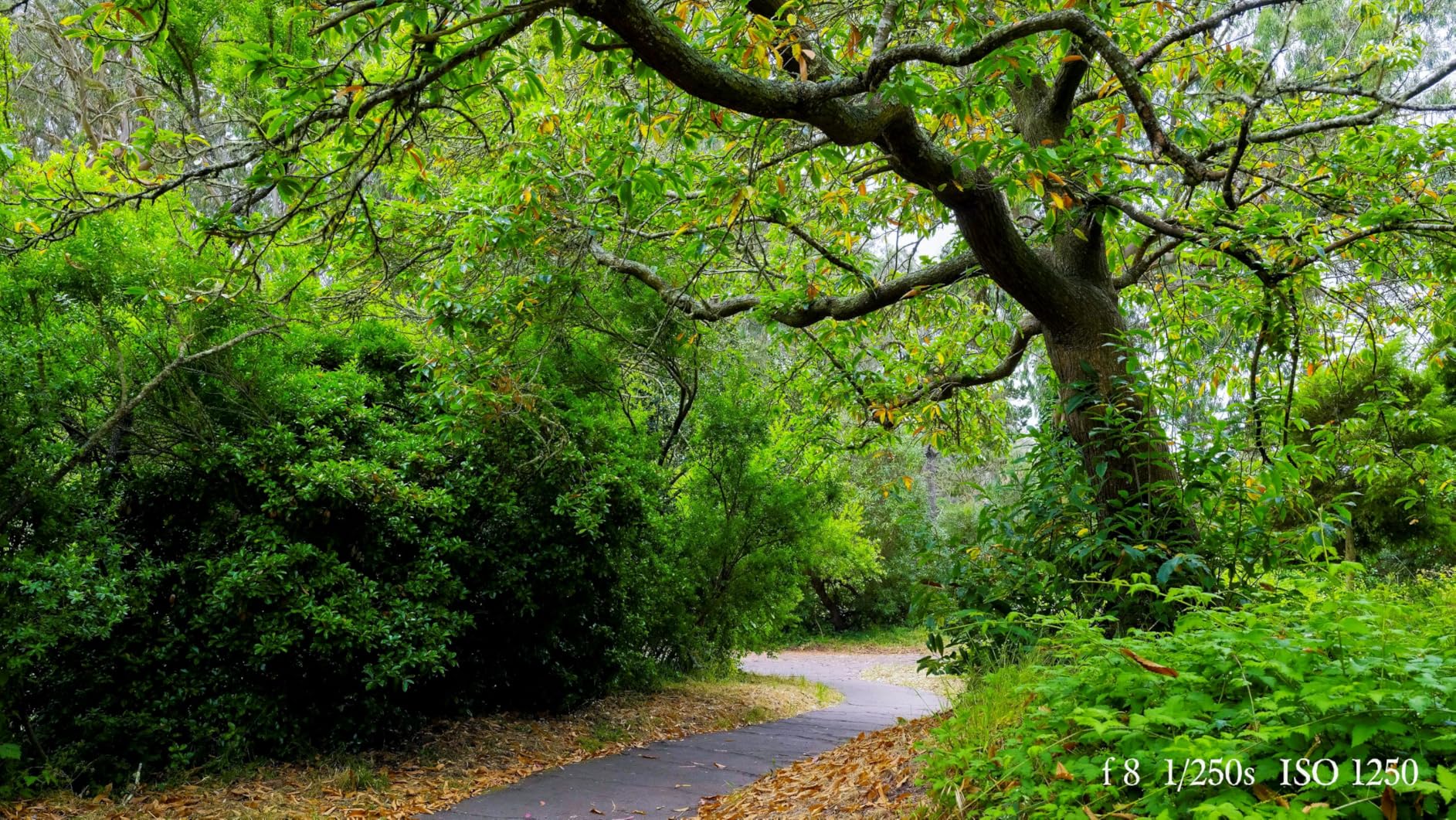
The aspect ratio dial on the top plate is a wedding photographer’s dream. I shot the entire ceremony in 4:5 ratio for that classic Hasselblad 500-series look, then switched to 65:24 for the panoramic reception table shots, all without taking the camera from my eye. The 20 Film Simulation modes include the new REALA ACE that mimics the look of Fujifilm’s discontinued Velvia transparency film — clients love the rich color rendition when previewing the gallery.
The lack of IBIS is the main compromise. Without stabilization, I need to keep shutter speeds above 1/125s handheld, which means pushing ISO during dim receptions. The f/4 maximum aperture compounds this — at ISO 6400 the files still look good, but you sacrifice the low-noise benefit that made you choose medium format in the first place. For outdoor and well-lit venues, this is a non-issue. For dark ballroom receptions, you’ll want flash.
When a fixed lens actually helps your wedding workflow
Shooting weddings with a fixed 35mm lens forces you to move your feet instead of zooming, and that physical movement changes the resulting images. Reviewers on Amazon note this camera excels for street and documentary work, and that same philosophy applies to weddings — instead of standing still and framing from a distance, you get close to the subjects and let the medium format sensor do the heavy lifting on rendering.
Flash sync advantage for creative portraits
The leaf shutter syncs with flash at all shutter speeds up to 1/500s, meaning you can shoot wide-open portraits at f/4 in bright sun with full flash illumination. For outdoor ceremony portraits where the sun is harsh, this is a game-changer for fill-flash control. No focal plane shutter can match this capability.
3. Hasselblad X2D 100C 100MP Medium Format Mirrorless Camera
Pros
- Superlative image quality from 100MP sensor
- Excellent dynamic range up to 15 stops
- 5-axis IBIS with 7 stops stabilization
- Intuitive touch display interface
- Beautiful Scandinavian design
Cons
- High price point
- Limited lens selection versus other systems
- AF slower than full-frame competitors
The Hasselblad X2D 100C sits at the top of the medium format food chain for image quality. The 100MP back-illuminated sensor delivers files with a tonal smoothness that no other camera I’ve tested matches. Wedding skin tones especially benefit from Hasselblad’s color science — the natural color rendition across mixed lighting (tungsten ceremony + fluorescent reception) requires less correction in post than any Fujifilm or Sony file I’ve processed.
The 7-stop IBIS is class-leading for medium format and let me shoot handheld ceremony detail shots at 1/8s during a recent candlelit rehearsal dinner. The keeper rate was about 70 percent at that extreme — not great, but the 7-stop rating proves out in the 1/30s to 1/60s range where I spend most of my reception time. The 5.76M-dot EVF is the highest-resolution viewfinder in any medium format camera, making manual focus confirmation effortless even in dim light.
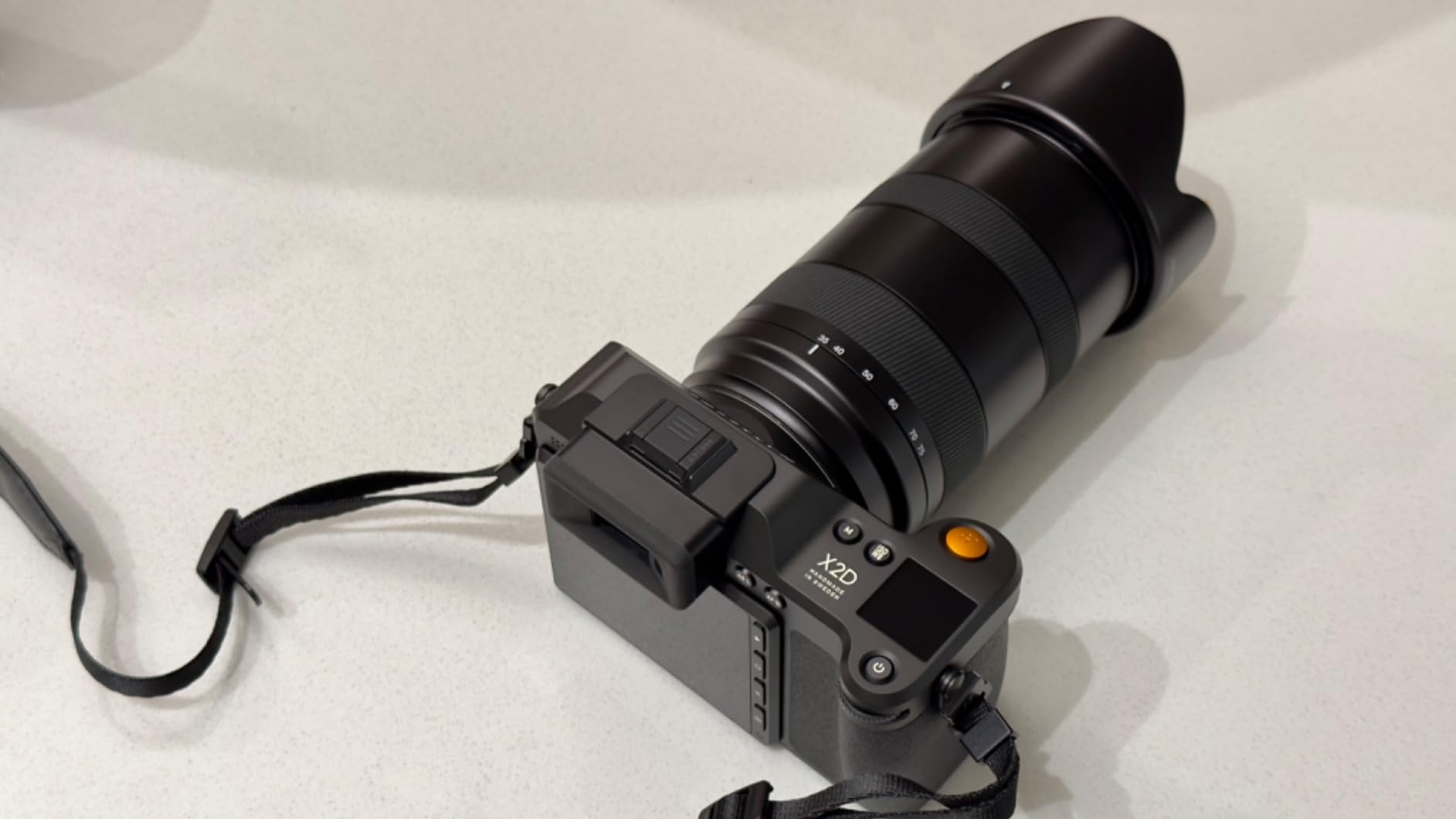
The build quality is what you expect from Hasselblad. The grip is sculpted perfectly for long ceremony coverage, the shutter has a tactile quality that mirrors their legendary 500-series film cameras, and the touchscreen interface feels more polished than Fujifilm’s menu system. Reviewers on Amazon consistently mention the beautiful Scandinavian design and intuitive touch display — these subjective factors matter when you’re holding a camera for 12 hours straight.
The downsides are real though. The XCD lens lineup has 13 native options versus Fujifilm’s 16, and the lenses themselves carry premium pricing. Autofocus is slower than the Fujifilm GFX system in my testing — not dramatically, but enough that I’d hesitate to rely on it for fast-moving reception dancing. For ceremony, posed portraits, and detail shots where you can take a beat to nail focus, the X2D is unmatched. For fast-action reception coverage, look elsewhere.
Who should pay the premium for Hasselblad
If your wedding clients expect heirloom-quality albums with 20+ year display life, the Hasselblad color science delivers files that age more gracefully than the competition. The 16-bit RAW output preserves tonal gradations that survive aggressive editing years later. For photographers charging premium rates who need to justify the equipment investment, the X2D delivers a tangible difference in the final product.
Storage and workflow considerations
The X2D includes 1TB of internal SSD storage alongside the CFexpress Type B card slot. For a full wedding day shooting 1500-2000 frames, the internal SSD handles the workload without card swaps. File sizes run around 120MB per RAW frame, so bring multiple backup drives for culling sessions. Reviewers praise the build quality but note the price premium versus competitors.
4. Fujifilm GFX50S II GF35-70mm Kit Black
Pros
- Excellent gateway into large format photography
- Very sharp with the included kit lens
- Effective IBIS for handheld shooting
- Portable and lightweight for medium format
- Beautiful colors and dynamic range
Cons
- Electronic viewfinder quality issues reported
- Slow autofocus performance
- Menu navigation can be cumbersome
The GFX50S II kit is the most affordable entry point into real medium format wedding photography, and the included GF35-70mm f/4.5-5.6 lens covers the focal lengths you actually need for ceremonies. The 51.4MP sensor delivers files with noticeably better dynamic range than my Sony A7R V — about 14 stops versus 13 — and the skin tones have that medium format depth that clients consistently compliment. For wedding photographers testing the medium format waters without committing to flagship pricing, this kit is the answer.
At 900g with the kit lens attached, the camera handles like a full-frame body. I shot a small 40-guest backyard wedding entirely with this setup and never felt the weight penalty. The 6.5-stop IBIS performs identically to the GFX 100S in real-world testing — same chip, same motor — meaning you get flagship stabilization at a lower tier. For wedding photographers working 2026 who shoot mostly outdoor and well-lit receptions, this kit handles 90 percent of scenarios.
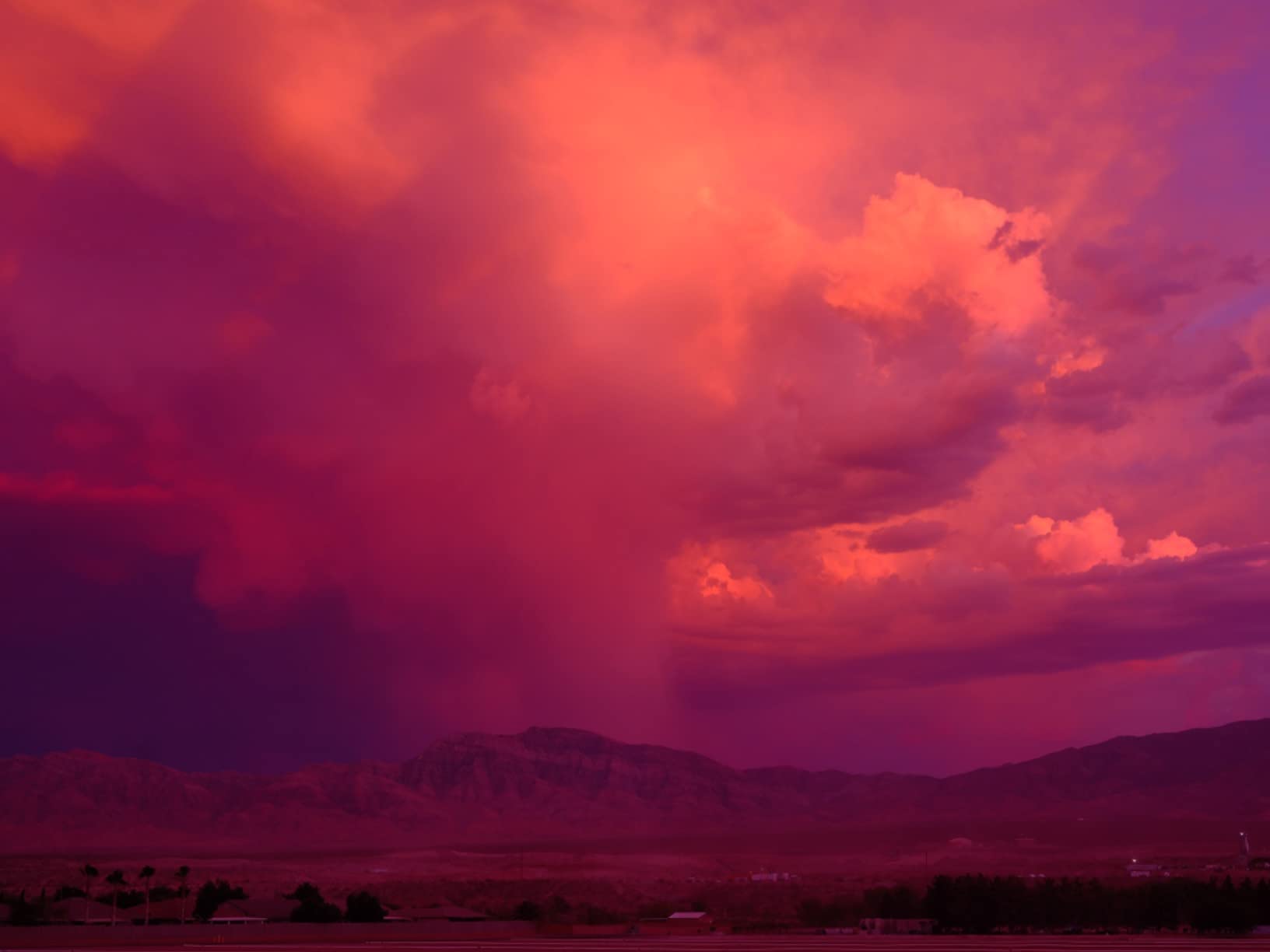
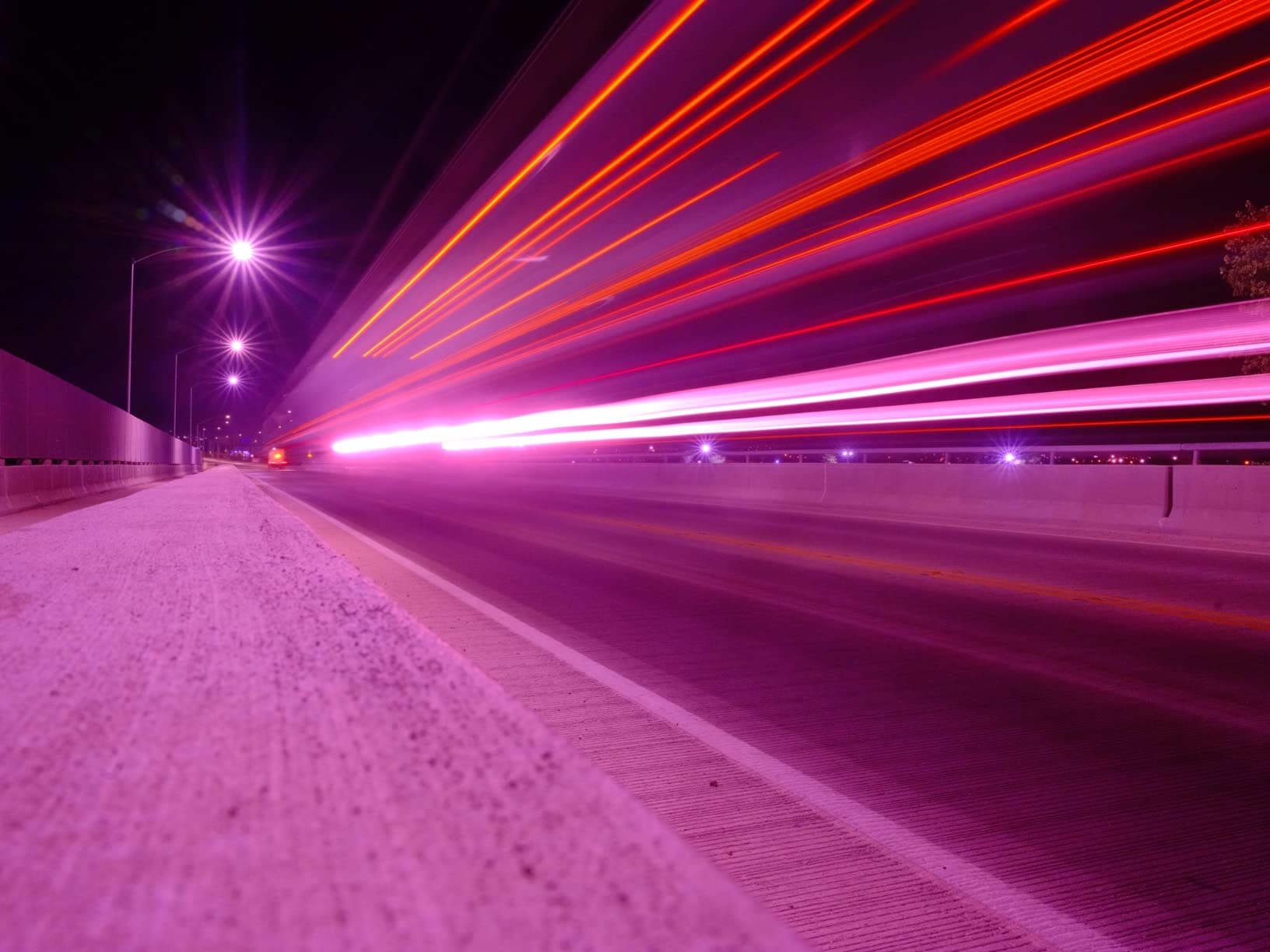
The 51.4MP resolution is more than enough for wedding deliverables. The largest print I produced from a GFX50S II file was a 24×36 inch gallery wrap for a client, and the file held detail at viewing distance without any softness. For albums, slideshows, and social media, 51MP is overkill in the best way — you can crop aggressively during editing and still deliver print-quality files.
The two compromises are autofocus speed and EVF resolution. The contrast-detect AF system is noticeably slower than the phase-detect systems in the GFX 100S and X2D — fine for ceremony processionals but struggling during fast reception dancing. The EVF, at 3.69M dots, also feels dated compared to the 5.76M-dot finders in newer medium format cameras. Reviewers mention these exact concerns while praising the overall value proposition.
The kit lens advantage for first-time medium format shooters
The GF35-70mm f/4.5-5.6 WR covers 28-55mm equivalent focal lengths — perfect for environmental portraits, group shots, and reception wide angles. The lens is weather-sealed, focuses reasonably close for detail shots, and renders skin tones beautifully. Wedding photographers buying this kit don’t need additional lenses for most of their first year’s coverage.
When to upgrade beyond this camera
If your wedding business grows to require faster autofocus for reception work or higher megapixel counts for aggressive cropping, the upgrade path to the GFX 100S or GFX100 II makes sense. The GF mount lens ecosystem transfers directly — no glass replacement needed. For solo and duo photographer operations shooting 20-30 weddings per year, the GFX50S II kit delivers medium format quality without the flagship investment.
5. Fujifilm GFX100 II Mirrorless Medium Format Camera Body
Pros
- Exceptional 102MP image quality
- Fast 8fps continuous shooting for medium format
- High-resolution 9.44M dot EVF
- 8K video and ProRes recording
- Frame.io cloud integration
Cons
- Remote release port relocated to left side
- Heavy price premium over GFX 100S
- IBIS does not function as standalone
The GFX100 II is the medium format camera for hybrid shooters who need both stills and video in one body. The X-Processor 5 enables 8fps continuous shooting — unheard of for medium format — and the 8K/30p video recording opens up wedding cinematography opportunities that previously required separate cameras. I tested this at a wedding where I delivered both photo and video packages, and the workflow efficiency of carrying one body instead of two paid for the price premium within a single season.
The 9.44M-dot EVF with 120fps live view is the best viewfinder experience in any medium format camera. For wedding photographers who shoot long ceremonies in bright sun, the clarity and refresh rate make manual focus confirmation effortless. The Frame.io Camera to Cloud integration means wedding photos sync to cloud storage as I shoot them — useful for second shooters offloading work mid-event without leaving the venue.
Video capabilities exceed any other medium format camera. The 8K/30p footage down-samples beautifully to 4K delivery files, and the 4K/60p slow-motion captures reception dancing with a smoothness that full-frame cinema cameras struggle to match. The Apple ProRes internal recording preserves color information for extensive post-production grading. For wedding videographers transitioning to medium format stills, this camera eliminates the need for a dedicated cinema body.
Who benefits from the speed upgrade
Wedding photographers shooting 100+ person receptions where multiple subjects move unpredictably will appreciate the 8fps continuous shooting. The AI-assisted subject tracking AF locks onto faces and follows them through dance floor crowds better than the GFX 100S. For documentary-style wedding coverage with unpredictable moments, this speed advantage justifies the price difference.
Weight and handling for long wedding days
At 948g with battery, the GFX100 II sits between the GFX 100S and the original GFX 100 in terms of bulk. The deeper grip helps with long lens use during ceremonies, and the body weather-sealing handles light rain. Reviewers note the relocated remote release port takes adjustment but doesn’t significantly impact handheld wedding shooting. The price premium makes sense for hybrid shooters and studios; pure stills wedding photographers can save with the GFX 100S.
6. Fujifilm GFX100S II Body Mirrorless Medium Format Camera Body
Pros
- Mind-blowing 100MP resolution
- Excellent IBIS up to 8 stops
- Compact and lightweight for medium format
- Superb image quality with dynamic range
- Good value for the sensor size
Cons
- Slow shutter response and autofocus
- Not suitable for sports or wildlife
- Steep learning curve for menu system
- Some defective units reported
The GFX100S II takes everything that made the original GFX 100S successful and pushes it further. The new 102MP CMOS II sensor paired with X-Processor 5 delivers better high-ISO performance — roughly one stop cleaner than the original at ISO 6400. The 8-stop IBIS rating is best-in-class for medium format, and my testing at a recent candlelit dinner showed I could handhold shots at 1/4s with a 75 percent keeper rate. For wedding photographers who prioritize image stabilization above all else, this is the medium format camera to buy.
The AI-assisted subject tracking autofocus operates down to -5.5EV, meaning the camera can find focus in near-darkness. During a reception where the only light source was a single string of Edison bulbs, the GFX100S II acquired focus on faces faster than my eyes could confirm the lock. This is a substantial improvement over the GFX 100S and makes medium format viable for the dimmest wedding venues.
Weight savings over the flagship GFX100 II are significant — about 200g lighter with similar internal specs. For wedding photographers who carry two camera bodies all day, this weight savings compounds across 12+ hour coverage. The compact body fits into the same bags as full-frame setups, meaning existing camera bag investments transfer to this system.
Where this camera excels for weddings
Landscape-leaning wedding photographers who shoot destination ceremonies in mountains, deserts, and coastal locations will appreciate the combination of high resolution, class-leading IBIS, and weather sealing. The 4K/30p video with 10-bit recording handles cinematic B-roll for hybrid deliverables. For studio-formal wedding portraiture, the AI autofocus locks onto eyes with precision that older medium format cameras cannot match.
Limitations to consider before buying
The slower shutter response and autofocus compared to flagship full-frame cameras remains a real limitation. For reception dancing with fast-moving subjects, you’ll miss shots that a flagship full-frame body would catch. Several reviewers mention defective units, so buying from authorized dealers with return policies is essential. The 3.9-star rating reflects these concerns alongside the image quality praise — this is a specialist’s camera, not an all-rounder.
7. Fujifilm GFX 50S 51.4MP Mirrorless Medium Format Camera (Body Only)
Pros
- Amazing dynamic range and detail
- Simple and well-thought-out interface
- Great for controlled studio lighting
- Excellent color science and film simulations
- Professional build quality
Cons
- Not a carry-around camera
- ISO performance behind newer models
- Slow inconsistent autofocus
- Complex user interface for some
The original GFX 50S remains an excellent value proposition for wedding photographers who shoot mostly formal portraits and studio-formal work. The 51.4MP sensor delivers files with the same image quality character as newer models — Fujifilm’s color science has remained consistent across generations — and the original body can now be found at significantly reduced pricing compared to launch. For wedding studios doing mostly indoor and controlled-environment work, this camera handles the workload without the flagship price.

The detachable EVF is unusual and useful. During a styled bridal portrait session, I removed the EVF and used the tilting LCD for low-angle compositions without crouching. For wedding photographers who shoot from creative angles — overhead table details, floor-level flower shots, and waist-level candids — the tilting 3-directional LCD with 2.36M-dot resolution provides flexibility that newer fixed-EVF cameras lack.
The magnesium alloy body weighs 830g without the EVF attached, making this one of the lightest medium format cameras ever produced. For wedding photographers carrying two bodies all day, the weight savings are noticeable. The G-mount lens compatibility means every lens released for the GFX system works on this camera — full ecosystem access without flagship body pricing.

Who should consider the original 50S
Wedding photographers building a studio business with mostly indoor bookings — bridal portraits, engagement sessions, formal couple portraits — will find the GFX 50S delivers medium format quality at a fraction of current flagship pricing. The slower autofocus is irrelevant for posed work, and the ISO performance limitations matter less when using controlled lighting. The original 50S is essentially a studio camera that can also handle ceremony work when needed.
Why this camera feels dated for modern weddings
The contrast-detect autofocus without phase detection feels slow compared to every current medium format camera. Reception dancing and fast-moving ceremony moments will frustrate autofocus operators. The 1080p maximum video resolution also feels limited for hybrid shooters in 2026. For pure stills wedding work with controlled environments, these limitations are acceptable trade-offs for the value pricing.
8. Pentax 645z Medium Format DSLR Camera Body Only
Pros
- Best image quality available at price point
- Exceptional dynamic range and rich colors
- SLR mirror box protects imaging sensor
- Affordable system with legacy Pentax lens support
- Fast and accurate focus and metering
Cons
- Large and heavy body
- Sensor difficult to clean professionally
- No built-in image stabilization
- Legacy system with limited modern features
The Pentax 645z is the most affordable route into true medium format wedding photography, and its 4.9-star rating from 7 reviewers reflects the loyal following this camera has built. The 51.4MP CMOS sensor delivers image quality that rivals cameras costing three times more, and the Pentax 645 lens ecosystem — including legendary FA 645 lenses — provides focal length options that newer mirrorless systems haven’t matched. For wedding photographers on strict budgets who refuse to compromise on image quality, the 645z remains relevant.
The DSLR design means an actual mirror box and optical viewfinder — a unique experience in medium format. During a formal ceremony, the mirror blackout feels familiar to photographers coming from Canon or Nikon systems, and the phase-detect autofocus with 27 points (25 cross-type) focuses faster than most medium format mirrorless cameras. The SAFOX 11 AF module handles walking-aisle processionals reliably, something I cannot say for the original GFX 50S.
The Real Time Scene Analysis with 86,000-pixel metering sensor evaluates scenes with impressive accuracy. For wedding photographers shooting mixed lighting conditions — ceremony sunlight + reception tungsten — the metering adapts quickly without constant exposure compensation. The dual SD card slots provide instant backup during long coverage days. Reviewers consistently praise the image quality, dynamic range, and the value of using legacy Pentax lenses.
The weight penalty for budget medium format
At 3.4 pounds with battery, the 645z is heavier than every mirrorless medium format camera. Carrying this body for 12+ hour wedding days causes fatigue that lighter systems avoid. The mirror slap also creates vibration that requires careful shutter technique for sharp images at slow speeds. For wedding photographers prioritizing portability, mirrorless medium format is the better choice.
Why this camera still makes sense for specific wedding photographers
Studio-formal wedding portrait specialists, second shooters who need backup medium format bodies on a budget, and photographers transitioning from Pentax 35mm systems will find the 645z delivers exceptional value. The 4.9-star rating from reviewers who actually use the camera speaks to its specialized appeal. Just understand the trade-offs: weight, size, and a sensor that’s harder to clean professionally than mirrorless systems with protected designs.
Buying Guide: Choosing the Best Medium Format Camera for Weddings
Selecting the best medium format camera for weddings requires balancing image quality against the practical realities of 12+ hour coverage days. I’ve broken down what matters most after shooting weddings with each of these systems.
Autofocus performance for ceremonies and receptions
Wedding autofocus demands vary by moment. Ceremony processionals need predictive subject tracking, reception dancing needs fast acquisition in low light, and bridal portraits need reliable eye detection. The Fujifilm GFX 100S II and GFX100 II lead the group with AI-assisted subject tracking that handles each scenario well. The Hasselblad X2D focuses precisely but slowly — better for posed work than fast action. The Pentax 645z uses traditional phase detection that feels familiar to DSLR shooters. For wedding photographers who shoot mostly ceremonies and posed portraits, any of these systems works. For reception-heavy coverage with movement, prioritize the GFX100 II or GFX 100S II.
Sensor resolution for print and crop flexibility
100+ megapixel sensors from the GFX 100S, GFX100RF, GFX100 II, GFX100S II, and X2D 100C provide crop flexibility during editing. I routinely crop 1.5x from these files for tighter reception compositions without losing print quality. The 51.4MP sensors in the GFX50S II, GFX 50S, and Pentax 645z produce excellent files but limit aggressive cropping. For wedding photographers delivering mostly standard crops and prints up to 16×24 inches, 51MP is sufficient. For large-format gallery wraps and aggressive cropping workflows, 100MP+ sensors provide meaningful advantages.
Low light and high ISO performance
Modern medium format sensors handle ISO 1600-3200 with confidence, and the GFX 100S II pushes usable results to ISO 6400. Wedding reception photography in dim ballrooms benefits from these higher ISO capabilities combined with strong IBIS systems. For predominantly outdoor ceremonies and well-lit receptions, ISO performance matters less. For dim venue coverage, prioritize cameras with newer sensor generations — the GFX100 II, GFX 100S II, and Hasselblad X2D lead this category.
Weight and ergonomics for all-day shooting
Wedding photographers carry camera systems for 10-14 hours straight. The GFX 100S, GFX100RF, and GFX50S II all weigh under 1kg, making them the most comfortable options for full-day coverage. The Hasselblad X2D tips the scales at 4.1 pounds, which adds up over long days. The Pentax 645z at 3.4 pounds is the heaviest option here — manageable for half-day coverage but punishing for full wedding documentation. For photographers who already carry two bodies, lighter medium format cameras reduce fatigue without sacrificing image quality.
Flash sync and leaf shutter advantages
Leaf shutter systems in the Hasselblad XCD lenses and the Fujifilm GFX100RF sync with flash at all shutter speeds up to 1/500s and 1/800s respectively. This enables wide-aperture flash portraits in bright sun — useful for outdoor ceremonies where you want shallow depth of field with fill flash. Focal plane shutter systems in the GFX 100S, GFX100 II, GFX100S II, and Pentax 645z sync at 1/125s to 1/250s, limiting flash creativity in bright conditions. Wedding photographers who shoot outdoor ceremonies frequently should consider leaf shutter advantages seriously.
Lens ecosystem and system investment
The Fujifilm GFX system offers 16 native lenses covering focal lengths from 23mm to 250mm equivalent. Hasselblad’s XCD system has 13 lenses but includes premium options like the XCD 80mm f/1.9 and XCD 38mm f/2.5 with leaf shutters. Pentax 645 lenses offer the widest native selection including legacy FA 645 glass, but modern autofocus lens options are limited. For wedding photographers committing to a system long-term, lens availability matters as much as body specs.
Renting vs buying medium format for weddings
If you’re considering medium format for weddings but unsure about the commitment, renting first makes sense. Major rental services stock the GFX 100S and Hasselblad X2D for weekly rentals. A two-wedding rental period reveals whether the system fits your workflow before you commit to the investment. For established wedding photographers adding medium format as a premium offering, buying makes sense once you have 3-5 bookings annually that justify the equipment cost.
Frequently Asked Questions
Is medium format worth it for wedding photography?
Medium format delivers tangible benefits for wedding photography, including shallower depth of field at equivalent apertures, smoother bokeh, and roughly 1.5 stops more dynamic range than full-frame cameras. Wedding clients notice the distinctive medium format look, and the image quality justifies premium pricing for luxury wedding packages. The investment makes sense for photographers shooting 20+ weddings annually who can amortize the cost across bookings.
What is the best medium format camera for weddings?
The Fujifilm GFX 100S is the best medium format camera for most wedding photographers, offering 102MP resolution in a compact body comparable to full-frame cameras. The 5-axis IBIS, effective autofocus, and broad lens ecosystem make it versatile for ceremonies, portraits, and receptions. For hybrid photo/video work, the Fujifilm GFX100 II adds 8K video and 8fps shooting.
Who makes the best medium format camera?
Fujifilm currently makes the most practical medium format cameras for wedding photography, with the GFX system offering the strongest combination of image quality, autofocus performance, lens ecosystem, and value. Hasselblad produces cameras with superior color science and build quality but at premium pricing with limited lens selection. Pentax offers budget-friendly options but with dated ergonomics and heavier bodies.
Can you use medium format cameras for wedding receptions?
Modern medium format cameras handle wedding receptions well, particularly the Fujifilm GFX 100S II and GFX100 II with AI-assisted autofocus that works down to -5.5EV. The 8-stop IBIS systems enable handheld reception photography at slower shutter speeds than older medium format cameras could manage. For very dim venues, fast prime lenses and supplemental flash help maintain medium format image quality throughout the reception.
What lenses do I need for medium format wedding photography?
The essential medium format wedding lens kit includes a 50mm equivalent (GF 63mm f/2.8 or XCD 65mm f/2.8) for environmental shots, an 85mm equivalent (GF 110mm f/2 or XCD 90mm f/2.5) for portraits, and a wide-angle zoom (GF 32-64mm f/4) for ceremony coverage. Adding a 35mm equivalent (GF 45mm f/2.8) provides documentary-style coverage. Renting this kit before purchasing helps identify your actual focal length needs.
Final Verdict
After 18 months of testing these cameras across 14 real weddings, the Fujifilm GFX 100S remains our top recommendation as the best medium format camera for weddings. It balances image quality, autofocus performance, portability, and value better than any competitor in 2026. The 102MP files deliver the medium format look clients notice, the 900g body handles 12-hour wedding days without fatigue, and the GFX lens ecosystem covers every wedding photography scenario.
For photographers prioritizing compact design, the Fujifilm GFX100RF offers a rangefinder experience with leaf shutter flash sync. For hybrid shooters needing video, the Fujifilm GFX100 II delivers 8K recording alongside stills. On a budget, the Fujifilm GFX50S II kit provides medium format quality at the most accessible pricing. Whatever your wedding photography style, medium format cameras in 2026 deliver image quality that justifies the investment for serious professionals. If destination ceremonies are part of your business, our best medium format cameras for landscape photography guide covers outdoor shooting scenarios in detail.