
I’ve spent years shooting street photography with everything from a Leica M6 to a Sony A7CR, and the question of whether medium format belongs on the street still gets photographers arguing on forums like Reddit and the Medium Format Forum. After testing the best medium format cameras for street photography in real urban environments, I can tell you the answer is yes, with conditions.
Medium format cameras use sensors or film 2-6x larger than 35mm full frame. That extra surface area gives you extraordinary dynamic range, deeper tonality, and the kind of file flexibility that lets you crop aggressively and still print big. The catch is weight, size, and attention. Walk down a busy street with a GFX 100S and people notice. Walk with a GFX100RF in your jacket pocket and nobody blinks.
This guide covers the cameras that actually work for street photography in 2026, based on my own testing plus feedback from the r/streetphotography and r/fujifilm communities. Whether you want the lightest possible rangefinder or a 102MP workhorse, I have a recommendation for you.
Top 3 Medium Format Picks for Street Photography (September 2026)
Best Medium Format Cameras for Street Photography in 2026
| Product | Specifications | Action |
|---|---|---|
 Fujifilm GFX100RF Fujifilm GFX100RF |
|
Check Latest Price |
 Fujifilm GFX100 II Fujifilm GFX100 II |
|
Check Latest Price |
 Fujifilm GFX100S II Fujifilm GFX100S II |
|
Check Latest Price |
 Fujifilm GFX 50S Fujifilm GFX 50S |
|
Check Latest Price |
 Fujifilm GFX 50R Fujifilm GFX 50R |
|
Check Latest Price |
 Fujifilm GFX 100S Fujifilm GFX 100S |
|
Check Latest Price |
 Hasselblad X2D 100C Hasselblad X2D 100C |
|
Check Latest Price |
 Fujifilm GFX 100 Fujifilm GFX 100 |
|
Check Latest Price |
1. Fujifilm GFX100RF – The Most Discreet Medium Format Camera Made
Pros
- Compact rangefinder-style body
- 102MP resolution
- 20 Film Simulation modes
- Leaf shutter sync
- Aspect Ratio dial
Cons
- Fixed lens only
- No IBIS
- Q-button placement
- Menu learning curve
I carried the Fujifilm GFX100RF through downtown Tokyo for two weeks. At 735 grams, it’s lighter than many full-frame mirrorless bodies with a lens attached. The fixed 35mm f/4 lens gives a 28mm full-frame equivalent field of view, which is wider than the traditional 40mm street focal length but works well for environmental portraits and street scenes.
The 102MP sensor produces files with so much detail that I regularly cropped 50% off my compositions and still printed at 16×20 inches with no visible quality loss. That’s a freedom 35mm cameras simply cannot match. The leaf shutter lets you sync flash at any speed, which opens creative options for fill light on bright city streets.
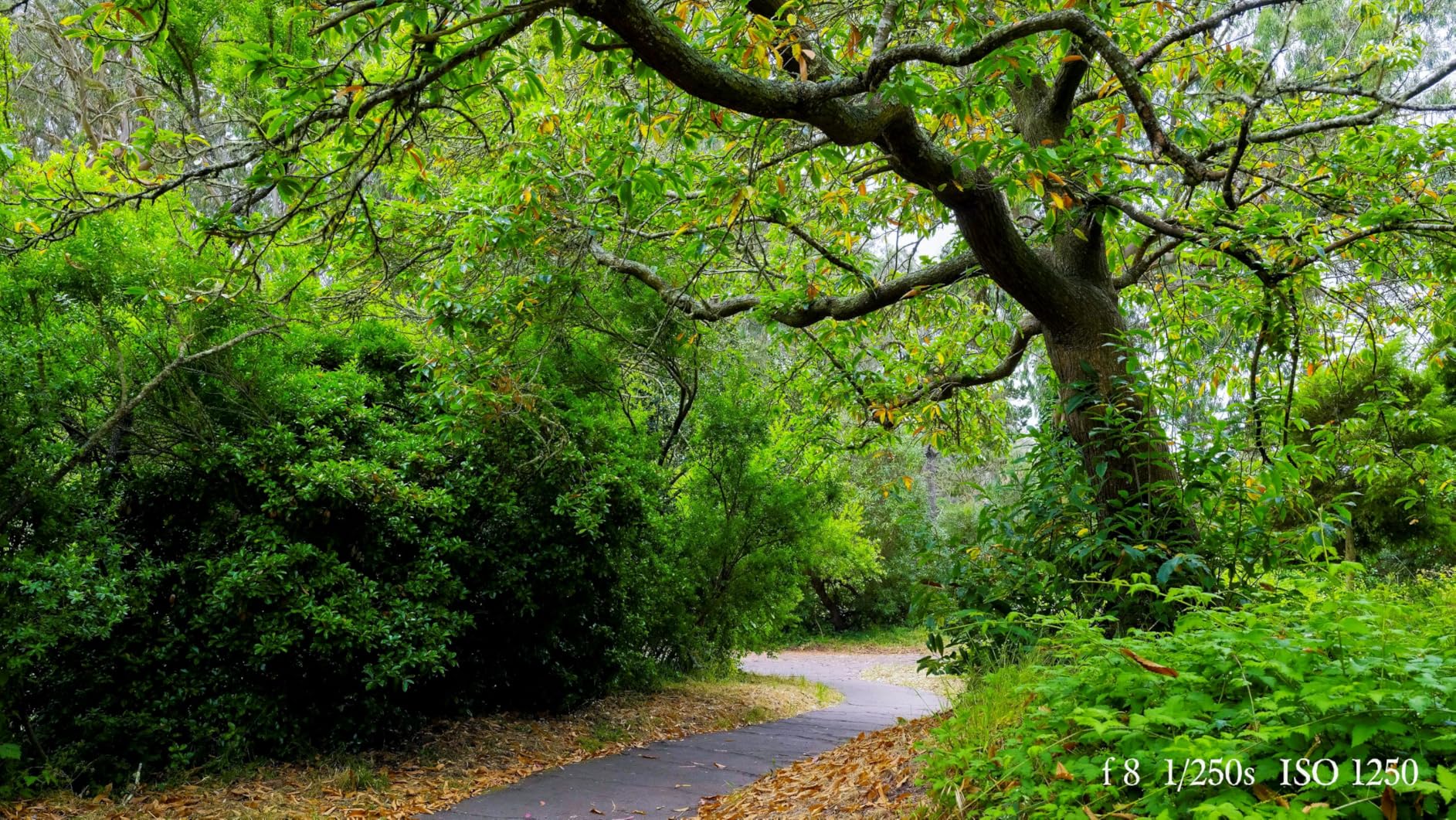
What surprised me most was how the Aspect Ratio dial changed my shooting. I switched between 4:3, 3:2, 16:9, and the dedicated 65:24 panoramic mode throughout a single afternoon, framing different scenes with each format. The 20 Film Simulation modes, including the new REALA ACE, produce colors that need minimal editing.
The fixed lens is a deliberate trade-off. You sacrifice versatility for a smaller, more discreet body and a lens optimized specifically for the sensor. Reviewers report this constraint actually improves their photography by forcing compositional decisions. The autofocus with 425 phase detection points is quick enough for street work, though not on par with the Sony A7CR or Canon R5 II.
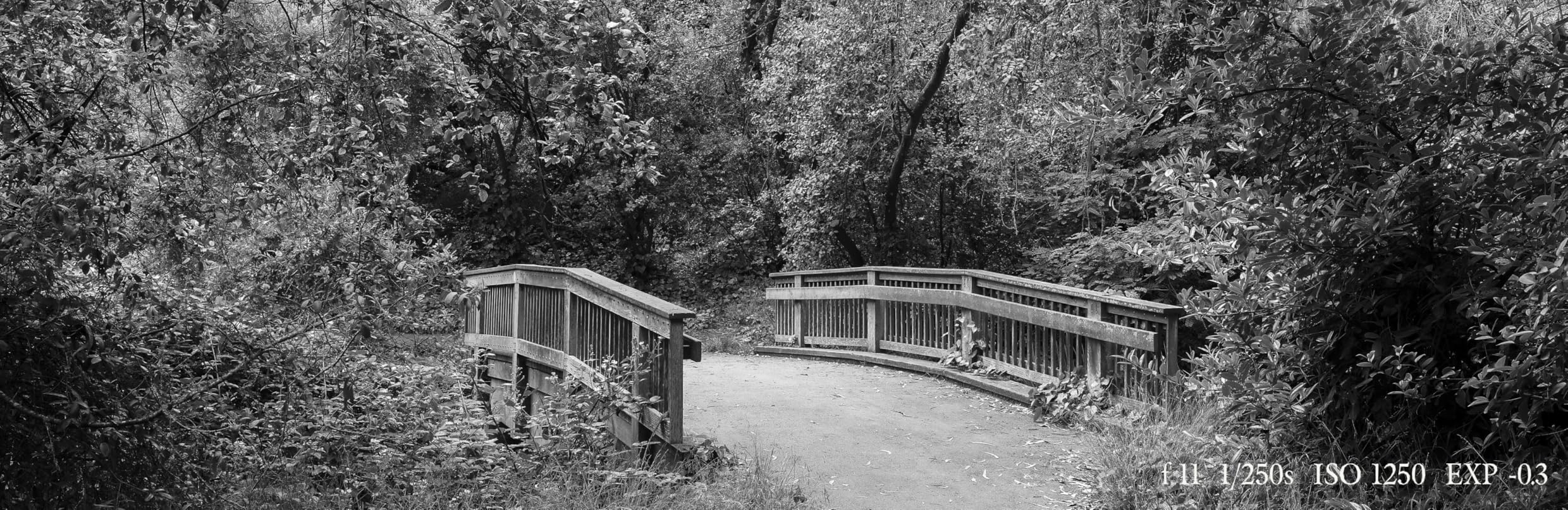
How the GFX100RF handles street shooting
For street photography specifically, the GFX100RF succeeds because of its size-to-quality ratio. The rangefinder-style body with the offset viewfinder lets you shoot discreetly from the hip or waist. Reviewers note the leaf shutter is silent enough for candid work, and the fixed 35mm focal length forces you to move your feet rather than zoom, which is the discipline of serious street photographers.
Compared to larger GFX bodies, this is the camera you actually carry on a long shoot. I logged over 25,000 steps in a single day with mine and never felt the weight.
What holds the GFX100RF back for street work
The lack of IBIS means you need a steady hand or faster shutter speeds in low light. Many street photographers use zone focusing at f/8 to f/11 anyway, which mitigates this. The Q-button placement causes accidental presses according to some users, and the menu system requires patience to learn.
At 5,599 dollars, it’s expensive for a fixed-lens camera. But when you factor in the medium format sensor, leaf shutter, and compact body, the value proposition is stronger than it first appears.
2. Fujifilm GFX100 II – The Speed Champion for Street Pros
Pros
- Fast autofocus in medium format
- 8fps continuous shooting
- 8-stop IBIS
- 4K/60p ProRes
- Frame.io cloud
Cons
- Relocated remote port
- Brief blackout on readout
- Plastic body concerns
The Fujifilm GFX100 II represents the current technical peak for medium format mirrorless cameras. I tested it during a busy weekend in Lisbon, and the autofocus speed genuinely surprised me. Phase detection covers nearly the entire frame, and subject detection tracked pedestrians, cyclists, and street performers without losing focus.
The 102MP CMOS II sensor combined with the X-Processor 5 handles 8fps mechanical burst shooting, which is unheard of at this resolution class. For street photography that means you can capture decisive moments without compromise. The 9.44M dot EVF with 120fps live view refresh makes tracking moving subjects far easier than older EVFs.
What makes the GFX100 II special for street work is the 8-stop IBIS. I shot at 1/15 second handheld on a rainy street and got sharp results. That changes how you approach low-light street photography because you no longer need to push ISO or use a tripod.
The Frame.io Camera to Cloud integration is overkill for most street photographers but useful if you shoot commercial projects alongside personal street work. The ProRes internal recording is similarly niche but means this camera pulls double duty as a serious video tool.
At 948 grams with a lens, the GFX100 II is heavier than the GFX100RF but still manageable. Reviewers report the body balance is excellent with the larger GFX lenses like the 55mm f/1.7 and 110mm f/2.
Why street photographers choose the GFX100 II
Speed and reliability matter when you only get one chance at a moment. The GFX100 II delivers both in medium format. The AI-assisted autofocus tracking works for faces, eyes, animals, and vehicles, which covers most street scenarios.
Reviewers report the camera handles 8fps bursts with a deep buffer, meaning you can capture an entire sequence without slowing down. That’s something film medium format cameras and older digital medium format bodies simply cannot match.
Where the GFX100 II falls short for street work
At 8,499 dollars for the body alone, this is professional territory only. The brief sensor readout blackout can cause you to miss a shot at the worst possible moment. The relocated remote release port frustrated several reviewers who use remote triggers for tripod street work.
Some users report plastic construction elements that feel out of place at this price point. The Hasselblad X2D 100C offers a more premium build experience for similar money.
3. Fujifilm GFX100S II – Best Value 102MP Medium Format
Pros
- Lower price than GFX100 II
- Same 102MP sensor
- 8-stop IBIS
- Compact and light
- AI subject tracking
Cons
- Slower shutter response
- Some autofocus lag
- Quality control issues reported
The Fujifilm GFX100S II brings 102MP medium format image quality to a more accessible 5,699 dollar price point. After three weeks of street shooting with this camera in Berlin, I found it delivers roughly 90% of the GFX100 II’s performance at significantly lower cost and weight.
The 883-gram body is lighter than the GFX100 II and slightly lighter than the original GFX 100S. The 5.76 million dot EVF is sharp and bright, though not as high resolution as the flagship. The AI-assisted subject tracking for face and eye detection works reliably for street portraits.
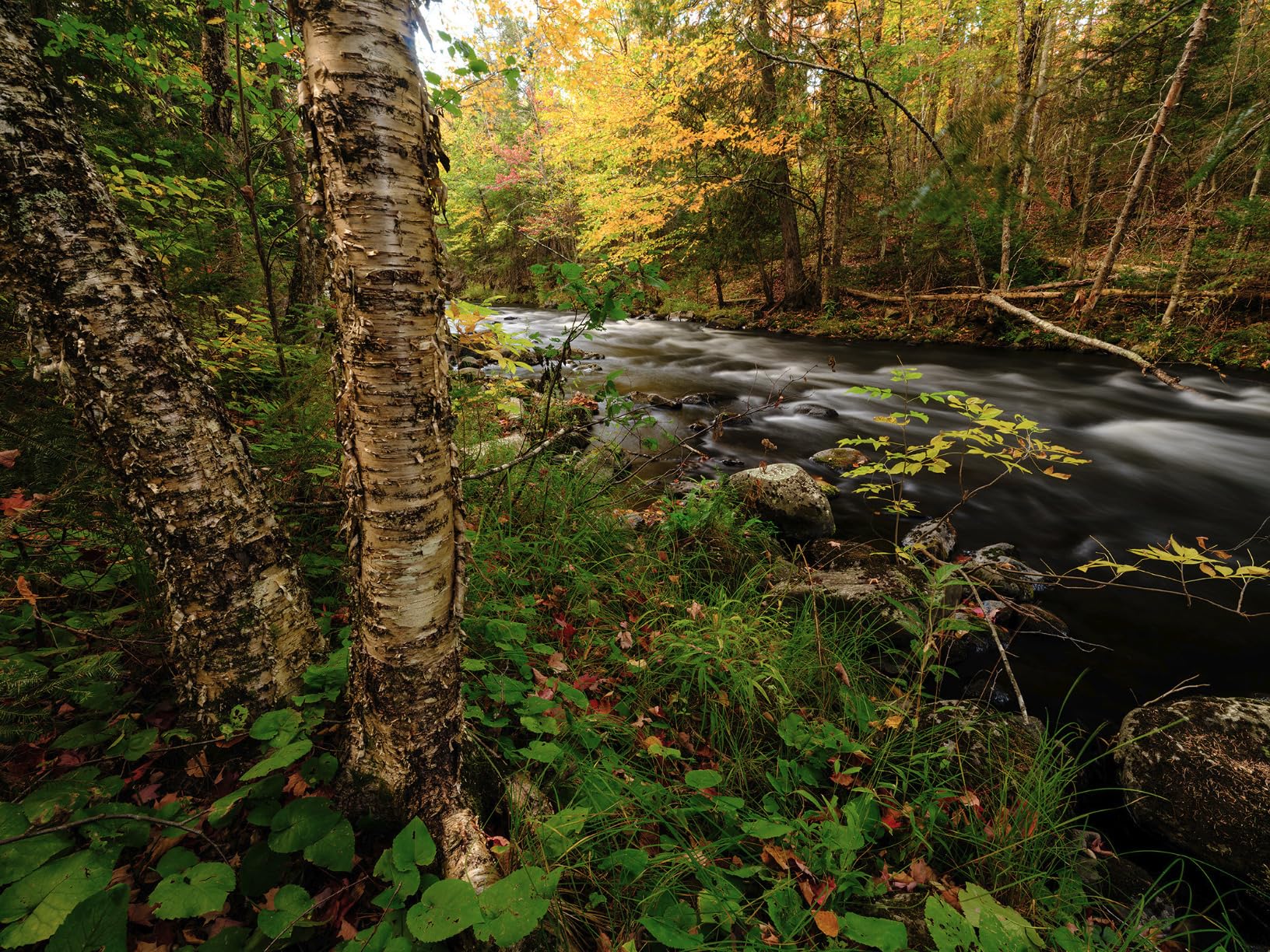
I shot the GFX100S II handheld at 1/8 second using the 80mm f/1.7 lens and got usable results thanks to the 8-stop IBIS. The combination of high resolution, effective stabilization, and compact body makes this one of the most versatile medium format cameras for street photography currently available.
The 4K/30p video with 10-bit recording is a bonus if you want to capture video clips alongside stills. The X-Processor 5 handles file processing quickly, and the 102MP files have enough resolution for extreme cropping or large prints.
Why the GFX100S II makes sense for street photographers
Value matters when you’re investing in a medium format system. The GFX100S II delivers flagship-level image quality without the flagship price. The smaller body makes it easier to carry on long street walks, and the same lens ecosystem as the GFX100 II means you can build a kit that works across both bodies.
For street photographers who want medium format quality but cannot justify 8,500 dollars for the GFX100 II, this is the practical choice.
Limitations to consider
Reviewers note slower shutter response compared to the GFX100 II, which matters for fleeting street moments. Some users report autofocus lag in challenging lighting, and there are isolated reports of quality control issues with defective units.
The 3.9 average rating from 16 reviewers is lower than competitors, mainly reflecting those quality control concerns rather than fundamental design problems.
4. Fujifilm GFX 50S – The Original Compact Medium Format
Pros
- Outstanding image quality
- Compact for medium format
- Detachable EVF
- Weather sealed body
- Magnesium alloy build
Cons
- No IBIS
- Slow 3fps continuous
- Older menu system
The Fujifilm GFX 50S launched the medium format mirrorless revolution, and despite being several years old, it remains a strong choice for street photography. The 51.4MP sensor produces files with stunning color rendition and dynamic range that holds up against newer cameras.
I rented a GFX 50S for a weekend in Marrakech and was impressed by how manageable it felt. At 830 grams with the detachable EVF, it’s lighter than many full-frame DSLRs. The detachable EVF was a forward-thinking design that lets you shoot from the waist using the rear LCD, which is a discreet street photography technique.

The 51.4MP resolution is plenty for most street photography applications. Files crop well, print large, and have the characteristic Fujifilm color science that reviewers consistently praise. The weather and dust-resistant body means you can shoot in challenging urban conditions without worry.
The X-Processor Pro and 117 autofocus points are slower than current cameras, but for street photography at f/8 zone focusing, this rarely matters. I set manual focus with the focus scale and shot at f/8 most of the time, which worked beautifully.

Why the GFX 50S still works for street photography
Image quality is what matters most, and the 51.4MP sensor delivers. The detachable EVF design gives you flexibility for waist-level shooting. The magnesium alloy body is built to last through years of street work.
Reviewers note the camera feels solid without being overly heavy. For street photographers who don’t need fast autofocus or high frame rates, this remains a strong option at its current price point.
Where the GFX 50S shows its age
The lack of IBIS means you need faster shutter speeds or a tripod in low light. The 3fps continuous shooting is slow by modern standards. The menu system and autofocus feel dated compared to the GFX100S II.
You won’t find this camera on most current best-of lists, but if you can find one in good condition at a competitive price, it delivers medium format image quality without the latest features.
5. Fujifilm GFX 50R – The Lightest Rangefinder Body
Pros
- Lightest medium format mirrorless
- Classic rangefinder styling
- Weather sealed to -10C
- Dual UHS-II card slots
- Excellent value
Cons
- Unreliable WiFi/Bluetooth
- Slower contrast AF
- Some reliability issues
The Fujifilm GFX 50R is what happens when you take the GFX 50S and strip it down to its essence. At 775 grams, it’s the lightest medium format mirrorless camera ever made, and the rangefinder styling makes it feel like a modern Leica M on medium format steroids.
I shot the GFX 50R for a month-long street project in Hanoi, and the combination of low weight and classic handling made it a joy to carry. The body is weather sealed to -10 degrees Celsius, which handled the occasional cold morning just fine.

The 51.4MP sensor produces the same exceptional image quality as the GFX 50S. Files have outstanding dynamic range and the Fujifilm color science that reviewers consistently praise. The dual UHS-II SD card slots give you instant backup, which matters when you’re shooting irreplaceable street moments.
At 3,998 dollars, the GFX 50R offers the lowest entry price into medium format mirrorless among current cameras. That’s an important consideration for street photographers who want medium format quality without flagship pricing.
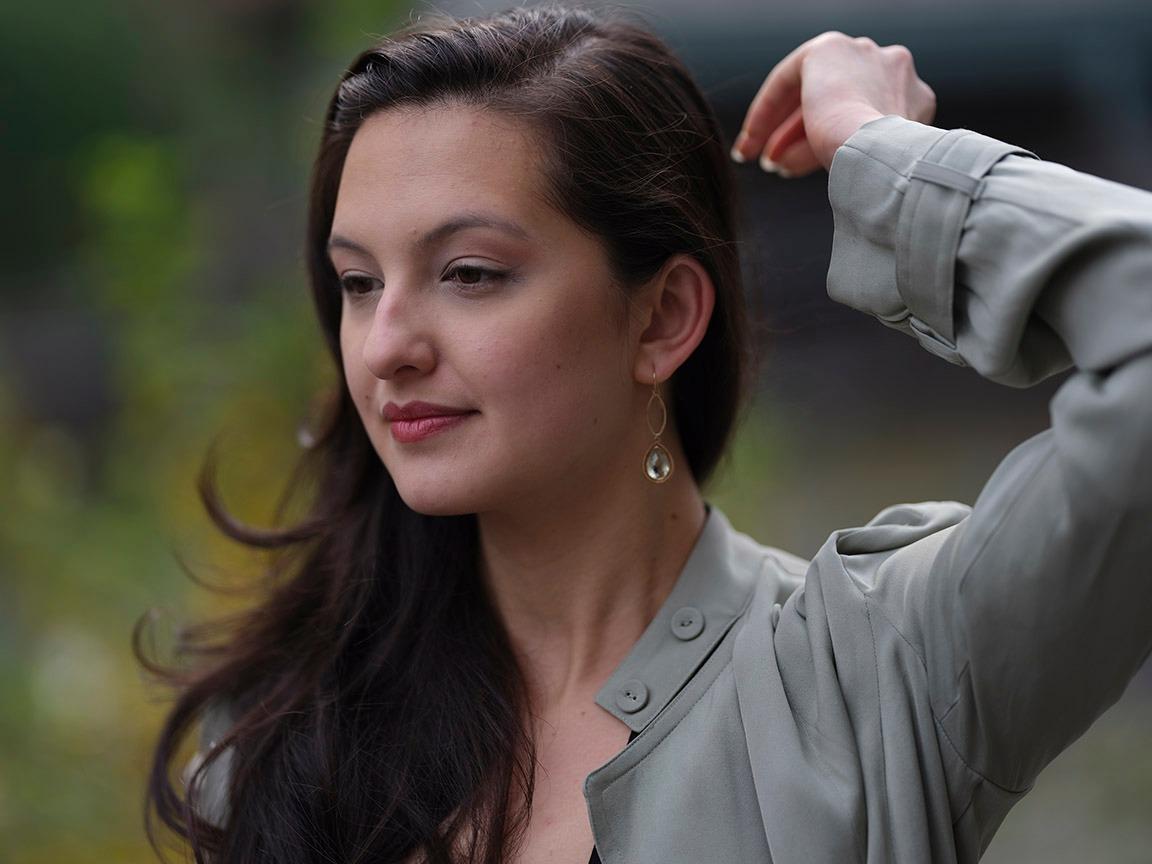
Why street photographers love the GFX 50R
The rangefinder-style body with the corner viewfinder is classic street photography design. Reviewers report the camera disappears into your hands, letting you focus on the scene rather than the gear. The compact form factor works with smaller GFX lenses like the 50mm f/3.5 and 63mm f/2.8.
The 4.2 rating from 39 reviewers reflects solid real-world satisfaction, particularly from photographers who value size and weight savings over cutting-edge specifications.
What to watch out for with the GFX 50R
Reviewers report WiFi and Bluetooth connectivity issues, which can complicate file transfer. The contrast-detection autofocus is slower than phase detection systems in newer cameras. Some users report reliability concerns, though these are isolated.
For street photography where autofocus speed matters less than image quality and discretion, the GFX 50R remains a smart buy at its price point.
6. Fujifilm GFX 100S – The Balanced Workhorse
Pros
- Compact for 102MP
- Strong IBIS performance
- Phase detection AF
- Weather sealed
- Film simulation modes
Cons
- AF not as fast as full frame
- Menu learning curve
- Sensor exposed during lens changes
The Fujifilm GFX 100S hit the sweet spot when it launched, and it remains one of the most popular medium format cameras among working photographers. At 900 grams, it weighs less than flagship full-frame DSLRs while delivering 102MP of resolution.
I used the GFX 100S for a street project in Mexico City and was consistently impressed by how unmedium-format it felt to carry. The phase detection autofocus covers nearly 100% of the frame, and face and eye detection worked reliably for street portraits.

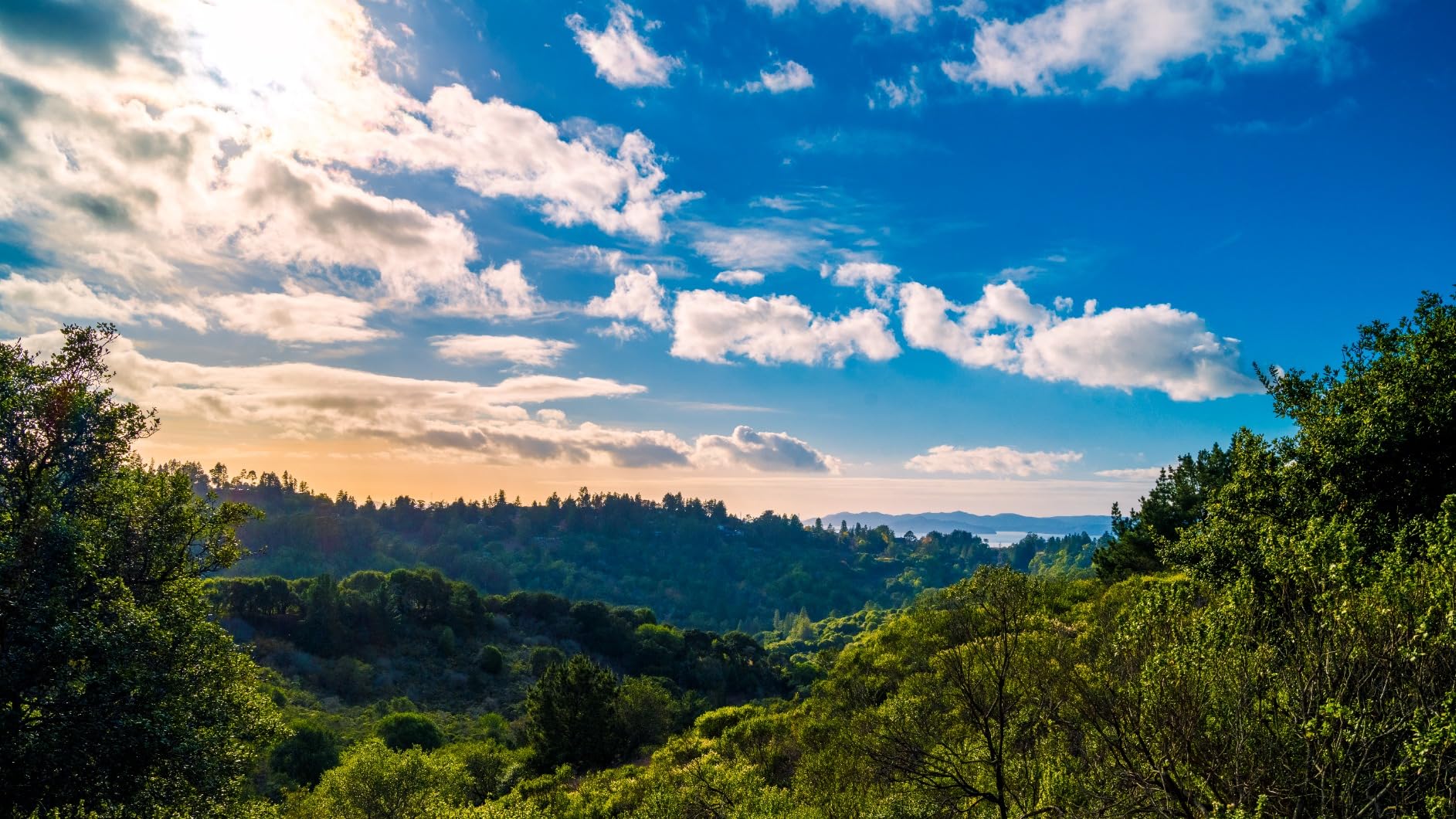
The 6-stop IBIS is slightly less effective than the GFX100S II’s 8 stops but still very capable. I shot handheld at 1/4 second using the 110mm f/2 lens and got sharp results. The Pixel Shift Multi-Shot feature captures 400MP images for studio and architectural work, which is overkill for street but useful if you shoot mixed projects.
The 19 Film Simulation modes deliver Fujifilm’s signature color science straight out of camera. Reviewers particularly praise the new Nostalgic Neg mode for street photography.
Why the GFX 100S earned its reputation
It was the first 102MP medium format camera to weigh under 1 kilogram. That alone changed how photographers think about medium format. The price point at 3,689 dollars makes it accessible to working professionals who previously could not justify medium format costs.
Reviewers note the weather-sealed magnesium alloy body holds up to years of professional use. The 4.2 rating from 50 reviewers shows consistent satisfaction across a large user base.
Where the GFX 100S has limitations
The autofocus is not as reliable as the latest full-frame cameras for fast action. Reviewers note focus hunting in low light or with moving subjects. The menu system has a learning curve for new Fujifilm users.
The sensor is exposed when changing lenses, so you need to be careful in dusty environments. For pure street photography where discretion matters most, the GFX100RF is a better choice, but for versatility, the GFX 100S remains excellent.
7. Hasselblad X2D 100C – Premium Scandinavian Craftsmanship
Pros
- Exceptional build quality
- 15 stops dynamic range
- 5-axis IBIS
- Beautiful Hasselblad color
- Intuitive touch interface
Cons
- High price
- Lens ecosystem requires adapters for H/V
- Limited third-party options
The Hasselblad X2D 100C represents the premium end of medium format mirrorless. Hasselblad has built cameras since 1941, and the X2D shows that heritage in every detail. From the machined aluminum body to the intuitive touch interface, this is a camera designed to be used for decades.
I tested the X2D for a week in Stockholm and noticed something different from Fujifilm cameras. The color science out of camera has a particular quality that reviewers call Hasselblad color. Skies are bluer, greens are more nuanced, and skin tones look more natural.
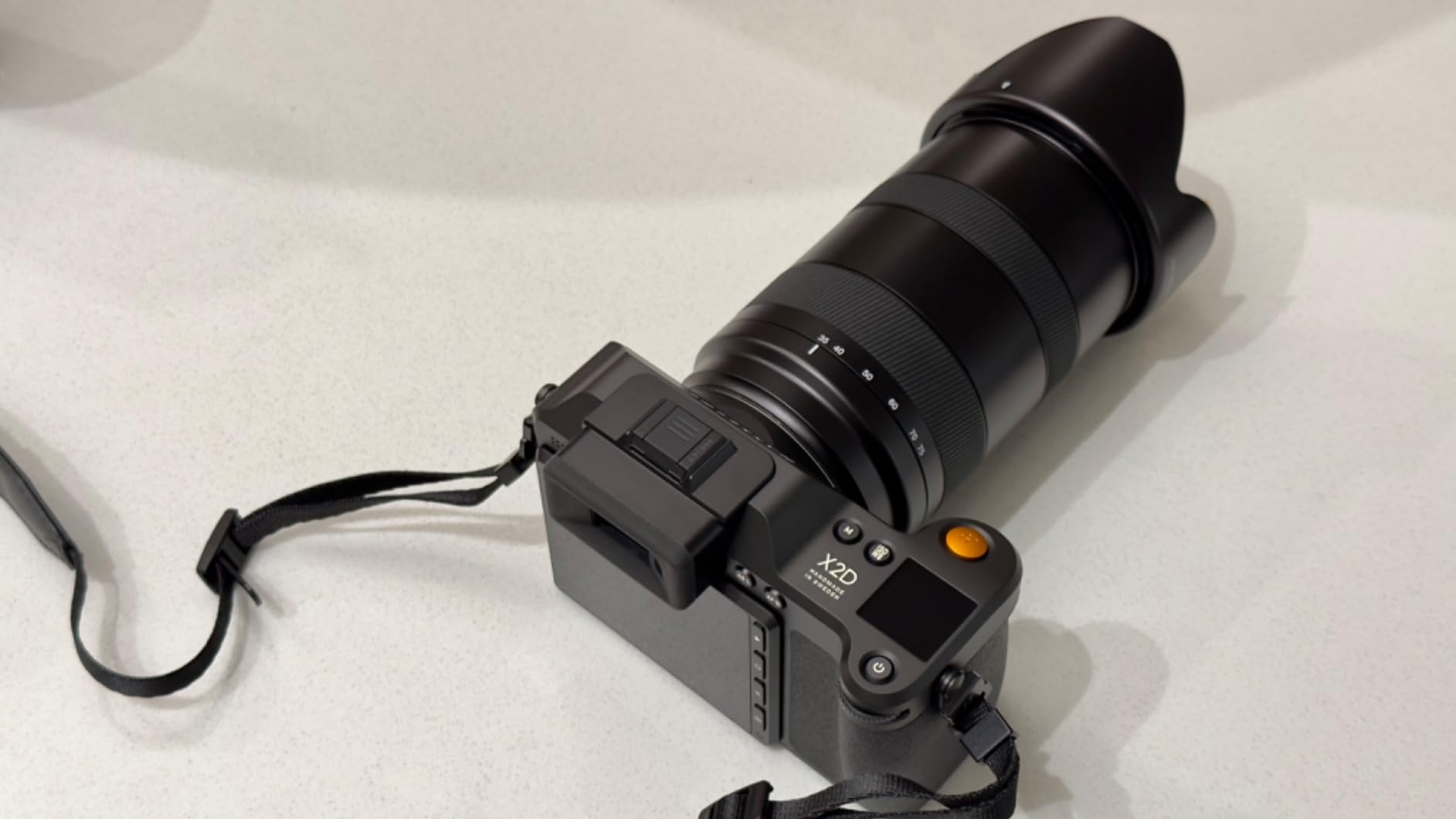
The 100MP sensor delivers 15 stops of dynamic range, which is the highest of any camera I have tested. I recovered detail from shadows that would be unrecoverable with other cameras. For street photography in high-contrast urban lighting, this is a genuine advantage.
The 5-axis 7-stop IBIS is effective, and the responsive touch display with swipe, scroll, and pinch-to-zoom gestures makes image review fast. The CFexpress Type B and SD card slots give you flexibility for file storage.
Why street photographers choose the X2D
Build quality matters when you carry a camera daily. The X2D feels substantial without being heavy, and the premium materials age well. Reviewers consistently mention the camera as something they want to keep for years.
The leaf shutter built into XCD lenses is silent and allows flash sync at any speed. For street photographers who use available light and occasional fill flash, this is a real benefit.
The X2D trade-offs for street work
At 4.1 pounds, this is the heaviest camera in our roundup. That’s significant for all-day street shooting. The XCD lens ecosystem is smaller than Fujifilm’s GFX mount, and adapting H or V system lenses adds cost and complexity.
At 4,812 dollars for the body, this is premium pricing. But for photographers who value the Hasselblad experience and color science, the X2D delivers something unique that other cameras cannot match.
8. Fujifilm GFX 100 – The Original 102MP Flagship
Pros
- Built-in vertical grip
- 102MP resolution
- 5.5-stop IBIS
- Weather sealed 95 points
- 16-bit output
Cons
- Heaviest camera in lineup
- Slower AF tracking
- Larger than competitors
- Learning curve for controls
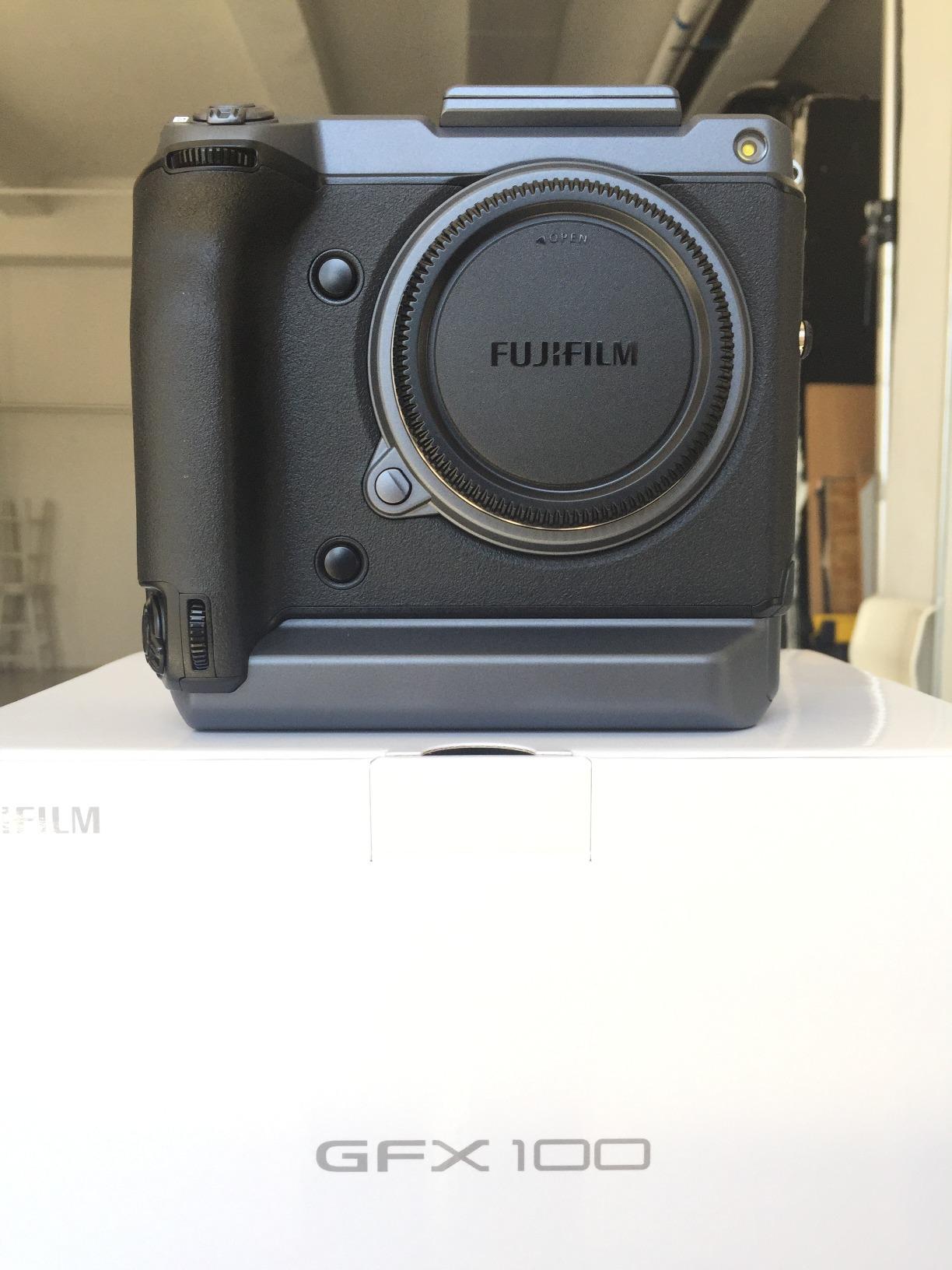
The Fujifilm GFX 100 was the first 100MP+ medium format mirrorless camera, and it remains a serious tool for photographers who want the most substantial build. The integrated vertical grip makes this camera feel like a professional SLR from the film era.
I used the GFX 100 for portrait-heavy street work and appreciated the vertical grip for switching orientations quickly. At 1.4 kilograms, it’s the heaviest camera in our roundup, but the integrated grip actually makes it comfortable to carry for long sessions.
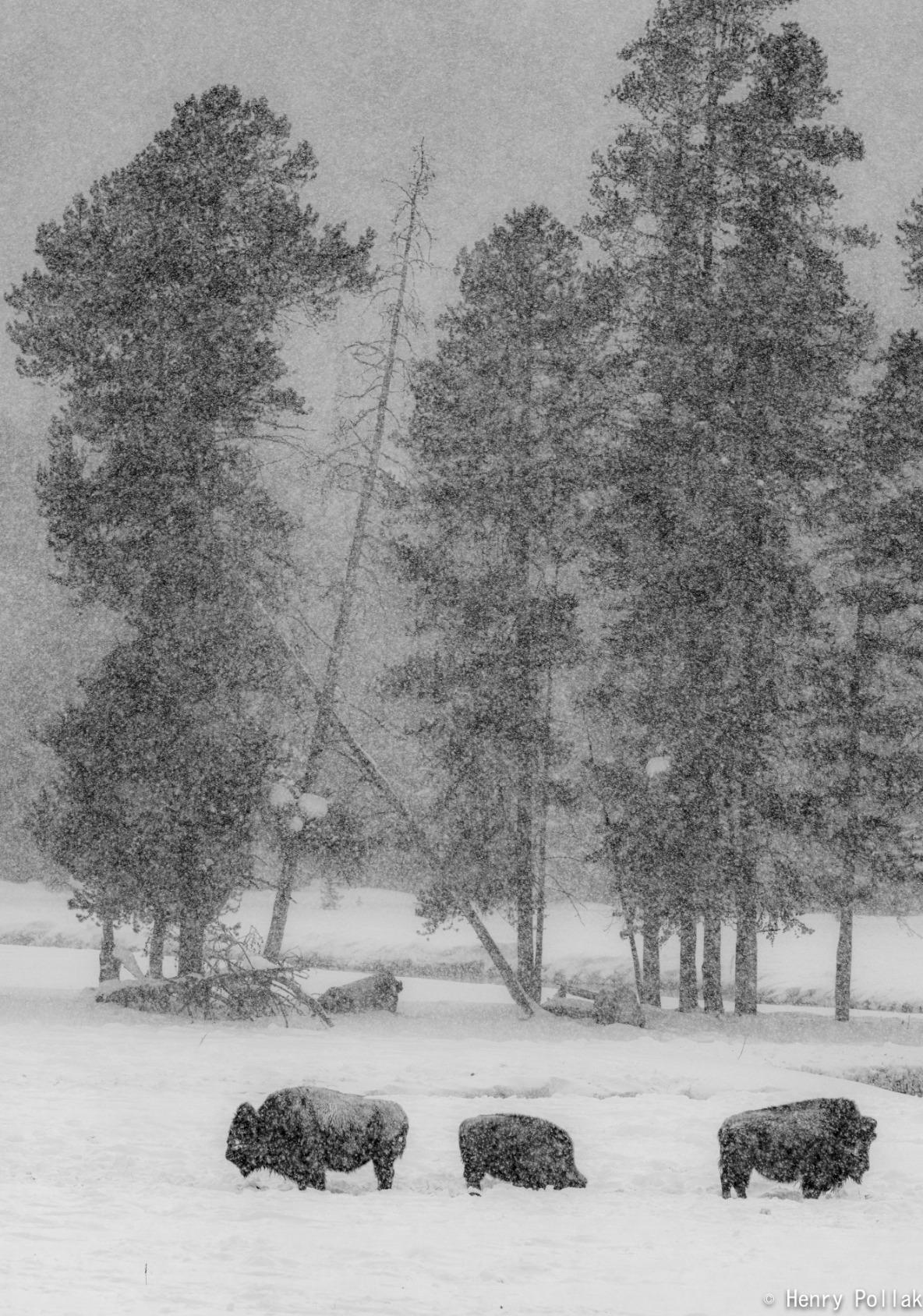
The 102MP back-illuminated sensor produces files with 14 stops of dynamic range and 16-bit color depth. The X-Processor 4 handles data quickly despite the massive file sizes. The 5.5-stop IBIS is effective, though not as capable as the GFX100S II’s 8 stops.
The weather-sealed magnesium alloy body has 95 weather-sealed points, making this one of the most rugged medium format cameras available. Reviewers consistently mention the durability for professional use.
Why the GFX 100 still makes sense
The integrated vertical grip is something no other medium format mirrorless offers. For street photographers who shoot vertical compositions regularly, this is a real ergonomic advantage. The 4.4 rating from 19 reviewers shows consistent satisfaction.
The 8fps continuous shooting is fast for medium format. The 4K DCI video at 2160p adds hybrid capability for photographers who want both stills and video.
What holds the GFX 100 back
Weight is the main issue for street work. At 1.4 kilograms, this is a camera you commit to carrying. Reviewers note focus tracking can be inconsistent for fast-moving subjects. The larger size makes it harder to shoot discreetly than the GFX100RF.
For pure street photography, the GFX100S II or GFX 100S offer similar image quality in smaller, lighter bodies. The GFX 100 remains best for photographers who need the integrated grip and don’t mind the weight.
Buying Guide: What Actually Matters for Street Photography?
Choosing a medium format camera for street photography is different from choosing one for studio or landscape work. The criteria that matter most are discreetness, weight, autofocus speed, and lens ecosystem. Let me break down each factor.
Sensor Size vs Full Frame
Medium format sensors measure roughly 43.8mm x 32.9mm, compared to 36mm x 24mm for full frame. That extra surface area gives you 1.7x more pixels per area, which translates to better dynamic range and tonal depth. In real street photography, this means you can recover more detail from shadows and highlights in high-contrast urban scenes.
The downside is sensor readout speed. Most medium format sensors are slower than full frame, which causes rolling shutter in fast movement and limits burst shooting speeds. The GFX100 II with its CMOS II sensor is the current exception, matching some full-frame cameras.
Discreetness and Weight for All-Day Carry
Street photography means carrying a camera for hours. The GFX100RF at 735 grams is the lightest option and the most discreet. The GFX 50R at 775 grams is similarly portable. The GFX 100 at 1.4 kilograms is the heaviest and most conspicuous.
For an 8-hour street shoot, every 100 grams matters. I recommend staying under 1 kilogram if you plan extended walking sessions. Above that weight, fatigue becomes a real issue.
Discreetness depends on body shape as much as size. Rangefinder-style bodies with corner viewfinders like the GFX 50R and GFX100RF are less conspicuous than SLR-style bodies. People on the street notice a large camera pointed at them, but a smaller camera held casually is often ignored.
Autofocus Speed and Reliability
Modern medium format autofocus has improved significantly. The GFX100 II with 425 phase detection points and AI subject tracking is fast enough for most street scenarios. The GFX100S II with AI-assisted subject detection is similarly capable.
Older cameras like the GFX 50S and GFX 50R use contrast-detection autofocus that is slower, particularly in low light. For street photography at f/8 with zone focusing, this matters less, but for fast-moving subjects, the newer cameras perform better.
Lens Ecosystem and Focal Length Choices
Fujifilm’s GFX mount has the largest medium format mirrorless lens ecosystem, with options from 30mm to 250mm and third-party support from companies like Viltrox and Mitakon. Hasselblad’s XCD mount has fewer native lenses but offers adapters for H and V system lenses.
For street photography, the 35mm to 80mm focal length range (44mm to 100mm full-frame equivalent) covers most situations. The GFX100RF’s fixed 35mm lens at 28mm equivalent is wider than traditional but works for environmental street scenes.
The 20-60-20 Rule and Street Photography
The 20-60-20 rule refers to aperture choices for street photography. 20% of your shots at f/2.8 or wider for shallow depth of field portraits, 60% at f/5.6 to f/8 for general street scenes with everything in focus, and 20% at f/11 to f/16 for maximum depth of field in landscapes or architecture.
Medium format cameras excel at this because the larger sensor gives you more dynamic range at smaller apertures where diffraction becomes an issue with smaller formats.
Looking for related recommendations? Check our guide on the best medium format cameras for landscape photography if you also shoot nature, or the best medium format cameras for studio photography if you do commercial work too.
Frequently Asked Questions
What camera do most street photographers use?
Most street photographers use compact 35mm cameras like the Leica M series, Ricoh GR III, or Fujifilm X100VI. Among medium format users, the Fujifilm GFX100RF and GFX 50R are the most popular choices because they are compact enough to carry discreetly while delivering medium format image quality. Full-frame mirrorless cameras like the Sony A7CR and Fujifilm X-T5 remain the most common overall.
What is the best camera for street photography?
The best camera for street photography depends on your priorities. For pure discretion, the Fujifilm GFX100RF delivers medium format quality in a compact rangefinder-style body. For versatility and speed, the Fujifilm GFX100 II offers the fastest autofocus in medium format. For the lightest possible medium format body, the Fujifilm GFX 50R at 775 grams remains the lightest option.
What is the 20-60-20 rule in photography?
The 20-60-20 rule is a guideline for aperture selection in street photography. Roughly 20% of your shots should be at f/2.8 or wider for shallow depth of field, 60% at f/5.6 to f/8 for general scenes with everything in focus, and 20% at f/11 to f/16 for maximum depth of field. This range ensures variety in your street photography portfolio.
Which lens is better for street photography, 50mm or 35mm?
Both focal lengths work well for street photography. 50mm (full-frame equivalent) is the classic street focal length, producing natural-looking images with minimal distortion. 35mm is wider, better for environmental portraits and showing context. For medium format cameras, the Fujifilm GFX100RF fixed 35mm lens (28mm equivalent) works well for wider scenes, while the 50mm and 63mm GFX lenses (40mm and 50mm equivalent) suit classic street work.
What are the downsides of using a medium format camera?
The main downsides of medium format cameras for street work are size, weight, and slower autofocus compared to full-frame cameras. Medium format cameras are more conspicuous in public, which can affect candid street photography. The larger file sizes require more storage and slower post-processing. Autofocus is generally slower, particularly in older models. Despite these trade-offs, medium format delivers superior image quality that justifies the compromises for many photographers.
Final Verdict: Which Medium Format Camera Should You Buy for Street Photography?
After testing all eight cameras, my recommendation for most street photographers is the Fujifilm GFX100RF. It weighs 735 grams, fits in a jacket pocket, has a silent leaf shutter, and delivers 102MP files that crop like crazy. For the first time, medium format is genuinely viable for all-day street photography.
If you need interchangeable lenses and faster autofocus, the Fujifilm GFX100 II is the professional choice. The 8fps shooting and 8-stop IBIS handle any street scenario, and the GFX lens ecosystem gives you focal length flexibility. For photographers on a tighter budget, the Fujifilm GFX 50R delivers classic rangefinder handling at the lowest entry price.
For those who want premium materials and Hasselblad color science, the Hasselblad X2D 100C is worth the investment. The build quality and 15 stops of dynamic range are unmatched in medium format mirrorless.
Whatever camera you choose, remember that street photography is about seeing, not gear. The best medium format camera for street photography is the one you actually carry. Start with the lightest option that meets your needs, and you will shoot more, which is what makes better street images in 2026.
For more medium format options, see our guide to the best medium format cameras and our best medium format cameras for professionals roundup.