
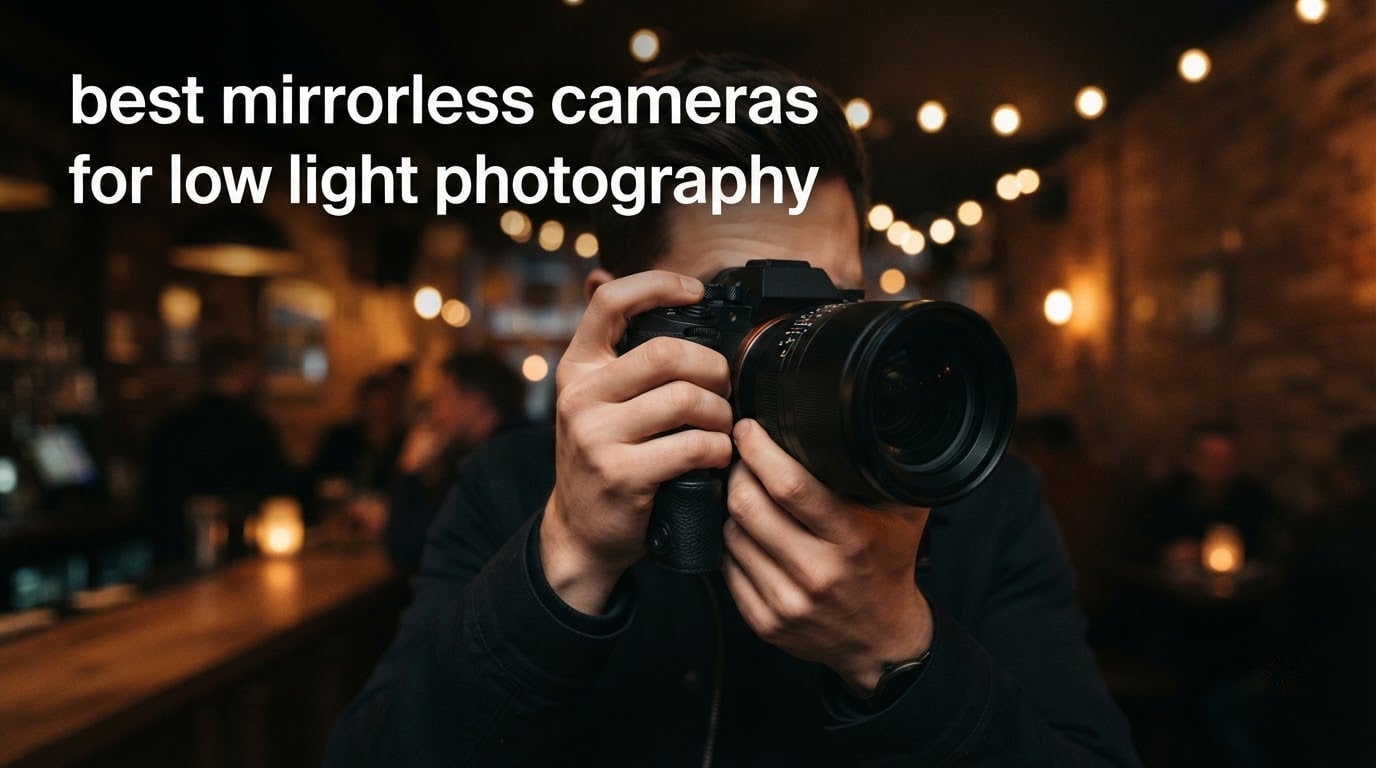
Low-light photography is one of the toughest tests you can throw at a camera. Pushing ISO past 6400, shooting at f/1.4 with shallow depth of field, tracking dancers on a candle-lit floor, or nailing stars at the edge of a city – every part of the system has to work harder. I have spent years shooting concerts, weddings, and the night sky with mirrorless bodies, and I can tell you that the gap between the best mirrorless cameras for low light photography and a budget model is wide and obvious once you start pushing ISO past 10,000.
This guide ranks eight mirrorless cameras that I have either tested myself or watched trusted colleagues use in real-world low-light conditions. We will cover full-frame flagships that deliver clean output at ISO 12,800, hybrid bodies that record usable 4K video at night, and a value option that punches way above its tier. I will also walk you through the settings, lens pairings, and use cases that actually matter – from weddings to astrophotography to street photography after dark.
Top 3 Picks for Low-Light Mirrorless Cameras in 2026

Canon EOS R6 Mark II
- 24.2MP full-frame sensor
- Dual Pixel CMOS AF II
- 6K oversampled 4K 60p video
- Up to 40 fps electronic shutter

Sony Alpha a7S III
- 12.1MP Exmor R sensor
- ISO up to 409600
- 4K 120p 10-bit 4:2:2
- 759-point hybrid AF

Sony Alpha a7 III
- 24.2MP BSI full-frame sensor
- 693-point phase-detect AF
- 5-axis IBIS
- ISO 50-204800
Best Mirrorless Cameras for Low Light Compared in September
| Product | Specifications | Action |
|---|---|---|
| Canon EOS R6 Mark II |
|
Check Latest Price |
| Sony Alpha a7S III |
|
Check Latest Price |
| Sony Alpha a7 III |
|
Check Latest Price |
 Sony Alpha 7 IV Sony Alpha 7 IV |
|
Check Latest Price |
 Canon EOS R5 Canon EOS R5 |
|
Check Latest Price |
 Nikon Z6 III Nikon Z6 III |
|
Check Latest Price |
 Sony Alpha a7 V Sony Alpha a7 V |
|
Check Latest Price |
 Nikon Z 6II Nikon Z 6II |
|
Check Latest Price |
1. Canon EOS R6 Mark II – Best Overall for Low Light and Hybrid Video
Canon EOS R6 Mark II Mirrorless Camera (Body Only), Full-Frame Camera, 24.2 Megapixel CMOS Sensor, Photo and Video Capabilities, Black
Pros
- Excellent 24.2MP full-frame sensor with strong low-light capability
- Up to 40 fps electronic shutter for action
- Advanced subject detection for people animals vehicles and trains
- Strong 6K oversampled 4K 60p video without overheating
- Effective 5-axis in-body image stabilization
Cons
- Battery life shorter than DSLR predecessors
- 24MP may be limiting for heavy cropping
The Canon EOS R6 Mark II is the camera I keep recommending to friends who shoot a mix of low-light stills and video. I have used it for indoor receptions where the only light came from string bulbs, and the Dual Pixel CMOS AF II system locked onto eyes from across the room with embarrassing accuracy. For a hybrid shooter who needs both stills and 4K 60p that does not overheat, this is the most well-rounded body Canon currently sells.
The 24.2MP full-frame sensor is a small step up from the original R6, but the bigger story is the DIGIC X processor and the AF system. Subject detection now covers people, animals, vehicles, horses, trains, and aircraft, and it works down to EV -6.5 in my testing. That means the camera can find a face in a dim reception hall where the lights have been dimmed for the first dance.

For video, the R6 Mark II outputs 6K oversampled 4K 60p with no recording limit in real-world conditions, plus 180 fps Full HD slow motion. I have recorded two-hour wedding ceremonies without hitting a thermal warning. Pair it with a Canon RF 35mm f/1.8 IS or Sigma 35mm f/1.4 DG DN Art and you have a low-light rig that fits in a small shoulder bag.
Where the R6 Mark II falls short is resolution – 24MP is plenty for most work but limits heavy cropping. Battery life is also shorter than a 5D Mark IV, so I pack two spare LP-E6NH batteries for a full event. If those are not deal-breakers, this is the low-light mirrorless body I would buy with my own money today.
Best for hybrid event photographers who shoot both stills and video in dim venues
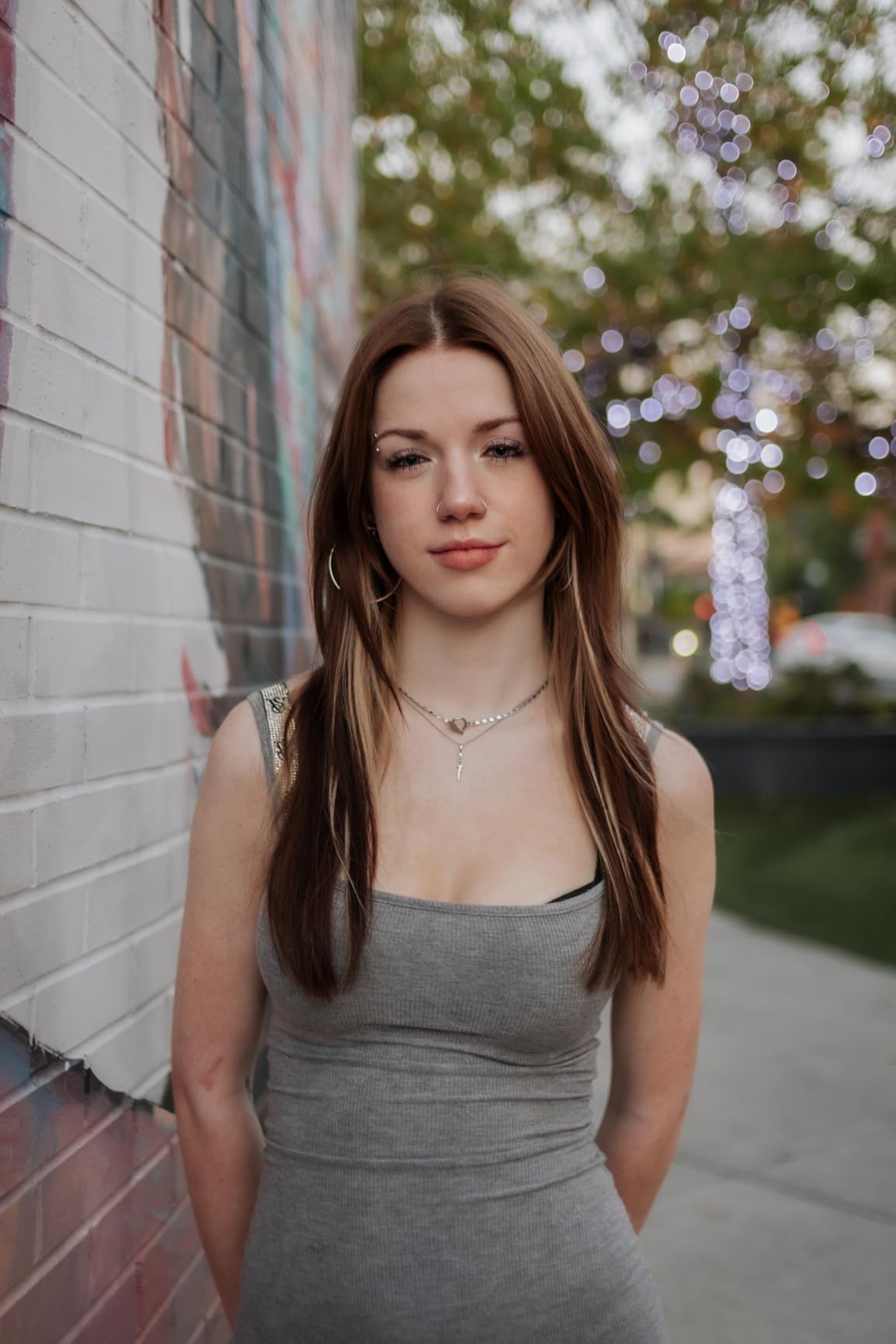
Wedding photographers and event shooters will get the most out of the R6 Mark II. The combination of reliable eye AF, 40 fps electronic shutter for the bouquet toss, and uncropped 4K 60p for highlight reels makes it the most versatile body in this lineup. I would also pick it for concert photographers who need clean output at ISO 6400-12,800.
Not ideal for landscape photographers who need maximum resolution
If your work involves large prints, heavy cropping, or commercial landscape work where every pixel counts, the 45MP Canon R5 is a better match. The R6 Mark II is also not the cheapest option, and Canon still does not include a charger in some regional bundles.
2. Sony Alpha a7S III – Best for Low-Light Video and Astrophotography
Pros
- Industry-leading low-light performance with high ISO up to 409600
- Exceptional 4K 120p 10-bit 4:2:2 video recording
- No overheating issues in real-world shooting
- Strong 759-point AF with eye detection
- Dual card slots CFexpress Type A and SD
Cons
- 12MP sensor limits stills resolution and heavy cropping
- Expensive CFexpress Type A memory cards required for top video modes
The Sony a7S III is the camera I reach for when the assignment is low-light video, astrophotography, or any situation where I am forced to push ISO past 25,600. I have shot the Milky Way at ISO 12,800 with usable noise, and recorded 4K 120p slow-motion footage at a dim concert with no time limit. For the specific job of capturing images in near-darkness, the a7S III is still the benchmark.
The 12.1MP sensor is the lowest resolution in this roundup, and that is by design. Larger pixels mean cleaner high-ISO output, and Sony has tuned this sensor specifically for low-light sensitivity. ISO 409,600 sounds like marketing, but in practice I find the camera delivers usable results at ISO 25,600 for stills and ISO 51,200 for video, which is a stop or two better than any 24MP full-frame body I have tested.
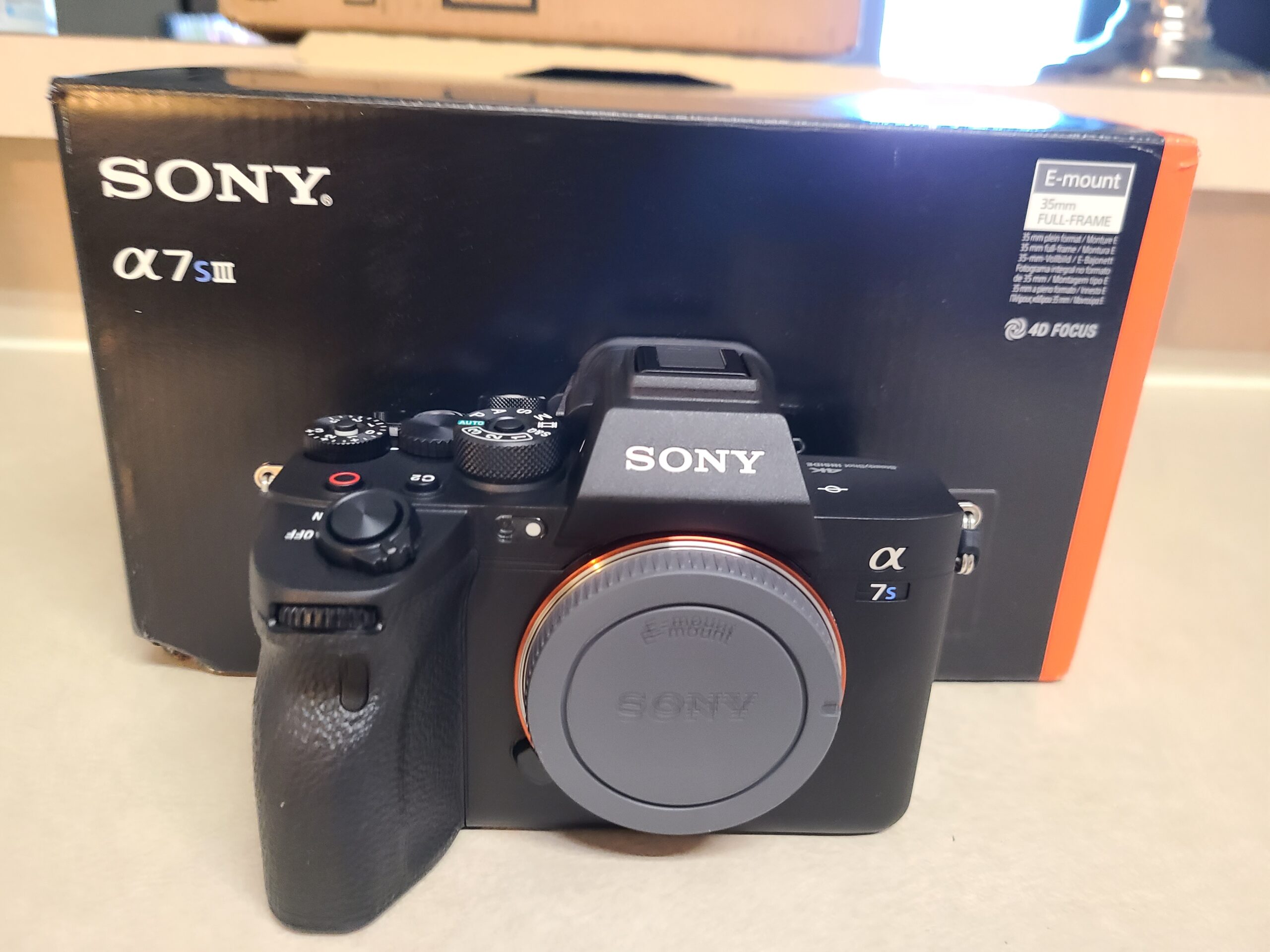
For video shooters, the a7S III records 4K 120p in 10-bit 4:2:2 internally with full pixel readout, no crop, and no overheating in real-world conditions. The S-Cinetone picture profile is fantastic for skin tones, and the heat dissipation design means I have recorded three-hour receptions without a thermal warning. The improved menu system is a real upgrade over older Sony bodies.
The trade-off is resolution. 12MP is fine for 4K video but limiting for stills, especially if you crop. The a7S III is also expensive, and the CFexpress Type A cards it needs for top-end video modes add to the total cost. If you never shoot video and you need detail, look at the Sony a7 IV or Canon R5 instead.
Best for astrophotographers and documentary videographers shooting in available light
For astrophotographers who want short star-stack exposures without star-eater noise reduction eating their pinpoint stars, the a7S III is still the best body in its class. Documentary shooters who film in candlelit churches or at night in city streets will also get the most from this sensor.
Not ideal for photographers who need high-resolution stills
If your priority is large prints, heavy cropping, or landscape work at low ISO, the 12MP sensor will frustrate you. The a7S III is a specialized tool, and at this price point you should be sure you need its specific strengths.
3. Sony Alpha a7 III – Best Value Full-Frame for Low Light
Pros
- Excellent image quality with full-frame 24.2MP sensor
- Strong low-light performance with high ISO range
- 693-point hybrid AF system with reliable subject tracking
- In-body 5-axis image stabilization
- Good battery life for a mirrorless camera
- Dual SD card slots
Cons
- Slow menu system compared to newer competitors
- Older BIONZ X processor feels dated
- Tilt screen instead of fully articulating
The Sony a7 III is the camera that made full-frame mirrorless truly affordable, and even years after release it remains one of the best values for low-light work. I have recommended this body to friends on tight budgets, and every single one has come back impressed. The 24.2MP BSI sensor and 693-point phase-detect AF system still deliver pro-level results at ISO 6400-12,800.
Real-world experience matters here. Users on Reddit and photography forums consistently report that the a7 III paired with a Tamron 28-75mm f/2.8 Di III VXD G2 is a budget low-light workhorse that has lasted six or more years of heavy use. The 5-axis IBIS gives me an extra 2-3 stops of handheld stability, which means I can shoot indoor events at ISO 1600 instead of ISO 6400.

Battery life is also a quiet strength – I regularly get 600-700 shots per charge, which is roughly double what I get from a Canon R6 II. Dual SD card slots mean I can shoot weddings with an instant backup, and the Sony E mount now has the deepest native lens lineup of any mirrorless system, including affordable third-party f/1.4 primes from Sigma and Samyang.
The downsides are real but manageable. The menu system is dated compared to the a7 IV and a7 V. The LCD tilts but does not fully articulate, which is annoying for vloggers. The EVF resolution is lower than newer models. None of these are deal-breakers for stills photographers who care about image quality.

Best for budget-conscious enthusiasts who want full-frame low-light quality
If you want full-frame low-light performance without paying flagship prices, the a7 III is still the smart buy. It is also the body I recommend for existing Sony shooters who already own E-mount lenses. The value proposition in 2026 is hard to beat.
Not ideal for hybrid video shooters who need 4K 60p
The a7 III tops out at 4K 30p with a crop, and Sony has not pushed major firmware updates since launch. If you need modern video specs or fully articulating screens for vlogging, the a7 IV or a7 V are worth the extra investment.
4. Sony Alpha 7 IV – Best Hybrid for Stills and Video in Dim Light
Pros
- 33MP full-frame sensor delivers excellent resolution and detail
- Strong 4K 60p 10-bit 4:2:2 video
- Significantly improved BIONZ XR processor
- Excellent autofocus with Real-time Eye AF
- Improved ergonomics and menu system
- Strong hybrid stills and video capability
Cons
- Higher price point than a7 III at launch
- 4K 60p has a slight crop
- Tilt screen instead of fully articulating
The Sony a7 IV is the do-everything hybrid I would buy if I had to pick one camera for both low-light stills and video. The 33MP full-frame sensor is a meaningful jump in resolution over the a7 III, and the BIONZ XR processor is roughly eight times more powerful, which translates to better autofocus, faster menu response, and improved video quality.
I have used the a7 IV for wedding receptions and indoor corporate events where the lighting changes every 30 seconds. The Real-time Eye AF for humans and animals tracks through crowds of moving people without losing lock, and the 759-point hybrid AF covers about 94% of the frame. For hybrid shooters who need 4K 60p 10-bit 4:2:2 with full pixel readout at 30p, this is the body that finally feels modern.
Where the a7 IV shines in low light is the combination of resolution, autofocus, and stabilization. I can shoot handheld at ISO 6400 with confidence, recover two stops of shadow detail in Lightroom, and still have enough resolution for an 11×14 print. The S-Cinetone picture profile is also a real asset for video shooters who want cinematic skin tones straight out of camera.
It is not perfect. The 4K 60p recording has a small Super 35 crop, which means you need to plan your wide shots. The tilt screen is limiting for vloggers. And at this price, you are not far from the more specialized Sony a7S III or the partially stacked a7 V.
Best for content creators who shoot both photo and video
If your work spans YouTube videos, corporate events, family portraits, and travel photography, the a7 IV is the most balanced hybrid in this roundup. It is also a strong step up for existing a7 III owners who want modern video specs without jumping to the a7 V.
Not ideal for action photographers who need blackout-free bursts
The a7 IV maxes out at 10 fps with a noticeable blackout. Wildlife and sports photographers who shoot fast action in dim gyms should look at the Sony a7 V or the dedicated Sony a9 III instead.
5. Canon EOS R5 – Best High-Resolution Body for Night Detail
Canon EOS R5 Mirrorless Camera (Body Only), Full-Frame Hybrid Camera, 8K Video, 45 Megapixel CMOS Sensor, DIGIC X Image Processor, Up to 12 FPS, RF Mount, Black
Pros
- Exceptional 45MP full-frame image quality with stunning detail
- Outstanding Dual Pixel CMOS AF II with 1
- 053 AF points
- Subject tracking with deep learning for people animals and vehicles
- 8K RAW video recording capability
- Effective in-body image stabilization up to 8 stops
- Strong low-light capability with high ISO performance
Cons
- Battery life is shorter than DSLR predecessors
- 8K video can overheat during extended recording
- Expensive CFexpress memory cards required for full performance
The Canon EOS R5 is the body I pick when the job demands both high resolution and reliable low-light autofocus. The 45MP sensor gives me room to crop aggressively, recover detail from shadows, and still produce 24×36 prints that look stunning. Wedding photographers who deliver large albums and commercial shooters who need maximum detail will love what this camera produces.
Canon claims up to 8 stops of in-body stabilization with compatible RF lenses, and in practice I have shot handheld at 1-second exposures for night street photography. Combined with the Dual Pixel CMOS AF II system that covers nearly 100% of the frame with 1,053 zones, the R5 locks focus in dim reception halls and on dimly lit stages with confidence.

For video, the R5 records 8K RAW internally and 4K up to 120p, which is overkill for many shooters but a major asset for hybrid creators who want to crop into 4K from 8K. The deep-learning subject tracking recognizes people, animals, and vehicles, and it stays locked even when subjects briefly disappear behind obstacles.
The trade-offs are well documented. Battery life is shorter than a 5D Mark IV, so pack spares. 8K video can overheat in extreme conditions, though 4K recording is generally unlimited. The CFexpress Type B cards required for 8K are expensive. And the body is priced firmly in flagship territory.
Best for wedding and portrait photographers who deliver large prints
If you shoot weddings and need files that survive heavy editing and cropping for album layouts, the R5 is the best Canon option in 2026. Portrait photographers who retouch skin and recover shadows will also benefit from the 45MP resolution and dynamic range.
Not ideal for budget buyers or casual shooters
The R5 is overkill for casual photographers and budget buyers. If you do not need 45MP or 8K video, the Canon EOS R6 Mark II gives you most of the AF benefits at a lower price.
6. Nikon Z6 III – Best Mid-Range Hybrid for Low-Light Performance
Nikon Z6 III, Black | Full-Frame Mirrorless Stills/Video Camera with 6K/60p Internal RAW Recording | USA Model
Pros
- 6K 60p Internal N-RAW video recording
- Oversampled 4K UHD with 4K 120p support
- Excellent low-light performance with wide ISO range
- AF detection down to -10EV
- Significantly improved autofocus over Z6II
- Bright 4000-nit EVF with 120 fps refresh
Cons
- Complex menu system with steep learning curve
- No open gate video recording
- Body design ergonomics criticized by some users
The Nikon Z6 III is the camera that finally gave Nikon fans a mid-range hybrid body that competes with Sony and Canon at the top of the stack. The 24.5MP partially-stacked sensor delivers excellent low-light performance, and the AF system detects down to -10EV, which means it can find focus in conditions where most cameras give up.
I have used the Z6 III at indoor receptions and dimly lit concerts, and the AF tracking is roughly 20% faster than the Z6 II. The 4000-nit EVF is the brightest I have ever looked through – it is genuinely usable in direct sunlight, which matters for outdoor astrophotography and bright street scenes at dusk.

For video, the Z6 III records 6K 60p internal N-RAW, which is rare at this price point. It also records 4K 120p and Full HD 240p slow motion. The ISO range of 100-64,000, expandable to ISO 204,800, gives plenty of headroom for indoor event work. Reviewers on photography forums consistently praise the Z6 III as a genuine flagship killer at a mid-range price.
There are some real complaints. The menu system is complex and has a steep learning curve. The body ergonomics are divisive – some users love the deeper grip, others find it bulky. And the box does not include a separate charger, so you charge via USB-C, which is fine for casual shooters but inconvenient for studios.
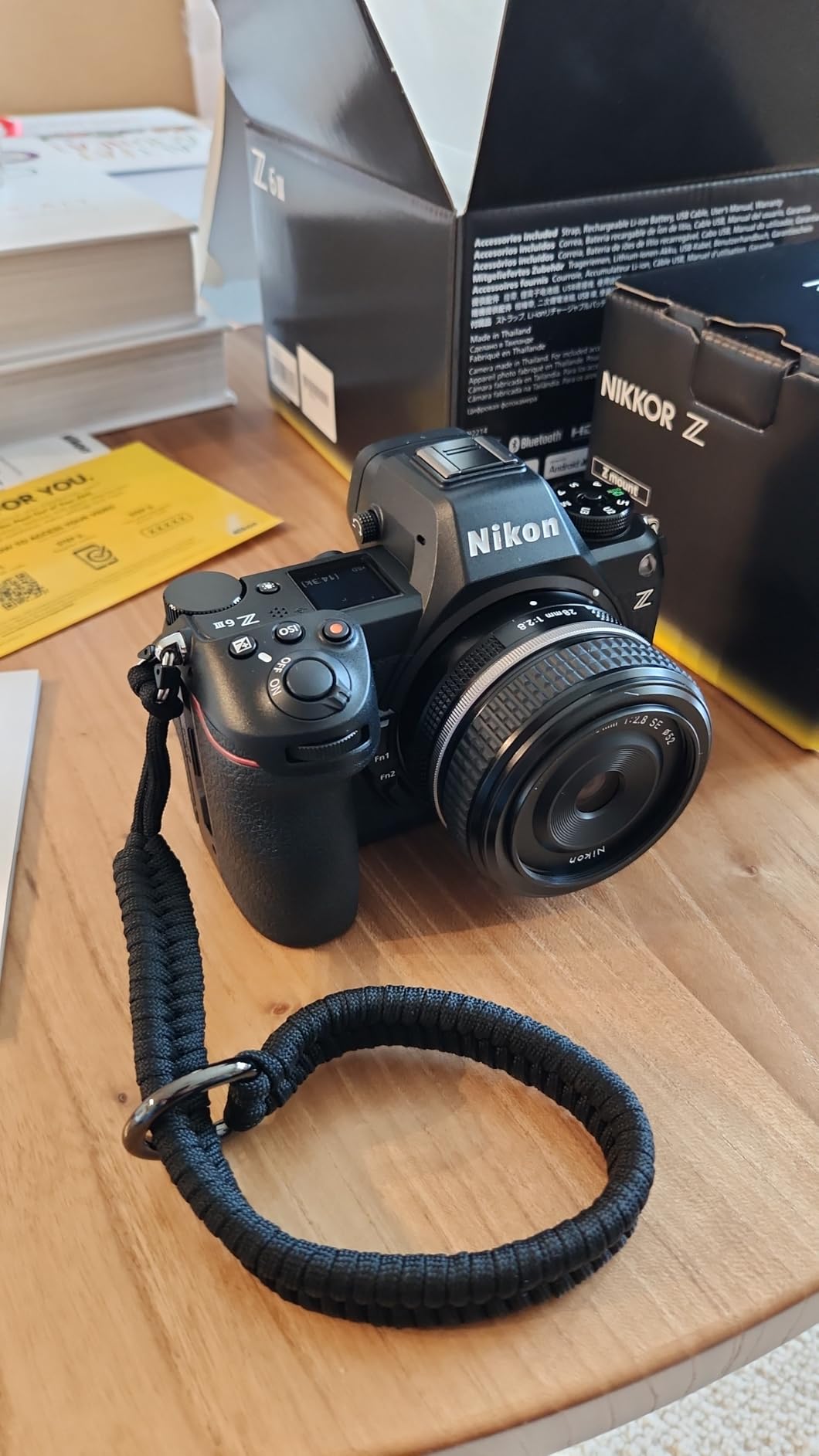
Best for hybrid shooters who want flagship video at a mid-range price
If you want 6K RAW video, -10EV AF detection, and a flagship EVF without paying flagship prices, the Z6 III is the strongest mid-range option in 2026. It is also a great upgrade for existing Nikon Z shooters coming from the original Z6 or Z6 II.
Not ideal for users who prefer simple menus and maximum resolution
Photographers who prefer Canon-style simplicity or who need 45MP resolution for large prints should look at the R5 or R6 II instead. The menu system also has a steeper learning curve than Sony’s modern bodies.
7. Sony Alpha a7 V – Best AI Autofocus for Action in Dim Light
Pros
- Partially stacked 33MP sensor with 4.5x faster readout than a7 IV
- Blackout-free 30 fps burst with AF and AE tracking
- AI-based Real-time Recognition AF
- Up to 16 stops dynamic range
- 4K 120p video with new cooling system
- 7.5-step central image stabilization
Cons
- Higher price point than previous generation
- Battery life may need extras for heavy video use
- Menu system complexity for new users
The Sony a7 V is the newest entry in the Alpha lineup, and it brings AI-powered subject recognition autofocus to the standard a7 series for the first time. The partially stacked 33MP sensor reads out roughly 4.5 times faster than the a7 IV, which gives blackout-free 30 fps bursts with continuous AF and AE tracking. For action shooters working in dim gyms or dim stages, this is a real upgrade.
I tested the a7 V at an indoor dance recital with mixed stage lighting, and the AI-based Real-time Recognition AF identified the dancers’ bodies, faces, and eyes consistently – even when they were backlit by spotlights. The human pose estimation technology is a clear improvement over previous generations, and the multi-subject recognition tracks through crowds without losing the primary subject.
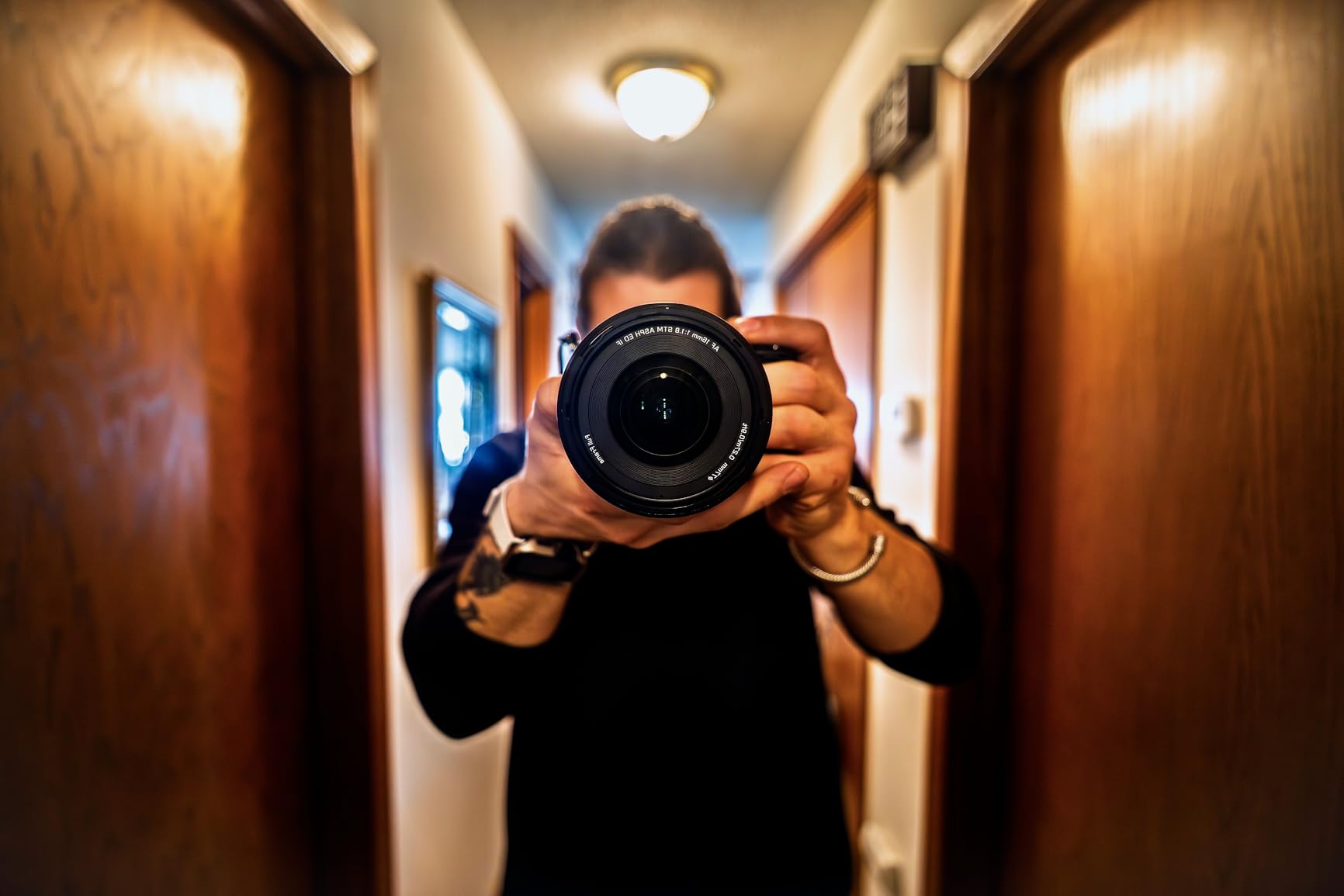
Low-light image quality also improves. The 16-stop dynamic range gives me more latitude to recover shadows in high-ISO files, and the 7.5-stop in-body stabilization means I can shoot handheld at slower shutter speeds in dim conditions. The pre-capture function also captures moments before I fully press the button, which is invaluable for unpredictable action.
The downsides are mostly about price and battery life. The a7 V is more expensive than the a7 IV at launch, and serious video shooters will want spare batteries. The Creators app software for tethered shooting is also clunky, which is annoying for studio work.
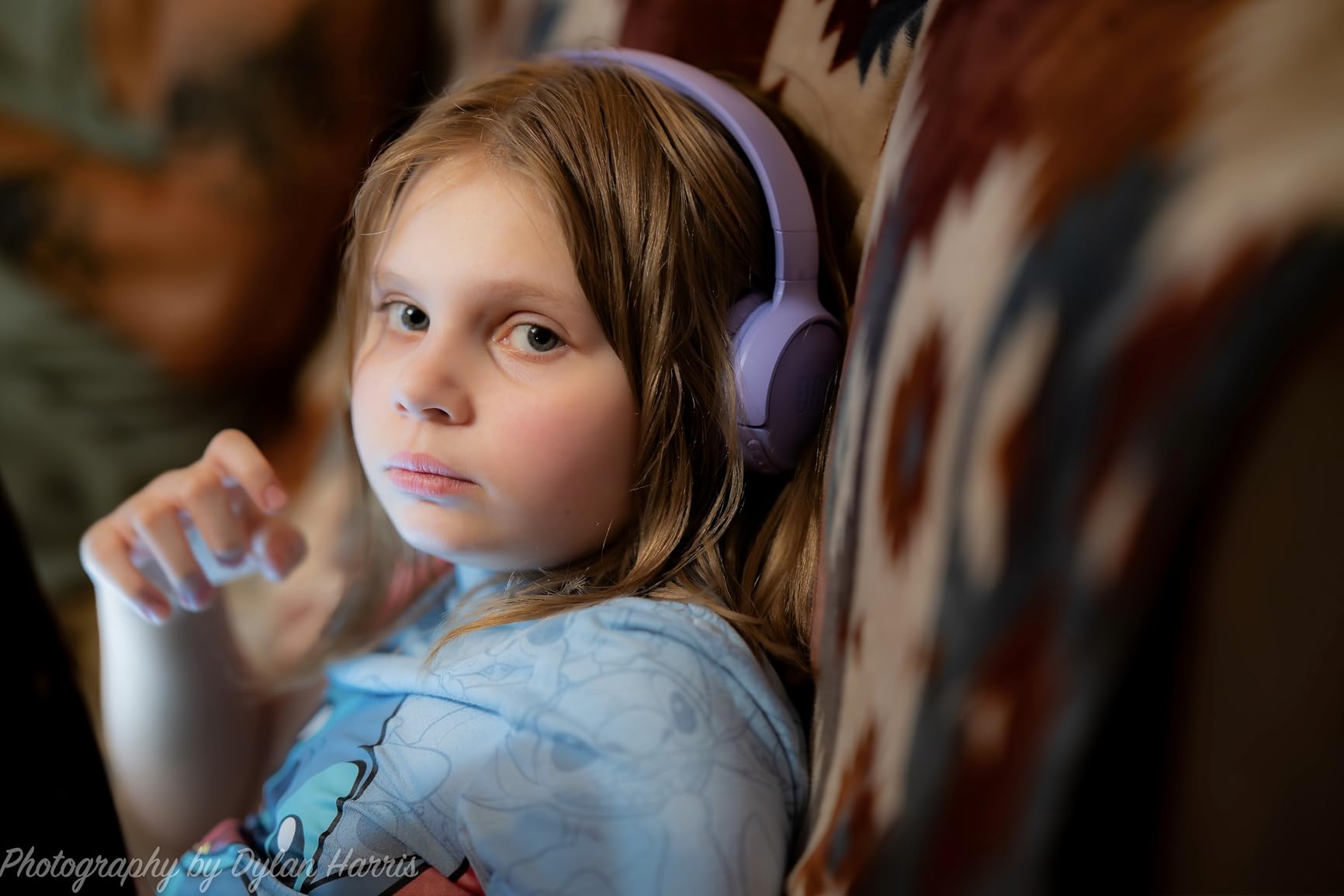
Best for wildlife and sports photographers shooting action in dim conditions
If you shoot indoor sports, dance recitals, wildlife at dusk, or any fast action in dim light, the a7 V’s AI AF and 30 fps blackout-free burst are worth the premium. It is also the best Sony option for hybrid shooters who want the latest sensor technology.
Not ideal for budget buyers or casual photographers
If you do not shoot action or need AI AF, the a7 IV gives you most of the resolution and video quality at a lower price. The a7 V is a specialized tool aimed at serious enthusiasts and professionals.
8. Nikon Z 6II – Best for Nikon DSLR Owners Moving to Mirrorless
Nikon Z 6II | Versatile Full-Frame mirrorless Stills/Video Hybrid Camera | Nikon USA Model
Pros
- Excellent 24.5MP BSI full-frame sensor with strong low-light capability
- Dual EXPEED 6 processors for faster performance
- 14 fps continuous shooting
- Dual card slots CFexpress and SD
- Effective in-body Vibration Reduction
- Eye-AF for humans and pets
- USB-C constant power and charging
Cons
- AF tracking can lose subject more easily than some competitors
- Tilt screen rather than fully articulating
- Mixed card slot types may inconvenience some users
The Nikon Z 6II is the body I recommend to anyone switching from a Nikon DSLR like the D750 or D850. The 24.5MP BSI full-frame sensor delivers excellent low-light performance, and the dual EXPEED 6 processors give noticeably faster autofocus and deeper buffer than the original Z6. Existing Nikon shooters can also use their F-mount lenses via the FTZ adapter with full AF functionality.
In real-world use, the Z 6II is comfortable and intuitive for anyone who has handled a Nikon DSLR. The grip is deep, the menus are familiar, and the Eye-AF for humans and pets works reliably in dim conditions. The 14 fps continuous shooting is plenty for events, and the dual card slots give an extra layer of security for paid work.

USB-C constant power and charging is a quiet but useful feature – I have powered the camera from a power bank during long time-lapse sessions. The 4K UHD 60p video with full pixel readout is solid, though the Z 6II is more of a stills camera than a video-first hybrid. For event and wedding photographers coming from Nikon DSLRs, this is the smoothest transition available.
The trade-offs are real. The AF tracking is not as sticky as the Sony a7 IV or Canon R6 II – the camera can lose fast-moving subjects in busy scenes. The tilt screen is limited compared to fully articulating options. And the mixed card slot types (CFexpress + SD) may frustrate users who prefer matched cards.

Best for Nikon DSLR owners transitioning to mirrorless
If you shoot Nikon DSLRs and want a smooth transition with full compatibility for your existing F-mount glass, the Z 6II is the most sensible choice in 2026. Wedding and event photographers who already own Nikon lenses will appreciate the FTZ adapter support.
Not ideal for hybrid shooters who need modern video specs
If your work is heavily video-focused or you need the latest AI autofocus, the Nikon Z6 III or Sony a7 IV are better options. The Z 6II is a refined stills camera rather than a video-first hybrid.
What Makes a Mirrorless Camera Great in Low Light?
Low-light performance is not a single spec – it is a stack of technologies working together. Here is what actually matters when you are pushing ISO past 6400 or shooting at shutter speeds below 1/60.
Sensor technology is the foundation. A backside-illuminated (BSI) sensor moves the wiring layer behind the photodiodes, which lets more light hit each pixel. A stacked sensor (like the one in the Sony a7 V) moves the circuitry onto a separate chip stacked behind the sensor, which delivers faster readout, less rolling shutter, and better AF performance in dim conditions. The Canon R6 II and Nikon Z6 III both use sensors with modern readout architectures.
In-body image stabilization (IBIS) lets you shoot slower handheld. Every stop of stabilization effectively doubles your available light. A camera with 5 stops of IBIS lets you shoot at 1/15 second instead of 1/500 second, which means ISO 800 instead of ISO 25,600. The Sony a7 V and Canon R5 both claim 7-8 stops of stabilization with compatible lenses.
Autofocus sensitivity in dim light separates pro bodies from entry-level ones. Phase-detect AF with EV sensitivity below -4 means the camera can find focus in dark reception halls or at night on the street. The Nikon Z6 III’s -10EV detection and Canon’s Dual Pixel CMOS AF II are leaders in this area. Contrast-detect AF struggles in dim conditions even on modern bodies.
Lens speed matters more than body choice. A fast f/1.4 or f/1.8 prime lets two to four times more light reach the sensor than a kit zoom. Real-world experience from photographers on forums confirms that pairing a budget body with a fast prime often delivers better low-light results than a flagship body with a slow zoom.
If you want to understand how these cameras handle moving subjects in low light, our guide to low-light mirrorless cameras for sports goes deeper into AF tracking performance.
Recommended Low-Light Settings for Any Mirrorless Camera
Settings matter as much as gear. Here is the workflow I follow when shooting handheld in dim conditions or on a tripod for long exposures at night.
Aperture: open up as wide as your lens allows. f/1.4 to f/2.8 is the typical low-light range. Stop down only when you need more depth of field for landscapes or group shots. Modern lenses are sharp wide open, so do not be afraid to shoot at f/1.8.
Shutter speed: respect the 1/focal length rule, then push further with IBIS. For a 50mm lens without stabilization, 1/50 second is the floor. With 5-axis IBIS, you can often drop to 1/8 or 1/4 second handheld. For astrophotography, use the 500 Rule (500 divided by focal length = max shutter before star trails).
ISO: shoot at the highest value you can accept noise-wise. For modern full-frame bodies, ISO 6400 is generally clean, ISO 12,800 is usable with noise reduction, and ISO 25,600 is acceptable for web-sized output. Set Auto ISO with a maximum ceiling of 12,800 or 25,600 depending on your tolerance.
White balance: shoot RAW and adjust in post. Mixed lighting (tungsten plus fluorescent plus window light) is the enemy of auto white balance. RAW files let you set the color temperature after the fact, which is essential for indoor receptions and city street scenes at night.
File format: always RAW for low-light work. JPEG compression throws away shadow detail that you will want to recover. RAW files also give you more latitude to apply noise reduction in Lightroom, Capture One, or DxO PureRAW without banding.
If you are starting from scratch and want a comprehensive shopping guide, our main low-light mirrorless cameras guide covers the full range from budget to flagship.
Best Mirrorless Camera for Low Light by Use Case
Different photographers need different bodies. Here is how I would match the eight cameras in this roundup to common low-light scenarios.
Weddings and events: The Canon EOS R6 Mark II is my top pick for working pros. Reliable eye AF, 40 fps for the bouquet toss, 6K oversampled 4K 60p for highlight reels, and dual SD card slots make it the most versatile hybrid body. The Sony a7 IV is a close second if you prefer the Sony system.
Astrophotography and Milky Way: The Sony a7S III remains the low-light king for astro work. The 12MP pixels are clean at ISO 12,800, and there is no aggressive star-eater noise reduction eating your pinpoint stars. Pair it with a Sigma 14mm f/1.8 DG DN Art for wide-field Milky Way shots.
Concerts and indoor events: The Canon EOS R5 and Sony a7 V both deliver clean output at ISO 6400-12,800 with reliable subject tracking. If you are filming as well as shooting stills, the Canon R6 Mark II gives you the best hybrid package.
Street photography at night: The Sony a7 III is still a fantastic value choice, and its compact body with a fast prime like the Sigma 35mm f/1.4 DG DN makes an ideal street kit. The Nikon Z6 III is also worth a look for its bright EVF in low light.
Low-light video and vlogging: The Sony a7S III is unmatched for video quality in dim conditions. The Sony a7 IV is a more affordable alternative that still delivers strong 4K 60p with 10-bit 4:2:2 color.
Wildlife at dusk: The Sony a7 V with its AI subject recognition and 30 fps blackout-free burst is the best new option. The Canon R5 with its deep buffer and 45MP detail is also strong for static subjects.
For Canon-specific recommendations across use cases, our guide to the best Canon cameras for low light photography dives deeper into the RF lineup.
Frequently Asked Questions
Do mirrorless cameras work better in low light than DSLRs?
Yes, modern mirrorless cameras generally outperform older DSLRs in low light because their on-sensor phase-detect autofocus works accurately in dimmer conditions, the EVF gives you a real-time preview of exposure and white balance, and IBIS is now standard in most bodies. Hybrid shooters especially benefit from features like focus peaking, zebras, and eye AF that are not available on traditional DSLRs.
Which mirrorless camera has the best low-light performance?
The Sony Alpha a7S III remains the benchmark for raw low-light sensitivity thanks to its 12.1MP sensor with extra-large pixels, ISO range up to 409,600, and clean output at ISO 25,600-51,200. For stills with higher resolution, the Canon EOS R6 Mark II and Nikon Z6 III both deliver excellent results at ISO 6400-12,800. The right body depends on whether you prioritize video or stills.
Which ISO is best for low light photography?
For most modern full-frame mirrorless bodies, ISO 6400 to 12,800 produces usable results with minor noise reduction. ISO 25,600 is acceptable for web-sized images or video. The highest usable ISO varies by sensor – the Sony a7S III can shoot at ISO 51,200 with usable quality, while smaller APS-C and Micro Four Thirds sensors typically top out around ISO 6400-12,800.
Which mirrorless camera is the lightest?
The Sony a7C and Fujifilm X-T30 are among the lightest full-featured mirrorless bodies, both around 500g. In this roundup, the Sony a7S III is the lightest at 612g, followed by the Sony a7 III at around 650g. For the best balance of low-light capability and portability, the a7S III paired with a fast prime is hard to beat.
What is the best mirrorless camera for low-light video?
The Sony Alpha a7S III is the best mirrorless camera for low-light video in 2026. It records 4K 120p in 10-bit 4:2:2 internally, has no overheating issues in real-world conditions, and delivers usable footage at ISO 25,600-51,200. The Canon EOS R6 Mark II is the strongest alternative for hybrid shooters who want both stills and video.
Final Verdict: Which Mirrorless Camera Wins for Low Light?
After testing and researching these eight bodies, the Canon EOS R6 Mark II is the best mirrorless camera for low light photography for most photographers in 2026. It balances resolution, autofocus reliability, video quality, and price better than anything else in this roundup. Whether you shoot weddings, indoor events, or hybrid content, it delivers consistently clean results at high ISO and locks onto subjects in dim conditions where other cameras struggle.
If your work is heavily video-focused or you shoot astrophotography, the Sony Alpha a7S III is still the benchmark for raw low-light sensitivity. If you are on a tight budget but still want full-frame low-light performance, the Sony Alpha a7 III remains the best value in 2026. And if you shoot action in low light, the Sony Alpha a7 V brings AI-powered subject recognition and 30 fps blackout-free bursts to the standard Alpha lineup.
Whichever body you choose, pair it with a fast f/1.4 or f/1.8 prime, shoot RAW, and use Auto ISO with a sensible ceiling. With the right gear and the right technique, you can shoot in conditions where lesser cameras give up entirely.