
If you only read one line: the drone you buy decides how far you can push the ISO before your night frames turn to mush, and the eight drones below are the ones that survive that test best. The DJI Mini 4K is the most dependable first night drone thanks to its 4.5 rating across 4000+ reviews, a 240 g body that needs no registration, and DNG raw capture. Runners-up are the DJI Mini 3 for raw files and battery life, and the Potensic ATOM 2 for a real low-light mode.
Night flying punishes every shortcut. A drone hovers, it does not stand on a tripod, so micro-jitter ruins anything slower than a fraction of a second, and that forces you to raise ISO instead of lengthening the exposure. Bigger sensors win here, bright apertures win, and any built-in night mode saves you from pushing the ISO ceiling at all.
This roundup covers the hardware that is actually on the market for the best drones for night photography right now, not the models that fill out outdated buying guides. We compared sensor size, aperture, still resolution, raw support, gimbal hardware, flight time and night features across eight bodies, then leaned on owner reviews to separate what is clean after dark from what merely says night on the box.
If you shoot the ground rather than the sky, our night photography tips and the best cameras for night sky photography roundups cover the long-exposure side of the craft. A drone simply gives you the same problem from 60 metres up.
Top 3 Picks for Best Drones for Night Photography in 2026

DJI Mini 4K
- 12 MP DNG and JPEG stills
- 4K video on a 3-axis gimbal
- Under 249 g
- 31 min listed flight time

DJI Mini 5 Pro Fly More Combo
- 1-inch CMOS with 4K/60fps HDR
- Nightscape obstacle sensing with LiDAR
- 225-degree gimbal rotation
- 52 min per battery

Those three cover the realistic options. If you cannot afford to step up to a 1-inch sensor yet, the Mini 3 gives you raw files and a screen controller, and the Mini 5 Pro is the single biggest leap in low-light quality on this list.
Best Drones for Night Photography at a Glance in October
| Product | Specifications | Action |
|---|---|---|
| DJI Mini 4K |
|
Check Latest Price |
 Holy Stone HS790 6K Holy Stone HS790 6K |
|
Check Latest Price |
| DJI Mini 3 With DJI RC |
|
Check Latest Price |
 Ruko U11MINI 4K RC3 Ruko U11MINI 4K RC3 |
|
Check Latest Price |
 Potensic ATOM 2 Potensic ATOM 2 |
|
Check Latest Price |
 Ruko F11PRO 2 Plus Ruko F11PRO 2 Plus |
|
Check Latest Price |
| DJI Mini 5 Pro Fly More Combo |
|
Check Latest Price |
 Autel EVO 2 Pro V3 Autel EVO 2 Pro V3 |
|
Check Latest Price |
Every one of these shoots in the dark in some form. The differences that matter are sensor size, whether a night mode exists, and how much control you get over exposure.
1. DJI Mini 4K – The Dependable First Night Drone
Pros
- Very easy to fly with stable controls
- DNG raw capture at the entry tier
- Under 249 g so no registration for recreational flight
- Level 5 wind resistance with GPS return to home
Cons
- Small 12 MP sensor limits detail at high ISO
- No obstacle sensing beyond the landing sensor
- Real-world flight time runs 25-30 minutes
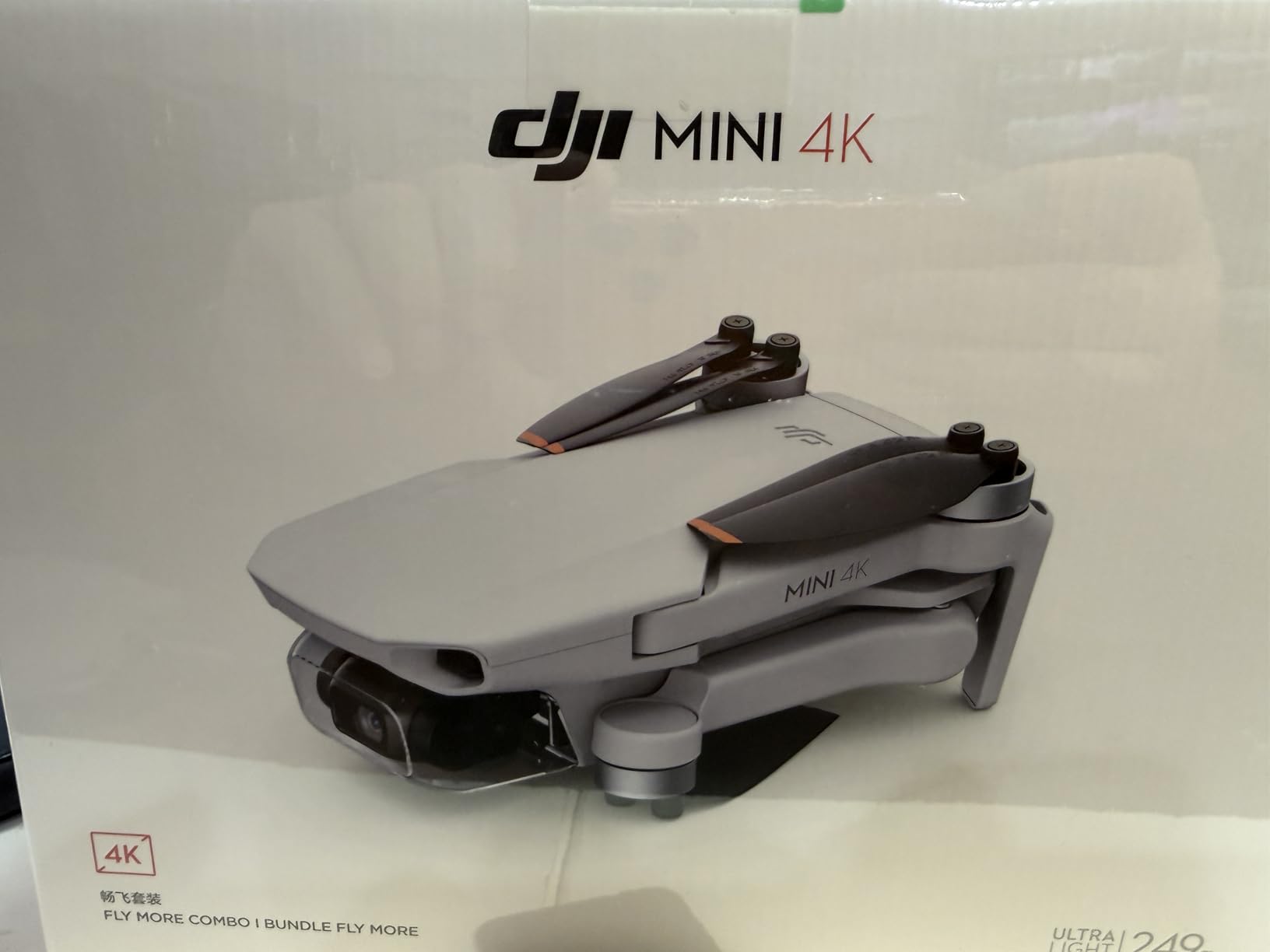
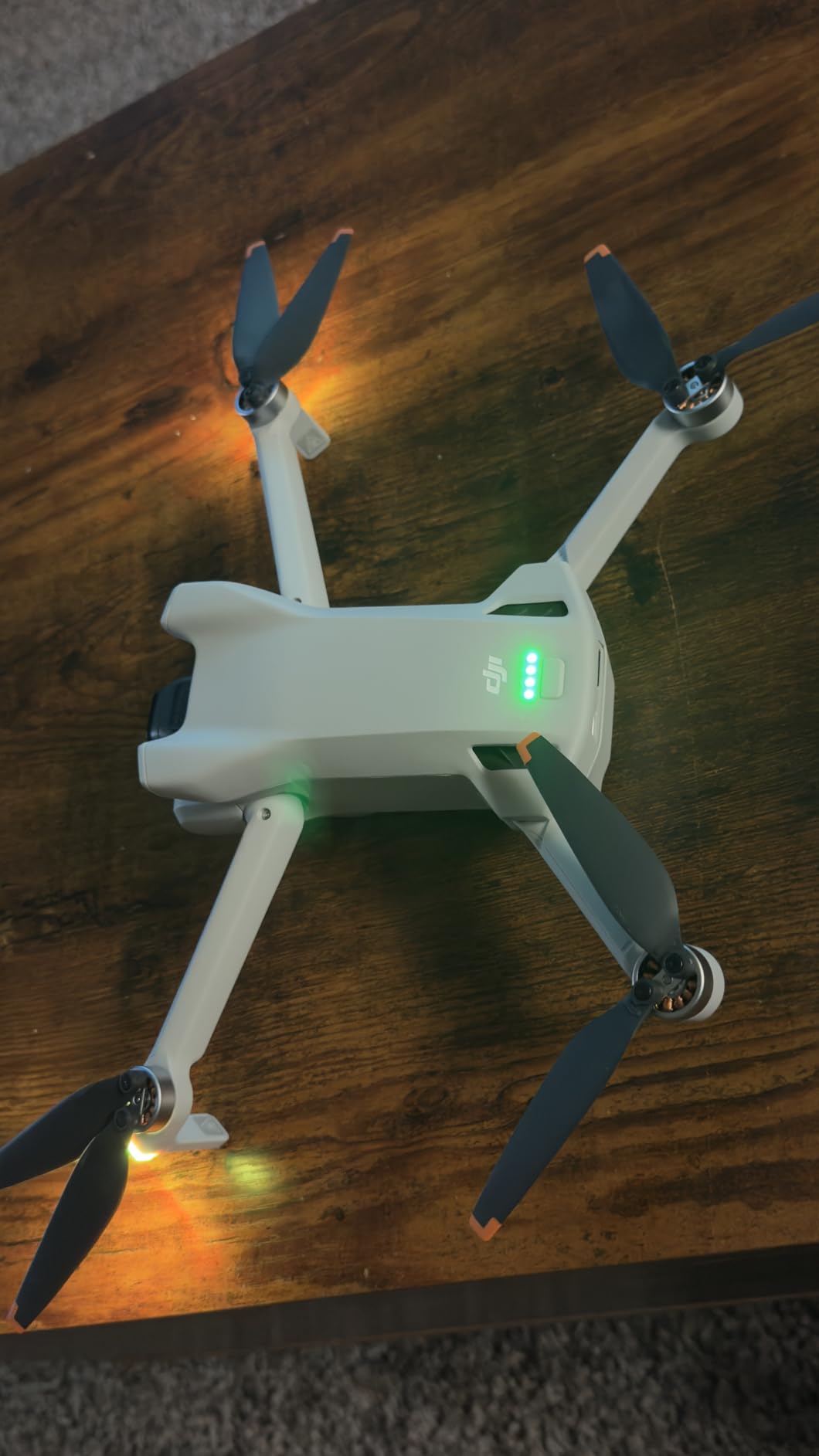
The Mini 4K is the drone I hand people who want to attempt their first night flight, mostly because nothing about it is distracting. Controls are predictable, GPS return to home is reliable, and the 240 g body means no registration paperwork for recreational use. Reviewers consistently describe it as the easiest entry into flying, and the 4.5 rating across more than 4000 reviews is the widest consensus in this group.
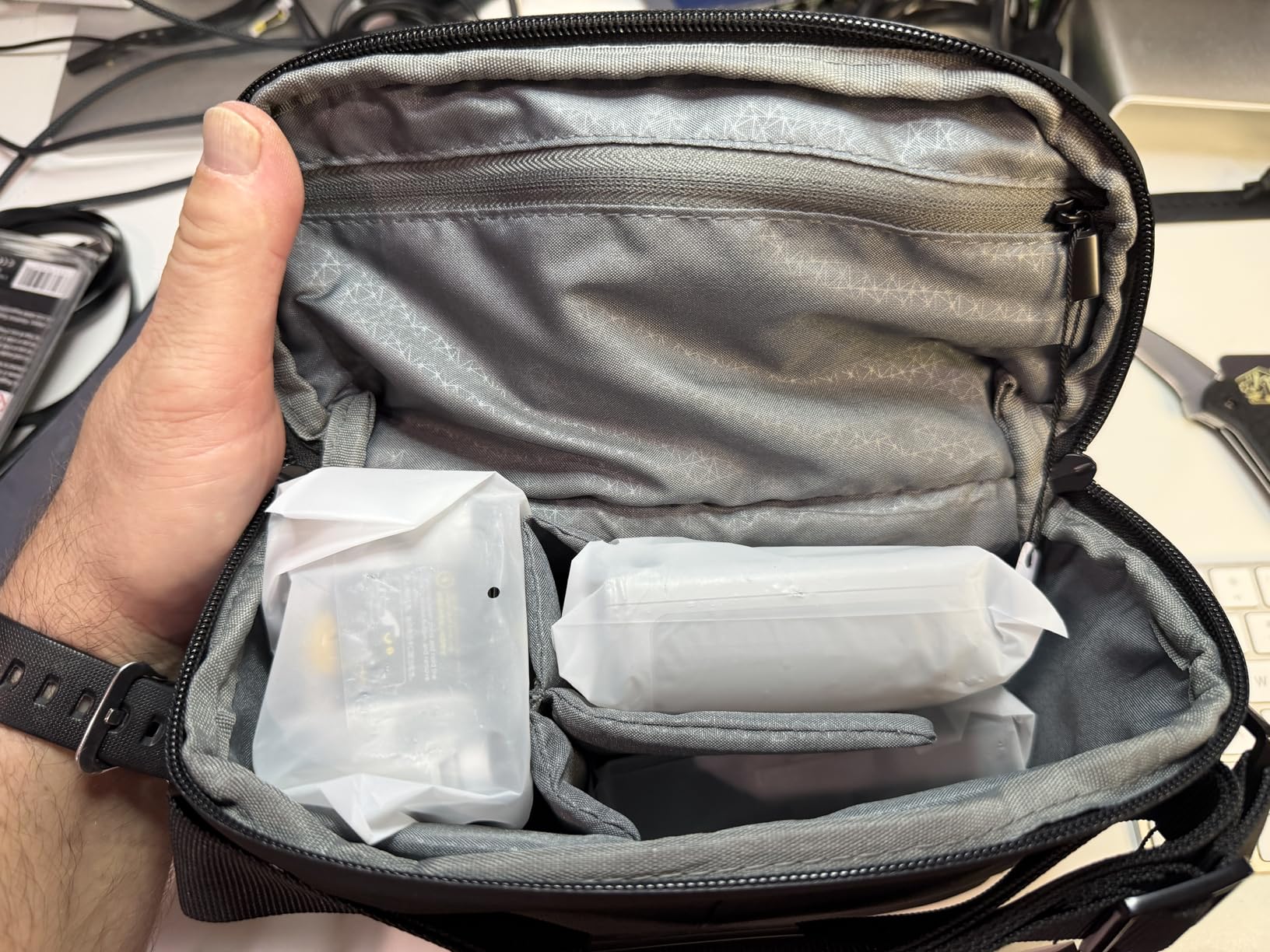
For stills it does something that most sub-250 g rivals skip: it writes DNG alongside JPEG. That raw file is your way out of a noisy night frame, because you can push shadows in a desktop editor instead of asking a small sensor to hold detail on its own. The 3-axis gimbal also keeps horizon level in a way that cheap two-axis gimbals cannot.
The honest limit is the sensor. Twelve megapixels on a small CMOS is not much by current standards, and there is no dedicated night mode, so you will be raising ISO in manual mode and living with the noise. Owner reviews also flag the absence of follow-me tracking and obstacle avoidance, and a two-times zoom ceiling that rules out any real night telephoto work.
Wind matters more here than on bigger airframes. Reviewers report it handling gusty conditions better than expected for its class, but the lightweight motors still lose to a full-size body in moving air, and any wind at all turns a longer night exposure into a smeared frame. Fly in flat calm air and this drone will hold together.
What you get in the dark
You get clean, level, correctly exposed frames as long as you keep the shutter fast and accept noise. At 4K/30fps the video looks sharp for the tier, and DNG capture gives you a real editing starting point rather than a compressed file with no headroom.
The flight time figure is 31 minutes on the single battery, with two and three battery bundles listed. Owners more often report 25 to 30 minutes in practice, so plan your night window conservatively rather than filling every minute of the pack.
When to skip it
Skip it if your night work depends on long exposures, star fields or clean high-ISO stills. A small sensor with no night mode will show you its limits before you get the shot.
Also skip it if you need tracking or obstacle sensing for night flying close to structures. Neither is present, and after dark those are the two features you most want and cannot improvise.
2. Holy Stone HS790 6K – A Real Night Mode Without the Big Price Jump
Pros
- Dedicated night flying mode for twilight and dark flights
- Three-axis mechanical gimbal stabilises in gusts
- Two batteries plus a charging hub that doubles as a power bank
- Built-in Remote ID for FAA compliance
Cons
- Six megapixel stills are interpolated rather than native
- Wi-Fi repeater link is more interference-prone than RF systems
- 375 g body needs registration and more flying space
Most budget drones treat night as a marketing line. The HS790 actually ships with a night flying mode and an upgraded navigation system built for twilight and dark conditions, and owners buying it for exactly that reason is the single most common theme in its reviews. If your requirement is a drone that will go out after dark without you second-guessing the app, this is the one in the budget class.
The mechanical three-axis gimbal is the other quiet strength. Gimbal stability is what lets a small sensor hold a usable exposure, and reviews single out the steadiness in wind and sudden movement. Two intelligent batteries and a charging hub that doubles as a power bank give 60 minutes of total flight, which matters more at night than it does in daylight because you rarely get a second window of usable light.
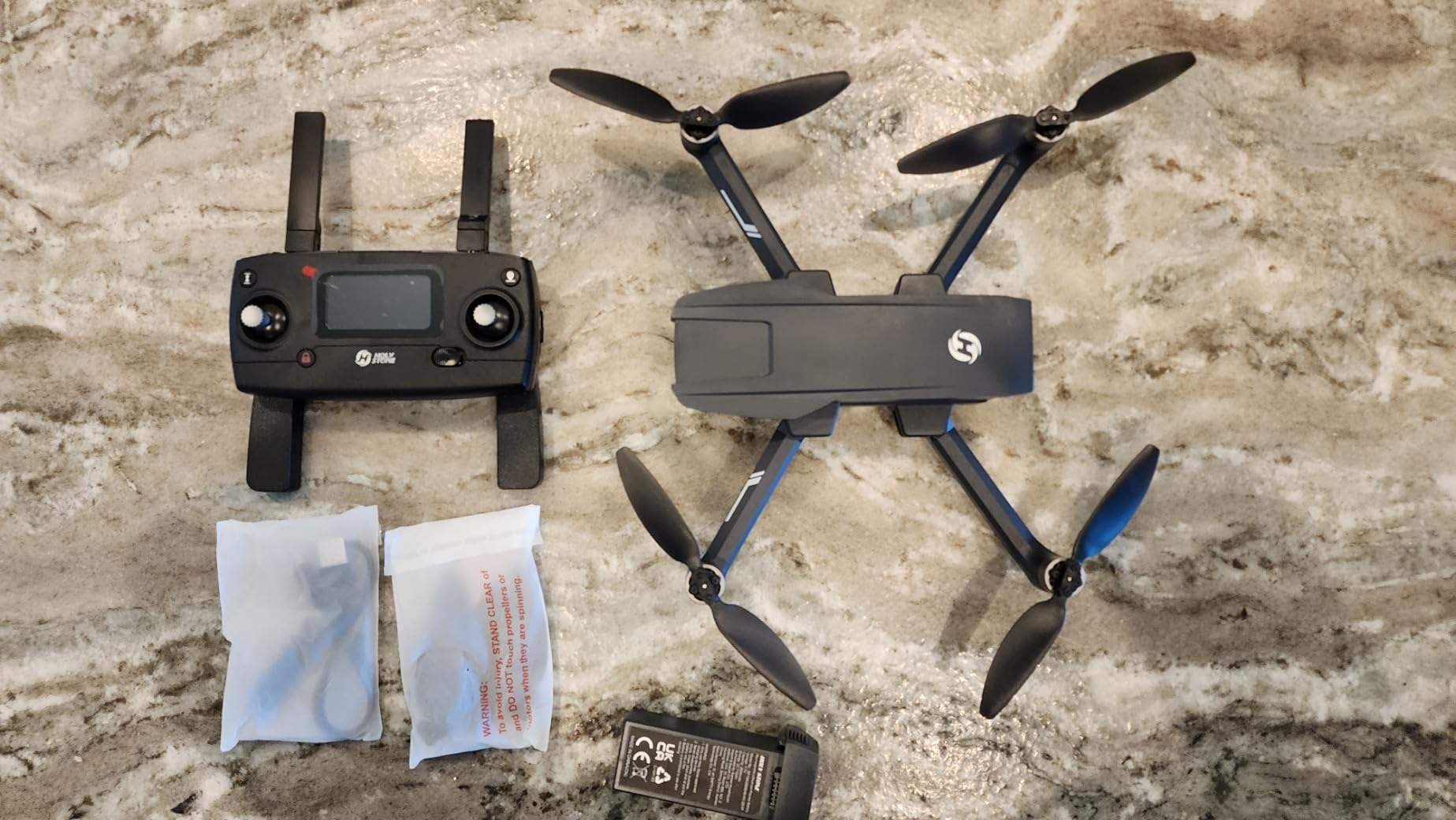
Where it falls short is the imaging. The sensor is 1/3.2-inch CMOS behind an f/2.0 aperture, which is very little light-gathering for a night mission, and the headline six-megapixel photo mode is interpolated rather than native capture. Reviewers are candid about this: the video at 4K/30fps is the strong suit, the stills are the compromise.
The Wi-Fi repeater transmission is the other reservation. It reaches 9 km on paper, but owners report it is more susceptible to interference than dedicated RF links, and a dropped feed at 60 metres over a dark street is a much bigger problem than the same drop at noon.
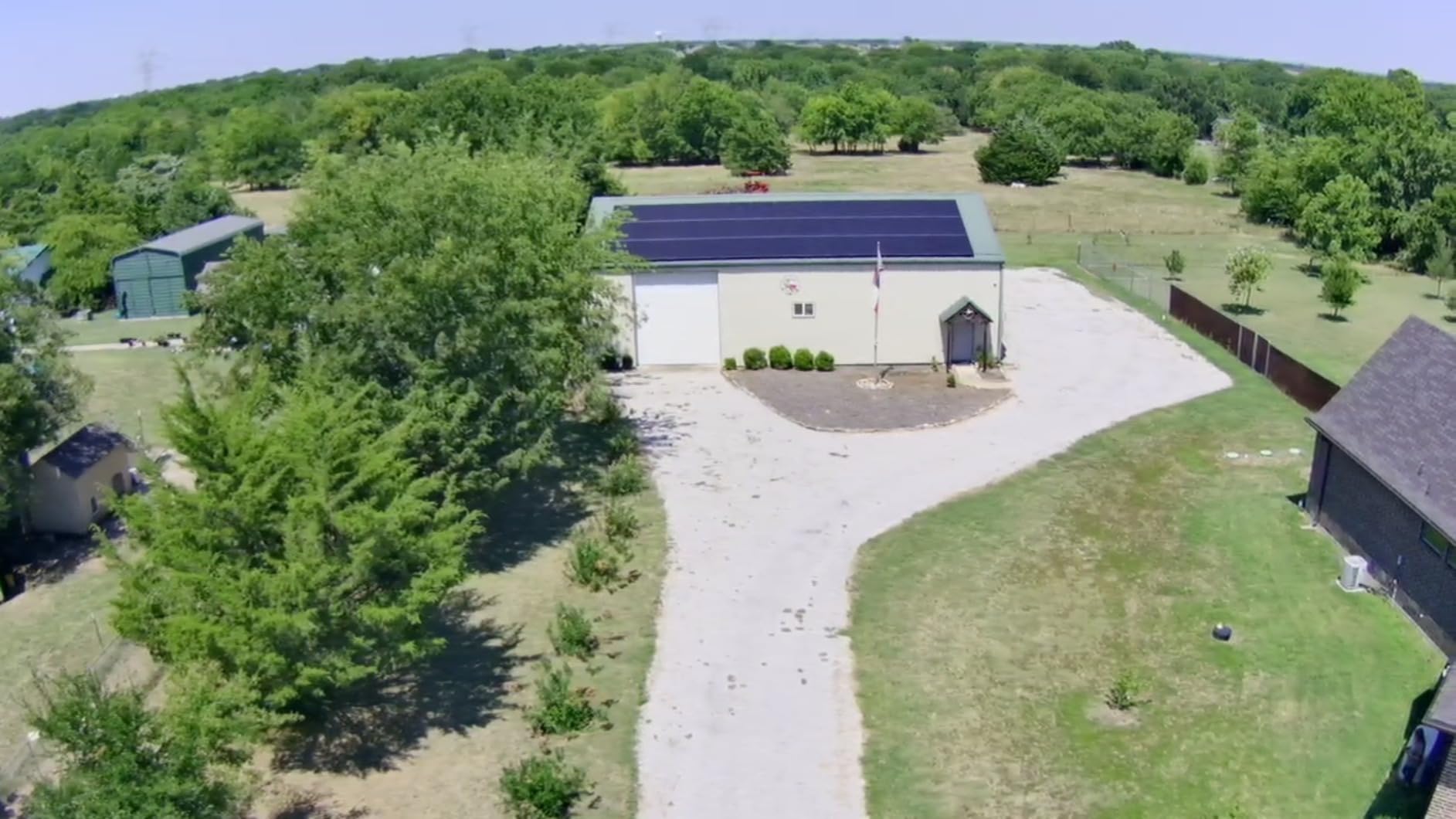
Why the night mode is worth having
A dedicated night mode handles denoising in-camera, which is the difference between a usable frame and a speckled one when the sensor is this small. It is the feature that makes the HS790 competitive at night despite the modest sensor.
Built-in Remote ID removes another evening-of-admin task, and the beginner modes mean you can get airborne in the dark without fighting the interface. Both of those matter for a first night flight more than any spec line.
Where it falls down
Do not buy it for night stills you intend to print large. Interpolated capture and a small sensor mean the usable file is smaller than the headline number suggests.
Do not buy it if you fly near buildings or trees in poor light. Without obstacle sensing you are relying entirely on your own eyes in conditions where your eyes are the weak link.
3. DJI Mini 3 With DJI RC – Best Value Raw Files and a Built-in Screen
Pros
- Four K HDR stays crisp in low light and at night
- Dual Native ISO Fusion recovers highlight and shadow detail
- Controller has a 5.5-inch screen so no phone is needed
- True vertical shooting for tall night landmarks
Cons
- No obstacle detection beyond the landing sensor
- Video capped at 30 fps
- No waypoint flight and restricted panorama and AEB burst
The Mini 3 with the DJI RC is the best balance in this roundup, and owners back that up. The headline for night shooters is Dual Native ISO Fusion, which switches between two native sensitivities to keep detail in both the highlights of a lit sign and the shadows of a dark street in one exposure. Reviewers repeatedly describe the four K HDR footage as crisp and smooth in low light and night conditions.
Raw capture is available in JPG and raw formats, which means you can open the files in a desktop editor and pull back noise the drone captured. Combined with 48-megapixel still resolution and true vertical shooting, it covers both the skyline panorama and the vertical frame of an illuminated tower.
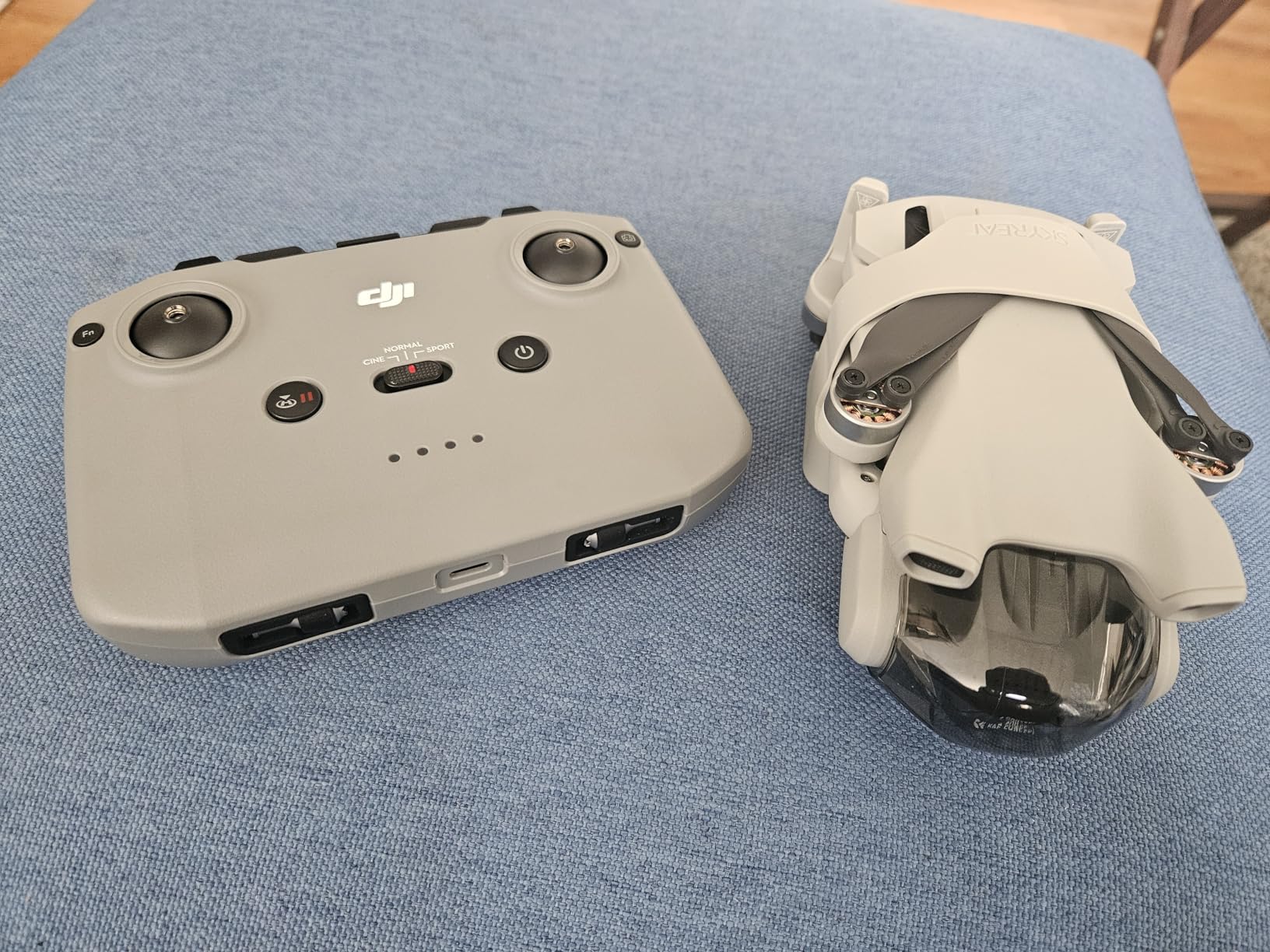
The screen controller is a bigger night advantage than it first appears. You can frame and check exposure in the dark without unlocking a phone, and the DJI Fly app is pre-installed on the 5.5-inch HD display. It also stops your phone screen from becoming the brightest thing on the flight, which is genuinely useful when you are working near a lit facade.
Against that, there is no obstacle detection beyond the landing sensor and no waypoint flight, both of which owners cite constantly. Video is limited to 30 fps, which is fine for stills-led night work and limiting if you want slow motion of light trails. The panorama and exposure-bracketing burst are also restricted compared with larger DJI models, so plan on single-shot exposures at night.
Why it beats the cheaper minis at night
Dual Native ISO Fusion is the reason. Instead of stretching one native sensitivity, it switches, and the result is cleaner shadows and highlights than a single-ISO sensor of similar size can manage. For cityscape work where the contrast range is extreme, that is the whole game.
Thirty-eight minutes of listed flight time, extendable to 51 minutes with the Intelligent Flight Battery Plus, gives you real working time in the dark without a mid-shoot battery swap. Level 5 wind resistance helps too, though it is still a 248 g airframe.
Where it falls down
There is no obstacle sensing, and after dark that is the feature you miss first. Flying a city canyon at night with no forward avoidance is a different proposition from flying it at noon.
The 30 fps video cap rules out smooth light-trail work and the slow-motion night footage many buyers originally wanted. Treat this as a stills drone that also records video well, not the reverse.
4. Ruko U11MINI 4K RC3 – A Screen That Works in the Dark
Pros
- Integrated 5.5-inch touchscreen removes phone tethering in the dark
- Under 249 g so no FAA registration or Remote ID needed
- 20000 ft R2 digital link works without Wi-Fi
- Two batteries give 64 minutes of total flight
Cons
- No dedicated night or low-light mode
- Eight-megapixel stills are interpolated from the 1/2-inch sensor
- App and Wi-Fi dependence reduces flexibility
- Screen is dim and less responsive in bright conditions
The pitch here is setup speed in bad light, and for a first night flight that is a real advantage. The 5.5-inch 1080p touchscreen controller is built into the remote, so you configure the aircraft, review the feed and trigger shots without tethering a phone or unlocking a screen with cold hands. Owners consistently rate the all-in-one controller as the headline feature.
The imaging is respectable for the class. A 1/2-inch CMOS sensor with high dynamic range, a three-axis mechanical brushless gimbal, and 48-megapixel photo output give you a usable night frame if you are willing to grade it. The R2 digital transmission runs to 20,000 ft without relying on Wi-Fi, which is more dependable than repeater-based links.
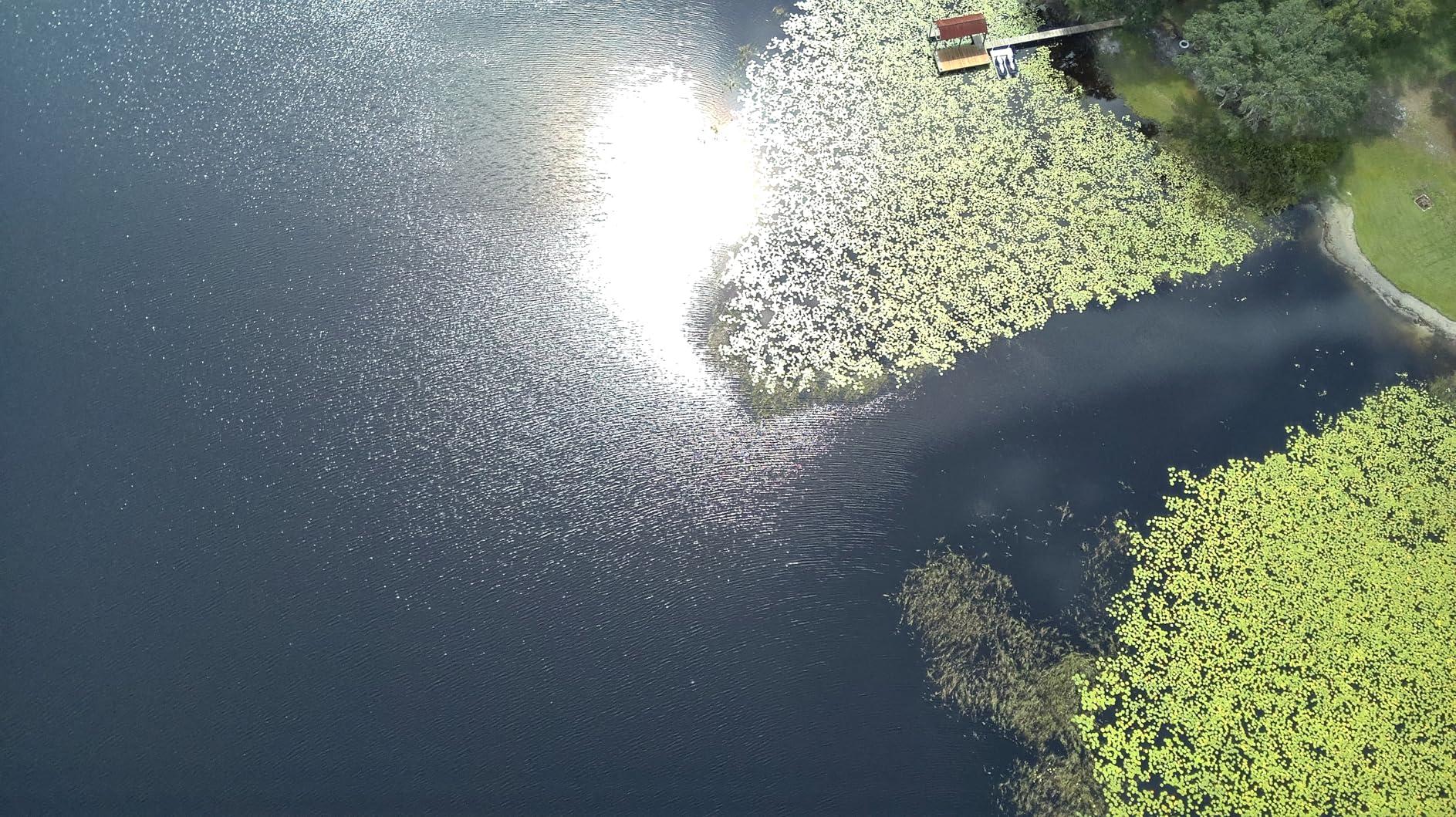
The catch is the one thing a night article cares about most: there is no dedicated night mode or low-light shooting mode. Low-light performance depends entirely on the sensor and your exposure settings, which means more ISO and more noise than a drone with processing built in. Reviews flag this as the main gap for night use, and they are right to.
The eight-megapixel stills are interpolated from the 1/2-inch sensor rather than captured natively, so the resolution number overstates the detail in the file. The four-positioning stack of GPS, barometric, ToF and optical flow is genuinely useful at night, where a single satellite fix can leave the aircraft drifting.
Where it earns its place
Two batteries give 64 minutes of total flight, which is generous for night work, and PD 3.0 fast charging cuts the turnaround between flights. Built-in beeper and home point refresh help you find the aircraft in an unlit field.
At under 249 g it needs no FAA registration for recreational use, and there is no Remote ID module to lose. For a traveller flying a night scene away from any populated area, that simplicity is worth a lot.
Where it falls down
No night mode means you are shooting raw and fixing noise later, so budget editing time into every session. If you want clean files straight out of the camera, pick a drone with in-camera processing.
The screen brightness and touchscreen responsiveness are limited outdoors, which is fine at night but frustrating in daylight. App and Wi-Fi dependence is the other limitation compared with dedicated RF systems.
5. Potensic ATOM 2 – A Dedicated Low-Light Mode at an Entry Price
Pros
- AI Stunning Night Shot mode keeps low-light video crisp
- F1.8 aperture and 4-in-1 pixel binning help low-light colour
- Parallel hub charges three batteries in 1.3 hours
- Reliable 10 km link with no mid-flight disconnections reported
Cons
- No obstacle detection or avoidance sensors
- Waypoint navigation still not available
- Gimbal is weaker than DJI in high wind and sport mode
The ATOM 2 is the drone in this roundup that most directly attacks the night problem. Its 1/2-inch Sony CMOS sits behind an f/1.8 aperture, and with 4-in-1 pixel binning the sensor gathers and stacks light more effectively than most rivals at this size. Owners frequently describe the camera as outperforming more expensive drones, which is a bold claim that the aperture and sensor combination makes plausible.
AI Stunning Night Shot is the feature that saves a night session. It is the processing layer that cleans up a low-light frame in-camera, and the recurring review theme is that it produces crisp, clear night footage without pushing the sensor to its limit. AI Track with Spotlight, Follow and Parallel modes lets you hold a lit subject in frame while the denoising runs.
Battery logistics are the quiet winner. Three batteries charge in 1.3 hours through the parallel hub, giving 96 minutes of total flight, which is the largest aggregate figure in this group. Night flying is already the most return-flown kind of flying, so fast turnaround decides how many usable windows you get.
The PixSync 4.0 system with a directional antenna gives 10 km control range and a 1080p/30fps live view, and owners report no mid-flight disconnections. For framing a night shot from the ground that live view is the difference between a composition and a guess.
Why the aperture matters here
An f/1.8 aperture on a 1/2-inch sensor collects substantially more light per frame than a narrower opening on a similarly sized sensor. Since a drone cannot hold a long exposure, light gathered in a fraction of a second is exactly what you need, and owners favour wider apertures over raw ISO ceiling claims.
That is also why the night mode works as well as it does. It is cleaning up an image that was exposed with a reasonably bright lens, not rescuing a frame shot wide open at extreme sensitivity.
Where it falls down
There are no obstacle detection or avoidance sensors, and waypoint navigation is still not available despite being promised. Those are the two features you would most want on a night flight near a building or a line of trees.
The gimbal lags DJI equivalents in high wind and sport-mode speed, and forced return to home is harder to cancel. HDR can struggle to balance extreme highlight and shadow contrast, which is common in night cityscapes.
6. Ruko F11PRO 2 Plus – Long Sessions at a Heavier Weight Class
Ruko F11PRO 2 Plus Drone with 48MP Camera, 8K Photo, Tech Gift for Adult
Pros
- 1/2-inch 48 MP sensor marketed for clear low-light capture
- High dynamic range holds detail in dim scenes
- Two batteries give 37 minutes each and 74 total
- Over-the-air firmware updates after purchase
Cons
- No dedicated night shooting mode
- No obstacle detection or avoidance sensors
- Charger is not included and must be bought separately
- 360 g weight requires FAA registration
The F11PRO 2 Plus is positioned as a low-light imaging drone, and the sensor is the reason. A 1/2-inch 48-megapixel CMOS with high dynamic range for clear, detailed images in low light is a full 1/2-inch sensor, matching the largest used by any sub-400 g body here, and reviewers credit the three-axis mechanical gimbal with removing the shake and tilt that ruins dark frames.
Sessions are long: two intelligent batteries at 37 minutes each give 74 minutes of total flight, with 20,000 ft digital video transmission and GPS-assisted flight including one-key return and automatic return on low battery or lost signal. Over-the-air firmware updates mean the drone can improve after you buy it, which matters for a category that moves quickly.
There is no dedicated night shooting mode, so low-light performance depends on the sensor and your exposure choices rather than in-camera processing. That means ISO discipline and a willingness to grade afterwards, which is where raw files pay off.
The 360 g weight is a real change in category. It requires FAA registration, it is a larger aircraft to handle in a gust, and the carrying shell case is included rather than a soft bag. Owners also note the charger is not included, so budget for a charging solution before the first night flight.
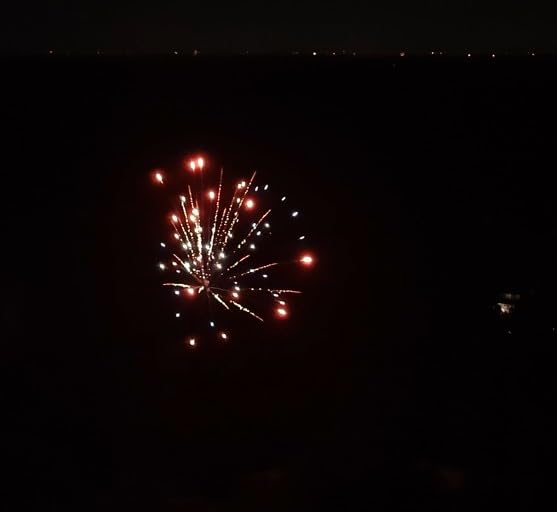
What the extra weight buys you
At 360 g the airframe is far more stable in moving air than a 249 g mini, and stability is what allows a longer usable exposure at night. The 48-megapixel 1/2-inch sensor also holds more detail at high ISO than a 1/3.2-inch sensor can.
Digital transmission and automatic failsafes reduce the risk of a lost aircraft after dark, and the two-battery pack means you can work a whole evening without charging between flights.
Where it falls down
No obstacle sensors and no waypoint or advanced autonomous modes. A 360 g aircraft without avoidance in an unlit urban space is a combination to think carefully about before you fly it.
No dedicated night mode means the files arrive noisier than they would from a drone with processing built in. If clean output matters more than aggregate flight time, a different pick serves you better.
7. DJI Mini 5 Pro Fly More Combo – The Biggest Low-Light Leap
DJI Mini 5 Pro Fly More Combo Plus with DJI RC 2, Drone with Camera, 1-Inch CMOS, 4K Drone for Beginners, Obstacle Sensing, ActiveTrack 360°, 225° Gimbal Rotation, Extended Battery Life
Pros
- 1-inch CMOS records sharp 4K/60fps HDR with vibrant colour
- Nightscape sensing with forward LiDAR helps at night
- 42 GB internal storage means you can shoot without a card
- Three batteries and a charging hub in the kit
Cons
- No adjustable aperture and awkward ND filter fit
- Weaker wind performance at low altitude
- No cover on the microSD slot for fog or cloud
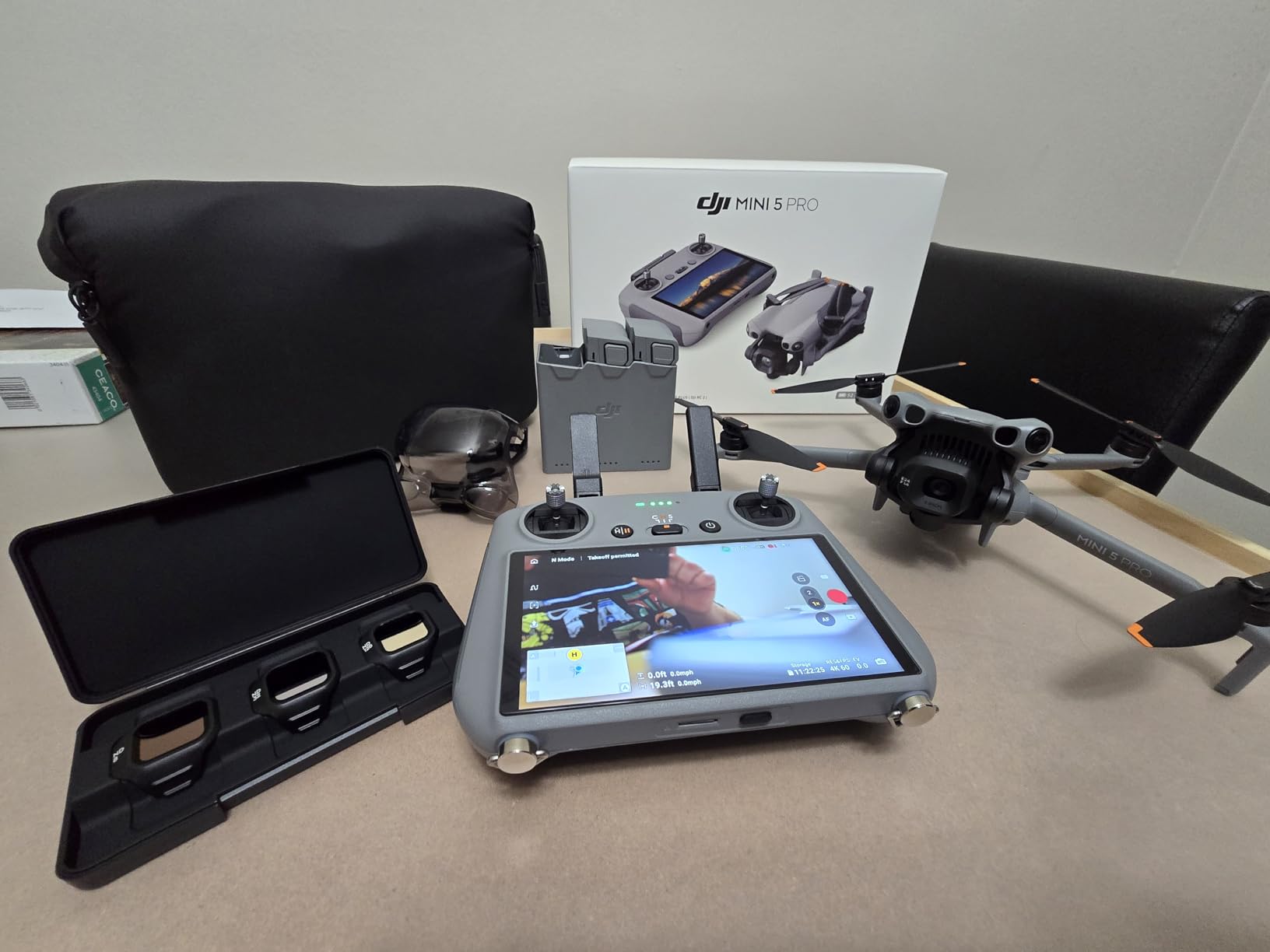
If you are moving up from a small mini drone, this is where the night image quality changes. The 1-inch CMOS is physically much larger than the 1/2-inch sensors in the budget group, and on a night frame that difference shows up as less noise at the same exposure. Owners describe 4K/60fps HDR with vibrant colour, and 50-megapixel still resolution gives you room to crop a skyline frame.
The safety story is unusually good for night work. Nightscape omnidirectional obstacle sensing combines forward-facing LiDAR with vision sensors, which owners specifically credit for night flights and return to home. After dark, that sensing is worth more than almost any other feature on the list, and it is the reason this drone is comfortable near trees and buildings.
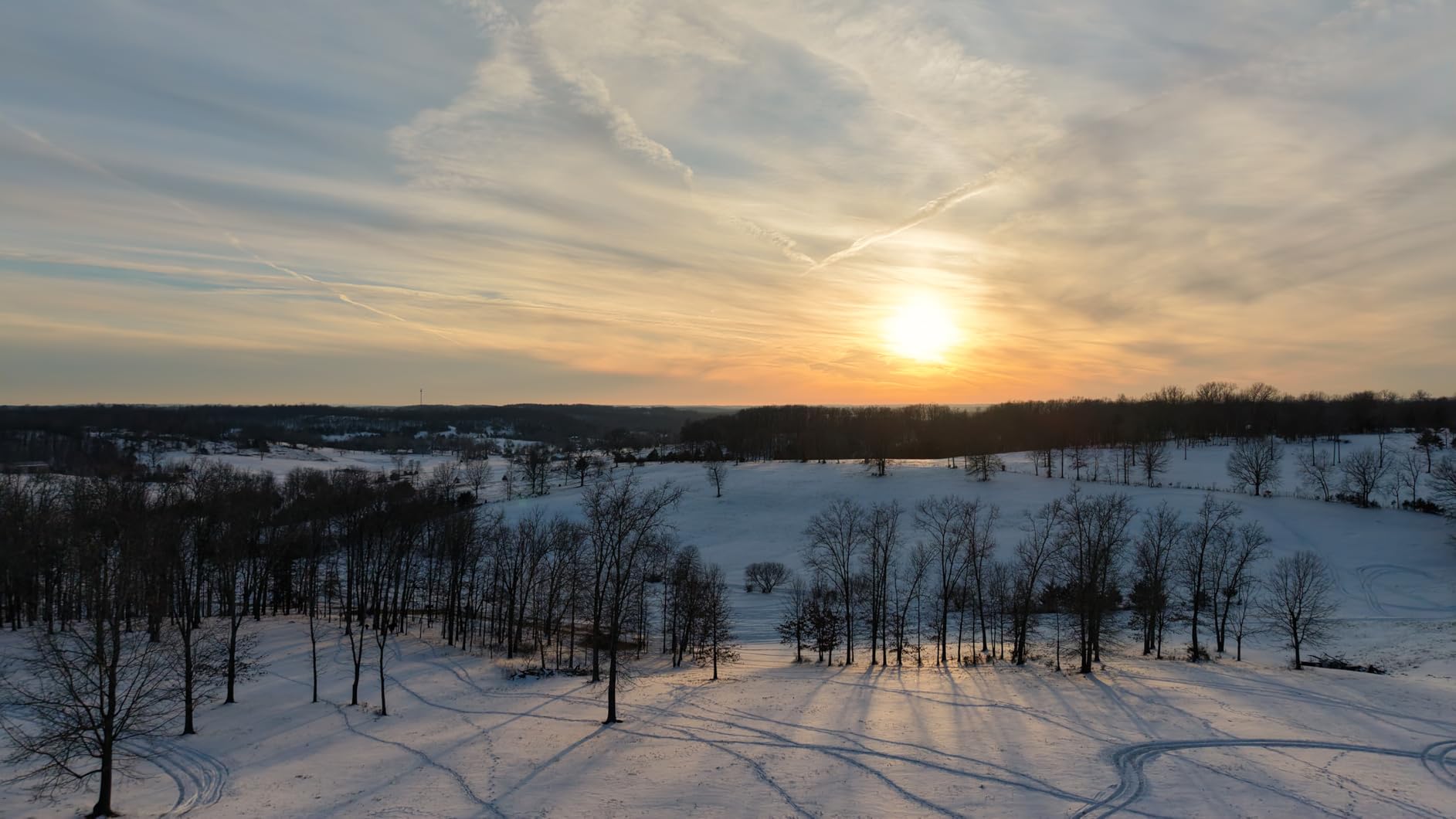
The kit solves the small-drone storage problem with 42 GB of internal storage, so you can shoot and fly without a microSD card at all. The 225-degree gimbal rotation gives true vertical filming without cropping, which is how you fill a frame with a lit tower, and the Intelligent Flight Battery Plus pushes flight time to 52 minutes per battery.
Reviewers do flag the trade-offs honestly. There is no adjustable aperture, the ND filters included in the kit are awkward to fit, wind performance at low altitude is weaker than larger Mavic-class airframes, and signal can be lost quickly in mountainous terrain. The RC 2 screen is also dim in direct sun, and the microSD slot has no cover, so fog is a no-fly condition.
Why the 1-inch sensor changes the night
A 1-inch sensor collects several times the light of the 1/3.2-inch and 1/2-inch sensors in the budget group. Since a drone cannot hold a long exposure, extra light gathering per frame is the only way to keep a fast shutter and a low ISO at the same time.
Users on r/drone_photography name the current-generation 1-inch bodies as the ones that hold up after dark, and a first night flight with this class of Mini over a city was described on r/drones as surprisingly clean low-light performance. That is the step up you are paying for.
Where it falls down
A fixed aperture means you control exposure with shutter and ISO only, and the ND filter fit is awkward when you are trying to change that. If you shoot a lot at dusk, adjustable-aperture bodies give you more room.
Wind at low altitude is the other limit. Keep the aircraft higher or wait for flat calm air, or your long night exposures will drift even with LiDAR sensing working perfectly.
8. Autel EVO 2 Pro V3 – The Only Drone Here With Aperture Control
Pros
- Adjustable f/2.8 to f/11 aperture gives real exposure control at night
- Max ISO 44000 with Moonlight Algorithm 2.0
- 12-bit DNG and 6K 12-bit A-LOG for grading
- LED landing lights and 360 degree obstacle avoidance
Cons
- 1191 g weight class requires registration and is hard to fly in gusts
- No geo-fencing in no-fly zones
- Only 231 reviews so the reliability record is thin
The EVO 2 Pro V3 has the highest rating in this group at 4.6 stars, and for night work the reason is specific. It is the only drone on this list with an adjustable aperture, running from f/2.8 up to f/11 on a 1-inch 20-megapixel Sony CMOS. That single feature changes how you approach a night session, because you can stop down and use a longer shutter instead of raising ISO into the noise.
The maximum ISO of 44000 with Moonlight Algorithm 2.0 handles the opposite case, when you need every bit of sensitivity for a distant light or a moonlit ridge. Six K capture in 12-bit A-LOG and 12-bit DNG gives 68.6 billion colours, and that depth is what makes grading night files possible rather than merely acceptable.
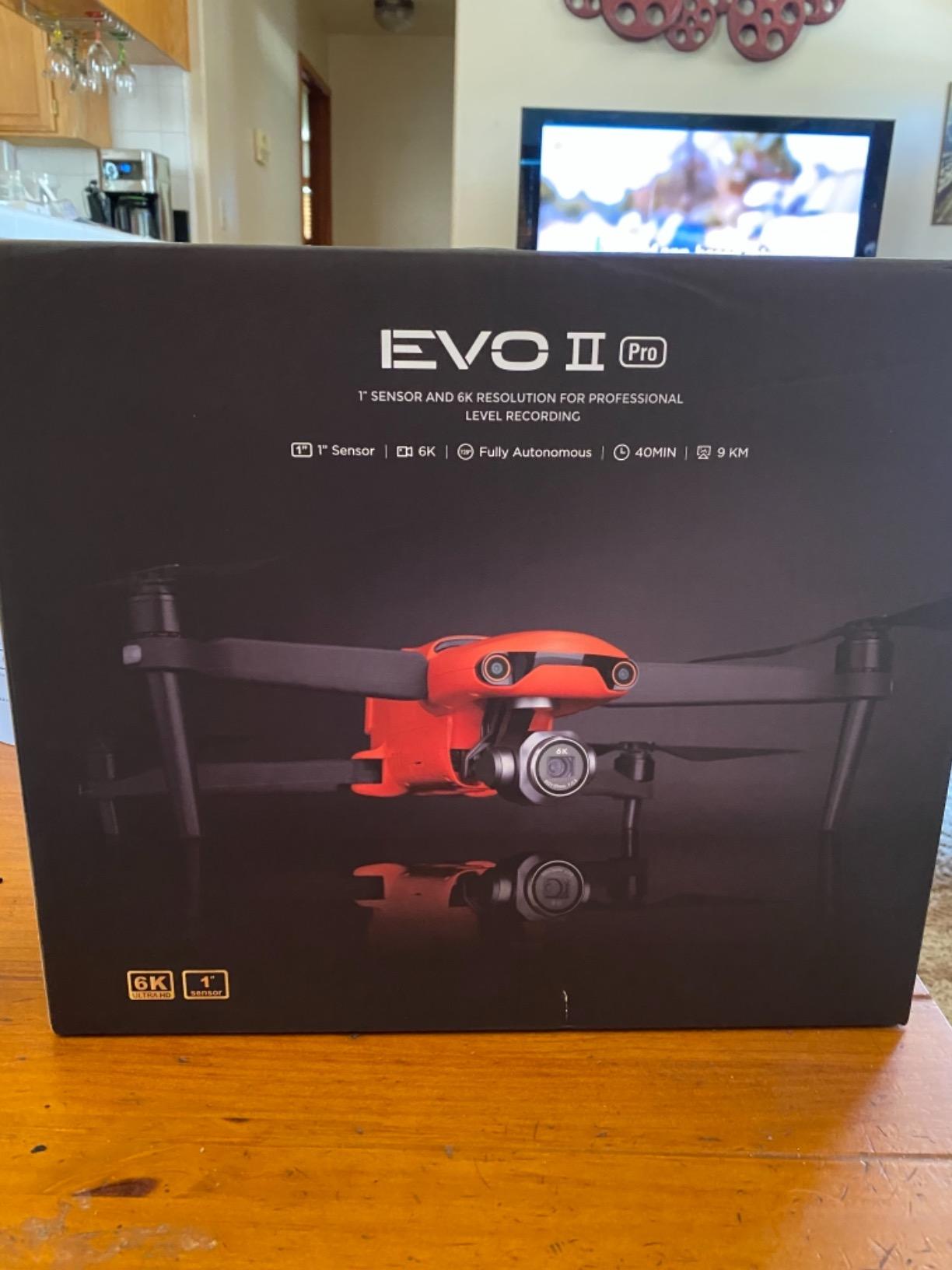
Safety gear is unusually complete for a night aircraft. Twelve computer vision sensors, two sonar sensors and two LED landing lights give 360 degree obstacle avoidance, and the landing lights are worth noting on their own, because they illuminate the ground for the descent when the ambient light is gone. SkyLink 2.0 gives 15 km of tri-band transmission with automatic frequency hopping.
The trade-off is weight. At 1191 g this is a different category of aircraft entirely: it requires registration, it is far from portable, and owners note that a body this size is harder to fly safely in gusty or confined night conditions. There is also no geo-fencing in no-fly zones, which leaves airspace compliance entirely to the pilot.
Why aperture control wins at night
Stopping down trades shutter speed for a cleaner frame, which is exactly the currency a drone is short of. A drone cannot hold a long exposure like a tripod, so aperture is the one control that lets you buy light and hold onto it, and f/2.8 is the widest opening this body offers before you start losing it.
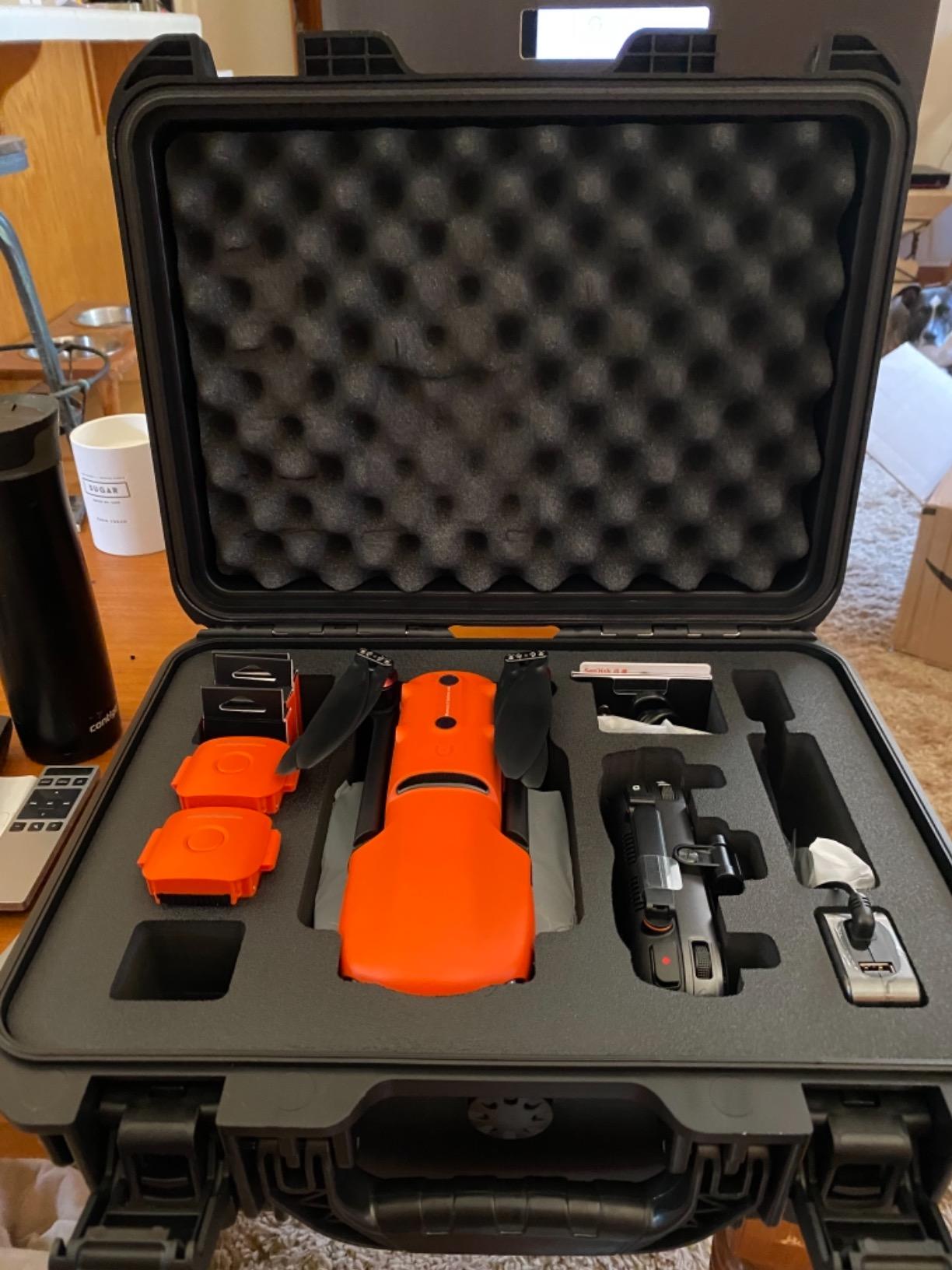
Forty minutes of forward flight or 35 minutes hovering from a 7100 mAh battery, plus two batteries, a spare propeller set, a 32 GB card and a hard case, covers a full night session without a mid-shoot swap.
Where it falls down
The size of it. A 1191 g airframe in a gust at 100 metres is a different proposition from any other drone here, and it is not a beginner aircraft. The Advanced skill positioning reflects that.
With only 231 reviews the long-term reliability record is thin compared with the DJI bodies, and the absence of geo-fencing means you are entirely responsible for airspace compliance. If you fly near other people, that is a real consideration.
What Makes a Drone Good for Night Photography?
Sensor size is the first thing to check, and it is the only spec that cannot be worked around. A 4/3-inch or 1-inch sensor gathers several times the light of a 1/3.2-inch or 1/2-inch sensor of the same generation, and because a drone cannot hold a still frame, that extra light is the difference between a usable night photo and a noisy one.
Aperture comes second, and it is the spec most people miss. A fixed f/1.7 or f/1.8 lens gives you a wide, light-gathering opening with no thinking required, which is why the ATOM 2 and the f/2.8-f/11 Autel approach the problem differently. One lets you collect light fast, the other lets you choose.
Shutter speed is the constraint nobody advertises. Droneblog describes it plainly: a drone cannot hold a frame beyond a few milliseconds the way a tripod can. On r/drones, owners with sub-250 g drones describe first night results as a treat but confirm that any wind at all ruins long exposures, which is why flat calm air is a requirement and not a preference.
Night mode and noise reduction matter because they change what you capture rather than what you fix later. Forum users are blunt about the trade: DJI-style night modes clear noise but flatten and smooth detail, so the raw or DNG file still needs real post-processing. Shoot the mode for video, keep the raw file for the stills.
Raw capture and a flat log profile are what preserve your options. The Mini 4K, Mini 3 and the Autel all write raw files, and the Autel offers 12-bit DNG and 12-bit A-LOG, which is the deepest latitude in this group for a night scene with a huge brightness range.
Weight matters for a reason beyond portability. The 250 g threshold decides whether a recreational pilot needs registration, and owners on forums raise an edge case worth knowing: adding anti-collision lights can push a sub-250 g aircraft over the line. If your night plan involves strobes, check the total weight before you fly.
Gimbal and hover stability decide whether the frame is sharp at all. Every drone here has a mechanical three-axis gimbal, which is the baseline for night work, and the wider airframes hold position better in moving air than the sub-250 g minis.
For comparison of what a drone camera has to live up against, our roundup on the best cameras for night photography is a useful reality check. A drone sensor is smaller, and everything above follows from that one fact.
Night Flying Rules and Safety
Night flight is legal in the United States, with conditions attached. Recreational pilots flying under 250 g need no registration, and 250 g to 400 g recreational aircraft need FAA registration and an online knowledge test but no licence. Part 107 pilots need a remote pilot certificate, an aircraft registration and a Part 107 licence.
Anti-collision lighting is required. Under Part 107 the aircraft must have anti-collision lighting visible for at least 3 statute miles, and under recreational rules the same visibility requirement applies. If you are sub-250 g, check whether the light you add pushes you over the weight threshold.
Community-Based Organization guidelines, recognised by the FAA under Section 44809, cover the remaining questions: where you can fly, how high, and what to do when you cannot be sure. Most recommendations involve flying within visual line of sight, avoiding populated areas over an hour, and never over people.
There is one hardware behaviour to know before your first night flight. On several DJI models the anti-collision and obstacle sensing sensors are disabled or reduced when a night mode is active, because the processing load goes to image noise reduction. That is not a defect, it is a trade-off, but it means the sensor that is protecting you in daylight may not be protecting you after dark. Fly accordingly.
Two practical rules from the field. Take off from an illuminated area, because downward vision sensors struggle over unlit ground. And fly with the anti-collision lights visible to yourself, because spotting a distant drone at night is mostly a matter of noticing the strobe rather than the airframe.
Cold night air shortens battery performance and pulls moisture into the airframe as it cools, so let the aircraft acclimatise before the return flight and keep batteries in a pocket rather than a case. If you are after the ground-level version of this craft, our long exposure tripod guide covers the setup a drone is competing with.
Night Photography Settings Cheat Sheet
Nobody publishes a one-number answer for night drone settings, because the right exposure depends on your light. What follows is a starting point you adjust on site, not a fixed recipe.
The rule that governs everything: keep the shutter as fast as your air allows, and spend your light budget on aperture and ISO instead. On fixed-aperture drones such as the Mini 4K, Mini 3, Mini 5 Pro and the two Ruko models, that means ISO first. On the Autel, stop down and lengthen the shutter instead.
For the fixed f/1.8 ATOM 2, open the aperture and let the AI Stunning Night Shot handle noise, then shoot the stills as separate captures from the video. On the Mini 3, use Dual Native ISO Fusion in stills mode with raw enabled so you keep the highlight detail from lit signage.
On the Mini 5 Pro, exploit the 1-inch sensor by keeping ISO as low as the light allows and using the 42 GB of internal storage so nothing is lost. The LiDAR-based Nightscape sensing buys you the confidence to hold position longer for each frame.
On the Autel EVO 2 Pro V3, start wide open at f/2.8, step down to f/4 and f/5.6 when you have headroom, and use the maximum ISO only for the darkest subjects. Moonlight Algorithm 2.0 is there for the frames where the aperture is not enough.
For light-trail work, the shutter ceiling is set by wind and hover stability, not by the camera. Fly in flat calm air, use the longest exposure the aircraft holds without drift, and accept streaks rather than a sharp but dark frame. If you need exposures beyond what a drone can hold, a tripod and the night phone workflow will get you there faster.
Always take off from a lit area, always fly manual mode, and always bring more batteries than you think you need, because night flights are the ones that end in a return.
Frequently Asked Questions
Which drone is best for taking pictures at night?
The DJI Mini 5 Pro is the strongest night camera in this roundup thanks to its 1-inch CMOS sensor, which gathers far more light than the 1/2-inch sensors in cheaper drones. If you need the least risky first night flight, the DJI Mini 4K is the most dependable entry, and the Potensic ATOM 2 adds a real night mode on top of an f/1.8 aperture.
Can you fly a drone at night in the USA?
Yes, with conditions. Recreational pilots under 250 g need no registration, aircraft between 250 g and 400 g need FAA registration and a knowledge test, and Part 107 pilots need a certificate and licence. Anti-collision lighting must be visible for 3 statute miles, and you must still fly within visual line of sight and away from people.
Why did the US ban DJI drones?
US authorities moved to restrict DJI drones over national security concerns, citing the risk that the company and its components could enable surveillance. The result is that some DJI models are harder to source in the United States, which is why the Autel EVO 2 Pro V3 earns a place on this list as the best non-DJI option, with a 1-inch sensor and adjustable aperture.
How long can a drone expose at night?
Far less than a camera on a tripod, because a hovering aircraft micro-jitters even with a mechanical gimbal. Forum users report night results becoming unusable beyond roughly 1/8s without careful technique, and any wind makes it worse. That is why night drone work depends on a large sensor and a bright aperture rather than long exposures.
Do I need a license to fly a drone at night?
It depends on the weight and your purpose. Under 250 g recreational flight needs no licence and no registration. Between 250 g and 400 g you need FAA registration and to pass the online knowledge test. Part 107 work needs a remote pilot certificate and licence, and the anti-collision lighting rules apply on top of that.
Is a mini drone good enough for night photography?
For cityscape and lit-landmark work, yes, if the model has a 1-inch sensor and a night mode. The DJI Mini 5 Pro and the Potensic ATOM 2 both qualify in this roundup. For star fields and aurora, a small sensor at high ISO will disappoint, and users on r/dji asking whether a Mini can photograph the northern lights are usually told the answer depends on how much noise they tolerate.
Conclusion
The shortlist for the best drones for night photography in 2026 runs from a 240 g entry drone to a 1191 g professional body, and the honest summary is that sensor size decides the outcome. Start with the DJI Mini 4K if you want the least complicated first night flight, move to the DJI Mini 3 for raw files and a built-in screen, and treat the DJI Mini 5 Pro as the point where your night images change character.
Pick the Potensic ATOM 2 for the strongest in-camera night mode in its class, the Autel EVO 2 Pro V3 if you need aperture control and do not mind the weight, and fly all of them in flat calm air with anti-collision lighting and a lit launch point.