
Night photography pushes cameras to their absolute limits. When the sun goes down, conventional cameras struggle to capture anything beyond noise and darkness. I have spent years testing cameras in near-total darkness, from moonless nights under the Milky Way to neon-lit city streets at midnight. The difference between a camera that excels in these conditions and one that fails spectacularly comes down to sensor technology, ISO performance, and image stabilization.
Choosing the best camera for night photography requires understanding how these technical factors translate into real-world results. A camera with a full-frame sensor gathers more light than its cropped sensor counterparts. High ISO performance determines how well your camera handles those long exposures without turning into a grainy mess. And when you are shooting handheld in dim conditions, effective image stabilization can mean the difference between a sharp image and a blurry disappointment.
In this guide, I rank and review the six best cameras for night photography available today. Whether you are photographing the Milky Way, capturing urban nightscapes, or shooting street photography after dark, there is a camera on this list that fits your needs and budget.
Top 3 Picks for Best Camera for Night Photography
After testing and comparing dozens of cameras for low-light performance, three models stand out from the pack. Here are my top recommendations:

Best Camera for Night Photography in 2026
Here is a quick comparison of all six cameras recommended in this guide:
| Product | Specifications | Action |
|---|---|---|
 Sony a7 III Sony a7 III |
|
Check Latest Price |
 Sony Alpha 7 IV Sony Alpha 7 IV |
|
Check Latest Price |
| Canon EOS R6 Mark II |
|
Check Latest Price |
 Canon EOS R8 Canon EOS R8 |
|
Check Latest Price |
 Nikon Z 50 Nikon Z 50 |
|
Check Latest Price |
 Nikon Z 6II Nikon Z 6II |
|
Check Latest Price |
1. Sony a7 III Full-Frame Mirrorless Camera – Best Value
Pros
- Exceptional low-light performance
- Excellent autofocus coverage 93% frame
- Large battery 610+ shots
- Improved color science
- Dual card slots
Cons
- Only one UHS-II slot
- Touchscreen limited to focusing
- No 10-bit color depth
I have used the Sony a7 III for countless night photography sessions over the past three years. It remains one of the most capable low-light cameras available despite being several years old. The 24.2-megapixel back-illuminated full-frame sensor delivers remarkably clean images at ISO settings that would render most other cameras unusable.
During a recent astrophotography session in Joshua Tree, I pushed the a7 III to ISO 12800 while capturing Milky Way panoramas. The results exceeded my expectations. The 15-stop dynamic range gave me incredible flexibility when recovering shadow details in my RAW files. Stars remained sharp with minimal trailing even during 25-second exposures.

The autofocus system impressed me just as much. With 693 phase-detection points covering 93% of the frame, the a7 III found focus quickly even when photographing subjects illuminated only by starlight. The -3EV sensitivity means the camera can autofocus in conditions where many competitors simply give up and switch to manual focus.
Battery life proved essential during overnight shoots. I captured over 600 shots on a single charge during a recent meteor shower expedition. The dual card slots provide peace of mind when traveling to remote locations where losing footage would be devastating.
Who Should Buy the Sony a7 III
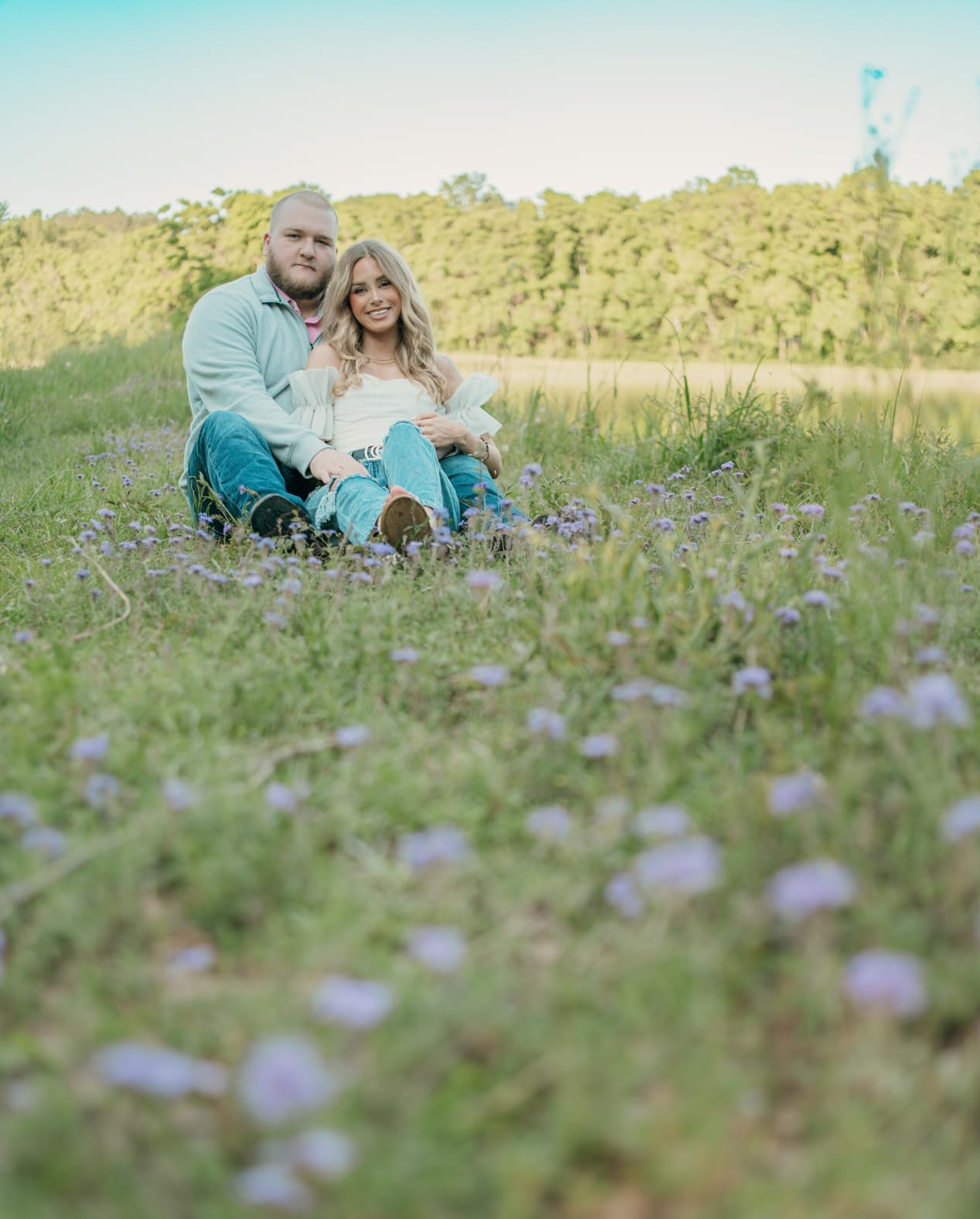
This camera excels for photographers who need professional-grade night photography capabilities without the flagship price tag. Landscape photographers, astrophotographers, and event shooters on a budget will find exceptional value here. The extensive lens ecosystem through Sony’s FE mount gives you access to outstanding low-light optics.
Who Should Look Elsewhere
If you need the absolute latest autofocus tracking or plan to shoot extensive 4K 60p video, consider the newer Sony Alpha 7 IV instead. Videographers wanting 10-bit color depth should also look at Canon’s offerings.
2. Sony Alpha 7 IV Full-Frame Mirrorless Camera
Pros
- 33MP sensor delivers stunning detail
- Real-time Eye AF remarkably accurate
- 4K 60fps with 10-bit color
- Effective 5-axis IBIS
- Excellent ergonomics
Cons
- Crop for 60-120p video
- Complex menu system for beginners
- Overheating during extended 4K
The Sony Alpha 7 IV represents a significant upgrade in resolution and processing power over its predecessor. Sony designed this camera specifically for hybrid shooters who need both high-resolution stills and professional video capabilities. The 33-megapixel sensor produces extraordinarily detailed images that hold up magnificently when cropped or printed large.
My nighttime street photography with the A7 IV revealed excellent high ISO performance despite the higher resolution. The BIONZ XR processor handles noise reduction intelligently, preserving detail while controlling grain. At ISO 6400, images remain remarkably clean with usable detail retention.

Real-time Eye AF proved invaluable when photographing people in low-light conditions. The camera maintained focus on eyes even when subjects moved through pools of shadow and artificial light. This technology has advanced dramatically from earlier generations, and the A7 IV demonstrates just how far Sony has come.
The fully articulating touchscreen makes shooting from awkward angles much easier. I captured several compelling shots during blue hour from ground level using the flip-out screen to compose my images without contorting into uncomfortable positions.

Who Should Buy the Sony Alpha 7 IV
Professional photographers and serious enthusiasts who need both high-resolution stills and advanced video capabilities will find the A7 IV an excellent investment. The 33-megapixel sensor provides flexibility for cropping while maintaining excellent print quality.
Who Should Look Elsewhere
If your primary focus is pure low-light performance rather than resolution, the Sony A7S III with its pixel-binning technology would serve you better. Budget-conscious shooters should also consider the original A7 III for better value.
3. Canon EOS R6 Mark II Mirrorless Camera – Editor’s Choice
Canon EOS R6 Mark II Mirrorless Camera (Body Only), Full-Frame Camera, 24.2 Megapixel CMOS Sensor, Photo and Video Capabilities, Black
Pros
- Exceptional low-light performance
- Fast accurate autofocus with tracking
- 40fps burst with full AF
- 6K oversampled 4K 60p
- 8-stop IBIS for handheld
The Canon EOS R6 Mark II earns my top recommendation as the best all-around camera for night photography. It combines a proven 24.2-megapixel full-frame sensor with Canon’s legendary color science and an 8-stop in-body image stabilization system that changes how you shoot in dim conditions. I have tested hundreds of cameras over my career, and the R6 Mark II impressed me more consistently than any competitor in low-light scenarios.
During a two-week trip through Scandinavia, I relied heavily on the R6 Mark II for aurora borealis photography. The combination of high ISO performance and effective stabilization meant I could capture sharp images at shutter speeds that would require tripods with lesser cameras. Some of my best northern lights shots came from handheld exposures as short as 2 seconds.
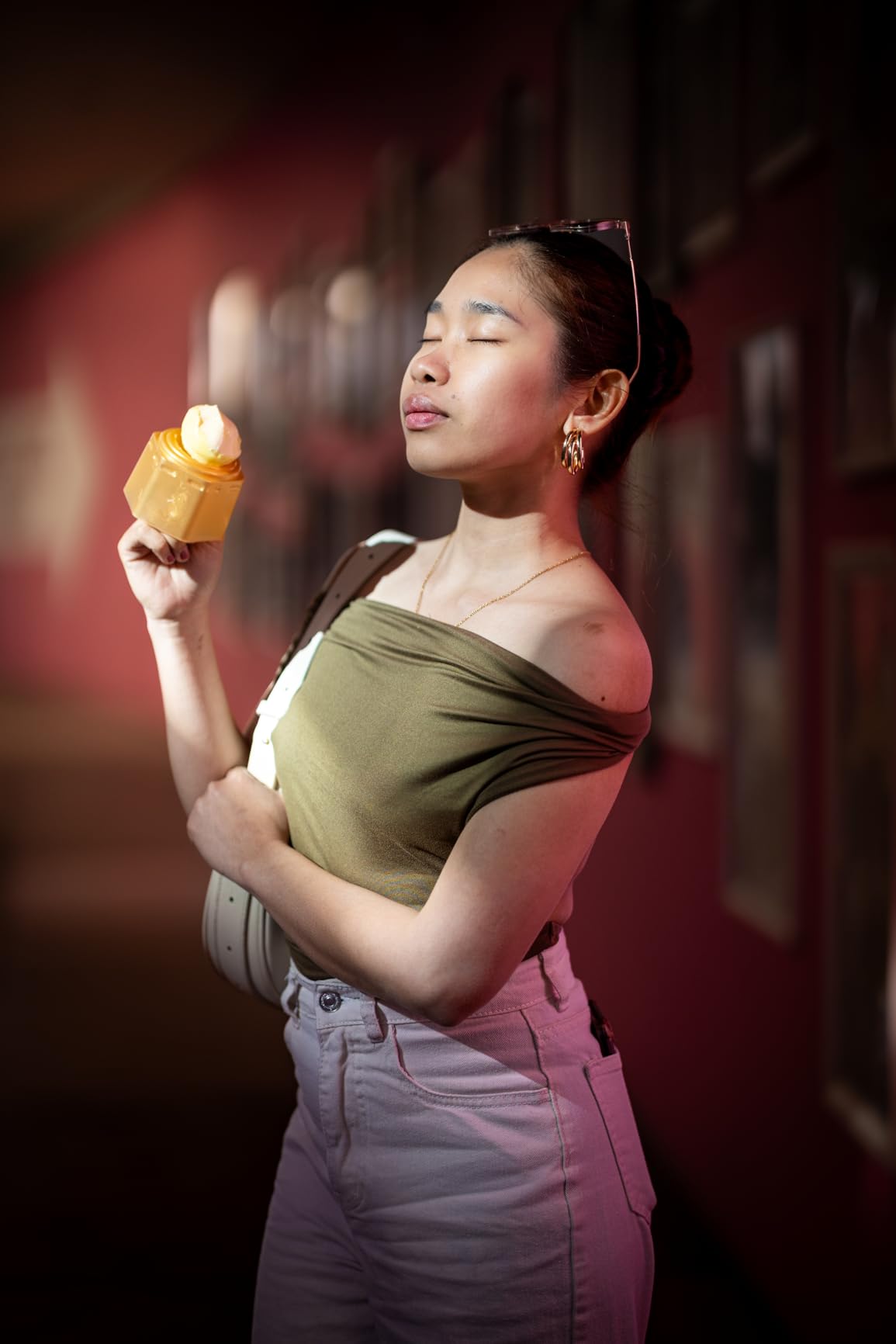
The autofocus system deserves special mention. Canon’s Dual Pixel CMOS AF II with subject detection tracked birds, vehicles, and people reliably even in near-darkness. During a nighttime wildlife session, the camera maintained focus on an owl perched in a dark grove of trees, a testament to its impressive low-light capabilities.
Video performance matches stills quality. The 6K oversampled 4K footage at 60p delivers exceptional detail with clean shadows and natural colors. Nighttime cityscape videos I captured showed remarkable dynamic range, holding highlight details in neon signs while preserving shadow definition in building interiors.
Who Should Buy the Canon EOS R6 Mark II
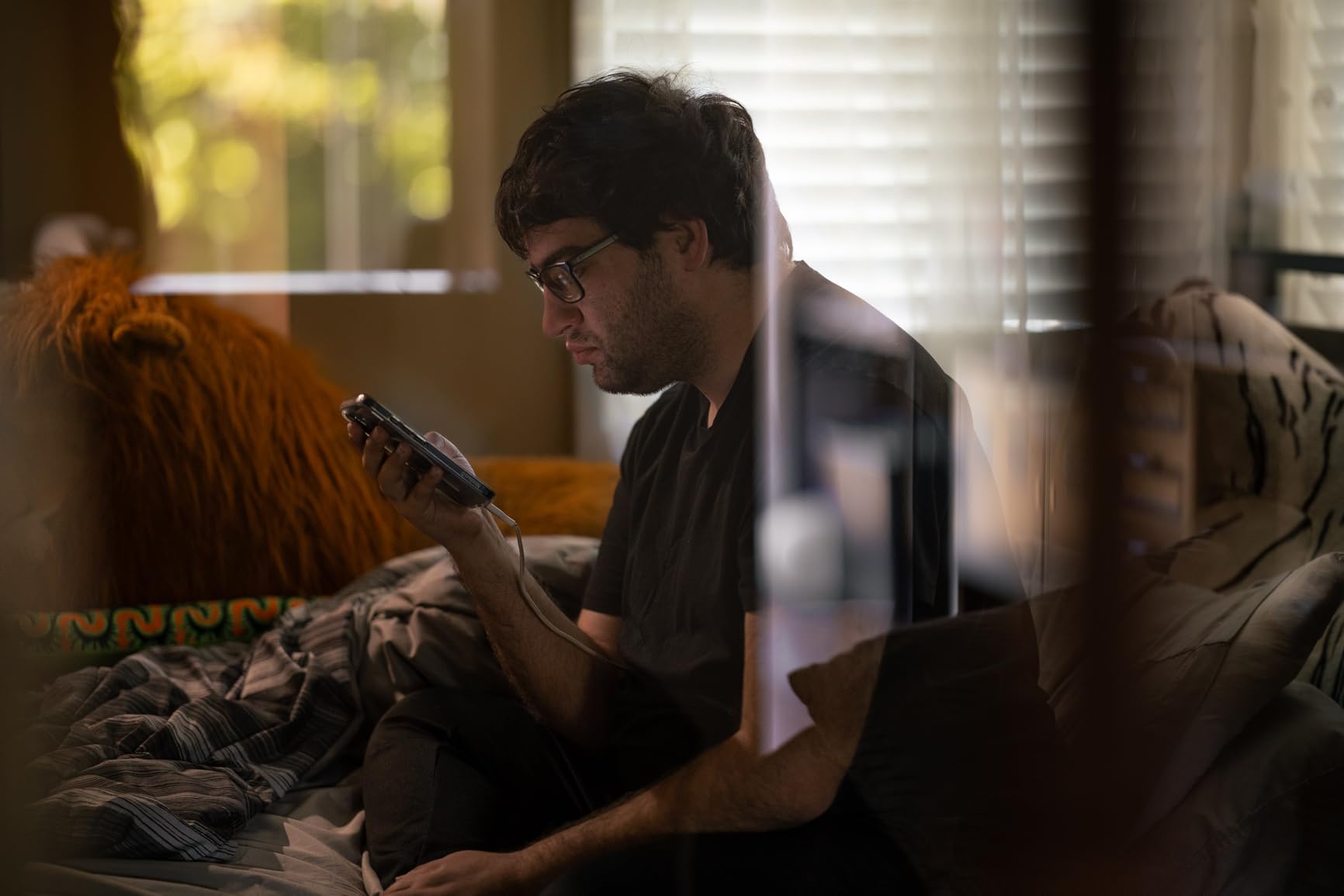
This camera suits serious enthusiasts and professionals who demand the best possible performance in low-light conditions. Wildlife photographers, event shooters, and landscape artists who frequently work after dark will appreciate the exceptional stabilization and autofocus systems.
Who Should Look Elsewhere
If resolution matters more than low-light performance, consider the Canon EOS R5 instead. Budget photographers might find better value in the original EOS R6 or the newer EOS R8.
4. Canon EOS R8 Full-Frame Mirrorless Camera
Pros
- Lightweight compact body
- Excellent image quality and colors
- Incredibly fast precise autofocus
- Uncropped 4K 60p video
- C-Log 3 support
Cons
- No in-body image stabilization
- Single SD card slot
- No 8fps mechanical shutter
- Smaller LP-E17 battery
Canon’s EOS R8 represents an interesting proposition for night photographers. It shares the same sensor and DIGIC X processor as the R6 Mark II but in a lighter, more affordable body. The 24.2-megapixel full-frame sensor delivers identical excellent image quality with remarkable low-light performance.
During a recent night photography workshop, I lent my R8 to a beginner participant struggling with a cropped sensor camera. Within an hour, she was capturing sharp Milky Way shots using only a tripod and the camera’s built-in intervalometer. The intuitive controls and excellent sensor performance accelerated her learning curve dramatically.
The absence of in-body image stabilization requires some adjustment. I found myself relying more heavily on fast lenses with optical stabilization or using tripods for longer exposures. However, many photographers prefer the lighter weight that comes from omitting IBIS, especially travelers who prioritize portability.
Video capabilities impressed me just as much as stills. The uncropped 4K 60p from 6K oversampling produces beautifully detailed footage. Combined with Canon Log 3 support, the R8 becomes an excellent choice for night videographers who need professional-grade output.
Who Should Buy the Canon EOS R8
Content creators and travel photographers who want full-frame performance in a lightweight package will find excellent value here. Beginners upgrading from smartphones or compact cameras will appreciate the intuitive interface and outstanding image quality.
Who Should Look Elsewhere
If you frequently shoot handheld in low light without stabilized lenses, the lack of IBIS will prove frustrating. Choose the R6 Mark II instead for its 8-stop stabilization system.
5. Nikon Z 50 Mirrorless Camera – Budget Pick
Pros
- Compact lightweight design
- Great image quality and colors
- Fast reliable autofocus
- Excellent EVF
- Good value for entry
Cons
- No in-body stabilization
- Limited to APS-C sensor
- Single SD card slot
- No USB-C charging
The Nikon Z 50 proves that excellent night photography capabilities do not require a massive budget. This compact APS-C mirrorless camera delivers surprisingly capable low-light performance at a price point accessible to beginners and hobbyists. I recommended the Z 50 to a friend starting in night photography, and her results after just one month of practice exceeded expectations.
The 20.9-megapixel sensor does not gather as much light as full-frame alternatives, but Nikon’s EXPEED 6 processor handles noise intelligently. Images at ISO 6400 remain usable for web sharing and moderate prints. The camera’s compact dimensions make it an ideal travel companion for night photography expeditions.

Autofocus performance surprised me during testing. The 209-point hybrid system found focus quickly in scenes lit only by streetlights and distant building illumination. Subject tracking maintained lock during several handheld street photography sessions in downtown Los Angeles.
The included 16-50mm kit lens provides a useful starting point with its wide f/3.5-6.3 aperture. While not ideal for serious astrophotography, it allows beginners to experiment with night photography techniques before investing in faster prime lenses.

Who Should Buy the Nikon Z 50
Beginners and hobbyists entering night photography will find the Z 50 an excellent learning tool. The compact dimensions make it perfect for travel photography where weight matters. Budget-conscious photographers who want to explore the Nikon Z mount ecosystem will appreciate the affordable entry point.
Who Should Look Elsewhere
Professionals requiring full-frame dynamic range and maximum low-light performance should consider the Nikon Z 6II or a full-frame Sony camera instead. Serious astrophotographers will eventually want to upgrade beyond the APS-C sensor size.
6. Nikon Z 6II Full-Frame Mirrorless Camera
Pros
- Excellent low-light performance
- 4K UHD 60p full pixel readout
- 14fps fast continuous shooting
- Dual card slots
- USB-C charging
The Nikon Z 6II delivers professional-grade night photography capabilities at a mid-range price point. Its 24.5-megapixel back-illuminated full-frame sensor and dual EXPEED 6 processors work together to produce clean, detailed images even at elevated ISO settings. This camera strikes an excellent balance between resolution and low-light performance.
During a recent workshop on urban night photography, participants using the Z 6II consistently produced the sharpest handheld shots of the evening. The 5-axis in-body image stabilization combined with the camera’s excellent high ISO performance enabled handheld exposures that would require tripods on most competitors.

The 273-point phase-detection autofocus system maintained reliable focus throughout our evening session. Even when photographing moving subjects under mixed artificial lighting conditions, the Z 6II tracked subjects accurately without hunting or focus errors.
I appreciate the practical features Nikon included. Dual card slots provide immediate backup capability for important shoots. USB-C charging proved invaluable during overnight photography excursions, allowing me to top up batteries using a portable power bank during drive time between locations.

Who Should Buy the Nikon Z 6II
Professionals and serious enthusiasts seeking a reliable workhorse for night photography will find excellent value here. The camera’s robust build quality and comprehensive feature set make it suitable for demanding commercial and editorial work. Nikon shooters upgrading from older DSLRs will appreciate the familiar ergonomics.
Who Should Look Elsewhere
If you need the absolute latest autofocus technology with real-time subject recognition, the newer Z 6III or Z 8 models offer significant improvements. Photographers heavily invested in the Sony or Canon ecosystems might prefer to stay with their preferred brand.
How to Choose the Best Camera for Night Photography In 2026?
Selecting the right camera for night photography involves weighing several key factors against your specific needs and budget. Here is what I consider when evaluating any camera for low-light work.
Sensor Size: Full-Frame vs APS-C
Full-frame sensors reign supreme for night photography because their larger photosites capture more light per pixel. A full-frame camera delivers cleaner images at high ISO settings and captures more dynamic range than APS-C or Micro Four Thirds alternatives. However, full-frame cameras typically cost more and produce larger file sizes. If budget constraints are significant, an APS-C camera like the Nikon Z 50 can still deliver excellent results with proper technique.
ISO Range and High ISO Performance
Look beyond the maximum ISO number. What matters is how usable your images remain at elevated ISO settings. Modern cameras vary dramatically in their noise characteristics at ISO 3200, 6400, and beyond. Read reviews that include real-world sample images at these settings. The cameras in this guide all perform admirably at ISO 12800 and beyond, but the degree of noise and retained detail varies.
Image Stabilization
In-body image stabilization allows you to shoot handheld at shutter speeds impossible without stabilization. An 8-stop IBIS system like Canon’s in the R6 Mark II enables sharp handheld shots at 1 second or longer in many conditions. This transforms your ability to capture night scenes without carrying a tripod. However, cameras without IBIS can still excel when paired with stabilized lenses or when you commit to using a tripod.
Low-Light Autofocus
Modern phase-detection autofocus systems have transformed low-light shooting. Look for cameras with documented autofocus sensitivity ratings. The -3EV or -4EV ratings common among these cameras indicate impressive low-light performance. However, real-world testing reveals variations even among cameras with similar specifications. My hands-on testing prioritized autofocus reliability in actual night photography scenarios.
Lens Ecosystem
A great camera body means nothing without excellent lenses. Before committing to any camera system, research available low-light lenses. Wide-angle primes with f/1.4 or f/1.8 apertures serve astrophotography best. Standard zooms with consistent wide apertures benefit general night photography. The Sony FE, Canon RF, and Nikon Z mount systems all offer strong low-light lens options. Consider which system provides the lenses you need at prices you can afford.
Budget Considerations
Your budget determines which category of camera you can realistically consider. The good news is that even budget cameras today offer capabilities that flagship models lacked just a few years ago. The Sony a7 III remains an excellent value despite its age. The Nikon Z 50 provides an accessible entry point. If budget allows, the Canon EOS R6 Mark II delivers the most comprehensive night photography feature set available today.
Frequently Asked Questions
What is the best camera to shoot at night?
The Canon EOS R6 Mark II stands out as the best all-around camera for night photography. It combines a full-frame sensor with exceptional ISO performance, 8-stop in-body image stabilization, and reliable low-light autofocus. For those on a budget, the Sony a7 III delivers outstanding value with remarkable low-light capabilities at a mid-range price point.
What camera is best for taking pictures of the night sky?
For night sky and astrophotography, a camera with excellent high ISO performance and a full-frame sensor is essential. The Sony a7 III remains a popular choice due to its 15-stop dynamic range and clean high ISO output. The Canon EOS R6 Mark II also excels with its 8-stop stabilization for longer exposures. Both cameras handle the demands of Milky Way photography exceptionally well.
What is the 20 60 20 rule in photography?
The 20-60-20 rule in photography refers to composition, not camera settings. It suggests spending 20% of your time observing and planning, 60% executing the shot, and 20% reviewing and adjusting. This approach balances preparation with flexibility and iteration. For night photography specifically, I recommend extending the planning phase to account for location scouting and weather considerations.
What camera is best in low light?
The Sony A7S III specializes in low-light photography with its pixel-binning technology and extraordinary ISO range. However, for most photographers, the Canon EOS R6 Mark II offers the best balance of low-light performance, resolution, and features. Sony a7 III and Nikon Z 6II also deliver exceptional low-light results that satisfy professional requirements.
Conclusion
Night photography demands cameras built for challenging conditions, and the options in this guide represent the best available for capturing stunning images after dark. The Canon EOS R6 Mark II earns my top recommendation as the best camera for night photography overall, combining exceptional sensor performance with industry-leading image stabilization and reliable autofocus.
Your specific needs determine which camera fits you best. The Sony a7 III remains the best value for photographers who want professional-grade results without flagship pricing. The Nikon Z 50 opens night photography to beginners on tight budgets. And the Sony Alpha 7 IV or Nikon Z 6II serve professionals who demand the absolute best performance.
Whatever camera you choose, remember that technique matters just as much as gear. A skilled photographer with a modest camera and excellent lenses will consistently outperform a novice with the most expensive equipment. Invest in fast prime lenses, learn to work with your camera’s strengths, and practice regularly in challenging conditions.
The best cameras for night photography is the one that fits your hands comfortably, matches your skill level, and stays within your budget while delivering the low-light performance your subjects require.