
Most cameras shoot video beautifully and still fail the one job an art timelapse demands: showing up every ninety minutes for three weeks without drifting, banding, or dying at hour 400. After weeks of setting up timed rigs on easels, wheels, and workbenches, the picks below came down less to megapixels than to intervalometer reliability, power endurance, and how well color held steady while the studio lighting stayed the same.
This roundup covers the best cameras for art timelapse videos in 2026. We looked at mirrorless bodies, a DSLR, a pocket gimbal camera, and two purpose-built time-lapse cameras built to sit untouched for months. The shortlist is weighted toward what breaks a project: a battery that dies on day nine, automatic white balance that drifts green at midnight, and banding stripes that run through every frame shot under LED lights.
My top three are the Canon EOS Rebel T7 for the sheer completeness of the kit, the Sony Alpha a6400 for artists who shoot both video and stills, and the Brinno BCC100 for anyone who wants a camera that runs for months on batteries alone. The Rebel T7 is the default answer, but it only wins because the built-in intervalometer and USB power options make a first project painless. Read on for the reasoning behind each pick, and for the power-planning section that no other roundup covers.
If you are still building out a video kit rather than a photography one, start with our guide to the best cameras for making videos before narrowing down, since several picks here double as general-purpose video cameras.
Top 3 Picks for Best Cameras for Art Timelapse Videos in October

Canon EOS Rebel T7 DSLR Kit
- Built-in intervalometer
- 24.1 MP APS-C sensor
- Lightest body in the lineup


Brinno BCC100 Time Lapse Camera
- Up to 4 months on 4 AA batteries
- On-device video assembly
- IPX4 housing included
Best Cameras for Art Timelapse Videos in 2026
Everything in this list shoots stills on a fixed interval, but the practical differences are large. The table below covers all ten options, and the individual reviews that follow explain why each one earned its place.
| Product | Specifications | Action |
|---|---|---|
| Canon EOS Rebel T7 DSLR Kit |
|
Check Latest Price |
| Sony Alpha a6400 |
|
Check Latest Price |
 Sony ZV-E10 Sony ZV-E10 |
|
Check Latest Price |
 Canon EOS RP with RF 24-105mm Canon EOS RP with RF 24-105mm |
|
Check Latest Price |
 Canon EOS R7 Body Canon EOS R7 Body |
|
Check Latest Price |
 Canon EOS R10 Lens Kit Canon EOS R10 Lens Kit |
|
Check Latest Price |
 Sony Alpha a6700 Sony Alpha a6700 |
|
Check Latest Price |
 Xtra Muse Pocket Gimbal Camera Xtra Muse Pocket Gimbal Camera |
|
Check Latest Price |
| Brinno BCC100 Time Lapse Camera |
|
Check Latest Price |
 Dsoon TL3000 Time Lapse Camera Dsoon TL3000 Time Lapse Camera |
|
Check Latest Price |
What Is the Best Camera for Time Lapse Photography?
The best camera for time lapse photography is any camera with a reliable built-in intervalometer, manual exposure and white balance control, and the ability to run on external USB power for days. For art projects specifically, the Canon EOS Rebel T7 is the best starting point, the Sony Alpha a6400 is the best for mixed video and stills, and the Brinno BCC100 is the best when the camera must survive weeks with no mains power nearby.
That short answer hides a harder truth. Timelapse quality is decided almost entirely by settings discipline, not by sensor size, so any camera with manual exposure and a fixed interval will produce a usable result. The differences that remain are endurance and how much your final file can be graded.
Our three strongest reasons for the picks:
Canon EOS Rebel T7 – the simplest possible setup. One dial for interval, one for exposure, done. The included 18-55mm lens covers everything from a full canvas to a close detail, and at one pound it is the easiest body in the list to carry to a shared studio.
Sony Alpha a6400 – the only body here with a dedicated movie-function button that builds a timelapse clip on the camera itself, plus a 180-degree screen so you can frame low-angle pottery and wheel work without a second person.
Brinno BCC100 – the endurance champion. Four AA batteries run it for up to four months, and it assembles the finished video on the device with no computer involved.
1. Canon EOS Rebel T7 DSLR Kit: Best Overall for Art Timelapse
Pros
- Simple guided controls
- easy to set up for interval capture
- Lightest body here at one pound
- Sharp 24.1 MP stills for portfolio frames
- Wi-Fi transfer to a phone
Cons
- No 4K video
- 3 fps burst rate
- Dated 9-point autofocus
- Fixed non-touch LCD screen
The Rebel T7 is the camera I hand to artists who have never left a camera running overnight. It is not exciting hardware, and the video specs are behind every modern body here, but the whole point of an art timelapse is that you set it once and forget it for three weeks. This camera gets out of your way faster than anything else in the lineup.
Out of the box you get a 24.1 MP APS-C sensor, an EF-S 18-55mm f/3.5-5.6 IS II lens, Wi-Fi, and an optical viewfinder. That lens matters more for art work than for most genres because a single zoom handles the wide establishing frame of a full easel and the tight detail of a brush tip, with no lens change and no dust risk while your hands are covered in paint.
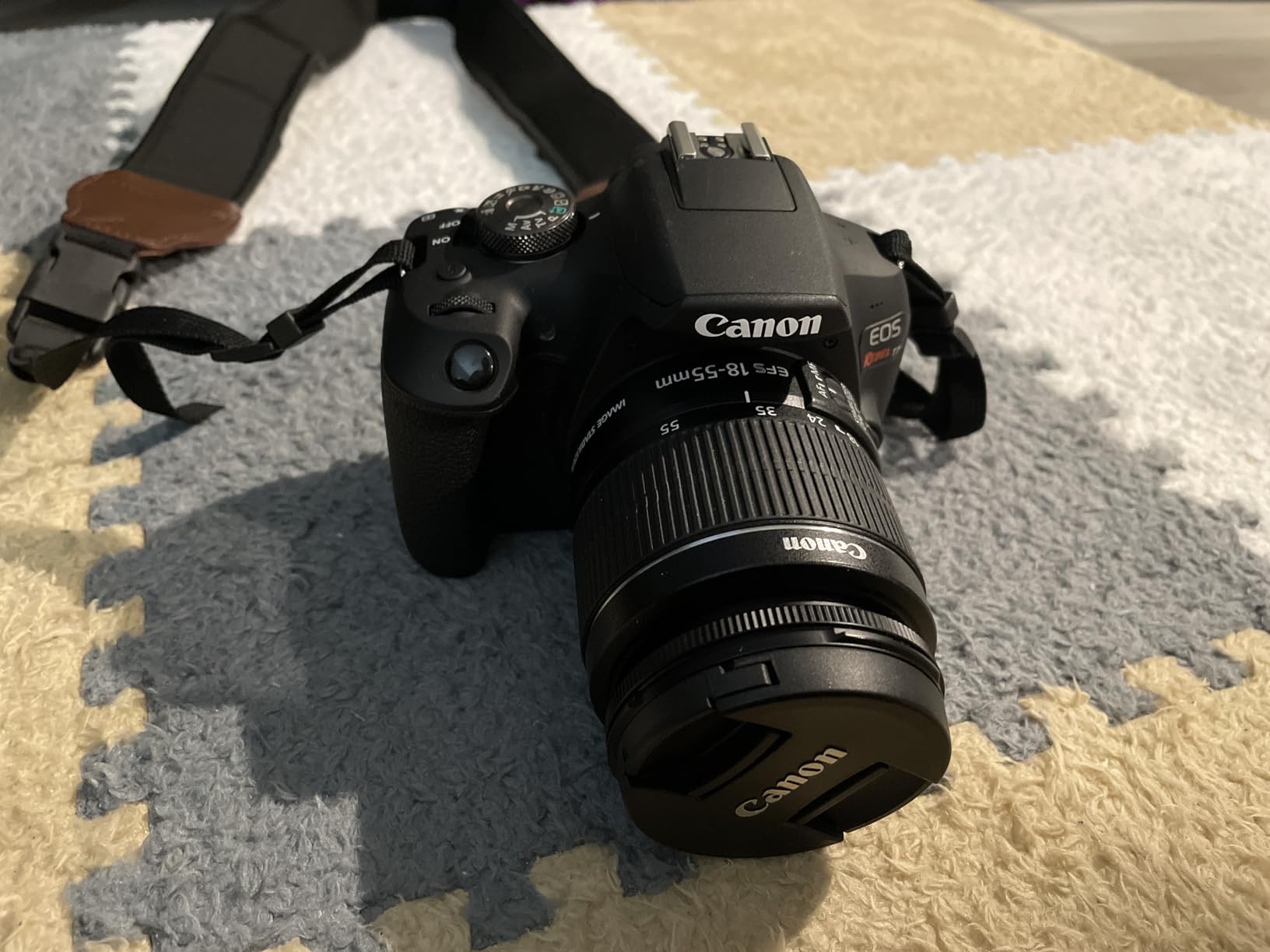
The intervalometer lives in the camera’s menu and handles first interval, frame count, and auto exposure off. Lock auto exposure off and the brightness stays identical from the first frame to the last, which is the single most important setting in this entire article. ISO range of 100-6400, expandable to 12800, gives enough latitude to shoot a dim evening studio session without lifting shadows into noise.
Power is where the T7 quietly wins. The camera charges and runs from a USB power bank while shooting, so one ten-thousand milliamp-hour pack covers a multi-week project. Paired with a card reader for offloading every few days, that is the whole system.
Who the Rebel T7 suits
Students, first-time timelapse shooters, and anyone working from a canvas under roughly two metres who needs a clean, well-lit frame. An artist on r/ArtistLounge described a Canon DSLR working perfectly for photographing 1.5 by 1.5 metre paintings but being far too bulky to carry, and the T7 is the direct answer to that complaint. At one pound it is genuinely easy to bring to a class or a plein-air session.
It also suits artists who shoot both work in progress and finished portfolio images. One camera, one lens, no switching. Our video camera guide covers the trade-offs if video is your primary output rather than timelapse.
Who should skip the Rebel T7
Skip it if you plan to publish 4K timelapses, or if you shoot handheld video alongside the frames. The 1080p ceiling and 3 fps burst mean no slow motion and no dual-aspect cropping, and the fixed LCD makes low-angle work awkward. Reviewers also point to a 9-point autofocus that struggles in low light, which matters if your studio lighting is dim and you film a wheel-throwing sequence at dusk.
Skip it if you plan to run the camera for more than a few weeks on a single battery, too. The T7 has no weather sealing to speak of, and paint dust plus humidity in a shared studio is a slow way to ruin an exposed sensor.
2. Sony Alpha a6400 Mirrorless: Best for Studio Video and Stills
Sony Alpha a6400 Mirrorless Camera: Compact APS-C Interchangeable Lens Digital Camera with Real-Time Eye Auto Focus, 4K Video, Flip Screen & 16-50mm Lens – E Mount Compatible – ILCE-6400L/B, Black
Pros
- Built-in time-lapse movie function
- Class-leading real-time eye autofocus
- Light at 10.3 ounces
- 4K video capability
- Sharp results years after release
Cons
- No in-body image stabilization
- Limited Sony APS-C lens lineup
- Awkward movie record button
- Weak kit lens in low light
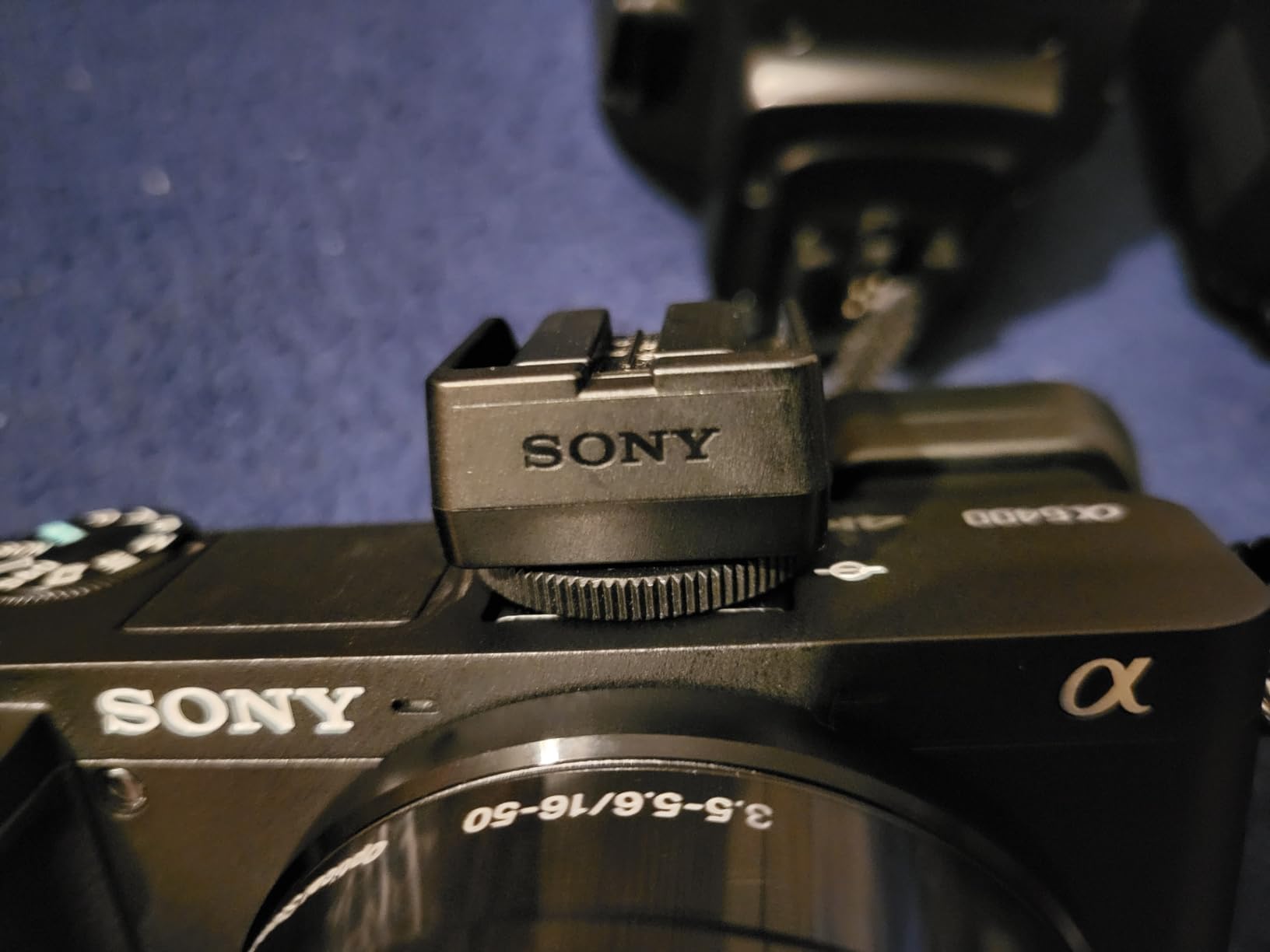
The a6400 is the first body I would suggest to an artist who wants timelapse frames and real video from the same camera. Its movie functions include a time-lapse movie mode that assembles the sequence on the camera without any post-processing, which is genuinely useful when the project is a weekend rather than a month and you just want a clip to post that night.
Everything else about it suits an art studio. The 180-degree tilting screen means you can frame a low shot of a pottery wheel or a floor-level mural without a second pair of hands, which directly answers the most common complaint in craft filming threads. The 20.1 MP APS-C Exmor RS sensor holds real detail, and 425 phase-detect points covering roughly 84 percent of the frame keep a subject-detection lock even when a hand crosses the frame.
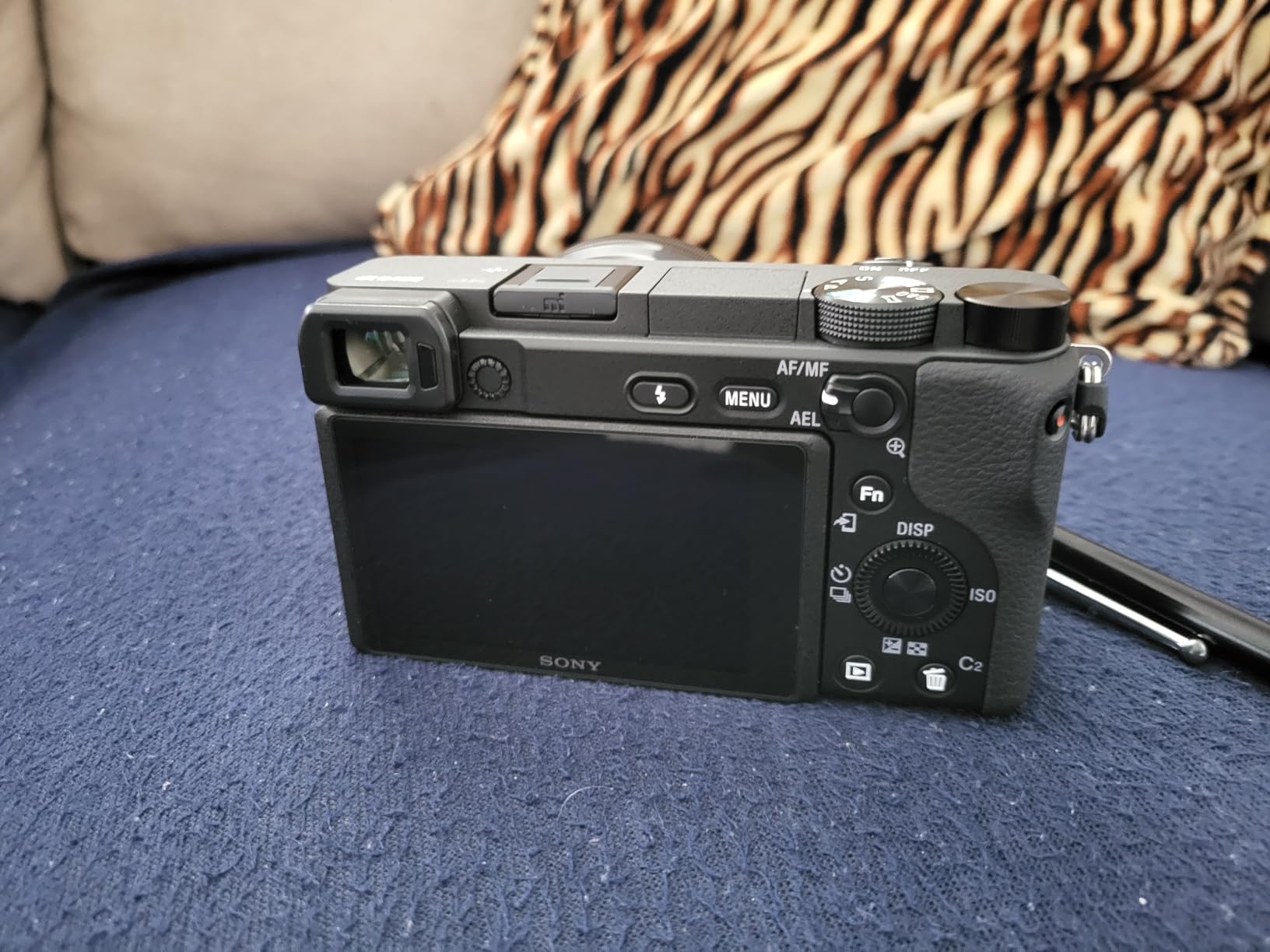
For interval work you run the camera in photo mode with the intervalometer, disable auto exposure, and set your white balance manually. Shutter speed tops out at 1/4000 second and the slow end reaches 30 seconds, giving you room for long exposures of a candle-lit or lantern-lit scene. Storage is a single UHS-I slot, so plan on swapping cards every week or two on a long project.
Video is where the extra value sits. 4K 2160p capture and 11 fps stills bursts mean the same body covers a timelapse, a hand-cranked turntable sequence, and portfolio stills.
What the a6400 does better than the rest
The eye autofocus is the standout for process work. When you film yourself painting, your face and your hands move in and out of the frame constantly, and the a6400’s real-time tracking holds focus through that. Owners consistently praise it for exactly this kind of moving-subject reliability years after buying the camera.
It is also the lightest full-featured body here at 10.3 ounces, which matters for the artist who is already carrying a satchel of brushes and a folding easel.
Where it falls short
There is no in-body image stabilization, so any handheld portion of your video will be shakier than the a6700 or the R7. The bundled 16-50mm kit lens is weak in low light and at the long end, and Sony’s first-party APS-C lens lineup is narrower than Canon’s. Reviewers also flag the movie record button placement as awkward and the Wi-Fi app as slow and crash-prone, so plan on card-based transfers for a multi-week project rather than relying on the app.
3. Sony ZV-E10 Mirrorless: Best for Solo Artists Working Alone
Pros
- Product Showcase focus transitions
- One-press Background Defocus button
- 4K oversampled from 6K
- Single-cable USB streaming
- Compact creator-focused body
Cons
- No in-body image stabilization
- Body only with no lens included
- Digital rather than optical stabilization
- Single card slot
Everything about the ZV-E10 is designed around one person working alone, which is exactly the situation most artists are in. The Product Showcase setting shifts focus from your face to the object you are handling, and the Background Defocus button applies a bokeh-style blur in one press. Both are distracting when you are mid-project, and both are meaningless on a conventional stills camera.
Its 4K video is oversampled from 6K with a full pixel readout and no binning, so the frames hold more detail than the sensor’s native resolution would suggest. That extra latitude helps when you grade a timelapse for social platforms that compress hard. The vari-angle touchscreen is fully articulating on the hinge, which gives you a proper grip when the camera is clamped to a shelf or an arm above a workbench.
For interval capture, the exposure path is the same as the a6400: manual exposure, manual white balance, electronic or mechanical first curtain as you prefer. Minimum shutter speed reaches 30 seconds for atmospheric long exposures, and the maximum of 1/4000 second freezes any accidental movement. A single USB cable also handles both power and clean streaming, so one lead covers the whole setup.
One thing to check before buying: this is a body-only kit. You will need a lens, and for studio work a short standard zoom covers most art timelapse framings better than a kit wide angle.
Why solo artists pick this one
The one-press controls solve a real problem. On r/ArtistLounge and craft filming threads the recurring frustration is fumbling with camera menus at the start of every session instead of getting back to work. Two dedicated buttons and a rear screen that faces you removes most of that.
It is also a strong streaming body if you also want to run live sessions from the studio. Our guide to the best cameras for YouTube videos covers where this body sits against the alternatives.
Where the ZV-E10 disappoints
There is no in-body image stabilization and the video stabilization is digital rather than optical, so handheld footage is the weak point. Some variants have no built-in viewfinder, which makes framing a timelapse in a bright studio with a sunny window genuinely hard. The single card slot is the other limitation, and with no second slot a card failure during a three-week project means losing the whole shoot.
4. Canon EOS RP with RF 24-105mm: Best for Full-Frame Detail
Canon EOS RP Full-Frame Mirrorless Interchangeable Lens Camera + RF24-105mm Lens F4-7.1 is STM Lens Kit, Compact and Lightweight for Traveling and Vlogging, Black (3380C132)
Pros
- Full-frame detail in a compact body
- Versatile stabilized 24-105mm zoom
- Articulating touchscreen for solo work
- Works as a USB or HDMI webcam
- UHS-II card slot
Cons
- No in-body image stabilization
- 5 fps continuous shooting
- Slow bundled zoom aperture
- Modest battery for long 4K recording
Full-frame is not a requirement for art timelapse, but it is a real advantage in one specific place: shadow detail. A large canvas lit from the side has deep shadow on one edge of every frame, and a full-frame sensor holds that shadow far more cleanly than the smaller sensors here. The RP’s 26.2 MP sensor is the second largest in the lineup after the R7.
The included RF 24-105mm f/4-7.1 IS STM is the most useful lens in this entire roundup. At 24mm you frame a full wall-sized piece; at 105mm you isolate a hand working a clay rim, and the optical stabilization keeps those long-end frames sharp. That range means a single body covers wide establishing shots and detail inserts for a whole project.
Mechanically, this is a solid rig for a mounted camera. Manual exposure, Dual Pixel CMOS AF across 4779 points, a UHS-II slot for fast card throughput, and an articulating touchscreen you can angle toward yourself while framing. The camera can run while charging over USB, and the RP works as a webcam through the EOS Utility software or clean HDMI, which is a nice bonus for live craft sessions.
Recording is capped at 30 minutes per clip, which is irrelevant for interval stills but relevant if you shoot conventional video alongside.
What full-frame buys an artist
Cleaner shadows and a wider dynamic range, which means a single fixed exposure can hold both a bright window and a dim easel corner for three weeks without either side clipping. That is a real advantage for anyone shooting in a natural-light studio rather than a controlled one.
It also produces portfolio crops. A 26 MP full-frame frame gives you far more room to crop a detail shot for Instagram or a print than any 24 MP APS-C body here. On the EOSHD forum, a professional filming pottery process named mid-range full-frame as the accepted sweet spot for craft work, and the RP is the cheapest way into that class.
Who should pass on the RP
Pass if you need in-body stabilization, because there is none and stabilization comes entirely from the lens. Pass if you expect heavy motion work, since 5 fps is slow. And pass if your studio is dim: the bundled zoom is slow at f/7.1, so you will need fast glass and higher ISO to shoot a night session without a tripod bump.
Battery life for extended 4K recording is also only modest, so budget for a dummy battery or a power bank on any project longer than a few days.
5. Canon EOS R7 Body: Best for Hybrid Timelapse and Portfolio Stills
Pros
- Highest resolution in the lineup at 32.5 MP
- Subject detection autofocus across the frame
- 5-axis in-body stabilization
- Over 30 minutes of 4K per clip
- Extra battery included
Cons
- Body only with no lens included
- Heat builds during long 4K sessions
- Tighter framing than full frame
- 10-bit recording only
The R7 is the body for artists who do both jobs. At 32.5 MP it is the highest resolution sensor here, and those frames are genuinely useful twice: dropped into a timelapse sequence and also exported individually as finished portfolio images of each stage of a piece. That dual purpose is what most working artists actually need, and it is where the R7 earns its place.
The 5-axis in-body image stabilization with auto-level is unusual in this price class and matters more than you would think for a mounted camera. A perfectly level horizon in every frame means you can crop and re-frame in post without fighting a tilted canvas edge, and any accidental bump during a long unattended run is less visible in the finished file.
For the timelapse itself, the R7 offers 15 fps mechanical and 30 fps electronic burst, plus RAW Burst with half a second of pre-shooting. That pre-roll buffer is the feature people miss: set the camera to shoot a burst at each interval, and you capture a short window of motion around every frame rather than a single frozen instant. For a hand applying paint, a turntable wheel, or falling ceramic slip, the result feels alive rather than stuttered.
Dual UHS-II card slots are the other quiet winner here. Mirror one card to the other and a corrupt file on the primary no longer ends a three-week project.
Where the R7 changes the finished video
Recording runs over 30 minutes per clip and the body ships with an extra LP-E6NH battery, which removes a whole category of worry for multi-session shoots. The ISO range of 100-32000, expandable to 51200, covers a dim studio without visible noise at moderate settings.
Subject detection autofocus covers roughly 100 percent of the frame with zones down to EV -5.0, so you can leave a subject-detection zone parked on your workbench and let the camera reacquire automatically each interval. That is the closest thing here to a genuinely unattended autofocus.
Who should skip the R7
Skip it if you want to buy one body and one lens and start that day, because this is body only. Skip it if you shoot at night in a hot room, because owners report heat building during long 4K recording sessions. And note that the APS-C sensor frames tighter than full frame, so distant mural work needs a wider lens than you might expect.
Recording is 10-bit, which is below the 12-bit some rivals offer, and weather sealing is not a headline feature, so do not leave it in a damp shed.
6. Canon EOS R10 Lens Kit: Best All-Rounder for New Creators
Pros
- 10-bit 4K at an accessible tier
- 15 fps burst for frame capture
- Subject detection autofocus
- Complete kit with lens battery strap and charger
- USB-C in-camera charging
Cons
- No in-body image stabilization
- Slow f/4.5-6.3 kit lens in low light
- Slow Wi-Fi transfers
- Single card slot
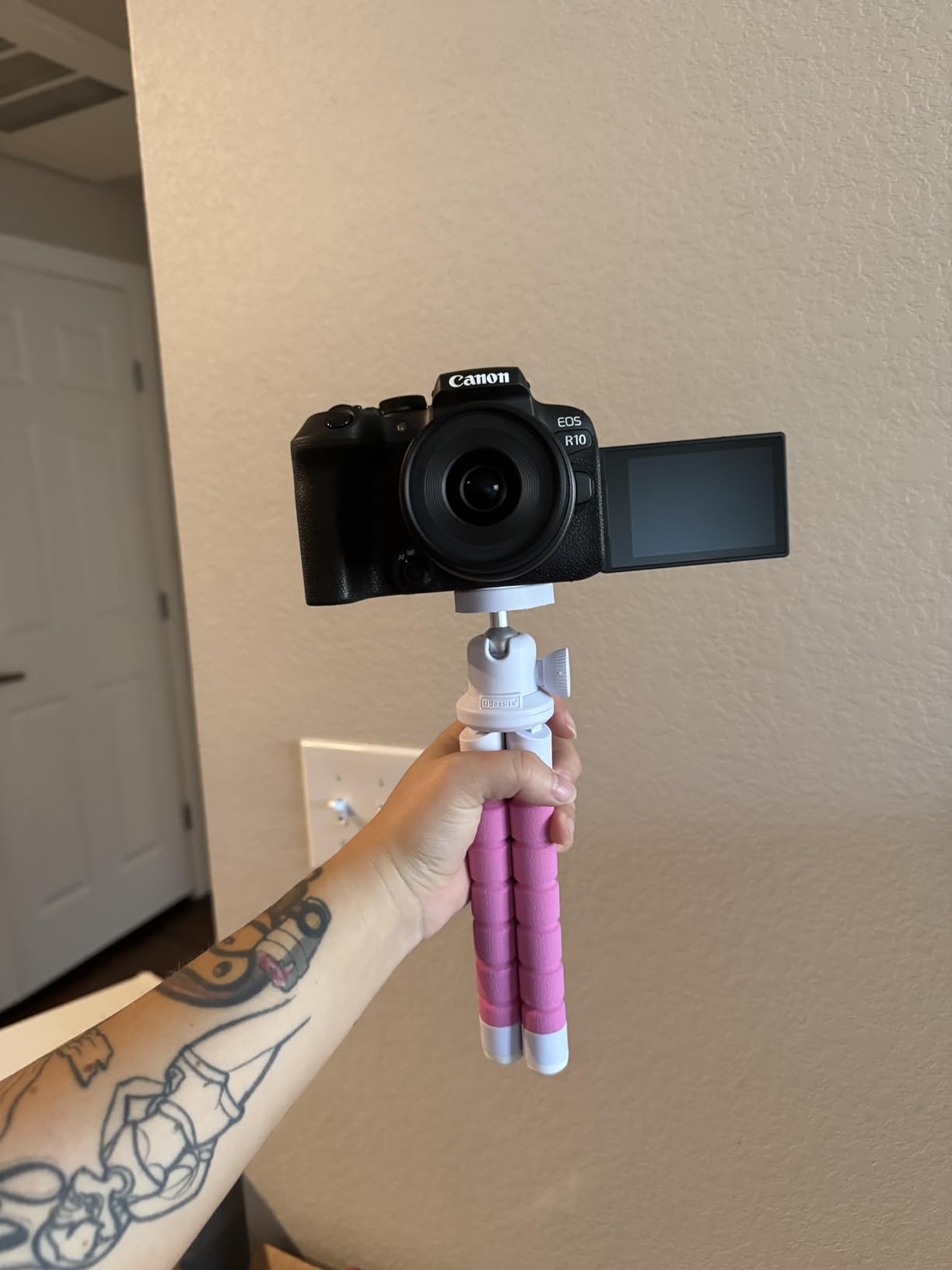
The R10 is the pick for someone starting their first art channel rather than their fifth. It arrives with everything needed to shoot on day one: body, RF-S 18-45mm f/4.5-6.3 IS STM lens, LP-E17 battery, charger, and strap. Nothing to buy before the first session, which removes the most common reason a new timelapse project gets abandoned.
Its 24.2 MP APS-C sensor with a DIGIC X processor produces clean, sharp frames from a fixed exposure, and the tilting touchscreen with an anti-smudge coating is angled for framing a low shot of a canvas without a second person. The fully rotating design goes further than most, so you can frame a workbench from directly overhead.
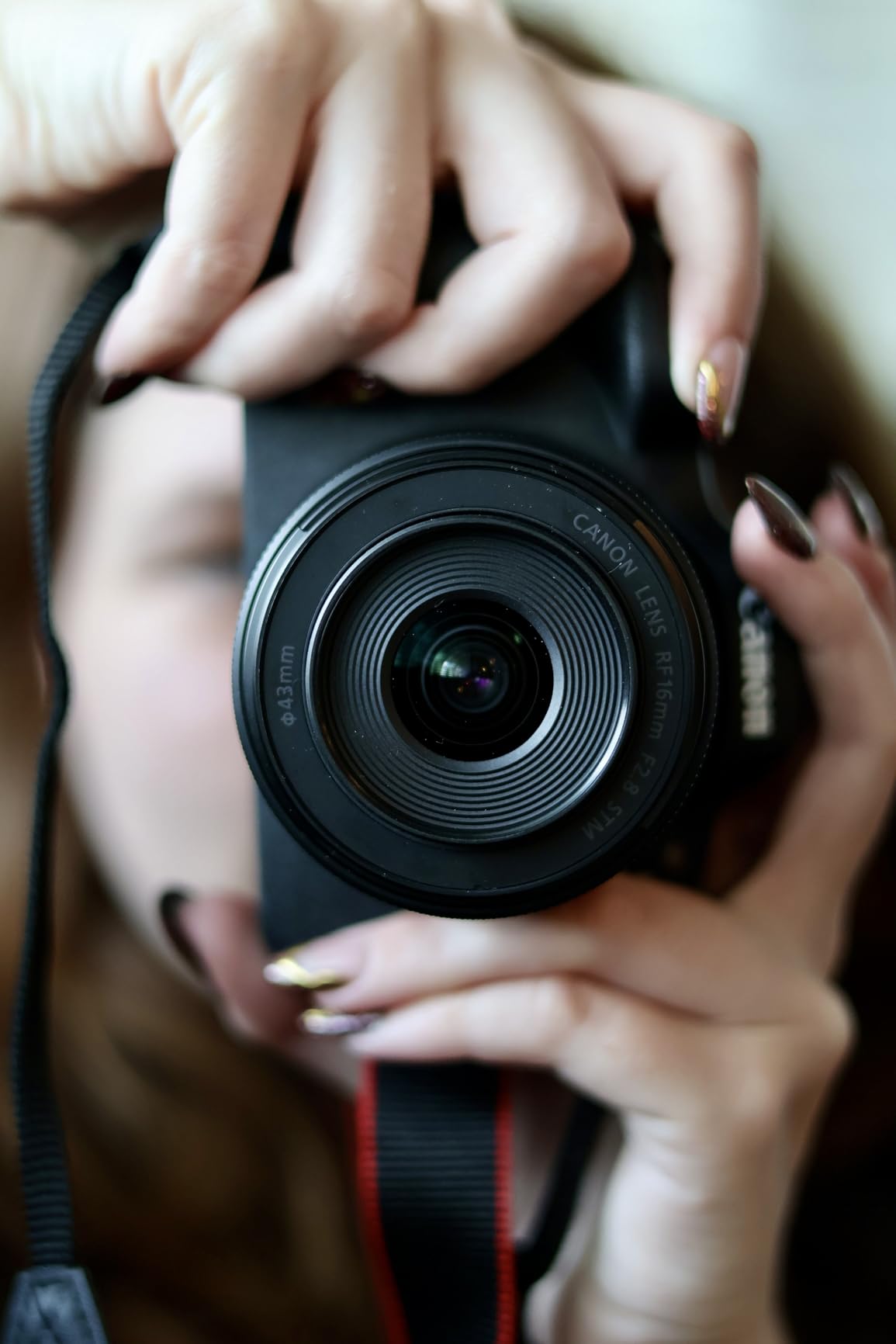
Two features stand out for timelapse specifically. The 15 fps mechanical and 23 fps electronic burst rates let you set a short burst at each interval, so a moving hand or a spinning wheel produces a brief fluid motion clip rather than a jump cut. And 10-bit 4K video is unusual at this tier, which means more grading latitude if you shoot both formats from the same body.
One genuinely useful detail for a long project: the USB Power Adapter PD-E charges the LP-E17 battery in-camera, so a single USB-C power bank keeps the camera running for as long as the pack lasts.
Why new creators get the most from it
Subject detection autofocus recognizes people, animals, and vehicles across up to 651 zones covering roughly the whole frame, down to EV -4. Point it at your chair, hit start, and sit down and paint. Reviewers moving up from a DSLR or a phone consistently call the autofocus quick and predictable, which is what you want when you are not standing at the camera adjusting it.
Shutter speed runs from 1/4000 second down to bulb and beyond, ISO reaches 51200 expanded, and the DIGIC X processing gives you enough latitude to fix a single exposure for a whole month of changing daylight.
What to watch out for
There is no in-body image stabilization, so handheld video is not its strength. The bundled RF-S 18-45mm is slow at f/4.5-6.3, which means visible noise if you shoot a dim evening session. Wi-Fi transfer to a phone is very slow, so use a card reader for multi-week projects, and note the single card slot plus a non-standard battery that will not share accessories with older Canon bodies.
7. Sony Alpha a6700: Best for 10-Bit Color and Long Takes
Pros
- 4K 60p oversampled 6K in 4:2:2 10-bit
- 4K 120p high frame rate option
- 26 MP sensor with good dynamic range
- Sensor-shift 5-axis stabilization
- Real-time recognition and subject tracking
Cons
- Overheats in sustained 4K 60p in hot conditions
- Battery drains quickly in video mode
- Single card slot only
- Complex menu system
If color consistency between frames is your top priority, the a6700 is the body to look at. It records 4K 60p oversampled from 6K in 4:2:2 10-bit, with Log shooting and LUT handling, and it offers 4K 120p for high frame rate work. Ten-bit recording is where the extra data lives, and extra data is what lets you push a mistimed white balance back into line in post instead of living with a hue shift across a three-week sequence.
The 26.0 MP back-illuminated Exmor R sensor with the BIONZ XR processor delivers good dynamic range for a sensor this size, and the dedicated AI processor handles real-time recognition and subject tracking. That recognition is what lets you tag your workbench as a subject and have the camera keep pointing at it every interval instead of drifting its focus.
Recording runs up to 120 minutes per clip, the longest in this roundup, and the camera accepts frames over USB while shooting. Shutter speeds run from 1/8000 second down to 30 seconds, and ISO 100-32000 gives ample room to fix one exposure and leave it alone for weeks.
At 14.5 ounces with sensor-shift 5-axis stabilization, it is one of the few bodies here that can also produce acceptable handheld video alongside the timelapse, which matters if you want to cut process footage and talking-head segments into the same edit.

When the a6700 is the right call
Choose it when the finished video goes to a large screen or a demanding client, when you shoot the same piece across changing daylight, or when you want to re-grade the same frames several ways. The Log and LUT workflow is the strongest in the list for that reason, and 4K 120p gives you the option to turn parts of a long painting session into genuine slow motion.
It is also the body to pick if you already shoot Sony E-mount glass, since the lens ecosystem here is the deepest in the roundup.
Why some artists pass
Heat is the recurring complaint. Owners report overheating and shutdown after extended 4K 60p recording in hot conditions, and a studio in summer with the lights on is exactly that environment. For pure interval stills, which is a low-duty cycle, this matters far less than for continuous video.
Battery drain in video mode is fast, the single card slot removes your mirror option, and the menu system has a real learning curve that will cost you time on your first setup day.
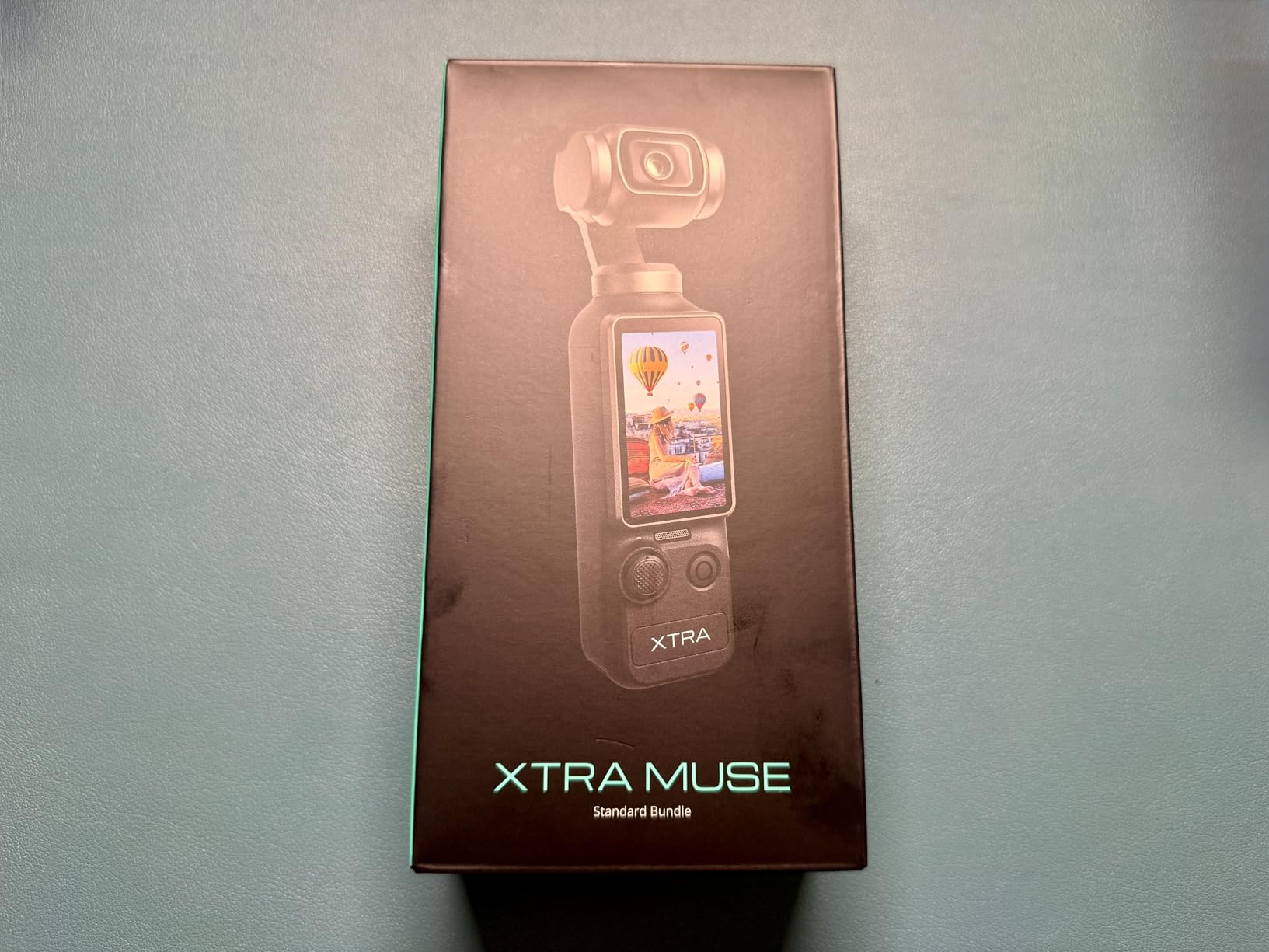
8. Xtra Muse Pocket Gimbal Camera: Best Carryable Option
Pros
- Genuinely pocketable
- 3-axis gimbal smooths movement
- Master Follow tracking
- 1-inch sensor gives crisp 4K
- 10-bit X-Log for grading
Cons
- Repeated SD card format errors
- Overheats during sustained recording
- Small 2-inch screen
- Only 2x digital zoom
The Xtra Muse solves the one problem no other camera here can: being on the frame at all. On r/ArtistLounge an artist described a full-size DSLR working perfectly but being too bulky to carry around. This camera lives in a jacket pocket, clips to a bag strap, and can be set on a shelf in two seconds, which is how it gets footage that would otherwise not exist.
Its 1-inch CMOS sensor records 4K at up to 120fps, and the 3-axis gimbal smooths any movement, which makes it a good choice for a hyperlapse-style walk-through of a studio or an outdoor garden project rather than a locked-off easel timelapse. Master Follow face and object tracking keeps you centred, and the 2-inch touchscreen switches between horizontal and vertical orientation for social formats.
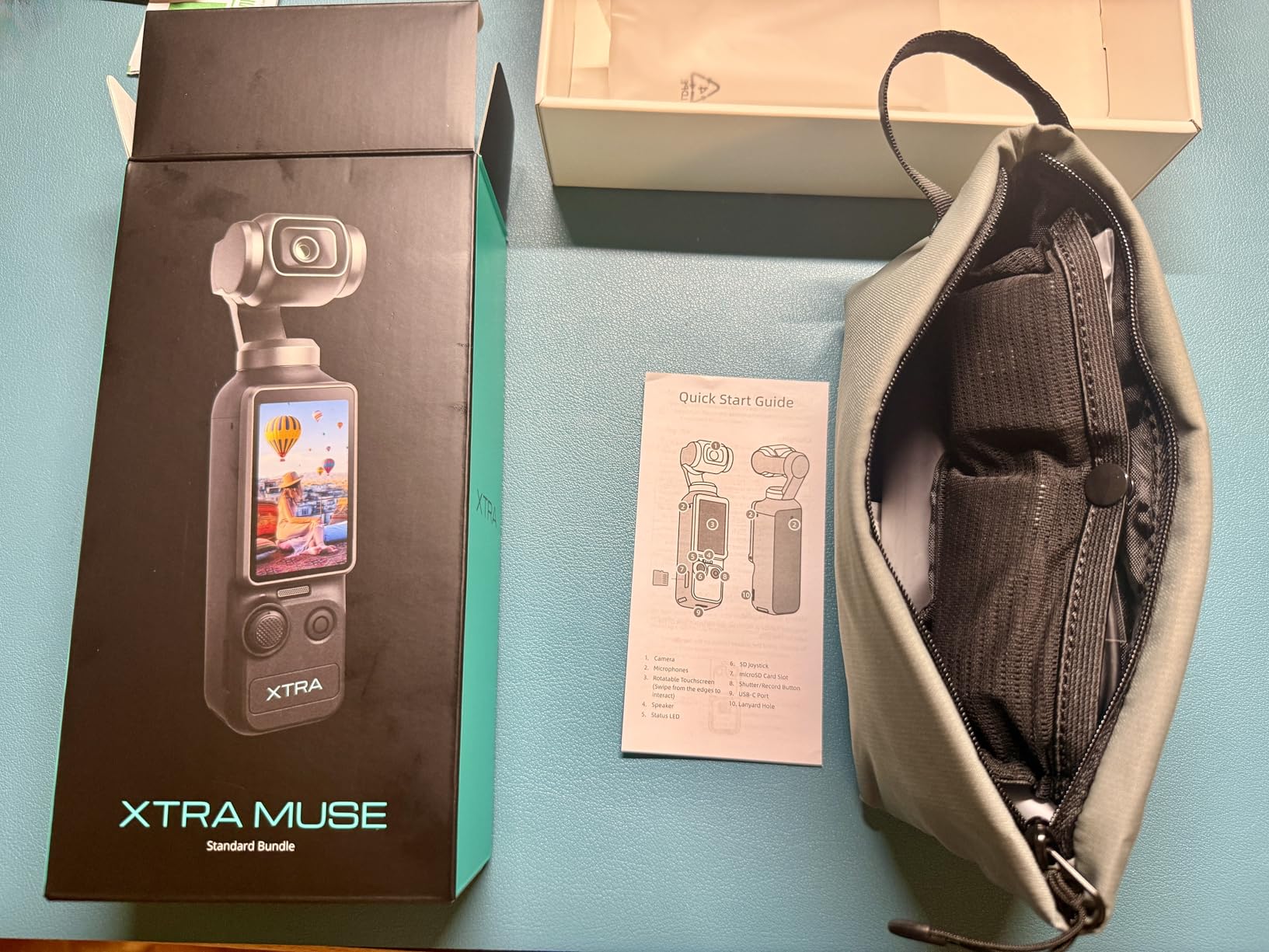
True 10-bit X-Log color modes give it more grading latitude than most cameras at this size, and the bundle includes a carrying bag, wrist strap, a quarter-inch threaded handle, and a USB-C PD cable, so you can mount it on a small tripod or an arm straight out of the box. Battery life is rated up to 161 minutes, which is short for a mounted project and fine for portable shooting.
Storage needs U3 or V60 class cards, and a fill light helps in dim studios.
Where it genuinely wins
Documentary-style process work. If your art timelapse includes a walk through the studio, a time-lapse of plants on a windowsill, or a car-free trip to a life-drawing class, the gimbal does the smoothing for you and the pocket size means you will actually bring it. Buyers consistently praise the gimbal smoothness, tracking reliability, and image quality for its size.
It also makes a good second camera, recording a wide establishing view of the studio while your main body captures the close-up easel frames.
Why it is not a primary timelapse body
Reliability is the honest problem. Several owners report repeated SD card format errors, particularly at 4K 60p and across multiple cards of different quality, and the camera also runs very hot during sustained recording and can shut down. A card that fails to format in week three of a project is a real cost in time and money.
The 2-inch screen is fiddly to operate, the touch controls are awkward, zoom is limited to 2x digital, and the companion app is less robust than the leading alternative. If your project is one long locked-off sequence, a mirrorless body is simply the safer tool.
9. Brinno BCC100 Time Lapse Camera: Best for Months on Batteries
Brinno BCC100 Time Lapse Camera, Perfect for Construction and Outdoor Security – Includes Wall Mount and Weather Resistant Outdoor Housing
Pros
- Runs for months on four AA batteries
- Assembles the timelapse video on the camera itself
- IPX4 weather-resistant housing included
- One-button simple setup
- Day and night scheduling
Cons
- Low 720p-class resolution
- Deletes stills after processing the video
- No way to check progress without stopping
- Condensation can fog the lens
The Brinno BCC100 is a purpose-built time-lapse camera, and that single fact changes everything about how you plan a project. It is not a general camera, and it will never produce a portfolio-grade frame. What it does is run for up to four months on four AA batteries, survive rain in its included IPX4 housing, and assemble the finished video on the device with no computer involved.
That combination solves the failure mode every other camera in this list shares. Nobody is plugging a power bank into a corner of a shared studio for five weeks, and nobody wants to. A set of AAs and a wall mount solves it completely. Adjustable capture intervals run from immediate to hours, and day and night start-stop scheduling means it only wakes up during working hours, saving both battery and card space.
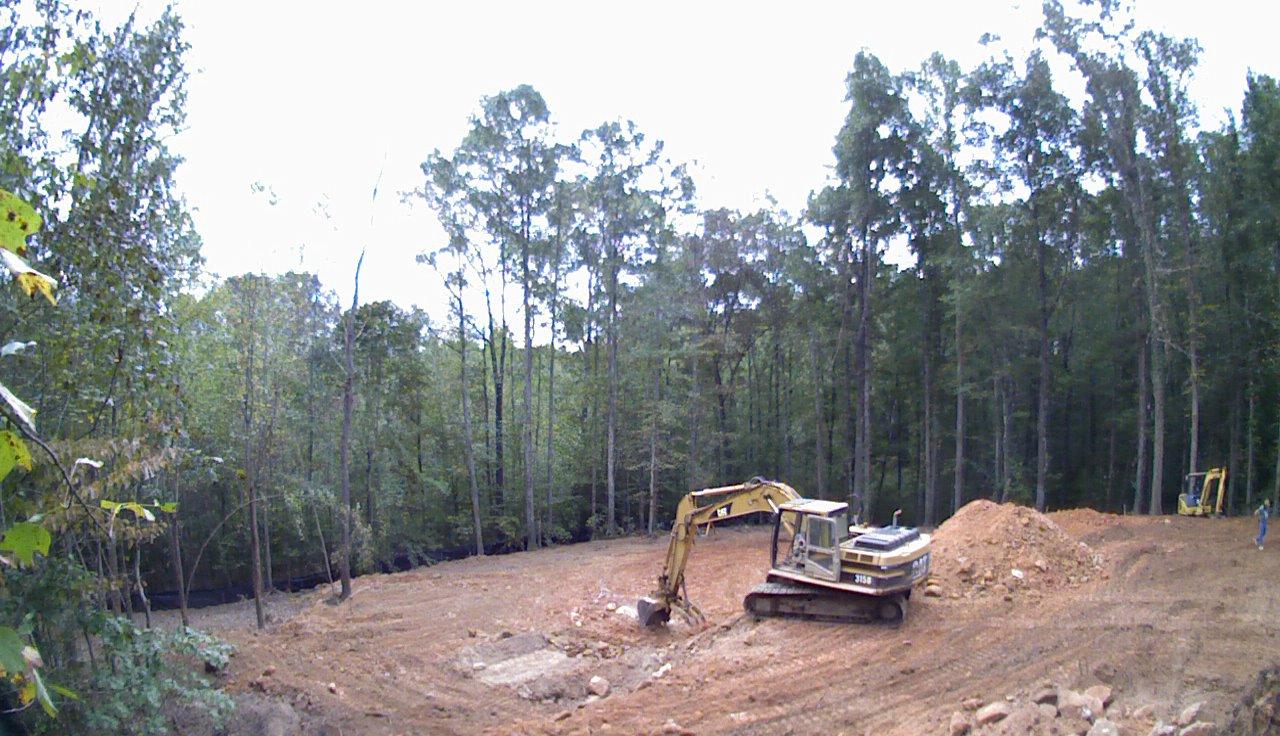
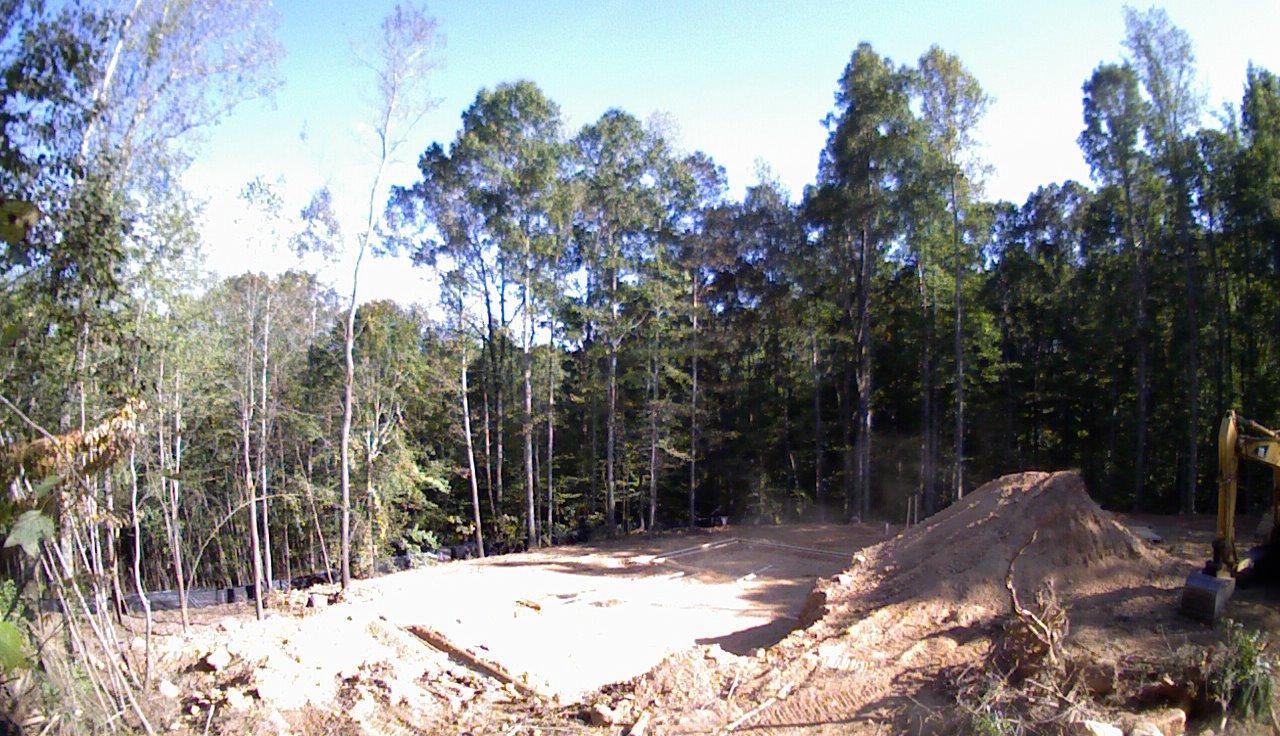
The F1.2 aspherical lens with a 140-degree panoramic view gathers light well enough for indoor and low-light scenes, which is unusual for a camera this simple. A 1.44-inch LCD handles framing, playback frame rate is selectable from 1 to 30 fps at assembly time, and it works with both Android and iOS for control.
The wall mount base and bungee cord options are included, so mounting needs no tools and no drilling.
When a dedicated time-lapse camera actually wins
It wins when the camera will be somewhere you cannot easily reach, for weeks, with no power and no attention. Outdoor installations, a garden piece growing through summer, a studio corner in a rented space, a mural in a hallway. On r/NewTubers, a user ran a low-cost 4K camera for both video and timelapse and called the quality more than good enough for simpler documentation, and that is exactly the tier this sits in.
It also wins for anyone who is nervous about leaving an expensive interchangeable-lens body unattended in a shared workspace, for the simple reason that there is very little to lose.
Why it cannot be your art camera
The image quality is the hard limit. A 1.3 MP sensor and a 720p video output cannot be graded, cannot be cropped, and will look soft the moment you post it. A 140-degree fisheye also bends straight edges, which is a problem when the subject of your video is a rectangular canvas.
More seriously, the processing workflow is destructive: the captured stills are deleted once the video has been assembled, so you cannot re-render the same footage at a different frame rate or pull a single high-resolution frame for your portfolio. You also cannot check progress without stopping the current recording. Condensation and dew fogging the lens overnight is a common and recurring complaint, and a small number of owners report units that stopped recording or failed to write to the card.
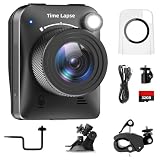
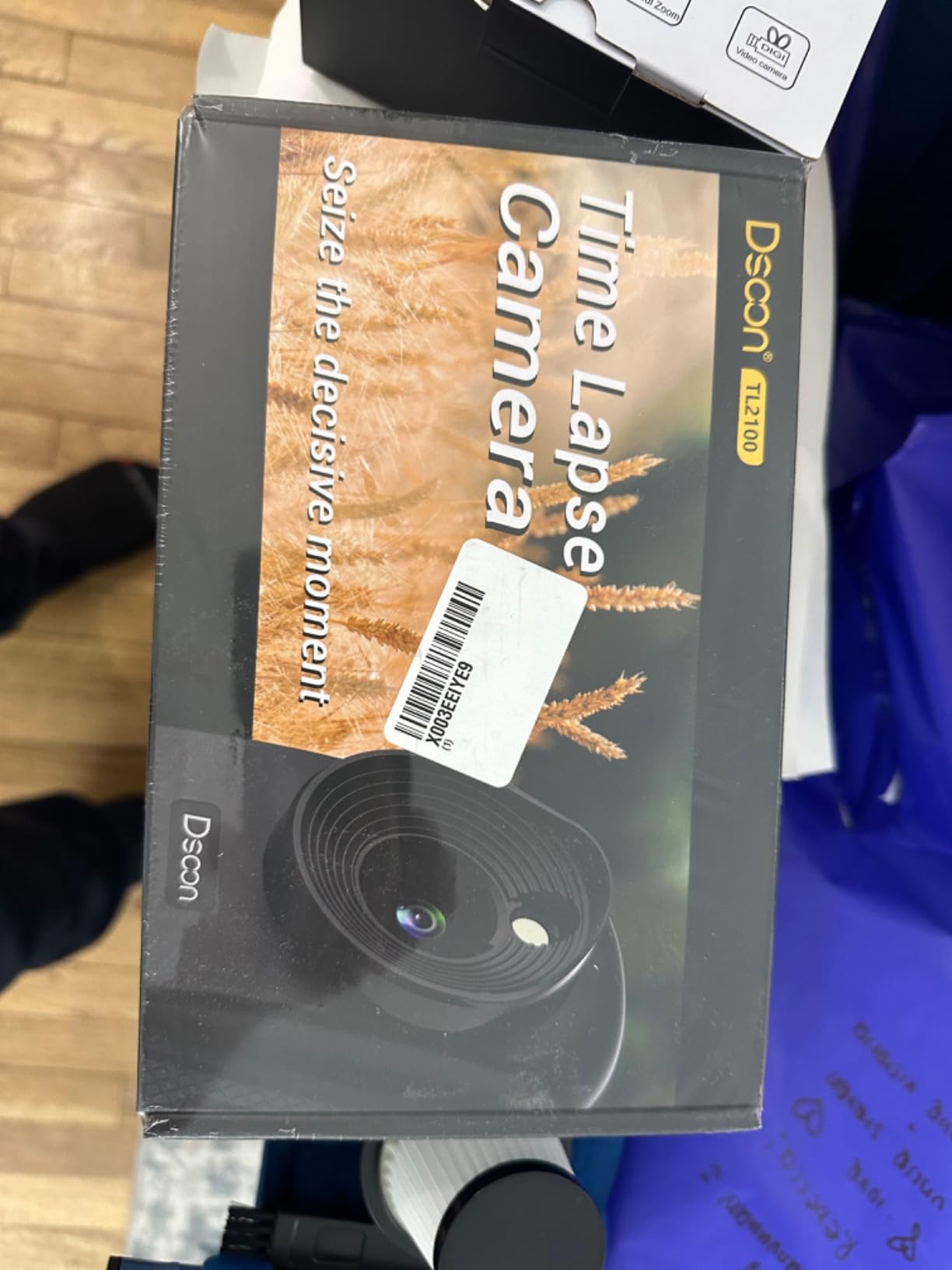
10. Dsoon TL3000 Time Lapse Camera: Best for Outdoor and Garden Projects
Dsoon Time Lapse Camera, 4K FHD Timelapse Camera Outdoor, Waterproof Level IP66, for Record Outdoor Construction, Weather, Plant, 6 Month Battery Life, 32 GB TF Card Included
Pros
- Up to 180 days of standby at a five-minute interval
- IP66 waterproof housing plus three mounting brackets
- 32 GB card included for immediate setup
- Timed photo video macro and stop-motion modes
- 2.0-inch flip-up IPS display
Cons
- Manual focus only
- 720p-class video output
- Fixed wide-angle lens
- Small screen in bright light
- Stops recording when the card fills
The Dsoon TL3000 is the endurance pick for anyone filming outdoors, and its headline number is 180 days of standby at a five-minute capture interval. That figure is what makes it the right camera for a mural weathering, a garden installation, or a seasonal piece, where the point is that you set it once and never touch it again.
Unlike most dedicated time-lapse cameras, the still capture resolution here is 32 MP on a half-inch sensor, with a bright fill light for low-light capture and an IP66 waterproof housing in the box. You also get three mounting brackets, a sucker bracket, a circular tube bracket, and a nail bracket, so it can go on glass, a pole, or a wall without buying hardware.
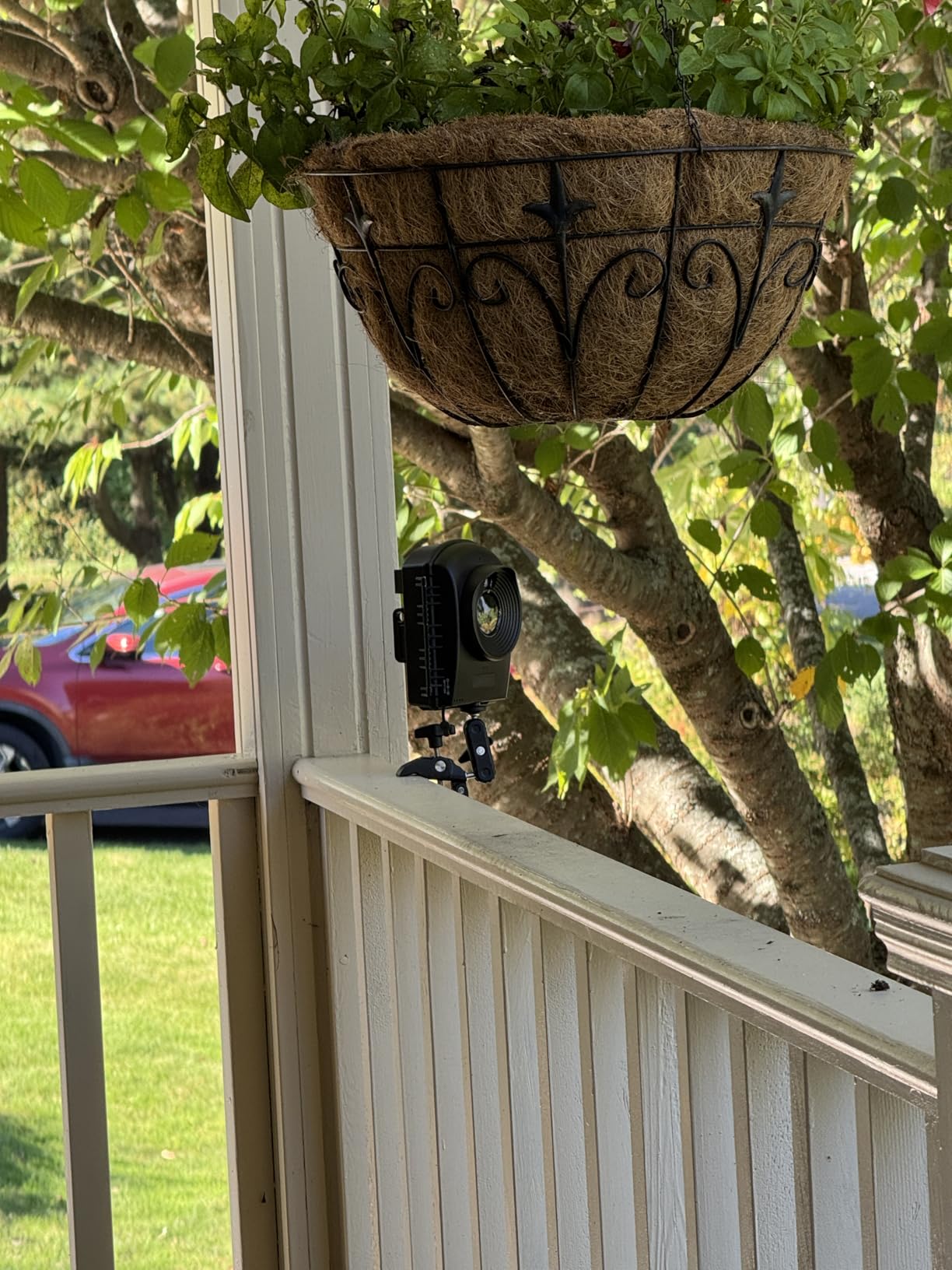
Shooting modes cover timed photo, timed video, timelapse photo, timelapse video, macro, and landscape, and playback frame rates are adjustable. Manual exposure compensation of plus or minus 3.0 EV is available, which is enough to correct for a scene that shifts from shade to sun. The 2.0-inch IPS display flips up 90 degrees so you can frame a low or downward angle.
A 32 GB TF card is included, and cards up to 512 GB are supported, so you can extend a project without ordering anything else.
Where the Dsoon earns its place
It is the best option here for art that happens partly outside. A ceramicist firing and glazing in a yard, a sculptor weathering a piece, a garden piece that changes over a season, a mural on an exterior wall. Buyers consistently report the multi-month battery life and the IP66 housing working as described, and the plug-and-play behaviour keeps cycling shots until the card is full.
Manual focus over a f/1.8 wide-angle with a 90-degree viewing angle is also a fair deal for a fixed installation, since the camera will never move once it is mounted.
Why it will not replace a camera on your easel
Manual focus only means framing needs physical adjustment every time you touch it, which is fine on a wall mount and a problem anywhere else. The video output is 720p-class despite the 4K still capture, so any video assembled from it is soft. The lens is a fixed wide angle with no zoom flexibility, so there are no detail shots of brushwork or a clay rim, and the small screen is hard to read in bright outdoor light.
It also stops recording once the card fills, so a long unattended run needs a large card. The upper temperature rating of 50 degrees C matters too, since a sealed housing in direct summer sun gets hot.
How to Shoot an Art Timelapse: The Five-Step Workflow
What is the best way to do a time lapse video? Shoot still frames on a fixed interval with the camera locked on a tripod, disable every automatic setting, and assemble the frames in an editor at the end. The workflow that works for every project in this roundup is the same five steps, whether you use a pocket camera or a full-frame body.
Pick your interval from the project length. A one-week painting at one frame every three minutes is 3,360 frames. A three-week mural at one frame every five minutes is about 6,000. Work out the frame count before you press start, because that number decides your card size and your final clip length.
Lock exposure to manual. Turn off auto exposure, auto ISO, and any exposure smoothing or highlight-shadow priority mode. A single fixed aperture, shutter speed, and ISO across the whole project is what prevents the brightness from pumping as your painting changes value.
Set white balance manually, not auto. Auto white balance is the number one cause of a sequence that shifts from warm to cold over weeks. Set it once from a custom white balance or a fixed Kelvin value and leave it alone for the entire shoot.
Lock the frame and the focus. Mark the tripod legs with tape, use manual focus with image magnification to confirm the plane of your work, and cover the viewfinder eyepiece so no stray light changes the LCD. For a canvas that changes height as it dries, re-check the frame every few days.
Assemble the frames in post. Import the folder as an image sequence, set the frame rate to taste, and render. Artists working in Krita use frame-based animation timelines, and DaVinci Resolve and Premiere both take an image sequence straight from a card folder without converting anything first.
Two extras worth knowing. If your studio is lit by LED or fluorescent panels, set the anti-flicker shutter frequency to match your mains supply, because otherwise every frame picks up horizontal banding that will shimmer in the finished video. And for progressive work where the surface changes slowly, disable exposure smoothing so the timelapse shows honest progress rather than a smoothed-over version of it.
Powering a Camera for a Month-Long Project
This is the part that decides whether an art timelapse finishes. On r/photography, users running timelapses of over a year consistently say power draw matters more than image quality, because a camera that stops on day nine gives you nothing. Here is how each approach works, roughly in order of how much trouble it saves you.
USB-C power delivery from a power bank is the simplest solution for any camera that charges while shooting. The Canon R10 supports in-camera charging through the USB Power Adapter PD-E, and most modern mirrorless bodies will run indefinitely from a bank. A ten-thousand milliamp-hour pack will carry a typical APS-C body through several weeks of interval shooting, since the camera sleeps between frames. Add a second bank on rotation and you never wait for a charge.
A dummy battery is the other mainstream route. It sits in the battery compartment, draws from an external source, and often includes a pass-through for the camera’s own charger. It is the standard answer for conventional video, and for timelapse it is simply more reliable than juggling two small batteries, because there is only one thing to charge.
A larger battery grip or dual battery pack is the third option, and the Canon R7 ships with an extra LP-E6NH in the box. It is less elegant than external power but needs no cables running across a studio floor where someone could trip on them.
Solar is the fourth. It works with any camera that runs on USB power, using a small panel and a controller to charge a bank during the day. It is genuinely viable for an outdoor mural or garden project, less so indoors where the light is on a timer.
A dedicated time-lapse camera removes the problem entirely. The Brinno BCC100 runs for up to four months on four AA batteries and the Dsoon TL3000 quotes up to 180 days of standby at a five-minute interval. Neither gives you image quality worth grading, and if the camera is going somewhere you can reach weekly, that trade is usually not worth making.
One more practical note from the forums: build your rig from a body, a power bank, and a click box, silicone the assembly to a lid or a board, and you have a fixed, reliable, mains-free timelapse mount for a fraction of a commercial rig. That approach has been used successfully on a budget mirrorless body, and it beats anything with a proprietary app in it.
Whichever route you pick, protect the storage. A 30-day project at a five-minute interval is roughly 8,600 frames, so check card capacity before you start, offload to a second drive every few days, and never format the card that held the previous week’s frames until the new ones are verified.
How to Choose a Camera for Art Timelapse
Most of what matters here is not a spec on a sticker. These are the seven decisions that actually change the finished video.
Interval shooting reliability comes first. Every camera in this roundup can shoot on an interval, but check whether the intervalometer can be set independently of the exposure mode and whether the camera keeps counting after a power interruption. A camera that restarts its sequence after a brownout is a real risk on mains-free setups.
Sensor size is a shadow and grading decision, not a resolution one. For art work, what you gain going larger is dynamic range across a lit studio and crop room for portfolio stills, not visible detail at web sizes. The 24 MP APS-C bodies here will look near-identical to a 32 MP one on a phone screen, and the full-frame bodies win mainly in mixed lighting.
Decide stills or video, because they are different jobs. Interval stills are cheap, unlimited, and give you the highest quality. In-camera timelapse video modes are faster to finish and easier to share, and they cost you resolution and clip length limits. Most artists shoot stills and assemble in post, which is why interval mode matters more than any video spec on the sheet.
Power options decide feasibility. Before choosing, confirm the camera charges or runs from USB while shooting. If it does not, your only long-project option is spare batteries, which caps the project at days rather than weeks.
Color consistency is a settings feature, not a brand feature. Any camera with manual white balance and manual exposure will hold color steady if you set it correctly. Ten-bit capture and Log profiles help when you need to recover a mistake later, but they are a safety net, not the mechanism.
Anti-flicker matters more than most buyers expect. Studio LED panels pulse at mains frequency. Without a matching anti-flicker shutter setting, every frame carries horizontal banding. Check the camera offers a flicker reduction option, and if your lights are dimmable, test before committing to a long project.
Autofocus is optional, and manual is often better. A locked-off timelapse wants a locked focus. Where autofocus earns its place is a hybrid setup where you also film yourself working, which is where a tilt screen, a subject-detection mode, and a one-press defocus button genuinely earn their place.
Used and refurbished bodies deserve a mention. Forum users still reach for older-generation DSLRs and entry-level mirrorless for timelapse work, and the DPReview community routinely recommends decade-old bodies for long-exposure interval shooting, because the intervalometer never changes. If you already own a camera with a working intervalometer and a USB power path, buying something new is optional.
Frequently Asked Questions
Do I need a dedicated timelapse camera or will a mirrorless work?
A mirrorless camera with a working intervalometer will handle almost any art timelapse, and it gives you far better image quality plus a second set of lenses for portfolio stills. A dedicated time-lapse camera only wins when the camera must sit untouched for weeks with no mains power: models like the Brinno BCC100 run for months on AA batteries and assemble the video on the device. If you can reach your camera weekly, buy the mirrorless.
What camera is best for taking long time lapses?
The best camera for long time lapses is one that can run on external USB power and has reliable interval shooting. The Canon EOS Rebel T7 and the Canon EOS R10 both charge and shoot from a power bank, and the R7 ships with a second battery. The Brinno BCC100 lasts longest of all on AA batteries, up to four months, but records only 720p.
How do I keep the exposure consistent across a timelapse?
Switch the camera to manual exposure and manual ISO, disable auto exposure and any exposure smoothing, then choose one aperture, shutter speed, and ISO that work for your lighting and never change them. Set white balance manually as well, because auto white balance causes most of the colour drift seen across long sequences. If your lights are LED, match the anti-flicker shutter frequency to your mains supply.
How do I turn my interval frames into a finished timelapse video?
Copy the frames to one folder, import that folder as an image sequence, choose your output frame rate, and render. DaVinci Resolve and Premiere both import a card folder as a sequence directly, and Krita has a frame-based animation timeline that artists in the Krita forums use for exactly this. Keep the original frames: deleting them removes your only backup.
Which action camera is best for taking time lapse videos?
For a locked-off art timelapse, an action camera works mainly because it is easy to power and weatherproof, not because of image quality. Small gimbal cameras with a one-inch sensor give you 4K plus subject tracking in a pocketable body, and they are useful as a second camera for walk-through footage. For the locked easel frame, any mirrorless with manual exposure will produce a noticeably better image.
How long can a camera record a timelapse?
A camera running on external USB power can record an interval timelapse indefinitely, limited only by card capacity. A 30-day project at a five-minute interval produces roughly 8,600 frames, so plan your card size or offload every few days. Without external power, expect hours on a small battery and days at most, unless you use a dedicated time-lapse camera with AA battery life measured in months.
Conclusion: The Best Cameras for Art Timelapse Videos in 2026
The best cameras for art timelapse videos in 2026 are decided by endurance and setting discipline, not by sensor size. If you want one camera that works for a first project and every project after it, take the Canon EOS Rebel T7: it is light, it includes the lens, it charges while it shoots, and nothing about it will slow you down on day one. If you want timelapse frames and real video from the same body, the Sony Alpha a6400 is the better buy, with a dedicated time-lapse movie mode and a tilting screen for solo work.
Go further up the range when your process demands it. The Canon EOS R7 gives you 32.5 MP stills, in-body stabilization, mirrored card slots, and the highest resolution frames for portfolio use. The Canon EOS RP with the 24-105mm is the way into full-frame when your studio has strong contrast. The Canon EOS R10 is the best all-round kit for a new channel. The Sony a6700 is the choice when color grading and 10-bit capture matter most.
For portability, the Xtra Muse pocket gimbal camera goes anywhere. For projects where the camera will be untouched for weeks, the Brinno BCC100 runs for months on AA batteries, and the Dsoon TL3000 is the outdoor and garden option with an IP66 housing. Our broader picks for action and vlogging use cases are in the guides on the best cameras for skateboarding videos, best cameras for unboxing videos, and best cameras for music videos for beginners.
Whatever you pick, set it once, lock the exposure, and leave it alone. The camera is the easy part.