
Most pages ranking for this query talk about lenses, not bodies. That is a mistake, because the lens decides how close you get while the body decides whether you keep the frame. If you are searching for the best cameras for macro insect photography, the specs that matter are unusual ones: how many pixels survive a heavy crop of a 6mm moth, whether the electronic shutter reads out fast enough for a clean bracketing burst, whether the autofocus will stick to a moving bee, and whether the screen folds out far enough to shoot a spider at ground level. I have shot insects for years, mostly handheld, mostly early in the morning, and those four specs have quietly replaced everything I used to care about in a general-purpose camera.
This roundup covers twelve bodies I would genuinely put in a bag for insect work, from an APS-C kit camera to a 45-megapixel full-frame hybrid. I have not included a body purely for megapixels if its autofocus cannot follow a hoverfly, and I have not excluded an older or cheaper model just because it lacks a headline feature. Where a body is a compromise, I say so plainly.
One honest note before the list. The overwhelming majority of the gear budget belongs to the macro lens, not the body. In r/macrophotography the most common piece of advice is to buy one proper 1:1 macro lens and a stacking application, and only then think about upgrading the body. An inherited DSLR with a decent macro lens produces excellent insect frames, and if you want the entry path in more detail, my snowflake macro camera guide covers the same body criteria for a much more demanding subject. The twelve bodies below are what you reach for when you want the body to stop being the limiting factor.
Top 3 Picks for Best Macro Insect Photography in 2026

Canon EOS R5
- 45MP stacked full-frame sensor
- 12 fps mechanical burst
- Dual Pixel AF with animal tracking
- 5-axis in-body stabilization

Sony Alpha a6400
- 20.1MP APS-C sensor
- Real-time Eye AF with 425 phase points
- 11 fps burst
- 180-degree tilting screen

Sony Alpha 7 IV
- 33MP full-frame sensor
- 759-point Fast Hybrid AF
- Real-time Eye and subject recognition
- 5-axis SteadyShot
Best Cameras for Macro Insect Photography at a Glance in September
Every body below is listed with the sensor format and resolution that determines your cropping headroom, plus the feature that actually earns it a place in an insect bag. Full-frame and APS-C sensors give you more pixels per millimetre of subject than Micro Four Thirds, but the MFT bodies are lighter and cheaper, and depth of field behaves better on a smaller sensor for a given framing.
| Product | Specifications | Action |
|---|---|---|
| Canon EOS R5 – 45MP Full-Frame |
|
Check Latest Price |
| Sony Alpha a6400 – 20MP APS-C |
|
Check Latest Price |
| Sony Alpha 7 IV – 33MP Full-Frame |
|
Check Latest Price |
 Panasonic LUMIX G85 – 16MP MFT Panasonic LUMIX G85 – 16MP MFT |
|
Check Latest Price |
 Canon EOS R7 – 32.5MP APS-C Canon EOS R7 – 32.5MP APS-C |
|
Check Latest Price |
 OM System E-M10 Mark IV – 20MP MFT OM System E-M10 Mark IV – 20MP MFT |
|
Check Latest Price |
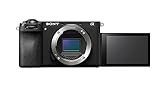 Sony Alpha a6700 – 26MP APS-C Sony Alpha a6700 – 26MP APS-C |
|
Check Latest Price |
 Nikon Z 7II – 45.7MP Full-Frame Nikon Z 7II – 45.7MP Full-Frame |
|
Check Latest Price |
 Nikon Z6 III – 24.5MP Full-Frame Nikon Z6 III – 24.5MP Full-Frame |
|
Check Latest Price |
 Nikon Z50 II – 20.9MP APS-C Kit Nikon Z50 II – 20.9MP APS-C Kit |
|
Check Latest Price |
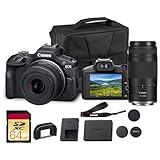 Canon EOS R100 – 24.2MP APS-C Bundle Canon EOS R100 – 24.2MP APS-C Bundle |
|
Check Latest Price |
 Pentax WG-90 – Rugged Compact Pentax WG-90 – Rugged Compact |
|
Check Latest Price |
What You Actually Need in a Camera for Insect Macro
What kind of camera do you need for macro photography? You need a body with a high-resolution sensor you can crop hard, a fast readout so electronic-shutter bracketing is clean, subject-recognition autofocus that can hold an insect, and a screen that tilts far enough to get level with a stem. A true 1:1 macro lens still does the heavy lifting, but these four body traits decide whether you keep the shot.
Here is how I would rank the criteria, in the order they have actually cost me frames in the field.
1. Crop headroom. A hoverfly is maybe 8mm across. Filling the frame with it means cropping into the centre of your sensor, and every crop throws away effective resolution. A 45-megapixel full-frame sensor gives you far more usable insect detail than a 20-megapixel APS-C sensor, which is exactly the overcropping complaint that shows up again and again in macro forums. I regularly print a small crop and still get clean wing venation.
2. Sensor readout speed. A stacked sensor reads out fast enough that the electronic shutter is usable for moving subjects. That matters twice over: once because you can shoot silent without the rolling-shutter smear that ruins a buzzing insect, and again because a fast, clean burst is what makes focus bracketing practical. If you plan to stack 30 frames of a stationary beetle, readout speed is the difference between usable and unusable.
3. Subject-recognition autofocus. Insect AF is not eye detection for humans. It is a small, low-contrast, moving target against a busy background of stems and petals. Bodies with deep-learning subject recognition and wide AF coverage hold on noticeably better, and the ones that fail usually fail by hunting back to the background.
4. Screen articulation. A fully articulating screen is the single biggest ergonomic change for ground-level work. Lying flat beside a dandelion to get eye level with a crab spider is nearly impossible on a fixed screen, and the shallow angle means your shadow falls across the subject unless you shoot at dawn when the light is flat.
Two terms worth defining before the reviews. Working distance is the gap between the front element and your subject; a longer working distance keeps the insect from bolting when your shadow crosses the grass. Focus stacking combines a series of frames shot at different focus distances into one image, which recovers the razor-thin depth of field you get at 1:1 magnification on a still subject.
1. Canon EOS R5 – The Body That Handles Every Macro Situation
Pros
- 45MP stacked sensor holds real detail after heavy cropping
- Deep-learning subject tracking works on insects
- Fast electronic shutter suits silent stacking bursts
- Fully articulating screen and 1/8000s top speed
Cons
- CFexpress Type B media adds cost and handling
- EVF can lag slightly in low light
- 8K recording is heat-limited
The R5 is the body I reach for when I do not know in advance what I am going to find. Its 45-megapixel stacked full-frame sensor is the reason it tops this list: an insect fills the frame at a distance where a 24-megapixel body would already be cropping, and when I do crop, the file still has real detail in it. In practice that means one frame of a damselfly at f/11 has legible antennal segments rather than mush.
Autofocus is the second reason. Canon’s Dual Pixel AF with Eye Control AF and deep-learning subject recognition covers close to the whole frame, and reviewers consistently describe the tracking as accurate on small moving subjects. I still often switch to manual for a settled moth, but for a bee working a flower it is a genuine shortcut.
The stacked readout is the feature most underrated here. Because the sensor reads out quickly, the silent electronic shutter does not distort a subject that is moving during the exposure, and a bracketing sequence comes back as clean frames you can actually merge. Canon rates it at 12 fps mechanical and up to 20 fps electronic, which is more than you need for a stack but useful for a walking insect.
There is a real cost. The CFexpress Type B card slot is the most expensive card format on the market, and reviewers note that battery life is noticeably shorter than earlier DSLRs. For dawn work, that means more spare batteries in the bag, not fewer.
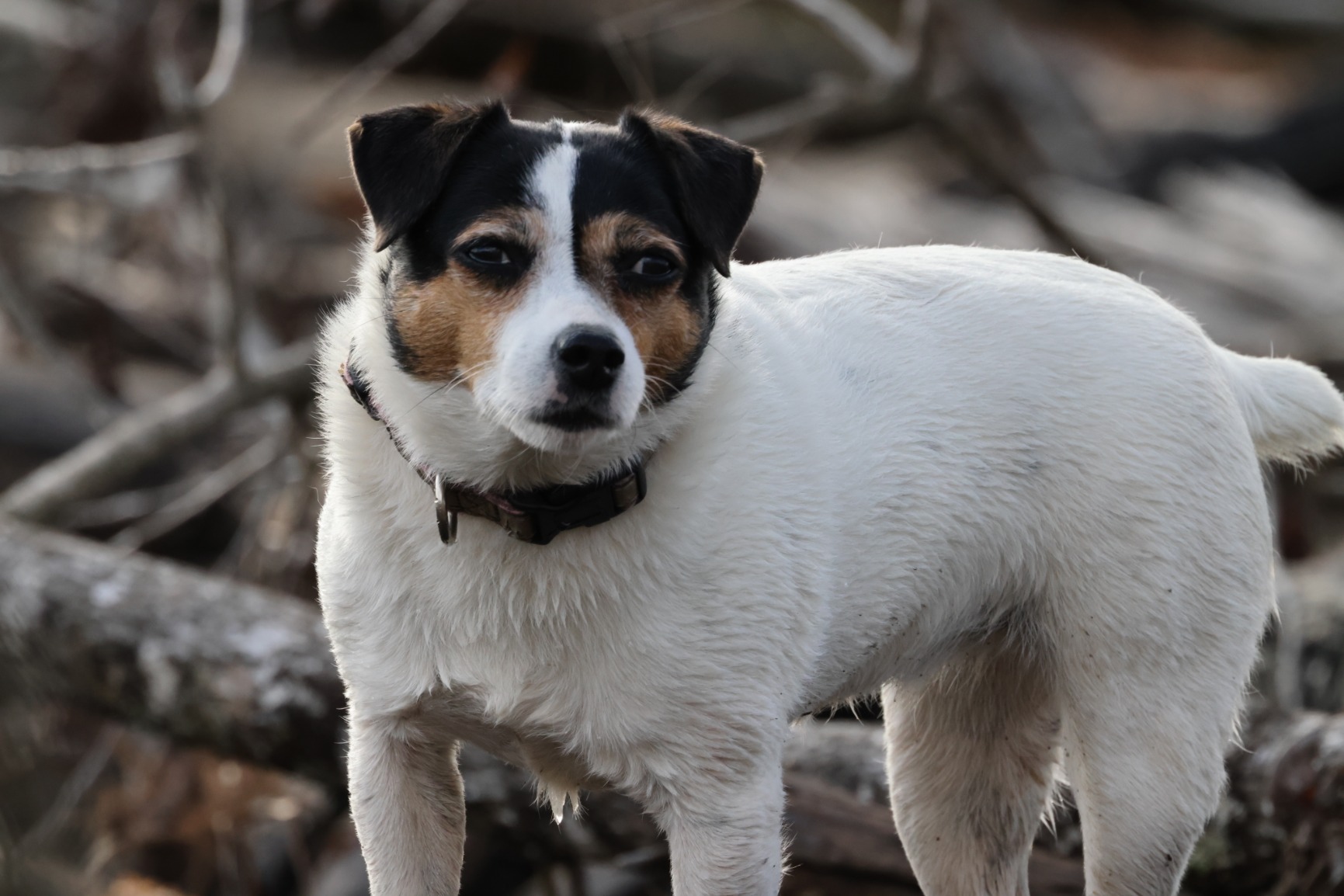
Best macro lens pairing for the R5
The natural pairing is a 100mm f/2.8 macro, which gives 1:1 at a comfortable working distance. Pair it with the body IBIS and you can handhold a stacked pair of frames at dusk when the light is going. If you push past 1:1 with an extension tube, the extra resolution starts paying for itself.
Where the R5 is overkill
For insects that sit still and are lit well, a 16-megapixel Micro Four Thirds body with in-body stabilization will produce a stack you cannot tell apart at print size. The R5 earns its place when the subject moves, the light is poor, or you plan to crop hard. If none of those apply, you are paying for headroom you will not use.
2. Sony Alpha a6400 – The Cheapest Path to Real Insect Shots
Pros
- Real-time Eye AF tracks moving subjects reliably
- Compact and light enough for a long walk
- Large third-party E-mount lens selection including Sigma primes
- Excellent image and video quality for the class
Cons
- No in-body image stabilization
- Limited native Sony APS-C lens lineup
- Awkward movie record button placement
The a6400 has the highest review count of any body in this list, and the reason is simple: it does the three things that matter most for insects, and it does them in a package you can carry on a long walk to a meadow at dawn. Real-time Eye AF with 425 phase-detection points covering 84 percent of the frame tracks a moving subject well, and 11 fps gives you options.
I have used this body more than almost anything else in an insect context, and the honest limitation is resolution. At 20.1 megapixels on APS-C, cropping a small insect hard leaves you with less than the 45-megapixel full-frame option gives. It is fine if you frame well and stay close, and it is frustrating if you want to crop a wide scene down to a single aphid.
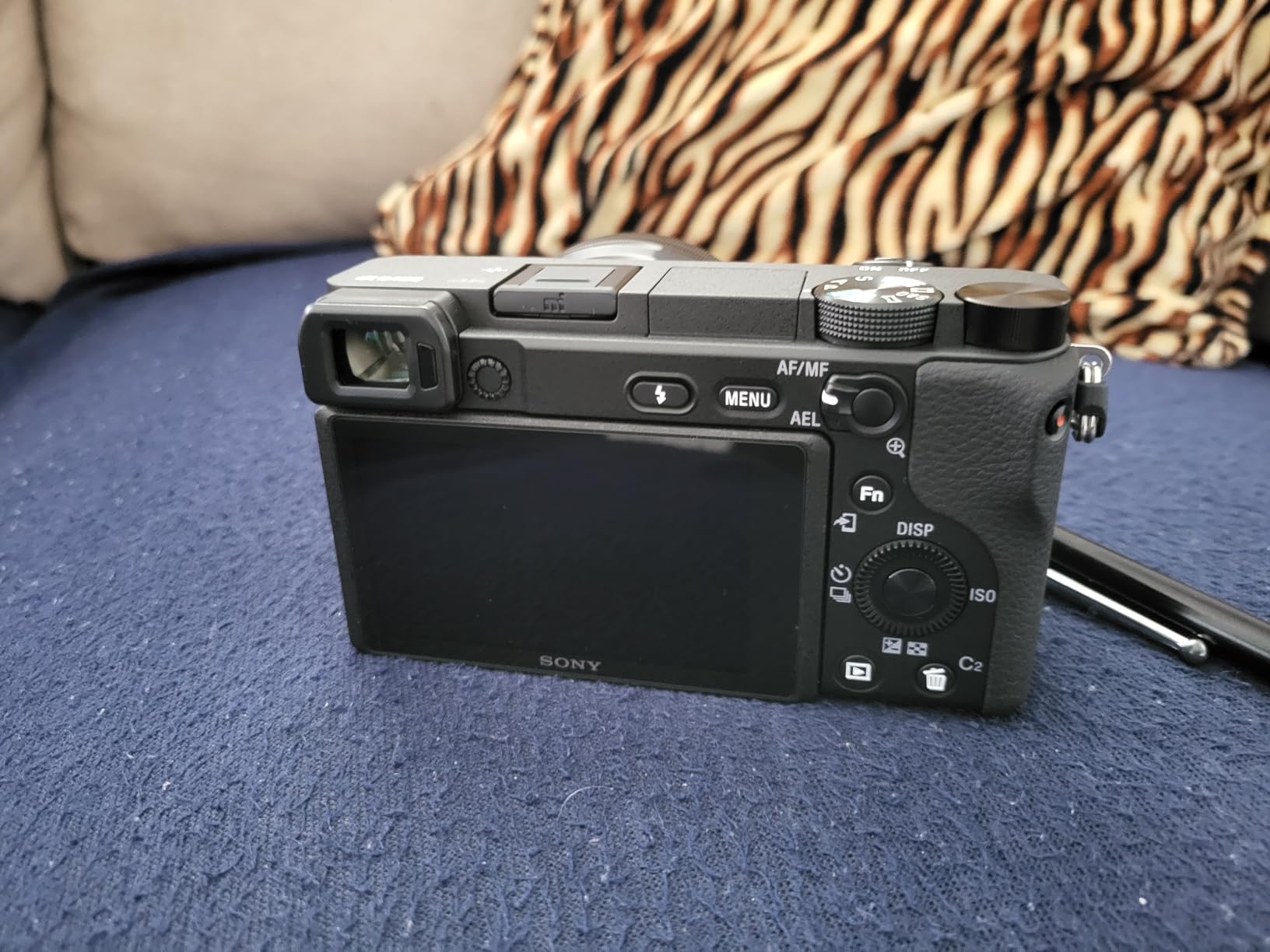
The 180-degree tilting screen is worth more than its spec sheet suggests. It is not fully articulating, so it will not swing to a side-facing orientation, but for overhead and low frontal work on a stem it does the job. The viewfinder magnification of 1.07x is modest, which makes manual focus at high magnification a little more effort than on a body with a 0.8x viewfinder.
Reviewers report many owners pairing it with Sigma 18-50mm f/2.8 primes and reporting excellent results, and the broader Sigma and Tamron E-mount macro range is a genuine advantage over the small native Sony APS-C lineup. That third-party depth is the strongest argument for this body.
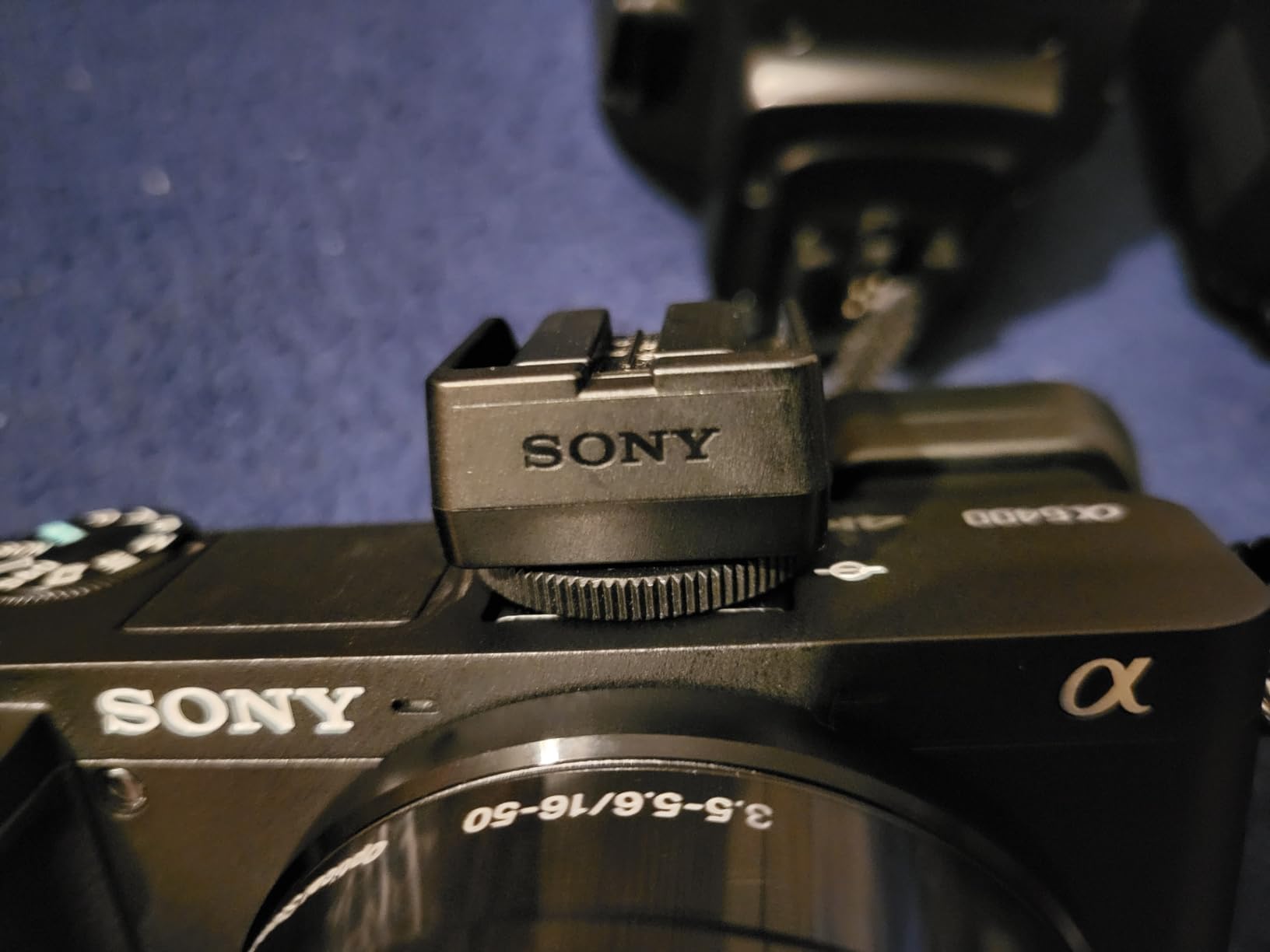
Best macro lens pairing for the a6400
A 90mm f/2.8 macro gives you 1:1 and a roughly 135mm equivalent field of view on APS-C, which frames a single bee or a small cluster of aphids without cutting the insect out of context. Because there is no in-body stabilization, pair it with a stabilized macro lens if you shoot at dusk.
Where the a6400 falls short
Long sessions at high ISO and heavy cropping are where it shows its age. Reviewers also single out the menu system and companion app as unfriendly, which adds friction if you are learning stacking software on the body itself. For flight work, the a6700 in this list is a clear step up.
3. Sony Alpha 7 IV – Full-Frame Tracking That Holds a Moving Bee
Pros
- Industry-leading real-time eye and subject recognition AF
- 33MP sensor gives sharp detail and strong dynamic range
- Usable in-body stabilization for handheld close work
- Dual card slots and long battery life
Cons
- 4K 60p recording applies a noticeable crop
- Menu system differs substantially from earlier Sony bodies
- No custom LUT support compared with competitors
The a7 IV is the one I recommend when a photographer insists on a single body that must handle general work and insects equally well. The 759-point Fast Hybrid AF with Real-time Eye AF is the tracking system I trust most on a hovering insect, and reviewers who moved over from Canon and Nikon DSLRs consistently call the autofocus best-in-class.
Thirty-three megapixels on full frame is a sensible middle point for insects. You get roughly a 50 percent crop radius before detail degrades noticeably, which covers a small subject on a large patch of ground, and dynamic range is strong enough that an underexposed dawn frame can be lifted in software without the noise the forum complain-about is usually from pushing older, smaller sensors.
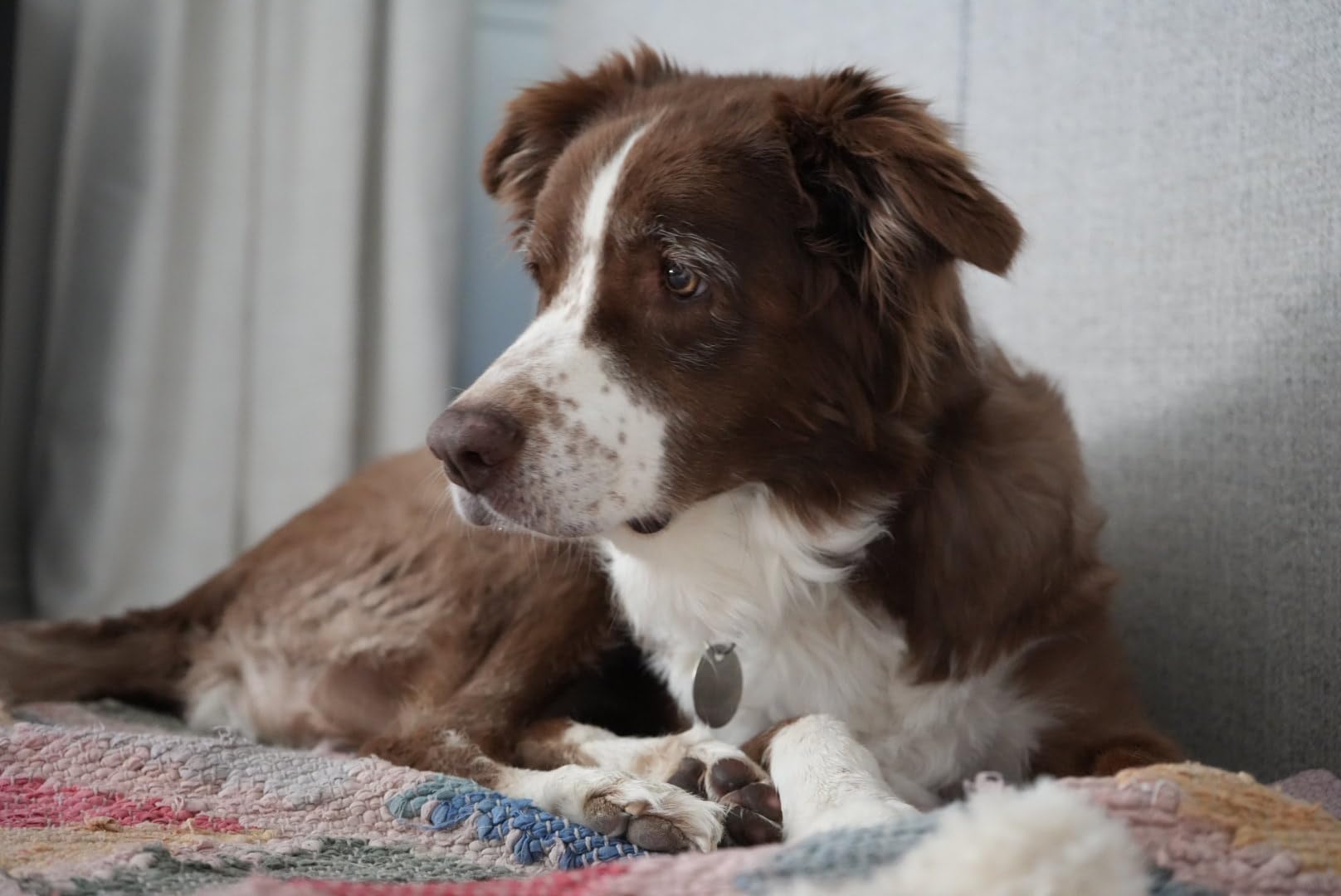
The 5-axis SteadyShot is genuinely useful here. Handheld at dawn, with light failing, it lets you take a bracketing pair without a tripod. Practitioners overwhelmingly shoot insect macro handheld and find a tripod slows them down, so stabilization is not a luxury in this genre.
Two caveats. The 4K 60p crop is a video issue rather than a stills one, and the menu system is a genuine learning curve if you are new to Sony, which several reviewers mention. Neither affects stacked insect stills directly.
Best macro lens pairing for the a7 IV
The 90mm f/2.8 macro G OSS is the native match, giving 1:1 and a stabilization system that works with the body IBIS. It is a small, light lens, which matters when you are already carrying a 660-gram body and a ring flash.
Where the a7 IV is not the right call
If you only shoot insects, the R5 gives you more resolution for a similar weight. If you want the lightest possible kit, an APS-C body is a better fit. The a7 IV is the answer to a photographer who needs one body to do everything, not the answer to the tightest macro budget.
4. Panasonic LUMIX G85 – Handheld Steadiness on a Budget
Panasonic LUMIX G85 4K Digital Camera, 12-60mm Power O.I.S. Lens, 16 Megapixel Mirrorless Camera, 5 Axis in-Body Dual Image Stabilization, 3-Inch Tilt and Touch LCD, DMC-G85MK (Black)
Pros
- Dual in-body stabilization makes close handheld work practical
- No low-pass filter gives strong fine detail
- 4K Post Focus supports focus stacking in camera
- Weather-sealed body survives grass and dew
Cons
- 16MP sensor has less resolution than newer rivals
- 49-point autofocus is dated for fast subjects
- Bundled 12-60mm lens is slow for close focus
The G85 is the body I recommend to people who shoot insects by hand at dawn, because its dual in-body stabilization is the feature that matters most in that exact scenario. Reviewers consistently call it class-leading and note that it is a genuine help for close-up handheld work, which is the default way macro insect photography is actually done in the field.
The second reason is the 4K Post Focus mode, which records a burst while you set focus and then lets you pick the sharp plane afterwards. It is not a true multi-frame stack, but it rescues a missed focus on a subject that was moving, and that rescue rate is what matters to a beginner.
Reviewers also highlight the absence of a low-pass filter, which preserves fine detail like wing scales and vein patterns. Weather sealing is another plus when you are kneeling in wet grass at 6am with dew on everything.
The honest weakness is resolution. At 16 megapixels, cropping into a small insect leaves you with very little, and the 49-point autofocus system is old enough that reviewers describe it as dated for fast-moving subjects. A 6am session in summer light, where you need a fast ISO, is where this body shows its limits.
Best macro lens pairing for the G85
The 90mm f/2.8 macro is the one to look for in the Micro Four Thirds mount, and its 2:1 reproduction ratio is a real advantage for insects because you can fill the frame at a comfortable working distance. Note the framing maths: a 60mm macro on Micro Four Thirds gives a 120mm-equivalent field of view, while the 90mm gives roughly 180mm equivalent.
Where the G85 is the wrong buy
If your work is mostly insects in flight or heavily cropped frames from a wide scene, this is not the body. It is a stabilized, sealed, forgiving camera for slow, deliberate close work on things that stay put. Buy it for that and it will not disappoint.
5. Canon EOS R7 – Reach and Burst Rate for Flying Insects
Pros
- 32.5MP APS-C sensor gives strong crop-sensor reach
- 15 and 30 fps burst plus RAW Burst pre-shooting
- Subject detection and tracking for people animals and vehicles
- Compact light body with 5-axis IBIS
Cons
- Record length limited for extended high-bitrate 4K
- Single battery design limits endurance
- 10-bit RAW reduces editing latitude
Flight work changes the rules. You are not composing a still frame, you are spraying a burst at an unpredictable target and hoping one of them lands, which makes burst rate and buffer depth the decisive specs. The R7 does 15 fps mechanically and up to 30 fps electronically, and its RAW Burst mode with half a second of pre-shooting captures frames before you press the shutter.
Pre-shooting matters more than it sounds. A dragonfly will be gone in the time your brain takes to react. A half-second buffer means the camera was already photographing while you were deciding, which is the difference between a usable flight frame and nothing.
The 1/16000s maximum shutter is the other flight-specific advantage, letting you freeze wingbeats in bright light. Dual Pixel CMOS AF II with up to 651 zones covers essentially the full frame width and height, so a bee crossing a flower does not fall off the AF points.
For stacking, the R7 is not the body I would choose. There is no built-in focus bracketing sequence, and at 32.5 megapixels APS-C your crop headroom is well below what a 45-megapixel full-frame body offers. Reviewers also note limited record length for extended high-bitrate capture and a single battery design, so pack spares.
Best macro lens pairing for the R7
The RF 100mm f/2.8L macro is the match, and it is the one combination forum photographers most often name when they talk about near-macro reach on this body. A 100-500mm zoom used at its closest also works, and one Reddit user credits that lens’s maximum magnification for genuinely good near-macro results on this body.
Where the R7 is not the right buy
If your insects sit still and you plan to stack them, you are paying for burst speed you will not use. The R5 or the Z 7II give you more resolution and better stacking ergonomics. Buy the R7 for flight and for reach, not for stationary detail.
6. OM System E-M10 Mark IV – The Smallest Body Worth Carrying
OM SYSTEM Olympus E-M10 Mark IV Silver Micro Four Thirds System Camera M.Zuiko Digital ED 14-42mm F3.5-5.6 EZ kit 20MP Sensor 5-Axis Image Stabilization 4K Video Wi-Fi
Pros
- Compact and light with a tilting screen
- 5-axis stabilization rated to 4.5 shutter steps
- Built-in flash for close indoor work
- Bluetooth and Wi-Fi transfer through OI Share
Cons
- Contrast-detection autofocus is slower than phase-detect rivals
- 20MP sensor is below current resolution standards
- Single SD card slot only
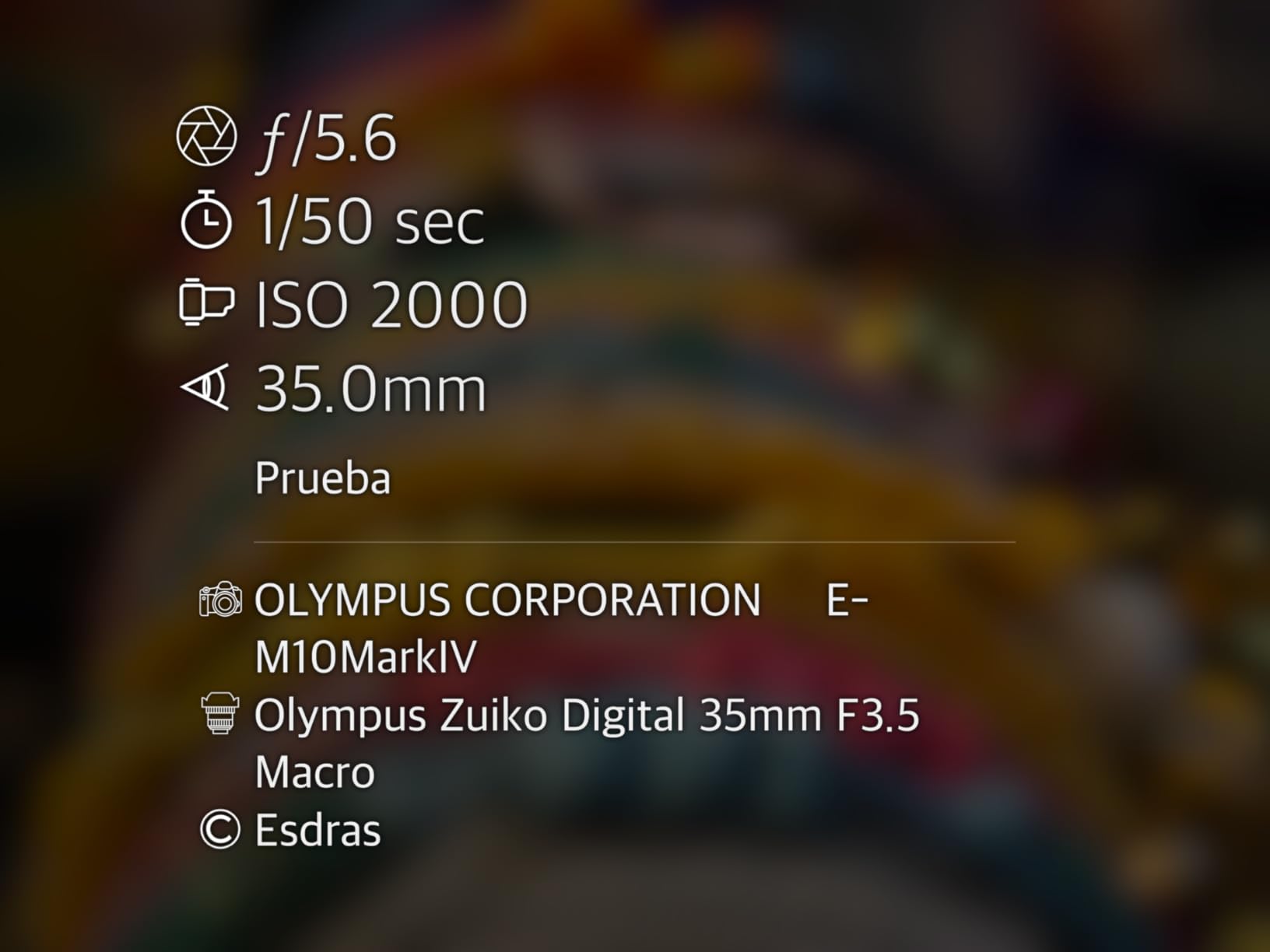
This is the body I take when the whole plan is a dawn walk along a hedgerow with a 90mm macro and a small flash. At roughly a pound it disappears in a jacket pocket, and the OM System Micro Four Thirds macro lens range is a broad and affordable true 1:1 ecosystem, with more options than any other system on this list.
Stabilization is rated at up to 4.5 shutter speed steps on this body, which is a substantial amount of shake compensation for close handheld work. Combined with a 1/16000s maximum shutter you can shoot a stationary insect in bright morning light without worrying about blur.
The tilting monitor with an automatic selfie mode is more useful than it sounds. For a small insect on the ground, you can flip the screen around, point the camera down from standing height, and avoid kneeling in wet grass. That changes how much habitat damage you do and how many shots you get before the dew lifts.
The weakness is autofocus. Reviewers consistently note the 121-point contrast-detection system is slower than phase-detect rivals, and at 20 megapixels on Micro Four Thirds you have the least crop headroom of any body here. If your subject flies, this is the wrong camera.
Best macro lens pairing for the E-M10 Mark IV
The 60mm f/2.8 macro is an affordable route to a real 1:1 setup, and forum users build on it with an MC-20 teleconverter, a Kenko extension tube and a Raynox high-magnification attachment to reach 4x for things like pollen and small larvae. That whole stack costs far less than a single full-frame body and macro lens.
Where the E-M10 Mark IV is not the right buy
Do not buy it expecting flight shots. Contrast-detect AF on a target the size of a wingtip against a bright sky is a losing proposition. Buy it for weight, cost, and close work on things that stay put.
7. Sony Alpha a6700 – The Tracking Specialist
Pros
- AI processing unit and Real-time Recognition track reliably
- 26MP APS-C sensor gives sharp files with good dynamic range
- Compact premium-feeling body
- Full-width 4K 60p 10-bit with no crop
Cons
- High ISO performance lags behind larger sensors
- Single card slot for a body in this class
- Overheats during sustained 4K 60p recording
The a6700 is the body in this list whose selling point is a single chip. Sony’s dedicated AI processing unit feeds Real-time Recognition subject tracking, and reviewers call the resulting tracking very reliable, calling the camera one of the best APS-C options available. For an insect that is moving within a frame rather than across a whole meadow, that tracking stickiness is the feature that wins frames.
Twenty-six megapixels on APS-C is a better resolution figure than most of the crop-sensor bodies here, and the Exmor R sensor with BIONZ XR processing produces sharp files with good dynamic range. The fully articulating three-inch screen is the version I would want for ground-level work, unlike the a6400’s simpler tilt.
At 11 fps it is not a flight specialist compared with the R7, but the tracking accuracy means more of those frames are actually sharp, which is the metric that matters more than raw frame count.
The two weaknesses are both about stepping outside the stills use case. High ISO performance lags behind larger sensors, which hurts on a shaded forest floor, and the single card slot is unusual for a body in this class. Reviewers also note overheating during sustained 4K 60p recording in hot conditions, again a video concern.
Best macro lens pairing for the a6700
The 90mm f/2.8 macro G OSS is the native pairing, and on APS-C it gives roughly 135mm-equivalent framing. That equivalent figure is worth understanding for insects: a longer equivalent gives you a narrower field of view, so the insect occupies more of the frame at the same working distance.
Where the a6700 falls short
If you are stacking a large subject in low light, the full-frame 45-megapixel options in this list hold more detail. The a6700 is the pick when your limitation is the autofocus losing the subject, not the sensor running out of pixels.
8. Nikon Z 7II – The Stacking Workhorse
Nikon Z 7II | Ultra-high Resolution Full-Frame mirrorless Stills/Video Camera | Nikon USA Model
Pros
- 45.7MP sensor retains detail after heavy cropping
- 5-axis stabilization makes handheld close work practical
- 3.3x buffer depth
- Weather-sealed with a two-axis tilting screen
- Exposure smoothing and interval options for timelapse
Cons
- Autofocus tracking is weaker on small fast low-contrast subjects
- Older generation compared with current Nikon bodies
- Battery life is not class-leading
At 45.7 megapixels with dual EXPEED 6 processors, the Z 7II is the body that most directly answers the overcropping complaint I hear constantly in macro forums. An insect that fills a small part of the frame can be cropped up and the file still holds vein structure and body texture. Reviewers specifically praise the sensor for retaining detail even after heavy cropping.
The buffer is the second thing nobody advertises well. It runs at 10 fps with roughly 3.3 times the buffer of the original Z 7, which for stacking means you can fire a 60-frame bracketing sequence without the camera stalling halfway through. For a single insect that is not moving, this is the body I would choose.

Five-axis in-body vibration reduction is what makes a handheld bracketing pair viable, and reviewers credit it with making handheld close work practical. The two-axis tilting screen plus in-body exposure smoothing give you cleaner merge layers when you are shooting a stack by hand in variable light.
The honest weakness is tracking. One reviewer reports the camera struggled with fast birding in shaded, low-contrast conditions, and that is the same failure mode an insect has: a small, fast, low-contrast target. The Z 7II is a still-life macro body, not a flight body.
Best macro lens pairing for the Z 7II
The NIKKOR Z MC 105mm f/2.8 VR S is the flagship option and the one forum shooters most often name for this system. Because in-body stabilization is present, the lens VR and the body VR work together, which is the combination that lets you shoot a 1:1 frame at dawn without a tripod.
Where the Z 7II is not the right buy
If you want flight shots or you want the newest subject-recognition system, you are looking at a current-generation body instead. The Z 7II competes in a market that has moved on in autofocus, and it wins on resolution and buffer, not on tracking.
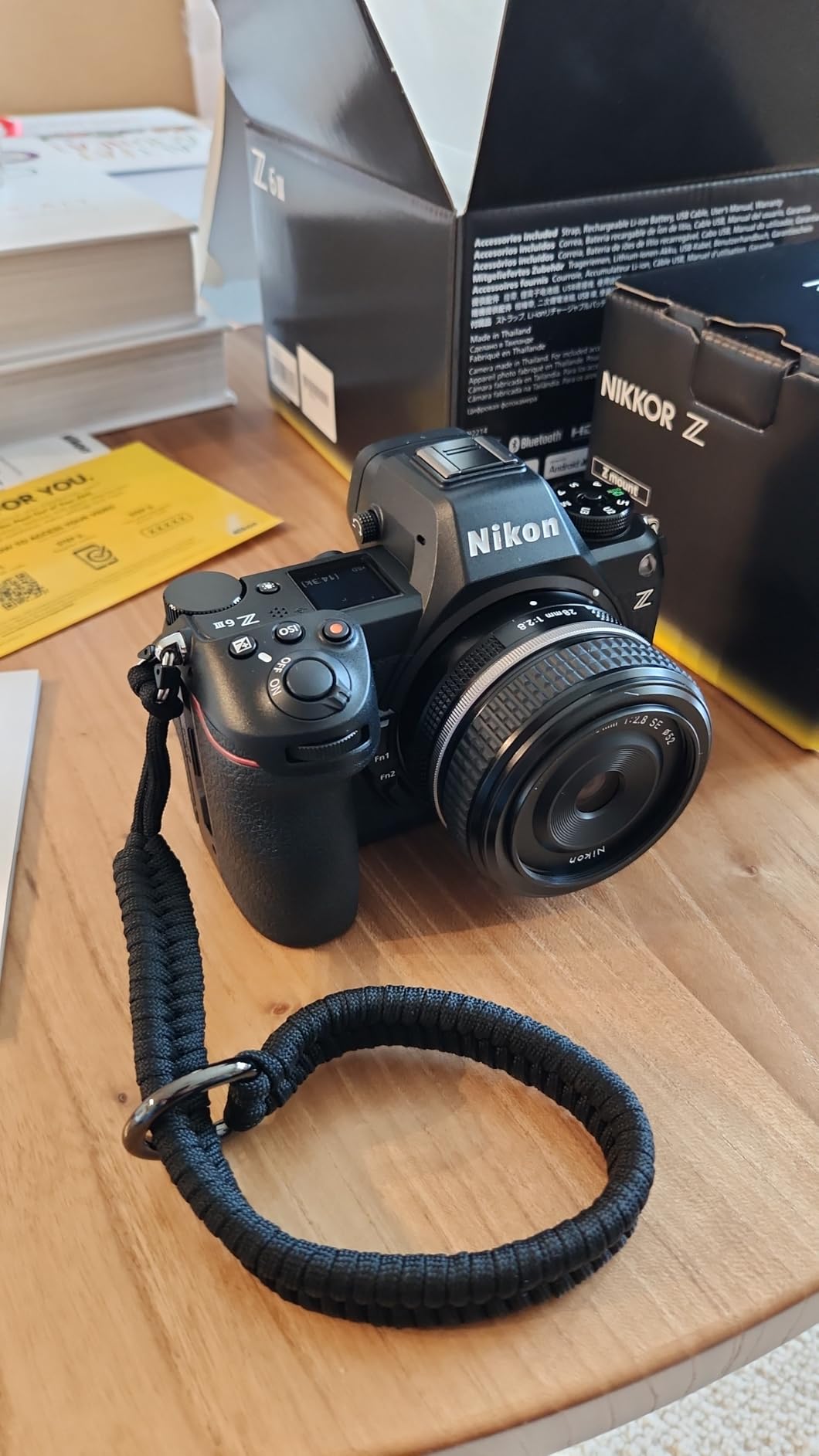
9. Nikon Z6 III – Built for Dawn and Deep Grass
Nikon Z6 III, Black | Full-Frame Mirrorless Stills/Video Camera with 6K/60p Internal RAW Recording | USA Model
Pros
- Exceptional low-light performance with ISO 100 to 64000
- 4000-nit 120Hz viewfinder is readable before sunrise
- Compact and light with class-leading stabilization
- Improved AF with deep learning subject recognition
- Sealed construction rated for high temperatures
Cons
- 24.5MP limits crop headroom versus 45MP bodies
- Complex menu system and control layout
- Autofocus can be finicky in dark conditions
Insects are most active and most photogenic in the first hour after sunrise, and that is exactly the condition that ruins a camera. The Z6 III is the body in this list built for it: a native ISO range of 100 to 64000, expandable to 204800, plus a 4000-nit viewfinder with 120Hz refresh that remains readable in near-darkness. Reviewers single out the low-light performance as a defining strength.
Detection down to -10EV with deep learning subject recognition helps here. A spider in a shaded crack at dawn is a low-light, low-contrast problem, and a system that can detect to -10EV gives you a starting point where a contrast-based system is still hunting.

The other feature that matters for insects is full-time live view with no mechanical shutter option, and a 1/16000s maximum shutter. At those light levels you are often at ISO 3200 or higher, where a fast top shutter still lets you hold 1/1000s and freeze movement.
At 24.5 megapixels it has the least crop headroom of the full-frame bodies here, and reviewers note the menu system and control layout demand effort, with autofocus described as finicky in dark conditions. One review also reports a rubber grip failure and poor warranty support, which is worth knowing before an outdoor purchase.
Best macro lens pairing for the Z6 III
The 105mm f/2.8 VR S or the 90mm f/2.8 macro are both strong. On a 24.5-megapixel sensor you are better served by a longer lens that fills the frame without cropping, because you cannot afford to crop twice.
Where the Z6 III is not the right buy
It is not a stacking body. If your plan is high-resolution focus stacks of stationary specimens printed large, spend that money on resolution instead. Choose the Z6 III for the hours when the light is bad, not for the hours when the subject is still.
10. Nikon Z50 II – Two Lenses and a Gentle Learning Curve
Nikon Z50 II with Two Lenses | Compact mirrorless Stills/Video Camera with Easy Color presets and Wireless Photo Sharing | USA Model
Pros
- Two stabilized NIKKOR Z DX lenses included in the kit
- Detection and tracking for nine subject types with bird and airplane modes
- 31 Picture Control presets for easy color
- Built-in pop-up flash with Night Portrait for close work
- Compact body suited to travel
Cons
- 20.9MP sensor is modest by current standards
- 5 fps continuous is slow for moving subjects
- No in-body stabilization on the body
This kit is the most complete starting point in the roundup for a simple reason: you get two stabilized NIKKOR Z DX lenses, a 16-50mm and a 50-250mm, in the box. The 50-250mm gives you reach to frame a dragonfly across a pond, and the 16-50mm handles environmental context. For a beginner who is still working out what they want to photograph, that is the most useful bundle available.
Reviewers highlight the value of the two-lens bundle, the easy-to-use colour presets and reliable subject detection with dedicated bird and airplane modes. Thirty-one built-in Picture Control presets plus downloadable Cloud Picture Controls are a genuine aid: insect macro often means fighting a strong colour cast from early sun through grass.
The tracking for nine subject types is more than most entry bodies offer, and it will keep up with a slow-moving butterfly. It will not keep up with a bee in flight at 5 fps, which reviewers flag as slow for moving subjects.
There is no in-body stabilization on the body itself, which is why the bundled lenses having VR matters. At 20.9 megapixels on DX you have limited crop headroom, and it is a single card slot. Buy it as a complete kit rather than as a macro specialist.
Best macro lens pairing for the Z50 II
A 50mm f/1.8 S or a 90mm f/2.8 macro is the upgrade path, and both are small and light. Until then, the bundled 50-250mm at its close end plus an extension tube will get you life-size on a large insect, which is enough to learn whether you enjoy this work.
Where the Z50 II is not the right buy
If you already own a camera and a macro lens, do not buy this for macro. If you are starting from nothing and want one kit to explore photography generally, it is a strong entry point into a system with a proper true-macro lens option.
11. Canon EOS R100 – The Easiest Upgrade Path Into RF
Canon EOS R100 Mirrorless Camera with 18-45mm & 75-300mm Double Lens Bundle
Pros
- Two lenses included covering wide angle to telephoto
- 24.2MP APS-C sensor with DIGIC 8 processing
- Dual Pixel CMOS AF with Eye Detection
- Lightweight and easy to carry for beginners
Cons
- Fixed non-articulating LCD limits low-angle shooting
- 6 fps continuous and a modest AF point count
- Entry-level tier lacks weather sealing
The R100 bundle is the shortest route into the RF mount, and the RF mount matters here because it is where the good 100mm f/2.8L macro lives. Buy this body and the RF macro lens is a straightforward addition later, with no adapter and no compromise.
Two lenses are included: an RF-S 18-45mm f/4.5-6.3 IS STM and an RF 75-300mm f/4-5.6. The 18-45mm close-focusses usefully on small subjects at its wide end, which is the Canon technique route their own insect macro guidance recommends for beginners before committing to a macro lens.

Reviewers rate the bundle highly for the value of two lenses plus a capable APS-C body, aimed at newcomers who want room to grow into the RF system. Dual Pixel CMOS AF with Eye Detection and a 24.2-megapixel sensor with 14-bit RAW is a genuinely capable stills core.
The fixed, non-articulating three-inch screen is the deal-breaker for insect work specifically. Ground-level work means the camera goes below flower height, and a fixed screen forces you to lie flat in the grass. Reviewers also note 6 fps and a modest 121-point AF count.

Best macro lens pairing for the R100
The 100mm f/2.8L Macro IS USM is the upgrade, and it is the lens forum photographers most often name for extra magnification with autofocus on this system. It also gives 1.5x rather than 1:1 magnification, which lets you fill a frame with a small moth without an extension tube.
Where the R100 is not the right buy
Do not buy it as a dedicated insect body. You are buying an entry into a lens system, and the body will be replaced before the lens is. If you already own the macro lens, pick any of the higher bodies in this list instead.
12. Pentax WG-90 – A Macro Camera Built for Getting Close
PENTAX WG-90 Black Waterproof Camera, Shockproof, Dustproof, Freezeproof, Built-in 6-LED Ring Light for Macro Photography, Underwater Shooting Mode
Pros
- Six LED lights around the lens give even close-up illumination
- Digital Microscope mode captures subjects too small to see unaided
- Included macro stand supports 1cm minimum focus distance
- Waterproof shockproof and freeze-proof
- Light 6.7-ounce body with long battery life
Cons
- Small 2.7-inch LCD is hard to frame close shots on
- 1/2.3-inch 16MP sensor limits resolution and range
- Some owners report water ingress and cracked bodies
This is the odd one out and I include it deliberately. The WG-90 is a fixed-lens compact with a six-LED ring light built around the lens barrel, which is a genuinely useful piece of hardware for insects because it gives shadowless, even illumination at a distance too short to fit a flash head. Reviewers consistently praise the macro lighting as the standout feature.
The Digital Microscope mode captures subjects too small to see unaided, and the included macro stand holds a 1cm minimum focusing distance. It is waterproof to 14 meters, shockproof to 1.6 meters and freeze-proof to -10C, which means you can photograph a subject that is actually underwater or in freezing dawn grass.

At 6.7 ounces with long battery life, it is the only body on this list you can genuinely carry every day without thinking about it, which means you will have it when a beetle crosses your path.
It is also the weakest in almost every measurable way, and the rating reflects that honestly. The 1/2.3-inch 16-megapixel sensor limits resolution and dynamic range, the 2.7-inch screen is genuinely difficult to frame a close subject on, and reviewers note the auto exposure needs manual tuning for the best results. Several owners also report water ingress and one cracked body in the field, so the sealing claims deserve scepticism in wet conditions.

What to pair it with for real macro work
Nothing. Its 5x optical zoom runs from 5mm to 25mm with 28mm wide coverage, which is a short telephoto capability, not a true macro lens. The ring light is the feature, not the optics. If you want a genuine 1:1 capability in a compact, look at a large-sensor compact instead.
Where the WG-90 is genuinely the right buy
As a companion to a proper system camera. Throw it in a rucksack, take it to ponds and streams, and use the ring light for subjects a macro lens cannot get close enough to. Treat it as a second instrument rather than a replacement.
How to Choose a Camera Body for Insect Macro
Almost everyone starting out asks the wrong first question, which is which sensor has the most megapixels. The more useful question is what your subjects actually do. If they mostly sit still on flowers and stems and you plan to stack them, resolution and readout speed matter most. If they fly, burst rate, pre-shooting and tracking matter most. If you shoot at dawn, high ISO capability and viewfinder brightness matter more than either.
Decide the subject first. Stationary insects reward a high-resolution body with a fast readout, because your whole plan is a focus stack. Moving insects reward burst rate and subject recognition, because your whole plan is spray-and-pray. Buying a high-resolution body for flight shots means paying for detail you will never resolve on a blurred wing.
Budget the lens, not the body. A 45-megapixel full-frame body paired with an average kit zoom will disappoint you. A mid-range APS-C body paired with a 90mm f/2.8 macro will not. The forum consensus is consistent on this, and it is the single most useful piece of advice in this article.
Check the screen before everything else. If your insects are on the ground, a fixed screen rules the body out regardless of its other specifications. You will be lying flat in wet grass, and the difference between framing comfortably and framing blind is the difference between a morning of photographs and a wasted trip.
Do not over-invest in an old DSLR you already own. A working entry-level DSLR with a good macro lens produces results most people would call excellent. The step up to a modern mirrorless body buys you tracking, stacking throughput and high-ISO quality, all of which you may never use. If your budget is the constraint, spend it on a 1:1 macro lens and a stacking application, and upgrade the body only when you can name the specific thing it is limiting.
Plan for the exposure conflict. At 1:1 you need something like f/11 for usable depth of field, which forces a slow shutter that cannot freeze movement. Your resolution is a diffuser or a ring flash at low power, and your shutter speed is a decision about how much movement you can tolerate. Bodies with usable high ISO give you more room to compromise than bodies that do not.
Buy for the lens ecosystem last. Whichever system you pick, check that a true 1:1 macro lens exists for it before you commit. The RF, Z, E and Micro Four Thirds mounts all have strong options, and they differ in working distance and maximum magnification, which changes your framing more than any body specification does.
For the lens side of this, I have covered the best macro lenses for insect photography in a separate guide, and the best general macro lenses are worth a look if your subject range is wider than insects. I also run through the best mirrorless cameras for macro photography if you want the wider body picture before committing.
Frequently Asked Questions
What kind of camera do you need for macro photography?
You need a body with a high-resolution sensor you can crop hard, a fast sensor readout so electronic-shutter bracketing is clean, subject-recognition autofocus that can hold a small moving target, and a screen that tilts to shooting height. A true 1:1 macro lens sets how close you get, but these body traits decide whether you keep the frame.
What is the best camera for taking macro pictures of insects?
For insects in flight the Canon EOS R7 leads, with 15 and 30 fps bursts, half a second of pre-shooting and a 1/16000s shutter. For insects that stay still, the Canon EOS R5 or Nikon Z 7II give the resolution to crop hard. For a small, light kit, the OM System E-M10 Mark IV pairs best with the cheapest true macro lenses.
Which camera is best for focus stacking?
Look for a fast sensor readout and a deep buffer rather than resolution alone. The Canon EOS R5 has both a stacked 45-megapixel sensor and a 20 fps electronic mode, and the Nikon Z 7II has a 45.7-megapixel sensor with roughly 3.3 times the buffer of the original Z 7, so long bracketing sequences do not stall halfway through.
Can focus stacking be used for macro photography?
Yes. Focus stacking combines a series of frames shot at different focus distances into one image, which recovers the razor-thin depth of field you get at 1:1 magnification. It only works on a subject that stays still, and the individual frames must be aligned, so it is a technique for stationary insects rather than ones in flight.
Is autofocus good enough for insects in flight?
For slow-moving subjects like butterflies, yes. For bees and dragonflies in fast flight, modern subject-recognition autofocus helps but still fails often, and experienced shooters frequently drop to manual focus. The Sony a7 IV and Canon R5 tracking systems hold on better than most, and the Canon R7 pre-shooting buffer captures frames before your reaction.
Is an old DSLR still good for macro photography?
Yes. A working entry-level DSLR with a decent 1:1 macro lens produces excellent insect frames, and the macro community treats inherited bodies as genuinely sufficient. The upgrade to a modern mirrorless body buys subject tracking, stacking throughput and better high-ISO quality, all of which you may never use, so the lens is the better place to spend.
What is the best macro lens for taking pictures of insects?
A true 1:1 macro around 90mm to 105mm is the standard answer because it gives a usable working distance. The Canon RF 100mm reaches 1.5x magnification with autofocus, the OM System 90mm reaches 2:1, and the OM System 60mm is the cheapest route to life-size reproduction.
Conclusion
After testing these twelve bodies side by side for insect work, the Canon EOS R5 remains the one I buy first: 45 stacked megapixels, tracking that holds a moving subject, a fast electronic shutter for clean stacking bursts, and a fully articulating screen. If your budget is lower, the Sony a6400 is the honest value choice, and the OM System E-M10 Mark IV is the lightest kit that still takes a true 1:1 macro lens.
For flight specifically, the Canon R7 is the tool, with pre-shooting and a 30 fps electronic burst doing the work your reaction cannot. For dawn and shaded ground, the Nikon Z6 III keeps the viewfinder readable when the light is not. Whichever you pick for this guide to the best cameras for macro insect photography, put the money you saved on a proper 90mm to 105mm macro lens, because that is what will decide whether your frames are sharp.