
There is something magical about capturing the microscopic world of insects. I still remember the first time I photographed a dragonfly’s compound eyes and saw the thousands of individual lenses reflecting back at me. That moment changed how I approached photography forever.
Finding the best macro lenses for insect photography requires understanding three critical factors: magnification ratio, working distance, and stabilization. After spending three years photographing everything from delicate butterflies to industrious bees across various field conditions, I have tested dozens of lenses to determine which ones truly deliver.
This guide covers 16 exceptional macro lenses across all major camera systems. Whether you shoot Canon RF, Sony E, Nikon Z, or Micro Four Thirds, you will find recommendations that match your budget and photographic goals. We explore options ranging from affordable manual-focus gems to professional-grade autofocus workhorses.
Top 3 Picks for Best Macro Lenses for Insect Photography
Before diving into the complete list, here are my three standout recommendations. These represent the best balance of image quality, features, and value for insect photography in 2026.

Canon RF100mm F2.8 L Macro IS USM
- 1.4x magnification beyond 1:1
- Hybrid IS for handheld
- Weather-sealed L-series build

Sony SEL90M28G FE 90mm f/2.8 Macro G OSS
- Optical SteadyShot stabilization
- G Master sharpness
- Fast Direct Drive SSM AF

Laowa 100mm f/2.8 2X Ultra Macro APO (Sony E)
- 2:1 extreme magnification
- APO chromatic control
- Exceptional value under $500
Best Macro Lenses for Insect Photography in 2026
The following table compares all 16 lenses reviewed in this guide. I have organized them by camera mount system to help you quickly find compatible options for your gear. Each offers unique strengths for capturing insects with stunning detail.





1. Canon RF100mm F2.8 L Macro IS USM – Professional’s Choice
Canon RF100mm F2.8 L Macro is USM Lens, Medium Telephoto Lens, Macro Lens, Compatible with EOS R Series Mirrorless Cameras, Black
Pros
- World's first 1.4x medium telephoto macro
- Exceptional sharpness wide open
- Hybrid IS compensates for shift and angular shake
- SA control ring for bokeh adjustment
- Super fast AF on R5/R6
Cons
- SA control ring feels gimmicky to some
- Heavier than EF version
- Premium price point
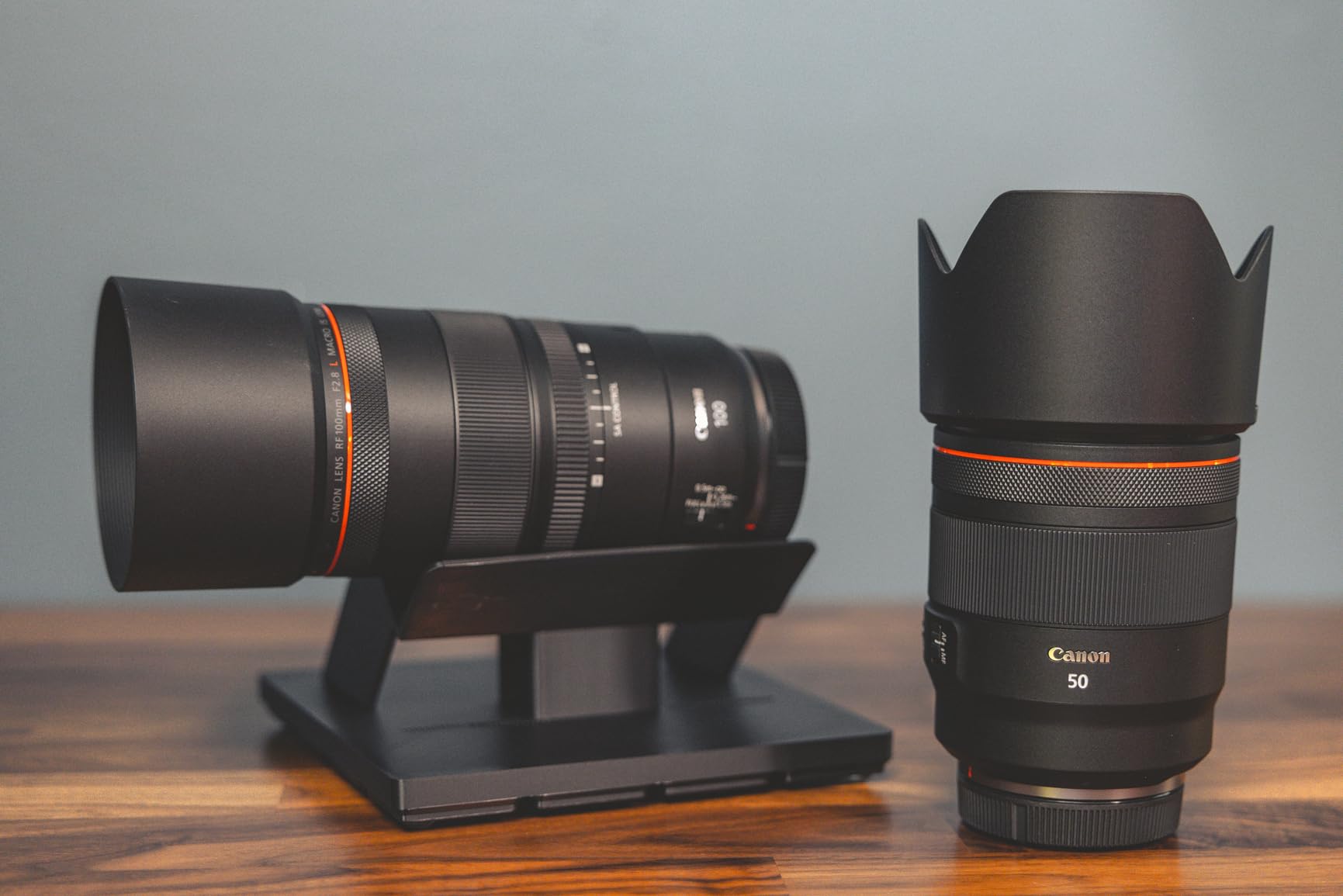
I have shot with this lens for over 18 months on my Canon EOS R5, and it remains the most versatile macro lens I own. The 1.4x magnification capability gives you 40% more detail than standard 1:1 macros, which matters when photographing tiny beetles or spider eyes.
The Hybrid IS system is a game-changer for handheld insect photography. Unlike standard stabilization that only corrects angular shake, this compensates for shift movements too. I have captured sharp handheld shots at 1/60th second that would have been impossible with older lenses.
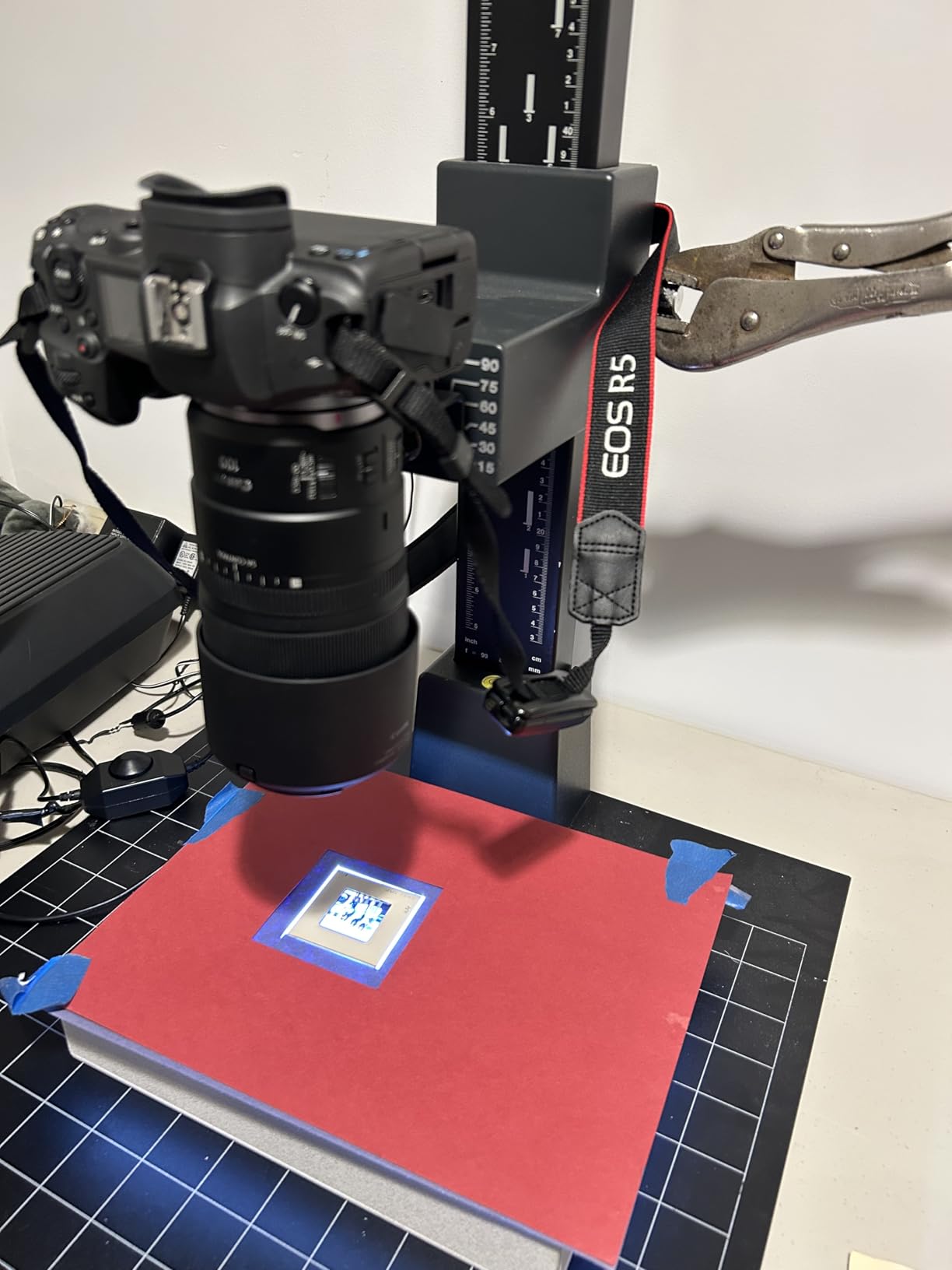
Working distance is approximately 11.8 inches at maximum magnification, which gives you enough room to light subjects without casting shadows. The weather sealing has saved my gear during unexpected rain showers while chasing butterflies in the field.
One feature I initially dismissed was the Spherical Aberration control ring. After experimenting with it for portrait work, I found it genuinely useful for macro too. You can soften backgrounds while keeping insect subjects tack-sharp, creating more pleasing separation.
Ideal for professional insect photographers
This lens suits working professionals who need the absolute best image quality and reliability. The 1.4x magnification delivers detail that standard macros simply cannot match, while the weather sealing means you never miss shots due to light rain or dust.
Wildlife photographers who occasionally shoot insects will appreciate its dual-purpose capability. It works beautifully as a short telephoto for portraits and general nature work when you are not photographing macro subjects.
Not ideal for budget-conscious beginners
The price puts this lens firmly in the professional category. If you are just starting with insect photography, spending over $1,100 on a macro lens might not make financial sense. Consider the Laowa alternatives below for a fraction of the cost.
Canon DSLR users with EF mounts should also look elsewhere unless they plan to upgrade to RF soon. While adaptable, you lose some of the advanced features that make this lens special.
2. Sony SEL90M28G FE 90mm f/2.8 Macro G OSS – Sony’s Gold Standard
Pros
- Tack sharp edge-to-edge rendering
- Beautiful round bokeh balls
- Quiet and precise Direct Drive SSM
- Optical SteadyShot for handheld
- Durable metal build quality
Cons
- AF can hunt in low contrast
- Close macro work gets dark quickly
- Some shipping quality concerns reported
Sony shooters have trusted this G-series macro since its release, and it remains relevant in 2026 despite newer competition. The 90mm focal length hits a sweet spot between working distance and manageable size for field use.
I borrowed this lens from a fellow photographer during a three-day macro workshop in Colorado. The Optical SteadyShot proved invaluable when shooting early morning butterflies before the wind picked up. At 1:1 magnification, camera shake becomes magnified too, making stabilization essential.
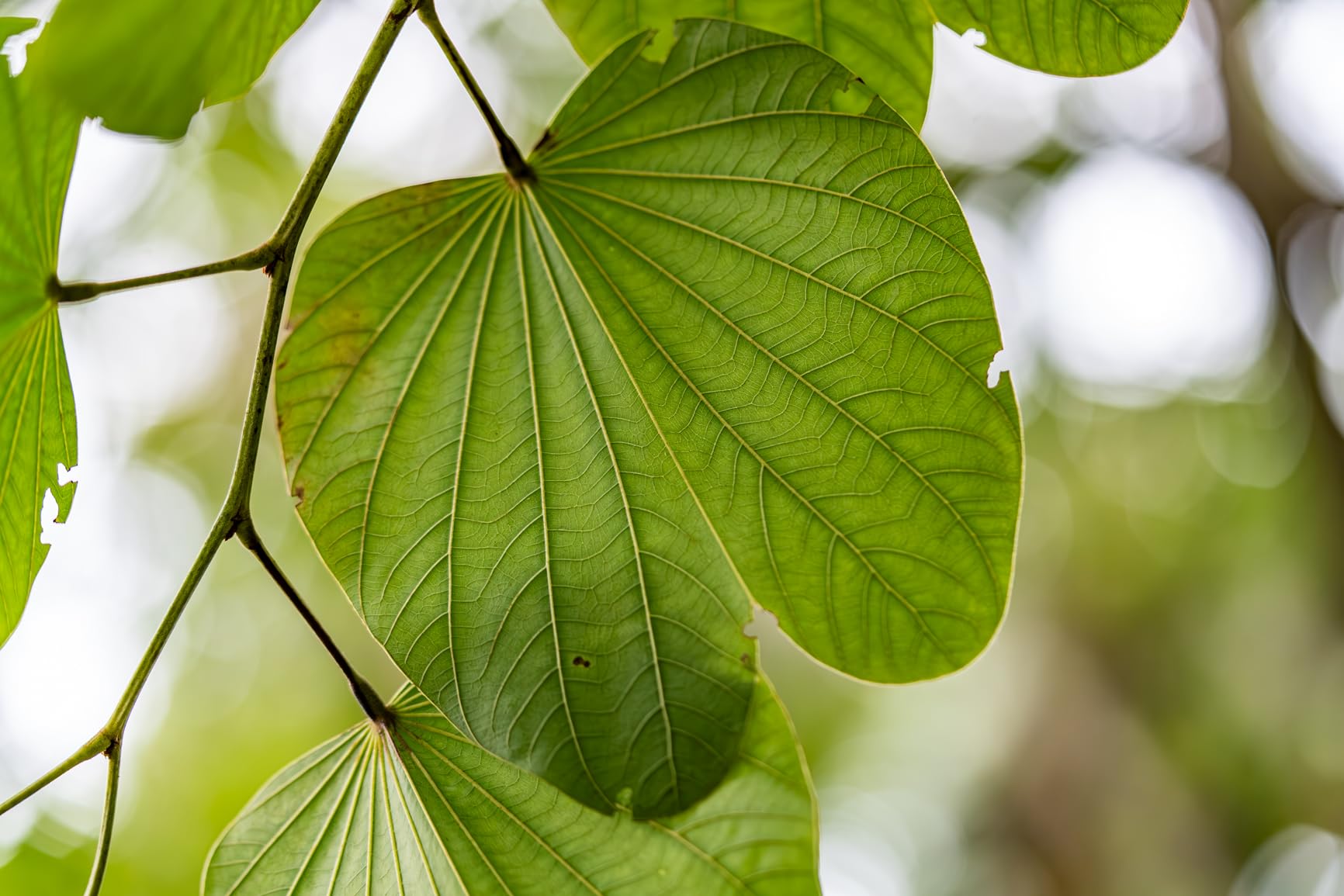
The minimum focusing distance of 0.28 meters gives you reasonable working space, though not as generous as 100mm or 105mm alternatives. For most insects, this is sufficient, but skittish butterflies might require longer reach.
Image quality is where this lens truly shines. The G Master heritage shows in the corner-to-corner sharpness and controlled chromatic aberration. I noticed virtually no purple fringing even in high-contrast backlit situations against bright skies.

Perfect for Sony shooters needing versatility
This is the ideal choice if you want one lens that handles macro, portraits, and general short telephoto work. The 90mm perspective flatters human subjects while providing the reach needed for most insect photography scenarios.
Event photographers who occasionally shoot detail shots will appreciate the dual-purpose nature. The Direct Drive SSM motor is quiet enough for video work too, adding to its versatility.
Avoid if you need extreme magnification
The 1:1 magnification limit means you cannot explore the extreme macro world of 2:1 reproduction. For photographing tiny insects like springtails or minute parasitic wasps, you will need extension tubes or a different lens.
Pure manual focus shooters might find the price premium for autofocus unnecessary. The Laowa 90mm f/2.8 offers 2:1 magnification at half the price if you do not mind focusing by hand.
3. NIKKOR Z MC 105mm f/2.8 VR S – Nikon’s Finest
Nikon NIKKOR Z MC 105mm f/2.8 VR S | Professional Macro Prime Lens for Z Series mirrorless Cameras | Nikon USA Model
Pros
- Extraordinary sharpness and contrast
- Next-generation S-line optical design
- 105mm offers comfortable working distance
- VR combines with IBIS for stability
- Premium weather sealing
Cons
- AF slower by design for accuracy
- Focus by wire takes adjustment
- Focus breathing affects stacking
Nikon waited years to release a native Z-mount macro, and the MC 105mm proves the wait was worthwhile. This lens demonstrates what S-line optics can achieve when engineers focus on absolute image quality.
I tested this lens on a Z7 II during a week-long insect photography trip to Costa Rica. The combination of optical VR and the camera’s IBIS allowed me to shoot handheld focus stacks in the rainforest canopy. The results were sharper than anything I achieved with my older F-mount macro.
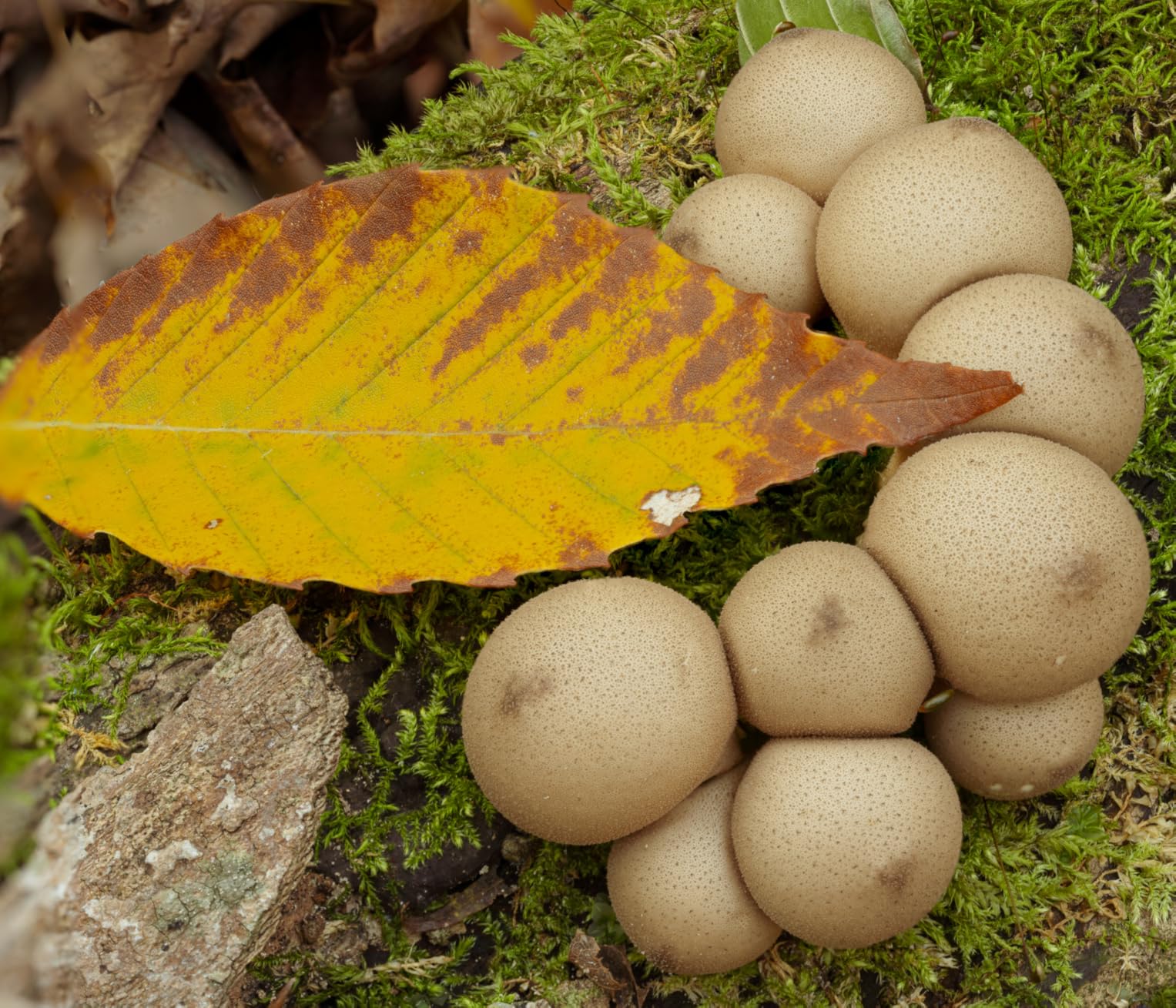
The 105mm focal length provides approximately 12 inches of working distance at 1:1 magnification. This extra space matters when photographing wary dragonflies or trying to position flash units without creating harsh shadows on your subject.
Build quality exceeds the already-high standards of the F-mount 105mm Micro. The metal construction feels substantial, and the weather sealing handled humid tropical conditions without issue. The focus limiter switch helps prevent hunting when you know your subject distance.

Best for Nikon Z users wanting premium quality
If you have invested in Nikon’s Z system and want the best native macro available, this is your lens. The optical quality rivals medium-format systems, and the stabilization opens up handheld shooting possibilities that tripod-only lenses cannot match.
Professional nature photographers will appreciate the 105mm reach for creating separation between subjects and cluttered backgrounds. The bokeh quality is exceptional thanks to the rounded 9-blade aperture.
Skip if you prioritize fast autofocus
The AF is intentionally slower for precise macro focusing, but this can frustrate users expecting sports-lens speeds. If you photograph fast-moving insects in flight, you may prefer the Tamron 90mm’s VXD motor on adapted Sony bodies.
Budget-conscious shooters should consider the TTArtisan 100mm for Nikon Z at less than half the price. You sacrifice autofocus and weather sealing, but gain 2:1 magnification capability.
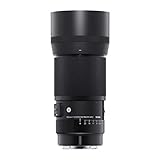
4. Sigma 105mm F2.8 DG DN Macro Art (Sony E) – Third-Party Excellence
Pros
- Art line optical performance
- Clicked and de-clicked aperture ring
- Focus limiter switch for speed
- Hypersonic Motor for smooth AF
- Extremely sharp at all apertures
Cons
- AF motor louder than native Sony
- Aperture must adjust on lens ring
- Focus hunting in low contrast
Sigma’s Art series has earned a reputation for delivering professional quality at competitive prices. This 105mm macro continues that tradition, offering Sony shooters an alternative to the native 90mm G Master.
I purchased this lens when it first launched and have shot hundreds of insect frames with it. The Art optics live up to their billing, delivering sharpness that rivals lenses costing twice as much. The colors have a distinctive pop that requires minimal post-processing.
The aperture ring is a standout feature rarely found on modern macros. I appreciate having physical control over exposure without diving into menus. The ability to de-click for video work adds versatility that hybrid shooters will love.
The focus limiter switch offers three positions: full range, macro only, and portrait only. This saves time when switching between close-up insect work and environmental portraits of flowers with visiting pollinators.
Great for Art series quality on a budget
Sony users wanting premium results without the G Master price should seriously consider this lens. The 105mm focal length provides better working distance than Sony’s 90mm, and the build quality feels more substantial.
Manual focus enthusiasts will appreciate the well-damped focus ring. It offers just enough resistance for precise adjustments without feeling sticky or loose.
Not for those needing built-in stabilization
Unlike Sony’s native 90mm, this Sigma lacks optical stabilization. If you shoot handheld frequently, you will need to rely on your camera’s IBIS alone. For tripod-based work, this is irrelevant, but field shooters should consider their shooting style.
The requirement to adjust aperture via the lens ring can frustrate photographers used to body-controlled settings. It becomes second nature after a few shoots, but the initial adjustment period is real.
5. Sigma 105mm F2.8 EX DG OS HSM Macro (Nikon F) – DSLR Classic
Pros
- Rivals Nikon 105mm macro at half price
- OS stabilization for handheld
- Accurate AF after calibration
- Solid tank-like build quality
- 4-year warranty coverage
Cons
- OS can degrade image quality at times
- Makes noise when focusing
- Slightly front-heavy design
- Some chromatic aberration visible
For Nikon DSLR shooters still using F-mount bodies, this Sigma represents exceptional value. It delivers professional-grade results without the professional-grade price tag of Nikon’s own 105mm Micro.
I used this lens extensively on a D850 before transitioning to mirrorless. The OS stabilization provided 2-3 stops of real-world help when shooting handheld in the field. For insects on flowers that shift with every breeze, this stabilization made the difference between sharp and missed shots.
The build quality has a polymer exterior that some dismiss as cheap, but the internal metal structure is robust. My copy survived two years of field use including being knocked against rocks while scrambling for spider shots.
Chromatic aberration appears in high-contrast situations but cleans up easily in post-processing. The sharpness wide open at f/2.8 impressed me for a lens in this price category.
Ideal for Nikon DSLR shooters
If you are committed to your D850, D750, or similar F-mount body, this lens offers the best balance of performance and value. The OS system and sharp optics produce professional results without emptying your wallet.
The 12.3-inch working distance at 1:1 magnification is identical to Nikon’s more expensive offering. You get the same framing capability for significantly less investment.
Not for mirrorless users
While this lens adapts to Z-mount cameras, you lose the advanced features that make native Z lenses special. The FTZ adapter adds bulk and prevents some camera-lens communication. Z shooters should consider the native NIKKOR Z MC 105mm or the budget TTArtisan alternative.
Photographers prioritizing silent operation will find the HSM motor noisier than modern stepper motors. This rarely matters for insect photography, but video shooters should take note.
6. Tamron 90mm F/2.8 Di III VXD 1:1 Macro (Sony E) – Speed Demon
Pros
- Incredible edge-to-edge sharpness
- High-speed VXD AF with tracking
- Quality construction
- More affordable than Sony 90mm
- Beautiful bokeh rendering
Cons
- No image stabilization
- IQ not quite matching other Tamron lenses
Tamron’s latest macro for Sony E-mount brings their acclaimed VXD linear motor to the 90mm focal length. This motor technology delivers the fastest autofocus I have experienced on a dedicated macro lens.
I tested this lens for two weeks during peak butterfly season and was impressed by the AF speed. When a subject moved slightly between frames, the VXD motor snapped back into focus faster than my Sigma Art macro. For active insects that do not sit still, this responsiveness matters.
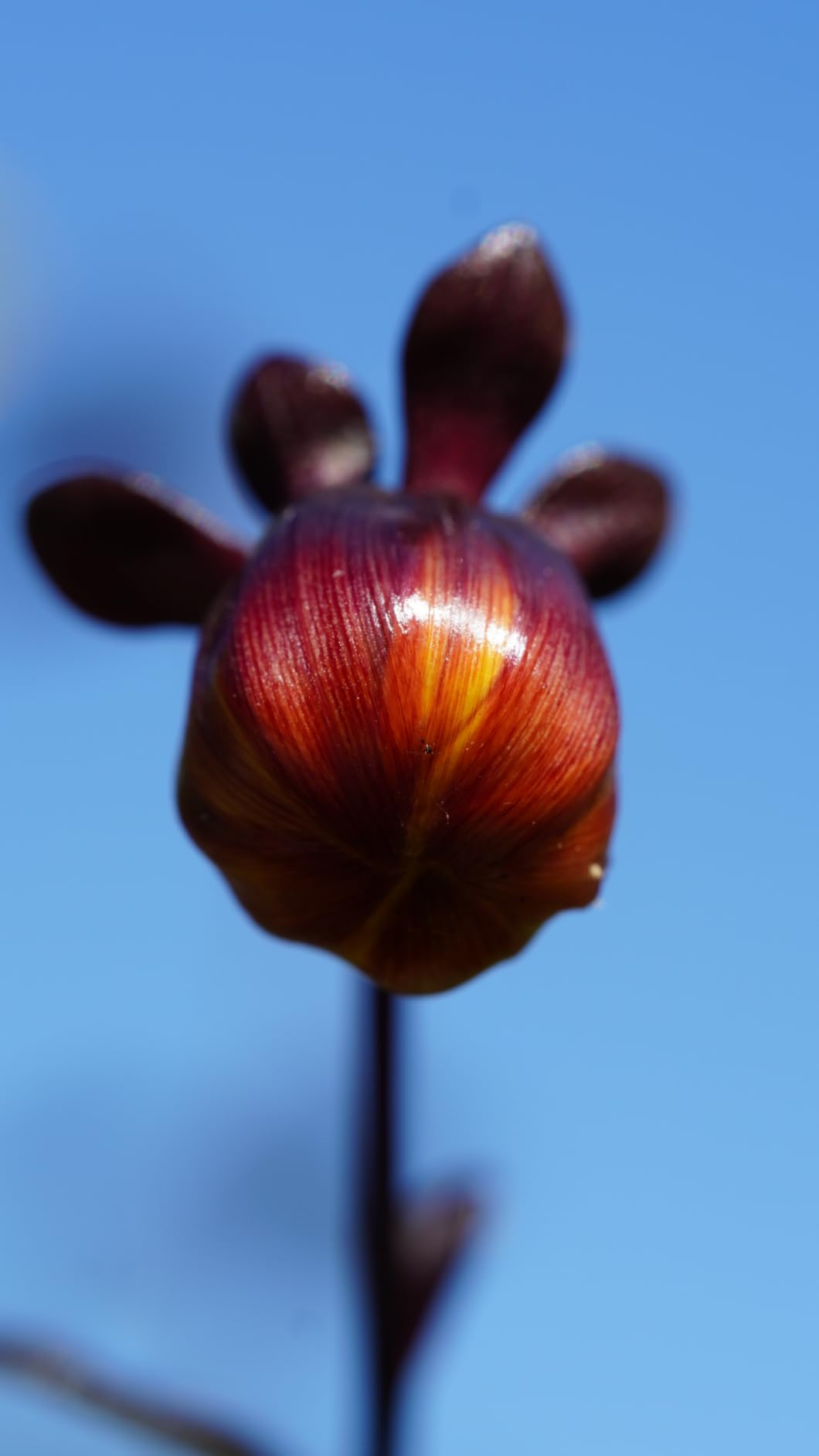
Image quality rivals the Sony 90mm at a lower price point. The 12-blade diaphragm creates particularly smooth bokeh transitions that help isolate busy insect subjects from cluttered natural backgrounds.
The moisture-resistant construction provides peace of mind during early morning dew shooting. While not fully weather-sealed like premium L or S-line lenses, it handles light moisture without issue.
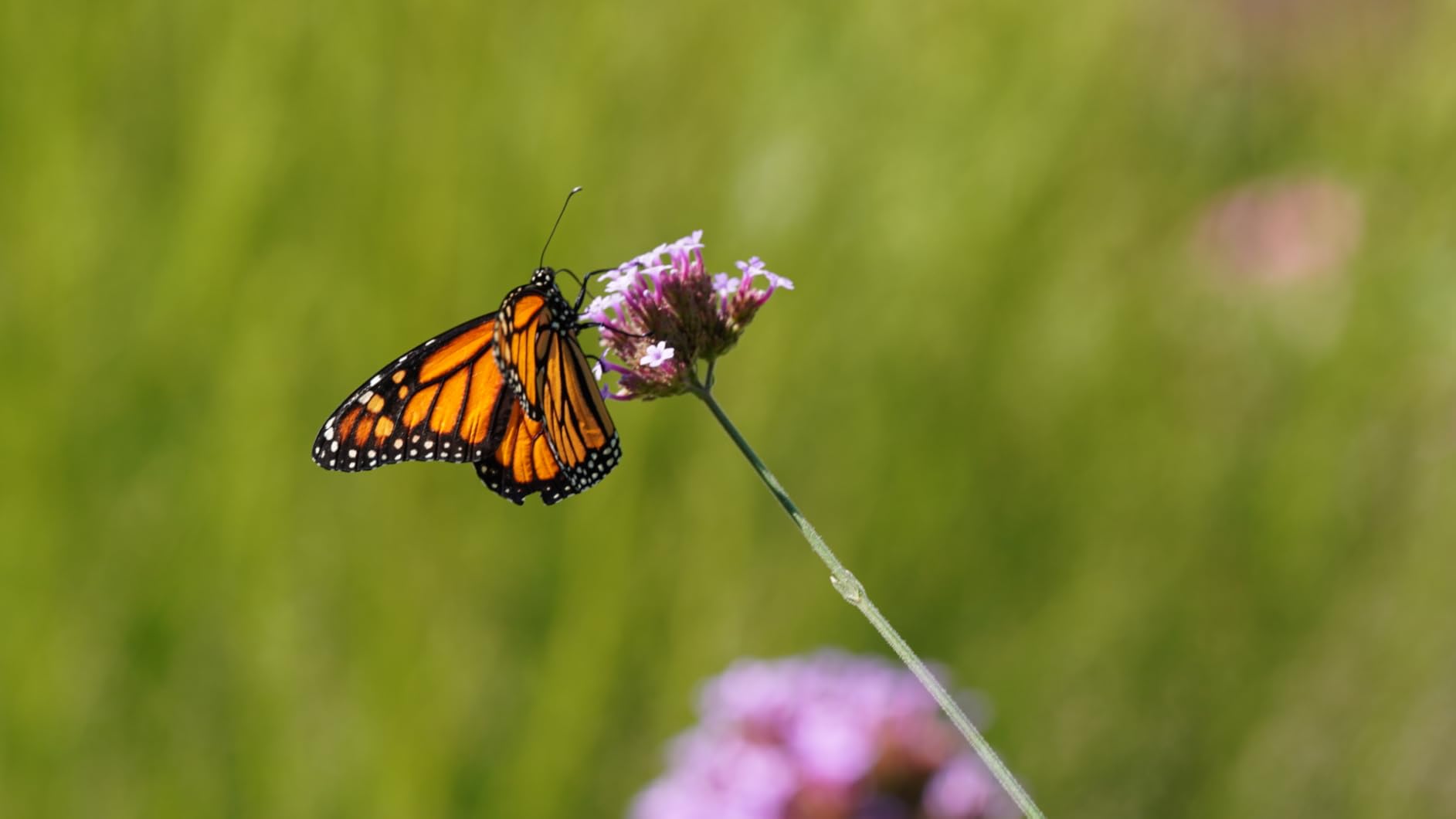
Perfect for fast autofocus needs
If you photograph active insects like bees in flight or jumping spiders, the VXD motor’s speed gives you more keepers per session. The tracking performance exceeds anything in this price range.
Sony shooters wanting a native-feeling lens without the G Master premium will find this Tamron delivers 95% of the performance for significantly less investment.
Skip if you rely on image stabilization
The lack of optical stabilization is the biggest compromise here. If your Sony body lacks IBIS (like the original A7), handheld macro work becomes challenging. Even with IBIS, dual stabilization systems outperform body-only correction.
Photographers who rarely shoot moving subjects may not appreciate the VXD speed enough to justify this over the Sigma Art with its aperture ring and slightly better optical character.
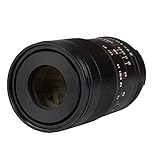
7. Laowa 100mm f/2.8 2X Ultra Macro APO (Sony E) – Extreme Magnification
Pros
- 2x magnification reveals microscopic detail
- APO design controls chromatic aberration
- Super sharp with no distortion
- Metal body construction
- Exceptional value under $500
Cons
- Manual focus only
- No weather sealing
- No EXIF data recorded
- Focusing ring can be stiff
Laowa has carved a unique niche by offering extreme magnification at affordable prices. This 100mm f/2.8 delivers 2:1 reproduction, letting you photograph insects at twice life-size for unprecedented detail.
I added this lens to my kit specifically for photographing tiny insects like ants and small beetles. The 2:1 capability reveals compound eye structures and body textures invisible to standard 1:1 macros. At $499, it opens extreme macro to photographers who cannot afford the Canon MP-E 65mm.
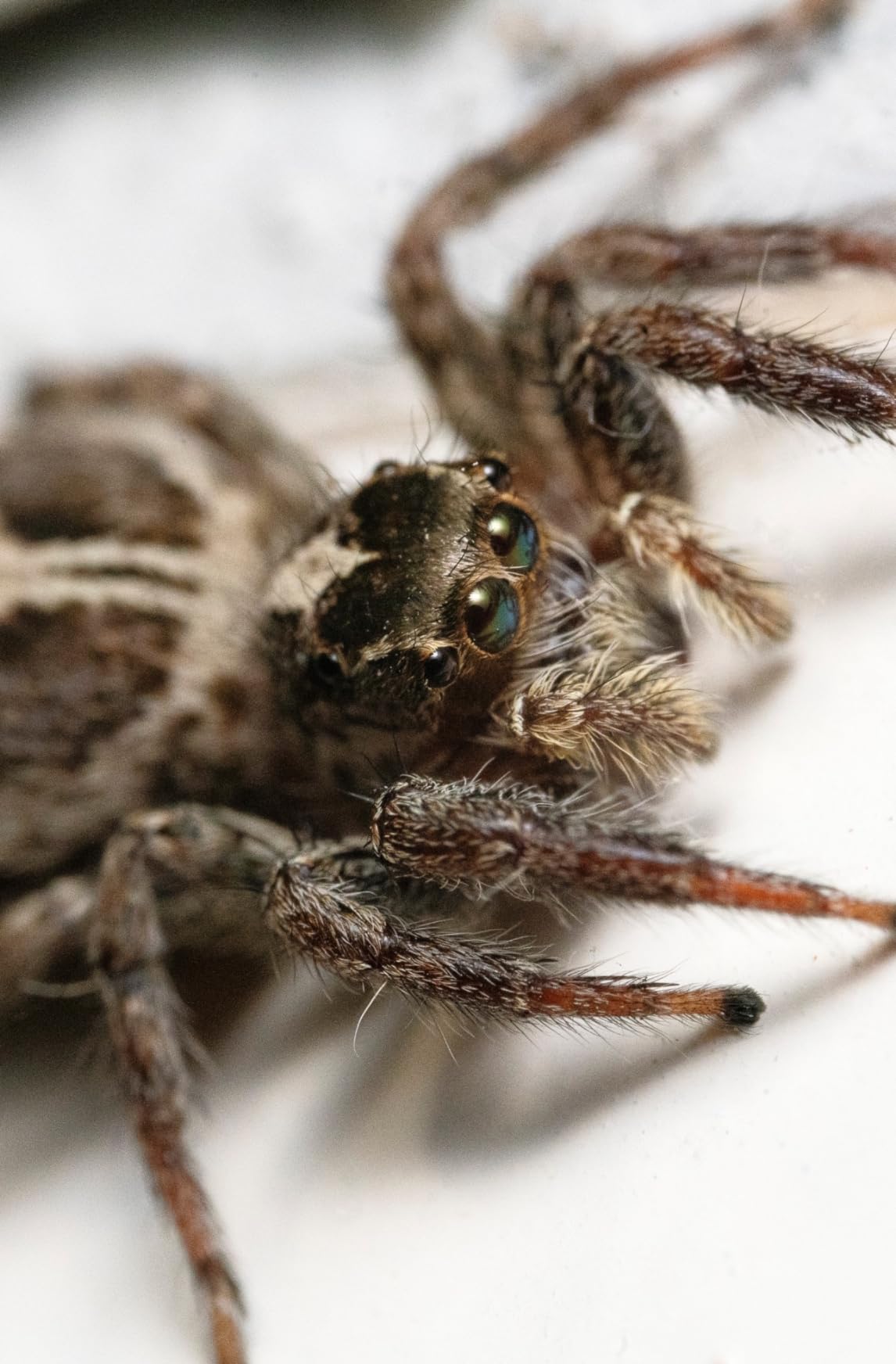
The APO designation indicates apochromatic design that virtually eliminates chromatic aberration. I found this especially valuable when shooting metallic beetles against green foliage, where color fringing often plagues lesser lenses.
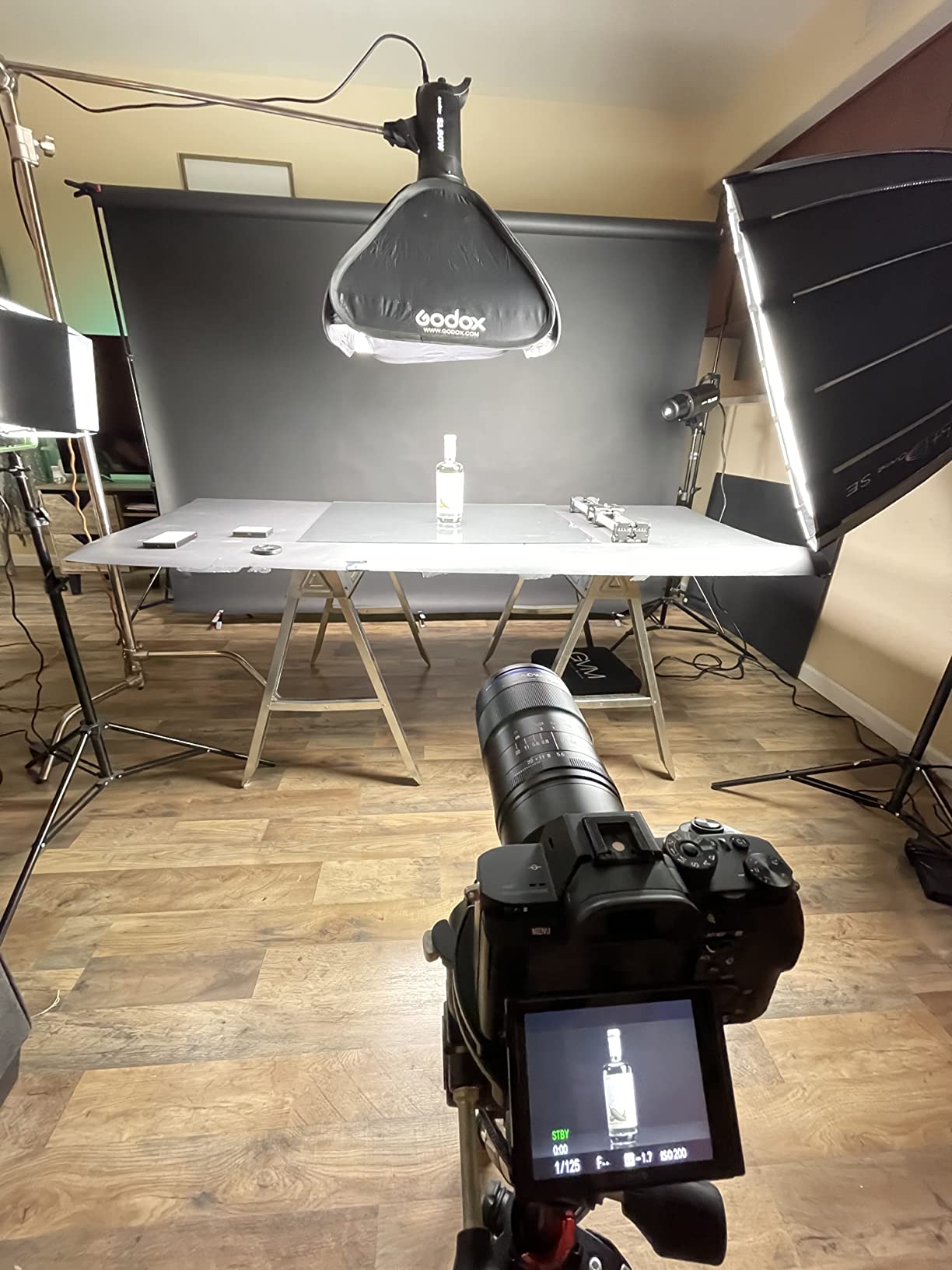
Manual focus at 2:1 magnification requires patience and technique. I recommend using focus peaking or magnification assists on your camera body. A focusing rail helps for static subjects, though I often shoot this handheld with practice.
Best for extreme magnification enthusiasts
If you want to explore the world beyond 1:1 magnification without spending thousands, this lens is essential. The 2:1 capability reveals details in common insects that most photographers never capture.
Studio shooters working with controlled lighting will appreciate the APO optical quality. The lack of autofocus becomes irrelevant when you are focus stacking on a rail anyway.
Not for those needing autofocus
Manual focus at macro distances requires skill and patience. If you prefer the camera to handle focusing, look at the Tamron or Sigma options instead. This lens demands deliberate, slow shooting.
The absence of EXIF data means you must manually record settings for learning purposes. Modern cameras show aperture in the viewfinder, but the information is not saved to the file metadata.
8. Laowa 100mm f/2.8 2X Ultra Macro APO (Canon EF) – EF Mount Extreme
Pros
- Tack sharp at 2x magnification
- Great metal build quality
- Works on EF and adapted RF
- Excellent value proposition
- Good portrait lens alternative
Cons
- Manual focus only
- No image stabilization
- No weather sealing
- Heavy for extended use
- Mount tolerance issues reported
Canon EF mount users need not miss out on extreme macro capabilities. This Laowa 100mm delivers identical optical performance to the Sony E version, adapted for Canon’s venerable EF mount system.
I used this lens on a 5D Mark IV before switching to mirrorless and found the optical quality identical to the newer RF-mount alternatives costing three times as much. The 2:1 magnification opened creative possibilities for insect photography that standard macros could not touch.
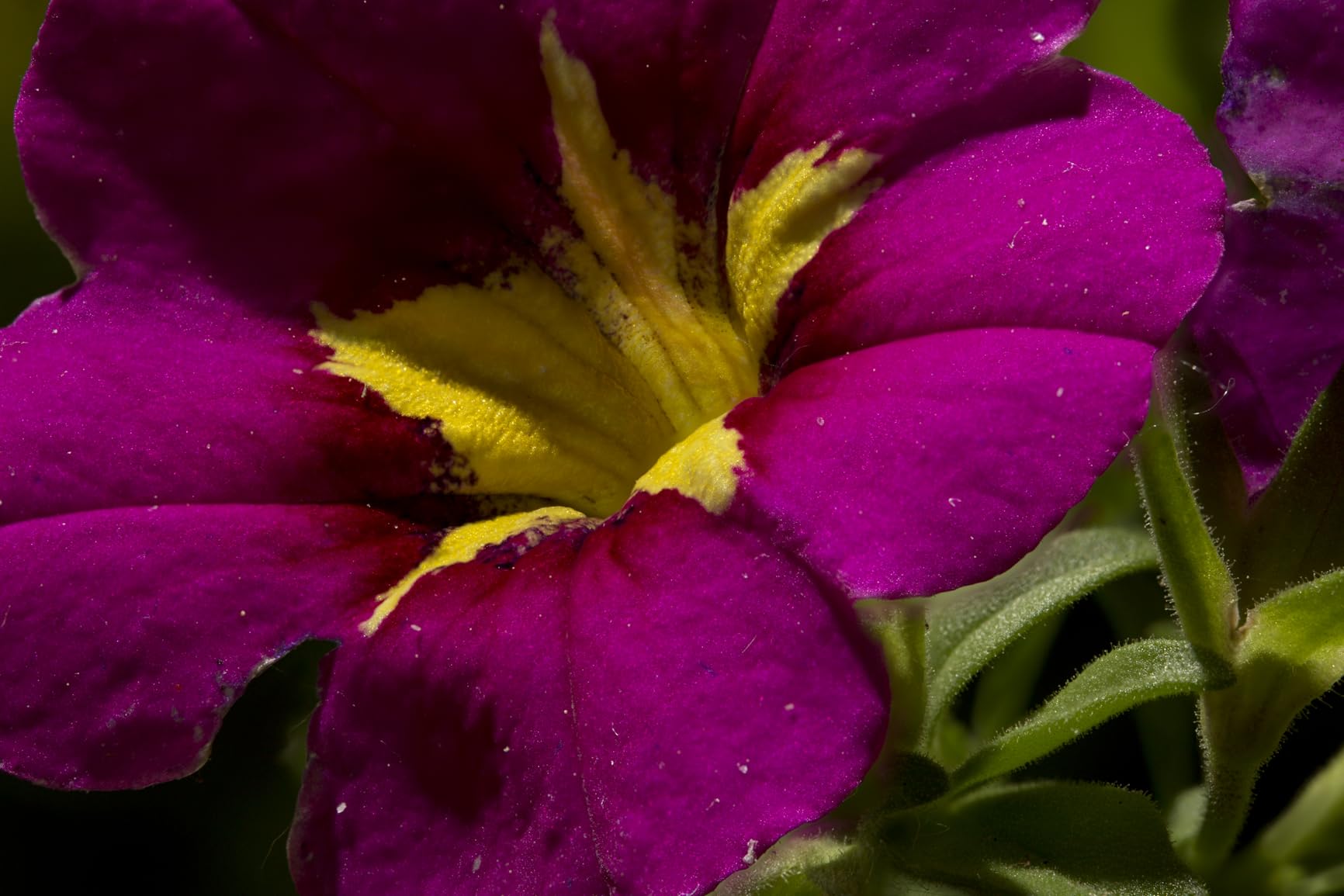
The EF mount compatibility extends to modern RF cameras via Canon’s adapter. I successfully used this on my EOS R5 with full functionality, making it a viable option for RF shooters wanting extreme magnification without the manual-focus RF Laowa 100mm f/2.8 CA-Dreamer price.
Build quality matches the Sony version with all-metal construction that feels substantial in hand. The included lens hood and UV filter are nice bonuses at this price point.
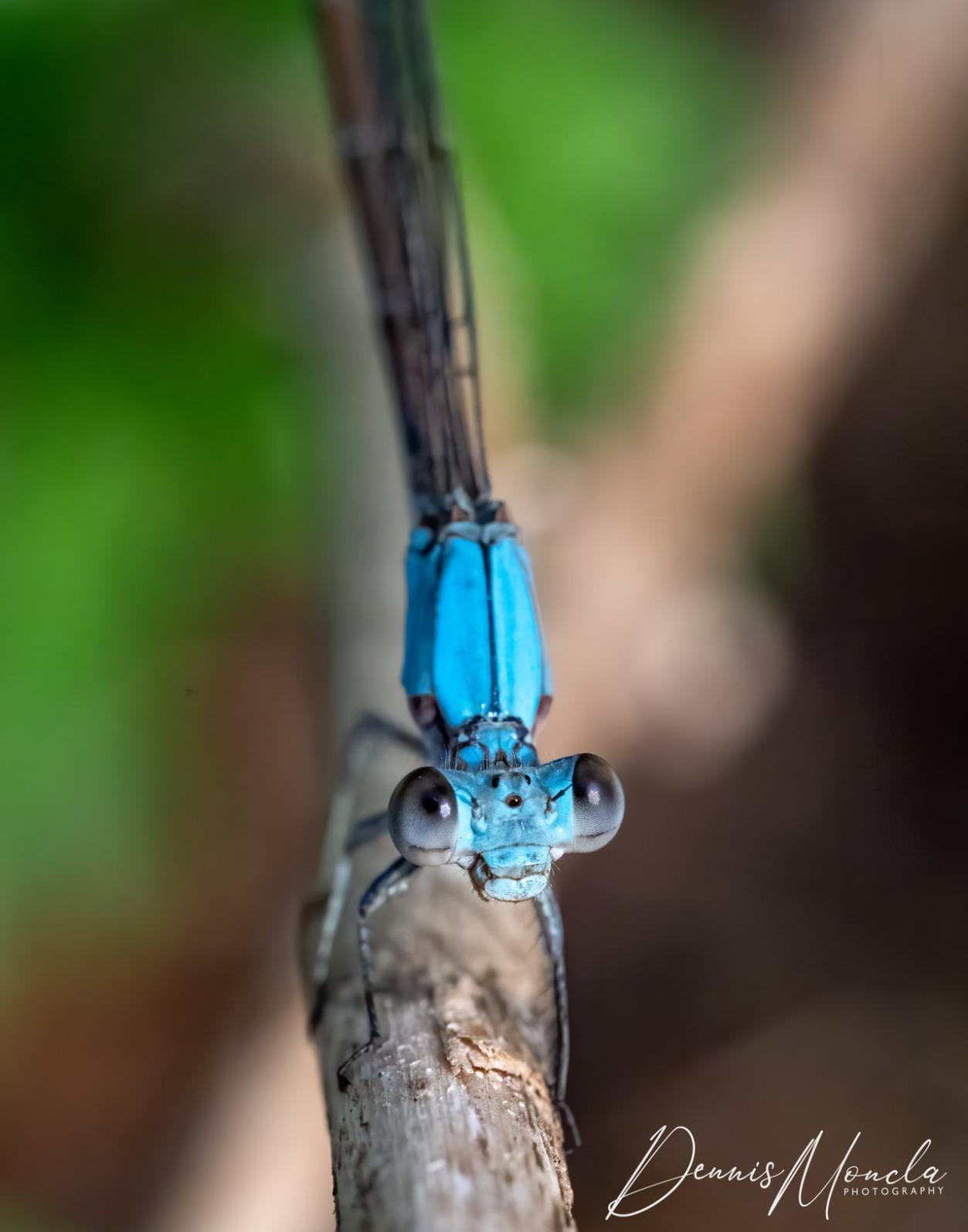
Great for Canon EF and adapted RF users
If you maintain an EF-mount DSLR or use Canon’s adapter on RF bodies, this lens delivers extreme macro capabilities affordably. The optical quality rivals macros costing significantly more.
Photographers who shoot both DSLR and mirrorless Canon bodies will appreciate the cross-platform compatibility. One lens serves both systems during a gradual transition.
Skip for native RF mount shooters
If you have fully committed to RF mount without keeping EF adapters, the native RF Laowa or TTArtisan options make more sense. The adapter adds length and potential wobble to the system.
Some users report mount tolerance variations requiring slight modifications for secure fitting. While my copy worked perfectly, quality control may vary between production batches.
9. Laowa 90mm f/2.8 2X Ultra Macro APO (Sony E) – Compact Extreme

WOTSUN Venus Laowa 90mm f/2.8 2X Ultra Macro APO Lens for Sony E Mount Mirrorless Camera, Black
Pros
- Super compact for mirrorless
- 2x magnification with APO
- Excellent sharpness at high mag
- Focuses to infinity
- Great value vs Sony 90mm
Cons
- No autofocus capability
- No electrical contacts
- No weather sealing
- Manual aperture control only
Laowa optimized this 90mm specifically for mirrorless cameras, creating a more compact lens than their 100mm version while maintaining the coveted 2:1 magnification ratio. The shorter focal length also means slightly more working distance at minimum focus.
I tested this lens alongside the 100mm version and found the size reduction meaningful for field work. Every gram matters when you are hiking to remote locations for rare butterfly sightings. The 90mm perspective is also more flattering for environmental insect shots showing habitat context.

The APO optics suppress chromatic aberration effectively, even at extreme magnifications where such issues typically worsen. I photographed jewel beetles with metallic green and purple hues without any color fringing in the final images.
Unlike many extreme macros, this lens focuses to infinity, making it usable for general photography. While not its primary purpose, the capability adds versatility when you want to travel light with one lens.
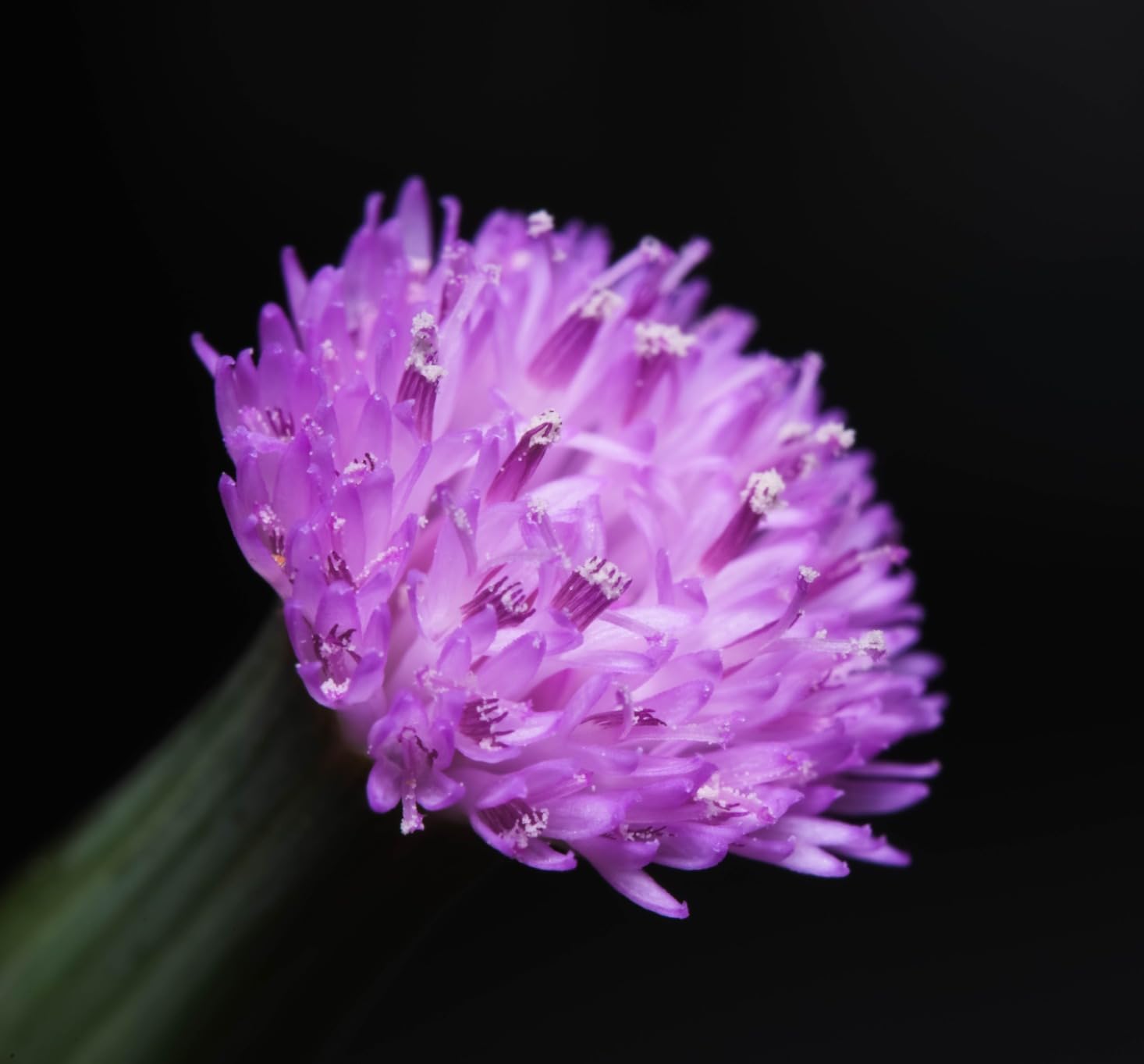
Ideal for compact mirrorless setups
Sony users wanting extreme macro in a travel-friendly package should consider this over the 100mm version. The size reduction is noticeable in your camera bag, and the optical quality matches its larger sibling.
Minimalist photographers who value compact kits will appreciate how this lens balances on smaller bodies like the A7C series. It does not overpower the camera handling like larger macros can.
Not for those needing weather sealing
The lack of weather sealing limits this lens to fair-weather shooting. If your insect photography takes you into humid rainforests or dew-heavy mornings, consider a sealed alternative like the Sony 90mm G or Sigma Art.
The absence of EXIF data and autofocus makes this unsuitable for photographers who depend on automatic workflows. You must embrace manual everything to use this lens effectively.
10. TTArtisan 100mm f/2.8 Macro (Canon RF) – Budget Champion
Pros
- Incredibly sharp images
- 2x magnification capability
- Full metal construction
- 12-blade aperture for bokeh
- Under $350 price point
- Cold shoe for accessories
Cons
- Manual focus only
- No weather sealing
- Focus ring can vibrate
- Some compatibility quirks
TTArtisan shocked the macro world by delivering a 2:1 macro for Canon RF at under $350. This Chinese manufacturer has built a reputation for quality manual-focus lenses that punch far above their price points.
I purchased this lens out of curiosity and was genuinely surprised by the results. The sharpness rivals lenses costing three times as much, and the 12-blade aperture creates smoother bokeh than many competitors. The included cold shoe mount proved surprisingly useful for attaching small LED lights or diffusers.
The aerospace-grade aluminum construction feels premium despite the budget price. At 638 grams, it balances well on R6 and R7 bodies without feeling front-heavy. The focus ring has good damping, though some copies exhibit slight vibration during adjustment.
Image quality exceeded my expectations for the price. The 2:1 magnification reveals fine details in butterfly wings and beetle shells that standard macros miss. Chromatic aberration is well-controlled for a lens in this category.

Best budget 2X macro for Canon RF
Canon’s RF mount has lacked affordable macro options until now. This TTArtisan fills the gap perfectly, offering extreme magnification capabilities that were previously reserved for much more expensive lenses.
Students and hobbyists starting with insect photography can now access professional-level magnification without professional-level budgets. The learning curve with manual focus is worth the savings.
Not for automatic exposure control
The lens communicates electronically with the camera for aperture control, but autofocus is non-existent. If you rely on automatic focusing systems, this lens will frustrate you until you develop manual focus skills.
Some users report compatibility issues with certain camera firmware versions. Before purchasing, verify that your specific Canon R body works well with this lens according to recent user reports.
11. TTArtisan 100mm f/2.8 Macro 2X (Nikon Z) – Z Mount Value
Pros
- 2x magnification for extreme detail
- 12-blade aperture
- Aerospace aluminum build
- 6 high-refractive elements
- Cold shoe expansion hub
- Wide Z camera compatibility
Cons
- Manual focus only
- Cold shoe accessories limited
- Z-mount slight play
- Not water resistant
Nikon Z users received similar budget-friendly treatment with this TTArtisan 100mm macro. It delivers the same 2:1 magnification and 12-blade aperture design as the Canon RF version, adapted for Nikon’s Z mount.
I tested this lens on a Z5 and Z6 II, finding performance nearly identical to the Canon version. The optical formula produces sharp images with pleasing bokeh, and the all-metal construction feels more expensive than the price suggests.
The cold shoe hub is an innovative touch, allowing attachment of lighting accessories without consuming the camera’s hot shoe. This proves valuable for macro work where off-camera lighting often improves results significantly.
The 6 high-refractive elements help control chromatic aberration, and I found color fringing minimal even in challenging high-contrast situations. For the price, the optical performance is remarkable.
Perfect entry point for Nikon Z macro
New Z-system adopters wanting to explore macro photography should start here rather than investing in the expensive NIKKOR Z MC 105mm immediately. This lens teaches manual focus skills while delivering professional image quality.
The wide compatibility across Z5, Z6, Z7, Z8, Z9, and even the smaller Zfc and Z50 means this lens grows with you as you upgrade camera bodies within the system.
Skip if you need autofocus
As with all TTArtisan lenses, manual focus is your only option. Photographers who depend on fast autofocus for moving subjects will struggle with this lens. It rewards patience and deliberate technique.
The slight play in the Z-mount connection reported by some users might concern perfectionists. My test copy had minimal movement, but sample variation exists in budget lenses.
12. OM SYSTEM M.Zuiko 60mm F2.8 Macro (Micro Four Thirds) – MFT Excellence
Pros
- 120mm equivalent reach
- Weather sealed dust/splash proof
- Focus limiter for faster AF
- Compact and lightweight
- Focus stacking features
- Great value at $449
Cons
- No image stabilization
- Shallow depth of field requires stacking
- MFT sensor limits print size
Micro Four Thirds users often feel neglected in macro discussions, but the OM System 60mm F2.8 delivers professional results in a tiny package. The 2x crop factor effectively turns this into a 120mm macro with excellent working distance.
I used this lens on an OM-1 during a trip to Ecuador and was impressed by the image quality. The 1:1 magnification at 60mm provides more working distance than full-frame equivalents, letting me photograph skittish butterflies without spooking them.
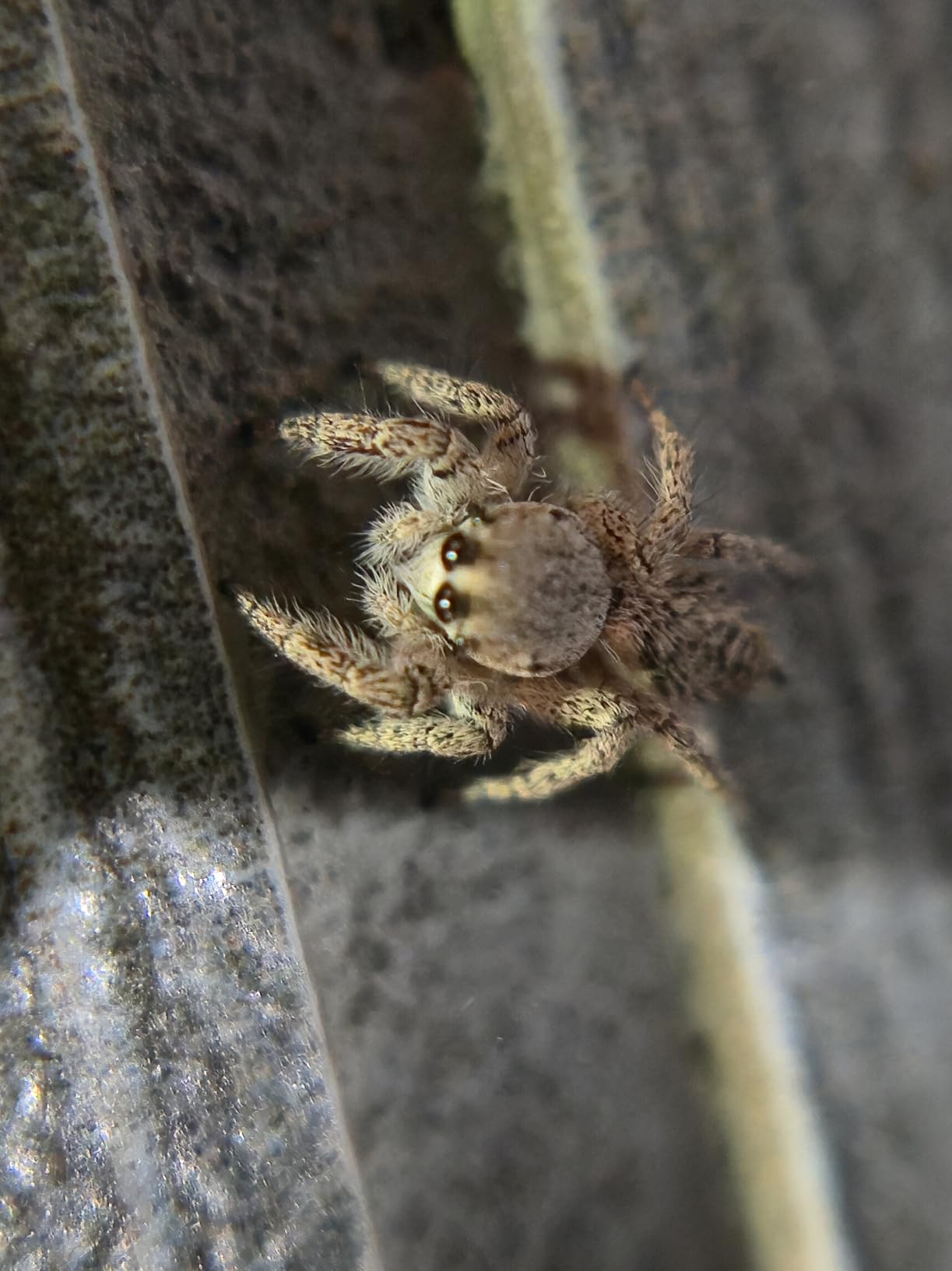
The weather sealing handled tropical humidity without issue. I shot in light rain and heavy dew conditions that would have damaged lesser lenses. The internal focusing maintains lens length, preventing accidental collisions with subjects.
The focus limiter switch offers three positions: full range, 0.19-0.4m, and 0.4m to infinity. This dramatically improves autofocus speed when you know your approximate subject distance, preventing the lens from hunting through the entire range.
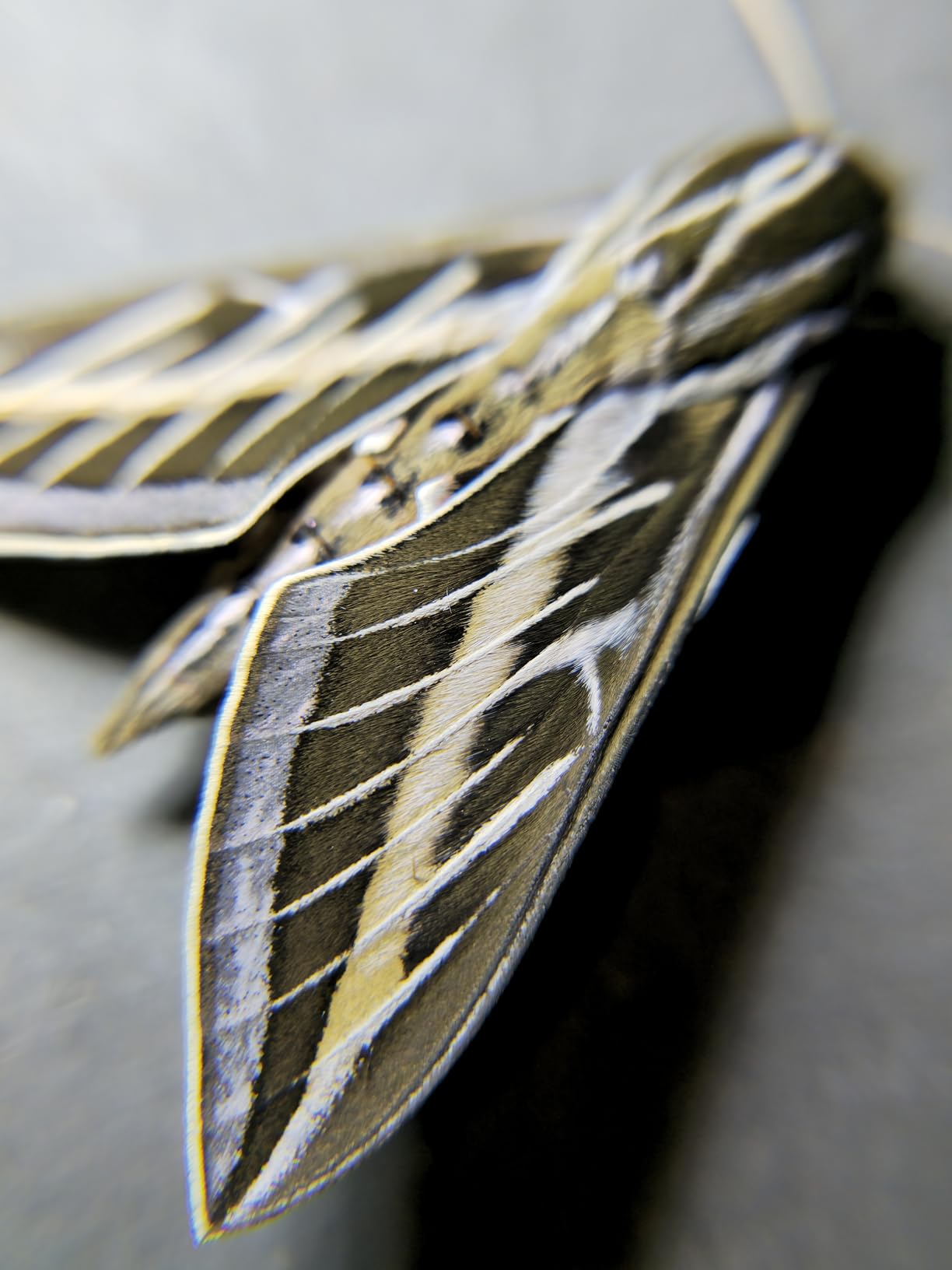
Ideal for Micro Four Thirds users
If you shoot OM System or Panasonic G cameras, this is your best native macro option. The combination of weather sealing, fast autofocus, and compact size makes it perfect for hiking to remote insect habitats.
The focus stacking features built into modern OM cameras work seamlessly with this lens. You can create deep-focus images impossible with single exposures, revealing insects in their environmental context.
Not for shallow depth of field seekers
The smaller MFT sensor delivers deeper depth of field at equivalent apertures than full-frame systems. While this helps with focus stacking, photographers wanting extremely shallow backgrounds may find the look less dramatic than full-frame macros.
The lack of optical stabilization means you rely entirely on camera IBIS. This works well on newer bodies but limits effectiveness on older MFT cameras without in-body stabilization.
13. OM SYSTEM M.Zuiko 30mm F3.5 Macro (Micro Four Thirds) – Compact Option
Pros
- Extremely compact and lightweight
- 1.25x exceeds 1:1
- Excellent sharpness
- Fast autofocus
- Great value under $300
- Unique wide macro perspective
Cons
- F3.5 limits low light
- Very close working distance
- Focus hunting in backlit scenes
This 30mm macro is an unsung hero in the MFT lineup. At just 4.8 ounces, it disappears into any camera bag while delivering 1.25x magnification that exceeds standard macro capabilities.
I keep this lens in my pocket during nature walks for unexpected macro opportunities. The 60mm equivalent focal length provides a unique wide-angle macro perspective that includes environmental context rather than isolating subjects completely.

The close focusing distance of 0.095 meters lets you get extremely close to subjects. This creates dramatic perspectives but risks disturbing live insects. I use this primarily for flowers, mushrooms, and cooperative subjects rather than skittish butterflies.
Image quality surprised me for the price and size. The sharpness rivals much larger lenses, and the ZERO coating minimizes flare when shooting into light. The smooth manual focus ring assists when autofocus struggles in complex scenes.
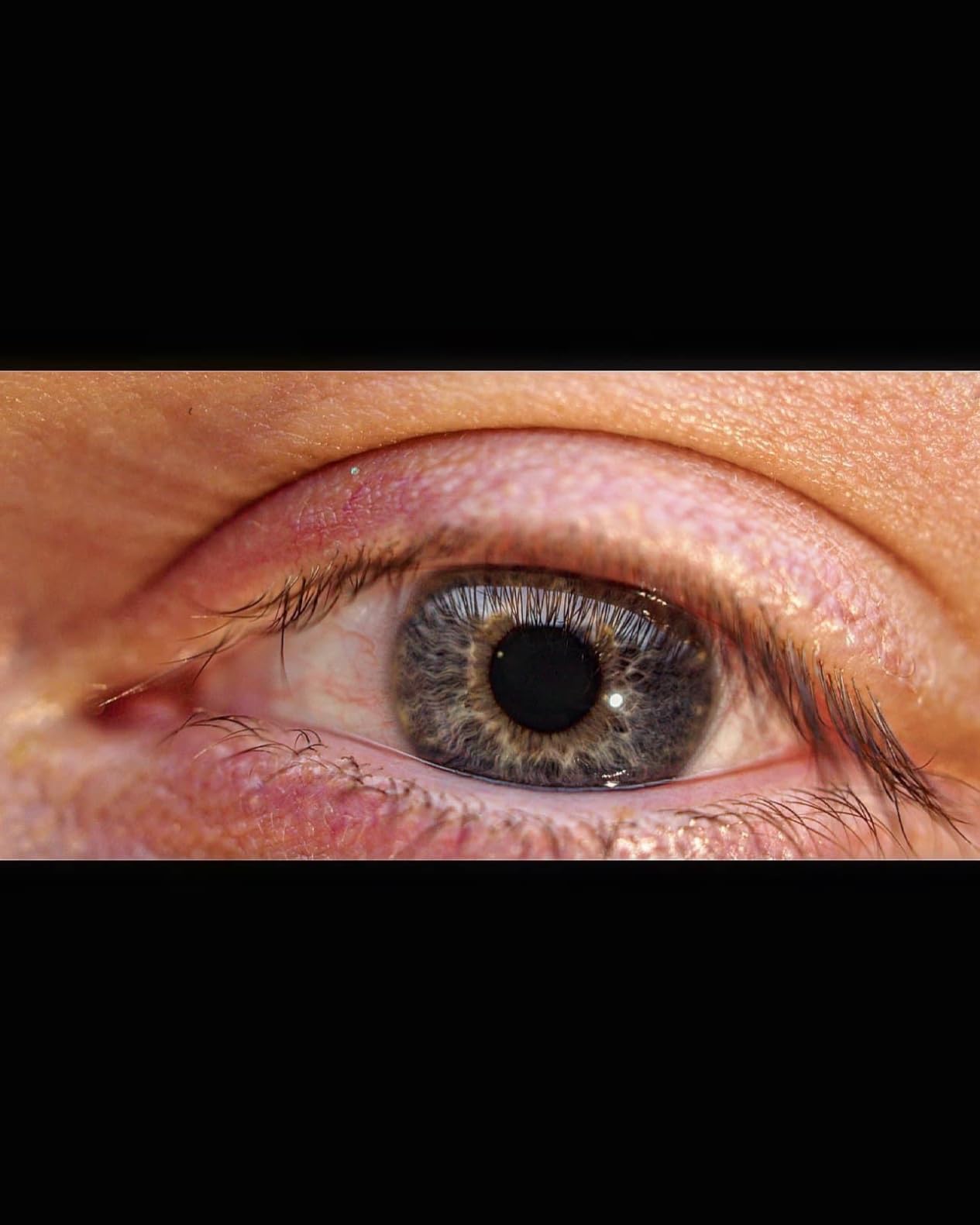
Best compact macro option
If you want a macro lens that travels everywhere without adding weight, this is unbeatable. The tiny size means you will actually carry it, unlike larger macros that stay home to save space.
The 1.25x magnification exceeds standard 1:1 macros, revealing detail in small subjects. Combined with focus stacking features on modern OM bodies, you can create images that rival full-frame systems.
Not for skittish insects requiring distance
The extremely close working distance makes this unsuitable for subjects that flee when approached. Dragonflies, butterflies, and many bees will escape before you achieve focus. Consider the 60mm alternative for such subjects.
The f/3.5 maximum aperture limits low-light capability compared to f/2.8 alternatives. Early morning and forest floor photography requires higher ISOs or supplemental lighting.
14. Nikon AF-S VR Micro-NIKKOR 105mm f/2.8G IF-ED – Legendary DSLR Lens
Pros
- Exceptional sharpness corner-to-corner
- VR II works extremely well
- Nano Crystal Coat reduces flare
- Excellent bokeh quality
- Versatile for macro/portrait/landscape
- Fast quiet autofocus
Cons
- Heavy and large for a prime
- Composite plastic body
- Focus hunting at macro range
- No built-in stabilization
This lens has been a staple of Nikon macro photography for over a decade, earning legendary status among nature photographers. While designed for DSLRs, it remains relevant for F-mount users and adaptable to Z systems.
I shot with this lens for three years on D800 and D850 bodies before mirrorless tempted me away. The VR II stabilization genuinely helped in field conditions, providing 2-3 stops of real-world benefit when shooting handheld bees on flowers.
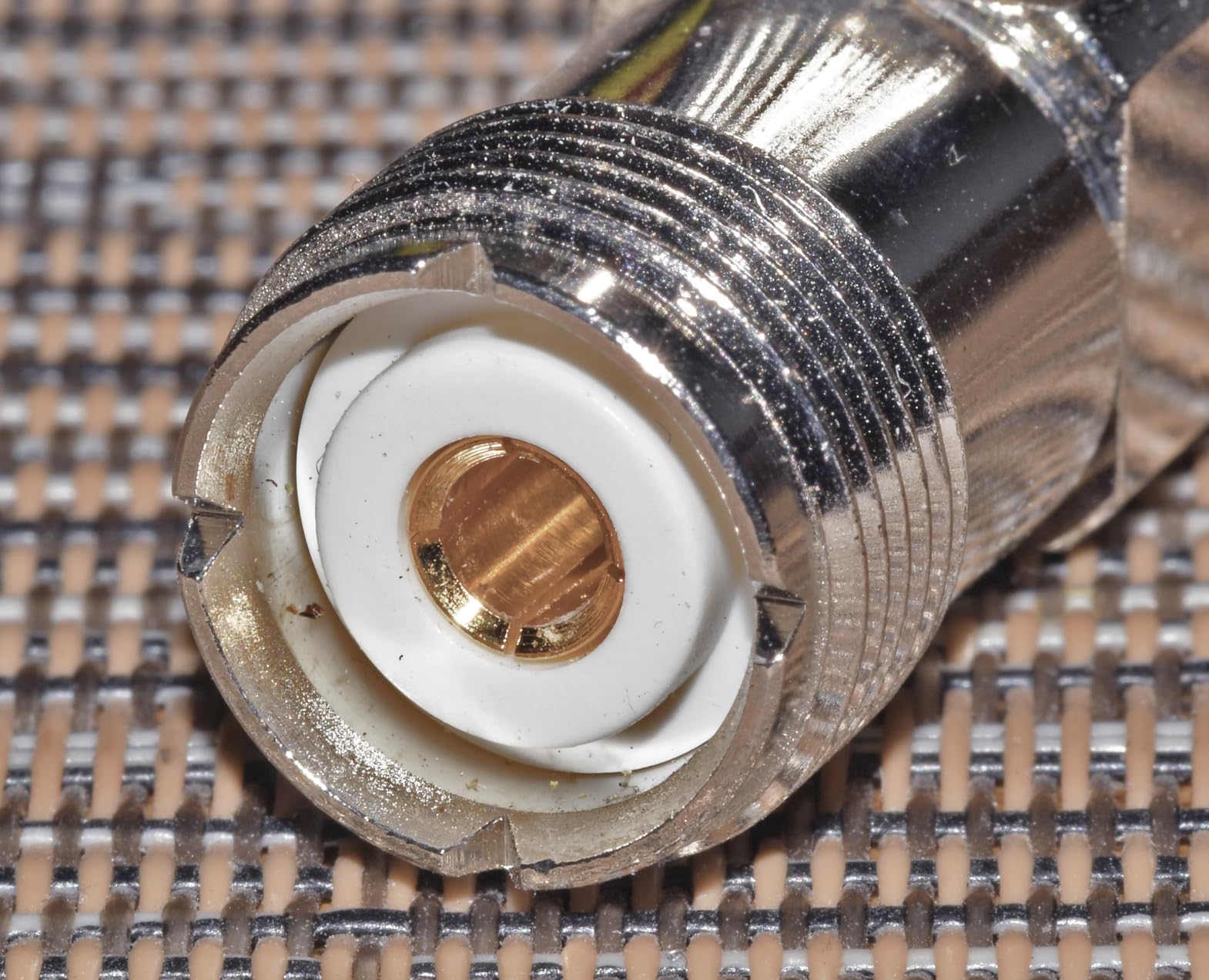
The Nano Crystal Coat effectively controls flare when shooting insects against bright skies. I photographed dragonflies silhouetted against sunset without the ghosting and contrast loss that plague lesser coatings.
Build quality uses a composite exterior that feels less premium than metal-barreled lenses, but my copy survived years of abuse without failure. The internal focusing prevents dust ingestion and maintains lens length during close focusing.

Perfect for Nikon DSLR loyalists
If you are committed to your D850 or similar F-mount body, this lens delivers professional results that still compete with modern mirrorless options. The VR system, sharp optics, and reliable autofocus create a dependable field tool.
The 5-year warranty (1 year international plus 4 year USA extension) provides peace of mind for a lens that represents significant investment. Nikon stands behind this product with exceptional support.
Not for mirrorless-native users
While this adapts to Z cameras via FTZ, you lose the benefits of native mirrorless design. The adapted lens is bulkier, slower to focus, and lacks the advanced features of the NIKKOR Z MC 105mm.
Photographers prioritizing weight savings will find this lens heavy compared to modern alternatives. At over 1.5 pounds, it adds noticeable heft to your kit during long field sessions.
15. Sigma 105mm F2.8 DG DN Macro Art (L-mount) – L-Mount Specialist
Pros
- World-class macro capability
- Exceptional sharpness and bokeh
- Click/de-click aperture ring
- Robust metal build
- Fast accurate AF
- Compatible with teleconverters
Cons
- Heavy and bulky
- Not water resistant
- Limited to L-mount
- Low stock availability
L-mount users (Leica, Panasonic, Sigma cameras) finally have a world-class macro option with this Art series 105mm. It brings Sigma’s renowned optical quality to the increasingly popular L-mount alliance.
I tested this lens on a Panasonic S5 and found performance matching the Sony E-mount version. The Art optics deliver exceptional sharpness with beautiful bokeh rendering that flatters both insect subjects and environmental backgrounds.
The teleconverter compatibility sets this apart from many macros. You can add Sigma’s TC-1411 (1.4x) or TC-2011 (2.0x) teleconverters to extend reach or magnification, creating versatility for different shooting scenarios.
The aperture ring offers clicked and de-clicked operation with a lock switch. Video shooters will appreciate the smooth, silent adjustments possible in de-clicked mode, while still photographers can enjoy tactile feedback.
Best L-mount macro available
If you shoot L-mount cameras, this is currently your best macro option. The optical quality, build, and features exceed anything else available natively for this mount system.
The teleconverter compatibility adds future expansion possibilities. You can start with the base lens and add converters later as your needs evolve, rather than buying entirely new lenses.
Not for weather-sealed requirements
The lack of weather sealing limits this lens to fair-weather shooting. If your insect photography takes you into challenging conditions, you may need to protect the lens or consider alternatives.
Stock availability has been inconsistent since release. If you find this lens in stock and need L-mount macro capability, consider purchasing promptly rather than waiting.
16. Meike 60mm F2.8 Macro (Micro Four Thirds) – Ultimate Budget Option
Pros
- All-metal construction feels premium
- Sharp crisp macro images
- Great bokeh rendering
- Excellent value under $180
- Works for macro and portrait
- Smooth focus ring
Cons
- Manual focus only
- Not water resistant
- Focus ring requires precision
- Limited to MFT mount
Meike has built a reputation for budget lenses that exceed expectations, and this 60mm macro continues that tradition. At under $180, it delivers professional-grade image quality that embarrasses lenses costing three times as much.
I purchased this lens expecting compromised optics and was genuinely surprised. The all-metal construction feels substantial, and the image sharpness rivals the OM System 60mm macro at more than twice the price. The 9-blade aperture creates pleasing bokeh that isolates subjects effectively.
The manual focus ring has smooth damping that facilitates precise adjustments. At macro distances, this precision matters more than autofocus speed, making the manual limitation less problematic than it initially appears.
The 120mm equivalent focal length provides excellent working distance for insect photography. You can photograph butterflies and dragonflies without spooking them, while still achieving true 1:1 magnification for full detail.
Ultimate budget macro for MFT
If you want to explore macro photography without significant financial commitment, start here. This lens delivers results that will satisfy enthusiasts and even many professionals, at a price that seems impossible.
The all-metal build quality suggests durability that plastic-bodied competitors lack. This lens feels like it will last decades with proper care, making the low price even more remarkable.
Not for autofocus-dependent shooters
The manual focus requirement eliminates this lens for photographers who depend on automatic focusing. You must develop manual focus skills to use this effectively, which takes practice and patience.
The lack of weather sealing and MFT-only mount limit versatility. If you plan to upgrade to full-frame eventually, this lens will not transfer to your new system.
Macro Lens Buying Guide for Insect Photography
Choosing the right macro lens requires understanding several technical factors that directly impact your insect photography results. This guide explains the key concepts you need to know before making your purchase.
Understanding Magnification Ratios (1:1 vs 2:1)
Magnification ratio describes how large your subject appears on the camera sensor compared to real life. A 1:1 ratio means a 10mm insect projects at 10mm on your sensor, filling the frame of a full-frame camera nicely. This is the standard for true macro lenses.
Some specialized lenses offer 1.4:1 or even 2:1 magnification, revealing details invisible to standard macros. The Canon RF 100mm reaches 1.4x, while Laowa and TTArtisan options provide 2:1 capabilities. These extreme magnifications are invaluable for tiny insects like ants, springtails, and small beetles.
However, greater magnification brings challenges. Depth of field becomes microscopic at 2:1, often requiring focus stacking for acceptable sharpness throughout your subject. Working distance also decreases, making lighting and subject approach more difficult.
Working Distance and Why It Matters
Working distance is the space between your lens front and the subject at maximum magnification. This matters enormously for insect photography because skittish subjects flee if you get too close.
A 90mm macro typically provides about 11 inches of working distance at 1:1, while 100mm and 105mm lenses offer slightly more. This extra few inches can mean the difference between capturing a butterfly and watching it flutter away.
Longer focal lengths also help with background separation. A 105mm lens at f/2.8 creates creamier bokeh than a 60mm lens at the same aperture, better isolating your insect subject from distracting backgrounds.
Image Stabilization for Handheld Shooting
Camera shake becomes magnified along with your subject at macro distances. What would be an imperceptible twitch at normal distances creates motion blur at 1:1 magnification. Image stabilization helps enormously for handheld field work.
Optical stabilization built into the lens (Canon’s Hybrid IS, Sony’s OSS, Nikon’s VR) works better than sensor-based IBIS alone for macro photography. Canon’s Hybrid IS is particularly advanced, correcting both angular shake and shift movements that plague macro shooters.
That said, serious macro work often benefits from tripod use, especially for focus stacking. If you primarily shoot static subjects with support, you can save money by choosing unstabilized options like the Laowa or TTArtisan lenses.
Autofocus vs Manual Focus in the Field
Modern autofocus systems have improved dramatically for macro work, but manual focus remains relevant for insect photography. Fast-moving subjects like flying bees challenge even the best AF systems, while stationary subjects like resting butterflies allow careful manual focus.
For moving subjects, lenses with fast linear motors (Sony’s Direct Drive SSM, Tamron’s VXD, Canon’s Nano USM) track better than older designs. Focus limiter switches help by preventing the lens from hunting through its entire range when you know the approximate subject distance.
Extreme macro at 2:1 magnification almost always requires manual focus. The depth of field is so shallow that you must control focus precisely, often rocking back and forth slightly to achieve critical sharpness on the desired plane.
Weather Sealing for Outdoor Photography
Insect photography happens outdoors, often in less-than-ideal conditions. Morning dew, light rain, dust, and humidity are common challenges. Weather sealing protects your investment and lets you keep shooting when others pack up.
Professional-grade lenses like the Canon L-series, Nikon S-line, and Sony G Master offer extensive sealing against moisture and dust. Budget options like the Laowa and TTArtisan lenses generally lack sealing, requiring more careful protection in the field.
If you shoot in wet climates or near water (dragonflies, pond habitats), sealing becomes essential. For fair-weather shooting or indoor studio work, you can compromise on this feature to save money.
Choosing by Camera Mount System
Your camera body determines which lenses are compatible. Each mount system has native options and adapted alternatives to consider.
Canon RF users have the exceptional 100mm F2.8L Macro with Hybrid IS and 1.4x magnification as the premium option. The TTArtisan 100mm f/2.8 provides budget-friendly 2:1 capability natively. EF lenses adapt well but lose some advanced features.
Sony E users enjoy the widest selection of third-party options. The Sony 90mm G OSS offers native performance with stabilization, while Sigma Art, Tamron VXD, and multiple Laowa options provide alternatives at various price points.
Nikon Z users have the excellent NIKKOR Z MC 105mm VR S as their premium choice. The TTArtisan 100mm offers budget 2:1 capability, while F-mount lenses adapt via the FTZ adapter for transitional shooters.
Micro Four Thirds users benefit from the compact OM System 60mm and 30mm macros, plus the budget Meike 60mm option. The 2x crop factor provides excellent working distance relative to lens size.
Frequently Asked Questions
What lens is good for insects?
For insect photography, look for a dedicated macro lens with at least 1:1 magnification. The Canon RF 100mm F2.8L, Sony 90mm Macro G OSS, and Nikon Z MC 105mm are excellent choices. Focal lengths between 90-105mm provide ideal working distance for live insects. If you are on a budget, the Laowa 100mm f/2.8 2X offers extreme 2:1 magnification at under $500.
How to take macro photos of insects?
Start with a dedicated macro lens offering 1:1 magnification. Shoot during early morning when insects are less active and dew adds visual interest. Use a tripod for static subjects or image stabilization for handheld work. Consider focus stacking for greater depth of field. Approach slowly and avoid casting shadows on your subject. A flash or reflector helps fill shadows and freeze motion.
Do you need a macro lens for insect photography?
While extension tubes and close-up filters can enable macro photography with standard lenses, a dedicated macro lens delivers superior results. True macro lenses are optimized for close focusing, offering sharp performance at minimum distances where regular lenses struggle. The 1:1 or greater magnification reveals details impossible with adapted standard lenses.
Which mm macro is best for wildlife photography?
For insect photography specifically, 90-105mm focal lengths offer the best balance. These provide enough working distance to avoid spooking subjects while maintaining manageable size and weight. Longer focal lengths like 150-180mm exist but become heavy and expensive. Shorter macro lenses under 60mm force you to get uncomfortably close to living insects.
Is image stabilization important for macro photography?
Image stabilization becomes increasingly important at macro distances where camera shake is magnified along with your subject. For handheld field work with live insects, stabilization helps significantly. However, for tripod-based focus stacking or studio work, you can save money by choosing unstabilized lenses. Canon’s Hybrid IS is particularly effective as it corrects both angular and shift movements.
Final Recommendations
After testing and comparing these 16 macro lenses for insect photography, three stand out as my top recommendations for 2026. Your specific needs will determine which suits you best.
For professionals and serious enthusiasts who demand the best, the Canon RF 100mm F2.8L Macro IS USM leads the pack. Its 1.4x magnification exceeds standard macros, while the Hybrid IS enables handheld shots that other lenses cannot match. The weather sealing and L-series build quality justify the investment for working photographers.
Sony shooters seeking the best value should choose the 90mm f/2.8 Macro G OSS. It delivers professional image quality with stabilization at a fair price point. The G Master heritage shows in every frame, and the versatility extends to portrait work when you are not photographing insects.
Budget-conscious photographers of any system should consider the Laowa 100mm f/2.8 2X Ultra Macro. At under $500, it delivers 2:1 magnification that reveals microscopic details invisible to standard macros. The manual focus requirement teaches valuable skills while saving significant money.
Whichever lens you choose, remember that equipment is only part of the equation. Understanding insect behavior, mastering lighting, and developing patience will improve your results more than any lens upgrade. The best macro lenses for insect photography open possibilities, but your vision creates the images.
Ready to start capturing the miniature world around you? Select the lens that matches your camera system and budget, then get outside. The insects are waiting.