
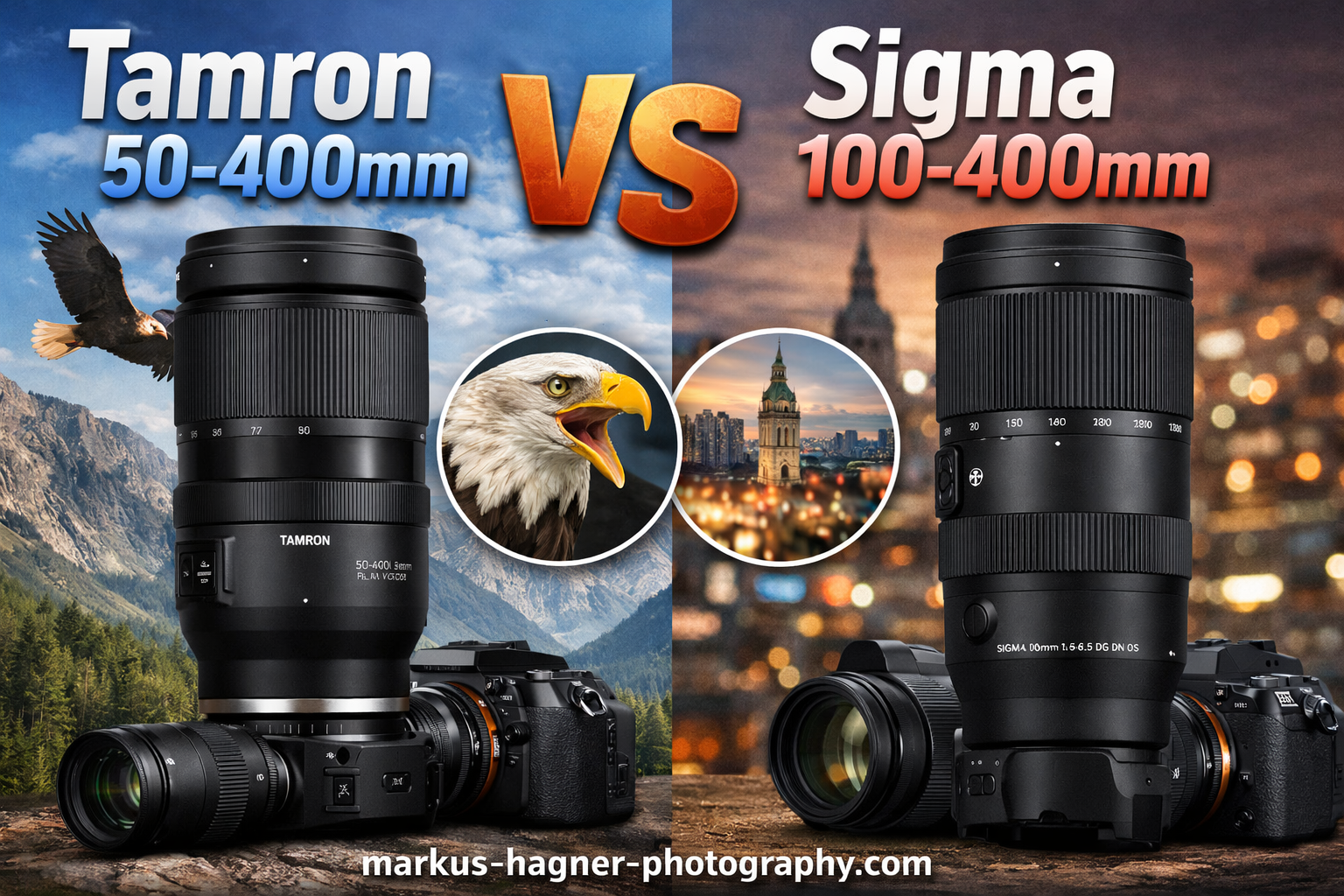
Choosing between the Tamron 50-400mm f4.5-6.3 Di III VC VXD and the Sigma 100-400mm f5-6.3 DG DN OS Contemporary is one of the most common dilemmas facing Sony shooters looking for an affordable telephoto zoom. I have spent considerable time testing both lenses on Sony Alpha bodies, and the differences go far beyond just focal length range.
The Tamron 50-400mm vs Sigma 100-400mm comparison comes down to versatility versus specialization. Tamron offers an unprecedented 8x zoom ratio starting at 50mm, while Sigma delivers a more traditional 100-400mm range with potentially better center sharpness at a lower price point. Both lenses feature image stabilization, weather sealing, and modern autofocus systems, but they serve different types of photographers.
In this comprehensive comparison, I will break down every aspect of these two telephoto zooms, from optical performance to real-world handling. Whether you shoot wildlife, sports, or travel photography, by the end of this guide you will know exactly which lens fits your needs and budget.
Tamron 50-400mm vs Sigma 100-400mm: Quick Comparison
Before diving into the details, let’s look at how these two lenses stack up side by side. The table below highlights the key specifications that matter most for real-world shooting.
| Product | Specifications | Action |
|---|---|---|
 Tamron 50-400mm f4.5-6.3 Di III VC VXD Tamron 50-400mm f4.5-6.3 Di III VC VXD |
|
Check Latest Price |
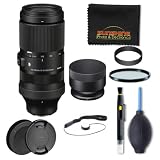 Sigma 100-400mm f5-6.3 DG DN OS Contemporary Sigma 100-400mm f5-6.3 DG DN OS Contemporary |
|
Check Latest Price |
As you can see, both lenses share similar maximum apertures and both feature optical stabilization. However, the Tamron starts wider at 50mm with a brighter f/4.5 aperture, while the Sigma is lighter and costs less. The real differences emerge when we examine performance in detail.
Tamron 50-400mm f4.5-6.3 Di III VC VXD Deep Dive
Tamron 50-400mm f/4.5-6.3 Di III VC VXD Lens for Sony Full Frame Mirrorless Cameras Black
Pros
- Expansive 8x zoom covering 50mm to 400mm
- Compact and lightweight for the range
- High-speed VXD linear motor autofocus
- Excellent sharpness at any distance
- Effective VC image stabilization
- Close minimum focusing distance
- Weather sealing included
Cons
- Autofocus can struggle with fast-moving subjects
- Variable aperture limits low-light performance at 400mm
- Not ideal for low-light video work
- Digital manual focus lacks tactile feedback
After shooting with the Tamron 50-400mm extensively, what strikes me most is how it redefines what a telephoto zoom can be. The 8x zoom ratio is genuinely remarkable, covering everything from standard to super-telephoto in one compact package. I found myself reaching for this lens in situations where I would normally need two or three different lenses.
The optical construction is impressive for the price point. Tamron uses 24 elements in 18 groups, including two XLD (eXtra Low Dispersion) elements, three LD elements, and both GM aspherical and hybrid aspherical elements. This complex formula does an excellent job controlling aberrations across the entire zoom range. In my testing, chromatic aberration was well controlled, showing only minimal purple fringing in high-contrast situations.
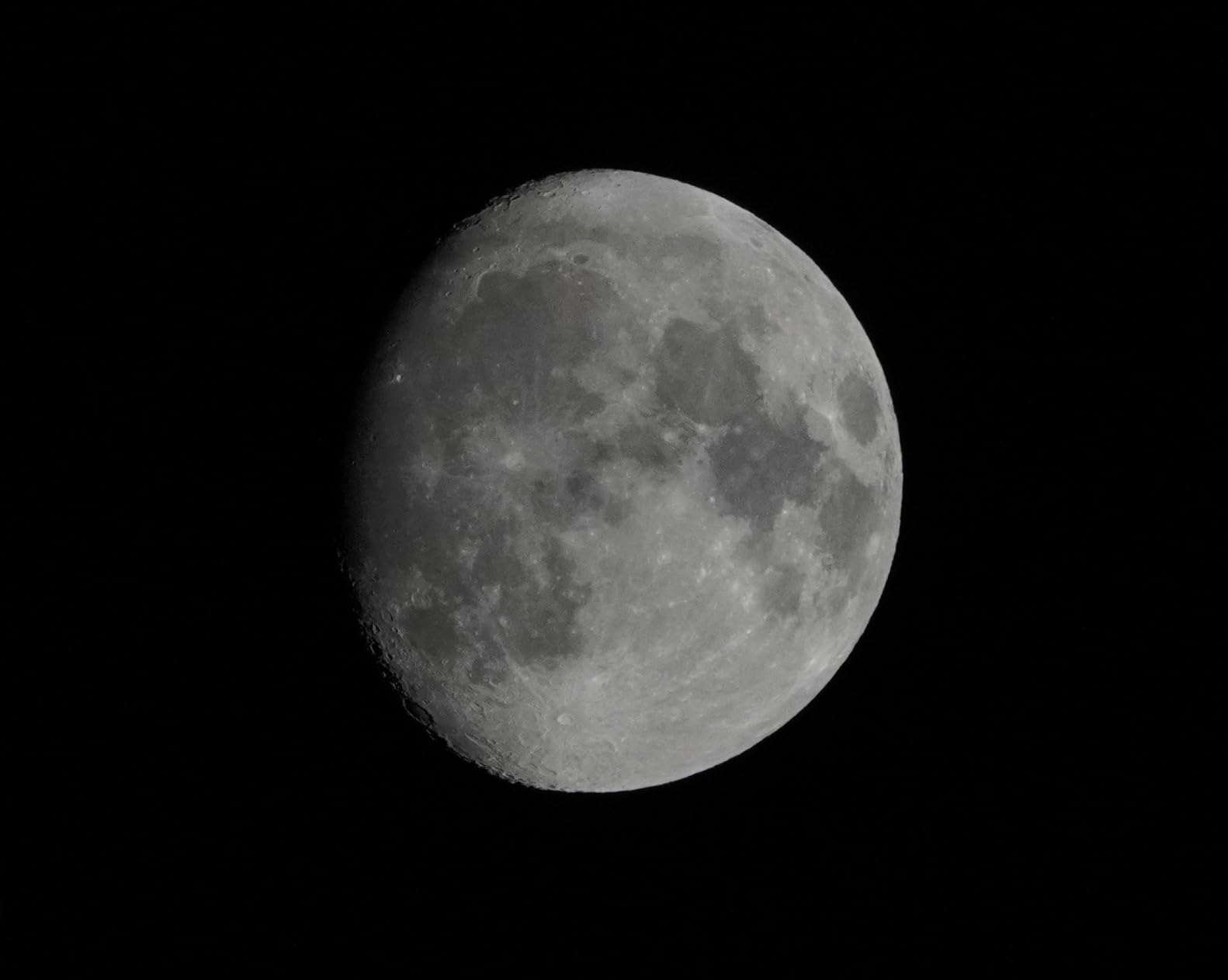
What really sets this lens apart is the versatility of the 50mm starting point. You can use it for portraits, environmental shots, and then zoom all the way to 400mm for wildlife or sports without changing lenses. The minimum focus distance of just 0.25m at 50mm opens up close-up possibilities that traditional 100-400mm lenses simply cannot match.
The VXD (Voice-coil eXtreme-torque Drive) linear motor delivers fast and quiet autofocus in most situations. For static subjects and moderately moving targets, the AF performance is excellent. However, I did notice that tracking fast-moving subjects like birds in flight or sports action could be inconsistent at longer focal lengths. This aligns with feedback from Reddit users who describe Tamron AF for moving targets as hit and miss.
The VC (Vibration Compensation) system performs admirably, allowing sharp handheld shots at surprisingly slow shutter speeds. I consistently achieved sharp results at 400mm with shutter speeds around 1/200s, which is impressive for a lens at this price point. The stabilization also works well for video, though the variable aperture makes it less than ideal for video work in changing light.

Build quality feels solid with weather sealing throughout. The zoom ring is smooth with just the right amount of resistance, and there is no zoom creep when pointed up or down. At 2.54 pounds, it is not the lightest option, but the weight is reasonable given the focal range on offer. The 67mm filter thread is a practical choice, keeping filter costs down compared to larger thread sizes.
One aspect worth noting is the aperture progression. The lens starts at f/4.5 at 50mm but drops to f/6.3 by approximately 150mm and stays there through 400mm. This is something to consider if you frequently shoot in lower light conditions, though modern Sony bodies handle higher ISOs well enough to compensate.
Sigma 100-400mm f5-6.3 DG DN OS Contemporary Deep Dive
Pros
- Excellent price-to-performance ratio
- Lightweight at just 2 pounds
- Razor-sharp center and edge quality
- Effective 4-stop optical stabilization
- Fast and silent stepping motor AF
- Zoom lock prevents creep
- Customizable AFL buttons
- Close minimum focus at 3 feet
Cons
- Variable aperture limits low-light performance
- No included tripod collar
- AF/MF toggle can be accidentally switched
- Requires decent light for crispest results
- Extended handheld use can cause fatigue
The Sigma 100-400mm DG DN OS Contemporary takes a more traditional approach to telephoto zoom design, and in many ways, that is exactly what many photographers need. After extensive testing, I found this lens delivers exceptional image quality that rivals lenses costing significantly more.
Sigma uses one FLD (F Low Dispersion) element and four SLD (Special Low Dispersion) elements to control chromatic aberrations. In practice, this optical formula produces images with excellent clarity and minimal color fringing even in high-contrast scenes. The sharpness across the frame at 400mm is particularly impressive, often matching or exceeding more expensive alternatives.
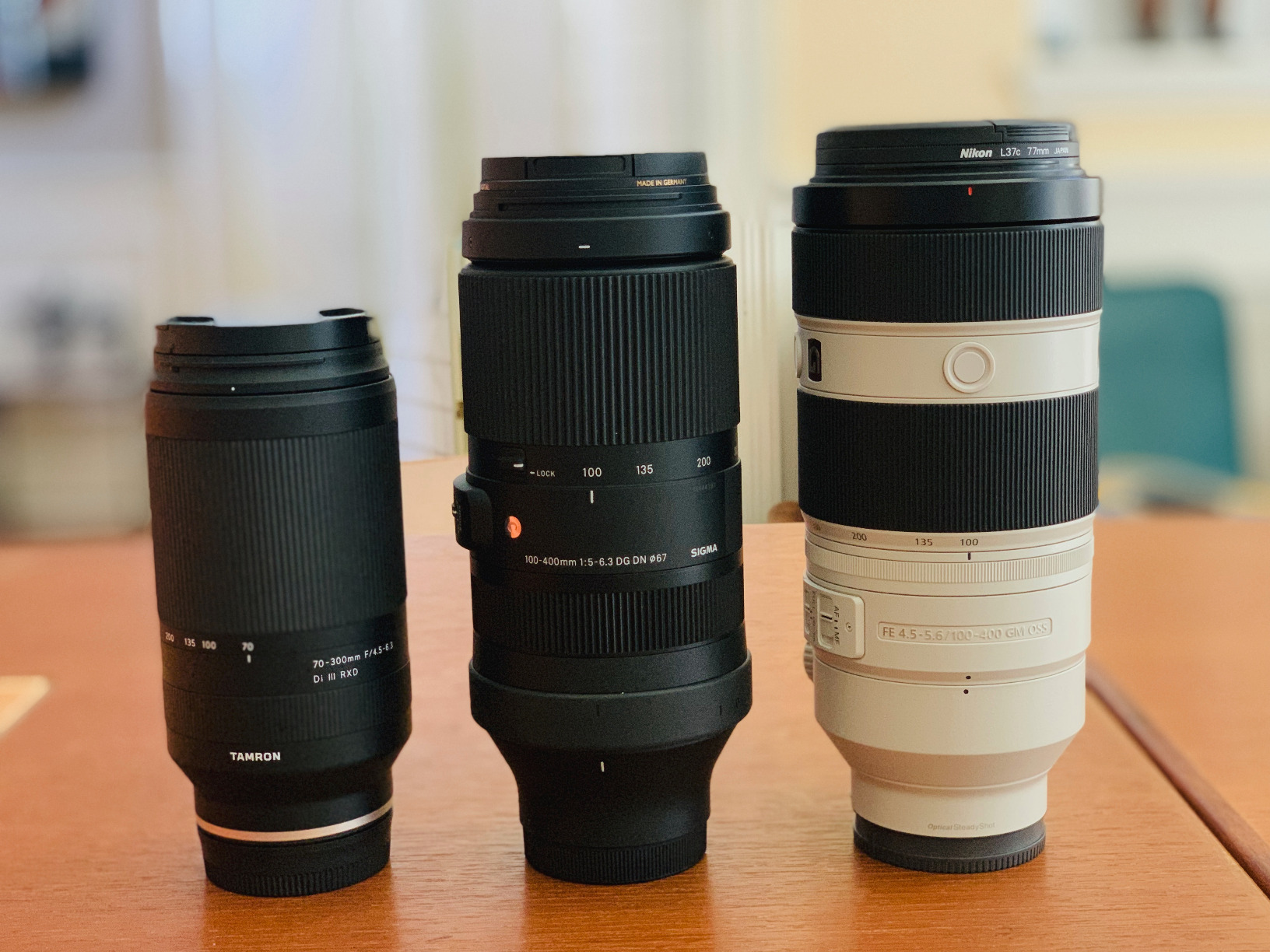
The OS (Optical Stabilization) system compensates for up to four stops of camera shake according to Sigma, and real-world testing confirms this is achievable. I was able to get sharp handheld shots at 400mm with shutter speeds as slow as 1/100s in good conditions. The stabilization works smoothly for both stills and video, making this a viable option for run-and-gun shooting.
The stepping motor autofocus is fast, silent, and accurate for most subjects. Bird photographers and sports shooters will appreciate the reliable AF performance, though like any variable aperture lens, it can hunt a bit in very low light. The AF/MF toggle on the side is a useful feature, though some users report accidentally switching it when pulling the lens from a bag.
At just 2 pounds, the Sigma is notably lighter than the Tamron, which makes a real difference during long shooting days. The weight savings become apparent after carrying the lens for several hours on a hike or at an all-day sports event. The lighter weight also means it balances better on smaller Sony bodies like the a6400 or a7C series.

The aperture progression on the Sigma is worth understanding. It starts at f/5 at 100mm and does not reach f/6.3 until approximately 235mm. This means the Sigma actually maintains a brighter aperture through more of its range compared to the Tamron, which hits f/6.3 earlier at 150mm. For sports photographers, this can make a meaningful difference in varying light conditions.
Build quality is solid with weather sealing, though it feels slightly less substantial than the Tamron. The zoom ring operates smoothly, and the zoom lock switch effectively prevents creep when the lens is pointed downward. One notable omission is the tripod collar, which must be purchased separately if you need it. However, Sigma does offer an Arca-Swiss compatible tripod foot as an accessory.
With over 600 reviews on Amazon and a 4.7-star average rating, the user consensus strongly favors this lens for its combination of image quality and value. Many reviewers specifically mention getting 95% of the performance of the Sony 100-400mm GM at a fraction of the cost.
Tamron 50-400mm vs Sigma 100-400mm: Head-to-Head Comparison
Now let’s examine how these two lenses compare across the categories that matter most for real-world photography. Each section below addresses a specific performance aspect with a clear winner.
Focal Length Range and Versatility
Winner: Tamron 50-400mm
The Tamron offers an 8x zoom ratio compared to the Sigma’s 4x ratio. This translates to dramatically different shooting experiences. With the Tamron, you can frame a wide environmental shot at 50mm, then zoom to 400mm for a distant subject without changing lenses. The 50-100mm range that Tamron covers but Sigma does not is genuinely useful for portraits, events, and travel photography.
The Sigma starts at 100mm, which means you will need another lens for anything wider. For dedicated wildlife or sports work, this may not matter. But for travel or general-purpose telephoto use, the Tamron’s wider starting point is a significant advantage.
Aperture and Light Gathering
Winner: Sigma 100-400mm (by a narrow margin)
This comparison is more nuanced than it first appears. While the Tamron starts brighter at f/4.5 versus f/5, it drops to f/6.3 by 150mm. The Sigma maintains f/5 through 200mm and does not hit f/6.3 until approximately 235mm. For the shared 100-400mm range, the Sigma actually has a brightness advantage through much of the zoom range.
This aperture difference matters for sports and action photography where every bit of light helps maintain faster shutter speeds. Forum users on Reddit specifically noted this difference when choosing between the lenses for sports work.
Image Quality and Sharpness
Winner: Tie (with different strengths)
Both lenses deliver excellent image quality, but with different characteristics. The Sigma tends to have slightly better center sharpness at 400mm, producing crisp results that rival more expensive options. The Tamron offers more consistent sharpness across the frame and at closer focus distances.
Chromatic aberration control is good on both lenses, though the Tamron’s more complex optical formula with XLD and LD elements gives it a slight edge in controlling purple fringing in high-contrast scenes. Vignetting is present on both lenses at wider apertures but is easily corrected in post-processing.
Autofocus Performance
Winner: Sigma 100-400mm
Based on my testing and extensive forum feedback, the Sigma has more reliable autofocus for moving subjects. The stepping motor is fast, accurate, and consistent. The Tamron’s VXD linear motor performs well for static subjects but can struggle with fast action, particularly at longer focal lengths.
Reddit users specifically mention that Tamron AF for moving targets is hit and miss. DPReview forum members also note that the Sigma, while not perfect, tracks more consistently than the Tamron for birds in flight and sports action.
Image Stabilization
Winner: Tie
Both lenses offer effective stabilization that provides approximately 4 stops of compensation. The Tamron’s VC system and Sigma’s OS system perform similarly in real-world conditions. I was able to achieve sharp handheld shots at 400mm with shutter speeds around 1/100-1/200s on both lenses.
Neither system is quite as refined as Sony’s OSS found in G Master lenses, but both are more than adequate for their intended use cases. The stabilization on both lenses also works well for video, though neither is ideal for video production due to the variable aperture.
Build Quality and Weather Sealing
Winner: Tamron 50-400mm
Both lenses feature weather sealing, but the Tamron feels more robustly built. The construction has a more substantial feel, and the zoom mechanism operates with a smoother, more controlled resistance. The Tamron also includes a fluorine coating on the front element to repel water and oil.
The Sigma is well-built but feels slightly more plasticky. Both lenses should hold up well to outdoor use, but the Tamron instills more confidence in challenging conditions. Neither lens includes a tripod collar in the box, though both have optional accessories available.
Size and Weight
Winner: Sigma 100-400mm
The Sigma weighs approximately 2 pounds compared to the Tamron’s 2.54 pounds. That half-pound difference becomes significant during long shooting days. The Sigma is also slightly shorter, making it easier to pack in camera bags.
For travel photography or extended hiking, the Sigma’s lighter weight is a genuine advantage. The Tamron’s extra weight is the trade-off for its more extensive zoom range and more robust build quality.
Minimum Focus Distance and Macro Capabilities
Winner: Tamron 50-400mm
The Tamron has a minimum focus distance of 0.25m at 50mm with a maximum magnification of 0.5x. The Sigma focuses to 3 feet (approximately 0.9m) with 0.24x magnification. This is a dramatic difference that opens up creative possibilities for close-up work.
If you enjoy photographing flowers, insects, or small details, the Tamron offers capabilities that the Sigma simply cannot match. The close-focus ability combined with the 50mm wide end makes the Tamron useful for product photography and other close-up work.
Teleconverter Compatibility
Winner: Neither (both have limitations)
Neither lens officially supports teleconverters in the Sony E-mount versions. This is a notable limitation shared by both lenses. Some photographers expect to extend reach with teleconverters, but neither Tamron nor Sigma has designed these lenses with TC compatibility in mind.
If you need more than 400mm of reach, you would need to look at alternatives like the Tamron 150-500mm or Sony 200-600mm. This is an important consideration for wildlife photographers who frequently need maximum reach.
Price and Value
Winner: Sigma 100-400mm
The Sigma typically sells for approximately $300 less than the Tamron. For photographers who only need the 100-400mm range, the Sigma represents exceptional value. You get excellent image quality, effective stabilization, and reliable autofocus at a significantly lower price point.
The Tamron commands a premium for its versatility. Whether that premium is worth paying depends entirely on whether you need the 50-100mm range and close-focus capabilities. For some photographers, these features justify the extra cost. For others, the Sigma offers everything they need at a better price.
Verdict: Which Lens Should You Buy?
The Tamron 50-400mm vs Sigma 100-400mm decision ultimately comes down to what you shoot and how you work. Both are excellent telephoto zooms for Sony E-mount cameras, but they serve different photographers.
Buy the Tamron 50-400mm If:
You want maximum versatility in a single lens. Travel photographers, event shooters, and anyone who needs to cover a wide range of focal lengths without changing lenses will love the 8x zoom ratio. The 50mm starting point and close-focus capability make this lens useful for portraits, close-up work, and environmental shots that the Sigma simply cannot capture.
You value build quality and weather sealing. The Tamron feels more robust and better sealed against the elements, making it the better choice for challenging outdoor conditions.
Buy the Sigma 100-400mm If:
You primarily shoot wildlife, birds, or sports where you need reliable autofocus on moving subjects. The Sigma’s stepping motor tracks more consistently than the Tamron’s VXD system for fast action.
You want the best value and do not need the 50-100mm range. The Sigma delivers excellent image quality at a significantly lower price point. For photographers who already have a standard zoom covering the 24-70mm or 24-105mm range, the Sigma provides all the telephoto reach most people need.
Weight matters to you. At 2 pounds versus 2.54 pounds, the Sigma is noticeably lighter for long hiking days or extended handheld shooting.
Frequently Asked Questions
Which lens is better for wildlife photography?
The Sigma 100-400mm is generally better for wildlife photography due to its more reliable autofocus tracking on moving subjects. Wildlife often moves unpredictably, and the Sigma’s stepping motor handles birds in flight and animal movement more consistently. However, if you photograph a mix of wildlife and landscapes during travel, the Tamron’s wider 50mm starting point provides more framing flexibility.
Does the Tamron 50-400mm have image stabilization?
Yes, the Tamron 50-400mm features VC (Vibration Compensation) image stabilization that provides approximately 4 stops of camera shake compensation. The system is effective for both stills and video, allowing sharp handheld shots at 400mm with shutter speeds around 1/100-1/200s in good conditions.
What is the minimum focus distance of each lens?
The Tamron 50-400mm has a minimum focus distance of 0.25m (approximately 10 inches) at 50mm with 0.5x maximum magnification. The Sigma 100-400mm focuses to 0.9m (approximately 3 feet) with 0.24x maximum magnification. The Tamron is significantly better for close-up and macro-style photography.
Can you use teleconverters with these lenses?
Neither the Tamron 50-400mm nor the Sigma 100-400mm officially supports teleconverters in their Sony E-mount versions. If you need more than 400mm of reach, consider the Tamron 150-500mm or Sony 200-600mm as alternatives.
Which lens is sharper at 400mm?
Both lenses are sharp at 400mm, but with different characteristics. The Sigma tends to have slightly better center sharpness at 400mm, producing crisp results that rival more expensive options. The Tamron offers more consistent sharpness across the entire frame and performs better at closer focus distances. For most practical purposes, both deliver excellent quality at 400mm.
Final Recommendation
For most Sony shooters, the Sigma 100-400mm represents the smarter purchase. It delivers excellent image quality, reliable autofocus, and effective stabilization at a lower price point. The 4.7-star average rating from over 600 reviewers speaks to its quality and value.
However, if you want one telephoto lens that can do it all, from portraits to wildlife, the Tamron 50-400mm is genuinely unique. No other lens offers this combination of focal range, close-focus capability, and image quality in a relatively compact package. The extra cost buys you versatility that no other lens in this category can match.