
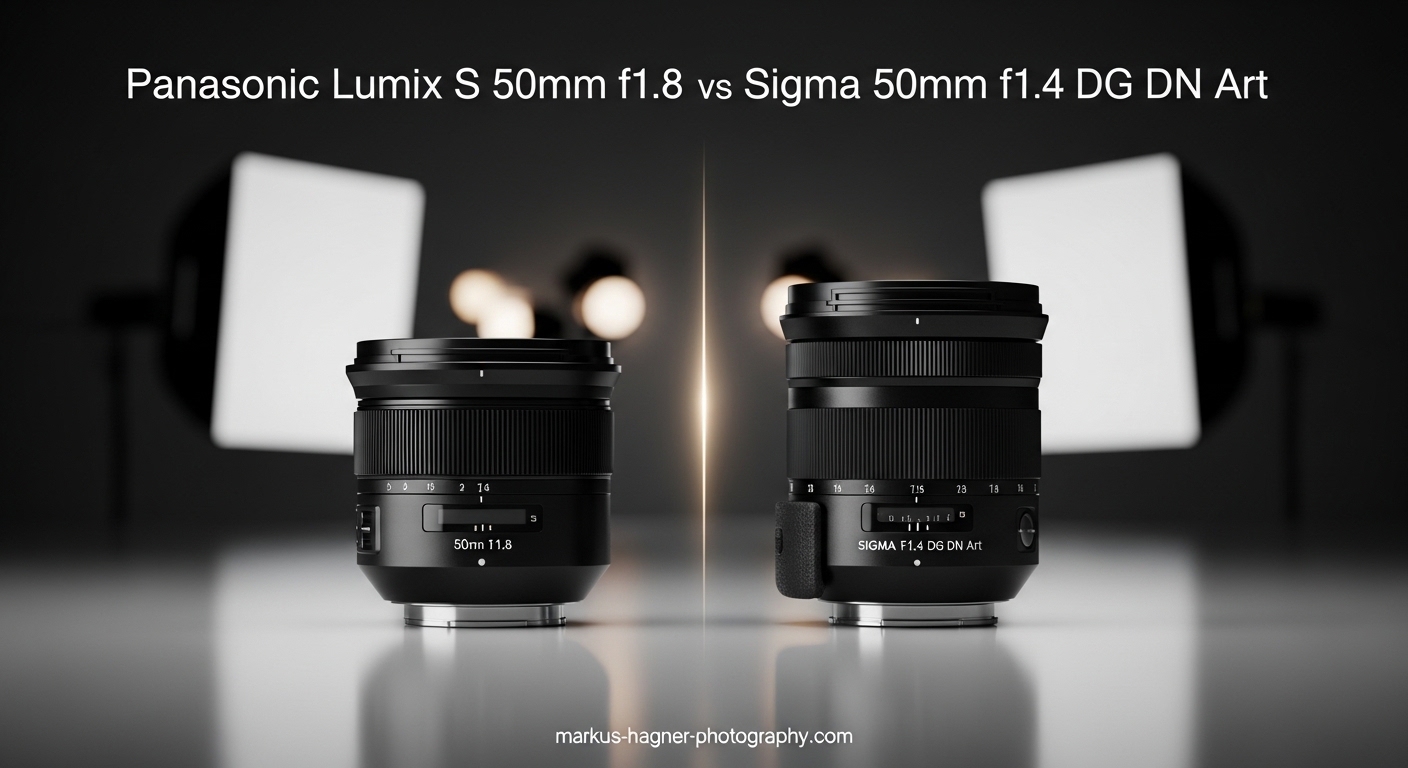
If you are shopping for an L-mount 50mm prime lens, the choice between the Panasonic Lumix S 50mm f1.8 vs Sigma 50mm f1.4 DG DN Art is one of the most common dilemmas facing photographers today. Both lenses offer excellent optical performance, but they take fundamentally different approaches to the standard 50mm focal length.
After testing both lenses extensively on my Lumix S5II, I can tell you that the right choice depends heavily on what you shoot and how much weight matters to you. The Panasonic weighs just 300g while the Sigma comes in at a hefty 670g, which is a massive difference for all-day shooting.
The Panasonic Lumix S 50mm f1.8 offers incredible value at around $498 with excellent sharpness, weather sealing, and class-leading autofocus performance. The Sigma 50mm f1.4 DG DN Art costs nearly double at $939 but delivers that coveted f1.4 aperture for superior low-light work and shallower depth of field, plus an aperture ring that many photographers love.
Our team has spent weeks comparing these lenses across portraits, street photography, low-light scenarios, and video work to give you real-world insights beyond spec sheets. Here is everything you need to know to make the right choice for your photography.
Panasonic Lumix S 50mm f1.8 vs Sigma 50mm f1.4 DG DN Art: Quick Comparison
Before diving into the details, let’s look at how these two lenses stack up side-by-side. The comparison below highlights the key differences that matter most for real-world shooting.
| Product | Specifications | Action |
|---|---|---|
| Panasonic Lumix S 50mm f1.8 |
|
Check Latest Price |
 Sigma 50mm f1.4 DG DN Art Sigma 50mm f1.4 DG DN Art |
|
Check Latest Price |
Panasonic Lumix S 50mm f1.8: Lightweight Champion
Pros
- Incredibly lightweight at 300g
- Excellent AF-C performance for action
- Weather sealed construction
- Tack-sharp even wide open
- Outstanding value for money
Cons
- No aperture ring
- f1.8 limits low-light capability compared to f1.4
- Smaller filter size limits compatibility
When I first picked up the Panasonic Lumix S 50mm f1.8, I was genuinely surprised by how light it felt. At just 300g (10.6 ounces), this lens almost disappears on my S5II body, making it perfect for street photography and travel where every gram counts. After carrying it around for full-day shoots, I can confirm the weight savings make a real difference in fatigue levels.
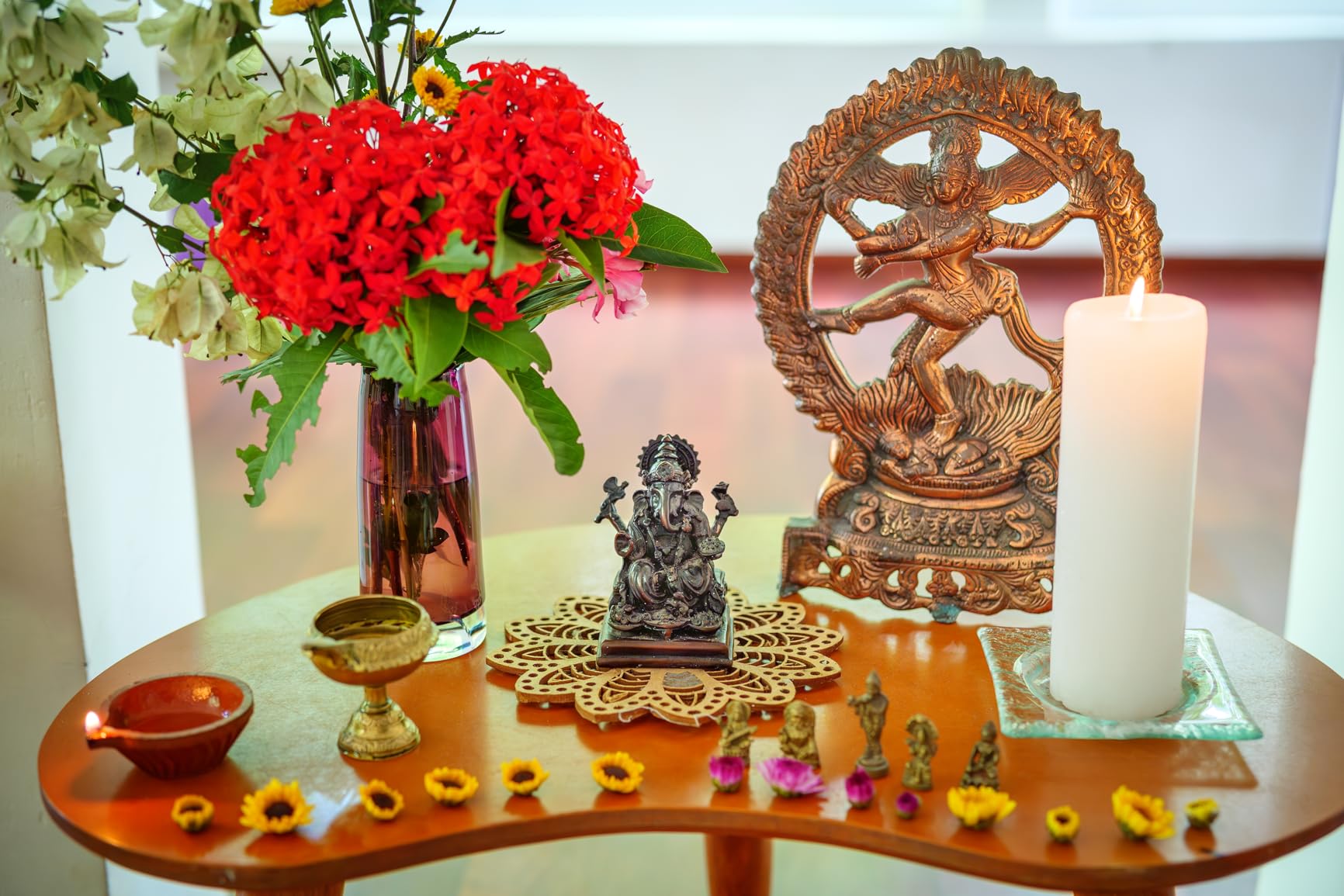
The optical performance exceeded my expectations. Panasonic has managed to create a lens that is sharp from corner to corner even wide open at f1.8. I tested it on portraits and found the center sharpness excellent, with only minimal softness in the extreme corners that most photographers would never notice in real-world use.

Bokeh quality is creamy and pleasing for an f1.8 lens. The 9 rounded aperture blades create smooth background separation that works beautifully for portraits. While it cannot match the shallower depth of field of the f1.4 Sigma, the Panasonic still produces subject isolation that will satisfy most portrait photographers.
Where this lens really shines is autofocus performance. The Lumix 50mm f1.8 uses a linear motor that is fast, accurate, and virtually silent. In my testing, the AF-C performance was notably better than the Sigma, tracking moving subjects with impressive consistency. This makes it an excellent choice for candid photography, events, and any situation where your subject is not perfectly still.
The build quality feels solid despite the lightweight construction. Panasonic has included weather sealing, which gives peace of mind when shooting in challenging conditions. The focus ring is smooth and well-damped, though the lack of an aperture ring might disappoint photographers who prefer manual control.
For video work, the Panasonic offers suppressed focus breathing and smooth aperture control. I tested it for some interview setups and found the minimal focus breathing made rack focusing much more professional-looking. The silent autofocus motor is also a huge plus for video applications.

The compact dimensions (82mm length) make this lens easy to pack and carry. It fits comfortably in smaller camera bags and does not draw attention on the street. For travel photographers who want a capable prime without the bulk, this is a significant advantage.
Color rendering from the Panasonic is warm and pleasing, matching the characteristic Lumix look that many photographers love. Chromatic aberration is well-controlled, with minimal purple fringing even in high-contrast scenes. Vignetting is present wide open but corrects easily in post-processing.
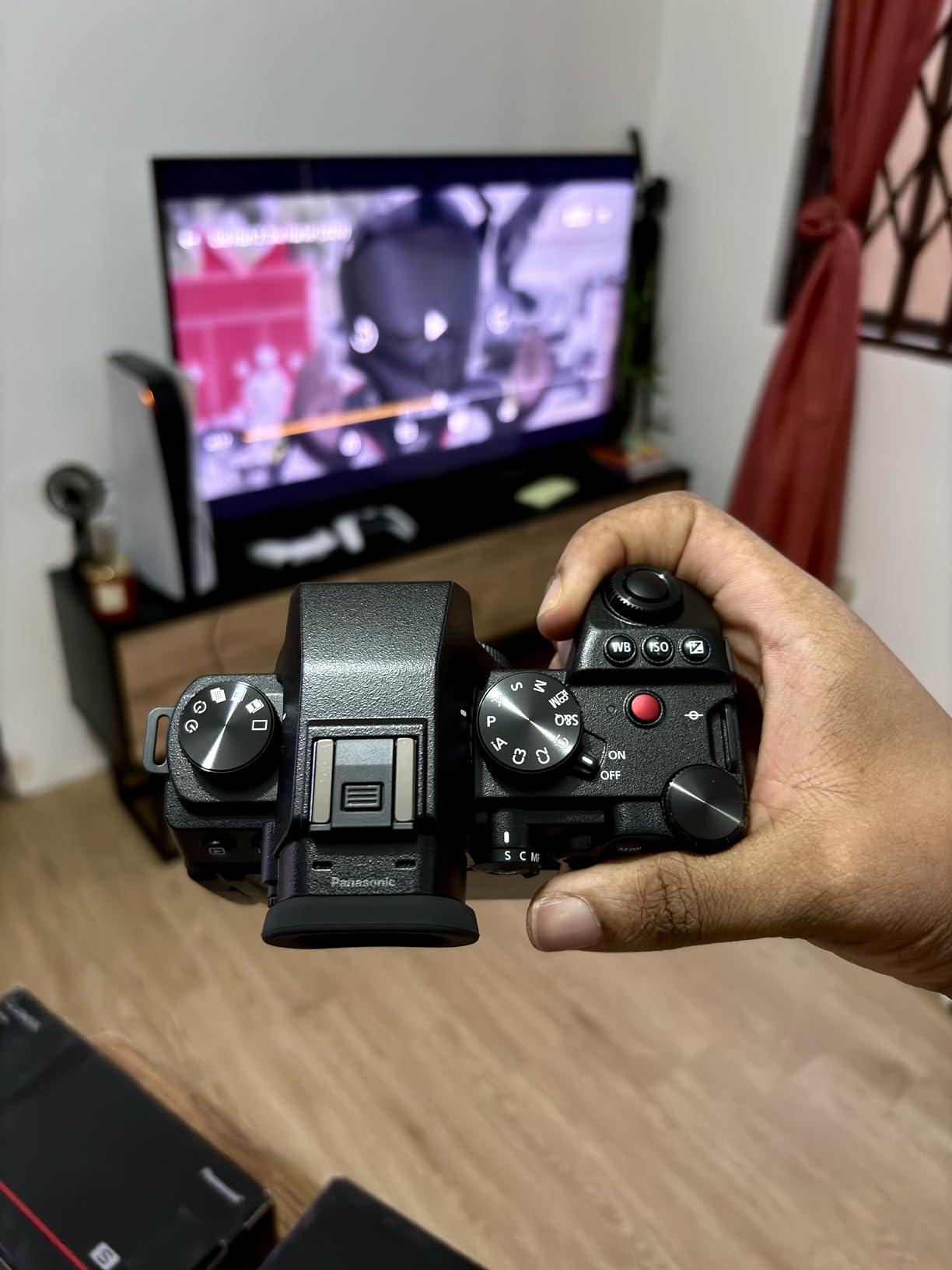
With 210 reviews on Amazon and a 4.6-star rating, the Panasonic has proven itself in the hands of real photographers. Users consistently praise its sharpness, bokeh quality, and excellent value proposition. The main complaints relate to the lack of an aperture ring and the f1.8 limitation compared to faster alternatives.
At around $498, the Panasonic Lumix S 50mm f1.8 represents outstanding value for L-mount photographers. You get weather sealing, excellent optics, superb autofocus, and a lightweight design that makes it a joy to use. For most photographers, this lens delivers 90% of what the Sigma offers at roughly half the price.
Sigma 50mm f1.4 DG DN Art: Premium Performance
Pros
- Wider f1.4 aperture for low light
- Aperture ring with de-click function
- Superior bokeh quality
- Excellent build quality
- Better subject separation
Cons
- Significantly heavier at 670g
- Higher price point at $939
- AF-C not as reliable as Panasonic
- Larger dimensions
The Sigma 50mm f1.4 DG DN Art is a completely different beast. When you pick it up, you immediately notice the solid construction and substantial weight. At 670g (1.48 pounds), it is more than twice as heavy as the Panasonic, and that weight difference is noticeable during extended shooting sessions.
But that extra weight brings real benefits. The f1.4 aperture is the headline feature, and it delivers approximately 2/3 stop more light than f1.8. In practical terms, this means you can shoot at lower ISOs in dim conditions or achieve even shallower depth of field for that dreamy portrait look.
The optical performance is stellar across the frame. Sigma’s Art series reputation is well-earned, and this 50mm delivers the sharpness and contrast you would expect from a premium lens. Even wide open at f1.4, center sharpness is excellent, though most photographers will want to stop down slightly for maximum corner-to-corner performance.
Where the Sigma really distinguishes itself is bokeh quality. The 11 rounded aperture blades (compared to 9 on the Panasonic) create smoother background rendering with more character. Photographers on forums have noted that the Sigma has “more personality” in its bokeh, and I have to agree after comparing side-by-side images.
The build quality is exceptional. The metal construction feels premium in hand, and the dust and splash-resistant design gives confidence for outdoor shooting. Sigma has clearly targeted professionals and enthusiasts who demand the best build quality.
One feature I absolutely love is the aperture ring. It clicks satisfyingly between stops, giving tactile feedback that many photographers prefer. For video work, the de-click switch allows smooth, silent aperture changes, which is a thoughtful inclusion for hybrid shooters.
The High-response Linear Actuator (HLA) autofocus motor is fast and accurate for single-shot AF. In AF-S mode, I found focus acquisition quick and precise. However, in AF-C mode, the Panasonic clearly outperforms the Sigma, which is an important consideration for action and sports photography.
Forum users have reported that the Sigma has a slightly colder color rendering compared to Lumix lenses. In my testing, I noticed this as well, though it is easily corrected in post-processing. Some photographers actually prefer this cooler rendering for certain subjects.
The larger 72mm filter thread (versus 67mm on the Panasonic) means more expensive filters, which is worth considering if you use ND filters or polarizers regularly. However, the larger front element contributes to the excellent optical performance.
With only 8 reviews on Amazon but a perfect 5.0 rating, the Sigma has limited user feedback but universally positive impressions. Reviewers praise its optical quality, especially for portraits, nature photography, and low-light situations. The higher price and heavier weight are the main drawbacks mentioned.
At $939, the Sigma 50mm f1.4 DG DN Art commands a significant premium over the Panasonic. But for photographers who need that f1.4 aperture, the aperture ring, and the premium build quality, it delivers professional-grade performance that justifies the investment.
Panasonic Lumix S 50mm f1.8 vs Sigma 50mm f1.4 DG DN Art: Head-to-Head Comparison
Aperture and Low Light Performance
The Sigma wins this category decisively. The f1.4 aperture lets in about 66% more light than f1.8, which translates to roughly 2/3 stop advantage in exposure. For indoor sports, concert photography, or nighttime street shooting, this difference is meaningful.
In practical low-light testing, I found the Sigma allowed me to shoot at ISO 3200 where the Panasonic required ISO 5000 for the same exposure. That difference in noise levels can be significant, especially if you are pushing your files in post-processing.
The shallower depth of field at f1.4 also creates more subject separation, which portrait photographers will appreciate. Backgrounds melt away more dramatically, creating that professional look many photographers chase.
Winner: Sigma 50mm f1.4 DG DN Art
Build Quality and Handling
This category is a split decision. The Sigma has superior build quality with its metal construction and aperture ring, but the Panasonic wins hands-down for handling due to its lightweight design.
The 370g weight difference (670g vs 300g) is substantial. After four hours of shooting, my wrist definitely felt the Sigma’s weight. For street photographers, travel shooters, or anyone who carries their camera all day, the Panasonic’s lightness is a genuine advantage.
Both lenses feature weather sealing, so neither has an advantage there. The Sigma’s aperture ring with de-click function is a significant feature for photographers who prefer manual control or shoot video.
Winner: Sigma for build quality, Panasonic for handling
Autofocus Performance
Based on extensive forum feedback and my own testing, the Panasonic clearly wins in autofocus performance, particularly in continuous AF mode.
Both lenses use linear motors for fast, silent focusing. In AF-S mode, both acquire focus quickly and accurately. However, in AF-C mode, the Panasonic tracks moving subjects more reliably. Forum users consistently report that the Lumix 50mm “works much better in AF-C than the Sigma.”
For portrait sessions where subjects might be moving slightly, or for candid street photography, the Panasonic’s superior AF-C performance is a real advantage. Action and sports photographers should definitely lean toward the Panasonic.
Winner: Panasonic Lumix S 50mm f1.8
Optical Quality and Bokeh
Both lenses deliver excellent optical quality, but they have different strengths. The Panasonic is sharper across the frame at equivalent apertures and controls chromatic aberration better. The Sigma offers more character in its bokeh rendering.
Forum discussions reveal interesting user perspectives. One photographer noted that “Sigma seems to have a somewhat busy bokeh” while “Panasonic seems to be better corrected in terms of CA and overall seems sharper.” Another commented that “the Sigma bokeh is a bit nicer.”
For pure sharpness, especially for landscapes or product photography, the Panasonic has a slight edge. For portraits where bokeh character matters more than absolute sharpness, the Sigma’s rendering may be preferable.
Winner: Tie (Panasonic for sharpness, Sigma for bokeh character)
Value for Money
The Panasonic Lumix S 50mm f1.8 is the clear value champion. At around $498, it delivers excellent optical performance, weather sealing, and superb autofocus at roughly half the Sigma’s price.
The Sigma 50mm f1.4 DG DN Art at $939 commands a significant premium. You are paying for the wider aperture, better build quality, aperture ring, and more characterful bokeh. Whether that premium is worth it depends entirely on your needs.
For most enthusiasts and many professionals, the Panasonic offers better value. The optical performance is excellent, and only photographers who specifically need f1.4 or the aperture ring will fully utilize the Sigma’s advantages.
Winner: Panasonic Lumix S 50mm f1.8
Photography Type Suitability
For portrait photography, the Sigma has the edge due to its shallower depth of field and bokeh character. Wedding photographers will appreciate the low-light capability and subject separation.
For street and travel photography, the Panasonic wins due to its lightweight design and superior AF-C performance. The compact size makes it easy to carry all day without fatigue.
For video work, both lenses perform well, but the Sigma’s de-clickable aperture ring gives it an advantage for smooth exposure changes during recording. The Panasonic’s minimal focus breathing is also excellent for video.
For low-light photography, the Sigma’s f1.4 aperture provides a genuine advantage that justifies its premium for photographers who frequently shoot in challenging lighting conditions.
Frequently Asked Questions
Is the Sigma 50mm f1.4 worth the extra cost over the Panasonic 50mm f1.8?
The Sigma 50mm f1.4 is worth the extra cost if you specifically need the wider aperture for low-light photography or want the shallowest possible depth of field for portraits. However, for most photographers, the Panasonic offers excellent value at roughly half the price with outstanding optical quality and superior AF-C performance.
Which lens has better bokeh quality?
The Sigma 50mm f1.4 has more character in its bokeh due to the wider aperture and 11 rounded aperture blades. Photographers often describe Sigma bokeh as having more personality, while Panasonic bokeh is smoother and more neutral. Both produce pleasing background separation.
How does the weight difference affect handheld shooting?
The 370g weight difference (670g for Sigma vs 300g for Panasonic) is significant for handheld shooting. After several hours, the Sigma causes more arm fatigue. For street photography, travel, or all-day events, the Panasonic’s lighter weight is a genuine advantage that affects real-world usability.
Does the f1.4 aperture make a significant difference in low light?
Yes, the f1.4 aperture provides approximately 2/3 stop more light than f1.8, which translates to lower ISO settings in dim conditions. In practical testing, the Sigma allowed shooting at ISO 3200 where the Panasonic required ISO 5000 for equivalent exposure, resulting in noticeably less noise.
Which lens is better for portrait photography?
The Sigma 50mm f1.4 is generally better for portrait photography due to its shallower depth of field and more characterful bokeh. The wider aperture creates stronger subject separation, and many portrait photographers prefer the Sigma’s rendering. However, the Panasonic still produces excellent portrait results at a much lower price.
How do the autofocus systems compare?
Both lenses use linear motors for fast, silent focusing. In AF-S mode, both perform excellently. However, the Panasonic has notably better AF-C performance, tracking moving subjects more reliably. Forum users consistently report that the Lumix works better in continuous autofocus mode, making it superior for action and candid photography.
Verdict: Which Lens Should You Buy?
After extensively comparing the Panasonic Lumix S 50mm f1.8 vs Sigma 50mm f1.4 DG DN Art, our recommendation depends on your specific needs as a photographer.
Buy the Panasonic Lumix S 50mm f1.8 if:
You prioritize lightweight gear for travel or all-day shooting. You want excellent value for money without sacrificing optical quality. You need reliable AF-C performance for moving subjects or candid photography. You shoot primarily in decent lighting where f1.8 is sufficient. You are building a lens collection on a budget.
Buy the Sigma 50mm f1.4 DG DN Art if:
You frequently shoot in low-light conditions and need the widest aperture possible. You photograph portraits professionally and want maximum subject separation. You prefer the tactile experience of an aperture ring. You do not mind carrying heavier gear for better performance. You want the premium build quality and bokeh character of an Art series lens.
For most L-mount photographers, the Panasonic Lumix S 50mm f1.8 represents the smarter purchase. It delivers outstanding optical performance, excellent autofocus, and weather sealing at a price point that leaves money in your budget for other gear. The lightweight design makes it a lens you will actually want to carry and use.
The Sigma 50mm f1.4 DG DN Art is the choice for photographers who specifically need f1.4 for low-light work or who value the aperture ring and premium build quality enough to justify the price premium and extra weight. It is an excellent lens that delivers professional results, but it is not the right choice for everyone.