
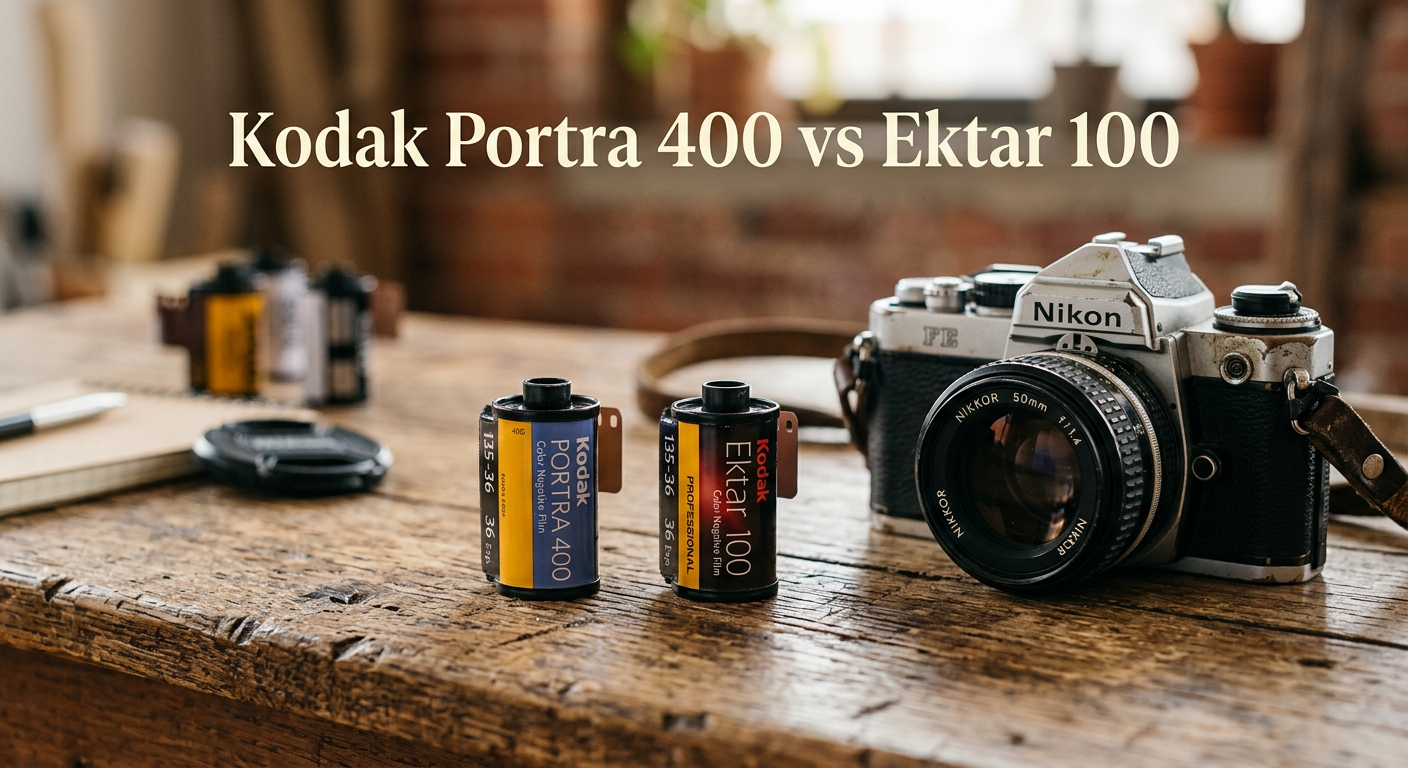
Choosing between Kodak Portra 400 vs Kodak Ektar 100 comes down to one key difference: what you photograph and the conditions you shoot in. Portra 400 delivers natural skin tones and pastel colors with exceptional exposure latitude, making it the go-to choice for portrait and wedding photographers. Ektar 100 offers the world’s finest grain and ultra-vivid saturation, perfect for landscapes and nature work where color punch matters more than speed.
After shooting both films extensively over the past few years, I have developed strong opinions about when each stock shines. Portra 400 has become my travel companion because I never know what lighting I will encounter. Ektar 100 stays in my bag for bright, sunny days when I want those saturated blues and greens that make landscapes pop.
The main differences between these two professional color negative films are their ISO speed (400 vs 100), color saturation (pastel vs vivid), grain structure, and intended use. Portra excels at people photography with forgiving exposure latitude, while Ektar demands careful metering but rewards you with incredible sharpness and color intensity.
In this comprehensive comparison, I will break down everything you need to know about these two legendary Kodak film stocks. From grain structure and dynamic range to real-world shooting experiences and sample images, you will leave knowing exactly which film fits your photography style.
Quick Comparison: Kodak Portra 400 vs Kodak Ektar 100
This side-by-side comparison shows the key differences between these two professional film stocks at a glance.
| Product | Specifications | Action |
|---|---|---|
 Kodak Portra 400 (36 exp) Kodak Portra 400 (36 exp) |
|
Check Latest Price |
 Kodak Ektar 100 (2-Pack, 72 exp) Kodak Ektar 100 (2-Pack, 72 exp) |
|
Check Latest Price |
Kodak Portra 400: The Versatile Workhorse
Pros
- Natural skin tones
- Forgiving exposure latitude
- Works in mixed lighting
- Smooth grain for ISO 400
- Excellent for travel
Cons
- More expensive than consumer films
- Pastel colors may lack punch
- Can be tricky in bright sun
Kodak Portra 400 has earned its reputation as one of the most versatile color negative films ever made. I have shot dozens of rolls of this stock, and it consistently delivers beautiful results across wildly different lighting conditions. The ISO 400 speed means you can shoot handheld in lower light while still maintaining reasonably fine grain.
What strikes me most about Portra 400 is how forgiving it is with exposure. I have accidentally overexposed shots by two stops and still gotten usable images with that characteristic Portra look. This exposure latitude of approximately 12 stops makes it perfect for situations where lighting changes rapidly or where you cannot afford to miss the shot.
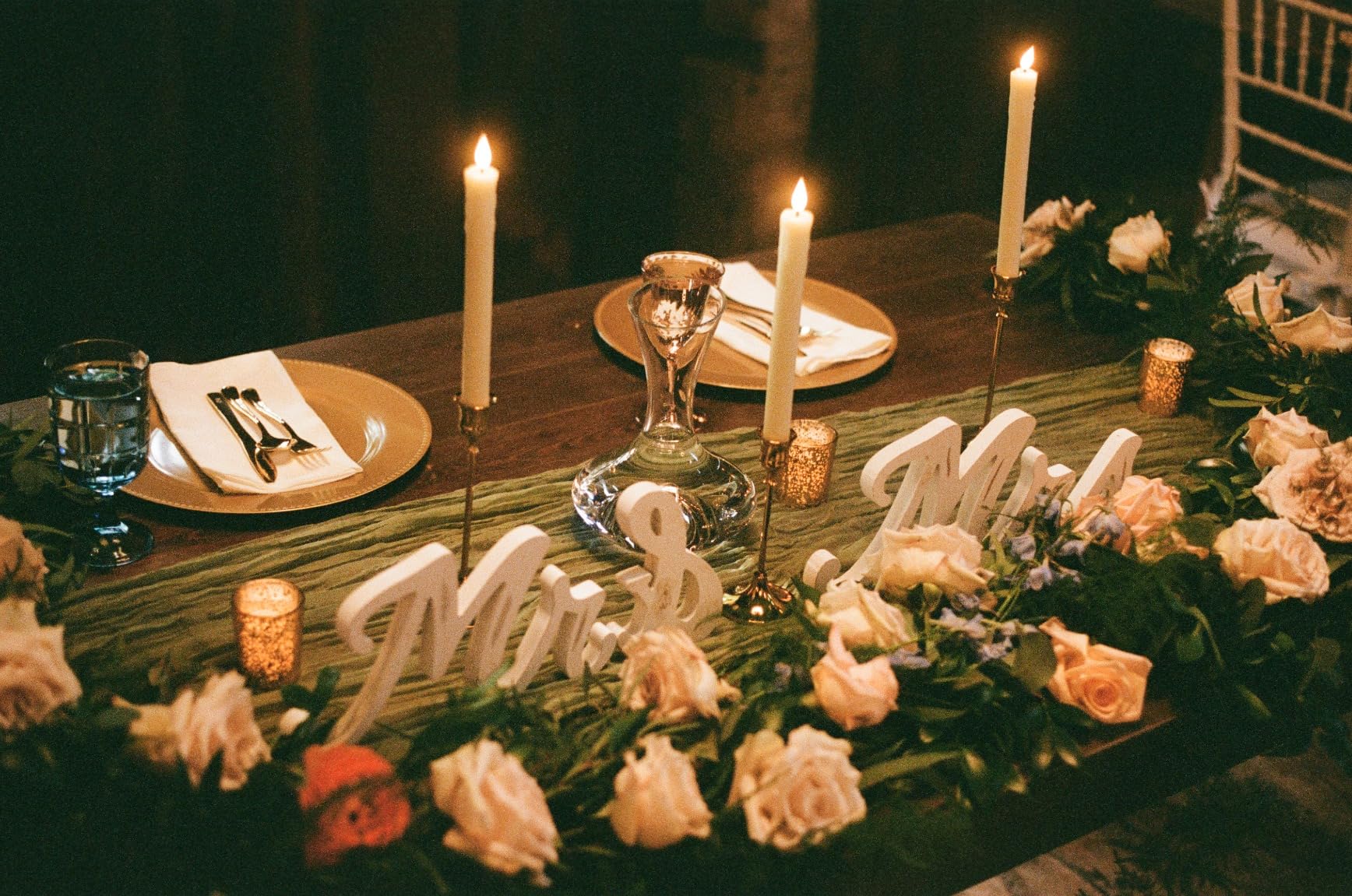
The color rendering leans toward natural with slightly pastel tones. Blues remain soft rather than punchy, and greens have a gentle quality that works beautifully for outdoor portraits. Skin tones are where this film truly excels. Faces render with a warmth and accuracy that has made Portra the standard for wedding and portrait photographers worldwide.
Grain Structure and Sharpness
For an ISO 400 film, Portra 400 exhibits remarkably smooth grain. Kodak’s T-grain technology keeps the grain fine and unobtrusive, especially in medium format where it becomes nearly invisible. In 35mm, you will notice some grain in shadows and flat areas of color, but it has a pleasing, organic quality rather than looking digital or harsh.
The sharpness holds up well for most applications. I have made 11×14 prints from 35mm Portra 400 negatives that look excellent at normal viewing distances. Medium format users will find the grain essentially disappears, allowing for much larger prints without quality loss.
Color Palette and Saturation
Portra 400 produces colors that feel natural rather than exaggerated. The saturation sits in a middle ground, not muted but certainly not vivid. This characteristic makes it ideal for situations where you want accurate color reproduction without post-processing adjustments.
The film handles mixed lighting exceptionally well. I have shot weddings in venues with tungsten, fluorescent, and window light all in the same frame, and Portra 400 manages to render skin tones consistently across these different color temperatures. This versatility is why wedding photographers trust it for once-in-a-lifetime events.

Dynamic Range and Exposure Latitude
With approximately 12 stops of dynamic range, Portra 400 handles high-contrast scenes with ease. I regularly shoot backlit portraits where the background blows out but the subject remains well-exposed with detail in shadows. The film’s latitude means you can recover highlights and lift shadows significantly during scanning.
Overexposing Portra 400 by one to two stops often improves the results rather than ruining them. The colors become slightly more pastel and the grain even finer. This forgiving nature makes it an excellent choice for beginners learning film photography or professionals who cannot afford missed shots.
Best Use Cases for Portra 400
Portrait photography remains the primary use case for Portra 400. The natural skin tone rendering and forgiving exposure latitude make it perfect for headshots, family sessions, and environmental portraits. Wedding photographers particularly love it for the consistency across varying lighting conditions throughout a full day of shooting.
Travel photography benefits from Portra 400’s versatility. When you do not know whether you will be shooting in bright sunlight, overcast conditions, or dim interiors, having an ISO 400 film that handles all these situations competently is invaluable. I have traveled with Portra 400 as my only film stock and never felt limited.
Street photography and documentary work also suit Portra 400 well. The faster ISO allows for handheld shooting in lower light, and the natural colors capture urban environments authentically. Some photographers find the saturation too low for street work, preferring something punchier, but I appreciate the accuracy.
Nature and outdoor photography work well with Portra 400, though landscape purists often prefer slower films. The versatility of ISO 400 means you can shoot in forests, during golden hour, or in overcast conditions without changing film. The pastel rendering of greens and blues creates a dreamy quality that many nature photographers love.
Kodak Ektar 100: The Landscape Specialist
Kodak Ektar 100 Professional ISO 100, 35mm, 36 Exposures, Color Negative Film (Pack of 2)
Pros
- World's finest grain
- Ultra-vivid colors
- Exceptional sharpness
- Beautiful saturation
- Scans beautifully
Cons
- Requires bright light
- Less exposure latitude
- Skin tones can be tricky
- Needs careful metering
Kodak Ektar 100 represents the pinnacle of fine-grain color negative film technology. When I want maximum sharpness and the most vibrant colors possible from a C-41 process film, Ektar 100 is my first choice. The ISO 100 speed demands bright conditions, but the results justify the limitation for landscape and nature work.
The grain structure of Ektar 100 is genuinely remarkable. Kodak claims it is the world’s finest grain color negative film, and after scanning hundreds of frames, I believe them. The grain is so fine that it approaches the look of slow slide film while maintaining the exposure latitude benefits of negative film.
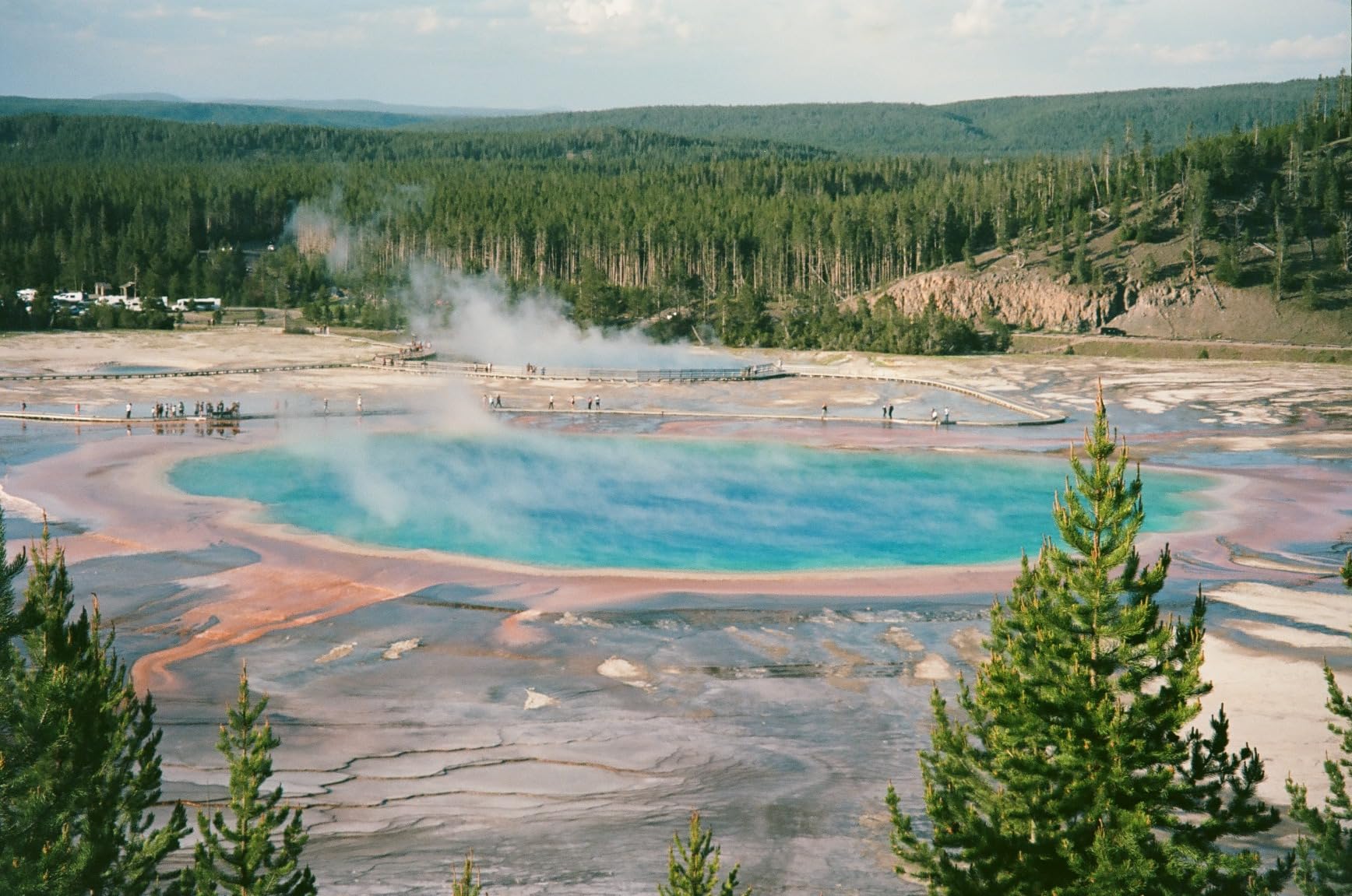
Color saturation sets Ektar 100 apart from every other color negative film I have used. Blues become incredibly deep and vivid, greens punch with intensity, and reds have a richness that makes autumn foliage look almost unreal. This saturation can be too much for some subjects, particularly people with fair skin who may appear overly ruddy.
Grain Structure and Sharpness
The grain on Ektar 100 is essentially invisible in 35mm format and completely absent in medium format. Kodak’s T-grain emulsion technology, borrowed from their motion picture division, creates a structure so fine that you can make enormous enlargements without visible grain. I have printed 16×20 images from 35mm Ektar that look completely smooth.
Sharpness matches the fine grain. Edges render with distinct clarity, and fine detail resolves beautifully. This characteristic makes Ektar 100 ideal for subjects with intricate textures like architecture, foliage, and distant landscapes where you want to resolve individual leaves or architectural details.
Color Palette and Saturation
Ektar 100 delivers ultra-vivid color saturation that creates an almost hyper-real look. The blues particularly stand out, rendering with a depth and richness that makes skies look dramatic even on average days. This characteristic has earned Ektar a devoted following among landscape photographers who want their images to pop.
The saturation does come with caveats. Skin tones can render with an unwanted magenta or reddish cast, especially on lighter skin. I have learned to avoid Ektar for portraits unless I specifically want that look or plan to desaturate in post-processing. The film also has a subtle warm cast that some photographers love and others find problematic.
Dynamic Range and Exposure Latitude
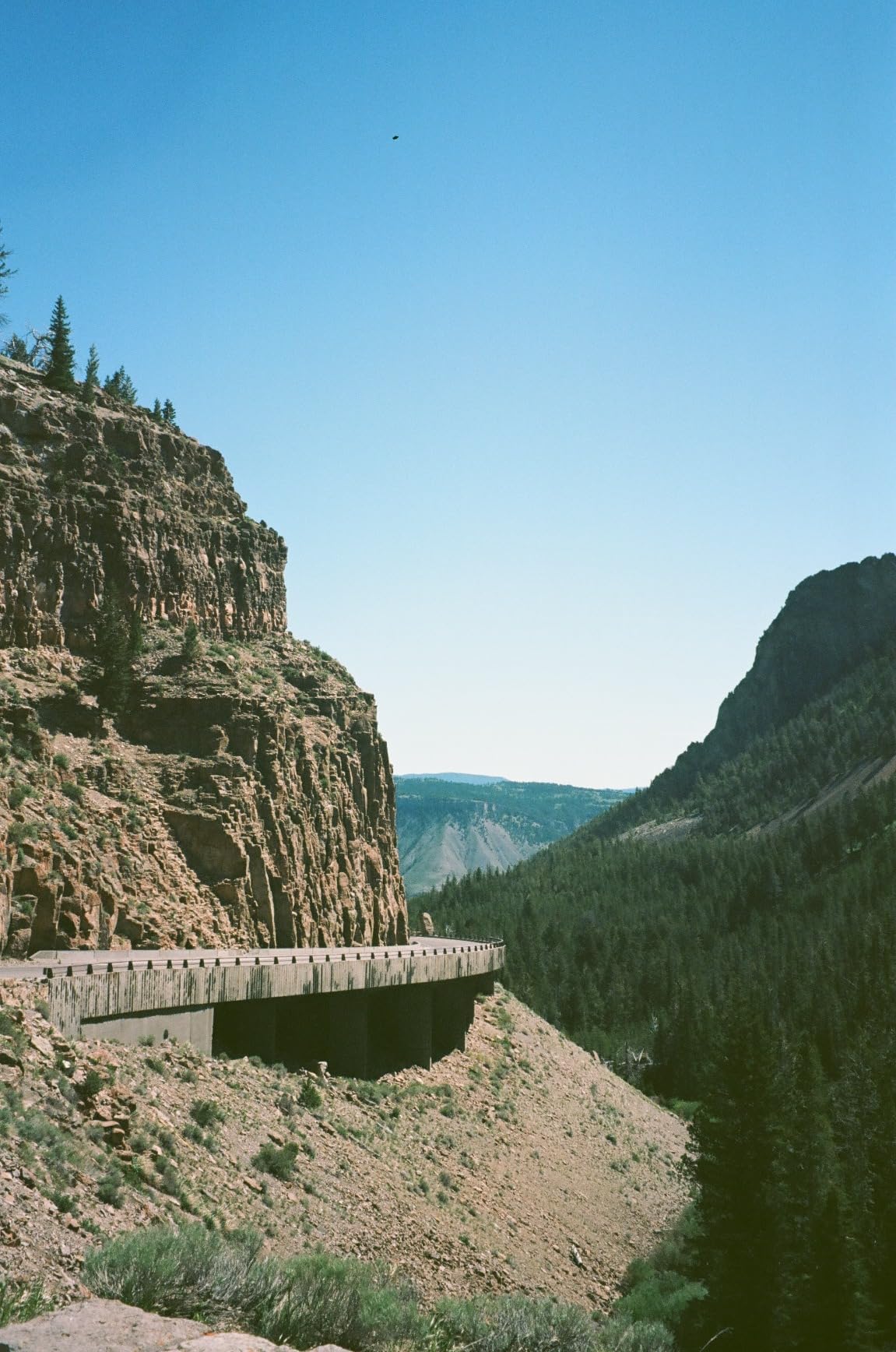
Ektar 100 offers approximately 10 stops of dynamic range, which is good but notably less than Portra 400’s 12 stops. The film handles contrast reasonably well but is less forgiving of exposure errors. Underexposure shows up quickly as muddy shadows, and overexposure can blow highlights with less recovery potential than Portra.
Careful metering becomes essential with Ektar 100. I typically rate it at ISO 80 or even 64 to give myself a slight exposure cushion. This approach preserves shadow detail while still maintaining the vibrant color characteristics that make the film special.
Best Use Cases for Ektar 100
Landscape photography remains the primary use case for Ektar 100. The combination of ultra-fine grain, vivid saturation, and excellent sharpness creates images that stand out. Blue skies, green forests, and red rock landscapes all render with an intensity that captures how these scenes feel rather than just how they look.
Travel photography in sunny destinations works beautifully with Ektar 100. When you know you will have bright conditions, the film captures the vibrancy of colorful markets, tropical waters, and historic architecture with stunning clarity. Just be prepared for the ISO 100 limitation in shaded areas or during overcast periods.
Architecture photography benefits from Ektar’s sharpness and fine grain. Building details render crisply, and the saturated colors make both modern and historic structures look their best. The film’s contrast characteristics work well for the geometric shapes and textures common in architectural subjects.
Nature and botanical photography suit Ektar 100’s color intensity. Flower gardens, autumn foliage, and coastal scenes all benefit from the vivid saturation. The fine grain allows for detailed close-up work where texture matters as much as color.
Kodak Portra 400 vs Kodak Ektar 100: Head-to-Head Comparison
Now that we have examined each film individually, let me break down how they compare across the key categories that matter most to film photographers.
Color Rendering and Saturation
This is where the two films differ most dramatically. Portra 400 produces natural, slightly pastel colors that prioritize accuracy over impact. Ektar 100 delivers vivid, saturated colors that intensify the visual experience. Neither approach is better, but they serve different creative visions.
For portraits, Portra 400 wins hands down. The natural skin tone rendering makes people look their best without post-processing intervention. Ektar 100’s saturation can make skin appear ruddy or overly warm, requiring careful selection of subjects or post-processing adjustments.
For landscapes, Ektar 100 typically produces more dramatic results. The saturated blues and greens create images that leap off the page. Portra 400 handles landscapes competently but with a softer, more muted quality that some photographers prefer for its naturalism.
Grain Quality
Ektar 100 holds the technical advantage with genuinely invisible grain in most practical applications. Portra 400 shows visible grain in 35mm format, particularly in shadows and flat color areas, though the grain has a pleasing, organic quality.
In medium format, both films produce essentially grainless results for normal print sizes. The difference becomes more apparent when making very large prints or cropping heavily, where Ektar’s finer structure maintains detail better.
For most photographers shooting 35mm and making prints up to 11×14, Portra 400’s grain will not be problematic. If you plan to print large or crop significantly, Ektar 100’s finer grain becomes a meaningful advantage.
Skin Tone Rendering
Portra 400 was designed specifically with skin tones in mind, and it shows. Faces render with natural warmth and accurate color across different skin tones and lighting conditions. The film handles the subtle variations in skin color that make portraits feel alive.
Ektar 100 struggles with skin tones, particularly on lighter skin where it can produce unwanted redness or magenta casts. Some photographers work around this by desaturating slightly during scanning, but this requires extra post-processing work.
If you photograph people regularly, Portra 400 is the clear winner. If you rarely shoot portraits and focus primarily on landscapes and nature, Ektar’s skin tone limitations become irrelevant.
Dynamic Range and Exposure Latitude
Portra 400 offers approximately 12 stops of dynamic range compared to Ektar 100’s 10 stops. More importantly, Portra tolerates overexposure exceptionally well, often improving with one to two stops of extra exposure. Ektar 100 requires more careful metering and provides less room for error.
For handheld shooting in changing light, Portra 400’s latitude makes it significantly more practical. You can expose for shadows and still retain highlights, or vice versa, with confidence that the film will handle the contrast.
Ektar 100 rewards careful metering and deliberate technique. When you nail the exposure, the results are stunning. When you miss, the consequences are more severe than with Portra.
Versatility and Low Light Performance
Portra 400’s ISO 400 speed makes it four stops faster than Ektar 100. This difference translates directly to real-world shooting flexibility. You can shoot handheld in lower light, use smaller apertures for depth of field, or freeze motion with faster shutter speeds.
Ektar 100’s ISO 100 speed demands bright conditions or a tripod. In shaded areas, overcast days, or during golden hour, you may find yourself unable to achieve the shutter speeds needed for handheld shooting. This limitation makes Ektar less practical for spontaneous or travel photography.
For photographers who want one film stock that handles everything, Portra 400 wins on versatility. For photographers who shoot primarily in bright conditions or use tripods, Ektar 100’s speed limitation matters less.
Scanning and Post-Processing
Both films scan beautifully, but they respond differently to the scanning process. Portra 400’s latitude means you have more flexibility in how you interpret the negative during scanning. Colors can be pushed in various directions without breaking the image.
Ektar 100 scans with exceptional clarity due to its fine grain. The vivid saturation comes through in scans, though some scanners may need adjustment to avoid oversaturation. The film’s characteristics are more fixed, giving you less room for creative interpretation during scanning.
Both films respond well to post-processing adjustments. Portra 400’s more neutral starting point gives you more flexibility for color grading. Ektar 100’s strong characteristics mean you are working with a more defined look from the start.
Frequently Asked Questions
What is the difference between Portra and Ektar?
The main difference is that Portra produces natural, pastel colors with excellent skin tone rendering while Ektar delivers ultra-vivid, saturated colors. Portra 400 is ISO 400 with more exposure latitude, while Ektar 100 is ISO 100 with finer grain. Portra excels at portraits while Ektar shines for landscapes.
What is Kodak Ektar 100 good for?
Kodak Ektar 100 is best for landscape photography, nature photography, travel photography in sunny conditions, and architecture. Its ultra-fine grain and vivid color saturation make it ideal for situations where you want maximum sharpness and dramatic colors. It requires bright light due to its ISO 100 speed.
What is Kodak Portra 400 best for?
Kodak Portra 400 is best for portrait photography, wedding photography, travel photography, and situations with varying or unpredictable lighting. Its natural skin tones, forgiving exposure latitude, and ISO 400 speed make it the most versatile professional color negative film for photographing people and general use.
Is Ektar or Portra better for portraits?
Portra 400 is significantly better for portraits. It was designed specifically for natural skin tone rendering and handles various skin tones accurately across different lighting conditions. Ektar 100 can produce unwanted reddish or magenta casts on skin, particularly with lighter skin tones, making it less suitable for people photography.
Is Ektar or Portra better for landscapes?
Ektar 100 is generally better for landscapes due to its ultra-vivid color saturation, finer grain, and exceptional sharpness. The saturated blues and greens make natural scenes pop with intensity. Portra 400 handles landscapes competently with a softer, more natural look that some photographers prefer.
Verdict: Which Film Should You Choose?
The Kodak Portra 400 vs Kodak Ektar 100 decision ultimately comes down to what you photograph and how you work. Neither film is universally better, but each excels in specific situations.
Choose Kodak Portra 400 if you: photograph people regularly, shoot in varying or unpredictable lighting conditions, want forgiving exposure latitude, travel with one film stock, or prefer natural color rendering. Portrait photographers, wedding photographers, and travel photographers should reach for Portra 400.
Choose Kodak Ektar 100 if you: focus primarily on landscapes, shoot in consistently bright conditions, use a tripod regularly, want maximum sharpness and the finest possible grain, or love vivid, saturated colors. Landscape photographers and nature photographers working in sunny conditions will prefer Ektar 100.
Many experienced film photographers keep both stocks in their bags. Portra 400 goes in the camera for general shooting and people photography. Ektar 100 comes out for dedicated landscape sessions or bright days when maximum image quality matters more than versatility.