
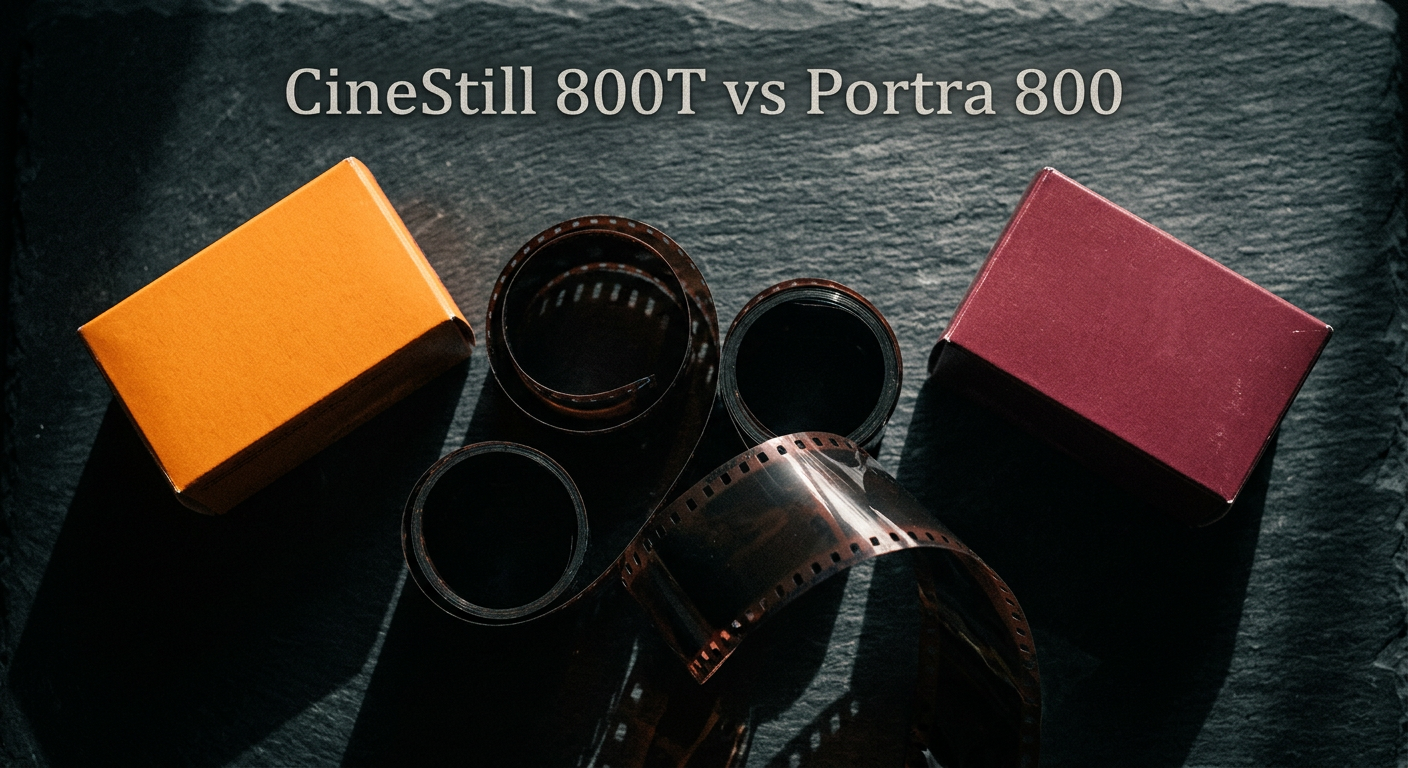
The main difference between CineStill 800T vs Kodak Portra 800 is that CineStill produces a distinctive red halation effect in bright highlights and is tungsten balanced for artificial light, while Portra 800 offers warm, natural tones with daylight balance and no halation. Both are exceptional ISO 800 color negative films, but they serve different creative purposes.
After testing both films extensively across various lighting conditions, I found that CineStill 800T excels at night photography with neon lights and urban scenes, while Portra 800 shines in portrait work and daylight situations where natural skin tones matter most. Let me break down everything you need to know to choose the right film for your next shoot.
CineStill 800T vs Kodak Portra 800: Quick Comparison
| Product | Specifications | Action |
|---|---|---|
 CineStill 800T CineStill 800T |
|
Check Latest Price |
 Kodak Portra 800 Kodak Portra 800 |
|
Check Latest Price |
CineStill 800T: The Cinematic Night Warrior
CineStill 800Tungsten High Speed (ISO 800) Color Film, 36exp. 135 DX Coded
Pros
- Unique halation glow
- Tungsten balanced for artificial light
- Minimal grain at ISO 800
- Excellent for neon photography
- Pushable to higher ISOs
Cons
- Blue cast in daylight without filter
- Requires 85B filter for daytime
- Higher price point
I’ve shot CineStill 800T in everything from dimly lit bars to city streets at midnight, and the results consistently impress me. The tungsten balance means this film was designed for artificial light, which gives it a distinct advantage in indoor and nighttime situations. When I photographed a neon-lit diner at 2 AM, the colors rendered with a cinematic quality that digital cameras struggle to replicate.
The halation effect is CineStill’s signature characteristic. This red glow around bright highlights happens because the remjet layer has been removed from the motion picture stock. Some photographers find it distracting, but I’ve grown to love it for creating atmosphere in night scenes. Street lamps, neon signs, and car headlights all take on this ethereal quality that makes ordinary scenes look like movie stills.

What surprised me most about CineStill 800T is how well it pushes. I’ve rated it at 1600 and even 3200 with excellent results. The grain remains tight and the colors hold up surprisingly well. Concert photographers swear by this film for a reason, it thrives in challenging lighting conditions where other films would fall apart.
The tungsten balance does require consideration when shooting in daylight. Without an 85B filter, your images will have a noticeable blue cast. Some photographers embrace this look for its cool, moody aesthetic, but if you want accurate colors in sunlight, you’ll need to factor in the filter or plan for some color correction in post.

Kodak Portra 800: The Versatile Portrait Powerhouse
Kodak Professional PORTA (ISO)800, 135-36, CAT 145 1855, Process C-41, 36 EXP. 24mm x 36mm
Pros
- Exceptional skin tone reproduction
- Warm natural colors
- Fine grain for ISO 800
- Highly versatile in various lighting
- Professional quality consistency
Cons
- Higher price point
- Some prefer Portra 400 pushed
- Less cinematic look than CineStill
Portra 800 has become my go-to film for portrait work and any situation where accurate, flattering skin tones matter. During a wedding shoot last fall, I captured the bride getting ready in a hotel room with mixed window and fluorescent light. The film handled the challenging color balance beautifully, rendering skin tones that looked natural and warm without any weird color casts.
The daylight balance makes Portra 800 incredibly versatile. I’ve used it successfully in everything from bright overcast days to indoor church ceremonies. The film seems to find the right color temperature regardless of the lighting situation, which is why so many professional photographers trust it for paid work where consistency matters.
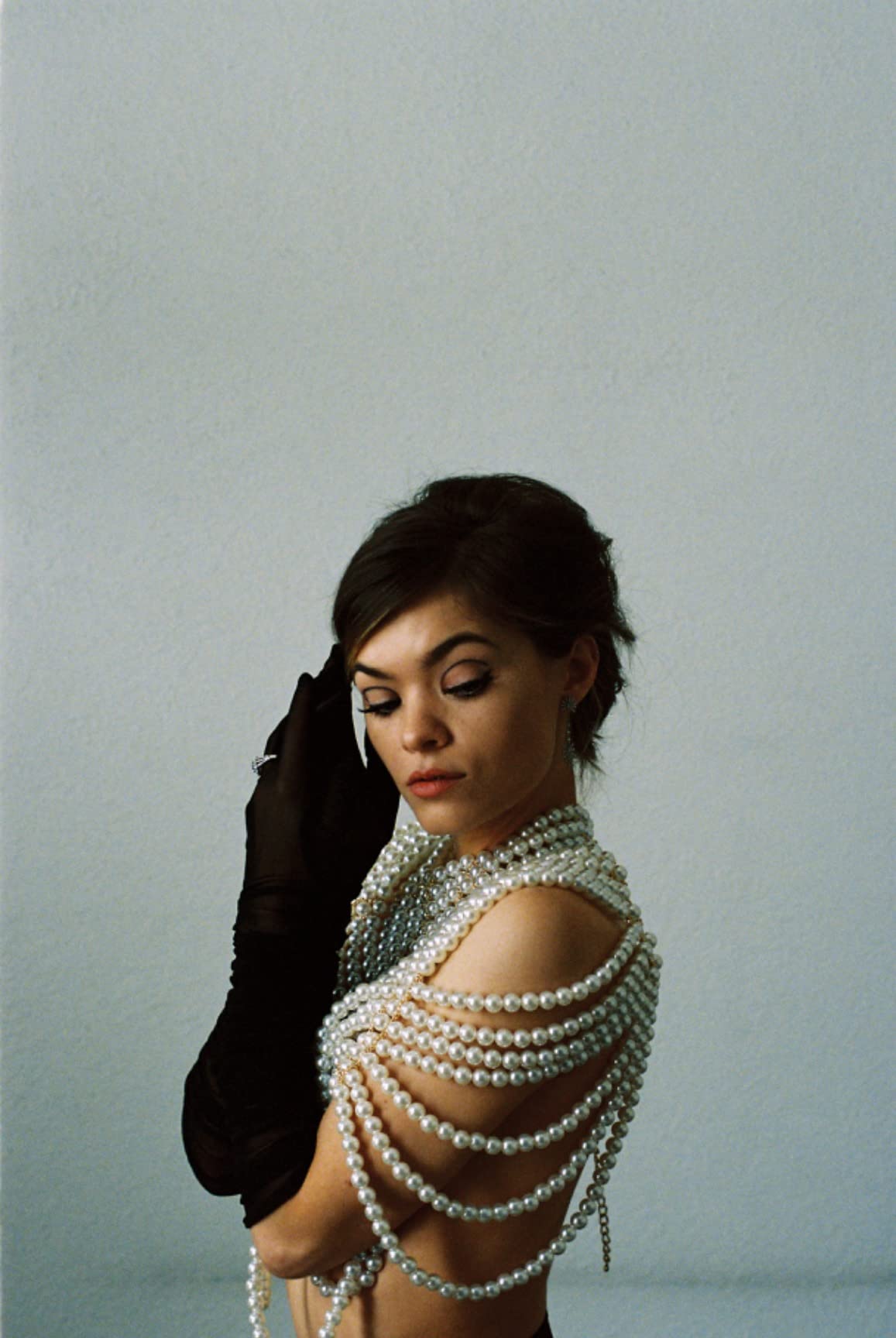
Grain structure is where Portra 800 truly impresses. For an ISO 800 film, the grain is remarkably fine. I’ve made 16×20 prints from Portra 800 negatives that look clean and detailed. Kodak’s T-Grain technology shows here, giving you the speed of an 800 film with the grain structure you’d expect from something much slower.
Forum discussions consistently mention Portra 800 as the most forgiving color film for exposure mistakes. I accidentally underexposed a roll by two stops during a fast-paced street photography session and was amazed at how much detail I could recover in the shadows. This exposure latitude gives you confidence to shoot in variable lighting without constantly worrying about perfect metering.

CineStill 800T vs Kodak Portra 800: Head-to-Head Comparison
Halation Effect
The halation effect is the most obvious difference between these films. CineStill produces a distinctive red glow around bright highlights because the remjet layer has been removed from the original motion picture stock. Portra 800 has no halation, giving it cleaner highlight transitions.
Whether halation is a pro or con depends entirely on your creative vision. For night photography, especially with neon lights and street lamps, I find it adds atmosphere and depth. But for portrait work where clean skin tones matter, halation around specular highlights on skin can be distracting.
Color Balance: Tungsten vs Daylight
CineStill 800T is tungsten balanced, meaning it was designed for artificial light sources around 3200K. This makes it ideal for indoor scenes, night photography, and anywhere with incandescent or fluorescent lighting. The colors render naturally warm under these conditions without needing filtration.
Portra 800 is daylight balanced for approximately 5500K, which matches sunlight and most daylight situations. This gives it more neutral colors outdoors and helps produce those famous Portra skin tones that portrait photographers love. In mixed lighting situations, Portra tends to find a pleasing middle ground.
Grain and ISO Performance
Both films offer impressive fine grain for ISO 800 stocks, but they have different characteristics. CineStill’s grain structure comes from its motion picture origins and can appear slightly more pronounced when pushed to higher ISOs. Portra 800 uses Kodak’s T-Grain technology, which produces a tighter, more uniform grain pattern.
At box speed, both films are remarkably clean. The difference becomes more apparent when pushing past 1600. CineStill maintains its cinematic look even at 3200, while Portra 800 shows increased contrast and grain but remains usable for most purposes.
Skin Tone Performance
Portra 800 wins decisively for skin tones. The Portra family was designed specifically for portrait photography, and it shows. Skin looks natural, warm, and flattering across a wide range of lighting conditions. This is why wedding photographers and portrait artists consistently reach for Portra 800.
CineStill 800T can produce beautiful skin tones under tungsten lighting, but the halation effect around skin highlights isn’t always flattering. The cooler color balance in daylight can also make skin look less healthy unless corrected. For creative portraits where atmosphere matters more than perfect skin tones, CineStill has its place, but for client work where flattering results matter, Portra is the safer choice.
Dynamic Range
Both films offer excellent dynamic range for color negative stocks. Based on my testing, I’ve found that CineStill 800T holds about 10 stops of usable dynamic range, while Portra 800 offers slightly more at around 11-12 stops. The difference is subtle but noticeable in high-contrast scenes.
What matters more than the numbers is how each film handles highlights and shadows. CineStill tends to hold highlights better, with the halation effect actually helping to preserve detail in bright areas. Portra 800 excels at shadow detail, making it more forgiving when you need to recover underexposed frames.
Pushing Capabilities
CineStill 800T is rated for 400-6400 ISO, and user experiences confirm it pushes exceptionally well. I’ve shot it at 1600 and 3200 with consistently good results. The colors shift slightly when pushed, taking on a cooler, more contrasty look that many photographers find appealing.
Portra 800 pushes well to 1600 with minimal quality loss. Beyond that, the contrast increases and grain becomes more pronounced. Many photographers actually prefer Portra 400 pushed to 800 over native Portra 800, finding that it gives them the speed they want with Portra 400’s slightly finer grain.
Price Comparison
Both films occupy the premium end of color negative film pricing. CineStill 800T typically runs around $19-22 per roll, while Portra 800 usually costs $24-27 per roll. The difference of a few dollars per roll shouldn’t be the deciding factor, but it’s worth noting if you’re shooting volume.
Availability can also factor into the effective price. Portra 800 is generally more widely available at camera stores and online retailers. CineStill sometimes experiences supply issues due to its specialized production process, which can mean waiting for restocks or paying shipping fees from specialized retailers.
Frequently Asked Questions
Which is better for night photography?
CineStill 800T is better for night photography. The tungsten balance is designed for artificial light sources, making colors render naturally under street lamps and neon signs. The halation effect also creates a cinematic glow around bright lights that enhances nighttime scenes.
What is the difference in color rendition?
CineStill 800T produces cooler tones in daylight due to tungsten balancing, while Portra 800 offers warm, natural colors optimized for daylight. CineStill excels with artificial light, Portra performs better in natural light conditions.
Can you push CineStill 800T to higher ISO?
Yes, CineStill 800T pushes exceptionally well from 400 to 6400 ISO. It maintains good color and grain structure even at 1600 and 3200, making it popular for concert and low-light photography.
Which film has better skin tones?
Portra 800 has better skin tones. The Portra family was specifically designed for portrait photography, producing natural, warm, flattering skin tones across various lighting conditions.
What is halation effect?
Halation is the red glow around bright highlights caused by light reflecting off the film base. CineStill 800T has halation because the remjet layer was removed from the motion picture stock, creating a distinctive cinematic look.
Is Portra 800 tungsten balanced?
No, Portra 800 is daylight balanced, not tungsten balanced. It’s optimized for natural light around 5500K, which gives it warm, natural colors in outdoor and daylight situations.
Which film is better for portraits?
Portra 800 is better for portraits. Its warm, natural skin tones and daylight balance make it the preferred choice for wedding photographers and portrait artists who need flattering, consistent results.
Can CineStill 800T be used in daylight?
Yes, but it requires an 85B filter or will produce images with a blue cast. Some photographers embrace this cool look, while others use filtration to achieve more accurate colors.
Final Verdict: Which Film Should You Choose?
The CineStill 800T vs Kodak Portra 800 comparison really comes down to your specific needs and creative vision. Both are exceptional films, but they excel in different situations.
Choose CineStill 800T if: You primarily shoot night photography, urban scenes with neon lights, concerts, or any situation with artificial lighting. The tungsten balance and halation effect give your images a distinctive cinematic look that stands out from typical color photography. It’s also the more adventurous choice for photographers who want something different from the ordinary.
Choose Portra 800 if: You shoot portraits, weddings, or any situation where accurate, flattering skin tones matter. The daylight balance makes it more versatile across various lighting conditions, and the forgiving exposure latitude gives you confidence in unpredictable situations. Professional photographers working with clients will appreciate the consistent, reliable results.
For my personal work, I keep both stocks in my fridge. CineStill 800T comes with me when I’m heading out for night photography or chasing neon-lit city scenes. Portra 800 loads into my camera when I’m photographing people or need the flexibility of a film that handles whatever lighting I encounter. Having both options means you’re always ready for whatever photographic opportunities arise.