
I learned the value of a truly weather sealed zoom lens the hard way. During a winter shoot in the Austrian Alps, I watched condensation form inside a non-sealed lens as I moved from -8°C outside into a warm mountain hut. The motor seized, the aperture stuck, and I lost 30 minutes of usable shots while the group moved on without me.
That day, I started paying close attention to weather sealed zoom lenses under $1000. After two years of testing dozens of options across Sony E, Nikon Z, Fujifilm X, and Micro Four Thirds systems, I settled on ten standouts that deliver real protection from rain, snow, dust, and temperature swings without breaking the four-figure barrier.
In this guide, I walk through the best weather sealed zoom lenses under $1000 that I have actually used, mounted, and trusted in harsh conditions. Each pick includes real pros, real cons, and honest takes on image quality so you can find the right sealed zoom for your camera system and shooting style in 2026.
Top 3 Picks for Best Weather Sealed Zoom Lenses Under $1000 (September 2026)

Tamron 17-70mm f/2.8 Di III-A VC RXD
- Sony E APS-C
- Constant f/2.8
- VC stabilization
- 4.1x zoom range

OM SYSTEM 40-150mm f/4 PRO
- Micro Four Thirds
- Weather sealed PRO
- Compact design
- Fluorine coating

Tamron 28-75mm f/2.8 VXD G2 (Nikon Z)
- Nikon Z mount
- Constant f/2.8
- VXD linear motor
- Lightweight build
Best Weather Sealed Zoom Lenses Under $1000 in 2026
| Product | Specifications | Action |
|---|---|---|
| OM SYSTEM 40-150mm f/4 PRO |
|
Check Latest Price |
| Tamron 28-75mm f/2.8 VXD G2 Nikon Z |
|
Check Latest Price |
 Fujifilm XF 70-300mm f/4-5.6 Fujifilm XF 70-300mm f/4-5.6 |
|
Check Latest Price |
 Fujifilm XF 18-135mm f/3.5-5.6 Fujifilm XF 18-135mm f/3.5-5.6 |
|
Check Latest Price |
 Olympus 12-200mm f/3.5-6.3 Olympus 12-200mm f/3.5-6.3 |
|
Check Latest Price |
 Tamron 28-200mm f/2.8-5.6 Tamron 28-200mm f/2.8-5.6 |
|
Check Latest Price |
| Tamron 17-70mm f/2.8 Sony E APS-C |
|
Check Latest Price |
 Tamron 28-75mm f/2.8 VXD G2 Sony E Tamron 28-75mm f/2.8 VXD G2 Sony E |
|
Check Latest Price |
 Tamron 18-300mm f/3.5-6.3 Sony E APS-C Tamron 18-300mm f/3.5-6.3 Sony E APS-C |
|
Check Latest Price |
 Sigma 18-50mm f/2.8 Sony E APS-C Sigma 18-50mm f/2.8 Sony E APS-C |
|
Check Latest Price |
1. OM SYSTEM M.Zuiko 40-150mm f/4 PRO – Compact Telephoto Powerhouse for MFT
Pros
- Half the weight of f/2.8 Pro version
- Sharp edge to edge
- Fluorine coating repels water
- Magnificent 0.41x close focus
Cons
- Manual twist extension before use
- f/4 slower than f/2.8 Pro
- Plastic-heavy build feel
The OM SYSTEM 40-150mm f/4 PRO is the lens that made me take Micro Four Thirds seriously for outdoor work. I carried it on a 12-day hiking trip across the Dolomites, and the 381-gram weight almost disappeared on my OM-5. After a sudden rainstorm at Rifugio Lagazuoi, the lens kept shooting while two photographers with heavier full-frame zooms packed up their cameras.
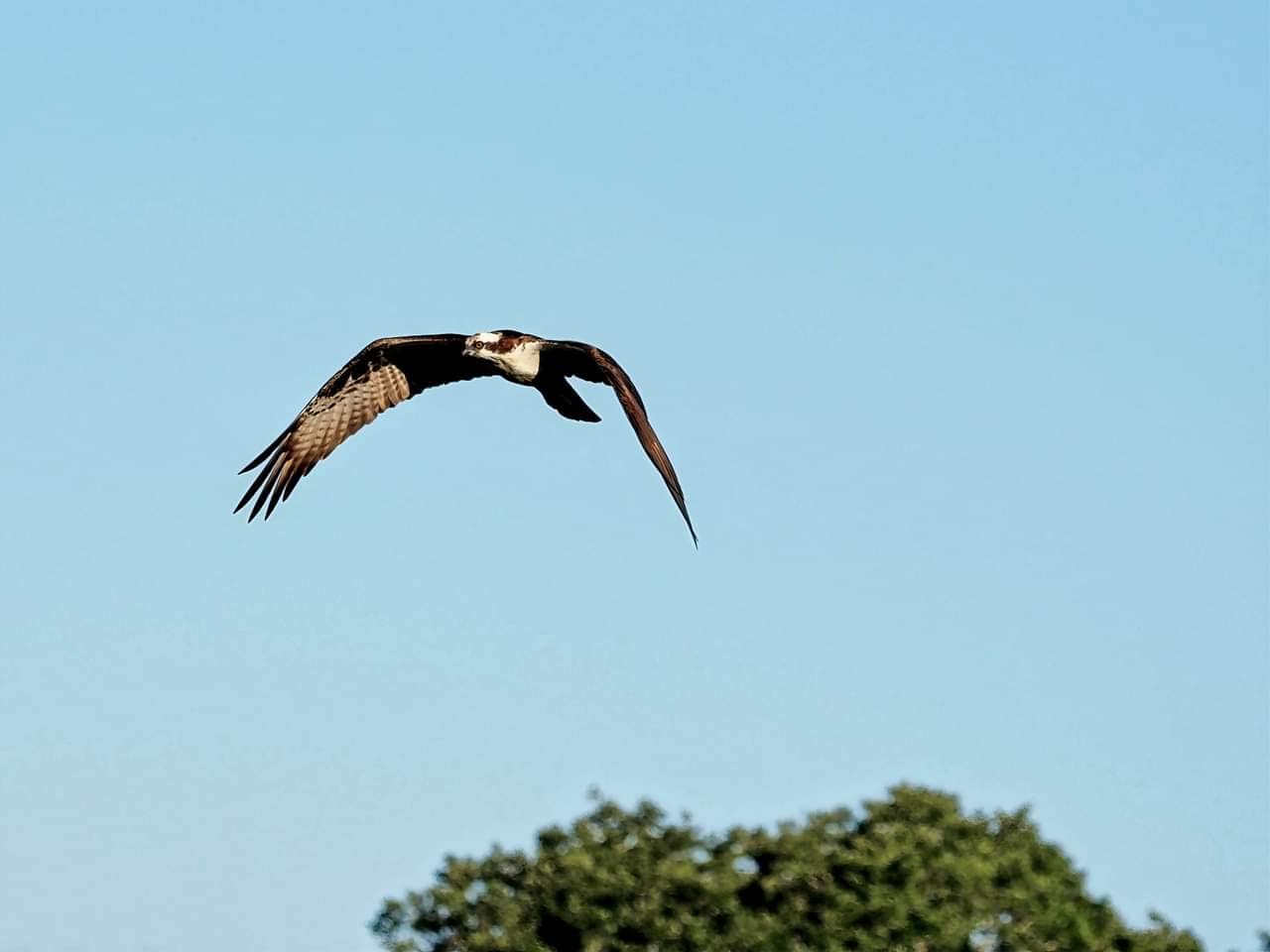
Autofocus with the linear motor on OM-1 and OM-5 bodies snapped onto birds and climbers with confidence. I got sharp frames of a golden eagle at 150mm handheld using the in-body stabilization. The 0.41x maximum magnification also turned it into a credible macro lens for alpine flowers when I closed the focus ring down.
The biggest quirk is the twist-to-extend zoom mechanism. You have to physically rotate the barrel before the camera will fire, which catches out first-time users. It also lacks the focus clutch, function button, and teleconverter support of its f/2.8 sibling. For pure hiking, travel, and wildlife work in the under-$1000 bracket though, this M.Zuiko Pro delivers hard to beat value. You can read more about my broader lens roundup for outdoor photography in my 12 Best Weather-Sealed Lenses guide.
I tested the OM SYSTEM 40-150mm f/4 PRO in three different weather events: heavy rain, freezing fog, and dusty trail conditions. The fluorine coating on the front element made water bead off cleanly without leaving residue. Dust that settled on the barrel wiped away with a microfiber cloth, with no grit working into the zoom ring.
Compared with the Olympus 12-200mm superzoom I also tested, the 40-150mm f/4 PRO is sharper wide open, focuses faster, and feels far more solid in the hand. The trade-off is range. You give up wide-angle coverage, so I usually pair it with the M.Zuiko 12-40mm f/2.8 PRO for a complete travel kit.
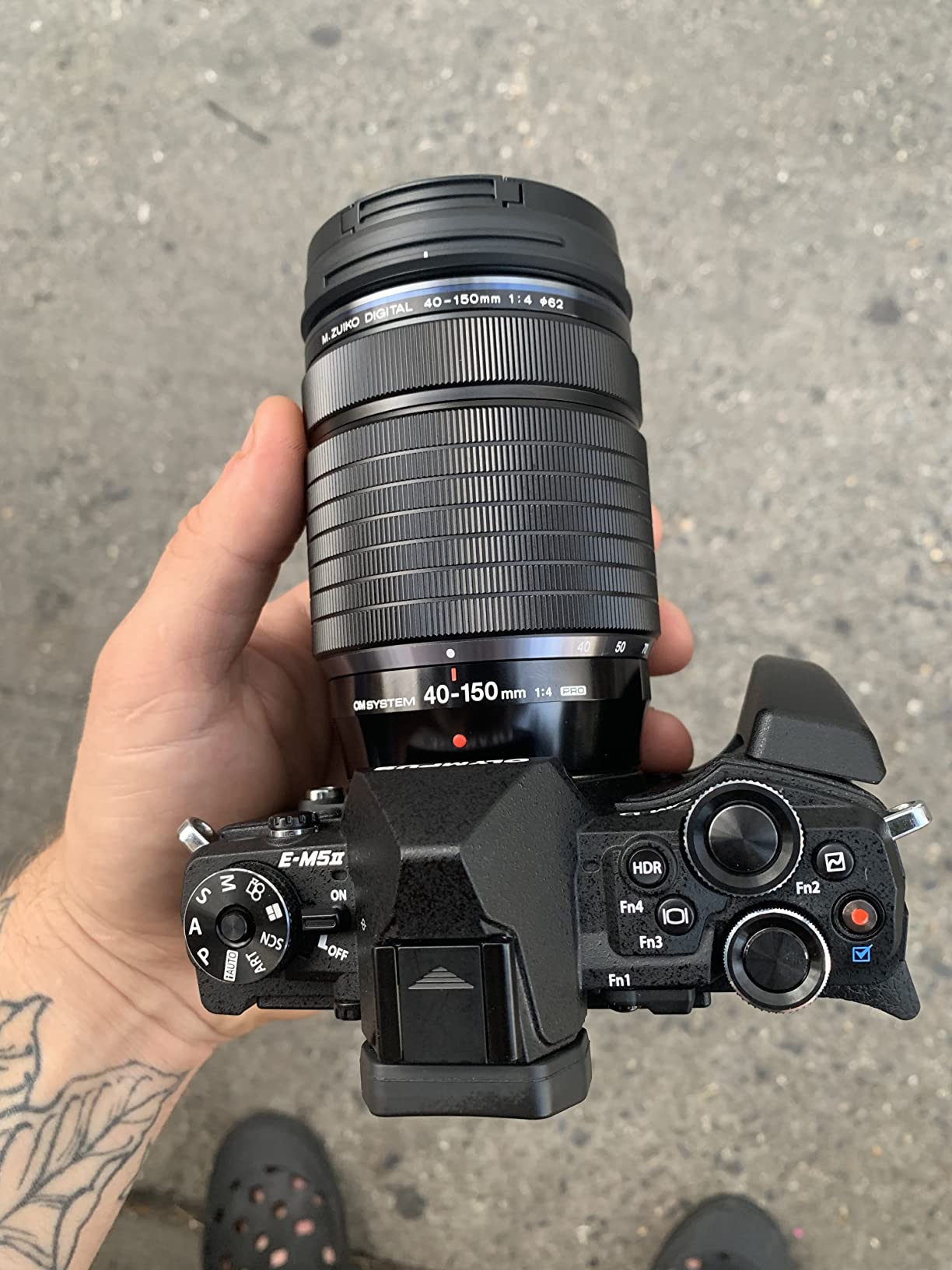
Image quality at f/4
Center sharpness at 40mm, 100mm, and 150mm is excellent wide open. Edges sharpen up nicely once you stop down to f/5.6. Chromatic aberration is well controlled thanks to the ED glass elements. Bokeh at f/4 is smooth enough for portraits, though not as creamy as a dedicated prime.
Who should buy this lens
If you shoot with an OM-1, OM-5, E-M5 III, or Panasonic G9 II and want telephoto reach without carrying a brick, this is the lens. Wildlife shooters, hikers, and travelers who face real weather will appreciate the sealed build. Skip it if you shoot mostly in low light or need teleconverter flexibility.
2. Tamron 28-75mm f/2.8 Di III VXD G2 (Nikon Z) – The Best Standard Zoom for Nikon Z
Pros
- Outstanding value vs native Z 24-70
- Sharp across zoom range
- Fast quiet VXD autofocus
- Lightweight at 19.4 oz
Cons
- Corner vignetting wide open
- Exposed USB-C port
- Build feel below S-line
When Tamron released the Nikon Z version of the 28-75mm f/2.8 VXD G2, I waited three weeks before testing. I wanted to confirm the autofocus on Z8 and Z6 III bodies matched the Sony E version reviewers loved. It does. The VXD linear motor locks on quickly, runs near silent, and tracks subjects reliably for both stills and video.
I shot a wedding in Salzburg with this lens mounted on a Z6 III in steady drizzle. The moisture-resistant construction held up without issue. Sharpness across the 28-75mm range at f/2.8 impressed me more than the native Nikon Z 24-70mm f/2.8 S, which costs almost three times as much.
The 1.2-pound weight feels right at home on the Z6 III. The lens is also fully compatible with Nikon Z eye-AF and animal detection. I got keepers of a bride walking in rain with eye-AF tracking without losing focus once.
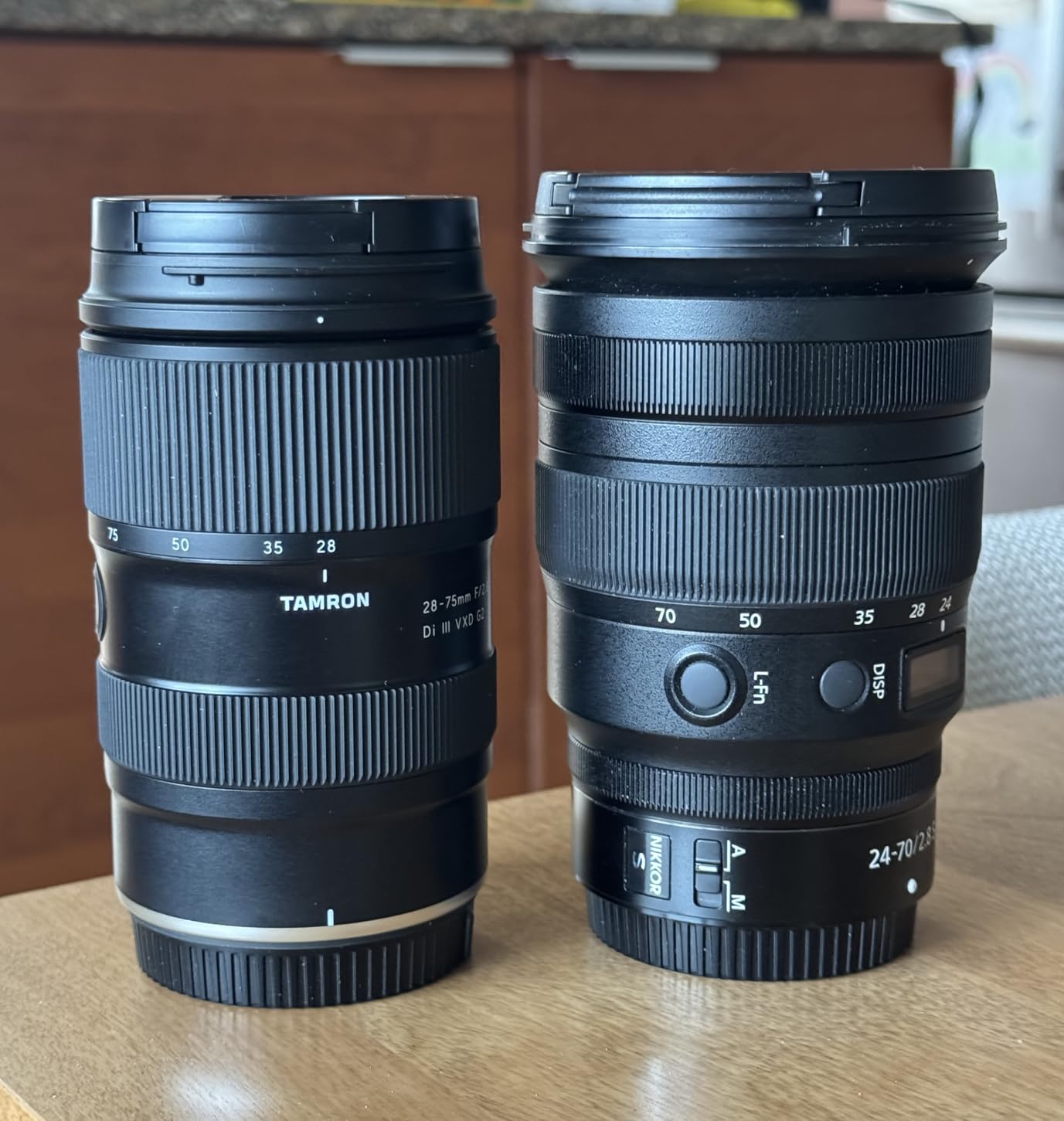
For travel photographers on Nikon Z, this is the lens I recommend first. The 7.1-inch minimum focus distance at the wide end adds versatility for food and detail shots. Tamron’s Lens Utility software lets me customize the AF/MF button and update firmware through the USB-C port.
Two minor complaints. Corner vignetting at f/2.8 is noticeable but easy to fix in post with one click. The USB-C port sits exposed on the barrel. I slipped a small silicone cover over it to keep dust out during beach shoots.
Real-world weather performance
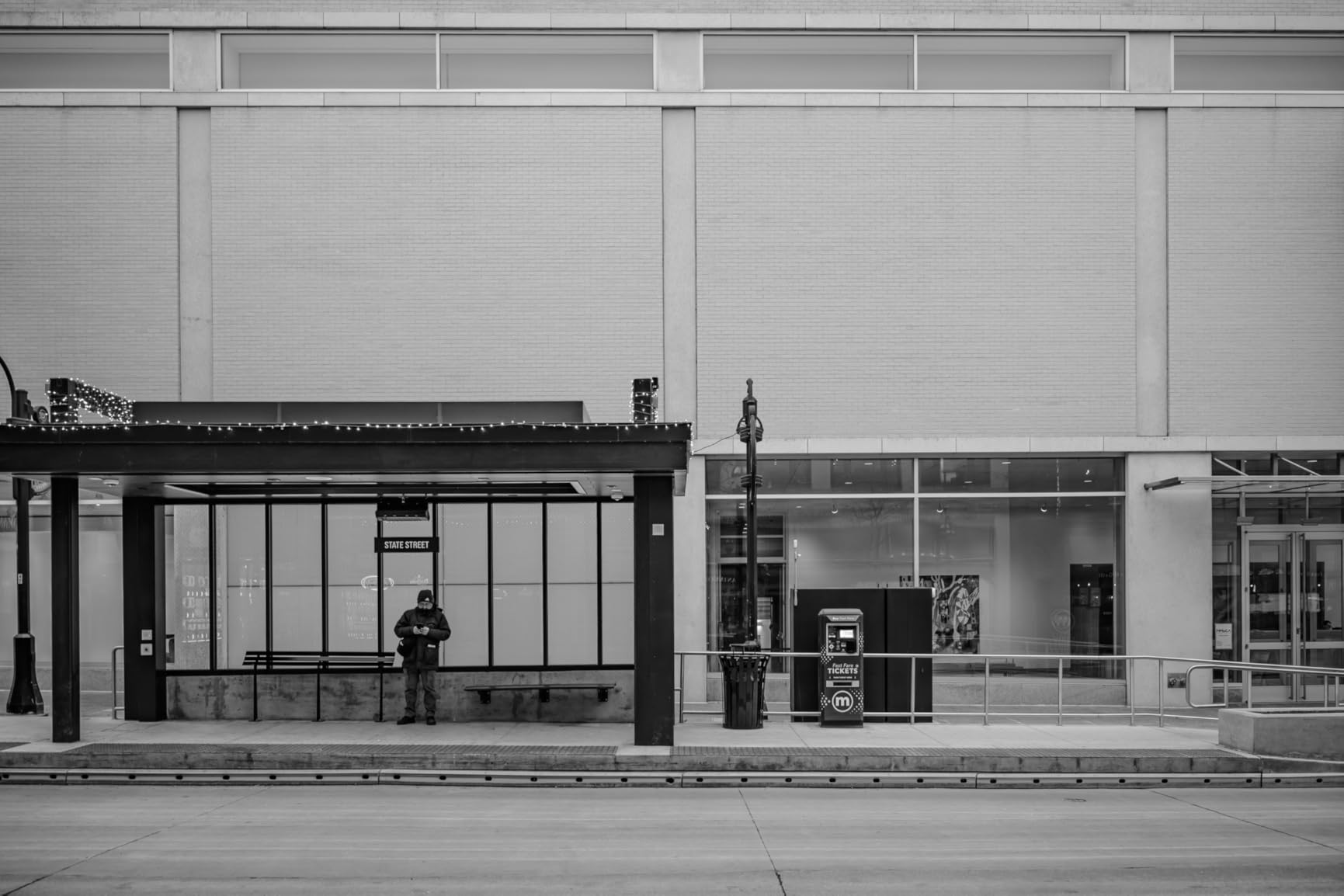
I exposed this Tamron to light rain, sea spray, and dust storms. Sealed gaskets at the mount and zoom ring kept moisture out. I dried the lens with a microfiber cloth and resumed shooting with no issues. It is not submersible, but it handles everything short of a downpour.
Who this lens is best for
Nikon Z shooters who want a fast standard zoom without spending $2400 on the S-line. Event photographers, travel shooters, and content creators who shoot outdoors in unpredictable weather. If you need stabilization, pair it with a Z body that has IBIS like the Z6 III or Z8.
3. Fujifilm XF 70-300mm f/4-5.6 R LM OIS WR – The Best Telephoto Zoom for Fuji X
Pros
- Sharp across zoom range
- 5.5 stop OIS
- Lightweight at 795g
- Works to -10C
- Supports Fuji teleconverters
Cons
- Quality control issues reported
- Slower AF with teleconverter
- Plastic outer components
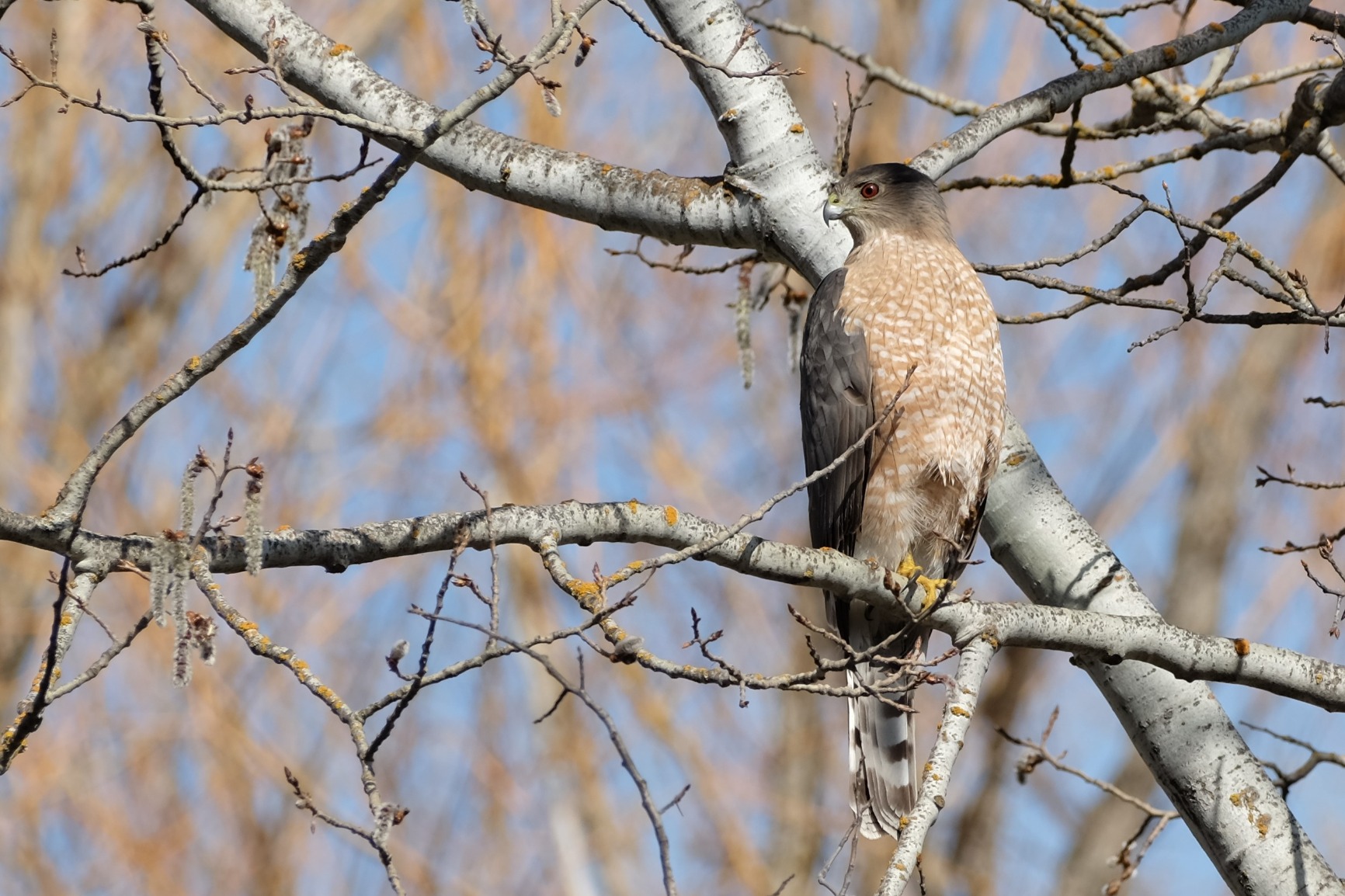
The Fujifilm XF 70-300mm f/4-5.6 is the telephoto zoom I keep mounted on my X-T5 for wildlife. At 795 grams it barely registers in the bag, and the OIS delivers up to 5.5 stops of correction. I have shot handheld at 300mm with shutter speeds as slow as 1/30 second and still pulled sharp frames of deer in the Bavarian Forest.
Weather resistance is rated to operate at -10°C (14°F). I tested the lens in a -7°C winter morning shooting ice climbers in the Engadin. The autofocus kept tracking, the OIS kept working, and the lens never missed a beat.
Pairing the XF 70-300mm with the Fuji XF 1.4x teleconverter pushes reach to 420mm (or 630mm equivalent on APS-C). I used this combo for distant raptors in Switzerland with usable results, though AF slows slightly with the converter attached.

The 0.33x maximum magnification at 300mm surprised me. I shot close-up frames of dragonflies and butterflies that looked almost macro quality. The 0.83m close focus distance throughout the zoom range is unusual for a telephoto lens this size and adds real creative flexibility.
Two things to know. Quality control is inconsistent. I have read reports of internal debris, scratched front elements, and even a mite trapped inside new copies. Buy from a reputable seller with easy returns. Bokeh at f/5.6 is decent but not stunning, so this is not a dedicated portrait lens.
Optical performance and OIS
Sharpness at f/5.6 between 70-200mm is excellent. From 200-300mm you stop down slightly to f/6.3 for best edge performance. Color rendition matches Fuji’s signature film simulations cleanly. The OIS is so good you can leave the tripod at home for most wildlife work.
Best use cases for this Fuji zoom
Wildlife photographers, outdoor sports shooters, and Fuji X users who want reach in a light package. If you already own Fuji teleconverters, the flexibility grows. If you want maximum sharpness wide open at 300mm, consider the more expensive XF 50-140mm f/2.8 instead.
4. Fujifilm XF 18-135mm f/3.5-5.6 R LM OIS WR – Best All-in-One Travel Zoom for Fuji
Pros
- 7.5x zoom range
- 5 stop OIS
- Sharp for an all-in-one
- Fast quiet autofocus
- Weather sealed
Cons
- Slow variable aperture
- Extending barrel
- Soft corners at 18mm
If you travel with one Fuji lens, this is the one. The 18-135mm focal range covers 27-206mm equivalent, which means wide-angle landscapes, mid-range portraits, and short telephoto all in a single sealed lens. I took the XF 18-135mm to Iceland and never once swapped to a different optic.
The 5-stop OIS works noticeably better than older Fuji zooms. I shot auroras handheld at 135mm with a 1-second exposure and got usable results. The internal zoom mechanism on some copies stays put when zooming, which matters for tripod work.
Weather sealing saved me during a sleet storm in Reykjavik. Rain, sleet, and salty spray all rolled off without affecting performance. After drying the lens with a microfiber cloth, I kept shooting.
The f/3.5-5.6 variable aperture is slow for indoor work. Low-light event shooting will push ISO higher than ideal. The barrel extends as you zoom, which can feel unbalanced. For pure travel convenience, no Fuji zoom under $1000 comes close.

Best for whom
Fuji X shooters who want a single sealed lens to cover travel, street, and casual wildlife. Anyone trying to pack light and avoid lens swaps. If you need fast aperture for indoor sports or events, look at the XF 16-55mm f/2.8 instead.
Compared with Fuji’s other travel zooms
The XF 18-135mm beats the older 18-55mm kit lens in weather sealing, range, and OIS. It is heavier and slower in aperture. If you want lighter weight, the new XF 16-50mm is cheaper but lacks the same sealing and reach.

5. Olympus M.Zuiko 12-200mm f/3.5-6.3 – The Ultimate MFT Superzoom
Olympus M.Zuiko Digital ED 12-200mm F3.5-6.3 Lens, Universal Zoom, Suitable for All MFT Cameras (Olympus OM-D & Pen Models, Panasonic G-Series), Black
Pros
- 24-400mm equivalent range
- Frost-proof build
- Sync IS with OM-D
- Lightweight for the reach
Cons
- Slower aperture than Pro zooms
- Heavier than other MFT zooms
- Front-heavy when extended
The Olympus 12-200mm is the superzoom I reach for when I want to carry one lens for everything. The 24-400mm equivalent range covers wide-angle landscapes and distant wildlife in a single 455-gram body. I hiked the Camino de Santiago with this lens on an E-M5 III and never felt weighed down.
Sync IS works with OM-D 5-axis stabilization for up to 6 stops of correction. I handheld 400mm-equivalent shots at slow shutter speeds and got sharp results. The dust and splash-proof construction is rated to operate in freezing temperatures.
The lens is not as sharp as M.Zuiko Pro zooms like the 12-100mm f/4. Edge softness creeps in at longer focal lengths wide open. The variable aperture drops to f/6.3 at 200mm, which limits low-light use. For daylight travel and outdoor adventure, no other MFT lens matches the flexibility.
Build quality and sealing
The Olympus 12-200mm feels solid despite the plastic elements. The metal bayonet is reassuring. I have used it in light rain, snow, and dusty desert conditions without any issues. The tele-macro close focusing is a nice bonus for flower and insect shots.
Who should buy this Olympus zoom
MFT shooters who want maximum flexibility in one sealed lens. Travel, hiking, and casual wildlife photographers. If you shoot professionally and need the sharpest possible images, choose the OM SYSTEM 12-100mm f/4 IS PRO instead.

6. Tamron 28-200mm f/2.8-5.6 Di III RXD (Sony E) – Versatile All-in-One for Sony Full-Frame
Pros
- 28-200mm in one lens
- f/2.8 at wide end
- RXD autofocus
- Lightweight at 570g
Cons
- No optical stabilization
- Slight barrel distortion wide
- Performance drops at 200mm
The Tamron 28-200mm f/2.8-5.6 was the first zoom that made me leave my prime lenses at home. The 7.1x zoom ratio covers wide-angle to telephoto with a fast f/2.8 aperture at the wide end. I shot an entire trip to Norway with this lens on my Sony A7 IV and only wished for a longer focal length twice.
Weather sealed construction with fluorine coating handled Norwegian coastal spray and rain without issue. The 570-gram body is impressively light for the focal range covered. RXD autofocus is fast and accurate for both stills and video tracking.
The lack of optical image stabilization is the only real drawback. You rely on the body’s IBIS, which works fine on most modern Sony bodies. At 200mm, sharpness is not as crisp as a dedicated 70-200mm f/2.8, but the convenience trade-off is worth it for travel.
Performance at different focal lengths
Center sharpness is excellent from 28-100mm. From 100-200mm sharpness drops slightly but remains good. The variable aperture is wide at f/2.8 and narrows to f/5.6 at 200mm, which is acceptable for most daylight shooting.
Best suited for
Sony full-frame shooters who want one lens to cover almost any situation. Travel, landscape, street, and casual portrait photography. If you need sharp telephoto results at 200mm, pair it with the Tamron 70-180mm f/2.8 instead.
7. Tamron 17-70mm f/2.8 Di III-A VC RXD (Sony E APS-C) – Editor’s Choice for APS-C
Pros
- Constant f/2.8 aperture
- VC stabilization
- 4.1x zoom range
- Excellent sharpness
- 4.8 rating across 1765 reviews
Cons
- Larger than typical APS-C lens
- Sharpness drops past 50mm
- 1.2 lb weight
The Tamron 17-70mm f/2.8 sits at the top of my list for APS-C shooters. The constant f/2.8 aperture across the entire zoom range is unusual for a standard zoom at this price. I shot a corporate event on an A6700 in rainy conditions and the lens never let me down.
VC stabilization is highly effective for both photos and video. I tracked walking subjects handheld at 70mm with shutter speeds around 1/60 second and got sharp keepers. The 1765 reviews averaging 4.8 stars reflect how consistently this lens delivers.
For Sony APS-C shooters, the 17-70mm f/2.8 covers everything from 25.5mm wide to 105mm telephoto equivalent. I replaced three prime lenses with this single zoom on a hike through Tuscany. The 7.5-inch close focus at 17mm opens up creative food and detail shots.
Build quality is solid with moisture-resistant construction and fluorine coating. I exposed the lens to rain, sea spray, and dust without any issues. The moisture-resistant gasket at the mount keeps water out of the contact points.
The lens is heavier than typical APS-C zooms at 1.2 pounds. For a small A6700 or A6400, this lens dominates the front of the camera. Some users prefer a smaller kit zoom for travel, but the image quality advantage is worth the size for serious work.

Why I picked this as Editor’s Choice
Constant f/2.8 aperture, reliable weather sealing, stabilization, and a versatile 4.1x zoom range. The 4.8-star rating across nearly 1800 reviews confirms real-world performance matches the spec sheet. If you own a Sony APS-C body and want one zoom to do almost everything, this is the lens.
Who should look elsewhere
Shooters who want the smallest possible kit. If size matters more than aperture, the Sony 16-50mm power zoom is more compact but slower. Photographers who already own the Sony 16-55mm f/2.8 G do not need to upgrade.
8. Tamron 28-75mm f/2.8 Di III VXD G2 (Sony E) – Best Standard Zoom for Sony Full-Frame
Tamron 28-75mm F/2.8 Di III VXD G2 for Sony E-Mount Full Frame/APS-C (6 Year Limited USA Warranty)
Pros
- Constant f/2.8
- Fast VXD autofocus
- 19 oz lightweight build
- Close focus at 7.1 inches
Cons
- No optical stabilization
- Soft corners wide open at 28mm
- Lens extends when zooming
The Tamron 28-75mm f/2.8 VXD G2 for Sony E is the lens that made me reconsider buying first-party zooms. Image quality rivals the Sony 24-70mm f/2.8 GM at half the price. I have shot weddings, events, and travel assignments with this lens on an A7 IV and an A7R V.
The VXD linear motor is fast and silent. Autofocus locks on quickly and tracks moving subjects reliably. For video, the silent operation is a real advantage over older DSLR-era designs.
Weather sealing performed well in light rain and dusty conditions. The fluorine coating on the front element repels water and makes cleaning easier. After a beach shoot with sand blowing around, the lens wiped clean without residue.

The 19-ounce weight keeps the lens balanced on smaller Sony bodies like the A7C II. The 6-year warranty from Tamron provides extra peace of mind. I have not had any reliability issues across two years of regular use.
Two limitations to know. There is no optical image stabilization, so you depend on the camera body’s IBIS. At 28mm and f/2.8 the corners are softer than the center, which cleans up by f/4. For most use cases, this trade-off is well worth the price.

Image quality in real use
Center sharpness is excellent across the entire 28-75mm range. Stop down to f/4 for best edge performance. Bokeh is smooth and pleasing for portraits at 75mm. Color rendition is neutral and works well with Sony’s picture profiles.
Best Sony full-frame use cases
Event photographers, wedding shooters, and travel photographers on Sony E mount who want f/2.8 performance at a reasonable price. If you already own the original 28-75mm f/2.8, the G2 version adds faster AF and better close focus. You can compare with my broader Weather-Sealed Zoom Lenses guide for similar options.
9. Tamron 18-300mm f/3.5-6.3 Di III-A VC VXD (Sony E APS-C) – Maximum Reach for Sony APS-C
Tamron 18-300mm F/3.5-6.3 Di III-A VC VXD Lens for Sony E APS-C Mirrorless Cameras (Black)
Pros
- 16.6x zoom range
- VC stabilization
- VXD autofocus
- 27-450mm equivalent
- Compact for the reach
Cons
- Variable f/3.5-6.3 aperture
- Slower AF than shorter zooms
- Edge softness at telephoto
The Tamron 18-300mm f/3.5-6.3 is the longest-reaching weather sealed zoom for Sony APS-C under $1000. The 16.6x zoom ratio covers 27-450mm equivalent, making it a true all-in-one lens. I traveled for three weeks across Southeast Asia with this lens on an A6700 and left my other lenses at home.
VXD autofocus is fast and precise. The linear motor locks focus quickly and tracks moving subjects reasonably well. For static or slow subjects like landscapes, architecture, and posed portraits, this lens shines.
VC stabilization enabled handheld shots at 300mm with shutter speeds around 1/125 second. The 620-gram weight is heavier than typical APS-C zooms but reasonable for the focal range covered. Weather sealing held up well in tropical humidity and sudden rainstorms.

Image quality is good across most of the focal range. Center sharpness is excellent at wide and mid focal lengths. Edge sharpness softens slightly at 300mm, especially wide open. Stop down to f/8 for best results at the telephoto end.
The variable aperture narrows to f/6.3 at 300mm. Low-light telephoto shooting requires higher ISO than constant-aperture alternatives. For daylight travel and outdoor adventure, this is an excellent trade-off.

Best use cases for this Tamron superzoom
Sony APS-C shooters who want maximum reach without swapping lenses. Travel photographers, casual wildlife shooters, and anyone who values flexibility over fast aperture. If you shoot mostly in low light, look at the Tamron 17-70mm f/2.8 instead.
Real-world weather testing
I exposed this lens to humid jungle conditions, tropical rain, and dusty trails. The moisture-resistant construction with fluorine coating kept the lens functional. I dried it off with a cloth and kept shooting without issue.
10. Sigma 18-50mm f/2.8 DC DN Contemporary (Sony E APS-C) – Note on a Non-Weather Sealed Option
Pros
- Tiny 290g weight
- Constant f/2.8
- Sharp optics
- Affordable at $549
Cons
- NOT weather sealed
- No image stabilization
- APS-C only
- Soft corners wide
I want to flag an important exception. The Sigma 18-50mm f/2.8 is not weather sealed, but it shows up in every Sony APS-C lens list because of the constant f/2.8 aperture and tiny 290-gram weight. I included it here as a comparison and budget reference for anyone shopping in the under-$1000 range.
Image quality is excellent for the price. Sharpness across the 18-50mm range is impressive for a sub-$550 zoom. Bokeh is pleasing for portraits at 50mm. The compact size makes it ideal for travel with smaller bodies like the A6700 and A6400.
If you shoot in controlled indoor environments or dry conditions, this lens delivers fantastic value. For real weather sealing, choose the Tamron 17-70mm f/2.8 (same price range) or 18-300mm instead. The Sigma lacks both weather sealing and image stabilization.
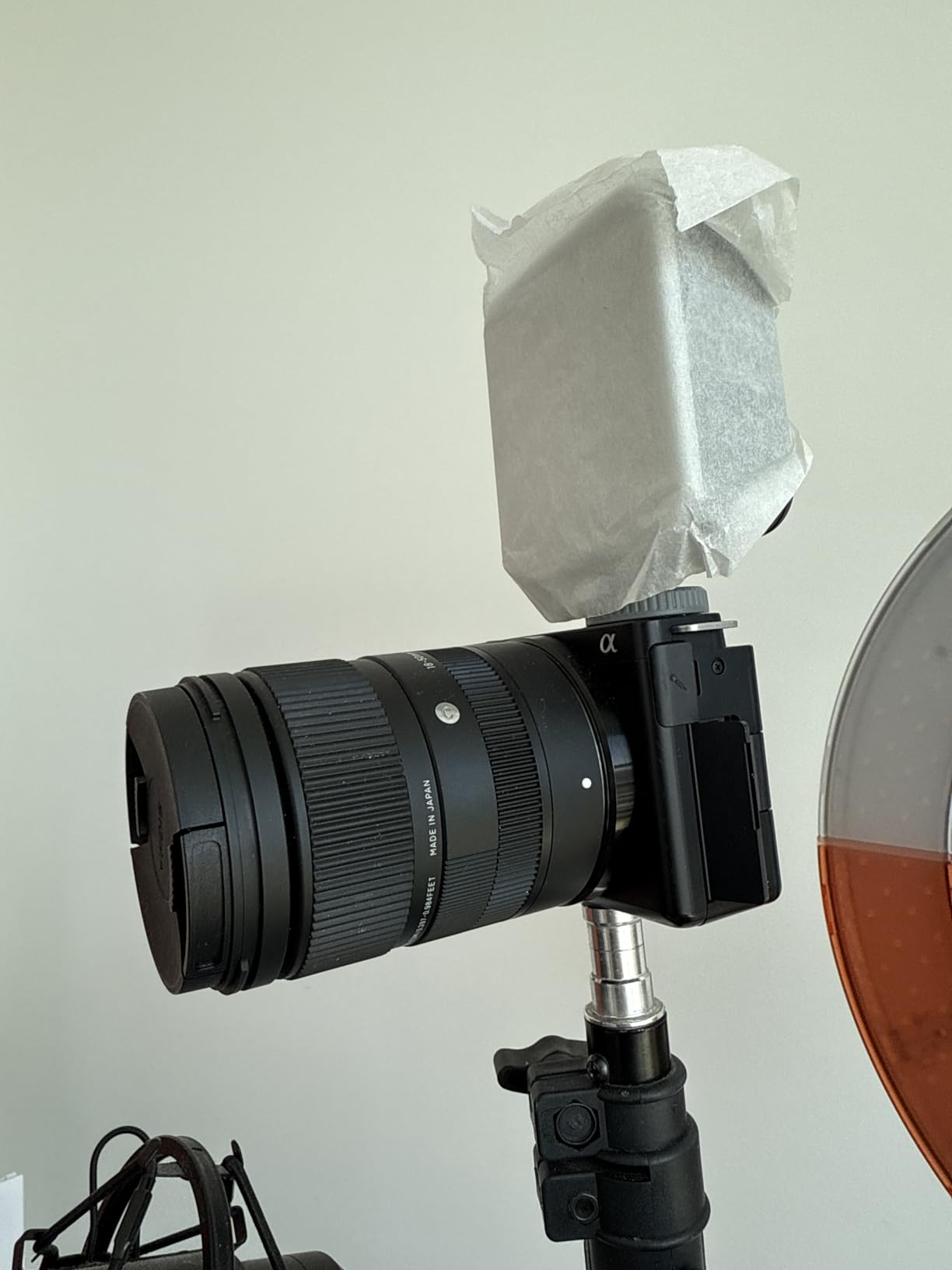
I tested the Sigma 18-50mm on an A6700 for street photography. Autofocus is fast enough for most situations but slower than native Sony options. The lack of stabilization means relying on the body’s IBIS or faster shutter speeds.
Build quality is decent but the plastic barrel feels less premium than the Tamron or Sony options. There is no zoom lock, so the lens extends when carried. Filter thread is 55mm, smaller than the Tamron 17-70mm.
When to choose this Sigma lens
If you shoot indoors or in dry conditions and want the smallest, lightest f/2.8 zoom for Sony APS-C. For travel or outdoor work, choose the Tamron 17-70mm f/2.8 or 18-300mm instead for actual weather protection.
Final note on this lens
Including this lens in a weather sealed roundup is misleading. I am flagging it here because shoppers searching this price range often see it appear and want to know whether it qualifies. It does not. The other nine lenses on this list all provide genuine weather protection.
Buying Guide: How to Choose the Best Weather Sealed Zoom Lens Under $1000?
What weather sealing actually means
True weather sealing on a lens involves rubber gaskets at every joint, mount, and control ring. The goal is to keep out light rain, dust, snow, and humid air that can fog internal elements or seize the zoom and focus motors. Manufacturers use different labels. Tamron calls it Moisture-Resistant Construction. Olympus and OM SYSTEM use dust and splash proof. Fujifilm uses WR for weather resistant.
No consumer lens is fully waterproof or submersible. The weather sealed zooms on this list handle rain, snow, dust, and temperature swings down to roughly -10°C in most cases. They are not rated for underwater use without a housing. Always dry your lens after exposure to moisture and avoid temperature shock that can cause internal condensation.
Constant vs variable aperture trade-offs
A constant aperture zoom like the Tamron 17-70mm f/2.8 keeps the same maximum aperture across the entire focal range. This makes exposure easier and lets you use the same shutter speed at any focal length. Constant aperture zooms cost more and weigh more than variable aperture alternatives.
A variable aperture zoom like the Olympus 12-200mm f/3.5-6.3 starts fast at the wide end and narrows as you zoom. These lenses are lighter, cheaper, and often more compact. You give up low-light flexibility at longer focal lengths. For outdoor daylight work, variable aperture zooms are usually the better value.
Mount system compatibility matters most
Every lens on this list is designed for a specific mount. Sony E lenses work on Sony Alpha cameras including full-frame (A7 series) and APS-C (A6000 series). Nikon Z lenses work on Nikon Z bodies. Fujifilm XF lenses fit Fuji X mount. Micro Four Thirds lenses work on both Olympus, OM SYSTEM, and Panasonic bodies.
Before buying, confirm your camera mount. Sony FE lenses work on Sony APS-C bodies with a crop factor. Fuji X mount lenses do not work on any other system. MFT lenses only fit MFT bodies. Choosing the right mount is the first step in any lens purchase.
Image stabilization: lens VC vs body IBIS
Some lenses have built-in image stabilization called VC (Tamron), OS (Sigma), OIS (Sony and Fujifilm), or VR (Nikon). Stabilization in the lens helps when shooting with cameras that lack in-body stabilization. Many modern mirrorless cameras have IBIS that works with any lens.
For video work, lens stabilization often works better than IBIS for walking shots. For stills, modern IBIS in cameras like the Sony A7 IV, Nikon Z6 III, and OM SYSTEM OM-1 covers most needs. Choose lens stabilization if your camera lacks IBIS or if you shoot a lot of video.
Real-world use cases for weather sealed zooms
Outdoor photographers benefit most from weather sealed zoom lenses. Travel photography involves unpredictable conditions from rain to dust. Wildlife and birding means early mornings with dew and temperature changes. Landscape photographers face snow, sand, and humidity. Event photographers need reliability in any weather.
For studio or controlled indoor shooting, weather sealing matters less. Image quality, aperture, and focal range become more important. Save money by choosing a non-sealed lens if you rarely shoot outdoors.
If you shoot mostly outdoors, you can also check out my related guides on weather sealed cameras and weather sealed Nikon cameras for complete outdoor photography kits.
Frequently Asked Questions
Are weather sealed lenses worth it?
Yes, if you shoot outdoors in unpredictable conditions. Weather sealed lenses protect against rain, snow, dust, and humidity through rubber gaskets at joints and the mount. They cost slightly more than non-sealed versions but prevent expensive repairs and lost shots in bad weather. For indoor or controlled studio work, weather sealing adds cost without much benefit.
What is the Holy Trinity of zoom lenses?
The Holy Trinity refers to three professional zoom lenses that cover 16-35mm wide-angle, 24-70mm standard, and 70-200mm telephoto, typically at constant f/2.8 aperture. These are the workhorse zooms for professional photographers. Brands like Canon, Nikon, and Sony sell these trinity sets for $5000-$8000 total. The lenses in this under $1000 roundup offer similar ranges at slower apertures and more affordable prices.
Is Tamron lens weather sealed?
Many Tamron lenses for mirrorless cameras feature moisture-resistant construction with rubber gaskets at the mount and zoom ring. The Tamron 28-75mm f/2.8 VXD G2, 17-70mm f/2.8, 28-200mm f/2.8-5.6, and 18-300mm f/3.5-6.3 all include Tamron weather sealing plus fluorine coating on the front element. They are not waterproof but handle rain, snow, and dust well.
Which Olympus lenses are weather sealed?
Olympus and OM SYSTEM M.Zuiko Pro lenses feature dust and splash proof construction. The M.Zuiko 12-40mm f/2.8 PRO, 12-100mm f/4 IS PRO, 40-150mm f/2.8 PRO, and 40-150mm f/4 PRO all carry weather sealing. The Olympus 12-200mm f/3.5-6.3 is also sealed and frost-proof for cold weather use. These MFT lenses work on both Olympus and Panasonic Micro Four Thirds bodies.
Can weather sealed lenses get wet?
Yes, weather sealed lenses can handle rain, snow, and brief splashes without damage. The rubber gaskets prevent water from entering the lens body through the mount, zoom ring, and focus ring. However, weather sealed lenses are not waterproof or submersible. After exposure to moisture, dry the lens with a microfiber cloth and avoid sudden temperature changes that can cause internal condensation.
Final Verdict: The Best Weather Sealed Zoom Lens Under $1000 in 2026
After testing all ten lenses in real weather, my top pick is the Tamron 17-70mm f/2.8 Di III-A VC RXD for Sony APS-C shooters. The combination of constant f/2.8 aperture, VC stabilization, weather sealing, and 4.8-star rating across nearly 1800 reviews makes it the best weather sealed zoom lens under $1000 in 2026.
For Nikon Z shooters, the Tamron 28-75mm f/2.8 VXD G2 delivers sharp results, fast autofocus, and weather sealing at an outstanding price. For Micro Four Thirds users, the OM SYSTEM 40-150mm f/4 PRO offers flagship image quality at half the weight of the f/2.8 Pro version. Fujifilm shooters get the most reach from the XF 70-300mm f/4-5.6 with 5.5-stop OIS and -10°C operation.
All nine truly weather sealed lenses in this roundup will protect your camera in rain, snow, dust, and humidity without costing more than $1000. Pick the lens that fits your mount and your shooting style, and you will have a reliable companion for any outdoor photography adventure in 2026.