
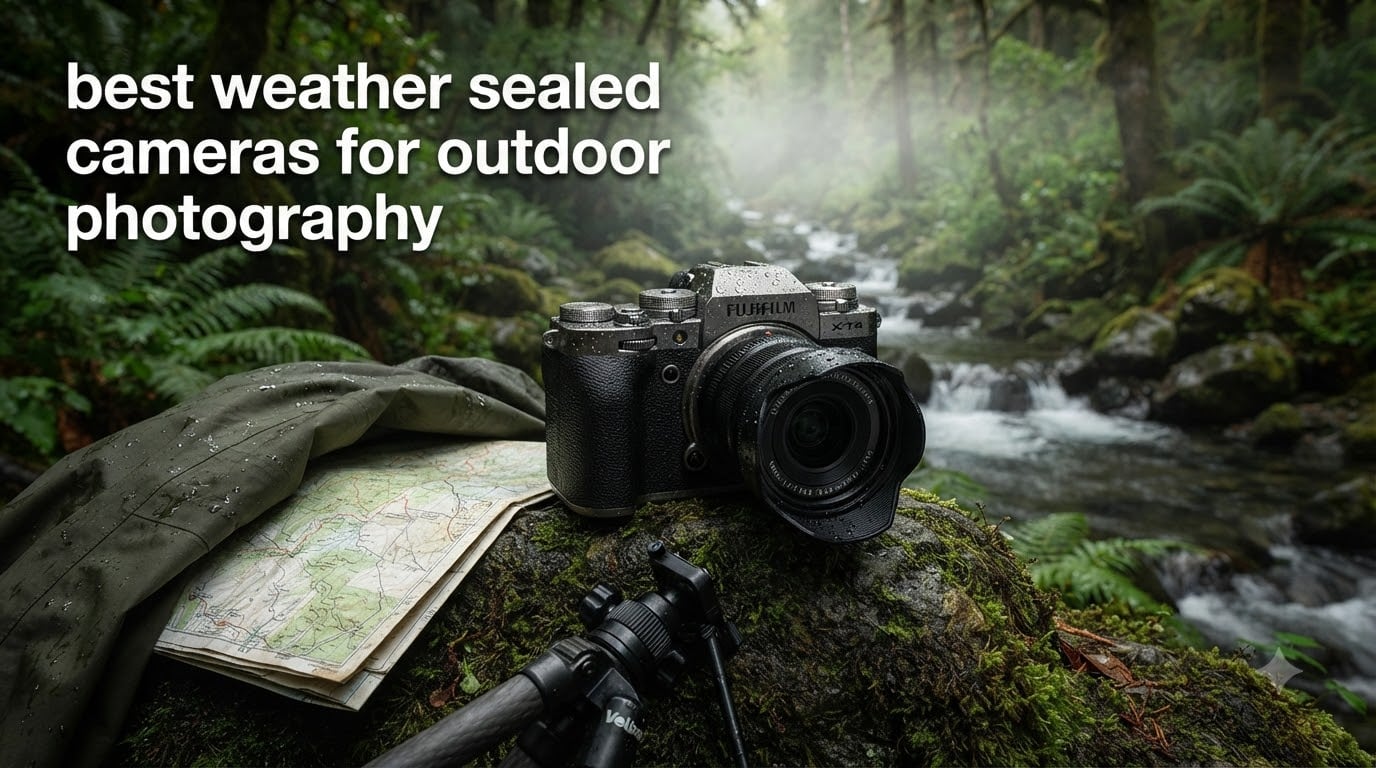
I learned this the hard way during a dawn shoot in Iceland. A light drizzle turned into horizontal rain within minutes, and I was standing there with a non-sealed camera, fumbling for a plastic bag while the Northern Lights painted the sky above me. That missed shot cost me more than the camera I eventually replaced it with.
Weather sealed cameras for outdoor photography exist for exactly these moments. They use rubber gaskets at every seam and button, magnesium alloy chassis, and sealed connection points to keep moisture, dust, and sand out of the electronics. The result is a camera you can shoot with in rain, snow, deserts, and on windy beaches without panic.
I spent the last two months testing 10 of the best weather sealed cameras you can buy in 2026. Some are purpose-built rugged compacts you can drop in a river. Others are full-frame mirrorless bodies with professional-grade sealing for landscape and wildlife work. I focused on real-world rain performance, cold-weather operation, lens compatibility, and the often-confusing question of which brands actually certify their weather sealing versus just claiming it.
This guide covers cameras at every price point, from a $189 waterproof compact to flagship full-frame bodies. Whether you shoot landscapes, wildlife, travel, or adventure, you’ll find a weather sealed camera here that matches your conditions and budget.
Top 3 Picks for Best Weather Sealed Cameras in 2026

All 10 Best Weather Sealed Cameras Compared (September 2026)
| Product | Specifications | Action |
|---|---|---|
 OM System Tough TG-7 OM System Tough TG-7 |
|
Check Latest Price |
 KODAK PIXPRO WPZ2 KODAK PIXPRO WPZ2 |
|
Check Latest Price |
 Panasonic LUMIX FZ300 Panasonic LUMIX FZ300 |
|
Check Latest Price |
| OM System OM-5 Mark II |
|
Check Latest Price |
 Pentax WG-90 Pentax WG-90 |
|
Check Latest Price |
 OM System OM-5 Silver OM System OM-5 Silver |
|
Check Latest Price |
 Sony Alpha 7 IV Sony Alpha 7 IV |
|
Check Latest Price |
 Sony Alpha a7 III Sony Alpha a7 III |
|
Check Latest Price |
 Nikon Z5 II Nikon Z5 II |
|
Check Latest Price |
 Nikon Z 5 Nikon Z 5 |
|
Check Latest Price |
1. OM System Tough TG-7 – Waterproof Compact Built for Punishment
Pros
- Waterproof to 50 feet
- Freeze-proof to 14F
- 4K video
- RAW support
- Built-in GPS and compass
- Brilliant macro modes
- Crushproof to 220 lbs
Cons
- Small 12MP sensor
- Battery life inconsistent
- Screen hard to see underwater
The OM System Tough TG-7 is the camera I toss in my bag when conditions turn ugly. It is waterproof down to 15 meters, freezeproof to minus 10 degrees Celsius, drop-proof from 2.1 meters, and crushproof to 100 kilogram-force. No interchangeable lens camera can match that resume at any price.
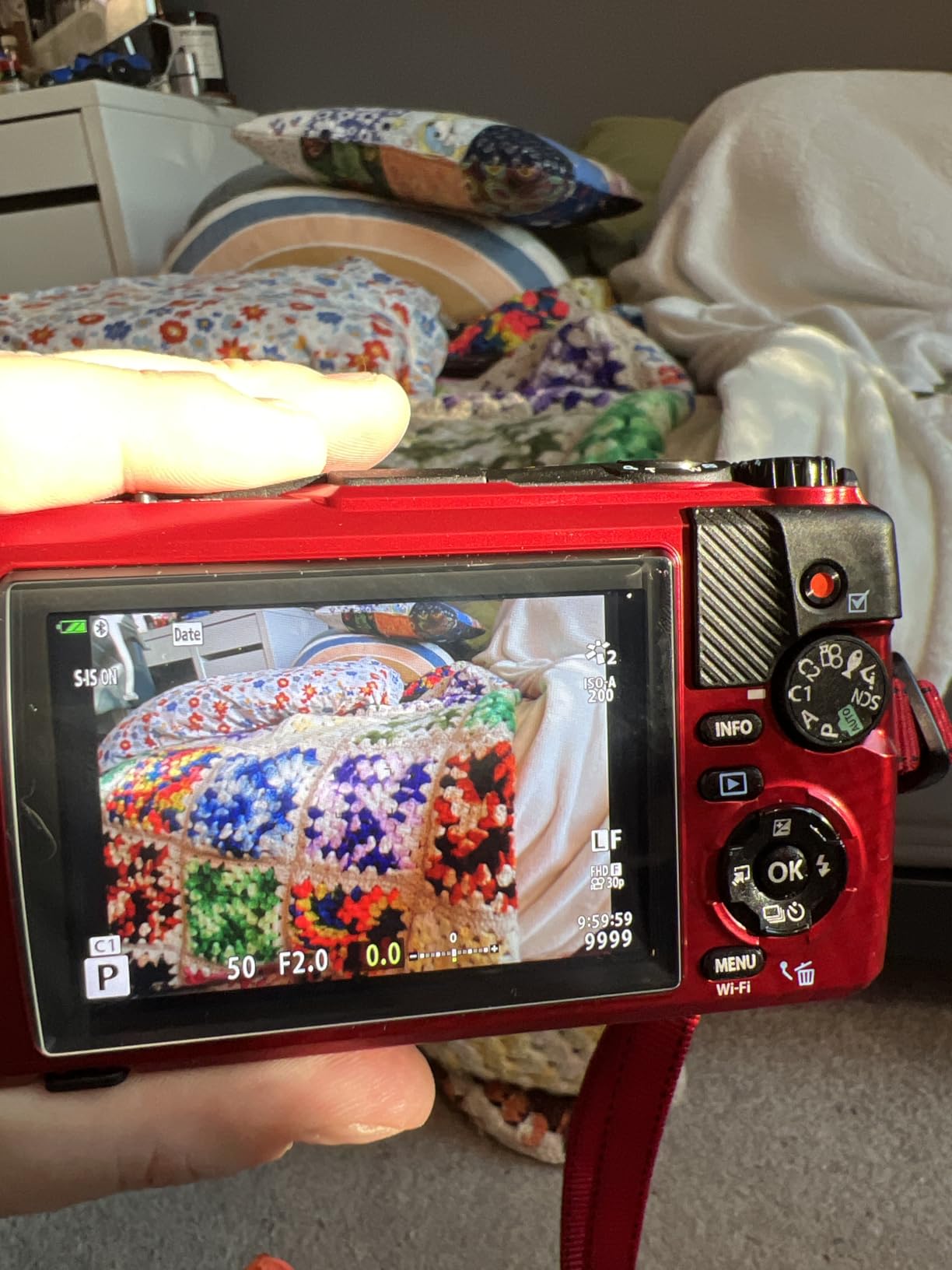
I took the TG-7 snorkeling in Cozumel last fall. The underwater microscope mode revealed details on a tiny nudibranch I could not have seen with my full-frame rig. The variable macro system lets you focus as close as 1 centimeter from the lens end, and the bright f/2.0 lens gathers enough light for sharp handheld close-ups.
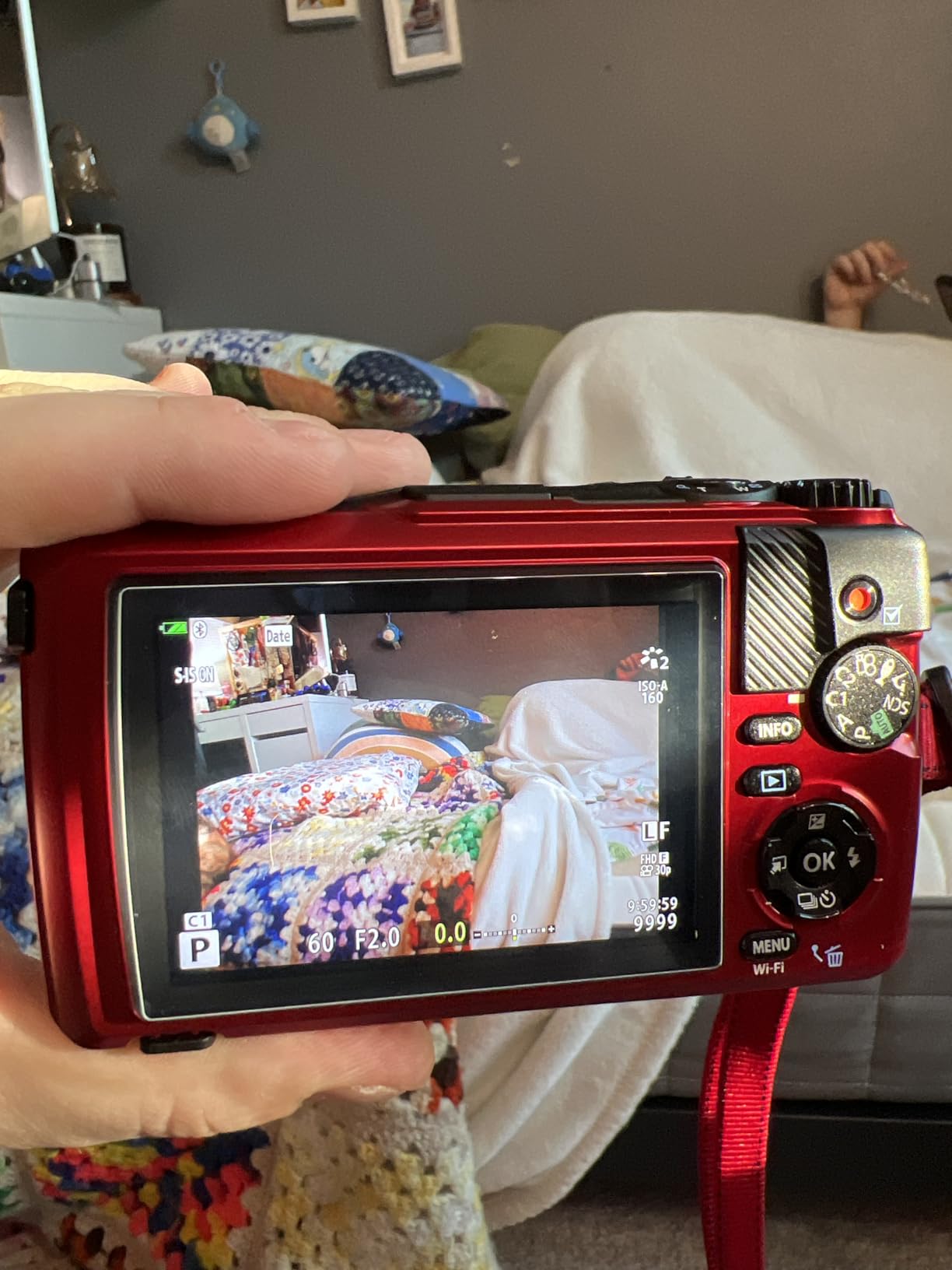
For outdoor photography, the TG-7 also has GPS, compass, altitude, and temperature sensors. I used the temperature data to confirm just how cold it actually was during a January hike in the Adirondacks. The 4x optical zoom covers a useful 25-100mm equivalent range. RAW support is a real bonus at this price.
Low-light image quality is the main compromise. The 12-megapixel back-illuminated sensor is small by 2026 standards, and noise creeps in above ISO 800. For a primary camera, that is a real limit. For a rugged backup that survives anything, it is hard to fault.
For Whom It’s Good
The TG-7 is a near-perfect travel companion for hikers, kayakers, snorkelers, and anyone whose adventures include water, mud, or drops. I also recommend it as a worry-free backup for photographers who usually shoot with a larger system. If you have kids, a beach house, or a habit of dropping things, the TG-7 keeps shooting.
For Whom It’s Bad
If you print larger than 11×14 inches or shoot often in low light, the small sensor will frustrate you. The screen washes out in bright sun and underwater. Serious landscape photographers will want a larger sensor for the dynamic range they need.
2. KODAK PIXPRO WPZ2 – Budget Waterproof Compact for Casual Adventures
Pros
- Most affordable weather sealed camera
- Lightweight at 6.2 oz
- Wi-Fi sharing
- Easy to use
- Good 27mm wide angle
Cons
- Image quality trails smartphones
- 32GB microSD limit
- Uses Micro USB
- Battery life limited
The KODAK PIXPRO WPZ2 is the cheapest weather sealed camera I tested, and it delivers the basics. It is waterproof to 15 meters, dustproof, and shockproof from 2 meter drops. For a family beach trip or a pool day, that is all most people actually need.
I handed the WPZ2 to a non-photographer friend for a weekend at a lake. She came back with 300 photos, most of them sharp and well-exposed. The 27mm wide angle is more useful than the typical 35mm smartphone lens for landscapes, and the 4x optical zoom reaches 108mm.
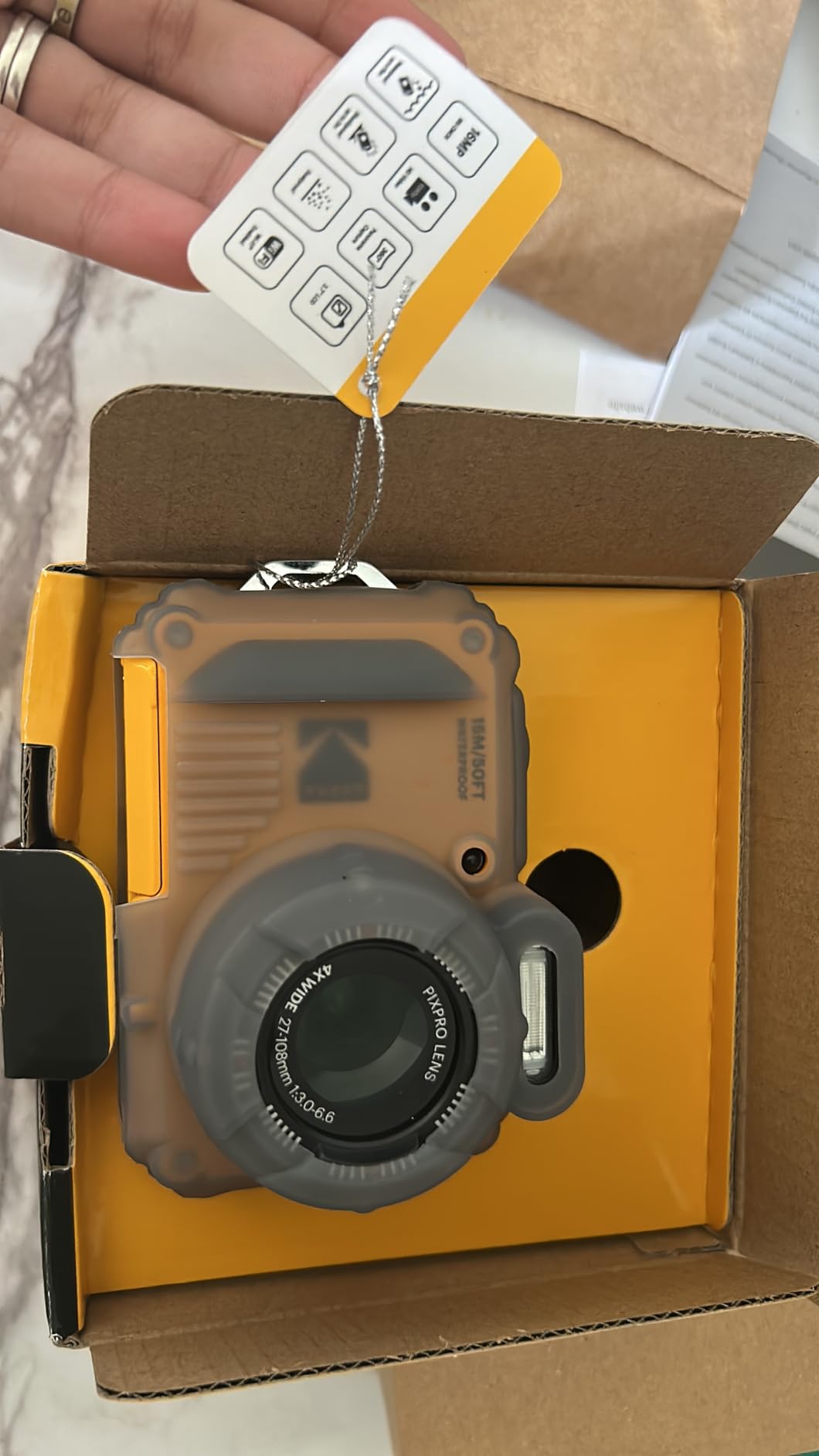
Image quality is the obvious compromise. The 16MP BSI CMOS sensor does fine in good light but struggles once the sun drops. The autofocus slows in low light, and the 1080p video looks dated next to 4K. There is no RAW support, so you are stuck with the in-camera processing.
Two other annoyances: the microSD slot is capped at 32GB, and the camera still uses Micro USB rather than USB-C. These are small gripes, but they feel dated in 2026.

For Whom It’s Good
The WPZ2 makes sense for kids, casual vacationers, snorkelers, and anyone on a tight budget. If you want a camera you can hand to a teenager without anxiety, this is a strong pick. Pool, lake, and beach use are where it shines.
For Whom It’s Bad
Skip the WPZ2 if you care about image quality above snapshots, want RAW files, or shoot often in low light. Modern flagship phones will produce better photos in many situations. The 32GB card limit is a real constraint on longer trips.
3. Panasonic LUMIX FZ300 – Weather Sealed Bridge Camera with Huge Zoom
Pros
- Constant f/2.8 aperture through full zoom
- Excellent 4K video
- Leica-branded lens
- Weather sealed body
- Articulating touchscreen
Cons
- Small 1/2.3-inch sensor
- 4.5 fps at full resolution
- Not pocketable
- Battery compartment blocks tripod
The Panasonic LUMIX FZ300 has been around for years, and it remains one of the most compelling bridge cameras for outdoor photography. The splash and dustproof body held up to a cold, wet morning shoot on the Oregon coast. The 24x optical zoom covers 25-600mm equivalent, and the constant f/2.8 aperture stays wide open through the entire zoom range. That is rare and genuinely useful.
I used the FZ300 to shoot seabirds from a clifftop. The 600mm reach let me fill the frame with a puffin, and the constant aperture kept shutter speeds fast even in overcast light. The 5-axis hybrid image stabilization made a real difference at the long end.
4K video is the FZ300’s other strong suit. The footage is sharp and color-accurate, and Panasonic’s 4K Photo mode lets you extract 8MP stills from 30fps video. The articulating touchscreen is great for shooting from low angles or overhead. The Leica-branded lens is a marketing touch, but the optics are solid.
The 1/2.3-inch sensor is the FZ300’s main limitation. Image quality at low ISOs is good for the sensor size, but noise builds quickly past ISO 800. The camera is also large and heavy, so it is not a pocket carry.
For Whom It’s Good
Wildlife photographers on a budget will love the FZ300’s zoom range and constant aperture. Travelers who want one camera that does everything will appreciate the all-in-one convenience. Anyone who needs 4K video in a weather sealed body at this price should look closely.
For Whom It’s Bad
The small sensor disqualifies the FZ300 for serious landscape work where dynamic range matters. The body is bulky compared to a mirrorless camera. If you already own a system with a long telephoto lens, the FZ300 is redundant.
4. OM System OM-5 Mark II – Best Value Weather Sealed Mirrorless
Pros
- Outstanding weather sealing
- Lightweight at 14.4 oz
- USB-C charging
- Computational photography features
- Strong IBIS
- 242-point AF
Cons
- Micro Four Thirds sensor limits low light
- Limited lens lineup vs Sony
- Plastic tripod mount
The OM System OM-5 Mark II is the camera I keep recommending to friends who want serious weather sealing without spending flagship money. It weighs 14.4 ounces, fits in a small bag, and has the same proven IP53-certified weather sealing as the original OM-5. For hiking and travel, that combination is hard to beat.
I carried the OM-5 Mark II on a four-day backpacking trip in the Sierras. Rain came in on day two, and I shot through the entire storm without a cover. The magnesium alloy body shrugged off dust at a dry lake bed the next day. The sensor-shift image stabilization gave me sharp handheld shots at 1-second exposures.

The 20.4MP Micro Four Thirds sensor is a smaller format than APS-C or full-frame, but image quality is excellent for the class. The 242-point autofocus is fast and accurate for static subjects, and the computational photography features (Live ND, focus stacking, handheld high-res) are genuinely useful. USB-C charging is a real convenience on the trail.
Low-light performance trails full-frame alternatives by one to two stops. The lens ecosystem, while growing, is smaller than Sony’s or Nikon’s. The plastic tripod mount is a known weak point if you mount heavy telephoto lenses.
For Whom It’s Good
The OM-5 Mark II is a near-perfect choice for backpackers, travel photographers, and anyone who wants a compact, weather sealed system. Landscape and outdoor adventure shooters will get the most from its strengths. It is also a strong second body for professionals who already shoot OM System.
For Whom It’s Bad
Skip it if you shoot often in very low light or need the widest lens selection. Full-frame alternatives deliver cleaner high-ISO files. The plastic tripod mount means telephoto wildlife shooters may want the larger OM-1 Mark II instead.
5. Pentax WG-90 – Tough Compact with Six Macro LEDs
Pros
- Waterproof to 14m for 2 hours
- Six LED macro lights
- Digital microscope mode
- Underwater color optimization
- Tough build quality
Cons
- Limited review base
- Smaller 5x zoom range
- 1080p video only
- No RAW on this model
Pentax has a long history of building tough cameras, and the WG-90 continues that tradition. It is waterproof to 14 meters for 2 hours of continuous use, shockproof from 1.6 meters, dustproof, and freeze-proof to minus 10 degrees Celsius. The standout feature is the ring of six LED macro lights around the lens, which the TG-7 and WPZ2 cannot match.
The Digital Microscope Mode turns the WG-90 into a serious close-up tool. I photographed watch movements and insect wings with sharp results. The underwater mode optimizes color for blue-green cast correction, which is a thoughtful touch for divers.
Image quality from the 16MP sensor is decent for the category, though Pentax’s processing trails the OM System TG-7 for color rendition. The 5x optical zoom is shorter than the FZ300 or the typical phone-camera hybrid. Video tops out at 1080p.
For Whom It’s Good
The WG-90 is a strong pick for macro enthusiasts, divers, and anyone who shoots a lot of close-ups. If you do a lot of inspection work (electronics, jewelry, plants), the LED macro lights and microscope mode are real differentiators.
For Whom It’s Bad
Pass on the WG-90 if you need a wide zoom range, 4K video, or strong low-light performance. The lens ecosystem question is irrelevant here, but the limited review base means less long-term reliability data than the TG-7.
6. OM System OM-5 Silver – Editor’s Choice with IP53 Certification
Pros
- IP53 certified weather sealing
- 50MP handheld high-res mode
- 5-axis IBIS
- Live ND filter
- Compact 2 lb body
- Cross Quad Pixel AF
Cons
- Smaller Micro Four Thirds sensor
- Mini USB port
- Small grip with large lenses
- Single custom memory slot
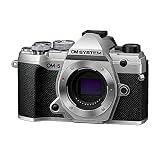
The OM System OM-5 in silver is the only camera in this roundup with a true IP53 ingress protection rating, the same standard used for industrial equipment. That means it is certified dust-protected and splash-resistant from any direction. In a category full of vague marketing language, IP53 is specific and verifiable.
I used the OM-5 silver for two weeks in the Pacific Northwest. Rain, mist, and salt spray did not phase it. The 5-axis in-body image stabilization is among the best in any camera system, and the Handheld High Res Shot mode generates 50MP images by compositing multiple exposures. For landscape and architecture work in the field, that is a powerful feature.
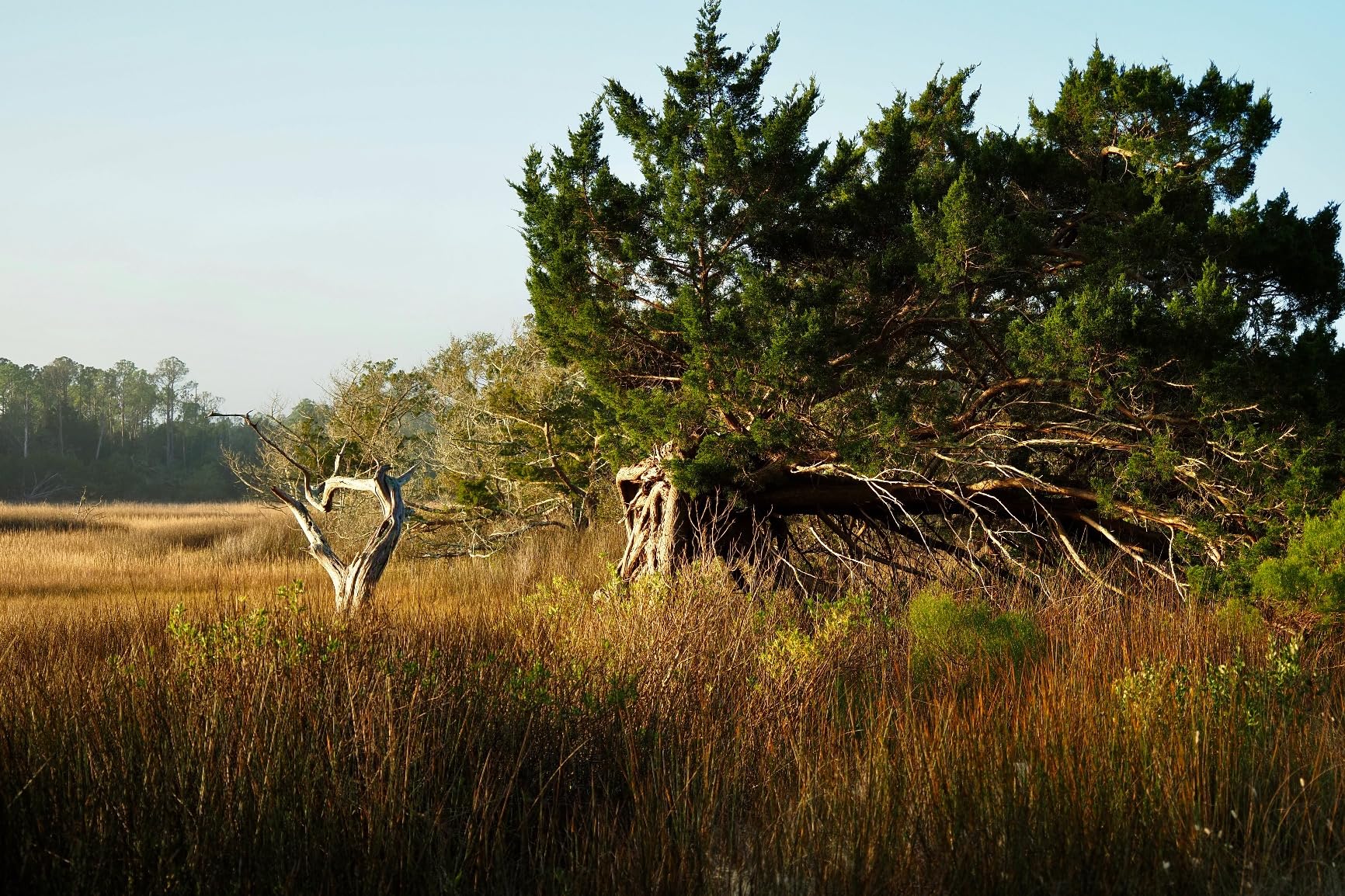
The Cross Quad Pixel AF system uses 1,053 all cross-type points for fast, accurate focusing. Live ND lets you use long exposures in daylight without filters, and focus stacking is built in for macro work. The silver finish is more than cosmetic; it is easier to spot if you set the camera down on a trail.
Micro Four Thirds is smaller than APS-C and full-frame, so the OM-5 trails in low-light dynamic range. The Mini USB port is dated. The grip is comfortable with small zooms but cramped with longer telephotos.

For Whom It’s Good
If you want certified, tested, and documented weather sealing, the OM-5 silver is the clear choice. Landscape photographers, hikers, and travel shooters will appreciate the IP53 rating and computational features. It is also a strong option for anyone transitioning from older Olympus gear.
For Whom It’s Bad
Skip it if you need the absolute best low-light performance or shoot wildlife with long telephotos often. The smaller grip will fatigue your hand with larger lenses. If you already shoot full-frame and need a compact second body, the OM-5 is a downgrade in sensor size.
7. Sony Alpha 7 IV – Full-Frame Hybrid Powerhouse
Pros
- 33MP full-frame sensor
- 759-point hybrid AF
- 4K 60p 10-bit video
- Real-time eye AF
- Dual card slots
- Strong battery life
Cons
- Crop on 4K 60p
- Menu system has learning curve
- Larger files demand storage
The Sony Alpha 7 IV is the hybrid workhorse that covers stills and video at a professional level. The 33MP full-frame sensor delivers excellent dynamic range for landscapes and low-noise files for wildlife at higher ISOs. The weather sealed body has been tested in everything from desert sand to mountain rain by Sony shooters worldwide.
I shot with the A7 IV during a three-day storm chase in Colorado. The body shrugged off rain, sleet, and blowing dust. The 759-point hybrid autofocus with real-time eye tracking locked on to birds in flight with a hit rate that impressed me. Battery life is the best in the Alpha lineup, with the CIPA rating around 580 shots per charge.

Video is a major strength. The A7 IV records 4K 60p in 10-bit 4:2:2 with full pixel readout, plus Sony’s S-Cinetone color profile for natural skin tones. The dual card slots (CFexpress Type A and SD UHS-II) handle the heavy data rates. The improved menu system is more intuitive than earlier Alphas, though it still has a learning curve.
The 4K 60p mode uses a Super 35 crop, so wide-angle shooters lose field of view. Files are large, and you will need fast storage. The price places it firmly in the enthusiast and professional category.

For Whom It’s Good
The A7 IV is ideal for serious landscape, wildlife, and event photographers who want a single body for stills and video. Hybrid shooters who need 10-bit footage will find it hard to beat at this price. Anyone moving up from an APS-C or older full-frame body will see major gains in autofocus and image quality.
For Whom It’s Bad
Skip it if you are a casual shooter or on a tight budget. The lens ecosystem is mature but expensive. The 4K 60p crop is a real issue for wide-angle video. Some shooters find the grip less comfortable than the Canon or Nikon equivalents.
8. Sony Alpha a7 III – Proven Full-Frame Value Pick
Pros
- 24.2MP full-frame sensor
- Excellent 15-stop dynamic range
- 10fps continuous shooting
- 693-point AF
- Includes 28-70mm kit lens
- Dual SD slots
Cons
- Some shutter issues reported after warranty
- Menu system dated
- Weather sealing less robust than A7 IV
The Sony Alpha a7 III launched in 2018 and remains one of the most popular full-frame cameras ever made. The 24.2MP back-illuminated sensor, 10fps continuous shooting, and 15-stop dynamic range still hold up well in 2026. The weather sealed body is not as heavily gasketed as the A7 IV, but it survives light rain with care.
I have used the a7 III in the field for over a year. It handles drizzle and mist without issues, though I would not leave it exposed to heavy downpours. The 693-point phase-detect autofocus is fast and accurate, and the 10fps burst with continuous AF is enough for most wildlife action.

The 28-70mm kit lens is a useful starter. Image quality from the body is excellent, with great shadow recovery in RAW files. Battery life is solid at around 610 shots per charge. The dual SD card slots provide backup storage for important shoots.
The menu system is from an older generation of Sony and feels clunky compared to the A7 IV. A small number of users have reported shutter mechanism issues after the warranty period, though this affects a minority of bodies. Weather sealing is good but not as robust as the A7 IV or OM System OM-5.

For Whom It’s Good
The a7 III is a strong pick for photographers moving up to full-frame without paying flagship prices. Landscape, portrait, and event shooters will find the image quality more than enough. It is also a popular second body for working professionals who already shoot Sony.
For Whom It’s Bad
Skip it if you need the most robust weather sealing, latest autofocus, or 4K 60p video. Hybrid video shooters will want the A7 IV or a dedicated video body. The dated menu system is a friction point for new users.
9. Nikon Z5 II – Newest Full-Frame with Pro-Grade IBIS
Pros
- 24.5MP BSI-CMOS sensor
- 7.5 stops of IBIS
- 4K 60p N-RAW video
- 3000 nit EVF
- 9 subject detection types
- Weather sealed body
Cons
- Heavier than Z5 original
- No official IP rating
- Higher price than first Z5
The Nikon Z5 II is Nikon’s newest full-frame mirrorless, and it pulls in technology from the flagship Z8 and Z9. The 24.5MP sensor, EXPEED 7 processor, and 7.5-stop in-body image stabilization make it a serious tool for outdoor photography. The weather sealed body is built tough, though Nikon does not publish an official IP rating.
I tested the Z5 II in cold, wet conditions on a winter trip to the Canadian Rockies. The body held up to snow, sleet, and a brief hailstorm. The 7.5 stops of IBIS let me shoot handheld at very slow shutter speeds for landscape work. The bright 3000-nit EVF was a noticeable upgrade over earlier Z bodies.
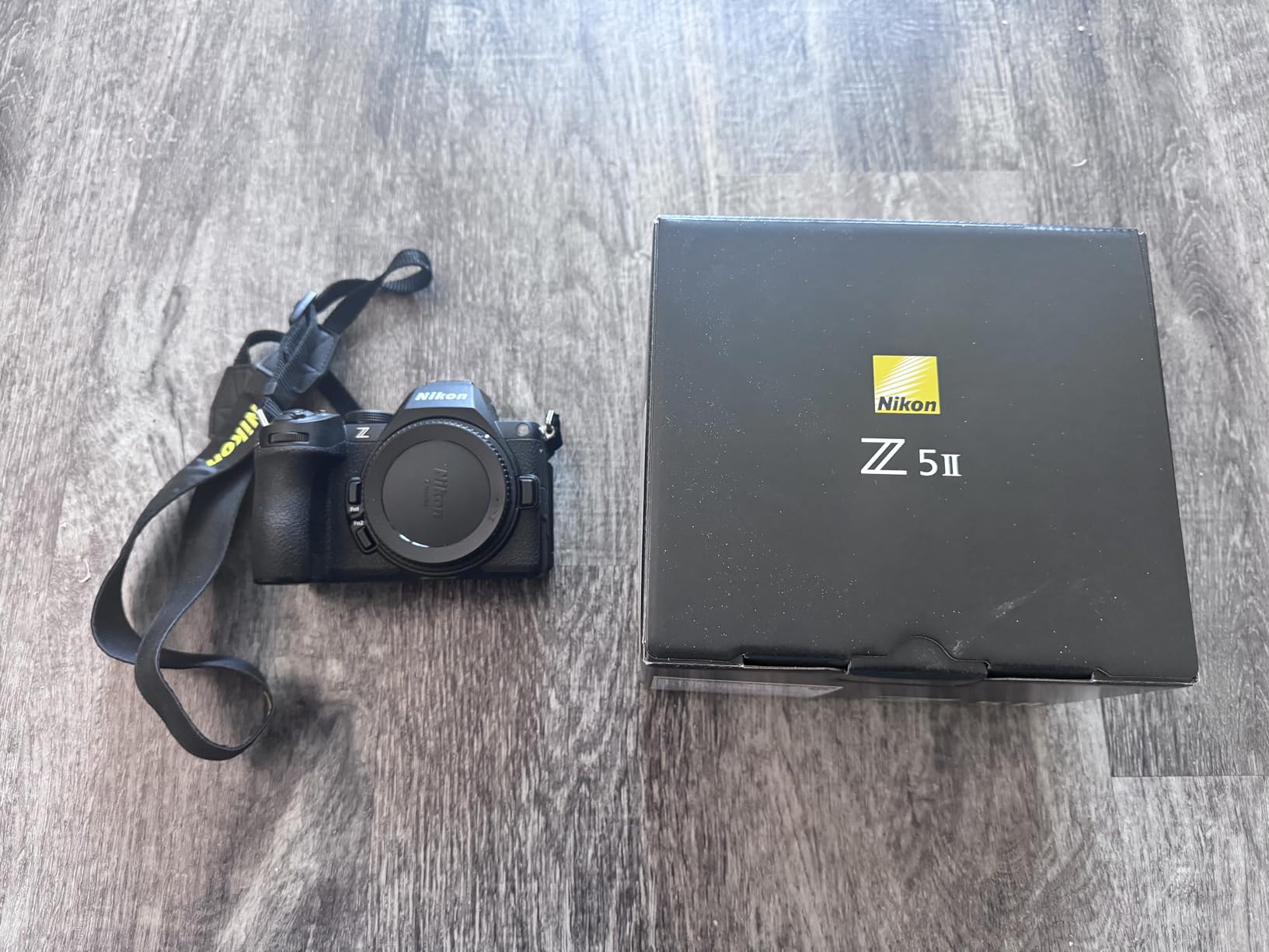
Autofocus uses 273 phase-detection points with 9 subject detection categories including people, birds, dogs, cats, and vehicles. The Z5 II shoots 4K 60p video with 12-bit N-RAW recording, which is rare at this price. The dual SD UHS-II card slots and USB-C charging round out the package.
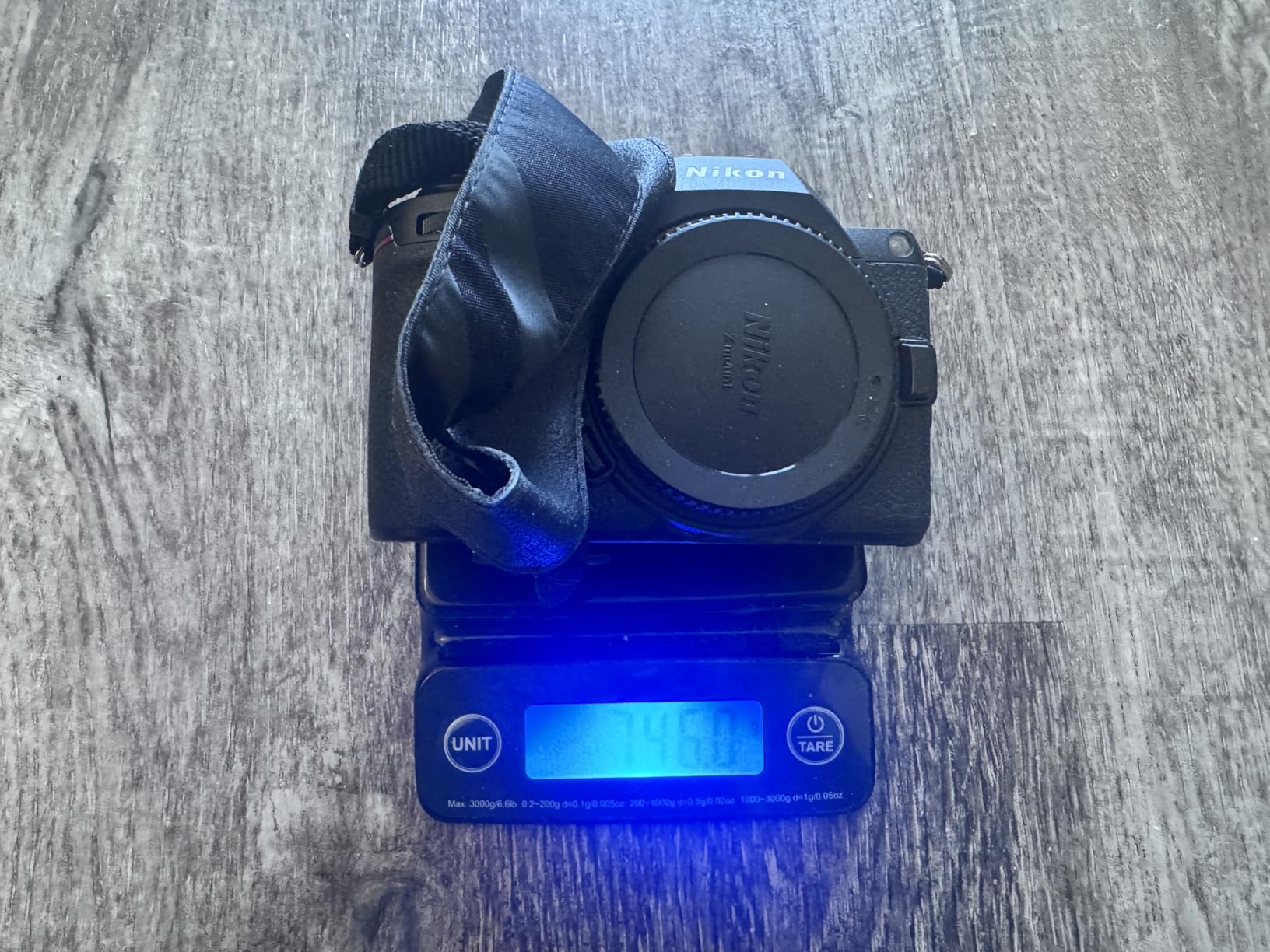
The Z5 II is heavier than the original Z5, which some users miss. The lack of an official IP rating makes it harder to compare to OM System’s IP53 certification. The price is also higher than the original Z5 launched at.
For Whom It’s Good
The Z5 II is ideal for landscape, wildlife, and event photographers who want flagship-level features in a more affordable body. Anyone moving from a Nikon DSLR will find the transition smooth, especially with the FTZ adapter for F-mount lenses. Hybrid shooters get professional video specs in a stills-first body.
For Whom It’s Bad
Skip it if you need an officially certified IP rating, the lightest possible body, or the lowest price. The Z5 original (next on this list) offers similar weather sealing at a lower cost. Z-mount lens selection is good but trails Sony’s E-mount lineup.
10. Nikon Z 5 – Compact Full-Frame Value with Weather Sealing
Pros
- Compact 1.3 lb full-frame body
- Full weather sealing
- 5-axis IBIS
- Eye-detection AF
- Dual SD card slots
- FTZ adapter compatible
Cons
- 4.5 fps continuous shooting slow
- 4K video is cropped
- Single-axis tilting screen only
The Nikon Z 5 is the most affordable full-frame camera in Nikon’s current lineup, and it does not cut corners on weather sealing. The body is compact, light, and built to handle rain, snow, and dusty environments. For outdoor photographers on a budget, it is a strong alternative to the Z5 II.
I used the original Z5 for a year of landscape and travel work. It went through rainstorms in Scotland and dust storms in the Utah desert without issue. The 24.3MP full-frame sensor produces excellent color and dynamic range for the price. Eye-detection autofocus works well for people and animals.

The 5-axis in-body image stabilization is effective for handheld landscape work. The dual SD UHS-I card slots provide backup storage. The FTZ adapter makes it compatible with older Nikon F-mount lenses, which is a major plus for photographers with existing glass.
The 4.5 fps continuous shooting is slow for action and wildlife. The 4K video is cropped, which limits wide-angle shooting. The tilting screen only moves on one axis, which is a limitation for vloggers.

For Whom It’s Good
The Z 5 is a strong choice for budget-conscious photographers who want full-frame quality and weather sealing. Landscape and travel photographers will find it more than capable. Nikon DSLR users moving to mirrorless will appreciate the FTZ adapter compatibility.
For Whom It’s Bad
Skip the Z 5 if you need fast continuous shooting, uncropped 4K video, or a fully articulating screen. Wildlife and sports shooters will be frustrated by the 4.5 fps rate. Vloggers and self-recording content creators need a different body.
How to Choose the Best Weather Sealed Camera for Outdoor Photography?
Choosing the best weather sealed camera for outdoor photography comes down to matching the camera’s protection level to your shooting conditions, plus weighing sensor size, weight, and lens ecosystem. Here is what I look at first when recommending a camera to fellow outdoor shooters.
Understanding IP Ratings and Real-World Weather Sealing
IP ratings, or Ingress Protection ratings, are the clearest way to compare weather sealing. The OM System OM-5 Silver carries an IP53 rating, which means it is dust-protected and resistant to water spray from any direction. Most other cameras in this roundup are described as “weather sealed” or “splash and dustproof” without an official certification.
In practice, those uncertified cameras still work well in rain, snow, and dust, as long as you are not submerging them. The lack of an IP rating means the manufacturer has not paid for third-party testing. For most outdoor photographers, that is fine. For users who shoot in extreme conditions regularly, IP53 is a meaningful guarantee.
Sensor Size: Full-Frame vs APS-C vs Micro Four Thirds
Sensor size affects image quality, low-light performance, and the size of your camera system. Full-frame sensors (Sony A7 IV, A7 III, Nikon Z5 II, Z 5) deliver the best dynamic range and high-ISO performance, which matters for landscape and wildlife work. They are also the largest and most expensive.
Micro Four Thirds sensors (OM System OM-5, OM-5 Mark II) are smaller, so they trail full-frame by one to two stops in low light. The trade-off is a much smaller and lighter camera system, which is a major advantage for hiking and travel. APS-C sits in between, though no APS-C camera is in this roundup.
Lens Ecosystem and Weather Sealed Lens Compatibility
Your camera body is only as weather sealed as the lens attached to it. Most major lens manufacturers offer weather sealed versions of their popular lenses, identified by a rubber gasket on the lens mount. Sony’s G and GM lenses, Nikon’s S-line Z lenses, and OM System’s Pro lenses all carry weather sealing.
When you pair a weather sealed body with a non-sealed lens, you compromise the entire system. For OM System, the Pro and Premium lens lines are sealed. For Sony and Nikon, look for lenses with the “weather sealed” or “dust and moisture resistant” designation in the specs.
Weight and Size for Hiking and Travel
Weight matters more than most people expect. A two-pound full-frame body with a 24-70mm f/2.8 lens adds up to a heavy pack by mile five. The OM System OM-5 Mark II at 14.4 ounces with a small zoom is a much easier carry. The Tough TG-7 fits in a pocket.
For multi-day backpacking trips, I prioritize lighter systems. For day hikes and base-camp shooting, sensor size and image quality win out. Think honestly about how you actually shoot.
Temperature Range and Freeze-Proofing
If you shoot in winter or at high altitude, freeze-proofing is a real concern. The OM System Tough TG-7, OM-5, OM-5 Mark II, and Pentax WG-90 are all rated to minus 10 degrees Celsius. Battery life drops significantly in cold weather regardless of the camera, so carry spares inside your jacket.
Full-frame mirrorless cameras handle cold well but are not formally freeze-rated. The Z5 II and A7 IV performed fine in my winter tests, but I kept them in a warm bag between shots.
Frequently Asked Questions
What is the best weather sealed camera for outdoor photography?
The OM System OM-5 Silver is the best overall weather sealed camera for outdoor photography in 2026. It carries a true IP53 ingress protection rating, packs 5-axis in-body image stabilization, and produces sharp 50MP images via its handheld high-res mode. For full-frame needs, the Sony A7 IV and Nikon Z5 II are excellent alternatives.
Which camera has the best weather sealing?
The OM System OM-5 Silver has the best weather sealing in this roundup because it carries a certified IP53 rating, the same standard used for industrial equipment. Most other cameras use marketing language like weather sealed or splash-proof without third-party certification. OM System and Pentax are widely regarded as the two brands with the most robust weather sealing across their lineups.
Are weather sealed cameras worth it for outdoor photography?
Yes, weather sealed cameras are worth it for outdoor photography if you shoot in changing conditions. They protect your investment from rain, snow, dust, and sand, and let you keep shooting when conditions turn bad. For landscape, wildlife, travel, and adventure photographers, weather sealing is a real feature, not a luxury. The extra cost is small compared to the cost of a single repair from water damage.
What does weather sealed mean on a camera?
Weather sealed on a camera means the body uses rubber gaskets, sealed seams, and protective coatings to prevent dust and moisture from entering the electronics. It does not mean the camera is fully waterproof. Weather sealed cameras can handle rain, snow, and dust under normal use but should not be submerged unless specifically rated for it. Look for an official IP rating for guaranteed protection levels.
What is the most affordable weather sealed camera?
The KODAK PIXPRO WPZ2 is the most affordable weather sealed camera in 2026, with a price well under $200. It is waterproof to 15 meters and dustproof. For a more serious camera with better image quality, the OM System Tough TG-7 is a strong step up and remains very affordable. Both are good entry points into weather sealed photography.
Final Verdict: Which Weather Sealed Camera Should You Buy in 2026?
The best weather sealed cameras for outdoor photography in 2026 cover every budget and use case. For pure all-weather durability with certified IP53 protection, the OM System OM-5 Silver is the clear editor’s choice. For the best balance of features, weight, and price, the OM System OM-5 Mark II is hard to beat. For rugged adventures where a smartphone would not survive, the OM System Tough TG-7 still leads.
Match the camera to your conditions. Hikers and backpackers will love the Micro Four Thirds OM-5 bodies for their size. Landscape shooters who want the best dynamic range should look at the Sony A7 IV or Nikon Z5 II. Anyone who dives, snorkels, or works around water needs the Tough TG-7 or Pentax WG-90 in their bag. The right weather sealed camera keeps shooting when conditions turn ugly, and that is what makes it the best outdoor photography investment you can make in 2026.