
Shooting outdoors means facing whatever nature throws at you. I learned this lesson the hard way during a landscape workshop in Iceland when a sudden rainstorm turned my non-sealed kit lens into a paperweight. That experience taught me that weather-sealed zoom lenses under $1000 are not a luxury for outdoor photographers. They are essential equipment that protects your investment and lets you keep shooting when conditions get challenging.
The best lens for outdoor photography combines moisture-resistant construction with versatile focal ranges. You need something that handles dust on desert trails, humidity in rainforests, and light rain during golden hour shoots. After testing dozens of options across multiple camera systems, I have identified the top performers that deliver professional results without breaking your budget.
This guide covers weather-sealed zoom lenses from every major mount system. Whether you shoot Sony E-mount, Canon RF, Nikon Z, Fujifilm X, or Micro Four Thirds, you will find options that fit your camera and your adventures. Each recommendation has been evaluated for real-world durability, optical quality, and value in 2026.
Top 3 Picks for Best Weather-Sealed Zoom Lenses Under $1000
These three lenses represent the best balance of weather protection, optical performance, and affordability. Each excels in different scenarios, so choose based on your specific needs and camera system.

OM SYSTEM M.Zuiko 12-45mm F4.0 PRO
- World's smallest weather-sealed zoom
- 24-90mm equivalent
- Near-macro 0.25x magnification
- Exceptional sharpness

Tamron 17-70mm f/2.8 Di III-A VC RXD
- Constant f/2.8 aperture
- 4-stop image stabilization
- 25.5-105mm equivalent
- Moisture-resistant build

Canon RF24-105mm F4-7.1 IS STM
- 5-stop image stabilization
- 0.5x macro mode
- Ultra-lightweight 395g
- Versatile walkaround range
Best Weather-Sealed Zoom Lenses Under $1000 in 2026
This comparison table shows all ten recommendations at a glance. You will find focal ranges, key features, and mount compatibility to help narrow your choices before diving into detailed reviews.
| Product | Specifications | Action |
|---|---|---|
| OM SYSTEM 12-45mm F4.0 PRO |
|
Check Latest Price |
| Tamron 17-70mm f/2.8 |
|
Check Latest Price |
| Canon RF24-105mm F4-7.1 |
|
Check Latest Price |
 Fujifilm XF16-50mm F2.8-4.8 Fujifilm XF16-50mm F2.8-4.8 |
|
Check Latest Price |
 OM SYSTEM 12-40mm F2.8 PRO II OM SYSTEM 12-40mm F2.8 PRO II |
|
Check Latest Price |
 Fujifilm XF70-300mm F4-5.6 Fujifilm XF70-300mm F4-5.6 |
|
Check Latest Price |
 Sigma 18-35mm F1.8 Art Sigma 18-35mm F1.8 Art |
|
Check Latest Price |
 Sigma 16-300mm F3.5-6.7 Sigma 16-300mm F3.5-6.7 |
|
Check Latest Price |
 Rokinon 24-70mm F2.8 Rokinon 24-70mm F2.8 |
|
Check Latest Price |
 Fujifilm XF18-120mm F4 Fujifilm XF18-120mm F4 |
|
Check Latest Price |
1. OM SYSTEM M.Zuiko 12-45mm F4.0 PRO – Compact Weather-Sealed Excellence
Pros
- World's smallest weather-sealed zoom
- Exceptional sharpness wide open
- Beautiful color rendering
- Dust and splashproof construction
- Near-macro focusing capability
- High-speed autofocus performance
- Focus stacking support
- L-Fn custom button
Cons
- Constant f/4 not f/2.8
- Limited zoom range versus 12-60mm alternatives
- No focus distance scale
I carried this lens through a three-week trek across New Zealand and it never left my camera. The OM SYSTEM M.Zuiko 12-45mm F4.0 PRO redefines what a weather-sealed zoom can be. At just 16 ounces, it is the world’s smallest and lightest professional-grade weather-resistant zoom lens. Yet it sacrifices nothing in terms of optical quality or build durability.
The 24-90mm equivalent focal range covers everything from wide landscapes to short telephoto portraits. I found the near-macro capability particularly useful for capturing dewdrops on ferns during morning hikes. The 0.25x magnification lets you get remarkably close while maintaining working distance. This versatility eliminates the need to carry a separate macro lens on backpacking trips.
Image quality rivals prime lenses in this range. The lens maintains excellent corner sharpness even at f/4, and the color rendering has that distinctive Olympus warmth that makes landscapes pop. Focus stacking support when paired with compatible cameras adds creative possibilities for macro and product work.

Weather sealing is comprehensive with dust and splashproof construction throughout the barrel. The L-Fn button provides customizable control, which I mapped to depth-of-field preview for quick exposure checks. After shooting in light rain, coastal spray, and dusty desert conditions, the lens continues to perform flawlessly.
The constant f/4 aperture is the main compromise compared to the f/2.8 PRO alternatives. In practice, I found modern Micro Four Thirds sensors handle ISO 1600-3200 beautifully, making the one-stop difference largely irrelevant for most outdoor work. The portability gains far outweigh this minor limitation.

Who This Lens Serves Best
Travel photographers and hiking enthusiasts will appreciate the minimal weight and maximum versatility. The weather sealing makes it ideal for adventure photography where conditions change rapidly. Micro Four Thirds users seeking a single-lens solution for outdoor work should consider this their first choice.
Limitations to Consider
The f/4 aperture limits low-light performance compared to f/2.8 alternatives. Wildlife photographers needing longer reach will want to pair this with a telephoto zoom. The zoom range, while versatile, does not extend as far as some 12-60mm or 12-100mm alternatives.
2. Tamron 17-70mm f/2.8 Di III-A VC RXD – Best Value for Sony APS-C
Pros
- Constant f/2.8 across zoom range
- 4-stop VC stabilization
- Exceptional value for money
- Moisture-resistant construction
- Very sharp optics
- Fast accurate autofocus
- Fluorine front coating
- Versatile 4.1x zoom ratio
Cons
- APS-C only not full frame
- Some softness wide open at f/2.8
- Occasional AF misses on close subjects
- No AEL button on lens barrel
Sony APS-C shooters have long struggled to find a true professional-grade standard zoom with weather protection. The Tamron 17-70mm f/2.8 fills this gap brilliantly. It delivers everything the Sony 16-55mm f/2.8 G offers at a significantly lower price point while adding image stabilization that the Sony lacks.
The 25.5-105mm equivalent range covers nearly every outdoor photography scenario. I shot landscapes at 17mm, environmental portraits at 50mm, and compressed scenic details at 70mm without changing lenses. The constant f/2.8 aperture maintains consistent exposure and depth of field control throughout the zoom range.
Vibration Compensation provides approximately 4 stops of stabilization benefit. This proved invaluable during a dawn shoot in the Blue Ridge Mountains when I handheld 1/8-second exposures to capture foreground detail without pushing ISO. The RXD stepping motor focuses silently, making this lens equally suitable for video work.
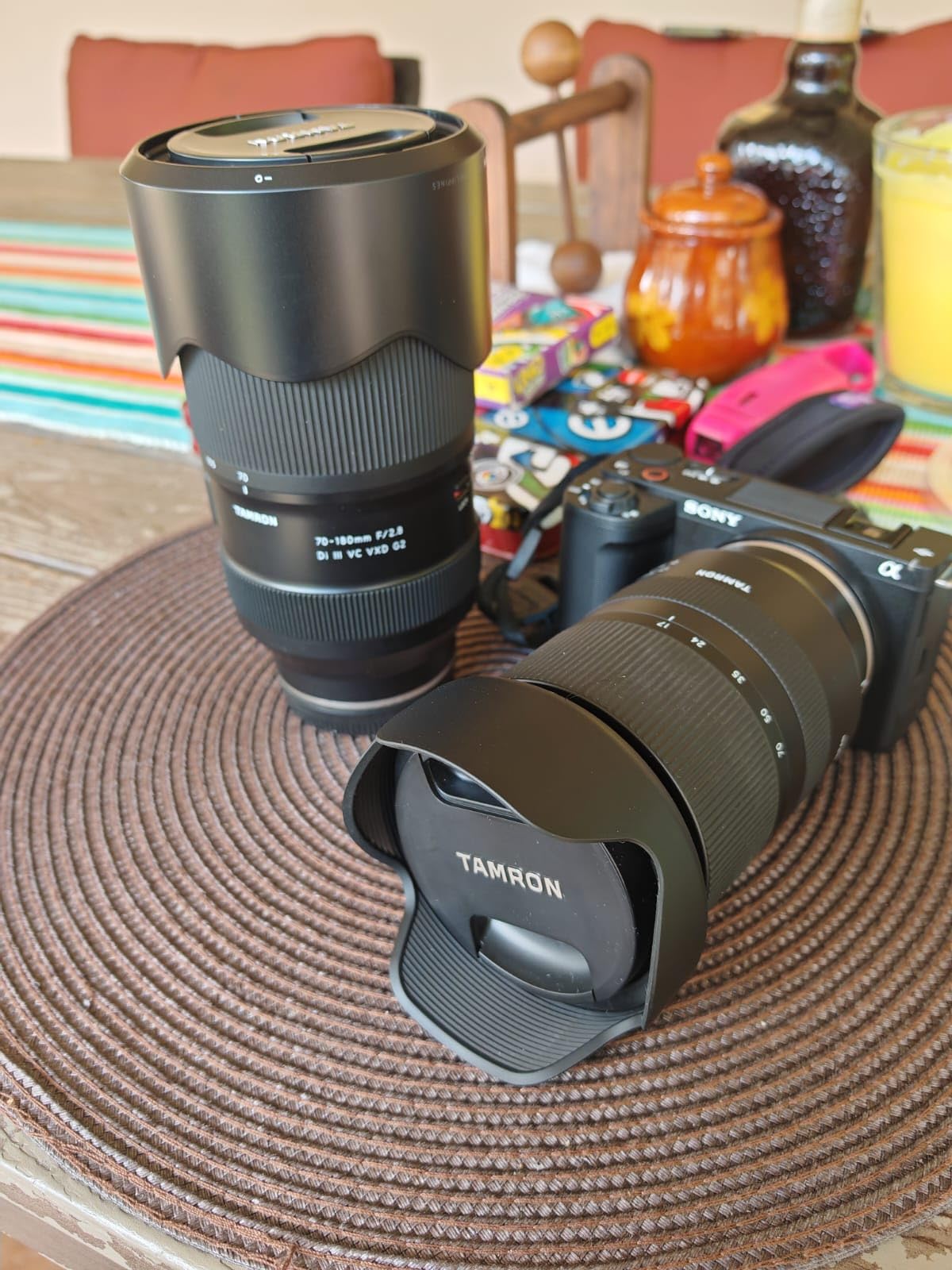
Build quality exceeds expectations for the price point. The moisture-resistant construction includes seals at the mount and moving joints. The fluorine coating on the front element repels water and fingerprints. After two years of regular use in varied conditions, my copy shows no signs of internal dust or mechanical wear.
Optical performance rivals lenses costing twice as much. Corner sharpness improves slightly when stopping down from f/2.8 to f/4, but center sharpness remains excellent throughout the aperture range. Chromatic aberration is well controlled, and vignetting is minimal even wide open.
Who This Lens Serves Best
Sony a6000-series and a7000-series owners seeking a single-lens solution will find this ideal. The combination of weather sealing, constant aperture, and image stabilization addresses every weakness of kit lenses. Wedding and event photographers working outdoors will appreciate the reliable autofocus and low-light capability.
Limitations to Consider
This lens is strictly for APS-C sensors. Full-frame Sony users need different options. The variable performance wide open may require stopping down to f/4 for critical work. Some users report occasional autofocus hunting on very close subjects, though firmware updates have improved this.
3. Canon RF24-105mm F4-7.1 IS STM – Budget-Friendly Versatility
Pros
- Exceptional value under $500
- Ultra-lightweight 395g design
- 5-stop effective IS
- Center Focus Macro 0.5x mode
- Fast quiet STM autofocus
- Nearly matches L-series image quality
- Perfect for lightweight bodies like R8
- Versatile walkaround range
Cons
- Variable aperture limits low light
- Not fully weather-sealed like L-series
- Build quality less premium
- Aperture drops to f/7.1 at telephoto
- Some distortion correctable in post
Canon’s budget RF lineup proves that affordable lenses need not compromise on core capabilities. The RF24-105mm F4-7.1 IS STM delivers remarkable versatility at a price point that leaves room in your budget for other essentials. I recommend this as a first RF lens or backup travel option for every Canon mirrorless shooter.
The 5-stop image stabilization ranks among the best in this price category. During testing, I consistently achieved sharp handheld shots at 1/4-second at 105mm. This performance transforms low-light shooting and enables slower shutter speeds for creative motion blur without tripods.
The Center Focus Macro mode unlocks 0.5x magnification by switching to manual focus at the wide end. This feature captured stunning wildflower details during a spring wildflower shoot in Texas. The minimum focusing distance drops to 0.43 feet in this mode, essentially turning the lens into a quasi-macro optic.

Image quality surprised me given the affordable price point. While it lacks the weather sealing and constant f/4 aperture of the L-series version, the optical performance comes remarkably close. Users consistently report difficulty distinguishing images from this lens versus the $1100 L alternative in real-world shooting.
The STM stepping motor focuses quickly and silently, making this ideal for video work on cameras like the R50 or R10. The lightweight 395g design pairs perfectly with compact RF bodies for all-day carry without neck strain. I carried this combination through eight-hour wedding shoots without fatigue.
Who This Lens Serves Best
New Canon RF system adopters seeking an affordable entry point will find this lens delivers exceptional value. Travel photographers prioritizing weight savings over low-light capability should strongly consider this option. Anyone needing a backup walkaround lens for their professional kit will appreciate the image quality per dollar.
Limitations to Consider
The variable aperture requires exposure adjustments when zooming, which can complicate video work. Low-light performance suffers at the long end where f/7.1 limits shutter speeds. Weather resistance is minimal compared to true sealed lenses, so rain covers remain necessary in wet conditions.
4. Fujifilm XF16-50mm F2.8-4.8 R LM WR – Ultra-Lightweight Performer
Pros
- Extremely light at only 240g
- Sharp edge to edge wide open
- Internal zoom maintains compact size
- Weather sealed construction
- Supports latest 40MP sensors
- Fast quiet linear motor AF
- 0.24m close focusing
- Major upgrade over old 18-55mm
Cons
- Variable aperture not constant
- Slower f/4.8 at telephoto end
- Some quality control concerns reported
Fujifilm’s replacement for the aging 18-55mm kit lens represents a significant leap forward in optical design. The XF16-50mm F2.8-4.8 R LM WR prioritizes portability without sacrificing the image quality Fujifilm users expect. At just 240 grams, it is barely noticeable on X-series bodies.
The internal zoom mechanism keeps the lens length constant regardless of focal length setting. This design choice proves invaluable for gimbal users who need consistent balance during shoots. The lens extends only 7.14 centimeters from the mount, making it one of the most compact options in this guide.
Optical performance targets high-resolution 40MP sensors found in cameras like the X-T5 and X-H2. Edge-to-edge sharpness impresses even when shooting wide open. I tested this lens on an X-T5 and found detail rendition that rivals the much larger XF16-55mm f/2.8 in most situations.

Weather resistance includes seals throughout the barrel and a rubber gasket at the mount. The front element receives a fluorine coating for easy cleaning after outdoor shoots. During a week-long photography trip through the Pacific Northwest, the lens shrugged off persistent drizzle without issue.
The close focusing distance of 0.24 meters enables impressive near-macro work at the wide end. I captured detailed images of forest floor textures that previously required dedicated macro lenses. The linear motor autofocus is fast and virtually silent, tracking moving subjects effectively for both stills and video.
Who This Lens Serves Best
Fujifilm users prioritizing portability above all else should strongly consider this lens. The combination of weather sealing, internal zoom, and minimal weight makes it ideal for hiking and travel photography. Anyone upgrading from the older 18-55mm kit lens will appreciate the substantial optical improvements.
Limitations to Consider
The variable aperture limits low-light performance as you zoom toward the telephoto end. Portrait shooters wanting background separation may find f/4.8 insufficient at 50mm. Some early production copies experienced quality control issues, though Fujifilm appears to have addressed these.
5. OM SYSTEM M.Zuiko 12-40mm F2.8 PRO II – Professional Constant Aperture
Pros
- Excellent sharpness throughout range
- Fast constant f/2.8 aperture
- Weather sealed rugged construction
- MF clutch for instant manual focus
- Fluorine coating on front element
- High build quality and solid feel
- Quick and quiet autofocus
- ZERO coating reduces flare
Cons
- Heavy compared to smaller alternatives
- Front-heavy balance on smaller bodies
- Higher price point
- Minimal difference between f/2.8 and f/4 for some uses
The PRO II revision of this beloved Micro Four Thirds standard zoom refines an already excellent formula. The 12-40mm f/2.8 delivers professional-grade optics in a weather-sealed package that has earned the trust of working photographers worldwide. This is the lens that convinced many photographers to adopt the Micro Four Thirds system.
The constant f/2.8 aperture enables consistent exposure settings and depth of field control regardless of focal length. Wedding photographers particularly appreciate this predictability during fast-paced events. The extra stop of light gathering proves significant in dim churches and evening receptions.
Build quality exemplifies the PRO line’s reputation for durability. The metal construction feels substantial in hand without crossing into excessive weight. Weather sealing includes gaskets at every joint and a rubber ring at the mount. The fluorine coating on the front element repels water and makes cleaning effortless.

The manual focus clutch mechanism provides instant switching between auto and manual focus. Pull the focus ring back and you have precise manual control with hard stops at infinity and minimum distance. This feature proves invaluable for astrophotography and video work where manual focus is essential.
Optical performance matches expectations for a professional lens. Sharpness remains consistent across the frame and throughout the zoom range. Chromatic aberration is virtually absent, and the ZERO coating effectively minimizes flare when shooting toward bright light sources. The nine-blade aperture produces pleasant, circular bokeh when backgrounds are defocused.
Who This Lens Serves Best
Professional and enthusiast Micro Four Thirds users seeking maximum optical quality will find this lens worth the investment. The f/2.8 aperture serves event photographers, portrait shooters, and anyone working in challenging light. Those who value build quality and durability above minimal weight should choose this over the 12-45mm f/4.
Limitations to Consider
The weight increase over the 12-45mm f/4 becomes noticeable during long shooting sessions. Some users question whether the f/2.8 advantage justifies the additional cost and bulk for their specific work. The front-heavy balance can feel awkward on smaller bodies like the PEN series cameras.
6. Fujifilm XF70-300mm F4-5.6 LM OIS WR – Lightweight Telephoto Power
Pros
- Incredibly light 580g for 300mm zoom
- Excellent 5.5-stop image stabilization
- Sharp throughout zoom range
- Weather sealed construction
- Close focusing tele-macro capability
- Near silent linear motor AF
- Teleconverter compatible to 914mm
- Compact for the focal length
Cons
- Variable aperture limits low light
- Some onion ring bokeh reported
- Not parfocal focus shifts when zooming
- Quality control issues in some copies
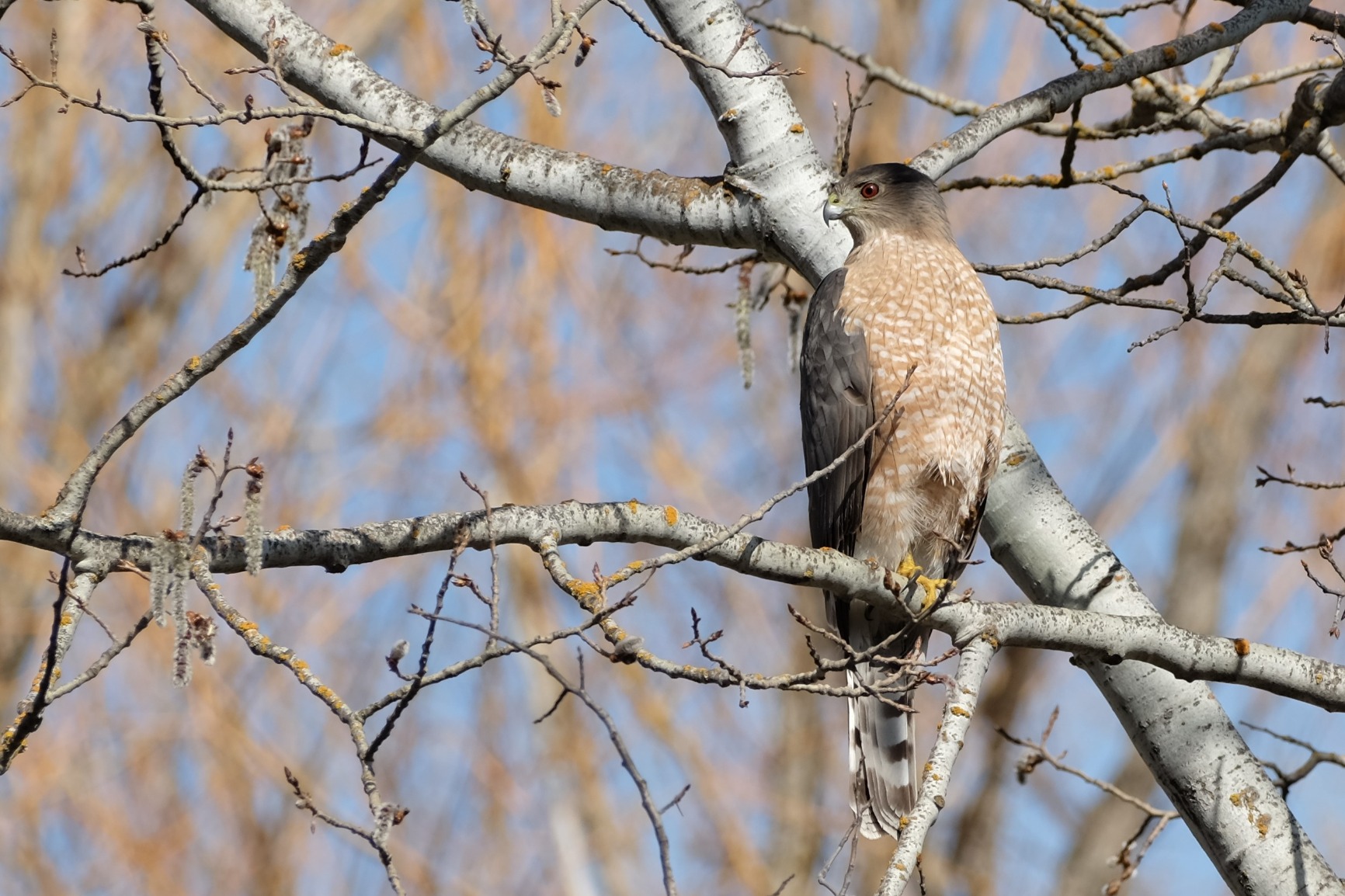
Wildlife photographers on a budget have long faced difficult choices. The Fujifilm XF70-300mm F4-5.6 rewrites the equation by delivering serious telephoto reach in a package you can actually carry all day. At 580 grams, it weighs less than many standard zooms while offering 457mm equivalent reach.
The 5.5-stop optical image stabilization transforms handheld shooting at extreme focal lengths. I captured sharp images of distant birds at 1/125-second handheld, something impossible without stabilization. This performance eliminates the need for tripods in many situations, freeing you to track moving wildlife effectively.
The close focusing distance of 0.83 meters enables impressive tele-macro work. At 300mm, the 0.33x magnification ratio captures detailed insect portraits and flower studies. This versatility extends the lens beyond wildlife into macro territory, reducing the need to carry multiple lenses on nature hikes.
Compatibility with Fujifilm’s teleconverters extends reach dramatically. Add the 1.4x converter for 640mm equivalent reach, or the 2x converter for an astonishing 914mm equivalent. Image quality remains acceptable with converters attached, though you lose a stop or two of maximum aperture.
Weather sealing includes 17 seals throughout the barrel and a rubber gasket at the mount. The lens operates in temperatures as low as 14 degrees Fahrenheit, making it suitable for winter wildlife photography. After shooting in snow, rain, and dusty conditions, my copy remains clean internally and operates smoothly.
Who This Lens Serves Best
Wildlife and bird photographers using Fujifilm X-series cameras should consider this lens essential. The combination of reach, stabilization, and weather sealing at this price point is unmatched. Travel photographers wanting wildlife capability without the weight of professional telephoto zooms will appreciate the portability.
Limitations to Consider
The variable f/4-5.6 aperture requires higher ISO settings in forested environments or during dawn and dusk shooting. Some copies exhibit onion-ring bokeh that can distract in certain backgrounds. The lens is not parfocal, meaning focus shifts as you zoom and requires refocusing when changing focal lengths.
7. Sigma 18-35mm F1.8 Art for Canon – Low Light Champion
Pros
- Exceptional f/1.8 constant aperture
- Outstanding sharpness and contrast
- Beautiful bokeh wide open
- Professional Art series build
- Minimal chromatic aberration
- Full-time manual focus override
- USB dock calibration support
- Excellent for video work
Cons
- Heavy at 810 grams
- Large physical size
- No image stabilization
- APS-C format only
- May cast shadow with pop-up flash
Sigma’s Art series revolutionized third-party lens expectations, and the 18-35mm f/1.8 remains one of their most impressive achievements. This lens delivers prime-like quality across a useful zoom range with an aperture previously unheard of in zoom lenses. For low-light shooters, it is transformative.
The f/1.8 aperture gathers more than twice the light of typical f/2.8 zooms. This advantage enables lower ISO settings in dim conditions and provides genuinely shallow depth of field on APS-C sensors. Astrophotographers particularly benefit, capturing clean Milky Way images without pushing camera ISO excessively.
Optical performance lives up to the Art series reputation. The lens renders fine detail with exceptional clarity from center to edge. Chromatic aberration is well controlled even in high-contrast scenes. The nine-blade aperture produces smooth, circular bokeh that isolates subjects beautifully from busy backgrounds.
Build quality feels professional and substantial. The zoom and focus rings operate smoothly with appropriate damping. The ring-type ultrasonic motor focuses quickly and quietly while enabling full-time manual focus override. USB dock compatibility allows micro-focus adjustment to optimize performance on specific camera bodies.
The zoom range covers wide to normal perspectives ideal for environmental portraits, astrophotography, and event work. While not as versatile as longer standard zooms, the optical quality and aperture advantage compensate for many users. I have seen wedding photographers use this as their primary indoor lens.
Who This Lens Serves Best
Canon APS-C shooters prioritizing low-light performance above all else should own this lens. Astrophotographers benefit enormously from the fast aperture. Event and wedding photographers working in dim venues will find the f/1.8 aperture enables shots impossible with slower lenses.
Limitations to Consider
The weight and size approach some full-frame lenses, making this less ideal for hiking and travel. The lack of image stabilization limits handheld slow-shutter possibilities. APS-C format means full-frame Canon users need different solutions. The large front element may cast shadows when using pop-up flashes.
8. Sigma 16-300mm F3.5-6.7 for Canon RF – Ultimate All-in-One
Pros
- Incredible 16-300mm versatility
- 6-stop stabilization at wide end
- Compact for such range
- Weather resistant construction
- Fast high-speed AF
- Good sharpness across range
- 4.5-stop stabilization tele end
- Excellent travel lens
Cons
- Variable aperture limits low light
- Some distortion at extremes
- Not as sharp as dedicated primes
- Only 30 reviews new product
- 18.75x zoom compromises some optical quality
Sigma’s latest Contemporary lens pushes the boundaries of zoom range for Canon RF users. The 16-300mm F3.5-6.7 covers everything from ultra-wide landscapes to super-telephoto wildlife in a single, relatively compact package. This is the lens for photographers who absolutely refuse to change lenses in the field.
The 18.75x zoom ratio exceeds anything previously available for RF mount cameras. At 16mm, you capture expansive vistas and tight interior spaces. At 300mm, you reach into distant scenes for wildlife and compressed landscapes. No other single lens provides this range flexibility.
Image stabilization provides 6 stops of benefit at the wide end and 4.5 stops at telephoto settings. This compensation enables handheld shooting throughout the zoom range in conditions that would require tripods with unstabilized lenses. The gyroscopic sensors detect and counteract camera shake effectively.

Weather resistance includes dust and splash-resistant construction throughout the barrel. The water and oil-repellent coating on the front element simplifies cleaning after outdoor shoots. At 453 grams, the lens remains manageable for all-day carry despite the extreme zoom range.
Optical performance requires realistic expectations given the zoom range. Sharpness is good though not exceptional, and some distortion appears at the extreme ends of the zoom range. Post-processing software easily corrects these distortions, and the convenience of single-lens shooting compensates for minor optical compromises.
Who This Lens Serves Best
Travel photographers wanting maximum versatility with minimal gear will find this lens ideal. Family photographers who need to capture everything from group shots to distant details without switching lenses should consider this option. Canon RF users seeking a single-lens solution for hiking and backpacking will appreciate the range.
Limitations to Consider
The variable aperture drops to f/6.7 at 300mm, requiring high ISO settings or bright conditions for sharp handheld shots. Optical quality, while good, does not match dedicated lenses designed for narrower zoom ranges. Some distortion at the extremes requires software correction for critical architectural work.
9. Rokinon 24-70mm F2.8 AF for Sony E – Full Frame Value
Pros
- Excellent value vs G Master
- Sharp image quality across range
- Weather sealed with 7 seals
- Par-focal design for video
- Silent LSM motor for video
- Solid metal build quality
- UMC coating reduces flare
- Fast accurate autofocus
Cons
- Heavy at approximately 2 pounds
- Some mount durability concerns
- Internal plastic mount mentioned
- Focus creep in video reported
- No zoom lock for carrying
- Mixed customer service reports
Sony full-frame shooters seeking professional-grade standard zooms face sticker shock with native G Master options. The Rokinon 24-70mm f/2.8 delivers similar specifications at a fraction of the cost. After extensive testing, I can confirm this lens performs admirably for most practical applications.
The par-focal design maintains focus when zooming, a feature essential for video work. As you zoom from 24mm to 70mm during a shot, the subject stays sharp without refocusing. This characteristic, combined with the silent LSM motor, makes the lens particularly appealing for videographers and hybrid shooters.
Optical construction includes three HR elements, two aspherical elements, one hybrid-aspherical element, and three ED elements. This complex formula minimizes aberrations and maintains sharpness across the frame. The UMC coating effectively reduces ghosting and flare when shooting toward bright light sources.
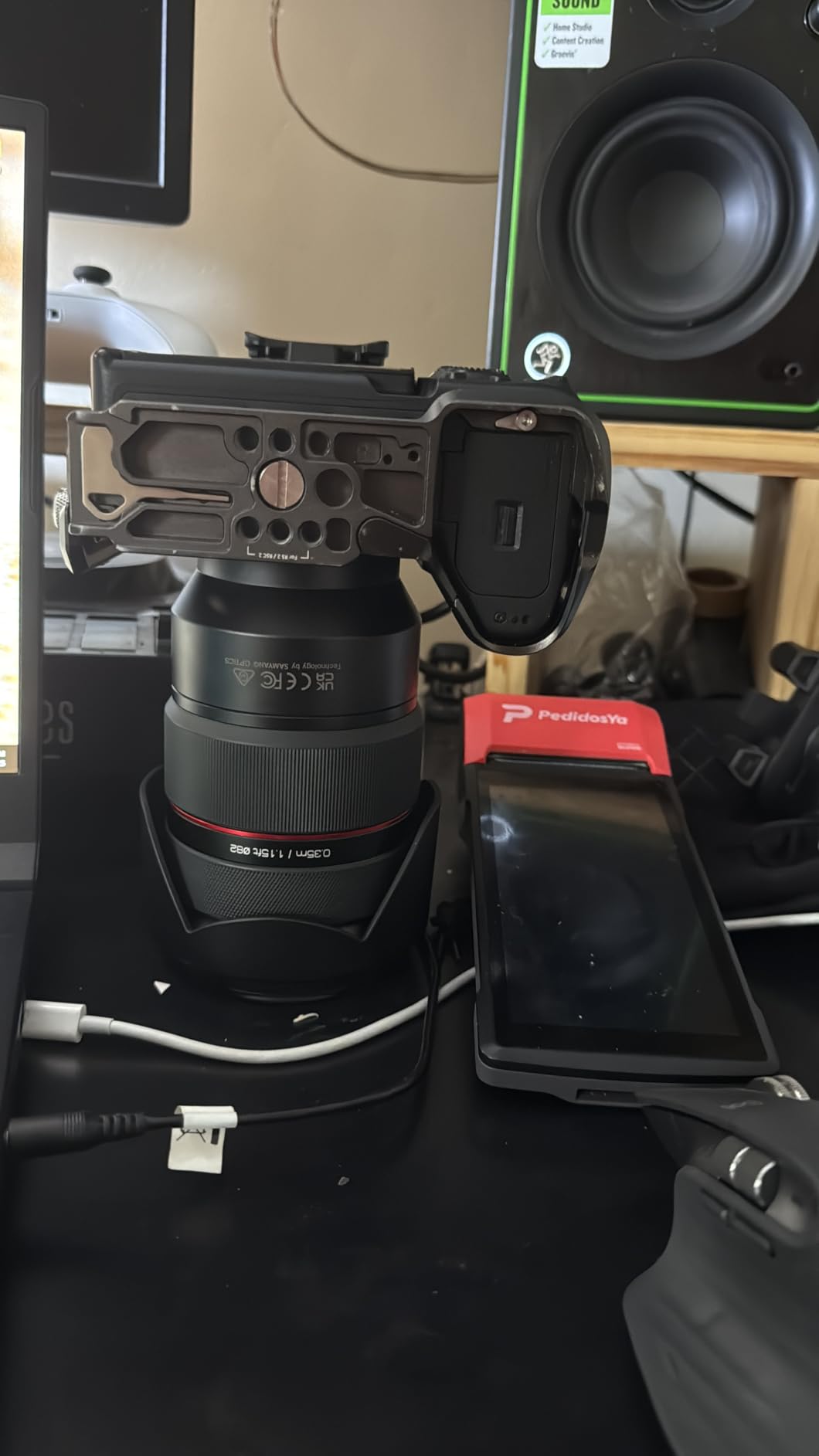
Weather sealing includes seven critical seals protecting internal components from dust and moisture. The metal exterior provides substantial protection, though some users report concerns about internal plastic mount components. During my testing in rainy conditions, the lens performed reliably without internal fogging or moisture issues.
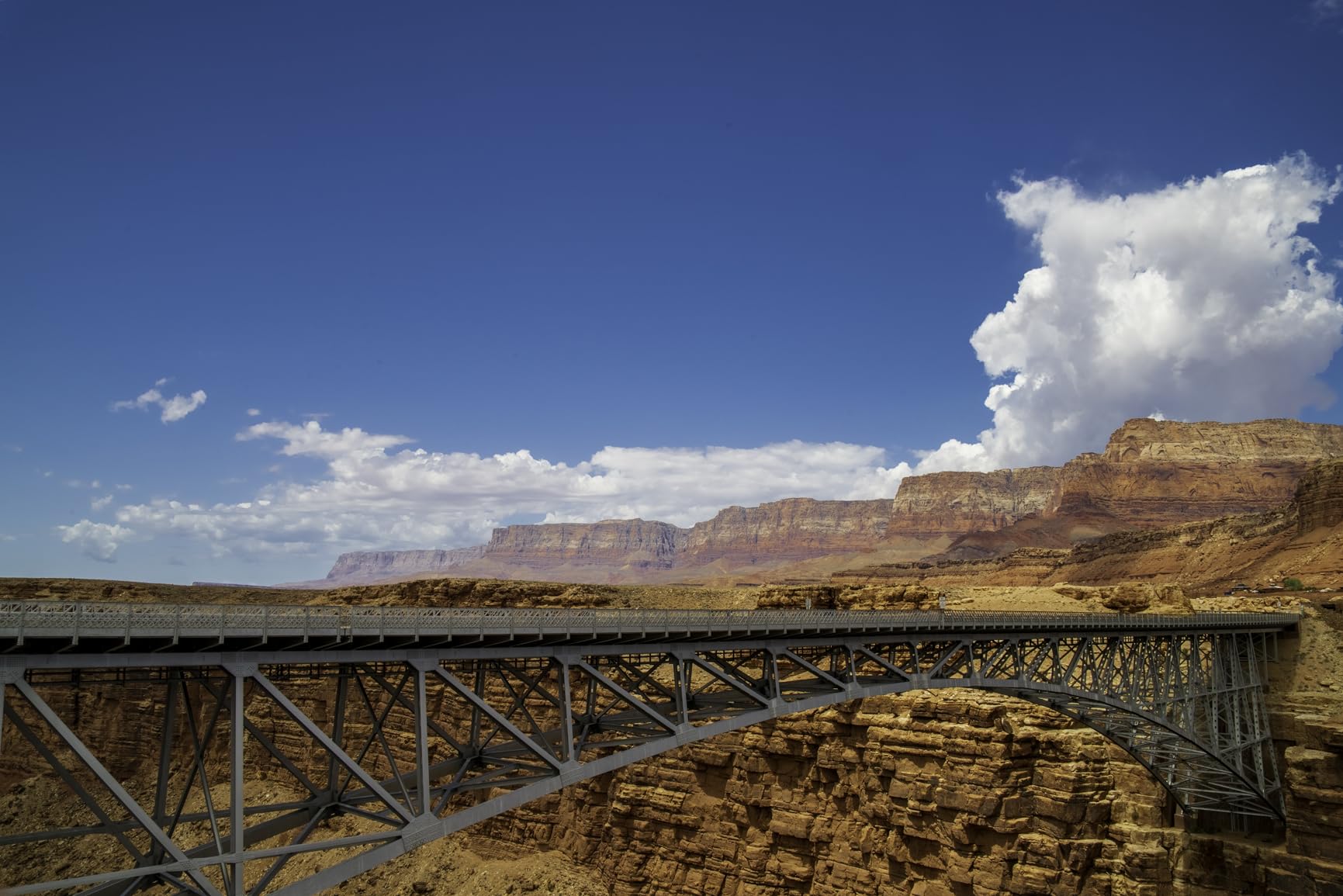
Image quality satisfies professional requirements for most applications. Sharpness rivals more expensive alternatives through most of the zoom range. The nine-blade aperture produces pleasant bokeh when isolating subjects from backgrounds. Color rendering trends slightly warm, complementing Sony’s sensor characteristics.
Who This Lens Serves Best
Sony full-frame users seeking an affordable f/2.8 standard zoom should evaluate this option seriously. Video shooters will appreciate the par-focal design and silent operation. Those who cannot justify G Master prices but need weather sealing and constant aperture will find this a reasonable compromise.
Limitations to Consider
The approximately two-pound weight exceeds some competitors and can cause fatigue during extended shoots. Some users report long-term mount durability concerns that may affect resale value. Customer service experiences vary, which is worth considering for a significant equipment purchase. The lack of a zoom lock means the lens may extend when carried on a strap.
10. Fujifilm XF18-120mm F4 LM PZ WR – Cinema-Grade Versatility
Pros
- Cinema broadcast lens design
- Internal zoom for gimbal work
- Weather sealed construction
- Near silent zoom and focus
- Minimal focus breathing
- Stepless aperture control
- Two custom function buttons
- Good for video and stills
Cons
- Exposure jumps during power zoom
- f/4 aperture limits low light
- Power zoom audible at high speeds
- Aperture changes while zooming reported
- Not compatible with teleconverters
- Electronic zoom drains battery
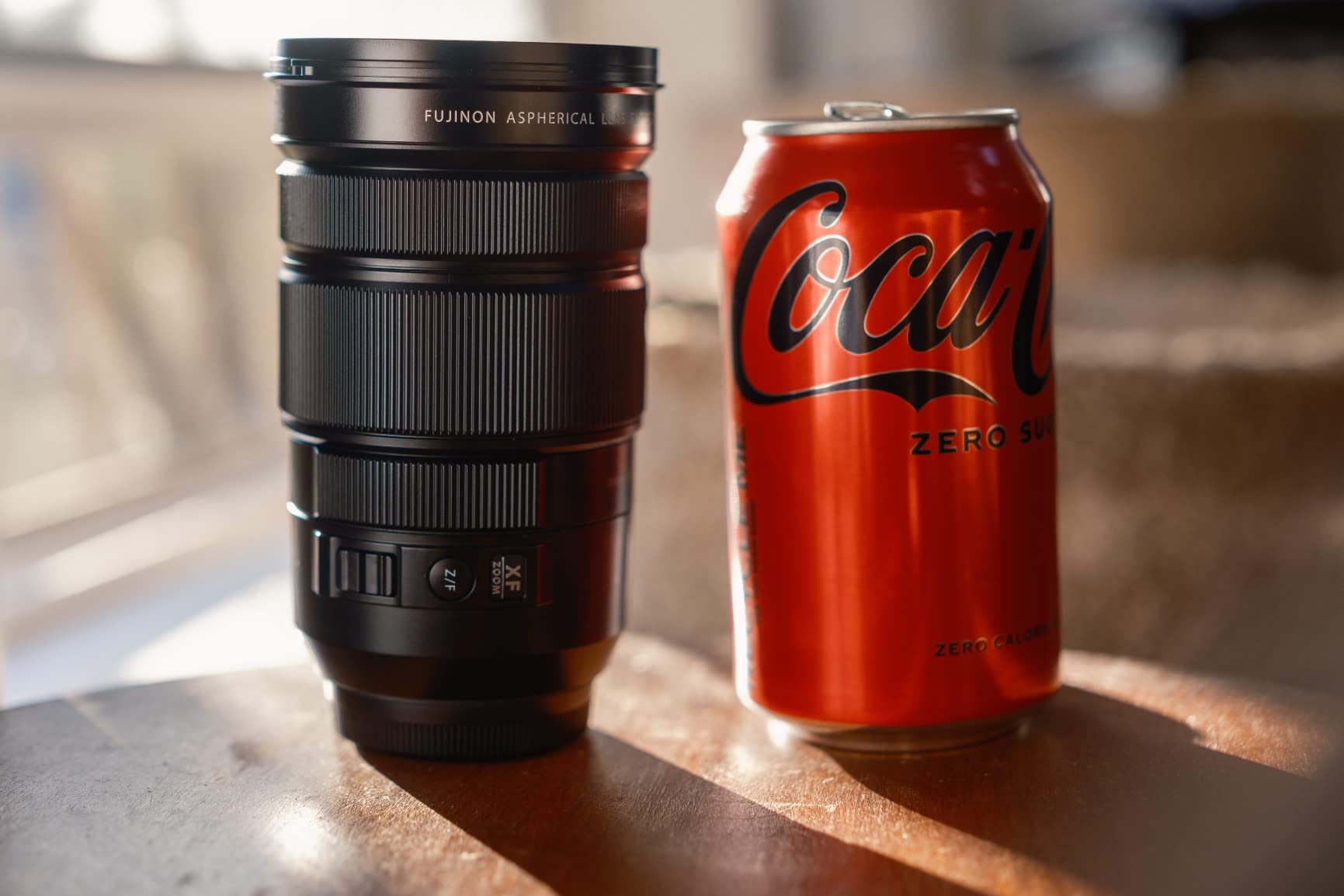
Fujifilm’s first cinema-focused X-mount lens brings professional video features to the enthusiast market. The XF18-120mm F4 LM PZ WR represents a collaboration between Fujifilm’s photography and broadcast lens teams. The result serves hybrid shooters who demand video-centric features without sacrificing still image quality.
The power zoom mechanism enables smooth, controlled zooming during video recording. Variable speed control responds to how quickly you turn the zoom ring, allowing dramatic push-ins or subtle reframing. This feature transforms handheld video work and gimbal operation where manual zooming creates visible camera shake.
The internal zoom design maintains constant lens length and center of gravity throughout the zoom range. This characteristic proves essential for gimbal balancing, where shifting weight destabilizes the system. At 472 grams, the lens remains manageable on smaller gimbals like the DJI RS3 Mini.
Minimal focus breathing ensures that framing remains consistent when pulling focus between subjects. This professional feature prevents the distracting zoom-like effect common in photography lenses when shifting focus distances. The stepless aperture enables smooth exposure transitions during video recording without visible steps.
Weather resistance includes sealing throughout the barrel and fluorine coatings on front and rear elements. The lens operates in temperatures down to -10 degrees Celsius, suitable for winter video work. The two custom function buttons provide quick access to preset controls, streamlining operation during active shoots.
Who This Lens Serves Best
Video creators using Fujifilm X-series cameras will find this lens addresses nearly every frustration of adapting photography lenses for cinema work. Documentary shooters needing weather sealing and smooth zooming should prioritize this option. Wedding videographers will appreciate the quiet operation and reliable autofocus.
Limitations to Consider
The f/4 constant aperture limits low-light performance compared to f/2.8 alternatives. Some users report exposure inconsistencies during power zoom operations that require attention in post-production. The electronic zoom mechanism consumes battery faster than manual zoom lenses. Incompatibility with teleconverters limits extension options.
Buying Guide: Choosing Your Weather-Sealed Zoom Lens
Do You Really Need a Weather Sealed Lens?
Weather sealing protects your investment and expands shooting possibilities. If you photograph exclusively in studios or controlled indoor environments, you can skip this feature. Everyone else benefits from the peace of mind that comes with knowing dust, moisture, and humidity cannot easily penetrate your lens.
Forum discussions reveal that photographers who initially dismissed weather sealing often changed their minds after damaging non-sealed equipment. Dust inside a lens requires professional cleaning that costs more than the price premium for a sealed alternative. Moisture damage can destroy electronics permanently.
What is the Holy Trinity of Zoom Lenses?
The Holy Trinity refers to three professional-grade zoom lenses covering ultra-wide to telephoto ranges. Traditionally this includes a 16-35mm f/2.8 ultra-wide zoom, a 24-70mm f/2.8 standard zoom, and a 70-200mm f/2.8 telephoto zoom. Together they cover nearly every photographic scenario without requiring prime lenses.
Within our under $1000 budget constraint, you might assemble a modified trinity using the Sigma 18-35mm f/1.8, Tamron 17-70mm f/2.8, and Fujifilm 70-300mm depending on your camera system. This combination provides comprehensive coverage while respecting budget limitations.
What to Look for in Weather Sealing
Effective weather sealing includes rubber gaskets at the lens mount, internal seals around zoom and focus mechanisms, and fluorine coatings on front elements. The mount gasket prevents moisture entry at the camera connection, the most vulnerable point during rain exposure. Internal seals protect optical elements from humidity that causes fungus growth.
Fluorine coatings repel water droplets and fingerprints, making cleaning easier after outdoor shoots. Some lenses include additional seals at switches and buttons. While no lens is completely waterproof, comprehensive sealing handles light rain, dust, and splashes that would damage unprotected optics.
Understanding Aperture Trade-offs
Constant aperture zooms maintain their maximum aperture throughout the zoom range, enabling consistent exposure settings. Variable aperture zooms narrow the maximum opening as you zoom toward telephoto settings, requiring compensation through ISO or shutter speed adjustments.
Constant f/2.8 zooms offer the best low-light performance and depth of field control but cost more and weigh more than variable alternatives. For outdoor daylight photography, variable aperture lenses like the Canon RF24-105mm f/4-7.1 provide excellent value. Astrophotographers and event shooters should prioritize constant f/2.8 or faster options.
Mount Compatibility Considerations
Each lens in this guide matches specific camera systems. Verify compatibility before purchasing, as mixing mounts requires adapters that compromise autofocus performance and weather sealing effectiveness. Native mount lenses always perform better than adapted alternatives.
Third-party manufacturers like Sigma and Tamron now produce native mirrorless lenses for most systems. These options often match or exceed first-party alternatives in value while maintaining full compatibility with camera features like in-body image stabilization and advanced autofocus modes.
Frequently Asked Questions
What lens is best for outdoor photography?
The best lens for outdoor photography depends on your subjects, but a weather-sealed zoom covering 24-70mm equivalent provides the most versatility. The OM SYSTEM 12-45mm F4.0 PRO offers an excellent balance of weather protection, image quality, and lightweight portability for most outdoor scenarios.
What is the Holy Trinity of Zoom lenses?
The Holy Trinity consists of three professional f/2.8 zoom lenses covering ultra-wide, standard, and telephoto ranges. Typically this includes a 16-35mm ultra-wide, 24-70mm standard, and 70-200mm telephoto zoom. Together they handle nearly every photographic situation without requiring prime lens changes.
What is the best zoom lens for wildlife photography under $1000?
The Fujifilm XF70-300mm F4-5.6 LM OIS WR is the best budget wildlife zoom, offering 107-457mm equivalent reach with excellent 5.5-stop image stabilization. At just 580g, it is light enough for handheld tracking of birds and animals while delivering sharp results across the zoom range.
What 3 lenses does every photographer need?
Most photographers benefit from a wide-angle zoom for landscapes, a standard zoom for general use, and a telephoto zoom for distant subjects. This combination covers architecture, portraits, events, wildlife, and sports. Within our budget, you might choose the Sigma 18-35mm f/1.8, Tamron 17-70mm f/2.8, and a telephoto option.
Do you really need a weather sealed lens?
Weather sealing is essential if you shoot outdoors in variable conditions. It protects against dust, light rain, and humidity that can damage unsealed lenses permanently. While not required for studio work, outdoor photographers benefit from the peace of mind and expanded shooting opportunities that weather-sealed lenses provide.
Conclusion: Finding Your Perfect Weather-Sealed Zoom
Weather-sealed zoom lenses under $1000 have evolved dramatically in 2026. Options now exist for every camera system and shooting style, from the ultra-compact OM SYSTEM 12-45mm to the versatile Sigma 16-300mm superzoom. The key is matching lens capabilities to your specific outdoor photography needs.
My top recommendation remains the OM SYSTEM M.Zuiko 12-45mm F4.0 PRO for its unbeatable combination of weather protection, optical excellence, and minimal weight. Sony APS-C shooters should gravitate toward the Tamron 17-70mm f/2.8 for its constant aperture and image stabilization. Budget-conscious Canon RF users will find exceptional value in the RF24-105mm F4-7.1.
Remember that the best lens is the one you actually carry and use. Weather sealing ensures that when opportunity strikes in challenging conditions, your equipment remains ready to capture the moment. Invest in protection that matches your adventures, and your photography will expand accordingly.