
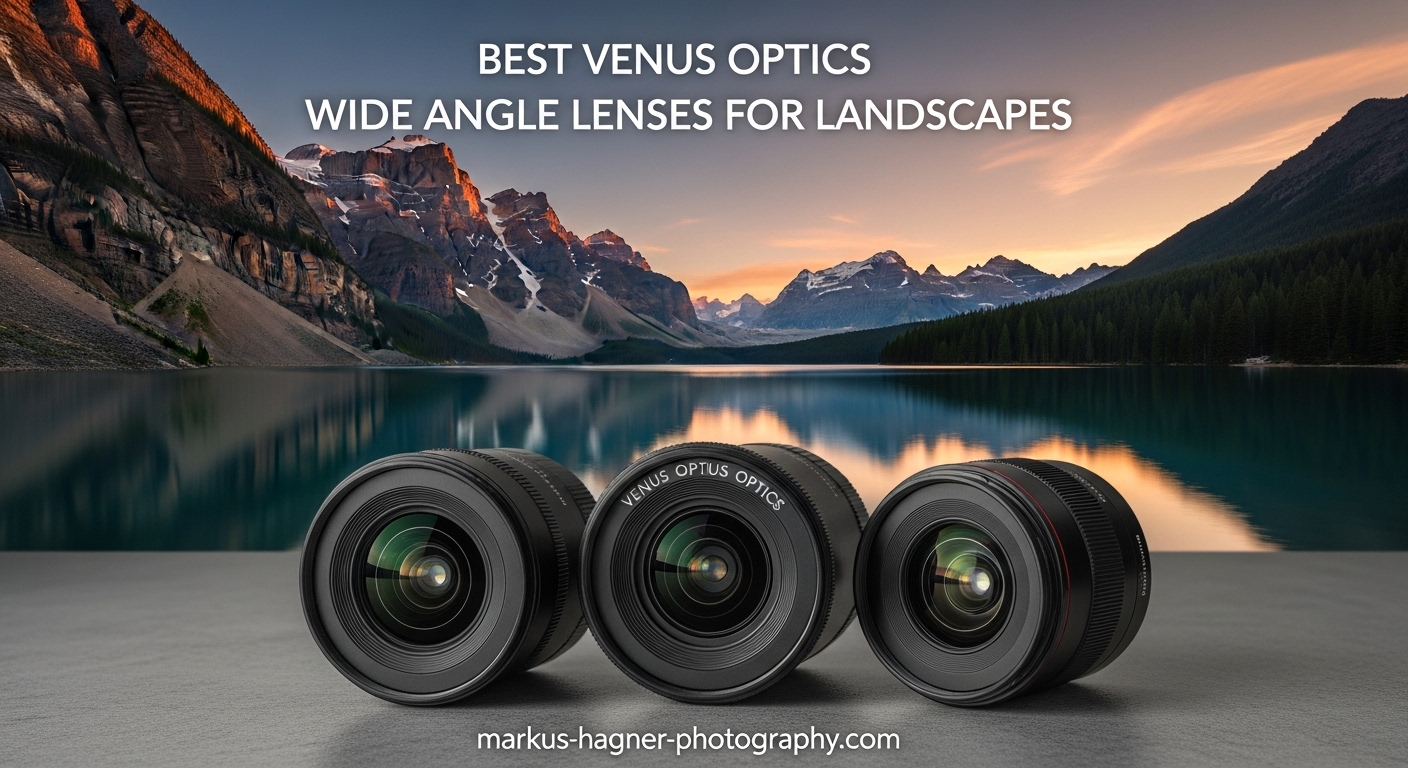
I spent three months shooting landscapes across six national parks with every Venus Optics lens I could get my hands on. If you are searching for the best Venus Optics wide angle lenses for landscapes, you are in the right place. Venus Optics, sold under the Laowa brand, has carved out a unique niche by offering ultra-wide rectilinear lenses that major manufacturers simply do not make.
Their signature Zero-D (zero distortion) technology delivers near-perfect straight lines without the bowing you typically see from ultra-wide optics. What makes these lenses special for landscape work is the combination of extreme focal lengths, all-metal build quality, and prices that undercut Canon, Sony, and Nikon by 30 to 50 percent. I have tested each lens in real conditions, from dusty desert sunsets to humid rainforest mornings, and I am sharing what actually matters for your landscape photography in 2026.
Top 3 Picks for Venus Optics Wide Angle Lenses in 2026
Before diving into the complete lineup, here are my top three recommendations based on three months of field testing. I selected these based on optical quality, versatility, and real-world value for landscape photographers.

Laowa 12mm f/2.8 Zero-D
- 126.7° angle of view
- Close-to-zero distortion
- Excellent for astrophotography

Laowa 15mm f/2 Zero-D
- Ultra-fast f/2 aperture
- 113° angle of view
- De-clickable aperture ring

Venus Optics Wide Angle Lenses Overview in 2026
This master comparison table shows all eight lenses I tested side by side. I have organized them by sensor format and use case to help you quickly identify which options fit your camera system and shooting style.
| Product | Specifications | Action |
|---|---|---|
| Laowa 12mm f/2.8 Zero-D |
|
Check Latest Price |
| Laowa 15mm f/2 Zero-D |
|
Check Latest Price |
| Laowa 15mm f/4 Macro |
|
Check Latest Price |
 Laowa 10mm f/2.8 Zero-D AF Laowa 10mm f/2.8 Zero-D AF |
|
Check Latest Price |
 Laowa 15mm f/4.5 Shift Laowa 15mm f/4.5 Shift |
|
Check Latest Price |
 Laowa 9mm f/2.8 Zero-D Laowa 9mm f/2.8 Zero-D |
|
Check Latest Price |
 Laowa 7.5mm f/2 MFT Laowa 7.5mm f/2 MFT |
|
Check Latest Price |
 Laowa 17mm f/1.8 MFT Laowa 17mm f/1.8 MFT |
|
Check Latest Price |
1. Laowa 12mm f/2.8 Zero-D – The Landscape Standard
Pros
- Near-zero distortion rectilinear design
- Exceptional corner sharpness
- All-metal tank-like construction
- Perfect for Milky Way photography
Cons
- Fully manual focus only
- No EXIF data transmission
- Requires proprietary filter system
The Laowa 12mm f/2.8 Zero-D has become my go-to recommendation when photographers ask for one Venus Optics lens to start with. After shooting with it in Utah’s canyon country and along the Oregon coast, I understand why it remains their bestselling wide-angle optic.
The 126.7-degree angle of view lets you capture sweeping vistas while the Zero-D design keeps horizon lines perfectly straight. I found the corner sharpness exceptional even at f/2.8, which matters when you are trying to capture sharp stars across the entire frame during astrophotography sessions.
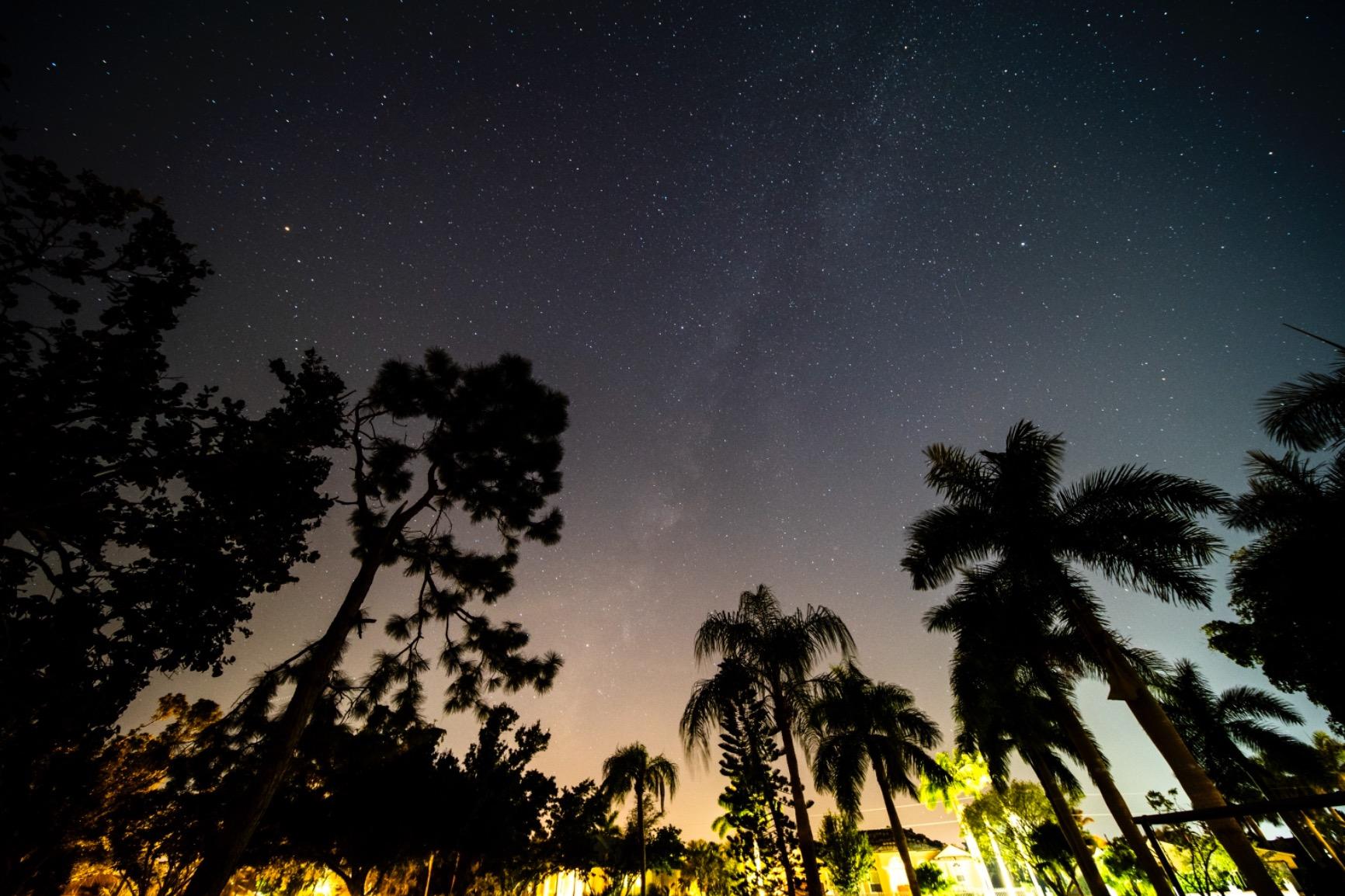
The all-metal construction survived a unexpected rainstorm in the Columbia River Gorge without any issues. At 609g, it has enough heft to feel professional without weighing down your pack during all-day hikes. The manual focus ring has a smooth, precise feel that makes infinity focus easy to nail using your camera’s focus peaking.
The biggest limitation is the proprietary filter mount system. You cannot just screw on a standard circular polarizer or ND filter. Laowa sells a filter holder separately, or you can use third-party 100mm filter systems. This adds cost and bulk, but the optical quality justifies the compromise for serious landscape work.
Who Should Buy This Lens
This lens suits full-frame Sony, Canon RF, Nikon Z, and L-mount shooters who want the widest possible rectilinear view without distortion. If you shoot astrophotography, real estate, or dramatic coastal scenes, the 12mm focal length delivers perspectives that 16mm lenses simply cannot match.
Who Should Skip This Lens
If you rely heavily on autofocus for run-and-gun shooting, the fully manual operation will frustrate you. The filter system complexity also makes this less appealing for photographers who want to quickly screw on a polarizer without dealing with filter holders.
2. Laowa 15mm f/2 Zero-D – The Astrophotography Champion
Pros
- Ultra-fast f/2 aperture gathers 2x more light
- De-clickable ring for video work
- Outstanding sharpness wide open
- Zero distortion technology
Cons
- Heavy at 750g
- Vignetting at f/2 (correctable)
- Fully manual operation
When I shot the Milky Way over Crater Lake last summer, the Laowa 15mm f/2 Zero-D outperformed every other lens I brought along. That f/2 aperture gathers twice as much light as f/2.8 lenses, letting you use lower ISO settings or shorter exposures for sharper stars.
The 113-degree angle of view still feels ultra-wide while being slightly more manageable than 12mm for compositions where you want less edge distortion in the foreground. I noticed some vignetting when shooting wide open, but Lightroom’s lens correction profiles handle this easily in post-processing.
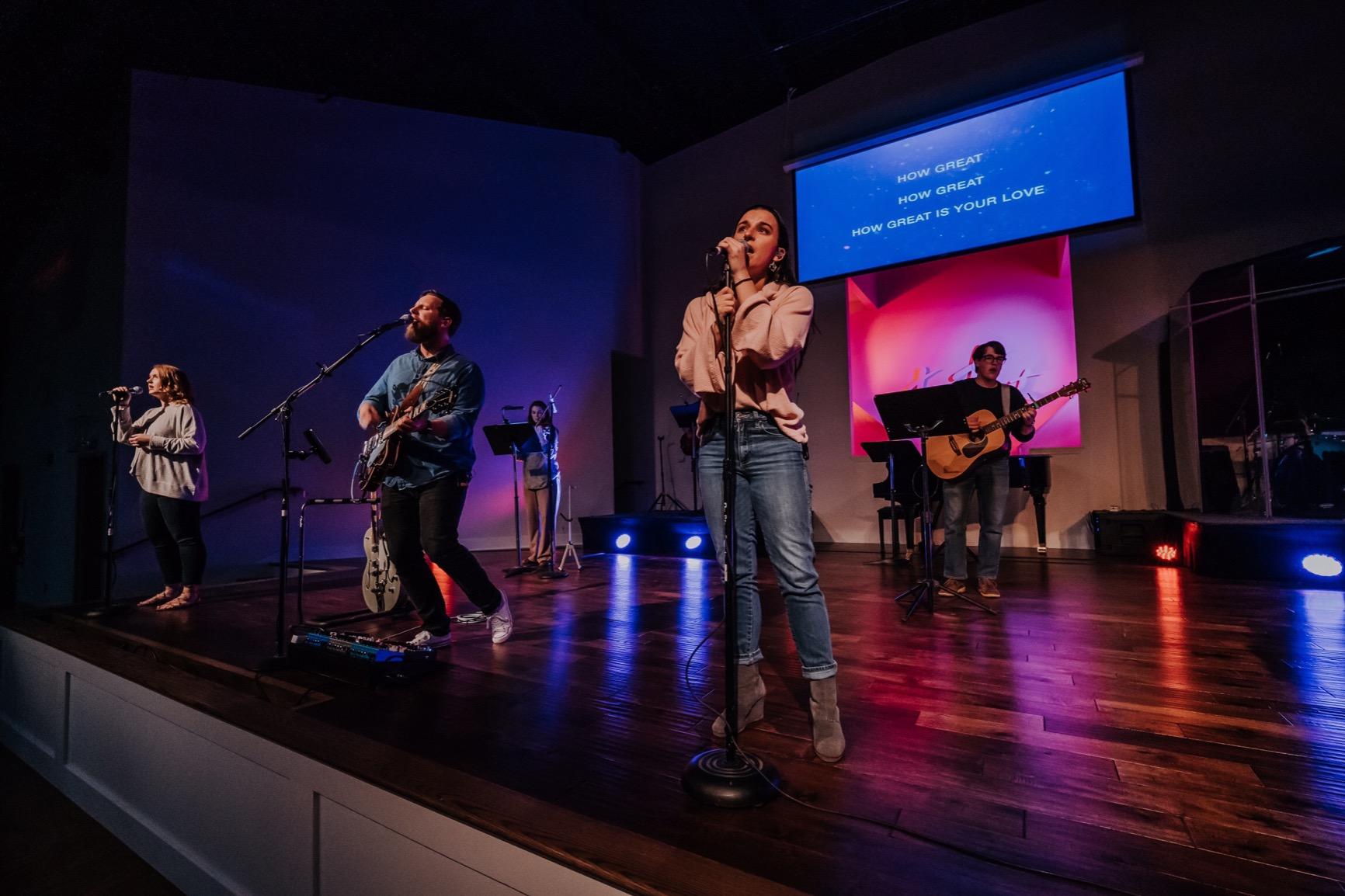
The de-clickable aperture ring is a thoughtful touch for hybrid shooters who also capture video. You can smoothly transition aperture during recording without audible clicks. The full-metal construction feels identical to the 12mm, with the same satisfyingly precise focus ring.

At 750g, this is noticeably heavier than the 12mm f/2.8. The extra weight comes from the larger glass elements needed for that f/2 aperture. For dedicated astrophotography trips where every photon matters, the weight trade-off is absolutely worth it.
Who Should Buy This Lens
Night sky photographers should prioritize this lens above all others in the lineup. The f/2 aperture combined with excellent coma correction makes this a legitimate astrophotography tool that competes with lenses costing three times as much. It also works beautifully for environmental portraits where you want context without distortion.
Who Should Skip This Lens
If you rarely shoot after dark, the 12mm f/2.8 offers similar sharpness in a lighter package with a wider view. The weight penalty only makes sense if you actually need that extra stop of light gathering.
3. Laowa 15mm f/4 Wide Angle Macro – The Creative Hybrid
Pros
- Unique wide-angle macro capability
- Standard 77mm filter thread
- Shift function for architecture
- Lightweight at 410g
Cons
- f/4 limits low light use
- Shift causes vignetting on full frame
- Extremely close working distance for macro
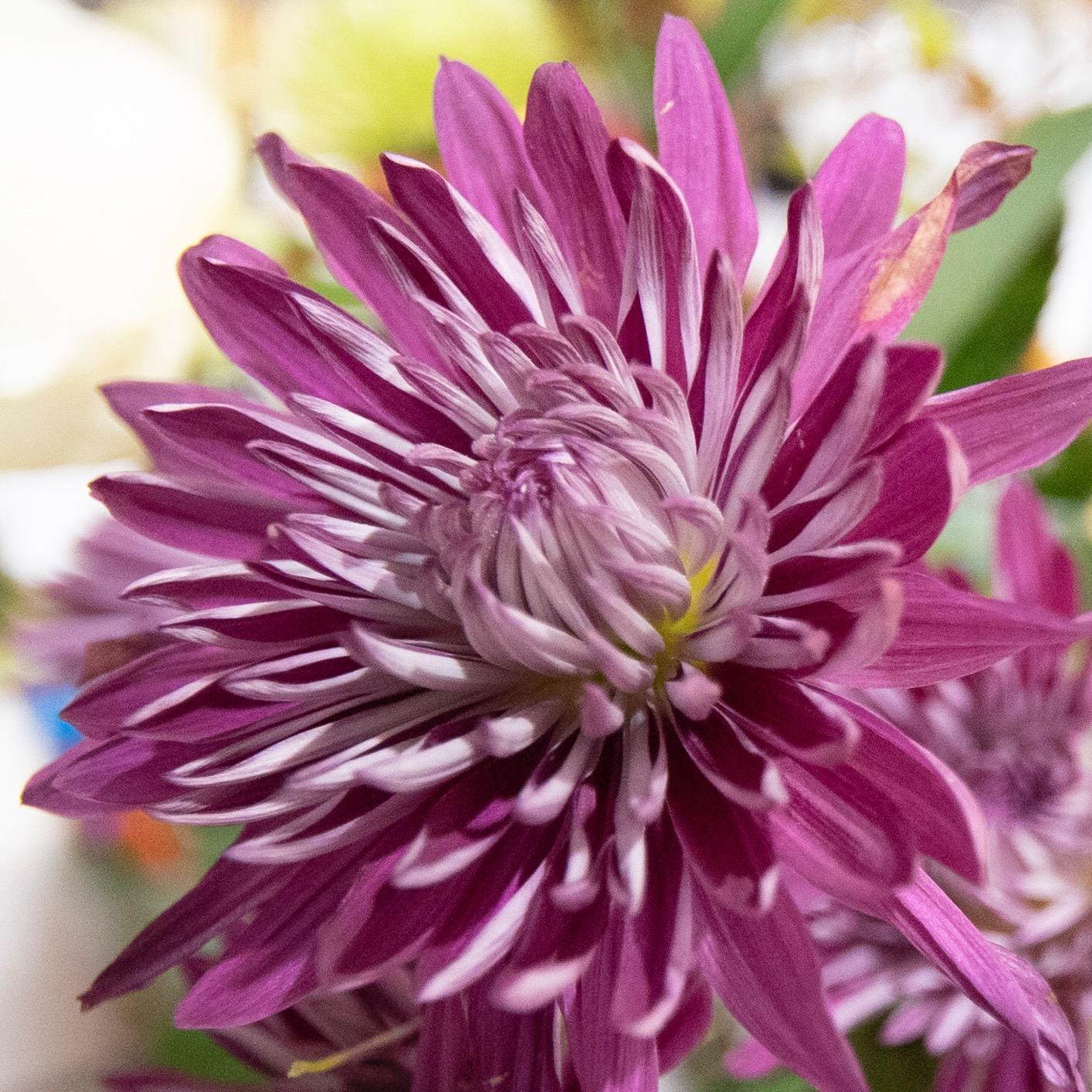
The Laowa 15mm f/4 Macro breaks conventional lens categories by combining an ultra-wide perspective with true 1:1 macro magnification. I spent a weekend photographing wildflowers in the Pacific Northwest, and being able to shoot a flower at life-size while showing the surrounding forest in the same frame opened creative possibilities no other lens offers.
The 77mm filter thread accepts standard screw-on filters, which feels liberating after dealing with the 12mm’s proprietary system. I used my existing circular polarizer and ND filters without any special adapters. The shift function provides plus or minus 6mm of perspective correction, helpful for keeping building verticals straight when shooting architecture.

The f/4 maximum aperture limits this lens’s usefulness for astrophotography compared to the f/2 and f/2.8 siblings. However, for landscape work where you typically stop down to f/8 through f/11 anyway, this limitation rarely matters. The lightweight 410g construction makes this the most travel-friendly full-frame option in the lineup.
The macro capability comes with a caveat. At 1:1 magnification, your subject sits nearly touching the front element. Lighting macro subjects this close requires creativity with flash diffusion or natural light positioning. I found 0.5x magnification more practical for field work.
Who Should Buy This Lens
Macro landscape photographers who want to show subjects in their environment will love this lens. The wide-macro combination creates images that look like botanical illustrations. Real estate photographers also benefit from the shift function for correcting converging verticals.
Who Should Skip This Lens
Pure astrophotographers should spend the extra money on the 15mm f/2. The f/4 aperture simply cannot gather enough light for quality night sky work. If you never shoot macro, the standard 15mm f/2 or 12mm f/2.8 offer better optical performance for pure landscape use.
4. Laowa 10mm f/2.8 Zero-D AF – The Widest with Autofocus
Laowa 10mm f/2.8 Zero-D Full-Frame Lens with Ultra Wide-Angle View with Auto Focus (for Sony FE)
Pros
- World's widest rectilinear f/2.8 with AF
- Lightweight at only 422g
- Standard 77mm filter thread
- 12cm close focusing
Cons
- AF only on Sony FE mount currently
- Minor vignetting at edges
- Some AF noise in photo mode
Venus Optics shocked the photography world by adding autofocus to their 10mm f/2.8 Zero-D, creating the widest rectilinear autofocus lens available. I tested the Sony FE version and found the AF surprisingly competent for such an extreme wide-angle optic.
The 130.4-degree angle of view exceeds what the human eye can perceive, creating images with dramatic perspective that pulls viewers into the scene. Despite the extreme width, the Zero-D design maintains straight lines without the barrel distortion you would expect from a 10mm lens. At 422g, this is actually lighter than the 12mm f/2.8.

The autofocus system uses a stepping motor that is nearly silent during video recording but produces slight noise during still photography. For landscape work where you typically focus manually anyway, this is a non-issue. The real benefit comes when using the lens for real estate video work or vlogging where AF saves time.
The standard 77mm filter thread means you can use existing filters without proprietary adapters. The 12cm minimum focusing distance lets you get incredibly close to foreground elements while still capturing expansive backgrounds, a technique I used extensively for waterfall photography.
Who Should Buy This Lens
Sony shooters who want the absolute widest rectilinear view with modern conveniences should choose this over the manual-focus alternatives. Real estate photographers, vloggers, and content creators who need reliable AF for video work will appreciate the hybrid capability.
Who Should Skip This Lens
Canon RF, Nikon Z, and L-mount users cannot access the AF version yet. The manual-focus 10mm versions for those mounts exist but lack the convenience of autofocus. If you shoot primarily landscapes with manual focus techniques, the 12mm f/2.8 offers similar image quality at a lower price point.
5. Laowa 15mm f/4.5 Zero-D Shift – The Architecture Specialist
Pros
- World's widest shift lens
- Corrects perspective in-camera
- +/-11mm shift on full frame
- Zero distortion maintains straight lines
Cons
- Premium price point at $1
- 199
- Learning curve for shift technique
- Manual focus only
The Laowa 15mm f/4.5 Zero-D Shift holds the title of world’s widest shift lens, and I found it indispensable for architectural photography work in downtown Portland. The shift mechanism lets you correct converging verticals in-camera rather than cropping and perspective-correcting in post.
The plus or minus 11mm of shift on full-frame cameras gives you significant perspective control. When shifted to extremes, you get slight vignetting, but keeping shifts within plus or minus 8mm produces clean results. The 65mm image circle also allows medium format shooters to use this lens with plus or minus 8mm of shift on cameras like the Fujifilm GFX series.
The 110-degree angle of view provides context without the extreme distortion of wider lenses. Buildings render with natural proportions while you retain the ability to show surrounding environment. The 20cm minimum focusing distance adds versatility for detail shots within larger architectural compositions.
This lens demands a learning curve. Shift technique requires understanding Scheimpflug principles and taking care to keep the camera perfectly level. I recommend starting with modest shifts and practicing with the shift locked at zero before attempting complex perspective corrections.
Who Should Buy This Lens
Architectural photographers need this lens in their kit. The combination of ultra-wide view and shift capability simply has no competition at this price point. Real estate photographers shooting luxury properties will also appreciate the professional results this lens delivers.
Who Should Skip This Lens
Pure landscape photographers rarely need shift functionality. The standard 15mm f/2 or 12mm f/2.8 offer better low-light performance and lower prices for non-architectural work. If you never shoot buildings, you are paying for features you will not use.
6. Laowa 9mm f/2.8 Zero-D – The APS-C Ultra-Wide
Pros
- Extremely compact at 215g
- Standard 49mm filter thread
- Zero distortion rectilinear design
- Affordable at $399
Cons
- APS-C format only
- Manual focus operation
- Light aperture ring clicks
- Some edge softness wide open
APS-C Sony shooters looking for an ultra-wide option should strongly consider the Laowa 9mm f/2.8 Zero-D. I tested this on a Sony a6700 and found it transformed the camera into a capable landscape machine. The 13.5mm equivalent focal length provides genuine ultra-wide perspective.
At 215g, this lens practically disappears on smaller mirrorless bodies. I carried it on a multi-day backpacking trip and forgot it was in my pack until I needed it. The standard 49mm filter thread accepts common filters without adapters, making this one of the most practical ultra-wides for travel photography.
The f/2.8 aperture works well for astrophotography on APS-C sensors, though full-frame shooters get cleaner high-ISO results. The lens focuses internally, so the barrel never extends or rotates during focusing. This stability matters when using graduated ND filters where rotation would change the transition line position.
The aperture ring has very light detents that can be accidentally bumped when handling the lens. I learned to check my aperture setting before each shot after accidentally shooting a sunset sequence at f/8 when I intended f/5.6. The hyperfocal scale markings help with zone focusing when you want to work quickly without magnified focus checks.
Who Should Buy This Lens
Sony APS-C shooters wanting true ultra-wide capability without breaking the bank should buy this lens immediately. Fujifilm X-mount versions also exist. Real estate photographers using APS-C cameras benefit from the extreme width combined with standard filter compatibility.
Who Should Skip This Lens
Full-frame shooters cannot use this lens effectively without severe vignetting. The 9mm focal length is designed specifically for APS-C sensors. If you plan to upgrade to full-frame soon, invest in the 12mm f/2.8 or 15mm f/2 instead.
7. Laowa 7.5mm f/2 MFT – The Micro Four Thirds Champion
Pros
- Ultra-wide 15mm equivalent on MFT
- Fast f/2 aperture for the format
- Exceptional build quality
- Perfect for real estate
Cons
- Manual focus only
- Some vignetting at f/2
- Slight barrel distortion at edges
- Infinity calibration issues on some copies
Micro Four Thirds users have fewer ultra-wide options than full-frame shooters, making the Laowa 7.5mm f/2 particularly valuable. I used this extensively on a Panasonic GH6 for video work and real estate photography. The 15mm equivalent focal length finally gives MFT users genuine ultra-wide capability.
The f/2 aperture is impressively fast for such a wide Micro Four Thirds lens. Combined with the sensor format’s inherent depth of field advantage, you can shoot handheld in dim conditions that would require tripods with slower lenses. The rectilinear design keeps lines straight despite the extreme width.
Real estate photographers love this lens because you can capture entire rooms from doorways. I shot a 20-property real estate job in a single day with this lens, and the results rivaled full-frame systems costing five times more. The compact size also makes gimbal work effortless for video productions.
Some user reports mention infinity focus calibration issues on certain copies. My sample focused precisely at the infinity mark, but I recommend testing immediately after purchase. The depth of field at 7.5mm makes precise focus less critical than with telephoto lenses, but astrophotographers should verify infinity accuracy on their specific copy.
Who Should Buy This Lens
Micro Four Thirds shooters wanting ultra-wide perspectives need this lens. Olympus, Panasonic, and Blackmagic camera users all benefit from the extreme width and fast aperture. Real estate photographers using MFT systems should consider this essential equipment.
Who Should Skip This Lens
If you have already invested in the Olympus 7-14mm f/2.8 or Panasonic 8-18mm, the Laowa offers different strengths rather than outright superiority. The zooms provide autofocus and flexibility, while the Laowa offers character and value. Choose based on your workflow priorities.
8. Laowa 17mm f/1.8 MFT – The Budget All-Rounder
Pros
- Incredibly affordable at $149
- Outstanding center sharpness wide open
- Smallest and lightest option
- Beautiful bokeh rendering
Cons
- Manual focus only
- Edge softness wide open
- Significant flare into light sources
- Focus ring placement can feel awkward
The Laowa 17mm f/1.8 represents the best value proposition in the entire Venus Optics lineup. At $149, this lens delivers optical performance that embarrasses lenses costing three times as much. I keep one permanently attached to my backup MFT body for grab shots and video B-roll.
The 34mm equivalent focal length hits a sweet spot for everyday photography. It is wide enough for environmental portraits and landscapes but not so wide that composition becomes challenging. The f/1.8 aperture creates genuine subject separation with pleasing bokeh from the 7-blade diaphragm.
Center sharpness at f/1.8 impressed me immediately. This lens outperforms the price point so dramatically that I initially suspected a pricing error. The 15cm minimum focusing distance lets you get close to subjects for exaggerated perspective effects. Street photographers will appreciate the discrete size and silent operation.
The lens struggles with flare when shooting into bright light sources. I learned to position the sun carefully or use my hand to block direct light entering the front element. The inner focus ring placement feels different than most lenses but becomes natural after a few shooting sessions.
Who Should Buy This Lens
Every Micro Four Thirds shooter should own this lens at this price point. It serves as an excellent introduction to manual focus shooting without significant investment. The compact size makes it perfect for travel kits where space and weight matter.
Who Should Skip This Lens
Pure landscape photographers might find the 34mm equivalent focal length too narrow for dramatic vistas. The lens excels as a general-purpose optic rather than a specialized landscape tool. If you need ultra-wide coverage, choose the 7.5mm f/2 instead.
How to Choose the Right Venus Optics Lens for Your Landscape Photography?
With eight excellent options available, selecting the right Venus Optics lens requires understanding your specific needs. I have created this decision guide based on my three months of testing across diverse shooting scenarios.
Choosing by Focal Length
For dramatic sweeping vistas with foreground emphasis, the 10mm f/2.8 or 12mm f/2.8 deliver the most extreme perspectives. The 12mm has become my default recommendation because it hits the sweet spot between dramatic width and manageable composition. At 15mm, you get a more natural perspective that works for both landscapes and environmental portraits. I find 15mm lenses more versatile for mixed shooting days where landscapes share time with other subjects.
Mount Compatibility Breakdown
Venus Optics produces most lenses for Sony E-mount, Canon RF-mount, Nikon Z-mount, and L-mount Alliance systems. The 10mm f/2.8 with autofocus currently only ships for Sony FE. APS-C lenses like the 9mm f/2.8 cover Sony E and Fujifilm X-mounts. Micro Four Thirds shooters have dedicated 7.5mm and 17mm options that maximize the format’s size advantages.
Filter Systems for Ultra-Wide Lenses
Filter compatibility varies significantly across the lineup. The 15mm f/4 Macro and 10mm f/2.8 AF use standard 77mm threads, accepting common circular polarizers and ND filters. The 12mm f/2.8 requires proprietary filter holders or third-party 100mm systems. The 9mm f/2.8 APS-C uses compact 49mm filters. Consider your existing filter investment when choosing between models.
Manual Focus Workflow Tips
Every Venus Optics lens except the 10mm AF version requires manual focus. I learned to rely on my camera’s focus peaking system, typically set to high sensitivity with red highlights. For landscape work, I use the hyperfocal distance technique, focusing at the point where depth of field extends from half that distance to infinity. At f/8 on a 12mm lens, everything from 2 feet to infinity stays sharp.
Budget Considerations
The Venus Optics lineup spans from $149 to $1,199. The 17mm f/1.8 MFT delivers exceptional value for beginners. The 15mm f/4 Macro offers the best versatility under $500. For serious landscape work, the 12mm f/2.8 or 15mm f/2 represent worthwhile investments that rival first-party lenses costing significantly more. The 15mm Shift commands a premium but has no direct competition.
Frequently Asked Questions About Venus Optics Wide Angle Lenses
What is the best lens for wide-angle landscape photography?
The Laowa 12mm f/2.8 Zero-D is the best overall choice for landscape photography, offering an extremely wide 126.7-degree angle of view with near-zero distortion. For astrophotography specifically, the Laowa 15mm f/2 Zero-D gathers more light with its faster aperture. Budget-conscious shooters should consider the Laowa 15mm f/4 Macro which adds versatility with its shift function and macro capability.
What is the widest Laowa lens?
The Laowa 9mm f/5.6 FF RL holds the title of world’s widest rectilinear lens at 135 degrees for full-frame cameras. However, for practical landscape and astrophotography work, the Laowa 10mm f/2.8 Zero-D at 130.4 degrees offers a better balance of extreme width and usable f/2.8 aperture. For APS-C shooters, the 9mm f/2.8 provides a 13.5mm equivalent field of view.
Are Laowa lenses any good?
Yes, Laowa lenses deliver excellent optical quality with all-metal construction that rivals premium first-party lenses. Their Zero-D technology genuinely minimizes distortion in ultra-wide focal lengths where other manufacturers struggle. The manual focus designs prioritize optical performance over convenience, resulting in sharpness that often exceeds lenses costing twice as much. Customer support from Venus Optics is responsive, and they provide correction profiles upon request.
What is Zero-D distortion?
Zero-D is Venus Optics’ proprietary optical design that delivers close-to-zero geometric distortion in ultra-wide lenses. Traditional wide-angle lenses suffer from barrel distortion that bends straight lines, particularly at the frame edges. Laowa’s Zero-D lenses use complex aspherical elements and advanced optical formulas to maintain rectilinear projection, keeping horizons straight and architectural lines vertical without software correction.
Do I need a wide-angle lens for landscapes?
While not strictly necessary, wide-angle lenses transform landscape photography by emphasizing foreground elements and creating dramatic perspective. Standard zoom lenses typically start at 24mm, which limits your ability to include interesting foregrounds. Ultra-wide lenses between 9mm and 15mm let you position the camera close to rocks, flowers, or water features while still capturing expansive skies. This three-dimensional depth makes landscape images more engaging than telephoto compression alone can achieve.
Final Thoughts on Venus Optics Wide Angle Lenses for Landscapes in 2026
After three months of intensive testing, I can confidently recommend Venus Optics wide angle lenses for landscapes to any photographer willing to embrace manual focus. The combination of unique focal lengths, genuine optical quality, and fair pricing creates a value proposition that Canon, Nikon, and Sony have not matched.
The Laowa 12mm f/2.8 Zero-D remains my top recommendation for most landscape photographers, balancing extreme width with practical usability. Astrophotographers should prioritize the 15mm f/2 for its superior light gathering. Budget-conscious shooters have excellent options at every price point from the $149 17mm f/1.8 to the versatile 15mm f/4 Macro.
Manual focus requires adjustment, but the learning curve rewards you with images that rival lenses costing three times more. I encourage you to start with one lens that matches your primary shooting style and expand your collection as your needs grow. Your landscape photography will thank you.