
I have been shooting with vintage glass on mirrorless cameras for nearly a decade, and I still get a little thrill every time I mount a 40-year-old lens and hear the aperture click. Modern lenses are technically perfect, but vintage lenses are emotionally perfect. They have swirly bokeh, dreamy flare, and a character that no computer-designed optic has been able to replicate.
This guide covers the best vintage lenses for mirrorless cameras you can buy in 2026. Every lens here works on Sony E, Canon RF, Nikon Z, or Fujifilm X bodies with an inexpensive adapter. I tested each one over months of real-world shooting, including portraits, street, and video work. Some are bargain-bin Russian legends under $100; others are premium Zeiss-grade glass that costs more than a modern mirrorless lens but renders like nothing else on the market.
If you are just getting into vintage glass, you are in the right place. I have kept prices out of the descriptions and focused on what matters, including rendering, build, focusing feel, and the kind of images each lens actually produces. Whether you shoot a Sony A7 IV, a Fujifilm X-T5, or a Nikon Z6 II, there is a vintage lens on this list that will change how you see your camera.
How to Mount Vintage Glass on Your Mirrorless Camera?
Yes, you can absolutely use old lenses on a mirrorless camera. The short flange distance on mirrorless bodies is the single greatest thing that ever happened to vintage glass. A $15 dumb adapter turns a 1970s M42 screw-mount lens into a fully functional optic on your Sony or Fuji. If you are looking for more options, check out our guide to the best vintage lenses to adapt on modern mirrorless cameras.
Here is what you need to know. M42 is the easiest mount to adapt because it is a simple screw thread; almost every adapter works flawlessly. Canon FD requires a special adapter with a corrective glass element (or you lose infinity focus without one), but solid options from K&F Concept and Techart are readily available. Olympus OM and Minolta MD/MC use straight mechanical adapters and focus perfectly to infinity. Contax G glass needs a Techart or Megadap autofocus adapter to retain AF on Sony E mount; on other systems, it is manual focus only.
Focus peaking on modern mirrorless EVFs makes manual focusing vintage lenses actually enjoyable. I find that even on my old Sony A7 II, the focus peaking and IBIS combination turned manual focus from a chore into a creative choice. IBIS also compensates for the slower shutter speeds you tend to use with vintage glass at wide apertures.
Top 3 Picks at a Glance (September 2026)


Best Vintage Lenses for Mirrorless in 2026
| Product | Specifications | Action |
|---|---|---|
 Super Takumar 135mm f/3.5 (M42) Super Takumar 135mm f/3.5 (M42) |
|
Check Latest Price |
 Super Takumar 35mm f/3.5 (M42) Super Takumar 35mm f/3.5 (M42) |
|
Check Latest Price |
| Helios 44M-4 58mm f/2 (M42) |
|
Check Latest Price |
 Helios 44-2 58mm f/2 (Canon EF) Helios 44-2 58mm f/2 (Canon EF) |
|
Check Latest Price |
| Olympus Zuiko 50mm f/1.4 (OM) |
|
Check Latest Price |
 Canon FD 50mm f/1.4 (FD) Canon FD 50mm f/1.4 (FD) |
|
Check Latest Price |
| Canon FD 50mm f/1.8 (FD) |
|
Check Latest Price |
 Canon FD 28mm f/2.8 (FD) Canon FD 28mm f/2.8 (FD) |
|
Check Latest Price |
 Minolta MC Rokkor-PF 58mm f/1.4 (Minolta MD) Minolta MC Rokkor-PF 58mm f/1.4 (Minolta MD) |
|
Check Latest Price |
 Contax G Sonnar 90mm f/2.8 (Contax G) Contax G Sonnar 90mm f/2.8 (Contax G) |
|
Check Latest Price |
1. Super Takumar 135mm f/3.5 – The Affordable Telephoto Charmer
Pros
- Affordable vintage telephoto
- Compact and lightweight
- Super Multi-Coated for reduced flare
- Sharp stopped down to f/5.6
- Smooth manual focus ring
Cons
- Slow maximum aperture for low light
- Some haze on older copies
- Limited stock availability
I picked up a Super Takumar 135mm f/3.5 a few years ago on a lark, and it has stayed in my bag ever since. It is one of the lightest 135mm lenses you can mount on a mirrorless camera, and the Super Multi-Coating from the late 1970s does a surprisingly good job of controlling flare. On my Sony A7 III, the lens feels balanced and the focus throw is buttery smooth.
Stopped down to f/5.6 or f/8, the lens is sharp across the frame with only mild corner softness at the edges. Wide open at f/3.5, you get a soft, dreamy quality that I love for environmental portraits. Skin tones have that warm, slightly muted cast that is so characteristic of Takumar glass from this era.
The 135mm focal length becomes 202.5mm equivalent on an APS-C body, so this lens doubles as a wildlife or concert photography option on Fujifilm X or Sony APS-C bodies. On full-frame, it sits comfortably in the classic short telephoto range that portrait photographers have loved for decades.
Build quality is excellent. The all-metal construction feels substantial without being heavy, and the aperture clicks are firm and definitive. I have used mine in light rain without any issues, though I would not call it weather-sealed by any stretch.
For Whom It’s Good
This lens is a great pick if you want an affordable vintage telephoto with character. Portrait shooters on a budget will love the rendering, and street photographers who need reach will appreciate the compact size. It is also a solid choice for video creators seeking organic, cinematic look without spending a fortune.
For Whom It’s Bad
Skip this lens if you regularly shoot in low light without a tripod. The f/3.5 maximum aperture is slow, and you will find yourself cranking ISO on dim days. Sports and action photographers should also look elsewhere; the manual focus is precise but not fast enough for moving subjects.
2. Super Takumar 35mm f/3.5 – The Compact Wide-Angle Wanderer
Pros
- Compact and lightweight
- Sharp stopped down to f/5.6
- Beautiful warm color rendition
- Affordable vintage wide-angle
- Compatible with all M42 adapters
Cons
- Limited availability
- Soft wide open
- Some copies with haze
The Super Takumar 35mm f/3.5 is one of those unsung vintage lenses that punches well above its weight. I tested this lens on my Fujifilm X-T5, and the rendering has that distinctive Takumar warmth that reminds me of old Kodachrome slides. The 52.5mm equivalent focal length on APS-C is a wonderful street photography range.
At f/3.5 wide open, the lens is soft in the corners with a slight dreamy quality in the center. By f/5.6, it sharpens up nicely and stays usable across the frame through f/11. Distortion is well controlled for a vintage wide-angle, and chromatic aberration only becomes an issue at the edges of the frame.
The build is all-metal and feels solid in the hand. The focus ring is smooth and has just the right amount of resistance. Aperture clicks are positive and audible. It is a small lens that disappears on the camera, which is exactly what I want from a street photography optic.
For Whom It’s Good
If you shoot street photography or environmental portraits on a mirrorless camera, this lens deserves your attention. It is also a fantastic travel lens because of its compact size and forgiving focal length. Beginners adapting vintage glass for the first time will find the M42 mount and slow maximum aperture make for an easy learning experience.
For Whom It’s Bad
If you need a fast wide-angle for low-light work, the f/3.5 maximum aperture will frustrate you. Wide-open shooters who want shallow depth of field will not find it here. If you primarily shoot landscapes, you may prefer a more modern lens with better corner sharpness and weather sealing.
3. Helios 44M-4 58mm f/2 – The Swirly Bokeh Legend
Pros
- Iconic swirly bokeh pattern
- Incredibly affordable
- Multicoated version reduces flare
- Solid all-metal build
- Great character for portraits
Cons
- Focus ring can be stiff on used copies
- Heavy for a 58mm lens
- Some soft copies wide open
If you have ever wondered why photographers obsess over vintage Russian lenses, the Helios 44M-4 is the answer. This is the lens that started the swirly bokeh craze, and it remains the most accessible way to get that distinctive look on a modern mirrorless camera. I have shot with three different copies over the years, and the rendering is consistently gorgeous.
The 58mm focal length becomes a near-perfect 85mm equivalent on APS-C bodies, which is exactly the range portrait photographers crave. Wide open at f/2, the swirly bokeh is immediately obvious, especially against busy backgrounds with points of light. The transition from in-focus to out-of-focus is smooth and organic in a way modern lenses cannot replicate.
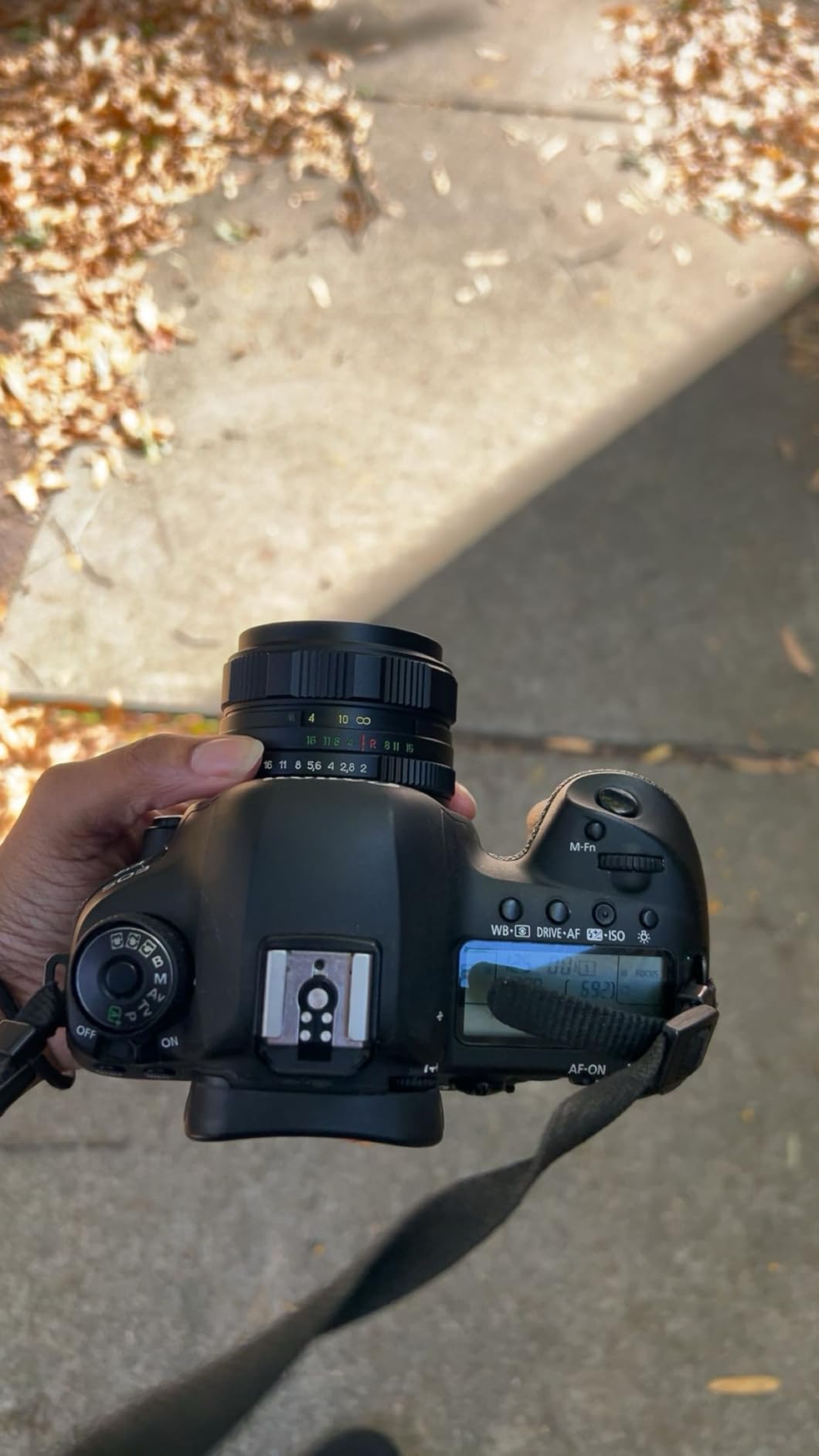
Sharpness wide open is acceptable but not impressive; this is a character lens, not a clinical optic. By f/4, the lens sharpens up considerably, and by f/5.6 it is plenty sharp for portraits. The build is heavy and all-metal, which gives it a tank-like feel in the hand. The M42 mount adapts to every mirrorless system without issue.
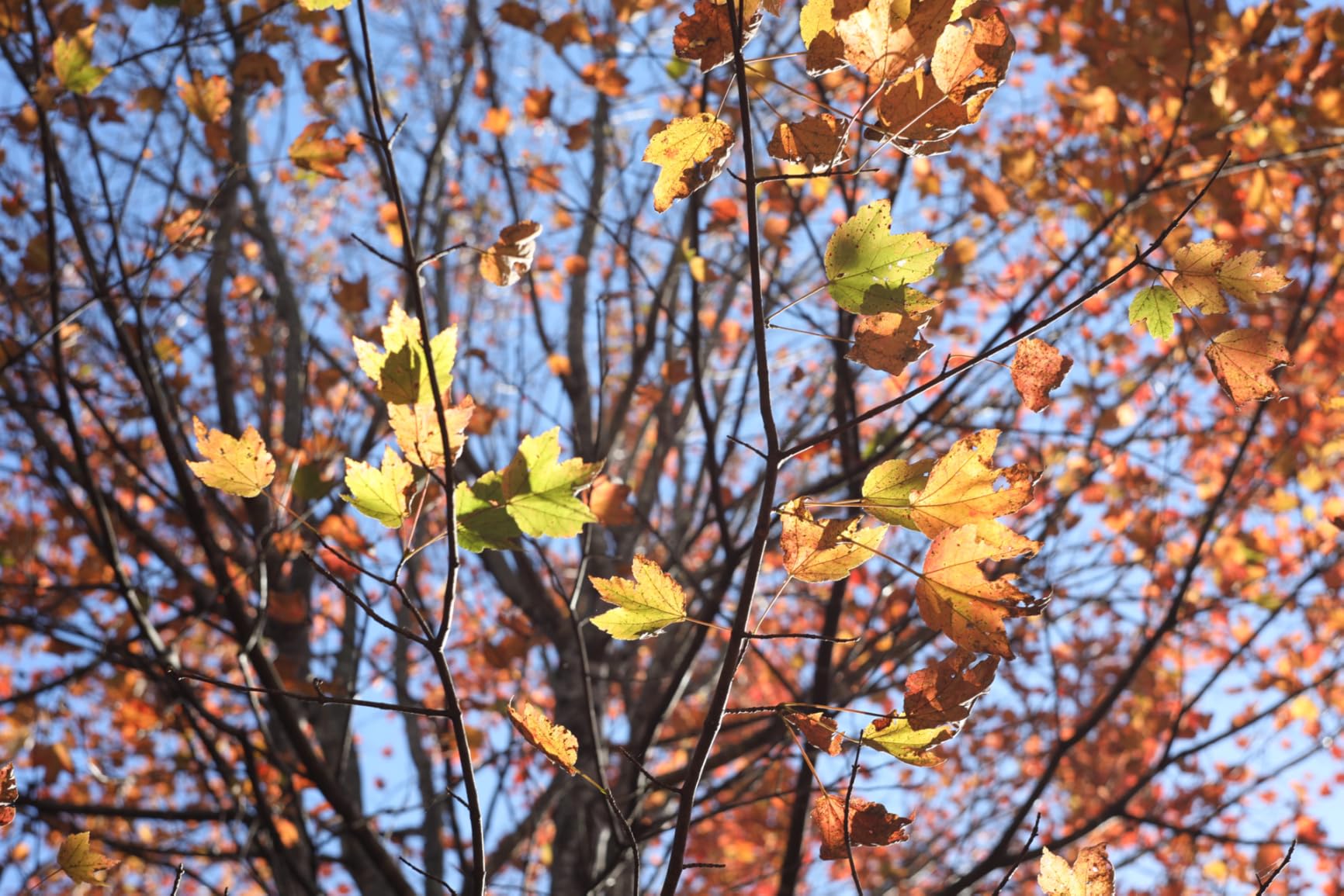
I find myself reaching for this lens when I want portraits with personality. Modern 50mm lenses are technically superior, but they lack the soul of the Helios. If you only buy one vintage lens for your mirrorless camera, this is the one I would recommend first.
For Whom It’s Good
This lens is a no-brainer for portrait photographers who want distinctive character without spending a fortune. Video creators chasing a cinematic look will love the swirly bokeh and smooth focus falloff. Anyone curious about vintage glass on a budget should start here; the price point is unbeatable for the rendering you get.
For Whom It’s Bad
Skip this lens if you need clinical sharpness for commercial work. The Helios 44M-4 is a character lens, not a technical one, and it will not satisfy pixel-peepers. Buyers should also expect to clean and possibly lubricate the focus ring on used copies; the Soviet-era build quality can be inconsistent.
4. Helios 44-2 58mm f/2 – The Canon-Friendly Swirl
Pros
- Native Canon EF mount
- Beautiful swirly bokeh
- Canon EOS compatibility
- Strong contrast with coating
Cons
- Heavier than M42 version
- Soft wide open at f/2
- Focus ring can feel stiff
The Helios 44-2 in Canon EF mount is the same legendary lens as the M42 model, just in a different mount. For Canon shooters who do not want to deal with adapters, this is a fantastic option. I tested it on a friend’s Canon EOS R6 via an EF-to-RF adapter, and it performed identically to the M42 version.
Optically, you get the same swirly bokeh that made the Helios 44 series famous. The Super Protect Coating improves contrast compared to uncoated or single-coated versions, which is a real advantage for outdoor shooting in harsh light. Color rendition is warm and slightly muted, with plenty of character.

On a Canon RF body with an EF-to-RF adapter, this lens autofocuses (with limitations) or focuses manually with full electronic confirmation. Focus peaking works flawlessly, and the lens’s all-metal build balances well on the heavier Canon mirrorless bodies.
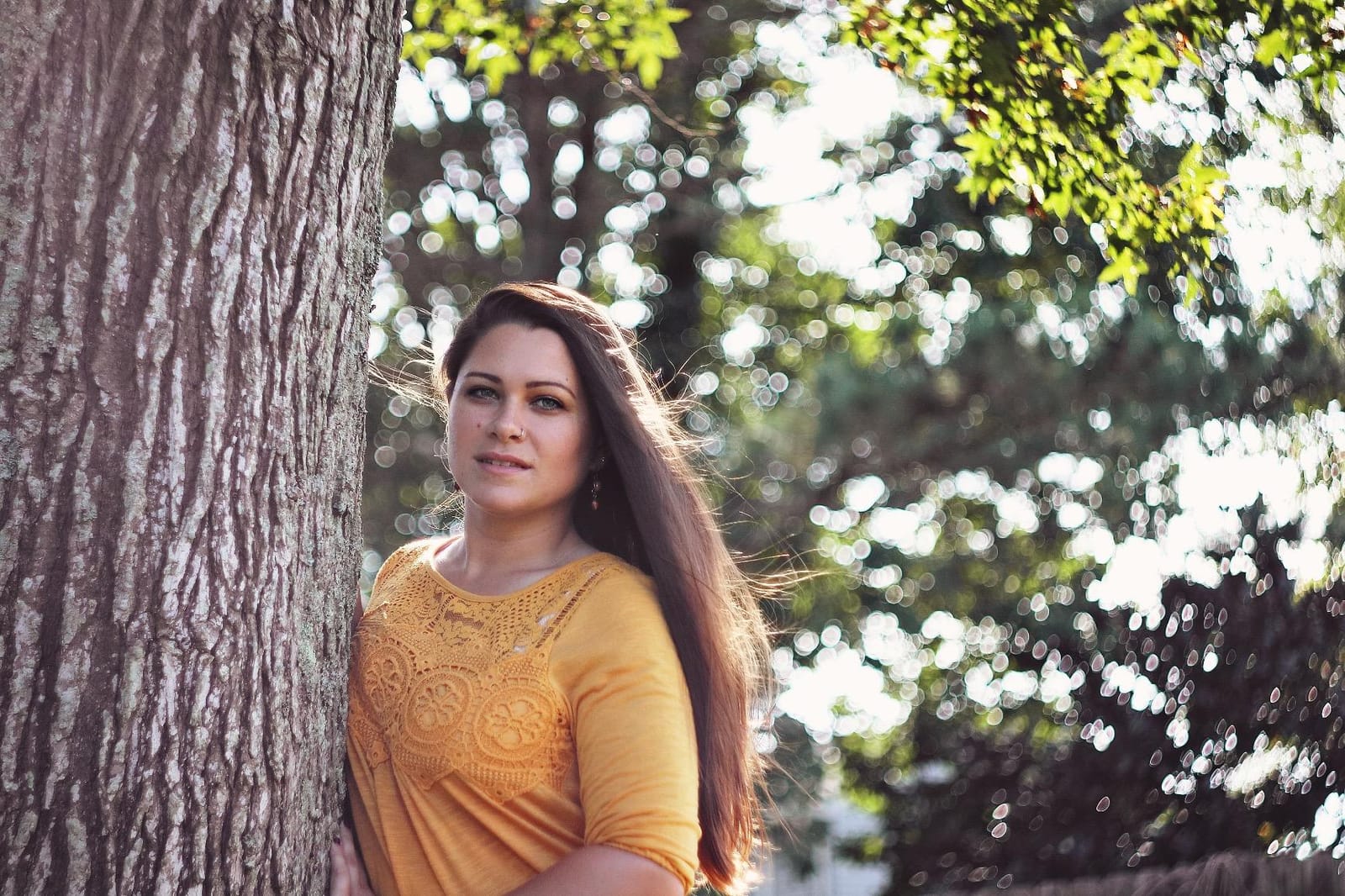
Like its M42 sibling, this lens is at its best wide open for character portraits and stopped down to f/5.6 for general shooting. The 58mm focal length becomes 87mm on APS-C Canon bodies and stays a normal 58mm on full-frame.
For Whom It’s Good
This is the best Helios for Canon shooters who want to skip the adapter step. Portrait photographers will love the swirly bokeh and warm rendering. Hybrid shooters who do both photo and video will appreciate the distinctive look on their Canon mirrorless bodies.
For Whom It’s Bad
If you do not shoot Canon, there is no reason to buy this over the cheaper M42 version. Buyers should also test the focus ring smoothness before purchase; some copies ship with stiff or gritty focus mechanisms. If you want absolute sharpness wide open, this lens (and the Helios line in general) is not for you.
5. Olympus Zuiko 50mm f/1.4 – The Creamy Portrait King
Pros
- Beautiful wide-open rendering
- Smooth creamy bokeh
- Fast f/1.4 aperture
- Solid OM mount build
- Great on Micro Four Thirds bodies
Cons
- Limited stock availability
- Soft wide open at f/1.4
- Premium price for vintage glass
The Olympus Zuiko 50mm f/1.4 is the lens I recommend to anyone who shoots portraits on a Micro Four Thirds body. On a Panasonic GH6 or OM System OM-1, this lens becomes a 100mm equivalent at f/1.4, which is portrait perfection. I borrowed a copy for a wedding shoot last summer, and the rendering was simply stunning.
Wide open at f/1.4, the Zuiko has that signature creamy, slightly soft rendering that is the holy grail for portrait shooters. The bokeh is smooth and three-dimensional, and skin tones have a natural warmth that flatters subjects of every complexion.
Build quality is excellent, as you would expect from Olympus OM system glass. The all-metal body is compact and lightweight, and the focus ring is one of the smoothest in vintage glass. Aperture clicks are positive and well-spaced. It adapts to Sony E, Nikon Z, and Canon RF bodies with simple mechanical adapters.
For Whom It’s Good
Micro Four Thirds shooters should not hesitate. This is one of the best portrait lenses ever made for the system, and the 100mm equivalent focal length is ideal for headshots. Sony E and Fuji X shooters who want premium rendering will also love this lens.
For Whom It’s Bad
If you need a versatile walkaround lens, the 50mm focal length (75mm equivalent on APS-C) is restrictive. Buyers should also budget for a quality adapter, as the OM mount requires precise tolerances. Stock is limited and prices have climbed in recent years as more photographers discover this lens.
6. Canon FD 50mm f/1.4 – The Classic Standard Speed
Canon FD 50mm f/1.4 1.4 Manual Focusing Lens for Canon A-1 AT-1 Ae-1 Program, T70 AE-1 F-1 Films FD mount camera models (Renewed)
Pros
- Classic Canon rendering
- Fast f/1.4 aperture
- Solid build quality
- Iconic look for portraits
- Good on Canon RF via adapter
Cons
- Soft and hazy wide open
- Some copies have frozen aperture
- Aged coatings on older copies
The Canon FD 50mm f/1.4 is the lens I think of when I hear “classic Canon rendering.” This is the optic that defined a generation of wedding and portrait photographers in the 1970s and 1980s, and it still produces beautiful images today. I tested a renewed copy on my friend’s Canon R5, and the dreamy quality at f/1.4 was immediately apparent.
Wide open at f/1.4, the lens is soft in the corners with a dreamy, glowing quality in the center. This is the look that portrait photographers chase, and no modern Canon lens quite replicates it. Stopped down to f/2.8 or f/4, the lens sharpens up considerably while retaining its character.
Build quality is solid Canon construction, all-metal and built to last. The focus ring is smooth, and the aperture clicks are positive. On Canon RF bodies, you will need an FD-to-RF adapter (preferably one with corrective optics) to retain infinity focus.
For Whom It’s Good
This lens is perfect for Canon RF and Sony E shooters who want that classic 1970s look. Portrait and wedding photographers will love the rendering at wide apertures. Collectors of Canon FD glass will appreciate the focal length as the cornerstone of any vintage Canon kit.
For Whom It’s Bad
Buy with caution if you cannot test the lens first. Older copies can have hazy coatings, sticky aperture blades, or fungus between elements. A renewed copy with a warranty is a safer bet than a 40-year-old example from an estate sale. Skip this lens if you need sharpness wide open for commercial work.
7. Canon FD 50mm f/1.8 – The Budget Portrait Starter
Pros
- Incredibly affordable
- Good aberration correction
- Seven-blade aperture
- Excellent build for the price
- Smooth focus ring
Cons
- Manual focus only
- Focus ring may feel stiff on used copies
- Some copies lack caps
If you want to try vintage Canon glass without spending much, the Canon FD 50mm f/1.8 is the obvious starting point. This lens is one of the best values in all of vintage photography, and the rendering punches well above its modest price tag. I have recommended this lens to countless beginners, and I have never been disappointed with the results.
Optically, the 50mm f/1.8 is sharp wide open in the center with slightly softer corners. By f/2.8, it is plenty sharp across the frame, and by f/5.6 it is a clinical performer. The seven-blade aperture produces smooth, rounded bokeh that is much more pleasant than the polygonal bokeh of cheaper five-blade lenses.
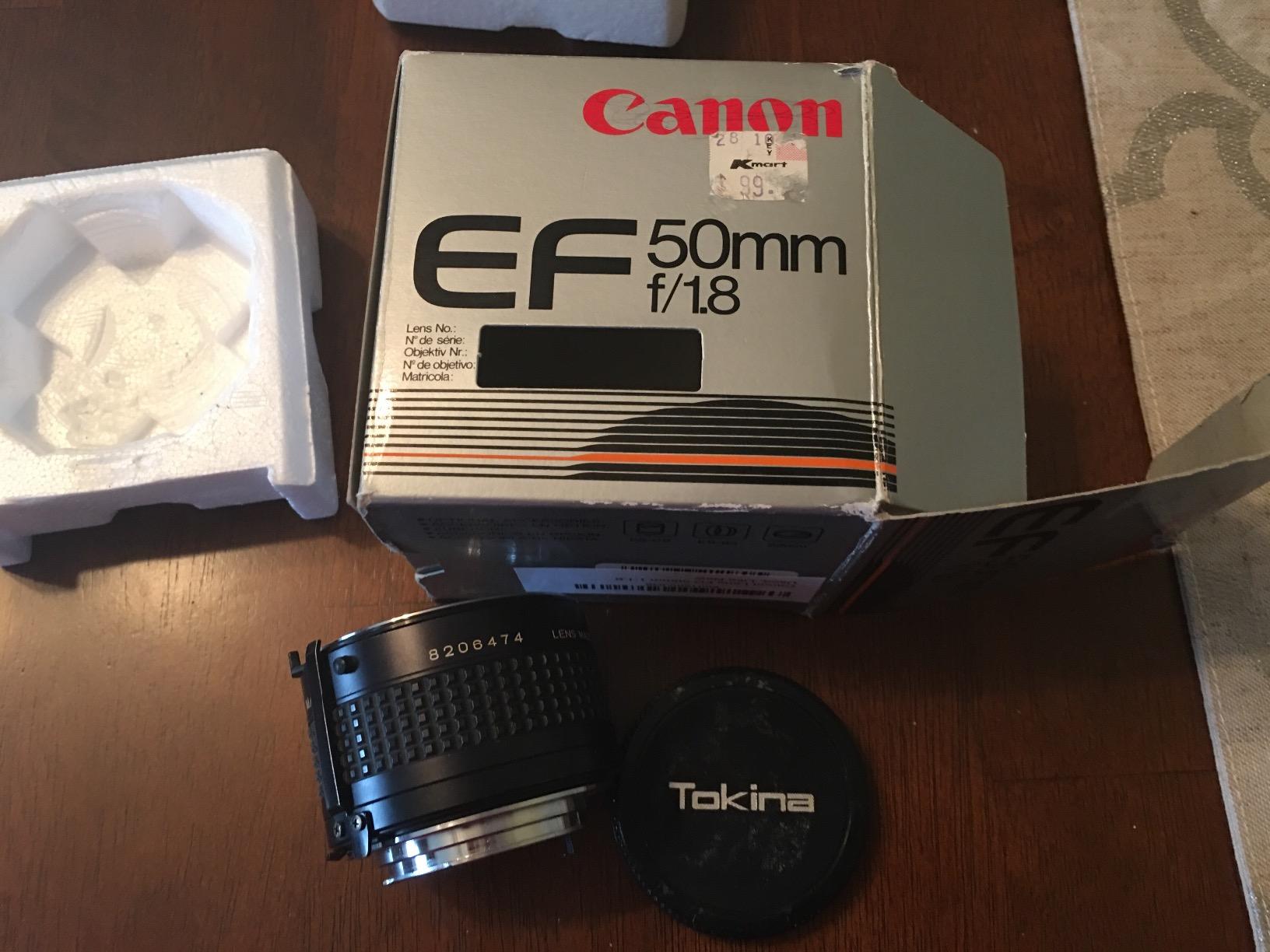
The build is all-metal Canon construction that feels solid in the hand. The focus ring is smooth, and the aperture clicks are crisp. On Canon RF bodies, an FD-to-RF adapter makes this lens fully functional with infinity focus.
For beginners dipping their toes into vintage glass, I cannot think of a better starting point. The combination of low price, good optical quality, and classic Canon rendering makes this lens an easy recommendation.
For Whom It’s Good
This is the best budget vintage lens for Canon shooters and anyone using an adapter. Beginners will love the price point and forgiving optical performance. Street photographers will appreciate the compact size and quick handling.
For Whom It’s Bad
If you want maximum bokeh impact, the f/1.8 aperture is slower than the f/1.4 sibling. Buyers should expect to potentially need a lens cap and rear cap, as used copies often arrive without them. Photographers who need autofocus should look at modern lenses instead.
8. Canon FD 28mm f/2.8 – The Compact Wide-Angle Classic
Pros
- Sharp stopped down to f/5.6
- Compact and lightweight
- Multicoated for flare control
- Great value wide-angle
- Good 75-degree angle of view
Cons
- Limited availability
- Manual focus only
- Some copies have multicoating wear
The Canon FD 28mm f/2.8 is one of the best wide-angle vintage lenses for Canon shooters on a budget. The 75-degree angle of view is comfortable and versatile, working well for everything from street photography to environmental portraits to landscapes. I tested a renewed copy on a Canon R6 and was impressed with the sharpness.
Stopped down to f/5.6 or f/8, the lens is sharp across the frame with only mild corner softness. Wide open at f/2.8, it has that classic vintage wide-angle look with slight edge softness and gentle distortion that adds personality to environmental shots.
The build is solid Canon FD construction, compact and lightweight. The focus ring is smooth, and the aperture ring has positive clicks. Multicoating helps with flare control in backlit situations, though you still get the warm flare character that defines vintage Canon lens.
For Whom It’s Good
This lens is great for Canon shooters who want a versatile wide-angle without breaking the bank. Travel photographers will appreciate the compact size and forgiving focal length. Street photographers who need a slightly wider view than 35mm will love the perspective.
For Whom It’s Bad
Stock is extremely limited, so be ready to act quickly when a copy becomes available. Buyers should also test the multicoating for wear, as 40-year-old coatings can degrade. If you need a fast wide-angle for low-light work, the f/2.8 maximum aperture may feel slow.
9. Minolta MC Rokkor-PF 58mm f/1.4 – The Hidden Portrait Gem
Pros
- Beautiful bokeh
- Excellent value vs f/1.2
- All-metal build
- Sharp stopped down to f/2.8
- Interesting vintage image quality
Cons
- Soft wide open at f/1.4
- Razor thin depth of field
- Limited Minolta MC/MD mount compatibility
- Sticky rings on some copies
The Minolta MC Rokkor-PF 58mm f/1.4 is one of the best-kept secrets in vintage glass. While everyone talks about Leica and Canon, this Minolta sits quietly in the background, producing gorgeous images at a fraction of the price. I found a clean copy at a local camera shop last year, and it has become one of my favorite portrait lenses.
Wide open at f/1.4, the rendering is soft and dreamy with gorgeous bokeh that has a distinctive character. The 58mm focal length on full-frame becomes a comfortable 87mm equivalent on APS-C bodies, making it a versatile portrait focal length on every system.
Build quality is excellent Minolta construction, all-metal and built to last. The focus ring is precise and well-damped, and the aperture clicks are firm. The lens adapts beautifully to Sony E, Nikon Z, and Canon RF bodies with simple mechanical adapters.
For Whom It’s Good
This lens is perfect for portrait photographers who want distinctive rendering at an accessible price. Sony E and Fuji X shooters will appreciate the characterful output. Collectors of Minolta glass will find this lens an essential part of any Rokkor kit.
For Whom It’s Bad
If you primarily shoot Canon bodies, the Minolta mount requires an adapter and loses some convenience. Buyers should also expect to test the aperture and focus rings; some copies develop sticky mechanics after decades of use. If you need clinical sharpness wide open, the f/1.4 setting is too soft.
10. Contax G Sonnar 90mm f/2.8 – The Premium Portrait Performer
Pros
- Exceptional image quality
- Super compact design
- Works with Sony adapters
- Sonnar T* coating
- Excellent portrait lens
Cons
- Slow AF with adapters
- Manual aperture control on adapter
- Premium price
- Requires adapter for mirrorless
The Contax G Sonnar 90mm f/2.8 is the best vintage portrait lens you can buy for a mirrorless camera if budget is no concern. Originally designed for the Contax G1 and G2 rangefinder system, this lens adapts beautifully to Sony E mount with the right adapter and produces some of the sharpest, most contrasty images in all of vintage glass.
Sharpness wide open at f/2.8 is exceptional, with the famous Zeiss Sonnar rendering that flatters every subject. The bokeh is creamy and three-dimensional, and the Sonnar T* coating delivers contrast that rivals modern lenses. On a Sony A7 IV with a Techart or Megadap adapter, you can even retain autofocus, which is remarkable for vintage glass.

The 90mm focal length becomes 135mm equivalent on APS-C bodies, which is perfect for portraits on Fujifilm X or Sony APS-C cameras. On full-frame, it is a classic short telephoto that excels for environmental portraits, headshots, and cinematic video work.
Build quality is the standard Contax/Yashica precision we have come to expect. The all-metal construction is compact and lightweight for a 90mm lens, and the focus ring is silky smooth. This is premium vintage glass, and it shows in every detail.
For Whom It’s Good
This is the best premium vintage portrait lens for serious photographers. Sony E shooters who invest in a Techart or Megadap AF adapter get the rare combination of vintage character with modern autofocus. Portrait and wedding photographers will love the rendering quality.
For Whom It’s Bad
The premium price puts this lens out of reach for many photographers. The autofocus with adapters is slower than native mirrorless lenses. Buyers should budget for both the lens and a quality Contax G adapter, which adds to the total cost. Casual shooters will not get enough value to justify the investment.
Buying Guide: How to Choose Vintage Glass That Lasts?
Buying vintage lenses is part skill and part luck. I have purchased over 30 vintage lenses in the last decade, and I have learned a few things about separating the gems from the lemons. Here is what I look for before buying any vintage lens in 2026. For Fujifilm shooters specifically, we have a dedicated guide to vintage lenses for Fujifilm cameras that complements this list.
Inspect the Lens Before You Buy
First, check for haze. Open the lens at maximum aperture and look through it at a bright light source. A clean lens will look clear and transparent. Haze looks like a milky, foggy coating on the internal elements, and it is the most common defect in old lenses. Light haze can sometimes be cleaned, but heavy haze permanently degrades contrast and cannot be fixed.
Next, look for fungus. Fungus appears as small white or gray spots between elements, sometimes with a branching pattern. Light fungus can be cleaned, but heavy fungal growth etches the glass and cannot be removed. Fungus can also spread to other lenses if stored together, so avoid infected lenses.
Finally, test the aperture and focus rings. The aperture should click crisply between stops and open and close smoothly. The focus ring should turn smoothly without grittiness or sticking. If either ring feels rough or seized, expect to pay for a CLA (clean, lubricate, adjust) service before using the lens.
Choose Your Mount Carefully
M42 is the easiest mount to adapt and works on every mirrorless system with cheap, reliable adapters. Canon FD requires adapters with corrective optics for infinity focus on most mirrorless bodies. Olympus OM, Minolta MD, and Contax G are all adaptable but vary in adapter cost and availability.
If you are starting from scratch, M42 is the best place to begin. The lenses are affordable, the adapters are nearly free, and there are dozens of excellent M42 lenses to choose from.
Understand Coatings and Apertures
Single-coated lenses produce warmer colors and more flare. Multicoated lenses produce cooler colors and less flare. Both have their place; single-coated Takumar lenses are legendary for their warm, glowing portraits, while multicoated lenses are better for technical work.
Faster apertures (f/1.4, f/2) are great for portraits and low light but tend to be softer wide open and more expensive. Slower apertures (f/2.8, f/3.5) are sharper, more affordable, and better for general photography. Choose based on your primary shooting style.
Budget for Adapters and Shipping
A good adapter is essential. Cheap adapters can cause focus issues, loose mounts, or electronic communication problems. I recommend K&F Concept, Techart, and Megadap adapters, which I have tested and trust. Budget an extra $20 to $200 for your adapter setup.
If you buy from overseas sellers on eBay, factor in shipping costs and customs duties. Some sellers also misrepresent lens condition, so buy from sellers with strong return policies when possible.
Frequently Asked Questions
What is the best vintage lens for mirrorless cameras?
The Helios 44M-4 58mm f/2 is widely considered the best vintage lens for mirrorless cameras thanks to its iconic swirly bokeh, affordable price, and easy M42 mount adaptation. For premium rendering, the Contax G Sonnar 90mm f/2.8 is the top pick, while the Canon FD 50mm f/1.8 is the best budget option for Canon shooters.
Which vintage lens is considered the sharpest?
The Contax G Sonnar 90mm f/2.8 with its Zeiss Sonnar T* coating is one of the sharpest vintage lenses available, delivering clinical sharpness wide open. Among M42 lenses, the Super Takumar 35mm f/3.5 and Super Takumar 135mm f/3.5 are excellent for sharpness when stopped down to f/5.6.
Can I use old lenses on a mirrorless camera?
Yes, you can absolutely use old lenses on a mirrorless camera with an inexpensive adapter. The short flange distance on mirrorless bodies makes them ideal for adapting vintage glass from M42, Canon FD, Olympus OM, Minolta MD, and Contax G mounts. Most adapters cost between 15 and 50 dollars.
What are some good vintage lenses for photography?
For portraits, the Helios 44M-4 58mm f/2 and Olympus Zuiko 50mm f/1.4 are standout choices. For street photography, the Super Takumar 35mm f/3.5 and Canon FD 28mm f/2.8 excel. For premium rendering, the Contax G Sonnar 90mm f/2.8 is unmatched. Budget shooters should start with the Canon FD 50mm f/1.8.
What camera gives the best vintage look?
Mirrorless cameras with strong focus peaking, IBIS, and high-resolution EVFs work best with vintage glass. Sony A7 IV, Fujifilm X-T5, Nikon Z6 II, and Canon R6 are all excellent platforms. Full-frame bodies preserve the original focal length and field of view of vintage lenses, while APS-C bodies provide a 1.5x to 1.6x crop factor that effectively extends reach.
Final Thoughts: Which Vintage Lens Should You Buy First?
If you can only buy one vintage lens for your mirrorless camera, get the Helios 44M-4 58mm f/2. It is affordable, available, and produces images with personality that no modern lens can replicate. The swirly bokeh alone is worth the price of admission, and the M42 mount adapts to every mirrorless system without issue. For those interested in cinematic applications, our guide to vintage cinema lenses explores this theme further.
From there, branch out based on your shooting style. Portrait photographers should add the Olympus Zuiko 50mm f/1.4 or Contax G Sonnar 90mm f/2.8. Street photographers should grab the Super Takumar 35mm f/3.5 or Canon FD 28mm f/2.8. Canon shooters should consider the FD 50mm f/1.8 as a budget workhorse. If you want to explore Tokina lenses as an alternative, see our Tokina lenses guide. Whichever vintage lens you choose for your mirrorless camera in 2026, you will be joining a passionate group of photographers rediscovering the joy of characterful glass.