
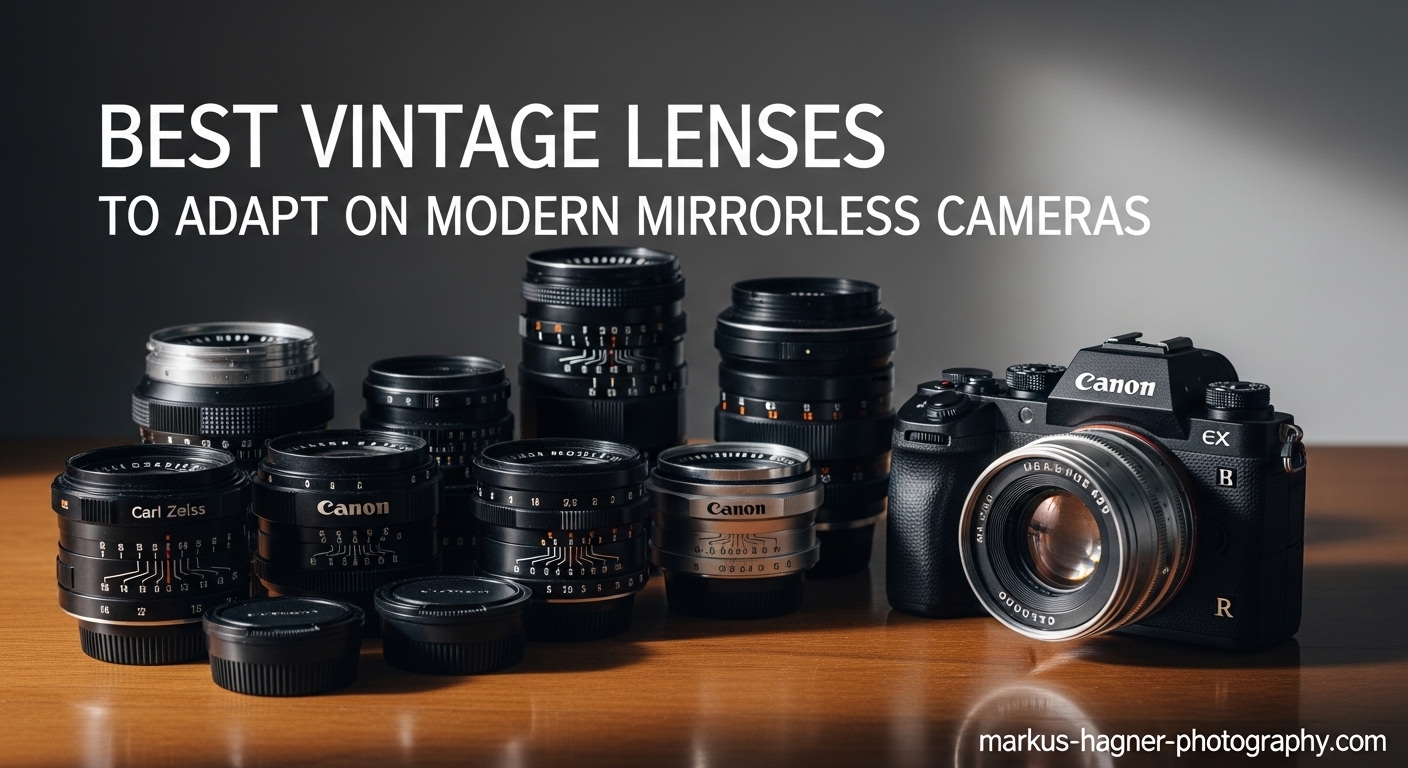
There’s something magical about mounting a piece of photographic history onto your modern mirrorless camera. I discovered vintage lens adaptation three years ago when I picked up a Helios 44-2 for under $100, and it completely changed how I approach photography. The best vintage lenses to adapt on modern mirrorless cameras offer character, build quality, and unique optical rendering that today’s mass-produced glass simply cannot replicate.
Mirrorless cameras are uniquely suited for vintage lens adaptation because of their short flange distance. This design leaves room for adapters that position legacy glass at exactly the right distance from the sensor to maintain infinity focus. Whether you shoot Sony E-mount, Nikon Z, Canon RF, or Fujifilm X, there’s a world of affordable vintage glass waiting to transform your images.
In this guide, I’ve selected 8 exceptional vintage lenses that represent the best value and performance for mirrorless adaptation in 2026. From the legendary Soviet Helios with its swirly bokeh to Japanese precision optics from Canon and Nikon, these lenses will give your digital files a distinctive analog soul.
Top 3 Picks for Best Vintage Lenses to Adapt


Voigtlander Nokton Classic 40mm F1.4
- Ultra-compact 175g
- 10-blade aperture
- Leica M mount
- Multi-coated optics

Pentax Asahi Super Takumar 50mm f1.4
- Super Multi-Coated
- M42 screw mount
- Legendary warm tones
- 8 diaphragm blades
Best Vintage Lenses to Adapt on Modern Mirrorless Cameras in 2026
| Product | Specifications | Action |
|---|---|---|
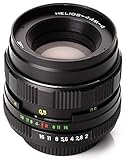 Helios 44M-4 58mm F2 Helios 44M-4 58mm F2 |
|
Check Latest Price |
| Helios-44-2 58mm f/2 |
|
Check Latest Price |
 Canon 50MM f1.8 FD Canon 50MM f1.8 FD |
|
Check Latest Price |
 Canon FD 50mm f/1.4 Canon FD 50mm f/1.4 |
|
Check Latest Price |
 Nikon AI-S 50mm f1.8 Nikon AI-S 50mm f1.8 |
|
Check Latest Price |
| Voigtlander Nokton 40mm F1.4 |
|
Check Latest Price |
 Voigtlander Nokton 35mm f/1.4 II Voigtlander Nokton 35mm f/1.4 II |
|
Check Latest Price |
| Pentax Super Takumar 50mm f1.4 |
|
Check Latest Price |
1. Helios 44M-4 58mm F2 – Iconic Swirly Bokeh
Pros
- Classic Russian vintage lens with famous swirly bokeh effect
- Excellent vintage lens and vendor
- Sharp image quality when condition is good
- Inexpensive compared to modern autofocus lenses
Cons
- Aperture ring may need modification
- Some units from Valday instead of KMZ
- Focus ring can be stiff on some copies
I bought my first Helios 44M-4 from a seller in Eastern Europe, and the moment I twisted it onto my Sony A7III with an M42 adapter, I understood why this lens has a cult following. The 58mm focal length gives a slightly compressed perspective perfect for portraits, while the f/2 aperture creates that legendary swirling bokeh when you shoot wide open with busy backgrounds.
The build quality varies by factory and year of manufacture. My 1995 KMZ-made copy feels surprisingly solid with its all-metal construction and smooth focus throw. The 52mm filter thread is standard, and the multicoating helps reduce flare better than the earlier uncoated versions.
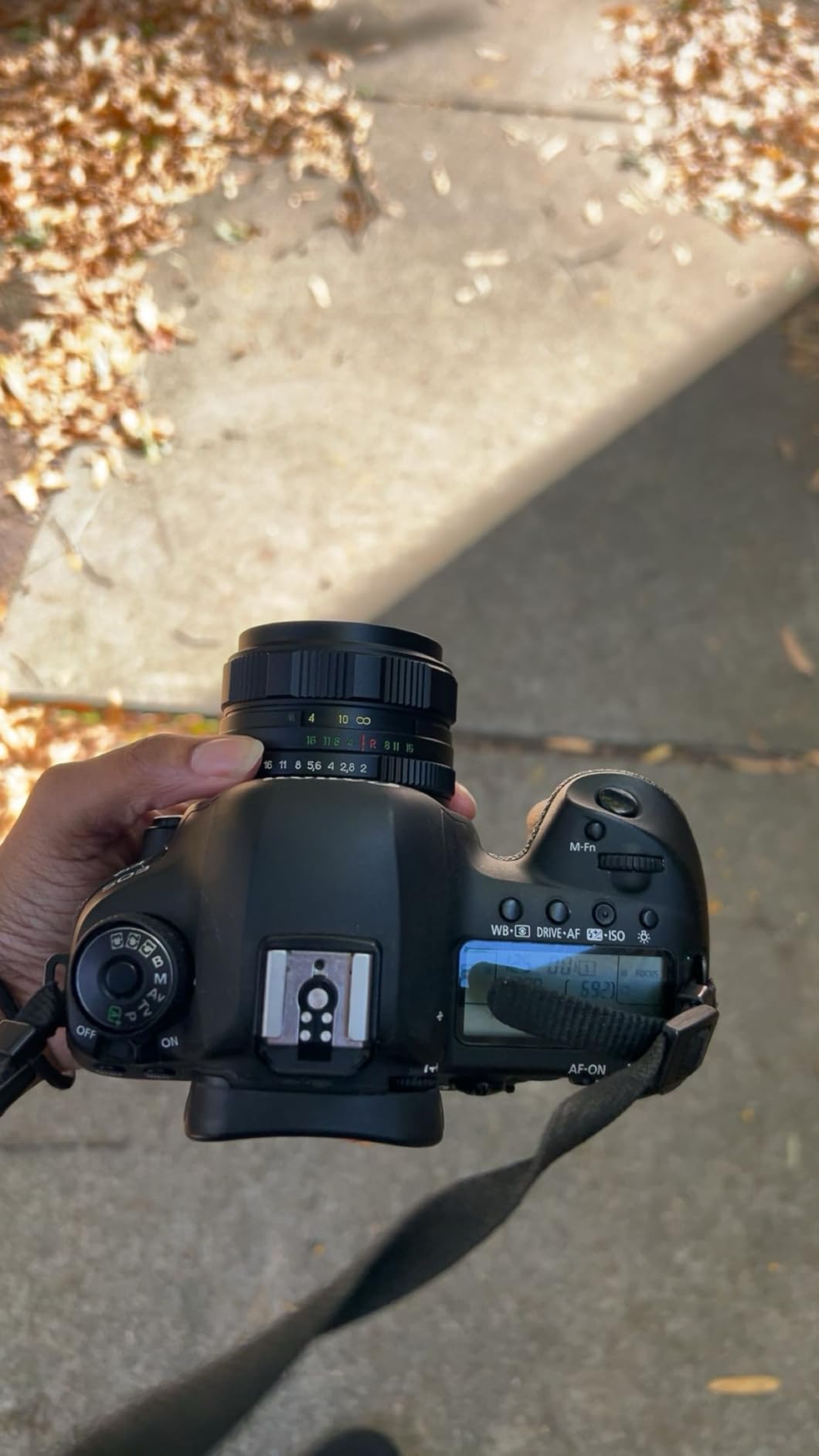
On my mirrorless camera, focus peaking makes nailing focus at f/2 relatively easy, though I recommend using magnification for critical shots. The 40-degree angle of view is classic for portraiture, and when you stop down to f/4 or f/5.6, the lens delivers respectable sharpness across the frame.
The Helios 44M-4 uses a simple double Gauss optical formula with 6 elements in 4 groups. This design creates the characteristic Petzval field curvature that produces that dreamy, swirly background when shooting wide open. It is not clinically sharp like modern lenses, but that is exactly the point.
Who Should Buy This Lens
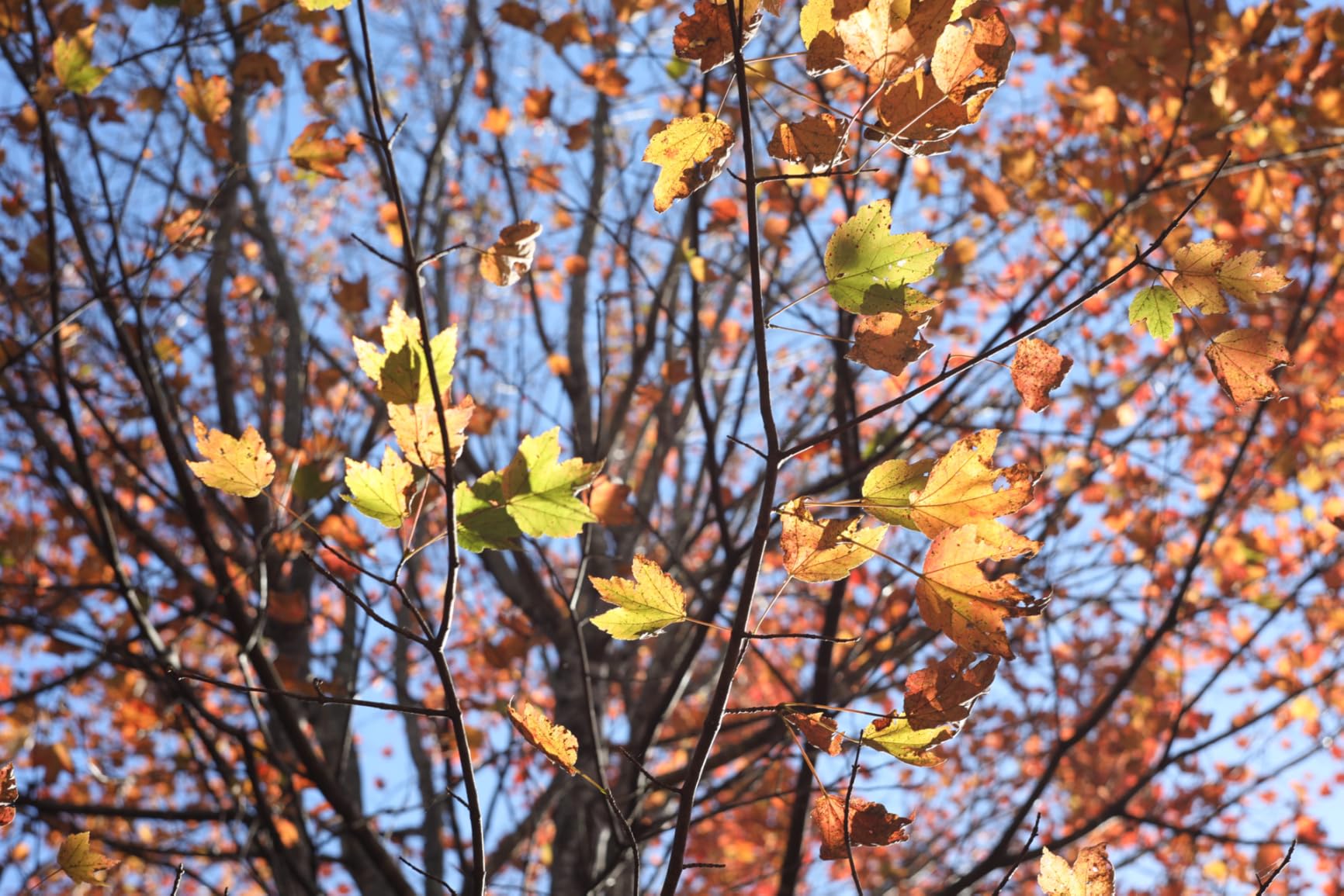
Portrait photographers who want creative, artistic backgrounds will fall in love with the Helios. The swirly bokeh effect works best with foliage, city lights, or any busy background behind your subject. Street photographers also appreciate the focal length for environmental portraits.
Beginners in vintage glass should consider this lens because it is affordable enough that you won’t cry if you damage it, yet distinctive enough to show you why vintage lenses matter. The M42 mount means adapters are cheap and plentiful for virtually every mirrorless system.
Who Should Skip This Lens
If you need razor-sharp images straight from f/2, look elsewhere. The Helios is soft wide open with noticeable vignetting. Videographers might find the focus ring too stiff for smooth pulls, and landscape photographers will want something sharper across the frame.
Those shooting in harsh backlight should also be cautious. While the multicoating helps, this lens flares easily compared to modern offerings. You will need to embrace the artifacts or control your lighting carefully.
2. Helios-44-2 58mm f/2 – Soviet Classic
Pros
- Classic vintage lens with famous swirly bokeh
- Good price for this famous lens
- Excellent build quality all metal
- Produces beautiful out of focus backgrounds
Cons
- Some units have excessive grease inside
- Occasional greasy aperture blades
- Vintage wear and tear expected
- Focus ring can be tough to move
The Helios-44-2 is the earlier, more common variant of the 44 series, and in many ways it represents the purest expression of the Helios character. I found mine at a camera show for $80, and despite being made in the 1970s, the all-metal construction feels like it could survive another 50 years.
This lens produces identical optical characteristics to the 44M-4, with the same 58mm focal length and f/2 maximum aperture. The difference lies in the mechanics. The 44-2 has a pre-set aperture system that some find fiddly, while others appreciate the deliberate workflow it enforces.

On modern mirrorless cameras, the Helios-44-2 shines for portrait work. The 39.6-degree angle of view is slightly tighter than a standard 50mm, creating flattering facial proportions. When you shoot wide open at f/2 with the right background, the swirling bokeh draws viewers into your subject in a way no modern lens can replicate.
Quality control was inconsistent during Soviet manufacturing, so buying from a reputable seller matters. Look for clean glass without haze or fungus, and test the aperture blades to ensure they move smoothly without oil.
Who Should Buy This Lens
Anyone seeking their first vintage lens should strongly consider the Helios-44-2. The price-to-performance ratio is unmatched, and the optical character is genuinely unique. Instagram photographers and content creators will appreciate the distinctive look that stands out from the sea of identical modern glass.
Film shooters who want matching aesthetics between digital and analog workflows will find the Helios pairs beautifully with vintage film cameras too. Buy one M42 adapter for your mirrorless body and you are ready to shoot.
Who Should Skip This Lens
Perfectionists who demand consistent performance should look elsewhere. Sample variation is real with Helios lenses, and finding a good copy takes patience. If you need weather sealing, autofocus, or consistent corner sharpness, this Soviet-era design will disappoint.
Those with tremors or vision issues may struggle with the manual focus and dim viewfinder at f/2. While focus peaking helps, it is still a manual lens requiring deliberate technique.
3. Canon 50MM f1.8 FD Mount – Budget Friendly
Pros
- Came packaged nicely
- Excellent product quality
- Lens works fantastic and easy to mount
- Good for adapting to mirrorless cameras
Cons
- Order arrived with ding in metal framing
- Not the same model from picture
- No lens caps included
- Overpriced for renewed condition
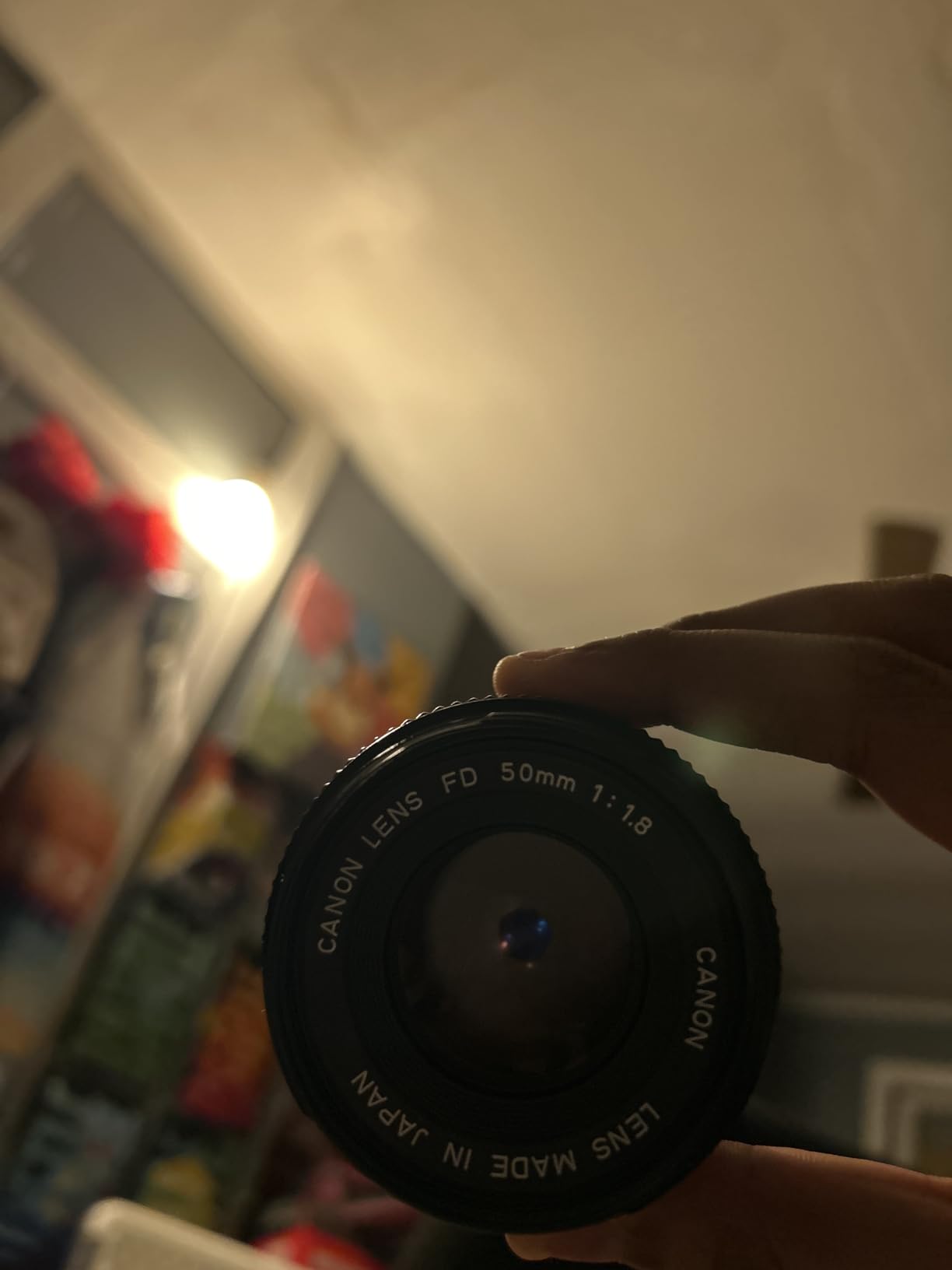
The Canon FD 50mm f/1.8 is often called the “nifty fifty” of the vintage world, and for good reason. This compact prime offers remarkable optical quality for its size and price. I adapted one to my Fujifilm X-T4 last year, and it quickly became my go-to walkaround lens.
With a 46-degree angle of view and fast f/1.8 aperture, this lens covers the standard focal length that works for everything from street photography to casual portraits. The Super Integrated Coating helps control flare better than earlier Canon lenses, making it more usable in challenging light.
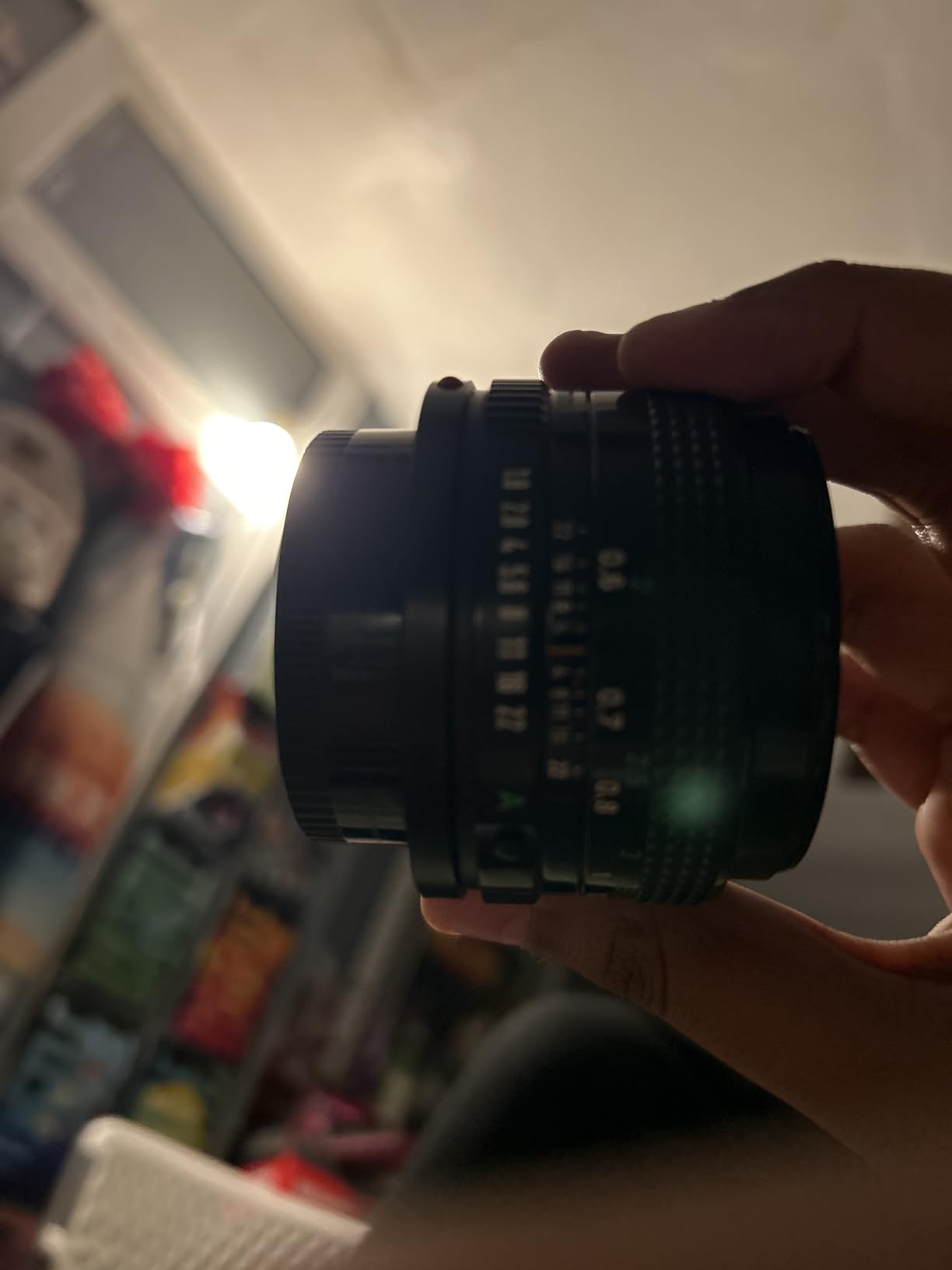
The FD mount uses a breech-lock mechanism that some find awkward, but once adapted to mirrorless, you simply set the lens to manual and control aperture via the ring. The compact size balances well on even smaller mirrorless bodies like the Sony A6xxx series or Fujifilm X-E line.
Image quality is surprisingly sharp for a budget lens, especially when stopped down to f/4 or f/5.6. Wide open at f/1.8, you get pleasing softness in the corners that works well for environmental portraits and lifestyle shots.
Who Should Buy This Lens
Canon FD lenses are excellent for those just starting their vintage lens journey. The mount is common, adapters are affordable, and the optical quality is consistent. This 50mm f/1.8 is particularly well-suited for travel photographers who need a compact, capable prime that won’t weigh down their bag.
Students and budget-conscious shooters will appreciate that you can often find these for under $100 in good condition. The 0.25-pound weight makes it barely noticeable on a mirrorless camera, perfect for all-day shooting.
Who Should Skip This Lens
Purchasing renewed vintage lenses sight unseen carries risk. If you need guaranteed optical perfection, buying from KEH Camera or another reputable dealer with grading systems makes more sense than Amazon renewed options. Serious portrait photographers may prefer the f/1.4 version for shallower depth of field.
The 50mm focal length can feel restrictive for some shooting styles. If you prefer wider angles or need telephoto reach, this lens will sit in your bag unused.
4. Canon FD 50mm f/1.4 – Fast Aperture
Pros
- Dreamy stylized look with soft rendering
- Great condition of the item
- Fast f/1.4 aperture for low-light
- Popular for shallow depth of field
Cons
- Very hazy at open settings
- Some copies arrived with fungus
- Not ideal for sharp high-contrast results
The Canon FD 50mm f/1.4 represents a significant step up from its f/1.8 sibling, offering a full stop more light and noticeably shallower depth of field. I acquired mine from a retired photographer who had owned it since the 1980s, and the metal construction exudes quality that modern plastic lenses cannot match.
At f/1.4, this lens produces a dreamy, almost ethereal quality that portrait photographers crave. The rendering is softer than modern 50mm lenses, with a gentle glow wide open that flatters skin tones and creates separation from backgrounds. Stop down to f/2.8 or f/4, and sharpness improves dramatically.
The FD mount requires a simple adapter for mirrorless use. I use a basic Fotodiox adapter on my Canon R6, and the combination works flawlessly. The manual focus ring is well-damped and precise, making it easy to nail focus using the camera’s magnification and peaking features.
Who Should Buy This Lens
Portrait and lifestyle photographers will love the f/1.4 aperture for creating subject separation and beautiful bokeh. The dreamy rendering at wide apertures is perfect for engagement shoots, senior portraits, and artistic work where clinical sharpness is not the goal.
Low-light shooters benefit from the extra stop compared to the f/1.8 version. Wedding photographers shooting evening receptions or event shooters in dim venues will appreciate the additional light gathering.
Who Should Skip This Lens
Those seeking edge-to-edge sharpness at f/1.4 will be disappointed. This lens performs best around f/4-5.6 for critical sharpness. Landscape photographers and architecture shooters should look elsewhere or plan to stop down significantly.
Condition matters enormously with these vintage lenses. Copies with fungus, haze, or oil on the aperture blades will produce poor results. Buy from sellers with good return policies or established dealers who grade their inventory accurately.
5. Nikon AI-S 50mm f1.8 – Razor Sharp
Pros
- Awesome lens with crisp image quality
- New favorite lens for casual photography
- Well-dampened and smooth focusing
- Built like a tank
Cons
- Missing lens caps on some orders
- Focus ring can be stiff
- Occasional oil on aperture blades
The Nikon AI-S 50mm f/1.8, often called the “pancake” version due to its slim profile, is arguably the sharpest vintage 50mm you can adapt to mirrorless cameras. When I first tested one on my Nikon Z6, I was stunned by the micro-contrast and edge sharpness that rivaled modern lenses costing ten times as much.
This late-period manual focus lens represents the pinnacle of Nikon’s classic optical design. The 7-blade aperture produces smooth, rounded bokeh when stopped down, and the compact pancake design makes it an ideal travel companion. At just 0.7 radians angle of view, it sees the world exactly as your eyes do.
On mirrorless cameras, the Nikon F mount offers advantages over other vintage systems. The flange distance works well with adapters, and Nikon Z cameras in particular maintain excellent compatibility with F-mount glass. Focus peaking is accurate and reliable with this lens.
Who Should Buy This Lens
Sharpness fanatics who want vintage character without sacrificing technical performance will love this lens. The AI-S version is particularly well-corrected for a lens of its era, making it suitable for landscapes and architecture where corner performance matters.
Street photographers benefit from the compact size and discrete profile. The pancake design does not attract attention like larger modern lenses, and the manual focus operation slows you down in a good way, encouraging more deliberate composition.
Who Should Skip This Lens
While the AI-S is excellent, it lacks the extreme character of lenses like the Helios. If you are seeking wild bokeh or dreamy rendering, this Nikon might feel too clinical. The pancake design also means the focus ring is smaller and less comfortable for extended use than larger vintage lenses.
Nikon Z shooters should note that while F-mount adapters work well, you will not get autofocus or EXIF data. If those features matter to you, Nikon’s modern Z-mount primes might be a better investment despite the higher cost.
6. Voigtlander Nokton Classic 40mm F1.4 – Premium Pick
Pros
- Simply amazing lens performs beautifully
- Great price for quality light-gathering
- Compact and elegant design
- Excellent optics sharp stopped down
Cons
- Lens cap is delicate and bumps off easily
- Aperture ring too easy to turn
- Focus shift at F2.8 and F4
- Slight back-focus on digital
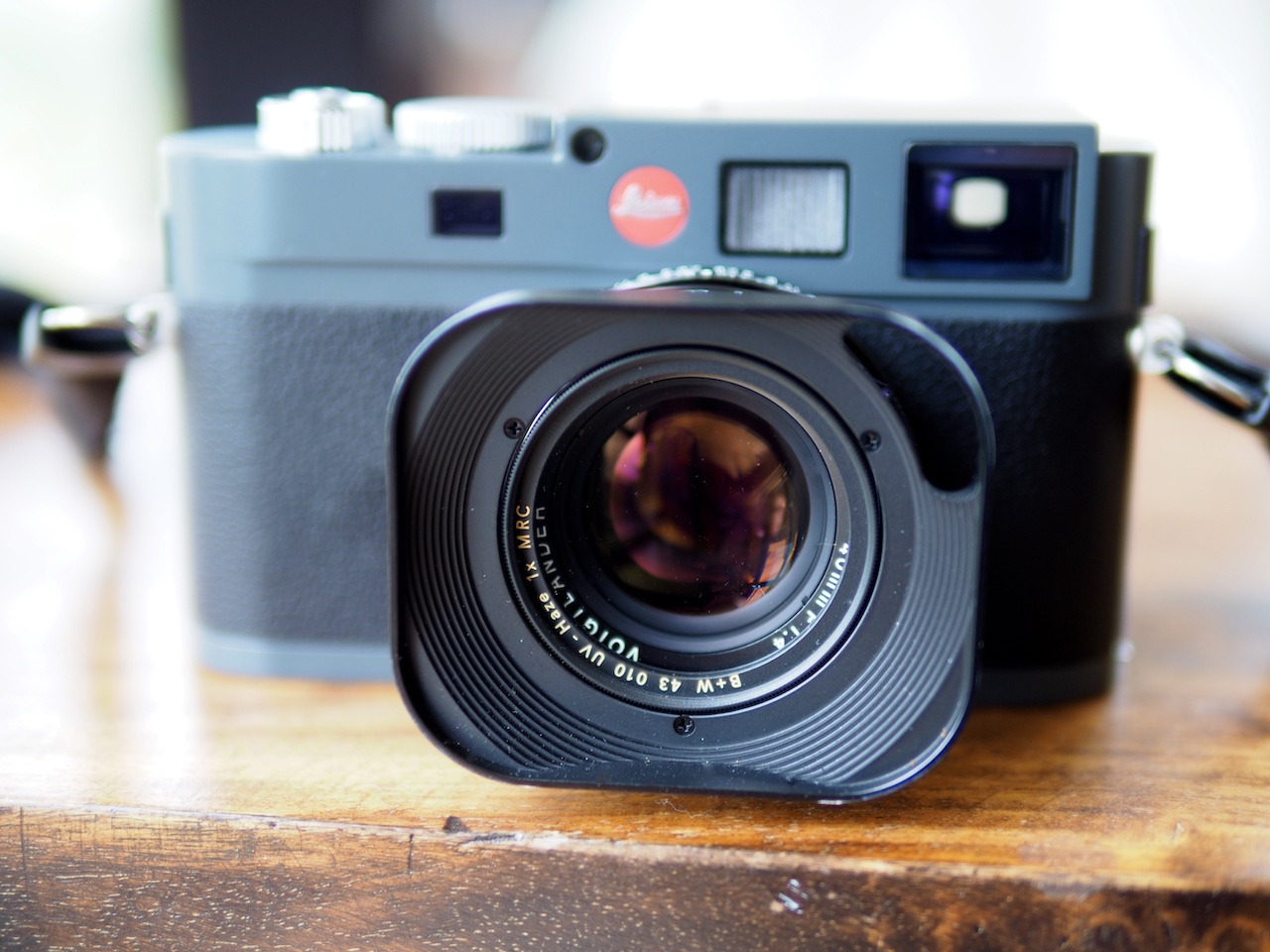
The Voigtlander Nokton Classic 40mm f/1.4 represents a different category of vintage-adjacent glass. Unlike true vintage lenses, this is a modern manual focus lens built to exacting standards with Leica M mount compatibility. I consider it “vintage-friendly” because it delivers classic rendering with modern reliability.
At 40mm, this lens hits a sweet spot between the standard 50mm and wide 35mm focal lengths. The 56-degree field of view feels natural for documentary work, and the compact 175g weight makes it barely noticeable on any camera body. The 10-blade aperture produces some of the smoothest bokeh I have ever seen.
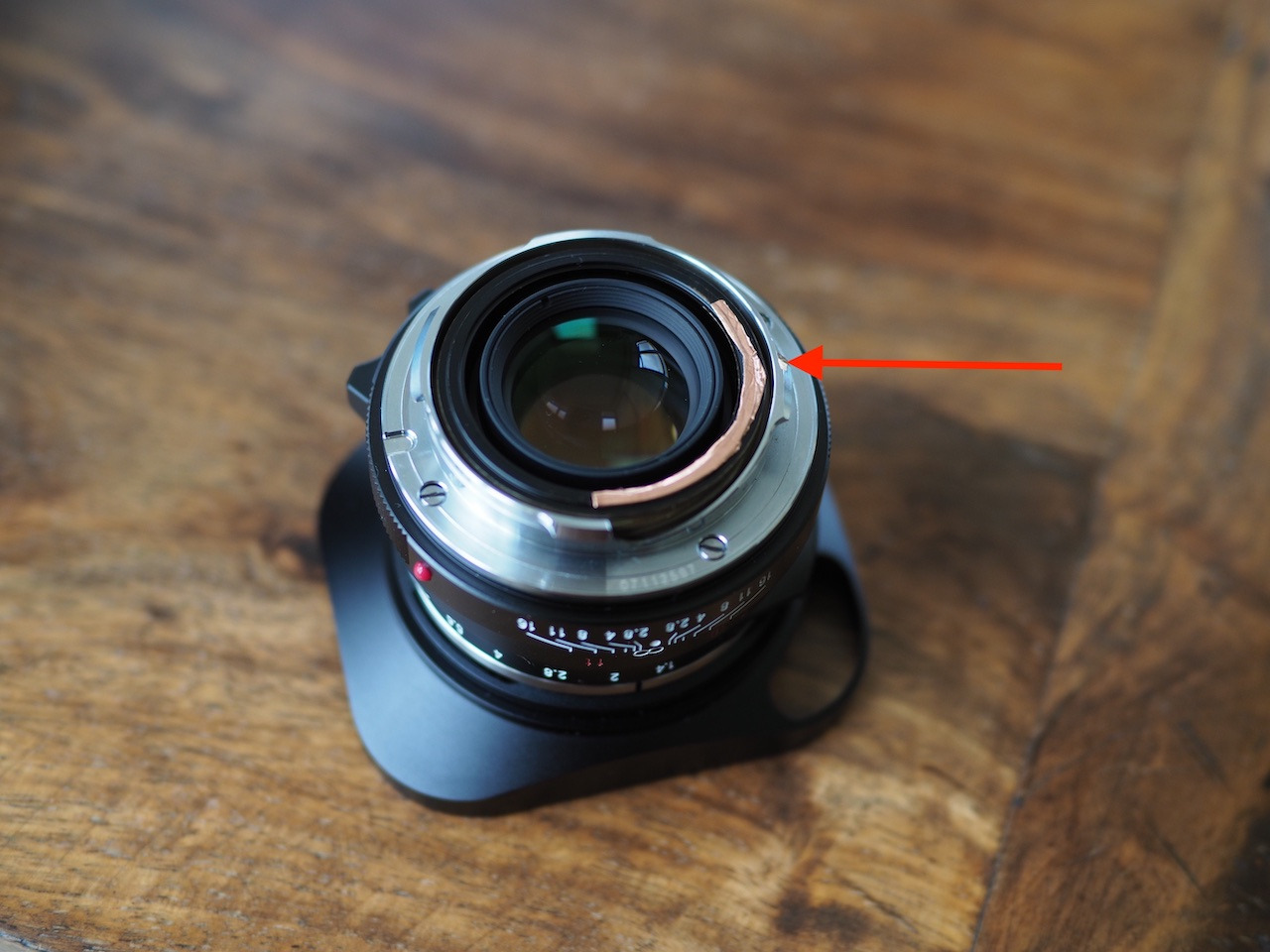
Adapting Leica M mount lenses to mirrorless requires a thin adapter that maintains the precise flange distance. On my Sony A7C, this combination is almost laughably compact, producing a setup that fits in a coat pocket yet delivers professional image quality. The multi-coated optics resist flare better than true vintage glass.
Build quality is exceptional with this Japanese-made lens. The focus tab is positioned perfectly for zone focusing, and the aperture clicks are distinct without being stiff. It feels like a precision instrument in hand.
Who Should Buy This Lens
Leica M shooters obviously benefit most, but mirrorless users seeking a premium manual focus experience will appreciate the Nokton. The 40mm focal length is ideal for documentary, travel, and environmental portraiture. Those wanting “one lens” for street photography should strongly consider this focal length.
Video shooters benefit from the smooth aperture ring and long focus throw. The consistent T-stop and clickless aperture options (on some versions) make this popular for indie filmmakers seeking a cinematic look without cinema lens prices.
Who Should Skip This Lens
Perfectionists bothered by focus shift should be aware that this lens exhibits some focus shift between f/1.4 and f/4. This is a characteristic of the optical design and not a defect, but it requires technique to manage. Those wanting autofocus or weather sealing will need to look elsewhere.
The price is significantly higher than true vintage options. If you are experimenting with legacy glass to see if you like manual focus, start with a $50 Helios before investing in the Voigtlander.
7. Voigtlander Nokton 35mm f/1.4 II – Wide Angle
Pros
- Classic for a reason excellent value
- Compact and characterful build
- High-quality distinctive character
- Great low-light performance
Cons
- QC issues with fiber between glass
- Some vignetting wide open
- Focus throw is long
- Manual focus requires practice
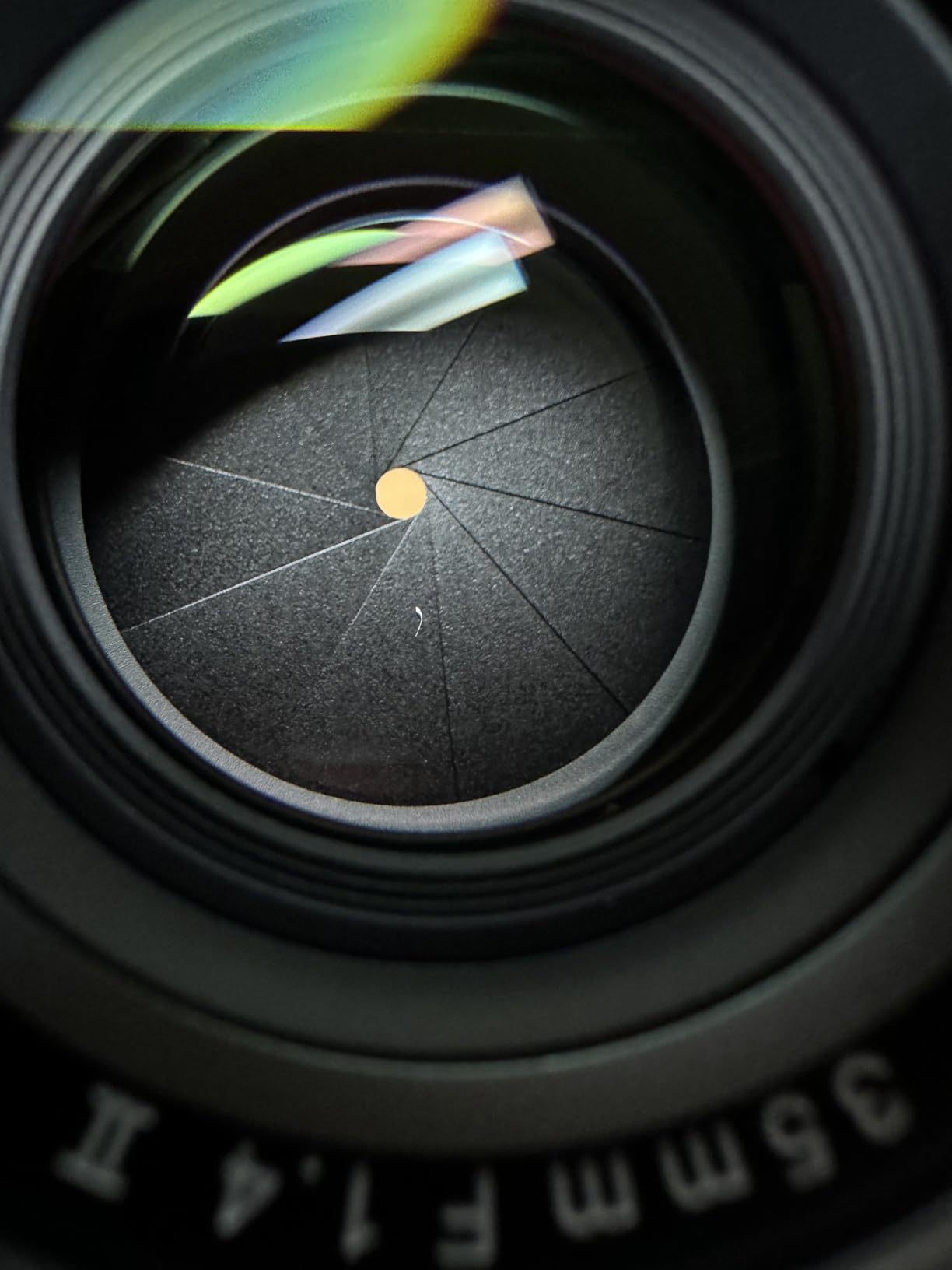
The Voigtlander Nokton 35mm f/1.4 II is an updated version of Cosina’s popular wide-angle rangefinder lens, featuring improved multi-coating and optical tweaks over the original. The 35mm focal length is the classic wide-standard that street photographers have favored for decades.
With a 63-degree field of view, this lens sees slightly wider than the human eye, making it perfect for environmental portraits, street scenes, and documentary work. The f/1.4 aperture allows for subject isolation even at this wider focal length, a combination that is rare and valuable.
On mirrorless cameras, the 35mm focal length works beautifully for everyday shooting. I have used this lens on both full-frame and APS-C bodies, and the results are consistently pleasing. The multi-coated version handles backlighting significantly better than the original, reducing the purple fringing that plagued earlier copies.
The compact size belies the solid metal construction. At just 7 ounces, it balances well on even the smallest mirrorless bodies. The 43mm filter thread is small and affordable for those who want to add protection or creative filters.
Who Should Buy This Lens
Street photographers and documentary shooters will appreciate the 35mm focal length for capturing context while maintaining intimacy. The fast f/1.4 aperture means you can shoot in dimly lit environments without cranking ISO. Wedding photographers shooting receptions will find this invaluable.
Those seeking a Leica aesthetic without Leica prices will find the Voigtlander a compelling alternative. The character is similar at a quarter of the cost, making it accessible to serious enthusiasts.
Who Should Skip This Lens
The lower rating reflects some quality control issues that have affected batches of this lens. Reports of foreign material between elements are concerning, so buying from authorized dealers with good return policies is essential. If you get a good copy, it is stellar; if you get a problematic one, exchange it immediately.
The vignetting wide open can be significant, requiring correction in post-processing. If you prefer distortion-free, even illumination from edge to edge, modern autofocus 35mm lenses from Sony, Nikon, or Canon will perform better.
8. Pentax Asahi Super Takumar 50mm f1.4 – Legendary Warmth
PENTAX Pentax Asahi Super Takumar 50mm f1.4 M42 Screw Munt Prime Lens for SLR DLSR Cameras (Renewed)
Pros
- Well refurbished and in great shape
- Hard to believe it is 50 years old
- Fully serviced and functional
- Legendary warm tones
Cons
- Limited availability only 2 left
- Premium pricing for renewed condition
The Pentax Asahi Super Takumar 50mm f/1.4 is one of the most celebrated vintage lenses ever made. Produced in Japan during the 1960s and 70s, these M42 screw-mount lenses are sought after for their warm color rendering, smooth bokeh, and exceptional build quality. When I finally acquired one, I understood why collectors hoard them.
The Super Multi-Coated (SMC) version represents the pinnacle of Takumar optical design. The 8-blade aperture creates gorgeous sunstars when stopped down, and the 42mm filter thread accommodates readily available accessories. On mirrorless cameras, this lens delivers a look that modern software filters struggle to replicate authentically.
Image quality is remarkable for a lens of this vintage. Wide open at f/1.4, you get a soft, glowing quality perfect for portraits. Stop down to f/2.8 or f/4, and the lens sharpens considerably while maintaining that characteristic warmth in the color rendering.
Who Should Buy This Lens
Portrait photographers who want genuine vintage character without the quirks of Soviet-era glass will find the Super Takumar ideal. The warm color rendering flatters skin tones beautifully, and the build quality means it will likely outlast your camera body.
Collectors appreciate the historical significance of the Takumar line. These lenses represent Japanese optical manufacturing at its finest during the golden age of film photography. Owning one connects you to that heritage.
Who Should Skip This Lens
Availability and pricing have become issues as demand has increased. These lenses command premium prices in good condition, and buying renewed from Amazon carries some risk despite the return policy. If you are on a tight budget, the Helios or Canon FD options offer better value.
The M42 mount, while adaptable to everything, requires an additional adapter compared to native mirrorless lenses. If you prioritize convenience over character, modern autofocus 50mm lenses will serve you better despite lacking the Takumar’s soul.
What to Consider When Buying Vintage Lenses?
Adapting vintage lenses to modern mirrorless cameras opens creative possibilities, but there are important factors to understand before diving in. After spending three years shooting exclusively with adapted glass, I have learned what matters most.
Adapter Types and Quality
Not all adapters are created equal. Cheap adapters from unknown brands often have tolerance issues that prevent achieving infinity focus. I recommend sticking to established brands like Fotodiox, K&F Concept, or Novoflex for critical work. For most vintage lenses, a simple “dumb” adapter is all you need, transferring no electronics between lens and camera.
Some systems offer “smart” adapters that maintain electronic aperture control or even autofocus with certain lenses. These cost significantly more and add bulk, but can be worthwhile for specific workflows. For the vintage lenses in this guide, manual adapters are the standard approach.
Mount Compatibility
Mirrorless cameras from Sony, Nikon, Canon, and Fujifilm all work well with vintage lens adapters thanks to their short flange distances. Sony E-mount and Nikon Z-mount have the most adapter options due to their popularity. Canon RF mount adapters are becoming more available as the system matures.
M42 screw-mount lenses like the Helios and Super Takumar offer the best cross-platform compatibility. A single M42 lens can move between Sony, Nikon, Canon, and Fujifilm systems just by swapping inexpensive adapters.
Condition Checks
When buying vintage lenses, inspect for fungus, haze, separation, and oil on aperture blades. Fungus appears as white spiderweb patterns inside the glass and will spread if left untreated. Haze reduces contrast and is often caused by deteriorating lens cement.
Test the focus ring for smooth operation and the aperture blades for snappy movement. Stiff focus rings can often be serviced, but damaged aperture mechanisms may require professional repair. Buying from reputable dealers with grading systems like KEH Camera reduces these risks significantly.
Focus Peaking Setup
Manual focus on mirrorless cameras relies heavily on focus peaking and magnification. Configure your camera to enable focus peaking with a color that contrasts with your subject (I prefer red or yellow). Set up a custom button to quickly activate magnification for critical focus.
Each camera brand implements focus peaking differently. Sony offers the most customization options, while Fujifilm’s split-image manual focus assist works particularly well with vintage lenses. Spend time learning your specific camera’s focus assist features before shooting important work.
Frequently Asked Questions
Can you use old lenses on mirrorless cameras?
Yes, old lenses can be used on modern mirrorless cameras through mount adapters. Mirrorless cameras have a shorter flange distance than DSLRs, which creates space for adapters that position vintage lenses at the correct distance from the sensor to maintain infinity focus. Almost any vintage lens with a manual aperture ring can be adapted to Sony E-mount, Nikon Z, Canon RF, Fujifilm X, and Micro Four Thirds systems.
Do lens adapters affect quality?
Quality lens adapters from reputable brands do not noticeably affect image quality. They are essentially metal spacers that maintain the correct flange distance. However, cheap adapters may have manufacturing tolerances that prevent achieving infinity focus or cause misalignment. Stick to established brands like Fotodiox, K&F Concept, or Novoflex for best results. The glass in speed booster adapters can affect image quality, but simple metal adapters do not.
What vintage lenses are easiest to adapt?
M42 screw-mount lenses like the Helios 44-2 and Pentax Super Takumar are easiest to adapt because adapters are inexpensive and widely available for all mirrorless systems. Canon FD lenses are also popular due to their good value and optical quality. Nikon F-mount lenses work well but require adapters with corrective optics for some mirrorless systems to achieve infinity focus. Leica M rangefinder lenses are compact and high quality but command premium prices.
Do you lose quality with an EF to RF adapter?
Canon’s official EF to RF adapters maintain full optical quality with zero image degradation. These adapters are essentially pass-through designs with electronic contacts that preserve autofocus, aperture control, and EXIF data. Third-party EF to RF adapters vary in quality, so stick to Canon’s official adapters or well-reviewed alternatives from reputable manufacturers. Unlike adapting vintage lenses, modern EF to RF adapters maintain all electronic functionality.
Conclusion
The best vintage lenses to adapt on modern mirrorless cameras offer something that modern glass cannot replicate: character. Whether you choose the swirling bokeh of the Helios 44-2, the razor sharpness of the Nikon AI-S, or the legendary warmth of the Pentax Super Takumar, each lens brings a unique personality to your images.
Start your vintage lens journey with the Helios-44-2 for its unbeatable price and distinctive look, then expand your collection as your needs grow. The Canon FD 50mm f/1.8 offers excellent value for beginners, while the Voigtlander Nokton lenses provide premium build quality for serious enthusiasts.
Remember that vintage lens photography is as much about the experience as the results. Slowing down to manually focus, appreciating mechanical aperture rings, and embracing optical imperfections connects you to photography’s history while creating images that stand apart from the crowd in 2026.