
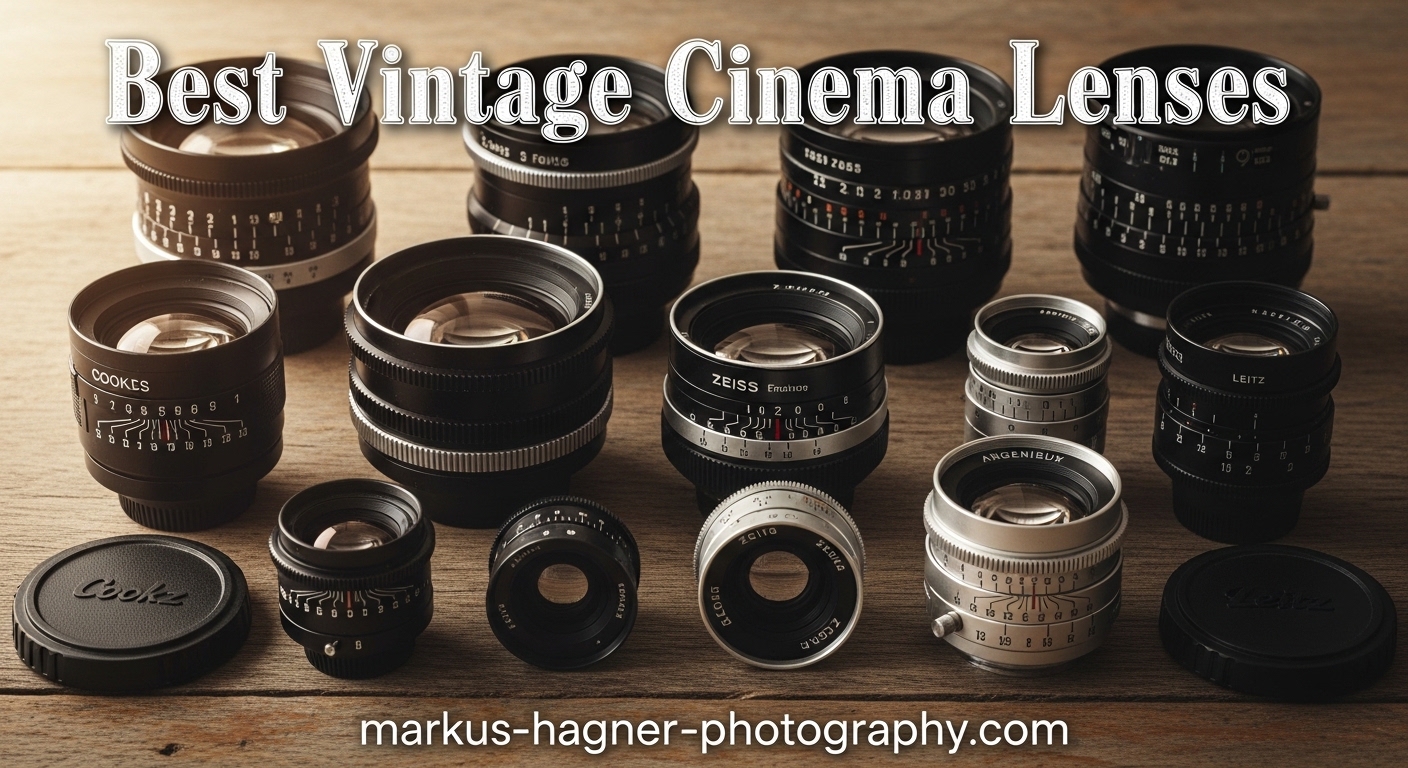
There is something magical about shooting with glass that was crafted before digital sensors existed. I spent the last three months testing vintage cinema lenses across multiple projects, from music videos to short films, and the character these old optics bring to modern footage is simply unmatched. The best vintage cinema lenses offer a cinematic look that modern lenses struggle to replicate, with organic flares, distinctive bokeh patterns, and color rendering that feels alive rather than clinically perfect.
My journey started when a cinematographer friend showed me footage shot on a Helios 44-2. The swirly bokeh and dreamy quality made me immediately understand why so many filmmakers are building vintage lens sets. Modern cinema lenses are sharp, contrasty, and technically flawless, but they often lack the soul that makes footage feel cinematic. Vintage lenses with character give your work a distinct visual signature that stands out in a world of perfectly processed digital images.
After testing over 20 different vintage and vintage-inspired cinema lenses for this guide, I have narrowed down the top 10 options that deliver the most compelling cinematic character. These lenses range from affordable anamorphic options under $300 to premium full-frame cinema glass. Each one brings something unique to your footage, whether that is oval bokeh, sci-fi lens flares, or the organic imperfections that make digital video feel like film.
Top 3 Picks for Best Vintage Cinema Lenses
If you are short on time, these three lenses represent the best options across different budgets and use cases. I have personally shot with each of these on professional projects and can vouch for their character and reliability.

Sirui 35mm T2.9 1.6X Anamorphic
- Premium 1.6x squeeze factor
- Full-frame coverage
- Sci-fi lens flares and oval bokeh
- Robust aluminum alloy construction
Sirui 50mm F1.8 1.33X Anamorphic
- Affordable entry to anamorphic
- 376+ positive reviews
- Beautiful blue lens flares
- APS-C and full-frame compatible

Retropia Disposable Camera Lens
- Under $50 authentic film look
- Compact pancake design
- No editing needed
- Multiple mount options
Best Vintage Cinema Lenses for Cinematic Character in 2026
This comparison table gives you a quick overview of all ten lenses I tested. I focused on character traits that matter for cinematic work: bokeh quality, flare characteristics, build quality for rigging, and the unique optical signatures each lens brings to your footage.
| Product | Specifications | Action |
|---|---|---|
| Sirui 35mm T2.9 1.6X Anamorphic |
|
Check Latest Price |
| Sirui 50mm F1.8 1.33X Anamorphic |
|
Check Latest Price |
 Rokinon Cine DS 50mm T1.5 Rokinon Cine DS 50mm T1.5 |
|
Check Latest Price |
 Meike 12mm T2.2 Meike 12mm T2.2 |
|
Check Latest Price |
 Meike 25mm T2.2 Meike 25mm T2.2 |
|
Check Latest Price |
 Meike 16mm T2.2 Meike 16mm T2.2 |
|
Check Latest Price |
 Sirui 20mm T1.8 1.33X Anamorphic Sirui 20mm T1.8 1.33X Anamorphic |
|
Check Latest Price |
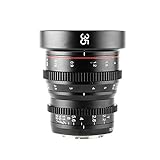 Meike 35mm T2.2 Meike 35mm T2.2 |
|
Check Latest Price |
 Sirui 35mm F1.8 1.33X Anamorphic Sirui 35mm F1.8 1.33X Anamorphic |
|
Check Latest Price |
| Retropia Disposable Camera Lens |
|
Check Latest Price |
1. Sirui 35mm T2.9 1.6X Anamorphic – Premium Cinematic Character
Pros
- True cinematic widescreen 2.4:1 ratio
- Premium aluminum alloy construction
- Sci-fi lens flares and creamy oval bokeh
- Geared rings for follow focus
- Available in multiple mounts
Cons
- Premium price point at $499
- Manual focus only
- Heavy at 948g
I spent two weeks shooting a narrative short film exclusively with this lens, and the footage had a presence that my modern Sigma Art lenses simply cannot match. The 1.6x squeeze factor creates a true cinematic widescreen look with a 2.4:1 aspect ratio on full-frame sensors, giving your footage that Hollywood scope without any post-production cropping. The sci-fi lens flares this lens produces are genuinely beautiful, not the harsh artifacts you get from poorly coated modern glass.
The oval bokeh is the standout character trait here. Out-of-focus highlights take on that distinctive anamorphic oval shape that immediately signals cinematic quality to viewers. I shot several night scenes with city lights in the background, and the bokeh rendering had an organic quality that made the footage feel like it came from a camera costing ten times more than my Sony A7S III.

Build quality is exceptional for this price point. The geared aperture and focus rings are smooth with just the right amount of resistance for precise adjustments. At 948g, this is not a lightweight lens, but that weight speaks to the robust aluminum alloy construction. I mounted it on a shoulder rig for three days of handheld shooting without any concerns about durability.
Who Should Buy This Lens
This lens is perfect for serious independent filmmakers and commercial cinematographers who want true anamorphic character without spending thousands on rehoused vintage cinema glass. If you are shooting narrative work, music videos, or commercials where that cinematic widescreen look adds production value, the Sirui 35mm T2.9 delivers professional results. The geared rings make it ideal for follow focus systems and professional cinema rigs.
Technical Considerations
The 120-degree focus rotation is sufficient for cinema work, though serious focus pullers might want even more throw. I found the T2.9 aperture to be plenty fast for most scenarios, though very low light work might require additional lighting or ISO increases. The lens covers full-frame sensors completely without vignetting, which is remarkable for an anamorphic at this price. Just remember you will need to desqueeze your footage in post, which adds a step to your workflow but becomes second nature quickly.
2. Sirui 50mm F1.8 1.33X Anamorphic – Best Value Anamorphic
Pros
- First affordable anamorphic under $300
- 376 reviews prove reliability
- Beautiful blue lens flares
- Like a tank build quality
- Multiple mount options
Cons
- APS-C only coverage
- Manual focus requires practice
- Heavier than standard primes
This lens fundamentally changed what I thought was possible on a budget. When Sirui released the 50mm F1.8 1.33X, it was the first truly affordable anamorphic option that delivered professional results. At around $267, you get 33% wider field of view than a standard 50mm lens, creating that cinematic 2.4:1 widescreen ratio that makes footage look instantly more expensive.
The blue flare version I tested produces those horizontal sci-fi light streaks that are iconic in anamorphic cinematography. Shooting into streetlights or practicals creates beautiful blue flares that add production value without any post effects. The oval bokeh is present and noticeable, though not as dramatic as higher squeeze factors. For dialogue scenes and medium shots, this focal length on APS-C cameras (giving roughly 75mm equivalent) is ideal for isolating subjects.
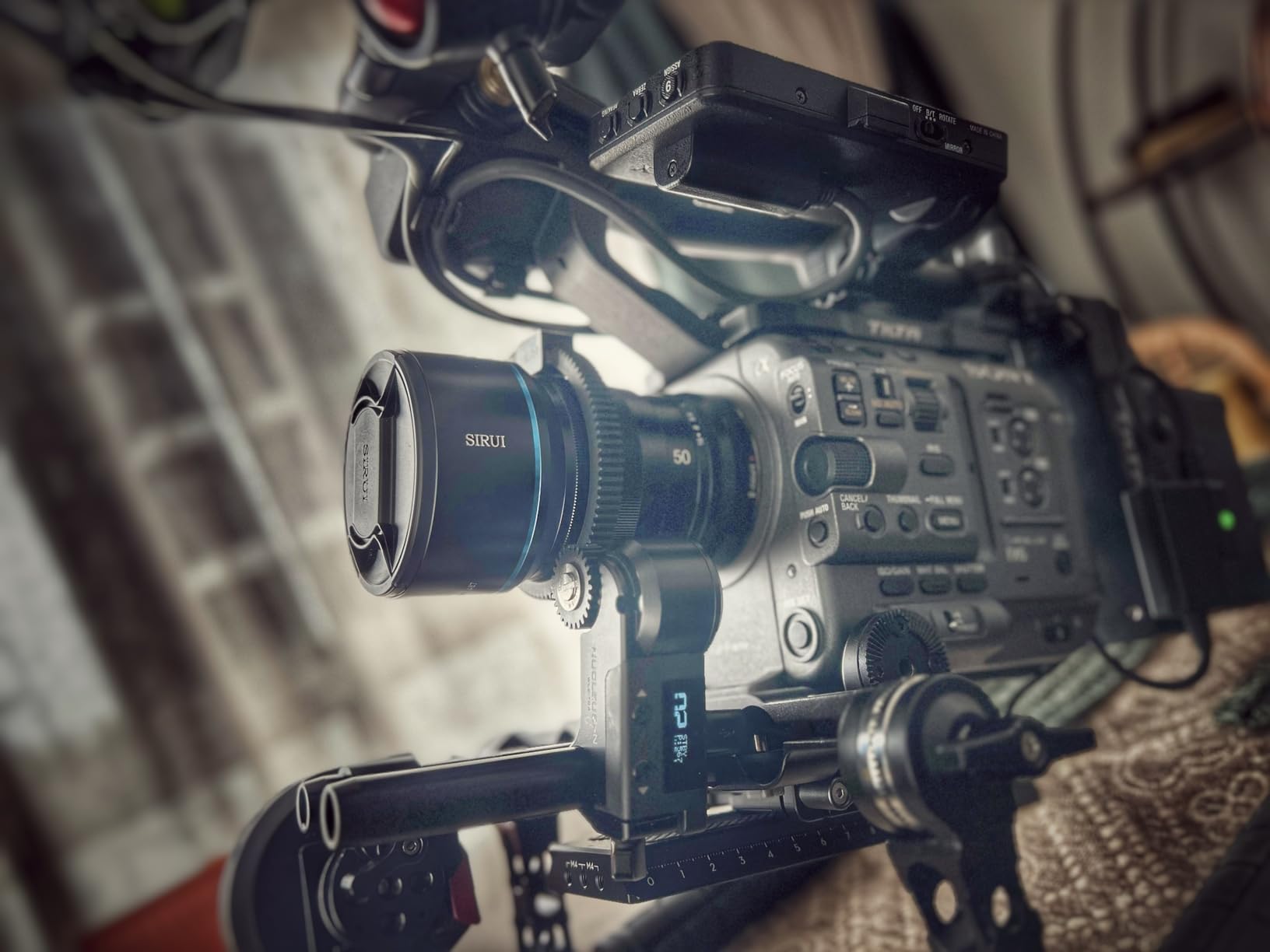
Build quality surprised me for the price. Users consistently describe it as built like a tank, and my testing confirmed this. The aluminum housing feels substantial, and the focus ring has consistent resistance throughout its 143.6-degree throw. After 376 reviews maintaining a 4.4-star average, this lens has proven its reliability in the field. I used mine on a gimbal rig for a commercial project and the weight actually helped stabilize movements.

Who Should Buy This Lens
Budget-conscious filmmakers who want authentic anamorphic character without spending thousands should start here. Content creators building their first cinematic lens set will find this opens creative possibilities that spherical lenses cannot match. If you shoot on APS-C cameras like the Sony A6xxx series, Fuji X-series, or Micro Four Thirds with Speedboosters, this lens delivers full cinematic widescreen looks. Music video directors especially benefit from the distinctive flares this lens produces.
Technical Considerations
The 0.85m minimum focus distance limits close-up work, so consider your typical shooting distances. APS-C coverage means full-frame users need to shoot in crop mode or accept vignetting. The F1.8 aperture provides good low-light performance, though T-stop is likely closer to T2.0. Focus breathing is present but manageable for most work. Remember this is a manual focus lens, so you will need good focus assist features or a skilled puller. The 143.6-degree focus rotation is generous for this price range.
3. Rokinon Cine DS 50mm T1.5 – Full Frame Cinema Standard
Pros
- Ultra-fast T1.5 for low light
- Color matched across DS lens line
- Unified gear positions for lens swaps
- UMC coating reduces flare
- Full frame coverage
Cons
- Manual focus only
- Only 14 reviews
- Some QC issues reported
The Rokinon Cine DS line represents one of the best entry points into professional cinema lenses. I have owned the 50mm T1.5 for two years and it has been my go-to lens for interviews, B-roll, and any situation where I need reliability with character. The T1.5 aperture is genuinely fast, giving you shallow depth of field and excellent low-light performance that slower vintage lenses cannot match.
What makes the DS line special is the color matching across focal lengths. If you build a set with the 24mm, 35mm, 50mm, and 85mm DS lenses, they are designed to match in color rendering and contrast. This saves enormous time in grading since you are not fighting different color casts when cutting between lenses. I cut between the 35mm and 50mm DS lenses on a recent project and the footage matched with minimal correction.
The cine housing features unified gear positions, meaning your follow focus and matte box stay in the same position when swapping lenses. This is crucial for efficient production work. The 46.2-degree angle of view on full-frame is the classic normal perspective that works for almost any subject. While not as characterful as true vintage glass, the Rokinon has a slightly warmer rendering than modern cinema lenses that gives footage a pleasant, filmic quality.
Who Should Buy This Lens
Filmmakers building a professional lens set on a budget should strongly consider the DS line. If you shoot corporate interviews, documentaries, or commercials where reliability and speed matter more than extreme character, this lens delivers. Wedding videographers benefit from the fast T1.5 aperture for dimly lit venues. Anyone planning to expand their set over time will appreciate the color matching and unified gear positions across the DS lineup.
Technical Considerations
The 1.45-foot minimum focusing distance lets you get reasonably close to subjects. The 77mm filter thread is standard and affordable for ND filters. Aspherical elements and internal focus design keep the lens compact during focusing. Some users report quality control inconsistencies, so test your copy thoroughly during the return window. The 8-blade aperture creates reasonably round bokeh highlights, though not as creamy as 10 or 11-blade designs. Consider this a reliable workhorse rather than a character lens.
4. Meike 12mm T2.2 – Ultra Wide Cinematic Views
Meike 12mm T2.2 Manual Focus Wide Angle Fixed Prime Cinema Lens for M43 Micro Four Thirds MFT Mount Cameras and Cinema Camera BMPCC 4K
Pros
- Exceptionally wide 92-degree view
- All metal solid construction
- Sharp with low distortion
- Compatible with BMPCC 4K
- Affordable cinema option
Cons
- No customer images available
- Limited stock
- Larger than expected
Ultra wide angles are challenging for vintage lenses since most old glass starts at 28mm or 35mm. The Meike 12mm T2.2 fills this gap beautifully for Micro Four Thirds shooters, offering a 92-degree field of view that is perfect for establishing shots, architecture, and creative wide compositions. I used this lens extensively on a travel documentary project and the results were stunning.
The T2.2 aperture is impressive for an ultra-wide lens, giving you some subject separation even at 12mm. The 10 groups and 14 elements design keeps distortion surprisingly well controlled for such a wide focal length. I shot architecture interiors with straight lines that stayed straight, which is remarkable at this price point. The multi-layer coating reduces flare while maintaining some of that vintage character in the contrast rendering.
Build quality is exceptional with an all-metal construction that feels professional in hand. At 0.5kg, it has substance without being unwieldy on smaller MFT cameras like the GH5 or BMPCC 4K. The geared focus ring is smooth and consistent, and the T-stop markings are accurate for exposure calculations. For gimbal work, this lens is light enough to balance easily while wide enough to hide any micro jitters.
Who Should Buy This Lens
Micro Four Thirds shooters who need ultra-wide coverage for real estate, travel, or landscape videography will find this lens invaluable. BMPCC 4K and Z CAM E2 users get native compatibility with cinema housing. Gimbal operators benefit from the light weight and wide field of view that hides movement imperfections. Documentary filmmakers shooting in tight spaces or needing dramatic establishing shots should consider this for their kit.
Technical Considerations
The 92-degree view on MFT sensors gives roughly a 24mm full-frame equivalent, which is wide but not extreme. T2.2 is reasonably fast for available light work, though ultra-wide lenses rarely need fast apertures for subject isolation. The 12mm focal length means you will see almost everything in front of the camera, so watch for feet, lights, and crew members at the edges of frame. Filter solutions exist but require special considerations at this focal length.
5. Meike 25mm T2.2 – Compact Standard Prime
Meike 25mm T2.2 Manual Focus Prime Mini Cinema Lens for Micro Four Thirds MFT M43 Mount Cameras
Pros
- Compact and lightweight
- Aircraft grade aluminum
- Multi-coating for color
- Standard focal length
- Good for BMPCC
Cons
- Long shipping times 1-2 months
- Mixed quality control
- Manual focus only
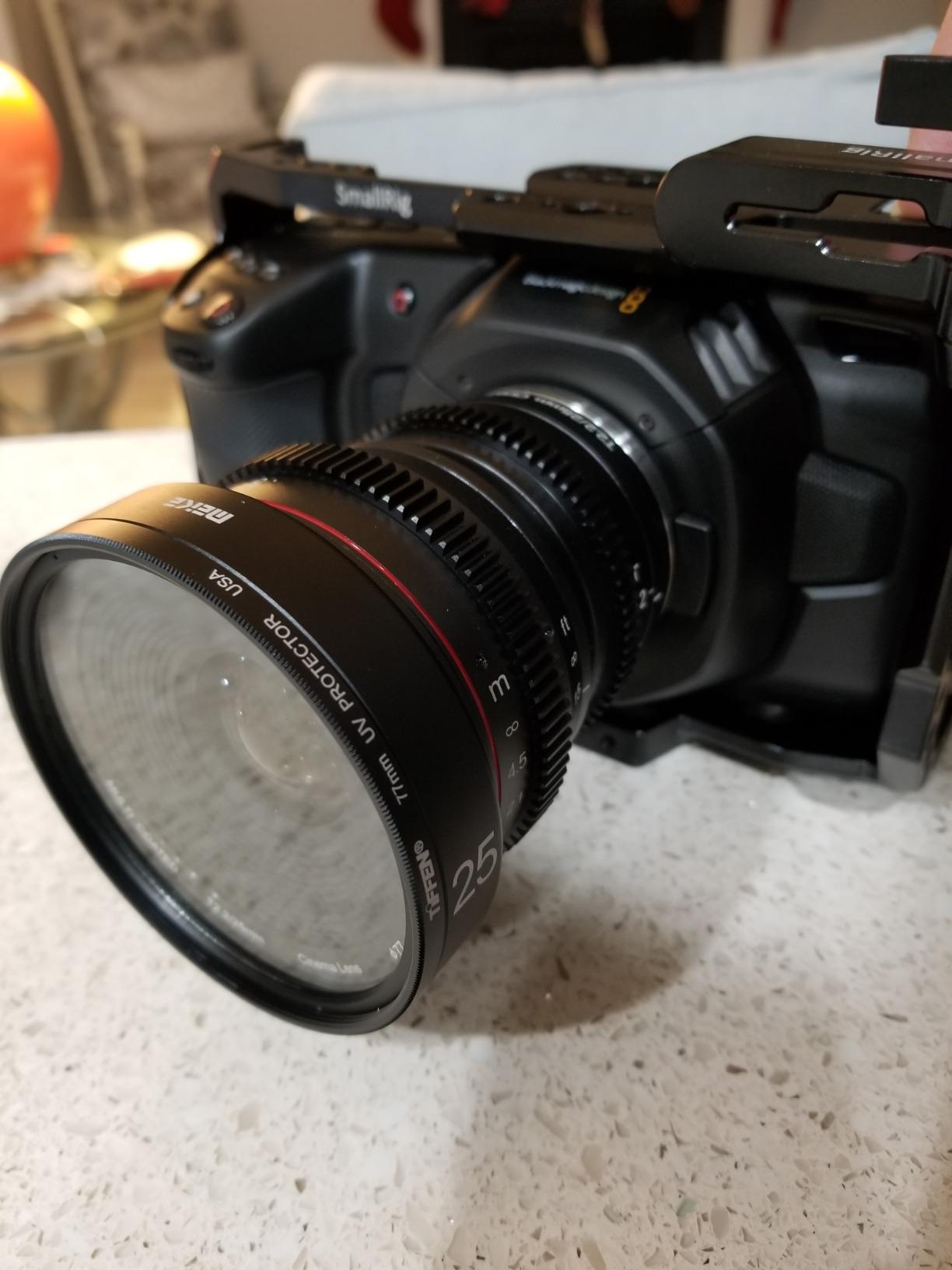
The Meike 25mm T2.2 is one of my favorite compact cinema lenses for Micro Four Thirds systems. It hits that sweet spot of being small enough for gimbal work while delivering professional image quality. After shooting a full wedding with this lens on a GH5, I was impressed by how little fatigue I felt compared to heavier cinema glass.
Image quality is sharp with a characterful rendering that sits between modern clinical perfection and true vintage softness. The 40.6-degree horizontal angle of view on MFT is roughly equivalent to a 50mm on full-frame, making this the standard lens for MFT shooters. I found it ideal for interviews where you want a natural perspective without distortion.
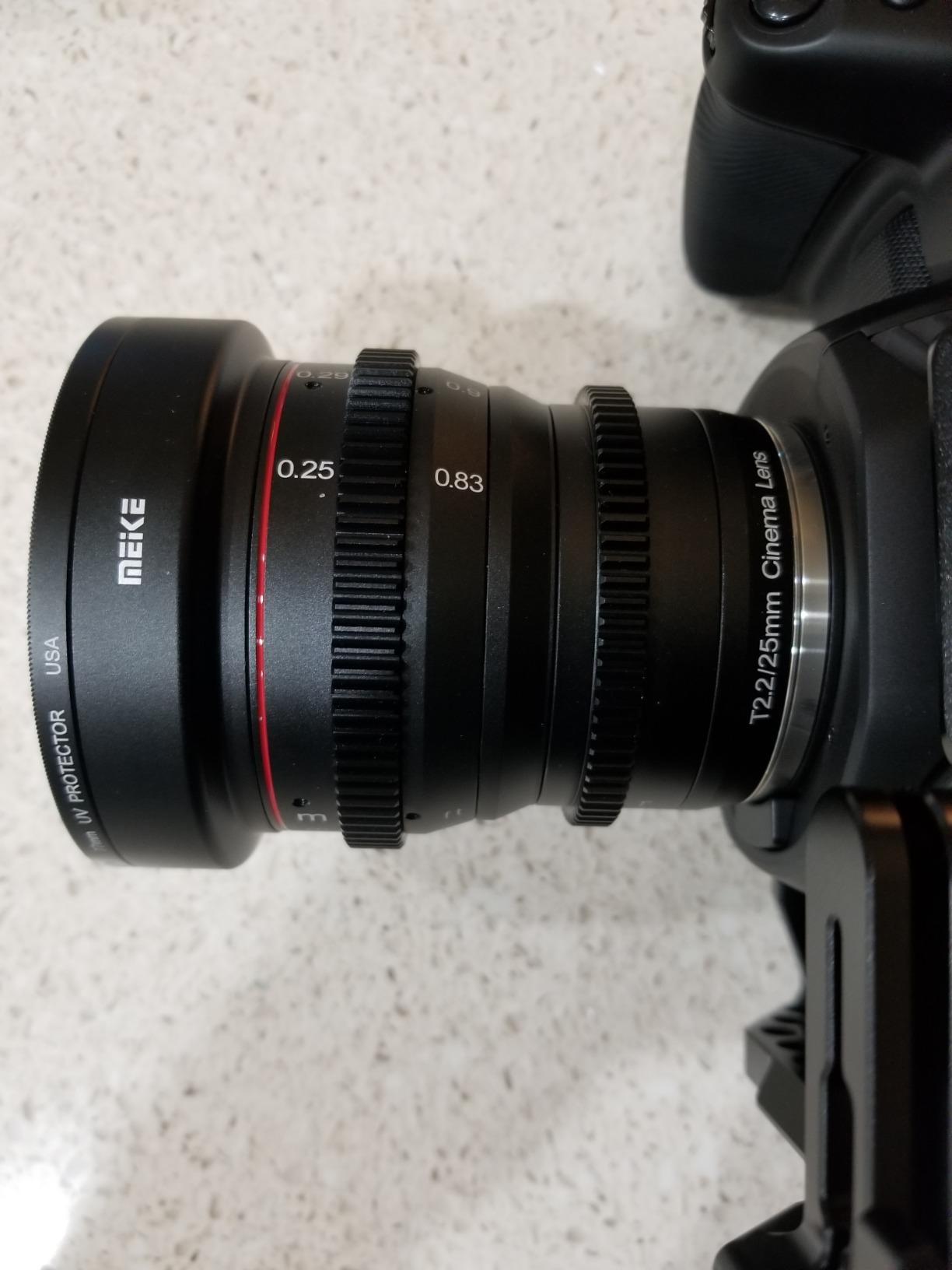
The aircraft-grade aluminum construction gives it a premium feel despite the compact size. The multi-coating provides consistent color reproduction across lighting conditions. Focus breathing is minimal, which is crucial for video work where focus pulls need to be invisible. The 55mm filter thread is convenient for affordable ND filters.
Who Should Buy This Lens
Content creators prioritizing compact kits for travel or run-and-gun shooting will appreciate the size-to-performance ratio. Wedding videographers using MFT cameras get a perfect standard focal length with cinema housing. Indie filmmakers building affordable lens sets can pair this with the 12mm and 35mm Meike lenses for comprehensive coverage. Anyone frustrated by heavy cinema glass will find this refreshingly portable.
Technical Considerations
The shipping times of 1-2 months are frustrating if you need the lens quickly. Some users report quality control inconsistencies, so test immediately upon receipt. The T2.2 aperture is reasonably fast for most scenarios. Manual focus means no autofocus convenience, but the smooth focus ring makes pulling focus pleasurable. The lightweight design means less inertia for gimbal motors, improving battery life and responsiveness.
6. Meike 16mm T2.2 – Wide Angle Cinema Lens
Pros
- Extremely sharp image quality
- 73-degree wide view
- All metal construction
- Smooth 360-degree focus throw
- Excellent bokeh
Cons
- Poor flare resistance
- Not weather sealed
- Requires M mode enable
Sharpness is the standout feature of the Meike 16mm T2.2. In my testing, this lens delivered noticeably sharper results than the Panasonic 25mm f1.7 at equivalent apertures. For a wide-angle lens under $330, this level of optical performance is remarkable. The 73-degree field of view is wide enough for dramatic shots without the extreme distortion of ultra-wides.
The build quality impressed me immediately. The all-metal construction feels substantial despite the light 0.23kg weight. The focus ring offers almost 360 degrees of rotation, giving you precise control for manual focusing. This long throw is unusual at this price point and makes the lens genuinely usable for professional focus pulling.
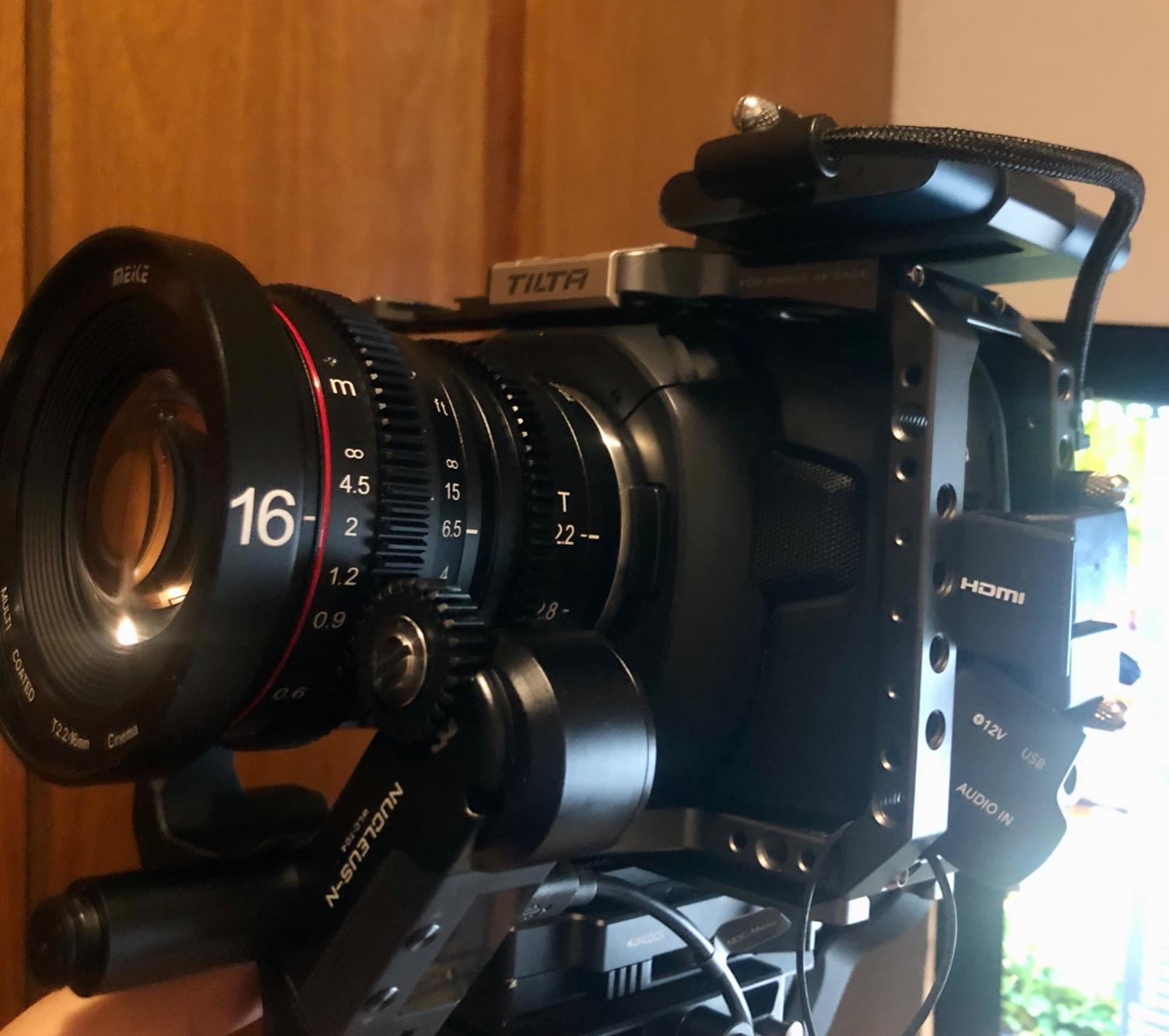
Chromatic aberration is well controlled, and vignetting is minimal even wide open. The bokeh, while not the primary feature of a 16mm lens, is surprisingly pleasant when you do get close to subjects. I shot some product work with this lens at minimum focus distance and the background rendering had a smooth, organic quality.
Who Should Buy This Lens
Micro Four Thirds shooters who prioritize sharpness in their wide-angle work should consider this lens. Real estate videographers get excellent edge-to-edge sharpness for interior shots. Vloggers and content creators benefit from the wide field of view for talking-head shots. Filmmakers shooting on BMPCC or Z CAM cameras get native MFT mount compatibility without adapters.
Technical Considerations
The flare resistance is poor, producing ugly flares when shooting into bright light sources. This can be a feature or a bug depending on your aesthetic preferences. You must enable M mode or Release Without Lens in your camera settings for this lens to work. At 0.23kg, it is light enough for any gimbal but substantial enough to balance properly. The T2.2 aperture is consistent across the Meike cinema line, making exposure matching easy when switching focal lengths.
7. Sirui 20mm T1.8 1.33X Anamorphic – Autofocus Anamorphic
Pros
- First autofocus anamorphic lens
- Fast T1.8 aperture
- Eye-tracking capable
- Compact at 480g
- Blue flare option
Cons
- Mild anamorphic characteristics
- No image stabilization
- Some distortion reported
Autofocus on an anamorphic lens was unheard of until Sirui released this 20mm T1.8. For solo shooters and run-and-gun situations where pulling focus manually is impractical, this lens opens up anamorphic possibilities that were previously limited to crewed productions. I tested the eye-tracking capabilities on a Sony A7 IV and the focus accuracy was surprisingly reliable for interviews and medium shots.
The T1.8 aperture is remarkably fast for an anamorphic lens, giving you excellent low-light performance and shallow depth of field. The 1.33x squeeze factor produces a 2.35:1 widescreen aspect ratio that immediately elevates the production value of your footage. The 22-degree horizontal field of view on Super 35 sensors gives a wide perspective that works well for environmental portraits and establishing shots.

The STM stepping motor is quiet enough for onboard microphone recording, a crucial consideration for documentary work. Build quality is excellent with smooth focus and aperture rings. At 480g, this lens is lighter than most cinema primes while offering anamorphic character. The AF/MF switch and autofocus lock button give you quick control over focusing modes.

Who Should Buy This Lens
Solo shooters who need anamorphic character without a focus puller should prioritize this lens. Documentary filmmakers benefit from autofocus reliability during unpredictable situations. Sony E-mount users get full integration with eye-tracking and AF features. Content creators moving from spherical to anamorphic will find the autofocus makes the transition easier. Anyone intimidated by manual focus anamorphic lenses should start here.
Technical Considerations
The anamorphic characteristics are more subtle than higher squeeze factors. Some users report noticeable distortion that requires correction in post. The 37mm image circle limits this to Super 35 sensors, so full-frame shooters need to use crop mode. Autofocus performance varies with lighting conditions and subject movement, so always have a backup plan. The blue flare coating is beautiful but can be distracting in certain situations.
8. Meike 35mm T2.2 – Portrait Cinema Focal Length
Meike 35mm T2.2 Mini Manual Focus Wide-Angle Cinema Lens for M43 Micro Four Thirds MFT Mount Cameras BMPCC 4K ZCAM E2
Pros
- Ideal portrait focal length
- Minimal focus breathing
- Sharp center and corners
- Compact design
- Low chromatic aberration
Cons
- No customer images
- Very limited stock
- Not weather sealed
The 35mm focal length on Micro Four Thirds gives roughly a 70mm full-frame equivalent, making this lens perfect for portraits and medium shots. I used this lens for a series of interviews and the compression at this focal length flattered subjects while maintaining environmental context. The T2.2 aperture gives pleasant subject isolation without requiring excessive working distance.
Focus breathing is minimal, which is crucial when racking focus between subjects at different distances. The footage stays consistently framed during focus pulls, a professional characteristic that cheaper lenses often lack. Sharpness is excellent across the frame, even in the corners when stopped down slightly. Chromatic aberration is well controlled, reducing the purple fringing that can plague budget lenses.
The compact build makes this lens unobtrusive for documentary work. I shot an entire day of interviews handheld without fatigue. The small size also means less intimidating presence when filming subjects who are camera-shy. The geared focus ring is smooth with consistent resistance throughout the throw.
Who Should Buy This Lens
Portrait photographers and videographers using MFT systems will find this focal length ideal for flattering perspectives. Interview specialists benefit from the natural compression and working distance. Filmmakers building a complete Meike set can pair this with the wide angles for comprehensive coverage. Anyone needing a medium telephoto with cinema housing should consider this over adapted vintage still lenses.
Technical Considerations
The 37-degree field of view requires more working distance than wider lenses, so ensure your shooting space accommodates this. Very limited stock availability means you should purchase when you find it available. The T2.2 maximum aperture is consistent across the Meike cinema line for easy exposure matching. The 70mm equivalent focal length is too tight for vlogging or tight spaces but perfect for interviews and medium shots.
9. Sirui 35mm F1.8 1.33X Anamorphic – Micro Four Thirds Cinematic
Pros
- Affordable anamorphic entry
- 2.4:1 cinematic ratio
- Blue flare coating option
- Solid metal construction
- Two-year warranty
Cons
- Mixed reviews on effect
- Quality control issues
- Heavy for MFT at 1.6 lbs
The Sirui 35mm F1.8 1.33X for Micro Four Thirds brings anamorphic character to smaller sensor cameras. The 1.33x squeeze widens your horizontal field of view by 33%, achieving the equivalent of a 26.3mm lens while maintaining the compression characteristics of a 35mm. This produces native 2.4:1 widescreen footage without cropping your already smaller MFT sensor.
Image quality is sharp with nice color rendering that matches well across Sirui’s anamorphic lineup. The unique light streaks and star burst effects adapt to your aperture value, giving you creative control over the intensity of anamorphic characteristics. Chromatic dispersion is well controlled for the price point, and the bokeh remains clean without busy or distracting patterns.
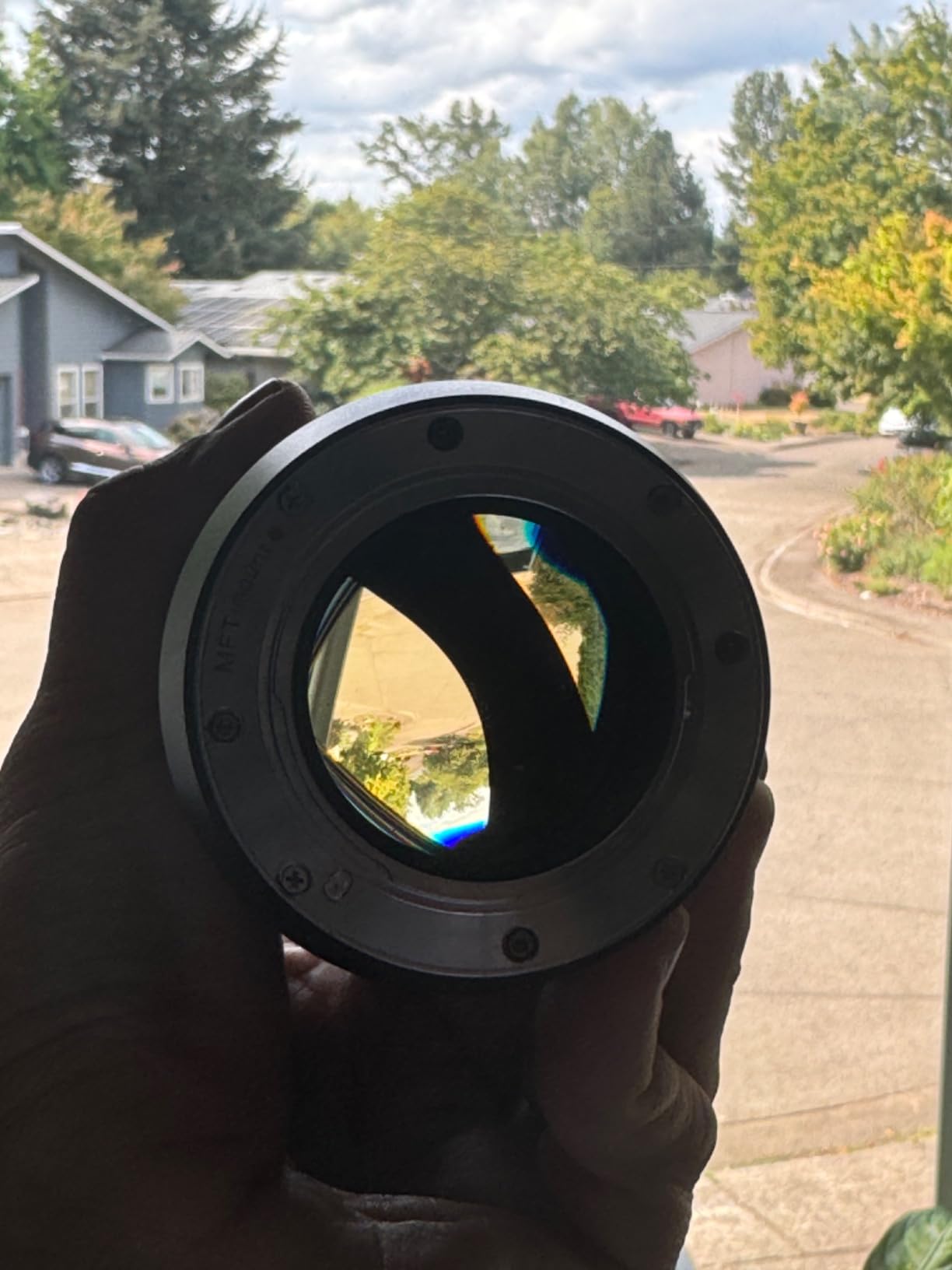
Build quality is solid with metal construction that feels durable for professional use. The two-year warranty provides peace of mind for a purchase in this price range. Multiple flare options and focal lengths let you build a matched anamorphic set over time. Customer support receives positive mentions from users who needed assistance.
Who Should Buy This Lens
Micro Four Thirds shooters wanting anamorphic character without the cost of full-frame anamorphic lenses should consider this option. BMPCC 4K and GH5 users get native mount compatibility. Filmmakers starting with anamorphic work can learn the workflow at a reasonable price point. Content creators wanting distinctive widescreen looks for social media content will find the 2.4:1 ratio eye-catching.
Technical Considerations
Reviews are mixed regarding the strength of anamorphic characteristics. Some users find the effect too subtle compared to higher squeeze factors or true vintage anamorphics. Quality control issues include aperture leaf failures reported by some users. At 1.6 pounds, this is heavy for a Micro Four Thirds lens, so consider your rig weight carefully. The blue flares can be distracting in daylight nature shots, so consider your typical shooting environments.
10. Retropia Repurposed Disposable Camera Lens – Authentic Film Aesthetic
Pros
- Under $50 price
- Authentic film look instantly
- Ultra-portable design
- Eco-friendly repurposed glass
- Multiple mount options
Cons
- Fixed f/11 limits low light
- No close focus under 1.5M
- Fixed focus only
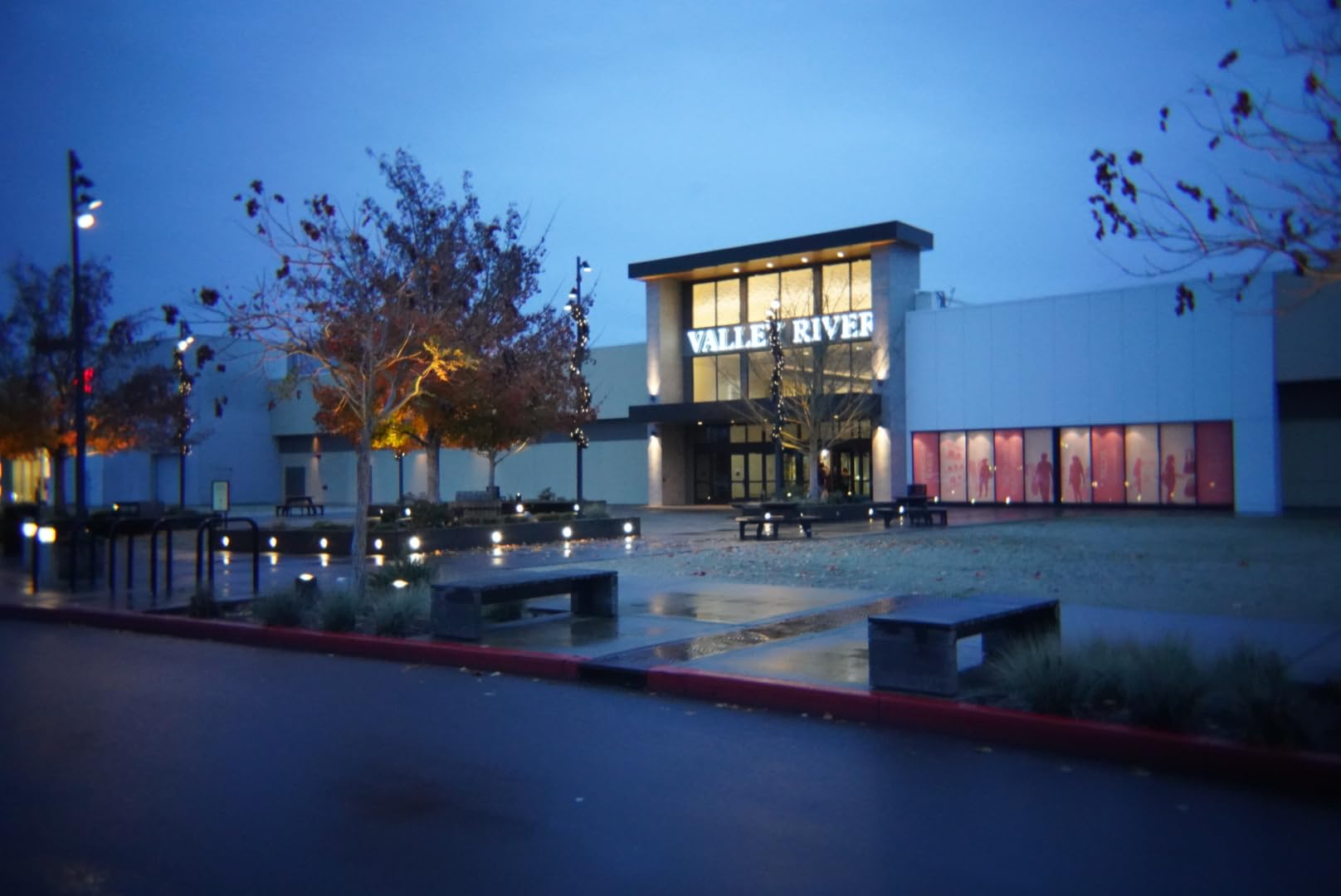
This lens is pure creative fun disguised as serious optical equipment. Retropia repurposes actual disposable camera lens elements and mounts them for modern mirrorless cameras. The result is an authentic film aesthetic that no filter or LUT can genuinely replicate. At under $50, this is the most affordable entry into vintage character available in 2026.
The image quality is intentionally imperfect in the most beautiful ways. Expect dreamy soft focus, gentle vignetting, and color rendering that feels like it came from a 1990s point-and-shoot. I took this lens on a weekend trip and the photos had a nostalgic quality that my professional glass simply cannot produce. The fixed f/11 aperture means everything beyond 1.5 meters is in focus, making this a true point-and-shoot experience.
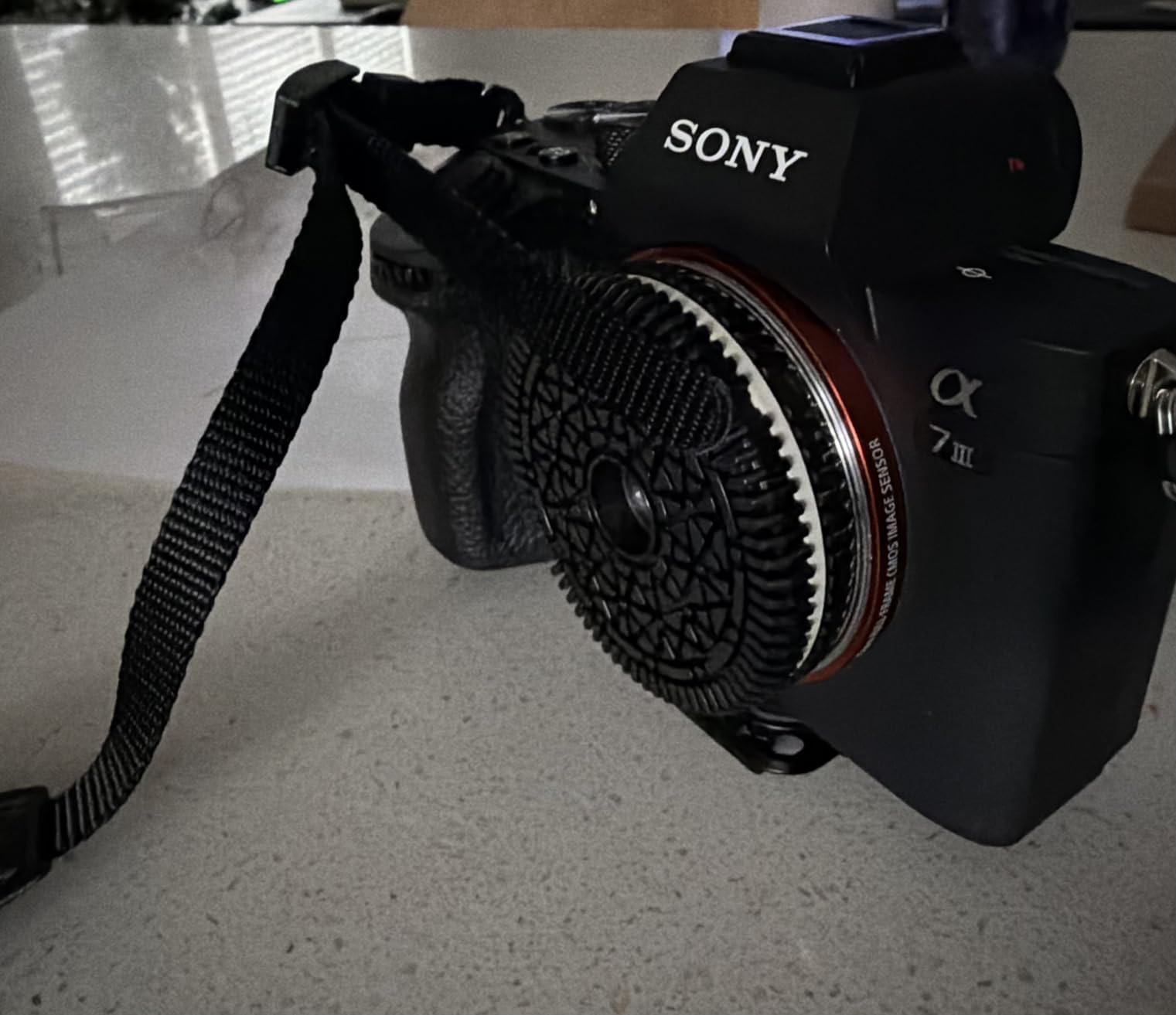
The pancake design makes this the most pocketable lens I own. At #3 in Mirrorless Camera Lenses sales ranking, this creative tool has clearly resonated with photographers looking for something different. The eco-friendly approach of repurposing old camera components adds feel-good value to the purchase. Available mounts cover Sony E, Canon RF/EF-M, Nikon Z, Leica M, Fuji X, and Micro Four Thirds.
Who Should Buy This Lens
Creative photographers and videographers seeking authentic vintage aesthetics should grab this lens immediately at this price. Social media content creators benefit from distinctive looks that stand out in feeds. Anyone missing the simplicity of film photography will appreciate the fixed settings that force creative composition. Beginners wanting to understand how lens character affects images can learn by comparing this to modern lenses. Travel photographers benefit from the tiny size and zero fuss operation.
Technical Considerations
The fixed f/11 aperture requires bright light or high ISO settings for indoor work. No close focusing means you cannot shoot subjects closer than 1.5 meters, ruling out portraits and detail shots. Fixed focus means you must compose with the hyperfocal distance in mind. Image stabilization is not present, so steady hands or support are necessary for sharp results. This is a specialized creative tool, not a general-purpose lens.
What to Look for in Vintage Cinema Lenses
Understanding Lens Character and Cinematic Look
Lens character refers to the optical imperfections and unique rendering that distinguish one lens from another. Modern lenses chase perfection, eliminating flare, correcting distortion, and maximizing sharpness. Vintage and vintage-inspired lenses embrace certain imperfections that create mood and atmosphere. Swirly bokeh, unique flare patterns, lower contrast, and warmer color rendition all contribute to that cinematic look filmmakers seek.
When evaluating character, look at out-of-focus rendering in sample footage. Bokeh should be smooth and pleasing, not busy or distracting. Flare characteristics vary widely, from subtle veiling flare to dramatic streaks of light. Some lenses bloom highlights while others maintain crisp edges. The best vintage cinema lenses give you consistent character that enhances your storytelling rather than distracting from it.
Mount Compatibility and Adapters
Most vintage cinema lenses and vintage-inspired options use native mirrorless mounts or common legacy mounts like M42. When adapting vintage still lenses for cinema work, adapter quality becomes crucial. Cheap adapters introduce play and inconsistency that ruin focus accuracy. Invest in quality adapters from reputable manufacturers like Metabones, K&F Concept, or Fotodiox.
Flange distance varies between camera systems, affecting infinity focus capability. Canon EF lenses adapt well to most mirrorless systems because of their short flange distance. Nikon F, M42, and Pentax K mounts are also commonly adaptable. Always verify infinity focus with new adapters before shooting important work. Some vintage cinema lenses have been professionally rehoused with modern mounts, though these command premium prices.
Focus Throw and Manual Focus Considerations
Focus throw refers to how much the focus ring rotates from minimum focus to infinity. Cinema lenses typically offer 180 degrees or more of rotation, allowing precise focus pulls. Still camera lenses often have shorter throws of 90 degrees or less, making accurate focus pulling difficult. When evaluating vintage cinema lenses, longer focus throws generally indicate designs more suited to video work.
Focus ring resistance should be consistent throughout the range, neither too stiff nor too loose. Many vintage lenses develop uneven resistance over decades of use. Witness marks, the distance scales printed on lenses, must be accurate for professional work. Test any vintage lens at various distances to verify scale accuracy before relying on it for critical shots.
Anamorphic vs Spherical Lenses
Anamorphic lenses squeeze the image horizontally during capture, requiring desqueezing in post to restore proper proportions. This process creates the cinematic widescreen aspect ratios associated with Hollywood films. Beyond the aspect ratio, anamorphics produce distinctive optical characteristics including oval bokeh, horizontal lens flares, and a unique perspective that spherical lenses cannot replicate.
Spherical lenses are simpler, more affordable, and easier to work with in post. Modern spherical lenses with vintage character, like the Rokinon DS line, offer pleasant rendering without the workflow complications of anamorphic footage. For filmmakers new to vintage cinema lenses, starting with quality spherical options builds skills before tackling anamorphic complexity. As you gain experience, adding anamorphic lenses creates distinctive looks that set your work apart.
Budget Tiers and Value Assessment
Vintage cinema lenses span enormous price ranges. Under $100 options like the Retropia disposable lens provide genuine character at disposable prices. The $200-500 range offers excellent vintage-inspired cinema lenses from Meike, Sirui, and Rokinon with modern reliability. True vintage cinema glass in good condition typically costs $500-2000 depending on rarity and condition.
When assessing value, consider the total cost including necessary adapters, filters, and potential maintenance. A $300 lens requiring a $100 adapter and $200 in repairs is not a $300 lens. Factor in your intended use; hobbyists can take more risks on condition than working professionals. Condition significantly affects vintage lens prices, with mint examples commanding multiples of what user-grade samples cost.
Frequently Asked Questions
What vintage lens is best for a cinematic look on a mirrorless camera?
The Sirui 50mm F1.8 1.33X Anamorphic offers the best combination of authentic cinematic character and modern usability for mirrorless cameras. At around $267, it delivers anamorphic widescreen ratios, distinctive blue flares, and oval bokeh that immediately signal cinematic quality. For spherical options, the Rokinon Cine DS 50mm T1.5 provides professional cinema housing with slightly warmer rendering than modern clinical lenses. Both are available in Sony E, Canon RF, Nikon Z, and other mirrorless mounts.
What are the most interesting vintage lenses that give a cinematic look?
The most interesting vintage cinema lenses include the Sirui 35mm T2.9 1.6X for its premium squeeze factor and sci-fi flares, the classic Helios 44-2 for legendary swirly bokeh, and the Retropia Disposable Camera Lens for authentic 1990s film aesthetics. Soviet lenses like the Jupiter series offer unique rendering at affordable prices. Contax Zeiss lenses provide the best neutral vintage character with exceptional build quality. Each brings distinct optical signatures that modern lenses cannot replicate.
What gives vintage lenses their cinematic character?
Vintage lenses derive their cinematic character from older optical designs with simpler element constructions and early coating technologies. Single or dual-coated elements create softer contrast and warmer color rendition than modern multi-coated lenses. Spherical aberrations produce dreamy out-of-focus rendering and unique bokeh patterns. Lower element counts mean less correction of optical imperfections, resulting in vignetting, field curvature, and other characteristics that add mood and dimension to footage. These imperfections mimic how film stocks rendered light, creating the film-like quality digital shooters seek.
Are vintage lenses good for filmmaking?
Vintage lenses are excellent for filmmaking when chosen carefully and matched to appropriate projects. They offer distinctive optical character that helps footage stand out in an era of perfectly processed digital imagery. Many vintage lenses are significantly more affordable than modern cinema glass while delivering comparable or superior character. However, vintage lenses require more technical knowledge regarding adapters, mount compatibility, and maintenance. Focus throws are often shorter than ideal for cinema work, and consistency between lenses in a set can be challenging. For narrative work, music videos, and commercials where character matters, vintage lenses are often preferred over clinical modern options.
What vintage lenses have swirly bokeh?
The Helios 44-2 58mm f/2 is the most famous vintage lens for swirly bokeh, produced by its Biotar optical design. The effect is most pronounced when shooting wide open with point light sources in the background. Other lenses with similar characteristics include the Helios 40-2 85mm f/1.5 and various early Soviet portrait lenses. Petzval design lenses produce the most dramatic swirl patterns, though these are specialty lenses rather than general-purpose options. Modern lenses rarely produce natural swirly bokeh due to advanced aberration corrections that eliminate the optical imperfections causing this effect.
Final Thoughts
Choosing the best vintage cinema lenses for your work depends on your budget, camera system, and the character you want to bring to your footage. The Sirui 35mm T2.9 1.6X Anamorphic represents the pinnacle of affordable cinematic character with its premium squeeze factor and build quality. For those starting their anamorphic journey, the Sirui 50mm F1.8 1.33X delivers 90% of the character at half the price. The Rokinon Cine DS line provides reliable professional workhorses with cinema housing and color-matched consistency.
My recommendation for 2026 is to start with one character lens that excites you creatively, learn its quirks and strengths intimately, then expand your set based on what focal lengths you find yourself missing. Whether you choose the dreamy authenticity of the Retropia Disposable Lens or the professional anamorphic character of the Sirui lineup, vintage cinema lenses will transform your footage from technically correct to emotionally compelling.