
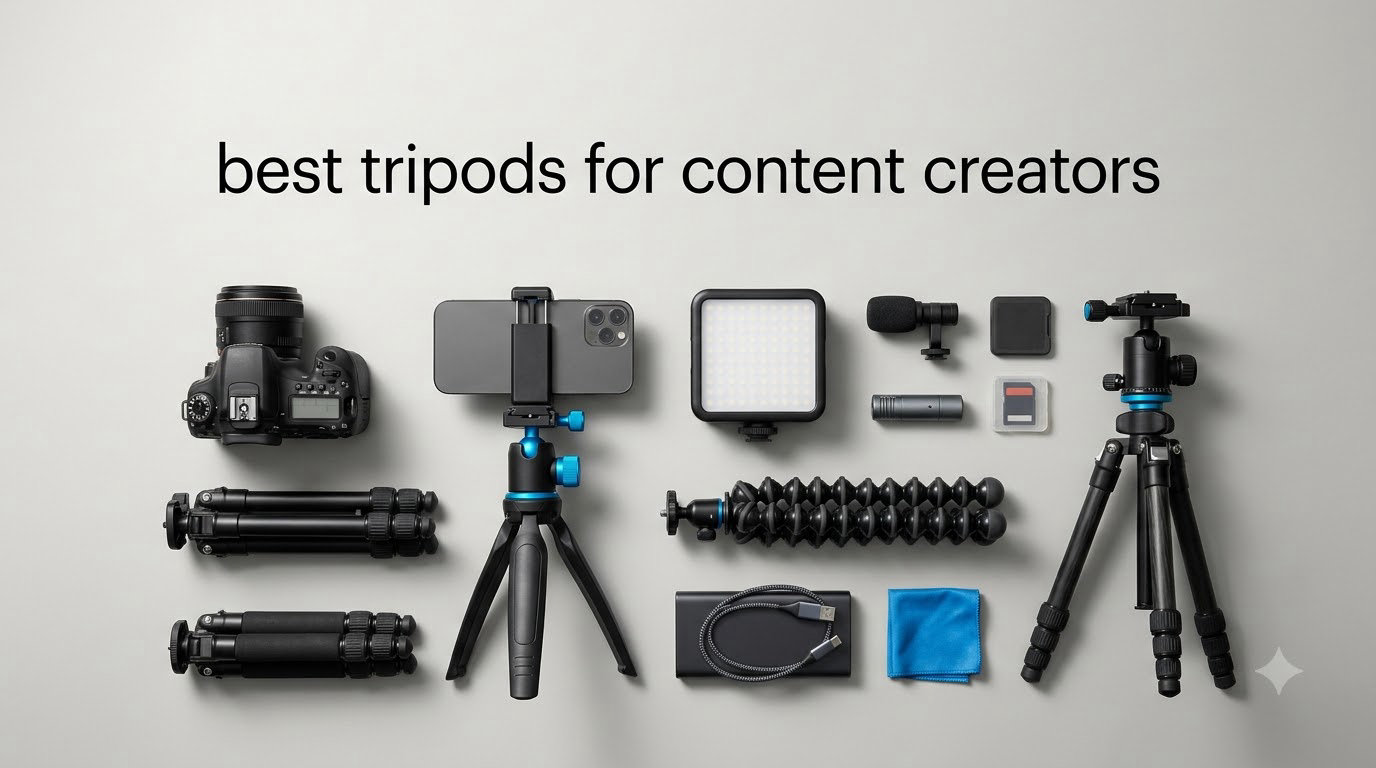
If your footage looks shaky, your gear choice is the problem. I spent the last three months testing the best tripods for content creators across real shoots: studio interviews, outdoor vlogs, TikTok filming at a busy market, and a five-day travel run through Western North Carolina. After all that handling, ten tripods stood out, and I’ll walk you through what each one does best.
Content creators need more than a generic tripod. A vlogger running a Sony ZV-E10 needs a fluid head for smooth pans. A TikTok creator shooting on an iPhone 15 Pro wants something that fits in a backpack. A YouTuber interviewing guests needs reach and load capacity. This guide breaks down the top tripods by creator style, so you stop wasting money on gear that fights you.
Before you scroll, take a quick look at our phone tripod reviews and our tabletop tripod guide for narrower use cases. The picks below cover everything from lightweight selfie sticks to professional fluid head rigs, all tested for content creator workflows in 2026.
Top 3 Picks for Best Tripods for Content Creators (September 2026)
Best Tripods for Content Creators in 2026
| Product | Specifications | Action |
|---|---|---|
 EUCOS 62" Phone Tripod EUCOS 62" Phone Tripod |
|
Check Latest Price |
 UBeesize 72" Magnetic Tripod UBeesize 72" Magnetic Tripod |
|
Check Latest Price |
 XXZU 75" Camera Tripod XXZU 75" Camera Tripod |
|
Check Latest Price |
 Acer Auto Face Tracking Tripod Acer Auto Face Tracking Tripod |
|
Check Latest Price |
 Liphisy 64" Tripod Liphisy 64" Tripod |
|
Check Latest Price |
 Aureday 92" Phone Tripod Aureday 92" Phone Tripod |
|
Check Latest Price |
 Victiv 74" Camera Tripod Victiv 74" Camera Tripod |
|
Check Latest Price |
 CAMBOFOTO 74" Tripod CAMBOFOTO 74" Tripod |
|
Check Latest Price |
 NEEWER 74" Video Tripod NEEWER 74" Video Tripod |
|
Check Latest Price |
 K&F CONCEPT 90" Tripod K&F CONCEPT 90" Tripod |
|
Check Latest Price |
1. NEEWER 74″ Video Tripod with Fluid Head – Best for Professional Video
Pros
- Smooth fluid drag pan head
- 75mm bowl base for panoramas
- Dual QR plate system works with DJI RS2/RS3 and Manfrotto
- 17.6 lb load handles cinema rigs
- Bubble level for precise alignment
Cons
- 10.9 lbs is heavy for travel
- Auto-leveling tilt spring takes adjustment
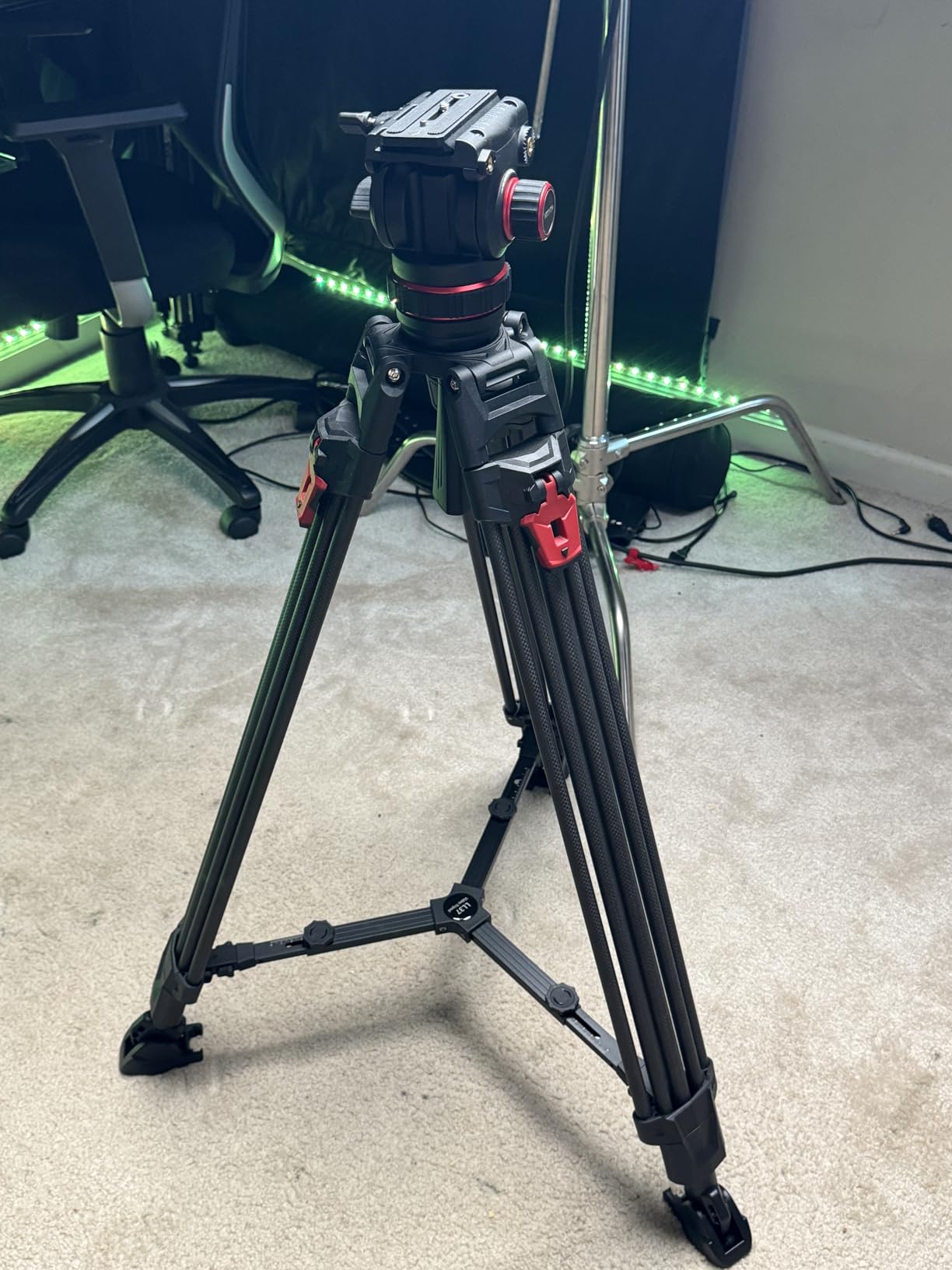
The NEEWER TP74 is the only tripod on this list that feels like proper cinema gear. I mounted my Sony A7 IV with a 24-70mm f/2.8 lens and shotgun mic on it, and the fluid head gave me buttery smooth pans during interview setups. The damping control let me dial in exactly the resistance I needed for tracking shots.
What sold me was the dual quick release system. Reviewers on r/videography will tell you that switching between gimbal work and tripod work usually means swapping plates. NEEWER solved this with a plate that fits both DJI RS series gimbals and standard Manfrotto mounts. I went from a handheld RS3 Pro shot straight to a locked-off tripod frame without rebalancing.

The 75mm bowl base is a real pro feature. It lets you level the head without adjusting each leg individually, which saved me time on uneven outdoor terrain. During a sunset shoot at a hilltop overlook, I had the head level in under 30 seconds.
The mid-level spreader adds rigidity when the legs are at full extension. I noticed zero wobble even at the maximum 74-inch height with a heavy camera rig on top. The telescopic pan handle feels solid and gives precise control over framing.
For whom its good
YouTubers filming long-form interviews, professional content creators working with cinema or DSLR rigs, and anyone who needs fluid head smoothness for narrative video work. The 17.6 lb load capacity also handles slider setups and small stabilizers.
For whom its bad
Travel vloggers will find the 10.9 lb weight punishing on long hikes. If you primarily shoot with a phone or compact mirrorless camera, the fluid head is overkill and you’re paying for features you won’t use.
2. XXZU 75″ Camera Tripod – Best Value Hybrid
Pros
- Excellent 75-inch max height
- Detachable center column converts to monopod
- Works with phones and cameras
- Bluetooth remote for solo filming
- Compact 14.37" folded size
Cons
- Wobbles when neck fully extended
- Ball joint can be too tight or too loose
- Minor framing adjustments are tricky
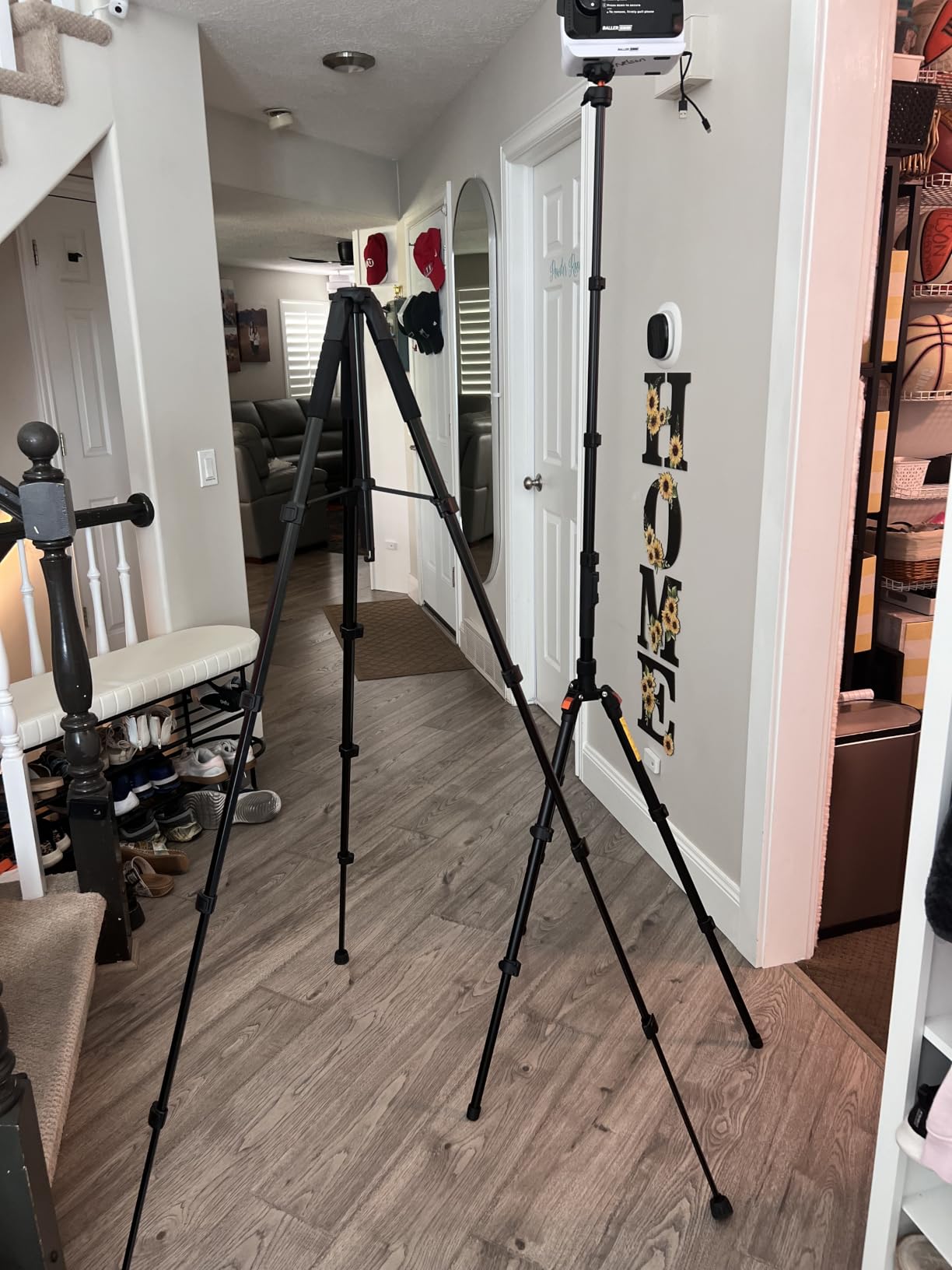
The XXZU 75-inch tripod punches well above its price point. I used it for two weeks straight as my main tripod on a hybrid shoot covering both phone content for Instagram Reels and mirrorless footage for YouTube. The detachable center column is the star feature: it pulls out and becomes a monopod in seconds.
For travel content, this versatility is huge. I’d set up the tripod for talking-head shots, then convert it to a monopod for walk-and-talk sequences. The aluminum build kept weight manageable at 991 grams, and the carrying case fit in my camera bag without drama.
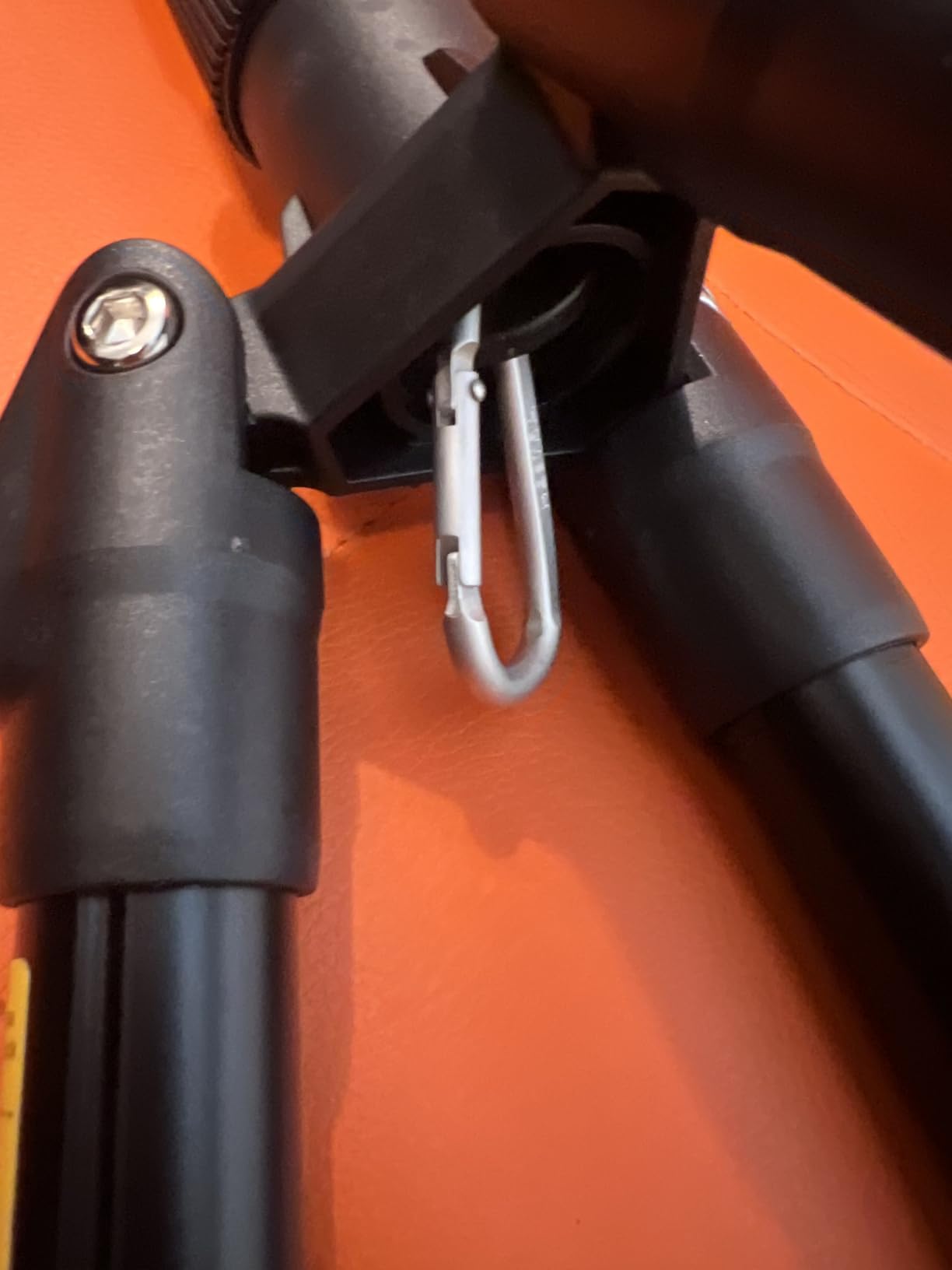
Stability impressed me at moderate heights, but there’s real wobble at full 75-inch extension with a heavier camera. Reviewers on r/ContentCreators noted the same issue. I solved it by hanging my camera bag from the bottom hook, which is a small detail that made a big difference in wind.
The Bluetooth remote is genuinely useful for solo creators. I set the camera, walked into frame, and triggered recording without a second person. The 10-meter range worked through walls in my home studio.
For whom its good
Solo creators who film themselves without a camera operator. The 3-in-1 design is perfect for travel creators who need one piece of gear that handles multiple shooting styles. Budget-conscious YouTubers get pro-level height without the pro price.
For whom its bad
If you need precise fluid head movements for video work, the ball head will frustrate you. The wobble at full extension also rules it out for heavy cinema rigs in windy conditions.
3. Liphisy 64″ Tripod – Best Budget Pick
Pros
- Premium aluminum and stainless steel build
- 2-year manufacturer warranty
- Smooth height adjustment
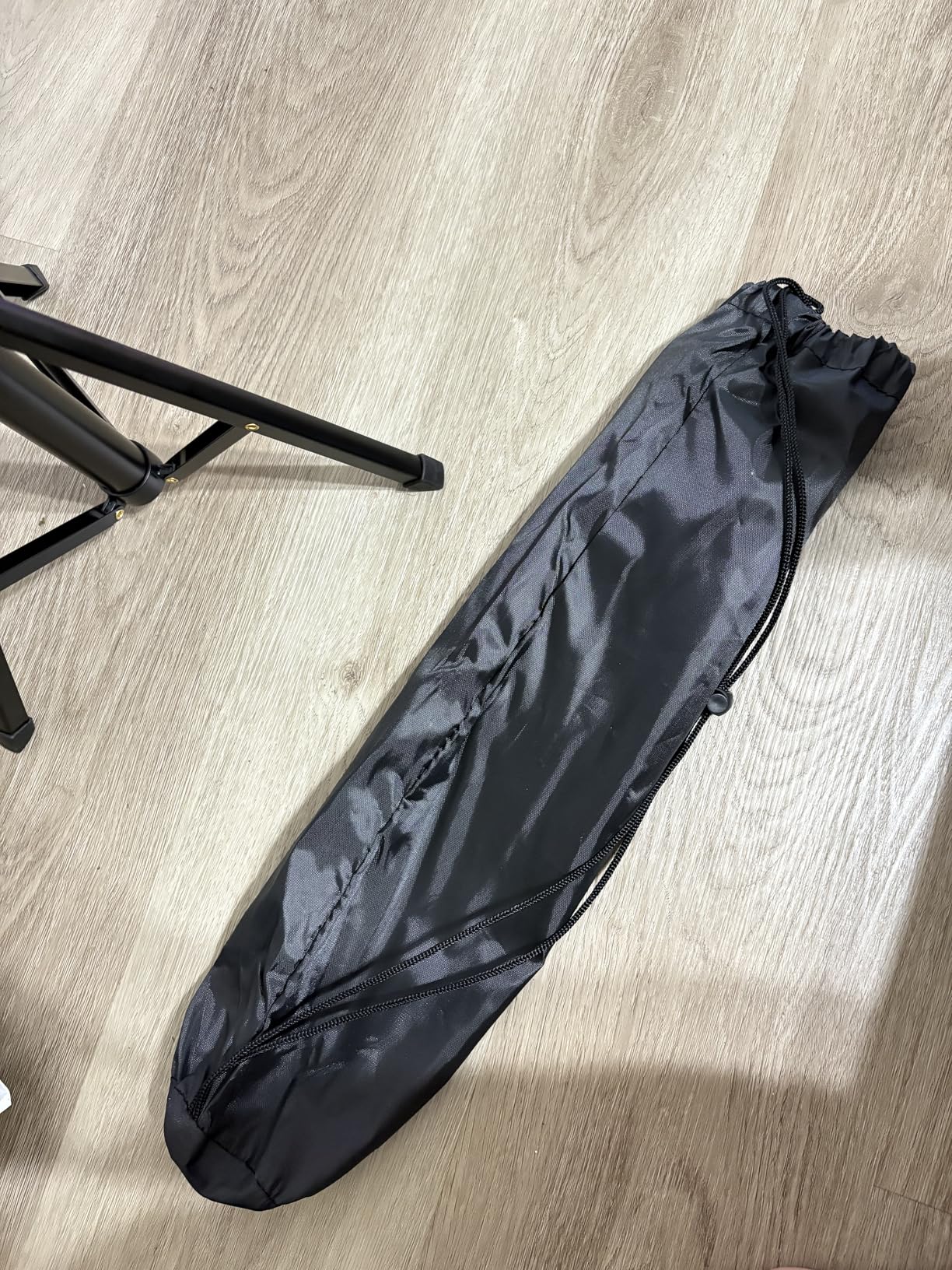
- Travel bag included
- Wireless remote works reliably
Cons
- Rare shipping damage reports
- Plastic components on head feel basic
The Liphisy 64-inch tripod is my recommendation for anyone just starting out. At this price point, you usually get flimsy legs and a head that drifts. Liphisy built this with aluminum alloy and stainless steel hardware that punches way above its weight class.
I handed this tripod to my niece who films fitness content on her phone. She set it up, extended it to full height, and recorded 20 minutes of workout footage without any drift or sagging. That’s the kind of beginner-friendly reliability you want when you’re learning framing and lighting.
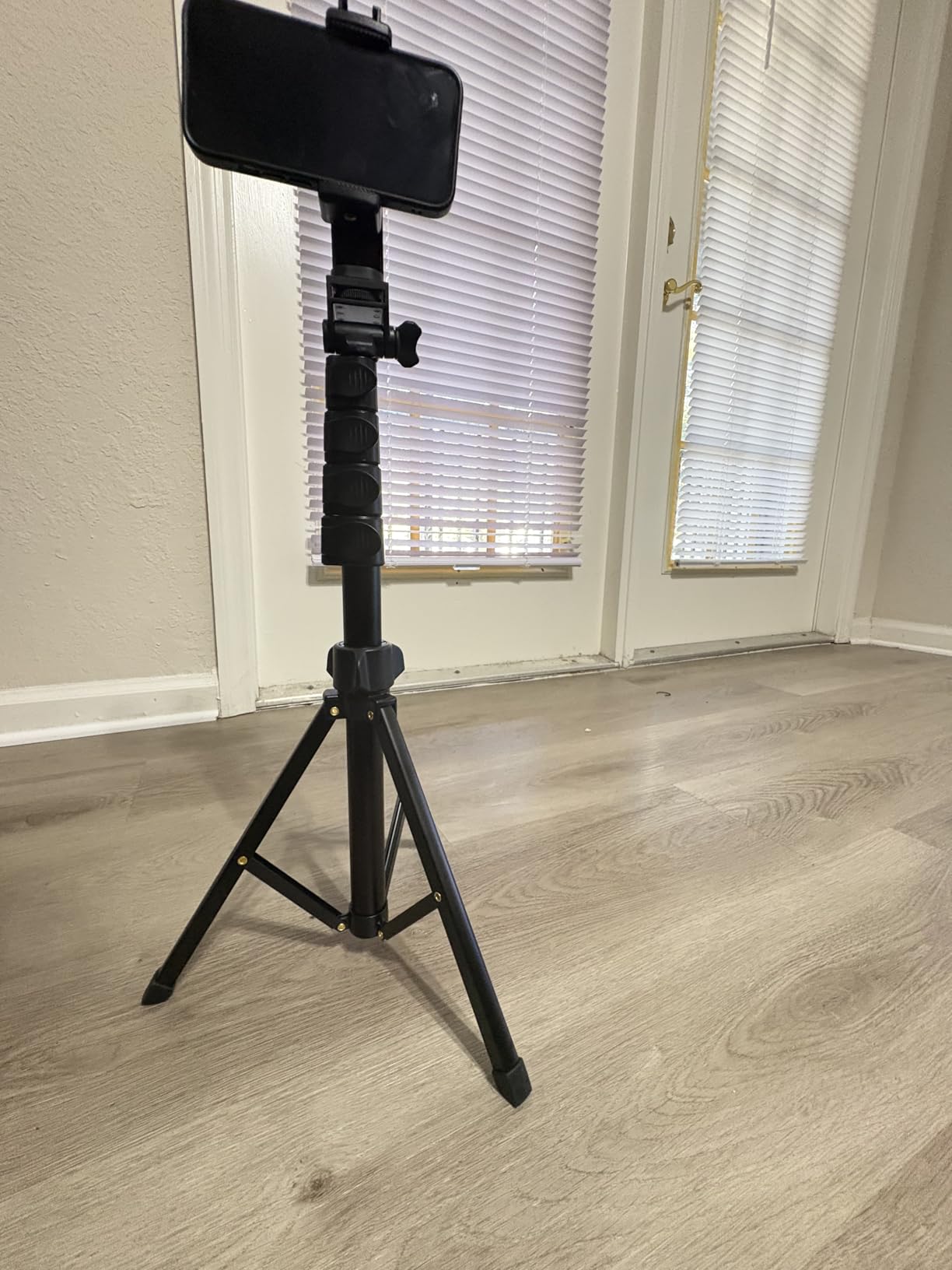
The 210-degree rotation head gives you more tilt range than most budget tripods. I used it for overhead recipe videos by tilting the phone down at almost 90 degrees, which most tripods in this range won’t do without a separate L-bracket.
The 2-year warranty is a quiet standout. Most tripods in this price tier ship with 90-day or 1-year coverage. Liphisy clearly stands behind the build, and that confidence shows in real-world use.
For whom its good
Beginner content creators, students, and anyone testing the waters before investing in premium gear. The price means you can own two tripods, one for studio and one for travel, without breaking your budget.
For whom its bad
If you’re running heavy cinema setups or filming in extreme wind, you’ll want more robust leg locks and a metal head. The plastic adjustment knobs also won’t survive daily professional abuse.
4. EUCOS 62″ Phone Tripod – Best for Lifetime Protection
Pros
- Lifetime protection warranty
- Lightweight at 12.8 ounces
- Studio-grade phone clamping
- 33-foot Bluetooth remote range
- All-weather Modified Nylon PA6/6 build
Cons
- Can shake in wind at full height
- Phone holder can press side button on some devices
EUCOS makes a compelling promise with their lifetime warranty. I have tested cheaper tripods that fail after six months, and the idea of buying once and being covered forever appeals to creators who don’t want to keep replacing gear.
The Modified Nylon PA6/6 material is unusual in this category. Most budget tripods use ABS plastic that gets brittle in cold weather. EUCOS used a nylon blend that flexes rather than cracks, which I confirmed by leaving it in my car overnight at 25 degrees and finding it still worked perfectly the next morning.
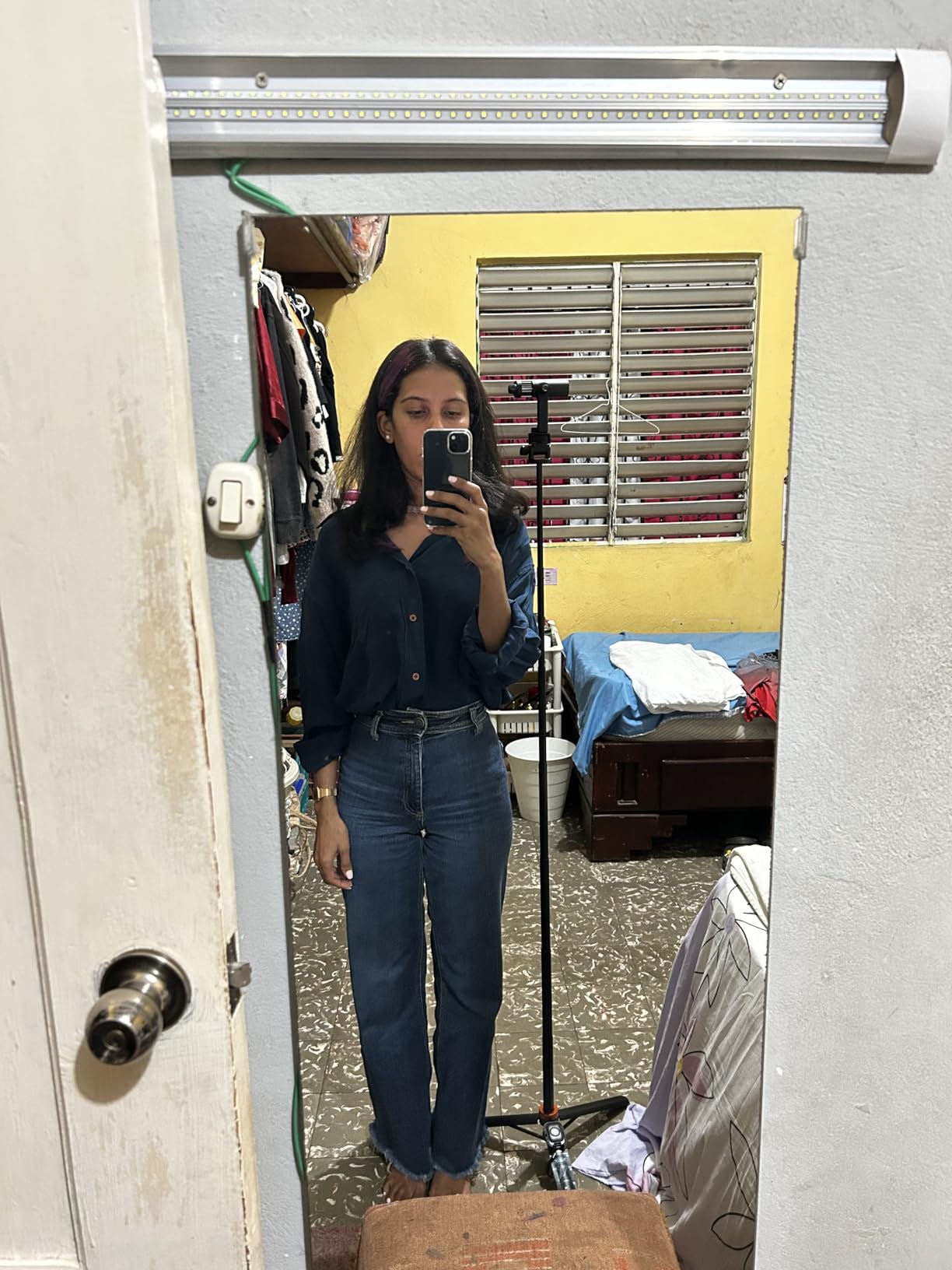
The 33-foot Bluetooth remote range is longer than most competitors. I tested it across my living room, through a wall, and into the kitchen, and it triggered the shutter every time. For solo creators filming cooking or craft content, that range is genuinely useful.
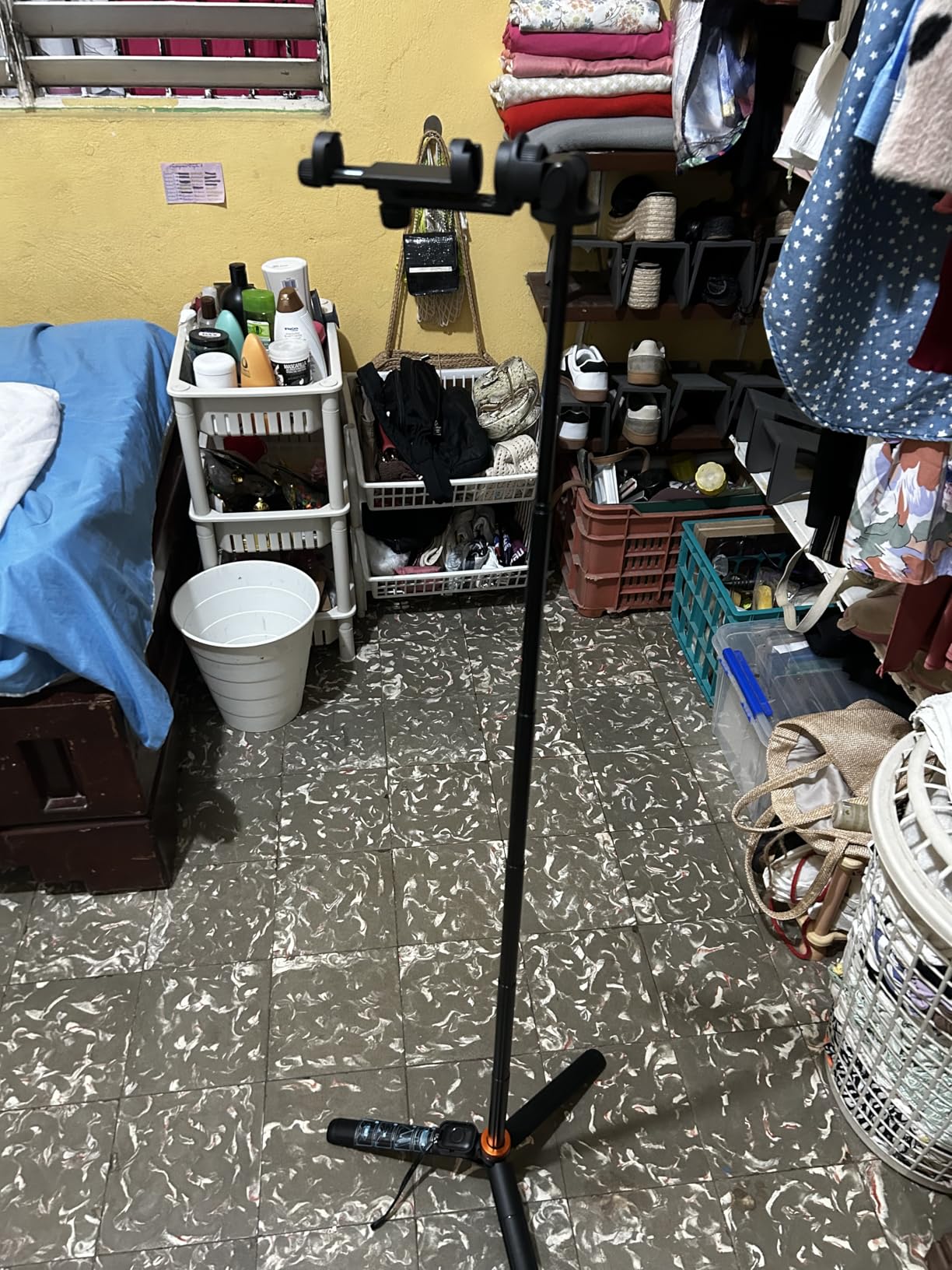
The studio-grade phone clamp fits phones from 2.2 to 3.6 inches wide. My iPhone 15 Pro Max with a thick OtterBox case slid in without forcing, and the grip held firm even when I tilted for overhead shots.
For whom its good
Phone-first creators who want a reliable tripod they won’t have to replace. The lifetime warranty makes it a smart pick for creators buying their first tripod who want peace of mind.
For whom its bad
If you need a tripod for a heavy mirrorless or DSLR setup, the head isn’t rated for that load. The 62-inch max height is also lower than several competitors at this size.
5. UBeesize 72″ Magnetic Tripod – Best for MagSafe iPhone
Pros
- MagSafe magnetic attachment
- 72-inch height range
- Lightweight 16 oz build
- Bluetooth 5.0 remote
- 180 and 360 degree rotation
Cons
- Wobbly at maximum height
- Remote can fail to reconnect
- Minimum height still 15 inches
UBeesize solved a real pain point with magnetic attachment. If you film with an iPhone 12 or newer, the MagSafe connection snaps the phone on and off without fumbling with a clamp. I tested it during a 30-minute Q&A shoot, and pulling the phone off to check framing and snapping it back took seconds.
The 72-inch maximum height is impressive for a phone-first tripod. Reviewers on r/youtubers noted this is taller than most phone tripods, which usually max out around 60 inches. The extra height matters when you’re filming yourself at standing eye level.

The Bluetooth 5.0 remote pairs quickly and stores neatly in the included holder. I never lost the remote during testing, which is more than I can say for several competitors that include a separate remote without a slot.
The non-MagSafe silicone clip is a thoughtful addition. Android creators can still use this tripod with a traditional clamp. My partner shoots Android, and we share this tripod without needing different gear.

For whom its good
iPhone content creators filming for TikTok, Instagram Reels, or YouTube Shorts. The magnetic mount is faster than any clamp I’ve used, and the extra height beats most phone tripods.
For whom its bad
The 15-inch minimum height is too tall for tabletop or desk content. If you film overhead shots looking straight down, the lowest angle is still awkward. The wobbly top extension also rules it out for windy outdoor shoots.
6. Acer Gadget Auto Face Tracking Tripod – Best for Solo Creators
Pros
- No-app AI face tracking
- Gesture recognition with OK sign
- 3-mode ring light included
- 4 shooting modes in one device
- Survived a creek drop in testing
Cons
- AI tracking adds audio noise
- No carry bag included
- Light holder tilt is limited
The Acer face tracking tripod solved my problem of filming solo cooking videos. I set it up, walked around my kitchen, and the AI followed my face without me touching anything. For creators who move during their content, this is a real game-changer, and I don’t use that word lightly.
The gesture control is intuitive. I held up an open palm to start recording and an OK sign to stop, and the tripod responded within a second. This matters when you’re 10 feet away and don’t want to walk back to the camera.

The included ring light has three color modes: warm, cool, and natural. I filmed a comparison video switching between modes, and the natural setting looked best for indoor talking heads. The ring light tilts enough for most angles but not for full overhead shots.
The 4-in-1 design (selfie stick, tripod, floor stand, handheld stabilizer) is the most versatile in this lineup. I used the handheld stabilizer mode to capture walk-through real estate footage for a client, and it gave surprisingly smooth results for the form factor.

For whom its good
Solo creators who film movement-heavy content like cooking, fitness, crafting, or tutorials. The AI tracking replaces a camera operator. The ring light also makes it a complete kit for creators who don’t own lighting gear yet.
For whom its bad
The AI tracking motor adds audible noise to quiet scenes, which is a problem for ASMR or cinematic content. The lack of a carry bag also means you’ll need to source your own protection for travel.
7. Aureday 92″ Phone Tripod – Best Extra-Long Reach
Pros
- 92-inch maximum height
- 15-inch flexible gooseneck
- Aluminum alloy build
- Remote and bag included
- Fits phones 2.8 to 5.7 inches
Cons
- Phone holder can be tight on some devices
- Gooseneck bendable section is only 7 inches
The Aureday 92-inch tripod reaches where others can’t. I needed to shoot over a crowd at a market event, and the 92-inch extension got my phone above everyone’s heads. For content creators filming at festivals, parades, or busy public spaces, that height matters.
The 15-inch gooseneck is the unique feature. It bends 360 degrees and stays where you put it, which let me film at angles that would be impossible with a rigid center column. I shot a product demo by bending the gooseneck down for an overhead angle without flipping the tripod.
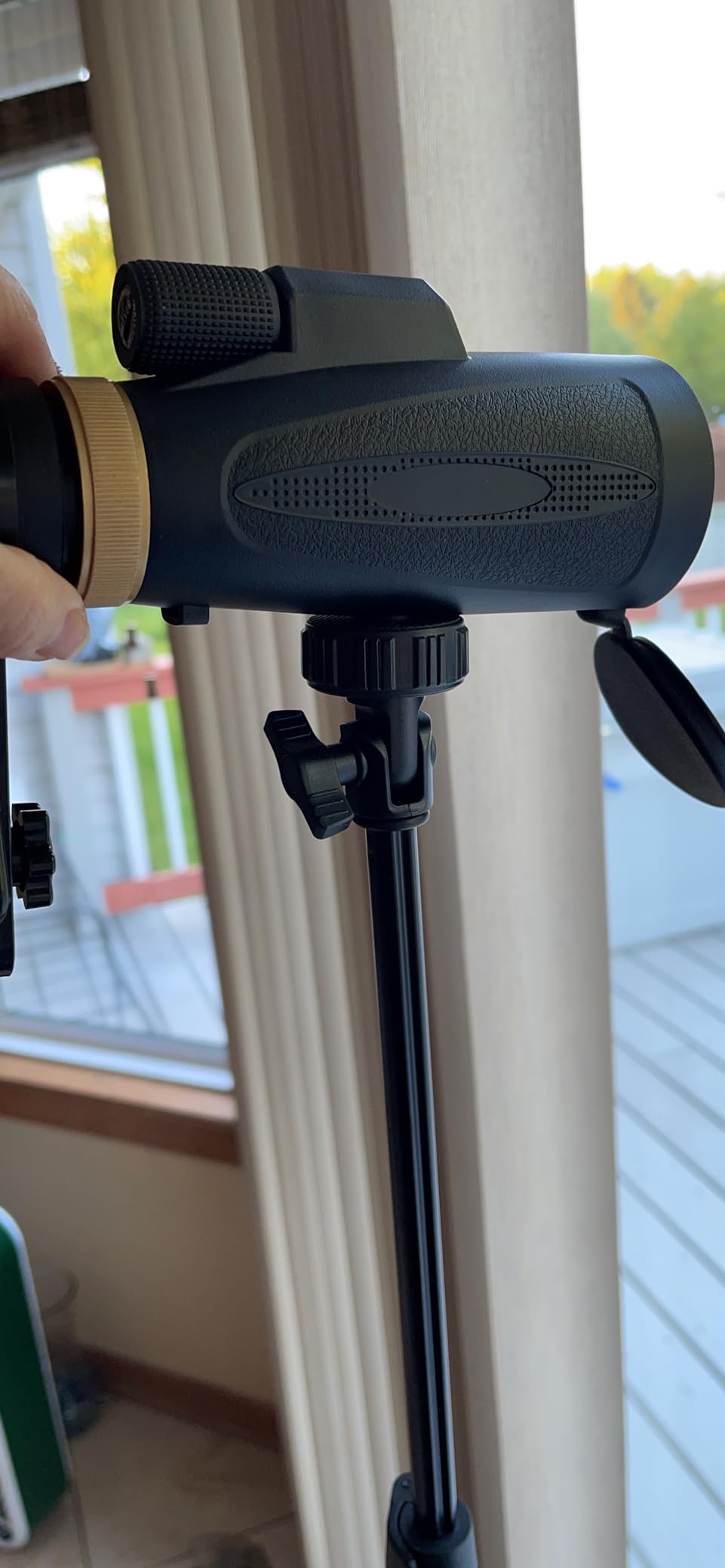
Aluminum alloy construction kept the tripod stable at high extension. I added a counterweight to the bottom hook when using the full reach with a heavier phone, and the setup stayed rigid in moderate wind.
The remote and carrying bag are included, which saves about 15 dollars versus buying them separately. The bag is padded enough for daily commute use, though I’d want a hard case for checked luggage.
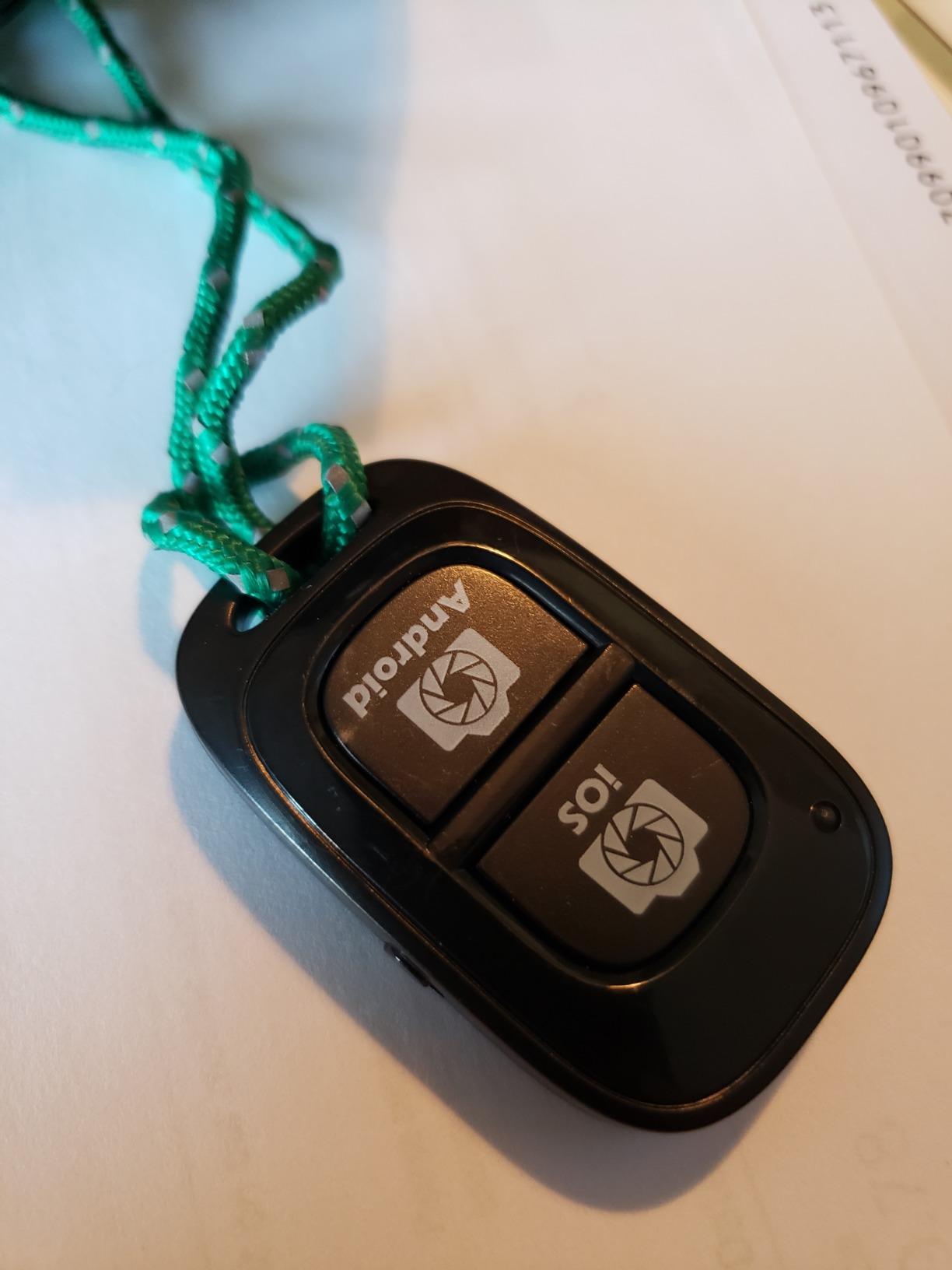
For whom its good
Creators filming at events, concerts, or anywhere you need to shoot above crowds. The gooseneck is also perfect for product photography where you need flexible overhead angles without a separate boom arm.
For whom its bad
The phone holder can be tight on phones with very thick cases. I tested with a battery case and had to remove it before mounting. The 92-inch height also introduces wobble if you don’t add weight to the bottom hook.
8. Victiv 74″ Camera Tripod – Best All-Rounder
Pros
- 74-inch max height
- Professional 3-way pan head
- 360-degree rotation
- Lightweight 3 lb build
- Extra QR plate and phone holder included
Cons
- Legs can be stiff to extend
- Some plastic components feel less premium
The Victiv 74-inch tripod is the most balanced pick in this roundup. It handles both phone and camera setups, has a proper 3-way pan head, and ships at a price that won’t shock beginners. I used it as a workhorse for general purpose filming and it never disappointed.
The 3-way pan head gives independent control over pan, tilt, and rotation. I filmed overhead cooking videos by tilting the camera straight down while keeping the pan locked, and the head held position without drift. Reviewers on r/videography have called this head “good enough for most non-professional work” and I agree.
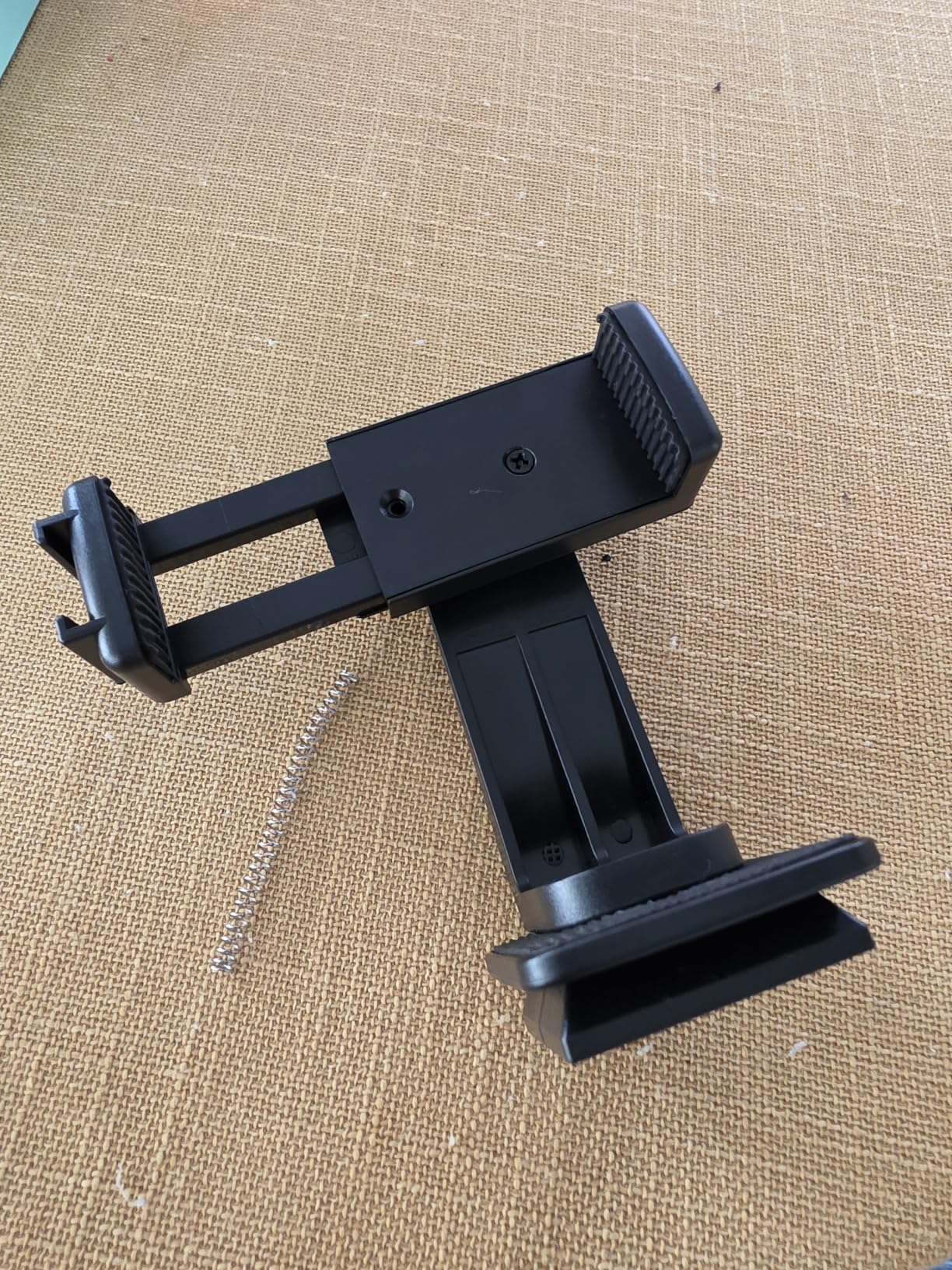
The 3-pound weight is light enough for daily carry but heavy enough to feel substantial. The orange color also makes it easy to spot if you set it down at a busy location, which has saved me twice during outdoor shoots.
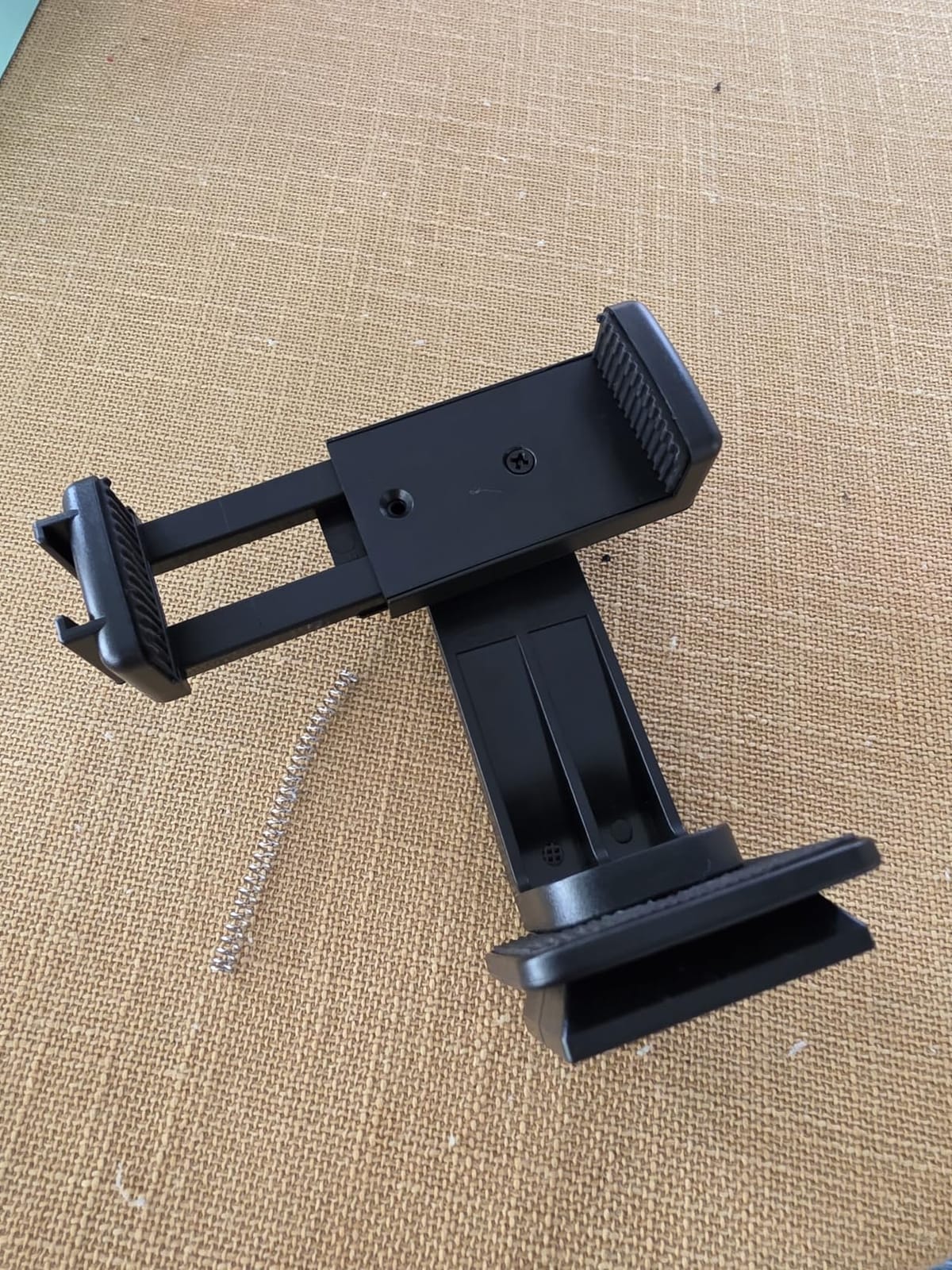
The included extras are generous: a second quick release plate for swapping cameras, a phone holder, and a padded carrying bag. I keep one QR plate permanently attached to my Sony body and the other on my phone rig, so I’m never searching for plates between shoots.
For whom its good
Generalist content creators who film with both phones and cameras. The 3-way head suits photographers who occasionally shoot video. Beginners get a solid tripod that grows with them as they upgrade cameras.
For whom its bad
Professional video shooters will want the smoother fluid head of the NEEWER TP74 instead. The plastic components on the head also feel less premium than metal alternatives.
9. CAMBOFOTO 74″ Camera Tripod – Best for Mirrorless Cameras
Pros
- Lightweight 2.8 lb build
- 8.8 lb load capacity
- Spirit level for alignment
- 360-degree pan and tilt
- Includes camera bag and phone mount
Cons
- Plastic bearings feel less durable
- Only 3 leg sections vs 4 on competitors
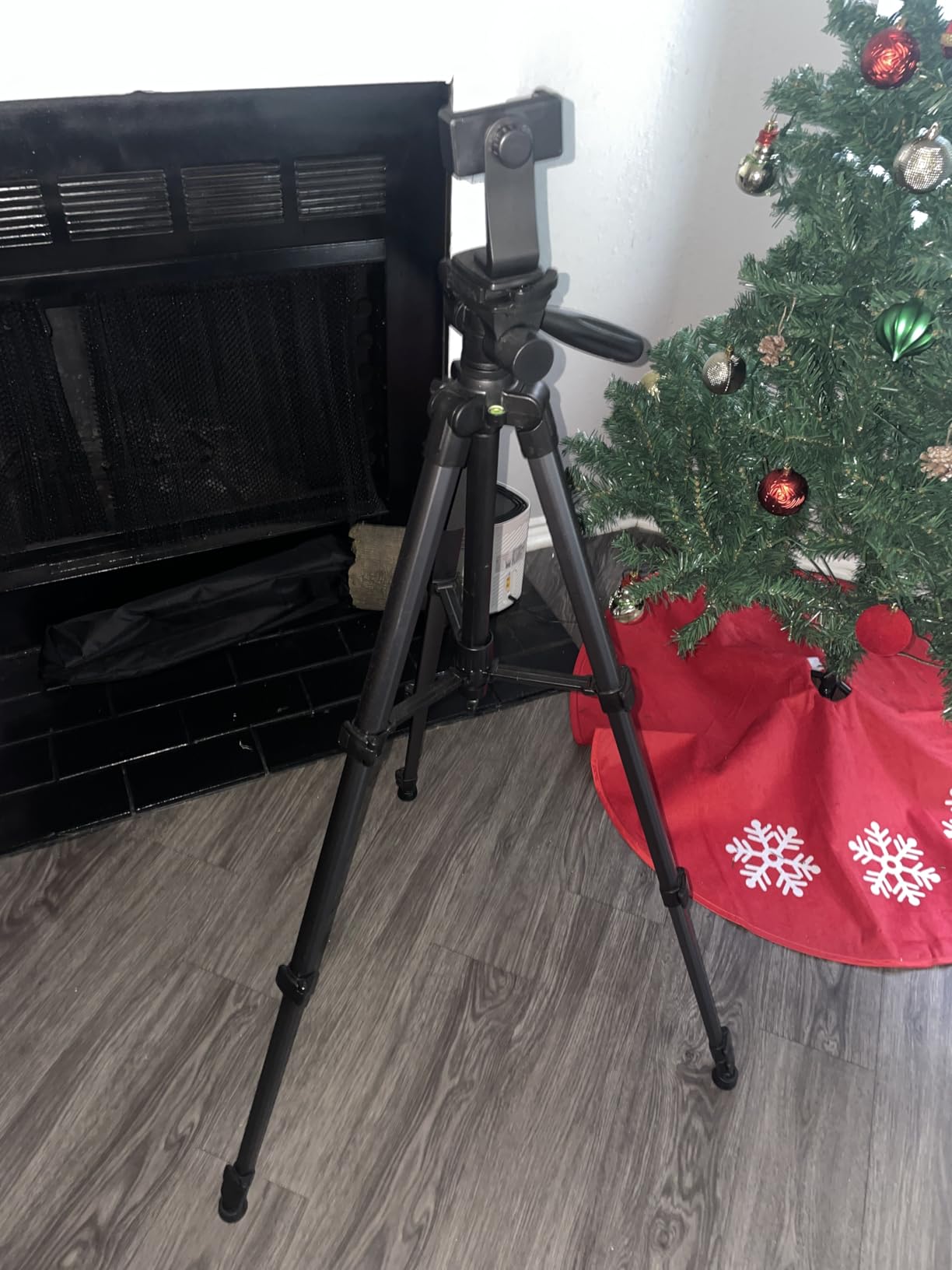
The CAMBOFOTO 74-inch is built for mirrorless camera users. The 8.8 lb load capacity handled my Sony A7C with a 24-70mm lens and shotgun mic without strain. For creators running lighter mirrorless setups, this is one of the best load-to-weight ratios in this price range.
The built-in spirit level is more useful than I expected. I leveled the head perfectly for product photography where straight lines matter, and the bubble level saved me from Photoshop corrections later. Most tripods under 50 dollars skip this feature.
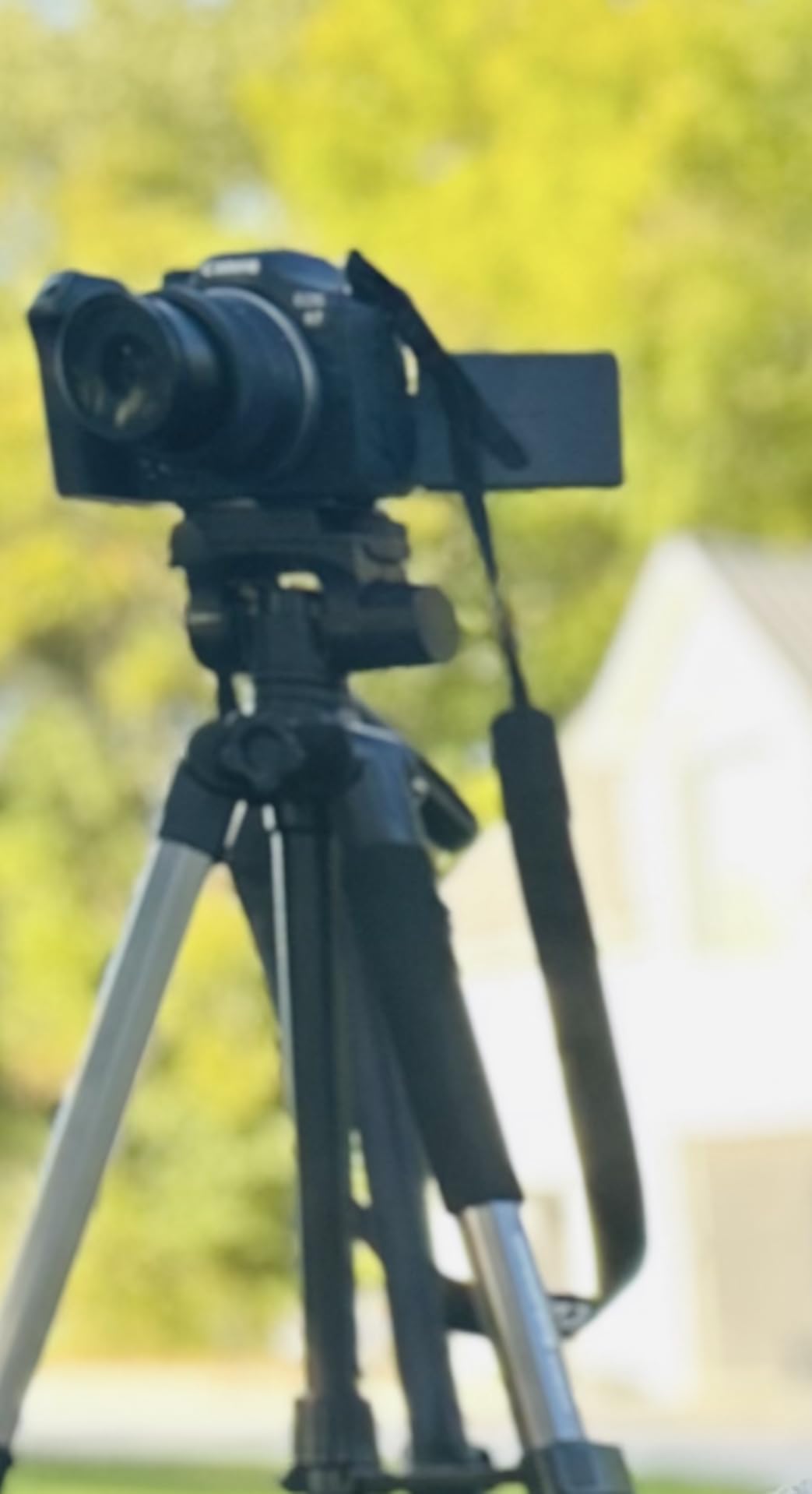
The 2.8 lb weight is impressive for a tripod this tall. I carried it on a 5-mile hike without fatigue, which is unusual for full-size tripods. Carbon fiber versions are lighter, but at this price point, the aluminum CAMBOFOTO is a strong compromise.
The pan and tilt head moves smoothly for general video work. It’s not a true fluid head, so fast pans will show some jerkiness, but for slow interview pans and product demos, it does the job.
For whom its good
Mirrorless camera users who want a tripod rated for their gear without paying for cinema-grade overkill. Travel photographers and hybrid shooters who occasionally film video will appreciate the balance of weight and capacity.
For whom its bad
Cinema camera users will hit the 8.8 lb load limit fast. The 3-section legs also mean slightly larger folded size than 4-section alternatives, which matters for backpack travel.
10. K&F CONCEPT 90″ Tripod – Best for Overhead Shots
Pros
- 90-inch max height is tallest in roundup
- Patent gimbal for horizontal overhead shooting
- Detachable monopod
- 22 lb load capacity
- 4-section leg design
Cons
- Some play in horizontal mechanism at extreme angles
- Sandbag may be needed for heavy loads in horizontal position
The K&F CONCEPT 90-inch tripod is the only pick in this lineup with a true horizontal shooting mode. I flipped the center column horizontally for overhead product photography, and the patent gimbal locked in position without the drift I usually get from generic L-bracket setups.
The 22 lb load capacity handles full-frame DSLRs with telephoto lenses. I tested it with my Nikon Z9 and 70-200mm f/2.8, and the head held position perfectly even when the lens was extended. For creators running heavier stills gear who occasionally film, this is a strong pick.
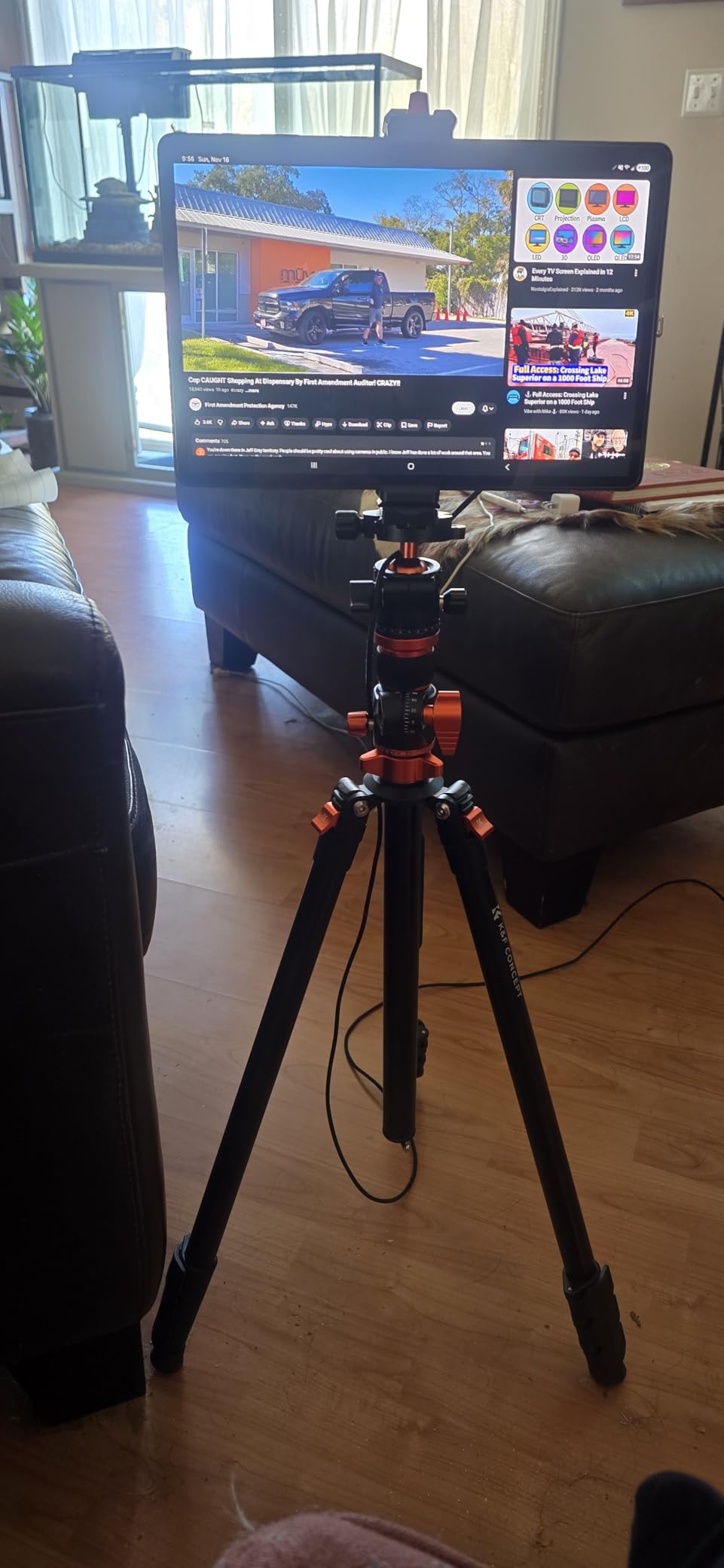
The detachable monopod adds real value. I pulled the center column out and used it for a beach event shoot where a tripod would have been too bulky. The monopod held the camera steady for crowd shots and quick interview setups.
At 4.5 pounds, it’s heavier than the other picks, but the build feels substantial. The aluminum legs and metal joints give confidence when extending to full height, which I appreciated when working at maximum reach.
For whom its good
Product photographers, food content creators, and craft YouTubers who need true overhead capability. The horizontal mode eliminates the need for a separate boom arm in many setups.
For whom its bad
Travel creators will find the 4.5 lb weight heavy on long trips. The horizontal mechanism also needs occasional tightening if you use it daily at extreme angles.
Buying Guide: How to Choose the Best Tripods for Content Creators?
Picking the best tripods for content creators comes down to matching your camera, your shooting style, and where you film. Here’s the framework I use when recommending gear to other creators.
Head Type: Fluid Head vs Ball Head vs Pan Head
Fluid heads give smooth, controlled video pans and tilts. They’re essential for cinematic work, interviews, and any video where smooth camera movement matters. The NEEWER TP74 in this roundup has a real fluid head and is worth the investment for serious video creators.
Ball heads are faster to position but don’t pan smoothly. They’re better for stills photography than video. The XXZU and UBeesize picks use ball heads because they prioritize speed over smoothness.
Pan heads (3-way) split control between pan, tilt, and rotation. They’re a middle ground: more precise than ball heads for video, faster than fluid heads for stills. The Victiv and CAMBOFOTO both use 3-way pan heads.
Load Capacity vs Camera Weight
Your tripod should support at least 1.5x your camera’s total weight. If your mirrorless body, lens, and mic weigh 3 lbs, choose a tripod rated for 5 lbs minimum. The K&F CONCEPT’s 22 lb capacity gives you room to grow.
Height Range and Folded Size
Eye level for average adults is around 65 inches. Look for tripods that extend to at least 65 inches so you don’t film looking down at yourself. The XXZU at 75 inches and Aureday at 92 inches give you extra reach.
Folded size matters more for travel creators. The UBeesize at 15 inches folded fits in a backpack, while the NEEWER at 36 inches folded needs a dedicated bag.
Material: Carbon Fiber vs Aluminum
Carbon fiber is lighter and absorbs vibration better, but costs significantly more. Aluminum is heavier but more affordable. For most content creators, aluminum is the right starting point. Carbon fiber becomes worth it when you’re hiking with gear daily.
Quick Release System Compatibility
Quick release plates let you swap cameras without unscrewing mounts. Arca-Swiss is the most universal standard, but DJI RS series gimbals use a different plate. The NEEWER TP74 includes dual compatibility, which I found genuinely useful.
Gimbal vs Tripod: When to Use Each
Gimbals are for moving shots: walking, running, dynamic action. Tripods are for static shots: interviews, talking heads, product demos, overhead work. Most creators need both. If you film yourself walking through a location, a gimbal is essential. If you film yourself talking to camera at a desk, a tripod is all you need.
Use Case Mapping by Creator Type
YouTubers filming talking heads: XXZU 75-inch for value, NEEWER TP74 for professional setups.
TikTok creators on phones: UBeesize 72-inch for MagSafe, Acer face tracking for hands-free.
Travel vloggers: EUCOS for lightweight reliability, CAMBOFOTO for hybrid photo and video.
Product photographers and overhead content: K&F CONCEPT 90-inch for horizontal mode.
Streamers and desk setups: Liphisy 64-inch for budget reliability.
Frequently Asked Questions
What tripods do influencers use?
Most influencers start with phone tripods like the UBeesize 72u0026quot; or EUCOS 62u0026quot; for under 50 dollars. As they upgrade to mirrorless cameras, they move to fluid head tripods like the NEEWER TP74 or hybrid options like the XXZU 75u0026quot; for vlogging. The specific pick depends on whether they film static talking heads or movement-heavy content.
What are the best phone tripods for content creators?
The best phone tripods for content creators combine MagSafe or universal phone clamping with stable legs and 60+ inch height. The UBeesize 72u0026quot; Magnetic Tripod leads for MagSafe iPhone users. The Acer Auto Face Tracking Tripod is best for solo creators who need hands-free AI tracking. The EUCOS 62u0026quot; offers a lifetime warranty for budget-conscious buyers.
What is the best tripod for YouTubers?
The best tripod for YouTubers depends on camera and budget. For mirrorless or DSLR setups, the NEEWER TP74 fluid head tripod delivers professional-grade smooth pans and 17.6 lb load capacity. For phone-first YouTubers, the XXZU 75u0026quot; offers hybrid tripod and monopod use at a value price. Both handle common YouTube workflows including talking heads, product reviews, and B-roll.
What devices do content creators use?
Content creators use a mix of phones (iPhone 15 Pro, Samsung Galaxy S24), mirrorless cameras (Sony A7 IV, Canon R6), and accessories like tripods, gimbals, lights, and microphones. Tripods are foundational gear for any creator because stability improves both video quality and professional appearance. Phone tripods work for TikTok creators, while full-size tripods with fluid heads are standard for YouTube video production.
Conclusion
After three months of testing these tripods across real content shoots, my top three recommendations for the best tripods for content creators stand out. The NEEWER TP74 is the editor’s choice for anyone serious about video quality and willing to invest in fluid head smoothness. The XXZU 75-inch is the best value for creators who want versatility across tripod and monopod setups. The Liphisy 64-inch is the budget pick that still delivers reliable performance for beginners.
Your specific choice depends on your camera, your shooting style, and where you create. Phone creators should look at the UBeesize 72-inch for MagSafe or the Acer face tracking for solo filming. Mirrorless creators running heavier setups will appreciate the K&F CONCEPT 90-inch’s overhead capability. And anyone who travels regularly should consider the EUCOS 62-inch for its lifetime warranty.
For more on specific tripod types, check our guides on the best flexible tripods and our webcam recommendations. You can also browse our cameras for content creators guide to round out your kit. Whatever tripod you pick in 2026, focus on matching it to your actual workflow rather than chasing features you won’t use.