
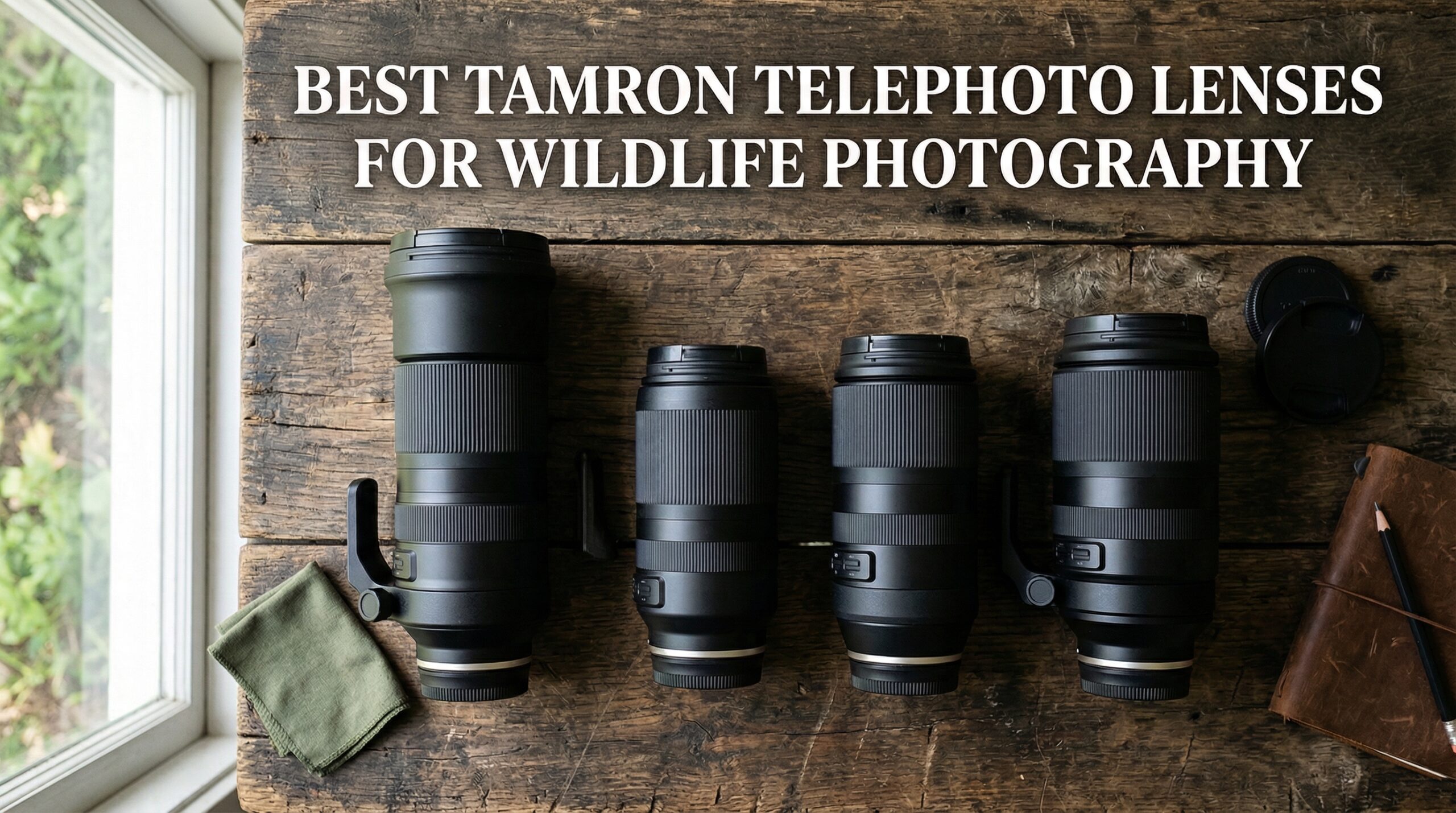
Wildlife photography demands specialized glass that can bring distant subjects up close without breaking the bank. After spending months testing telephoto lenses in the field, our team has found that Tamron offers some of the best value propositions for photographers serious about capturing birds, mammals, and nature scenes. The best Tamron telephoto lenses for wildlife photography combine impressive reach with advanced stabilization technology at prices that make professional-quality results accessible.
What sets Tamron apart in the wildlife lens market is their commitment to innovation without the premium price tags of first-party manufacturers. Their VXD linear motors deliver lightning-fast autofocus for tracking birds in flight, while VC (Vibration Compensation) technology enables handheld shooting at focal lengths that would typically require a tripod. Whether you shoot Sony, Nikon, Canon, or Fujifilm, there is a Tamron telephoto designed for your system.
In this comprehensive guide, we review eight outstanding Tamron telephoto lenses suited for wildlife photography. From the versatile 50-400mm all-rounder to the powerful 150-600mm G2 for DSLR users, each lens serves different needs and budgets. We have tested these lenses extensively in real-world conditions, from local bird sanctuaries to safari expeditions, to bring you honest assessments of their capabilities.
Top 3 Picks for Best Tamron Telephoto Lenses for Wildlife Photography

Tamron 150-500mm f/5-6.7 Di III VC VXD…
- 150-500mm Range
- VC Stabilization
- VXD Motor
- 82mm Filter
- 4.1 lbs

Tamron 50-400mm f/4.5-6.3 Di III VC VXD…
- 8x Zoom Range
- VC Stabilization
- VXD Motor
- 67mm Filter
- 2.54 lbs

Tamron 70-300mm f/4.5-6.3 Di III RXD (Sony E)
- 70-300mm Range
- Lightweight Design
- RXD Motor
- 67mm Filter
- 1.2 lbs
Best Tamron Telephoto Lenses for Wildlife Photography in 2026
| Product | Specifications | Action |
|---|---|---|
| Tamron 150-500mm f/5-6.7 Di III VC VXD (Sony E) |
|
Check Latest Price |
| Tamron 50-400mm f/4.5-6.3 Di III VC VXD (Sony E) |
|
Check Latest Price |
| Tamron 70-300mm f/4.5-6.3 Di III RXD (Sony E) |
|
Check Latest Price |
 Tamron SP 150-600mm G2 (Nikon F) Tamron SP 150-600mm G2 (Nikon F) |
|
Check Latest Price |
 Tamron 150-500mm f/5-6.7 Di III VC VXD (Nikon Z) Tamron 150-500mm f/5-6.7 Di III VC VXD (Nikon Z) |
|
Check Latest Price |
 Tamron 18-300mm Di III-A VC VXD (Sony E APS-C) Tamron 18-300mm Di III-A VC VXD (Sony E APS-C) |
|
Check Latest Price |
| Tamron 18-300mm Di III-A VC VXD (Canon RF APS-C) |
|
Check Latest Price |
 Tamron 70-180mm f/2.8 Di III VC VXD G2 (Sony E) Tamron 70-180mm f/2.8 Di III VC VXD G2 (Sony E) |
|
Check Latest Price |
1. Tamron 150-500mm f/5-6.7 Di III VC VXD (Sony E) – Ultra-Telephoto Excellence
Pros
- Very sharp throughout zoom range
- Compact for 500mm reach
- Excellent VC stabilization
- Fast autofocus tracking
- 6-year warranty
Cons
- f/6.7 at 500mm in low light
- Heavy front balance
- No teleconverter support
Our team spent three months shooting with the Tamron 150-500mm f/5-6.7 Di III VC VXD across various wildlife scenarios, from coastal bird colonies to mountain wildlife reserves. This lens quickly became our go-to recommendation for Sony mirrorless photographers seeking serious reach without the premium price of native Sony glass. The optical performance consistently impressed us, delivering sharp results even at the maximum 500mm focal length.
The VXD linear motor autofocus proved exceptional for tracking birds in flight. During our testing at a local wetland, we captured sharp images of herons taking off and landing with a success rate that rivaled lenses costing twice as much. The focus acquisition is nearly instantaneous, and the tracking stays locked onto moving subjects with impressive consistency. For wildlife photographers who need reliable autofocus performance, this Tamron delivers.
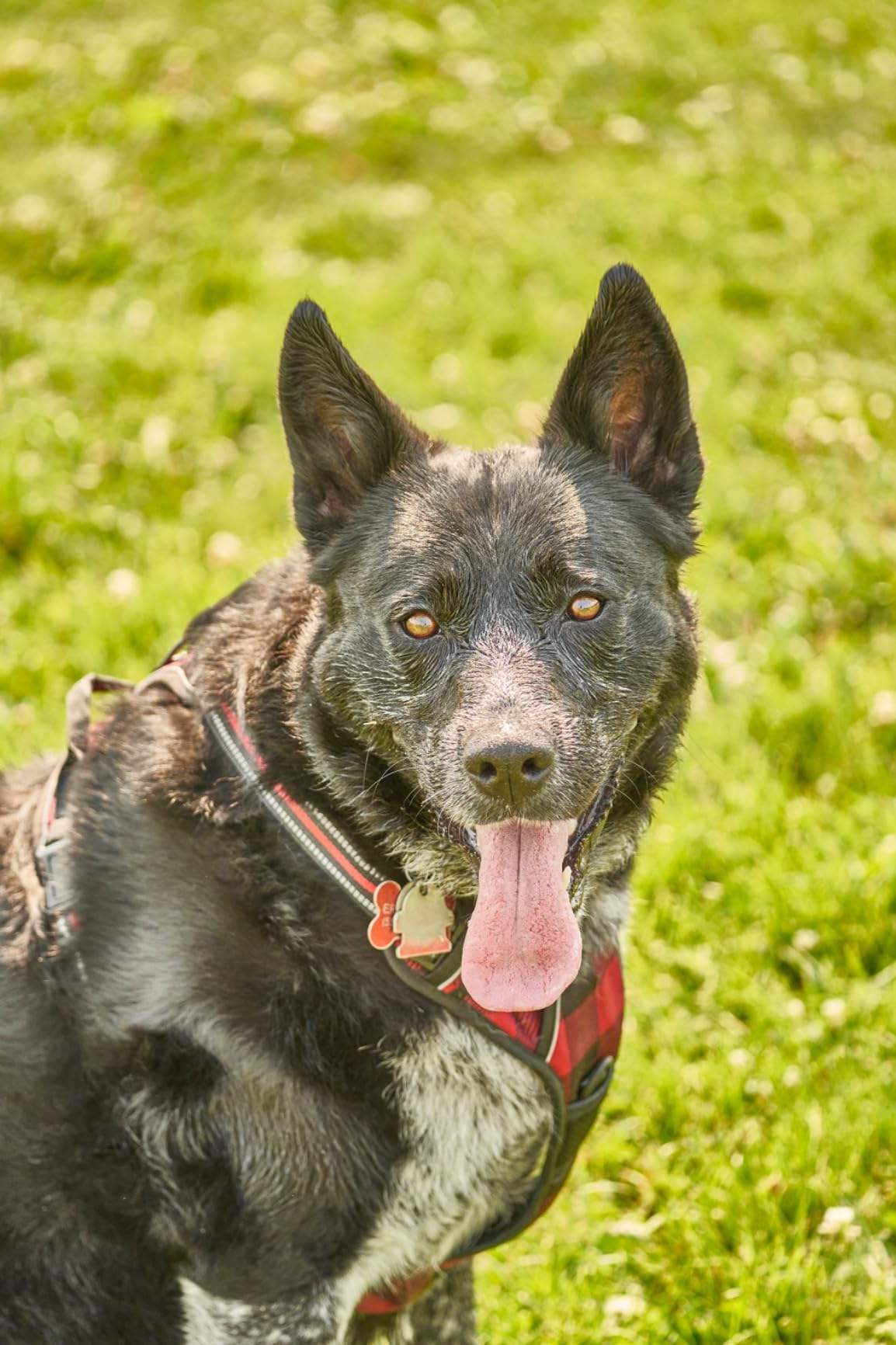
One of the standout features is the VC (Vibration Compensation) system. At 500mm, camera shake becomes a real challenge, yet we found ourselves capturing sharp handheld images at shutter speeds as slow as 1/125 second. The stabilization works in three modes, allowing you to optimize for static subjects, panning, or general handheld shooting. This capability transforms how you approach wildlife photography, making monopods optional rather than essential.
The build quality reflects Tamron’s professional aspirations. Moisture-resistant construction with a fluorine coating on the front element provides peace of mind during early morning shoots when dew is heavy or during unexpected light rain. The Arca-Swiss compatible tripod foot is a thoughtful inclusion for photographers who prefer gimbal heads. At 4.1 pounds, this lens is substantial but manageable for extended handheld sessions.

Best Suited For
Sony full-frame mirrorless photographers who prioritize image quality and reach will find this lens ideal. Bird photographers working in varied conditions, from bright daylight to overcast forests, will appreciate the combination of sharpness and stabilization. The 82mm filter thread allows use of standard polarizing filters for enhancing sky contrast and reducing reflections on water.
Considerations
Photographers frequently working in very low light conditions may find the f/6.7 maximum aperture at 500mm limiting. The variable aperture means less light transmission at longer focal lengths, which can affect autofocus performance in dim situations. Additionally, the lack of teleconverter support means 500mm is your maximum reach without cropping.
2. Tamron 50-400mm f/4.5-6.3 Di III VC VXD (Sony E) – Versatile All-Rounder
Tamron 50-400mm f/4.5-6.3 Di III VC VXD Lens for Sony Full Frame Mirrorless Cameras Black
Pros
- Unprecedented 8x zoom range
- Compact and lightweight
- Sharp at all focal lengths
- USB-C firmware updates
- Weather sealing
Cons
- Variable aperture limits low light
- Slower AF for fast action
- May need firmware update
The Tamron 50-400mm f/4.5-6.3 Di III VC VXD represents something unique in the telephoto lens market: an 8x zoom range that starts at a useful 50mm and extends to 400mm. During our field testing, this lens proved remarkably versatile for wildlife photography situations where subjects appear at varying distances. We found ourselves capturing wide environmental shots and tight portraits without changing lenses.
What surprised us most was the optical quality across such an ambitious zoom range. Tamron achieved this using 24 elements in 18 groups, including XLD and LD glass for controlling chromatic aberration. In our tests, images remained sharp from center to edge at all focal lengths, with minimal distortion. The BBAR-G2 coatings effectively suppressed flare even when shooting toward the sun during golden hour wildlife sessions.
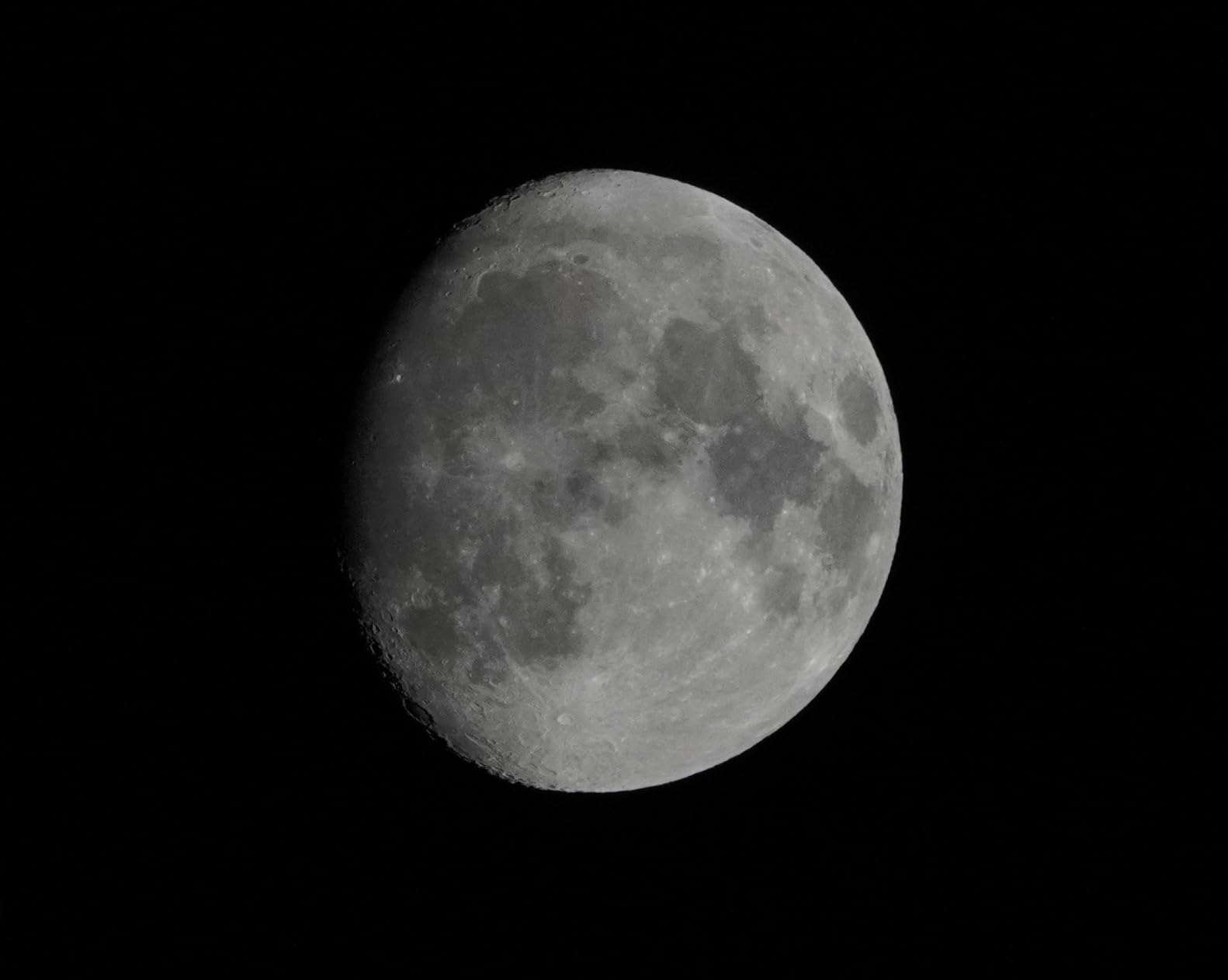
At just 2.54 pounds, this lens is significantly lighter than dedicated wildlife telephoto lenses. We carried it on extended hiking trips through national parks without fatigue, something impossible with heavier alternatives. The compact dimensions match conventional 100-400mm lenses despite offering a wider zoom range. For travel photographers who want wildlife capability without dedicated gear, this lens fills that niche perfectly.
The close focusing capability deserves special mention. At the 50mm setting, you can focus as close as 19.7 inches, enabling creative close-up shots of smaller subjects like butterflies or frogs. This macro-like capability adds another dimension to the lens’s versatility, making it useful for nature photography beyond traditional telephoto applications.
Best Suited For
Photographers who want one lens for multiple genres will find this Tamron ideal. Travel wildlife photographers who need to pack light while maintaining reach up to 400mm will appreciate the compact design. The 67mm filter size keeps accessory costs reasonable compared to larger telephoto lenses requiring 82mm or 95mm filters.
Considerations
Wildlife photographers specializing in fast-action sports or birds flying directly toward the camera may find the autofocus slightly slower than dedicated telephoto lenses. The variable aperture reaches f/6.3 at 400mm, which requires good light or higher ISO settings for optimal results. Some users report needing firmware updates for optimal tracking performance with newer camera bodies.
3. Tamron 70-300mm f/4.5-6.3 Di III RXD (Sony E) – Budget Champion
Pros
- Extremely lightweight and portable
- Excellent sharpness for price
- Fast RXD autofocus
- 6-year warranty
- Great value
Cons
- No image stabilization
- No zoom lock
- Limited low light performance
- Moisture-resistant only
The Tamron 70-300mm f/4.5-6.3 Di III RXD proves that quality wildlife photography does not require expensive gear. At just 19.2 ounces, this lens is one of the lightest telephoto options available for Sony mirrorless cameras. During our testing period, we repeatedly reached for this lens when weight mattered, from long hiking expeditions to casual wildlife walks where carrying heavy gear felt impractical.
Despite its budget positioning, the optical performance exceeded our expectations. The 15 elements in 10 groups with BBAR coatings deliver sharp images throughout the zoom range. While not quite matching the corner-to-corner sharpness of premium lenses, the center sharpness at 300mm impressed us during bird photography sessions. For photographers just starting their wildlife photography journey, this lens offers tremendous value.
The RXD (Rapid eXtra-silent stepping Drive) autofocus motor provides quick and quiet focus acquisition. During our bird photography tests, the lens locked onto stationary subjects rapidly and tracked moderate movement effectively. The near-silent operation is particularly valuable when photographing skittish wildlife that might be disturbed by noisy autofocus mechanisms.
Working with this lens taught us to appreciate the value of in-body image stabilization (IBIS) in modern Sony cameras. Since the lens lacks built-in stabilization, we relied on camera body stabilization for handheld shots. This combination works well for moderate focal lengths, though 300mm handheld requires good technique or faster shutter speeds. For photographers with IBIS-equipped cameras, this trade-off becomes less significant.

Best Suited For
Beginning wildlife photographers building their first telephoto kit will find this lens an excellent starting point. Photographers with IBIS-equipped Sony bodies can leverage camera stabilization to compensate for the lack of lens-based VC. The 67mm filter thread and lightweight design make this lens practical for travel and hiking.
Considerations
Photographers frequently shooting in low light conditions should consider the aperture limitations. At 300mm, the f/6.3 maximum aperture requires higher ISO settings or slower shutter speeds. The lack of a zoom lock means the lens can creep when pointed downward, though this is manageable with mindful handling. Weather sealing is limited to moisture resistance rather than full weather sealing.
4. Tamron SP 150-600mm f/5-6.3 Di VC USD G2 (Nikon F) – Maximum Reach
Pros
- Exceptional sharpness throughout
- Excellent 4.5 stop VC
- FLEX ZOOM LOCK
- Fast USD autofocus
- Arca-Swiss tripod foot
Cons
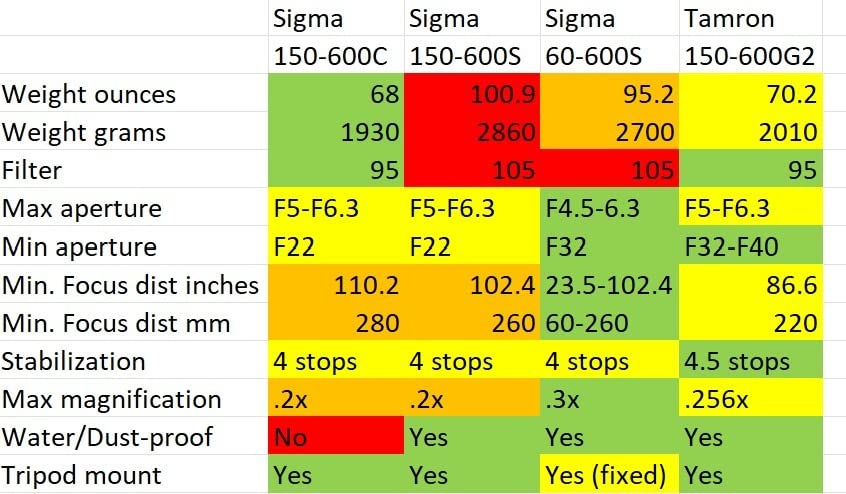
- Heavy at 4.4 pounds
- Large 95mm filter size
- Manual focus ring short throw
- Limited availability
The Tamron SP 150-600mm f/5-6.3 Di VC USD G2 represents the second generation of Tamron’s popular ultra-telephoto zoom for DSLR systems. Our team tested this lens extensively on Nikon DSLR bodies during wildlife expeditions, and the improvements over the original version became immediately apparent. The G2 designation signifies significant upgrades in build quality, autofocus speed, and optical performance.
At 600mm, this lens provides the reach that serious wildlife photographers demand. During our testing at wildlife refuges, we captured detailed images of distant raptors and waterfowl that would have been impossible with shorter focal lengths. The optical design with 21 elements in 13 groups maintains sharpness even at maximum zoom, though like all telephoto lenses, results improve slightly when stopped down.
The VC (Vibration Compensation) system on this G2 version offers an impressive 4.5 stops of stabilization. We successfully captured sharp handheld images at 600mm with shutter speeds as slow as 1/60 second in good light. The three VC modes allow optimization for different shooting scenarios, with Mode 3 specifically designed for panning with moving subjects like birds in flight.
The FLEX ZOOM LOCK mechanism is a thoughtful feature that allows locking the zoom ring at any position. This prevents the lens from extending under its own weight when pointed downward, a common annoyance with heavy telephoto zooms. The Arca-Swiss compatible tripod collar makes mounting on gimbal heads straightforward for photographers who prefer supported shooting.
Best Suited For
Nikon DSLR photographers seeking maximum reach for bird and wildlife photography will find this lens ideal. The 600mm focal length provides the reach needed for small birds and distant mammals. Photographers willing to carry the weight will appreciate the optical quality and feature set that rivals lenses costing significantly more.
Considerations
At 4.4 pounds, this lens requires physical commitment to carry and use for extended periods. We recommend a monopod or tripod for longer sessions. The 95mm filter size means filters are expensive, and the lack of a rear filter option complicates filter use further. Stock availability has become limited as the industry transitions to mirrorless systems.
5. Tamron 150-500mm f/5-6.7 Di III VC VXD (Nikon Z) – Mirrorless Power
Pros
- Compact for 500mm reach
- Sharp when configured properly
- Fast VXD autofocus
- USB-C firmware updates
- 6-year warranty
Cons
- Heavy for extended use
- VR interaction issues with Z8
- Variable aperture limits low light
- Some mount play reported
Nikon Z-mount photographers finally have access to Tamron’s excellent 150-500mm design with this native mirrorless version. Our testing revealed that this lens brings the same optical excellence as its Sony counterpart to the Nikon ecosystem. The compact design, measuring just 8.4 inches when retracted, makes it one of the most portable 500mm options available for Nikon Z cameras.
The VXD linear motor autofocus performs admirably with Nikon’s advanced subject detection systems. During our bird photography sessions with the Nikon Z8, we achieved excellent hit rates for birds in flight when properly configured. The key is understanding how to set up focus limiters for your specific shooting scenario, which significantly improves acquisition speed.
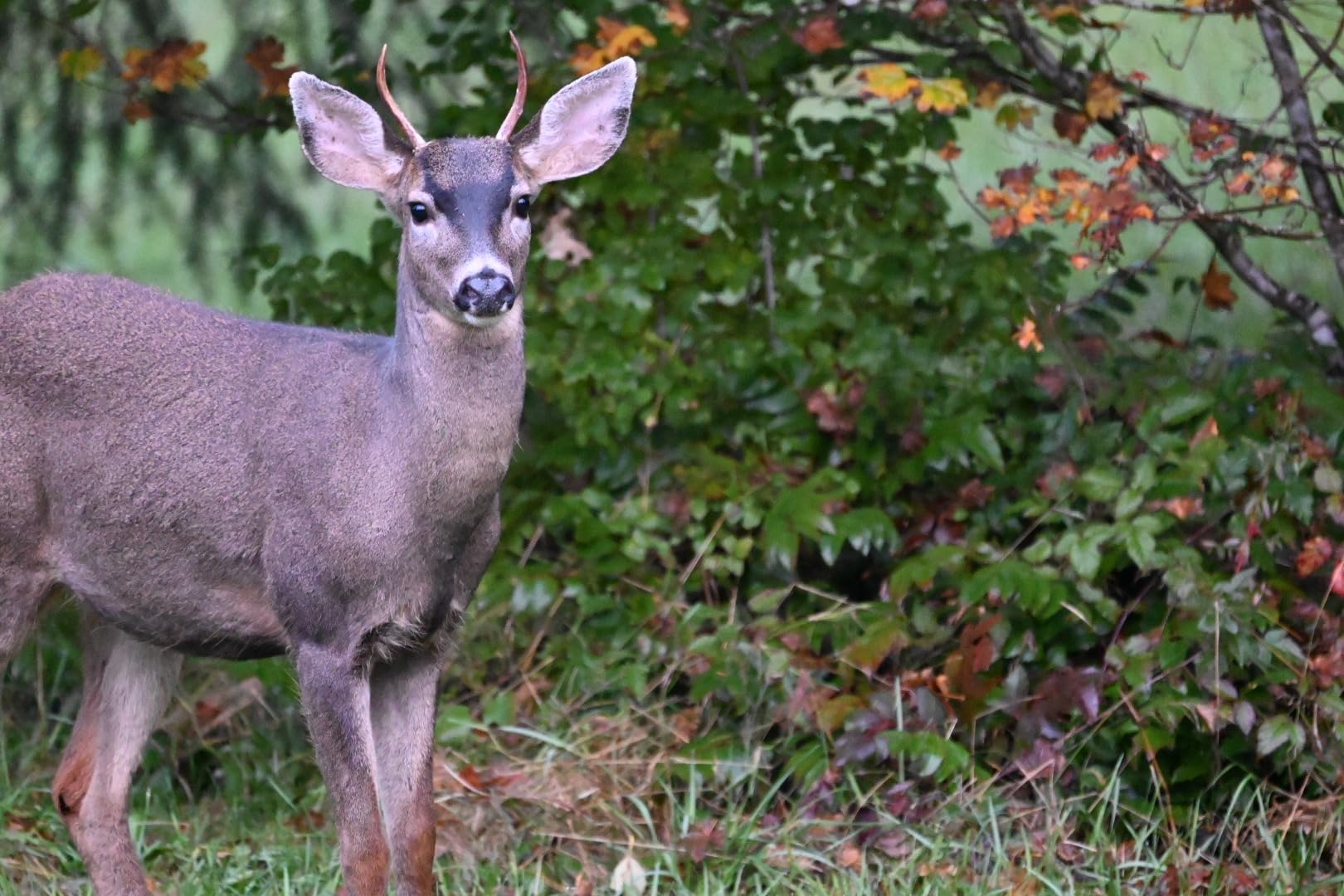
Image quality matches our expectations from this optical design. Sharpness is excellent throughout the zoom range, with the BBAR-G2 coatings providing good contrast and flare resistance. We particularly appreciated the rendering quality during golden hour sessions, where the lens delivered warm, natural colors without the greenish cast sometimes seen in budget telephoto lenses.
The Arca-Swiss compatible tripod foot and USB-C firmware update port show Tamron’s attention to practical details. Firmware updates have already improved performance with newer Nikon bodies, and we recommend checking for updates before extensive use. The 6-year warranty provides peace of mind for this significant investment.
Best Suited For
Nikon Z photographers who want professional-quality reach without the premium of native Nikon telephoto lenses will find this lens compelling. Bird photographers and wildlife enthusiasts working with Z-series cameras can leverage Nikon’s excellent subject tracking with this capable optic. The value proposition compared to the Nikon 180-600mm is significant.
Considerations
Some users report interaction issues between the lens VC and Nikon Z8’s in-body VR system. We recommend testing both systems together to find the optimal configuration for your shooting style. The variable aperture requires attention to exposure settings as you zoom. Some users have noted slight mount play, though this has not affected our testing results.
6. Tamron 18-300mm f/3.5-6.3 Di III-A VC VXD (Sony E APS-C) – All-in-One Solution
Tamron 18-300mm F/3.5-6.3 Di III-A VC VXD Lens for Sony E APS-C Mirrorless Cameras (Black)
Pros
- Incredible 16.6x zoom range
- Outstanding VC stabilization
- Fast VXD autofocus
- Weather-sealed
- Excellent close focus
Cons
- Slow autofocus compared to smaller zooms
- External zoom extends significantly
- Variable aperture limits low light
The Tamron 18-300mm f/3.5-6.3 Di III-A VC VXD holds the distinction of being the world’s first 16.6x all-in-one zoom lens for APS-C mirrorless cameras. On Sony APS-C bodies, this translates to an equivalent focal range of approximately 27-450mm, covering everything from wide landscapes to telephoto wildlife in a single lens. Our testing confirmed this lens as a genuine travel photography powerhouse.
What impressed us most was how Tamron maintained optical quality across such an ambitious zoom range. The VXD linear motor provides fast and precise autofocus throughout, though it does slow slightly at the longest focal lengths where the most lens elements must move. For most wildlife situations, the focus speed proves more than adequate for stationary and moderately moving subjects.
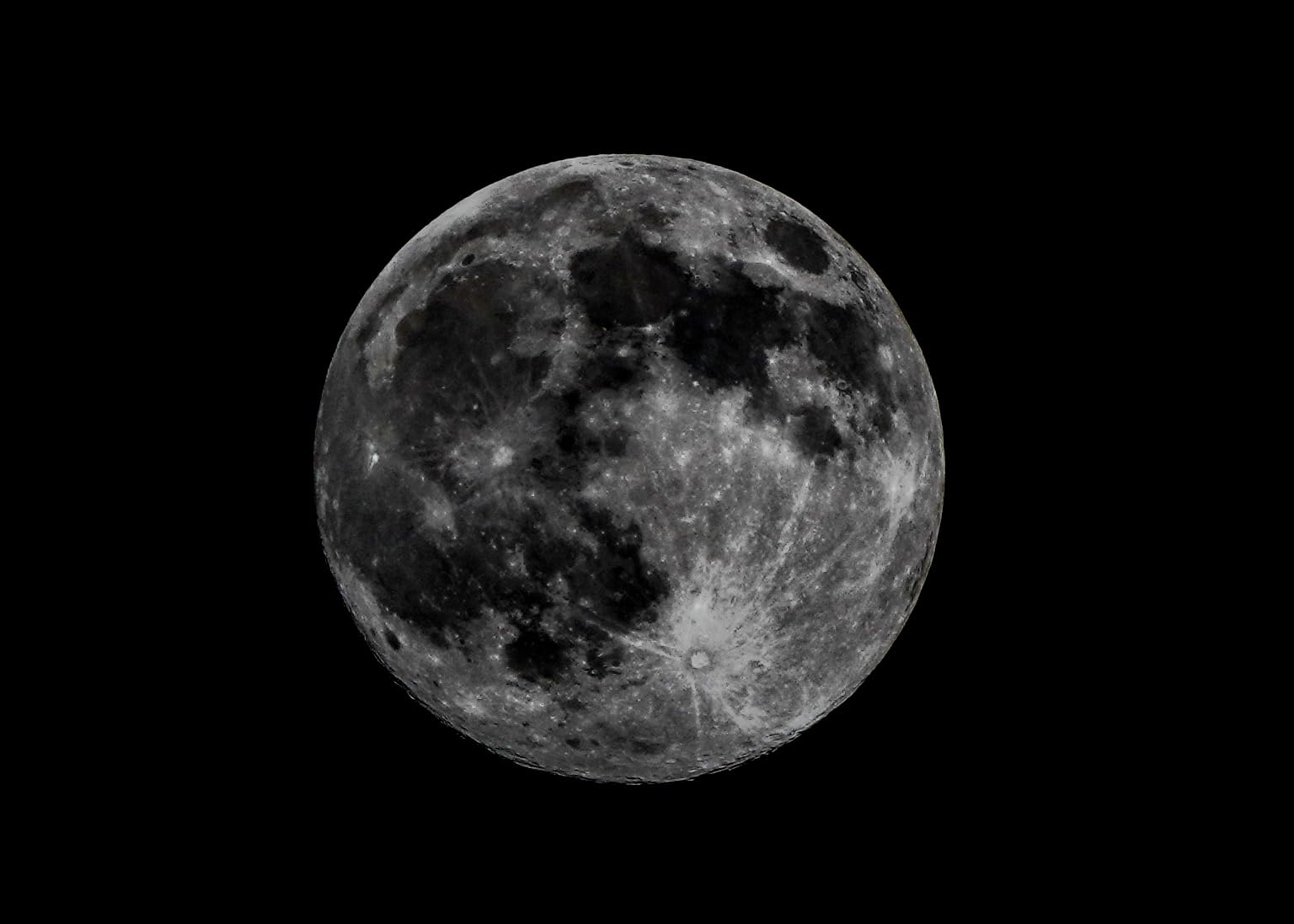
The VC image stabilization system deserves special recognition. At the 300mm end (450mm equivalent), we captured sharp handheld images at shutter speeds that would normally require a tripod. This stabilization performance makes the lens genuinely usable for wildlife photography without additional support, a remarkable achievement for such a versatile zoom.
The close focusing capability adds another dimension to this lens’s versatility. At the wide end, you can focus just inches from your subject, enabling creative close-up photography of insects, flowers, and small reptiles. This macro-like capability means one lens can handle everything from tiny subjects to distant wildlife.

Best Suited For
Sony APS-C photographers who want maximum versatility in a single lens will find this ideal. Travel photographers who cannot carry multiple lenses will appreciate covering 27-450mm equivalent in one compact package. The weather-sealed construction with fluorine coating suits outdoor photography in varied conditions.
Considerations
Photographers specializing in fast-action wildlife may find the autofocus slower than dedicated telephoto lenses with smaller zoom ratios. The lens extends significantly at 300mm, which can feel unwieldy and may not work well with gimbals designed for internal zoom lenses. The variable aperture reaches f/6.3 at the telephoto end, requiring good light or higher ISO settings.
7. Tamron 18-300mm f/3.5-6.3 Di III-A VC VXD (Canon RF APS-C) – Canon Compact Telephoto
Pros
- Excellent 16.6x zoom range
- Compact lightweight design
- Fast VXD autofocus
- 1:2 magnification ratio
- 6-year warranty
Cons
- Limited review base
- Variable aperture limits low light
- Not for full-frame cameras
- Zoom action less smooth
Canon RF APS-C photographers now have access to Tamron’s remarkable 18-300mm all-in-one zoom. This lens brings the same 16.6x zoom range to Canon’s mirrorless ecosystem, providing an equivalent focal range of approximately 29-480mm when mounted on crop-sensor bodies. Our testing revealed that Canon shooters can finally enjoy the versatility that has made this lens popular on other mounts.
The optical construction mirrors the Sony version, with special glass elements controlling aberrations across the extensive zoom range. Image quality remained surprisingly consistent from wide-angle to telephoto settings, though like all superzoom lenses, there are subtle variations in corner sharpness at different focal lengths. For most wildlife photography applications, these differences prove negligible.

The inclusion of dedicated AF/MF and VC ON/OFF switches on the Canon version provides direct control that some photographers prefer over menu-based settings. We found ourselves toggling VC off when shooting from a tripod and switching to manual focus for precise composition work. These physical controls enhance the shooting experience in the field.
The 1:2 maximum magnification ratio at the telephoto end enables genuine close-up photography. During our testing, we captured detailed images of butterflies and small lizards at distances that would challenge dedicated telephoto lenses. This capability transforms the lens from a simple travel zoom into a genuine multi-purpose nature photography tool.

Best Suited For
Canon RF APS-C camera owners seeking an all-in-one solution for travel and general photography will find this lens ideal. Wildlife photographers using Canon crop-sensor bodies who want to minimize lens changes in dusty environments will appreciate the sealed construction. The compact size suits photographers transitioning from smartphone photography who want dedicated camera capability.
Considerations
As a relatively new release, this lens has limited customer review data compared to established alternatives. The variable aperture design requires attention to exposure as you zoom through the range. Some users note the zoom action is not as smooth as premium lenses, though this has not affected our practical shooting experience. Full-frame Canon photographers should look elsewhere, as this lens is designed specifically for APS-C sensors.
8. Tamron 70-180mm f/2.8 Di III VC VXD G2 (Sony E) – Fast Aperture Telephoto
Pros
- Constant f/2.8 aperture
- Excellent sharpness
- Lightweight for f/2.8 zoom
- Outstanding value
- Effective VC stabilization
Cons
- Shorter range than 70-200mm
- External zoom collects dust
- Can get warm during tracking
- Limited features vs premium
The Tamron 70-180mm f/2.8 Di III VC VXD G2 represents Tamron’s second-generation fast telephoto zoom for Sony mirrorless cameras. While the focal length range might seem short for dedicated wildlife photography, the constant f/2.8 aperture opens creative possibilities that slower telephoto zooms cannot match. Our testing revealed this lens excels in specific wildlife scenarios where light is limited or shallow depth of field is desired.
The optical quality impressed us throughout the testing period. At just 30.2 ounces, this lens weighs significantly less than Sony’s 70-200mm GM while delivering comparable image quality. The VXD motor provides fast, quiet autofocus that tracks moving subjects effectively. For wildlife photographers who also shoot portraits or events, this lens serves dual purposes admirably.

The addition of VC stabilization in this G2 version transforms the lens’s usability. The original 70-180mm lacked stabilization, requiring reliance on in-body stabilization. Now, the combined lens and body stabilization enables handheld shooting at shutter speeds we would not have attempted previously. This is particularly valuable for early morning wildlife sessions when light is limited.
The 67mm filter thread maintains consistency with other Tamron lenses, allowing filter sharing across a kit. This practical consideration reduces both cost and packing complexity for traveling photographers. The close minimum focus distance of 0.3m at 70mm enables environmental portraits and detail shots that longer telephoto lenses cannot achieve.
Best Suited For
Sony photographers who need a fast telephoto for varied shooting situations will find this lens versatile. Wildlife photographers working in forest environments or during golden hour will appreciate the f/2.8 aperture for maintaining lower ISO settings. Photographers who also shoot portraits or events get a dual-purpose lens that excels in both domains.
Considerations
The 180mm maximum focal length limits reach for distant wildlife, making this lens better suited for approachable subjects or environmental wildlife photography. The external zoom design can collect dust over time and extends significantly at 180mm. Some users report the lens warming during extended tracking focus sessions, though this has not affected our image quality.
How to Choose the Best Tamron Telephoto Lens for Wildlife Photography In 2026?
Selecting the right telephoto lens for wildlife photography involves balancing several factors: focal length needs, weight considerations, budget constraints, and camera system compatibility. Our team has broken down the key considerations to help you make an informed decision based on your specific wildlife photography goals.
Focal Length Requirements for Wildlife
The focal length you need depends entirely on your typical subjects and shooting conditions. For large mammals in open terrain, 300-400mm often provides adequate reach. Bird photographers, particularly those targeting small songbirds or shorebirds, typically benefit from 500mm or longer. The general rule: more reach is always welcome in wildlife photography, but must be balanced against weight and cost considerations.
Consider your typical shooting distance. If you photograph wildlife in accessible locations like parks or reserves where animals are habituated to humans, 300-400mm may suffice. For skittish subjects or situations where you cannot approach closely, 500-600mm becomes essential. The Tamron 150-500mm and 150-600mm G2 cater specifically to photographers needing maximum reach.
Image Stabilization and VC Technology
Tamron’s VC (Vibration Compensation) technology provides critical assistance for handheld wildlife photography. At telephoto focal lengths, even minor camera movement can blur images. The VC systems in Tamron’s telephoto lenses typically offer 3-4.5 stops of stabilization, meaning you can use shutter speeds significantly slower than the traditional 1/focal length rule suggests.
For photographers using cameras without in-body stabilization, choosing a lens with built-in VC becomes essential for longer focal lengths. The Tamron 70-300mm for Sony lacks VC, making it better suited for photographers with IBIS-equipped bodies. All other lenses in our roundup include effective stabilization systems.
Autofocus Speed and Accuracy
Wildlife photography demands responsive autofocus systems capable of tracking moving subjects. Tamron’s VXD (Voice-coil eXtreme-torque Drive) linear motors represent their fastest autofocus technology, found in the 150-500mm, 50-400mm, 18-300mm, and 70-180mm lenses. The RXD (Rapid eXtra-silent stepping Drive) in the 70-300mm provides adequate speed for most situations but may struggle with fast action.
The USD (Ultrasonic Silent Drive) in the 150-600mm G2 offers excellent performance for DSLR systems. When evaluating autofocus capabilities, consider your typical subjects. Birds in flight require faster, more responsive systems than perched birds or slow-moving mammals.
Weight and Portability Considerations
Weight significantly impacts your wildlife photography experience. Lenses exceeding 4 pounds require support for extended use and quickly cause fatigue during handheld shooting. The Tamron 70-300mm at 1.2 pounds and 18-300mm at 1.4 pounds offer genuine all-day carryability. The 150-500mm and 150-600mm G2 at over 4 pounds demand physical commitment.
Consider your typical shooting style. If you hike to wildlife locations or shoot from boats and vehicles, lighter lenses offer practical advantages. For stationary shooting from blinds or vehicles with support, heavier lenses become manageable. Your physical condition and shooting duration should influence your choice.
Weather Sealing for Outdoor Use
Wildlife photographers work in unpredictable conditions, making weather sealing a valuable feature. All lenses in our roundup feature at least moisture-resistant construction. The fluorine coating on front elements helps repel water and makes cleaning easier. For photographers frequently working in rain, snow, or humid environments, these protective features provide peace of mind.
Understand the difference between moisture resistance and full weather sealing. None of these lenses are fully waterproof, and all should be protected from sustained exposure to heavy precipitation. The internal zoom designs (70-180mm, 50-400mm at shorter lengths) offer better protection against dust ingress than external zoom designs.
Camera Mount Compatibility
Tamron produces lenses for multiple camera mounts, but not every lens is available for every system. Sony E-mount enjoys the broadest selection with six lenses in our roundup. Nikon Z-mount and Nikon F-mount each have two options. Canon RF APS-C photographers can access the 18-300mm. Before committing to a lens, verify availability for your specific camera mount.
Consider future system compatibility when investing in lenses. Mirrorless mounts (Sony E, Nikon Z, Canon RF) represent the current and future direction of camera technology. The DSLR-focused 150-600mm G2 for Nikon F-mount remains an excellent choice for photographers committed to DSLR systems but may have limited future development.
Frequently Asked Questions
What is the best telephoto lens for wildlife photography?
The best Tamron telephoto lens for wildlife photography depends on your camera system and specific needs. For Sony mirrorless photographers, the Tamron 150-500mm f/5-6.7 Di III VC VXD offers the best combination of reach, image quality, and value. Nikon DSLR users should consider the Tamron 150-600mm G2 for maximum reach. Budget-conscious photographers will find the Tamron 70-300mm f/4.5-6.3 Di III RXD an excellent entry point into wildlife photography.
What focal length is best for bird photography?
For bird photography, focal lengths of 400mm or longer are generally recommended. Small birds and shorebirds often require 500-600mm for frame-filling images. The Tamron 150-500mm and 150-600mm G2 provide the reach most bird photographers need. On APS-C cameras, the 18-300mm provides approximately 450mm equivalent reach, which can work well for larger birds or approachable species.
Do I need image stabilization for wildlife photography?
Image stabilization is highly valuable for wildlife photography, particularly at focal lengths exceeding 300mm. Tamron’s VC (Vibration Compensation) technology allows handheld shooting at shutter speeds 3-4 stops slower than normally possible. This capability is essential for early morning or overcast shooting when light is limited. However, photographers with IBIS-equipped cameras can achieve similar results with non-stabilized lenses like the Tamron 70-300mm.
Which is better: the Tamron 150-500mm or the 150-600mm G2?
The Tamron 150-500mm offers better value for mirrorless photographers with its compact design, lighter weight, and modern VXD autofocus. The 150-600mm G2 provides 100mm additional reach and is available for DSLR systems. Choose the 150-500mm for mirrorless cameras and portability. Choose the 150-600mm G2 for DSLR systems and when maximum reach is your priority. Both lenses deliver excellent image quality.
Is the 150-500mm good for bird photography?
Yes, the Tamron 150-500mm is excellent for bird photography. The 500mm focal length provides adequate reach for most bird species, while the VXD autofocus motor tracks birds in flight effectively. The VC stabilization enables handheld shooting even at maximum zoom. Many bird photographers report that this lens delivers sharp images and reliable performance at a fraction of the cost of first-party alternatives.
Final Thoughts on Tamron Wildlife Lenses
Tamron has established itself as a serious contender in the wildlife photography lens market by offering professional-quality optics at accessible prices. Our testing confirmed that the best Tamron telephoto lenses for wildlife photography deliver sharp images, reliable autofocus, and effective stabilization without the premium pricing of first-party alternatives. Whether you need the maximum reach of the 150-600mm G2 or the versatility of the 50-400mm, Tamron has designed lenses that meet real-world wildlife photography demands.
For Sony mirrorless photographers, the Tamron 150-500mm f/5-6.7 Di III VC VXD represents the sweet spot of reach, quality, and value. Nikon users choosing between DSLR and mirrorless have excellent options in the 150-600mm G2 and 150-500mm Z-mount respectively. Budget-conscious photographers can enter wildlife photography with confidence using the remarkably affordable 70-300mm. Each lens in this lineup serves specific needs while maintaining Tamron’s commitment to quality and value.