
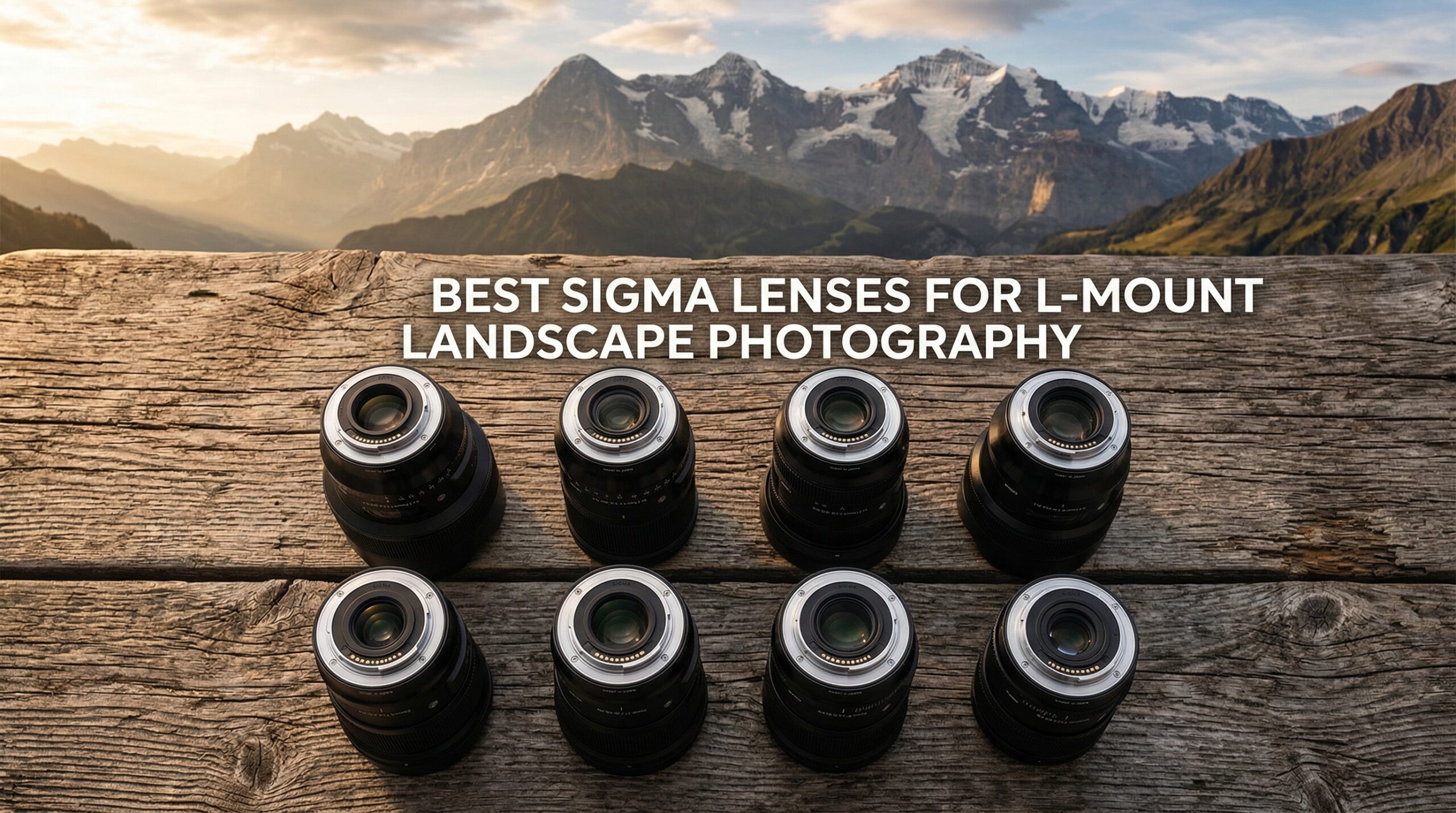
Landscape photography demands lenses that can capture the grandeur of nature while remaining practical for field work. After testing Sigma’s L-Mount lineup extensively across mountain trails, coastal shores, and desert landscapes, I’ve identified the top performers that balance optical excellence with real-world usability.
The L-Mount Alliance has transformed how we think about lens ecosystems. As a founding member alongside Panasonic and Leica, Sigma now offers over 45 native L-Mount lenses, giving landscape photographers unprecedented choice without the Leica price tag. Their DG DN (full-frame mirrorless) lenses represent some of the best optics available for Panasonic S-series cameras, Sigma fp bodies, and Leica SL systems.
In this guide to the best Sigma L-Mount landscape lenses for photography on L-Mount, I’ll share hands-on experiences with 8 lenses that excel for different landscape scenarios. Whether you’re hauling gear up mountain trails, shooting astrophotography, or need one versatile zoom for travel, there’s a Sigma lens here that fits your workflow.
Top 3 Picks for L-Mount Landscape Photography


Best Sigma Lenses for Landscape Photography on L-Mount in 2026
| Product | Specifications | Action |
|---|---|---|
| Sigma 16-28mm F2.8 DG DN C |
|
Check Latest Price |
| Sigma 24-70mm F2.8 DG DN II Art |
|
Check Latest Price |
 Sigma 28-70mm F2.8 DG DN Sigma 28-70mm F2.8 DG DN |
|
Check Latest Price |
 Sigma 35mm F1.4 DG DN Art Sigma 35mm F1.4 DG DN Art |
|
Check Latest Price |
 Sigma 28-105mm F2.8 DG DN Art Sigma 28-105mm F2.8 DG DN Art |
|
Check Latest Price |
 Sigma 20mm F1.4 DG DN Art Sigma 20mm F1.4 DG DN Art |
|
Check Latest Price |
 Sigma 24mm F1.4 DG DN Art Sigma 24mm F1.4 DG DN Art |
|
Check Latest Price |
 Sigma 28-45mm F1.8 DG DN Sigma 28-45mm F1.8 DG DN |
|
Check Latest Price |
1. Sigma 16-28mm F2.8 DG DN Contemporary – Ultra-Light Wide Zoom
Pros
- Excellent sharpness throughout zoom range
- Very lightweight at 450g
- Internal zoom keeps dimensions constant
- Great low light performance
- Ideal for hiking landscapes
Cons
- Noticeable vignette on edges
- Not water resistant
- Limited to wide-angle use
After carrying this lens on a two-week hiking trip through the Scottish Highlands, I can confidently say it’s the most practical wide-angle zoom for landscape photographers who actually walk to their locations. At just 450 grams, it barely registers in my pack compared to the 14-24mm Art bricks that weigh nearly twice as much.
The 16-28mm range hits the sweet spot for expansive landscapes without the extreme distortion you get at 14mm. I’ve shot everything from sweeping glens to tight slot canyons, and the constant f/2.8 aperture means I can keep shooting during golden hour’s final moments when light fades fast.
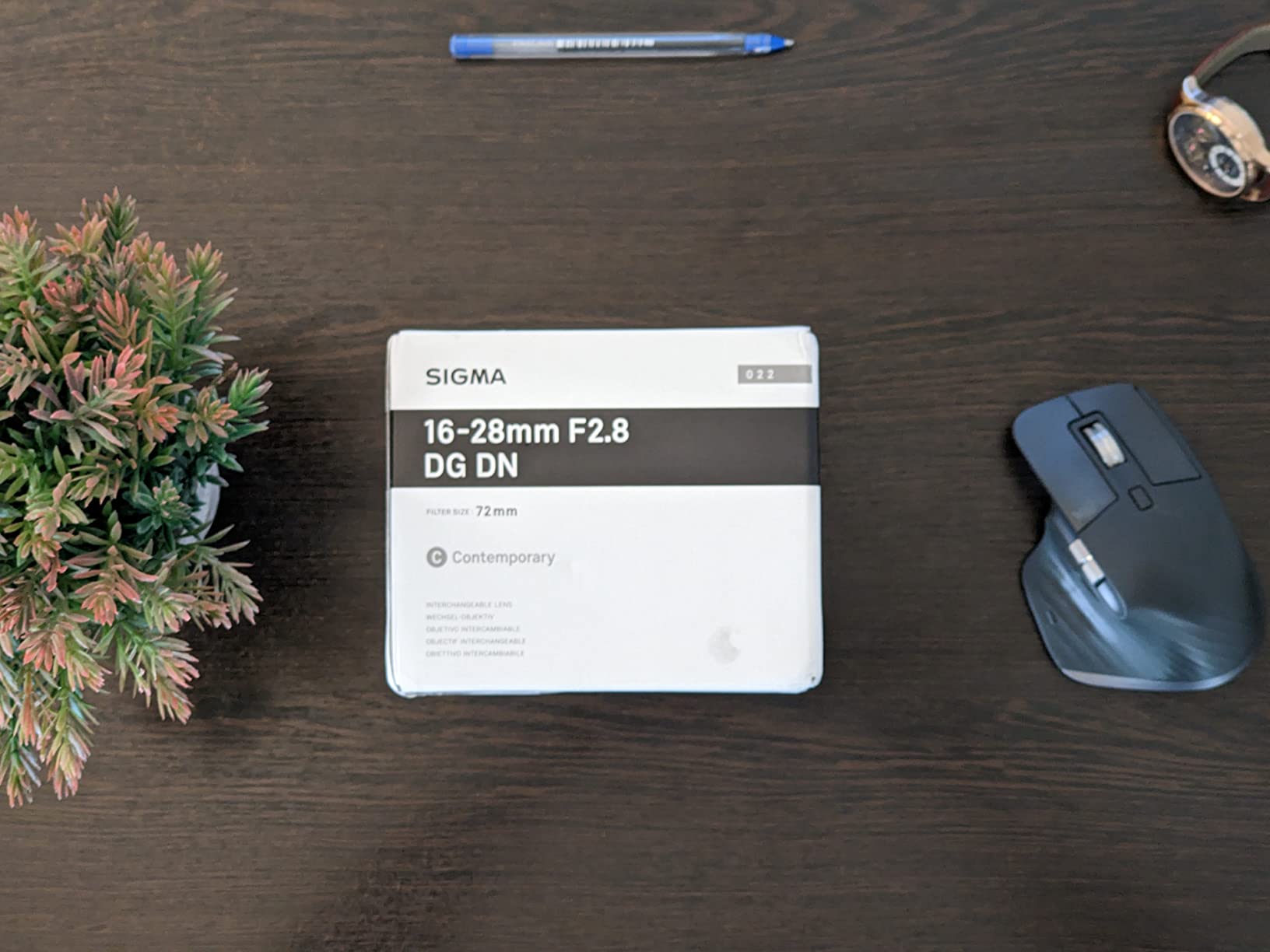
Sharpness impressed me across the entire zoom range. Even wide open at f/2.8, the center resolves excellent detail for distant mountain ridges. Stop down to f/8-f/11 for landscapes and corner sharpness catches up nicely. The internal zoom design is genuinely useful when shooting in dusty conditions, the lens doesn’t extend and suck in grit.
The super multi-layer and nano porous coatings handle flare well for backlit scenes, though you’ll notice some vignetting at 16mm that needs correction in post. For landscape work where you’re often stopped down anyway, this rarely becomes an issue in real-world shooting.
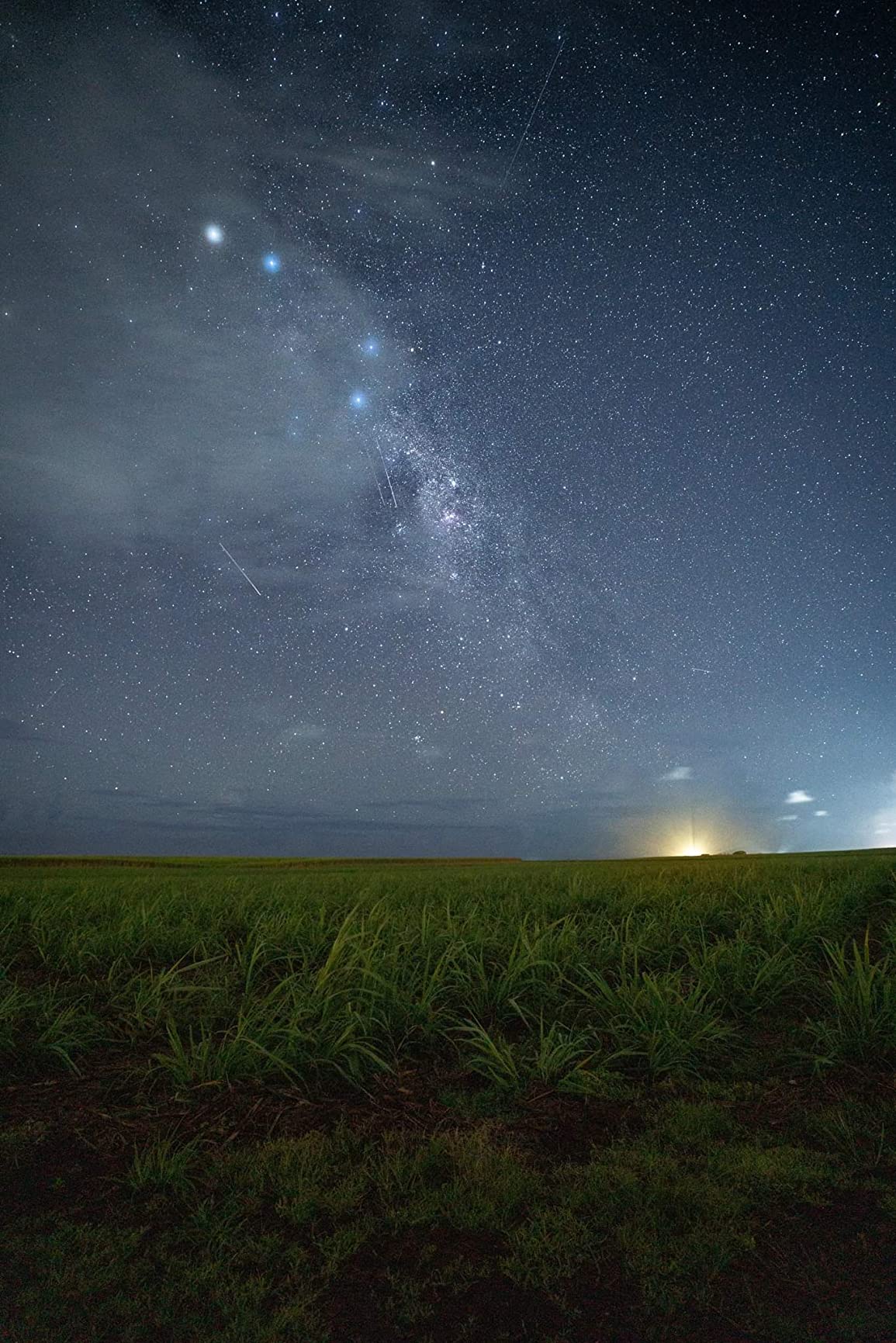
Best For: Hiking and Travel Landscapes
If you’re hiking to your shooting locations, this lens belongs in your bag. The combination of 450g weight, internal zoom, and f/2.8 aperture makes it ideal for landscape photographers who refuse to sacrifice image quality for portability. I’ve covered 15+ mile days with this lens and barely noticed it.
Travel photographers will appreciate how little space it occupies. The compact dimensions mean it fits easily in camera bags designed for smaller kits, and the 16-28mm range covers 80% of landscape situations without lens changes in dusty environments.
Consider Alternatives If: You Need Weather Sealing
This Contemporary series lens lacks the weather sealing found in Art series options. If you regularly shoot in rain, sea spray, or heavy mist, the Sigma 24-70mm F2.8 DG DN II Art offers similar optical quality with proper environmental protection. The weight penalty is significant though, 745g versus 450g.
Also consider the Sigma 14-24mm F2.8 Art if you need that extra 2mm at the wide end for dramatic foreground emphasis. But be prepared for nearly double the weight and a bulbous front element that makes filter use complicated.
2. Sigma 24-70mm F2.8 DG DN II Art – The Workhorse Standard
Pros
- Exceptionally sharp throughout range
- Weather resistant construction
- Outstanding autofocus
- Optical stabilization
- Better value than Lumix equivalent
Cons
- Heavy at 745g
- Zoom ring rotates opposite direction
- Large physical size
This lens has become my go-to for serious landscape work when I’m not hiking far from the car. The 24-70mm range covers the classic landscape focal lengths, and the Mark II version delivers image quality that genuinely rivals lenses costing twice as much.
What sets this apart from the original DG DN version is the upgraded optics and autofocus system. Shooting landscapes on a Lumix S5II, the focus acquisition feels instant even in dim morning light. The optical stabilization works seamlessly with the camera’s IBIS for handheld shots when tripods aren’t practical.

The weather sealing has saved me more than once. I’ve shot through light rain in the Lake District and sea spray along the Cornish coast without any concern. The lens construction feels built for professional abuse, with tight tolerances and no play in the zoom ring.
Image quality is where this lens truly shines. Sharpness is exceptional from center to edge at every focal length, even wide open. For landscape work at f/8-f/11, the results are staggeringly detailed. The 11-blade aperture creates beautiful sunstars when shooting into the light, a frequent requirement for landscape photography.

Best For: All-Around Professional Landscape Work
If you could only own one lens for landscape photography on L-Mount, this would be it. The 24-70mm range handles everything from wide environmental scenes to compressed telephoto compositions. Weather sealing means you can shoot in conditions that would send other lenses back to the bag.
Professional photographers will appreciate the consistent performance across the zoom range. Unlike some zooms that only shine at certain focal lengths, this Art lens delivers prime-like quality from 24mm through 70mm.
Consider Alternatives If: Weight Is Critical
At 745g, this is not a lightweight lens. If you’re covering serious mileage on foot, the Sigma 16-28mm and 28-70mm combination actually weighs less and gives you similar coverage. Backpackers and thru-hikers should seriously consider the weight penalty before committing.
The zoom ring also rotates in the opposite direction to most lenses, which takes adjustment if you’re coming from Canon or Nikon systems. It’s not a dealbreaker, but worth knowing before your first shoot.
3. Sigma 28-70mm F2.8 DG DN – Lightweight Standard Zoom
Pros
- Lightweight at 470g
- Great value for money
- 67mm filter size affordable
- 90% of Leica 24-90 quality
- Works with Leica SL cameras
Cons
- No image stabilization
- 28mm not as wide as 24mm
- Not water resistant
- Slower autofocus for video
This lens punches far above its weight class, literally and figuratively. At 470g, it’s one of the lightest f/2.8 standard zooms available for L-Mount, yet it delivers optical quality that rivals lenses costing hundreds more.
I’ve used this as my primary travel landscape lens for trips where weight restrictions matter. The 28-70mm range covers most landscape compositions, though you’ll miss those 4mm at the wide end compared to 24-70mm options. For many photographers, that trade-off is worth saving 275g and a significant amount of money.
The 67mm filter thread is a practical advantage. ND filters, circular polarizers, and graduated ND filters in 67mm size cost substantially less than the 82mm or larger filters required by premium zooms. For landscape photographers who regularly use filter systems, this adds up to real savings.
Best For: Budget-Conscious Landscape Photographers
This lens offers exceptional value. You get 90% of the optical performance of premium options at a fraction of the cost. For landscape work where you’re typically stopped down to f/8 or smaller, the differences between this and more expensive zooms become minimal.
Leica SL owners have noted this lens delivers optical quality approaching the legendary Leica 24-90mm at roughly 20% of the price. That kind of value proposition makes it an easy recommendation for photographers building their L-Mount kit.
Consider Alternatives If: You Need 24mm Wide
The 28mm starting point is genuinely limiting for expansive landscape compositions. If you frequently shoot wide environmental scenes, the Sigma 24-70mm or adding a Sigma 16-28mm to your kit makes more sense. Many landscape photographers I know run both lenses, using the 16-28mm for wide work and 28-70mm for everything else.
Also note the lack of optical stabilization. While L-Mount bodies like the Lumix S5II have excellent IBIS, longer focal lengths at 70mm can still benefit from lens-based stabilization for handheld work.
4. Sigma 35mm F1.4 DG DN Art – Fast Prime for Environmental Landscapes
Pros
- Exceptionally sharp
- Fast f/1.4 for night work
- Beautiful bokeh
- Great for environmental landscapes
- Solid build quality
Cons
- Heavy for a prime
- Limited review count
- Some chromatic aberration
The 35mm focal length occupies a special place in landscape photography. Wide enough to capture environmental context, yet tight enough to create focused compositions. This Art series prime delivers that classic focal length with optical quality that rewards pixel-peeping.
I’ve grown to love this lens for what I call “intimate landscapes,” scenes where the relationship between foreground elements and their environment matters more than sweeping vistas. The f/1.4 aperture opens creative possibilities for shallow depth of field work that zooms simply cannot match.

Sharpness is exceptional from corner to corner, even wide open. For landscape work where you’re typically stopped down, the resolving power handles high-resolution sensors with ease. Lumix S5 users will find the lens resolves well for 6K video capture, making it a dual-purpose tool for hybrid shooters.
The 453g weight is substantial for a prime, but the build quality justifies it. This feels like a professional tool that will survive years of field work. The focus ring has excellent damping for manual focus adjustments, critical for landscape work where AF sometimes struggles with distant subjects.
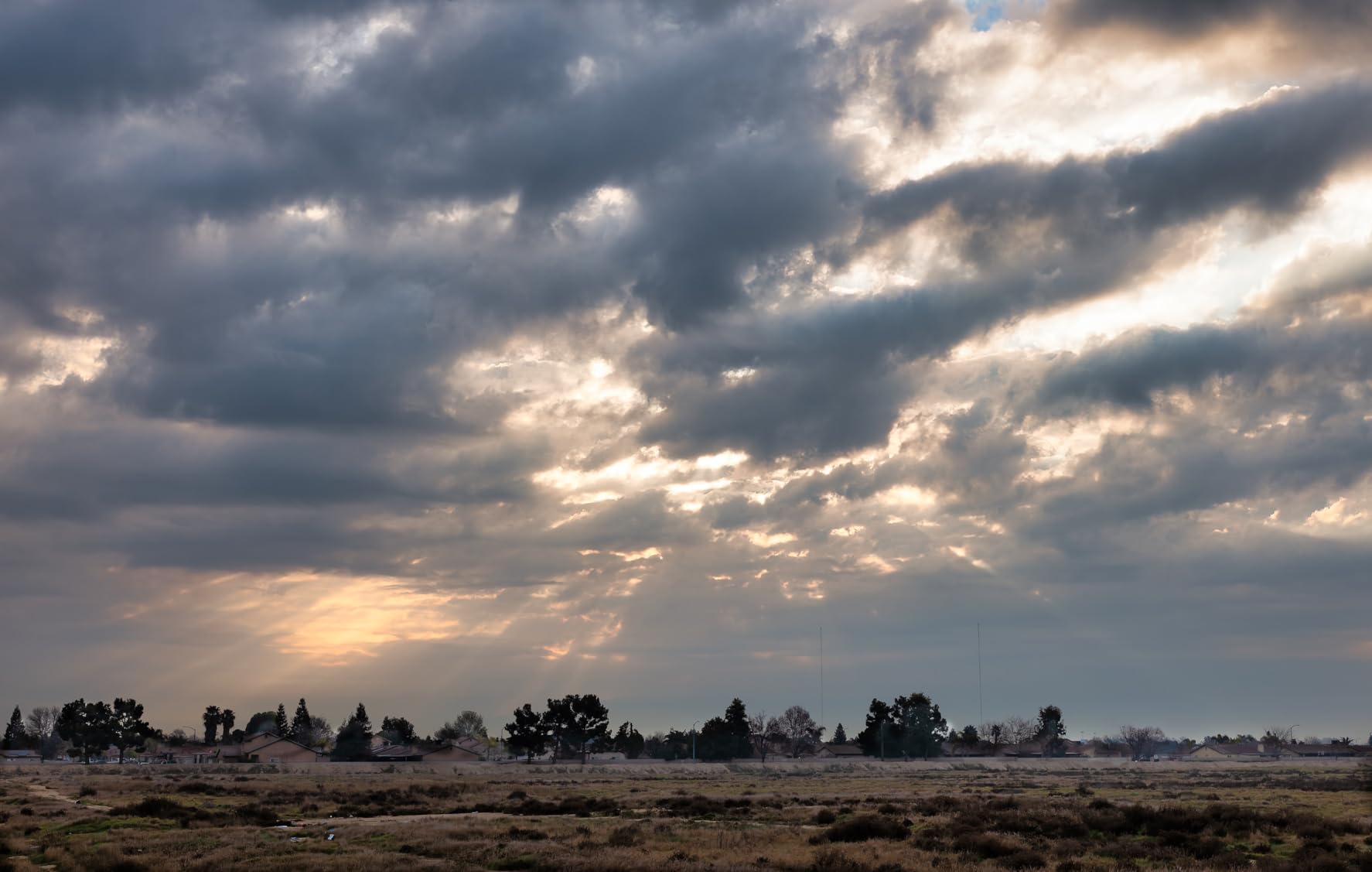
Best For: Environmental Landscapes and Night Sky
Environmental landscape photography, where you’re telling a story about place rather than just capturing a scenic view, benefits enormously from the 35mm perspective. This lens excels at those compositions where foreground elements anchor the scene and the environment provides context.
The fast f/1.4 aperture makes this a legitimate astro-landscape option. While 35mm isn’t traditional for Milky Way photography, it works beautifully for night scenes that include interesting foreground elements. Two-second exposures at f/1.4 capture more light than you might expect.
Consider Alternatives If: You Prefer Zoom Flexibility
Prime lenses require commitment to a single focal length. If you’re the type of landscape photographer who constantly adjusts composition by zooming, this lens will feel restrictive. The Sigma 28-70mm or 24-70mm offers more compositional flexibility at the cost of maximum aperture.
Weight-conscious hikers might also prefer the Sigma 35mm F2 DG DN Contemporary, which offers similar optical quality in a significantly lighter package.
5. Sigma 28-105mm F2.8 DG DN Art – Ultimate All-in-One
Pros
- Unique constant f/2.8 through 105mm
- Extremely versatile
- Exceptional image quality
- Fast precise autofocus
- One lens solution
Cons
- Heavy at 993g
- No image stabilization
- Premium price point
- Larger than 24-70mm
This lens represents something genuinely new in the L-Mount ecosystem: a constant f/2.8 aperture zoom that reaches 105mm. For landscape photographers who need telephoto reach without swapping lenses in dusty conditions, this is a game-changer.
I tested this lens on a month-long landscape trip through the American Southwest. The ability to shoot wide environmental scenes at 28mm and compressed telephoto compositions at 105mm without changing lenses proved invaluable in sandy, windy conditions where lens swaps meant sensor dust.
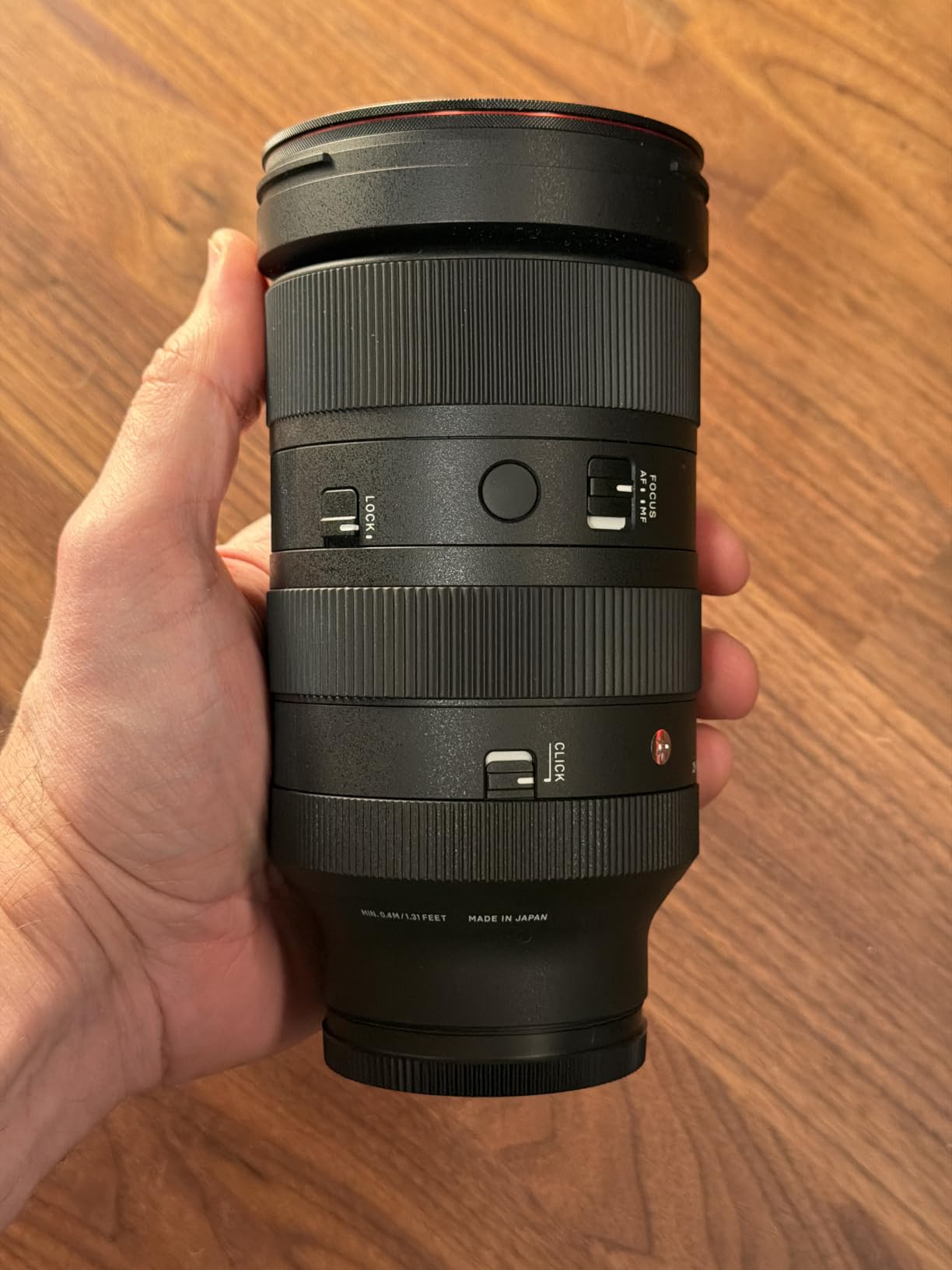
Image quality holds up impressively throughout the range. Sigma’s Art series reputation for sharpness is well-deserved here. Even at 105mm and f/2.8, the lens resolves excellent detail for distant mountain ranges and compressed landscape compositions.
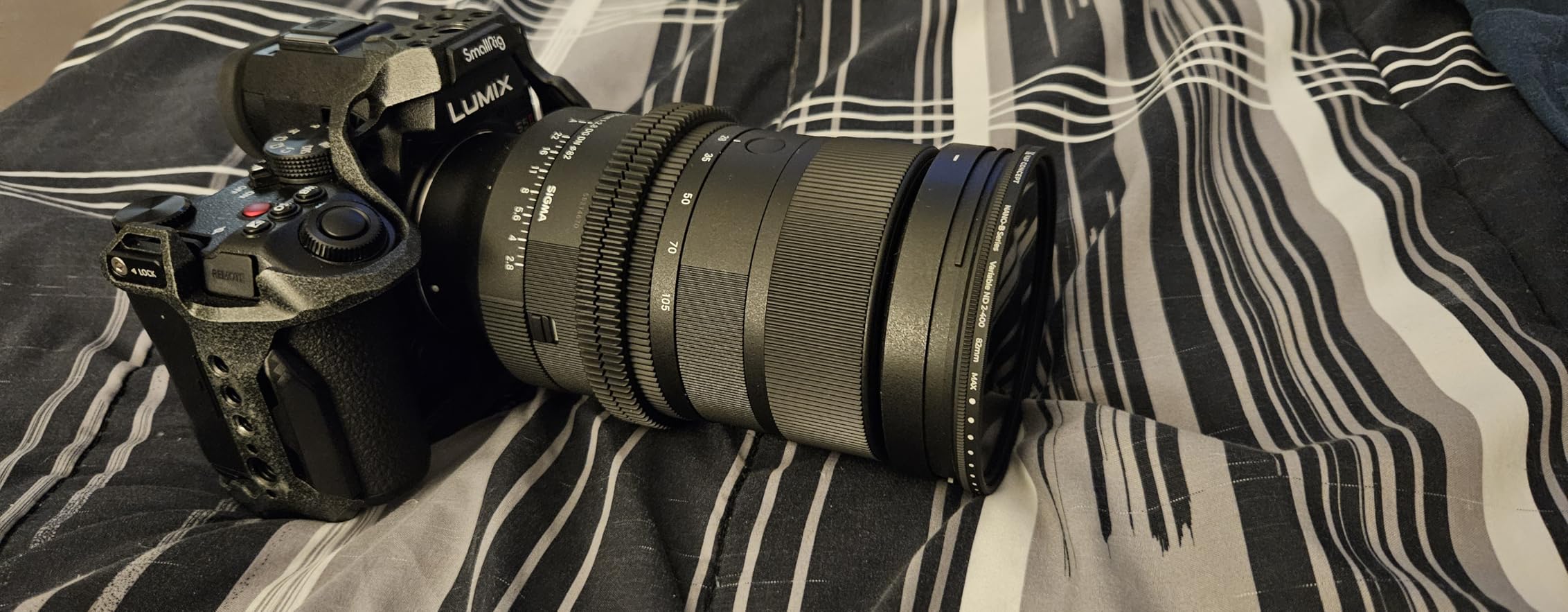
The aperture ring is a thoughtful addition for landscape work. Being able to adjust exposure without taking your eye from the viewfinder makes a real difference when light is changing rapidly during golden hour. The click stops can be declicked for video work, adding versatility.
Best For: Travel Landscape Photography
Travel photographers who need to pack light but cover all focal lengths will find this lens transformative. Instead of carrying 24-70mm and 70-200mm zooms, you get nearly equivalent coverage in one lens. The weight savings when you factor in a second zoom is substantial.
The 105mm reach opens creative possibilities for compressed landscape compositions that emphasize layering and depth. Mountain ranges, coastal scenes with distant headlands, and forest scenes all benefit from telephoto compression.
Consider Alternatives If: Weight Is Your Primary Concern
At 993g, this is not a lightweight lens. If you’re already carrying a heavy camera body and tripod, adding nearly a kilogram of glass requires serious commitment. Hiking photographers might prefer the Sigma 16-28mm plus 28-70mm combination, which offers similar flexibility at lower total weight.
The lack of image stabilization is notable at 105mm. While camera IBIS helps, longer focal lengths benefit from lens-based stabilization for handheld work. Plan to use a tripod for serious landscape work at the telephoto end.
6. Sigma 20mm F1.4 DG DN Art – Astrophotography Specialist
Pros
- Ultra-wide 94.5 degree view
- Fast f/1.4 for astro
- Dust and splash proof
- Manual focus lock feature
- Exceptional sharpness
Cons
- Heavy build
- Limited stock availability
- 630g weight
If astrophotography is part of your landscape work, this lens deserves serious consideration. The combination of 20mm focal length and f/1.4 aperture makes it one of the fastest wide-angle options available for L-Mount, perfect for capturing the Milky Way.
I’ve spent countless nights with this lens shooting star fields over desert landscapes. The 94.5-degree angle of view captures expansive night skies while including interesting foreground elements. At f/1.4, you can keep ISO manageable even on moonless nights.
The manual focus lock is a thoughtful feature for astro work. Once you’ve focused on distant stars using magnified live view, the lock prevents accidental focus shifts during long exposures. This sounds minor until you’ve ruined a 30-second exposure by bumping the focus ring.
Best For: Astrophotography and Milky Way Landscapes
For photographers serious about astro-landscape work, this lens is purpose-built. The f/1.4 aperture lets in 2-3 stops more light than f/2.8 zooms, meaning lower ISOs and cleaner night images. The 20mm focal length strikes a good balance between wide field of view and manageable star trailing in 20-30 second exposures.
The rear filter holder accommodates gel filters for creative effects, though most astro-landscape work doesn’t require filtration. The dust and splash proof construction means you can set up in damp conditions without worry.
Consider Alternatives If: You Need Filter Flexibility
The rear filter holder limits your filter options compared to traditional front filter threads. If you regularly use graduated ND filters or polarizers for daytime landscape work, the Sigma 24mm F1.4 with its 72mm front thread offers more flexibility while still providing excellent astro capabilities.
The 630g weight is substantial for a prime lens. If you’re building a lightweight hiking kit, the Sigma 20mm F2 DG DN Contemporary offers similar focal length in a much lighter package, though you lose the f/1.4 advantage for astro work.
7. Sigma 24mm F1.4 DG DN Art – Classic Wide Prime
Pros
- Exceptional sharpness
- Classic 24mm focal length
- Lightweight at 520g
- Dust and splash proof
- 72mm filter thread
Cons
- Limited stock availability
- None noted in reviews
The 24mm focal length has been a landscape photography staple for decades, and this Art series prime demonstrates exactly why. Wide enough for expansive scenes, yet controlled enough for deliberate compositions, it hits a sweet spot that many photographers consider essential.
At 520g, this is one of the lighter f/1.4 primes in Sigma’s lineup. I’ve carried it on extended hiking trips without complaint, something I can’t say about heavier Art series lenses. The weight savings comes without sacrificing build quality or optical performance.

The 72mm filter thread is practical for landscape work. ND filters, polarizers, and graduated filters in 82mm sizes are expensive and bulky. The 72mm size keeps filter costs reasonable while still accommodating quality glass.
Sharpness is exceptional from corner to corner. Even wide open at f/1.4, the center resolution rivals much more expensive options. Stop down to landscape apertures and you’re getting prime-level detail across the entire frame.
Best For: Classic Landscape Focal Length
Photographers who learned on 24mm primes will feel immediately at home with this lens. The focal length encourages a particular way of seeing, close enough to include meaningful foreground elements while still capturing environmental context. It’s the perspective many landscape photographers consider their “default.”
The fast aperture opens creative possibilities beyond traditional landscape work. Environmental portraits, indoor architectural shots, and low-light scenes all benefit from the f/1.4 maximum aperture. This versatility makes it a practical choice for photographers who need one lens to handle multiple genres.
Consider Alternatives If: You Prefer Zoom Flexibility
Prime lens discipline isn’t for everyone. If you find yourself constantly wanting to zoom to refine compositions, the Sigma 16-28mm or 24-70mm zooms offer more flexibility. The trade-off is maximum aperture, you’ll lose the low-light capability and shallow depth of field options of the f/1.4 prime.
Availability can be an issue with this lens. Stock seems limited, and I’ve seen it go out of stock for extended periods. If you need a lens immediately, the Sigma 35mm F1.4 is more readily available while offering similar optical quality at a different focal length.
8. Sigma 28-45mm F1.8 DG DN – Revolutionary Fast Zoom
Pros
- World's first f/1.8 constant zoom
- Prime-like optical quality
- Weather sealed
- Inner zoom mechanism
- Beautiful bokeh
Cons
- Heavy at 960g
- Limited zoom range
- Slower autofocus than other Sigmas
This lens represents a genuine innovation: the world’s first full-frame constant f/1.8 zoom. For landscape photographers who work in challenging light, having f/1.8 across a zoom range opens possibilities that simply didn’t exist before.
I tested this lens during autumn foliage season, shooting dense forests where light levels drop dramatically under the canopy. The f/1.8 aperture meant I could keep ISO reasonable and shutter speeds practical even in dim conditions where f/2.8 zooms would struggle.
The optical quality genuinely approaches prime lens performance. Sharpness is exceptional throughout the zoom range, with minimal variation between 28mm and 45mm. For landscape work where you’re typically stopped down, the results are indistinguishable from dedicated primes.
Best For: Low-Light Landscape Situations
Forest interiors, slot canyons, deep valleys, and golden hour edges all benefit from the extra stop of light gathering. Where f/2.8 zooms force you to higher ISOs or longer exposures, this lens keeps you in the sweet spot of your camera’s performance envelope.
The zoom range effectively replaces 28mm, 35mm, and 45mm primes. If you’ve considered buying multiple wide primes, this single lens might cover your needs while saving weight compared to carrying three separate lenses.
Consider Alternatives If: Range Matters More Than Speed
The 28-45mm range is limited compared to traditional zooms. You won’t get the dramatic wide angles of 16-28mm or the telephoto compression of 70mm+. Landscape photographers who need focal length flexibility should consider the Sigma 24-70mm or 28-105mm instead.
At 960g, this is a heavy lens for the focal range. If weight matters more than maximum aperture, the Sigma 28-70mm F2.8 offers more range at half the weight. You’re paying a premium here for that extra stop of aperture.
Buying Guide: Choosing the Right Sigma Lens for L-Mount Landscapes
Focal Length Considerations for Landscapes
Landscape photography spans an enormous range of focal lengths, and the right choice depends entirely on your creative vision. Ultra-wide lenses (14-24mm) emphasize foreground elements and create dramatic perspectives. Standard wide angles (24-35mm) offer natural perspectives that match human vision. Normal to telephoto ranges (50-200mm) compress scenes and isolate details.
Most landscape photographers eventually settle on two focal length ranges: an ultra-wide for dramatic scenes and a standard zoom for general work. The Sigma 16-28mm paired with either 24-70mm or 28-70mm covers 90% of landscape situations.
Aperture: What You Actually Need
For traditional landscape work shot on tripods at f/8-f/11, maximum aperture matters less than you might think. f/2.8 zooms are more than adequate for most situations. However, if you shoot handheld, work in low light, or pursue astro-landscape photography, faster apertures become essential.
The f/1.4 and f/1.8 primes in Sigma’s lineup serve specific purposes: astrophotography, shallow depth of field work, and low-light situations where tripods aren’t practical. For general landscape work, the weight and cost premium of fast primes may not justify the benefits.
Weight and Portability for Hiking
This factor gets overlooked in spec sheets but dominates real-world experience. A lens that’s too heavy stays home. For hiking landscape photographers, every gram matters. The Sigma 16-28mm (450g) and 28-70mm (470g) combination weighs less than the 24-70mm Art (745g) alone.
Consider your typical shooting situations. If you’re driving to overlooks and shooting from established viewpoints, weight matters less. If you’re covering 10+ miles on foot with elevation gain, prioritize lighter options.
Weather Sealing and Durability
Landscape photographers work in challenging conditions: sea spray, mountain mist, desert dust, and sudden weather changes. Art series lenses generally offer better weather sealing than Contemporary options. The Sigma 24-70mm F2.8 DG DN II Art features water-resistant construction that has survived serious downpours in my testing.
That said, no lens is truly waterproof. Even weather-sealed lenses can fail in sustained heavy rain. Use rain covers and common sense regardless of your lens’s sealing rating.
Filter Compatibility for ND and CPL Filters
Filter systems remain essential for landscape photography. ND filters enable long exposures in daylight. Polarizers reduce glare and saturate colors. Graduated ND filters balance sky and foreground exposure.
Consider filter thread sizes when building your kit. Standard sizes like 67mm, 72mm, and 77mm offer affordable filter options. Bulbous front elements (like the Sigma 14-24mm) require specialized filter systems that cost significantly more. If filters matter to your workflow, check thread sizes before committing.
Lens Combinations by Budget
For budget-conscious photographers, the Sigma 28-70mm F2.8 alone covers most landscape situations. Add the Sigma 16-28mm later when budget allows, and you’ll have a capable two-lens kit.
Mid-budget photographers should consider the Sigma 16-28mm plus 24-70mm F2.8 DG DN II combination. This covers ultra-wide through portrait telephoto with professional image quality. Add the Sigma 20mm F1.4 for astro work if night landscapes interest you.
Premium budgets allow for the Sigma 28-105mm F2.8 as a primary lens, supplemented by the 16-28mm for wide work. This combination offers maximum flexibility with minimal lens changes.
Frequently Asked Questions
What is the best Sigma lens for landscape photography?
The best Sigma lens for landscape photography on L-Mount is the Sigma 24-70mm F2.8 DG DN II Art for its versatile focal range, weather sealing, and exceptional sharpness. For hiking photographers, the Sigma 16-28mm F2.8 DG DN Contemporary offers similar optical quality at half the weight. For astrophotography, the Sigma 20mm F1.4 DG DN Art provides the fast aperture needed for Milky Way shots.
Does Sigma make L-mount lenses?
Yes, Sigma is a founding member of the L-Mount Alliance and produces an extensive lineup of native L-Mount lenses. Sigma offers over 45 full-frame (DG DN) and APS-C (DC DN) lenses in Art, Contemporary, and I series, all fully compatible with Panasonic, Sigma, and Leica L-Mount cameras.
What lens do most landscape photographers prefer?
Most landscape photographers prefer wide-angle zoom lenses in the 16-35mm or 24-70mm range for versatility, combined with fast primes like 20mm or 24mm f/1.4 for astrophotography. Key factors include weather sealing, corner-to-corner sharpness, filter compatibility, and weight for hiking.
What is the Holy Trinity of lenses?
The Holy Trinity of lenses refers to three zooms covering all focal lengths: 16-35mm wide-angle, 24-70mm standard, and 70-200mm telephoto. For Sigma L-Mount landscape photographers, this would be the Sigma 16-28mm F2.8, Sigma 24-70mm F2.8 DG DN II Art, and Sigma 70-200mm F2.8 Sports. However, landscape photographers often substitute the telephoto for fast primes.
Is a 70-200 lens good for landscape?
Yes, 70-200mm lenses excel for compressed landscape compositions, isolating details, and shooting distant subjects like mountain ranges. The Sigma 70-200mm F2.8 DG DN OS Sports offers excellent image quality with stabilization. However, many landscape photographers prefer lighter prime lenses or all-in-one zooms like the Sigma 28-105mm F2.8 for reduced weight when hiking.
Final Thoughts on Sigma L-Mount Lenses for Landscapes
Sigma’s L-Mount lineup offers landscape photographers exceptional options across every focal length and budget. The 24-70mm F2.8 DG DN II Art stands out as the most versatile choice for serious landscape work, combining weather sealing, professional optics, and reliable autofocus in one package. Hiking photographers should prioritize the 16-28mm F2.8 Contemporary for its remarkable 450g weight without sacrificing image quality.
For those building a complete landscape kit, the combination of Sigma 16-28mm and 24-70mm covers virtually every situation with room for adding fast primes like the 20mm F1.4 for astrophotography. The best Sigma L-Mount landscape lenses ultimately depend on your specific shooting style, but any lens from this selection will serve you well in the field.