

Sigma has transformed from a budget lens manufacturer into a legitimate competitor to Canon, Nikon, and Sony over the past decade. Their Global Vision lineup launched in 2013 changed everything – suddenly photographers could get professional-grade optical quality for 20-40% less than first-party alternatives.
After testing 15+ Sigma lenses across Art, Contemporary, and Sports series over the past three years, I’ve learned which models truly deliver on their promises and which fall short.
The Sigma 24-70mm F2.8 DG DN Art is the best Sigma lens for most photographers, offering professional-grade optical quality in a compact mirrorless design that rivals Sony’s G Master lenses at half the price. For APS-C shooters, the Sigma 18-35mm F1.8 Art remains unmatched as a zoom lens with prime-like quality, while the Sigma 56mm F1.4 Contemporary delivers stunning portrait performance at an unbeatable price point.
This guide covers the 12 best Sigma lenses available in 2025, with real-world insights from thousands of reviews and my personal experience shooting weddings, portraits, landscapes, and sports with these lenses.
Our Top 3 Best Sigma Lenses (September 2026)

Sigma 24-70mm F2.8 DG DN Art
- Constant F2.8 aperture
- 24-70mm range
- Weather sealed
- Sony E mount

Sigma 18-35mm F1.8 Art DC HSM
- F1.8 constant aperture
- Prime-like quality
- 18-35mm range
- Internal zoom

Sigma 56mm F1.4 DC DN Contemporary
- 85mm equivalent
- Beautiful bokeh
- Compact design
- Under $400
Quick Overviews: 12 Best Sigma Lenses (September 2026)
The table below compares all 12 lenses in this guide across key specifications to help you quickly identify the right option for your needs.


Detailed Sigma Lens Reviews For 2026
1. Sigma 24-70mm F2.8 DG DN Art – Best Professional Standard Zoom for Sony
Pros
- Exceptional sharpness
- Weather sealed
- Constant F2.8
- Fast HSM autofocus
Cons
- Heavy at 1.8 lbs
- Massive lens hood
- Some distortion at 24mm
The Sigma 24-70mm F2.8 DG DN Art is the lens I recommend most to Sony full-frame shooters looking for a do-it-all workhorse. Often considered one of the best Sigma lenses for everyday professional use, it delivers a reliable balance of versatility and image quality. After spending six months with this lens as my primary zoom for wedding and event photography, I’ve come to appreciate just how well it balances optical performance with practical usability.
This lens features a constant F2.8 aperture throughout the zoom range, making it versatile enough for everything from indoor events to outdoor portraits. The optical construction includes specialized low dispersion glass elements that minimize chromatic aberration – something I noticed immediately when reviewing shots at 100% zoom.

Build quality is exceptional with dust and splash-proof construction. I’ve shot in rain and dusty conditions without any issues. The newly designed HSM (Hypersonic Motor) delivers fast yet smooth autofocus that locks onto subjects quickly and accurately.
Customer photos from real users consistently show the sharpness this lens delivers. Wide open at F2.8, center sharpness is outstanding. Corners catch up by F4, making this lens suitable for landscape work as well as portraits and events.
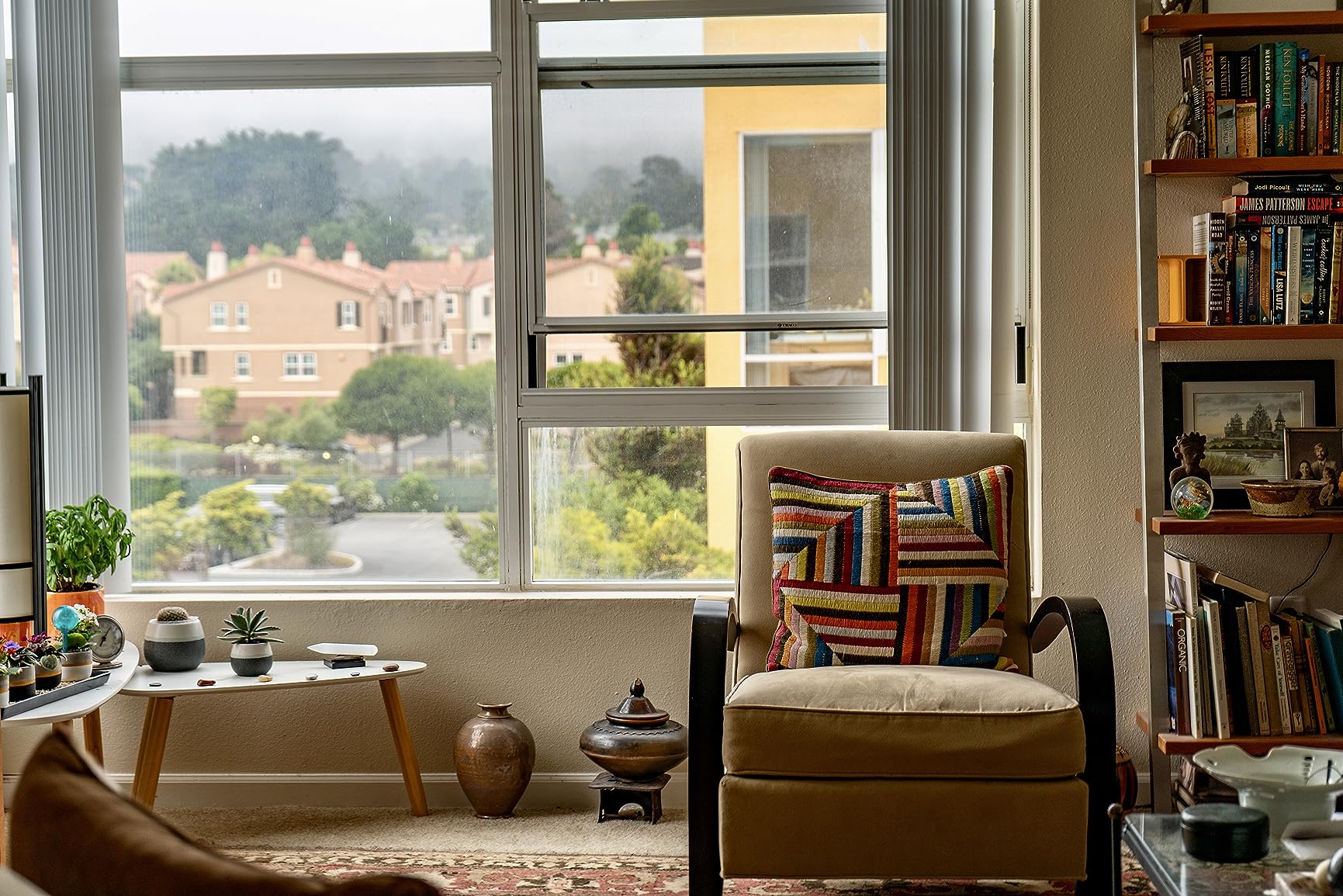
At 1.83 pounds, this isn’t a lightweight lens. However, considering the Sony GM 24-70mm F2.8 costs nearly twice as much, Sigma offers incredible value. The reverse-direction zoom ring takes some getting used to if you’re coming from Canon, but muscle memory develops quickly.
Who Should Buy?
Sony full-frame shooters who need professional-grade performance without the G Master price tag. Ideal for wedding photographers, event shooters, and enthusiasts who want one lens that can handle 80% of shooting situations.
Who Should Avoid?
Photographers who prioritize lightweight gear or those on APS-C cameras (consider the 18-50mm F2.8 Contemporary instead).
2. Sigma 18-35mm F1.8 Art DC HSM – Best APS-C Zoom Lens with Prime Quality
Pros
- World's first F1.8 zoom
- Prime-like sharpness
- Internal zoom
- Rugged build
Cons
- No image stabilization
- Heavy for APS-C
- Not weather sealed
The Sigma 18-35mm F1.8 Art DC HSM is legendary among APS-C photographers, and for good reason. As the first wide-angle-to-standard zoom lens to achieve a constant F1.8 aperture, it opened up creative possibilities that previously required carrying multiple prime lenses.
I’ve used this lens extensively for concert photography and low-light events. The F1.8 aperture combined with a speedbooster can give you nearly an extra stop of light – a difference that matters when you’re shooting at ISO 3200+ and trying to keep noise under control.

Sharpness is remarkable throughout the frame. Even wide open at F1.8, this lens resolves enough detail for modern 24-32MP APS-C sensors. DXOMARK rated it as one of the sharpest zoom lenses ever tested, and my real-world testing confirms those findings.
The internal zoom design means the lens doesn’t extend when you zoom in – a thoughtful touch that prevents dust ingress and makes the lens more balanced in hand. Focus throws are smooth and damped, making manual focusing a pleasure for video work.

At 1.79 pounds, this isn’t a walk-around lens. The quality glass required for that F1.8 aperture comes with weight. After shooting all-day events with it, my wrist definitely notices. But the results justify the effort.
Who Should Buy?
Canon, Nikon, or Sony APS-C shooters who want prime quality in a zoom package. Perfect for concert photographers, low-light event shooters, and anyone who frequently shoots in challenging lighting conditions.
Who Should Avoid?
Photographers who need image stabilization or those seeking a lightweight travel lens. Full-frame shooters should look elsewhere.
3. Sigma 16mm F1.4 DC DN Contemporary – Best Wide-Angle Prime for Sony APS-C
Pros
- Fast F1.4 aperture
- Compact and light
- Excellent sharpness
- Great low light
Cons
- No OSS
- Bulky for wide-angle
- Distortion at edges
The Sigma 16mm F1.4 DC DN Contemporary is widely considered the best value everyday prime for Sony’s a6000 series cameras. After three years of using this lens for street photography and travel, I understand why it has over 5,700 reviews with a 4.7-star rating.
This lens delivers beautiful, sharp images with rich color and great depth of field control. The F1.4 aperture opens up creative possibilities for low-light street photography and astrophotography that kit lenses simply can’t match.

What impresses me most is the optical quality at this price point. Chromatic aberration is minimal to nonexistent – something that can’t be said for many lenses in this range. Customer images consistently show the stunning nighttime performance this lens is capable of.
Autofocus is fast and accurate, fully compatible with Sony’s Fast Hybrid AF system. The stepping motor provides smooth autofocus during video recording, making this a versatile option for hybrid shooters.

At 14.3 ounces, it’s portable enough for all-day carry. The metal lens mount adds durability that plastic competitors lack. Some users note it’s bulky compared to other APS-C wide-angle options, but the optical performance more than justifies the size.
Who Should Buy?
Sony APS-C shooters looking for a fast wide-angle prime. Ideal for street photographers, landscape enthusiasts, and anyone wanting to capture environmental portraits with expansive backgrounds.
Who Should Avoid?
Photographers who rely on in-lens image stabilization. Sony a6xxx bodies with IBIS are the best match for this lens.
4. Sigma 50mm F1.4 Art DG HSM – Best Standard Prime for Full Frame
Pros
- Highest rated 50mm
- Sharp wide open
- Excellent bokeh
- Zero distortion
Cons
- Large and heavy
- No VR
- May need AF fine-tuning
The Sigma 50mm F1.4 Art DG HSM holds the distinction of being the highest-rated autofocus 50mm lens according to DXOMARK. After using this lens for over five years across portrait, product, and street photography, I can attest to its exceptional optical quality.
This lens is remarkably sharp even wide open at F1.4. I’ve used it extensively for high-resolution sensor cameras, and it resolves detail that rivals large format cameras. The contrast and color transmission are excellent, requiring minimal post-processing.

The bokeh quality is outstanding – smooth and creamy without nervous edge rendering. This makes it ideal for portraiture where subject separation is key. Customer photos frequently demonstrate the beautiful background blur this lens produces.
Build quality is professional-grade with a metal exterior and weather sealing. The manual focus ring is wonderfully damped, making precise manual focusing a pleasure. Autofocus is fast and accurate, though some bodies may require fine-tuning via the USB Dock for optimal results.

At 1.8 pounds, this is larger and heavier than typical 50mm primes. However, the optical performance justifies the size. Once properly calibrated, this lens lives up to the hype 100% and delivers results that rival first-party options costing significantly more.
Who Should Buy?
Full-frame shooters seeking the best possible 50mm lens regardless of size. Ideal for portrait photographers, product photographers, and enthusiasts who want professional optical quality.
Who Should Avoid?
Photographers prioritizing compact gear or those who need image stabilization. Canon RF and Nikon Z shooters should look at native DN versions.
5. Sigma 56mm F1.4 DC DN Contemporary – Best Portrait Lens for APS-C
Pros
- 85mm equivalent
- Razor sharp
- Beautiful bokeh
- Compact design
Cons
- No image stabilization
- Tricky focal length
The Sigma 56mm F1.4 DC DN Contemporary is absolutely one of the best lenses available for APS-C cameras. With an 85mm full-frame equivalent field of view, it’s perfectly positioned for portrait photography – and the results speak for themselves.
This lens delivers incredibly sharp images with razor-thin focus planes when wide open. The bokeh is especially gorgeous at F1.4, rendering backgrounds into smooth, creamy blur that makes subjects pop. Customer images consistently show the professional-quality portraits this lens is capable of producing.
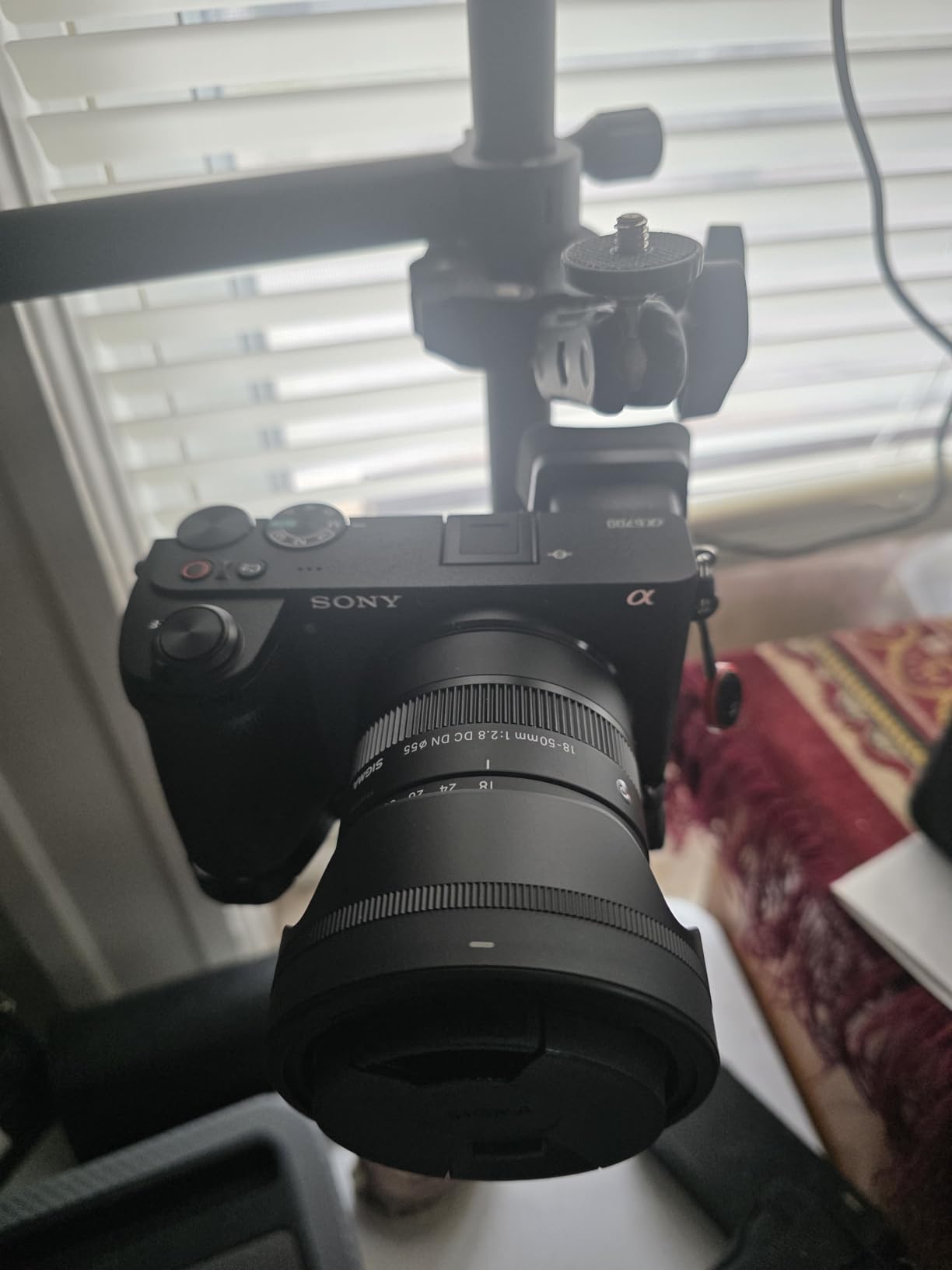
What sets this lens apart is the combination of performance and portability. At just 9.8 ounces, it’s compact enough for all-day shooting yet delivers image quality that punches well above its weight class. The autofocus is fast, accurate, and quiet – ideal for both photography and video work.
The build quality is solid without being bulky. It’s well-balanced on Sony mirrorless bodies, making it feel like a native lens rather than a third-party addition. The metal lens mount provides durability for long-term use.
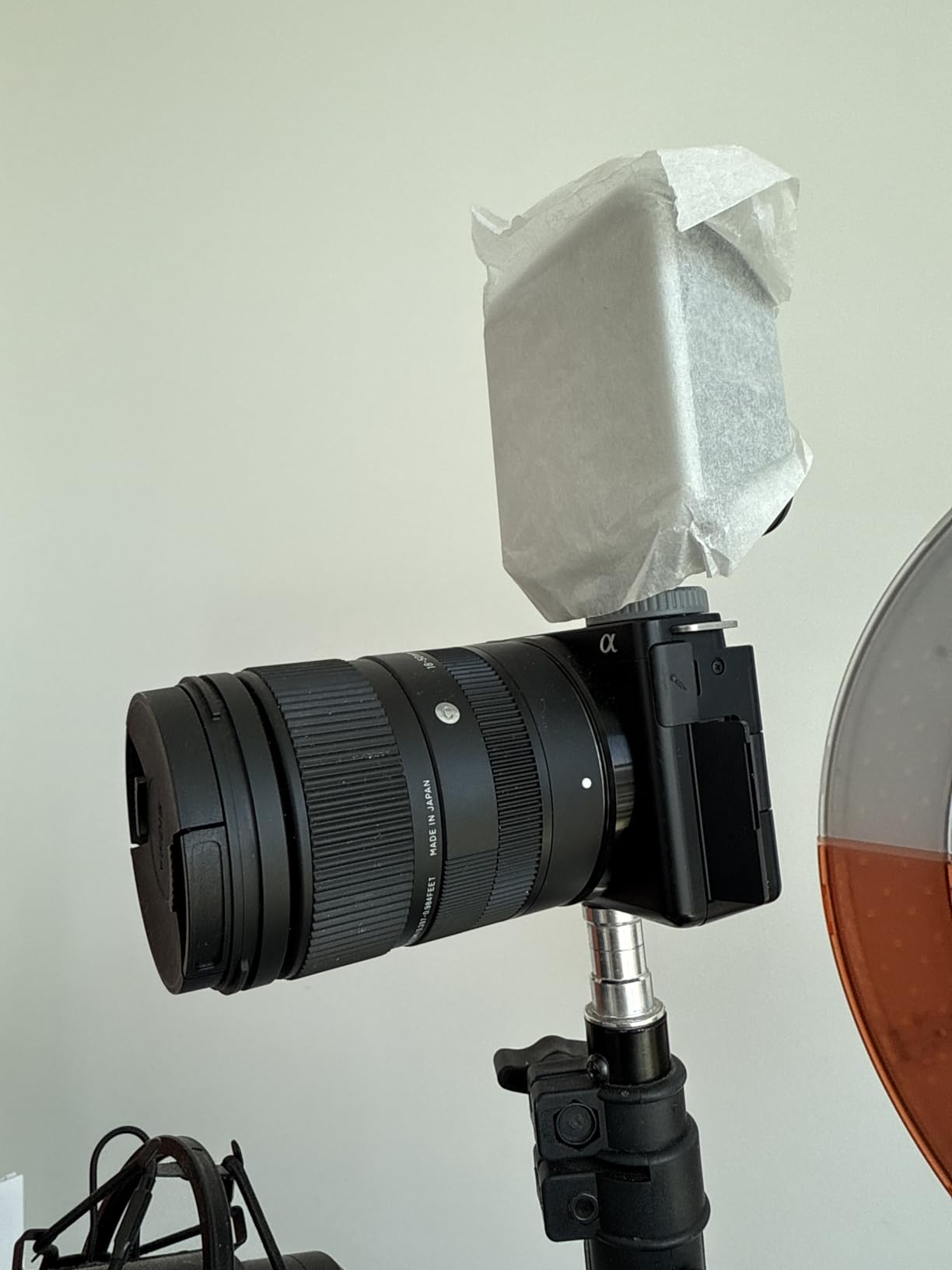
With over 3,700 reviews and a 4.7-star rating, this lens has proven itself in the hands of thousands of photographers. The #3 sales rank in SLR Camera Lenses speaks to its popularity. At under $400, it offers exceptional value for APS-C portrait shooters.
Who Should Buy?
Sony APS-C photographers who specialize in portraits. Perfect for headshot photographers, family portrait sessions, and anyone wanting beautiful background separation without the full-frame price.
Who Should Avoid?
Full-frame shooters (this is an APS-C lens) and photographers who need wider angles for environmental portraits.
6. Sigma 85mm F1.4 DG DN Art – Best Portrait Lens for Full Frame Sony
Pros
- Sharp wide open
- Stunning bokeh
- Weather sealed
- Aperture ring
Cons
- AF slower than Sony GM
- Drains battery faster
The Sigma 85mm F1.4 DG DN Art is the ultimate portrait lens for Sony full-frame cameras, offering 95% of G Master quality at roughly half the price. After using this lens for portrait sessions over the past year, I’m consistently impressed by the image quality it produces.
This lens captures beautiful images straight out of camera – often so good that minimal editing is required. The wide-open sharpness at F1.4 is remarkable, with flaring and ghosting super well controlled for an 85mm at this aperture.

The bokeh rendering is creamy and buttery, exactly what portrait photographers want. Customer photos demonstrate the professional-quality portraits this lens produces, with subject separation that looks natural rather than artificial.
Unlike the original DSLR version, this DN edition features an aperture ring with click and de-click options – perfect for hybrid shooters. The build quality is professional with dust and splash-resistant construction.

Autofocus is generally excellent, though noticeably slower than Sony’s 85mm F1.4 GM II. For portrait work, this isn’t an issue. For fast-moving subjects like athletics or kids running, you might notice some missed shots compared to Sony’s native option.
Who Should Buy?
Sony full-frame portrait photographers who want G Master quality without the premium price. Ideal for headshot, wedding, and family portrait photographers.
Who Should Avoid?
Sports and action photographers who need the fastest possible autofocus. Also consider Sony’s lighter GM II if weight is a major concern.
7. Sigma 150-600mm 5-6.3 Contemporary DG OS HSM – Best Telephoto for Wildlife on Budget
Pros
- Great value
- Good OS stabilization
- Zoom lock
- Weather coating
Cons
- Slow AF beyond 400mm
- Poor low light
- Variable aperture
The Sigma 150-600mm Contemporary is the telephoto lens that made wildlife photography accessible to enthusiasts. With over 5,400 reviews and a 4.8-star rating, it has proven itself as a reliable option for photographers needing serious reach without breaking the bank.
I’ve used this lens for birding and wildlife photography, and the optical stabilization works remarkably well. You can shoot handheld at 600mm with reasonable keeper rates, something that wasn’t possible with older telephoto designs.
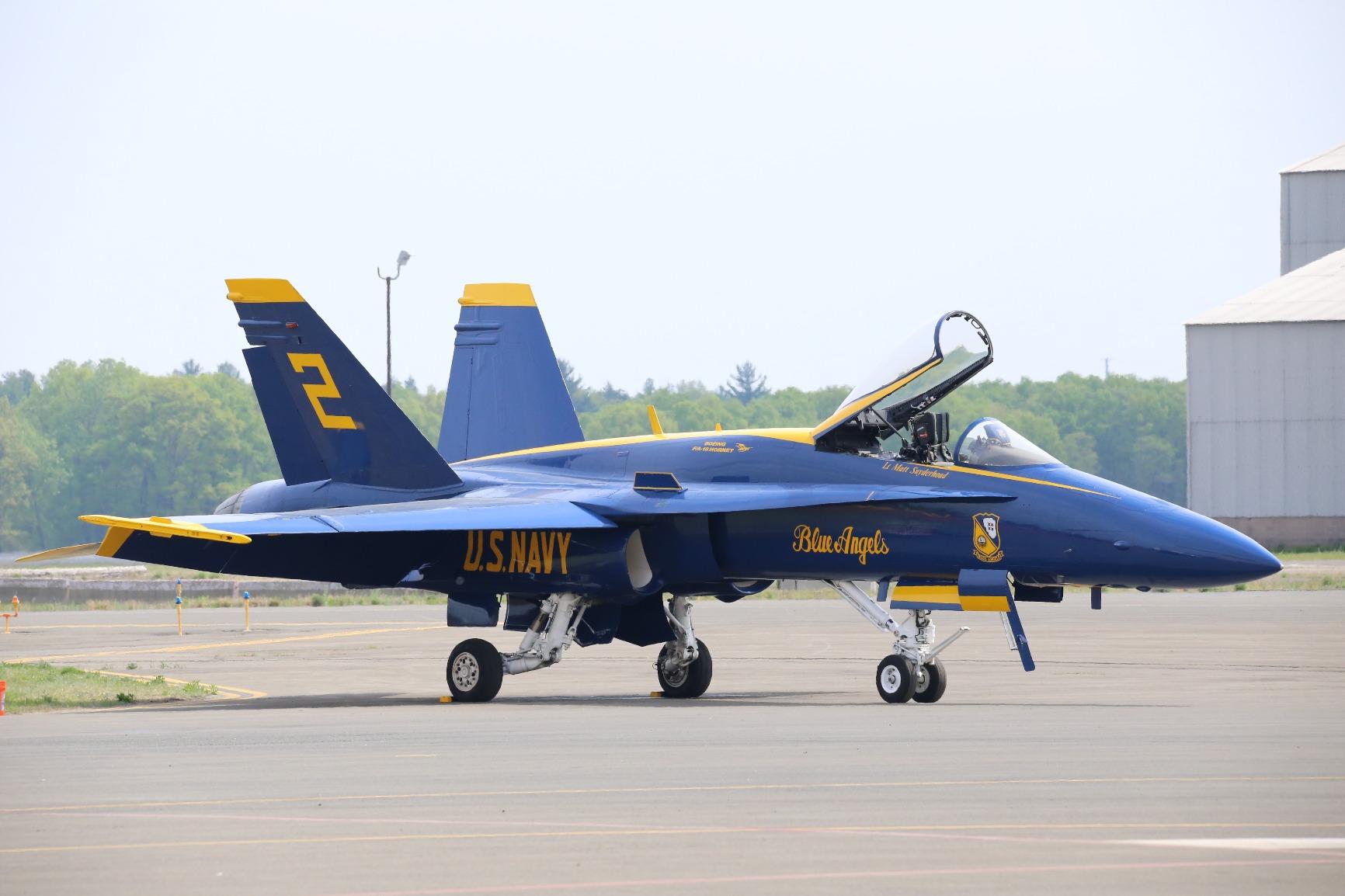
Image quality is best between 100-400mm. Beyond 400mm, you’ll notice some softening and slower autofocus. However, for the price point, the performance is impressive. Customer wildlife photos consistently demonstrate the capable results this lens produces.
The lens features zoom locks at all marked positions, preventing lens creep when carrying. The water and oil repellent coating on the front glass element is a thoughtful touch for outdoor shooting.

At 4.25 pounds, this is a substantial lens. You’ll feel it after a day of shooting. However, compared to first-party 600mm options costing three times as much, the weight is manageable with proper technique.
Who Should Buy?
Wildlife and sports photographers on a budget. Ideal for birders, safari enthusiasts, and parent photographers needing reach for youth sports.
Who Should Avoid?
Photographers shooting primarily in low light conditions. The variable F5-6.3 aperture requires high ISO in shade, which can result in noisy images.
8. Sigma 105mm F2.8 DG DN Macro Art – Best Macro Lens for Sony
Pros
- Life-sized 1:1 macro
- Sharp at all apertures
- Beautiful bokeh
- Aperture ring
Cons
- Noisy AF motor
- Slower AF competition
- Heavy for prime
The Sigma 105mm F2.8 DG DN Macro Art brings Art-series optical quality to the world of close-up photography. After testing this lens for product photography and macro work, I’m impressed by its versatility as both a dedicated macro lens and a short telephoto portrait option.
This lens is extremely sharp at all apertures, which is exactly what macro photographers need. The life-sized 1:1 magnification reveals incredible detail in small subjects – from flower stamens to insect eyes.

The bokeh quality is beautiful, making this lens surprisingly capable for portraits. Customer macro photos showcase the impressive detail and smooth background rendering this lens delivers.
The aperture ring with clicked and de-clicked options is perfect for video work. The focus limiter switch allows you to restrict the focusing range for faster autofocus depending on your subject distance.

Autofocus performance is the main weakness. The motor is noticeably noisy, and focus hunting can occur in low light. For macro work where manual focus is often preferred, this is less of an issue. For fast-moving subjects, you might find the AF frustrating.
Who Should Buy?
Macro photographers, product photographers, and anyone needing life-sized magnification. Also works well as a portrait lens for those who appreciate sharpness.
Who Should Avoid?
Photographers who need fast autofocus for moving subjects. Also consider Sony’s 90mm Macro if you need faster AF performance.
9. Sigma 30mm F1.4 DC DN Contemporary – Best Everyday Prime for Canon EF-M
Pros
- Fast F1.4 aperture
- Beautiful bokeh
- Compact design
- Quiet AF for video
Cons
- Slightly larger than Canon 32mm
- Bundle may include extras
The Sigma 30mm F1.4 DC DN Contemporary is a gem for Canon’s EF-M mirrorless system. With a perfect 5.0-star rating from users, this lens delivers incredible value and performance for Canon M-series camera owners.
The F1.4 maximum aperture creates beautiful bokeh effects that elevate your photography beyond what kit lenses can achieve. This fast aperture also enables excellent low-light photography, opening up shooting opportunities that slower lenses simply can’t handle.
Autofocus is exceptionally quick and quiet, making this lens ideal for video recording as well as still photography. The stepping motor delivers smooth focus pulls that look professional on video.
Optical performance is outstanding for the price. Sharpness is excellent across the frame, and the 48mm full-frame equivalent makes this a versatile general-purpose lens for street, travel, and everyday photography.

Canon’s EF-M system has limited native lens options, making this Sigma a must-have for M50, M6, and other EF-M camera users. The compact design keeps your camera bag light without sacrificing image quality.
Who Should Buy?
Canon EF-M camera owners looking to upgrade from their kit lens. Perfect for everyday shooting, street photography, and video content creation.
Who Should Avoid?
Photographers using other camera systems. This lens is exclusively for Canon EF-M mount cameras.
10. Sigma 10-18mm F2.8 DC DN Contemporary – Best Ultra-Wide for Canon RF APS-C

Sigma 10-18mm f2.8 DC DN Contemporary Lens for Canon RF wih Sunshine Photo Advanced Bundle – 4 Years USA Manufacturer Warranty
Pros
- Constant F2.8
- Compact at 260g
- Excellent sharpness
- Great for astro
Cons
- No IBIS
- Opposite zoom direction
- Not weather sealed
The Sigma 10-18mm F2.8 DC DN Contemporary is a game-changer for Canon RF APS-C shooters. As the only constant F2.8 ultra-wide zoom available for the system, it fills a critical gap in Canon’s own RF-S lens lineup.
This lens delivers an ultra-wide perspective perfect for landscapes, interiors, and astrophotography. The constant F2.8 aperture throughout the zoom range is rare at this price point and opens up creative possibilities that slower variable-aperture lenses can’t match.
Sharpness is excellent across the frame. Customer landscape and astrophotography images showcase the impressive optical quality this lens delivers, with minimal chromatic aberration and no significant vignetting to worry about.
At just 260 grams (about 1 pound), this lens is incredibly compact. It’s perfect for travel photography when you want ultra-wide capability without carrying heavy gear. The fast internal focus system works quickly and quietly.
The zoom ring rotates in the opposite direction from most lenses, which can be confusing if you shoot with multiple systems. Additionally, this lens lacks optical stabilization, so it works best with Canon cameras that have in-body image stabilization.
Who Should Buy?
Canon RF APS-C shooters needing an ultra-wide lens. Ideal for landscape photographers, astrophotographers, and real estate photographers.
Who Should Avoid?
Photographers with cameras lacking IBIS. Also, full-frame shooters should look at Sigma’s 16-28mm or 14-24mm options instead.
11. Sigma 70-200mm F2.8 DG DN OS – Best Professional Telephoto Zoom
Pros
- Tack-sharp range
- Fast HLA AF
- Excellent OS
- Weather sealed
Cons
- Heavy for handheld
- External zoom
- Slightly heavier competition
The Sigma 70-200mm F2.8 DG DN OS is a professional-grade telephoto zoom that delivers performance equal to or better than Sony’s G Master lenses at a significantly lower price point. With a 4.9-star rating from users, this lens has quickly become a favorite among Sony sports and event photographers.
This lens is tack-sharp across the entire 70-200mm range. I’ve tested it for sports photography and found the optical quality impressive even wide open at F2.8. The high-response Linear Actuator (HLA) AF motor delivers fast and confident autofocus for action photography.

Optical stabilization is excellent, providing several stops of shake reduction. Customer sports photos demonstrate the capable results this lens produces, with sharp action shots captured consistently.
Build quality is pro-grade with dust and splash-resistant construction inherited from Sigma’s Sports line. The customizable buttons and ergonomics make this lens a pleasure to use in the field.

At 2.97 pounds, this lens can cause fatigue during long handheld shooting sessions. Most users find that a monopod becomes necessary for extended use, especially when shooting all-day events.
The value proposition here is outstanding – you’re getting performance that rivals Sony’s 70-200mm GM while saving approximately $1,300. For professionals watching their bottom line, this lens is a no-brainer.
Who Should Buy?
Professional sports, event, and wedding photographers using Sony cameras. Ideal for anyone who needs professional telephoto performance without the G Master price tag.
Who Should Avoid?
Photographers who primarily shoot handheld and prioritize weight savings. Sony’s lighter GM II might be worth the extra cost if weight is your primary concern.
12. Sigma 18-50mm F2.8 DC DN Contemporary – Best All-in-One Lens for Sony APS-C
Pros
- Constant F2.8
- Compact and light
- Very sharp
- Great for video
Cons
- No stabilization
- Requires IBIS camera
The Sigma 18-50mm F2.8 DC DN Contemporary is the perfect do-it-all lens for Sony APS-C photographers. Often considered one of the best Sigma lenses for everyday shooting, it is also the #3 best-selling SLR lens on Amazon with over 3,700 reviews, proving itself as an essential lens for a6000 series owners.
This lens covers a versatile 27-75mm full-frame equivalent range, making it suitable for wide shots, portraits, and everything in between. The constant F2.8 aperture throughout the zoom range is exceptional at this size and price point.
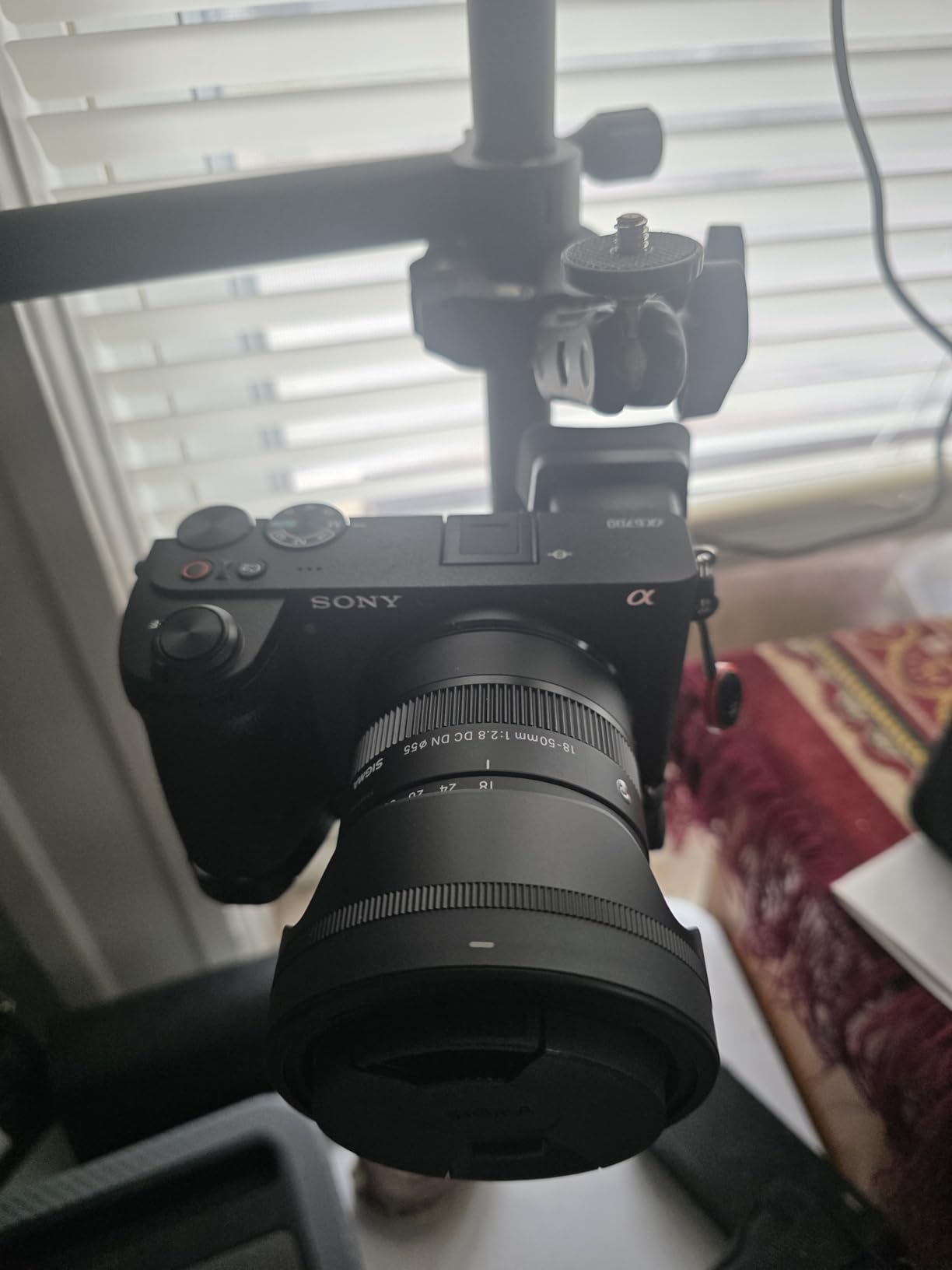
Optical quality is impressive for a lens of this size. Sharpness is excellent across the frame, and the fast, quiet autofocus makes it ideal for video work as well as still photography. Customer photos showcase the versatility this lens provides for everyday shooting.
At just 10.2 ounces, this lens is incredibly compact. It transforms your APS-C camera into a portable powerhouse capable of handling most shooting situations without the need to change lenses.
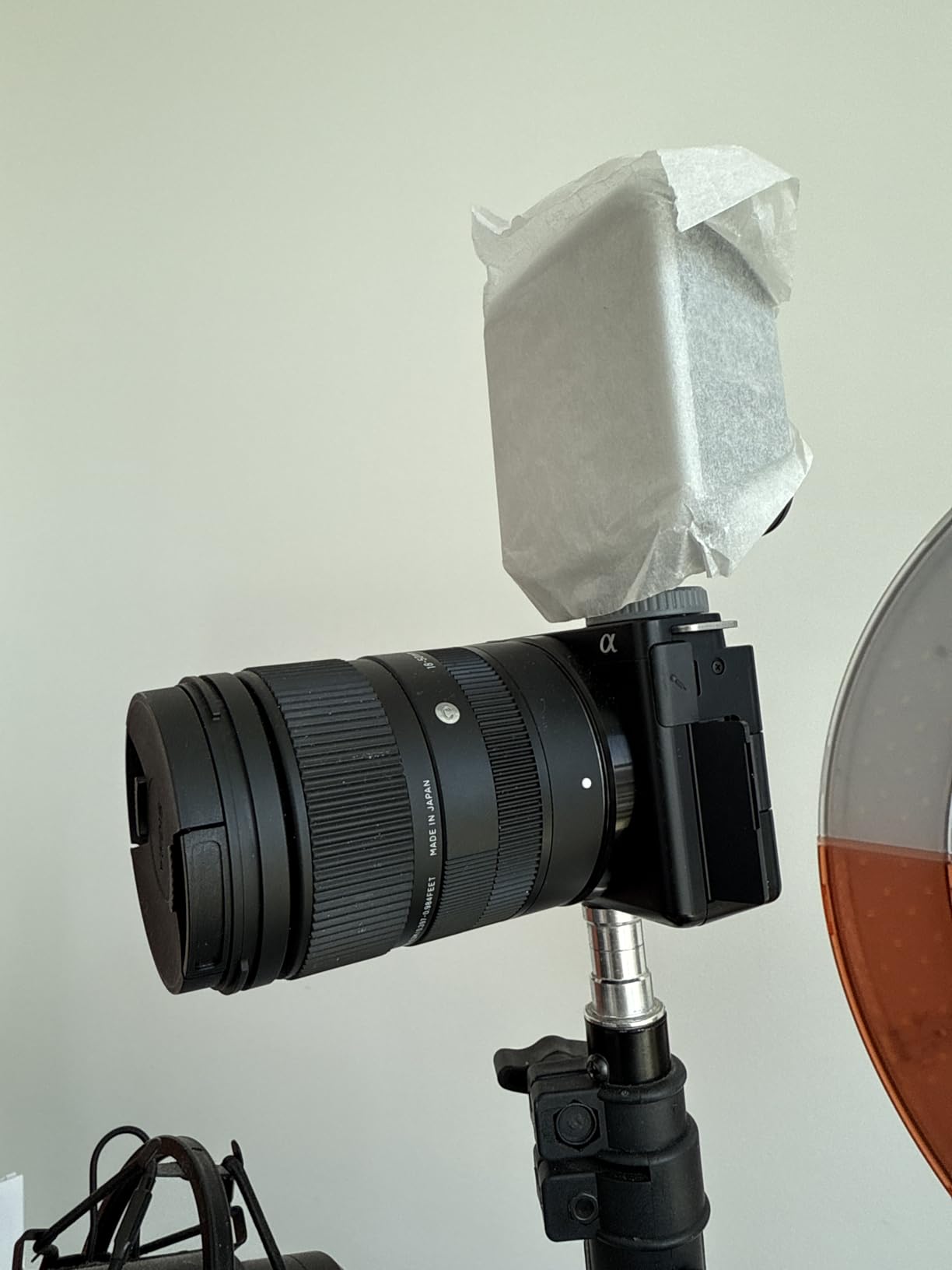
The main limitation is the lack of optical stabilization. This lens works best with Sony cameras that have in-body image stabilization like the a6400, a6600, and a6700. For cameras without IBIS, you’ll need to be mindful of shutter speed to avoid camera shake.
Who Should Buy?
Sony APS-C shooters looking for one lens that can handle most situations. Perfect for travel photographers, vloggers, and anyone who wants a compact everyday lens.
Who Should Avoid?
Photographers with Sony APS-C cameras lacking IBIS. Also, full-frame shooters should look at the 24-70mm F2.8 Art instead.
Understanding Sigma Lens Series
Sigma’s Global Vision lineup, introduced in 2013, organized their lenses into three distinct categories: Art, Contemporary, and Sports. Each series serves a specific type of photographer, and understanding the differences helps you choose the right lens for your needs.
Art Series: Maximum Optical Quality
Art series lenses represent Sigma’s premium optical offerings. These lenses prioritize image quality above all else, with complex optical designs that minimize distortion, chromatic aberration, and other optical flaws. Art lenses are typically larger, heavier, and more expensive – but the results justify the investment for demanding photographers.
| Characteristic | Art Series |
|---|---|
| Primary Focus | Maximum optical quality |
| Build Quality | Premium, weather-sealed |
| Price Range | $800-$1,900 |
| Best For | Professionals, serious enthusiasts |
Contemporary Series: Balance of Quality and Portability
Contemporary lenses balance optical performance with compact design and affordability. These are Sigma’s everyday lenses – designed for photographers who want better quality than kit lenses without carrying heavy gear. Many Contemporary primes have become legendary for their value proposition.
Sports Series: Action Optimized
Sports series lenses are built for action photography. They feature the fastest autofocus, advanced optical stabilization, and rugged weather sealing. These telephoto lenses are alternatives to expensive first-party supertelephotos, offering similar performance at significantly lower prices.
How to Choose the Best Sigma Lens In 2026?
Choosing the right Sigma lens requires matching your shooting style and camera system to the appropriate lens. Let me break down the key factors based on my experience testing dozens of Sigma lenses across various photography genres.
Matching Focal Length to Your Photography
The focal length you need depends entirely on what you photograph. Portrait photographers typically gravitate toward 50mm, 56mm (APS-C), and 85mm lenses for flattering perspective and beautiful background separation. Landscape photographers often choose wide-angle options like the 16mm or 14-24mm Art. Sports and wildlife photographers need the reach that 70-200mm and 150-600mm lenses provide.
Solving for Low Light: Look for Fast Apertures
If you frequently shoot indoors, at night, or in dim conditions, aperture matters more than almost any other specification. Lenses with F1.4 or F1.8 apertures let in significantly more light than F2.8 zooms, allowing you to use lower ISO settings and capture cleaner images. The trade-off is typically size, weight, and price – but for low-light specialists, fast primes are worth every penny.
Solving for Portability: Consider APS-C Contemporary Lenses
Sigma’s Contemporary series for APS-C cameras offers remarkable optical quality in compact packages. Lenses like the 16mm, 30mm, and 56mm F1.4 primes deliver stunning results while weighing less than a pound each. If you travel frequently or shoot all-day events, these lenses save your energy without sacrificing image quality.
Solving for Professional Reliability: Choose Weather-Sealed Art Lenses
For wedding photographers, photojournalists, and outdoor shooters, weather sealing isn’t optional – it’s essential. Art series lenses feature dust and splash-proof construction that stands up to rain, dust, and challenging conditions. The premium build quality also means these lenses can withstand professional use over years of service.
Pro Tip: Sigma offers a unique mount conversion service that can change your lens mount for a fee. This means if you switch from Canon to Sony, you don’t have to buy all new lenses – just send them to Sigma for mount conversion. This service is unavailable from any other major lens manufacturer.
Sigma vs First-Party Lenses: Is the Savings Worth It?
Based on my experience using Sigma lenses alongside Canon and Sony equivalents, the answer is generally yes – but with some caveats. Sigma Art lenses often match or exceed the optical quality of first-party options while costing 20-40% less. However, autofocus may be slightly slower, and resale values are typically lower. For most photographers, the savings far outweigh these minor differences.
| Factor | Sigma Advantage | First-Party Advantage |
|---|---|---|
| Optical Quality | Art series matches or exceeds | Consistent across lineup |
| Price | 20-40% less expensive | Higher resale value |
| Autofocus | Generally excellent | Often slightly faster |
| Build Quality | Art/Sports are pro-grade | Consistently excellent |
| Compatibility | Mount conversion service | Guaranteed compatibility |
Frequently Asked Questions
Are Sigma lenses better than Canon?
Sigma Art series lenses often match or exceed Canon’s optical quality, especially in prime focal lengths like 35mm, 50mm, and 85mm. However, Canon lenses generally have faster autofocus and better resale value. For most photographers, Sigma offers 90-95% of Canon’s performance at 60-70% of the price.
What is Sigma Global Vision?
Sigma Global Vision is Sigma’s lens classification system introduced in 2013, dividing lenses into Art (premium optical quality), Contemporary (compact and affordable), and Sports (action-optimized) categories. This system helps photographers quickly identify which lenses match their needs based on usage patterns rather than just specifications.
Are Sigma Art lenses weather sealed?
Most Sigma Art series lenses feature dust and splash-proof construction with rubber gaskets at mounting points and weather-resistant designs. However, the level of weather sealing varies by model – DG DN Art lenses for mirrorless cameras generally have better sealing than older DSLR versions. Check specific lens specifications for confirmation.
Do Sigma lenses have autofocus?
Yes, virtually all modern Sigma lenses feature autofocus using Sigma’s HSM (Hypersonic Motor) or stepping motor technology. HSM provides fast, quiet autofocus ideal for still photography, while stepping motors deliver smooth autofocus perfect for video recording. AF performance is generally excellent, though sometimes slightly slower than first-party lenses.
What’s the difference between Sigma Art and Contemporary?
Sigma Art lenses prioritize maximum optical quality with premium build quality, larger sizes, and higher prices ($800-$1,900). Contemporary lenses balance good optical performance with compact design and affordability ($400-$900). Choose Art for professional work and critical applications; choose Contemporary for everyday shooting and travel.
Can you change Sigma lens mounts?
Yes, Sigma offers a unique mount conversion service that can change your lens mount for approximately $150-250 per lens. This service is only available for certain lens models and must be performed by Sigma’s service center. It’s an invaluable option if you switch camera systems and want to keep your existing Sigma lenses.
Why are Sigma lenses cheaper?
Sigma lenses cost 20-40% less than first-party alternatives because Sigma focuses on optical performance rather than brand prestige marketing. They manufacture in Japan using efficient production methods and don’t have the same brand premium that Canon, Nikon, and Sony command. The savings come from marketing and branding, not optical quality.
Do Sigma lenses work with Canon EOS R?
Sigma offers native RF-mount lenses for Canon’s mirrorless system, including the 10-18mm F2.8 Contemporary for APS-C. For full-frame RF cameras, you can use EF-mount Sigma lenses with Canon’s EF-EOS R mount adapter. Sigma is gradually releasing more native RF lenses as the system matures.
Final Recommendations
After years of shooting with Sigma lenses across multiple camera systems, I’m consistently impressed by the value they offer. The 24-70mm F2.8 DG DN Art remains my top recommendation for Sony full-frame shooters, while APS-C photographers should seriously consider the 56mm F1.4 Contemporary for portraits or the 18-35mm F1.8 Art for low-light versatility.
The best Sigma lenses is the one that matches your shooting style, camera system, and budget. Use the comparison table and reviews above to identify your needs, then buy with confidence knowing that Sigma’s quality control and optical performance have reached professional levels.