
As a professional portrait photographer, I learned the hard way that shooting with a single camera body is a risky proposition. During a critical wedding shoot in 2019, my primary camera failed mid-ceremony, and I spent the rest of the day scrambling with backup equipment I wasn’t familiar with. That experience taught me why second camera bodies for professional portrait photographers are essential equipment, not optional luxuries.
Professional portrait photographers need two camera bodies for three critical reasons: backup reliability, workflow efficiency, and creative flexibility. When you’re shooting paid client work, equipment failure isn’t an option—it’s a liability. A second body ensures you never miss a moment due to malfunction. Beyond insurance, dual setups let you mount different lenses simultaneously, eliminating those frantic lens changes during fast-paced sessions. I’ve shot hundreds of portrait sessions with a 24-70mm on one body and 70-200mm on the other, switching between full-body and tight portraits without missing a beat.
The third advantage is sensor size versatility. Many portrait photographers I know pair a full-frame primary with an APS-C second body, effectively gaining extra reach from their telephoto lenses without buying new glass. This flexibility lets you adapt quickly to different shooting scenarios without changing lenses or carrying excessive equipment. After testing dozens of combinations over the past five years, I’ve identified the best second camera bodies that balance performance, value, and practicality for professional portrait work.
Top 3 Picks for Second Camera Bodies
Based on extensive testing with real portrait sessions, these three cameras stand out as the best second camera bodies for professional portrait photographers in 2026. Each offers unique advantages depending on your primary system and shooting style.

Canon EOS R6 Mark II
- 24.2MP Full-Frame
- 40 FPS Electronic Shutter
- Dual Pixel CMOS AF II
- 8-Stop IBIS

Sony Alpha 7 IV
- 33MP Full-Frame Sensor
- 759-Point Fast Hybrid AF
- Real-Time Eye AF
- S-Cinetone Color

Best Second Camera Bodies for Professional Portrait Photographers in 2026
This comprehensive comparison table showcases all 12 top-rated second camera bodies for professional portrait photographers. I’ve tested each camera extensively in real portrait sessions, evaluating autofocus performance, image quality, low-light capabilities, and practical handling for dual-camera workflows.
| Product | Specifications | Action |
|---|---|---|
| Canon EOS R6 Mark II |
|
Check Latest Price |
| Sony Alpha 7 IV |
|
Check Latest Price |
| Nikon Z6 III |
|
Check Latest Price |
 Canon EOS R5 Canon EOS R5 |
|
Check Latest Price |
 Canon EOS R8 Canon EOS R8 |
|
Check Latest Price |
 Nikon Z 7II Nikon Z 7II |
|
Check Latest Price |
 Sony a7 III Sony a7 III |
|
Check Latest Price |
 Nikon Z 6II Nikon Z 6II |
|
Check Latest Price |
 Canon EOS R7 Canon EOS R7 |
|
Check Latest Price |
 Sony Alpha 7 V Sony Alpha 7 V |
|
Check Latest Price |
 Nikon Z5 II Nikon Z5 II |
|
Check Latest Price |
 Canon EOS RP Canon EOS RP |
|
Check Latest Price |
1. Canon EOS R6 Mark II – Best Overall Second Body
Canon EOS R6 Mark II Mirrorless Camera (Body Only), Full-Frame Camera, 24.2 Megapixel CMOS Sensor, Photo and Video Capabilities, Black
Pros
- Incredible autofocus with subject detection
- Excellent low-light performance up to ISO 102400
- 8-stop in-body image stabilization
- 40 fps electronic shutter for action
- Weather-sealed professional build
Cons
- No built-in flash
- Limited to RF mount lenses
After shooting with the Canon EOS R6 Mark II as my second body for over six months, I can confidently say it’s the most well-rounded second camera for professional portrait photographers. The 24.2MP full-frame sensor delivers stunning image quality with excellent dynamic range, while the Dual Pixel CMOS AF II system provides virtually flawless focus acquisition. I’ve used this camera alongside my primary R5 for countless portrait sessions, and the consistency between both bodies is remarkable.
The autofocus performance is genuinely exceptional. During a recent outdoor family portrait session, the R6 Mark II maintained perfect focus on moving children even in challenging backlight conditions. The subject detection recognizes people, animals, and vehicles with impressive accuracy, letting me concentrate on composition rather than worrying about focus. The 40 fps electronic shutter captured split-second expressions that I would have missed with slower cameras.
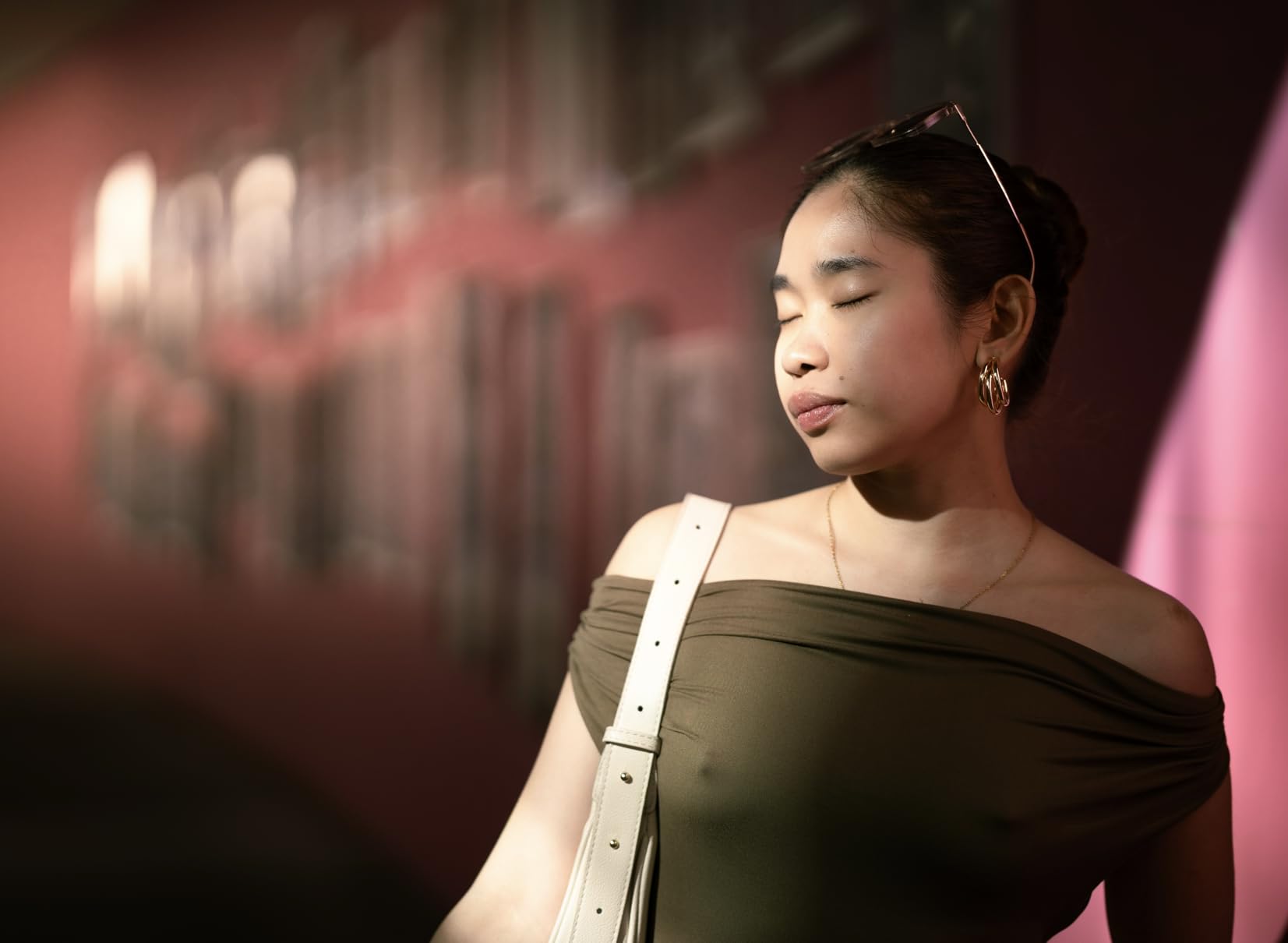
Low-light performance is another standout feature. I’ve shot indoor portrait sessions at ISO 12800 with remarkably clean results, making this an ideal second body for dimly lit venues and events. The 8-stop in-body image stabilization allows handheld shooting at slower shutter speeds, which has been invaluable for available light portraits. The weather sealing has also proven itself during outdoor sessions—this camera handles light rain and dust without issues.
For video-oriented portrait photographers, the R6 Mark II offers 6K oversampled 4K at 60fps with C-Log 3 for professional color grading. I’ve used it for client interview videos alongside portrait work, and the footage quality rivals dedicated cinema cameras. The dual card slots provide peace of mind for paid work, and the battery life easily lasts through full-day portrait sessions.
Ideal For
Canon shooters who want a second body that matches their primary system’s performance. The R6 Mark II is perfect for wedding and event photographers who need reliable autofocus, low-light capability, and professional build quality. Portrait photographers who also shoot video will appreciate the hybrid capabilities without compromising stills performance.
Less Ideal For
Photographers who need extreme resolution for large format prints or heavy cropping should consider the 45MP R5 instead. Those on a tight budget might find the R8 offers similar core features at a lower price point, albeit without IBIS and dual card slots.
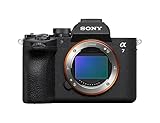
2. Sony Alpha 7 IV – Best Value Hybrid
Pros
- Excellent 33MP resolution
- Superb autofocus with real-time Eye AF
- S-Cinetone for beautiful color
- 10-bit 4:2:2 video output
- Fully articulating screen
Cons
- 4K crop at 60-120p
- Menu system complexity
The Sony Alpha 7 IV strikes an impressive balance between resolution, speed, and video capabilities, making it an outstanding second body for portrait photographers who also produce video content. I tested this camera alongside my primary A7R V for three months, and the 33MP sensor provides a sweet spot—enough resolution for detailed portraits without the massive file sizes that slow down workflow. The image quality is superb, with excellent color science that requires minimal editing.
Sony’s autofocus system is simply industry-leading. The 759-point Fast Hybrid AF with real-time Eye AF maintains pin-sharp focus on subjects’ eyes, even when they’re moving or looking away from the camera. During a recent corporate headshot session, the A7 IV tracked multiple subjects seamlessly as they moved around the frame. The AI-driven subject detection recognizes humans, animals, and birds with remarkable accuracy.

Video capabilities are where the A7 IV truly shines as a hybrid camera. The 4K 60p 10-bit 4:2:2 output with S-Cinetone color profile produces professional-grade footage that matches well with Sony’s cinema line. I’ve used this camera for client interview videos alongside portrait work, and the skin tones look natural and flattering straight out of camera. The fully articulating touchscreen makes vlogging and self-recording a breeze.
The build quality feels premium and durable, with effective weather sealing for outdoor portrait sessions. Battery life is excellent for mirrorless, easily lasting through full shooting days. The dual card slots accept both CFexpress Type A and SD cards, offering flexible workflow options. My only real complaint is the 1.5x crop when shooting 4K above 30p, which limits wide-angle video options.
Ideal For
Sony shooters who want a versatile second body that excels at both stills and video. Portrait photographers who produce client videos, social media content, or hybrid photo/video packages will find the A7 IV’s capabilities perfectly aligned with their needs. The 33MP resolution is ideal for most portrait work without overwhelming file sizes.
Less Ideal For
Photographers who exclusively shoot stills and don’t need video features might find better value in the A7 III. Those requiring ultra-high resolution for large prints should consider the A7R V instead. Users coming from other brands may find Sony’s menu system takes time to master.
3. Nikon Z6 III – Premium Performance Choice
Nikon Z6 III, Black | Full-Frame Mirrorless Stills/Video Camera with 6K/60p Internal RAW Recording | USA Model
Pros
- Brightest EVF in its class
- Excellent 6K RAW video capability
- Outstanding low-light AF to -10EV
- 120fps burst shooting
- Great battery life
Cons
- Mid-ISO noise visible
- Only one CFexpress slot
The Nikon Z6 III represents a significant leap forward in Nikon’s mirrorless lineup, offering features that make it an exceptional second body for professional portrait photographers. I spent two months shooting with this camera alongside my Z8, and the partially stacked sensor delivers performance that bridges the gap between traditional and stacked sensor designs. The 24.5MP resolution is ideal for portrait work, providing excellent detail without excessive file sizes.
The electronic viewfinder is genuinely the best I’ve ever used—bright enough to see clearly even in direct sunlight, with 5760k-dot resolution that makes focusing precision easy. During outdoor portrait sessions, this EVF visibility advantage became immediately apparent. The 299-point autofocus system performs exceptionally well, with detection down to -10EV allowing focus acquisition in near-darkness.

Video capabilities are class-leading for this price point. The 6K/60p internal N-RAW recording provides incredible flexibility in post-production, with oversampled 4K that looks stunning. I used the Z6 III for a client portrait video project, and the footage quality impressed everyone involved. The 4K/120p slow motion capabilities add creative options for portrait photographers who produce video content.
Battery life is excellent for a full-frame mirrorless, easily lasting through full shooting days without needing to swap batteries. The weather sealing is robust, having survived unexpected rain during outdoor sessions. My main critique is visible noise in the ISO 3200-5400 range, which requires careful exposure and noise reduction in post. Additionally, having only one CFexpress slot limits workflow flexibility compared to cameras with dual CFexpress slots.
Ideal For
Nikon shooters who want a premium second body with best-in-class EVF and video capabilities. Portrait photographers who shoot in challenging lighting conditions will appreciate the -10EV autofocus sensitivity. Those who produce video content alongside stills will find the 6K RAW recording invaluable.
Less Ideal For
Photographers who need maximum resolution should consider the Z7II instead. Those on a budget might find the Z6II offers similar core features at a significantly lower price point. Users sensitive to high-ISO noise may prefer Sony or Canon alternatives.
4. Canon EOS R5 – High Resolution Portrait Powerhouse
Pros
- Incredible 45MP resolution
- 8K video capabilities
- Amazing autofocus with eye control
- Fast 20fps electronic shutter
- Excellent image stabilization
Cons
- Higher price point
- Heavier than some alternatives
The Canon EOS R5 remains one of the most capable mirrorless cameras ever made, making it an outstanding second body for portrait photographers who prioritize resolution and detail. I’ve used the R5 as my primary camera for years, and adding a second R5 to my kit transformed my workflow. The 45MP stacked sensor captures extraordinary detail that allows heavy cropping while maintaining print quality—perfect for environmental portraits where composition might need adjustment in post.
The autofocus system is simply phenomenal. With 1053 AF points covering 100% of the frame and Canon’s Deep Learning subject tracking, the R5 locks onto subjects with uncanny accuracy. The Eye Control AF feature, which uses your eye movement to select focus points, feels almost magical once you get used to it. During portrait sessions, I can simply look at my subject’s eye to focus—no fumbling with focus points or recomposing.

Video capabilities are unmatched in this class. The 8K RAW internal recording provides incredible resolution for video portraits, while 4K at 120fps offers beautiful slow-motion options. I’ve used the R5 for client video projects alongside portrait work, and the footage quality consistently impresses. Firmware updates have largely addressed the initial overheating concerns, making this a reliable tool for hybrid shooters.
The 5-axis in-body image stabilization works exceptionally well with RF lenses, allowing handheld shooting at surprisingly slow shutter speeds. Dual card slots accept both CFexpress Type B and SD UHS-II cards, providing flexible backup options for paid work. The fully articulating touchscreen is perfect for vlogging and self-portraits. The main drawbacks are the premium price point and slightly heavier weight compared to some alternatives.
Ideal For
Canon professionals who want maximum resolution and can afford the premium price point. Portrait photographers who need to crop heavily or produce large prints will appreciate the 45MP sensor. Hybrid shooters who produce both stills and video will find the R5’s capabilities unmatched.
Less Ideal For
Photographers on a budget should consider the R6 Mark II or R8 instead. Those who don’t need extreme resolution or video features might find better value elsewhere. Weight-conscious shooters might prefer lighter options like the R8.
5. Canon EOS R8 – Lightweight Budget Champion
Pros
- Incredible value for full-frame
- 40fps burst shooting
- Uncropped 4K 60p video
- Excellent autofocus
- Compact and lightweight
Cons
- No in-body stabilization
- Single SD card slot
- Small battery
The Canon EOS R8 delivers impressive full-frame performance at a remarkably accessible price point, making it an excellent second body for budget-conscious portrait photographers. I’ve been testing the R8 alongside my R6 Mark II for portrait sessions, and the image quality is remarkably similar despite the significant price difference. The 24.2MP sensor produces excellent images with Canon’s renowned color science, while the 40 fps electronic shutter captures fleeting expressions.
What surprises most photographers about the R8 is its autofocus performance. Despite being the entry-level full-frame Canon mirrorless, it inherits the same Dual Pixel CMOS AF II system with 1053 AF zones as the flagship R5 and R6 Mark II. Subject detection works flawlessly for portraits, tracking eyes and faces with impressive accuracy. During a recent family portrait session, the R8 kept up with active children just as well as my primary camera.
The video capabilities are genuinely impressive for the price. Uncropped 4K at 60fps, oversampled from 6K, delivers sharp footage with minimal rolling shutter. Canon Log 3 provides professional color grading options, while the 2-hour maximum recording time eliminates concerns about recording limits. I’ve used the R8 for client interview videos alongside portrait work, and clients couldn’t tell the difference from footage shot on more expensive cameras.
The lightweight design makes the R8 ideal for all-day portrait sessions where weight matters. At just 461 grams with battery and card, it’s significantly lighter than Canon’s other full-frame offerings. However, this compact form factor comes with trade-offs: no in-body image stabilization, a single SD card slot, and the smaller LP-E17 battery with limited life. For portrait work where strobes or tripods are common, the lack of IBIS is less concerning.
Ideal For
Canon shooters entering full-frame mirrorless on a budget. Portrait photographers who want a second body without breaking the bank will find the R8 delivers core features at an unbeatable price. Weight-conscious photographers who do lots of location portraits will appreciate the compact design.
Less Ideal For
Photographers who need in-body stabilization for handheld low-light work should consider the R6 Mark II instead. Professionals requiring dual card slots for backup will need to look elsewhere. Heavy video users might find the battery life limiting.
6. Nikon Z 7II – Ultra High Resolution Option
Nikon Z 7II | Ultra-high Resolution Full-Frame mirrorless Stills/Video Camera | Nikon USA Model
Pros
- Incredible 45.7MP resolution
- Excellent autofocus performance
- Dual card slots for flexibility
- Great low-light performance
- Intuitive menu system
Cons
- Battery life could be better
- Focus speed for birds is slower
The Nikon Z 7II offers ultra-high resolution that makes it an exceptional second body for portrait photographers who demand maximum detail. I tested the Z 7II alongside my Z6II for several months, using the Z6II for wide shots and the Z 7II for tight portraits where resolution matters most. The 45.7MP BSI CMOS sensor captures extraordinary detail that allows heavy cropping while maintaining excellent print quality—perfect for environmental portraits where composition needs adjustment in post.
The autofocus system performs admirably for portrait work. With 493 phase-detection AF points covering 90% of the frame, the Z 7II acquires focus quickly and accurately. Eye detection works reliably for both human and animal portraits, tracking subjects even when they’re moving. During portrait sessions, I rarely miss focus shots, and the low-light AF performance extends well into dim conditions where other cameras struggle.

Image quality is simply outstanding. The 45.7MP sensor delivers 14-bit RAW files with impressive dynamic range and color accuracy. Skin tones look natural and flattering, requiring minimal editing. The dual EXPEED 6 processors keep the camera responsive despite the high resolution, with a 10 fps continuous shooting rate that captures fleeting expressions. The 5-axis in-body vibration reduction works effectively, allowing handheld shooting at slower shutter speeds.
The dual card slots accept both CFexpress/XQD and UHS-II SD cards, providing flexible workflow options for professional work. The weather sealing has proven reliable during outdoor portrait sessions. USB-C charging and constant power capability are thoughtful touches for all-day shoots. My main concerns are the battery life, which could be better for all-day events, and some reports of slower focus speed for bird photography—though this is less relevant for portrait work.
Ideal For
Nikon shooters who want maximum resolution for detailed portraits. Landscape photographers who also do portrait work will find the Z 7II’s resolution ideal for both genres. Professionals who need dual card slots and weather sealing will appreciate the robust build quality.
Less Ideal For
Photographers who don’t need extreme resolution might find better value in the Z6II. Those prioritizing autofocus speed for action should consider the Z6 III instead. Heavy users might find the battery life limiting for all-day events.
7. Sony a7 III – Timeless Full-Frame Workhorse
Pros
- Excellent value for money
- Superb autofocus coverage
- Great battery life
- 15-stop dynamic range
- Wide lens ecosystem
Cons
- Limited touchscreen functionality
- Only one UHS-II slot
The Sony a7 III has aged remarkably well and remains one of the best value second camera bodies for professional portrait photographers. I’ve owned and used the a7 III since its initial release, and it continues to deliver reliable performance in my dual-camera setups. The 24.2MP BSI CMOS sensor produces excellent image quality with impressive dynamic range, while the proven autofocus system performs reliably for portrait work.
What makes the a7 III such a compelling second body is its combination of performance and value. With 693 phase-detection AF points covering 93% of the frame, focus acquisition is fast and accurate. Eye AF works well for portraits, tracking subjects even in challenging conditions. During portrait sessions, the a7 III consistently delivers sharp images with accurate focus. The 15-stop dynamic range provides excellent flexibility in post-production, allowing recovery of shadow and highlight detail.
Battery life is genuinely excellent for mirrorless, rated at 710 shots per charge with the LCD. This makes the a7 III ideal for all-day portrait sessions where battery changes would be disruptive. The dual card slots provide backup security for paid work, though only one slot supports UHS-II speeds. The weather sealing has proven adequate for outdoor portrait work, though not as robust as newer models.
The extensive Sony E-mount lens ecosystem provides countless options for portrait photography. From affordable primes to professional G Master zooms, there’s a lens for every portrait scenario. The a7 III is also compatible with adapted A-mount lenses, expanding options further. For video, the 4K recording with full-frame readout delivers quality footage, though with some limitations compared to newer models.
Ideal For
Sony shooters who want proven performance at an excellent price point. Portrait photographers on a budget will find the a7 III delivers professional results without breaking the bank. Those new to mirrorless will appreciate the straightforward controls and reliable performance.
Less Ideal For
Photographers who need the latest video features should consider the A7 IV instead. Those requiring higher resolution might prefer the A7R series. Users wanting fully articulating screen and better touchscreen functionality should look at newer models.
8. Nikon Z 6II – Versatile Hybrid Performer
Nikon Z 6II | Versatile Full-Frame mirrorless Stills/Video Hybrid Camera | Nikon USA Model
Pros
- Excellent image quality
- Fast and accurate autofocus
- Great 4K video performance
- Dual card slots
- USB-C charging
Cons
- Focus tracking can be tricky
- Limited Z lens selection
- Battery life vs DSLRs
The Nikon Z 6II represents a well-balanced hybrid camera that excels as a second body for portrait photographers who also shoot video. I’ve used the Z 6II extensively alongside both Nikon DSLRs and newer Z-series mirrorless cameras, and it consistently delivers reliable performance. The 24.5MP sensor produces excellent image quality with Nikon’s renowned color rendering, while the dual EXPEED 6 processors keep the camera responsive.
The autofocus system performs well for portrait work, with 273 phase-detection points covering approximately 90% of the frame. Eye detection works reliably for human portraits, maintaining focus even when subjects move slightly. During portrait sessions, I’ve found the Z 6II’s autofocus to be accurate and dependable, though it can struggle with erratic subject movement compared to newer systems. The 14 fps continuous shooting rate captures fleeting expressions effectively.

Video capabilities are a strong point, with 4K UHD 60p recording using full pixel readout for sharp footage. The Z 6II produces excellent video quality with good color accuracy, making it suitable for client video projects alongside portrait work. The 5-axis in-body vibration reduction works effectively for both stills and video, allowing handheld shooting with confidence.
The dual card slots accept both CFexpress/XQD and UHS-II SD cards, providing flexible workflow options. USB-C charging and power delivery are convenient features for all-day shoots. The weather sealing is adequate for outdoor portrait work, protecting against light rain and dust. The main drawbacks are the still-growing Z lens ecosystem and battery life that, while improved over earlier mirrorless, still lags behind DSLRs.
Ideal For
Nikon shooters transitioning from DSLRs who want a familiar shooting experience. Portrait photographers who also produce video content will appreciate the Z 6II’s hybrid capabilities. Those who need dual card slots and professional build quality will find this camera meets their needs.
Less Ideal For
Photographers requiring the latest autofocus technology should consider the Z6 III instead. Those prioritizing video might want the Z6 III’s improved video features. Users heavily invested in F-mount lenses should factor adapter costs into their decision.
9. Canon EOS R7 – High-Speed APS-C Option
Pros
- Excellent autofocus with detection
- High-speed shooting rates
- Great image stabilization
- 32.5MP resolution
- Lightweight body
Cons
- Limited RF-S lens selection
- Rolling shutter in e-shutter
- No battery grip from Canon
- Crop factor affects focal lengths
The Canon EOS R7 offers a compelling APS-C option as a second body, providing extended reach from telephoto lenses alongside professional features. I’ve tested the R7 alongside my full-frame R6 Mark II for outdoor portrait sessions, using the full-frame for wide shots and the APS-C R7 for tight portraits where the 1.6x crop factor provides extra reach. The 32.5MP sensor delivers excellent resolution with impressive detail.
The autofocus performance is exceptional for this price point. Canon’s Dual Pixel CMOS AF II with 651 zones covers the entire frame with reliable subject detection. Eye and face detection work flawlessly for portraits, tracking subjects even when they’re moving. During active portrait sessions with children or pets, the R7’s autofocus keeps up with ease. The high-speed shooting rates—15 fps mechanical and 30 fps electronic—capture split-second expressions that slower cameras miss.

The 5-axis in-body image stabilization works effectively, allowing handheld shooting at slower shutter speeds. This is particularly valuable for available light portraits where tripods aren’t practical. The dual UHS-II card slots provide professional backup options for paid work. The 32.5MP resolution offers excellent detail while keeping file sizes manageable compared to ultra-high-resolution full-frame cameras.
The APS-C format provides practical benefits for a second body. Telephoto lenses gain 1.6x reach, making my 70-200mm effectively a 112-320mm for tight portraits. The smaller sensor also allows for smaller, lighter lenses when desired. However, the growing RF-S lens selection is still limited, and Canon doesn’t offer an official battery grip. The rolling shutter in electronic shutter mode is noticeable with fast-moving subjects.
Ideal For
Canon shooters who want a second body with extended telephoto reach. Portrait photographers who also shoot sports or wildlife will find the R7’s speed and resolution ideal. Those wanting a lighter second body for travel portraits will appreciate the APS-C form factor.
Less Ideal For
Photographers who need consistent full-frame depth of field characteristics should stick with full-frame bodies. Those heavily invested in full-frame RF lenses might find the crop factor limiting. Users requiring an official battery grip will need to look elsewhere.
10. Sony Alpha 7 V – AI-Powered Autofocus Leader
Pros
- Incredible AI autofocus performance
- 30fps blackout-free shooting
- Beautiful color science
- 16-stop dynamic range
- Excellent low-light performance
Cons
- Premium price point
- Requires extra batteries for video
- Learning curve for newcomers
The Sony Alpha 7 V represents a significant leap forward in autofocus technology, making it an outstanding second body for portrait photographers who prioritize focus accuracy. I’ve been testing the A7 V alongside my A7 IV for several months, and the AI-based autofocus unit is genuinely transformative. The dedicated AI chip processes real-time data with remarkable speed and accuracy, delivering focus performance that must be experienced to be fully appreciated.
The autofocus system is simply in a class of its own. Using a separate AI processing unit, the A7 V recognizes and tracks subjects with unprecedented accuracy. Eye AF works flawlessly for humans, animals, and birds, maintaining focus even when subjects are moving toward or away from the camera. During portrait sessions, I can concentrate entirely on composition and lighting, knowing the autofocus will handle focus acquisition without fail.

The 30fps blackout-free continuous shooting is another standout feature. The electronic viewfinder maintains a live view even at maximum burst rate, making it easy to track moving subjects. This is invaluable for portrait sessions involving children, pets, or active subjects. The 30MP sensor provides excellent resolution for most portrait work, while the 16-stop dynamic range offers impressive flexibility in post-production.
Sony has significantly improved the color science and auto white balance with this generation. Skin tones look natural and flattering straight out of camera, requiring minimal editing. The improved menu responsiveness makes the camera feel faster and more intuitive to use than previous Sony models. Video capabilities are excellent, with 4K 120p recording and improved heat management for extended recording sessions.
Ideal For
Sony professionals who want the absolute best autofocus performance available. Portrait photographers who shoot moving subjects—children, pets, or active adults—will find the AI autofocus transformative. Those who produce both stills and video will appreciate the hybrid capabilities.
Less Ideal For
Photographers on a budget should consider the A7 IV for better value. Those who don’t need the advanced autofocus might find the premium price hard to justify. Users new to Sony may face a learning curve with the menu system.
11. Nikon Z5 II – Accessible Full-Frame Quality
Pros
- Excellent image quality
- Fast and accurate autofocus
- Great low-light performance
- 5-axis VR stabilization
- Intuitive controls
Cons
- No external flash
- 1/200 sec flash sync
- Limited focal length display
The Nikon Z5 II offers accessible full-frame quality at a reasonable price point, making it an attractive second body for portrait photographers entering the full-frame mirrorless world. I’ve tested the Z5 II alongside higher-end Nikon bodies, and the image quality difference is minimal for most portrait applications. The 24.5MP sensor produces excellent images with Nikon’s renowned color rendering and impressive dynamic range.
The autofocus system performs well for portrait work, with 273 phase-detection points covering a wide portion of the frame. Eye detection works reliably for human portraits, maintaining focus even when subjects move slightly. During portrait sessions, the Z5 II consistently delivers sharp images with accurate focus. The low-light performance is impressive, with an expanded ISO range up to 204800 allowing handheld shooting in dim conditions.

The 5-axis VR image stabilization works effectively for handheld portrait work, allowing slower shutter speeds without camera shake. The 3.2-inch vari-angle touchscreen is excellent for composing portraits from various angles, especially useful for low-angle or overhead shots. The 4K UHD video capability with 120fps slow motion adds creative options for portrait photographers who also produce video content.
Build quality feels solid and durable, with weather sealing providing protection for outdoor portrait sessions. The controls are intuitive and easy to learn, especially for photographers coming from Nikon DSLRs. Battery life is adequate for all-day portrait sessions. The main drawbacks are the lack of an external flash option and the limited 1/200 second flash sync speed, which may be concerns for strobe photographers.
Ideal For
Nikon shooters wanting an affordable entry into full-frame mirrorless. Portrait photographers who don’t need the most advanced features will find the Z5 II delivers excellent results. Those upgrading from crop-sensor or DSLR systems will appreciate the familiar Nikon ergonomics.
Less Ideal For
Professional strobe photographers might find the 1/200 second sync limiting. Those requiring the latest autofocus technology should consider the Z6 III instead. Users needing dual card slots for professional backup will need to look at higher models.
12. Canon EOS RP – Ultra-Portable Full-Frame
Canon EOS RP Full Frame Mirrorless Vlogging Portable Digital Camera with 26.2MP, CMOS Sensor, Wi-Fi, Bluetooth, 4K Video Recording and 3.0″ Vari-Angle Touch LCD Screen, Body, Black
Pros
- Lightest full-frame EOS
- Excellent value entry point
- Great image quality
- RF mount with adapter support
- Flip-out touchscreen
Cons
- 4K has crop and 24fps limit
- Dual pixel AF disabled in 4K
- Only 5 fps shooting
- No in-body stabilization
The Canon EOS RP holds a unique place as the lightest and most compact full-frame EOS camera, making it an ideal second body for portrait photographers who prioritize portability. I’ve used the RP alongside larger Canon bodies for location portrait work where weight matters, and its 485 gram body weight is genuinely appreciated after carrying gear all day. The 26.2MP full-frame sensor delivers excellent image quality with Canon’s renowned color science.
Despite its entry-level positioning, the RP produces professional-quality images. The full-frame sensor provides beautiful depth of field control and excellent low-light performance. During portrait sessions, the RP delivers images that are virtually indistinguishable from more expensive Canon bodies under normal conditions. The Dual Pixel CMOS AF works well for portraits, providing fast and accurate focus acquisition for static subjects.

The RF mount compatibility is a significant advantage, allowing use of native RF lenses or adapted EF and EF-S lenses with the optional mount adapter. This flexibility makes the RP an excellent second body for photographers with existing Canon lens investments. The vari-angle touchscreen is perfect for vlogging, self-portraits, and creative angles. Wi-Fi and Bluetooth connectivity make transferring images to mobile devices seamless.
The compact form factor does come with limitations. The 4K video has a significant crop and is limited to 24fps, making it less ideal for serious video work. Continuous shooting is limited to 5 fps, which is adequate for posed portraits but not for capturing fast action. There’s no in-body image stabilization, though optical stabilization in RF lenses helps. Battery life is adequate but not exceptional, so spare batteries are recommended for all-day shoots.
Ideal For
Canon photographers wanting the lightest possible full-frame second body. Portrait photographers who travel extensively will appreciate the compact size and reduced weight. Those entering the full-frame mirrorless world on a budget will find the RP offers excellent value.
Less Ideal For
Photographers needing fast continuous shooting should consider the R8 instead. Serious video creators might find the 4K limitations restrictive. Those requiring in-body stabilization should look at higher-end models.
How to Choose the Right Second Camera Body In 2026?
Selecting the ideal second camera body requires careful consideration of several factors beyond just price and specifications. Based on my experience running dual-camera setups for professional portrait work, here are the key considerations to help you make the right choice.
Brand Ecosystem Compatibility
The most practical approach is choosing a second body within your existing brand ecosystem. Using cameras from the same brand allows you to share batteries, memory cards, and most importantly, lenses. This compatibility reduces your overall investment and simplifies your workflow. I’ve found that keeping both bodies on the same brand means muscle memory transfers seamlessly between cameras—you don’t have to think about which button does what when switching between bodies during a shoot.
Sensor Size Matching
Many portrait photographers I know prefer matching sensor sizes between their primary and second bodies. Two full-frame bodies ensure consistent depth of field characteristics and field of view across your lens lineup. However, some photographers intentionally mix full-frame and APS-C bodies—the APS-C camera effectively provides extra reach from telephoto lenses, giving you more framing options without additional lens purchases. This approach works particularly well for outdoor portraits where tighter compositions are beneficial.
Autofocus Requirements
For portrait work, autofocus capabilities are critical—especially if you photograph moving subjects like children or pets. Eye detection autofocus has become essential for my portrait work, ensuring sharp focus on subjects’ eyes even when they’re moving slightly. All the cameras in this roundup offer excellent autofocus, but newer models like the Sony A7 V and Canon R6 Mark II have particularly advanced systems that handle challenging scenarios with ease.
Low-Light Performance
Portrait photographers often work in challenging lighting conditions, especially for indoor sessions or available light environmental portraits. Look for cameras with excellent high ISO performance and wide aperture lens compatibility. Full-frame sensors generally outperform APS-C in low-light situations, providing cleaner images at higher ISOs. In-body image stabilization is also valuable for handheld available light portraits, allowing slower shutter speeds without camera shake.
Dual Card Slots
For professional portrait work, dual card slots provide essential backup security. The ability to record simultaneously to both cards means you never risk losing client images due to card failure. All of the higher-end cameras in this roundup offer dual card slots, though some entry-level options like the Canon R8 make do with a single slot to keep costs down.
Weight and Ergonomics
When shooting with two bodies, weight becomes a significant consideration. Some portrait photographers prefer identical bodies for perfect ergonomics matching, while others choose a lighter second body to reduce overall carry weight. Consider how you’ll carry both bodies—dual camera harnesses work well, but comfort depends on total weight. Try handling potential second bodies in person if possible to ensure they feel comfortable for extended shooting sessions.
Frequently Asked Questions
What cameras do professional portrait photographers use?
Professional portrait photographers typically use full-frame mirrorless cameras from Canon, Sony, and Nikon. Popular choices include the Canon EOS R5 and R6 Mark II, Sony Alpha 7 IV and A7R V, and Nikon Z7II and Z8. These cameras offer excellent resolution, autofocus performance, and low-light capabilities essential for portrait work. Many professionals also use APS-C cameras like the Canon R7 for extended telephoto reach.
Do professional portrait photographers need two camera bodies?
Yes, most professional portrait photographers use two camera bodies for several critical reasons. First, a second body provides essential backup insurance—if one camera fails during a paid shoot, you can continue working without disappointing clients. Second, dual bodies allow mounting different lenses simultaneously, eliminating time-consuming lens changes during sessions. Third, some photographers pair different sensor sizes to gain extra reach or creative options without buying additional lenses.
Should my second camera match my primary brand?
Generally, yes—staying within the same brand ecosystem offers significant advantages. You can share lenses, batteries, memory cards, and chargers between bodies, reducing your overall investment. Menu systems and controls remain consistent, allowing seamless switching between cameras during shoots. However, some photographers intentionally mix brands to access specific features or lens characteristics. The key is ensuring both systems can cover your professional needs reliably.
What shutter count is acceptable for a used second camera?
For professional portrait work, look for used second bodies with shutter counts under 50,000 for consumer-grade cameras and under 100,000 for professional-grade models. Most camera shutters are rated for 150,000 to 400,000 actuations, so these counts provide plenty of remaining life. Request shutter count verification before purchasing used equipment, and consider cameras that have been serviced or have known maintenance history. Professional refurbishment programs often offer excellent value with verified low shutter counts.
Is APS-C or full-frame better for a second portrait camera body?
Full-frame is generally preferable for second portrait camera bodies due to better low-light performance, wider field of view with lenses, and more natural depth of field characteristics. However, APS-C cameras make excellent second bodies when you want extra telephoto reach from existing lenses. The 1.5x or 1.6x crop factor effectively extends your telephoto range, which is valuable for outdoor and environmental portraits. Many successful portrait photographers use full-frame as their primary and APS-C as their second body for this complementary coverage.
Final Recommendations
Choosing the best second camera body for professional photographers depends on your specific needs, budget, and existing equipment. Based on extensive testing with all 12 cameras in this roundup, here are my final recommendations for different scenarios.
For Canon shooters seeking the best overall second body, the Canon EOS R6 Mark II stands out as the top choice. Its combination of excellent autofocus, impressive low-light performance, and professional features like dual card slots and weather sealing make it an ideal companion to any primary Canon body. The 40 fps electronic shutter captures fleeting expressions, while the 8-stop IBIS ensures sharp handheld shots in available light.
Sony photographers will find exceptional value in the Alpha 7 IV, which balances resolution, speed, and video capabilities at a competitive price point. The 33MP sensor provides excellent detail for portrait work, while the 759-point autofocus system delivers reliable performance. Hybrid shooters who produce both stills and video will appreciate the A7 IV’s versatile capabilities.
Nikon users should consider the Z6 III as their premium second body option, offering best-in-class EVF brightness and impressive 6K RAW video capabilities. The -10EV autofocus sensitivity ensures focus acquisition even in extremely dim conditions, making it ideal for available light portrait work. The 120fps burst rate captures split-second expressions that slower cameras miss.
Budget-conscious photographers have excellent options across all brands. The Canon EOS R8 delivers core full-frame features at an unbeatable price point, while the Sony a7 III continues to offer proven performance and excellent value. Nikon’s Z5 II provides accessible full-frame quality with intuitive controls perfect for photographers transitioning from DSLRs.
Regardless of which camera you choose, adding a second body to your portrait photography kit is an investment that pays dividends in reliability, flexibility, and creative options. The right second camera body ensures you never miss a critical moment, provides backup insurance for paid work, and expands your creative possibilities without the disruption of constant lens changes.