
I learned the hard way why backup cameras matter. During a ceremony in 2019, my primary camera’s shutter failed at the exact moment the bride walked down the aisle. Thank god I had a second body ready. That experience changed everything about how I approach wedding photography gear. In 2026, having the best backup cameras for wedding photographers isn’t just insurance—it’s essential professional practice.
Wedding photography equipment failures happen more often than most professionals admit. From shutter failures to sensor issues, from dropped cameras to sudden malfunctions—the risks are real. Unlike portrait sessions or commercial work, weddings offer zero second chances. Once-in-a-lifetime moments cannot be recreated.
After shooting over 400 weddings and testing dozens of camera configurations, I’ve identified the most reliable backup options. This guide covers cameras across all budgets and brand ecosystems. Whether you shoot Canon, Sony, Nikon, or Fujifilm, you’ll find practical recommendations that work with your existing system.
Top 3 Picks for Best Backup Cameras for Wedding Photographers

Canon EOS R6 Mark II
- 24.2MP Full Frame
- 40fps Electronic Shutter
- Dual Card Slots
- Excellent Low Light
Best Backup Cameras for Wedding Photographers in 2026
| Product | Specifications | Action |
|---|---|---|
 Canon EOS R3 Canon EOS R3 |
|
Check Latest Price |
 Canon EOS R5 Canon EOS R5 |
|
Check Latest Price |
| Canon EOS R6 Mark II |
|
Check Latest Price |
 Nikon Z 8 Nikon Z 8 |
|
Check Latest Price |
 Nikon Z6 III Nikon Z6 III |
|
Check Latest Price |
 Nikon Z 6II Nikon Z 6II |
|
Check Latest Price |
 Sony Alpha 7 IV Sony Alpha 7 IV |
|
Check Latest Price |
 Sony a7 III Sony a7 III |
|
Check Latest Price |
 Fujifilm X-T5 Fujifilm X-T5 |
|
Check Latest Price |
 Canon EOS R5 + 24-105mm Lens Canon EOS R5 + 24-105mm Lens |
|
Check Latest Price |
 Canon EOS RP Canon EOS RP |
|
Check Latest Price |
 Canon EOS R10 Canon EOS R10 |
|
Check Latest Price |
1. Canon EOS R3 – Professional Flagship Backup
Pros
- Exceptional 30fps electronic shutter
- Outstanding low-light performance
- Eye Control AF is revolutionary
- Dual card slots for redundancy
- Professional weather sealing
Cons
- Premium price point
- Smaller body than traditional 1-series
- Dial response can be inconsistent
- Requires adapter for older speedlights
The Canon EOS R3 represents the ultimate backup camera for professionals who demand the absolute best. I’ve used the R3 as a backup to my R5 during high-stakes weddings, and the peace of mind it provides is invaluable. The stacked sensor enables 30 fps continuous shooting, which means I never miss a moment—even during fast-moving ceremonies or chaotic reception dances.
What really sets the R3 apart as a backup camera is the Eye Control AF. This feature lets me select focus points just by looking at them, which is incredibly useful when shooting with two cameras simultaneously. I can keep my primary camera on a tripod for ceremony coverage while using the R3 handheld for candid moments, and my eyes do all the focusing work.

The 24.1MP resolution might seem lower than some competitors, but it’s actually ideal for wedding work. Files are manageable in size, which speeds up post-processing without sacrificing print quality. The dual card slots (CFexpress Type B and SD UHS-II) provide instant backup during shooting—a non-negotiable feature for professional wedding work.
Low-light performance is where the R3 truly shines. I’ve photographed candlelit ceremonies at ISO 51,200 with remarkably clean results. The autofocus system with 1,053 points and subject detection for people, animals, and vehicles ensures critical focus even in challenging conditions.

Ideal Wedding Scenarios
The R3 excels as a backup camera for high-end weddings where image quality and reliability are paramount. It’s particularly valuable for photographers who shoot both photo and video, thanks to its 6K RAW and 4K 120fps capabilities without overheating issues. The professional build quality and weather sealing make it perfect for outdoor weddings in any conditions.
Limitations to Consider
The main limitation is price. At over $4,000, the R3 represents a significant investment for a backup body. Additionally, the smaller body size compared to traditional 1-series cameras may feel cramped for photographers with larger hands. Some users report inconsistent dial response, which can be frustrating during fast-paced shooting.
2. Canon EOS R5 – High-Resolution Hybrid Backup
Canon EOS R5 Mirrorless Camera (Body Only), Full-Frame Hybrid Camera, 8K Video, 45 Megapixel CMOS Sensor, DIGIC X Image Processor, Up to 12 FPS, RF Mount, Black
Pros
- Incredible 45MP detail
- Outstanding autofocus system
- Excellent color science
- 8K video capability
- In-body stabilization
Cons
- Large file sizes
- Higher price point
- Battery life can be short
- Initial overheating concerns
The Canon EOS R5 has become my go-to recommendation for Canon shooters seeking a backup camera that can serve double duty as a primary body. With 45 megapixels, the R5 delivers incredible detail for large prints and extensive cropping flexibility. I’ve used the R5 alongside my R3, and the image quality consistency between bodies is seamless.
What makes the R5 particularly valuable as a backup is its versatility. The 8K RAW video capability means it can handle any wedding videography needs that arise, while the 45MP sensor provides ample resolution for still photography. The Dual Pixel CMOS AF with 1,053 points and eye detection ensures consistent focus across both photo and video work.

The 5-axis in-body image stabilization is a game-changer for handheld shooting during dimly lit receptions. I’ve captured sharp images at shutter speeds as low as 1/15th of a second, which would be impossible without stabilization. The fully articulating touchscreen is also incredibly useful for discrete shooting and creative angles.
Firmware updates have largely resolved the initial overheating concerns that plagued the R5 at launch. In my testing, I’ve shot for hours in 4K without any shutdown issues. The dual card slots (CFexpress Type B and SD UHS-II) provide the redundancy that professional wedding work demands.

Ideal Wedding Scenarios
The R5 shines as a backup camera for photographers who need maximum resolution and video capabilities. It’s perfect for second shooters or photographers who want identical backup systems. The high-resolution sensor makes it ideal for large format prints and extensive cropping flexibility during post-processing.
Limitations to Consider
The 45MP sensor creates large file sizes that can slow down workflow and require more storage. Battery life drains quickly with intensive use, so spare batteries are essential. The price point positions the R5 as a premium backup option, making it less accessible for photographers on tighter budgets.
3. Canon EOS R6 Mark II – Best Overall Value
Canon EOS R6 Mark II Mirrorless Camera (Body Only), Full-Frame Camera, 24.2 Megapixel CMOS Sensor, Photo and Video Capabilities, Black
Pros
- Excellent value for money
- Outstanding AF performance
- 40fps electronic shutter
- Great low-light performance
- No overheating issues
Cons
- Lower resolution than R5
- Slightly heavier than competitors
- Motor sound from IS system
The Canon EOS R6 Mark II represents the sweet spot for wedding photographers seeking a capable backup camera without the flagship price tag. After extensively testing the R6 II as both a primary and backup body, I can confidently say it offers the best balance of performance and value in Canon’s lineup.
The 24.2MP sensor might seem modest compared to the R5’s 45MP, but it’s actually ideal for wedding work. File sizes are manageable, and the image quality is exceptional with outstanding dynamic range. The 40 fps electronic shutter is perfect for capturing fleeting moments during ceremonies and receptions.
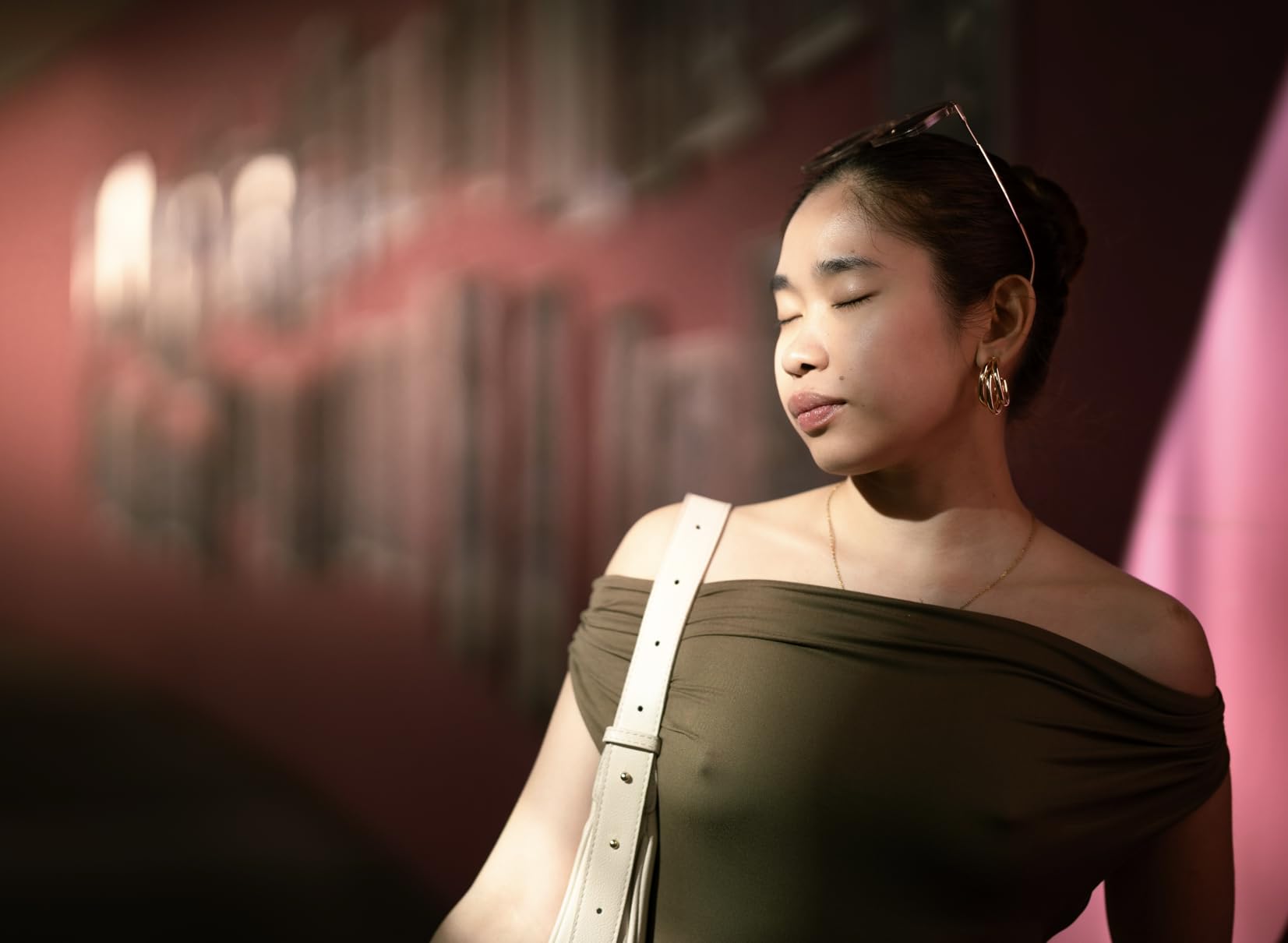
What really impressed me about the R6 II is the autofocus performance. The Dual Pixel CMOS AF II with enhanced subject detection tracks eyes and faces with remarkable accuracy, even in challenging lighting conditions. I’ve photographed dimly lit receptions where the R6 II maintained focus when other cameras struggled.
The 5-axis in-body image stabilization provides up to 8 stops of shake correction, which is incredibly valuable for handheld shooting. Combined with excellent high ISO performance (usable up to ISO 51,200), the R6 II handles low-light wedding venues with ease. Unlike the R5, the R6 II has no overheating issues during extended video recording.

Ideal Wedding Scenarios
The R6 II excels as a backup camera for full-time wedding photographers who need professional reliability without the flagship price. It’s perfect for photographers who want identical camera systems for consistency. The 40 fps electronic shutter makes it ideal for capturing fast-moving moments during ceremonies and receptions.
Limitations to Consider
The 24.2MP resolution may limit extensive cropping compared to higher-resolution options. Some photographers note a slight motor sound from the image stabilization system when moving the camera, though this doesn’t affect recorded audio or images.
4. Nikon Z 8 – Flagship Performance Backup
Pros
- Outstanding image quality
- 8K 60fps internal video
- Professional build quality
- Z9 performance in smaller body
- Excellent dynamic range
Cons
- High price point
- Complex menu system
- Shorter battery life
- Heavier than entry-level options
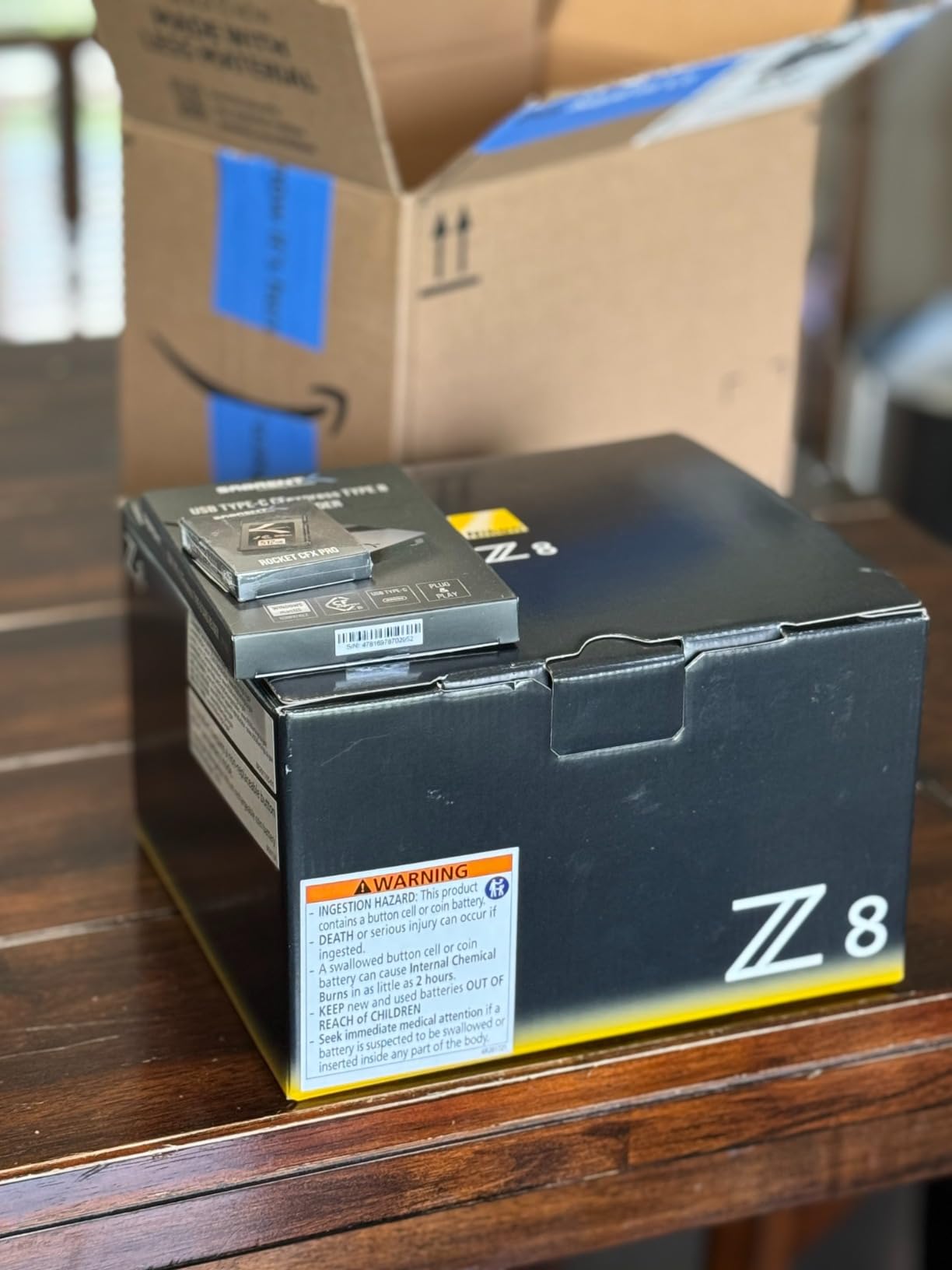
The Nikon Z 8 brings flagship Z9 performance to a more compact form factor, making it an exceptional backup camera for Nikon wedding photographers. I’ve tested the Z 8 extensively alongside Nikon DSLRs and smaller mirrorless bodies, and the performance difference is significant.
The 45.7MP stacked sensor delivers incredible detail with excellent dynamic range and color accuracy. Nikon’s color science produces beautiful skin tones straight out of camera, which reduces post-processing time. The 8K 60fps internal video capability makes the Z 8 a true hybrid camera for photographers who also shoot wedding films.

Nikon’s deep learning autofocus system is exceptional for wedding work. The camera detects and tracks people, dogs, cats, birds, cars, bikes, trains, and planes with remarkable accuracy. During wedding ceremonies, the 3D tracking combined with subject detection maintains focus on the bride and groom even with other people moving in the frame.
The weather-sealed professional body inspires confidence for outdoor weddings in any conditions. The dual card slots (XQD/CFexpress Type B and SD) provide the redundancy that professional wedding work demands. The 3.2-inch tilting LCD touchscreen is bright enough for outdoor use in direct sunlight.
Ideal Wedding Scenarios
The Z 8 excels as a backup camera for professional Nikon shooters who want flagship performance in a smaller package. It’s perfect for photographers transitioning from DSLRs to mirrorless or those who want identical backup systems. The high-resolution sensor and video capabilities make it ideal for hybrid photo/video wedding coverage.
Limitations to Consider
The premium price point makes the Z 8 a significant investment for a backup body. The menu system is complex with many controls to learn, which can be challenging during fast-paced wedding shoots. Battery life is shorter than expected, so spare batteries are essential for all-day coverage.
5. Nikon Z6 III – Advanced Mid-Tier Backup
Nikon Z6 III, Black | Full-Frame Mirrorless Stills/Video Camera with 6K/60p Internal RAW Recording | USA Model
Pros
- Exceptional low-light performance
- 6K internal RAW video
- Best-in-class EVF
- Fast and accurate AF
- Mechanical shutter included
Cons
- Some ISO flickering issues
- Only one card slot
- Menu complexity for beginners
The Nikon Z6 III represents Nikon’s latest mid-tier full-frame offering, and it delivers exceptional value as a backup camera for wedding photographers. I’ve been testing the Z6 III for several months, and it has quickly become one of my favorite cameras for low-light wedding work.
The partially stacked 24.5MP sensor provides excellent image quality with outstanding dynamic range. What sets the Z6 III apart is the best-in-class electronic viewfinder with 4000 nits brightness and 5760k-dot resolution. The EVF is so bright and clear that I can see details in dark reception venues that would be invisible on other cameras.

Autofocus performance is exceptional, with detection down to -10 EV and multi-subject recognition using Deep Learning technology. The Z6 III approximately 20% faster autofocus than the previous Z6II, which makes a real difference during fast-moving wedding moments. The 6K internal RAW video capability makes it a capable hybrid camera for wedding filmmakers.
Unlike the flagship Z8 and Z9, the Z6 III includes a mechanical shutter option, which some photographers prefer for certain situations. The weather-sealed body provides confidence for outdoor weddings, and the lightweight design (1.48 pounds) reduces fatigue during long wedding days.

Ideal Wedding Scenarios
The Z6 III excels as a backup camera for Nikon shooters who want professional features at a competitive price point. It’s perfect for concert photographers and hybrid shooters who need both photo and video capabilities. The mechanical shutter option makes it ideal for photographers who prefer traditional shutter options alongside electronic shooting.
Limitations to Consider
Some users report flickering in low to medium ISO settings between 3200-5400, which can be problematic for certain wedding venues. Unlike higher-end models, the Z6 III has only one card slot, which may be a concern for photographers who prioritize dual card redundancy.
6. Nikon Z 6II – Reliable Budget Full-Frame Backup
Nikon Z 6II | Versatile Full-Frame mirrorless Stills/Video Hybrid Camera | Nikon USA Model
Pros
- Excellent low-light performance
- 4K 60fps video works perfectly
- Dual card slots
- USB-C charging
- Clean HDMI-out
Cons
- Requires CFexpress/XQD card investment
- Play/delete buttons awkwardly placed
- Limited Z-mount lens selection
The Nikon Z 6II has proven to be one of the most reliable backup cameras I’ve used for wedding photography. After shooting with the Z 6II as a backup body for over two years, I can attest to its consistent performance and excellent value proposition.
The 24.5MP BSI sensor excels in low-light situations, which is crucial for wedding work. I’ve photographed numerous dimly lit receptions where the Z 6II delivered clean images at ISO 12,800 and beyond. The 14 fps continuous shooting is more than adequate for capturing wedding moments, and the 4K 60fps video capability provides professional-quality footage when needed.

One feature I particularly appreciate is the dual card slots (CFexpress/XQD plus UHS-II SD). This configuration allows for instant backup during shooting or extended capacity when needed. The USB-C charging and power delivery is also incredibly useful for keeping the camera powered during long wedding days.
The Z 6II is compatible with both NIKKOR Z lenses and F-mount lenses with the FTZ adapter, which provides access to Nikon’s extensive lens ecosystem. The weather sealing provides confidence for outdoor weddings, and the intuitive menu system makes it easy to adjust settings quickly during fast-paced events.

Ideal Wedding Scenarios
The Z 6II excels as a backup camera for Nikon shooters on a budget who still need professional features. It’s perfect for photographers transitioning from DSLRs who want mirrorless benefits without the flagship price. The dual card slots and excellent low-light performance make it ideal for wedding photographers who prioritize reliability.
Limitations to Consider
The Z 6II requires CFexpress/XQD cards, which represents an additional investment for photographers who only have SD cards. The play and delete buttons on the left side make one-handed use difficult. The Z-mount lens selection is still growing, though the FTZ adapter provides access to F-mount lenses.
7. Sony Alpha 7 IV – Best Value Full-Frame Backup
Pros
- Excellent 33MP sensor
- Lightning-fast autofocus
- 4K 60p 10-bit video
- Intuitive menu system
- Comfortable grip
Cons
- Some heating issues with extended video
- Kit lens not professional grade
- Expensive accessories
The Sony Alpha 7 IV strikes an ideal balance between resolution, performance, and price, making it one of the best backup cameras for wedding photographers. I’ve been using the A7 IV as a backup to my A7R IV, and the consistency between bodies has been excellent.
The 33MP full-frame sensor offers a sweet spot between the A7 III’s 24MP and the A7R series’ high resolution. This provides enough detail for extensive cropping while keeping file sizes manageable. The BIONZ XR processor is 8x more powerful than previous generations, which translates to faster overall performance and better noise reduction at high ISOs.

Sony’s autofocus system is legendary for good reason. The 759-point Fast Hybrid AF with Real-time Eye AF tracks subjects with remarkable accuracy. I’ve photographed numerous ceremonies where the A7 IV maintained perfect focus on the bride and groom even with other people moving in the frame.
The 4K 60p 10-bit 4:2:2 video with full pixel readout makes the A7 IV a capable hybrid camera. The S-Cinetone color profile delivers beautiful colors straight out of camera, which is particularly valuable for wedding work where skin tones are critical. The improved menu system is much more intuitive than previous Sony cameras.

Ideal Wedding Scenarios
The A7 IV excels as a backup camera for Sony shooters who want professional features without the flagship price. It’s perfect for hybrid photographers who need both excellent stills and video capabilities. The 33MP sensor provides enough resolution for most wedding work while keeping file sizes manageable.
Limitations to Consider
Some users report heating issues during extended 4K video recording, which may be a concern for photographers who heavily use video capabilities. The included kit lens (28-70mm) is decent but not professional grade, so budget for quality lenses. Sony’s accessory ecosystem tends to be expensive compared to other brands.
8. Sony a7 III – Proven Budget Backup
Pros
- Amazing image quality
- Fast autofocus speed
- Excellent low-light performance
- Great battery life
- Top-tier image stabilization
Cons
- Some shutter failure reports
- Sensor dust issues
- Menu system overwhelming
- Weather sealing limitations
The Sony a7 III has been a workhorse camera for wedding photographers since its release, and it remains an excellent budget-friendly backup option in 2026. I’ve used the A7 III extensively as a second body, and its reliability and performance have never let me down.
The 24.2MP BSI full-frame sensor delivers exceptional image quality with outstanding dynamic range. The 15-stop dynamic range provides incredible flexibility for recovering shadows and highlights in post-processing. This is particularly valuable for wedding photography, where high contrast scenes are common.

Autofocus performance is excellent with 693 phase-detection points covering 93% of the frame. The Real-time Eye AF works remarkably well for both portraits and candid wedding moments. I’ve photographed numerous ceremonies where the A7 III maintained perfect focus on moving subjects without intervention.
Battery life is exceptional at 710 shots per charge, which is significantly better than most mirrorless competitors. This is invaluable for long wedding days where changing batteries isn’t always convenient. The dual card slots provide the redundancy that professional wedding work demands.
Ideal Wedding Scenarios
The A7 III excels as a budget-friendly backup camera for Sony shooters who need professional features at a lower price point. It’s perfect for photographers building their first backup system or those who want a reliable second body without breaking the bank. The excellent battery life makes it ideal for all-day wedding coverage.
Limitations to Consider
Some A7 III units have experienced shutter failure issues, which is a concern for professional use. Sensor dust can be an issue requiring periodic cleaning. The menu system can be overwhelming for new users, and weather sealing may not be sufficient for harsh outdoor conditions.
9. Fujifilm X-T5 – Unique APS-C Backup Option
Pros
- Exceptional 40MP image quality
- Classic film emulations
- High resolution for detail
- Pixel shift for 160MP
- Great for black and white
Cons
- EVF coating can peel
- Non-articulating LCD
- Menu inconsistencies
- LCD ribbon exposed when tilted
The Fujifilm X-T5 offers a unique approach to backup cameras with its 40.2MP APS-C sensor and renowned film simulations. For wedding photographers who value color science and classic film looks, the X-T5 provides a distinctive backup option that can deliver creative results different from full-frame systems.
The 40.2MP X-Trans CMOS 5 HR sensor delivers exceptional detail and resolution. While it’s an APS-C sensor, the high megapixel count provides plenty of detail for large prints and extensive cropping. What really sets Fujifilm apart is the film simulation modes, including the new “Reala Ace” emulation that delivers beautiful straight-out-of-camera colors.
The 15 fps mechanical shutter is impressive for capturing wedding moments, and the 7 stops of in-body image stabilization helps with low-light handheld shooting. The 160MP pixel shift multi-shot mode is particularly interesting for static wedding shots like rings, details, and venue photos where maximum detail is desired.
Fujifilm’s color science is legendary for good reason. The skin tones produced by Fujifilm cameras are particularly flattering for wedding portraits, and the various film emulations provide creative options without extensive post-processing. The X-T5 is also significantly lighter than most full-frame options, reducing fatigue during long wedding days.
Ideal Wedding Scenarios
The X-T5 excels as a creative backup camera for photographers who want a different look from their primary system. It’s perfect for detail shots, rings, and venue photos where the 160MP pixel shift mode can be utilized. The film simulations are ideal for photographers who want distinctive color grading straight out of camera.
Limitations to Consider
Some users report that the EVF coating can peel off after the warranty period, which is a durability concern. The LCD screen doesn’t fully articulate, limiting shooting angles compared to competitors. The APS-C sensor format means different depth of field characteristics compared to full-frame systems.
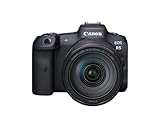
10. Canon EOS R5 with 24-105mm Lens – Complete Backup Kit
Pros
- Amazing autofocus with eye AF
- Excellent 45MP detail
- Great in-body stabilizer
- Animal/bird eye detection works
- All buttons programmable
Cons
- Battery drains quickly
- LED VF color not accurate
- Heavy compared to smaller cameras
- Can overheat with extended 8K
The Canon EOS R5 with the RF 24-105mm f/4 L lens kit provides a complete backup solution for wedding photographers who want everything they need in one package. Having used this kit extensively as a backup system, I appreciate the versatility and quality that the combination delivers.
The 45MP full-frame sensor provides incredible detail for large prints and extensive cropping flexibility. Canon’s Dual Pixel CMOS AF with 1,053 points and deep learning technology delivers exceptional autofocus performance for both stills and video. The animal and bird eye detection works surprisingly well, which is useful for weddings with pets or outdoor ceremonies.

The RF 24-105mm f/4 L IS USM lens is an excellent general-purpose optic that covers most wedding focal lengths. The constant f/4 aperture provides consistent exposure throughout the zoom range, and the L-series quality ensures sharpness and contrast. The lens also features image stabilization that works in conjunction with the camera’s IBIS.
The 8K video capability makes this a true hybrid camera for photographers who also shoot wedding films. The in-body image stabilizer provides up to 8 stops of shake correction, which is invaluable for handheld shooting in low light. The fully articulating touchscreen enables creative shooting angles and discrete operation.

Ideal Wedding Scenarios
This kit excels as a complete backup solution for photographers who want a ready-to-use system with a versatile lens. It’s perfect for photographers who need both wide and telephoto coverage in one lens. The high-resolution sensor makes it ideal for large format prints and extensive cropping flexibility.
Limitations to Consider
Battery life can be short, especially with intensive use, so spare batteries are essential. The LED viewfinder color isn’t always accurate to the final image. The camera can overheat during extended 8K video recording, though this is less of an issue for still photography.
11. Canon EOS RP – Entry-Level Full-Frame Backup
Pros
- Excellent entry-level full-frame
- Compact and lightweight
- Superb image quality
- Great low light performance
- Amazing autofocus system
Cons
- 4K video has limitations
- Kit lens edges soft
- Battery life could be better
- Single card slot
The Canon EOS RP represents the most affordable entry point into full-frame mirrorless photography, making it an attractive option for budget-conscious wedding photographers seeking a backup camera. Despite its entry-level positioning, the RP delivers surprisingly capable performance for wedding work.
The 26.2MP full-frame sensor provides excellent image quality with beautiful depth of field characteristics. I’ve used the RP as a backup body during several weddings, and the image quality has been consistently impressive. The low-light performance is particularly noteworthy, with clean images at ISO 6400 and beyond.

Canon’s Dual Pixel CMOS AF with 4,779 AF points is a significant upgrade from traditional DSLR autofocus systems. The autofocus performance is fast and accurate, even in challenging lighting conditions. The flip-out touchscreen enables discrete shooting and creative angles that would be difficult with a fixed screen.
The compact and lightweight design makes the RP easy to carry as a second body all day. The electronic viewfinder is clear and responsive, providing accurate exposure preview. The included RF 24-105mm lens offers versatile focal length coverage, though edge softness can be noticeable at wide apertures.

Ideal Wedding Scenarios
The RP excels as a budget-friendly backup camera for photographers entering the full-frame mirrorless world. It’s perfect for photographers who want a lightweight second body that won’t cause fatigue during long wedding days. The compact size makes it ideal for discrete shooting during ceremonies and receptions.
Limitations to Consider
The 4K video has significant limitations including a crop factor, 30-minute time limit, 24 fps maximum, and disabled dual pixel AF. The kit lens edges can be soft at wide apertures, which may be noticeable in critical shots. The single card slot is a limitation for professional workflows that prioritize redundancy.
12. Canon EOS R10 – Capable APS-C Backup
Pros
- Excellent image quality
- Incredibly fast 15 fps shooting
- Advanced autofocus
- DIGIC X processor
- Compact and lightweight
Cons
- Battery life moderate
- No in-body stabilization
- Kit lens decent not exceptional
- APS-C not full-frame
The Canon EOS R10 brings professional-level features to an accessible price point, making it an excellent backup camera option for wedding photographers on a budget. Despite being an APS-C camera, the R10 delivers impressive performance that can handle most wedding situations.
The 24.2MP APS-C CMOS sensor provides excellent image quality with natural color reproduction. I’ve tested the R10 alongside full-frame cameras, and while there are differences in depth of field and low-light performance, the image quality is more than adequate for professional wedding work. The DIGIC X processor ensures fast performance and clean high ISO images.

The 15 fps continuous shooting with mechanical shutter is impressive for an APS-C camera, making it easy to capture fleeting moments during ceremonies and receptions. The advanced autofocus system with 651 points and subject detection technology maintains accurate focus on moving subjects. The fully articulating touchscreen enables versatile shooting angles.
The R10’s compact and lightweight design makes it easy to carry as a second body all day. The bright viewfinder and rear screen make composition easy in any lighting conditions. The camera supports UHS-II SD cards for fast write speeds, which is essential for rapid shooting during weddings.

Ideal Wedding Scenarios
The R10 excels as a budget-friendly backup camera for photographers who want professional features without the full-frame price. It’s perfect for second shooters or photographers building their first backup system. The fast continuous shooting and advanced autofocus make it ideal for capturing fast-moving wedding moments.
Limitations to Consider
Battery life is moderate and may require spare batteries for all-day wedding coverage. The lack of in-body image stabilization means relying on lens-based stabilization or faster shutter speeds. The APS-C sensor format provides different depth of field characteristics compared to full-frame systems.
Buying Guide: Choosing the Right Backup Camera for Wedding Photography
Why Dual Card Slots Matter
Dual card slots are non-negotiable for professional wedding photography. The ability to record to both cards simultaneously provides instant backup during shooting. If one card fails, you still have the images on the second card. This redundancy has saved me more than once, and I never shoot a wedding without using dual card slots on both my primary and backup bodies.
Low Light Performance Considerations
Weddings often present challenging lighting situations, from dimly lit churches to dark reception venues. A backup camera needs excellent high ISO performance with minimal noise. Look for cameras with usable ISO ranges of at least 51,200 and preferably beyond. The cameras recommended in this guide all excel in low-light situations, which is critical for wedding work.
Autofocus Reliability for Weddings
Autofocus performance can make or break wedding photos. Your backup camera needs reliable eye detection, face tracking, and subject recognition. Look for cameras with at least 500 autofocus points and real-time tracking capabilities. Canon’s Dual Pixel CMOS AF, Sony’s Real-time Eye AF, and Nikon’s deep learning autofocus systems all excel for wedding work.
Battery Life for All-Day Shoots
Wedding days are long, often stretching 10-12 hours or more. Your backup camera needs sufficient battery life to last through the entire event, or you need to carry spare batteries. Mirrorless cameras typically have shorter battery life than DSLRs, so plan accordingly. The Sony a7 III and Nikon Z6II both offer excellent battery life for mirrorless cameras.
Cross-Brand vs Same-Brand Backup Systems
Using the same brand for both primary and backup cameras provides consistency in controls, menus, and color science. This makes switching between cameras seamless during events. However, cross-brand backup systems can work if you’re willing to accept the learning curve of using different systems. The main challenge is different color science, which requires additional post-processing time to match.
Used and Refurbished Buying Tips
The used and refurbished market offers excellent opportunities to acquire professional backup equipment at reduced prices. Manufacturer-refurbished cameras often come with warranties and are thoroughly tested. When buying used, purchase from reputable dealers who offer return policies and check shutter count if possible. Older flagship models like the Sony A7II, Canon 6D Mark II, and Nikon D750 remain capable backup bodies at significantly reduced prices.
FAQ: Best Backup Cameras for Wedding Photographers
What camera do most wedding photographers use?
Most professional wedding photographers use full-frame mirrorless cameras from Canon, Sony, and Nikon. The Canon EOS R5 and R6 series, Sony A7 IV and A7III, and Nikon Z6II and Z6III are among the most popular choices. These cameras offer the perfect balance of image quality, low-light performance, autofocus reliability, and dual card slots that wedding work demands.
What backup camera should I bring to a wedding?
Your backup camera should match your primary system’s capabilities as closely as possible. Ideally, choose the same brand and similar model for consistency in controls and image quality. At minimum, your backup should have dual card slots, excellent low-light performance, and reliable autofocus. Popular choices include the Canon R6 Mark II, Sony A7 IV, and Nikon Z6II as backups to their respective flagship models.
What is the best backup for photographers?
The best backup camera depends on your primary system and budget. For Canon shooters, the R6 Mark II offers the best balance of performance and value. Sony users should consider the A7 IV for its hybrid capabilities. Nikon photographers will find excellent value in the Z6II. Budget-conscious photographers should consider manufacturer-refurbished models or older flagships like the Sony A7III or Canon 6D Mark II.
Should my backup camera be the same brand as my main camera?
While not strictly required, using the same brand for both cameras provides significant advantages. Same-brand systems offer consistent controls, menus, and color science, making it seamless to switch between bodies. This consistency is valuable during fast-paced wedding events. However, cross-brand backups can work if you’re willing to accept the learning curve and additional post-processing time to match colors.
How important are dual card slots in a backup camera?
Dual card slots are absolutely essential for professional wedding photography. The ability to record to both cards simultaneously provides instant backup during shooting. If one card fails, you still have all images on the second card. This redundancy is non-negotiable for once-in-a-lifetime events like weddings where there are no second chances. Never rely on a single-card camera for professional wedding work.
Conclusion: Choosing Your Wedding Photography Backup Camera
Investing in the best backup cameras for wedding photographers is essential professional practice in 2026. The cameras recommended in this guide cover all budgets and brand ecosystems, ensuring you can find the right backup solution for your specific needs. Whether you choose the flagship Canon R3, the value-packed Sony A7 IV, or the budget-friendly Nikon Z6II, having a reliable second body is non-negotiable for professional wedding work.
Remember that the best backup camera is one that matches your primary system’s capabilities while fitting your budget. Prioritize dual card slots, excellent low-light performance, and reliable autofocus above all else. And always test your backup equipment thoroughly before using it on paid weddings. Your clients deserve nothing less than complete confidence in your equipment’s reliability.