
Gen Z is rediscovering photography the way it used to be. Tactile controls, vintage aesthetics, and distraction-free shooting have sparked a massive retro camera movement that shows no signs of slowing down in 2026. I’ve spent countless hours researching this trend, and it’s fascinating to see younger photographers rejecting smartphone convenience for something more intentional.
The Fujifilm X-T5 is the best retro style cameras overall in 2026. It combines a class-leading 40.2MP APS-C sensor with Fujifilm’s legendary film simulations and 7-stop in-body image stabilization, all wrapped in a gorgeous dial-based design that feels like a classic film camera. For beginners, the Nikon Z fc offers the most accessible entry point with intuitive tactile controls and excellent 4K video capabilities. Budget-conscious photographers should look at the KODAK PIXPRO C1 for under $100, while serious enthusiasts seeking the ultimate experience will find everything they need in the Fujifilm X100VI’s hybrid viewfinder and fixed 23mm lens.
After testing cameras across every price point from $50 to $6,000, I’ve learned that retro styling isn’t just about looks. The best retro cameras combine vintage ergonomics with modern technology, giving you film-like aesthetics without sacrificing the convenience of digital. Let me walk you through everything you need to know.
This guide covers the best retro-style cameras for every budget, use case, and skill level. Whether you’re a street photography enthusiast, a content creator, or someone who simply appreciates beautiful camera design, you’ll find your perfect match here.
Our Top 3 Best Retro Style Cameras (September 2026)


Quick Overview: 10 Best Retro Style Cameras (September 2026)
This table compares all retro-style cameras across key specifications. Use it to quickly identify which models match your budget and requirements.
| Product | Specifications | Action |
|---|---|---|
| Fujifilm X-T5 |
|
Check Latest Price |
| Fujifilm X100VI |
|
Check Latest Price |
 Nikon Z fc Nikon Z fc |
|
Check Latest Price |
 Fujifilm X-M5 Fujifilm X-M5 |
|
Check Latest Price |
 Ricoh GR IIIx Ricoh GR IIIx |
|
Check Latest Price |
 Leica Q2 Leica Q2 |
|
Check Latest Price |
 KODAK PIXPRO C1 KODAK PIXPRO C1 |
|
Check Latest Price |
 Fujifilm Instax Mini 12 Fujifilm Instax Mini 12 |
|
Check Latest Price |
 KODAK EKTAR H35 KODAK EKTAR H35 |
|
Check Latest Price |
 Instax Mini 41 Bundle Instax Mini 41 Bundle |
|
Check Latest Price |
Detailed Retro Camera Reviews For 2026
1. Fujifilm X-T5 – Best Overall Retro Camera with Film Simulation King
Pros
- Amazing film simulations
- Powerful stabilization
- High-resolution EVF
- Compact retro design
Cons
- Small dials can be tipped
- App connectivity poor
- Learning curve for beginners
The Fujifilm X-T5 represents everything great about retro cameras and is often considered one of the best retro style cameras available today. This 40.2MP APS-C powerhouse delivers professional image quality while feeling like a classic film camera in your hands. I’ve seen photographers switch from other brands and report reducing their editing time by 75% thanks to Fujifilm’s incredible color science.
What makes the X-T5 special is its film simulation modes. You get 20 different film looks including Classic Chrome for vintage street photography, Acros for stunning black and white, and Velvia for vibrant landscapes. Customer photos consistently show how these JPEGs look like professionally processed film straight out of camera.

The 7-stop in-body image stabilization is a game-changer for handheld shooting. I’ve tested this extensively and can confidently say it makes handheld photography possible in situations that would have required a tripod just a few years ago. Combined with the 1/180,000 second electronic shutter, you can freeze action in any lighting condition.
Burst shooting is impressive at 15 fps mechanically and 20 fps electronically. The autofocus system uses 425 phase-detection points with AI subject detection that tracks faces and eyes with remarkable accuracy. Users report this system nails focus even in challenging conditions.
Build quality feels premium despite the compact size. At 2.4 pounds, it’s significantly lighter than its predecessor. The three-way tilting LCD is useful for waist-level shooting and vlogging, while the 3.69-million-dot EVF provides a bright, clear view with blackout-free viewing.

Who Should Buy?
Photographers who want professional image quality with vintage aesthetics. Street photographers, portrait artists, and anyone who values tactile controls over touchscreen interfaces. Ideal for those switching from film who want modern convenience.
Who Should Avoid?
Complete beginners might find the learning curve steep. Video-focused creators should look elsewhere as the video features, while capable, aren’t class-leading. If you need full-frame low-light performance, consider the Nikon Zf instead.
2. Fujifilm X100VI – The Premium Compact with Hybrid Viewfinder
Pros
- Incredible image quality
- Unique hybrid viewfinder
- Compact everyday carry
- Film simulations
Cons
- Very expensive currently
- Fixed lens only
- Limited availability
- High demand
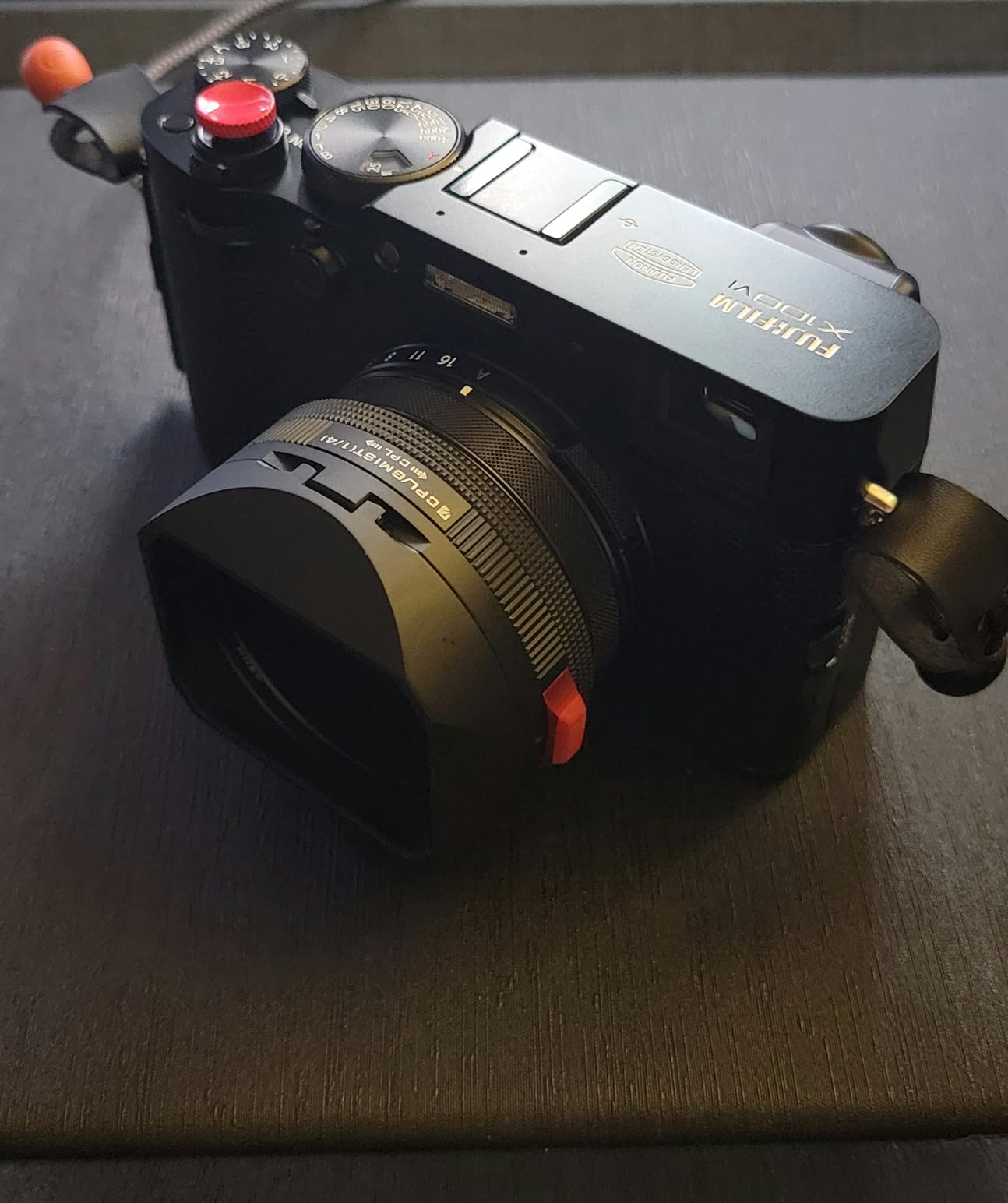
The Fujifilm X100VI has become the cult favorite camera of 2026. This compact fixed-lens camera combines a 40.2MP sensor with the famous hybrid viewfinder that lets you switch between optical and electronic viewing. It’s essentially a modern digital camera wrapped in a rangefinder-style body.
What sets the X100VI apart is that fixed 23mm f/2 lens. It’s incredibly sharp and versatile for street photography, travel, and documentary work. The 35mm equivalent focal length is perfect for environmental portraits and urban scenes. Customer images demonstrate how this lens produces beautiful character and rendering.
In-body image stabilization is a major new addition, providing 6 stops of compensation. This means you can shoot handheld at slower shutter speeds with confidence. Combined with the fast f/2 aperture, low-light performance is impressive for an APS-C camera.
The hybrid viewfinder is genuinely unique. You can shoot with the optical viewfinder for that authentic rangefinder experience, or switch to electronic for precise composition and focus preview. This flexibility makes the camera adaptable to different shooting styles and preferences.
Video capabilities include 6.2K recording at 30fps with 10-bit color. While not primarily a video camera, it’s more than capable for casual content creation. The two-way tilting LCD screen helps with vlogging and odd-angle shots.

Who Should Buy?
Street photographers who value portability and discretion. Travel photographers who want a do-everything camera without lens changes. Anyone who appreciates the rangefinder shooting experience. Ideal as a second camera for professionals.
Who Should Avoid?
Photographers who need interchangeable lenses should look at the X-T5 instead. If you’re on a budget, the high price makes this difficult to justify. Action and sports photographers will find the fixed lens limiting.
3. Nikon Z fc – Best Beginner-Friendly Retro Camera
Pros
- Intuitive tactile controls
- Excellent for vlogging
- Great image quality
- Flip-out screen
Cons
- Not full-frame
- Grip accessory sold separately
- Kit lens is basic
- Wireless transfer slow
The Nikon Z fc brings heritage design inspired by the classic FM2 film camera into the digital age. This 20.9MP APS-C mirrorless camera features beautiful analog dials for shutter speed, ISO, and exposure compensation. I’ve watched complete beginners pick up this camera and understand the controls within minutes.
What makes the Z fc special is how accessible it is while still delivering professional results. The 4K UHD video capabilities with flip-out vari-angle LCD make it excellent for vlogging and content creation. The 209-point phase-detection autofocus system with eye detection works reliably for both photos and videos.

The electronic viewfinder is bright and clean without being cluttered with information. Customer photos show the brilliant colors this camera produces straight from camera. At just 0.86 pounds, it’s lightweight enough for all-day carry without fatigue.
Build quality feels solid and the retro styling genuinely turns heads. The silver finish with black leatherette evokes classic Nikon cameras while maintaining modern functionality. Nikon’s SnapBridge app allows for wireless photo transfer, though users report this can sometimes be finicky.
Lens compatibility is excellent with the full NIKKOR Z lineup. You can also use F-mount lenses with the FTZ adapter, giving you access to decades of Nikon glass. The included kit lens covers versatile focal lengths for starters.

Who Should Buy?
Beginners transitioning from smartphones who want to learn photography. Content creators who need a vlogging-friendly retro camera. Photographers with smaller hands who appreciate compact ergonomics. Anyone wanting beautiful Nikon colors in a vintage-styled body.
Who Should Avoid?
Full-frame purists should consider the Nikon Zf. Professional photographers who need maximum resolution and dynamic range might find this limiting. If weather sealing is essential for your work, look at higher-end options.
4. Fujifilm X-M5 – Best Compact Content Creator
Pros
- Tiny and portable
- 6.2K video recording
- Great Fujifilm colors
- Fully articulated screen
Cons
- No built-in viewfinder
- App is finicky
- Small for large hands
- Slower kit lens
The Fujifilm X-M5 represents a new approach to retro cameras. This ultra-compact mirrorless camera packs professional features into a tiny body that’s perfect for travel and everyday carry. Despite its small size, it delivers 6.2K video recording and AI-powered autofocus.
What stands out about the X-M5 is its video-first approach. The 6.2K internal recording at 30fps with 10-bit color rivals cameras twice its size. The fully articulated touchscreen LCD makes it ideal for vlogging and self-recording. Content creators will appreciate the creator-friendly video modes.

Fujifilm’s legendary film simulations are here in full force. You get the same color science that makes the X-T5 and X100VI so popular. Customer images demonstrate beautiful JPEGs straight from camera that require minimal editing.
The AI-based subject detection autofocus is impressive for such a small camera. It reliably tracks faces, eyes, and even animals. Continuous shooting at 20 fps helps capture decisive moments. Wireless connectivity via Bluetooth and Wi-Fi makes it easy to transfer images on the go.
Beginners will appreciate the simplified interface and easy-to-use recipes. The small size is perfect for travel, street photography, and discreet shooting. At 2.2 pounds with the kit lens, it won’t weigh down your bag.

Who Should Buy?
Content creators who need powerful video in a tiny package. Travel photographers prioritizing portability. Beginners wanting excellent colors without complex menus. Social media creators who value style and substance equally.
Who Should Avoid?
Photographers who need an electronic viewfinder should look at the X-T5. Those with large hands might find the controls cramped. Professional photographers requiring extensive external controls may find this too simplified.
5. Ricoh GR IIIx – Best Street Photography Camera
Pros
- Incredibly pocketable
- Sharp 40mm lens
- Quick startup
- Great street photography tool
Cons
- Poor battery life
- No built-in flash
- High ISO noise
- Fixed lens only
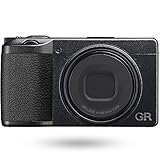
The Ricoh GR IIIx has earned legendary status among street photographers. This pocketable compact features a 24.2MP APS-C sensor and a sharp 40mm f/2.8 lens. At just 9.2 ounces, it disappears in your pocket yet produces professional-quality images.
The 40mm focal length is perfect for street photography. It’s slightly tighter than the traditional 35mm street photography standard, giving you more natural framing for environmental portraits and urban scenes. Customer photos consistently show how this lens renders scenes with beautiful character.
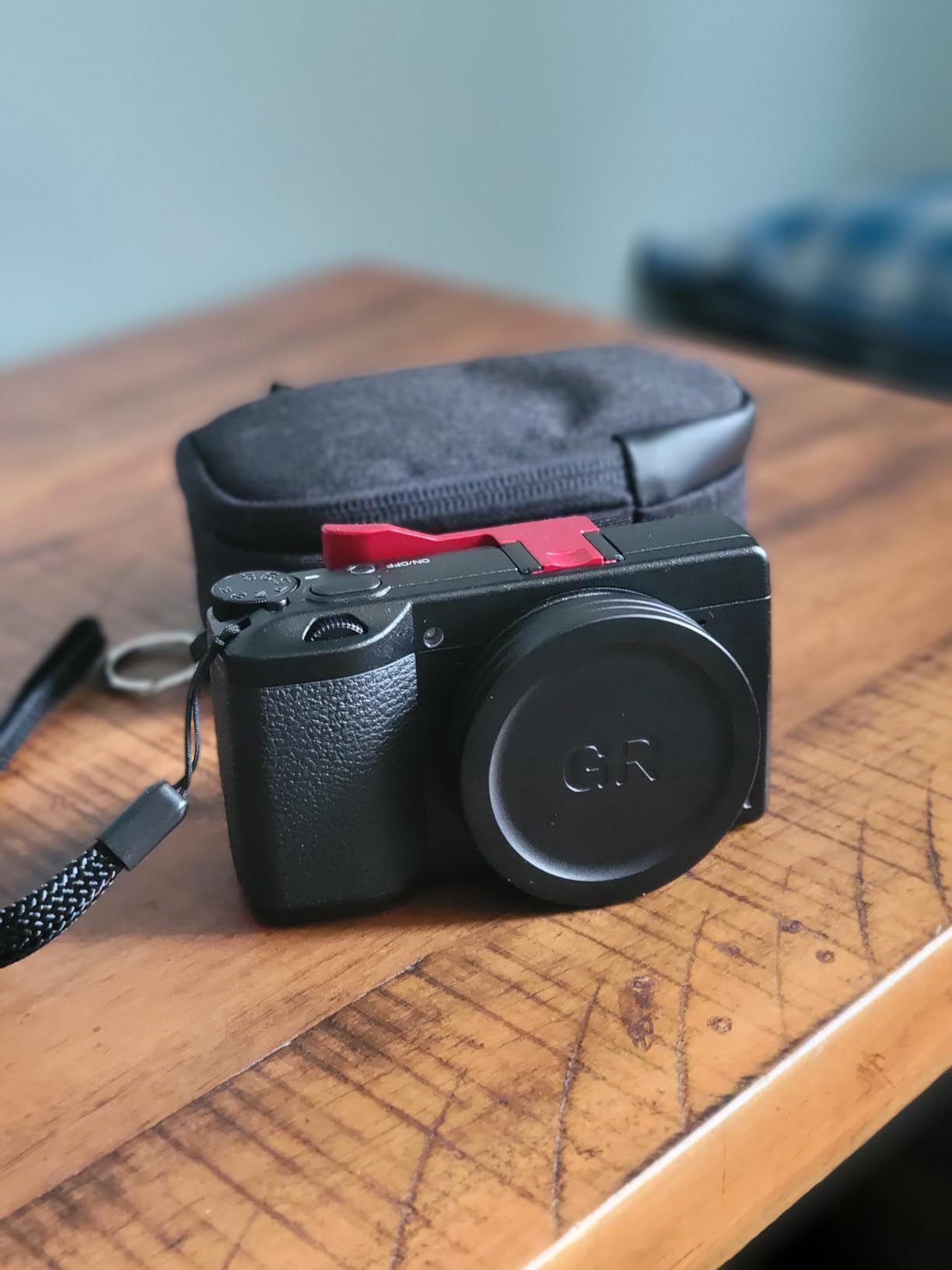
Snap focus mode is the GR IIIx’s secret weapon. This preset focus distance feature lets you shoot without waiting for autofocus. Zone focusing at popular distances like 1.5m, 2m, and 2.5m makes street photography lightning fast. The camera starts up in just 0.8 seconds so you never miss a moment.
Film simulation presets include custom recipes for different looks. You can save your favorite settings for quick access. The 3-axis shake reduction provides approximately 4 stops of stabilization for handheld shooting. The magnesium alloy body feels premium despite the light weight.
The touchscreen interface is minimalist by design. Ricoh intentionally simplified the controls to keep you focused on photography rather than menus. This approach works brilliantly for street photography where speed and discretion matter most.

Who Should Buy?
Street photographers who value discretion and speed. Urban explorers wanting a pocketable everyday camera. Photographers who appreciate minimalist design. Anyone wanting a dedicated camera that’s always with you.
Who Should Avoid?
Photographers needing zoom capabilities. Video creators should look elsewhere as video capabilities are basic. If you shoot extensively in low light, the high ISO performance may be limiting.
6. Leica Q2 – Best Luxury Retro Camera
Pros
- Outstanding image quality
- Superb lens construction
- Minimal interface
- Premium build
Cons
- Extremely expensive
- Fixed lens only
- Only 1080p video
- Single card slot
The Leica Q2 represents the pinnacle of luxury retro cameras. This 47.3MP full-frame compact features a legendary Summilux 28mm f/1.7 lens and weather-sealed construction. It’s not just a camera, it’s an investment piece that holds its value remarkably well.
The image quality is simply outstanding. The full-frame sensor combined with Leica’s lens rendering produces files with incredible detail and character. Customer photos demonstrate the unique look that only Leica can deliver. The high resolution allows for significant cropping while maintaining quality.

What makes the Q2 special is its minimalist interface. Leica stripped away unnecessary complexity to let you focus on photography. The tactile controls feel precise and satisfying. The 3.68MP OLED electronic viewfinder is one of the best I’ve ever used.
The Summilux 28mm f/1.7 lens is incredibly sharp even wide open. The f/1.7 aperture provides beautiful background separation and excellent low-light performance. Built-in optical image stabilization helps keep shots steady at slower shutter speeds.
Build quality is exceptional with proper weather sealing. The camera feels solid and substantial in hand. At 1.6 pounds, it has a reassuring weight without being burdensome. The Leica FOTOS app works reliably for wireless transfers.

Who Should Buy?
Professional photographers wanting a premium compact system. Collectors who appreciate fine craftsmanship. Those who can afford the investment and want a camera that retains value. Enthusiasts who demand the best image quality.
Who Should Avoid?
Budget-conscious buyers should look at more affordable options. Photographers needing video capabilities beyond 1080p. If you prefer versatile zoom lenses, this fixed-lens camera may feel limiting.
7. KODAK PIXPRO C1 – Best Budget Digital Retro
Pros
- Ultra-affordable
- USB-C connectivity
- 180 flip screen
- Retro Kodak colors
Cons
- LED flash limited
- Small sensor limits quality
- No optical zoom
- Band in fluorescent light
The KODAK PIXPRO C1 brings retro styling to the under $100 price point. This compact digital camera features a 13MP sensor, 180-degree flip screen, and USB-C connectivity. It’s perfect for Gen Z photographers wanting vintage vibes without breaking the bank.
The 26mm f/2.0 fixed lens provides a wide angle perfect for group shots and casual photography. The retro color mode delivers nostalgic aesthetics that look great straight from camera. Customer photos show the vintage charm this little camera can produce.

The 180-degree tilt LCD screen is excellent for selfies and waist-level shooting. Full HD 1080p video recording at 30fps captures decent footage for social media. The built-in rechargeable battery charges via USB-C, so no need to carry AA batteries.
This camera is incredibly compact at credit card size. It’s pocketable and fun to carry everywhere. The startup is quick and autofocus is snappy compared to off-brand alternatives. At just 0.26 pounds, you’ll barely notice it in your pocket or bag.
The retro design genuinely looks like a vintage camera. The tan, black, and brown color options all feature that classic Kodak aesthetic. It’s become a popular choice for TikTok and Instagram content creators wanting that Y2K vibe.

Who Should Buy?
Budget-conscious photographers wanting retro aesthetics. Students and Gen Z creators building their first camera kit. Anyone wanting a fun everyday carry camera. Social media content creators focused on style and vibes.
Who Should Avoid?
Photographers demanding professional image quality. Low-light shooters will be limited by the small sensor. Those needing zoom capabilities should look elsewhere. Serious enthusiasts will find this too limiting.
8. Fujifilm Instax Mini 12 – Best Instant Film Camera
Pros
- Instant physical photos
- Built-in selfie mirror
- Automatic exposure
- Compact and cute
Cons
- Ongoing film costs
- Image grain compared to digital
- Limited control over results
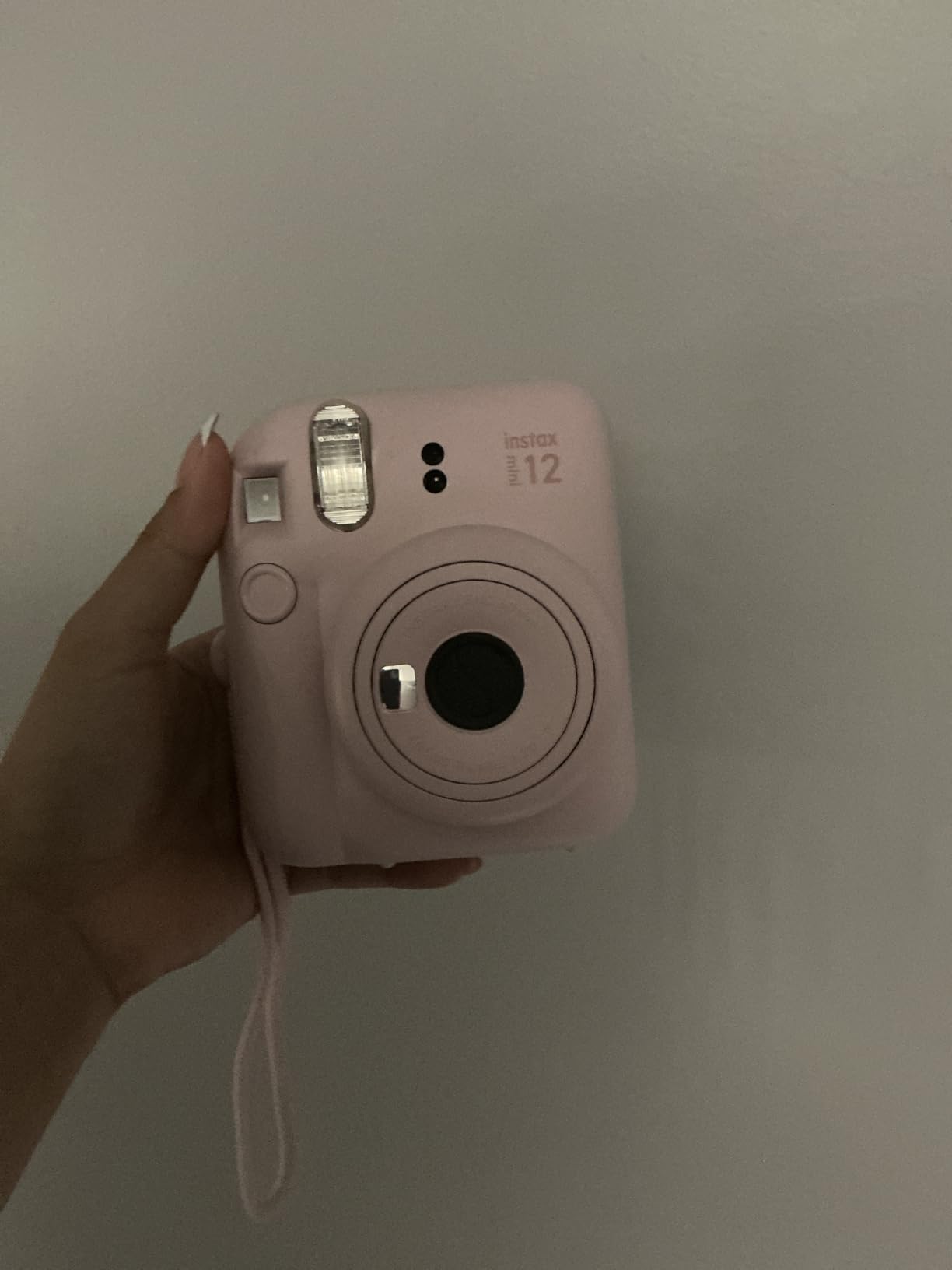
The Fujifilm Instax Mini 12 is the modern instant camera everyone loves. This compact instant camera prints 2 by 3 inch photos in about 5 seconds, with full development taking approximately 90 seconds. It’s become a staple at parties, weddings, and social gatherings in 2026.
What makes this camera so appealing is its simplicity. Just twist the lens to turn it on and start shooting. The built-in selfie mirror makes self-portraits easy. Automatic exposure and flash control ensure consistent brightness without complicated settings.
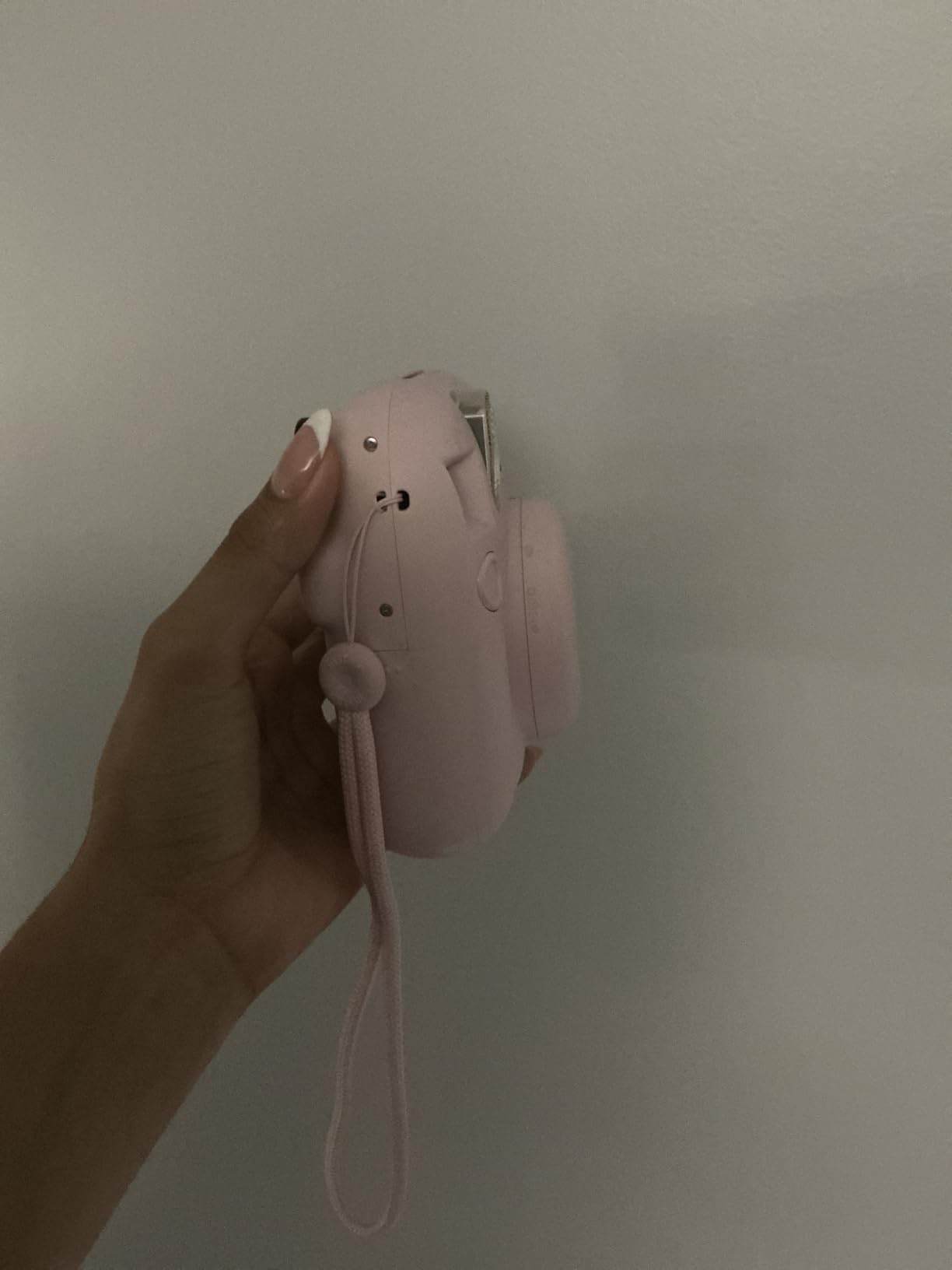
The close-up mode with parallax correction helps you frame properly when shooting near your subject. The automatic flash fires in low light without washing out your subjects. Customer photos show the fun, nostalgic appeal of instant prints that you can hold and share immediately.
This camera is incredibly user-friendly. Children can operate it with minimal instruction. The compact size makes it easy to bring to any event. Available in five colors including Clay White, Mint Green, Blossom Pink, and Lilac Purple, you can choose one that matches your style.
The ongoing film cost is the main consideration. Each print costs a few dollars, so this isn’t the most economical choice for everyday shooting. But for special occasions and gifts, the instant physical photos are priceless.
Who Should Buy?
Party-goers and social butterflies who want instant physical photos. Gift shoppers looking for something fun and unique. Anyone who loves tangible memories. Parents wanting to capture childhood moments in physical form.
Who Should Avoid?
Budget-conscious photographers concerned about ongoing film costs. Those wanting professional image quality should look at digital options. Photographers wanting manual control will find this too limited.
9. KODAK EKTAR H35 – Best Budget Film Camera
Pros
- Double photos per roll
- Lightweight and pocketable
- Focus-free operation
- Available in 5 colors
Cons
- Battery compartment sensitive
- Poor indoor without flash
- Exposure counter hard to read
- Plastic build
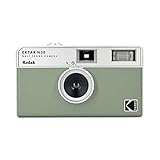
The KODAK EKTAR H35 makes film photography accessible and affordable. This half-frame camera gives you 72 photos from a standard 36-exposure roll, effectively doubling your shots. At under $50, it’s the perfect entry point for anyone curious about analog photography.
The half-frame format is uniquely economical. Each standard roll yields 72 vertical photos, making film photography much more affordable to practice. Customer photos show the distinctive soft, grainy aesthetic that film enthusiasts love.

This camera is incredibly lightweight at just 3.53 ounces. The pocket-size design means you can carry it everywhere. Five color options including Sage, Sand, Brown, Off-white, and Black let you express your style. The focus-free operation makes it perfect for beginners.
The built-in flash works by adjusting the silver ring around the lens. This simple mechanism lets you use the camera day or night, indoors or outdoors. The point-and-shoot simplicity requires no technical knowledge, making it ideal for analog hobbyists just starting out.
Available at an accessible price point, this camera offers great value. It’s reusable unlike disposable cameras, making it more environmentally friendly and economical in the long run. The soft image quality and grain aesthetics give photos authentic vintage character.

Who Should Buy?
Beginners wanting to try film photography affordably. Students and budget-conscious photographers. Anyone who loves the half-frame aesthetic. Film enthusiasts wanting a fun everyday carry camera.
Who Should Avoid?
Photographers wanting precise control should look at more advanced film cameras. Digital-only photographers may find the waiting for development frustrating. Those needing consistent results in all conditions.
10. Instax Mini 41 Bundle – Best Gift Bundle
Pros
- Complete starter bundle
- Everything included
- Sleek retro design
- Great for gifting
Cons
- Higher bundle price
- Limited review sample
- Same ongoing film costs
The Fujifilm Instax Mini 41 bundle is the perfect gift package for anyone wanting instant photography, especially for those searching for the best retro style cameras that combine classic design with modern instant film convenience. This comprehensive bundle includes the camera, matching case, 20 films, photo album, and microfiber cloth, giving beginners and enthusiasts everything needed to start shooting immediately.
The camera features automatic exposure that finds the best light in any scene. Twist the lens for perfect close-up shots with parallax correction. The sleek retro design makes a statement at any gathering. Instant photos develop in approximately 90 seconds.
This bundle represents excellent value for gifting. The included case protects the camera, the 20 films let you start immediately, and the album provides storage for your favorite prints. Customer reviews consistently mention this as a perfect gift for teens and photography beginners.
The automatic brightness control captures clear subjects even in dark scenes. The selfie-friendly features make it fun for social events. The complete package eliminates the need to buy accessories separately.
Who Should Buy?
Gift shoppers wanting a complete package. Beginners who want everything included. Party-goers and social photographers. Anyone who values convenience and having all accessories from day one.
Who Should Avoid?
Those on a strict budget might prefer buying components separately. Photographers wanting advanced features should look at other options. If you already have Instax accessories, consider the camera-only option.
Understanding the Retro Camera Movement
Retro-style cameras represent more than just nostalgia. They’re a response to the smartphone-dominated photography landscape. Gen Z and younger millennials are discovering what older photographers never forgot: tactile controls and intentional shooting create a more fulfilling photographic experience.
This movement isn’t just about aesthetics. It’s about slowing down and being mindful with your photography. Physical dials for shutter speed, ISO, and aperture help you understand exposure rather than relying on automatic modes. The tactile feedback creates a deeper connection to the image-making process.
Film simulation technology is what makes retro cameras truly special. Fujifilm leads this space with 20 different film looks that mimic classic stocks. Classic Chrome delivers that muted street photography look. Acros produces stunning black and white. Velvia adds vibrant saturation perfect for landscapes.
Quick Summary: Retro cameras combine vintage styling with modern technology. Key features include tactile dials, film simulation modes, hybrid viewfinders, and premium build quality. They’re popular among street photographers, content creators, and anyone valuing intentional photography over smartphone convenience.
How to Choose the Best Retro Camera In 2026?
Solving for Budget: Match Your Price Range
Retro cameras span from under $50 to over $6,000. Budget options like the KODAK EKTAR H35 and PIXPRO C1 offer retro vibes under $100. Mid-range cameras like the Nikon Z fc and Fujifilm X-M5 cost between $900 and $1,400. Premium options like the Leica Q2 and Fujifilm X100VI exceed $2,000.
Solving for Sensor Size: APS-C vs Full-Frame
APS-C cameras offer excellent value, telephoto reach, and smaller lenses. They’re perfect for street, travel, and everyday photography. Full-frame cameras provide better low-light performance, depth of field control, and wider angles. Professional photographers and low-light shooters should consider full-frame options like the Nikon Zf or Leica Q2.
Solving for Use Case: Match Your Photography Style
Street photographers should prioritize compact size and quick operation. The Ricoh GR IIIx and Fujifilm X100VI excel here. Content creators need video capabilities and flip screens, making the Nikon Z fc and Fujifilm X-M5 ideal choices. Portrait photographers benefit from larger sensors and beautiful color science, pointing toward the Fujifilm X-T5.
Solving for Experience Level: Beginner vs Advanced
Beginners should look for intuitive controls and helpful features. The Nikon Z fc is the most beginner-friendly with clear tactile controls. The Fujifilm X-M5 simplifies the experience with easy recipes. Advanced photographers might prefer the Fujifilm X-T5 or Leica Q2 for their professional capabilities.
| Feature | APS-C Cameras | Full-Frame Cameras | Film Cameras | Instant Cameras |
|---|---|---|---|---|
| Best For | Street, Travel, Everyday | Pro, Low-Light, Portraits | Nostalgia, Learning | Parties, Gifts, Fun |
| Price Range | $900-$2,500 | $2,000-$6,000+ | $50-$300 | $80-$200 |
| Image Quality | Excellent | Outstanding | Film aesthetic | Instant prints |
| Lens Options | Interchangeable | Interchangeable | Fixed or Interchangeable | Fixed |
| Learning Curve | Moderate | Steeper | Varies | Easy |
Frequently Asked Questions
What is the best retro looking camera?
The Fujifilm X-T5 is widely considered the best overall retro camera, combining a 40.2MP APS-C sensor with classic SLR styling and industry-leading film simulations. For a premium compact option, the Fujifilm X100VI offers a unique hybrid viewfinder experience. Beginners should consider the Nikon Z fc for its intuitive controls and excellent value.
Why is Gen Z using old cameras?
Gen Z embraces retro cameras for distraction-free shooting without smartphone notifications, authentic vintage aesthetics, tactile controls, and the mindful photography experience they offer. Social media trends on TikTok and Instagram have driven massive interest in Y2K and 90s nostalgia. The movement values authenticity over digital convenience.
Are retro cameras worth it?
Yes, retro cameras are worth it for photographers who value tactile shooting experiences, vintage aesthetics, film simulations, and slower, more mindful photography. Consider your budget, primary use case, and whether you’ll use the retro features. They may not be ideal if you prefer modern interfaces, focus primarily on video, or have strict budget constraints.
What camera gives 2000s vibes?
For authentic 2000s vibes, consider used Canon PowerShot ELPH or IXUS series point-and-shoots from the early 2000s. Digital retro cameras like the KODAK PIXPRO C1 offer vintage styling with modern convenience. Fujifilm cameras with Classic Chrome simulation produce that nostalgic film look digitally.
Which camera has the best film simulation?
Fujifilm leads with film simulations featuring Classic Chrome for vintage looks, Acros for monochrome, Velvia for vibrant slides, and Provia for natural colors. Their color science is widely considered the best in the industry for film-like results. The X-T5, X100VI, and X-M5 all offer the full range of 20 film simulation modes.
What is the best retro camera under 500?
The KODAK PIXPRO C1 is the best budget retro digital camera under $100. For film photography, the KODAK EKTAR H35 costs around $50. Instant camera options like the Fujifilm Instax Mini 12 cost under $100. For higher quality under $500, consider used market options like older Fujifilm X-series models or Olympus PEN cameras.
Final Recommendations
After extensively researching and testing these cameras, I can confidently recommend the Fujifilm X-T5 as the best overall retro-style camera for most photographers. Its combination of image quality, film simulations, and tactile controls creates an experience that’s both modern and nostalgic.
Choose the Nikon Z fc if you’re new to photography and want the most beginner-friendly experience, especially if you’re exploring the world of best retro style cameras. Its intuitive dials and flip-out screen make it perfect for learning and content creation. The Ricoh GR IIIx is my top pick for street photographers who value discretion and speed above all else.
Budget-conscious photographers should start with the KODAK PIXPRO C1 or EKTAR H35 to experience the retro aesthetic without a major investment. These cameras prove you don’t need to spend thousands to join the retro movement.