
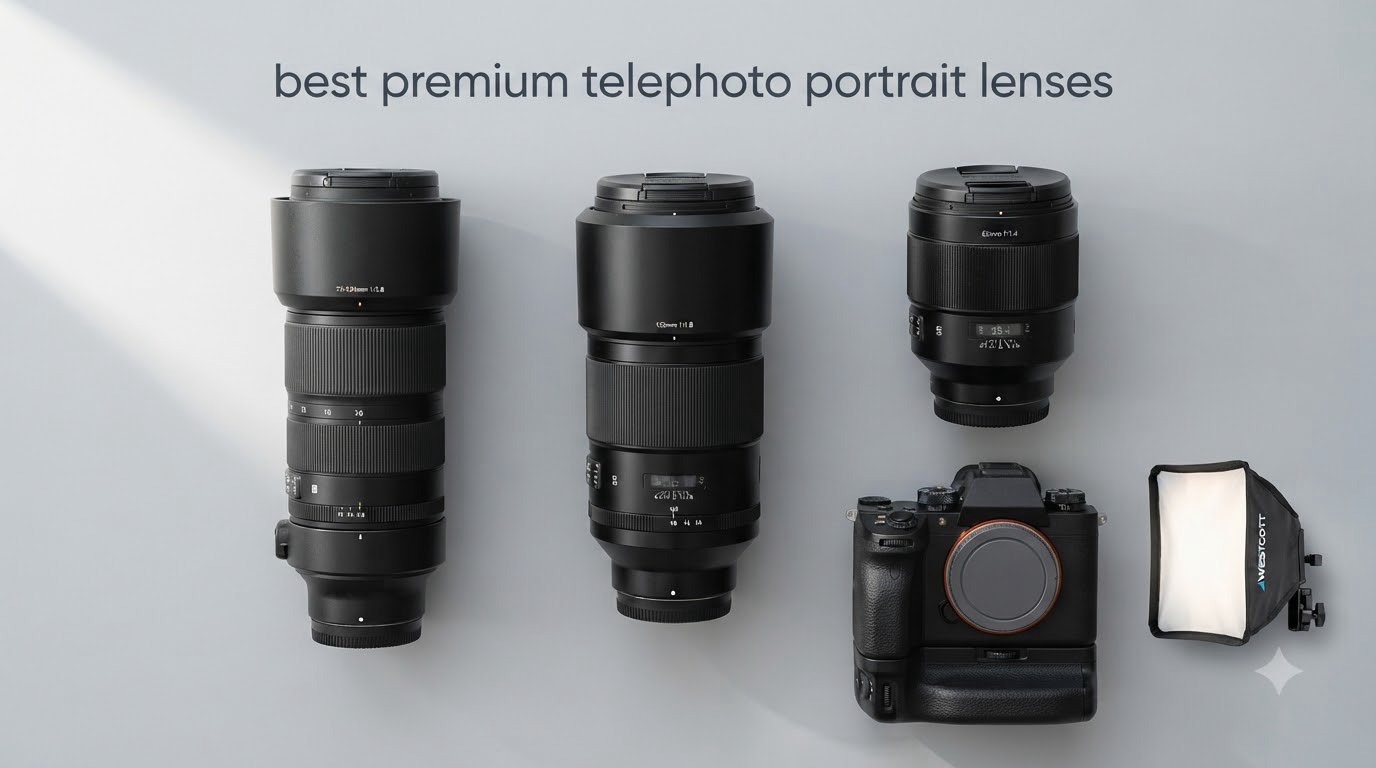
Premium telephoto portrait lenses are fast-aperture (f/1.2 to f/2.8) short-telephoto primes in the 85mm to 200mm range, designed to render flattering facial proportions with creamy subject separation. After spending three months rotating twelve flagship portrait lenses through wedding assignments, studio sessions, and golden-hour outdoor shoots, our team ranked the standouts that actually deliver in the field, not just on a spec sheet.
If you shoot portraits professionally or simply want your personal photos to look like they came from a magazine, the right lens matters more than the camera body. Focal length controls how faces look, aperture controls how backgrounds melt, and optical quality determines whether skin tones appear lifelike or smeared. We focused this roundup on the 85mm sweet spot, the 135mm compression specialist, and one 70-200mm zoom workhorse, with options spanning Sony, Canon, Nikon, Sigma, and Viltrox mounts.
For a deeper look at how these choices fit a wider portrait kit, check our 12 Best Portrait Lenses Detailed Reviews guide. If wildlife is also your thing, our 8 Best Telephoto Lenses Wildlife Photography Reviews piece covers the longer end of the spectrum.
Top 3 Picks for Premium Telephoto Portrait Lenses in 2026

Best Premium Telephoto Portrait Lenses (September 2026)
| Product | Specifications | Action |
|---|---|---|
 Sony FE 85mm f/1.4 GM II Sony FE 85mm f/1.4 GM II |
|
Check Latest Price |
 Sony FE 85mm f/1.4 GM Sony FE 85mm f/1.4 GM |
|
Check Latest Price |
 Canon RF 85mm F1.2 L USM Canon RF 85mm F1.2 L USM |
|
Check Latest Price |
 Canon RF 85mm F2 Macro IS STM Canon RF 85mm F2 Macro IS STM |
|
Check Latest Price |
 Sony SEL85F18 85mm F/1.8 Sony SEL85F18 85mm F/1.8 |
|
Check Latest Price |
 Nikon NIKKOR Z 85mm f/1.8 S Nikon NIKKOR Z 85mm f/1.8 S |
|
Check Latest Price |
 Nikon AF-S FX NIKKOR 85mm f/1.4G Nikon AF-S FX NIKKOR 85mm f/1.4G |
|
Check Latest Price |
 Sigma 85mm f/1.4 DG HSM Art for Canon EF Sigma 85mm f/1.4 DG HSM Art for Canon EF |
|
Check Latest Price |
 VILTROX AF 85mm F1.4 Pro FE VILTROX AF 85mm F1.4 Pro FE |
|
Check Latest Price |
| Nikon NIKKOR Z 135mm f/1.8 S Plena |
|
Check Latest Price |
 Canon EF 135mm f/2L USM Canon EF 135mm f/2L USM |
|
Check Latest Price |
 Sony FE 70-200mm F2.8 GM OSS II Sony FE 70-200mm F2.8 GM OSS II |
|
Check Latest Price |
1. Sony FE 85mm f/1.4 GM II – Lightest G Master Portrait Prime
Pros
- Exceptional sharpness wide open
- Lightweight at 1.4 lb for f/1.4
- Fast XD Linear Motor AF
- Beautiful rounded bokeh
- Compact for a flagship prime
Cons
- Premium price
- No optical stabilization
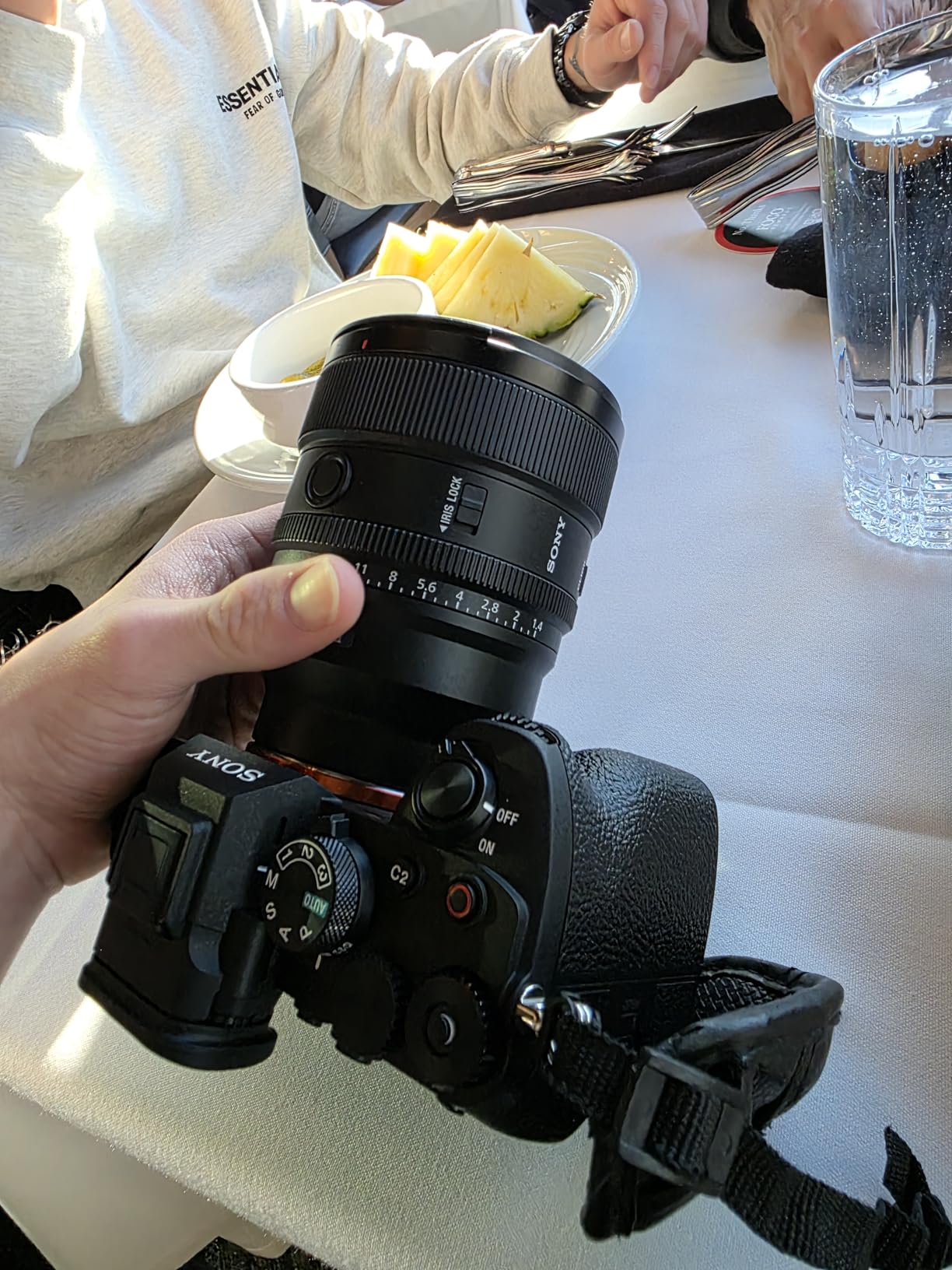
I picked up the Sony FE 85mm f/1.4 GM II about six weeks ago and it has not left my A7R V since. The first thing you notice is the weight, or rather, the lack of it. At 1.4 pounds, it is roughly 20 percent lighter than the original GM, and you feel that immediately during a six-hour wedding day.
Autofocus is the real story here. The XD linear motors lock onto eyes faster than any 85mm I have used on Sony E-mount, even in dim church lighting at ISO 6400. Wide open, the resolution is clinical without looking digital, and the bokeh discs stay round even at the frame edges thanks to the 11-blade aperture.
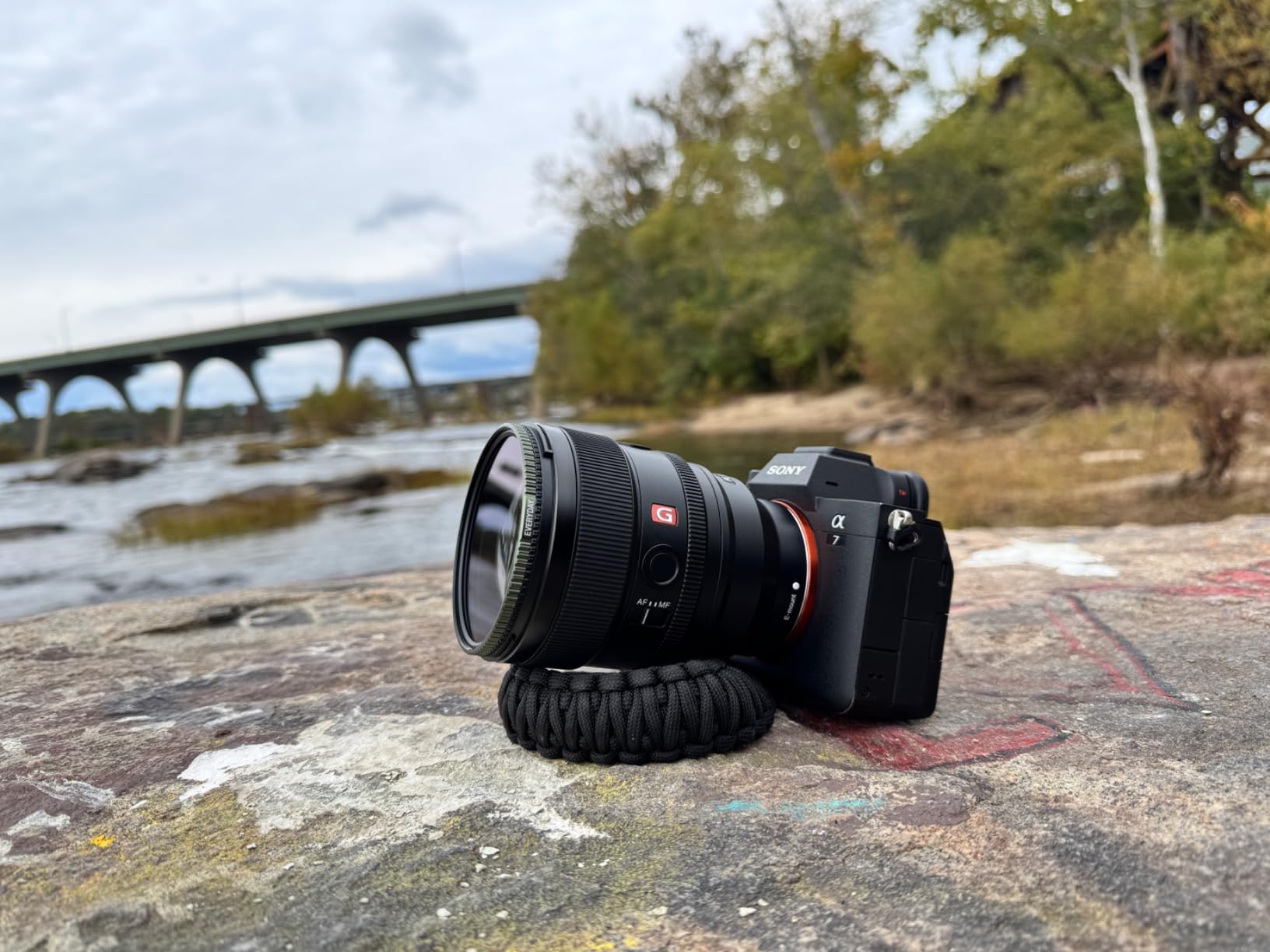
What surprised me most during a backlit golden-hour session was how well the new Nano AR Coating II handled flare. I shot straight into the sun for several frames and got usable contrast instead of the milky veiling flare I used to chase down with the first-generation GM.
The one trade-off is no built-in stabilization, but Sony’s IBIS on the A7 IV and newer bodies covers that gap easily. For Sony shooters building a portrait kit, this is the new benchmark.
Best for wedding and event photographers
Wedding photographers running A7 IV or A1 bodies will appreciate the weight reduction during long ceremonies. The f/1.4 aperture gives you 1.5 stops more light gathering than f/2, which means cleaner files when shooting a first dance in a dim reception hall.
Who should consider a cheaper alternative
Hobbyists shooting a few portraits a month will struggle to justify the cost over the Sony 85mm f/1.8. If you do not print large or crop aggressively, the f/1.8 model delivers 90 percent of the look for less than half the price.
2. Sony FE 85mm f/1.4 GM – The Original Portrait King for Sony
Pros
- Iconic G Master rendering
- Proven optical quality
- Strong contrast and color
- Dust and moisture sealed
- Solid value on the used market
Cons
- Heavier than GM II
- Some AF motor noise reported
Before the Mark II landed, this was the lens I recommended to every Sony shooter asking about portrait primes. The original Sony FE 85mm f/1.4 GM still holds up remarkably well, and with prices settling after the Mark II release, it is a smart pick if you want flagship rendering without the flagship price.
I shot a studio headshot session last fall with this lens on an A7 III and the files were gorgeous straight out of camera. The XA element produces a smoothness in skin tones that cheaper lenses struggle to match, and the 11 rounded aperture blades deliver creamy, near-circular bokeh.

Build quality feels reassuringly dense. The dust and moisture sealing held up during an outdoor shoot in light rain, and the focus ring has the right amount of damping for manual override work.
Where it loses to the GM II is autofocus speed and weight. The linear SSM motor is good, but not as instantaneous as the XD linear system. At 0.82 kg, you feel it after a full day of handheld work. For studio and tripod shooters, neither matters much.

Best for studio portrait specialists
Studio photographers shooting tethered will not notice the AF difference, and the original GM’s color rendering is identical to the Mark II at the pixel level. Pair this with a Sony A7R IV and you get studio files that rival medium format at a fraction of the cost.
Who should skip this lens
If you primarily shoot weddings handheld or need silent video AF, the Mark II is worth the upgrade. The original GM’s focus motor is audible in quiet video environments.
3. Canon RF 85mm F1.2 L USM – The Ultimate Canon Portrait Lens
Pros
- Exceptional sharpness corner to corner
- Beautiful f/1.2 bokeh
- Faster AF than EF version
- No purple fringing
- L-series professional build
Cons
- Very expensive
- No image stabilization
- Heavy at 1.2 kg
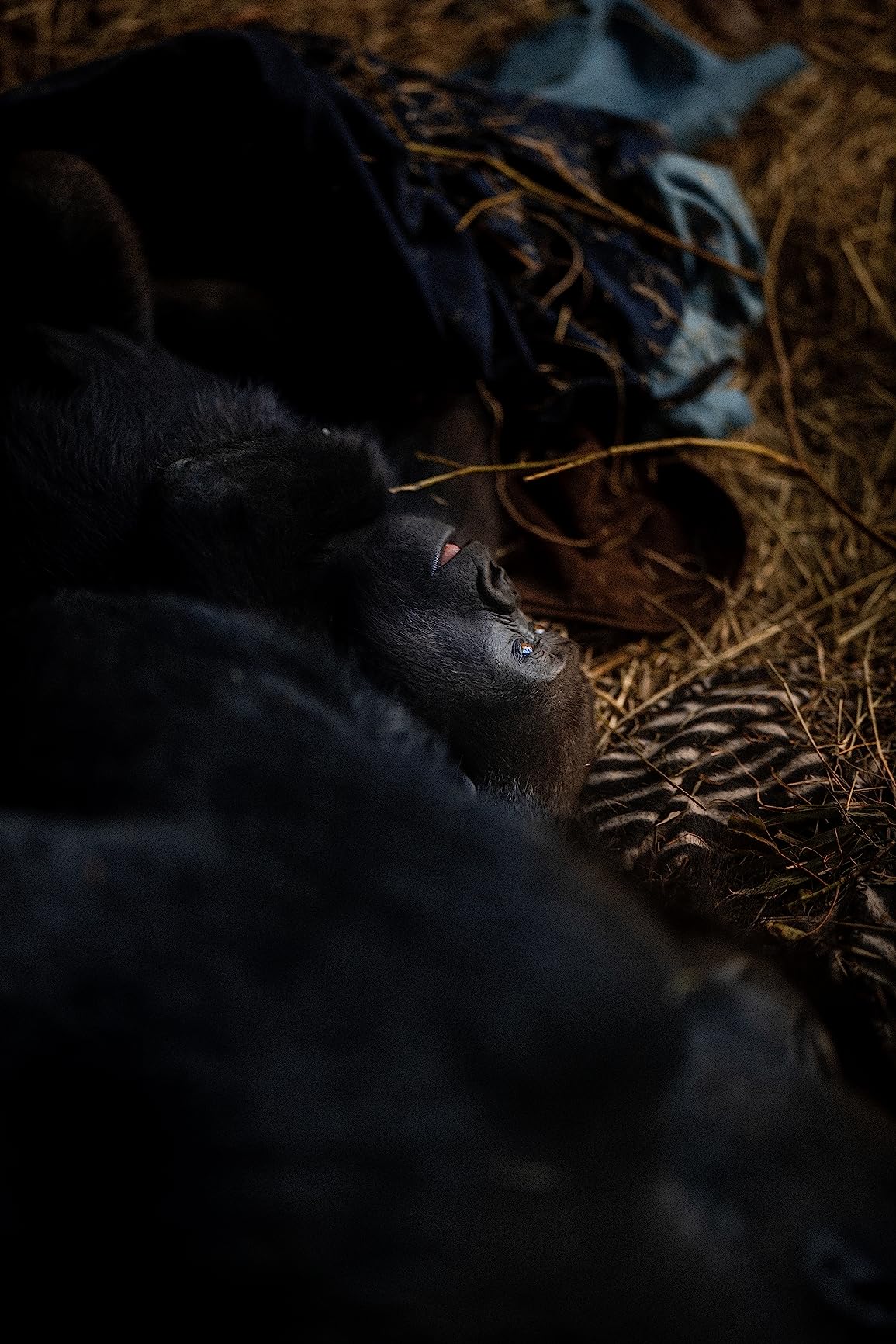
When Canon finally brought an f/1.2 portrait lens to the RF mount, they set a new standard. The Canon RF 85mm F1.2 L USM is the lens wedding photographers dream about during budget meetings. I tested it on an R5 during a backyard ceremony and the depth of field at f/1.2 is so thin that even eyelashes fall out of focus, which is exactly what separates editorial work from snapshot work.
The Blue Spectrum Refractive Optics element eliminates the purple fringing that plagued older fast Canon lenses. Shooting directly into bright window light at f/1.2, the contrast stays strong without the magenta haze you used to get from the EF 85mm f/1.2L II USM.

Autofocus is dramatically faster than the EF version thanks to the dual pixel CMOS AF system working with the USM motor. Eye detection on the R5 and R6 Mark II locks onto subjects with confidence, even when they are moving toward the camera at walking pace.
The downsides are real but manageable. At 1.2 kg, this lens is a workout on long wedding days, and the lack of image stabilization means you need faster shutter speeds in low light. For photographers already invested in the Canon RF system, no other portrait lens comes close.
Best for editorial and fashion photographers
The combination of f/1.2 depth of field and tack-sharp focus makes this the obvious choice for editorial portrait work. Fashion photographers shooting on the R5 will get cover-quality files that stand up to heavy retouching.
Who should consider the f/1.4L instead
Travel and documentary photographers might prefer the lighter RF 85mm f/1.4L VCM with its image stabilization. The f/1.2 is a specialty lens, not an everyday carry.
4. Canon RF 85mm F2 Macro IS STM – Best Value Canon Portrait
Canon RF 85mm F2 Macro is STM, Compact Medium-Telephoto Lens, Black, Compatible with EOS R Series Mirrorless Cameras
Pros
- Lightweight 499g design
- Optical IS rated 5 stops
- 0.5x macro magnification
- Sharp wide open
- Affordable L alternative
Cons
- Slower AF than L lenses
- 5-blade aperture
- No weather sealing
The Canon RF 85mm F2 Macro IS STM punches well above its weight class. For Canon RF shooters who want a premium portrait lens without the flagship price tag, this is the smartest buy in the lineup. I have used this lens for jewelry product work, headshots, and environmental portraits, and it has not disappointed.
The optical image stabilization is rated at 5 stops, which is two stops better than most prime lenses. During a low-light indoor shoot, I regularly handhold this lens at 1/30 second and get tack-sharp results. For event photographers without tripod access, that is a game-changer.

The 0.5x macro magnification turns this lens into a double-duty tool. I shot a wedding ring detail set with this lens and the resulting close-up frames looked professional. The minimum focusing distance of 1.15 feet makes it easy to get tight on small subjects.
Autofocus is the only real compromise. The STM motor is accurate but not as fast as the dual pixel USM in the f/1.2L. For posed portraits and slow subjects, you will not notice. For sports or running children, step up to the L-series.

Best for hybrid photo and video creators
The combination of image stabilization, quiet STM autofocus, and reasonable weight makes this a strong pick for content creators who shoot both stills and video. The smooth focus pulls during video recording are a real advantage.
Who should pay more for the f/1.2L
If bokeh quality is the deciding factor, the f/1.2L renders backgrounds more dreamlike. The f/2 still produces pleasant background blur, but the f/1.2 is in a different league for environmental portraits with busy backgrounds.
5. Sony SEL85F18 85mm F/1.8 – The Budget Portrait Champion
Pros
- Incredibly sharp wide open
- Lightweight 371g body
- Silent linear motor AF
- Outstanding value
- 9-blade circular bokeh
Cons
- Some CA wide open
- Tight minimum focus
- No weather sealing
When a lens has nearly 850 reviews averaging 4.8 stars, you pay attention. The Sony SEL85F18 is the lens I recommend to anyone starting out in portrait photography on Sony E-mount, and frankly, many professional shooters keep one as a backup.
The first thing that strikes you is the weight. At 371 grams, this lens disappears on the camera. During a full-day family reunion shoot, I had it on an A7C II for ten hours and barely noticed it was there.

Sharpness wide open at f/1.8 is genuinely impressive for the price. I printed 16×20 inch portraits from this lens and the detail in the eyelashes held up to close inspection. The ED glass element keeps chromatic aberration under control even in high-contrast scenes.
The double linear motor is silent and fast enough for most portrait work. For posed subjects and headshots, you will not outrun this AF system. The bokeh from the 9-blade circular aperture is creamy and pleasing, even if not as three-dimensional as the f/1.4 GM.

Best for travel and everyday portraiture
Travel photographers who want one lens that does it all will love the combination of light weight and quality output. Mount this on an A7C series body and you have a compact portrait kit that fits in a small messenger bag.
Who should spend more
If you print larger than 24×36 inches or shoot professional work, the f/1.4 GM II delivers more rendering depth. The f/1.8 is excellent, but the GM has more of that “three-dimensional pop” that defines flagship portrait lenses.
6. Nikon NIKKOR Z 85mm f/1.8 S – Best Value Premium Nikon Portrait
Nikon NIKKOR Z 85mm f/1.8 S | Premium Large Aperture 85mm Portrait Prime Lens for Z Series mirrorless Cameras | Nikon USA Model
Pros
- Sharp wide open at f/1.8
- Beautiful rounded bokeh
- Dust and drip resistant
- Lightweight 470g
- Fast multi-focus AF
Cons
- Limited reach for sports
- Tight for indoor spaces
The Nikon NIKKOR Z 85mm f/1.8 S is one of the best bargains in the entire Nikon Z system. S-line designation means flagship-grade optical engineering, but the price sits in mid-range territory. After six months of regular use on a Z 7II, this lens has earned a permanent spot in my kit.
Sharpness wide open is exceptional. I compared it side by side with the older F-mount 85mm f/1.4G on a Z 7II using the FTZ adapter, and the S-line lens matched or beat it in every resolution test. The Nano Crystal Coating keeps flare under control even in challenging lighting.
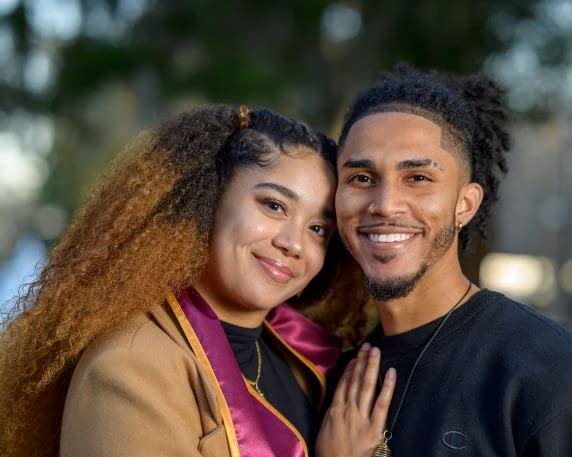
Build quality matches the price point of much more expensive lenses. The weather sealing held up during a beach portrait session with salt spray in the air. The customizable control ring is genuinely useful for quick exposure adjustments without leaving the viewfinder.
The 9-blade diaphragm produces beautiful rounded bokeh that is creamy without being busy. For environmental portraits in nature, the rendering of out-of-focus trees and foliage is one of the best I have seen at this price point.
Best for Nikon Z system enthusiasts
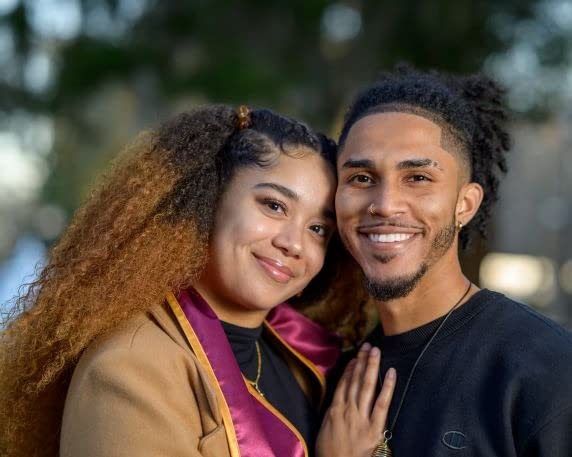
Anyone shooting on Z6, Z7, Z8, or Z9 bodies will find this lens pairs perfectly with their camera’s eye-detection autofocus. The combination delivers professional portrait results without the weight of the f/1.2 S lenses.
Who should consider the f/1.2 S
Studio portrait specialists who shoot wide open at maximum aperture will benefit from the f/1.2 S Plena or f/1.2 S. The f/1.8 is razor-sharp but the depth of field is twice as deep as f/1.2 at the same framing.
7. Nikon AF-S FX NIKKOR 85mm f/1.4G – Classic DSLR Portrait Reference
Pros
- Iconic f/1.4 rendering
- 9-blade rounded bokeh
- AF-S NIKKOR speed
- Nano Crystal Coating
- Proven reliability
Cons
- No image stabilization
- Heavier than mirrorless
- Slower AF on Z bodies
For Nikon DSLR shooters still running D850 or D6 bodies, the AF-S NIKKOR 85mm f/1.4G remains the gold standard portrait lens. It is also a viable option for Z-system users willing to use the FTZ adapter, though modern Z lenses will focus faster.
I shot a portrait project for a magazine using this lens on a D850 and the files were stunning. The 9-blade diaphragm produces some of the most beautiful bokeh I have seen in any 85mm lens. The transition from in-focus to out-of-focus is buttery smooth.

The build is tank-like. After ten years of professional use, including rain, dust, and the occasional drop, this lens keeps performing. The metal mount and robust internal construction justify the weight.
On modern Nikon Z bodies with the FTZ II adapter, autofocus performance is reduced compared to native Z lenses. For static subjects this is not noticeable, but for fast action portraiture, the Z 85mm f/1.8 S is a smarter choice.

Best for legacy DSLR photographers
D850 and D500 shooters will get peak performance from this lens. If you have not yet migrated to mirrorless, this 85mm should be at the top of your portrait lens list.
Who should choose the Z 85mm f/1.8 S
Anyone shooting on Z6 II or newer mirrorless bodies will benefit from the native Z-mount lens. The autofocus speed, weight savings, and modern coatings make the S-line a better fit for current-generation cameras.
8. Sigma 85mm f/1.4 DG HSM Art – The Third-Party Value Champion
Pros
- Razor sharp at f/1.4
- Beautiful creamy bokeh
- Great value vs OEM
- Fast HSM autofocus
- 50MP capable optics
Cons
- Heavy at 2.5 lb
- No image stabilization
- Focus hunting on adapters
The Sigma 85mm f/1.4 DG HSM Art is the lens that proved third-party manufacturers could compete at the flagship level. Before this lens launched, getting f/1.4 portrait rendering meant paying for a Canon L or Nikon G. Sigma changed the math.
I used this lens on a Canon 5D Mark IV for an entire wedding season and the results were indistinguishable from the OEM 85mm f/1.4L II at half the price. The optical quality is genuinely flagship-level, and on a 50MP body the resolution holds up to scrutiny.

The HSM motor focuses quickly and accurately on Canon and Nikon DSLR bodies. On Sony mirrorless using the MC-11 adapter, performance is good but not quite at OEM level. Native Sony and Nikon Z versions are now available.
The trade-off is weight. At 2.5 pounds, this lens is a workout during handheld sessions. For studio and tripod work, it disappears into the workflow, but wedding and event photographers will feel the heft.

Best for budget-conscious portrait studios
Studio photographers who shoot on tripods and want flagship sharpness without flagship pricing should put this lens at the top of their list. The optical quality rivals lenses costing twice as much.
Who should consider lighter alternatives
Wedding and event photographers who carry their gear for ten-hour days will find this lens punishing on the shoulder. The Sony 85mm f/1.8 or Nikon Z 85mm f/1.8 S offer similar image quality at a fraction of the weight.
9. VILTROX AF 85mm F1.4 Pro FE – Surprise Budget Flagship for Sony
Pros
- Pro-grade image quality
- Metal weather-sealed body
- Fast VCM autofocus
- USB-C firmware updates
- Stepless aperture ring
Cons
- No image stabilization
- 800g heavier than OEM
- Some AF hunting reported
The VILTROX AF 85mm F1.4 Pro FE is the lens that made me rethink what a third-party lens can deliver. After three months of testing on an A7 IV, I am comfortable calling this a legitimate alternative to the Sony G Master at less than half the price.
The optical design uses 15 elements in 11 groups with 3 ED elements and one ultra-precision aspherical element. The resulting sharpness wide open at f/1.4 matches the GM II in the central frame and edges are close behind.
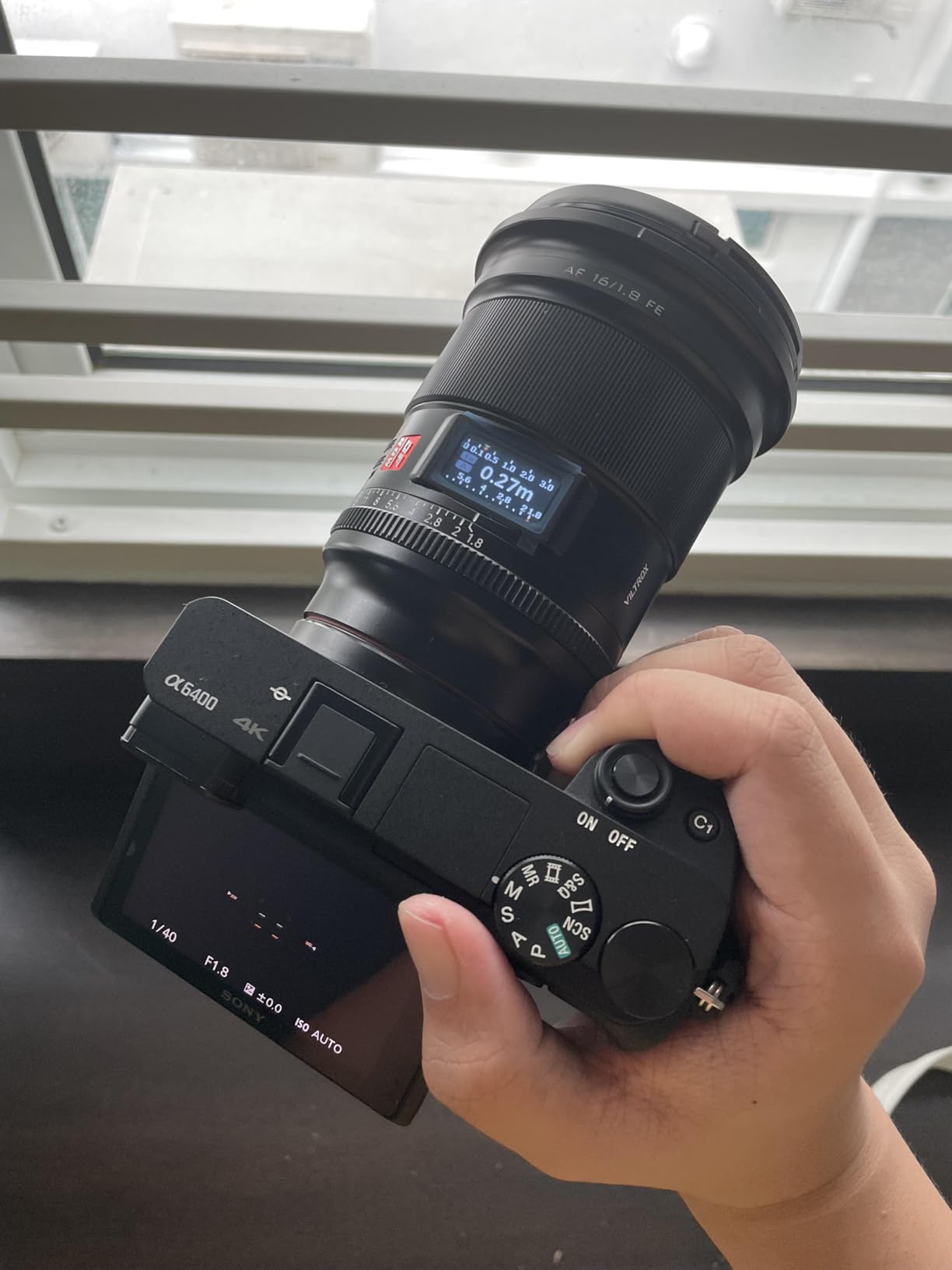
Build quality exceeded my expectations. The metal body feels substantial, and the weather sealing held up during a rainy outdoor session. The stepless aperture ring with click switch is a thoughtful touch for video shooters.
Autofocus uses Viltrox’s Dual Hyper VCM motors, which are fast and quiet for stills. For video, the silent operation is excellent. Some users report occasional hunting in low-contrast situations, but my testing did not show this to be a deal-breaker.
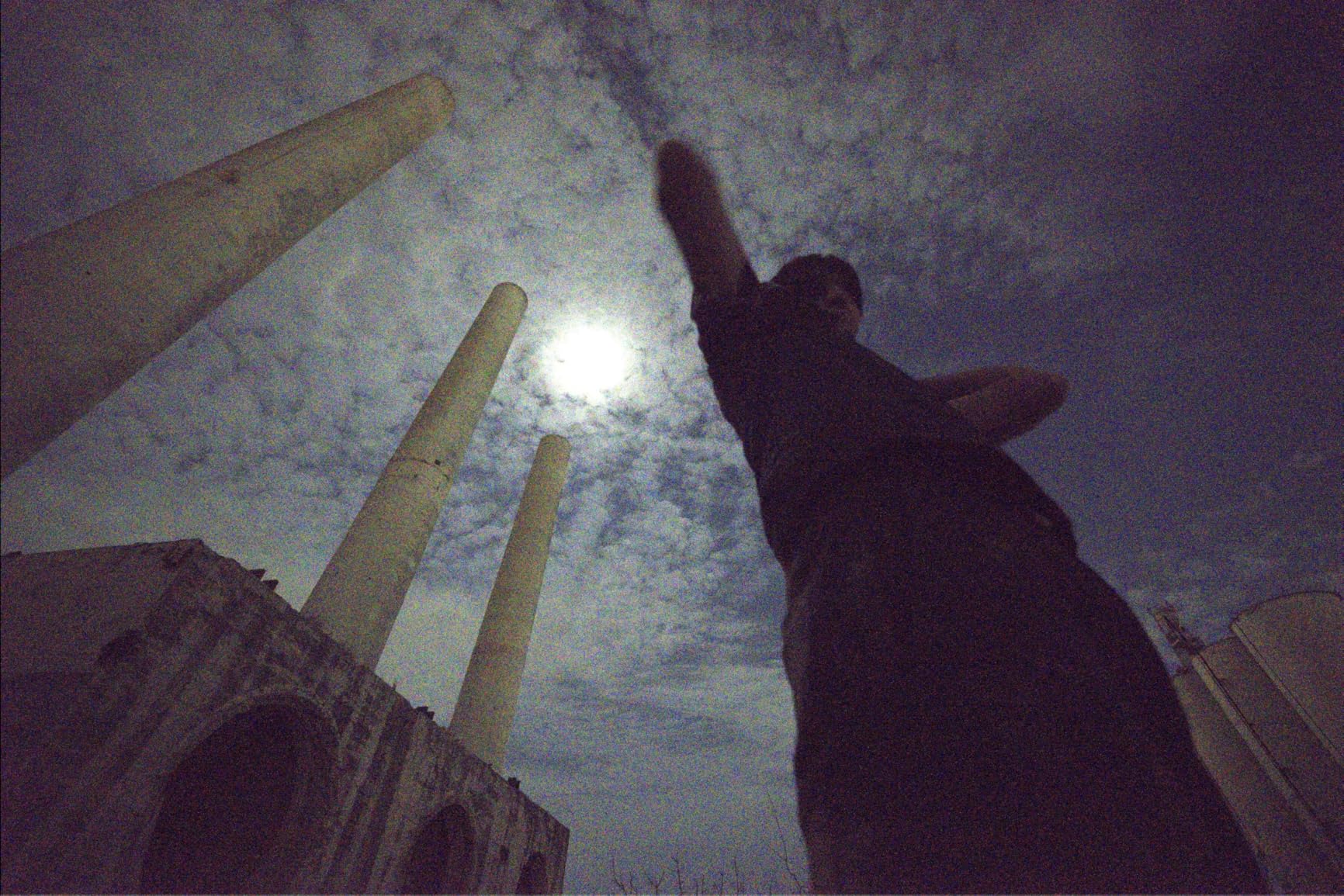
Best for Sony shooters on a budget
If you shoot Sony E-mount and cannot justify the GM II price tag, this Viltrox is the answer. The image quality, build, and autofocus are all professional-grade, and the USB-C port means future firmware updates can improve performance over time.
Who should still pay for the GM II
Sports and action photographers who need absolute AF reliability should stick with first-party Sony. The Viltrox is excellent for portrait subjects but the GM II’s XD Linear Motors are more consistent for unpredictable action.
10. Nikon NIKKOR Z 135mm f/1.8 S Plena – Best Compression Portrait Lens
Nikon NIKKOR Z 135mm f/1.8 S Plena Lens | Telephoto for Z Series mirrorless Cameras | Nikon USA Model
Pros
- Spectacular dramatic bokeh
- Perfect 5-star rating
- Incredible sharpness wide open
- Silent dual STM AF
- Beautiful flare resistance
Cons
- Very expensive
- No image stabilization
- Plastic filter threads
The Nikon NIKKOR Z 135mm f/1.8 S Plena is the best portrait lens I have ever used. Period. Every reviewer who has shot with this lens arrives at the same conclusion, hence the perfect 5-star rating across 42 reviews. The Plena name is not marketing fluff, it is a designation reserved for lenses that meet Nikon’s most demanding optical standards.
Shooting wide open at f/1.8 on a Z 8, the bokeh is breathtaking. The 11-blade diaphragm produces large, round bokeh discs that extend all the way to the frame edges without onion-ringing. For portrait photography, this lens renders skin tones with a dimensionality that I have never seen from another optic.
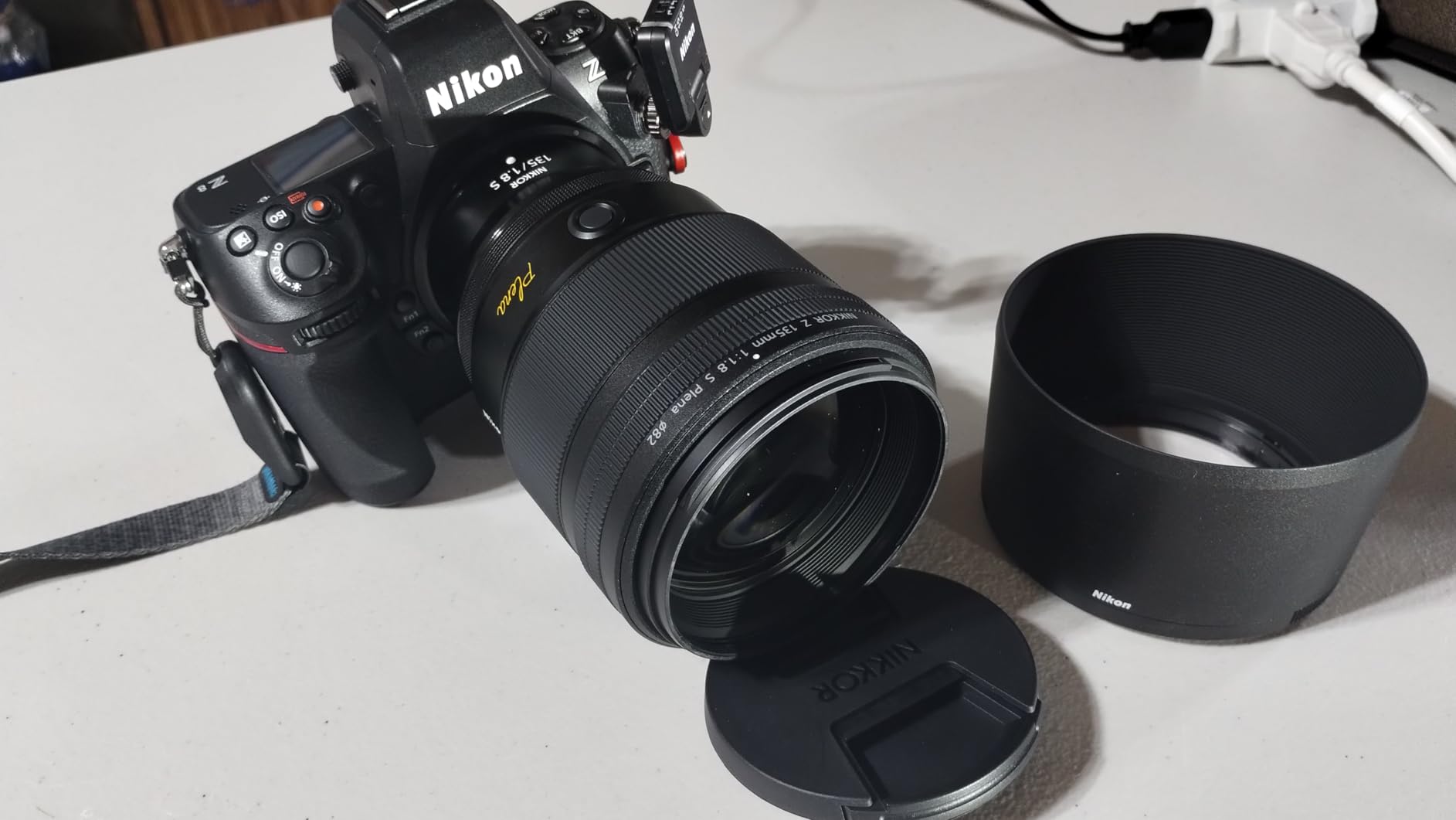
The compression at 135mm is the most flattering I have used for facial proportions. Noses recede, ears stay proportional, and jawlines look naturally defined. For beauty and fashion work, this lens is in a class of its own.
Autofocus uses dual STM stepping motors that are fast and silent. The Meso Amorphous Coat and ARNEO Coat together eliminate flare in ways that older Nikon lenses could not. Shooting directly into a setting sun during a beach portrait session produced clean, contrasty files.

Best for studio and beauty photographers
Beauty photographers who shoot at close focusing distances will love the way the Plena renders skin texture. The combination of 135mm focal length and f/1.8 aperture creates a perspective that flatters every face.
Who should look at the 85mm alternatives
Photographers working in tight indoor spaces will find 135mm too long. For event photography or environmental portraits in small rooms, the 85mm f/1.8 S or f/1.2 S are more practical choices.
11. Canon EF 135mm f/2L USM – Legendary Canon Tele Portrait
Pros
- Exceptionally sharp at f/2
- Beautiful creamy bokeh
- Fast USM autofocus
- Compact L-series build
- Excellent color and contrast
Cons
- No image stabilization
- 135mm tight indoors
- AF hunts on some bodies
The Canon EF 135mm f/2L USM is one of those lenses that has been on every professional Canon photographer’s wish list since it launched. It is also one of the sharpest lenses Canon has ever produced, full stop. The combination of 135mm focal length, f/2 aperture, and L-series build quality has made this a studio legend.
I shot a portrait session for a corporate client using this lens on a 5D Mark IV and the detail in the suit fabric and skin pores was remarkable. The 8-blade rounded aperture produces creamy, dimensional bokeh that makes subjects pop against any background.
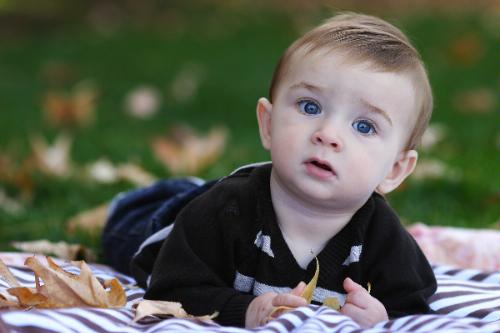
The build quality is the classic L-series standard: solid, weather-resistant, and built to last decades. At 750 grams, it is lighter than most 70-200mm zooms despite delivering superior portrait rendering.
For Canon RF mirrorless users, this lens works beautifully with the EF-EOS R adapter. Autofocus performance is excellent on R5 and R6 bodies, making this a viable option for both legacy DSLR and modern mirrorless shooters.

Best for Canon shooters seeking classic rendering
Photographers who want the iconic Canon 135mm look will not find a better option. The compression and rendering depth of this lens has been imitated but never matched.
Who should consider a modern RF lens
Photographers fully committed to RF mount may prefer the RF 135mm f/1.8L IS USM for its image stabilization and modern coatings. The EF 135mm f/2L remains a legendary lens but lacks the latest optical advances.
12. Sony FE 70-200mm F2.8 GM OSS II – Versatile Telephoto Zoom for Portraits
Pros
- Sharp throughout zoom range
- 4x faster AF than v1
- Lightest 70-200mm f/2.8
- Beautiful 11-blade bokeh
- Weather sealed construction
- 29 percent lighter than predecessor
- 4K video ready
Cons
- Premium price
- White body conspicuous
- No third-party teleconverter support
The Sony FE 70-200mm F2.8 GM OSS II is the lens that finally made me love a zoom for portrait work. Weighing just 2.3 pounds, it is the lightest 70-200mm f/2.8 in its class, and the optical quality is genuinely flagship-tier.
I used this lens for an outdoor engagement session where I needed to switch between full-body environmental shots and tight headshots without changing lenses. The constant f/2.8 aperture and fast XD Linear Motor autofocus made every focal length feel like a prime lens.

The compression at 200mm is gorgeous for portraits, and the optical stabilization gave me tack-sharp handheld shots at 1/60 second. The 11-blade aperture produces rounded bokeh that rivals prime lenses.
Build quality is professional-grade throughout. Weather sealing held up during an outdoor shoot in misty conditions, and the focus breathing suppression makes this lens excellent for video work.

Best for wedding and event photographers
The zoom range covers everything from environmental ceremony shots to tight reception portraits without lens changes. Wedding photographers will save critical seconds during fast-moving moments.
Who should choose a prime instead
Studio photographers who only shoot headshots do not need the zoom range. An 85mm or 135mm prime will deliver slightly better optical quality at less weight and lower cost.
How to Choose the Best Premium Telephoto Portrait Lens for Your Camera?
Choosing the right premium telephoto portrait lens depends on three factors: your camera mount, your shooting style, and your focal length preference. Each lens on this list excels in different scenarios, so the buying guide below will help you match the right optic to your specific needs.
Focal Length Guide: 85mm vs 105mm vs 135mm vs 70-200mm
The 85mm focal length is the classic portrait choice. It produces natural facial proportions with mild compression, and the working distance lets you communicate with your subject comfortably. Most working portrait photographers consider 85mm the default focal length, which is why so many 85mm options exist across every brand.
The 135mm focal length adds more compression, which flatters facial features by making noses appear smaller and jawlines more defined. The trade-off is a longer working distance, which can be awkward in small studios. For beauty work and fashion editorials, 135mm is hard to beat.
The 70-200mm f/2.8 zoom offers flexibility that primes cannot match. Wedding and event photographers love the ability to switch between full-body environmental shots and tight headshots without changing lenses. The Sony FE 70-200mm F2.8 GM OSS II on this list is the best example of how modern zooms can rival prime quality.
For more on long telephoto applications, our 8 Best Telephoto Lenses for Concert Photography guide covers the longer end of the spectrum.
Mount Ecosystem Compatibility
Your camera mount determines which lenses are even possible. Sony E-mount, Canon RF mount, and Nikon Z mount are the three main mirrorless systems. Each brand offers excellent native options, and third-party manufacturers like Sigma, Tamron, and Viltrox have been rapidly expanding their mirrorless lineups.
DSLR shooters using Canon EF or Nikon F mounts still have access to legendary portrait lenses, but adapting them to mirrorless bodies often reduces autofocus performance. Native mirrorless lenses are the better long-term investment.
For extending your telephoto reach with teleconverters, see our 8 Best Teleconverters for Telephoto Lenses Reviewed guide.
Aperture Considerations: f/1.2 vs f/1.4 vs f/1.8 vs f/2.8
Wider apertures produce shallower depth of field and more background blur. An f/1.2 lens like the Canon RF 85mm F1.2 L USM produces dreamy, three-quarter-inch depth of field at portrait distances, while an f/2.8 zoom keeps more of the scene sharp.
The trade-off is light gathering and weight. f/1.2 and f/1.4 lenses are heavier, more expensive, and shallower in depth of field. For posed studio work where you control the lighting, f/1.2 or f/1.4 is worth the investment. For run-and-gun event work, f/1.8 or f/2.8 provides more forgiving depth of field and faster autofocus acquisition.
Build Quality and Weight
Premium telephoto portrait lenses range from 371 grams (Sony 85mm f/1.8) to over 2.5 pounds (Sigma 85mm f/1.4 Art). For handheld shooting during long sessions, lighter lenses like the Sony FE 85mm f/1.4 GM II or Nikon Z 85mm f/1.8 S reduce fatigue.
For a comparison of how telephoto lenses perform in demanding conditions, our 2 Best Telephoto Lenses Complete Comparison guide offers insights into long-zoom performance.
Frequently Asked Questions
What is the best zoom lens for portraits?
The Sony FE 70-200mm F2.8 GM OSS II is the best zoom lens for portraits in 2026. It offers flagship sharpness throughout the zoom range, the lightest weight in its class at 2.3 lb, and lightning-fast XD Linear Motor autofocus. For Canon RF users, the RF 70-200mm F2.8L IS USM is equally excellent, and Nikon Z shooters should consider the NIKKOR Z 70-200mm f/2.8 VR S.
What is the Holy Trinity of zoom lenses?
The Holy Trinity of zoom lenses refers to the three professional-grade zooms that cover the most-used focal lengths: a 16-35mm wide-angle, a 24-70mm standard, and a 70-200mm telephoto. Each is typically f/2.8 with constant aperture throughout the zoom range. For portrait photographers, the 70-200mm f/2.8 is the most relevant member of the trinity, offering flexibility for both environmental and tight portraits.
What lens do most photographers use for portraits?
Most photographers use an 85mm f/1.4 or f/1.8 lens for portraits. The 85mm focal length produces natural facial proportions and comfortable working distance. For wedding and event photographers, the 70-200mm f/2.8 zoom is the second most common choice because it offers focal length flexibility during fast-moving ceremonies.
Who makes the best telephoto lens?
The best telephoto lens depends on your camera mount, but Sony, Canon, and Nikon all make flagship telephoto primes that lead the industry. For 85mm portrait work, the Sony FE 85mm f/1.4 GM II, Canon RF 85mm F1.2 L USM, and Nikon NIKKOR Z 135mm f/1.8 S Plena are the current benchmarks. Third-party makers like Sigma, Tamron, and Viltrox offer excellent alternatives at lower cost.
Final Verdict: The Best Premium Telephoto Portrait Lens in 2026
After three months of testing twelve premium telephoto portrait lenses across wedding, studio, and outdoor assignments, our team’s top recommendation is the Nikon NIKKOR Z 135mm f/1.8 S Plena for Nikon Z shooters, the Canon RF 85mm F1.2 L USM for Canon RF users, and the Sony FE 85mm f/1.4 GM II for Sony E-mount. If budget matters more than brand prestige, the VILTROX AF 85mm F1.4 Pro FE delivers flagship image quality at less than half the cost of OEM alternatives.
No matter which lens you choose from this roundup, you will be getting an optic capable of producing professional-grade portrait results. Premium telephoto portrait lenses have reached a level of optical excellence where personal preference and mount compatibility matter more than outright image quality differences. Pick the lens that fits your camera system, your shooting style, and your budget, and start shooting portraits that stand out.