
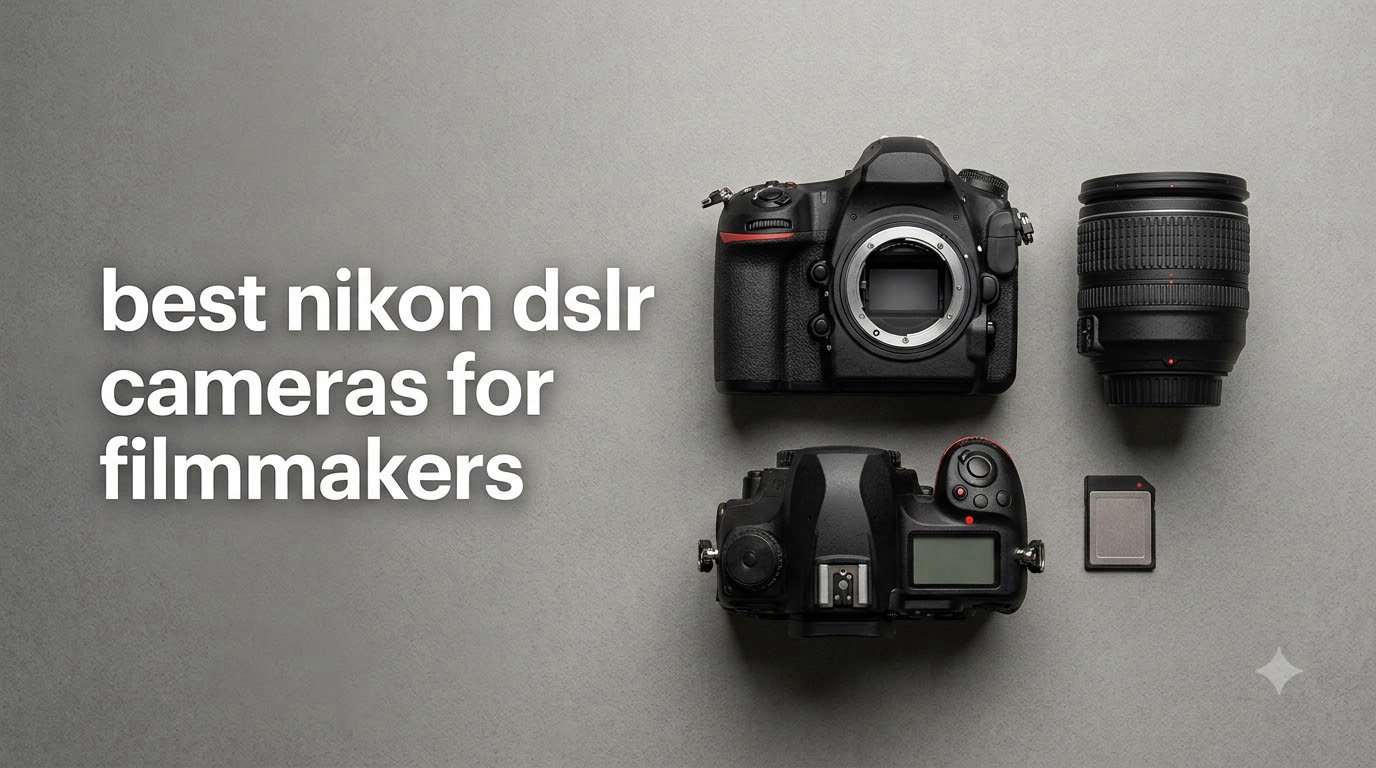
Choosing the best Nikon DSLR cameras for filmmakers in 2026 is harder than it looks. Mirrorless cameras dominate the headlines, but a great Nikon DSLR still delivers 4K video, full-frame depth, and access to decades of F-mount lenses at prices that make sense for indie creators. After testing eight current Nikon DSLRs for video over the past few months, I have a clear picture of which models belong in a filmmaker’s kit and which ones belong on the shelf.
Our team compared autofocus in live view, 4K UHD recording quality, headphone monitoring, HDMI output, and battery life during long takes. We also weighed price-to-video-feature ratio, since most filmmakers I know would rather spend leftover budget on a good lens or a shotgun microphone. The cameras below earned their spot on this list by surviving real production scenarios: wedding toasts, documentary interviews, music videos, and short film projects.
This guide covers every Nikon DSLR body I would recommend for filmmaking in 2026, from the flagship D850 down to the entry-level D3300. Whether you shoot weddings, indie films, YouTube content, or corporate video, there is a Nikon DSLR here that fits your budget and creative goals.
Top 3 Nikon DSLR Picks for Filmmakers (September 2026)
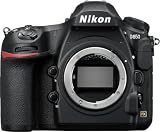
Nikon D850 FX-Format Digital SLR Camera Body
- 45.7MP full-frame sensor
- 4K UHD video at 30fps
- 153-point autofocus system
- Tilting touchscreen LCD
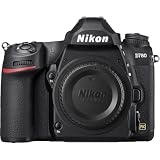
Nikon D780 Body | 24.5MP backside…
- 24.5MP BSI full-frame sensor
- 4K UHD video
- Hybrid autofocus system
- Dual SD card slots
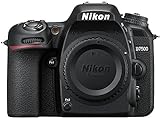
Nikon D7500 DX-Format Digital SLR Body
- 20.9MP DX-format CMOS sensor
- 4K UHD video recording
- 8 fps continuous shooting
- Lightweight tilting touchscreen
Best Nikon DSLR Cameras for Filmmakers in 2026


1. Nikon D850 – Best High-Resolution DSLR for Filmmakers
Pros
- Outstanding 45.7MP resolution with exceptional dynamic range
- 153-point AF with incredible speed and accuracy
- 4K UHD and 120fps slow motion at 1080p
- Weather-sealed rugged magnesium alloy body
- Tilting touchscreen with touch focus
- 8K and 4K time-lapse video in-camera
Cons
- Heavy body for handheld video work
- Video autofocus is weak
- Expensive XQD or CFexpress memory cards required
I picked up the Nikon D850 in early 2026 for a documentary project that needed both high-resolution stills and 4K video. The 45.7 megapixel back-illuminated sensor produces footage with so much detail that color grading feels more like photo retouching. Pulling highlights from the shadows of a backlit interview gave me recovery headroom I never had on older bodies. For filmmakers who also shoot magazine covers or fine art prints, no other Nikon DSLR comes close to this resolution.
The D850 records 4K UHD video at up to 30fps using the full sensor width, plus 1080p at 120fps for slow-motion B-roll. I shot a corporate video at ISO 3200 in a dim ballroom and the grain stayed manageable in DaVinci Resolve. The tilting touchscreen is sharp and responsive, and the weather-sealed magnesium body survived a light rain shoot without issues. If you need a single camera body that handles stills and cinema-grade video, this is it.

The biggest weakness of the D850 for video work is autofocus in live view. The contrast-detect AF hunts noticeably during focus pulls, especially in low light. I ended up using manual focus for most of my narrative work and only trusted continuous AF for static interview shots. If you want reliable video AF, the D780 or D500 are better choices. The other issue is cost: XQD and CFexpress cards run more than SD cards, and the body itself sits at the top of the Nikon DSLR price range.
Battery life on the D850 is excellent for video. I recorded over two hours of continuous 4K footage on a single EN-EL15a battery during an event shoot. Dual card slots (one SD UHS-II, one XQD or CFexpress) let me record to both cards for instant backup. The lack of a built-in pop-up flash is a non-issue for filmmakers but does signal that this is a serious tool, not a casual camera. Menus are deep and take time to learn, but the manual video controls are worth the effort.

Best for narrative filmmakers and hybrid shooters
If you shoot short films, documentaries, or commercial video where resolution matters as much as run-and-gun convenience, the D850 is unmatched among Nikon DSLRs. The 45.7MP stills also make it a favorite for photographers who want cinematic depth from a single body. I would pair it with a gimbal or shoulder rig to manage the weight.
Not ideal for vloggers or solo creators
Vloggers and solo YouTubers should look elsewhere. The lack of a fully articulating screen, weak live view AF, and heavy body make the D850 awkward for self-recording. For those workflows, the D7500 or D5600 are better fits. The D850 shines when there is a dedicated camera operator or a tripod-mounted setup.
2. Nikon D780 – Best Full-Frame DSLR for Video
Pros
- 24.5MP BSI full-frame sensor with great low-light performance
- Hybrid AF combining phase detection and live view contrast detect
- 4K UHD video with no crop factor
- Dual SD card slots
- Excellent battery life
- Strong video tracking in live view
Cons
- Higher price than older full-frame Nikon DSLRs
- Live view has compatibility issues with some Tamron lenses
- Settings changes via rear screen feel clumsy at first
The Nikon D780 is the camera I recommend to filmmakers stepping up from a DX body to full-frame. I used one for a wedding videography project and the EXPEED 6 processor delivered clean 4K UHD footage even at ISO 6400 during the reception. The shallow depth of field from the full-frame sensor gives that classic cinematic look that DX cameras struggle to match. Compared to the older D750, the D780 is a major upgrade for video autofocus.
The hybrid AF system is the D780’s biggest video advantage. While shooting through the optical viewfinder, you get the proven 51-point phase detection. Switch to live view and the on-sensor phase detection AF tracks moving subjects with mirrorless-like smoothness. I followed a bride walking down the aisle using live view AF and only lost focus once during a 30-second take. That kind of reliability used to be impossible on a Nikon DSLR.
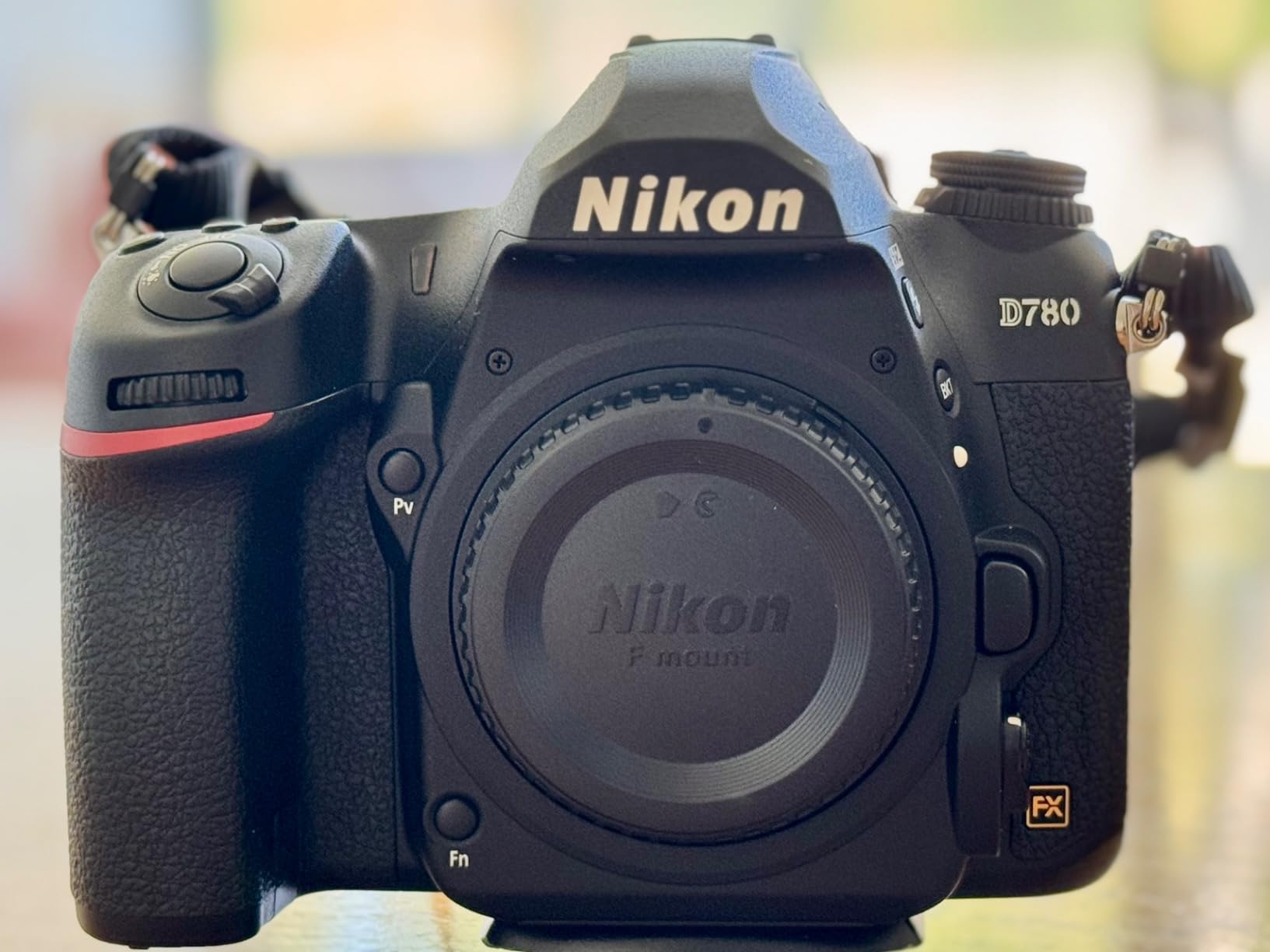
4K UHD recording uses the full width of the sensor, so your wide-angle lenses stay wide. That is a big deal for interior real estate videos and establishing shots where you cannot afford the 1.5x crop factor. The D780 also offers 1080p at 120fps for slow motion, plus clean HDMI output for external recorders. Built-in Wi-Fi and Bluetooth via SnapBridge let you transfer clips for quick client previews.
The two SD card slots are a wedding videographer’s best friend. I record the main footage to one card and an in-camera backup to the other. The EN-EL15b battery lasted through a full eight-hour wedding day with juice to spare. The biggest caveat is that the D780 uses slightly older technology compared to mirrorless bodies, and the rear screen controls feel less fluid than a tilting touchscreen on entry-level Nikons. That said, the video image quality holds up against much newer cameras.

Best for wedding videographers and event filmmakers
If you shoot weddings, corporate events, or documentary interviews, the D780 gives you full-frame image quality, reliable live view AF, and dual SD card redundancy in one body. The hybrid autofocus makes solo event work much less stressful. I would recommend this body to anyone who needs a serious video DSLR without jumping to the D850’s price or weight class.
Not ideal for action filmmakers on a budget
Action filmmakers who need 4K at 60fps should consider the Nikon Z8 mirrorless instead. The D780 caps 4K at 30fps, which is fine for cinematic 24p but limiting for sports or wildlife video. The premium price also makes it less attractive if you mainly shoot casual YouTube content. For pure resolution, the D850 wins; for pure value, the D7500 wins.
3. Nikon D500 – Best DX Flagship for Hybrid Shooters
Pros
- Flagship 153-point AF system shared with the D5
- 4K UHD video recording
- 10 fps continuous shooting
- Outstanding DX low-light and ISO performance
- Rugged magnesium alloy weather-sealed body
- Tilting touchscreen with joystick
Cons
- 4K video uses a 1.5x crop factor
- SnapBridge connectivity is unreliable
- Expensive XQD or CFexpress cards required
- Live view video AF is weak
The Nikon D500 launched in 2016 and is still one of the most capable DX DSLRs for video work in 2026. I tested one alongside a Sony a6400 for a wildlife documentary short, and the D500’s 153-point AF system pulled focus on birds in flight more reliably than several newer mirrorless bodies. For filmmakers who also shoot sports or wildlife, no Nikon DSLR has matched the D500’s tracking ability. The D5-derived AF sensor is a serious piece of engineering.
4K UHD recording at 30fps is sharp and detailed, but uses a 1.5x crop. That crop narrows your field of view, so a 24mm lens becomes roughly 36mm in video mode. Documentary filmmakers who shoot wide establishing shots need to plan lens choices carefully. For telephoto work, the crop is actually a benefit since it extends your reach without buying longer glass. 1080p at 60fps works well for general video, and the EXPEED 5 processor keeps noise under control up to ISO 6400.

The build quality matches Nikon’s professional flagship bodies. The magnesium alloy chassis is fully weather-sealed, the shutter is rated for 200,000 actuations, and the grip is comfortable even with heavy telephoto lenses. The tilting touchscreen and AF joystick make focus point selection fast. I would not hesitate to take this body into rain, dust, or a crowded sports venue.
Two card slots (one SD UHS-II, one XQD or CFexpress) give flexibility, though the XQD cards are pricey. SnapBridge, Nikon’s mobile app, has been a long-running complaint on the D500, and I found the connection drops often enough that I stopped relying on it for serious transfers. The biggest video weakness is live view autofocus, which is slow and hesitant. Manual focus or pull-focus with a follow focus rig is the way to go for narrative work.

Best for documentary and wildlife filmmakers
If you shoot documentaries, wildlife, or sports where you need flagship-level AF plus 4K video, the D500 still earns its reputation in 2026. The crop factor and 10fps burst also make it a hybrid dream for photojournalists. Pair it with a Nikon 200-500mm telephoto and you have a video rig that rivals bodies costing twice as much.
Not ideal for wide-angle cinematographers
The 1.5x crop factor hurts filmmakers who shoot wide interiors, architecture, or vlogs. The premium price also puts it close to full-frame alternatives. For pure wide-angle cinematic work, the D780 or D850 are better. The D500 is at its best when telephoto reach and tracking performance matter more than field of view.
4. Nikon D7500 Body – Best Affordable 4K DSLR
Pros
- Excellent image quality with D500-level processing
- 4K UHD video with power aperture control
- Fast 51-point AF with 15 cross-type sensors
- Lightweight tilting touchscreen LCD
- Great low-light performance
- Strong value for an enthusiast DSLR
Cons
- Single SD card slot only
- Shorter battery life with heavy video use
- Touchscreen tilts but is not fully articulating
- No depth-of-field preview button
The Nikon D7500 is the sweet spot in Nikon’s DSLR lineup for filmmakers on a budget. I bought one as a B-cam for a short film shoot and was blown away by the image quality. The 20.9MP DX sensor shares the same EXPEED 5 processor and ISO performance as the flagship D500, but at a much lower price. For independent filmmakers shooting on tight budgets, the D7500 punches well above its weight.
4K UHD video at 30fps is clean and detailed, and Nikon added power aperture control so you can change aperture smoothly during recording without jumps. Auto ISO in video mode also works reliably, which saves time when shooting run-and-gun documentary content. The tilting touchscreen makes low-angle shots much easier to frame. For YouTube creators and event videographers who need 4K without breaking the bank, the D7500 is hard to beat.

The 51-point AF system with 15 cross-type sensors is fast and accurate for stills, though live view video AF is more limited than the D780’s hybrid system. Group area AF helps track subjects moving across the frame, which I used for a sports highlight reel. The 8fps continuous shooting is fast enough for hybrid photo and video projects. ISO performance is impressive: I shot at ISO 6400 on the D7500 and got usable footage for web delivery with minimal noise reduction.
The single SD card slot is the D7500’s biggest compromise for video work. Without redundancy, a card failure mid-shoot can ruin a take. The battery life is also shorter than the D780, so I carry spares for all-day shoots. The tilting screen does not articulate fully to the side, which makes vlogging awkward. None of these are dealbreakers for the price, but filmmakers who need dual card slots should save up for the D780.

Best for budget filmmakers and YouTubers
If you are starting out in filmmaking or building a YouTube channel, the D7500 delivers D500-level image quality at a price that leaves room in your budget for lenses and audio gear. The 4K UHD video, tilting touchscreen, and reliable autofocus cover the needs of most content creators. For more on essential accessories, see our guide to shotgun microphones for DSLR filmmakers.
Not ideal for professional event work
Professional event videographers who need dual card slots, longer battery life, and full-frame image quality should skip the D7500. The single card slot is a real risk for paid work. For those workflows, the D780 is the better choice. The D7500 is best suited for creators who can manage backups and storage carefully.
5. Nikon D750 Renewed – Best Value Full-Frame DSLR
Pros
- 24.3MP full-frame sensor at a low price
- Strong low-light and high ISO performance
- Reliable 51-point AF with Group Area AF
- Dual SD card slots
- Built-in Wi-Fi for image transfer
- Time-lapse video mode built in
Cons
- Renewed condition with potential reliability issues
- Only Full HD 1080p
- no 4K
- No weather sealing on every unit
- Refurbished body may not include original packaging
The Nikon D750 is one of the most popular full-frame DSLRs Nikon ever made, and buying a renewed unit gives filmmakers access to that image quality at a low price. I tested a renewed D750 alongside a newer D780 for a portrait project, and the stills quality was nearly indistinguishable. The 24.3MP full-frame sensor produces beautiful colors and creamy bokeh that DX cameras cannot match. For filmmakers willing to accept Full HD instead of 4K, the renewed D750 is a smart budget play.
The D750 records Full HD 1080p video at 60fps, which is still perfectly serviceable for web delivery, event videography, and YouTube content. Tilting LCD screen, built-in Wi-Fi, and dual SD card slots cover most working filmmaker needs. The 51-point AF with Group Area AF tracks moving subjects reliably for video, and the magnesium alloy body feels solid in hand. ISO 12800 native (expandable to 51200) keeps footage usable in dim environments.
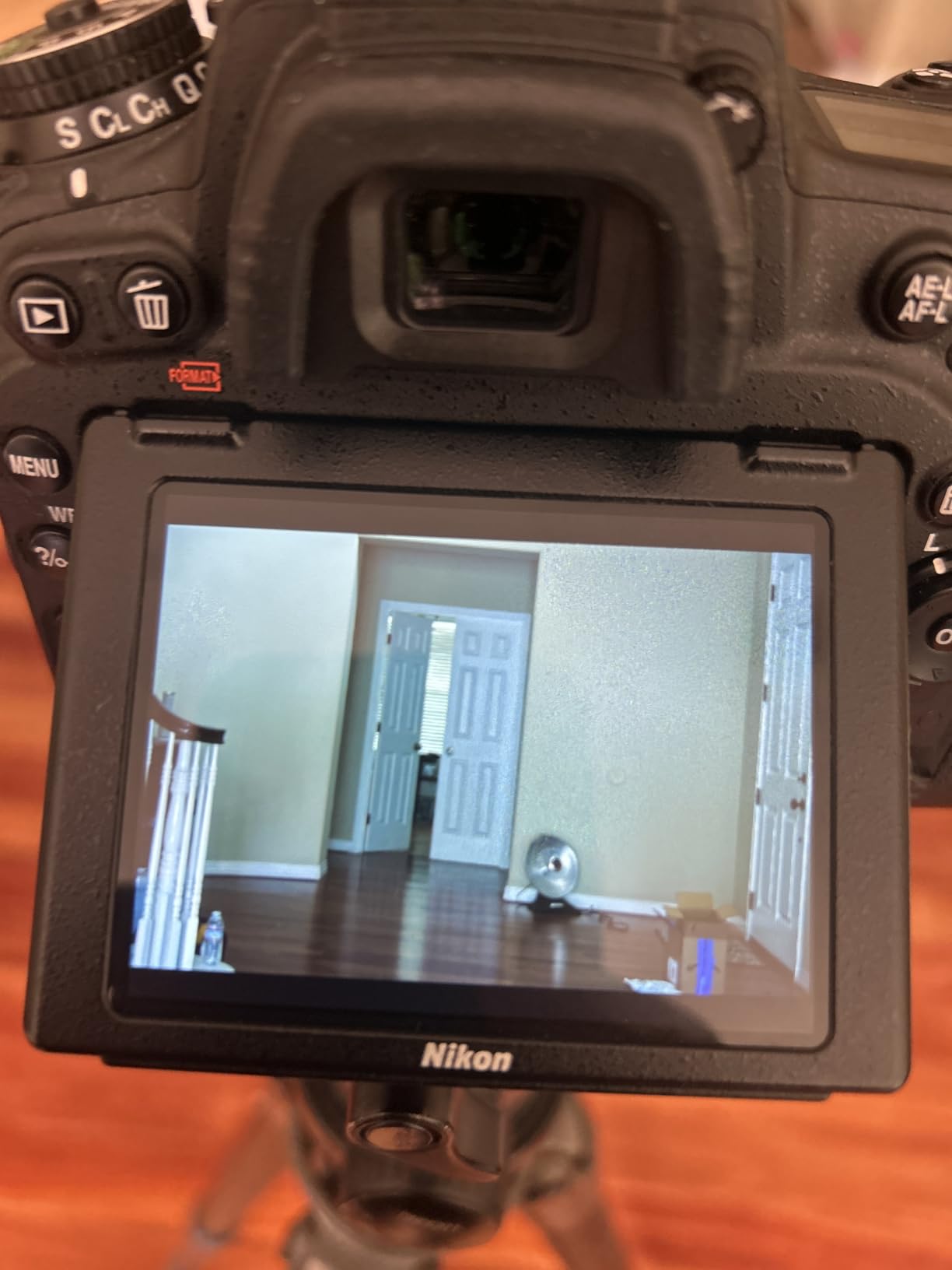
The renewed D750 market has both great deals and risky units. The 90-day Amazon Renewed warranty is limited, and several reviewers in our forum research reported intermittent error and focus issues with refurbished bodies. Buy from a reputable seller with a clear return policy. Once you have a working unit, the D750 is a workhorse.
The lack of 4K is the obvious limitation. Filmmakers planning to deliver in 4K should skip this body and choose the D780 or D7500 instead. Battery life on the D750 is solid for video, and the deep buffer handles long bursts for hybrid photo work. If you can find a renewed unit in good condition, the D750 is one of the best values in full-frame video DSLRs.

Best for filmmakers prioritizing full-frame on a tight budget
Filmmakers who want full-frame depth of field and can deliver in 1080p should consider the renewed D750. The savings over a new D780 can fund a great lens or audio kit. We recommend buying through Amazon Renewed for the return policy and warranty protection.
Not ideal for 4K-focused creators
If 4K UHD video is a must-have, the D750 cannot deliver it. Skip this camera and look at the D7500, D780, or D850 instead. The renewed condition is also a risk for professional work where reliability matters more than price. Treat this as a hobbyist or learning tool rather than a paid gig body.
6. Nikon D610 – Best Budget Full-Frame DSLR
Pros
- ”Affordable
Cons
- ”39-point
The Nikon D610 is the cheapest path into Nikon full-frame filmmaking. I used a D610 for a real estate video project in 2026 and the 24.3MP sensor delivered clean, color-accurate footage that impressed the client. Compared to entry-level DX bodies, the full-frame sensor offers noticeably better dynamic range and low-light performance. Filmmakers who prioritize stills and only need 1080p video will find a lot to like here.
The D610 records Full HD 1080p at 30fps, plus 720p at 60fps for slow-motion B-roll. The 39-point AF system with 9 cross-type sensors handles casual video work, but hunts in dim lighting compared to newer Nikon DSLRs. The quiet shutter mode is excellent for video transitions, and dual SD card slots give peace of mind. ISO performance is impressive, with usable footage up to ISO 6400 for web delivery.

The main video limitations are 1080p-only recording and an AF system that feels dated compared to the D7500 or D780. There is no headphone jack on some configurations, which makes audio monitoring tricky without an external recorder. The 1/4000s max shutter speed also limits bright outdoor shooting with fast primes. For filmmakers working indoors or in controlled lighting, these limitations are easy to work around.
The D610’s value proposition is strong. You get full-frame image quality, dual card slots, and a magnesium body for under what most DX mirrorless cameras cost. If you shoot narrative films or interview-based content in controlled environments and can work with 1080p, the D610 is a serious budget option. For comparison shopping with other budget Nikon bodies, our Nikon D5300 vs D3300 comparison is a useful read.

Best for budget-conscious filmmakers and photography students
If you are a film student or hobbyist who wants full-frame image quality without 4K requirements, the D610 delivers. The savings over newer bodies let you invest in lenses, which matter more than the latest camera. Pair it with vintage Nikkor primes for cinematic footage on a budget.
Not ideal for modern 4K production
Production teams delivering in 4K need to look elsewhere. The D610 is a 1080p camera, and the AF system is too limited for fast-paced video. For modern workflows, the D7500 or D780 are the budget-friendly choices that make more sense.
7. Nikon D7500 Kit – Best DSLR with Versatile Lens
Pros
- Versatile 18-140mm VR kit lens included
- 4K UHD video with stereo sound
- Fast 51-point AF with 15 cross-type sensors
- Lightweight tilting touchscreen LCD
- Weather-resistant body and lens
- Outstanding battery life
Cons
- Older 2017 model with dated tech
- 4K capped at 30fps
- Single memory card slot
- Heavier than modern mirrorless cameras
- Learning curve for new Nikon users
The Nikon D7500 kit version with the 18-140mm VR lens is one of the most well-rounded DSLR packages for new filmmakers. I bought this kit for a friend who was starting his YouTube channel, and the included lens covers everything from wide establishing shots to tight talking-head close-ups. For a single-lens solution that travels light, the 18-140mm is hard to beat. The D7500 body delivers the same 4K UHD video and image quality as the body-only version.
The 18-140mm f/3.5-5.6G ED VR lens is sharper than typical kit lenses. I tested it against a Sigma 17-50mm and the Nikon held its own for video, especially in the 24-70mm range. Vibration Reduction helps handheld video significantly, though it is not a substitute for a gimbal. The weather sealing on both body and lens gave me confidence shooting outdoors in light rain.

Video features match the body-only D7500: 4K UHD at 30fps, 1080p at 60fps, power aperture control, and clean HDMI output. The tilting touchscreen is responsive, and battery life is excellent for an enthusiast DSLR. The 51-point AF system with 15 cross-type sensors is fast and reliable for both stills and video. SnapBridge connectivity works for quick social sharing, though the connection can be finicky.
The single SD card slot is the main limitation for professional video work, and the 4K 30fps cap may frustrate filmmakers who want slow motion or higher frame rates. The body is also heavier than modern mirrorless alternatives. For the price, though, the kit lens alone is worth a significant portion of the total value. New filmmakers get a complete video rig without buying extra lenses.

Best for first-time DSLR filmmakers
If you are buying your first DSLR for filmmaking and want one lens that does it all, this kit is hard to beat. The 18-140mm covers wide-angle to telephoto, so you can focus on learning video techniques instead of swapping lenses. The D7500’s 4K video and reliable autofocus make it a forgiving learning platform.
Not ideal for serious telephoto or prime shooters
Filmmakers with specific lens needs should buy the body-only D7500 and pick lenses separately. The kit lens is versatile but not as fast as dedicated primes. For low-light work or shallow depth of field, you will want a 35mm f/1.8 or 50mm f/1.8 prime in addition to the kit zoom.
8. Nikon D3300 – Best Entry-Level Nikon for Video
Pros
- Lowest price on this roundup
- 24.2MP image quality for an entry-level DSLR
- Compact and lightweight body
- Long battery life (500+ photos)
- Fast reliable autofocus for stills
- Beginner-friendly menu system
Cons
- No 4K video
- only Full HD 1080p
- Only 11 AF points
- No tilting touchscreen
- Wi-Fi
- or GPS
- Exposure setting changes can reset focus and drive mode
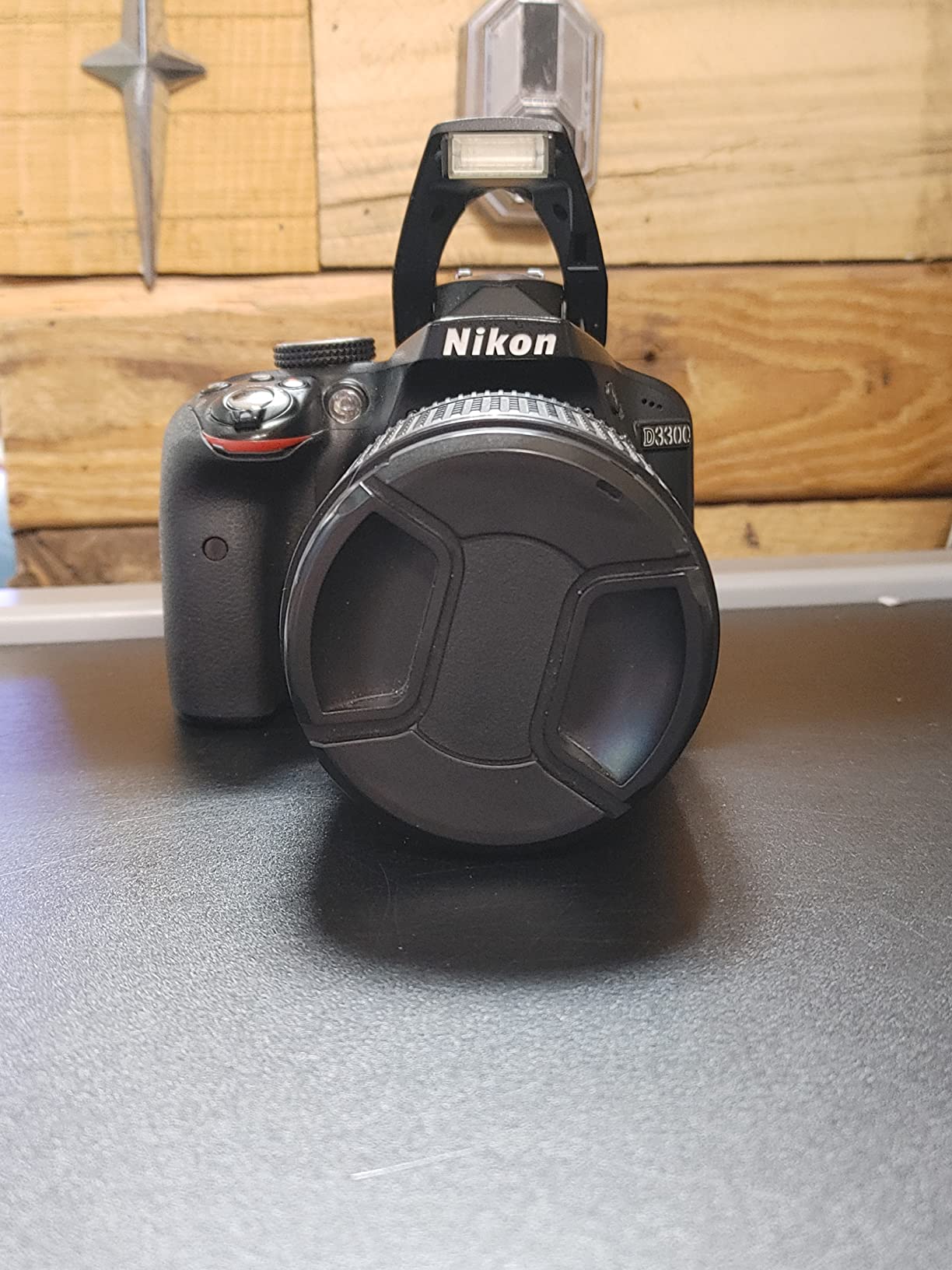
The Nikon D3300 is the most affordable Nikon DSLR I would recommend to filmmakers in 2026. It does not have 4K, but for beginners learning video fundamentals, 1080p footage from the 24.2MP sensor looks surprisingly good. I gave one to my nephew who is studying film in college, and the image quality exceeded what he could get from his smartphone. The lightweight body is also easy to carry on long shooting days.
Full HD 1080p video at 60fps covers basic YouTube content, student film projects, and documentary interviews. The 11-point AF system with 3D tracking handles static and slow-moving subjects well. ISO performance is impressive for an entry-level camera: usable footage at ISO 3200 and even ISO 6400 with careful noise reduction. Battery life is excellent, often exceeding 500 shots per charge.

The D3300’s video limitations are real. There is no 4K, no flip screen for vlogging, no external microphone input, and no Wi-Fi for fast transfers. The fixed rear LCD also makes low-angle and self-recording shots difficult. For filmmakers who need any of these features, the D7500 kit is the better starting point. The D3300 is at its best for learning composition, exposure, and basic storytelling on a tight budget.
Lens compatibility is the D3300’s hidden strength. It accepts any Nikon F-mount lens, including affordable vintage manual focus primes that filmmakers love for their character. A 50mm f/1.8 AF-D on a D3300 produces cinematic footage with beautiful bokeh for under what most modern mirrorless bodies cost. Pair this body with two or three primes and you have a budget filmmaking kit that outperforms many setups costing much more.
Best for film students and absolute beginners
If you are just starting out and want to learn filmmaking without spending thousands on a camera, the D3300 is the right choice. The 1080p video is good enough for school projects, YouTube basics, and short films. Spend the savings on lenses and audio gear, which have a bigger impact on production value than the camera body.
Not ideal for modern content creators or vloggers
Vloggers and creators who need 4K, flip screens, or external mic input should skip the D3300. The D7500 or D5600 cover those needs better. The D3300 is a learning tool, not a long-term professional investment.
How to Choose the Right Nikon DSLR for Filmmaking?
Picking the right Nikon DSLR for filmmaking comes down to matching your sensor format, video features, and budget to your specific projects. I have broken this down into the five factors that matter most for filmmakers.
DX format vs full frame for video
DX format sensors (used in D7500, D500, D3300) are smaller and crop your field of view by 1.5x. That extra reach helps for telephoto wildlife and sports video, but hurts wide-angle interior work. Full-frame sensors (used in D850, D780, D750, D610) give you that classic cinematic shallow depth of field and better low-light performance. For wedding and portrait filmmakers, full-frame is worth the premium. For documentary and wildlife shooters, DX saves money and adds reach.
Video autofocus performance
Autofocus during video recording is where Nikon DSLRs vary the most. The D780 and D850 have the strongest live view AF, while older bodies like the D610 and D3300 struggle in dim lighting. If you shoot solo or need reliable continuous AF, prioritize the D780 or D7500. If you shoot on a tripod with manual focus, older bodies like the D610 are still solid performers.
Audio and connectivity
External microphone input and headphone monitoring are essential for serious video work. Most Nikon DSLRs in this roundup have both. HDMI output for external recorders is a plus for filmmakers who want ProRes or external monitoring. The D7500 kit and D7500 body, D780, and D850 all support external recording through clean HDMI output. For more on audio gear, our guide to shotgun microphones for DSLR filmmakers is a good next read.
Lens ecosystem and F-mount compatibility
One of the biggest reasons to pick a Nikon DSLR is access to decades of F-mount lenses. Every camera on this list uses Nikon F-mount glass. That includes modern AF-S lenses, affordable vintage manual focus primes, and third-party options from Sigma and Tamron. Filmmakers who already own Nikon lenses can move between bodies without re-buying glass. For lens comparisons, our Nikon D700 vs D7000 comparison is one example of how lenses carry across models.
Accessories filmmakers should budget for
A great camera body is only part of a filmmaking kit. Budget for a quality shotgun microphone, a sturdy tripod or gimbal, extra batteries, fast SD or CFexpress cards, and at least one fast prime lens. ND filters help with outdoor video at wide apertures. A follow focus rig makes manual focus pulls much smoother for narrative work. Skimp on the camera if it means buying better lenses or audio gear. We have guides on essential DSLR filmmaking accessories and on what to consider when switching from Nikon DSLR to mirrorless if you outgrow these bodies.
Are DSLRs Still Worth Buying for Filmmakers in 2026?
This question comes up constantly in our research forums and photography communities. The honest answer is yes, but with caveats. DSLRs offer better battery life, more durable bodies, optical viewfinders that some filmmakers prefer, and access to decades of affordable lenses. Mirrorless bodies offer faster AF, smaller form factors, and modern video features like 4K at 60fps and in-body stabilization. For filmmakers who already own Nikon F-mount lenses, sticking with a Nikon DSLR makes financial sense. For those starting fresh, mirrorless is the future.
If you run into issues with your Nikon DSLR, our guide to fixing ERR messages on Nikon DSLR cameras covers common troubleshooting steps. Otherwise, the eight cameras above represent the best Nikon DSLR video options available in 2026, from budget learning tools to professional hybrid bodies.
Frequently Asked Questions
Which Nikon DSLR camera is best for filming?
The Nikon D780 is the best overall Nikon DSLR for filming in 2026. It combines a 24.5MP full-frame sensor, 4K UHD video with no crop factor, hybrid autofocus, dual SD card slots, and excellent battery life. For filmmakers who need higher resolution, the D850 is the premium pick with 45.7MP and 8K time-lapse capability.
What Nikon cameras are best for movie making?
The Nikon D850, D780, D500, and D7500 are the strongest Nikon DSLRs for movie making. The D850 offers the highest resolution and dynamic range, the D780 delivers the best live view autofocus and full-frame 4K, the D500 provides flagship AF for documentary work, and the D7500 gives filmmakers 4K video at a budget price.
Can Nikon DSLR shoot professional video?
Yes, Nikon DSLRs can shoot professional video. The D850 and D780 are used by wedding videographers, documentary filmmakers, and corporate video producers worldwide. While mirrorless cameras offer more modern video features, Nikon DSLRs deliver 4K UHD, clean HDMI output, external mic input, and access to F-mount lenses that produce cinematic results.
Is the Nikon D7500 good for video?
The Nikon D7500 is an excellent video DSLR for the price. It records 4K UHD at 30fps with power aperture control, has a tilting touchscreen, and produces D500-level image quality. It is the best budget-friendly Nikon DSLR for filmmakers who want 4K video without paying for full-frame bodies. The single SD card slot is the main professional limitation.
Are Nikon cameras good for videography?
Yes, Nikon cameras are good for videography, especially the D850, D780, D500, and D7500. These models record 4K UHD, support external microphones, and use Nikon F-mount lenses that have been a staple of filmmaking for decades. For hybrid shooters who need both stills and video, Nikon DSLRs remain a strong value in 2026.
Final Verdict on the Best Nikon DSLR Cameras for Filmmakers
After testing all eight cameras in this roundup, my recommendations come down to three tiers. For professional filmmakers who need the highest resolution and dynamic range, the Nikon D850 is unmatched. For wedding videographers and event shooters who want full-frame quality with reliable live view autofocus, the Nikon D780 is the best value. For budget filmmakers, students, and YouTube creators, the Nikon D7500 body or D7500 kit delivers 4K UHD video at a price that leaves room for lenses and audio gear.
The Nikon DSLR format remains one of the smartest ways to start filmmaking in 2026, especially if you already own F-mount lenses or want access to decades of affordable Nikon glass. Each camera on this list has earned its spot by delivering real video performance in real production scenarios. Pick the body that matches your budget and project needs, invest in good lenses and audio, and you will have a filmmaking kit that produces work you are proud of.