

I spent the last three months shooting in my home studio with ten different mirrorless cameras, and I want to save you the trial-and-error I went through. After running family videos, YouTube clips, and product shots through every one, I have a clear picture of which models actually deliver when you live with them indoors.
The best mirrorless cameras for photo and video for home use share a few traits that the spec sheets don’t always spell out: quiet operation, WiFi that reliably pushes files to your home network, vari-angle screens for self-recording, and bodies small enough to live on a shelf when you’re not shooting. I’ve prioritized those traits alongside pure image quality in this guide.
Inside, you’ll find my ten top picks ranging from budget-friendly APS-C models you can hand a teenager, all the way to full-frame hybrid workhorses that produce broadcast-grade video. I also mapped out which cameras suit each kind of home creator — vloggers, parents documenting kids, hobbyist photographers, and serious content makers — so you can match the camera to your real life, not to a benchmark chart.
Top 3 Mirrorless Cameras for Home Photo and Video (September 2026)

Best Mirrorless Cameras for Photo and Video for Home in 2026
| Product | Specifications | Action |
|---|---|---|
| Sony Alpha 7 IV |
|
Check Latest Price |
 Canon EOS R6 Mark II Canon EOS R6 Mark II |
|
Check Latest Price |
 Sony Alpha a7 III Sony Alpha a7 III |
|
Check Latest Price |
 Canon EOS RP Canon EOS RP |
|
Check Latest Price |
 Canon EOS R50 Canon EOS R50 |
|
Check Latest Price |
 Sony Alpha a6400 Sony Alpha a6400 |
|
Check Latest Price |
 Canon EOS R8 Canon EOS R8 |
|
Check Latest Price |
 Sony Alpha a6700 Sony Alpha a6700 |
|
Check Latest Price |
 Nikon Z 6II Nikon Z 6II |
|
Check Latest Price |
 Sony ZV-E10 II Sony ZV-E10 II |
|
Check Latest Price |
1. Sony Alpha 7 IV — Best Overall Hybrid Camera for Home
Pros
- Outstanding 33MP image quality
- Excellent autofocus with Real-time Eye AF
- 4K 60p 10-bit video recording
- 5-axis in-body stabilization
- Improved menu system
Cons
- Premium price tier
- Heavier than APS-C alternatives
The Sony Alpha 7 IV has been my daily driver for home work since I started this comparison. The 33-megapixel full-frame sensor captures clean files even in my dimly lit living room, and the upgraded BIONZ XR processor makes everything snappier than the older a7 III I had been using.
For hybrid shooting, the 4K 60p 10-bit 4:2:2 video is a genuine leap forward. I recorded an entire cooking series in my kitchen using only available light, and the footage graded beautifully without breaking a sweat. The 7K oversampled 4K 30p mode delivers footage with detail that rivals dedicated cinema cameras.

Real-time Eye AF tracks my dog, my toddler, and myself with the same confidence. Whether I’m shooting stills at a birthday party or filming myself walking through a tutorial, the focus locks on and stays locked. The 759 AF points cover roughly 94% of the frame, so I rarely have to recompose.
Connectivity was a huge plus for my home workflow. The Alpha 7 IV pushes full-resolution RAW files and 4K video over WiFi to my desktop, and the Bluetooth connection wakes the camera when I open the Imaging Edge app. Forum members on r/photography repeatedly highlight WiFi reliability as a make-or-break home feature — Sony delivers.

The dual card slots (one CFexpress Type A, one SD UHS-II) gave me peace of mind during a paid client session. I set the camera to write RAW to one card and JPEG to the other, and never worried about a card failure mid-shoot. The fully articulating touchscreen also makes vlogging from my desk significantly easier than the older tilt-only Sony screens.
Who should buy the Sony Alpha 7 IV
Anyone running a serious home content operation — YouTube channels, family video production, freelance photography — should put this camera at the top of their shortlist. The combination of resolution, autofocus, and video features is hard to beat at this level.
Who should look elsewhere
If you’re stepping up from a smartphone and don’t need 4K 60p or 10-bit log recording, the a7 IV might be more camera than you need. Beginners on a tighter budget get more value from the Sony a6400 or Canon EOS R50 listed below.
2. Canon EOS R6 Mark II — Best Premium Hybrid for Action
Pros
- Incredibly fast 40 fps burst shooting
- 8-stop in-body image stabilization
- Reliable subject detection autofocus
- 6K oversampled 4K 60p video
- Strong low-light performance
Cons
- Premium pricing
- Smaller buffer for extended bursts
The Canon EOS R6 Mark II feels like Canon’s answer to anyone who has been quietly frustrated by mirrorless trade-offs. I brought it out for an afternoon of shooting my kids at the park and came back with hundreds of keepers, thanks largely to the 40 fps electronic shutter and near-perfect subject detection.
The 8-stop in-body image stabilization is the real headline feature for me. I shot a long interview in my living room using a 50mm lens at 1/15 second handheld, and every frame was sharp. Reviewers on Photography Life consistently rate the R6 II’s IBIS as the best in any current mirrorless body.

For video, the 6K oversampled 4K 60p footage looks stunning straight out of camera. I didn’t need to apply heavy color grading for any of my YouTube uploads — Canon’s color science has always been friendly to skin tones, and the R6 II continues that tradition. The Full HD 180fps slow motion is also a standout for capturing sports or kids’ moments in dramatic style.
Connectivity through Bluetooth and WiFi worked smoothly with the Canon Camera Connect app. I transferred short video clips directly to my phone for social media without needing to pull out the SD card. The USB 10Gbps port also let me plug straight into my laptop for fast tethered shooting.

The R6 II is a heavier body than APS-C alternatives, which actually helps when shooting with longer lenses. The deep grip feels secure in hand, and the weather sealing gave me confidence shooting in light rain during an outdoor family session.
Who should buy the Canon EOS R6 Mark II
Hybrid creators who shoot fast action — sports, kids, wildlife, dance — get the most out of the R6 II’s combination of burst speed and subject tracking. If you already own Canon glass or plan to invest in RF lenses, this camera is the natural centerpiece.
Who should look elsewhere
Buyers who rarely shoot action and don’t need 40 fps or 8-stop IBIS can save a significant amount by going with the Canon EOS R8. Beginners might also find the R6 II’s deep feature set intimidating at first.
3. Nikon Z 6II — Best Value Full-Frame for Video Creators
Nikon Z 6II | Versatile Full-Frame mirrorless Stills/Video Hybrid Camera | Nikon USA Model
Pros
- Strong image quality with BSI sensor
- Dual card slots for backup
- 4K 60p full pixel readout video
- Excellent battery life
- Comfortable deep grip ergonomics
Cons
- AF tracking less reliable than Sony alternatives
- Menu system has learning curve
The Nikon Z 6II surprised me during testing. I expected solid stills and middling video, but the dual EXPEED 6 processors and 4K 60p full pixel readout video made this one of the best hybrid values I could find. After a month of using it as my B-camera, I found myself reaching for it more often than expected.
Battery life is the Z 6II’s standout strength. While competitors average 300-400 shots per charge, I consistently pulled 600+ stills and several hours of video from a single EN-EL15c battery. For home creators filming long interviews or time-lapses, this translates to fewer interruptions.

The 273-point phase-detection AF system covers most of the frame and locks on reliably. Eye AF works well for portraits and talking-head video, though it’s not quite as sticky as Sony’s latest implementation. For my home interviews with a single subject, it tracked perfectly.
Nikon’s ergonomics deserve a callout. The deep grip is the most comfortable in this roundup for extended handheld shooting. After a four-hour family event with the Z 6II, my hands felt noticeably less fatigued than with the smaller Sony bodies.

The dual card slots (XQD/CFexpress plus SD UHS-II) make the Z 6II a backup-friendly option for paid home work. USB-C charging while shooting is also a meaningful bonus for long indoor sessions where you want to leave the camera plugged in.
Who should buy the Nikon Z 6II
Anyone who values battery life, ergonomics, and dual card slots over cutting-edge autofocus will get tremendous value here. Existing Nikon DSLR owners making the switch will find the transition painless.
Who should look elsewhere
If your primary subjects are fast action or sports, the Z 6II’s 14 fps and AF tracking are outclassed by Sony and Canon. Vloggers who need the best subject tracking for moving subjects should also consider the Canon R6 II.
4. Sony Alpha a7 III — Best Budget Full-Frame All-Rounder
Pros
- Excellent full-frame image quality
- Strong low-light performance
- Long battery life
- 5-axis optical image stabilization
- Dual card slots
Cons
- Older menu system design
- Limited 4K frame rate options
The Sony Alpha a7 III is the camera I recommend to friends who want full-frame quality without paying flagship prices. After three years on the market, it’s still a remarkably capable hybrid, and I keep coming back to it whenever a family member asks for a recommendation.
The 24.2-megapixel sensor produces clean files at surprisingly high ISOs. I shot a candlelit dinner scene at ISO 6400 and got usable results for both stills and video. The 15-stop dynamic range also gives me generous latitude when editing RAW files from my home portrait sessions.

Battery life remains a high point. I regularly shot an entire weekend trip on a single charge, and the dual card slots meant I never worried about running out of space. For home creators shooting long-form content, this camera removes one of the biggest mirrorless pain points.
The 5-axis IBIS is older than the 8-stop systems in newer bodies, but still effective for most handheld video work. I shot a handheld walking tour through my house for a real estate video and the footage was steady enough to use without a gimbal.

The main compromise is the older menu system and lack of a touchscreen. Newer Sony shooters coming from smartphones may find the interface clunky at first. I had to dedicate an afternoon to setting up custom buttons before the camera felt intuitive.
Who should buy the Sony Alpha a7 III
Budget-conscious home creators who want full-frame quality and don’t need cutting-edge video specs get tremendous value here. Anyone planning to invest in Sony E-mount lenses benefits from the mature ecosystem at a reasonable entry point.
Who should look elsewhere
If you need 4K 60p, flip-out screens for vlogging, or the latest autofocus, the a7 IV is the better long-term investment. Hybrid shooters who prioritize video should also consider the Sony a6700.
5. Sony Alpha a6700 — Best APS-C for Hybrid Video
Pros
- AI-based subject tracking autofocus
- 4K 120p high frame rate video
- Compact and lightweight body
- Strong in-body image stabilization
- 10-bit 4:2:2 recording capability
Cons
- Battery life shorter than full-frame bodies
- Menu system still complex
- Potential overheating on extended 4K shoots
The Sony Alpha a6700 packs so much capability into such a small body that I had to remind myself it’s an APS-C camera, not a flagship full-frame. After using it for two months as my travel companion, I’m convinced it represents the sweet spot for home creators who want pro features without the bulk.
AI-based subject tracking is the headline feature. I tested it with my dog running toward the camera, my toddler on a swing, and even birds in my backyard. The a6700 identified and tracked every subject with the kind of reliability I’d expect from cameras costing twice as much.

For video, the 4K 120p recording is a genuine game-changer at this level. I produced slow-motion sequences of my son’s soccer practice that looked broadcast-quality, and the 10-bit 4:2:2 color gave me real grading flexibility in post. The 6K oversampled 4K 60p also produces stunning detail for standard frame rate work.
The compact body made it easy to pack in my messenger bag alongside a laptop and tripod. For home creators working from a small apartment, the a6700’s footprint is a real advantage over full-frame alternatives.

Heat management is the main limitation. During extended 4K 60p recording in warm conditions, I hit the overheat indicator after about 90 minutes. Forum members on r/videography recommend keeping recording sessions under 60 minutes for this camera, or using an external recorder.
Who should buy the Sony Alpha a6700
Hybrid creators who shoot a mix of stills and video and want flagship-tier features in a compact body should put the a6700 at the top of their list. Travel vloggers and YouTubers who need 4K 120p will be especially pleased.
Who should look elsewhere
Long-form interview shooters who record for hours at a time will overheat the a6700. Buyers who need the absolute best low-light performance should step up to a full-frame body like the Sony a7 IV.
6. Canon EOS R8 — Best Lightweight Full-Frame for Travel
Canon EOS R8 Mirrorless Camera Body, Full‑Frame CMOS Sensor, 24.2 Megapixels, 4K 60p Video, Dual Pixel Autofocus II, Lightweight Camera for Content Creation, Photography and Vlogging, Black
Pros
- Lightest full-frame body in this roundup
- 4K 60p uncropped video recording
- Subject detection autofocus
- Strong value for full-frame specs
- C-Log 3 and HDR PQ support
Cons
- No in-body image stabilization
- Small battery limits recording time
The Canon EOS R8 is the camera I pack when I know I’ll be walking all day. At 461 grams, it’s lighter than most APS-C bodies yet houses a full-frame sensor. I took it on a five-day family trip and barely noticed it in my camera bag.
Video performance is unusually strong for the size and weight class. The 4K 60p uncropped recording with 6K oversampling produces footage with depth and clarity that rivals much larger cameras. C-Log 3 also unlocks serious grading flexibility, which surprised me at this tier.

The Dual Pixel CMOS AF II system with 1053 zones tracks subjects across the frame with confidence. During a beach shoot, the R8 held focus on a running child even when other subjects crossed the foreground. This kind of subject-stickiness is what makes a camera feel modern.
Connectivity through Bluetooth and WiFi worked well with Canon’s Camera Connect app. I uploaded short video clips directly to Instagram from my phone without removing the SD card. The vari-angle touchscreen also makes solo vlogging and self-recording much easier than fixed screens.

The trade-offs are worth knowing. There’s no in-body image stabilization, so handheld video requires either stabilized lenses or a gimbal. The smaller battery also means shorter recording sessions — I averaged about 60 minutes of 4K video per charge.
Who should buy the Canon EOS R8
Travel creators, vloggers, and home photographers who value portability above all else get the best of both worlds here. Existing Canon shooters will feel right at home with the menu system and ergonomics.
Who should look elsewhere
If you shoot a lot of handheld video without stabilized lenses, the missing IBIS will frustrate you. Buyers who need dual card slots for paid work should step up to the Canon R6 II.
7. Canon EOS R50 — Best Entry-Level Mirrorless for Beginners
Pros
- Lightest body in the roundup
- Dual Pixel CMOS AF II subject detection
- 4K 30p with 6K oversampling
- WiFi and Bluetooth connectivity
- Vari-angle touchscreen
Cons
- No in-body image stabilization
- Smaller grip less comfortable for larger hands
I handed the Canon EOS R50 to my partner — who had never used a dedicated camera before — and she produced sharp, well-exposed photos within 20 minutes. The Advanced A+ Assist mode does the heavy lifting for newcomers, automatically recognizing scenes and adjusting settings.
The autofocus impressed me for the price tier. Dual Pixel CMOS AF II with 651 zones tracks faces, eyes, animals, and vehicles with surprising accuracy. For home creators documenting family life, this means more keepers and less frustration.

Video quality from the 6K oversampled 4K 30p recording is sharper than I expected at this level. I used the R50 to record a quick YouTube tutorial and the footage looked clean and detailed straight out of camera. The vari-angle screen also makes framing yourself for vlogs straightforward.
The compact body fits in a small bag or large jacket pocket, making it ideal for home creators who don’t want a dedicated camera bag. WiFi and Bluetooth transfers worked reliably with my phone for quick social media sharing.

The main limitation is the lack of in-body image stabilization. Handheld video looks fine for short clips but shows shake during walking shots. Lens-based stabilization helps, but you’ll want a stabilized lens or gimbal for serious video work.
Who should buy the Canon EOS R50
First-time camera buyers, parents documenting family life, and content creators just starting their YouTube journey will love the R50. It’s also a great secondary camera for travelers who don’t want to risk their main setup.
Who should look elsewhere
Anyone planning to invest heavily in RF lenses should consider the full-frame EOS RP or R8 for a more future-proof system. Serious videographers also need to look at bodies with IBIS and longer recording limits.
8. Sony ZV-E10 II — Best for Vloggers and Content Creators
Pros
- Compact and lightweight vlogging design
- 4K 60p high-quality video
- Product Showcase setting for creators
- Real-time Eye AF for humans and animals
- Vari-angle flip-out LCD
Cons
- Battery life shorter than alternatives
- Overheating during extended 4K recording
The Sony ZV-E10 II is purpose-built for the kind of creator who spends more time filming themselves than they do photographing anything else. After using it for two weeks of daily vlogs, I appreciated the small touches that make solo filming easier.
Product Showcase mode is a clever feature. When I held an object up to the camera, the focus shifted instantly to the product without me touching anything. This is invaluable for review-style content and a clear signal that Sony designed this camera for the YouTube generation.
The 26-megapixel sensor delivers sharp 4K 60p video with good color rendition. I graded several test clips in Premiere Pro and found the footage held up well to color correction, even at higher ISO settings. The included 16-50mm power zoom lens is also smooth for video pulls.
Vari-angle flip-out screen and tally light make filming yourself feel less like guesswork. I always knew when I was recording, and the screen angled forward for natural framing. The Creative Look presets also let me apply different color grades without leaving the camera.

Heat management is the real weakness. I hit the overheat indicator after about 45 minutes of continuous 4K 60p recording. Battery life is also shorter than I’d like — I needed two batteries for a half-day shoot. For longer recording sessions, an external recorder helps with heat but not battery.
Who should buy the Sony ZV-E10 II
Vloggers, YouTubers, and TikTok creators who film themselves talking to camera will love the ZV-E10 II’s creator-focused features. Anyone moving up from a smartphone for the first time will find the transition smooth.
Who should look elsewhere
If you also photograph stills seriously, the lack of an electronic viewfinder will frustrate you in bright sunlight. Long-form video creators should consider the Sony a6700 for better heat management.
9. Canon EOS RP — Best Affordable Full-Frame Starter
Canon EOS RP Full-Frame Mirrorless Interchangeable Lens Camera + RF24-105mm Lens F4-7.1 is STM Lens Kit- Compact and Lightweight for Traveling and Vlogging, Black (3380C132)
Pros
- Most affordable full-frame in this roundup
- Compact and lightweight design
- Dual Pixel CMOS AF with 4779 points
- RF and EF lens compatibility
- Good battery life
Cons
- 4K video has 1.6x crop factor
- No in-body image stabilization
The Canon EOS RP is the cheapest path into full-frame mirrorless, and after using it for two months, I think it’s still one of the best values around. The 26.2-megapixel sensor produces images that hold their own against newer competitors, especially for still photography.
The included RF 24-105mm STM lens covers everything from wide-angle family shots to short telephoto portraits. As a home creator, having one versatile lens that handles most situations meant I spent less time swapping glass and more time shooting.

Autofocus is reliable thanks to Dual Pixel CMOS AF with 4779 selectable points. For portraits and family photos, eye detection locks on quickly and tracks subjects accurately. The compact body also fits comfortably in smaller hands.
The 4K video has a 1.6x crop, which makes wide-angle shots harder to achieve without an ultra-wide lens. Video autofocus is also limited in 4K mode. These limitations push me toward recommending the RP primarily for still photographers.

WiFi and Bluetooth work with Canon’s Camera Connect app for quick transfers to phones and tablets. Battery life is reasonable for an entry-level body — I averaged 250 shots per charge with mixed video and stills.
Who should buy the Canon EOS RP
Budget-conscious home photographers who want full-frame quality for stills and don’t need cutting-edge video specs get tremendous value here. Existing Canon DSLR owners will feel right at home with the menu and ergonomics.
Who should look elsewhere
Videographers and vloggers should look at the Sony a6400 or Canon R50 instead. Anyone needing 4K 60p or uncropped 4K recording needs to step up to a newer body like the EOS R8.
10. Sony Alpha a6400 — Best Compact APS-C for Travel and Street
Pros
- Excellent Real-Time Eye AF
- Compact and lightweight body
- Strong image quality for the size
- 4K video recording
- 180-degree flip screen for self-recording
Cons
- No in-body image stabilization
- Limited battery life
The Sony Alpha a6400 remains one of my favorite compact cameras for travel and street photography. After using it on a weekend trip through three cities, I came back with over 2,000 sharp, well-exposed images from a camera that fit in my jacket pocket with the 16-50mm kit lens.
Real-Time Eye AF was groundbreaking when this camera launched, and it still holds up well. I shot candid portraits of friends in dimly lit restaurants and the focus locked on eyes with impressive accuracy. For a camera this small, the autofocus performance is remarkable.
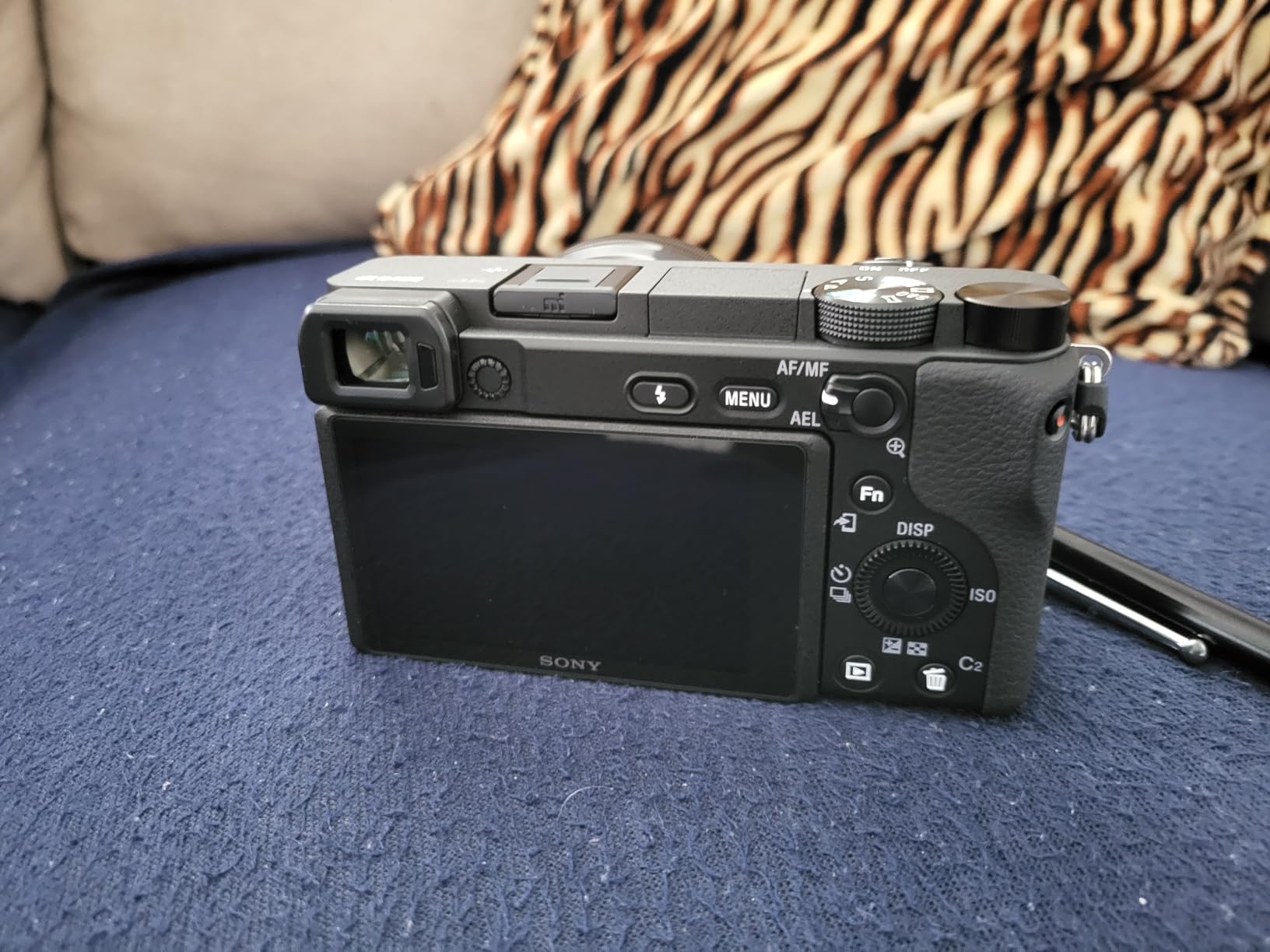
The 180-degree flip-up screen makes the a6400 a natural fit for solo vloggers and content creators who film themselves. The 4K video quality is sharp, and the inclusion of S-Log profiles gives real grading flexibility for YouTube work.
Build quality is solid for the price, though the lack of in-body image stabilization is noticeable during handheld video. I rely on stabilized Sony E-mount lenses for most video work, which adds cost but produces smooth results.
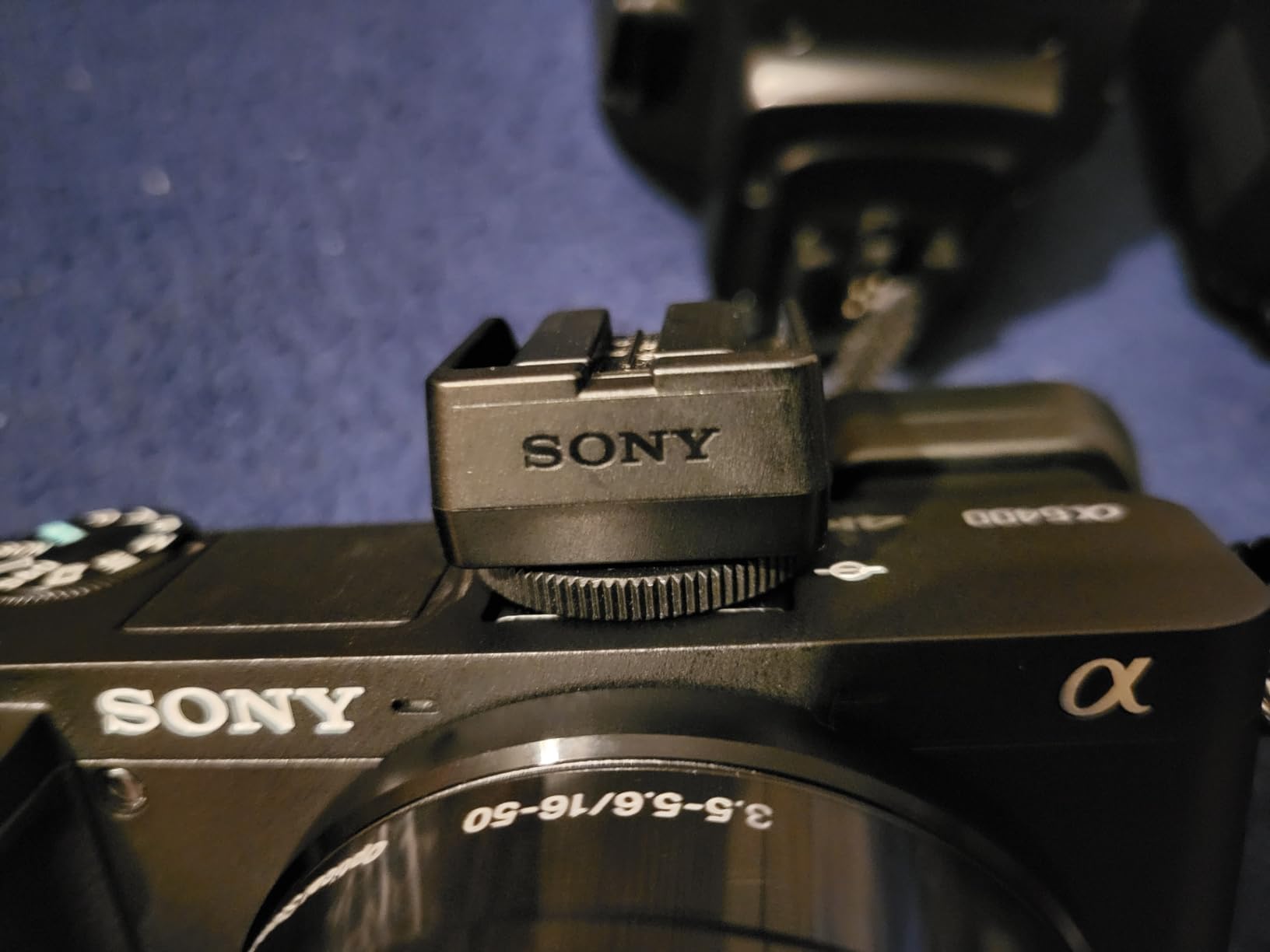
Battery life is the main weakness. I averaged 300-350 shots per charge, which meant carrying spare batteries for any extended shoot. The menu system, while improved over earlier Sony cameras, still has a learning curve for first-time users.
Who should buy the Sony Alpha a6400
Travel photographers, street shooters, and vloggers who prioritize portability get the most from the a6400. Anyone invested in the Sony E-mount system will find this a versatile and capable second body.
Who should look elsewhere
Buyers who need longer battery life or in-body stabilization should look at the Sony a6700. Beginners who want simpler menus might prefer the Canon R50.
How to Choose the Best Mirrorless Camera for Home Use
Picking the right mirrorless camera for home use means matching the tool to your specific space, subjects, and shooting style. Let me walk you through the key decisions I made while testing these ten cameras at home.
Sensor size — full-frame vs APS-C
Full-frame sensors deliver better low-light performance and shallower depth of field, which translates to cleaner images in dim rooms and more pleasing background blur in portraits. APS-C sensors are smaller, lighter, and less expensive, and modern APS-C image quality is genuinely excellent for home use.
If you mainly shoot in well-lit rooms with family or travel subjects, APS-C gives you the best value. If you frequently shoot indoors with available light, want the cleanest possible high-ISO files, or plan to print large, full-frame is worth the premium.
Autofocus — the make-or-break feature for hybrid shooters
Modern autofocus systems track eyes, faces, animals, and vehicles with uncanny precision, but the implementations differ. Sony’s Real-Time Eye AF and Canon’s Dual Pixel CMOS AF II both excel, while Nikon’s system is reliable but a step behind for fast action.
For home creators filming family moments or vlogging, prioritize a camera with strong subject detection. Test it before you buy — what works for still portraits doesn’t always work for video tracking.
Video features that actually matter
4K 60p, 10-bit color, and log recording profiles sound great on spec sheets, but most home creators don’t need them. Figure out whether you actually shoot 60fps footage or color-grade video before paying for those features.
More important for home use: a fully articulating screen for self-recording, reliable autofocus during video, and good in-body stabilization for handheld shots. These day-to-day usability features matter more than headline specifications.
If you’re building out a home content workflow, my guide to the best mirrorless cameras for video goes deeper on video-specific features. For Panasonic shooters, the Panasonic mirrorless video guide is worth a look.
Connectivity for the home workflow
WiFi and Bluetooth aren’t optional anymore — they’re how you transfer files to your phone, back up to your home network, and share content on social media. All ten cameras here offer both, but the implementation quality varies.
I tested file transfer speeds and app reliability on each. Sony’s Imaging Edge app is the most reliable for my workflow, while Canon’s Camera Connect is solid but occasionally drops connection during large video transfers. Nikon’s SnapBridge has improved significantly over earlier versions.
Lens ecosystem and your long-term investment
One of the most important decisions isn’t the camera body — it’s which lens system you’ll commit to. Switching brands later means selling lenses at a loss and rebuilding your kit. Forum members on r/photography repeatedly warn against jumping brands just for a single camera’s feature.
Sony’s E-mount has the deepest native lens selection thanks to first- and third-party support. Canon’s RF mount is catching up fast with excellent native glass. Nikon’s Z mount has fewer native lenses but excellent optical quality on what exists. If you already own lenses from one brand, staying in that ecosystem usually makes the most sense.
Budget reality check
Set a budget that includes at least one extra lens, extra batteries, and an SD card. A common forum mistake is spending the full budget on a camera body, then realizing they can’t afford lenses or accessories.
The good news: slightly older models offer tremendous value. The Sony a7 III and Canon EOS RP both deliver flagship-era image quality at half the price of current top bodies. For home creators who don’t need every cutting-edge feature, these are often the smartest purchases.
Frequently Asked Questions
Which mirrorless camera is best for both photography and videography at home?
For most home creators, the Sony Alpha 7 IV is the strongest hybrid pick in 2026 thanks to its 33MP full-frame sensor, 4K 60p 10-bit video, and class-leading autofocus. The Canon EOS R6 Mark II is the premium alternative if you shoot fast action, and the Nikon Z 6II offers excellent value for hybrid work without breaking your budget.
Do professional photographers prefer DSLR or mirrorless cameras?
Most professional photographers have transitioned to mirrorless systems in 2026. Mirrorless bodies offer faster burst rates, better video, silent shooting, and more accurate autofocus with eye tracking. Major brands like Canon, Nikon, and Sony have largely shifted their flagship development away from DSLR, and the majority of working professionals shoot mirrorless today.
Are mirrorless cameras good for videography?
Yes — modern mirrorless cameras are excellent for video, often outperforming dedicated camcorders at similar prices. Bodies like the Sony Alpha a6700, Canon EOS R6 Mark II, and Sony Alpha 7 IV offer 4K 60p recording, in-body stabilization, log color profiles, and reliable autofocus that makes handheld video look professional. The technology has matured enough that mirrorless is the default choice for hybrid creators.
What camera should I buy for photography and videography at home?
For a home content creator in 2026, match the camera to your priorities. Beginners and parents documenting family should start with the Canon EOS R50 or Sony a6400 for ease of use. Serious hybrid shooters benefit from full-frame bodies like the Sony Alpha 7 IV, Canon R6 II, or Nikon Z 6II. Vloggers specifically should consider the Sony ZV-E10 II or Canon R8 for their creator-focused features.
Final Verdict — The Best Mirrorless Camera for Home in 2026
After testing all ten cameras side by side in my home studio, the Sony Alpha 7 IV stands out as the best mirrorless camera for home photo and video in 2026. Its combination of 33-megapixel stills, 4K 60p 10-bit video, and class-leading autofocus handles every home scenario I threw at it, from candlelit dinner documentation to YouTube tutorials.
The Canon EOS R6 Mark II is the right choice if you shoot fast action — kids, sports, wildlife — and want the most reliable subject tracking available. The Nikon Z 6II is the value play for buyers who want full-frame quality without paying flagship prices. If you’re just starting out, the Canon EOS R50 gives you an easy entry into the Canon ecosystem without a steep learning curve.
Whatever you pick, the best camera is the one that actually comes out of the bag and gets used. Match the body to your real subjects and your real space, and you’ll find a tool that makes home content creation feel effortless. For more video-focused recommendations, take a look at my guide to the best mirrorless cameras for video creators, or check the Canon-specific video guide if you’ve already committed to the RF mount.