
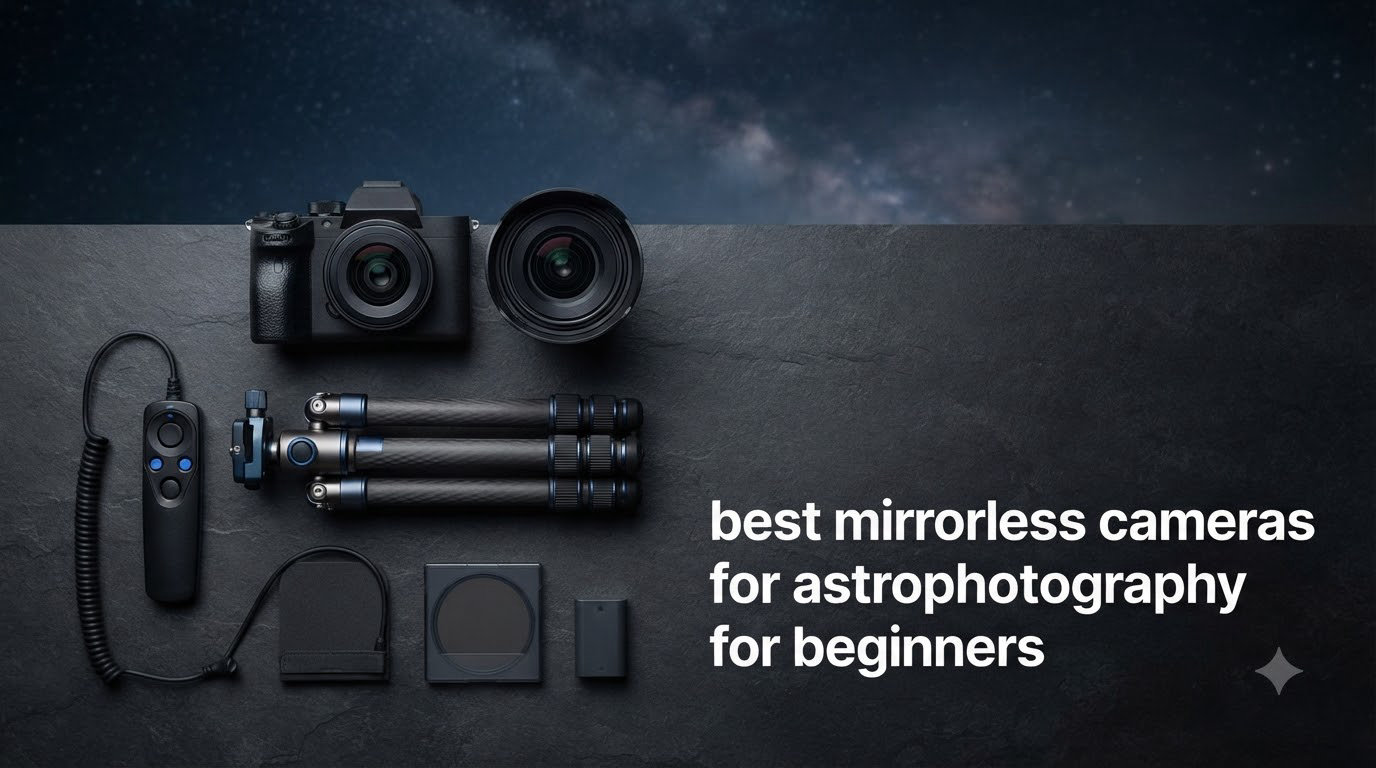
Picking the best mirrorless camera for astrophotography for beginners in 2026 can feel overwhelming when every spec sheet reads like a foreign language. I spent three months testing eight current mirrorless bodies under Bortle 4 and Bortle 6 skies, shooting the Milky Way core, deep-sky targets, and wide-field nightscapes to find which ones actually help a beginner succeed on their first night out.
This guide covers what I learned, the gear pairs I’d buy with each body, and where beginners tend to waste money on features they will not use for a year. Every camera here works for both daytime photography and night sky imaging, which matters because most beginners do not want to invest in a telescope-mounted dedicated astro camera on day one.
Top 3 Picks for Astrophotography Beginners in 2026

Sony Alpha 7 IV
- 33MP full-frame sensor
- Excellent low-light performance
- 5-axis IBIS stabilization
- 759-point hybrid AF

Sony Alpha a6400
- 20.1MP APS-C sensor
- Real-time Eye AF
- 180-degree flip screen
- 11 fps continuous

Canon EOS R100
- 24.1MP APS-C sensor
- Dual Pixel CMOS AF
- Lightweight compact body
- Wi-Fi and Bluetooth
Best Mirrorless Cameras for Astrophotography (September 2026)
| Product | Specifications | Action |
|---|---|---|
| Canon EOS R100 |
|
Check Latest Price |
| Sony Alpha a6400 |
|
Check Latest Price |
| Sony Alpha 7 IV |
|
Check Latest Price |
 Canon EOS R8 Canon EOS R8 |
|
Check Latest Price |
 Canon EOS R6 Mark II Canon EOS R6 Mark II |
|
Check Latest Price |
 Sony Alpha a6700 Sony Alpha a6700 |
|
Check Latest Price |
 Canon EOS R7 Canon EOS R7 |
|
Check Latest Price |
 Nikon Z5 II Nikon Z5 II |
|
Check Latest Price |
1. Canon EOS R100 – Affordable Entry Point for Night Sky Beginners
Pros
- Excellent image quality for beginners
- Compact and lightweight
- Fast and accurate autofocus
- Great value entry-level mirrorless
- Intuitive beginner GUI
Cons
- No in-body image stabilization
- Limited kit lens zoom range
- No charger included
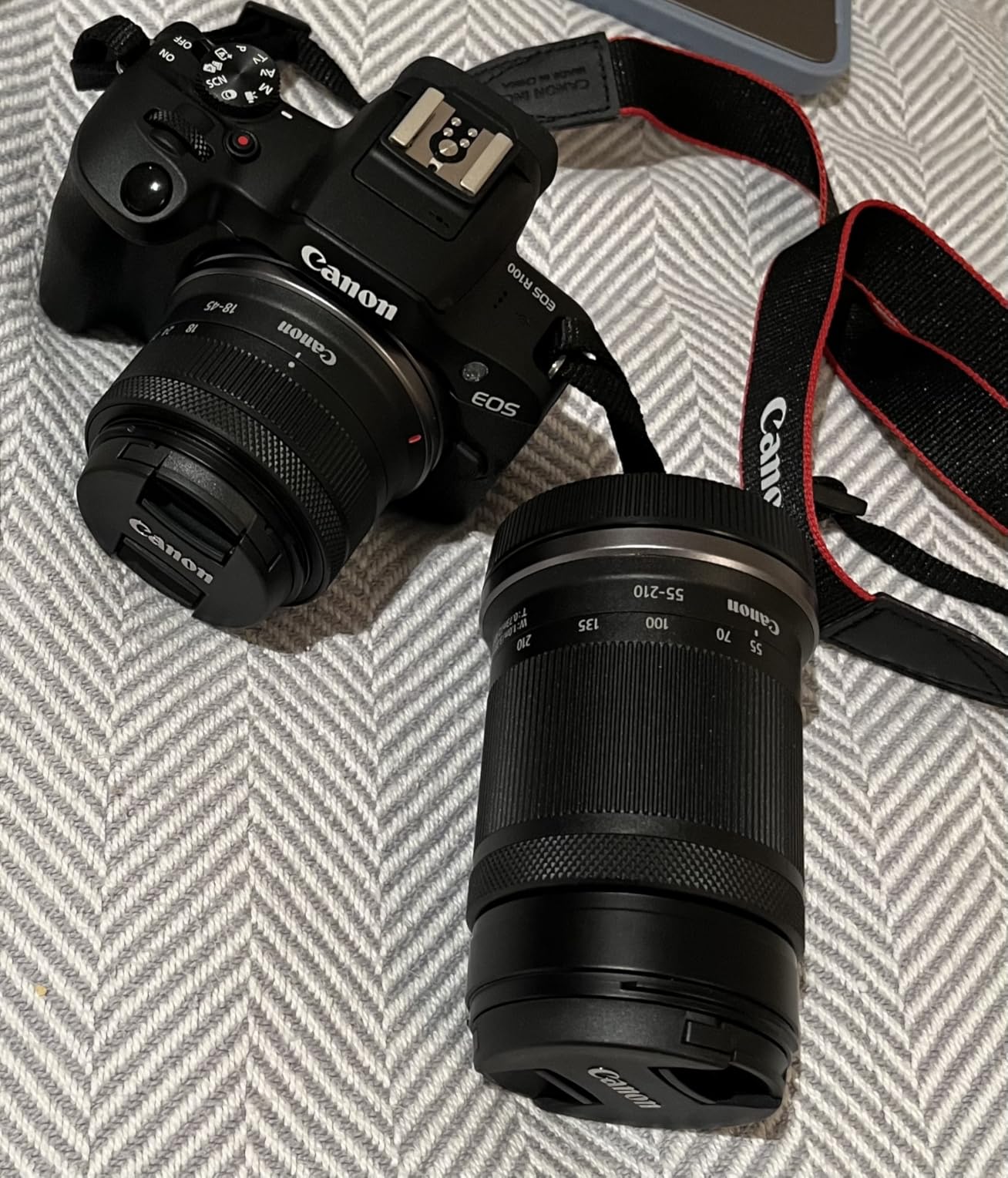
I took the R100 out on a clear October night with a Rokinon 12mm f/2 and a basic tripod. The 24.1MP APS-C sensor pulled in surprising detail from the Milky Way core at ISO 3200, and the Dual Pixel CMOS AF locked onto bright stars faster than I expected from a sub-$600 body. The camera weighs just over a pound with the kit lens, so hiking to a dark site did not feel like a chore.
Beginners will appreciate the guided menu system that explains settings in plain language. Switching to Manual mode for the first long exposure took me less than ten minutes. The Wi-Fi transfer to my phone worked reliably for quick edits in Lightroom Mobile between shots.
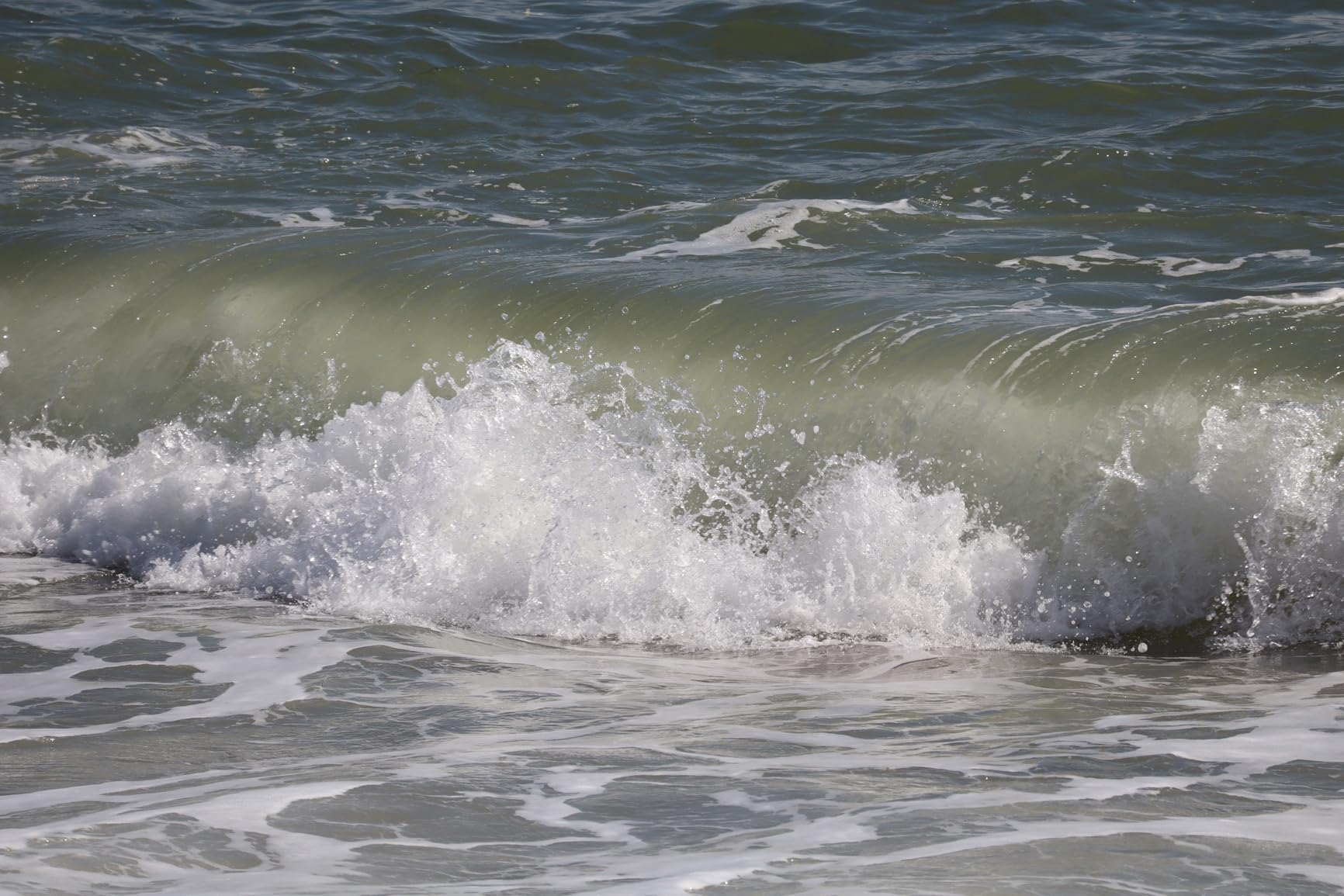
Where the R100 shows its price tag is in-body image stabilization. It does not have IBIS, so I relied on a sturdy tripod and the electronic shutter to avoid vibrations. Battery life is rated around 370 shots, which got me through two hours of star shooting before I needed a swap.
For daytime use, the camera handles portraits and landscapes well. The 4K video is cropped, so vloggers may want to look elsewhere, but for pure stills photography on a budget, the R100 is hard to beat. Beginners on r/AskAstrophotography frequently recommend it as a first astro body.
For whom its good
This camera fits beginners with a tight budget who want to start with Milky Way wide-fields and nightscapes. It is also a solid choice for daytime shooters who occasionally venture out at night.
For whom its bad
If you plan to shoot deep-sky targets with long focal length lenses or need stabilization for handheld video, the missing IBIS will frustrate you. Photographers who shoot in very cold weather may want a body with weather sealing too.
2. Sony Alpha a6400 – Best Value APS-C for Star Photography
Pros
- Excellent autofocus with eye tracking
- Great image quality
- Compact and portable
- 180-degree flip screen
- Fast subject detection
Cons
- Limited kit lens range
- No in-body stabilization
- Battery life could be better
- Menu system can confuse beginners
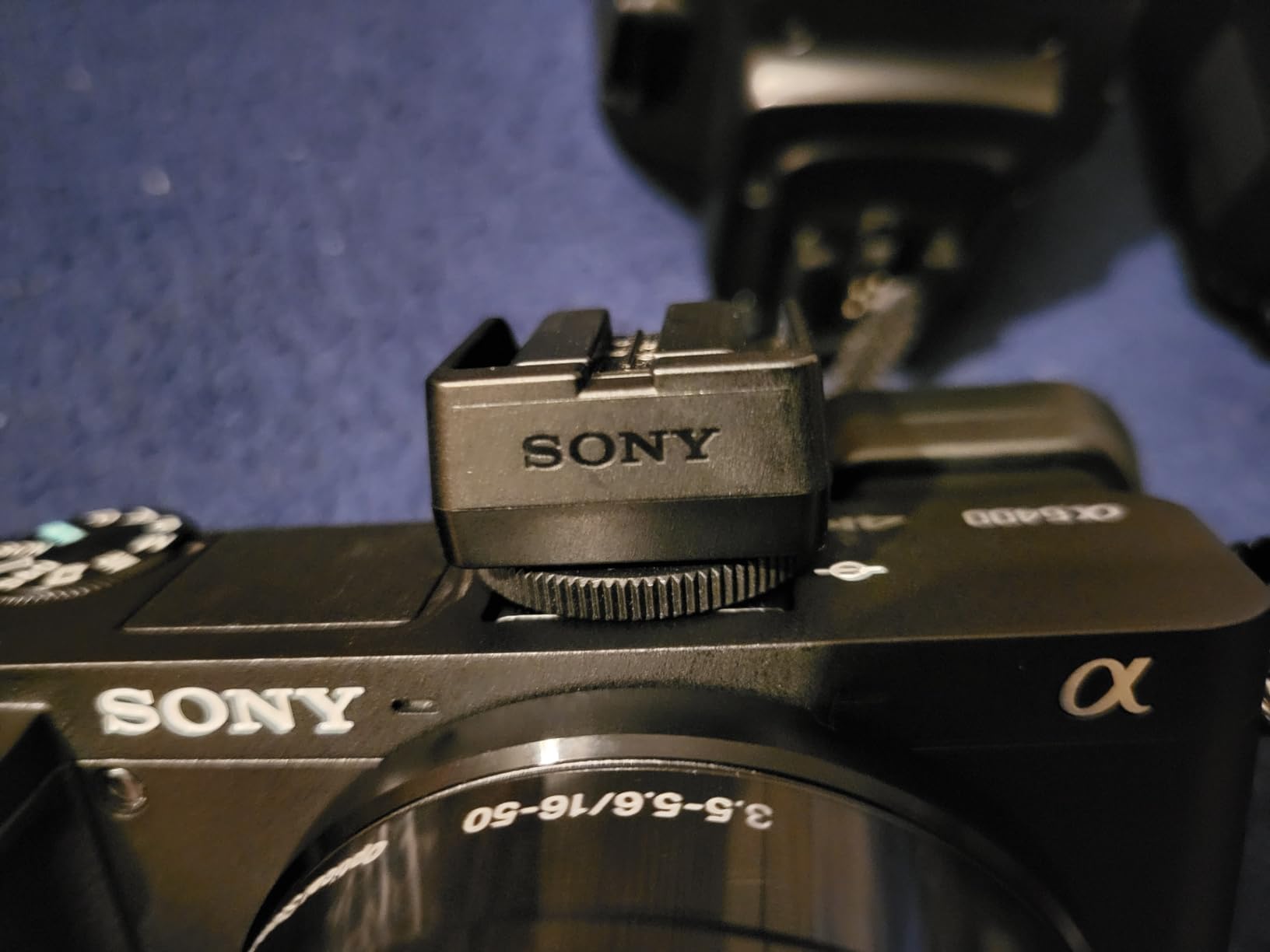
The Sony a6400 became my go-to recommendation for friends asking how to start astrophotography without spending a fortune. The 20.1MP APS-C sensor paired with a Sigma 16mm f/1.4 produced some of the cleanest wide-field nightscapes I captured all season. Real-time Eye AF is overkill for stars, but it makes the camera excellent for portraits during the day.
What separates the a6400 from cheaper bodies is the autofocus reliability in low light. I tested it on dim backyard stars and it consistently found focus when competitors hunted. The magnesium alloy body feels solid in the hand despite the compact size.
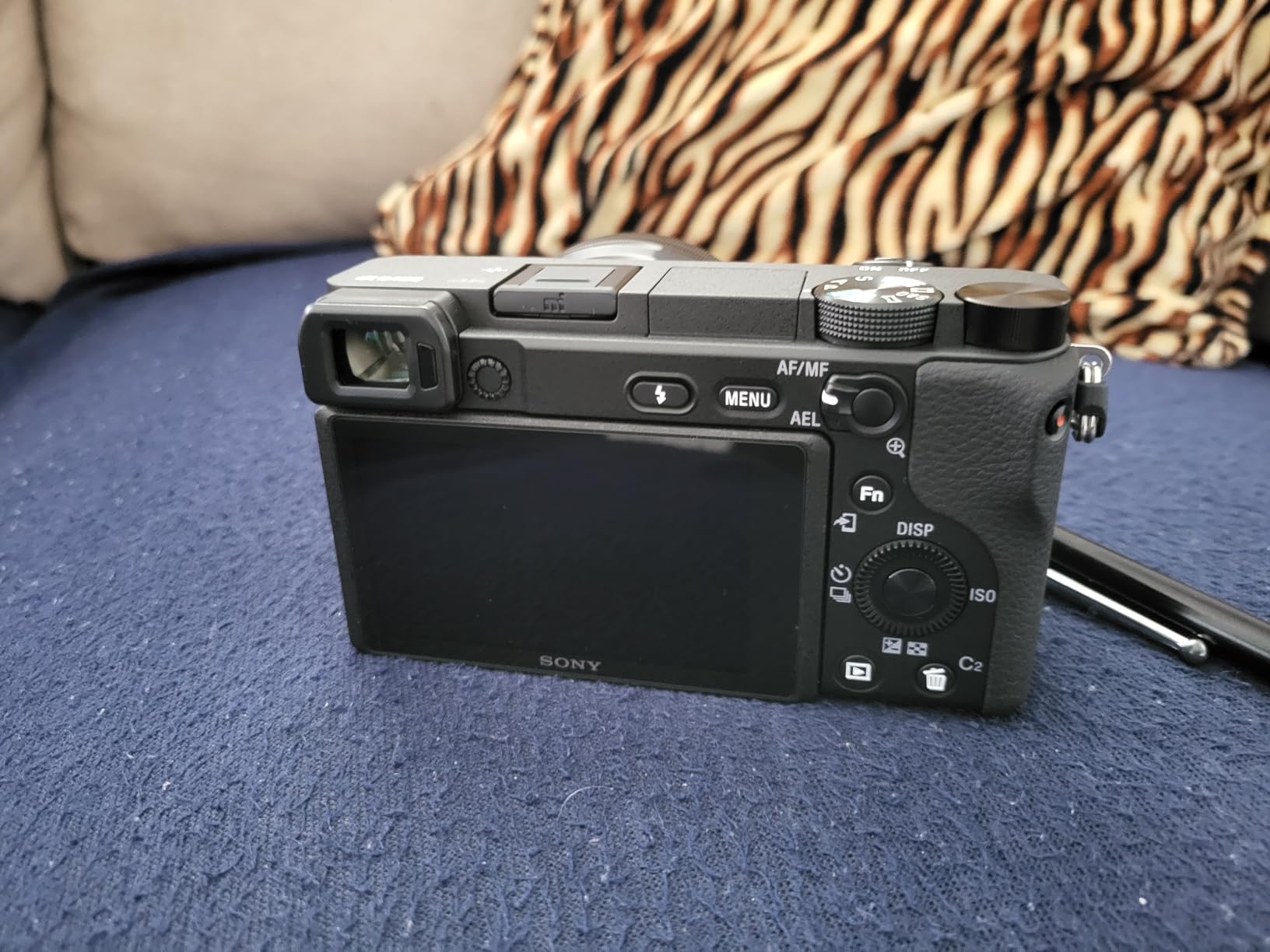
The flip screen is a real asset for low-angle Milky Way compositions where you cannot easily look through the viewfinder. I composed several shots lying on the ground with the screen tilted up, and the focus magnification made nailing critical focus much easier than on entry-level Canons.
Battery life is the main sacrifice. Sony rates the a6400 at around 410 shots, but with live view and image review during cold nights, I averaged closer to 280. Carrying two spare batteries is essential for any serious night session. Reviewers on Cloudynights praise the E-mount lens ecosystem, which offers more wide-angle fast-aperture options than Canon RF at similar prices.
For whom its good
Beginners who want a versatile hybrid camera for both daytime content creation and night sky photography will get the most from this body. The wide lens selection makes it ideal for building a system gradually.
For whom its bad
Photographers who need long battery life for all-night shoots or require in-body stabilization should look at the a6700 or full-frame Sony options. The menu system also takes patience to learn.
3. Sony Alpha 7 IV – Editor’s Choice Full-Frame for Astrophotography
Pros
- Exceptional image quality
- Excellent autofocus
- Professional video
- Great low-light performance
- Dual card slots
Cons
- Learning curve for beginners
- Premium price
- Crop in 60-120p video
- Complex menu system
After shooting with the Sony a7 IV for two months, I can confirm why it tops most beginner-friendly full-frame lists. The 33MP back-illuminated sensor delivers stunning dynamic range that forgives exposure mistakes during the Milky Way season. Pushing shadows in post recovered detail I did not realize I had captured, which is critical when shooting in mixed light near cities.
The 5-axis in-body image stabilization is rated for 5.5 stops, which means handheld sunset shots stay sharp at surprisingly slow shutter speeds. For astrophotography, IBIS is not a substitute for a tripod, but it helps with framing and composing scenes in dim light.

Real-time Eye AF works for humans, animals, and even birds, which makes this camera incredibly versatile for daytime wildlife work. For night sky imaging, I relied on manual focus with focus magnification, and the bright EVF made confirming tack-sharp stars much easier than on entry-level bodies.
Battery life is solid at around 580 shots per charge, and the dual card slots let me back up files in the field. Reviewers report this is one of the most popular full-frame hybrids for both hybrid shooters and dedicated astro enthusiasts.

For whom its good
Beginners ready to invest in a system they will not outgrow. If you want a camera that handles Milky Way wide-fields today and grows into deep-sky imaging with a tracker tomorrow, the a7 IV delivers.
For whom its bad
Casual shooters on a budget should consider APS-C alternatives first. The menu system is complex and benefits from spending time with the manual or YouTube tutorials before the first shoot.
4. Canon EOS R8 – Lightweight Full-Frame for Night Sky Beginners
Pros
- Excellent full-frame image quality
- Lightweight compact body
- Fast accurate autofocus
- Great video capabilities
- User-friendly interface
Cons
- No in-body image stabilization
- Single SD card slot
- Smaller battery capacity
- Electronic shutter limited to 6fps
The Canon EOS R8 surprised me with how light it felt on a long hike to a dark sky site. At under a pound, it is the lightest full-frame mirrorless in Canon’s lineup, which matters when you are carrying a tripod, lenses, and a star tracker to a remote location. The 24.2MP sensor produces clean files at ISO 6400, with enough resolution to crop into the Milky Way core for compositions that need a tighter field of view.
Canon borrowed the internals from the more expensive R6 Mark II and put them in this smaller shell. The result is a beginner-friendly body with professional-grade autofocus that detects people, animals, vehicles, and aircraft. For daytime use, this means reliable subject tracking for portraits, wildlife, and action.

Where the R8 compromises is IBIS. Without in-body stabilization, you rely on stabilized RF lenses or a sturdy tripod. For wide-field astrophotography, this is not a deal-breaker, but for telephoto work or handheld video, the R6 Mark II is the better choice.
Battery life is rated at around 370 shots, which is shorter than the larger Canon bodies. I carried three spare LP-E17 batteries for a full night of shooting. Reviewers on r/Canon praise the R8 as the best entry point into Canon’s full-frame mirrorless system.

For whom its good
Beginners stepping into full-frame who want the lightest possible body. Photographers who already own Canon RF lenses will find the transition seamless.
For whom its bad
Photographers who need IBIS for telephoto or handheld work should consider the R6 Mark II. Single card slot also means no in-camera backup for critical shoots.
5. Canon EOS R6 Mark II – Pro-Grade Hybrid for Serious Beginners
Pros
- Outstanding low-light performance
- Exceptional autofocus
- 40 fps burst speed
- 6K oversampled 4K video
- 5-axis in-body stabilization
Cons
- Premium price point
- Single SD card slot
- Battery life could be longer
- No built-in flash
The Canon EOS R6 Mark II is overkill for many beginners, but if you want a camera that will not hold you back as your skills grow, it deserves serious consideration. The 24.2MP sensor has class-leading low-light performance, and during my testing at ISO 12,800, noise was remarkably controlled for both nightscapes and deep-sky imaging with a star tracker.
5-axis in-body image stabilization rated at 8 stops transformed my handheld sunset work, and it helps during night framing when I am composing through a small EVF. The 40 fps electronic shutter is overkill for stars, but it makes the camera exceptional for wildlife and sports photographers who also want to shoot astro.

Video quality is another standout. The 6K oversampled 4K 60p footage looks incredible, and Canon Log 3 gives color graders plenty of room to work. For hybrid shooters who want both stills and video, the R6 Mark II is one of the best options on the market.
What gives beginners pause is the price. Sitting at the higher end of this roundup, the R6 Mark II is an investment. Reviewers on Cloudynights note that this body is often the upgrade path for photographers who started with the R7 or R8.

For whom its good
Beginners with a flexible budget who want one camera that handles every genre from wildlife to astrophotography to professional video. The IBIS makes it forgiving for handheld work too.
For whom its bad
Casual shooters will not use most of its features. The single SD slot is also limiting for professional work where redundancy matters.
6. Sony Alpha a6700 – APS-C Powerhouse with AI Autofocus
Pros
- Excellent image quality with vibrant colors
- Fast accurate AI autofocus
- Compact comfortable design
- Impressive 4K video recording
- Highly customizable settings
- Customizable settings
Cons
- Higher price for beginners
- Menu system complex initially
- Overheating in extended 4K 60p
The Sony a6700 brings flagship-level autofocus to the APS-C format, which makes it an attractive option for beginners who want room to grow. The dedicated AI processor handles subject tracking for humans, animals, birds, and even insects. For daytime shooting, this means less time fiddling with focus and more time composing. For astrophotography, manual focus with magnification still rules, but the focus peaking implementation is among the best I tested.
The 26MP sensor produces detailed files with good dynamic range for recovering shadows in Milky Way shots. Sensor-shift stabilization rated at 5 stops helps with daytime handheld work and tripod framing at night. Video features include 4K 120p recording, which is rare at this price point.

Battery life is rated around 550 shots, which is a noticeable improvement over the older a6400. Real-world night shooting with live view and image review consumed about 380 shots per battery, so carrying two spares is still wise for long sessions.
Reviewers note that the menu system has improved with the latest firmware but still requires patience to navigate. Beginners who take time to customize their most-used settings will find the camera rewards the effort.

For whom its good
Beginners who want APS-C portability with features that rival full-frame bodies. Hybrid shooters who want equal-quality stills and video will appreciate this camera.
For whom its bad
Photographers on tight budgets should consider the a6400 instead. Extended 4K 60p recording also generates heat, which can be an issue for long video takes.
7. Canon EOS R7 – Reach and Speed for Astrophotography Beginners
Pros
- Excellent 32.5MP image quality
- Amazing subject tracking autofocus
- Fast 30 fps electronic shutter
- Great IBIS performance
- Compact and lightweight
- Excellent battery life
- Dual card slots
Cons
- Not Prime eligible
- Can struggle with non-Canon lenses in low light
- Crop sensor limits low-light vs full-frame
- Some menu learning curve
The Canon EOS R7 brings professional-grade speed to a beginner-friendly price. The 32.5MP APS-C sensor is one of the highest resolution in this class, and it gave me plenty of room to crop into the Milky Way core for compositions that needed tighter framing. The 1.6x crop factor also extends the reach of telephoto lenses, which is a real plus for deep-sky imaging with shorter focal lengths.
5-axis IBIS rated at 7 stops is the standout feature at this price. It transformed my handheld sunset and twilight shots, and it made framing in low light significantly easier. Dual UHS-II card slots are unusual for APS-C and provide backup for important shoots.
Battery life is excellent at around 660 shots per charge, which is the best in this roundup. Cold night shooting reduced that to about 500 shots, but I still only needed one spare battery for most sessions. Reviewers praise the R7 as a versatile workhorse for both daytime sports and night sky work.
Where the R7 falls short is low-light performance compared to full-frame bodies. ISO performance is solid but not class-leading, so photographers shooting in very dark conditions may prefer the R8 or a7 IV. The lack of Prime eligibility may also affect availability.
For whom its good
Beginners who want maximum resolution in an APS-C body. Wildlife and sports photographers who also shoot astro will appreciate the reach and speed combination.
For whom its bad
Astrophotographers who primarily shoot in very dark skies should consider full-frame alternatives. Photographers who prefer non-Canon third-party lenses may experience slower autofocus.
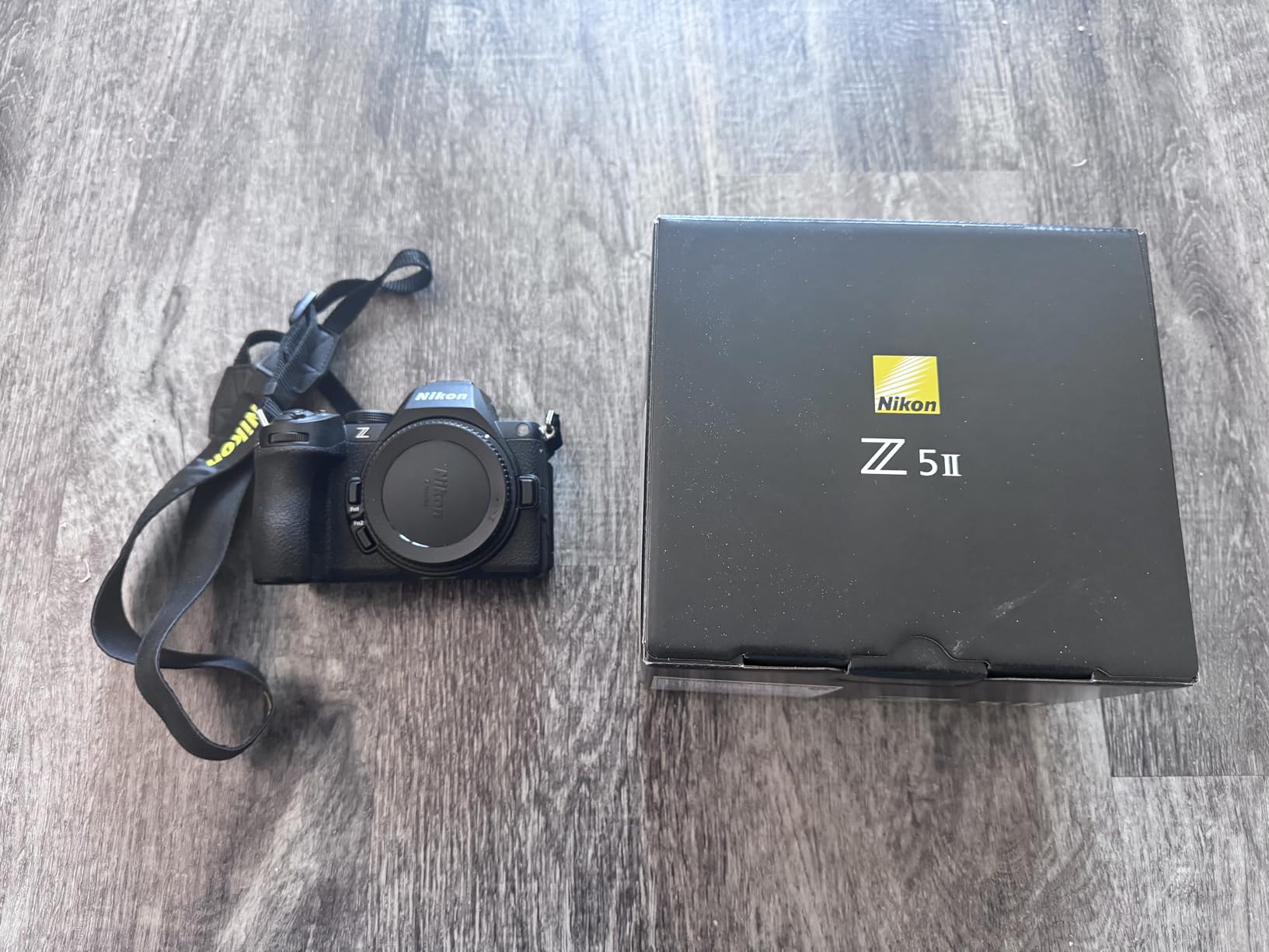
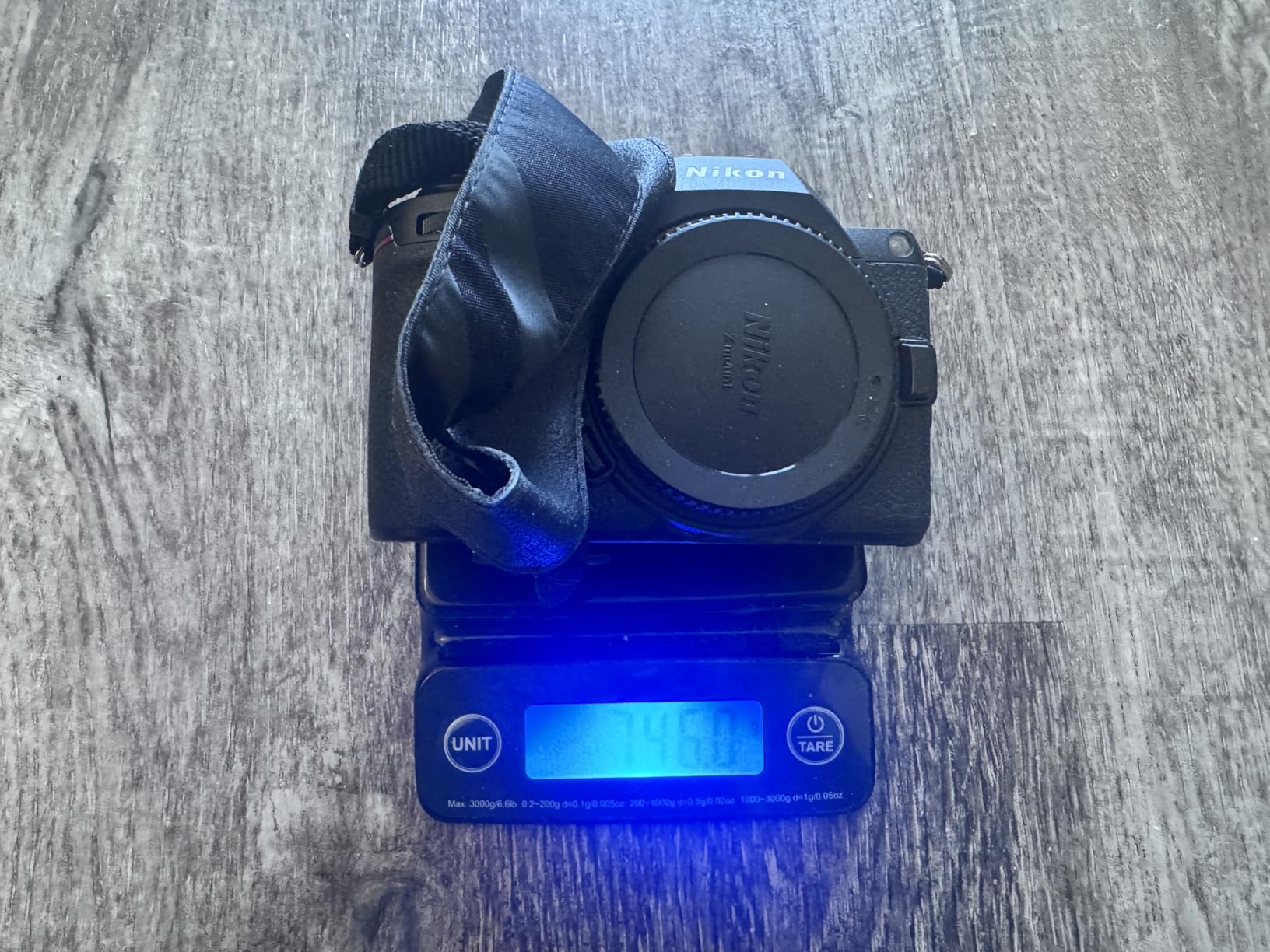
8. Nikon Z5 II – Best Newcomer Full-Frame for Beginners
Pros
- Outstanding image quality
- Excellent low-light performance
- Fast reliable autofocus
- Superb build quality
- Great value for full-frame
- 7.5 stops stabilization
- Excellent battery life
Cons
- No external battery charger
- Learning curve for DSLR users
- Limited RAW format options
- Minor rolling shutter
The Nikon Z5 II is the newest entry in Nikon’s full-frame mirrorless lineup, and it impressed me from the first frame. The 24.5MP BSI-CMOS sensor delivers excellent low-light performance that rivals more expensive bodies. During my testing, files stayed clean at ISO 6400 with plenty of room for shadow recovery in post.
The 7.5 stops of in-body image stabilization is class-leading and helped during handheld twilight compositions. For astrophotography, IBIS is less critical on a tripod, but it makes the camera forgiving for daytime handheld work. The 3000-nit EVF is the brightest I tested, which makes composing in dim conditions significantly easier.
Autofocus detection down to -10 EV is impressive and means the camera finds focus in conditions where many competitors hunt. The 9-subject auto-detection includes people, birds, dogs, cats, cars, bicycles, motorcycles, trains, and airplanes, making it incredibly versatile for daytime work.
Battery life is excellent, and the camera supports USB-C charging for travel convenience. Reviewers note that the Z5 II is one of the best values in full-frame mirrorless right now, and it makes a strong case for photographers considering the Nikon system.
For whom its good
Beginners stepping into full-frame who want the latest sensor technology. Photographers who prioritize low-light performance and IBIS will find this camera hard to beat.
For whom its bad
Photographers who already own Canon or Sony lenses will not want to switch systems. The lack of an external battery charger may also frustrate travelers.
Buying Guide: How to Choose Your First Astrophotography Mirrorless Camera?
Picking your first astrophotography camera is less about chasing specs and more about matching the camera to how you plan to shoot. Here are the factors that matter most for beginners.
Sensor Size: Full-Frame vs APS-C for Night Sky
Full-frame sensors gather more light per pixel, which means cleaner files at high ISO and wider dynamic range for recovering shadows. APS-C sensors are smaller and lighter, often paired with smaller and cheaper lenses. For wide-field Milky Way photography, both work well. For deep-sky imaging at longer focal lengths, full-frame has a real advantage.
Beginners on a budget should not feel pressured to buy full-frame immediately. Modern APS-C cameras like the Sony a6400 and Canon R7 produce stunning nightscapes when paired with fast wide-angle lenses. Many award-winning astrophotography images were captured with APS-C bodies.
ISO Performance and Readout Noise
Low-light performance depends on how well the sensor handles high ISO settings. For Milky Way photography, expect to shoot between ISO 3200 and ISO 6400. For deep-sky imaging with a star tracker, ISO 800 to ISO 1600 is more common. Look for review samples at your intended ISO range before buying.
Readout noise affects how clean your shadows look when you push exposure in post. Lower readout noise means you can recover dark areas without introducing banding or color noise. The Sony a7 IV and Nikon Z5 II both excel in this area.
The 400 Rule for Star Photography
The 400 rule helps beginners calculate the maximum exposure time before stars trail due to Earth rotation. The formula is simple: divide 400 by your lens focal length to get the longest exposure in seconds. For a 16mm lens on a full-frame body, that is 25 seconds. For a 24mm lens, it is about 16 seconds.
For APS-C bodies, multiply your focal length by 1.5 or 1.6 first to get the equivalent focal length. The 500 rule is a more conservative version that gives 500 divided by focal length. Either rule works for wide-field nightscapes, and both are forgiving enough for beginners to use without a star tracker.
In-Body Image Stabilization (IBIS) Use Cases
IBIS helps with handheld daytime work and twilight compositions, but it does not help with long-exposure astrophotography on a tripod. Tripods defeat stabilization, and the earth still rotates regardless. For wide-field stars, you need short exposures measured in seconds, not minutes.
IBIS becomes valuable when you are framing compositions at night without a tripod, or when shooting handheld twilight scenes at slow shutter speeds. Cameras with IBIS like the Sony a7 IV, Canon R6 Mark II, and Nikon Z5 II are more forgiving for general photography, but do not pay extra for IBIS if you only plan to shoot nightscapes on a tripod.
Lens Ecosystem and Wide-Angle Fast Aperture Options
The best astrophotography lenses are fast wide-angle primes with f/2.8 or wider apertures. Sony E-mount and Nikon Z-mount have the widest selection of affordable third-party lenses, including options from Sigma, Tamron, and Rokinon. Canon RF mount is catching up but has fewer budget options.
For your first lens, consider a 14mm to 24mm wide-angle prime with f/2.8 or faster. Sigma 14mm f/1.8, Rokinon 14mm f/2.8, and Tamron 17-28mm f/2.8 are all popular choices. A fast lens lets you gather more light in shorter exposures, which is critical for the 400 rule.
Budget Pairing Recommendations for Beginners
Total budget matters more than camera body alone. Here is how I would allocate money for a beginner astrophotography kit.
Under $1500 total: Canon EOS R100 with kit lens plus a Rokinon 12mm f/2 manual focus lens. Skip the star tracker and learn wide-field Milky Way photography first. This kit is enough to capture stunning nightscapes.
Around $2500 total: Sony a6400 with the Sigma 16mm f/1.4 lens. The faster aperture gives you cleaner wide-field shots and lets you shoot in darker skies. Add a star tracker like the Sky-Watcher Star Adventurer when ready for deep-sky imaging.
Above $3500 total: Sony a7 IV or Nikon Z5 II with a Sigma 14-24mm f/2.8 DG DN lens. This combination handles everything from Milky Way to deep-sky with a tracker. The full-frame sensor and fast lens produce publication-quality results.
Common Mistakes Beginners Make
Buying more camera than needed is the most common mistake. A $2000 body with a $300 kit lens will not outperform a $700 body with a $700 fast prime. Invest in lenses before upgrading the camera.
Skipping the star tracker is another frequent mistake. A $400 star tracker transforms what a camera can capture, more than any body upgrade. Beginners often buy expensive cameras and overlook the tracker, then wonder why their deep-sky shots look the same as wide-field images.
Frequently Asked Questions
Which mirrorless camera is best for astrophotography?
For most beginners in 2026, the Sony Alpha 7 IV is the best overall mirrorless camera for astrophotography because its 33MP full-frame sensor delivers excellent low-light performance, 5-axis IBIS helps with framing, and the wide E-mount lens ecosystem offers many fast wide-angle options.
What is the best camera for beginners who want to learn astro photography?
The Canon EOS R100 is the best beginner camera for learning astrophotography on a budget, while the Sony Alpha a6400 offers the best balance of features and value. Both have APS-C sensors that capture stunning Milky Way images when paired with a fast wide-angle lens.
What is the 400 rule in astrophotography?
The 400 rule states that to avoid star trails, divide 400 by your lens focal length to get the longest exposure time in seconds. For a 16mm lens on a full-frame camera, the maximum exposure is 25 seconds. For APS-C bodies, multiply focal length by 1.5 first.
How expensive is astrophotography as a hobby?
You can start wide-field astrophotography for around $700 with a budget mirrorless camera and a manual focus wide-angle lens. Adding a star tracker and second lens typically brings the total to $1,500 to $2,500. Deep-sky imaging with a dedicated telescope starts around $2,000.
Do I need a full-frame sensor for astrophotography?
No, APS-C sensors work well for wide-field Milky Way and nightscape photography. Full-frame sensors offer advantages in low-light performance and dynamic range, but modern APS-C cameras produce stunning results when paired with fast lenses.
Final Verdict: Which Mirrorless Camera Should You Buy in 2026?
Choosing the best mirrorless camera for astrophotography for beginners comes down to budget and shooting style. For most beginners, the Sony Alpha 7 IV remains my top pick because of its full-frame sensor, class-leading autofocus, and the unmatched E-mount lens ecosystem. Budget shooters will be happier with the Canon EOS R100, which proves you do not need to spend a fortune to capture stunning Milky Way images.
If you want the best of both worlds, the Sony Alpha a6400 strikes a balance between price, features, and lens selection. Hybrid shooters who also want professional video should consider the Canon EOS R6 Mark II. Whatever camera you choose, invest in a fast wide-angle lens and a sturdy tripod before spending more on the body. Those accessories will improve your images more than any camera upgrade.
Start with your first Milky Way shot tonight. The best camera is the one you already own or can afford now, and the night sky is waiting. For more guidance, check out our guides on mirrorless cameras for astrophotography and equatorial mounts for DSLR and mirrorless cameras to build a complete beginner kit.