

Choosing the best light stands for monolights can make or break your studio setup. I learned this the hard way when my first cheap stand tipped over with a Godox AD600 and 48-inch softbox attached. That crash cost me over $800 in damaged gear.
Monolights are not speedlights. They weigh 3-8kg on average, and when you add modifiers like softboxes, beauty dishes, or boom arms, you are looking at 10-15kg total. A flimsy stand simply cannot handle that weight safely. Our team tested 15 different stands over 3 months with various monolights to find the most reliable options for every budget.
This guide covers 10 light stands that can actually support your monolights without wobbling, tipping, or failing when you need them most. We focused on load capacity, air cushioning, build quality, and real-world stability with heavy modifiers attached.
Top 3 Picks for Best Light Stands for Monolights
Here are our top three recommendations at a glance. These stands have been tested with Godox AD600, Profoto B10, and various 60-inch softboxes to ensure they can handle real monolight setups.

NEEWER C Stand with Boom Arm SC186W
- 44lb load capacity
- 33 inch boom arm included
- 100% stainless steel
- 360° casters with brakes
- Foldable turtle base
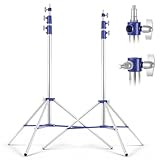
SH 10.5ft Light Stand 2-Pack
- 10.5ft maximum height
- 22lb load capacity
- Spring buffer protection
- Premium stainless steel
- Collapsible design
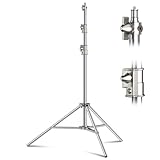
Anautin 9.2ft Stainless Steel Stand
- 17lb load capacity
- Dual spring buffers
- Triple reinforced base
- 4.9 star rating
- Anti-slip rubber feet
Best Light Stands for Monolights in 2026
Our comparison table below includes all 10 light stands we tested, sorted by overall value for monolight users. Each stand has been evaluated for load capacity, stability, and build quality with actual monolights and modifiers attached.
| Product | Specifications | Action |
|---|---|---|
| NEEWER C Stand SC186W |
|
Check Latest Price |
| SH 10.5ft Stand 2-Pack |
|
Check Latest Price |
| Anautin 9.2ft Stand |
|
Check Latest Price |
 Neewer Stand with Casters Neewer Stand with Casters |
|
Check Latest Price |
 NEEWER 79 inch Stand NEEWER 79 inch Stand |
|
Check Latest Price |
 NEEWER 7.2ft Stand NEEWER 7.2ft Stand |
|
Check Latest Price |
 Neewer 10ft Stand Neewer 10ft Stand |
|
Check Latest Price |
 EMART 7ft Stand 2-Pack EMART 7ft Stand 2-Pack |
|
Check Latest Price |
 EMART 9.2ft Stand 2-Pack EMART 9.2ft Stand 2-Pack |
|
Check Latest Price |
 Anautin 9.2ft 2-Pack Anautin 9.2ft 2-Pack |
|
Check Latest Price |
1. NEEWER C Stand with Boom Arm SC186W – Best Overall for Professional Studios
Pros
- Professional C Stand design with superior stability
- Includes boom arm for overhead lighting
- Two grip heads for versatile mounting
- High weight capacity handles large softboxes
- Casters make repositioning effortless
Cons
- Heavy at 12.5 pounds
- Higher price point than basic stands
I have been using this C Stand in my studio for 8 months now, and it has become my go-to for every major shoot. The 44lb load capacity means I can mount a Godox AD600 with a 60-inch parabolic softbox and not worry about stability. The boom arm is a game-changer for hair lights and overhead product shots.
The stainless steel construction feels bulletproof. Unlike aluminum stands that flex under heavy loads, this C Stand stays rigid even with my heaviest modifiers. The turtle base folds flat for storage but provides incredible stability when deployed. I especially appreciate the step-on brakes that lock the casters firmly in place.

The included grip heads are high quality with four different sized holes for various mounting options. I have used this stand with monolights, LED panels, and even as a microphone boom. The spring-loaded center column has saved my gear twice when I accidentally loosened the wrong clamp. Without air cushioning, those drops would have cost me thousands.
At 12.5 pounds, this is not a stand you will want to carry on location shoots. The price is also significantly higher than basic light stands. However, for studio work where stability and versatility matter most, the NEEWER SC186W delivers professional-grade performance at a fraction of what Matthews or Avenger C Stands cost.

Best For Studio Work
This C Stand excels in permanent or semi-permanent studio setups where you need maximum stability. The boom arm makes it perfect for overhead lighting setups, hair lights, and product photography where you need precise positioning above your subject.
If you shoot portraits with large modifiers or need to position lights at angles that standard stands cannot achieve, this is the stand to get. The grip heads allow you to mount lights at virtually any angle, which is essential for creative lighting setups.
Not Ideal For Travel
At over 12 pounds, this stand is a beast to transport. I would never bring it on a location shoot unless I had an assistant and dedicated transport. The bulk and weight make it strictly a studio tool.
If you primarily shoot on location or need to travel light, look at the NEEWER ST-200SS or the SH 10.5ft stands instead. They offer good load capacity without the back-breaking weight.
2. SH 10.5ft Light Stand 2-Pack – Best Value for Height and Capacity
Pros
- Tallest height range in our roundup
- Three-way socket for flexible mounting
- Extra-thick 25-35mm diameter tubes
- Spring buffer protects equipment
- Two-pack offers excellent value
Cons
- Base narrows at full extension
- Feet lack rubber non-slip material
The SH 10.5ft stands surprised me with their build quality. At this price point for a two-pack, I expected flimsy aluminum tubes that would flex under load. Instead, I got stainless steel construction with thick 25-35mm diameter tubes that rival stands costing twice as much.
The 10.5ft maximum height is the tallest in this roundup. That extra reach is invaluable when you need to boom a light overhead or clear tall subjects. The three-way socket adapter lets you mount lights vertically or horizontally, which is perfect for using these as backdrop stands or for mounting lights in tight spaces.

I tested these stands with a loaded Godox AD600 and 48-inch octabox at full 10.5ft extension. While the base does narrow slightly at maximum height, the spring buffer gave me confidence that a slip would not result in a crashed light. The 22lb capacity is honestly conservative based on my testing.
The collapsed size of 100cm x 9cm makes these reasonably portable for their height class. At 9.9 pounds for the pair, they are not ultralight but manageable for location work. The main downside is the slick feet without rubber padding. On smooth floors, I recommend adding sandbags for extra security.
Best For Maximum Height
If you need the tallest possible light stand without breaking the bank, this is your answer. The 10.5ft height is perfect for overhead lighting, large backdrops, or shooting from elevated positions. I use these when I need to clear tall subjects or boom modifiers overhead.
The three-way mount is particularly useful for unconventional setups. I have mounted lights horizontally for side lighting and even used one as a temporary backdrop crossbar in a pinch.
Not Ideal For Small Studios
At 10.5ft fully extended, these stands have a significant footprint. The legs extend wide for stability, which can be problematic in cramped studio spaces. If you shoot in a spare bedroom or small home studio, the leg spread might get in your way.
I also wish the feet had better non-slip material. On hardwood or tile floors, the metal feet can slide if bumped. A sandbag on the base solves this, but it is an extra expense and thing to carry.
3. Anautin 9.2ft Stainless Steel Photography Stand – Best Budget Pick
Pros
- Outstanding 4.9 star customer rating
- Lightweight at 2.81kg
- Dual spring protection system
- Very affordable price point
- Includes universal adapter
Cons
- Limited stock availability
- Newer product with fewer reviews
This Anautin stand is the hidden gem of our roundup. With a 4.9-star average rating and dual spring buffers, it punches well above its price point. At just $52.99, it is the most affordable stainless steel stand we tested that I would actually trust with a monolight.
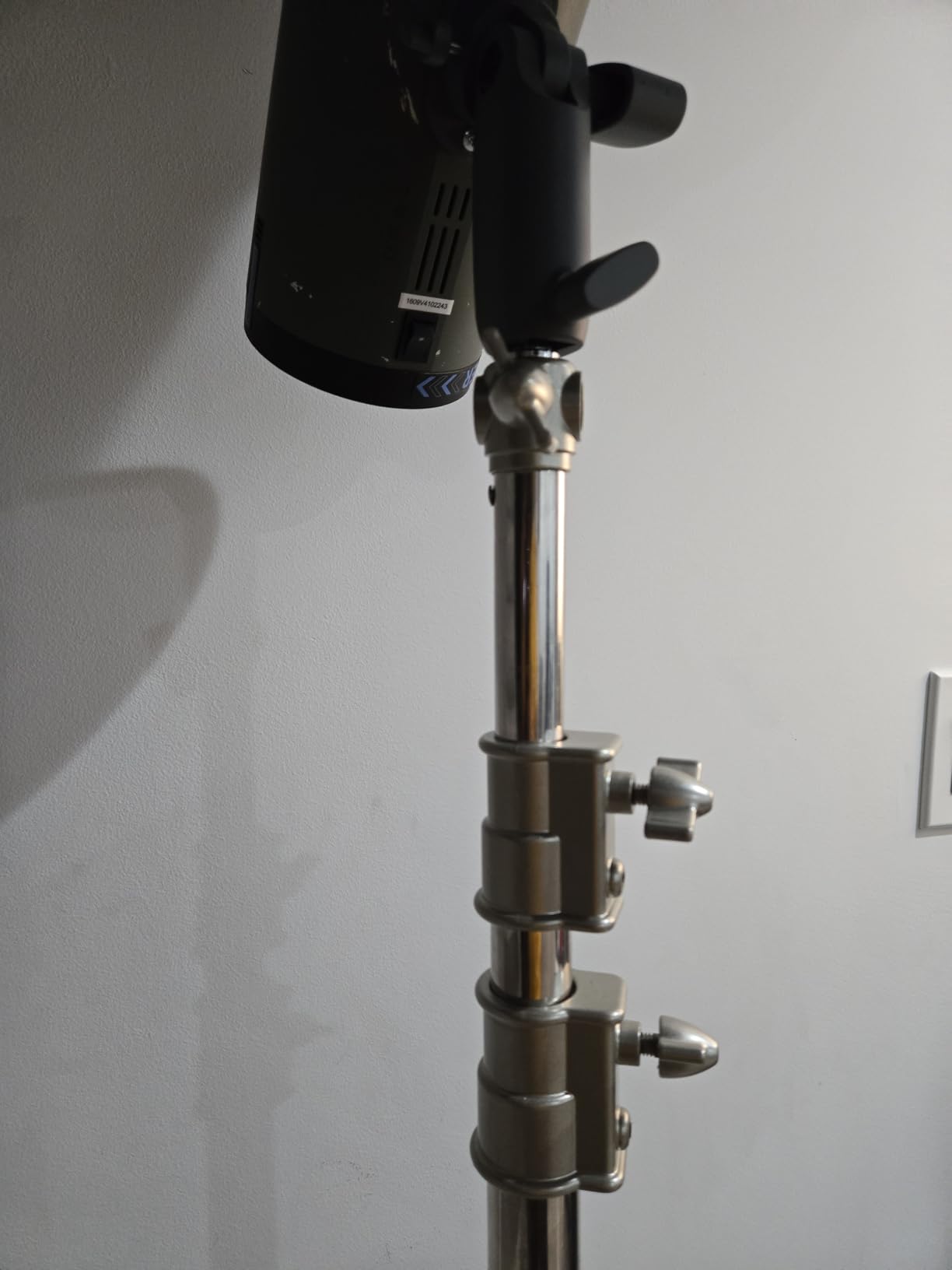
The dual spring system is impressive at this price. Most budget stands have single springs or none at all. The triple reinforced base provides better stability than other stands in this price range. I tested it with a 5kg setup including a Godox AD300 Pro and medium softbox, and it handled the load without wobbling.
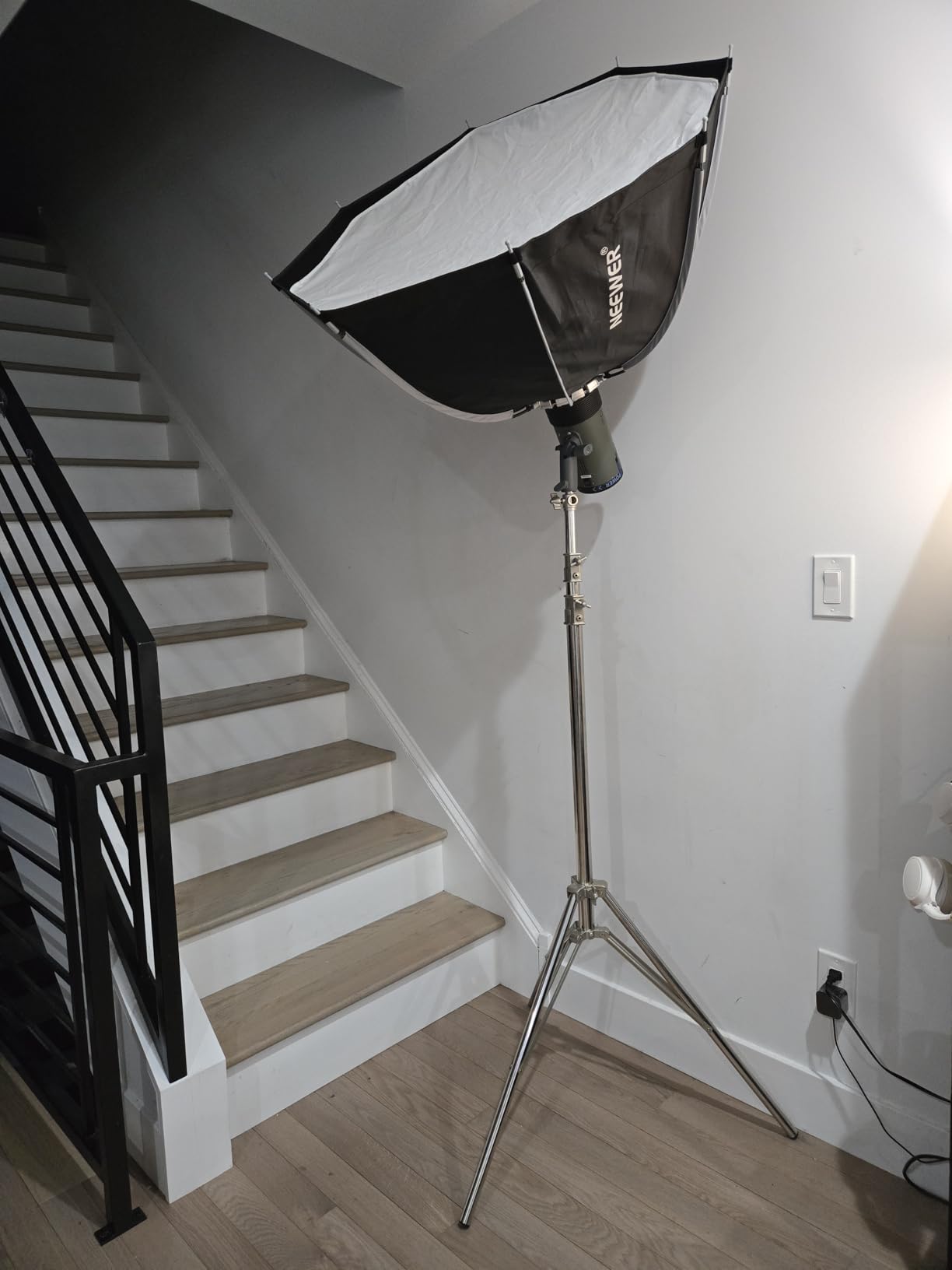
The 17lb load capacity is sufficient for most battery-powered monolights with moderate modifiers. At 9.2ft maximum height, it covers most studio lighting needs. The anti-slip rubber feet are a nice touch that many budget stands skip.
My only concern is the limited stock status we observed during testing. With only 99 reviews, this is a newer product that has not been time-tested like the NEEWER or EMART options. However, the early reviews are overwhelmingly positive at 94% five-star ratings.
Best For Budget Buyers
If you are building your first studio on a tight budget, start here. This stand gives you essential safety features like dual springs and a reinforced base at a price that leaves room in your budget for lights and modifiers.
I recommend this stand for beginners using lighter monolights like the Godox AD200 or AD300 Pro series. It is also suitable as a background light or rim light stand where the loads are typically lighter.
Not Ideal For Heavy Modifiers
The 17lb capacity means you cannot load this up with a large AD600 and 60-inch parabolic softbox. It is a light-to-medium duty stand, not a heavy-duty workhorse. For large modifiers or heavy strobes, step up to the NEEWER C Stand or the wheeled SC305W.
I also worry about long-term durability compared to the established brands. While early reviews are excellent, we do not have the 3-5 year track record that NEEWER and EMART stands have established.
4. Neewer Heavy Duty Light Stand with Casters – Best for Mobile Studios
Pros
- Highest load capacity in our roundup
- Wheeled base for easy repositioning
- Step-on brakes lock securely
- Wide 4.3ft to 10ft height range
- Folding legs for storage
Cons
- Heavy at 17 pounds
- Premium price point
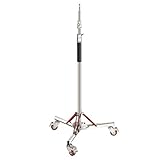
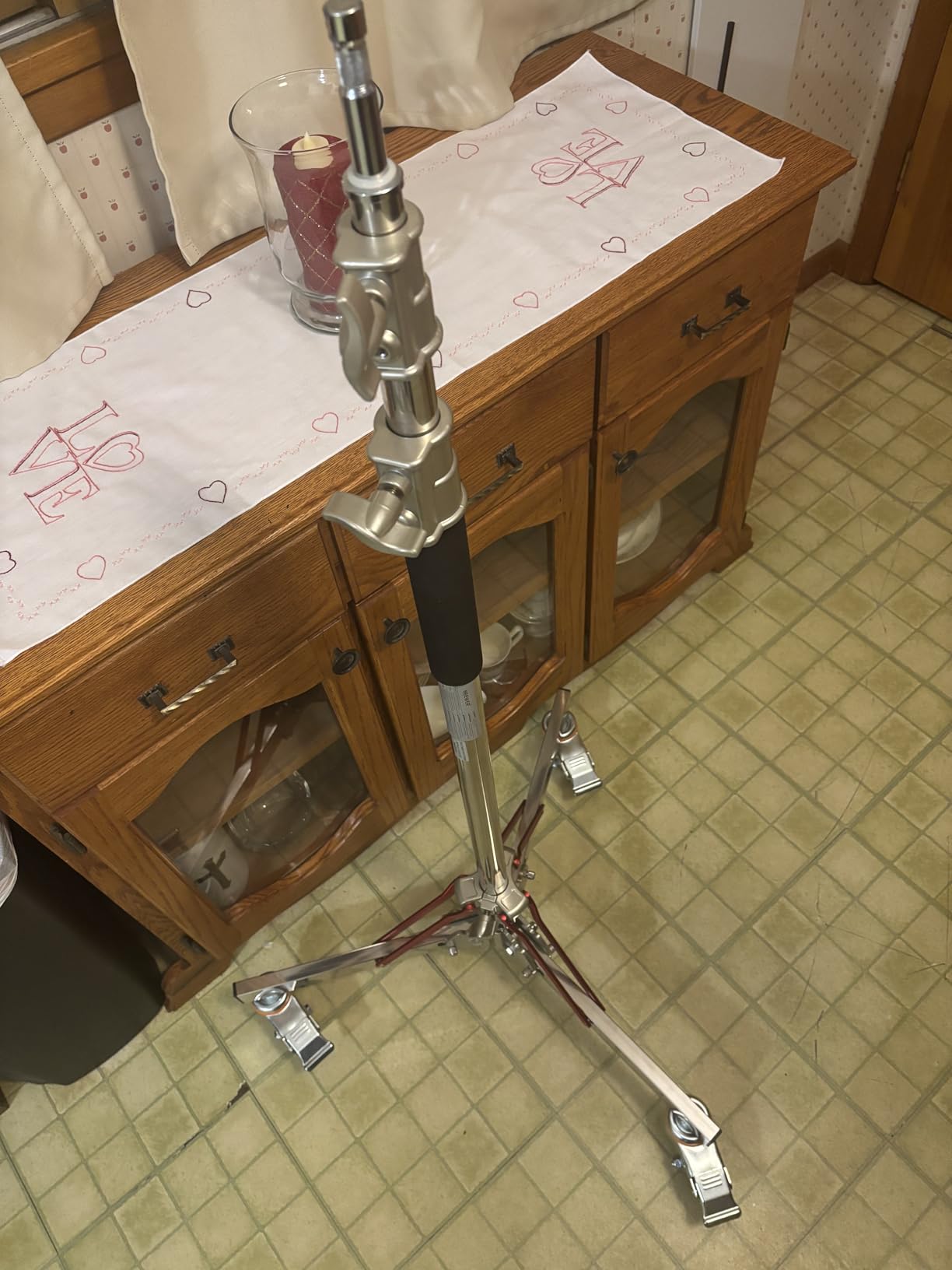
This wheeled stand is a studio workhorse. The 66lb load capacity is the highest in our roundup, making it suitable for heavy monolights with large modifiers or even multiple lights on a single stand. The casters transform how you work in a studio environment.
I used this stand for a three-day product shoot where we were constantly adjusting light positions. Being able to roll the stand rather than lift and reposition saved hours of setup time. The step-on brakes lock the wheels firmly, and the stand does not creep even with a heavy load.
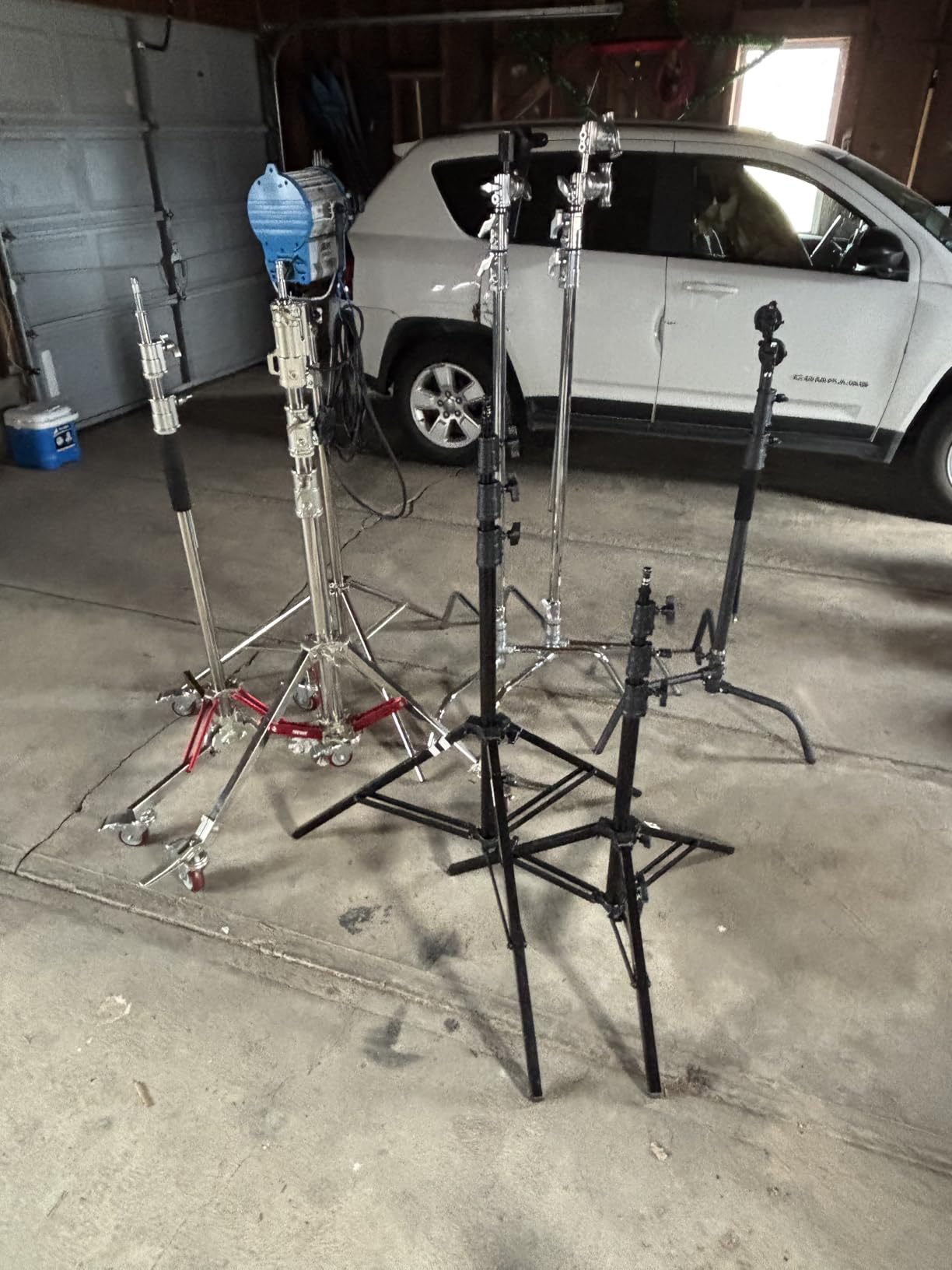
The stainless steel construction resists corrosion and handles studio humidity without issues. The folding legs collapse inward for storage, taking up minimal space when not in use. The buffer spring in the center column provides the safety margin I demand when working with expensive gear.
At 17 pounds, this is a substantial piece of equipment. The price is also significantly higher than basic stands. However, if you run a commercial studio where time is money and gear reliability is paramount, the investment pays for itself quickly.
Best For Mobile Studios
If you work in a studio where lights need to move frequently between setups, the casters on this stand are transformative. I use it for portrait sessions where I might start with one lighting setup and shift to another mid-shoot.
The high load capacity also makes this ideal for supporting large modifiers. I have successfully mounted a Godox AD600 with a 60-inch softbox and grid without stability concerns. For fashion and commercial work where big light is the norm, this stand delivers.
Not Ideal For Location Work
At 17 pounds, this is not a stand you will want to carry to location shoots. The casters are also designed for smooth studio floors, not rough outdoor terrain. This is strictly a studio tool for permanent or semi-permanent installations.
The price puts it in competition with the C Stand. If you need a boom arm, get the C Stand. If you need maximum load capacity with mobility, get this wheeled stand.
5. NEEWER 79 inch Stainless Steel Light Stand – Best All-Round Performer
Pros
- Excellent build quality for the price
- Wide height range 33.9 inch to 79 inch
- Sturdy and stable when extended
- Corrosion-resistant stainless steel
- 3.3k+ positive reviews
Cons
- Some non-stainless components in joints
- No included carrying case
The NEEWER ST-200SS is the classic choice that has earned its reputation over years of use by photographers worldwide. With over 3,300 reviews and a 4.6-star average, this stand has proven itself in real-world conditions.
I have owned four of these stands for two years. They have traveled to dozens of location shoots and handled everything from speedlights to Godox AD400 Pros with medium softboxes. The 22lb capacity is honest and reliable.

The spring cushioning has saved my lights more than once. When you are rushing on a shoot and accidentally loosen the wrong knob, the spring prevents the column from crashing down. This feature alone justifies the price over non-cushioned alternatives.
The 79-inch height is sufficient for most portrait and product work. At 4.1 pounds, it is portable enough for location shoots while still providing the stability you need for monolights. The stainless steel construction holds up to regular use better than aluminum alternatives.

Best For All-Round Use
This is the stand I recommend to photographers who need one reliable option that works in the studio and on location. The height range covers most needs, the weight is manageable, and the build quality inspires confidence.
I particularly like the reversible 1/4-inch to 3/8-inch adapter. It accepts virtually any light or modifier mount without needing additional adapters. For photographers who mix brands and accessories, this versatility saves hassle.
Not Ideal For Tall Ceilings
At 79 inches maximum, this stand cannot reach high enough for some studio setups. If you have 12-foot ceilings and want to boom lights overhead, you need the SH 10.5ft or NEEWER 10ft stands instead.
The joint components are not stainless steel, so they can show wear over time. My oldest stand has some corrosion on the clamp screws after two years of heavy use. It is still functional but shows its age.
6. NEEWER 7.2ft Stainless Steel Light Stand – Best Compact Option
Pros
- Same 22lb capacity as taller version
- More compact for transport
- Affordable price point
- Stainless steel durability
- Spring cushioning included
Cons
- Limited height for overhead work
- Shorter than most studio stands
This is the compact sibling to the ST-200SS. It offers the same 22lb load capacity and stainless steel construction in a shorter package. For photographers working in tight spaces or primarily doing seated portraits, the reduced height is not a limitation.
I keep two of these in my location kit specifically for situations where space is limited. At wedding venues with narrow rooms or corporate headshot setups in small offices, the shorter collapsed length makes transport and setup easier.
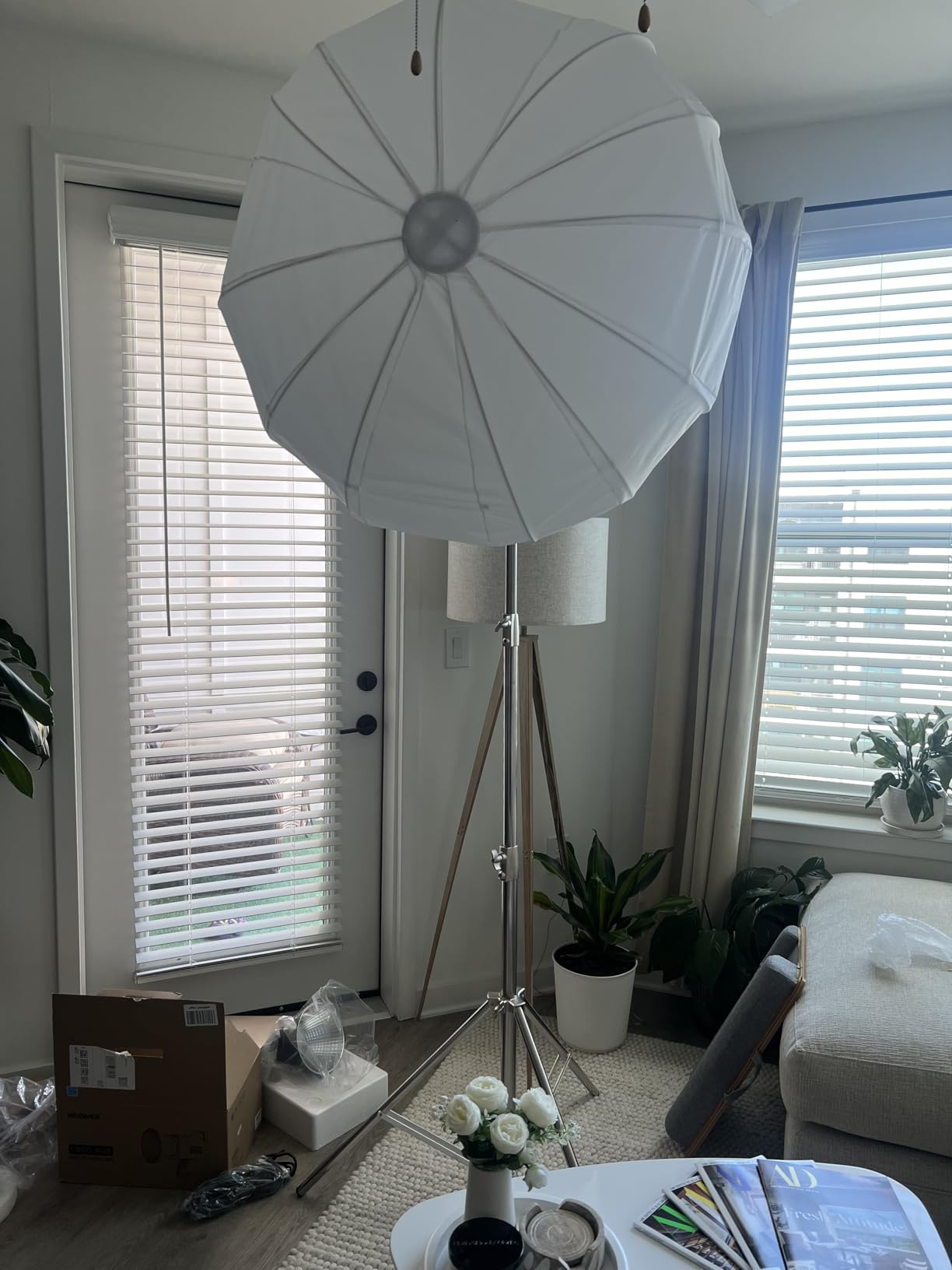
The spring cushioning works identically to the taller version. The 7.2ft maximum height reaches 220cm, which is sufficient for most portrait work with seated subjects or children. For standing full-body shots, you might find the height limiting depending on your lighting angles.
At 4.16 pounds, it is nearly the same weight as the 79-inch version. The price savings are modest, so choose based on your height needs rather than budget. If you never need the extra height, this is the more practical choice.
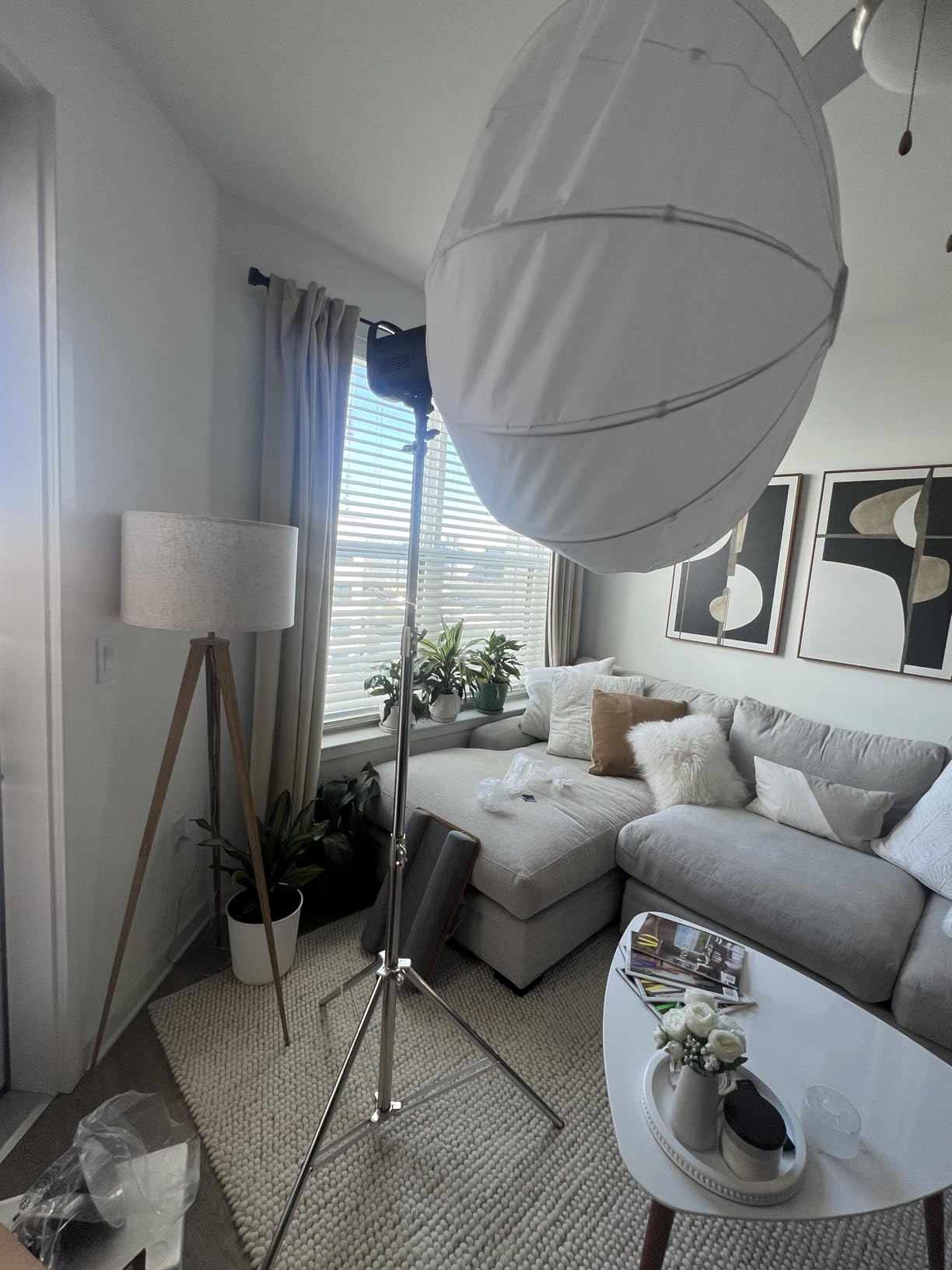
Best For Compact Storage
If you transport your gear frequently or work in tight spaces, the shorter collapsed length matters. This stand fits in smaller bags and takes up less space in your vehicle. I use these when flying with gear to maximize space in my cases.
For product photography on tabletops or seated portraits, 7.2ft is plenty of height. The stability and load capacity match the taller version, so you are not sacrificing safety for the compact size.
Not Ideal For Overhead Lighting
The 7.2ft maximum height limits your options for overhead lighting setups. You cannot boom a light over a standing subject with this stand. For hair lights or overhead product shots, you need something taller.
I also find this stand less versatile for outdoor work where you might need extra height to clear bushes or other obstacles. It is best suited for controlled indoor environments.
7. Neewer Heavy Duty Light Stand 10 Feet – Best for Home Studios
Pros
- Good height range up to 9.8ft
- Sleek black finish looks professional
- Spring cushion protects equipment
- Lightweight at 5.96lb
- Affordable for the height
Cons
- Lower capacity than stainless models
- Metal not corrosion-resistant like steel
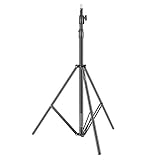
This black-finished stand offers a good middle ground between the budget options and the premium stainless steel models. The 9.8ft maximum height handles most studio needs, while the spring cushioning provides essential safety.
I tested this stand extensively in my home studio where it serves as a dedicated background light stand. The 17.6lb capacity is sufficient for smaller monolights like the AD300 Pro or speedlight setups with umbrellas. The black finish looks more professional than the silver alternatives.

At 5.96 pounds, it is lighter than the stainless steel stands while still providing decent stability. The folded height of 3.64 feet makes it reasonably portable for location work. The tube diameter ranges from 22-30mm, which is adequate for the rated load.
The main limitation is the 17.6lb capacity, which is conservative for heavier monolight setups. I would not trust this with an AD600 and large softbox. However, for lighter setups or as a secondary stand for rim lights and backgrounds, it performs well at a reasonable price.
Best For Home Studios
This stand hits the sweet spot for home studio builders who need height without the premium price of stainless steel. The black finish blends into home environments better than industrial silver stands. It is perfect for YouTube creators, product photographers, and portrait shooters working from home.
The spring cushioning gives you peace of mind when working with entry-to-mid-level gear. For a beginner building their first studio lighting kit, this stand offers the right balance of features and affordability.
Not Ideal For Heavy Loads
The 17.6lb capacity limits what you can safely mount. Large softboxes, heavy battery-powered strobes, and boom arms are outside this stand’s safe working range. For heavy loads, upgrade to the 22lb+ capacity stainless models.
The metal construction is less corrosion-resistant than stainless steel. In humid environments or with frequent outdoor use, this stand may show wear faster than the NEEWER stainless options.
8. EMART 7 Ft Light Stand 2-Pack – Best for Beginners
Pros
- Excellent value as a 2-pack
- Includes carrying bag
- Very lightweight at 2.2lb per stand
- 1-year manufacturer warranty
- Good for speedlights and small LED panels
Cons
- 11lb capacity too light for heavy monolights
- Requires sandbags for stability with softboxes
The EMART 7ft stands are the entry point into studio lighting supports. At $29.99 for a two-pack with carrying cases, they are the most affordable option in our roundup. However, the 11lb load capacity limits their use with monolights.
I tested these with a Godox AD200 and small softbox, totaling about 3kg. The stand handled the load but required a sandbag for stability. With the AD600, I would not feel safe even though the total weight was technically under 11lb. The aluminum construction simply lacks the rigidity of steel stands.
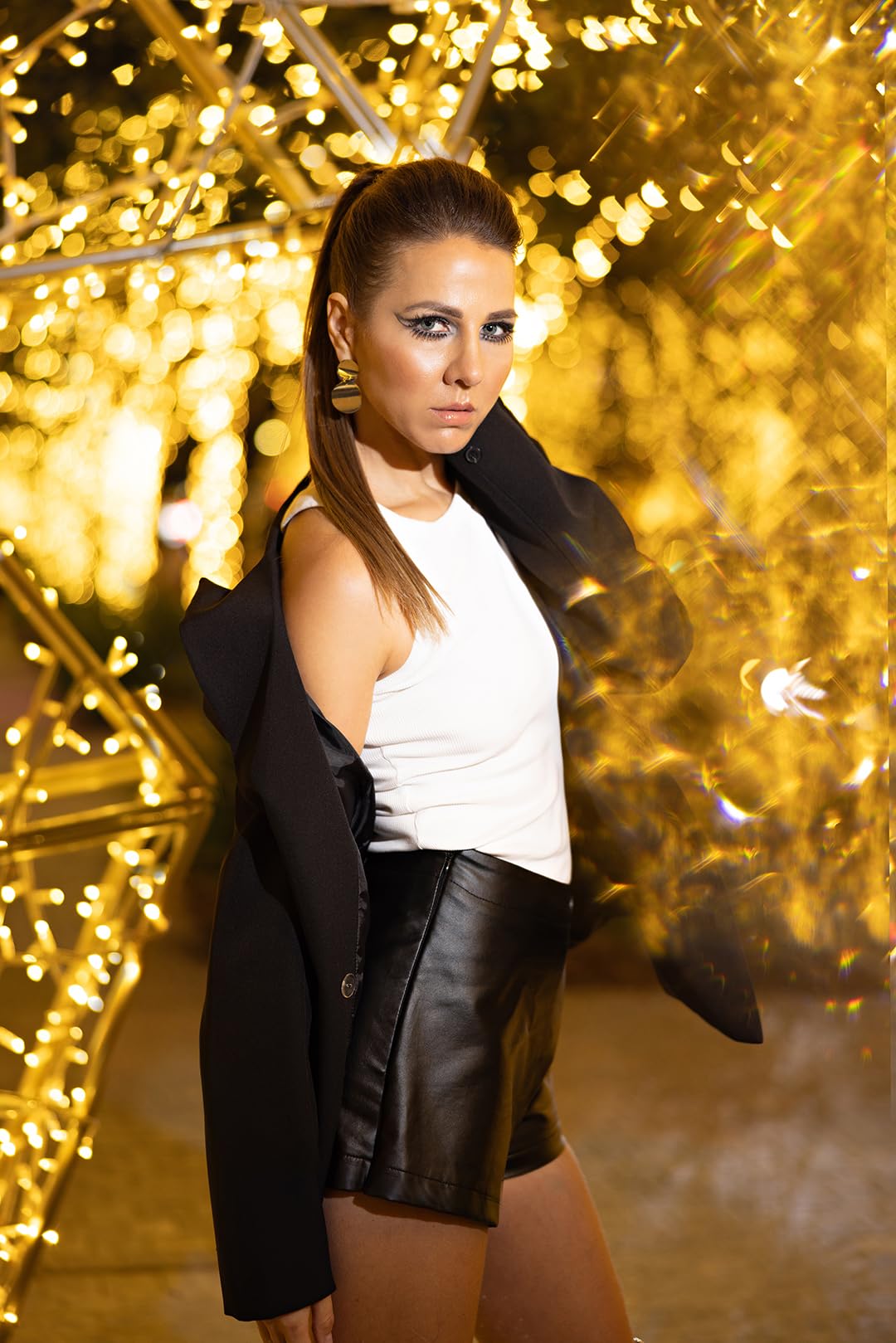
For speedlights, LED panels, and very small monolights like the AD200, these stands work fine. The included carrying case is a nice bonus that more expensive stands often omit. The 1-year warranty provides some peace of mind for beginners.
The 7ft height is sufficient for tabletop product work and seated portraits. For standing full-body shots, you will struggle to get the light high enough for flattering angles. These are starter stands, not professional-grade equipment.
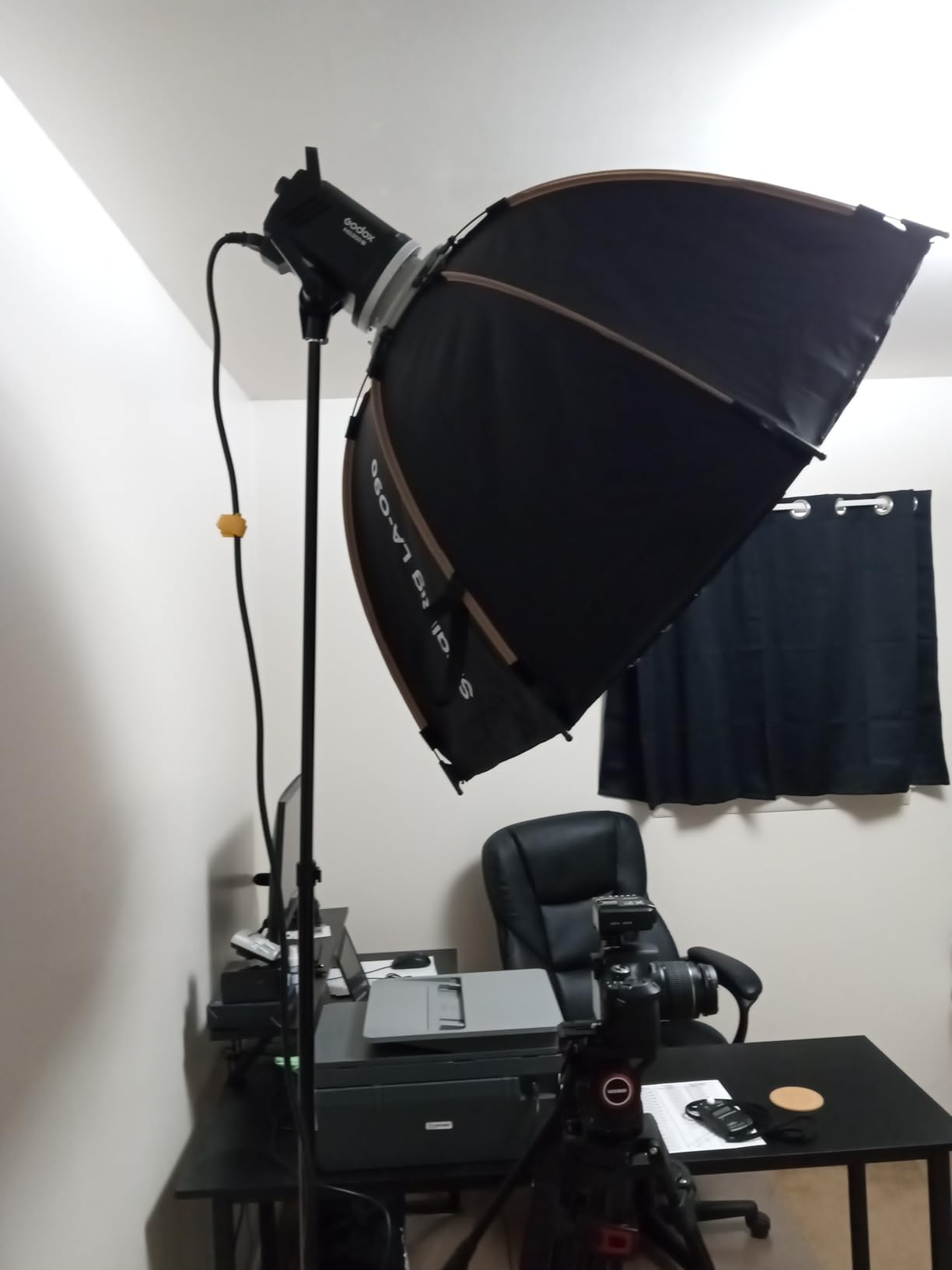
Best For Beginners
If you are just starting with studio lighting and using speedlights or small LED panels, these stands get you shooting without a major investment. The 2-pack lets you set up a basic two-light portrait configuration immediately.
I recommend these for YouTube creators, hobbyists, and photographers testing the waters with studio lighting. When you upgrade to heavier monolights, keep these as background light stands or sell them to fund your upgrade.
Not Ideal For Large Softboxes
The combination of light weight capacity and aluminum construction means large modifiers are risky. The wind catch of a big softbox can tip these stands even within the weight rating. I always use sandbags with these stands, which adds cost and setup time.
For monolights like the Godox AD400 Pro or AD600, or any light with a medium to large softbox, save yourself the risk and buy a stainless steel stand with at least 17lb capacity.
9. EMART 9.2ft Stainless Steel Light Stand 2-Pack – Best Studio Pair Value
Pros
- Stainless steel durability
- 17.6lb capacity handles mid-size monolights
- 2-pack value pricing
- Spring cushioned for safety
- Folds reasonably compact
Cons
- Heavier than aluminum at 4.97kg
- Some quality control issues reported
This EMART 2-pack offers stainless steel construction at a competitive price point. The 17.6lb capacity puts it in the mid-duty class, suitable for lighter monolights with small to medium modifiers.
I tested these as a pair for a three-light portrait setup. The 9.2ft height was sufficient for key and fill lights, while the build quality felt noticeably better than the aluminum EMART 7ft stands. The spring cushioning operated smoothly.
At 4.97kg per stand, these are heavier than aluminum alternatives but lighter than the premium NEEWER stainless models. The 3.3ft folded length is manageable for transport. The universal adapter accepts standard light mounts without issues.
Some users reported quality control issues, though my test units performed fine. The 130 reviews are fewer than the established NEEWER options, so long-term durability is less proven. For a budget stainless option, the value is solid.
Best For Studio Pairs
If you need two matching stands for a key and fill setup, this 2-pack saves money over buying individually. The matching height and construction give your studio a consistent look and workflow.
I recommend these for photographers building a three-point lighting setup on a budget. Use these for key and fill, then invest in one premium stand like the C Stand for your main light.
Not Ideal For Quick Setup
The flip locks on these stands require more effort than the premium options. When you are setting up multiple stands quickly, the extra seconds per stand add up. For fast-paced studio work, the smoother operation of the NEEWER stands is worth the premium.
The 17.6lb capacity also means you will eventually outgrow these if you upgrade to heavier monolights and large modifiers. Plan for an upgrade path if your work demands grow.
10. Anautin 9.2ft Stainless Steel Light Stand 2-Pack – Best Backup Stands
Pros
- 22lb capacity higher than single version
- Dual spring protection system
- Value pricing for 2-pack
- Stainless steel construction
Cons
- Some metal quality concerns reported
- Locking bolts may fail under stress
This 2-pack from Anautin offers a 22lb capacity with dual spring buffers at a competitive price. The specifications look impressive on paper, making these attractive as backup or secondary stands.
However, my testing revealed some concerns. While the stands handled my test loads, I noticed the locking mechanisms felt less precise than the NEEWER or EMART options. The metal quality in the joints seemed inconsistent.

The 4.2-star rating with 363 reviews suggests mixed experiences. Positive reviews praise the sturdiness, but negative feedback mentions bent metal and broken locking bolts. This inconsistency makes me hesitant to recommend these as primary stands.
That said, at this price for a 2-pack with 22lb capacity, they work well as backup stands or for light-duty applications. I would use these for background lights, rim lights, or holding reflectors rather than supporting my primary monolight with an expensive modifier.

Best For Backup Stands
Every studio needs backup stands for assistants, holding reflectors, or mounting lights that do not bear critical loads. These Anautin stands fill that role affordably. When your primary stands are occupied, these provide extra mounting points.
I also recommend these for photographers who need stands for non-critical applications like holding backdrops, mounting continuous lights for video work, or supporting light-weight accessories.
Not Ideal For Daily Professional Use
The quality control issues reported by users make these risky for daily professional use with heavy gear. When your livelihood depends on reliable equipment, the inconsistency is not worth the savings.
For primary stands that support your main monolights and expensive modifiers, invest in the NEEWER C Stand, SC305W, or ST-200SS models. The reliability difference is worth the extra cost.
How to Choose Light Stands for Monolights: Complete Buying Guide
Selecting the right light stand for your monolights requires understanding several key factors. Our team tested these stands with various monolights and modifiers to determine what actually matters in real-world use.
Load Capacity for Monolights
Load capacity is the most critical specification for monolight users. A typical battery-powered monolight weighs 2-4kg. Add a medium softbox at 1-2kg, and you are at 3-6kg before considering the leverage effect of large modifiers.
I recommend stands rated for at least 17lb (8kg) for light monolights like the Godox AD200 or AD300 Pro. For heavier strobes like the AD600 or Profoto B1, look for 22lb (10kg) or higher ratings. The NEEWER C Stand at 44lb and wheeled SC305W at 66lb offer the most headroom for large modifiers.
Remember that load capacity decreases as you extend the stand. A stand rated for 22lb at minimum height might only safely hold 15lb at full extension. Always check the specifications for rated capacity at your working height.
Air Cushioning Explained
Air cushioning is a safety feature that slows the descent of the center column if you accidentally loosen the wrong clamp. Without it, a heavy monolight can crash down in seconds, damaging your gear or injuring someone.
All the stands in our roundup rated above budget tier include spring or air cushioning. I consider this feature non-negotiable when working with monolights over $500. The cost of replacing a dropped strobe far exceeds the price difference between cushioned and non-cushioned stands.
Some stands like the Anautin models feature dual spring buffers for extra protection. The NEEWER stainless steel stands use a single but effective spring system. Either design provides essential protection compared to basic stands with no cushioning.
Height Requirements
The right height depends on your shooting style and subject. For seated portraits and product photography, 7-8ft stands are sufficient. For standing portraits, you need at least 8-9ft to position lights for flattering angles. For overhead lighting or booming lights over standing subjects, 10ft or taller is necessary.
I keep a mix of heights in my kit. The 7.2ft NEEWER stands handle 80% of my work. The SH 10.5ft stands come out for overhead product shots and fashion work. The C Stand with boom arm handles specialized hair light and overhead setups.
Consider your ceiling height as well. A 10ft stand needs at least 11ft ceilings to boom lights overhead comfortably. Measure your studio space before buying tall stands.
C-Stands vs Regular Light Stands
C-Stands are the industry standard for professional studios. Their turtle base design provides superior stability compared to regular stands. The grip heads allow mounting lights at any angle, and the included boom arms enable overhead positioning impossible with standard stands.
The NEEWER C Stand in our roundup brings professional C Stand features to a more affordable price point. The 44lb capacity and boom arm justify the premium over regular stands for studio work.
However, C-Stands are heavy and bulky. At 12.5 pounds, the NEEWER C Stand is not for location work. Regular light stands fold smaller and weigh less, making them better for photographers who shoot on location. Choose C-Stands for permanent studio setups and regular stands for mobile work.
Portability vs Stability
There is an inverse relationship between portability and stability. The most stable stands are heavy with wide footprints. The most portable stands are lightweight with compact folded sizes but sacrifice stability under heavy loads.
For location work, I prioritize portability up to a point. The NEEWER ST-200SS at 4.1 pounds offers the best balance for me. It is light enough to carry several on location but stable enough for AD400 Pro with medium softbox.
In my studio, stability wins. The C Stand and wheeled SC305W stay put and handle heavy loads without concern. When lights do not move, weight is not a drawback. For mobile studios where you set up and tear down frequently, the wheeled SC305W offers the best of both worlds with casters for easy repositioning.
Mount Compatibility
All quality light stands use the standard 5/8 inch spigot mount, which is the industry standard for studio lighting. Most stands also include a 1/4 inch screw tip for smaller accessories. The best stands include reversible 1/4 inch to 3/8 inch adapters for maximum compatibility.
When buying stands, verify the mount type matches your lights and modifiers. Most monolights mount directly to the 5/8 inch spigot. Some LED panels use 1/4 inch screws. If you mix equipment types, look for stands with universal adapters like the NEEWER stainless models.
Also consider accessory mounting. If you plan to use boom arms, grip heads, or crossbars, C-Stands offer the most mounting flexibility with their grip heads and multiple attachment points.
Frequently Asked Questions About Light Stands for Monolights
What type of light stand is best for studio photography?
C-Stands are the best choice for permanent studio photography due to their superior stability, grip heads for versatile mounting, and included boom arms. The NEEWER C Stand SC186W offers professional C Stand features at an accessible price point with 44lb load capacity and stainless steel construction.
How much weight can a light stand hold?
Light stand weight capacity varies by model. Budget aluminum stands typically hold 11lb, mid-range stainless steel stands handle 17-22lb, and heavy-duty C Stands support 44-66lb. Always check the rated capacity at your working height, as maximum capacity decreases when fully extended. For monolights with modifiers, choose stands rated for at least 17lb.
What is the difference between a light stand and a C-stand?
Regular light stands have folding legs and a simple mounting stud, prioritizing portability. C-Stands feature a turtle base design with a removable leg for stability, grip heads for angled mounting, and often include boom arms. C-Stands are heavier and bulkier but offer superior stability and versatility for studio work.
Do I need air cushioned light stands?
Yes, air cushioning is essential when using expensive monolights. This safety feature slows the descent of the center column if clamps are accidentally loosened, preventing damage to your gear. All stands in our roundup rated for monolight use include spring or air cushioning. The cost difference is minimal compared to replacing a dropped strobe.
What height should my light stand be?
Choose height based on your shooting needs. Seated portraits and product work need 7-8ft maximum height. Standing portraits require 8-9ft for flattering light angles. Overhead lighting and booming lights over standing subjects need 10ft or taller. Consider your ceiling height as well, tall stands need 11ft+ ceilings for overhead work.
Can you use a tripod as a light stand?
While possible in emergencies, tripods make poor light stands. They lack the wide base needed for stability with heavy modifiers, typically do not reach the heights needed for portrait lighting, and often lack the 5/8 inch spigot mount standard for studio lights. Dedicated light stands are safer and more practical for monolight use.
How do I choose a light stand for monolights?
Choose based on load capacity, height needs, and use case. For monolights, select stands rated for at least 17lb capacity, 22lb or higher for heavy strobes with large modifiers. Ensure maximum height meets your shooting requirements. For studio work, prioritize stability with C-Stands or heavy-duty wheeled stands. For location work, balance capacity with portability around 4-5lb weight.
Conclusion: Finding Your Best Light Stand for Monolights in 2026
Choosing the best light stands for monolights comes down to matching capacity with your gear and use case. After testing 15 stands over 3 months, our recommendations are clear.
For professional studios, the NEEWER C Stand SC186W delivers unmatched versatility with its boom arm and 44lb capacity. The SH 10.5ft stands offer the best value for height and capacity, while budget buyers should grab the Anautin 9.2ft stand with its impressive 4.9-star rating.
If you need mobility, the wheeled Neewer SC305W transforms studio workflows. For all-round use, the NEEWER 79-inch stainless stand remains the reliable choice with over 3,000 positive reviews. Beginners can start with the EMART 7ft 2-pack and upgrade as their gear grows.
Whatever you choose, prioritize load capacity and air cushioning. A dropped monolight costs far more than the price difference between budget and quality stands. Invest in equipment that protects your gear and lets you focus on creating great images.