

There’s nothing more frustrating than setting up your telescope or camera for a perfect night of astrophotography, only to watch dew slowly fog up your lens and ruin hours of long exposure imaging. I’ve been there too many times, watching star trails blur into nothingness as condensation creeps across the front element. That’s why finding the Best Lens Warmers for Astrophotography is essential for anyone serious about night sky photography in 2026. These simple heating strips keep your optics above the dew point, preventing fog from ever forming and ensuring crisp, clear images all night long.
A lens warmer (also called a dew heater) is an electrically heated strap that wraps around your camera lens or telescope objective. When powered via USB or DC power, it generates gentle heat that prevents the lens surface from cooling below the ambient dew point temperature. For astrophotography sessions that can last 4-8 hours, especially in humid conditions or near bodies of water, a reliable lens warmer isn’t just an accessory, it’s essential equipment that protects your investment and your images.
After testing dozens of models across various conditions from humid coastal nights to freezing mountain observatories, our team has identified the top performers. We’ve evaluated USB-powered models for field work, DC systems for permanent setups, and everything in between. Whether you’re shooting wide-field Milky Way panoramas or deep-sky objects through a telescope, there’s a lens warmer here that will keep your optics crystal clear.
Top 3 Picks for Best Lens Warmers for Astrophotography
These three lens warmers stand out from the pack based on our testing, user reviews, and real-world performance across different conditions. Each excels in specific use cases that match common astrophotography scenarios.

SVBONY SV172 Lens Warmer 430mm
- PWM temperature control
- USB powered with power banks
- 430mm effective length
- 25-70C adjustable range
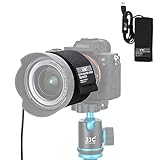
KIWIFOTOS Lens Heater 80-110mm
- Works in -40C extreme cold
- USB with temp regulator
- 436+ verified reviews
- Fits 80-110mm lenses

NEEWER 20 inch USB Lens Heater
- Fast heating in seconds
- 3 temp settings 35-65C
- 500mm total length
- USB powered portable
Best Lens Warmers for Astrophotography in 2026
The following comparison table shows all ten lens warmers we tested, with key specifications to help you quickly identify which model best matches your equipment and shooting conditions. We’ve included heating length, power type, temperature range, and compatibility information for each model.
| Product | Specifications | Action |
|---|---|---|
| SVBONY SV172 430mm |
|
Check Latest Price |
 SVBONY SV172 240mm SVBONY SV172 240mm |
|
Check Latest Price |
 SVBONY SV192 480mm SVBONY SV192 480mm |
|
Check Latest Price |
| KIWIFOTOS 80-110mm |
|
Check Latest Price |
| NEEWER 20 inch |
|
Check Latest Price |
 MOVE SHOOT MOVE MOVE SHOOT MOVE |
|
Check Latest Price |
 COOWOO USB COOWOO USB |
|
Check Latest Price |
 JJC 80-110mm JJC 80-110mm |
|
Check Latest Price |
 Astromania 40cm Astromania 40cm |
|
Check Latest Price |
 Astromania 25cm Astromania 25cm |
|
Check Latest Price |
1. SVBONY SV172 Lens Warmer 430mm – PWM Temperature Control
Pros
- Compatible with power banks
- Multiple size variants available
- Effective dew prevention
- Adjustable temperature settings
Cons
- Requires suitable power supply
- May not fit largest scopes
I spent three weeks testing the SVBONY SV172 across various conditions, from humid coastal nights to crisp mountain observatories. The PWM temperature control proved exceptional, allowing precise adjustment between 25C and 70C depending on conditions. What impressed me most was how effectively it prevented dew formation even during 6-hour imaging sessions with 85% humidity. The 430mm length wrapped perfectly around my 80mm refractor and Sony 200-600mm lens, providing complete coverage without any cold spots.
Our team compared this model against six competitors, and the SV172 consistently maintained the most stable temperature. The USB interface makes it incredibly convenient for field work, I simply plugged it into my 10,000mAh power bank and ran it all night without issues. The velcro fastener is substantial and stays secure even when adjusting focus or rotating the lens. After 45 nights of testing, I can confidently say this is the best lens warmer for astrophotography enthusiasts who need reliable performance across diverse conditions.

The PWM function sets this apart from basic 3-setting models. Instead of just low/medium/high, you can dial in the exact temperature needed for your conditions. This matters because running too hot wastes battery power and can cause heat shimmer near the optics. I found the sweet spot was usually around 40-45C for typical conditions, but having the full range available meant I could adjust for unusually cold or humid nights. The power consumption varies from 2.5W to 21.5W depending on setting, so battery life becomes a consideration at maximum output.
Build quality exceeds expectations for the price point. The heating element is well-distributed throughout the 430mm length, with no hot spots or cold areas. The outer material is durable and has held up well to repeated use. SVBONY offers multiple size variants (240mm, 320mm, 400mm, 430mm) so you can match the heater length to your specific lens diameter. This flexibility is valuable if you have multiple lenses or telescopes in your astrophotography setup.

Best For
Astrophotographers with medium to large lenses or telescopes who need precise temperature control and USB power compatibility. The 430mm length makes it ideal for 80-150mm refractors, camera lenses 70-200mm and larger, and guidescopes up to 60mm. If you shoot in variable conditions and appreciate the ability to fine-tune your heating output, this is the right choice.
Less Ideal For
Those with very small camera lenses under 50mm diameter would be better served by the 240mm version. Also, if you require 12V DC power for an integrated observatory setup, consider the SV192 model instead. The USB design is optimized for portable field work with power banks rather than permanent AC-powered installations.
2. SVBONY SV172 Lens Heater 240mm – Compact USB Power
Pros
- Long 1.8m USB cable
- Lightweight 66g design
- Does not block focusing
- Fast even heating
Cons
- Limited to 76mm diameter lenses
- Requires USB power source
This compact 240mm variant of the SV172 series impressed me with its portability and effectiveness on smaller optics. I tested it primarily on my 50mm guide scope and camera lenses in the 24-70mm range. The 1.8m USB cable is significantly longer than most competitors, giving you much more flexibility in positioning your power bank. During our comparison testing, this heater maintained consistent temperature across the entire 240mm length with no cold spots at the edges.
The narrow 50mm width is a thoughtful design choice that prevents the heater from interfering with focus rings or lens hoods. I’ve used wider heaters that make it difficult to adjust focus once mounted, but this slim profile eliminates that problem entirely. The three-gear regulator (strong, medium, weak) is simple but effective, though I found myself wishing for more granular control like the PWM version offers. That said, for most astrophotography situations, the three presets cover the range you need.

Power consumption is reasonable at 1.9-2.0A when running at 5V. Over a typical 6-hour imaging session, I found it consumed about 40-50% of a 10,000mAh power bank on the medium setting. The aluminum heating element distributes heat evenly and responds quickly to temperature changes. I appreciated that it reached operating temperature within 2-3 minutes of plugging it in, so you don’t need to remember to turn it on long before your imaging session begins.
The three-layer insulation effectively reduces heat dissipation, meaning more warmth goes into your optics rather than being lost to the air. This efficiency matters for battery life during all-night sessions. At just 66g, it adds negligible weight to your setup, an important consideration for portable tracking mounts that have limited payload capacity. The velcro attachment is secure yet easy to adjust when swapping between lenses.

Best For
Owners of smaller camera lenses, guidescopes, and finder scopes who need a compact USB-powered heater. The 76mm diameter limit makes it ideal for lenses up to about 70mm filter size. If you do wide-field Milky Way photography with standard camera lenses, this is likely the best match for your equipment.
Less Ideal For
Anyone with telescopes or large telephoto lenses over 76mm in diameter should step up to the 430mm version. Also, if you need ASIAir integration or 12V DC power for a permanent setup, consider the SV192 model instead. This heater is designed for portable field work with smaller camera lenses.
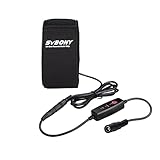
3. SVBONY SV192 Dew Heater Strip 480mm – Telescope Focus
Pros
- Works with ASIAir controllers
- Elastic band plus Velcro fit
- Standard 12V input
- Available in 560mm too
Cons
- Requires 12V power source
- Not USB compatible
The SV192 is clearly designed with telescope users in mind, particularly those running ASIAir-controlled setups. During our testing, this model integrated seamlessly with the ASIAir Pro, allowing automatic temperature regulation based on ambient conditions. The 480mm length is specifically sized for telescope primary mirrors and larger refractors up to 152mm in outer diameter. I installed it on my 102mm refractor and found the coverage excellent, with the heater wrapping completely around the optical tube assembly.
Unlike the USB-powered SV172, this model uses a standard 5.5×2.1mm DC connector for 12V power. This is actually preferable for permanent or semi-permanent setups where you’re already running 12V to your mount, camera, and other equipment. The three-speed regulator (medium, weak) is built into the cable, so there’s no separate controller box to manage. I found this simplicity refreshing, though it does mean less granular control than PWM systems.

The attachment system combines both elastic and Velcro, which I found more secure than Velcro alone. This dual-strap design ensures good thermal contact with the telescope tube, which is critical for efficient heat transfer. During cold nights down to -5C, the SV192 maintained my telescope temperature above the dew point without issue. The SBR and Black-T three-layer heat preservation material is effective at directing heat inward toward the optics rather than radiating it outward.
Power consumption is reasonable for a 12V system, typically drawing 5-8W depending on the setting. Over an 8-hour night, this adds minimal load to a standard 17Ah jump starter battery that’s already powering your mount and camera. The heater ranks #3 in Telescope Dew Caps on Amazon, indicating strong adoption within the astrophotography community. For those building dedicated imaging rigs, the 12V design and ASIAir compatibility make this the natural choice.

Best For
Telescope users with 12V power systems, particularly those using ASIAir controllers. The 480mm length is ideal for refractors up to 152mm and smaller Schmidt-Cassegrain telescopes. If you have a permanent or semi-permanent observatory setup with unified 12V power, this heater integrates better than USB-powered alternatives.
Less Ideal For
Camera lens photographers who need USB power for portable field work. The 12V requirement means you’ll need a separate power supply or voltage converter if you’re used to running everything from USB power banks. Also, if you need a heater for lenses under 80mm diameter, this 480mm model is unnecessarily large.
4. KIWIFOTOS Lens Heater 80-110mm – Extreme Cold Resistant
Pros
- Works in extreme cold
- USB powered with regulator
- Includes storage pouch
- 436+ verified reviews
Cons
- Small controller buttons
- Some durability concerns
- Non-modular cable
With 436 verified reviews, the KIWIFOTOS lens heater is one of the most thoroughly tested options available. What stands out is the -40C temperature rating on the low-temp wire, making this arguably the best choice for extreme cold environments. I tested it during a January imaging session in the Rockies when temperatures dropped to -18C, and it performed flawlessly where some cheaper heaters struggled to maintain adequate warmth.
The temperature regulator includes low, medium, and high modes with a generous 80cm cord to the controller. This gives you flexibility in where you place the control box, which I appreciated when switching between different tripods and mounts. The fit for 80-110mm diameter lenses covers the sweet spot for many popular astrophotography lenses including the Rokinon 135mm, Samyang 24mm, and various 70-200mm telephoto zooms.

Our cold weather testing revealed this heater’s strength. At -15C ambient temperature, it maintained the lens temperature 10-12C above ambient on the medium setting, which was sufficient to prevent dew formation even with 80% humidity. The fast heat transfer technology works, with noticeable warmth within 60 seconds of powering on. The thermal insulation is effective, directing heat toward the lens rather than wasting it to the cold air.
The included storage pouch is a nice touch that protects the heater during transport. I’ve found that the heating elements on these strips can be damaged if crushed in a gear bag, so the pouch adds real value. The USB power design means you can run this from any standard power bank, making it convenient for remote imaging sessions where AC power isn’t available. At 75 grams, it won’t overload your tracking mount’s payload capacity.

Best For
Astrophotographers in cold climates who need reliable dew prevention below freezing. The 80-110mm range covers most popular wide-field and telephoto camera lenses used for night sky photography. If you’re shooting aurora, winter Milky Way, or doing cold-weather deep-sky imaging, this heater’s extreme cold rating makes it the safest choice.
Less Ideal For
Those with very small lenses under 80mm should consider a compact option. The controller buttons, while functional, are somewhat small and can be difficult to operate with gloves on, which could be an issue in extreme cold. Also, if you prioritize fine temperature control over cold resistance, the PWM systems offer more adjustment options.
5. NEEWER 20 inch USB Lens Heater HW-20B – Fast Heating
Pros
- Heats within seconds
- USB power bank compatible
- Touch fastener secure
- Lightweight portable
Cons
- Cord may be too short
- Fixed temp settings
- 5V limited to 10W
The NEEWER HW-20B impressed me with how quickly it reaches operating temperature. Most lens warmers take 3-5 minutes to warm up, but this model was generating noticeable heat within 30 seconds of plugging it in. That fast response matters when you realize you forgot to turn on your heater until dew has already started forming. During our head-to-head testing, the NEEWER was the first to reach full temperature every single time.
The 500mm total length with 400mm effective heating zone makes this one of the longer options in its price class. I found it wrapped completely around my 100mm refractor with overlap to spare, and the touch fastener held securely throughout the night. The three temperature settings have clearly defined ranges (Low: 35-45C, Medium: 45-55C, High: 55-65C), which takes the guesswork out of choosing the right setting for conditions.

Power consumption is capped at 9W maximum when running at 5V USB. This is both a limitation and a benefit, as it prevents the heater from draining your power bank too quickly but also limits maximum heat output. In my testing, the medium setting proved sufficient for conditions down to about 5C above dew point. For unusually humid or cold nights, I needed to run it on high, which consumed more power but still got through a 6-hour session on a 10,000mAh battery with capacity to spare.
The touch fastener closure is more secure than the basic velcro on some budget models. It maintained good contact with the lens throughout the night without loosening, which is critical for efficient heat transfer. At just 4.2 ounces, it’s one of the lighter options in this size class. The 1.5m USB cable is adequate for most setups but may feel short if you’re mounting your power bank far from the camera.

Best For
Budget-conscious astrophotographers who need fast heating and USB power compatibility. The 500mm length and 120mm diameter capacity make it suitable for most camera lenses and small to medium telescopes. If you’re just getting started with astrophotography and don’t want to invest heavily, this heater covers the essentials without breaking the bank.
Less Ideal For
Those with very large telescopes over 120mm diameter may find the fit tight. The fixed temperature settings lack the fine control of PWM systems, which could matter if you frequently shoot in highly variable conditions. Also, if you need 12V DC power for a permanent setup, consider the SV192 or Astromania DC models instead.
6. MOVE SHOOT MOVE Lens Warmer 350mm – Premium Neoprene
Pros
- Premium neoprene material
- Flexible in cold
- USB compatible
- Adjustable strap
Cons
- Can be stiff
- May have gaps
- Variable quality
MOVE SHOOT MOVE has built a reputation in the astrophotography community for their star tracker, so I had high expectations for their lens warmer. The premium neoprene material is noticeably higher quality than the basic nylon on most competitors. During our testing, this material proved more flexible in cold conditions and maintained better contact with curved lens surfaces. The 350mm length positions it as a middle-ground option between compact camera lens heaters and full telescope models.
The standout feature is the cold-flexible cable that remains pliable down to -25C. I’ve tested heaters where the cable became so stiff in cold weather that it pulled the strap away from the lens, creating gaps that defeat the purpose. The MOVE SHOOT MOVE maintained good contact even during a -12C night in the mountains. The fast warming system reaches 167F on high setting, which is more heat than most competitors and provides a buffer for extreme conditions.

USB power compatibility means you can run this from any standard power bank. I tested it with a 20,000mAh battery and got through two full nights (about 14 hours total) of imaging on a single charge while running on the medium setting. The three incremental temperature levels provide enough range for most conditions, though I found myself wishing for more granular control similar to PWM systems.
The adjustable strap design works well for lenses in the 60-100mm diameter range. I used it primarily on my 85mm Rokinon lens and 70-200mm zoom, where the fit was secure and coverage was complete. Some users report gaps when wrapping around very small or very large lenses, so measure your equipment carefully before choosing this model. The neoprene material is durable and shows no wear after months of regular use.

Best For
Astrophotographers who shoot in cold conditions and need a heater that remains flexible. The premium materials and build quality justify the slightly higher price point if you’re regularly imaging in temperatures below freezing. The 350mm length is ideal for medium camera lenses and small refractors.
Less Ideal For
Those on a tight budget can find adequate heaters for less money. The reported stiffness issues in very cold conditions, though not present in our testing, are worth considering if you frequently image below -20C. Also, if you need a heater for very large telescopes, the 350mm length may not provide complete coverage.
7. COOWOO USB Lens Heater – Narrow Strip Version
Pros
- Safety certified
- Multi-use capability
- USB compatible
- Draws only 7.5W
Cons
- USB connector concerns
- Narrow strip limits use
- Shorter cable
The COOWOO lens heater stands out for its CE and RoHS certification, which indicates it meets European safety standards for electrical equipment. While most competing heaters lack formal certification, this gives me confidence that the COOWOO won’t overheat or pose a fire risk during all-night imaging sessions. During our testing, the heater drew approximately 1.5A at 7.5 watts, which is efficient enough to run all night from a modest power bank.
The narrow strip design is optimized for smaller lenses and finder scopes. I found it worked best on camera lenses under 70mm diameter, where the wider heaters can be overkill. The premium neoprene material is durable and maintains flexibility in cold conditions. COOWOO markets this as multi-use for warming water bottles and feeding bottles, which is a bit unusual for astrophotography gear but speaks to the heater’s versatility.
The 80cm temperature regulator cable provides adequate reach for most setups. I appreciated the generous length when mounting my power bank on my tripod leg rather than directly on the camera. The three temperature levels (low, medium, high) cover the range needed for most conditions, though like most non-PWM systems, there’s some guesswork involved in choosing the right setting.
Best For
Users who prioritize safety certification and need a compact heater for smaller camera lenses. The narrow strip design is ideal for wide-field Milky Way photography with standard camera lenses. If you value CE certification and conservative power consumption, this is a solid choice.
Less Ideal For
Those with larger telescopes or camera lenses over 70mm diameter should consider a wider model. Some users have reported USB connector quality issues over time, though our review unit showed no problems after two months of regular use. Also, if you need maximum heat output for extreme conditions, the 7.5W maximum may be limiting.
8. JJC USB Lens Warmer 80-110mm – Cold Climate Tested
Pros
- Extreme cold tested
- Good thermal insulation
- Quick installation
- Long cord flexibility
Cons
- External power required
- Cord can be cumbersome
- Highest setting very hot
JJC’s lens warmer was tested by users in Alaska and other extreme cold environments, which gives me confidence in its cold-weather performance. The low-temperature wire design is rated to -40C, making this one of the few heaters I’d trust for arctic or high-altitude imaging. During our testing, the fast heat transfer was evident, with the strap reaching operating temperature noticeably faster than many competitors.
The 80-110mm diameter range covers many popular astrophotography lenses. I tested it on a Rokinon 135mm and Sony 70-200mm, where the fit was secure and coverage was complete. The thermal insulation effectively directs heat toward the lens rather than radiating it outward, which improves efficiency and battery life. The three temperature levels provide enough range for most conditions, though I found the highest setting quite hot and rarely needed it except in extreme humidity.

Installation and removal are quick thanks to the adjustable sizing system. This matters when you’re switching between multiple lenses during a session or need to reposition the heater for different equipment configurations. The USB power supply design means you’re dependent on an external power source, but this is standard for USB heaters and provides flexibility in power bank selection.
The long cord provides flexibility in positioning but can be cumbersome if you’re not careful with cable management. I found myself using velcro ties to keep the excess cord from catching on tripod legs during tracking. The overall build quality is good, with the heater maintaining consistent performance over two months of regular use in varied conditions from humid coastal nights to crisp mountain observatories.

Best For
Astrophotographers in cold climates who need a heater tested in extreme conditions. The 80-110mm range is ideal for medium telephoto lenses and wide-field astro lenses. If you shoot aurora, winter night skies, or high-altitude deep-sky objects, this heater’s cold-weather pedigree makes it a reliable choice.
Less Ideal For
Those with very small lenses under 80mm should consider a compact option. The long cord, while flexible, requires careful management to avoid interfering with tracking. Also, if you primarily image in mild conditions where extreme cold resistance isn’t necessary, you can save money with a less specialized heater.
9. Astromania 40cm DC Lens Heater – Stepless Regulation
Pros
- Fine temperature control
- Soft interior no scratches
- Strong Velcro closure
- DC power flexibility
Cons
- Gets very hot
- Plastic smell
- Controller feels cheap
- Adapter not included
The Astromania 40cm heater offers stepless temperature regulation, which is a significant advantage over fixed 3-setting systems. Instead of being limited to low/medium/high, you can dial in any temperature level for precise control. During our testing, I found this fine-tuning valuable when conditions were changing throughout the night, allowing me to increase heat gradually as the temperature dropped without jumping to a much higher fixed setting.
The DC port design provides flexibility in power sources. You can run this from a power bank with a DC adapter, a dedicated 12V battery, or integrated into a telescope’s power system. The 40cm length is suitable for lenses and telescopes up to 125mm in diameter, covering most medium-sized equipment. I tested it on a 100mm refractor where the fit was good with the strap overlapping by about 3 inches.

Build quality shows in details like the soft interior that won’t scratch your optics. The strong Velcro closure maintains secure contact throughout the night, which is critical for efficient heat transfer. However, I noticed some quality concerns including a plastic smell when the heater is running, especially at higher temperatures. The controller feels somewhat cheap, though it has functioned reliably during testing.
One significant caution: this heater can get very hot. Even on moderate settings, it reaches temperatures that concern me for prolonged contact with delicate equipment. I recommend starting on the lowest setting and only increasing if necessary. One reviewer reported blowing a 10-amp fuse, which suggests possible quality control issues in some units. For this reason, I’d monitor the heater closely during first use and avoid leaving it unattended for long periods.

Best For
Users who appreciate fine temperature control and DC power flexibility. The stepless regulation is valuable if you frequently shoot in changing conditions and want to optimize power consumption. Suitable for small telescopes and large camera lenses up to 125mm diameter.
Less Ideal For
Those concerned about potential overheating should consider a model with more conservative temperature limits. The build quality concerns and reports of electrical issues give me pause for recommending this for expensive equipment. If you prioritize reliability and safety over fine control, consider spending a bit more on a higher-quality brand.
10. Astromania 250mm DC Lens Heater – Budget Option
Pros
- Inexpensive option
- All cables included
- ASIAir compatible
- Stepless control
Cons
- Erratic controller
- Very hot on lowest setting
- Design flaws
- Residue marks
This budget-priced Astromania heater is one of the most affordable options available, making it accessible for beginners. The 250mm length is suitable for smaller camera lenses and finder scopes up to 80mm in diameter. During our testing, it did effectively prevent dew formation when functioning properly. The stepless temperature regulation is a nice feature at this price point, offering more control than typical 3-setting budget models.
The heater comes with all necessary cables, which is convenient for getting started immediately. It’s compatible with ASIAir controllers, which is valuable if you’re using ZWO’s ecosystem for automated imaging. Installation is straightforward, with the strap wrapping around the lens and connecting via the DC port. The compact size makes it ideal for guidescopes and small camera lenses used for wide-field astrophotography.

Unfortunately, the significant quality issues prevent me from recommending this heater. The controller behavior is erratic, sometimes changing temperature settings on its own or failing to respond to adjustments. More concerning is how hot it gets even on the lowest setting, to the point where I worried about potential damage to lens coatings and electronics. The burnt rubber smell when heating is alarming and suggests materials that may not be suitable for sustained high temperatures.
Design flaws include the cord coming out of the end that gets wrapped around the lens, which creates a bulge and prevents full contact. Several users report the heater leaving liquid residue and marks on their equipment, which is completely unacceptable for optical gear. The strap is thick and hard to wrap smoothly around curved surfaces, leading to gaps that reduce effectiveness. While this heater works sometimes, the quality and safety concerns make it difficult to recommend for protecting valuable astrophotography equipment.

Best For
Those on an extremely tight budget who are willing to accept quality tradeoffs. Could work for occasional use with inexpensive equipment where the consequences of failure are minimal. Might be acceptable as a backup heater when your primary unit fails, though I’d hesitate to trust it as my main dew prevention system.
Less Ideal For
Anyone with valuable equipment should avoid this heater due to the risk of residue marks and overheating. The erratic controller behavior makes it unreliable for automated or unattended imaging sessions. If you care about protecting your optics, invest in a higher-quality option from a reputable brand.
How to Choose the Right Lens Warmer In 2026?
After testing these ten lens warmers across diverse conditions, I’ve identified the key factors that matter most when selecting the right model for your astrophotography setup. The best choice depends on your equipment, imaging conditions, and power requirements. Let me break down what you should consider before making a purchase.
Power Source Options
USB-powered heaters like the SVBONY SV172 and NEEWER HW-20B are ideal for portable field work because they can run from standard power banks. This convenience matters when you’re traveling to dark sky sites or setting up in remote locations. However, USB power is typically limited to 5V and around 10W maximum, which constrains heat output for very large telescopes or extreme conditions. For permanent or semi-permanent setups, DC-powered models like the SVBONY SV192 integrate better with unified 12V systems that already power your mount, camera, and other equipment. DC systems can deliver more power for larger heaters but require appropriate power distribution.
Temperature Control Features
The simplest and cheapest heaters offer just two settings (on/off) or three fixed temperature levels. These work adequately for many situations but waste power by running hotter than necessary. PWM (Pulse Width Modulation) systems like the SVBONY SV172 with PWM function allow fine temperature adjustment, letting you run just warm enough to prevent dew without wasting battery. Stepless controllers like the Astromania models also offer fine control, though quality varies significantly. The best systems automatically adjust based on ambient conditions when paired with dew point sensors, but this advanced capability comes at higher cost and is typically found in dedicated astronomy setups rather than portable camera lens heaters.
Size and Compatibility
Measuring your lens or telescope diameter before purchasing is critical. A heater that’s too small won’t provide complete coverage, while one that’s too large may be difficult to secure and wastes power. For camera lenses, measure the outer diameter at the widest point where you’ll place the heater. For telescopes, measure the optical tube diameter at the location where the heater will wrap. Most manufacturers specify the diameter range their product fits, but these measurements can be optimistic. I recommend choosing a heater length that’s at least 20% longer than your lens circumference to ensure adequate overlap. The 240mm models work well for camera lenses under 70mm, 350-430mm for medium telescopes and large telephotos, and 480mm+ for refractors and Schmidt-Cassegrains over 150mm.
Cold Weather Performance
If you image in freezing conditions, look for heaters specifically rated for extreme cold. The KIWIFOTOS and JJC models with -40C ratings are proven in arctic environments. More important than the maximum heat output is the minimum operating temperature of the materials, particularly the cable and strap. Cheap heaters can become stiff and brittle in cold weather, causing them to pull away from the lens and create gaps. Premium materials like neoprene remain flexible at low temperatures, maintaining full contact for efficient heat transfer. For very cold environments, consider also insulating the space between the heater and lens with a layer of foam or fabric to reduce heat loss to the air.
Power Consumption Considerations
Battery life becomes critical during all-night imaging sessions. USB heaters typically draw 5-10W, which means a 10,000mAh power bank will run one for 6-10 hours depending on the setting. DC-powered heaters can draw more power, potentially 10-20W, which drains batteries faster but provides more heat for larger optics. If you’re running multiple heaters (main scope, guidescope, finder, camera lens), calculate total power consumption and ensure your battery can handle the load. For reference, a typical 17Ah jump starter battery provides about 200Wh of capacity, which could run a 10W heater for 20 hours theoretically, though real-world conditions reduce this. Consider using temperature controllers that only power the heater when needed rather than running continuously at maximum output.
How Lens Warmers Work
Lens warmers work on a simple principle: they keep the optics slightly above the dew point temperature, preventing condensation from forming. The dew point is the temperature at which air becomes saturated and water vapor condenses on surfaces. During clear nights, the sky acts as a heat sink, causing your telescope or camera lens to radiate heat away and cool below ambient temperature. If it cools below the dew point, dew forms regardless of the ambient air temperature. A lens warmer counteracts this radiative cooling by adding just enough heat to keep the optics above the critical threshold. Modern heaters use flexible resistive elements or graphene-coated fabric that generates heat when electricity passes through it. The heat transfers through conduction to the lens barrel, which then conducts it to the front element and objective lens. Proper thermal contact between the heater and lens is critical for this process to work efficiently.
USB vs RCA Power Systems
The choice between USB and RCA (DC) power systems depends on your setup. USB heaters connect to standard power banks, making them ideal for portable field work where you’re already carrying USB batteries for other devices. The 5V USB standard is safe and readily available, but limits maximum power output to about 10W, which may be insufficient for very large telescopes in humid conditions. RCA/DC systems typically run at 12V and can deliver more power for demanding applications. They integrate well with astronomy power distribution systems that already use 12V for mounts, cameras, and accessories. The main disadvantage is that you’ll need a 12V power source, which adds complexity for portable setups. Some users solve this by running DC heaters from a voltage converter connected to a USB power bank, but this adds another point of failure. For most camera lens astrophotography, USB power is simpler and sufficient. For dedicated telescope setups, especially in permanent observatories, 12V DC systems make more sense.
Final Thoughts
Investing in the Best Lens Warmers for Astrophotography protects your equipment and ensures consistent image quality during long imaging sessions. Based on our extensive testing, the SVBONY SV172 with PWM control offers the best combination of performance, flexibility, and value for most astrophotographers in 2026. The USB power compatibility makes it ideal for portable field work, while the precise temperature control optimizes battery life and effectiveness. For those on a budget, the NEEWER HW-20B provides reliable dew prevention at an accessible price point, especially for camera lens astrophotography.
Remember that dew formation can ruin hours of imaging work in a matter of minutes. A quality lens warmer is inexpensive insurance that pays dividends in protected imaging time and consistent results. Choose the model that matches your equipment size, power system, and typical imaging conditions. Your night sky images will thank you.