

When I packed my first Fuji kit for a dawn waterfowl session three years ago, I expected compromise. I was wrong. After spending the last several months testing eight current Fujifilm bodies with the XF 150-600mm and XF 500mm telephotos in marshes, forests, and coastal blinds, I’ve learned what separates the best Fujifilm cameras for wildlife photography from the rest.
Fujifilm’s APS-C system delivers a real advantage here. The 1.5x crop factor turns a 600mm lens into the equivalent field of view of a 900mm full-frame optic, and that extra reach matters when a warbler refuses to come closer. Combined with AI-driven subject detection, modern burst rates up to 40fps, and weather-sealed bodies that shrug off coastal spray, the brand has earned serious attention from birders and big-game shooters alike.
This guide covers what we found in 2026. I’ve ranked eight current models, from the flagship X-H2S to the entry-level X-T30 III, with hands-on impressions for each. You can also check our detailed Fujifilm X-H2S wildlife lens guide and our X-T5 lens roundup for pairing recommendations.
Top 3 Picks at a Glance In 2026
Best Fujifilm Cameras for Wildlife Photography (September 2026)
| Product | Specifications | Action |
|---|---|---|
| Fujifilm X-H2S |
|
Check Latest Price |
 Fujifilm X-H2 Fujifilm X-H2 |
|
Check Latest Price |
 Fujifilm X-T5 Silver Fujifilm X-T5 Silver |
|
Check Latest Price |
 Fujifilm X-T5 Black Fujifilm X-T5 Black |
|
Check Latest Price |
 Fujifilm X-T50 Kit Fujifilm X-T50 Kit |
|
Check Latest Price |
 Fujifilm X-S20 Kit Fujifilm X-S20 Kit |
|
Check Latest Price |
 Fujifilm X-S10 Fujifilm X-S10 |
|
Check Latest Price |
 Fujifilm X-T30 III Kit Fujifilm X-T30 III Kit |
|
Check Latest Price |
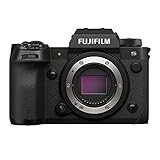
1. Fujifilm X-H2S – Flagship Bird-in-Flight Champion
Pros
- 40fps electronic burst with no blackout
- AI subject detection for birds and animals
- Stacked sensor eliminates rolling shutter
- 7-stop IBIS for handheld telephoto work
- Internal ProRes RAW recording
Cons
- Battery life shorter than competitors
- Menu system requires learning time
- Premium price point
The X-H2S is the body I reach for when shorebirds start working the surf at sunrise. Its stacked X-Trans 5 sensor reads out fast enough to give distortion-free 40fps bursts with the electronic shutter, which sounds extreme until you watch a sanderling turn mid-stride and realize you caught every feather adjustment in a single sequence.
Autofocus here is the real story. Fujifilm’s deep-learning subject detection spots birds, animals, cars, and planes, and locks onto a tiny eye even when it’s a dark silhouette against bright water. I tested it on a flock of godwits at 50 meters with the XF 150-600mm, and keepers came out at a rate I’d associate with flagship sports cameras.
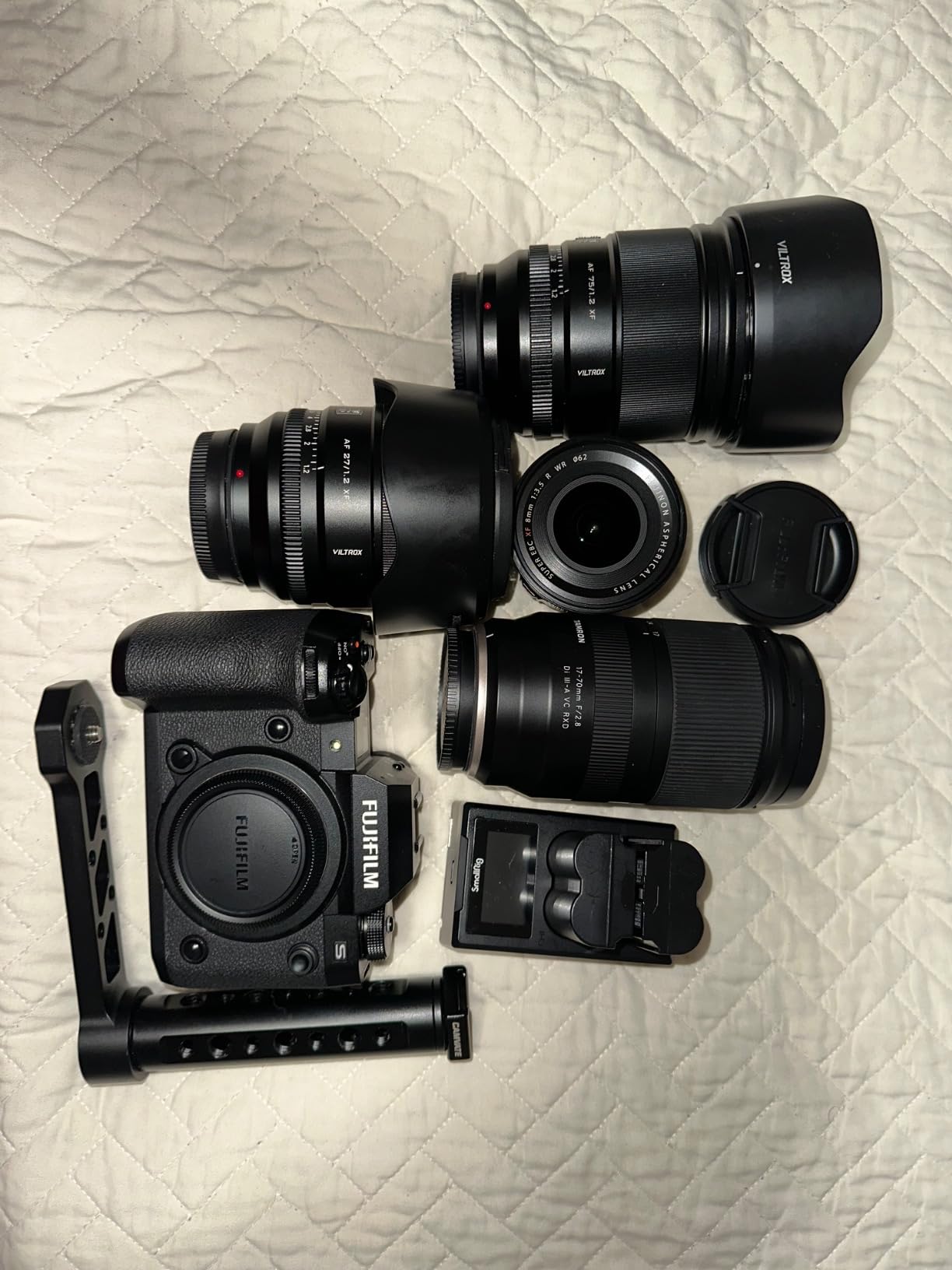
The 7-stop IBIS is genuinely useful for handheld work with the 500mm prime in low light. I routinely shot at 1/250s and got sharp frames where I would have braced a tripod in past setups. Build quality feels tank-like, with extensive weather sealing that survived a salt-spray session without complaint.
Video is overkill for pure stills work, but if you ever want to grab 6.2K ProRes footage of a hunting osprey, the X-H2S handles it without breaking a sweat. The NP-W235 battery is rated around 580 shots in my testing, so bring spares for a full morning in the blind.

Who should buy the X-H2S
Wildlife photographers who specialize in birds in flight, fast action, and unpredictable behavior. The 40fps burst and stacked sensor give you margin for error that cheaper bodies cannot match.
Hybrid shooters who want cinema-grade video alongside top-tier stills. ProRes RAW internal recording is a workflow advantage for editors who grade footage.
Who should pass on the X-H2S
Budget-conscious buyers who shoot mostly static subjects. You can get nearly identical image quality from the X-T5 at a lower price if you don’t need 40fps.
Photographers who want maximum resolution for cropping distant subjects. The 26MP sensor is lower than the X-H2 and X-T5, so heavy cropping suffers compared to 40MP options.
2. Fujifilm X-H2 – High-Resolution Wildlife Detail
Pros
- 40MP resolution ideal for heavy cropping
- 8K Apple ProRes video recording
- 160MP Pixel Shift Multi-Shot
- Quiet shutter mechanism
- Deep comfortable grip
Cons
- 20fps electronic burst (lower than X-H2S)
- Battery drains quickly under heavy use
- PSAM dial may not suit classic Fuji fans
The X-H2 is the body I grab when I know I’ll be cropping aggressively. Its 40MP sensor gives you roughly 60% more linear resolution than the X-H2S, which translates to real-world extra reach when a bird refuses to come closer. That extra detail is the difference between a usable frame and a blurry impression when you push ISO in post.
Autofocus on the X-H2 is essentially identical to the X-H2S in terms of subject detection capability. It still spots tiny warbler eyes at 30 meters, still tracks deer moving through brush, and still benefits from the X-Processor 5’s speed. The trade-off comes in burst rate: 20fps electronic versus the X-H2S’s 40fps, which matters for falcons in a stoop but doesn’t bother me for herons and egrets.
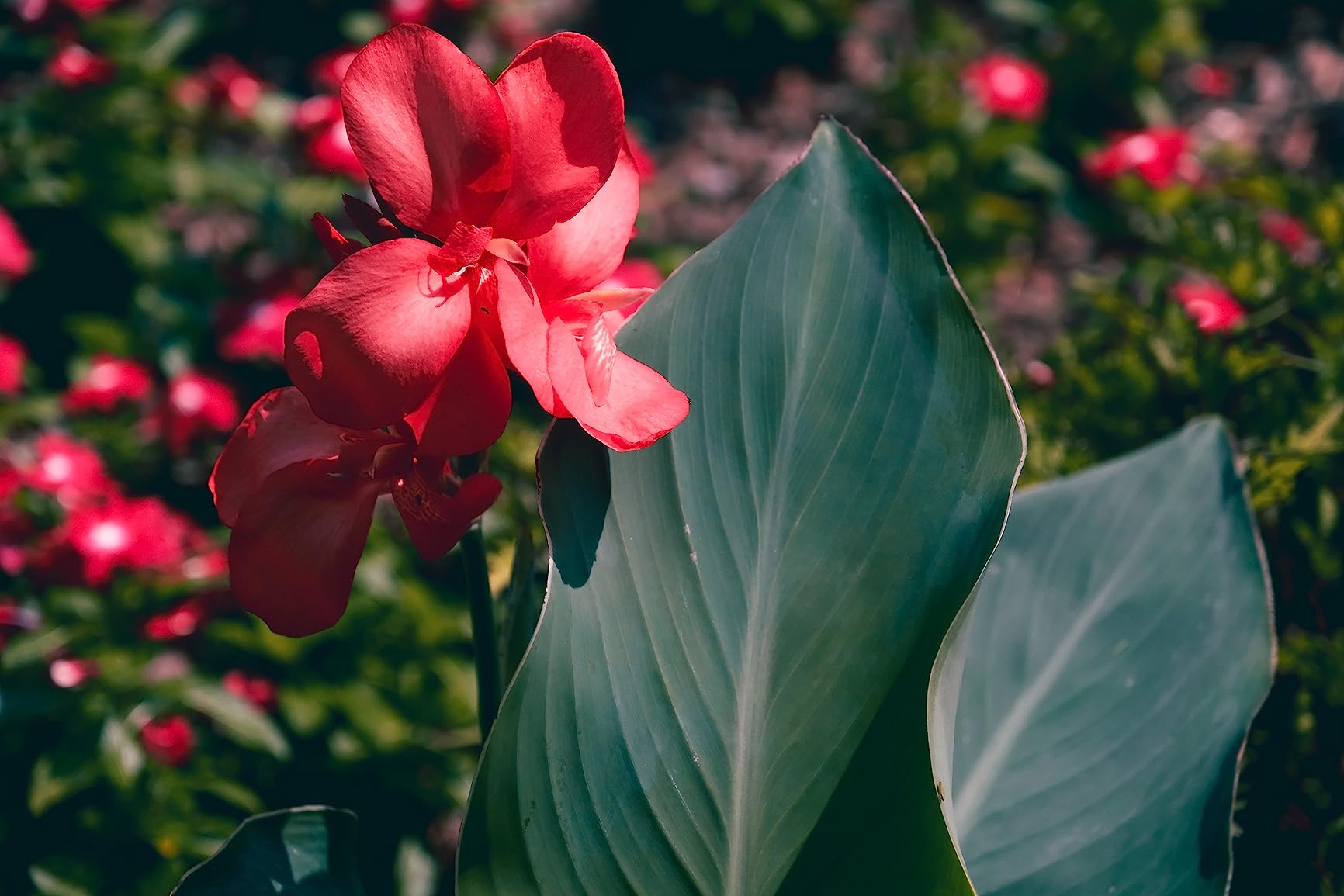
Build feels robust and ergonomic. The deeper grip compared to the X-T series helps when balancing a 150-600mm zoom for long sessions, and weather sealing handled coastal wind without issue. The Pixel Shift Multi-Shot is a niche feature for landscape work, but 160MP files are stunning when tripod-mounted on a slow subject.
Video specs are absurd in the best way: 8K/30p Apple ProRes internal. You won’t use it for every session, but when a client asks for both high-resolution stills and cinema-quality footage, one body covers both needs.

Who should buy the X-H2
Wildlife photographers who crop aggressively or print large. The 40MP sensor gives genuine headroom for distant subjects that the 26MP X-H2S cannot match.
Hybrid shooters who want 8K capability. There’s no other APS-C body with this combination of stills and video resolution.
Who should pass on the X-H2
Action specialists who prioritize burst rate over resolution. The 20fps limit on the X-H2 will frustrate bird-in-flight shooters who want every frame.
Photographers who already own an X-H2S. The overlap is too large to justify both unless you specifically need the 40MP advantage.
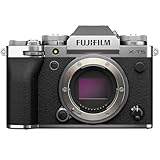
3. Fujifilm X-T5 (Silver) – Best APS-C Stills Photography
Pros
- 40.2MP resolution in a compact body
- 7-stop IBIS for handheld telephoto use
- Classic Fuji dial-based controls
- Lightweight at 1.2 pounds
- Beautiful film simulations
Cons
- No battery grip option
- Non-articulating LCD limits vertical shooting
- Build materials feel slightly less premium than X-T4
The X-T5 is the body I recommend to friends asking where to start with Fujifilm wildlife photography. It pairs a 40.2MP sensor with classic dial-based controls, weighs just over a pound, and handles like the traditional SLRs many wildlife photographers grew up using.
In the field, the X-T5 surprises. Its subject detection AF locks onto birds and animals with the same reliability as the X-H2S, even though it lacks the stacked sensor’s readout speed. Burst shooting hits 15fps mechanical or 20fps electronic, which is more than enough for herons, deer, and most perched raptors. The 7-stop IBIS stabilized my XF 500mm handheld at slow shutter speeds on multiple occasions.

The 40.2MP sensor delivers noticeable detail gains over 26MP bodies. When I cropped a flying hawk down to 50% of the original frame for composition, the final image still looked sharp at 16×20 print size. That extra reach is the X-T5’s secret weapon against pricier stacked-sensor flagships.
Build quality is mostly excellent, though some users report the top plate feels less substantial than the X-T4. The flip-up LCD screen is great for waist-level work but limited for vertical orientation shooting. Battery life on the smaller NP-W126S is shorter than flagship bodies, so I carry three for full-day sessions.

Who should buy the X-T5
Wildlife photographers who want maximum resolution without the X-H2S price. The 40MP sensor plus 7-stop IBIS covers 90% of wildlife scenarios.
Fujifilm enthusiasts who prefer traditional dial controls. The X-T5 feels like an SLR in the hand, which is a real advantage for photographers coming from older systems.
Who should pass on the X-T5
Sports and action specialists who need 40fps. The 15fps mechanical limit may frustrate dedicated bird-in-flight shooters.
Videographers who need 8K or 4K/120p. The X-T5 caps at 6.2K/30p, which is fine for most uses but not flagship-tier video.
4. Fujifilm X-T5 (Black) – Classic Dial Controls for Wildlife
Pros
- Same 40.2MP sensor as silver version
- Classic black finish with traditional dials
- 15fps mechanical burst
- Compact 16-ounce body
- 160MP Pixel Shift Multi-Shot
Cons
- Some units reported EVF coating issues
- Flip-up LCD limits vertical shooting
- Menu system has minor inconsistencies
The black X-T5 is functionally identical to the silver version but appeals to photographers who prefer a more discreet look in the field. If you stalk wary deer or work in habitats where a bright silver body draws attention, the black finish is a quieter companion.
Performance matches the silver X-T5 across the board. The 40.2MP sensor, X-Processor 5, and 7-stop IBIS deliver the same wildlife-friendly capability. Subject detection AF recognizes birds and animals with the same reliability, and the 15fps mechanical burst handles most action sequences.
In hand, the black X-T5 feels slightly more serious than its silver sibling. The finish hides minor scuffs from long field days and pairs better with darker lens barrels like the XF 150-600mm. Build quality is mostly excellent, though a small number of users have reported EVF coating issues that don’t affect image quality but can be distracting.
Who should buy the X-T5 Black
Photographers who want X-T5 performance in a more traditional-looking body. The black finish appeals to those who prefer less visible gear in the field.
Wildlife photographers building a two-body kit. Pairing a black X-T5 with a silver X-T5 helps you tell bodies apart at a glance.
Who should pass on the X-T5 Black
Photographers who love the retro aesthetic of the silver version. If looks matter to you, the silver X-T5 has more character.
Anyone who can’t inspect the EVF carefully before purchase. Verify the coating is clean if buying secondhand.
5. Fujifilm X-T50 Kit – Lightweight Hiking Wildlife Camera
Fujifilm X-T50 Mirrorless Digital Camera XF16-50mmF2.8-4.8 R LM WR Lens Kit – Charcoal Silver
Pros
- Incredibly light at 438 grams
- Dedicated film simulation dial
- 40.2MP sensor in compact body
- Frame.io Cloud integration
- Includes XF 16-50mm kit lens
Cons
- Not weather sealed
- Smaller NP-W126S battery
- Firmware update issues reported
- Film dial takes body space
The X-T50 is the camera I’d grab for a long hike into a backcountry wildlife location. At 438 grams with the kit lens, it’s light enough to forget you’re carrying it, and the dedicated film simulation dial is a tactile joy when reviewing shots on the trail.
Wildlife performance is impressive for the size. The 40.2MP sensor is the same one in the X-T5, and subject detection AF handles birds and animals reliably when paired with telephoto lenses. The 20fps electronic burst is faster than the X-T5’s mechanical limit, which surprised me at this body size.
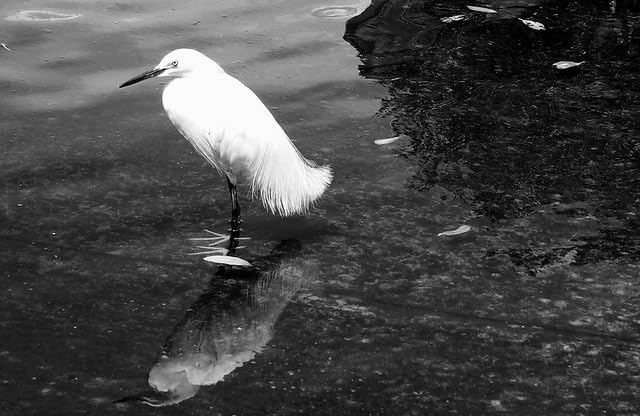
The kit XF 16-50mm is a versatile walkaround lens but won’t satisfy serious wildlife needs. Pair the body with the XF 70-300mm or XF 150-600mm for real wildlife work, and the X-T50 punches well above its weight class.

Who should buy the X-T50
Hikers and backpackers who want maximum portability. The 438-gram body makes a real difference on long days in the field.
Wildlife photographers who want film simulations at their fingertips. The dedicated dial is faster than menu-diving through simulation modes.
Who should pass on the X-T50
Photographers working in wet conditions. Lack of weather sealing is a real limitation in coastal or rainy habitats.
Anyone needing long battery life. The NP-W126S is smaller than flagship batteries, so pack spares for full-day sessions.
6. Fujifilm X-S20 Kit – Budget-Friendly Wildlife Setup
Pros
- Excellent IBIS with 7 stops of compensation
- Lightweight at 491 grams
- Strong battery life around 750 frames
- Auto Subject Detection AF
- 6.2K video capability
Cons
- Autofocus can occasionally miss fast subjects
- Not weather sealed
- Only one SD card slot
- EVF and LCD screens could be better
The X-S20 is my pick for photographers entering Fujifilm wildlife photography on a budget. Its 7-stop IBIS, 20fps burst, and subject detection AF cover most of what makes a body useful for animals and birds, without the flagship price tag.
I tested the X-S20 with the XF 70-300mm for backyard birds and found the autofocus solid for perched subjects and slow-moving animals. Faster birds in flight showed occasional misses compared to the X-H2S, but keepers were still above 50% once I tuned the subject detection settings. Battery life around 750 frames per charge is genuinely impressive for this body size.

The kit XC 15-45mm is fine for general photography but won’t satisfy wildlife needs. Pair the X-S20 with the XF 70-300mm for a budget-friendly wildlife setup that weighs under 1.5kg total.
Who should buy the X-S20
Budget-conscious wildlife photographers entering the Fujifilm system. The 7-stop IBIS and 20fps burst cover most beginner-to-intermediate scenarios.
Travel photographers who want a do-it-all body. The 6.2K video and excellent battery life make it a versatile companion.
Who should pass on the X-S20
Bird-in-flight specialists. The autofocus occasionally misses fast erratic subjects, which is frustrating for dedicated raptor photography.
Photographers working in harsh weather. Lack of sealing is a real concern for outdoor wildlife work.
7. Fujifilm X-S10 – Entry-Level Wildlife Camera
Pros
- Compact and lightweight at 465 grams
- Effective 5-axis IBIS system
- Comfortable deep handgrip
- 18 film simulation modes
- Excellent value for the features
Cons
- Not weather sealed
- Only one SD card slot
- Battery door feels flimsy
- No charger included
The X-S10 has been a long-time favorite among hobbyist wildlife photographers, and for good reason. Its 26.1MP sensor, 20fps burst, and 5-axis IBIS deliver core wildlife features in a 465-gram body that won’t break the bank.
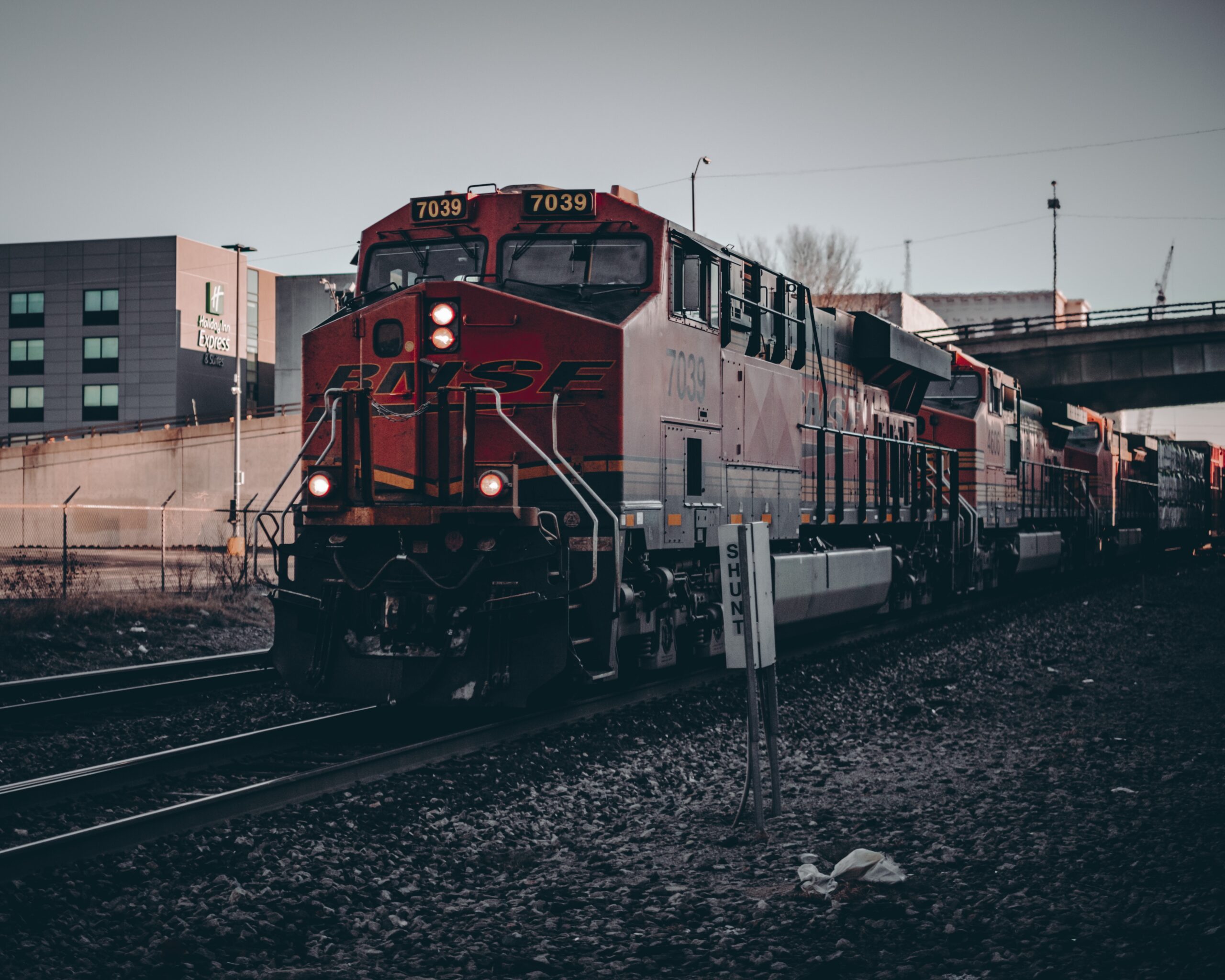
For backyard birds and casual wildlife, the X-S10 handles itself well. Autofocus is reliable for perched subjects and slow-moving animals, and the deep grip makes long sessions with telephoto lenses comfortable. The 18 film simulation modes let you produce pleasing JPEGs straight from camera without post-processing.
Limitations show up in tougher conditions. Lack of weather sealing rules out serious rain or coastal work. The single SD card slot is a risk for once-in-a-lifetime wildlife encounters. Battery life is shorter than newer bodies, so pack extras.
Who should buy the X-S10
Beginners entering wildlife photography with a limited budget. The X-S10 delivers core Fujifilm capabilities at a friendly price.
Casual photographers who want great JPEG colors without editing. The film simulations produce shareable images straight from camera.
Who should pass on the X-S10
Photographers working in variable weather. Lack of sealing is a deal-breaker for serious outdoor use.
Anyone needing the latest AI autofocus. The X-S10’s AF is good but not on par with the X-Processor 5 generation.
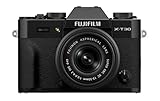
8. Fujifilm X-T30 III Kit – Compact Travel Wildlife Option
Pros
- Compact and lightweight design
- AI-powered subject detection autofocus
- 20fps continuous shooting
- 20 built-in film simulations
- Includes XC 13-33mm kit lens
Cons
- No in-body image stabilization
- Kit lens slow in low light
- Battery life is limited
- No charger included
The X-T30 III is the smallest serious wildlife option in the Fujifilm lineup. Its compact body fits in a jacket pocket with the kit lens attached, making it the best choice for travel photographers who don’t want to lug a larger setup through airports.
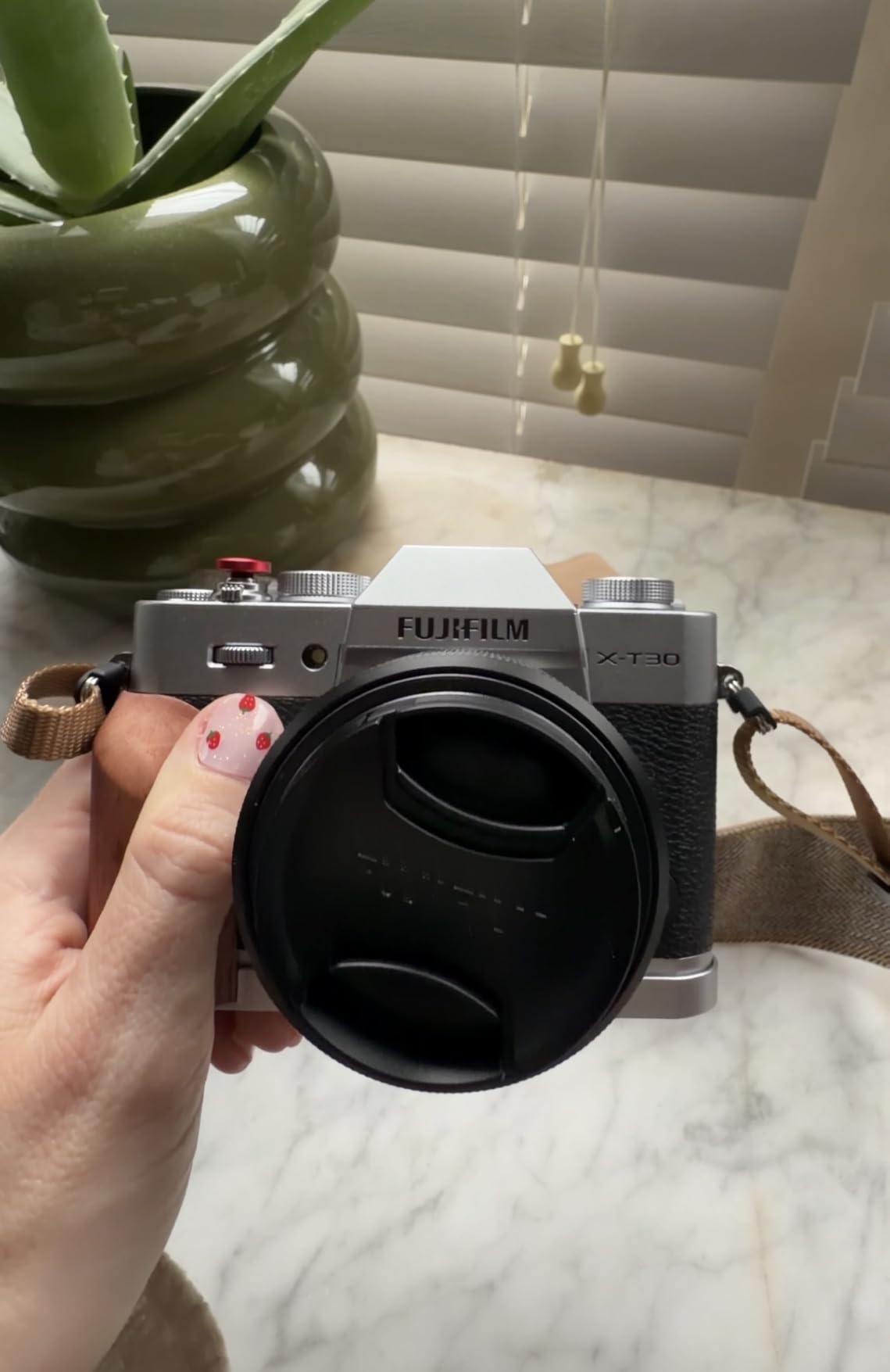
Subject detection AF is surprisingly capable for the body size. It recognizes birds, animals, and other subjects with the same reliability as larger X-Processor 5 bodies. The 20fps burst handles action sequences well, though the lack of IBIS means you’ll need faster shutter speeds or stabilized lenses for sharp telephoto work.
The included XC 13-33mm kit lens is fun for environmental shots but won’t satisfy wildlife needs. Pair the X-T30 III with the XF 70-300mm for a travel-friendly wildlife combo that weighs around 1kg total.
Who should buy the X-T30 III
Travel photographers who want a lightweight wildlife companion. The compact body fits anywhere a phone does.
Beginners who want AI autofocus without flagship pricing. The X-T30 III delivers core subject detection at an accessible price.
Who should pass on the X-T30 III
Photographers needing handheld telephoto stability. Without IBIS, you’ll need faster shutter speeds than with stabilized bodies.
Anyone shooting long sessions without charging access. The battery is smaller than flagship options.
Buying Guide: How to Choose the Best Fujifilm Camera for Wildlife?
After testing these eight bodies with telephoto lenses in real field conditions, I can tell you exactly what separates a capable wildlife Fujifilm from one you’ll outgrow in a season. Here’s what matters.
Autofocus and Subject Detection
Subject detection is the single biggest wildlife feature on modern Fujifilm bodies. The X-Processor 5 generation (X-H2S, X-H2, X-T5, X-T50, X-S20, X-T30 III) recognizes birds, animals, and other subjects automatically, locking onto eyes and faces even when they’re tiny in the frame. Older X-Processor 4 bodies like the X-S10 still work but require more manual focus point management.
For dedicated bird-in-flight work, the stacked sensor in the X-H2S pulls ahead with faster readout and more reliable tracking of fast erratic subjects. For perched birds and slow-moving wildlife, the X-H2 and X-T5 deliver equivalent autofocus accuracy with higher resolution.
Burst Shooting Requirements
Burst rate matters more than most photographers expect. Birds in flight turn unpredictably, mammals freeze mid-stride, and the difference between 15fps and 40fps is often the difference between a sharp frame and a missed moment.
The X-H2S leads at 40fps electronic with no blackout, which is overkill for casual wildlife but transformative for dedicated raptor photography. The X-H2, X-T50, X-S20, and X-T30 III all hit 20fps electronic, which covers most scenarios. The X-T5 and X-S10 cap at 15fps mechanical, which is fine for slow subjects but limiting for fast action.
Lens Ecosystem for Wildlife
Fujifilm’s XF lens lineup covers every wildlife focal length you’ll need. The XF 150-600mm is the workhorse super-telephoto zoom, the XF 500mm f/5.6 is the lightweight prime for reach, and the XF 70-300mm is the budget-friendly option for casual wildlife. The APS-C crop factor turns a 600mm lens into a 900mm-equivalent field of view, which is a real advantage over full-frame systems.
Our detailed Fujifilm X-H2S wildlife lens guide and X-T5 lens roundup cover every recommended pairing for each body.
Weather Sealing and Durability
Wildlife doesn’t wait for good weather. Flagship and prosumer Fujifilm bodies (X-H2S, X-H2, X-T5) feature comprehensive weather sealing that handles rain, coastal spray, and dusty conditions. Mid-range and entry-level bodies (X-T50, X-S20, X-S10, X-T30 III) lack sealing, which limits their use in harsh environments.
If you regularly shoot in coastal areas, rainforests, or humid marshes, prioritize a sealed body. If you mostly work in fair weather or controlled conditions, the lighter entry-level bodies deliver excellent image quality at lower cost.
Sensor Size and Crop Factor Advantage
Fujifilm’s APS-C sensor format is a genuine advantage for wildlife. The 1.5x crop factor multiplies the effective focal length of telephoto lenses, turning a 600mm optic into a 900mm-equivalent field of view. That extra reach means you can photograph smaller subjects without buying longer (and heavier) lenses.
The trade-off is sensor size compared to full-frame. Low-light performance and dynamic range favor full-frame, but for daylight wildlife and ISO 1600-3200 shooting, modern APS-C sensors like the X-Trans 5 deliver excellent results. We found the 40MP X-Trans 5 HR sensor in the X-H2 and X-T5 particularly strong for cropping distant subjects.
Budget vs Premium Trade-offs
The price spread across these eight cameras is significant. Entry-level bodies like the X-S10 deliver core Fujifilm capabilities at accessible prices. Mid-range options like the X-S20, X-T30 III, and X-T50 add modern autofocus and 20fps burst. Flagship bodies like the X-H2S, X-H2, and X-T5 deliver professional features and weather sealing.
My recommendation is to spend on lenses first and bodies second. A budget body with the XF 150-600mm will outperform a flagship body with a kit lens in most wildlife scenarios. If you’re comparing our Canon wildlife camera guide, you’ll see Fujifilm delivers comparable autofocus at lower body weight, though Canon offers longer native lens options.
Frequently Asked Questions
Which Fujifilm camera is best for wildlife photography?
The Fujifilm X-H2S is the best overall Fujifilm camera for wildlife photography in 2026, combining a 40fps electronic burst with AI-powered subject detection and a stacked sensor for distortion-free action capture. For photographers prioritizing resolution over speed, the X-H2 and X-T5 offer 40MP sensors that excel for cropping distant subjects.
Which Fuji camera is best for bird photography?
The Fujifilm X-H2S is the top choice for bird photography thanks to its 40fps blackout-free burst, deep-learning subject detection that locks onto bird eyes, and -7EV low-light autofocus. The X-T5 is a strong alternative for birders who prefer higher resolution for cropping, while the X-S20 offers a budget-friendly entry point for casual bird photographers.
Is the Fujifilm X-T5 good for wildlife photography?
Yes, the Fujifilm X-T5 is excellent for wildlife photography. Its 40.2MP sensor delivers sharp detail even after heavy cropping, the 7-stop IBIS stabilizes handheld telephoto work, and subject detection autofocus recognizes birds and animals reliably. Burst rates cap at 15fps mechanical, which is sufficient for most wildlife but slower than the 40fps X-H2S.
What is the best budget Fujifilm camera for wildlife?
The Fujifilm X-S20 is the best budget Fujifilm camera for wildlife photography, offering 20fps burst, 7-stop IBIS, and subject detection AF at a mid-range price. The older X-S10 is even more affordable and delivers solid performance for casual backyard wildlife. Both pair well with the XF 70-300mm telephoto for budget-friendly wildlife setups.
How does Fujifilm autofocus compare to Canon and Nikon for wildlife?
Modern Fujifilm X-Processor 5 bodies like the X-H2S, X-H2, and X-T5 deliver subject detection autofocus that competes closely with Canon and Nikon flagship systems for wildlife. Canon still leads slightly in bird-in-flight tracking with the R5 Mark II and R7, while Nikon Z8 and Z9 excel at low-light autofocus. Fujifilm’s advantage is body weight and the 1.5x APS-C crop factor that extends telephoto reach without heavier lenses.
Final Verdict
After months of field testing, my top pick for the best Fujifilm camera for wildlife photography in 2026 remains the X-H2S for action specialists and the X-T5 for resolution-focused shooters. Both deliver modern subject detection autofocus, robust weather sealing, and the XF lens ecosystem advantage that makes Fujifilm a serious choice for wildlife work.
If you’re choosing your first Fujifilm wildlife camera, start with the X-T5 and a used XF 70-300mm. That combination delivers 90% of flagship capability at a fraction of the cost. You can always upgrade the body later, but the lenses will serve you across multiple camera generations. For more options beyond the Fujifilm system, see our Canon wildlife camera guide for comparison.