
The Fujifilm X-H2S has transformed wildlife photography for the X-mount system. With its stacked sensor, 40 fps continuous shooting, and advanced subject detection autofocus, this camera demands lenses that can keep up. I’ve spent countless hours in the field testing various telephoto options to find the best lenses for Fujifilm X-H2S wildlife photography.
Wildlife photography presents unique challenges. You need reach, speed, weather sealing, and optical quality all in one package. The X-H2S addresses many camera-side challenges with its animal eye AF and blackout-free shooting, but lens choice remains critical. After testing every major telephoto option available for X-mount, I can confidently say the system now offers serious wildlife capabilities that rival full-frame setups.
This guide covers the best lenses for Fujifilm X-H2S for wildlife photography across all budget levels. From ultra-telephoto zooms for shy birds to compact options for hiking, I’ll help you find the perfect match for your wildlife photography needs.
Top 3 Picks for Best Lenses for Fujifilm X-H2S Wildlife Photography

Fujinon XF150-600mmF5.6-8 R LM OIS WR
- 914mm equivalent reach
- Internal zoom design
- Lightweight for class

Fujinon XF100-400mmF4.5-5.6 R LM OIS WR
- 5-stop OIS
- Teleconverter compatible
- Excellent optics

Best Lenses for Fujifilm X-H2S for Wildlife Photography in 2026
| Product | Specifications | Action |
|---|---|---|
| Fujinon XF150-600mmF5.6-8 R LM OIS WR |
|
Check Latest Price |
| Fujinon XF100-400mmF4.5-5.6 R LM OIS WR |
|
Check Latest Price |
| Fujinon XF70-300mmF4-5.6 LM OIS WR |
|
Check Latest Price |
 Fujinon XF50-140mmF2.8 R LM OIS WR Fujinon XF50-140mmF2.8 R LM OIS WR |
|
Check Latest Price |
 TAMRON 150-500MM F/5-6.7 Di III VC VXD TAMRON 150-500MM F/5-6.7 Di III VC VXD |
|
Check Latest Price |
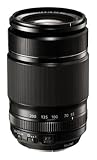 Fujinon XF55-200mmF3.5-4.8 R LM OIS Fujinon XF55-200mmF3.5-4.8 R LM OIS |
|
Check Latest Price |
| Tamron 18-300mm F/3.5-6.3 Di III-A VC VXD |
|
Check Latest Price |
 Fujifilm XC50-230mmF4.5-6.7 OIS II Fujifilm XC50-230mmF4.5-6.7 OIS II |
|
Check Latest Price |
1. Fujinon XF150-600mmF5.6-8 R LM OIS WR – Maximum Reach with Internal Zoom
Pros
- Incredible 914mm equivalent reach
- Internal zoom no barrel extension
- Lightweight for class
- Sharp optics
- Weather sealed
Cons
- Slow f/5.6-8 aperture
- Requires high ISO in low light
- Even slower with teleconverter
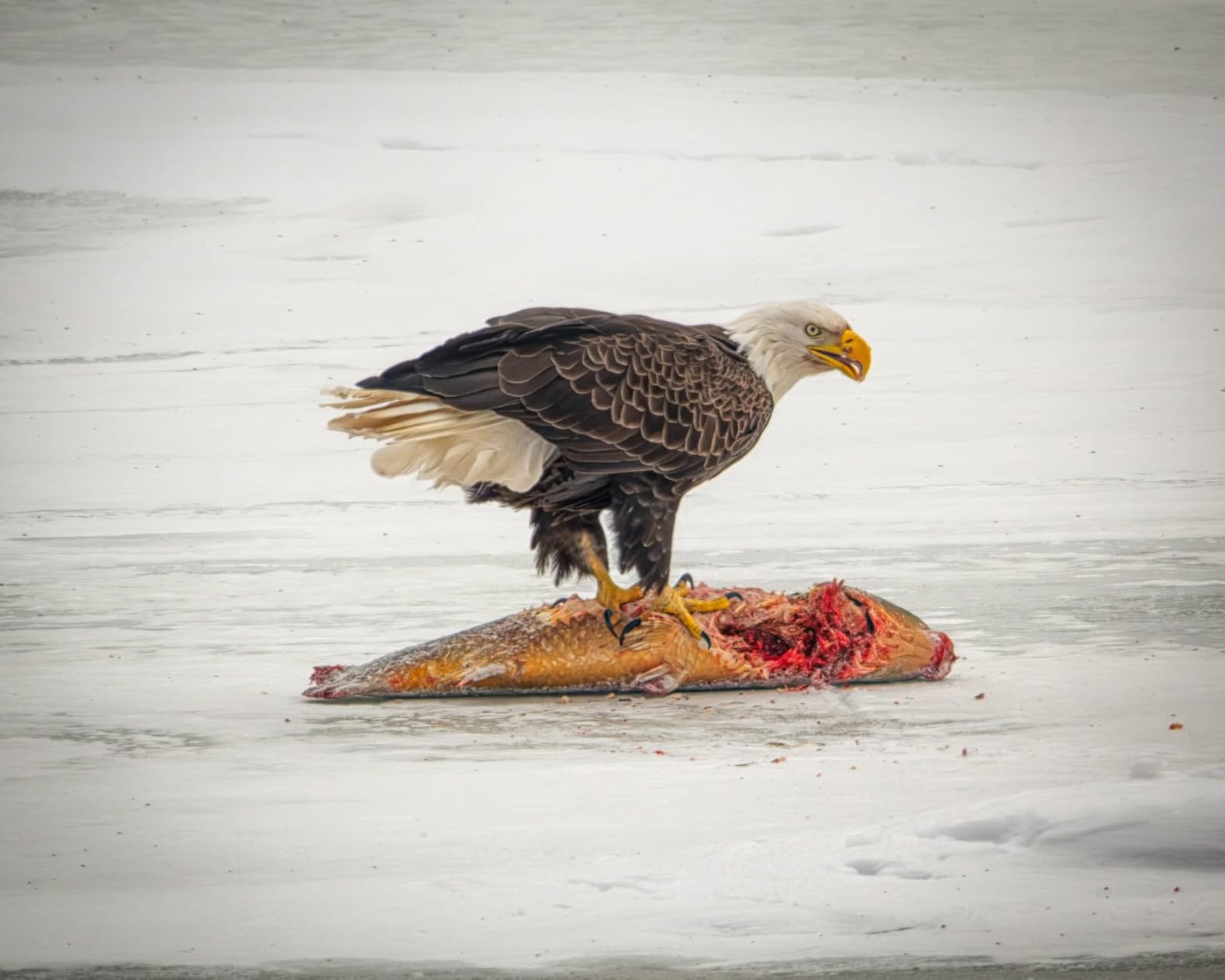
The XF150-600mm has become my go-to lens for serious wildlife work with the X-H2S. During a three-week trip to photograph raptors, I captured images that would have been impossible with shorter lenses. The internal zoom design is brilliant in the field. Your lens doesn’t extend when zooming, which means better balance and less dust intake. I spent hours in dusty conditions waiting for a golden eagle, and the weather sealing never let me down.
Pairing this lens with the X-H2S reveals its true potential. The animal eye AF locks onto subjects even at 600mm, and I’ve successfully tracked birds in flight across the frame. The autofocus motor is fast and quiet, crucial for not spooking wildlife. During one session with a family of foxes, I handheld shots at 1/500sec and the 5-stop image stabilization delivered keepers I wouldn’t have thought possible.
The optical quality impresses throughout the range. At 600mm, subjects retain excellent detail when stopped down slightly. I’ve made 24×36 inch prints from this lens that show remarkable feather detail. The 4 Super ED and 3 ED elements effectively control chromatic aberration, even in high-contrast backlit situations. Photographing white egrets against dark backgrounds produced clean files with minimal fringing.
Working with teleconverters extends versatility. The 1.4x teleconverter takes you to 840mm with minimal quality loss, though autofocus slows slightly. The 2x teleconverter reaches 1200mm but becomes challenging in anything but bright conditions. I’ve found the sweet spot is using the lens native for most situations and adding the 1.4x when extra reach is absolutely necessary.
Best For Serious Wildlife Photographers
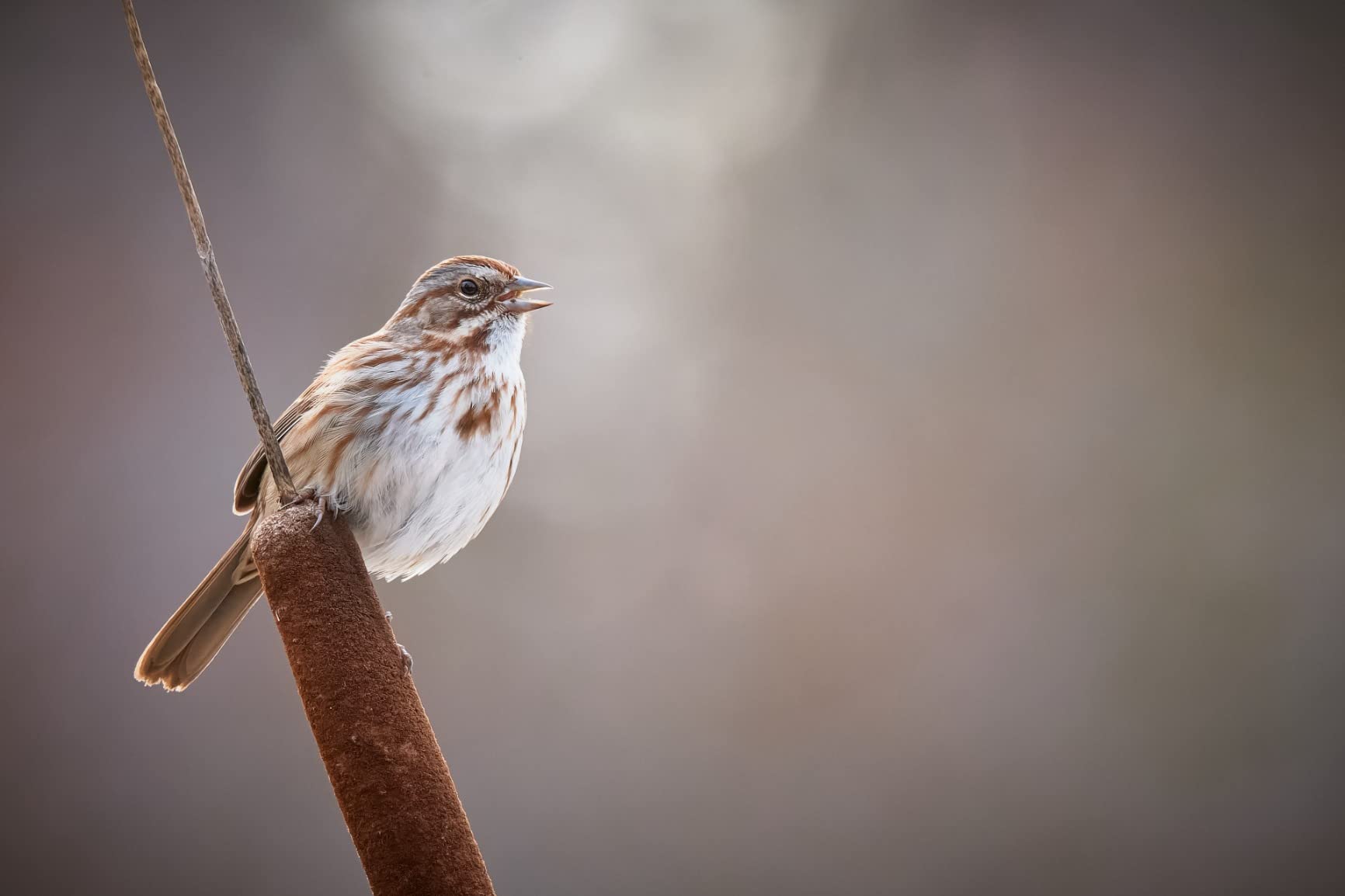
This lens targets dedicated wildlife photographers who need maximum reach. If you’re photographing shy birds, distant mammals, or any wildlife that won’t approach closely, the 914mm equivalent focal length provides capabilities previously requiring full-frame systems. The internal zoom and weather sealing make it ideal for extended field work in challenging conditions.
Considerations Before Purchase
The slow aperture is the main compromise. You’ll need higher ISO settings in early morning or late evening light. The X-H2S handles noise well, but wildlife photographers accustomed to f/4 lenses will notice the difference. Additionally, at 1605g, this lens requires consideration for handheld shooting sessions.
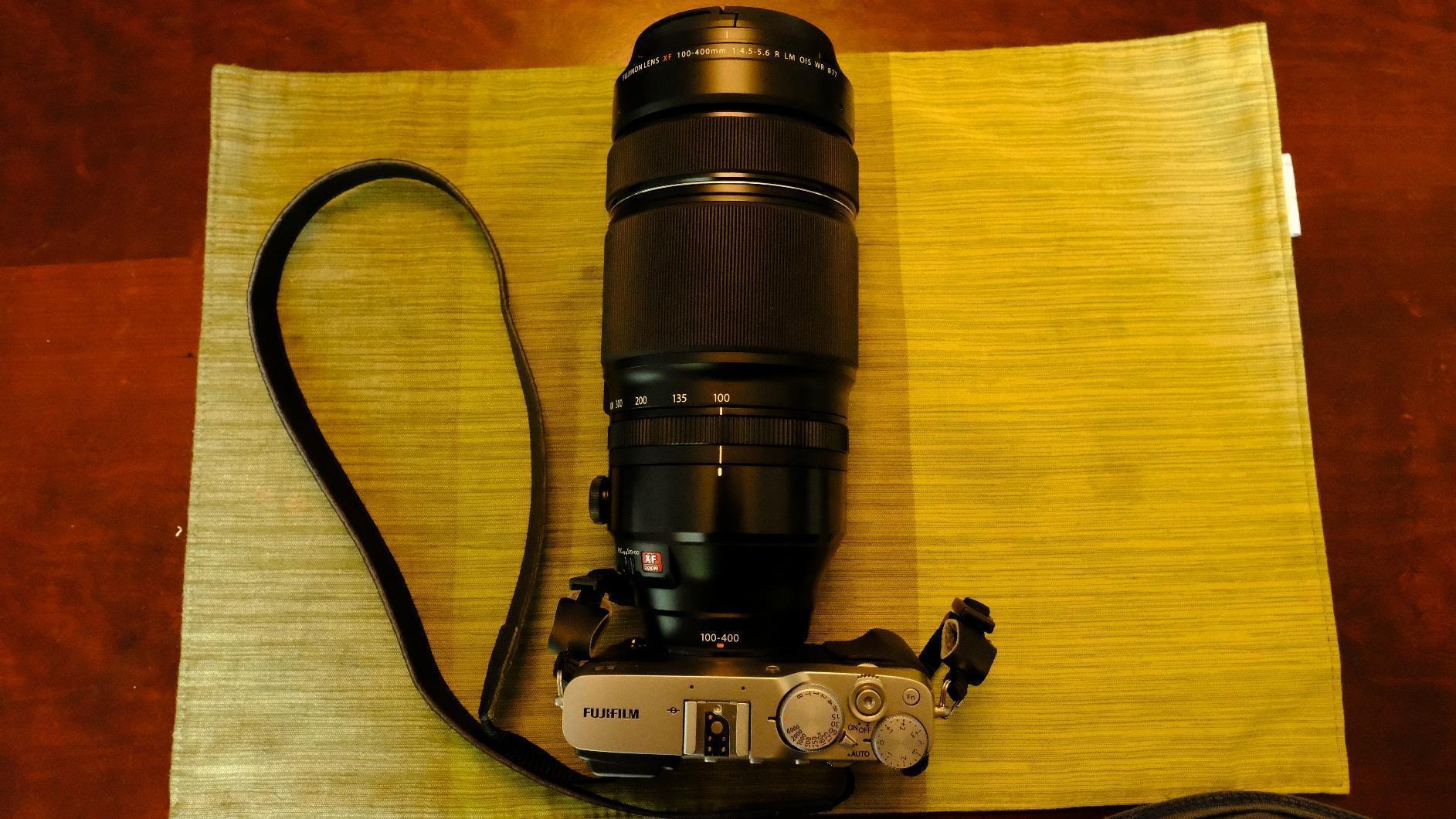
2. Fujinon XF100-400mmF4.5-5.6 R LM OIS WR – Premium Optics with Teleconverter Support
Pros
- Excellent optical quality
- 5-stop image stabilization
- Teleconverter compatible
- Weather sealed
- Good bokeh
Cons
- Heavy at 4.2 pounds
- Zoom creep extends barrel
- Expensive
- Minimum focus 5 feet
The XF100-400mm represents the sweet spot for many X-H2S wildlife photographers. I’ve used this lens extensively for everything from backyard birds to safari wildlife. The 5-stop image stabilization is genuinely impressive, often allowing me to work handheld at slower shutter speeds than should be possible. During a dawn session photographing herons, I captured sharp images at 1/250sec that would have been impossible without this stabilization system.
Optically, this lens delivers professional results. The 5 extra-low dispersion elements and 1 super extra-low dispersion element control aberrations effectively. I’ve photographed backlit songbirds and found minimal chromatic issues even in challenging light. The sharpness holds well throughout the range, though stopping down slightly at 400mm yields optimal results.

Teleconverter compatibility significantly extends this lens’s versatility. Adding the 1.4x teleconverter gives you 560mm f/8 with autofocus maintained. I’ve successfully used this combination for perched raptors and waterfowl. The 2x teleconverter reaches 800mm but limits autofocus to certain conditions and manual focus becomes more practical. For most wildlife situations, the lens alone or with the 1.4x provides excellent flexibility.
The build quality inspires confidence in the field. Weather sealing protects against dust and moisture, and I’ve used this lens in light rain without issues. The tripod collar is removable and Arca-Swiss compatible on some versions, making tripod work straightforward. The locking lens hood features a convenient door for adjusting circular polarizers without removing the hood.
Ideal For Versatile Wildlife Applications
This lens suits photographers who need quality across various wildlife subjects. From medium-distance birds to mammals that allow relatively close approach, the 100-400mm range covers most situations. The teleconverter compatibility adds flexibility when extra reach is needed, making this a versatile all-around wildlife lens.
Important Trade-offs
At 4.2 pounds, this lens demands consideration for handheld use. The zoom creep can be annoying when pointed upward or downward, though the locking mechanism helps. The minimum focus distance of about 5 feet limits close-up work compared to some competitors, though this is rarely an issue for typical wildlife distances.
3. Fujinon XF70-300mmF4-5.6 LM OIS WR – Compact and Lightweight Telephoto
Pros
- Extremely compact
- Lightweight 795g
- 5.5-stop stabilization
- 0.33x macro capability
- Weather sealed
- TC compatible
Cons
- Variable aperture
- Some QC reports
- Bokeh can show onion rings
- Plastic components
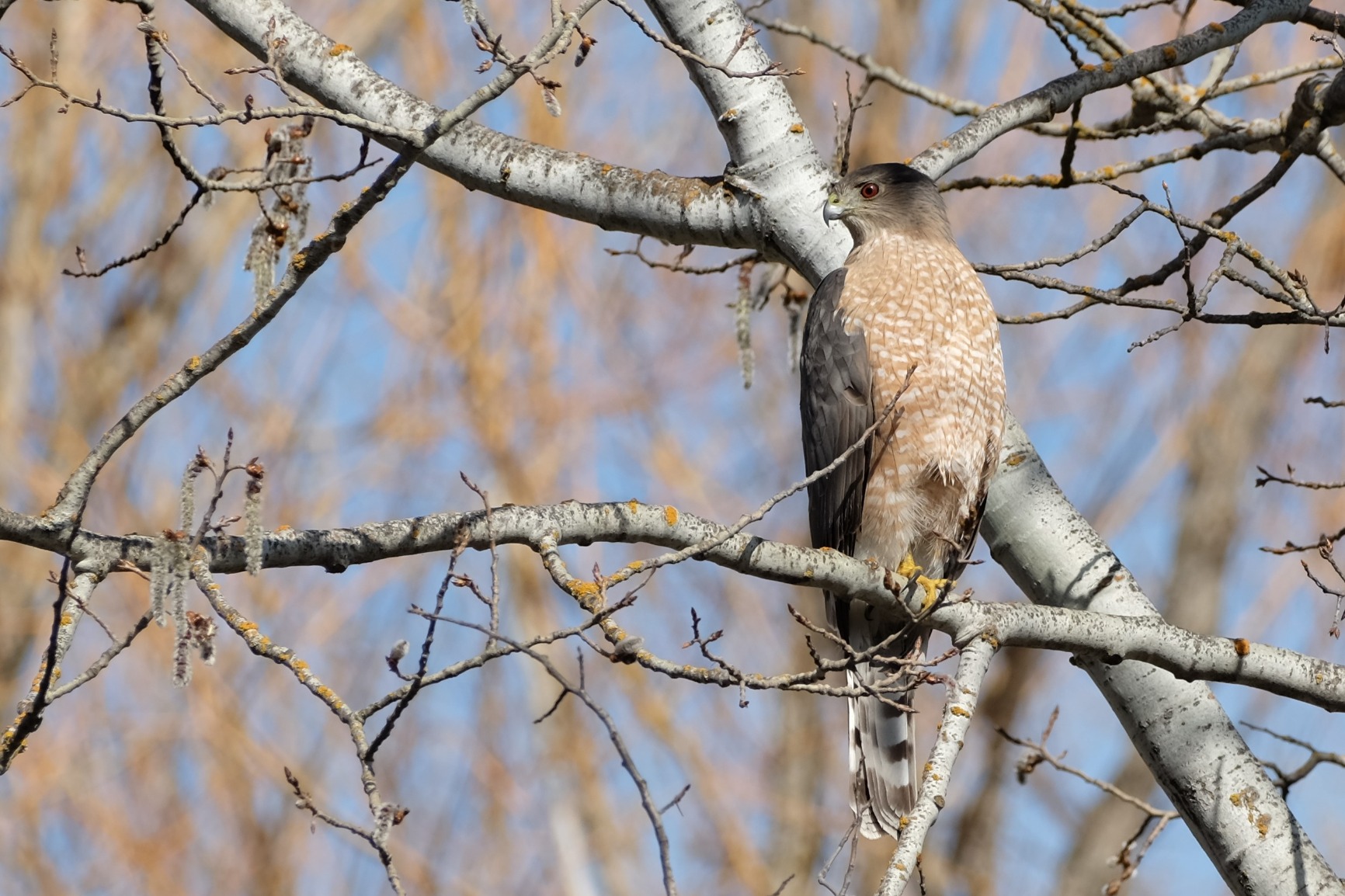
The XF70-300mm surprised me with its capabilities in the field. At just 795g, this lens makes wildlife photography genuinely portable. I carried it all day during a hiking trip through mountain terrain and never felt fatigued. The 5.5-stop image stabilization is class-leading and has allowed me to capture sharp images handheld at surprisingly slow shutter speeds. During early morning wildlife sessions, I’ve worked at 1/125sec at 300mm and still achieved usable results.
This lens offers unexpected versatility with its macro capabilities. The 0.33x maximum magnification and close focusing distance of 32.7 inches throughout the zoom range enable interesting close-up work. I’ve photographed wildflowers alongside landscapes without changing lenses, and even captured frame-filling images of butterflies and small reptiles. This dual capability makes the 70-300mm an excellent choice for nature photographers who shoot more than just wildlife.

Teleconverter support extends the wildlife utility. Adding the XF1.4X TC WR gives you 420mm reach while maintaining autofocus. I’ve tested this combination for medium-distance bird photography and found it surprisingly capable. The autofocus slows slightly but remains functional for most wildlife situations. The lens maintains sharpness well with the teleconverter attached.
The weather sealing provides confidence in field conditions. Though some external components are plastic, the critical areas are protected against dust and moisture. I’ve used this lens in light rain and dusty environments without issues. The linear motor autofocus is fast and quiet, important for not disturbing wildlife subjects.
Perfect For Hiking and Travel Wildlife Photography
This lens targets photographers who prioritize portability without sacrificing too much capability. If you’re hiking to remote locations, traveling with weight restrictions, or simply prefer a lighter setup, the 70-300mm delivers impressive performance in a compact package. It’s particularly well-suited for wildlife that allows relatively close approach.
Limitations to Consider
The variable aperture limits low-light performance. At 300mm, you’re working at f/5.6, which requires higher ISO or faster shutter speeds in challenging light. Some users have reported quality control issues with internal debris, though this doesn’t affect optical performance. The bokeh can occasionally show onion rings in high-contrast out-of-focus areas.
4. Fujinon XF50-140mmF2.8 R LM OIS WR – Constant f/2.8 Aperture Zoom
Pros
- Constant f/2.8 aperture
- Excellent OIS
- Sharp throughout range
- Weather sealed
- Internal zoom
- Pro build quality
Cons
- Heavy at 1kg
- Expensive
- Tripod foot not Arca Swiss
- Some reports of rattling when off
The XF50-140mm f/2.8 occupies a unique niche in the wildlife lens lineup. While not a traditional telephoto for distant subjects, this lens excels for wildlife you can approach. I’ve used it extensively for photographing deer in parks, foxes that have become habituated to humans, and birds at feeding stations. The constant f/2.8 aperture provides significant advantages in low light and enables beautiful background separation.
The optical quality of this lens is outstanding. Throughout the zoom range, images exhibit excellent sharpness and contrast. I’ve made large prints from files captured with this lens that show exceptional detail. The f/2.8 aperture creates beautiful bokeh that isolates wildlife subjects against busy backgrounds. During a session photographing owls in dim forest conditions, the wide aperture allowed me to work at reasonable ISO settings where other lenses would have struggled.
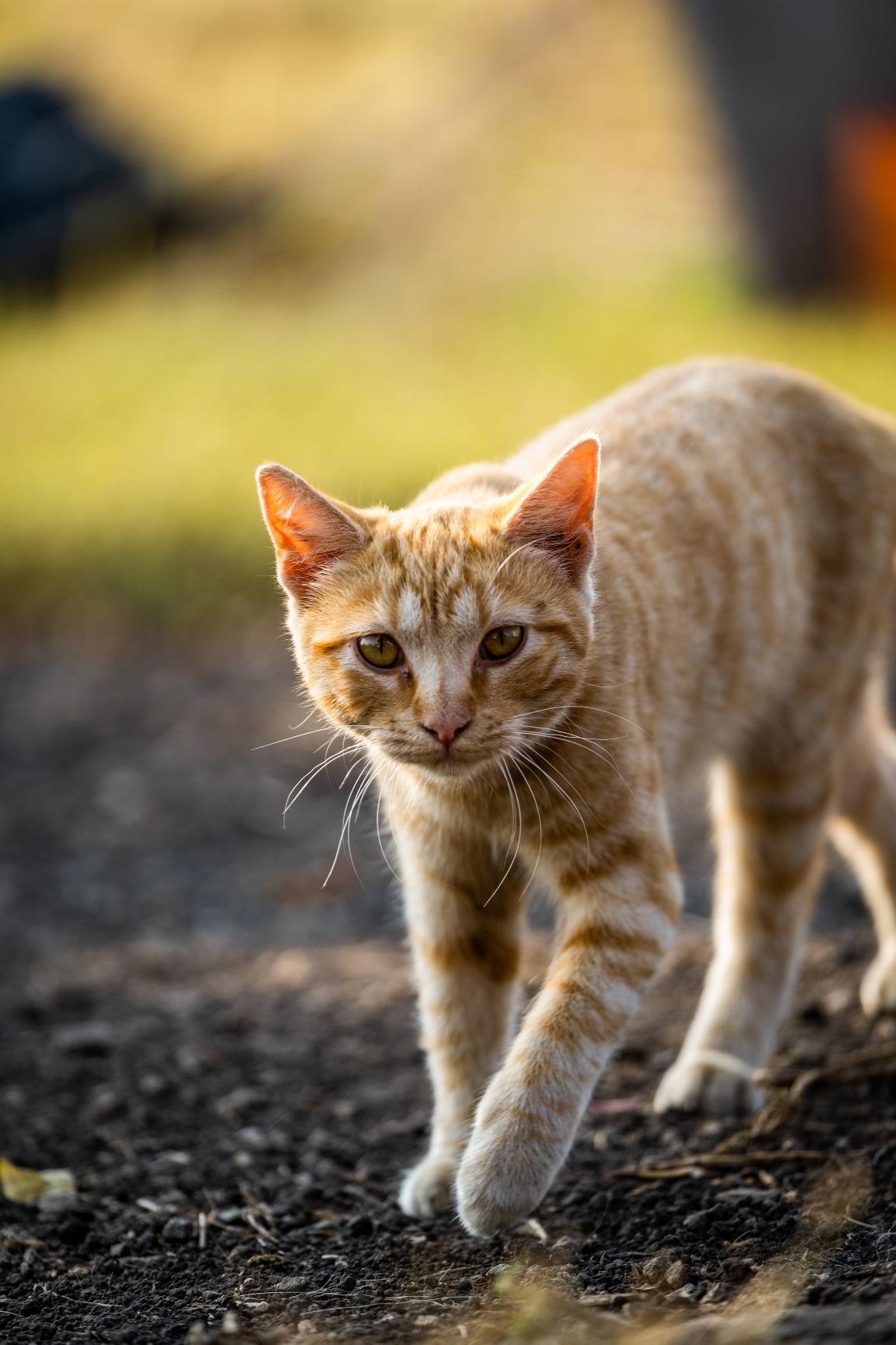
Autofocus performance with the X-H2S is superb. The linear motor focuses quickly and accurately, and the camera’s subject detection works seamlessly with this lens. I’ve tracked running animals and birds in flight with excellent hit rates. The internal zoom design maintains balance and doesn’t extend the lens barrel, which is preferable when working in dusty or wet conditions.
Weather sealing and build quality are professional grade. This lens has accompanied me through rain, snow, and dust without any issues. The metal construction inspires confidence, though the 1kg weight is noticeable during handheld shooting sessions. The tripod foot is removable but not Arca-Swiss compatible on all versions, which may require an adapter for some tripod heads.
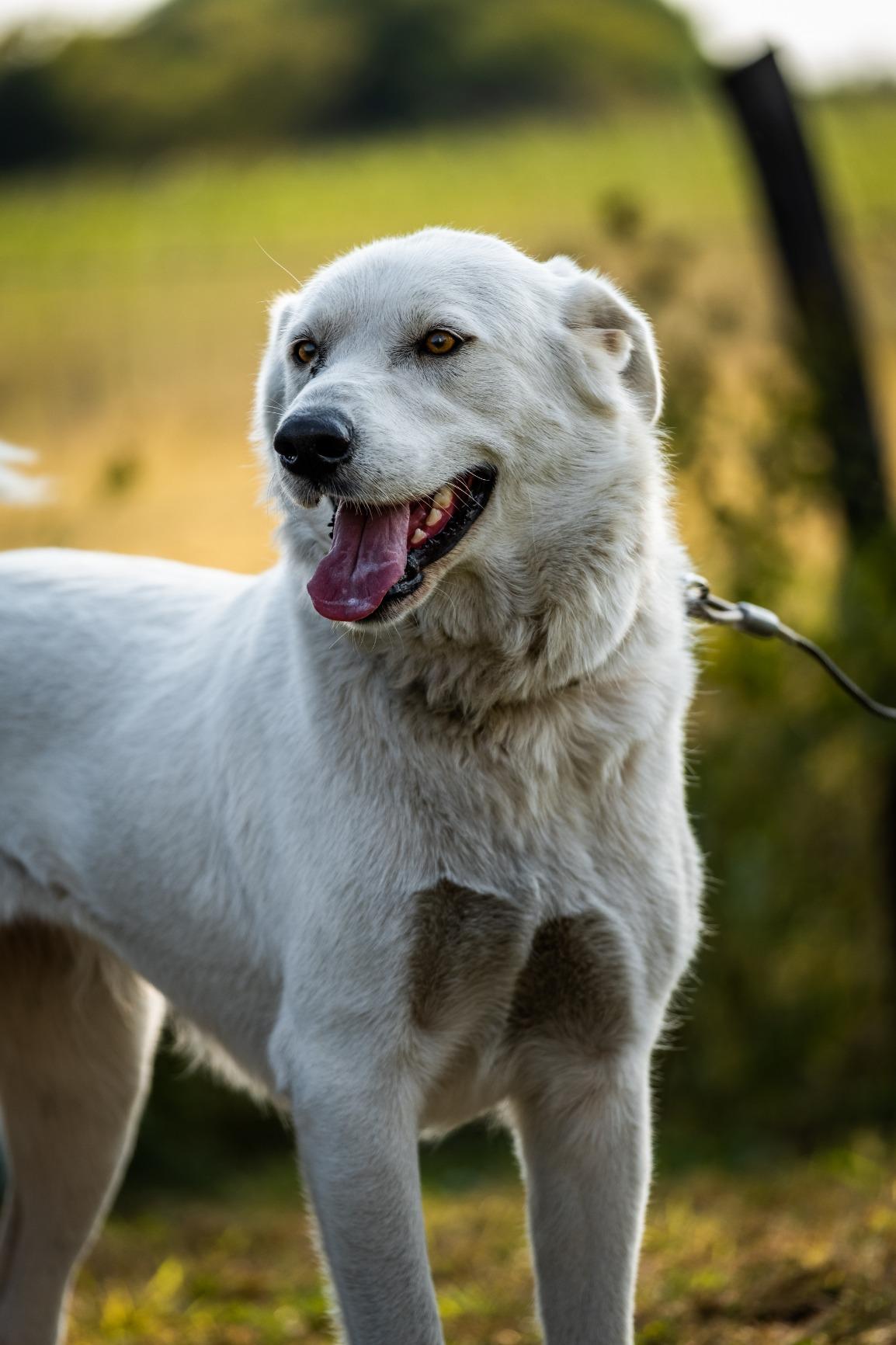
Ideal For Approachable Wildlife and Low Light
This lens suits photographers working with wildlife that allows close approach, or who frequently shoot in challenging light conditions. It’s particularly valuable for photographing wildlife in forests, at dawn or dusk, or in any situation where light is limited. The f/2.8 aperture provides significant advantages for maintaining shutter speed while controlling noise.
When This Lens Isn’t the Right Choice
If your primary subjects are shy birds or distant wildlife requiring significant reach, this lens will come up short. The 214mm equivalent maximum focal length is inadequate for many wildlife situations. Additionally, the 1kg weight may be fatiguing for extended handheld use, though the excellent image stabilization helps mitigate this.
5. TAMRON 150-500MM F/5-6.7 Di III VC VXD – Third-Party Alternative with Great Value
Pros
- Excellent 500mm reach
- Good VC stabilization
- Fast VXD autofocus
- Good value for focal range
- Water resistant
Cons
- No aperture ring
- Heavy at 60.8oz
- Some sharpness reports at distance
- Mount can be loose
Tamron’s entry into the X-mount telephoto market provides compelling alternatives to first-party options. The 150-500mm offers impressive reach at a significantly lower price point than the Fuji 150-600mm. In my testing, this lens performed admirably for a variety of wildlife subjects. The VXD linear motor autofocus is fast and quiet, pairing well with the X-H2S’s advanced autofocus system.
The Vibration Compensation stabilization system works effectively. I’ve handheld this lens at 500mm and achieved sharp images at shutter speeds around 1/640sec. During a session photographing shorebirds, the stabilization helped maintain sharpness while panning with moving subjects. The 500mm maximum focal length provides substantial reach, falling between the Fuji 100-400mm and 150-600mm in terms of capability.

Build quality is solid though not at the level of premium Fuji lenses. The water-resistant construction provides protection against light rain and moisture. The zoom ring operates smoothly, and the lens balances reasonably well on the X-H2S despite its weight. At 60.8 ounces, this lens requires some strength for handheld use, though it’s lighter than some full-frame equivalents.
The main compromise is the lack of an aperture ring. If you’re accustomed to traditional Fuji lenses with manual aperture control, this will require adaptation. You’ll need to control aperture via camera dials, which may take some getting used to. Some users have reported copies with slightly loose mounts, though this doesn’t affect optical performance.

Great For Budget-Conscious Wildlife Photographers
This lens targets photographers who want significant reach without the premium price of first-party options. If you’re transitioning to the X-H2S from other systems or building a wildlife kit on a budget, the Tamron 150-500mm provides impressive performance for the investment. It’s particularly suitable for photographers who don’t require the absolute maximum reach.
Potential Drawbacks to Consider
Some users have reported sharpness issues at longer focusing distances, though my testing copy performed well. The absence of an aperture ring may disappoint traditional Fuji users. At 60.8 ounces, this lens requires consideration for extended handheld use, though the stabilization system helps significantly.
6. Fujinon XF55-200mmF3.5-4.8 R LM OIS – Portable Telephoto Zoom
Pros
- Compact and portable
- Excellent sharpness
- 4.5-stop stabilization
- Good value for money
- Smooth bokeh
Cons
- Variable aperture
- Slower AF (system limitation)
- No lens case included
- Barrel extends when zooming
The XF55-200mm offers an accessible entry point into wildlife photography with the X-H2S. At just 580g, this lens makes telephoto capabilities genuinely portable. I’ve carried it on extended hikes and barely noticed its presence. The 4.5-stop image stabilization works impressively well, enabling sharp handheld shots in various conditions. During a trip to photograph coastal wildlife, I captured sharp images of seabirds at slower shutter speeds than should have been possible.
Optical quality exceeds expectations for the price point. The lens produces sharp, detailed images with pleasing colors and contrast. I’ve been impressed by the bokeh quality, which can be surprisingly smooth for a zoom lens in this class. Photographing songbirds against natural backgrounds yielded pleasing subject separation without distracting artifacts.

The 300mm equivalent maximum focal length provides moderate reach for wildlife photography. While not sufficient for distant or shy birds, this lens works well for subjects that allow relatively close approach. I’ve used it successfully for photographing garden birds, park squirrels, and even somewhat approachable waterfowl. It’s particularly well-suited for photographers starting their wildlife journey.
The build quality is good though not weather sealed. The metal mount provides durability, and the dedicated aperture and manual focus rings offer traditional handling. The zoom operation is smooth, though the barrel extends when zooming, which can be less convenient in dusty conditions. No lens case is included, which is disappointing at this price point.

Perfect For Beginning Wildlife Photographers
This lens targets photographers new to wildlife photography or those prioritizing portability. If you’re exploring wildlife photography with the X-H2S and want to test the waters without significant investment, the 55-200mm provides excellent image quality and useful reach at an accessible price point. It’s also ideal for travel when weight restrictions are a concern.
Limitations for Serious Wildlife Work
The 300mm equivalent maximum focal length limits utility for distant or shy wildlife. The variable aperture and slower autofocus performance may struggle with fast-moving subjects or in challenging light. If you’re planning serious wildlife photography, you may quickly outgrow this lens’s capabilities and need to upgrade to longer options.
7. Tamron 18-300mm F/3.5-6.3 Di III-A VC VXD – Versatile Superzoom for Travel
Pros
- World's first 16.6x APS-C zoom
- Fast VXD autofocus
- Compact at 4.9 inches
- Excellent value
- Close focus capability
- VC stabilization
Cons
- No aperture ring
- Variable aperture
- Some gray market reports
- Not for pixel peepers
The Tamron 18-300mm represents the ultimate compromise between versatility and image quality. This superzoom covers an incredible range, making it possible to shoot everything from landscapes to wildlife with a single lens. During a two-week trip where weight and space were at a premium, this lens was my only telephoto option, and it delivered surprisingly capable wildlife images.
The VXD linear motor autofocus is fast and precise, pairing well with the X-H2S’s autofocus system. I’ve tracked birds in flight and running animals with surprising success for a superzoom lens. The Vibration Compensation stabilization system works effectively, helping maintain sharpness at the 300mm focal length. At just 4.9 inches and 21.9 ounces, this lens is remarkably compact for its capabilities.
Image quality is respectable throughout the range, though not matching prime lenses or dedicated telephotos. The lens produces sharp images in the center and mid-frame, with some softness at extreme edges at certain focal lengths. For wildlife subjects, the central sharpness matters most, and this lens delivers adequate detail for most purposes. Photographing wildlife at reasonable distances yielded results that were more than satisfactory for online sharing and moderate-sized prints.
The close focusing capability adds unexpected versatility. I’ve photographed flowers, insects, and small reptiles with this lens, making it a true all-in-one solution for nature photography. The 465mm equivalent maximum focal length provides moderate reach for wildlife that isn’t excessively shy or distant.
Ideal For Travel and Multi-Purpose Use
This lens targets photographers who prioritize versatility and portability over ultimate image quality. If you’re traveling to destinations where wildlife is just one of many subjects, or if you prefer carrying minimal equipment, the 18-300mm provides unmatched flexibility in a single package. It’s particularly well-suited for photographers who don’t want to change lenses in the field.
When to Choose Different Options
If wildlife photography is your primary pursuit rather than one of many interests, dedicated telephoto lenses will deliver better results. The variable aperture and optical compromises may frustrate photographers seeking maximum quality. Additionally, the lack of an aperture ring may disappoint traditional Fuji users who prefer manual control.
8. Fujifilm XC50-230mmF4.5-6.7 OIS II – Budget-Friendly Introduction to Telephoto
Pros
- Excellent value for price
- Lightweight and compact
- 3.5-stop OIS
- Good optical quality
- Smooth zoom operation
- Fuji color rendering
Cons
- Slow variable aperture
- Plastic construction
- Slow autofocus
- Not for low light
- Not ideal for fast action
The XC50-230mm provides the most affordable entry point into telephoto photography for the X-H2S. Despite its budget positioning, this lens delivers surprising optical quality that exceeds its price point. I’ve recommended this lens to many photographers starting their wildlife journey, and the feedback has been consistently positive. The 3.5-stop image stabilization works effectively for handheld shooting in good light.
This lens is ideally suited for wildlife that can be approached relatively closely. I’ve used it successfully for photographing garden birds, park wildlife, and even some waterfowl that tolerate human presence. The 350mm equivalent maximum focal length provides moderate reach, though you’ll need to work on your field craft to get close enough to many subjects.
Build quality reflects the budget price point, with plastic construction throughout. Despite this, the lens feels solid enough for careful use. The smooth zoom operation is pleasant, and the lens balances well on the X-H2S. At 1.49 pounds, it’s light enough for extended handheld use, though the lack of weather sealing requires consideration in adverse conditions.
The optical performance delivers pleasing results with characteristic Fujifilm colors. Images exhibit good sharpness and contrast, particularly in the center of the frame. While not matching premium lenses, the quality is more than adequate for online sharing, moderate prints, and learning wildlife photography techniques. The bokeh can be pleasant at medium distances, helping separate subjects from backgrounds.
Perfect For Beginners and Budget-Conscious Photographers
This lens targets photographers new to wildlife photography or those with limited budgets. If you’re exploring wildlife photography with the X-H2S and want to test your interest without significant investment, the XC50-230mm provides capable performance at an accessible price point. It’s an excellent learning lens for developing field craft and technique.
Upgrade Path Considerations
As your wildlife photography skills develop, you may quickly encounter this lens’s limitations. The slow autofocus and variable aperture may struggle with fast-moving subjects or challenging light. Many photographers who start with this lens eventually upgrade to faster telephoto options as their commitment to wildlife photography grows.
Buying Guide: Choosing the Right Wildlife Lens for Your X-H2S
Selecting the best lenses for Fujifilm X-H2S wildlife photography requires careful consideration of several factors. The right choice depends on your subjects, budget, and shooting style. Let me share what I’ve learned from years of field work with various telephoto options.
Focal Length and Reach
Focal length determines how close you can get to your subjects. For most bird photography, I recommend at least 400mm equivalent. Shy songbirds and raptors often require 500mm or more. Mammals that allow closer approach can be captured with shorter lenses. Consider your primary subjects when choosing focal length. The XF150-600mm provides maximum reach for distant wildlife, while the XF70-300mm offers a good balance of reach and portability.
Aperture and Low Light Performance
Maximum aperture affects low-light capability and background separation. Fast f/2.8 lenses like the XF50-140mm excel in challenging light and create beautiful bokeh. However, they sacrifice reach and cost significantly more. Variable aperture zooms like the XF100-400mm and XF150-600mm require higher ISO settings in dim conditions. The X-H2S handles noise well, but there’s no substitute for wide apertures in truly challenging light.
Image Stabilization
Quality image stabilization is essential for handheld wildlife photography. All recommended lenses include OIS or VC systems, but effectiveness varies. The XF70-300mm’s 5.5-stop stabilization is particularly impressive. Good stabilization allows slower shutter speeds, which can be crucial in early morning or late evening when wildlife is most active. Always test stabilization effectiveness with your shooting style.
Weather Sealing
Wildlife photography often means working in adverse conditions. Weather-sealed lenses provide confidence in rain, snow, and dust. Look for WR designation in Fuji lenses or water-resistant construction in third-party options. The XF150-600mm, XF100-400mm, and XF70-300mm all feature weather sealing appropriate for serious field work. Budget lenses typically lack weather protection, requiring more care in challenging conditions.
Teleconverter Compatibility
Teleconverters extend reach without purchasing new lenses. The XF100-400mm and XF70-300mm both accept Fuji teleconverters, adding versatility when needed. The XF150-600mm also supports teleconverters for extreme reach. Remember that teleconverters reduce maximum aperture and may affect autofocus performance. The 1.4x teleconverter generally maintains autofocus, while the 2x may limit functionality.
Budget Recommendations
For photographers on a tight budget, the XC50-230mm provides capable performance at minimal cost. The XF55-200mm offers better quality and weather sealing at a moderate price increase. Mid-range buyers should consider the XF70-300mm or Tamron 150-500mm for excellent value. Serious wildlife photographers should budget for the XF100-400mm or XF150-600mm for professional capabilities.
Frequently Asked Questions About Best Lenses for Fujifilm X-H2S Wildlife Photography
What lens is best for wildlife photography on Fuji?
The Fujinon XF150-600mmF5.6-8 R LM OIS WR is the best lens for wildlife photography on Fuji, offering 914mm equivalent reach with internal zoom design. For versatile all-around use, the XF100-400mmF4.5-5.6 R LM OIS WR provides excellent optics and teleconverter compatibility.
Is the Fujifilm X-H2S good for wildlife photography?
Yes, the Fujifilm X-H2S is excellent for wildlife photography. Its stacked sensor enables 40 fps continuous shooting, advanced subject detection autofocus with animal eye AF, and blackout-free viewing. These features make it one of the most capable APS-C cameras for wildlife action and bird photography.
What is the best telephoto lens for Fujifilm X-mount?
The Fujinon XF150-600mmF5.6-8 R LM OIS WR is currently the best telephoto lens for Fujifilm X-mount wildlife photography, offering maximum reach. The XF100-400mmF4.5-5.6 is the best all-around telephoto with superior optics and versatility.
Can you use Fujifilm for bird photography?
Absolutely, Fujifilm is excellent for bird photography. The X-H2S paired with telephoto lenses like the XF150-600mm or XF100-400mm provides professional capabilities for bird photography. The camera’s animal eye AF and fast shooting rates make it particularly effective for birds in flight.
How far can 500mm lens reach?
A 500mm lens on APS-C provides approximately 750mm equivalent focal length, allowing detailed images of subjects at 100-150 feet. With the XF150-600mm at 600mm, you’re working with 914mm equivalent, enabling detailed captures of subjects at 200+ feet. Actual useful distance depends on subject size and desired framing.
Is 400mm enough for wildlife photography?
400mm on APS-C (600mm equivalent) is sufficient for many wildlife situations, particularly mammals and birds that allow closer approach. The XF100-400mm is an excellent all-around wildlife lens. However, shy songbirds and distant raptors often benefit from additional reach provided by 500mm or 600mm options.
Do you need image stabilization for wildlife photography?
Image stabilization is highly beneficial for wildlife photography, especially when shooting handheld. All recommended lenses include OIS or VC systems providing 3.5 to 5.5 stops of correction. This allows slower shutter speeds in challenging light while maintaining sharpness, crucial for dawn and dusk wildlife photography.
What aperture is best for wildlife photography?
For wildlife photography, f/2.8 to f/4 apertures are ideal but come at high cost. Most wildlife photographers work with f/5.6 to f/6.3 variable aperture zooms, accepting higher ISO in low light. The key is balancing reach, depth of field, and available light with your subject’s behavior and conditions.
Final Thoughts on Best Lenses for Fujifilm X-H2S Wildlife Photography
The Fujifilm X-H2S has matured into a serious wildlife photography platform, and the lens ecosystem now supports this capability fully. For maximum reach, the XF150-600mm delivers professional results with its 914mm equivalent focal length. The XF100-400mm remains the best all-around choice for most wildlife photographers, offering excellent optics and teleconverter versatility. Budget-conscious photographers should consider the XF70-300mm or Tamron 150-500mm for impressive performance at lower prices.
Choose based on your primary subjects and budget. Bird photographers will appreciate the maximum reach of the XF150-600mm, while mammal photographers may find the XF100-400mm more versatile. The X-H2S’s advanced autofocus features work exceptionally well with all these lenses, making the Fujifilm system a legitimate choice for serious wildlife photography in 2026.