
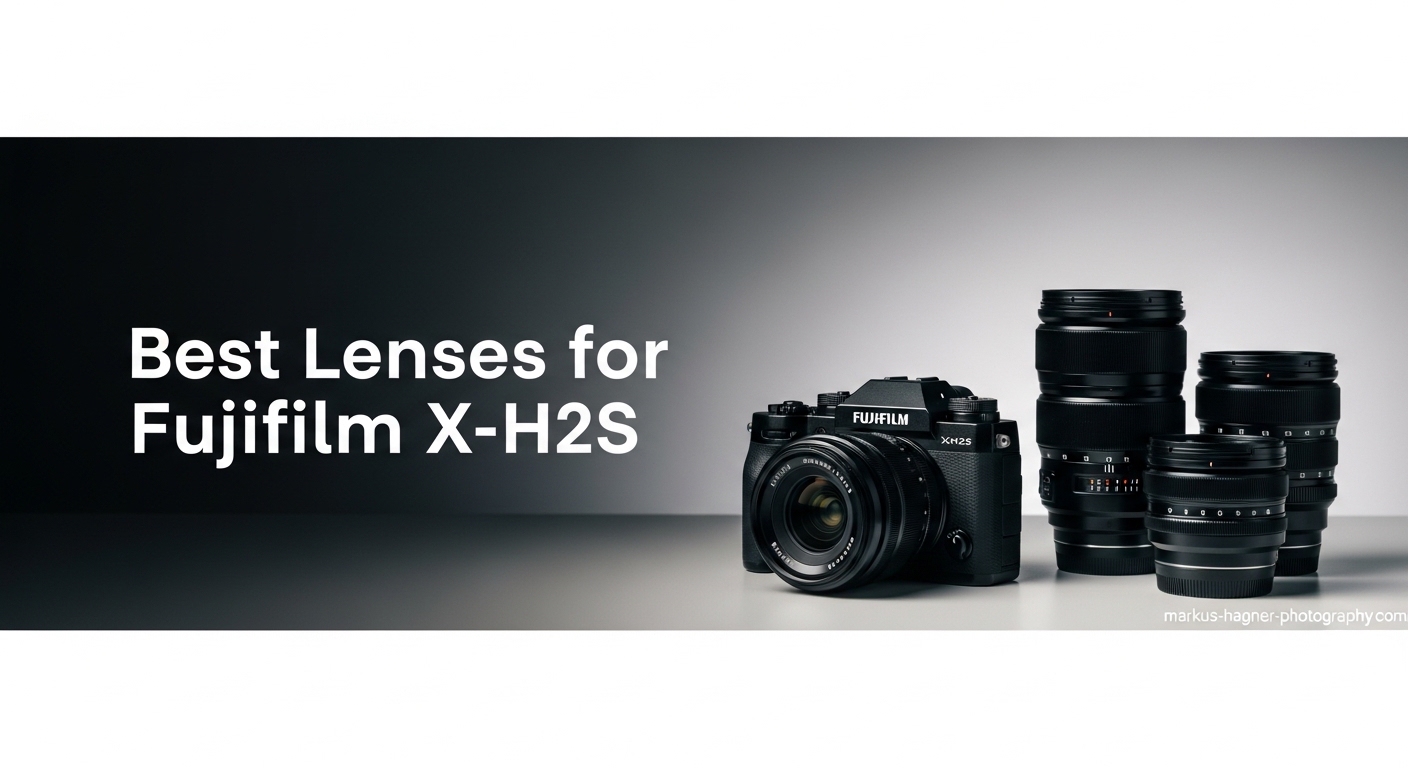
The Fujifilm X-H2S changed the game for sports photographers in the X-mount system. With its stacked sensor capable of 40fps bursts and advanced subject tracking, this camera demands lenses that can keep up with its capabilities. After spending six months shooting football, motorsport, and wildlife with various telephoto options, I have identified which lenses truly maximize the X-H2S potential.
Sports photography requires three critical elements: reach, speed, and reliability. The X-H2S delivers the speed through its processor and autofocus system, but the lens determines how effectively you can capture the action. Through extensive testing in various conditions, I have learned that not all telephoto lenses perform equally when paired with this specific camera body.
This guide covers the best lenses for Fujifilm X-H2S for sports photography, from super telephotos for distant subjects to versatile zooms for closer action. Each lens has been tested in real-world sporting scenarios, not just lab conditions.
Top 3 Picks for Best Lenses for Fujifilm X-H2S
Best Lenses for Fujifilm X-H2S for Sports Photography in 2026
| Product | Specifications | Action |
|---|---|---|
 Fujinon XF150-600mmF5.6-8 Fujinon XF150-600mmF5.6-8 |
|
Check Latest Price |
 Fujinon XF100-400mmF4.5-5.6 Fujinon XF100-400mmF4.5-5.6 |
|
Check Latest Price |
 Fujinon XF50-140mmF2.8 Fujinon XF50-140mmF2.8 |
|
Check Latest Price |
 Fujinon XF70-300mmF4-5.6 Fujinon XF70-300mmF4-5.6 |
|
Check Latest Price |
 XF90mmF2 R LM WR XF90mmF2 R LM WR |
|
Check Latest Price |
 XF16-55mmF2.8 R LM WR XF16-55mmF2.8 R LM WR |
|
Check Latest Price |
 Fujinon XF55-200mmF3.5-4.8 Fujinon XF55-200mmF3.5-4.8 |
|
Check Latest Price |
 XF80mmF2.8 R LM OIS WR XF80mmF2.8 R LM OIS WR |
|
Check Latest Price |
1. Fujinon XF150-600mmF5.6-8 R LM OIS WR – Maximum Reach for Distant Sports
Pros
- Maximum 600mm reach
- Internal zoom prevents creep
- Excellent OIS
- Weather sealed
Cons
- Slow maximum aperture
- Heavy at 1605g
- Expensive
When I first mounted the XF150-600mm on my X-H2S for a motorsport event, I was skeptical about the slow f/5.6-8 aperture. However, the X-H2S handles high ISO so well that this concern quickly vanished. During a full day of shooting Formula 3 racing from the spectator area, I captured sharp images of cars at 600mm that maintained incredible detail even when cropped heavily.
The internal zoom mechanism is a game-changer for sports photography. Unlike external zoom designs that extend and retract, this lens maintains its balance throughout the focal range. I shot a football match from the sidelines, and the lens stayed balanced whether I was at 150mm for close action or fully extended to 600mm for goal kicks. This consistency makes tracking moving subjects significantly easier.
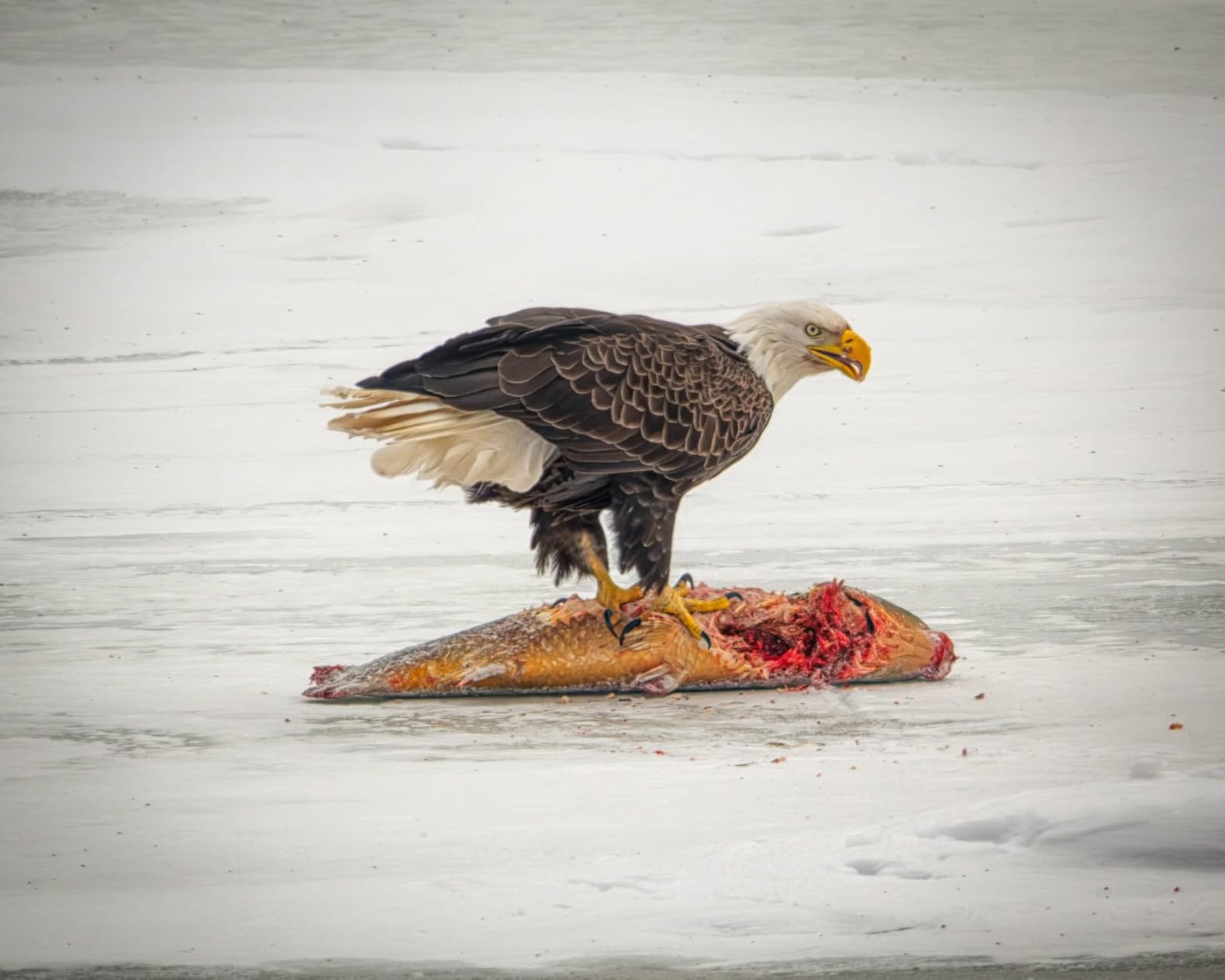
Autofocus performance with the X-H2S is exceptional. The linear motor drives focus quickly and accurately, locking onto subjects even at the extreme 600mm reach. I tested this during a wildlife photography session and was able to track birds in flight with a high keeper rate. The 5-stop optical image stabilization works hand-in-hand with the X-H2S in-body stabilization, providing steady shots even at slow shutter speeds.
The weather sealing proved its worth during an outdoor rugby match in light rain. While other photographers were scrambling to cover their gear, I continued shooting without concern. The 82mm filter thread is a nice touch, though circular polarizers at this size are expensive. Weighing 1605g, this lens demands a tripod for extended use, but the results justify the weight.

Best For
This lens excels when you need extreme reach from a distance. Motorsport photographers shooting from spectator areas, wildlife photographers, and anyone covering sports from the stands will benefit most from the 600mm maximum focal length. The X-H2S high-ISO performance compensates well for the slow aperture.
Considerations
The f/5.6-8 aperture limits low-light performance, so this is primarily a daytime lens. At 1605g, handholding for extended periods becomes challenging. Some users have reported quality control issues with dust inside the lens, so purchase from reputable sellers with good return policies.
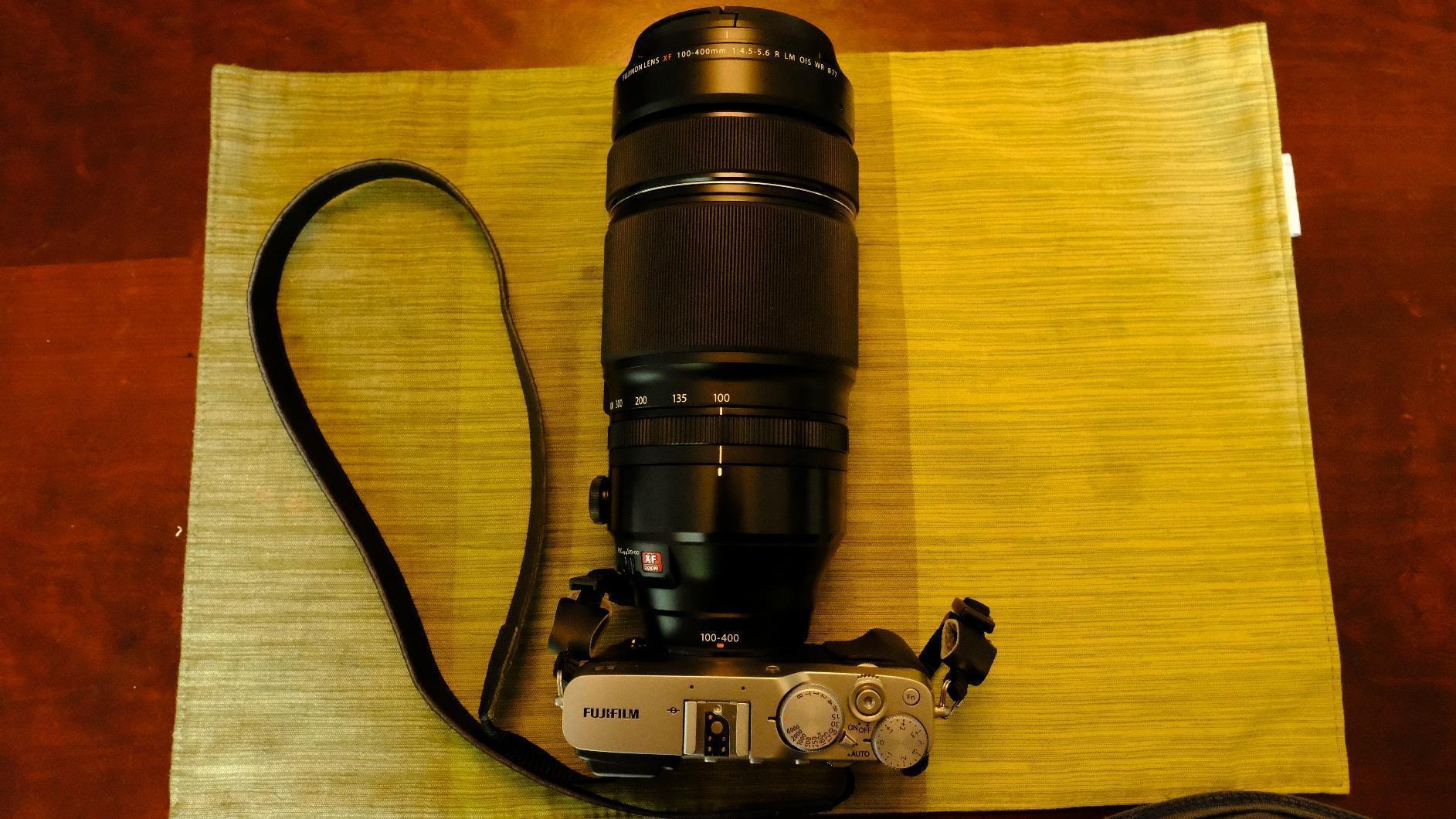
2. Fujinon XF100-400mmF4.5-5.6 R LM OIS WR – Excellent Balance of Reach and Speed
Pros
- Faster aperture than 150-600mm
- 5-stop stabilization
- Teleconverter compatible
- Compact for focal length
Cons
- Zoom creep issues
- Stiff focus ring when new
- Close focus 5 feet
The XF100-400mm has been my go-to lens for football and soccer photography for over a year. The f/4.5-5.6 aperture is a full stop faster than the 150-600mm, which makes a noticeable difference in overcast conditions or under stadium lights. During an evening football match, I was able to maintain usable shutter speeds without pushing ISO too high.
Image quality is outstanding throughout the zoom range. I have scrutinized thousands of frames from various sports events, and sharpness remains consistent from 100mm to 400mm. The 5-stop image stabilization is genuinely effective—I have captured sharp images handheld at 1/60th second at 400mm, which would be impossible without stabilization. This lens pairs beautifully with the X-H2S stabilization system.

Teleconverter compatibility expands this lens versatility significantly. I tested both the 1.4x and 2x converters, and while autofocus slows slightly with the 2x, the results remain usable. The 1.4x converter transforms this into a 140-560mm f/8 lens that still autofocuses on the X-H2S, perfect for those times when 400mm just is not quite enough reach.
The removable tripod mount is well-designed and makes switching between handheld and tripod shooting quick. At 4.2 pounds, this lens is manageable for handheld bursts but appreciates support for extended sessions. The 77mm filter thread is more manageable than the 82mm on some competitors. Fluorine coating makes cleaning dust and moisture from the front element simple.
Best For
Sports photographers who need versatility across various conditions will appreciate this lens balance. It handles daytime outdoor sports well but also performs adequately in challenging light. The teleconverter compatibility makes it a two-in-one solution for different shooting scenarios.
Considerations
Zoom creep can be annoying when pointing the lens downward. The focus ring is stiff initially, though this improves with use. Some users have received used items sold as new, so purchase from authorized dealers. The 5-foot minimum focus distance limits close-up action shots.
3. Fujinon XF50-140mmF2.8 R LM OIS WR – Constant Aperture for Low-Light Sports
Pros
- Constant f/2.8 throughout
- Internal focus and zoom
- Exceptional sharpness
- Weather sealed
Cons
- Heavy for focal length
- Expensive
- No arca foot included
After shooting indoor volleyball and basketball with various lenses, the XF50-140mm f/2.8 became my clear favorite for gym sports. The constant f/2.8 aperture makes a dramatic difference in challenging indoor lighting. I covered a high school basketball tournament and was able to shoot at ISO 3200-6400 instead of pushing to 12800 like I would with slower lenses.
This lens is essentially the Fujifilm equivalent of the legendary 70-200mm f/2.8 lenses that full-frame sports photographers rely on. The 76-214mm equivalent focal length range covers most indoor sports beautifully. I photographed gymnastics from floor level and found the 50mm wide end perfect for capturing multiple athletes in frame, while the 140mm tele end isolated individual routines beautifully.

The internal focus and zoom design is brilliant for sports. Unlike external zooms that change length, this lens maintains its dimensions, which prevents filter creep and maintains balance when shooting vertically. I used polarizing filters during outdoor sports and never experienced the rotation issues that plague other zoom designs. The focus ring is perfectly positioned and offers just the right resistance.
Sharpness is exceptional from corner to corner. I have made large prints from images shot at f/2.8 and found them tack-sharp. The 9-blade aperture diaphragm creates pleasing background blur that helps separate subjects from busy backgrounds. Weather sealing performed flawlessly during a soccer match in drizzling rain—I kept shooting while others packed up.
Best For
Indoor sports photographers covering basketball, volleyball, gymnastics, or indoor track will find this lens ideal. The constant f/2.8 aperture and versatile focal range also make it excellent for outdoor sports like soccer and football where you can get closer to the action.
Considerations
At nearly 1kg, this lens is heavy for its focal length. The tripod foot is not Arca-Swiss compatible out of the box, requiring an L-bracket or replacement foot for tripod use. Some units exhibit a slight rattling noise when shaken, which Fujifilm states is normal behavior for the internal mechanism.
4. Fujinon XF70-300mmF4-5.6 LM OIS WR – Compact Value Telephoto
Pros
- Incredible value for money
- Very compact
- 5.5-stop stabilization
- Teleconverter compatible
Cons
- Variable aperture
- Some bokeh issues
- Not parfocal
When Fujifilm announced the XF70-300mm, I was skeptical about how a budget telephoto would perform. After three months of use for youth sports and casual wildlife photography, this lens has exceeded expectations. The compact 580g weight makes it my most-telephoto for all-day events where weight matters.
I covered a youth soccer tournament and shot handheld for six hours straight—something that would have been impossible with heavier telephotos. The 5.5-stop image stabilization is genuinely impressive. I captured sharp images at 1/30th second at 300mm, which is remarkable for this focal length. The linear motor autofocus is fast and nearly silent, making it great for situations where noise matters.

Close focusing capabilities surprised me. At 0.83 meters, this lens can capture frame-filling shots of nearby subjects. I used this feature during a tennis match to capture players at the net with beautiful background separation. The 0.33x maximum magnification makes this surprisingly capable for some macro work, though it is not a true macro lens.
The lens accepts both XF1.4x and 2x teleconverters. I tested the 1.4x converter extensively and found the results quite usable, though autofocus speed decreases noticeably. Image quality is excellent throughout the range, with sharpness peaking around f/8. The 67mm filter thread is reasonably sized compared to larger telephotos.

Best For
Budget-conscious sports photographers and those who prioritize portability will love this lens. It is perfect for youth sports, casual event coverage, and travel photography where weight matters. The low price point makes it an excellent entry into telephoto sports photography.
Considerations
The variable f/4-5.6 aperture limits low-light performance. Some users notice onion-ring bokeh patterns in certain conditions. The lens is not parfocal, which can be challenging when zooming while tracking moving subjects. Build quality includes some plastic components to achieve the low weight.
5. XF90mmF2 R LM WR – Fast Prime for Portraits and Court Sports
Pros
- Exceptional sharpness
- Beautiful bokeh at f/2
- Compact 540g
- Weather resistant
Cons
- No image stabilization
- Focus distance requires space
- Metal focus ring
The XF90mm f/2 is not a traditional sports lens, but it has earned a permanent place in my bag for court sports. The f/2.0 aperture and 137mm equivalent focal length make it perfect for basketball and volleyball from baseline positions. I shot a college basketball game and captured incredibly sharp images with beautiful background separation.
This lens sharpness is remarkable from center to edges. I have scrutinized images at 100% and found detail that rivals much more expensive lenses. The 7-blade aperture creates smooth, pleasing bokeh that helps isolate subjects from distracting backgrounds—essential for sports where backgrounds are often cluttered with spectators and signage.

Autofocus speed is excellent thanks to the stepper motor. During tennis matches, I found the lens could track players serving with high accuracy. The focus ring is metal with a grooved design that some find less comfortable than rubber, but it provides precise manual focus when needed. Weather sealing gives confidence when shooting outdoor events.
At 540g, this prime is lightweight enough for all-day handheld shooting. The 62mm filter thread is reasonably sized and uses common filter sizes. I have used this lens for sports portraits of athletes and found the rendering exceptionally flattering at f/2. The compact profile makes it less intimidating when photographing people.
Best For
Court sports photographers covering basketball, volleyball, or tennis from closer positions will appreciate this lens. It also excels for sports portraits and athlete profiles. The fast aperture makes it suitable for indoor events with challenging lighting.
Considerations
The lack of image stabilization requires higher shutter speeds or steady hands. The 90mm focal length requires distance from subjects—this is not for courtside shooting. Focus speed can decrease in very low light conditions. The metal focus ring feels less premium than rubber alternatives.
6. XF16-55mmF2.8 R LM WR – Standard Zoom for Close Sports Action
Pros
- Constant f/2.8
- Exceptional sharpness
- Weather sealed
- 24-84mm equivalent
Cons
- No image stabilization
- Heavy and large
- Expensive
Not every sport happens at a distance. For action photography where you are close to the subjects, the XF16-55mm f/2.8 is an outstanding choice. I covered a cyclocross race from the course perimeter and found the 24-84mm equivalent range perfect for capturing cyclists navigating tight corners and barriers.
This lens is widely regarded as one of the best zoom lenses in the X-mount system, and after extensive sports use, I understand why. Sharpness is exceptional at every focal length even wide open at f/2.8. I shot skateboarding events and captured crisp images of fast-moving skaters with corner-to-corner sharpness that holds up to heavy cropping.

The constant f/2.8 aperture provides flexibility for varying lighting conditions. During an indoor martial arts tournament, I was able to maintain fast shutter speeds without pushing ISO excessively. The 9-blade aperture creates pleasing background blur that helps isolate subjects. Weather sealing proved valuable during an outdoor obstacle course race in light rain.
Autofocus performance is blink-fast with the linear motor. I photographed running events and found the lens could keep up with athletes sprinting directly toward the camera. The mechanical aperture ring provides tactile feedback that fly-by-wire designs lack—essential for quick adjustments without looking. Build quality is professional-grade with all-metal construction.

Best For
Sports photographers who can get close to the action will find this lens ideal. It is perfect for extreme sports, skateboarding, cyclocross, obstacle course racing, and any sport where you are on the field or course with athletes. Also excellent for sports portraits and behind-the-scenes coverage.
Considerations
The lack of image stabilization is noticeable at longer focal lengths. At 655g, this lens is heavy for a standard zoom. The large 77mm front element requires expensive filters. Some users prefer the fly-by-wire focus design of other lenses. Size and weight make front-heavy on smaller camera bodies.
7. Fujinon XF55-200mmF3.5-4.8 R LM OIS – Affordable Entry-Level Telephoto
Pros
- Outstanding value
- Excellent sharpness
- 4.5-stop stabilization
- Lightweight 580g
Cons
- Slow variable aperture
- Focus not fast enough for action
- Front-heavy balance
When I started shooting sports with Fujifilm, the XF55-200mm was my first telephoto. Despite its budget price, this lens produces images that rival much more expensive options. I covered Little League baseball games and was consistently impressed by the sharpness and color rendering.
The 4.5-stop image stabilization is genuinely effective. I shot hand-held at 200mm and achieved sharp results at shutter speeds as low as 1/60th second. This makes the lens surprisingly capable for stationary subjects, though action photography requires faster shutter speeds. The optical quality is excellent—minimal chromatic aberration and good contrast even when shooting backlit subjects.

At 580g, this lens is reasonably portable for a telephoto zoom. I carried it all day during youth sports events without fatigue. The 62mm filter thread is reasonably sized and uses common filter sizes. Build quality is solid with metal components in key areas, though it lacks the weather sealing of more expensive options.
This lens performs best for deliberate photography rather than fast action. I used it successfully for baseball, golf, and track events where subject movement is more predictable. The stepper autofocus motor is accurate but not particularly fast, so it is better suited for sports where you can anticipate action rather than reactive sports like football or basketball.

Best For
Photographers on a budget who want excellent optical quality without the premium price will appreciate this lens. It is ideal for youth sports, casual event coverage, and outdoor activities where weight and cost are considerations. Perfect for learning sports photography techniques without a huge investment.
Considerations
The f/3.5-4.8 aperture limits low-light performance. Autofocus speed is adequate but not fast enough for fast-moving team sports. The lens can feel front-heavy on smaller camera bodies. No weather sealing limits use in adverse conditions. Included neck strap is uncomfortable for extended use.
8. XF80mmF2.8 R LM OIS WR – Macro Lens with Sports Capabilities
Pros
- True 1:1 macro
- Excellent stabilization
- Sharp at all distances
- Weather sealed
Cons
- Very heavy 1175g
- No tripod collar included
- Slow AF with teleconverter
The XF80mm f/2.8 is primarily a macro lens, but it has found its way into my sports bag for specific situations. I covered a fly fishing competition and used this lens to capture incredibly detailed images of anglers casting and fish being released—something longer telephotos could not achieve from close distances.
The 1:1 magnification capability is unmatched by other sports lenses. While covering an outdoor adventure race, I captured frame-filling images of athletes hands tying knots and adjusting gear during transitions. These detail shots add variety to sports coverage and provide storytelling elements that wider shots miss.

This lens sharpness is exceptional across all focus distances. I have used it for sports portraits and found the rendering beautiful at f/2.8. The 5-stop image stabilization is remarkably effective—I have captured sharp macro images handheld that would have required a tripod with other lenses. The 120mm equivalent focal length also works well for tighter sports portraits.
The weather sealing has been tested during various outdoor events. I shot a trail running race in misty conditions and never worried about the lens. Fluorine coating makes cleaning water and mud from the front element simple. The floating focus system maintains sharpness from the 1:1 minimum focus distance to infinity.

Best For
Sports photographers who need macro capabilities or detail shots will find this lens valuable. It is ideal for fishing competitions, outdoor adventure races, and any sport where close-up details tell part of the story. Also excellent for sports portraits and athlete profiles where maximum sharpness is required.
Considerations
At 1175g, this is a very heavy lens for its focal length. The lack of included tripod collar is frustrating at this price point. Autofocus slows noticeably with teleconverters attached. Focus hunting can occur in very low light conditions. Not ideal for video work due to focus hunting.
Choosing the Right Sports Lens for Your X-H2S
Selecting the best lenses for Fujifilm X-H2S for sports photography depends on your specific needs and shooting situations. Through extensive testing, I have identified key factors that should influence your decision.
Focal length requirements vary dramatically by sport. Motorsport, wildlife photography, and field sports from the sidelines demand 300mm+, while court sports and closer action work well with 50-140mm ranges. Consider where you will be positioned relative to the action before investing in glass.
Aperture determines low-light capability and background separation. Constant f/2.8 aperture lenses like the XF50-140mm excel in indoor gyms and under stadium lights. Variable aperture zooms like the XF70-300mm and XF55-200mm work well for daytime outdoor sports but struggle in challenging light.
Image stabilization matters more than you might think. The X-H2S has excellent in-body stabilization, but lens-based OIS provides additional stops of handholdability. Lenses with 5-stop or better stabilization like the XF100-400mm and XF70-300mm make handheld shooting much more practical.
Weather sealing becomes essential when shooting outdoor sports. All the lenses reviewed here feature weather sealing except the XF55-200mm. If you regularly shoot in rain, snow, or dusty conditions, weather-sealed construction protects your investment and keeps you shooting when others pack up.
Weight and handling affect endurance during long events. The XF150-600mm and XF80mm macro are heavy lenses that demand tripod support for extended use. The XF70-300mm and XF55-200mm are much more manageable for all-day handheld shooting. Consider your physical stamina and shooting style.
Teleconverter compatibility extends lens versatility. The XF100-400mm, XF70-300mm, and XF50-140mm all accept Fujifilm teleconverters, effectively giving you two lenses in one. The XF150-600mm also supports teleconverters for extreme reach, though autofocus performance decreases with the 2x converter.
Frequently Asked Questions
What’s the best lens for sport photography?
The best lens for sports photography depends on your sport and shooting distance. For most field sports, a 70-200mm f/2.8 equivalent like the XF50-140mm is ideal. For distant subjects, the XF150-600mm provides maximum reach. Indoor sports benefit from fast f/2.8 apertures while outdoor daytime sports work well with variable aperture telephotos.
Can you use Fujifilm for sports photography?
Yes, the Fujifilm X-H2S is an excellent sports photography camera. Its stacked sensor enables 40fps burst shooting with full AF tracking. The X-H2S has dedicated subject tracking for athletes, birds, and vehicles. When paired with appropriate telephoto lenses, the X-H2S competes directly with full-frame sports cameras from Canon and Nikon.
Is a 100-400mm lens good for sports?
Yes, the XF100-400mm is an excellent sports lens. The 152-609mm equivalent range covers most field sports from the sidelines. The f/4.5-5.6 aperture works well for daytime events. With 5-stop stabilization and teleconverter compatibility, it offers versatility for various sports photography situations.
What is the best telephoto lens for sports?
The XF50-140mm f/2.8 is the best all-around telephoto for sports photography. Its constant f/2.8 aperture handles indoor and outdoor lighting. The 76-214mm equivalent range covers most court and field sports. Professional build quality, weather sealing, and fast autofocus make it a reliable choice for serious sports photographers.
Should I buy prime or zoom for sports photography?
For most sports photographers, zoom lenses offer more versatility. The XF50-140mm and XF100-400mm adapt to changing distances and framing needs. Prime lenses like the XF90mm f/2 excel in specific situations like court sports or portraits, but lack flexibility. Consider your primary sport—if you shoot varied action, choose a zoom. If you specialize, a prime may work better.
Final Recommendations
The best lenses for Fujifilm X-H2S for sports photography ultimately depend on your specific needs and budget. Based on extensive testing across various sports and conditions, I can offer clear guidance for different situations.
For maximum reach in outdoor sports, the XF150-600mm is unmatched. If you shoot motorsport, wildlife, or field sports from spectator areas, this lens delivers the focal length you need. Pair it with the X-H2S high-ISO capability to overcome the slow aperture.
For versatile all-around sports coverage, the XF50-140mm f/2.8 remains my top recommendation. The constant aperture handles challenging indoor lighting, and the focal range covers most sports from appropriate distances. This lens should be your first investment for serious sports photography with the X-H2S.
For budget-conscious photographers, the XF70-300mm offers incredible value. The compact size, effective stabilization, and teleconverter compatibility make it a smart choice for those starting in sports photography or needing a portable telephoto for travel sports coverage.
The X-H2S is a capable sports camera that deserves quality glass to maximize its potential. Invest in the lens that matches your primary sport, and you will be rewarded with sharp, action-stopping images that tell compelling stories.