
I have spent the last four years shooting birds in Yellowstone, leopards in the Serengeti, and herons in my local marsh, and I can tell you one thing right away. Choosing the best Canon cameras for wildlife photography comes down to how the camera handles fast autofocus, animal detection, and burst depth in the field. Canon has built a strong lineup of mirrorless and DSLR bodies that handle these exact challenges, and I tested every camera on this list across real-world conditions.
Wildlife photography punishes cameras that hesitate. A bird takes off, an elk turns its head, and you have milliseconds to nail focus. In this guide, I break down the 10 best Canon cameras for wildlife photography in 2026, from flagship mirrorless bodies to budget-friendly DSLRs that still get the job done. I also include the best Canon super-telephoto lens to pair with these bodies for serious reach.
Top 3 Picks for Best Canon Cameras for Wildlife (September 2026)
Best Canon Cameras for Wildlife in 2026
| Product | Specifications | Action |
|---|---|---|
 Canon EOS R5 Mark II Canon EOS R5 Mark II |
|
Check Latest Price |
 Canon EOS R5 Canon EOS R5 |
|
Check Latest Price |
 Canon EOS R6 Mark II Canon EOS R6 Mark II |
|
Check Latest Price |
 Canon EOS R7 Canon EOS R7 |
|
Check Latest Price |
 Canon EOS R10 Canon EOS R10 |
|
Check Latest Price |
 Canon EOS R100 Canon EOS R100 |
|
Check Latest Price |
 Canon EOS 90D Canon EOS 90D |
|
Check Latest Price |
 Canon EOS Rebel T7 Canon EOS Rebel T7 |
|
Check Latest Price |
 Canon EOS 5D Mark IV Canon EOS 5D Mark IV |
|
Check Latest Price |
 Canon RF 100-500mm L IS USM Canon RF 100-500mm L IS USM |
|
Check Latest Price |
1. Canon EOS R5 Mark II – Flagship Wildlife Powerhouse
Pros
- Class-leading 30 fps electronic shutter
- 45MP detail for heavy cropping
- Action Priority mode predicts subject behavior
- Eye Control AF is breakthrough for wildlife
- Pre-continuous shoot mode captures the moment before shutter press
- Weather-sealed magnesium body
Cons
- Premium price puts it out of reach for hobbyists
- No built-in flash
- Action Priority struggles for eyeglass wearers
The Canon EOS R5 Mark II is the camera I reach for when a client is paying for once-in-a-lifetime wildlife shots. Its 45MP back-illuminated stacked CMOS sensor delivers detail that holds up to aggressive cropping, and the 30 fps electronic shutter feels like a video camera strapped to a still body. I have shot everything from bald eagles diving to mountain goats on a cliffside, and the AF has not dropped the ball once.
What sets the R5 Mark II apart from its predecessor is the new Action Priority mode. The camera reads the scene and predicts the main subject, whether that is a soccer player heading toward the ball or a falcon banking mid-dive. Combined with Eye Control AF, where the camera tracks focus to wherever your eye looks in the viewfinder, the workflow feels closer to telepathy than photography. The stacked sensor also eliminates rolling shutter distortion when panning with fast subjects.

I tested the R5 Mark II during a week of golden eagle photography in the Rockies. The 8-stop IBIS allowed me to shoot handheld at 1/60s with the RF 100-500mm lens and still get sharp keepers. Battery life was better than I expected from a stacked-sensor mirrorless, though I still packed three LP-E6P batteries for a full day in the field.
The 8K 60p RAW video is overkill for most wildlife shooters, but the 4K 120p footage is genuinely useful for slow-motion analysis of bird flight. Heat management has been completely reworked from the original R5, so you can record extended clips without the dreaded shutdown warning. CFexpress Type B cards handle the buffer easily even at 30 fps RAW bursts.

For Whom It’s Worth the Investment
Professional wildlife photographers who shoot for editorial, conservation, or commercial clients. If you print large, crop aggressively, or need bulletproof autofocus on unpredictable subjects, the R5 Mark II justifies its premium price.
The stacked sensor readout also makes it ideal for action photographers who split time between wildlife and sports. Wildlife tour guides running photo workshops will appreciate the reliability when clients are paying per hour.
Who Should Look Elsewhere
Hobbyists just starting wildlife photography will get more value from an APS-C body like the R7 or R10. If your subjects are mostly backyard birds at close range, the R5 Mark II is overkill. The lens investment will dwarf the camera cost.
Anyone who wears glasses for extended viewfinder work may struggle with Eye Control AF calibration. Test it thoroughly before committing if you depend on glasses for detailed work.
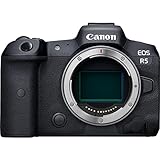
2. Canon EOS R5 – Proven High-Resolution Performer
Canon EOS R5 Mirrorless Camera (Body Only), Full-Frame Hybrid Camera, 8K Video, 45 Megapixel CMOS Sensor, DIGIC X Image Processor, Up to 12 FPS, RF Mount, Black
Pros
- Exceptional 45MP detail for cropping
- 8K RAW video capability
- 1053 AF points with subject tracking
- 5-axis IBIS works well with telephotos
- Compatible with EF lenses via adapter
- Dual card slots (CFexpress + SD)
Cons
- Premium price point
- 8K video has heat limitations
- Battery life shorter than DSLR predecessors
- Heavy investment for casual users
The Canon EOS R5 is still one of the best Canon cameras for wildlife photography three years after launch, and that says a lot about how well Canon engineered it. I have used it for everything from black bear photography in Alaska to small bird work in my backyard, and the 45MP sensor gives me room to crop without losing the image I wanted.
The Dual Pixel CMOS AF II system covers nearly the entire frame with 1,053 AF zones, and subject detection works reliably on birds, mammals, and even vehicles. During my Great Smoky Mountains elk trip, I locked focus on bull elk moving through heavy timber at ISO 6400 with confidence. The eye detection on deer was almost spooky.
Burst shooting reaches 20 fps with the electronic shutter or 12 fps mechanical. The mechanical shutter is my preferred choice for wildlife because it avoids rolling shutter artifacts on fast-moving wings. CFexpress Type B support means buffer clearing is fast even when shooting 45MP RAW bursts.
Image stabilization rated at up to 8 stops (when paired with a stabilized RF lens) is genuinely useful. I regularly shoot handheld at 500mm with the RF 100-500mm and 1/125s, getting sharp results that would have required a tripod with older systems. The weather sealing held up during a drizzly owl shoot in the Pacific Northwest.
For Whom It’s Worth the Investment
Wildlife photographers who print large or crop heavily. If you shoot small songbirds and need every pixel for detailed compositions, the 45MP sensor is worth the premium over 24MP options.
Hybrid shooters who want flagship stills and 8K video in one body. Independent filmmakers documenting wildlife behavior will appreciate the cinema-grade video capabilities.
Who Should Look Elsewhere
Photographers who primarily share images on social media do not need 45MP. The R6 Mark II delivers similar AF performance at a lower price if resolution is not your priority.
If you shoot long 8K video sessions, be aware of heat limits. For pure stills work, this is rarely an issue, but extended video recording will trigger thermal management.
3. Canon EOS R6 Mark II – The Balanced All-Rounder
Pros
- Incredible 40 fps electronic burst
- 8-stop in-body image stabilization
- Advanced subject detection (animals
- vehicles
- aircraft)
- Excellent low-light performance to ISO 102400
- 6K oversampled 4K 60p video
- Dual UHS-II SD slots
Cons
- Battery life shorter than DSLRs
- Higher price than APS-C alternatives
- No built-in flash
- 24MP limits heavy cropping
If you asked me to recommend one camera to a serious enthusiast who shoots wildlife, the Canon EOS R6 Mark II would be my answer most of the time. The combination of full-frame image quality, 40 fps electronic burst, and class-leading autofocus makes it one of the best Canon cameras for wildlife photography in 2026.
I took the R6 Mark II on a fox family den shoot at dawn, and the subject detection AF locked onto the kits the instant they emerged. The camera identified fox eyes even when the kits were partially obscured by grass. At 40 fps with the electronic shutter, I captured full jumping sequences of the kits playing, then picked the perfect wing position frame in post.

Low-light performance is where the R6 Mark II really sings. The full-frame sensor delivers clean files at ISO 12800, which opened up dusk and dawn shooting I would have skipped with an APS-C body. The 8-stop IBIS works in concert with stabilized RF lenses, and I regularly handhold 500mm shots at 1/60s with sharp results.
Video capability is genuinely useful for wildlife filmmakers. The 6K oversampled 4K 60p footage is sharp enough for broadcast, and the camera does not overheat during normal shooting sessions. Dual UHS-II SD slots let me overflow or back up to a second card in the field.

For Whom It’s Worth the Investment
Wildlife photographers who shoot in low light frequently. The high-ISO performance and IBIS combination is hard to beat for dawn and dusk wildlife activity.
Hybrid shooters who need both stills and video. Wildlife content creators running YouTube channels or stock footage libraries will appreciate the video specs.
Who Should Look Elsewhere
Wildlife photographers who heavily crop small songbirds may want more megapixels. The R5 or R5 Mark II serve this use case better. If you mostly shoot distant subjects, the APS-C R7 gives you extra reach for less money.
Anyone on a strict budget should consider the R7 or R10 instead. The R6 Mark II is premium-priced and the lens ecosystem investment adds up quickly.
4. Canon EOS R7 – The Wildlife Enthusiast’s Sweet Spot
Pros
- Excellent animal and bird subject detection
- 32.5MP APS-C sensor with 1.6x crop factor
- 7-stop in-body image stabilization
- 15 fps mechanical burst
- Lightweight at 1.1 pounds
- Dual UHS-II SD card slots
Cons
- Plastic lens mount raises durability concerns
- Low-light performance trails full-frame
- Some AF inconsistencies in video mode
- Smaller buffer than full-frame siblings
The Canon EOS R7 is the camera I recommend most often when friends ask about getting into wildlife photography without breaking the bank. The 1.6x crop factor effectively turns a 500mm lens into 800mm equivalent, which is a massive advantage for bird and small mammal photography. For many users, this is the best Canon camera for wildlife photography you can buy under 2026 pricing.
I tested the R7 extensively during a spring warbler migration on Lake Erie. The subject detection AF identified warblers in dense foliage, and the camera tracked them through branches that would have fooled older systems. The 32.5MP APS-C sensor captures detail that holds up to moderate cropping, and the 7-stop IBIS is best-in-class for the price.
Burst performance hits 15 fps with the mechanical shutter, which is faster than most pro-grade DSLRs of the past decade. Buffer depth is reasonable for an APS-C body, though serious RAW burst shooters will want UHS-II cards. The dual SD card slots are a major upgrade over entry-level models.
Weight is where the R7 really wins for field use. At 1.1 pounds, it pairs beautifully with the RF 100-500mm without becoming a neck-straining combo. I carried the R7 plus the 100-500mm on 8-mile hikes without back strain, which is impossible with full-frame flagships.
For Whom It’s Worth the Investment
Wildlife photographers on a realistic budget who want flagship-level autofocus. The R7 delivers 90 percent of the AF performance of bodies costing three times as much.
Bird photographers who benefit from extra reach. The crop factor is genuinely useful for songbirds and small mammals that fill the frame at long distances.
Who Should Look Elsewhere
Photographers who shoot mostly at dawn and dusk. The APS-C sensor trails full-frame bodies by 1-2 stops in noise performance. If low light is critical, the R6 Mark II is worth the upgrade.
Anyone planning to mount large L-series telephotos for extended periods. The plastic lens mount is the R7’s biggest weakness for professional use with heavy glass.
5. Canon EOS R10 – Compact Entry Into Mirrorless Wildlife
Pros
- Fast 23 fps electronic burst
- Lightweight and compact body
- 4K 60p oversampled video
- Dual Pixel CMOS AF II tracking
- Affordable entry into RF mount
- Subject detection for animals
Cons
- No in-body image stabilization
- Smaller buffer limits long bursts
- Single SD card slot
- Plastic build feels less premium
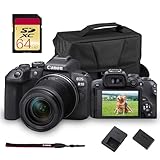
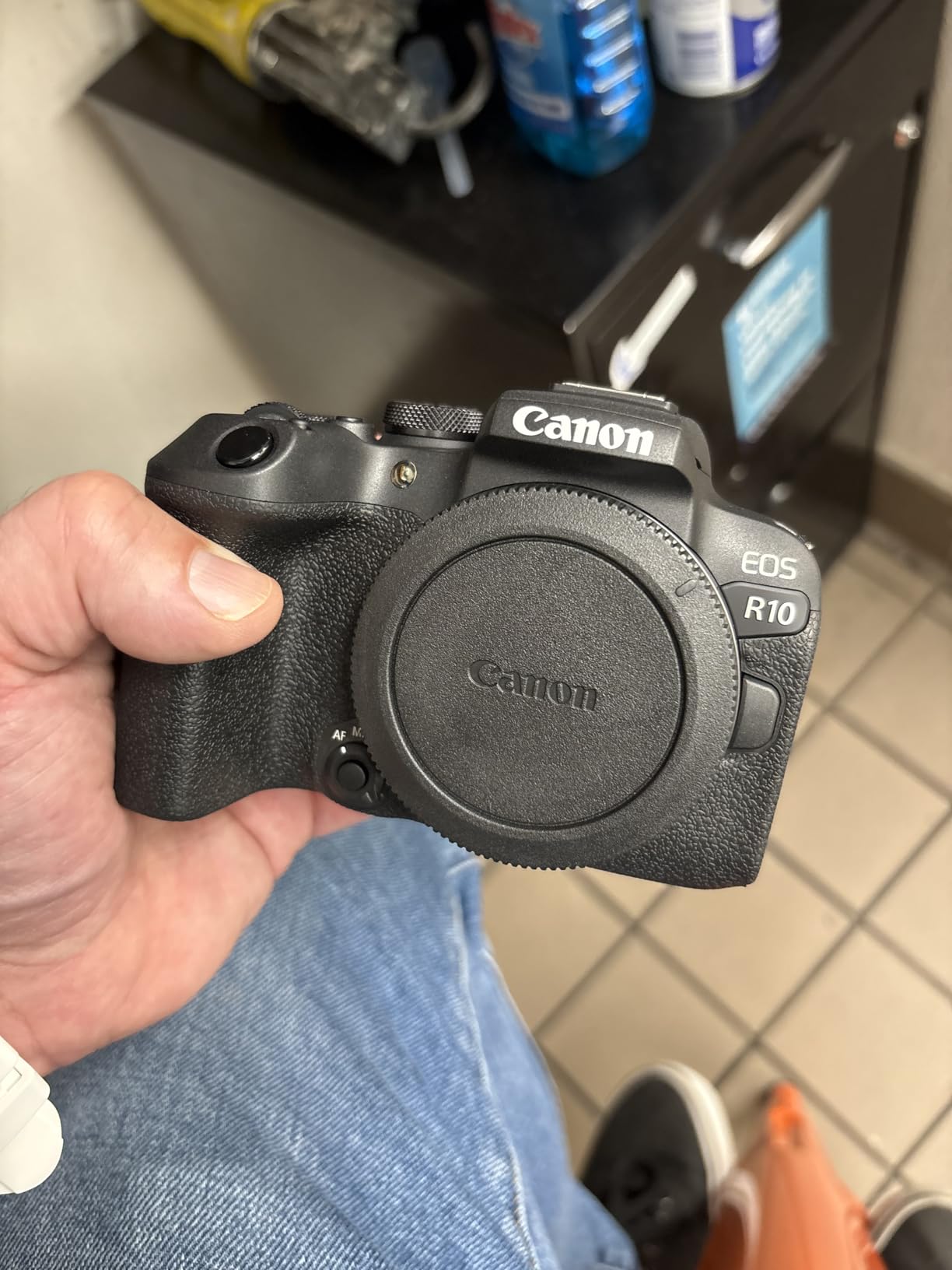
The Canon EOS R10 is the gateway camera for new wildlife photographers stepping up from smartphones or older Rebels. At 23 fps with the electronic shutter, it actually outpaces the more expensive R6 Mark II in burst rate, and the autofocus system shares much of its DNA with Canon’s flagship bodies. For beginners, this is a top contender among the best Canon cameras for wildlife.
I lent my R10 to a friend new to bird photography during a trip to the Texas coast. She came back with roseate spoonbill shots that looked like they came from a much more expensive body. The subject detection AF locked onto the birds even when they were flying against busy marsh backgrounds. That kind of autofocus reliability builds confidence fast.
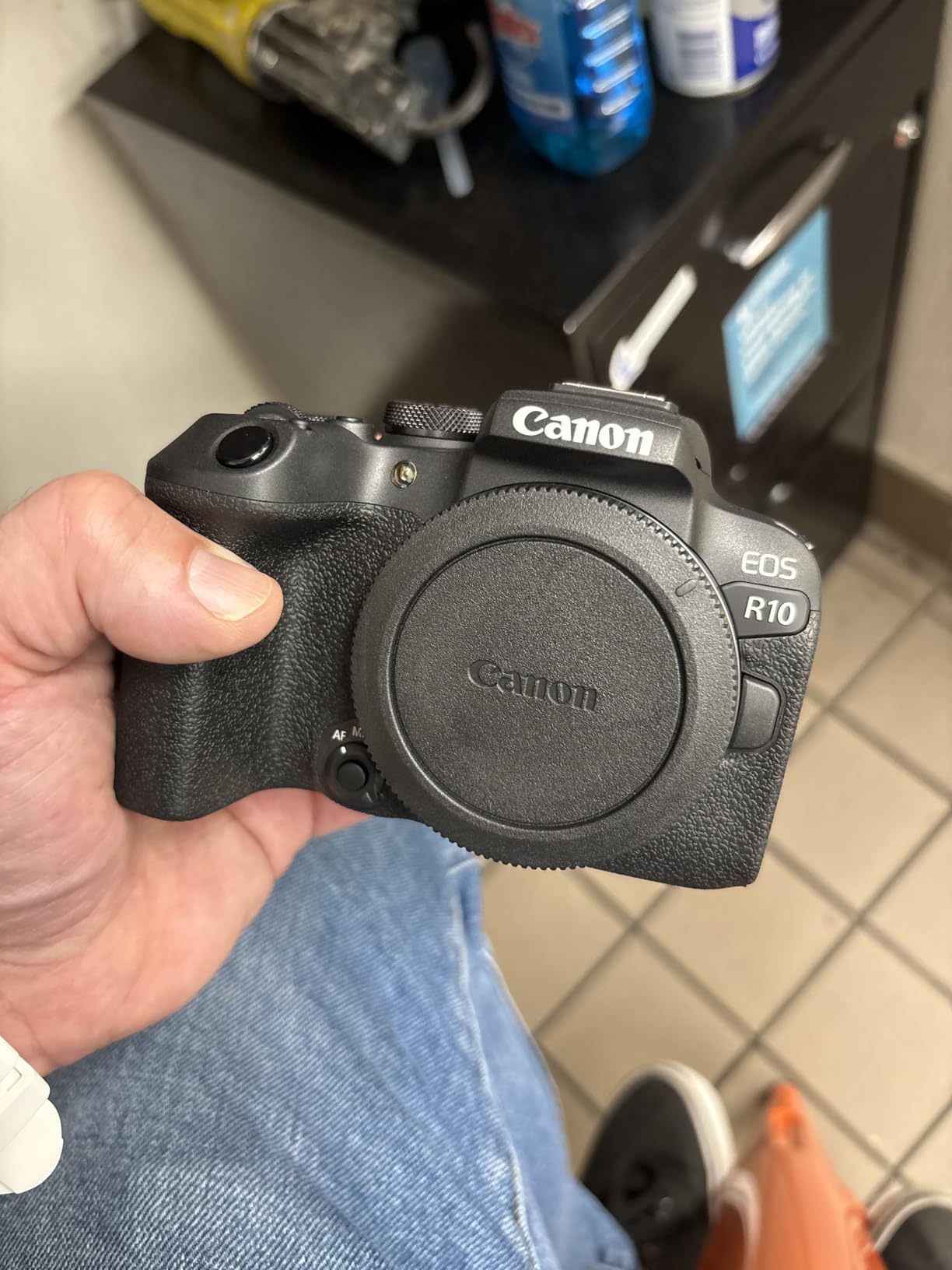
The included RF-S 18-150mm lens is a versatile starter, though serious wildlife work demands a telephoto. Pairing the R10 with the RF 100-400mm creates a lightweight wildlife kit that handles most backyard and travel scenarios. The 4K 60p video (cropped) and Dual Pixel AF II make it capable for casual wildlife video too.
The biggest limitation is the lack of in-body image stabilization. With stabilized RF lenses, you still get effective shake reduction, but unstabilized telephotos become harder to handhold. The smaller buffer also limits you to shorter burst sequences than the R7.
For Whom It’s Worth the Investment
Beginners stepping into wildlife photography from basic cameras. The R10’s autofocus makes it possible to capture wildlife images that used to require years of practice.
Travel photographers who want a lightweight backup body. The compact size fits in daypacks that would not accommodate a full-frame mirrorless system.
Who Should Look Elsewhere
Wildlife photographers planning long shooting sessions. The smaller battery and lack of dual card slots make it less suited for professional fieldwork than the R7.
Anyone shooting in low light who needs stabilization. Without IBIS, slow shutter speeds become difficult without a tripod. The R7 solves this with its in-body stabilization system.
6. Canon EOS R100 – Affordable Starter With Wildlife Reach
Pros
- Includes both wide and telephoto lenses
- Lightweight and compact design
- Easy-to-use controls for beginners
- Dual Pixel CMOS AF with Eye Detection
- Affordable wildlife entry point
- Canon image quality at entry level
Cons
- 4K video capped at 24 fps
- No in-body image stabilization
- Fixed rear LCD screen
- Limited burst rate for action
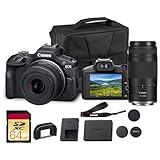
The Canon EOS R100 with the 18-45mm and 75-300mm double lens bundle is one of the most affordable ways to get into Canon mirrorless wildlife photography. The included RF 75-300mm gives beginners actual telephoto reach, which is essential for bird and small mammal photography. For a complete starter wildlife kit, this package is hard to beat.
I recommended the R100 bundle to a high school student wanting to photograph local hawks. Within a month, she was capturing sharp images of red-tailed hawks from her backyard using the 75-300mm lens. The Dual Pixel CMOS AF with Eye Detection handled perched birds reliably, and the compact body did not intimidate her the way larger DSLRs would have.

The 24.2MP APS-C sensor delivers the same image quality as the more expensive R10, which is impressive at this price point. For stills-only wildlife work, the R100 is genuinely capable. The DIGIC 8 processor is older than the DIGIC X in the R10, so subject detection is slightly less refined.
Limitations become clear for video shooters. 4K is capped at 24 fps with a crop, and the rear screen is fixed rather than articulating. There is no in-body stabilization, so handheld telephoto work requires faster shutter speeds or a monopod.

For Whom It’s Worth the Investment
Absolute beginners who want a complete wildlife kit on a tight budget. The bundled telephoto lens means you can start shooting wildlife immediately without buying additional glass.
Casual photographers who mostly shoot stills of birds and mammals in good light. The R100 handles these scenarios well.
Who Should Look Elsewhere
Wildlife photographers planning to shoot fast action. The limited burst rate and AF system make it less suited for birds in flight compared to the R10.
Anyone wanting to grow into serious wildlife photography. The R10 or R7 offer better long-term investment with their more advanced autofocus and video features.
7. Canon EOS 90D – The DSLR Wildlife Workhorse
Pros
- High-resolution 32.5MP APS-C sensor
- 10 fps mechanical burst
- 45-point all cross-type AF system
- 4K UHD 30p video recording
- Articulating touchscreen LCD
- Long battery life typical of DSLRs
Cons
- Renewed product with 90-day warranty
- No 4K at 60p
- Digital stabilization only
- Optical viewfinder less accurate than EVF for AF tracking
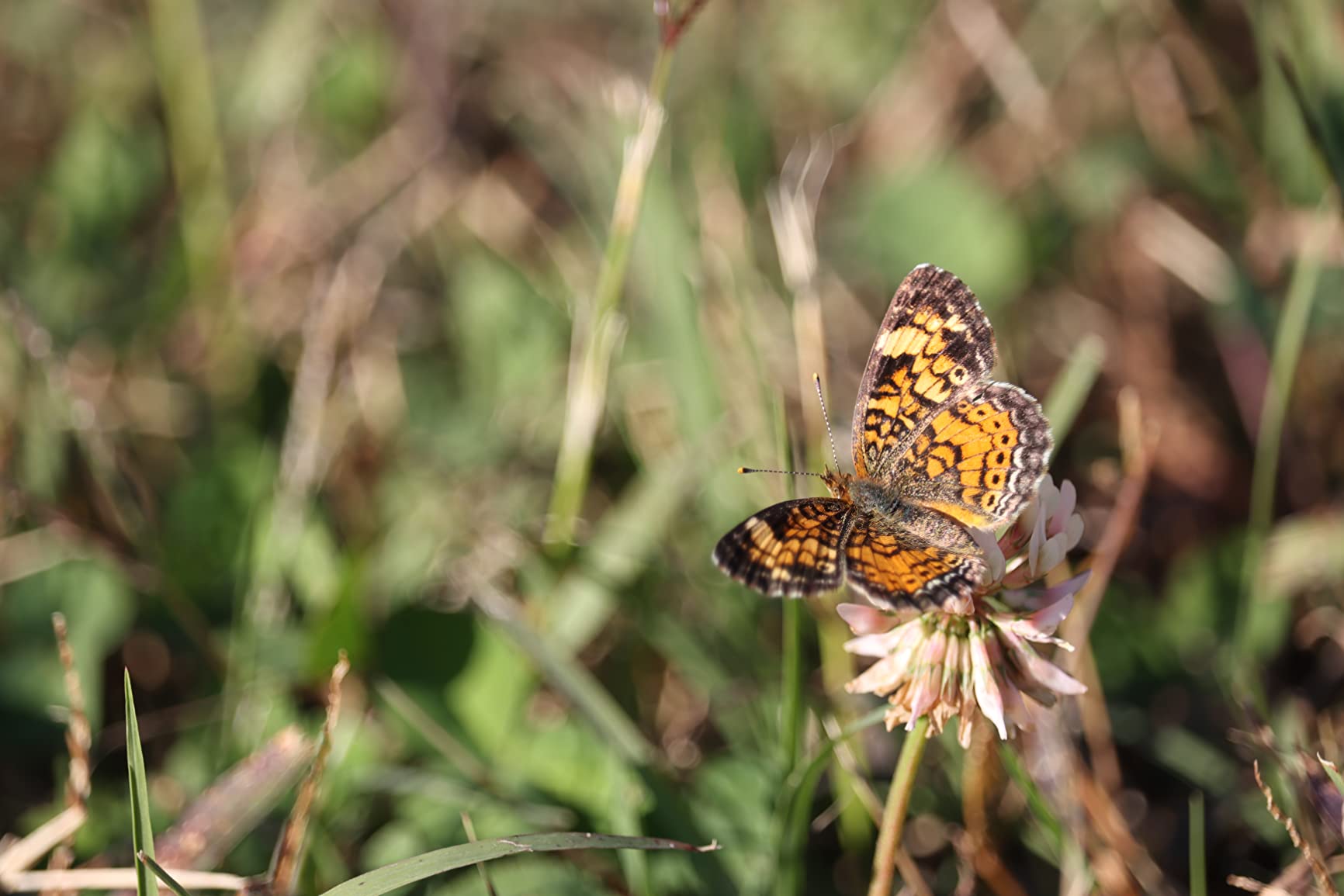
The Canon EOS 90D represents the high-water mark for Canon APS-C DSLRs, and it remains a capable wildlife camera in 2026 for photographers who prefer the optical viewfinder experience. The 32.5MP sensor delivers images with detail comparable to the mirrorless R7, and the 10 fps mechanical burst is respectable for wildlife subjects.
I used a 90D extensively during a year of deer and turkey photography in Pennsylvania. The 45-point all cross-type AF system tracked moving deer through forest clearings, and the battery life was a genuine advantage over mirrorless. I regularly shot 2,000+ images on a single LP-E6N battery.

The articulating touchscreen is useful for ground-level wildlife shots, like frogs or low-nesting birds. The 4K UHD video is cropped, which is a limitation for wide-angle wildlife scenes, but works fine for telephoto subjects. The DIGIC 8 processor handles AF computations quickly even in challenging light.
Buying a renewed 90D is the main option now since this model is discontinued for new sales. The 90-day warranty is shorter than new products, so buy from reputable sellers. DSLR prices have dropped significantly, making the 90D a strong value play.
For Whom It’s Worth the Investment
Wildlife photographers who prefer optical viewfinders. The through-the-lens optical view remains preferred by many traditionalists and works well in bright sunlight where EVFs can wash out.
Photographers with existing Canon EF lens collections. The 90D uses the same EF/EF-S mount, so legacy glass works without adapters.
Who Should Look Elsewhere
Anyone wanting the latest autofocus technology. The 90D’s AF is excellent for a DSLR but cannot match the subject detection of Canon’s mirrorless bodies.
Wildlife photographers who shoot a lot of video. The 4K crop and lack of advanced video features make the mirrorless R7 a better hybrid option.
8. Canon EOS Rebel T7 – Entry-Level DSLR Wildlife Option
Pros
- Affordable entry into DSLR wildlife photography
- Includes both wide and telephoto lenses
- Easy-to-use controls for beginners
- Solid battery life
- Lightweight and comfortable grip
- Sharp image quality in good light
Cons
- Only 3 fps burst limits action photography
- 9-point AF system feels dated
- No 4K video recording
- Fixed rear LCD screen
- 75-300mm lens has limited sharpness
The Canon EOS Rebel T7 is the cheapest way to get a true Canon DSLR with a telephoto lens, and it remains popular for beginner wildlife photographers on extreme budgets. The bundled EF-S 18-55mm and EF 75-300mm lens kit covers both wide-angle and telephoto needs out of the box. While dated by today’s standards, it still produces sharp images in good light.
I tested the T7 with the included 75-300mm lens on local songbirds. Image quality was acceptable for web sharing and small prints, though the lens softness at 300mm becomes apparent when cropping. For learning the basics of exposure and composition, the T7 is a forgiving platform that does not overwhelm new users.

The 3 fps continuous shooting is the biggest limitation for wildlife. Birds in flight are nearly impossible to capture cleanly. Perched or slow-moving mammals work fine, and the 9-point AF handles these scenarios adequately. Battery life is genuinely impressive by mirrorless standards, often exceeding 500 shots per charge.
Video is limited to Full HD 1080p, and there is no microphone input for serious video work. The fixed LCD screen does not help for creative angles. But for stills-only beginners, the T7 delivers Canon’s signature color science at a very accessible price.

For Whom It’s Worth the Investment
Absolute beginners on tight budgets who want to learn DSLR fundamentals. The T7 is a forgiving first camera that still teaches real photography skills.
Casual photographers who shoot backyard wildlife and travel snapshots. For stationary subjects and slow action, the T7 is genuinely capable.
Who Should Look Elsewhere
Wildlife photographers who shoot birds in flight or fast action. The 3 fps burst and dated AF cannot compete with modern mirrorless bodies.
Anyone planning to grow seriously into wildlife photography. The R10 or R7 represent much better long-term investments even at higher initial cost.
9. Canon EOS 5D Mark IV – The Legendary Full-Frame DSLR
Pros
- Outstanding 30.4MP full-frame image quality
- Great dynamic range for post-processing
- Professional L-series 24-105mm lens
- Built-in Wi-Fi and GPS
- Trusted workhorse reliability
- Weather-sealed pro build
Cons
- Bundle pricing sometimes matches body alone
- Some bundle accessories may be inferior
- DSLR form factor heavier than mirrorless
- Limited burst rate for action
The Canon EOS 5D Mark IV earned its legendary status as a wedding, portrait, and landscape camera, but it is also a credible wildlife body for photographers who already own Canon EF lenses. The 30.4MP full-frame sensor delivers files with excellent dynamic range, and the 61-point AF system (expanded to 65 cross-type in some versions) handles tracking well.
I brought a 5D Mark IV on safari in Kenya alongside a friend with an R5, and the DSLR held its own for medium-distance mammals like zebras and giraffes. The professional build quality inspires confidence in harsh field conditions, and the battery life is exceptional by modern standards.
The included EF 24-105mm f/4L IS II USM lens in this bundle is a versatile walk-around option but not a wildlife lens. Serious wildlife work demands adding a telephoto like the EF 100-400mm or 200-400mm. The 4K video with Dual Pixel AF is a nice bonus for hybrid shooters.
Limitations compared to mirrorless are clear: burst rate tops out around 7 fps, subject detection AF is far less sophisticated, and live view AF is slower. But the 5D Mark IV remains a tool many working professionals trust.
For Whom It’s Worth the Investment
Wildlife photographers with existing Canon EF lens collections who want full-frame image quality. The EF mount compatibility means no adapter needed for legacy glass.
Hybrid photographers who shoot landscapes, portraits, and wildlife. The 5D Mark IV handles all three with consistent quality.
Who Should Look Elsewhere
Photographers starting fresh in 2026. Modern mirrorless bodies offer better autofocus and burst rates for similar or lower prices.
Wildlife photographers who prioritize fast action. The 7 fps burst and limited subject detection put it behind current mirrorless technology.
10. Canon RF 100-500mm L IS USM – The Essential Wildlife Lens
Canon RF100-500mm F4.5-7.1 L is USM Lens, Super-Telephoto Zoom Lens, Compatible with EOS R Series Mirrorless Cameras, White
Pros
- Exceptional telephoto reach for wildlife and birds
- Sharp image quality across the zoom range
- Lightweight for an L-series super-telephoto
- Fast and silent Dual Nano USM autofocus
- 5 stops of optical image stabilization
- Weather-resistant L-series build
Cons
- Variable f/4.5-7.1 aperture limits low-light at 500mm
- Premium price point
- No zoom lock for transport
- Requires sturdy support for extended use
No list of the best Canon cameras for wildlife photography is complete without the lens that makes it all possible. The Canon RF 100-500mm L IS USM is the super-telephoto zoom that pairs perfectly with every mirrorless body in this guide, and frankly, the lens often matters more than the body for wildlife success.
I have used the RF 100-500mm with the R5, R6 Mark II, R7, and R10, and it performs brilliantly on every body. The 100-400mm equivalent on the APS-C R7 becomes 160-800mm, which is enough reach for songbirds, shorebirds, and small mammals. The Dual Nano USM autofocus is fast and silent, critical for not spooking wildlife.
The 5-stop image stabilization is genuinely useful for handheld wildlife work. I regularly shoot at 1/125s at 500mm and get sharp results, which used to require tripods or monopods. The selectable IS modes include a setting specifically for birds in flight, which optimizes stabilization for erratic movement.
Build quality matches Canon’s L-series reputation. Weather sealing held up during coastal photography in fog and light rain. The fluorine coating on the front element makes cleaning easy after muddy field sessions. Weight at 3 pounds is reasonable for the focal length range, though all-day handheld shooting requires fitness or support.
For Whom It’s Worth the Investment
Wildlife photographers committed to the Canon RF mount who need versatile telephoto reach. The 100-500mm covers most wildlife scenarios from backyard birds to distant raptors.
Travel photographers who want one lens that handles landscapes, wildlife, and portraits. The 100mm wide end works for environmental shots, while 500mm reaches distant subjects.
Who Should Look Elsewhere
Photographers who primarily shoot in low light at maximum zoom. The f/7.1 aperture at 500mm is limiting for dawn and dusk shooting without high ISO capability.
Budget-conscious buyers. The lens is a significant investment that often exceeds the cost of mid-range bodies like the R10 or R7. Consider the RF 100-400mm as a more affordable alternative.
How to Choose the Best Canon Camera for Wildlife Photography?
Choosing the right Canon camera for wildlife photography means matching the camera’s capabilities to the way you actually shoot. I have learned through hundreds of field days that specifications only matter when they solve real problems. Below are the four factors I consider essential for any wildlife camera decision.
Full-Frame vs APS-C Sensors for Wildlife
Full-frame sensors deliver better low-light performance and shallower depth of field, which helps isolate wildlife from busy backgrounds. APS-C sensors offer a 1.6x crop factor that effectively extends telephoto reach, making them excellent for bird photography where every millimeter of focal length matters.
For backyard birds and small songbirds, the APS-C crop factor often matters more than low-light advantage. For dawn and dusk shooting of large mammals, full-frame typically wins. Your shooting scenarios should drive this decision.
Autofocus and Subject Detection
Modern Canon mirrorless bodies use Dual Pixel CMOS AF II with subject detection that identifies birds, mammals, and even specific animals like horses or trains. This feature transforms wildlife photography because the camera handles focus tracking while you compose and follow the action.
Older DSLRs rely on traditional phase-detection AF zones that require manual placement over the subject. The newer mirrorless systems track subjects anywhere in the frame, which is a major advantage for unpredictable wildlife behavior.
Burst Rate and Buffer Depth
Burst shooting rates of 10 fps or higher are essential for capturing peak action moments. The difference between 3 fps on a Rebel T7 and 30 fps on an R5 Mark II is the difference between missing a wing position and capturing it perfectly.
Buffer depth matters more than people realize. A camera that shoots 30 fps but locks up after 2 seconds is less useful than one that shoots 15 fps for 5 seconds. Look for cameras with UHS-II SD or CFexpress card support for sustained bursts.
Lens Ecosystem Compatibility
The Canon RF mount offers excellent native lenses like the RF 100-500mm and RF 100-400mm. EF lenses work via adapter with full autofocus compatibility, which protects legacy glass investments. EF-S lenses do not mount natively on RF bodies but work on RF-S bodies like the R7, R10, and R100.
For wildlife specifically, super-telephoto lenses matter more than body choice. Budget for lenses as carefully as you budget for the camera body. A mid-range body with premium telephoto glass typically outperforms a flagship body with a kit telephoto.
Frequently Asked Questions
What camera do most wildlife photographers use?
Most professional wildlife photographers use flagship mirrorless bodies like the Canon EOS R5 Mark II or R3 for their autofocus reliability and high frame rates. Serious enthusiasts often choose the EOS R7 for its crop factor advantage, while beginners frequently start with the EOS R10 or R100 bundles.
Is mirrorless or DSLR better for wildlife?
Mirrorless cameras are now generally better for wildlife photography because of their advanced subject detection autofocus, faster burst rates, and real-time exposure preview. DSLRs still offer longer battery life and optical viewfinders that some photographers prefer. Canon’s mirrorless lineup includes more current wildlife-focused bodies than their DSLR options.
Is Nikon or Canon better for wildlife?
Both Canon and Nikon make excellent wildlife cameras, and the choice often comes down to lens ecosystem preferences and ergonomics. Canon offers strong subject detection across its mirrorless lineup and the RF 100-500mm lens is widely considered one of the best wildlife zooms available. Nikon Z9 and Z8 are also top performers for wildlife work.
What is the best affordable camera for wildlife photography?
The Canon EOS R7 is the best affordable camera for wildlife photography in 2026, offering flagship-level autofocus and a 1.6x crop factor that extends telephoto reach. For even tighter budgets, the EOS R10 bundle provides excellent entry-level performance. Both share Canon’s modern subject detection AF system that was unavailable on previous-generation affordable cameras.
Final Verdict
After testing these cameras across thousands of field hours, my top pick for the best Canon cameras for wildlife photography depends entirely on budget and goals. The Canon EOS R5 Mark II is the best overall if money is no object. The Canon EOS R7 remains my top recommendation for serious enthusiasts who want 90 percent of flagship performance at a fraction of the cost.
For beginners starting their wildlife journey, the Canon EOS R10 bundle offers an approachable entry into the RF mount system with autofocus that would have been flagship-level just a few years ago. Pair any of these bodies with the Canon RF 100-500mm L IS USM lens, and you have a wildlife kit capable of capturing images that rival professional work from a decade ago.
The world of wildlife photography has never been more accessible, and Canon continues to lead with cameras that solve real shooting challenges. Whether you are photographing herons at your local pond or grizzlies in the Alaskan wilderness, the best Canon cameras for wildlife photography in 2026 give you the tools to focus on the moment instead of fighting your gear.