
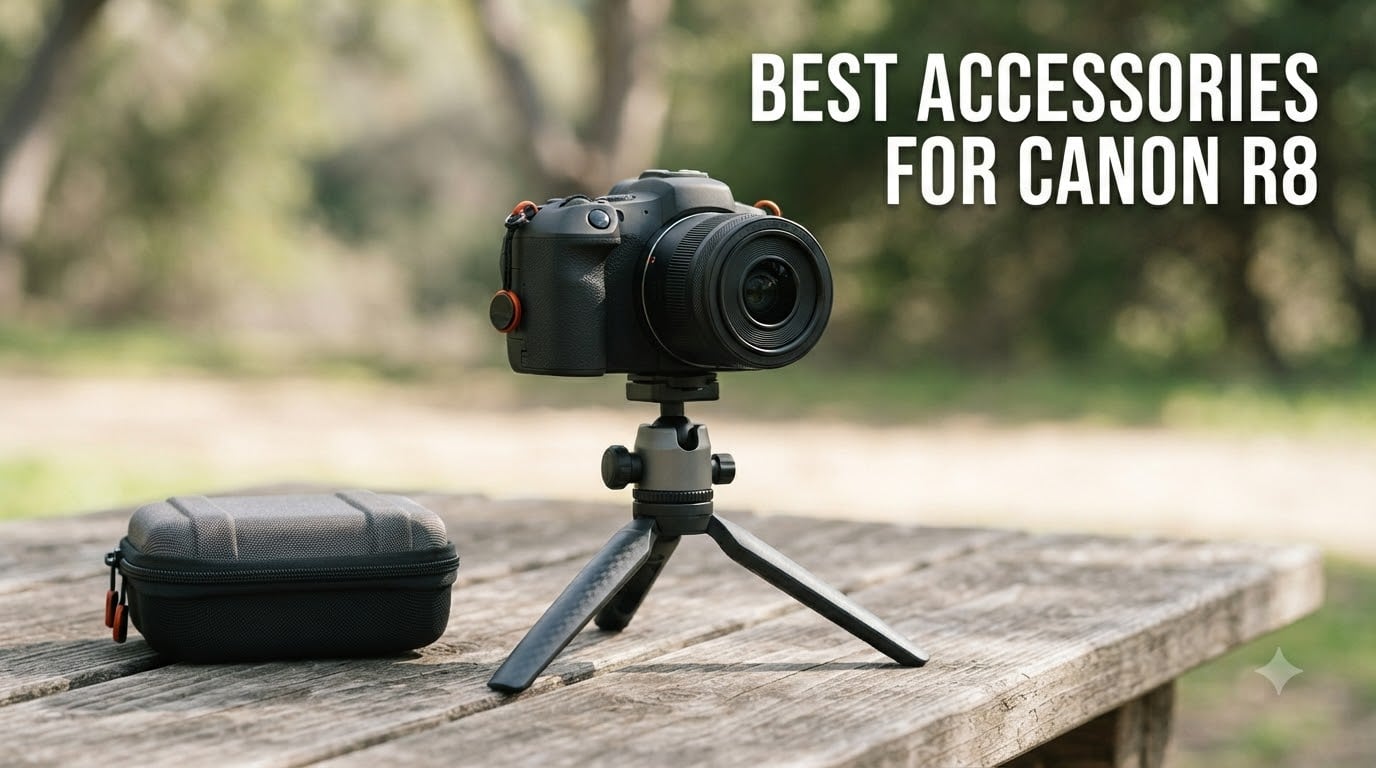
Looking for the best accessories for Canon R8 without turning a compact camera into a heavy bag? I built this roundup around the way the R8 is actually used: travel, portraits, street work, family events, and lightweight video.
The R8 combines a 24.2MP full-frame sensor, 4K video, and fast burst shooting in a small body. That makes power, storage, handling, and stabilization the first things I would address; the right mix can make the camera easier to carry and much less stressful on a long day.
There is no single must-have accessory for everyone. I compared the selected products for compatibility, useful features, real-world convenience, and limitations, with extra attention to the forum complaints that R8 owners repeatedly mention: limited battery endurance, no in-body image stabilization, a small grip, and heat during long video sessions.
Top 3 Picks for the Best Canon R8 Accessories (September 2026)


Canon R8 Accessories in 2026




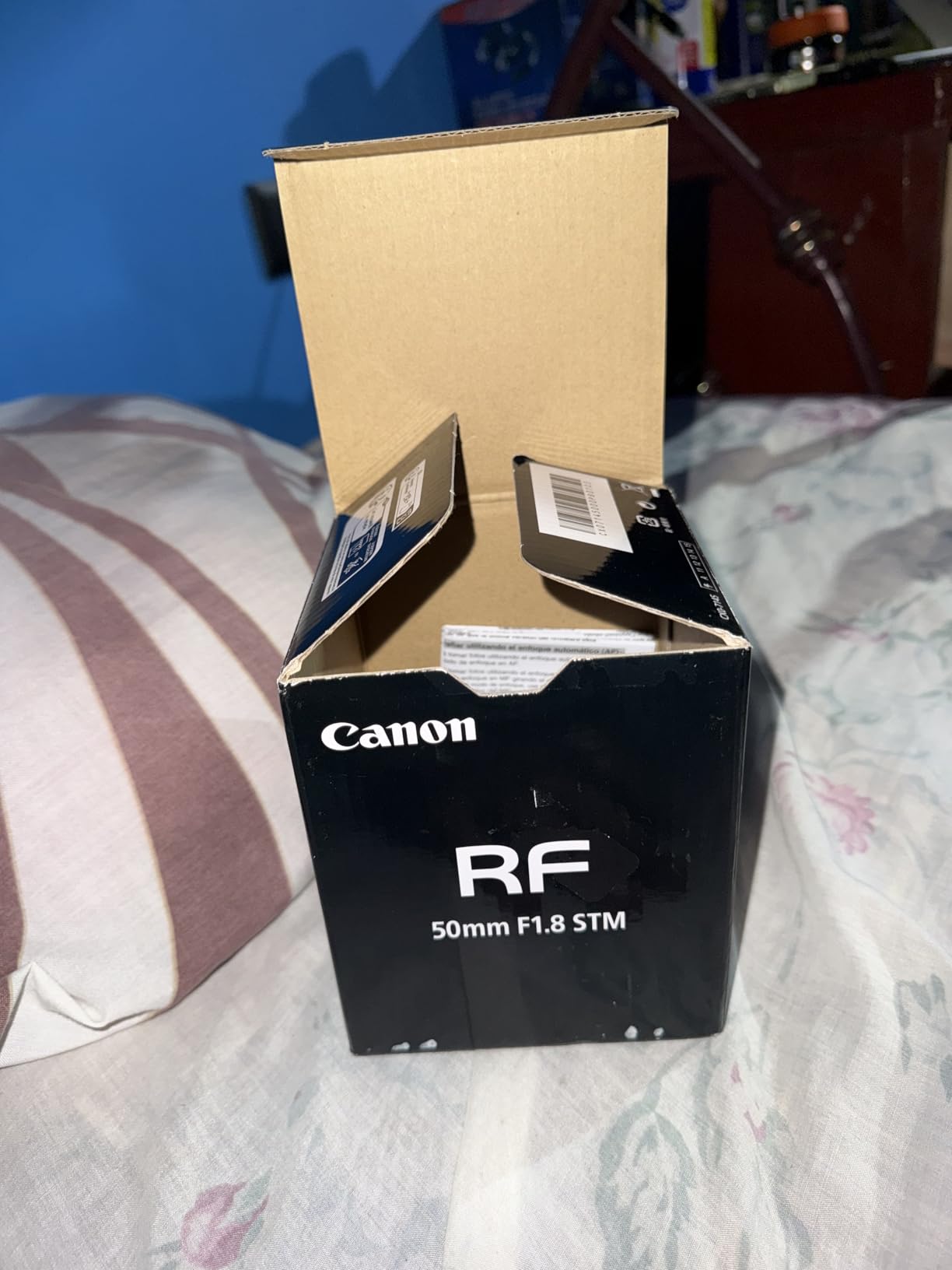
1. Canon RF50mm F1.8 STM — Compact Portrait and Everyday Prime
Pros
- Compact and lightweight
- Sharp at f1.8
- Quiet STM autofocus
Cons
- No image stabilization
- Plastic construction
I would start a new R8 kit with this lens if portraits, street photography, and low-light shooting matter more than zoom flexibility. Its 50mm view on the full-frame R8 is familiar, and the wide f/1.8 aperture gives me much more control over background blur and available light than a kit zoom.
The 5.6-ounce weight suits the R8 particularly well. It feels balanced on a small body, and the STM motor is quiet enough for video, where lens noise can ruin an otherwise good take.

There is no optical stabilization, so I would pair it with a tripod or a stabilized RF lens when shooting handheld in very dim conditions. The plastic body is also less luxurious than an L-series lens, but that is a reasonable trade for the compact size.
When this lens earns its place
Choose it for portraits, indoor events, travel, and video close-ups where a small prime is easier to carry than a zoom. It is especially useful for beginners who want a simple field of view and a bright aperture without carrying a large lens.
When it is not the right first lens
Skip it if you need to frame subjects from a distance or if stabilization is essential for handheld stills at very slow shutter speeds. A 24-105mm zoom is the more practical one-lens travel option.
2. Canon RF 24-105mm f/4L IS USM — One-Lens Travel Workhorse

Canon RF 24-105mm f/4L is USM Zoom Lens, Black, Compatible with EOS R Series Mirrorless Cameras
Pros
- Versatile travel range
- Sharp optics
- Weather-sealed L-series
Cons
- Fixed f4 aperture
- Heavier than compact primes
This is the lens I would choose for a trip when changing lenses is inconvenient. The 24-105mm range covers landscapes, architecture, portraits, and moderate telephoto subjects, while the constant f/4 aperture keeps exposure predictable across the zoom range.
Optical stabilization is the reason it works so well on the R8, which does not have in-body image stabilization. I would still use a tripod for long exposures, but the 5-stop rating makes ordinary handheld work much more forgiving.
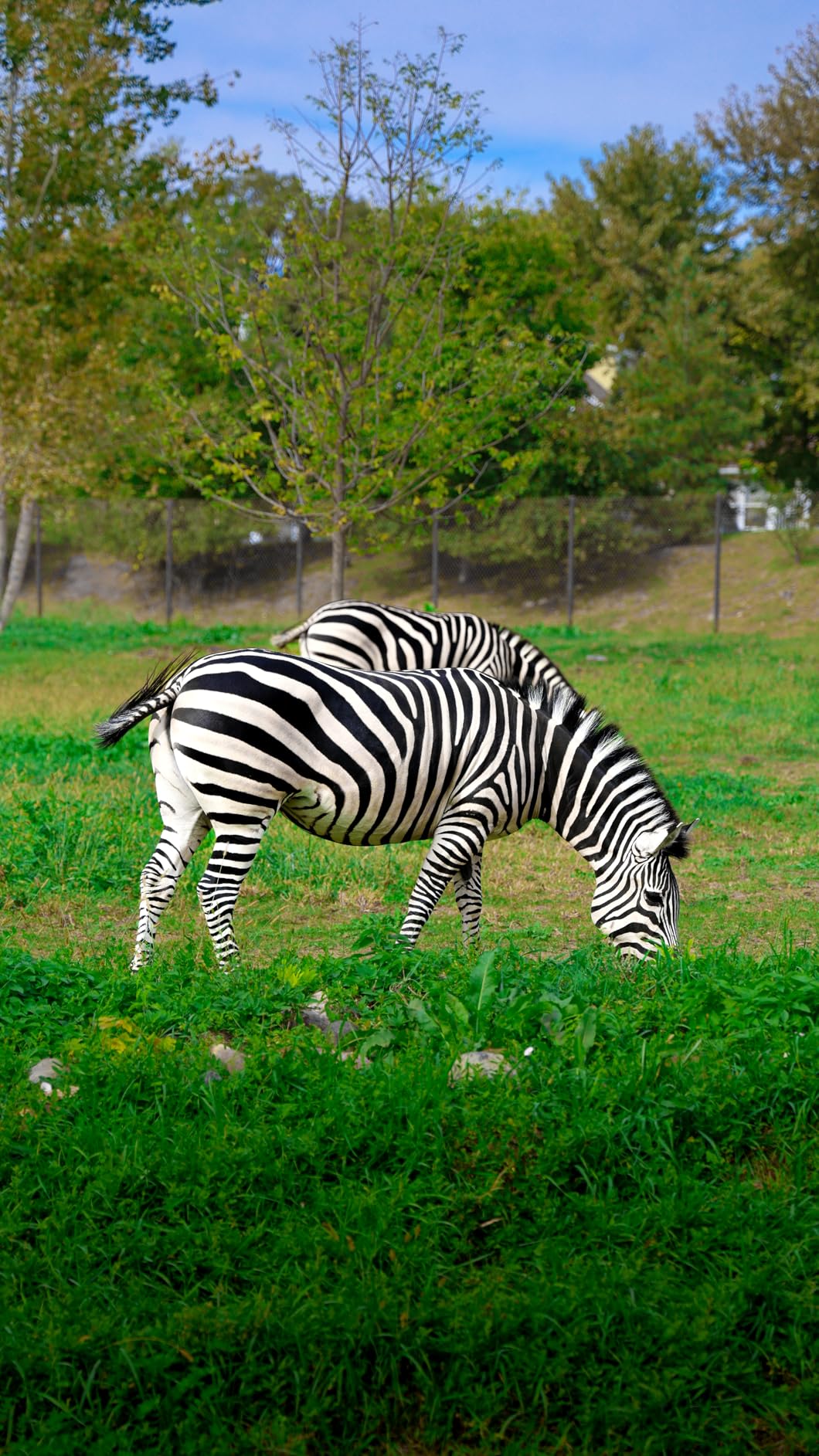
It is a 1.5-pound lens, so the compact R8 no longer feels like a pocket camera once it is attached. For a travel kit, I would accept that extra weight in exchange for the range and the weather-sealed L-series construction.
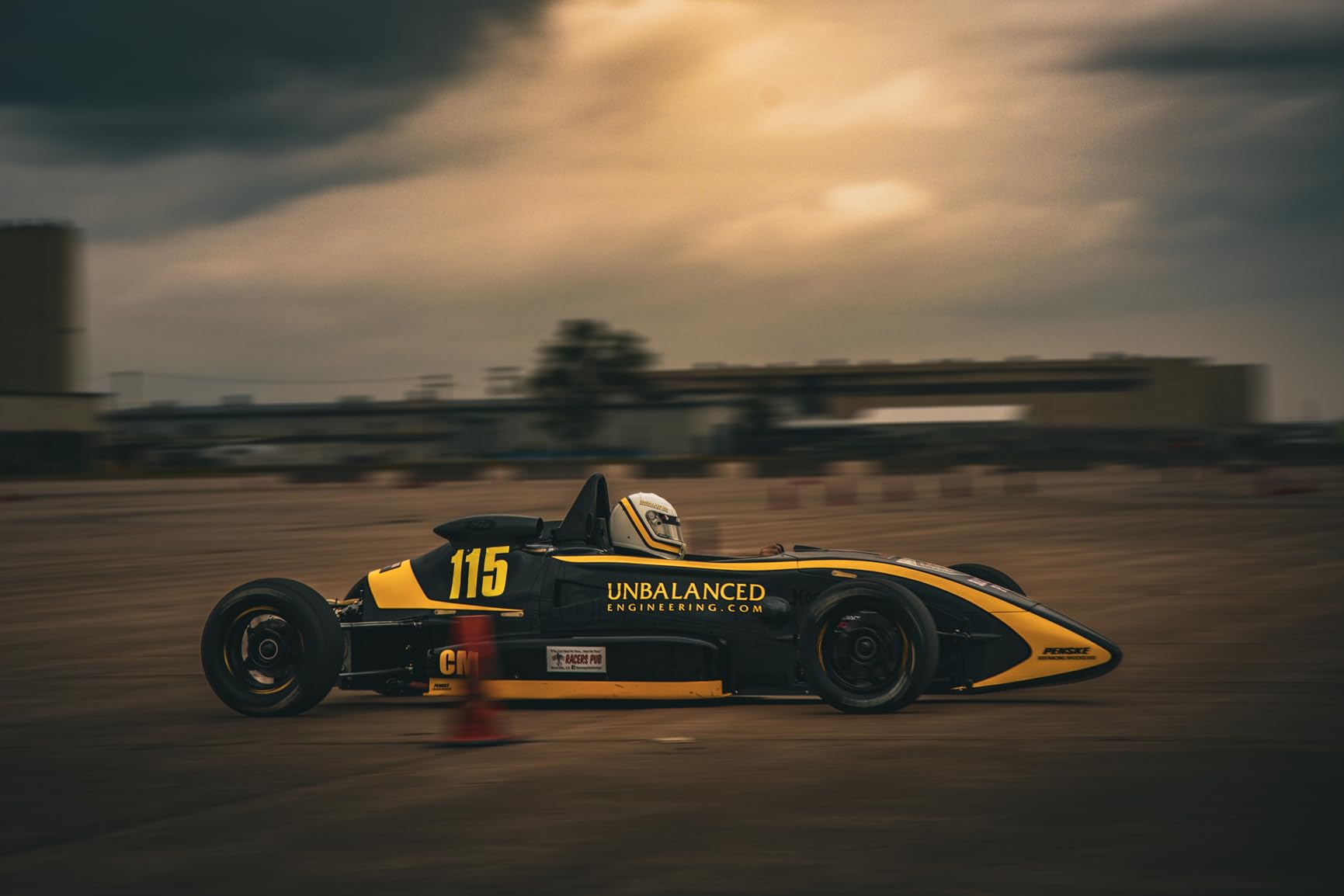
Who benefits most from the zoom
Travel photographers, event photographers, and anyone who wants one lens to cover most everyday situations will appreciate the flexibility. The control ring and Nano USM autofocus also make it comfortable for stills and video.
Who should look elsewhere
Portrait shooters who regularly work in very low light may prefer the RF50mm f/1.8 or another fast prime. The fixed f/4 aperture also limits the shallow-depth-of-field look available at longer focal lengths.
3. Canon RF35mm F1.8 IS Macro STM — Versatile Prime for Travel and Detail

Canon RF35mm F1.8 is Macro STM Lens, Black, Compatible with EOS R Series Mirrorless Cameras
Pros
- Sharp wide open
- Macro capability
- Optical stabilization
Cons
- Possible AF precision variation
- Purple fringing wide open
The 35mm focal length is a strong match for the R8 because it gives a natural, moderately wide view without feeling cramped indoors. I would use it for travel scenes, environmental portraits, food, and close-up work where one compact lens needs to do several jobs.
The 0.5x magnification ratio is more useful than a novelty feature in a general kit. A minimum focusing distance of 0.56 feet lets me photograph small subjects, while optical stabilization helps when the R8 is being used handheld.
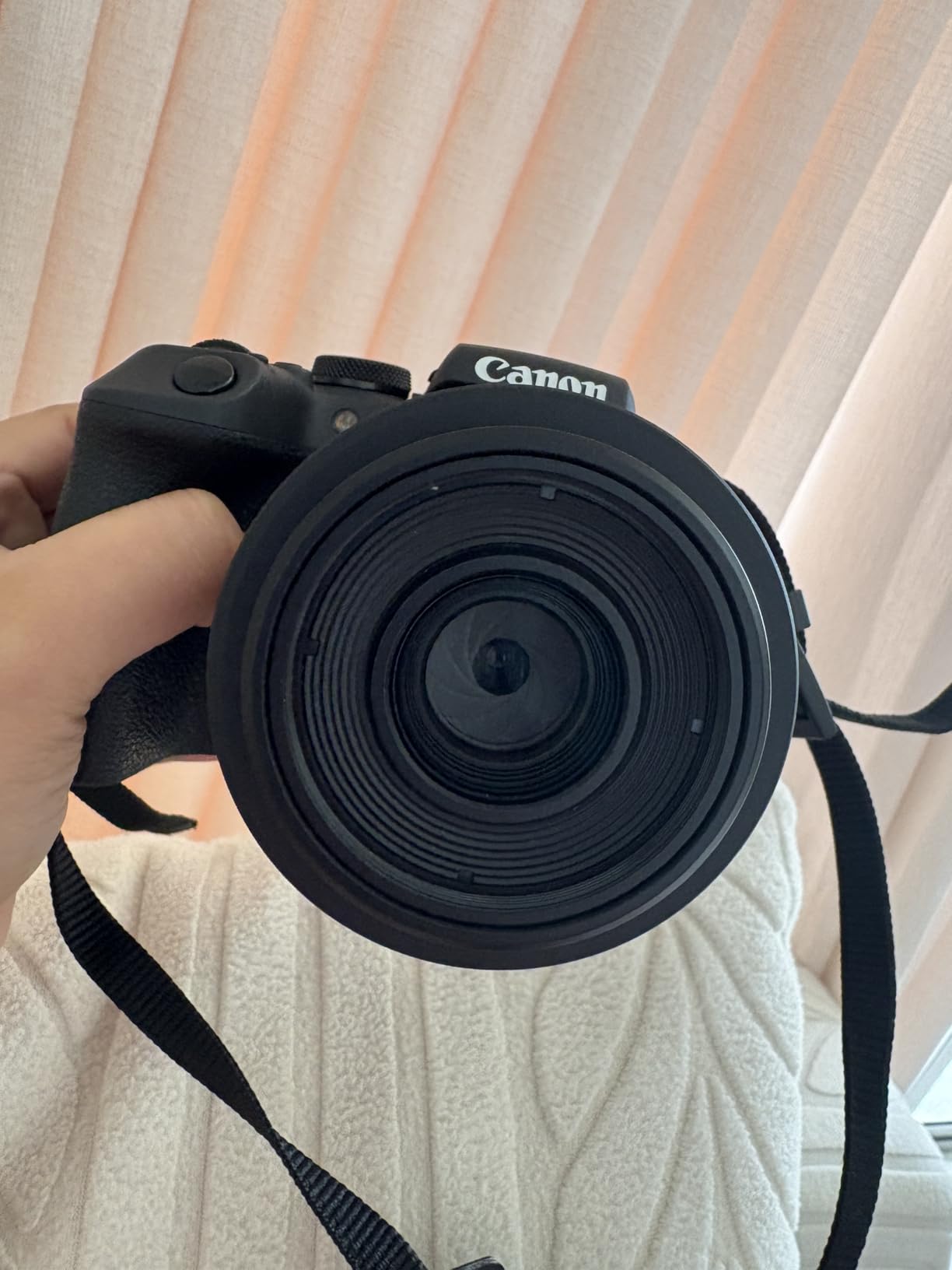
Some copies may show slight purple fringing at high-contrast edges when shot wide open, and autofocus precision can vary in difficult light. I would stop down slightly for critical edges and test macro accuracy on the subjects that matter.
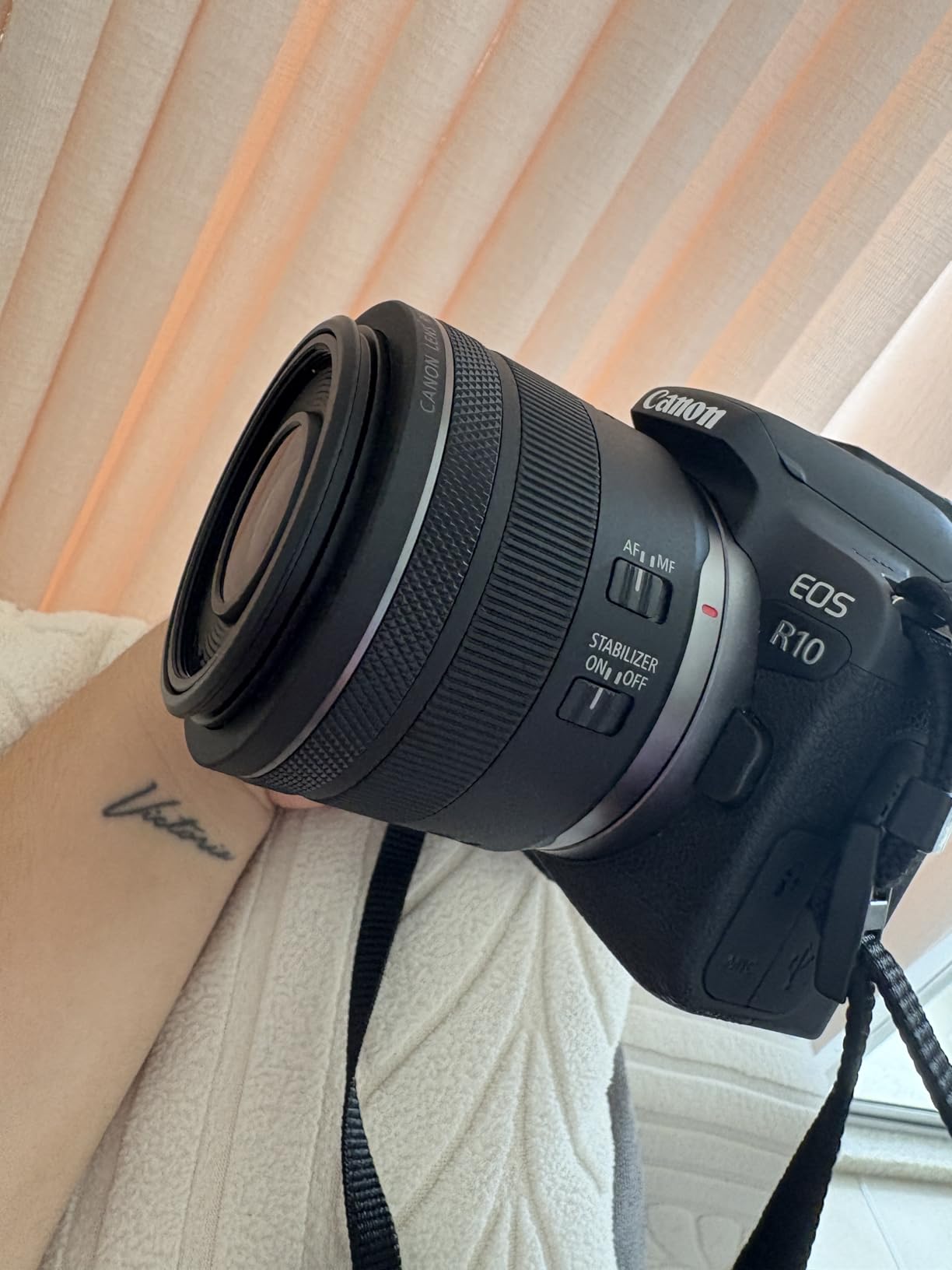
When to carry the 35mm
It suits photographers who want a wider-than-normal perspective, close focusing, and stabilization in a single lens. It is also a good video prime when a quiet STM motor and compact dimensions matter.
When to choose another focal length
A 50mm will give tighter portraits and stronger subject separation. If you need broad landscape coverage or one-lens convenience, the 24-105mm is the safer choice.
4. Canon Speedlite EL-10 — Portable Flash for R8 Lighting

Canon Speedlite EL-10, Portable Camera Flash, Compatible with Select EOS R Series Mirrorless Cameras
Pros
- Compact portable design
- Camera menu integration
- Controls additional Speedlites
Cons
- AA batteries required
- Limited compatibility on older bodies
The EL-10 is a practical way to add off-camera and bounced light without carrying a large flash. I would use it for indoor portraits, events, and fill flash, where the compact head is easier to position than a full-size professional unit.
Its camera-menu integration makes setup less fiddly, and optical communication can control up to 15 compatible Speedlite units. The head tilts to 90 degrees and rotates 150 degrees left or 180 degrees right, which is enough for common bounce positions.
It takes four AA batteries rather than a rechargeable lithium-ion pack, and the newer multi-function shoe means compatibility should be checked carefully. The listed 1/200-second flash sync speed also makes it less specialized for very fast-sync work.
Who should buy the EL-10
Portrait and event photographers who want a portable Canon flash with direct R8 integration should put it near the top of the list. It is also a sensible first step for learning bounce flash before investing in a larger lighting system.
Who should wait
If you need the highest power or use an older Canon body without the newer shoe, compare other flash models first. Frequent high-output work will also make the AA battery requirement less convenient.
5. K&F CONCEPT LP-E17 Battery and Charger Kit — Best Value Power Pack
Pros
- Three batteries included
- Charges three at once
- USB-C travel convenience
Cons
- May omit remaining-life display
- Possible battery warning on some bodies
Extra batteries are one of the first Canon R8 accessories I would buy. The R8’s small body and video use can drain a battery quickly, and swapping a charged cell is more reliable than trying to conserve power around a single LP-E17.
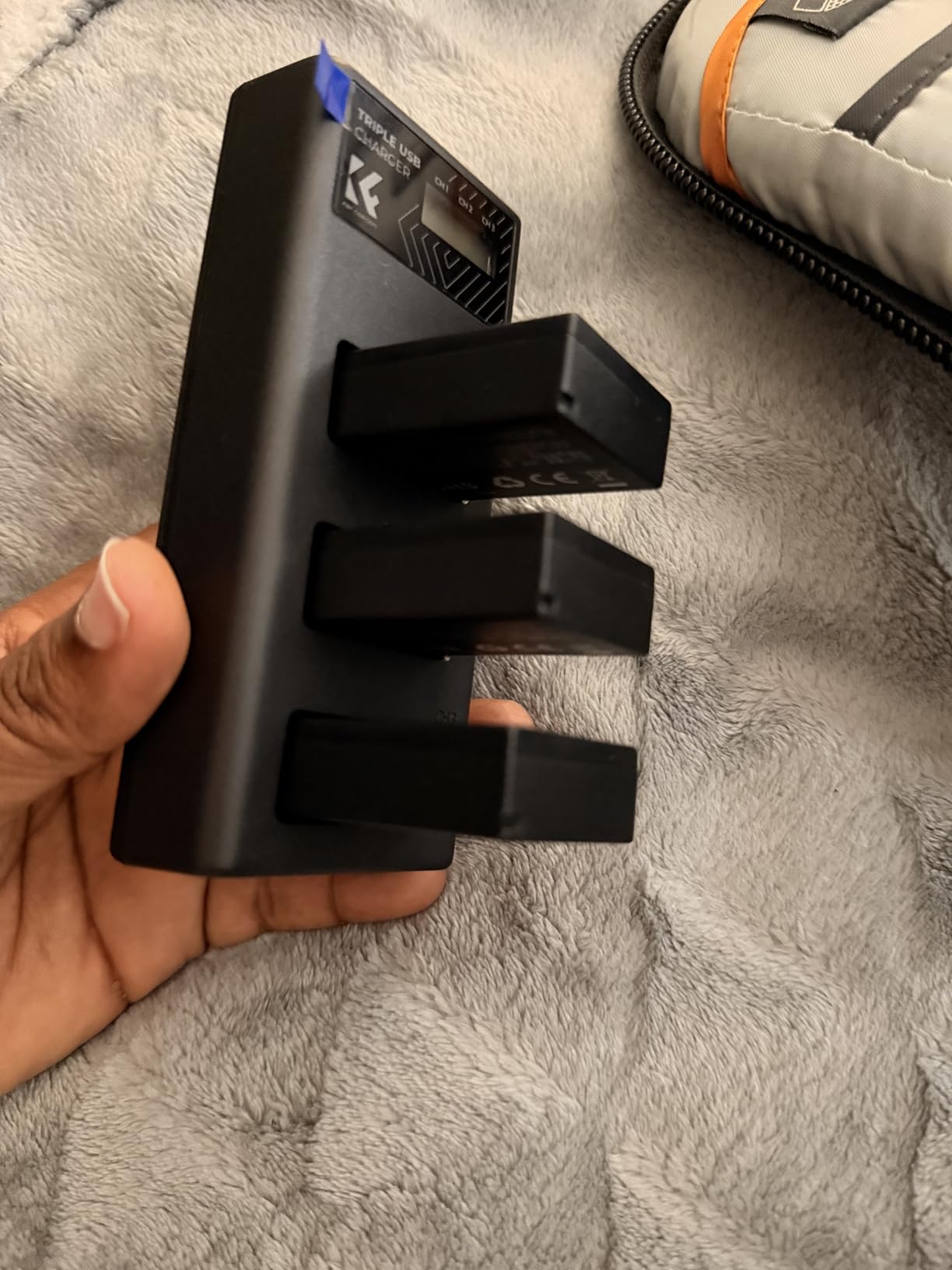
This kit gives me three 7.4V 1250mAh batteries and a three-slot LCD charger. The USB-C input is particularly useful when I am traveling with a laptop or power bank, while the three bays mean I can prepare the whole set overnight.
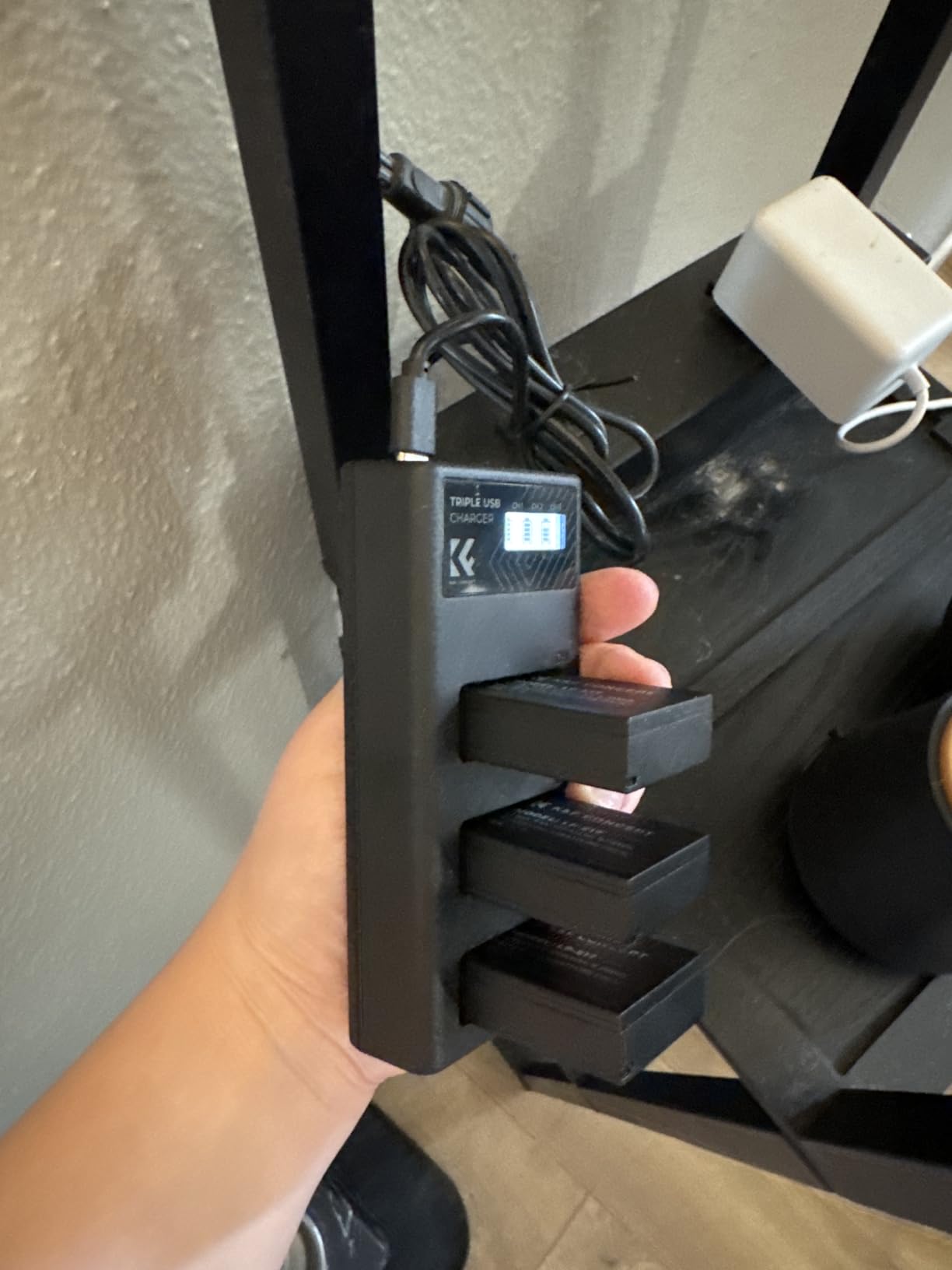
The trade-off is communication. Some third-party cells may not show the same accurate remaining-life information as a genuine Canon battery, and certain bodies may show a non-genuine battery warning. I would keep at least one Canon battery in a kit where predictable communication matters most.
Who benefits from three batteries
Travelers, event photographers, and video creators get the most value from this package. It reduces the need to find an outlet during a full day, and the LCD charger makes the charging process easy to read.
When genuine Canon is the better choice
Choose an original battery for critical paid work, extreme temperatures, or any situation where in-camera charge reporting matters more than saving money. The third-party pack is best treated as a practical backup set.
6. SanDisk 128GB Extreme PRO SDXC — Reliable Storage for Photos and 4K
Pros
- V30 and U3 ratings
- 4K recording support
- Durable construction
Cons
- Counterfeit risk from unknown sellers
- May be more capacity than needed
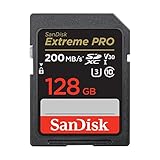
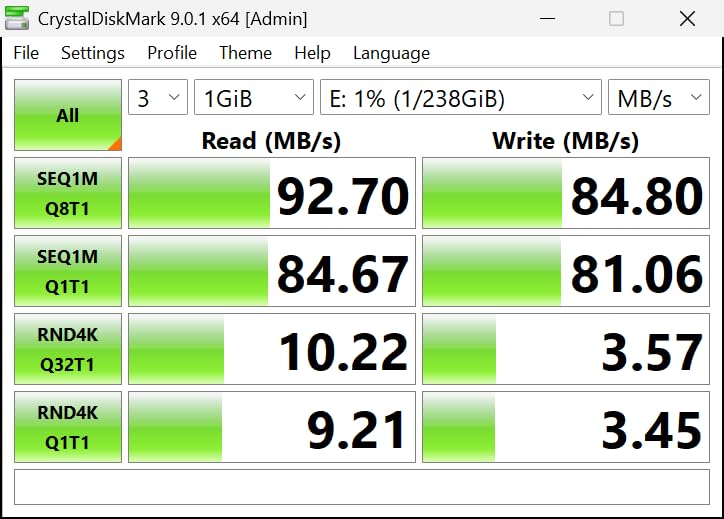
A fast card is not optional when the R8 is recording high-bitrate 4K video or clearing a long burst. This 128GB card combines UHS-I, U3, and V30 ratings with read speeds up to 200MB/s and write speeds up to 90MB/s.
For everyday work, the capacity is a useful balance between file space and the number of cards I need to manage. I would format cards in the camera, keep a second card as a backup, and download files before reusing them.
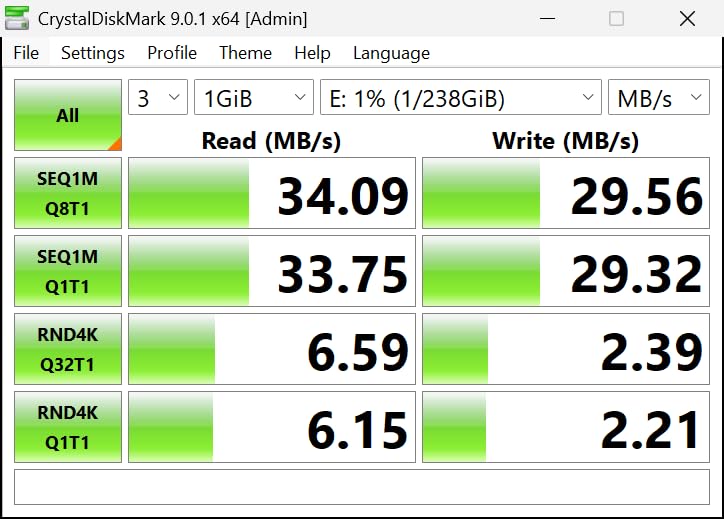
The card is also temperature-proof, waterproof, shock-proof, and x-ray-proof, which helps when I am moving between locations. Buy from a reputable seller because counterfeit storage cards are a known risk and can appear faster in a package than they perform in a camera.
Who needs this card
It suits R8 owners who record 4K UHD video, shoot bursts, or want one roomy card for travel. V30 is the important rating to check for a smoother video workflow.
When a smaller card is enough
If you shoot mostly JPEGs or short clips and already have a reliable card workflow, 128GB may be more than necessary. Multiple smaller cards can also reduce the impact of losing one card.
7. K&F Concept 64-Inch Travel Tripod — Best Budget Stabilization
Pros
- Lightweight aluminum build
- 360-degree ball head
- Arca-Swiss-compatible thread
Cons
- Stiff ball head adjustment
- Less suitable for very heavy lenses
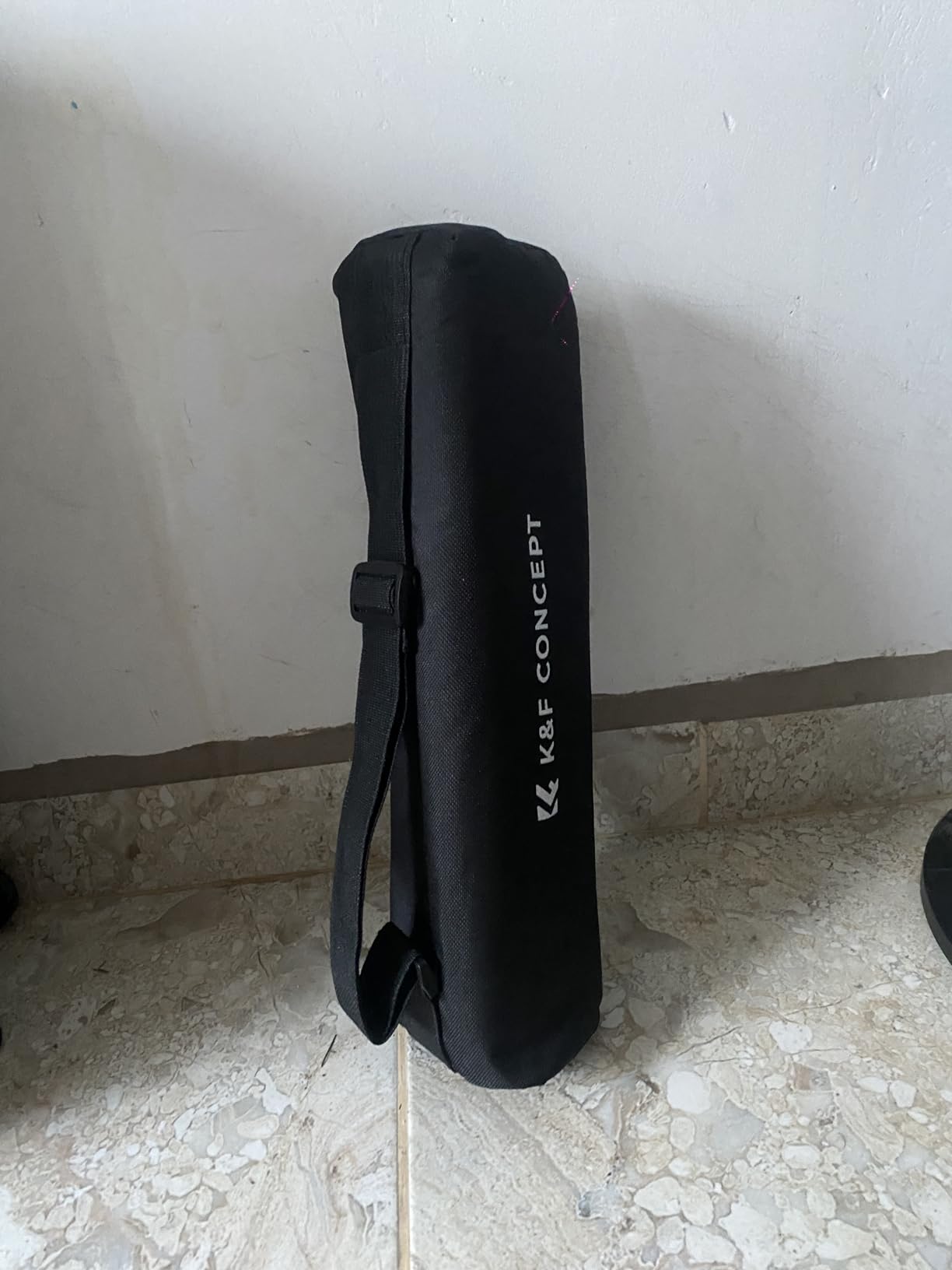
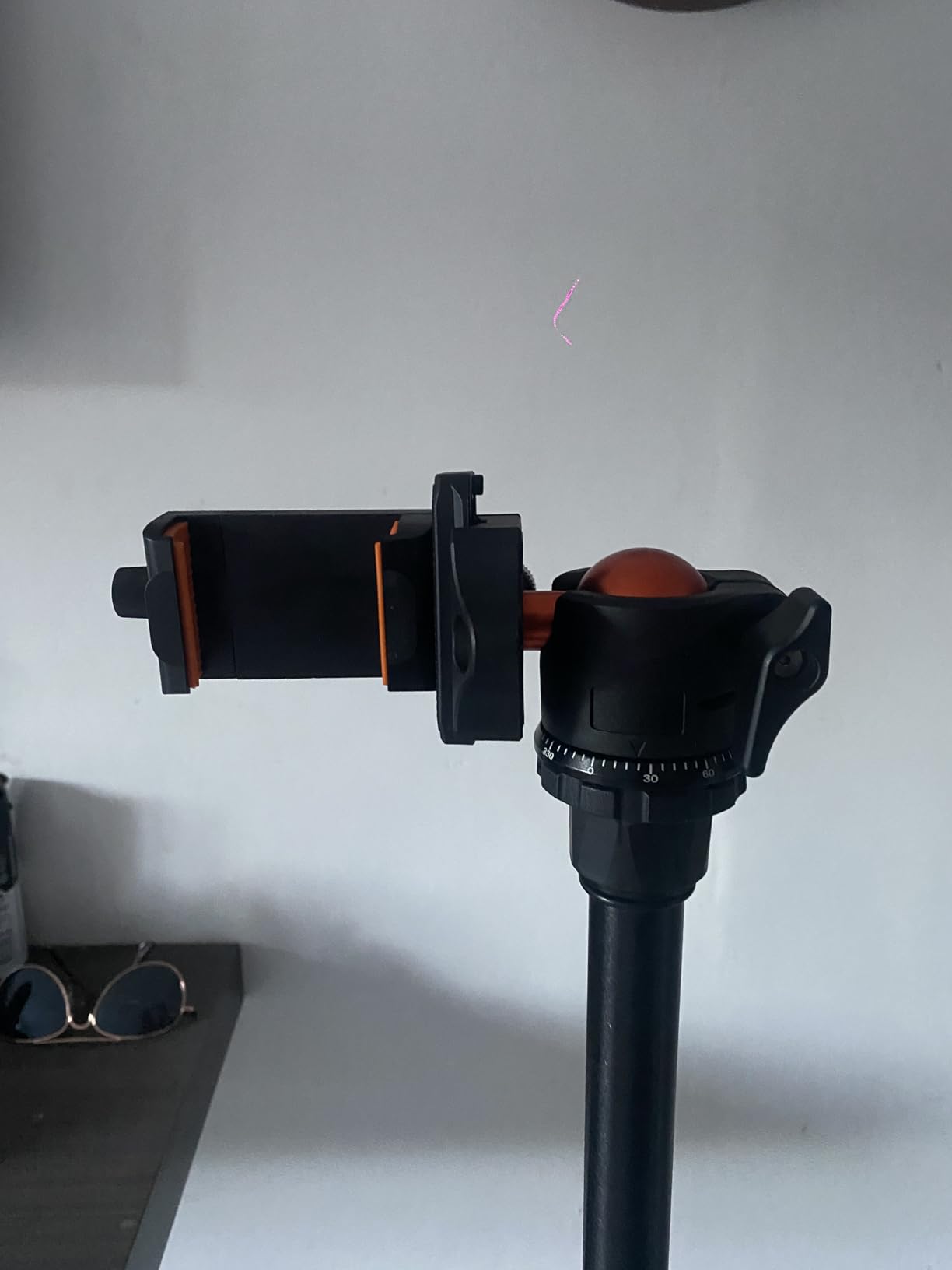
The R8 has no in-body image stabilization, so a tripod is the accessory I would prioritize for landscapes, architecture, night scenes, and long video takes. This model reaches 64.1 inches yet folds to 15.5 inches, which makes it easy to carry in a car or travel bag.
The 17.6-pound load rating is ample for an R8 with most practical lenses, and the 36mm ball head rotates through 360 degrees. Flip leg locks let me set it up quickly, while the inverted center column helps with low-angle compositions.
It is not designed for every heavy cinema or super-telephoto combination. The ball head can feel stiff, and a very large lens may make the setup less steady than a heavier professional support.
Who should carry this tripod
Travel photographers, beginners, and hybrid shooters looking for a capable support without a large investment will get the most from it. It is especially useful for portraits at slow shutter speeds and for video recorded from a fixed position.
Who needs a different support
Choose a heavier tripod or gimbal if you regularly use long lenses, work on uneven ground, or need smoother movement. For a lightweight R8 kit, however, this is a sensible starting point.
8. SmallRig Cage for Canon R8 — Best Protection and Rig Platform
Pros
- Excellent R8 fit
- Many mounting points
- Arca-Swiss quick release
Cons
- Battery access can be tight
- May complicate some dummy-battery setups
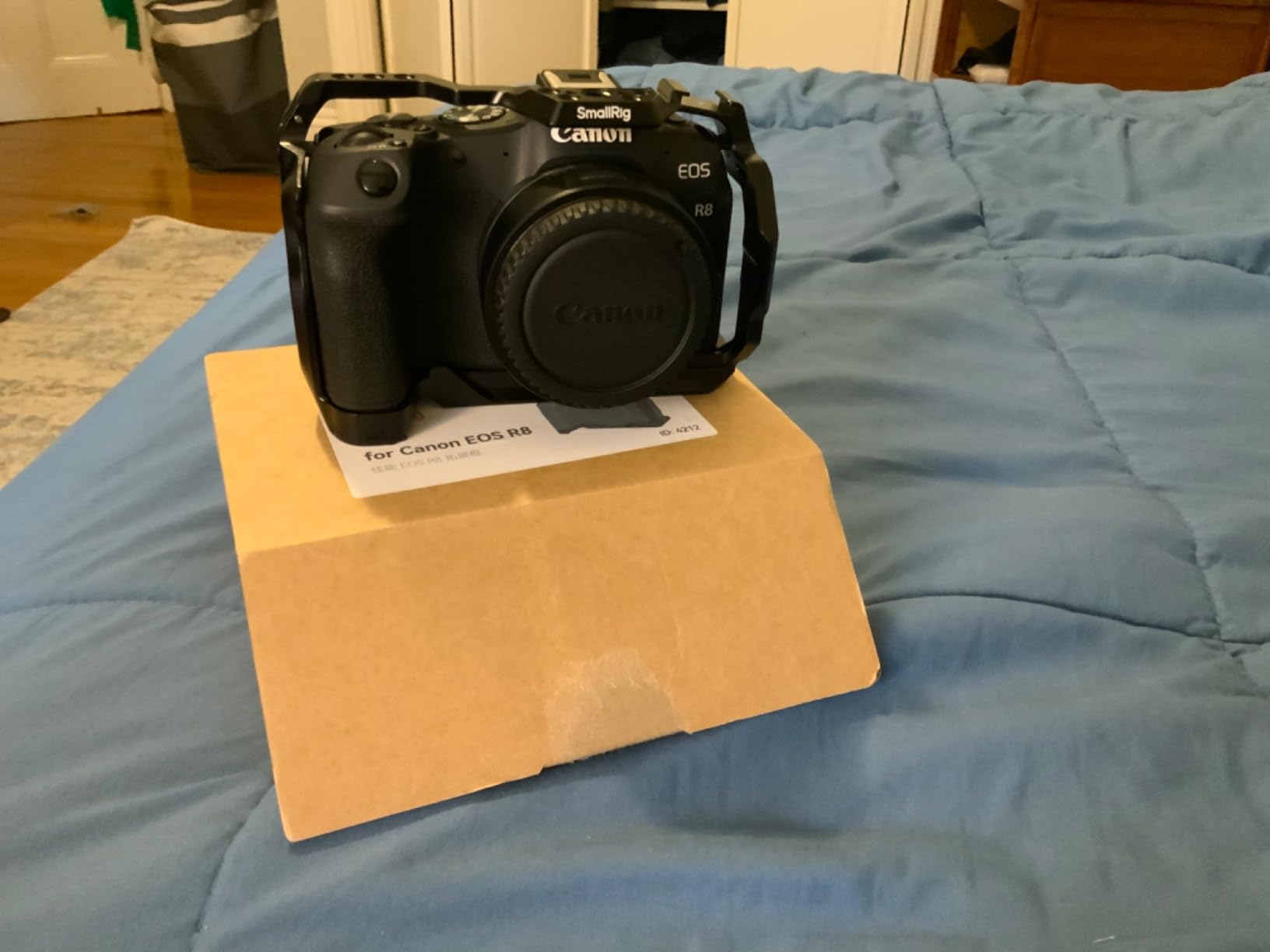
This is the accessory I would add when the R8 becomes part of a video rig. It protects the camera body, gives me a more secure two-handed hold, and provides threaded holes, a cold shoe, a QD socket, and a NATO rail for a microphone, light, handle, or monitor.
The built-in Arca-Swiss-compatible plate makes it easier to move the camera between a tripod and a gimbal. The bottom 1/4-20 screw and side-lock adapters help prevent twisting, while rubber pads keep the cage from scratching the body.
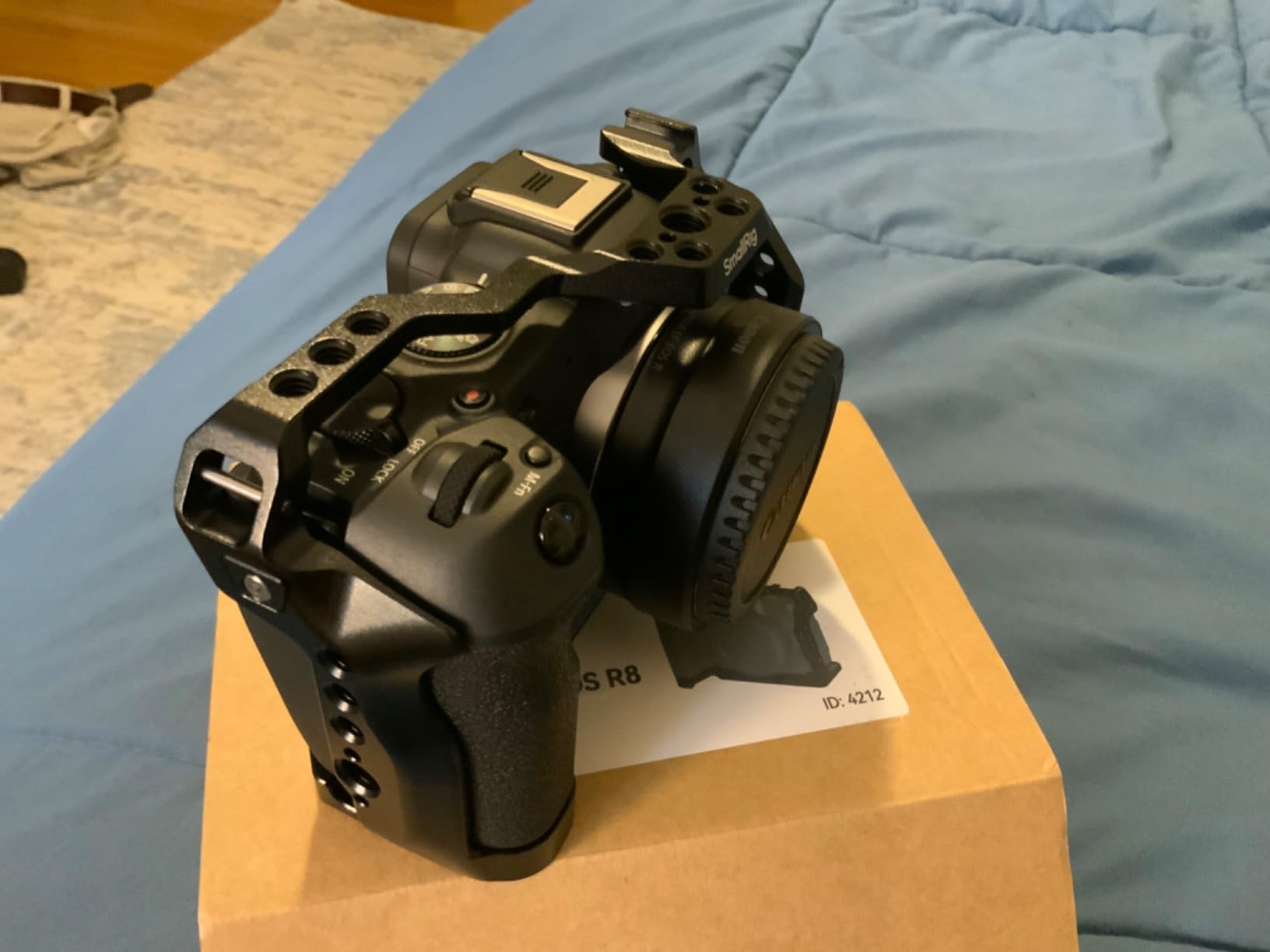
It is a 140-gram addition, so the R8 remains light for a full-frame camera. I would still check access to the battery and card compartment, especially if I plan to change cells or connect an external dummy battery while the cage is installed.
Who needs a cage
Content creators, video shooters, and photographers who use several mounted accessories should choose a cage. It turns the small R8 into a more flexible base without requiring a large body upgrade.
Who can skip it
If you shoot only stills with one compact lens, a simple strap and screen protector may be enough. A cage is most valuable when you need mounting points rather than protection alone.
9. ULBTER Screen Protector — Low-Cost Screen Protection
Pros
- Bubble-free installation
- Maintains touch sensitivity
- Three protectors included
Cons
- Coating may wear over time
- Some users report fine scratches
The R8’s rear screen is used for touch controls, menu navigation, and image review, so a protector is a small but sensible insurance policy. This three-pack gives me spare pieces if the first application goes wrong or the coating eventually wears.
The 9H tempered glass is only 0.3mm thick and is listed at 99.99 percent clarity. I would clean the screen carefully before applying it, because dust is the usual reason an otherwise bubble-free protector looks imperfect.
![ULBTER Screen Protector for Canon EOS R50 EOS R8 EOSR50 Camera [3 Pack] | [Not for EOS R50V] 9H Tempered Glass Edge to Edge Protection Anti-Scratch Anti-Fingerprint Anti-Bubble customer photo 1](https://markus-hagner-photography.com/wp-content/uploads/2026/08/B0BZ2ZH3VJ_customer_1.jpg)
It is not as comprehensive as a cage, and it will not protect the camera from a serious drop. It is best for preventing scratches and fingerprints on the screen that you touch constantly.
![ULBTER Screen Protector for Canon EOS R50 EOS R8 EOSR50 Camera [3 Pack] | [Not for EOS R50V] 9H Tempered Glass Edge to Edge Protection Anti-Scratch Anti-Fingerprint Anti-Bubble customer photo 2](https://markus-hagner-photography.com/wp-content/uploads/2026/08/B0BZ2ZH3VJ_customer_2.jpg)
Who should install a protector
Every R8 owner who changes settings through the touchscreen will benefit. A protector is especially sensible for travel, outdoor work, and any kit that goes into a crowded bag.
What it will not solve
Do not expect a screen film to improve viewing brightness or prevent all reflections. If you need stronger physical protection, combine it with a case or cage.
10. L LTGEM Camera Case — Best Budget Travel Case
Pros
- Customizable dividers
- Mesh accessory pocket
- Lightweight protection
Cons
- Can be tight with large lenses
- Not crush-proof
I would use this case for a compact R8 kit rather than a heavy professional bag. Its EVA shell and soft interior provide basic protection, while three movable dividers let me arrange the body, a small lens, cables, and cleaning items.
The inner mesh pocket is useful for spare batteries and memory cards, and the shoulder strap keeps the case convenient for a day out. The listed external dimensions are 9.4 by 6.8 by 4.4 inches, so I would measure a large lens before ordering.
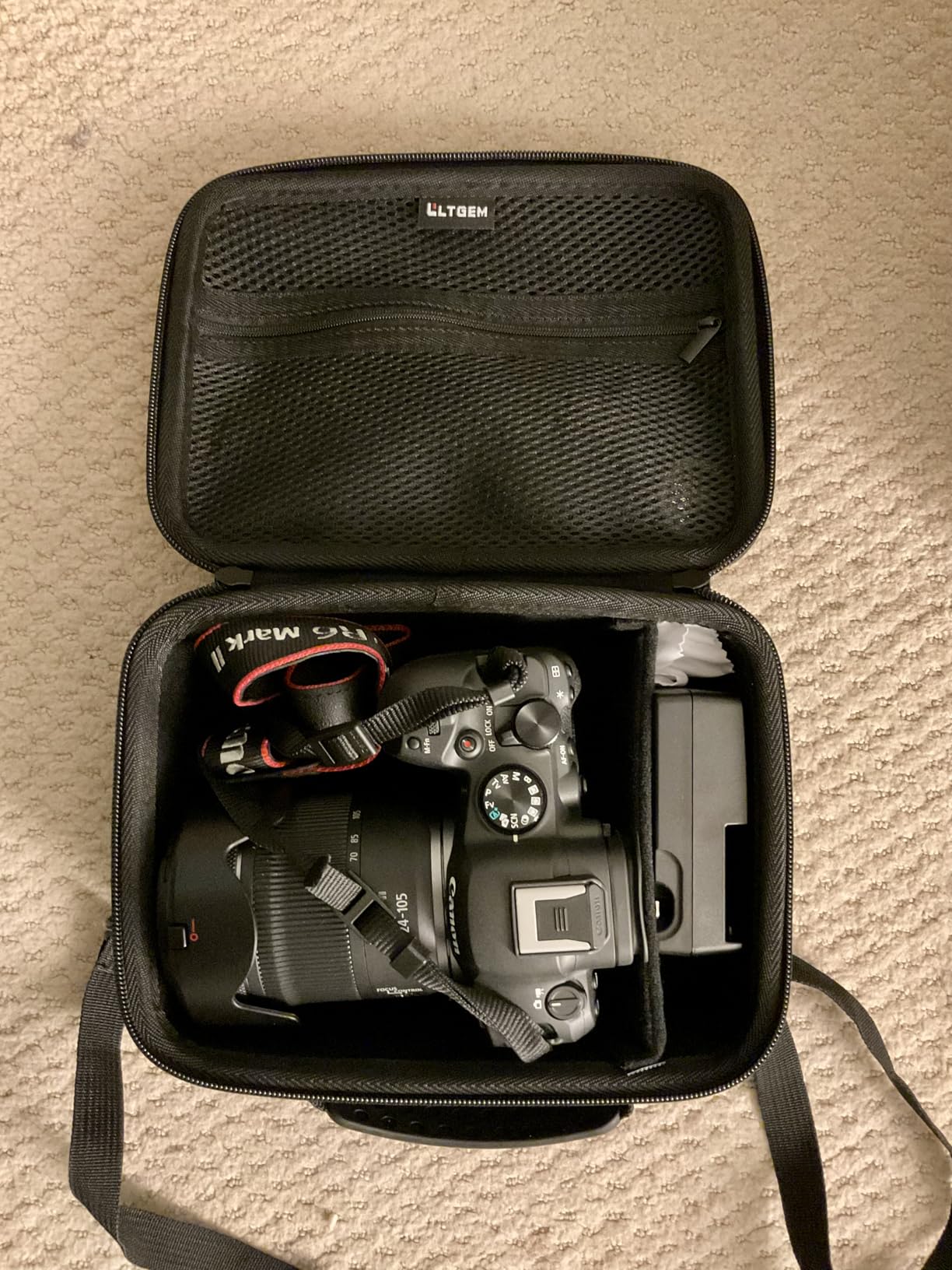
It is not crush-proof and may feel tight once several accessories are packed. I would use a padded insert in a larger suitcase when the case will be checked as luggage or placed under heavy equipment.
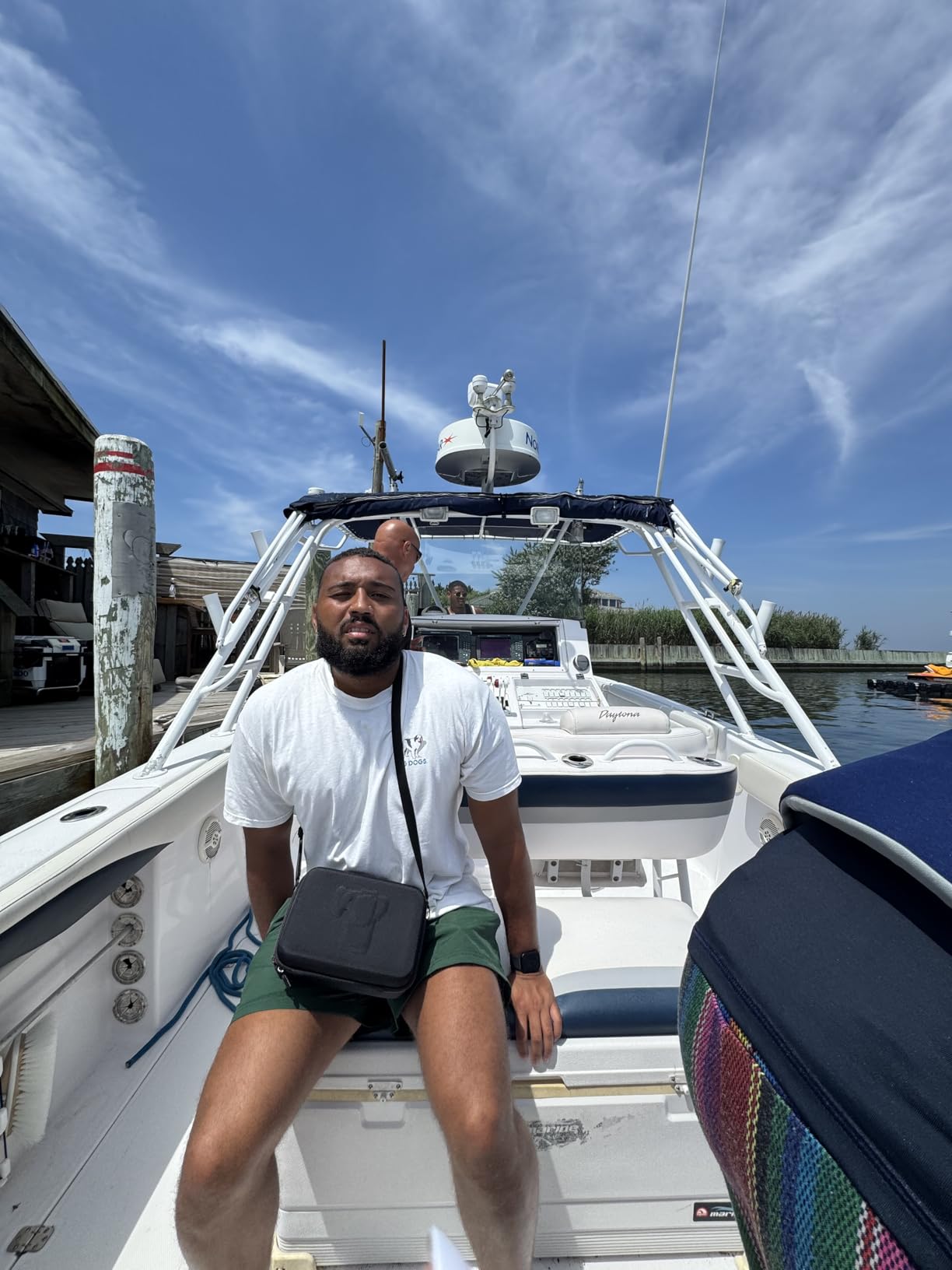
Who benefits from this case
Travelers and beginners who want one inexpensive place for the R8 and everyday accessories will find it useful. The configurable dividers make it more flexible than a fixed foam insert.
When a larger bag is better
Choose a larger backpack if you carry multiple lenses, a gimbal, a full tripod, or weather protection. A compact case is for a deliberate small kit, not for carrying the entire studio.
11. JJC Soft Camera Shoulder Strap — Comfortable Strap With Storage
Pros
- Comfortable neoprene
- Stores cards and batteries
- Quick-release clips
Cons
- May fit short on some users
- Clip durability is a long-term concern
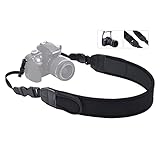
A better strap makes the R8 easier to carry for a full day, and this one adds useful storage. The neoprene material is comfortable against the neck, while two zippered pockets keep small essentials accessible without opening the camera bag.
The anti-slip backing and 13.2-pound load rating suit a typical R8 with a small-to-medium lens. I would use the pockets for spare cards or batteries, not for anything sharp that could press into the camera or body.
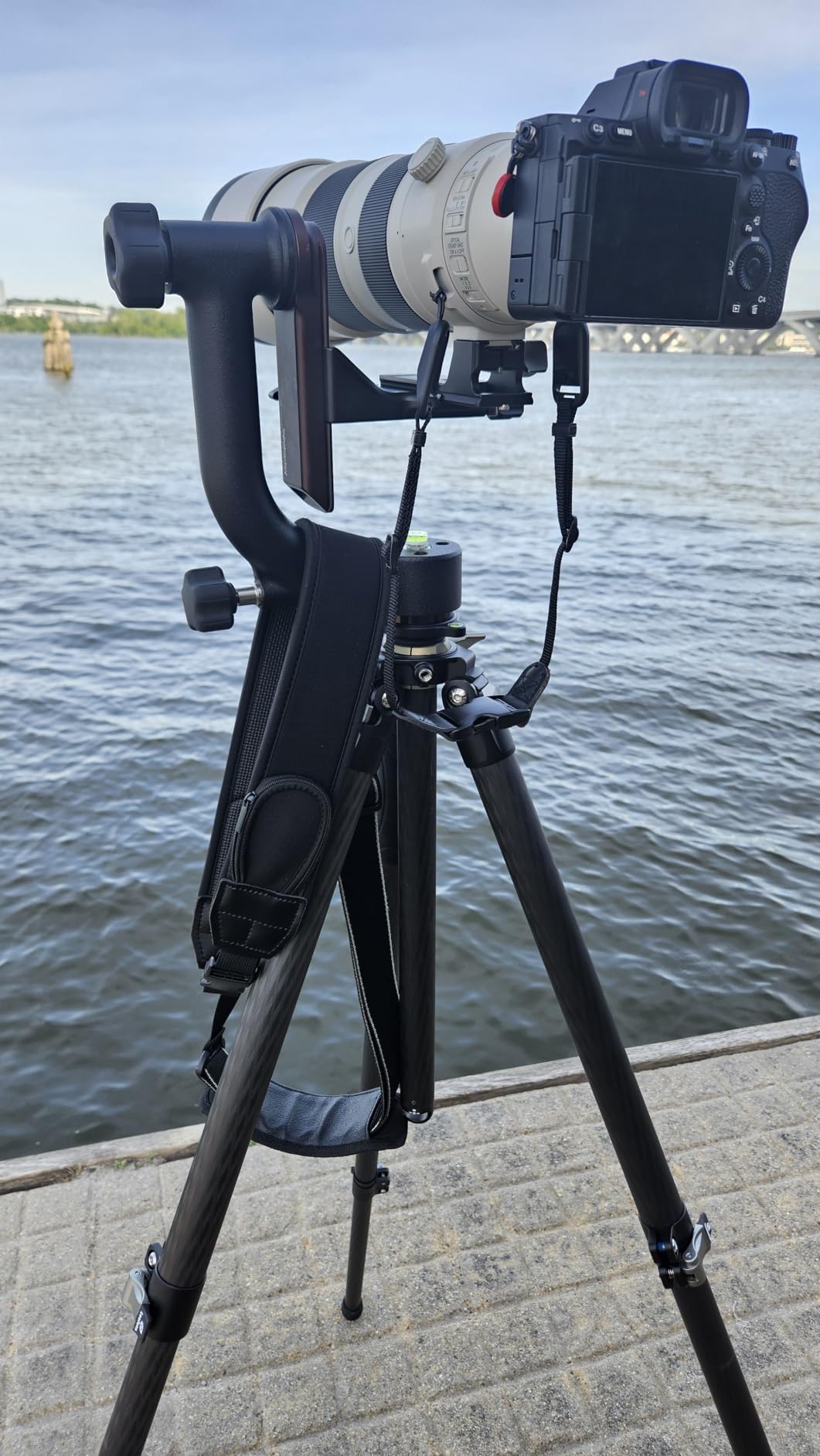
The adjustable range may not suit every body type, and quick-release clips can wear over years of use. I would inspect the attachments before a trip and avoid loading the strap beyond its intended camera setup.
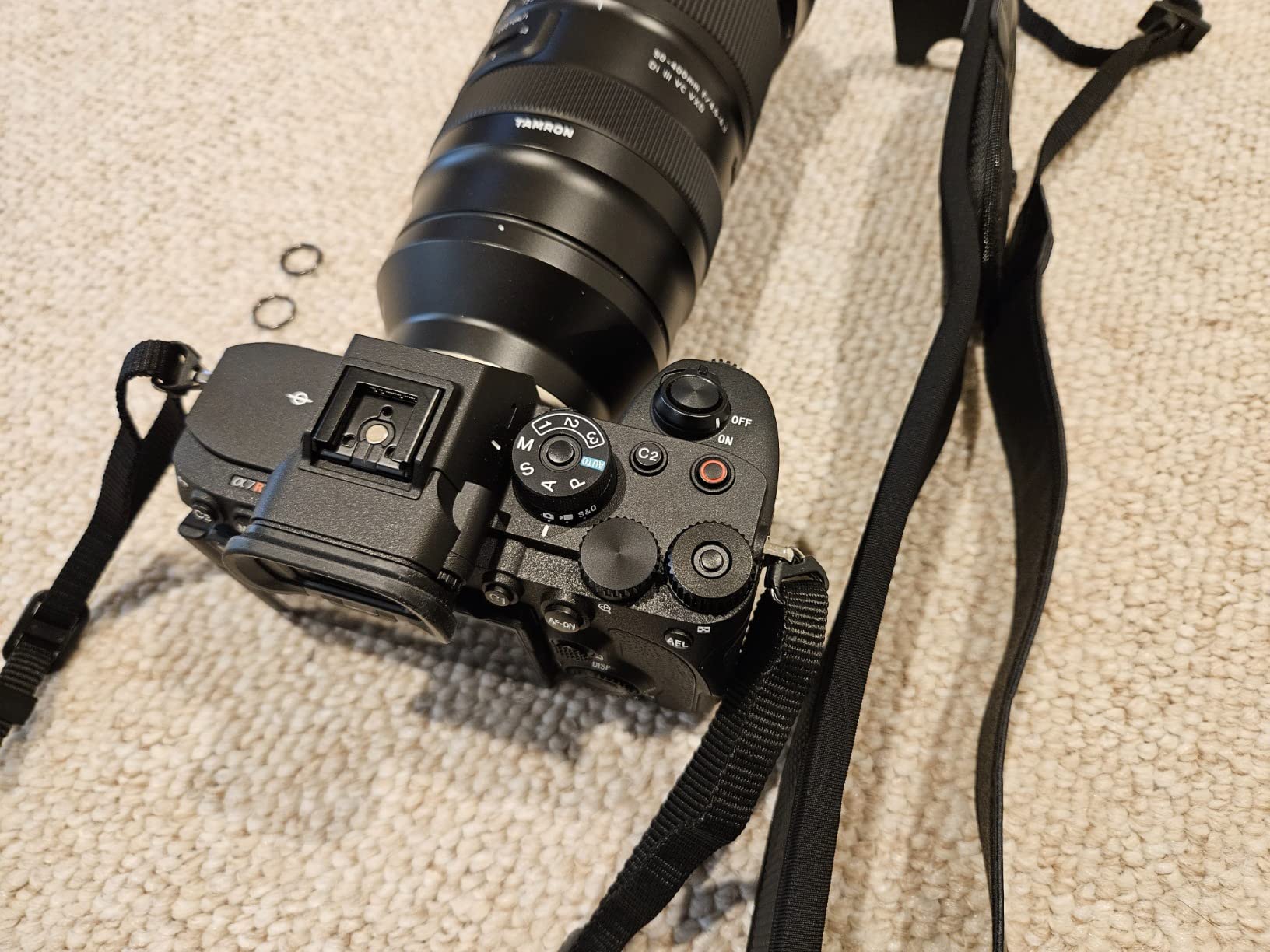
Who benefits from the storage pockets
Travel and street photographers who want to leave the bag behind for short walks will appreciate the two pockets. It is also useful for creators carrying a card, battery, or lens cloth between locations.
When to choose a different strap
If you need a cross-body fit, a specialized sling, or a very small setup that stays in one hand, compare a wrist strap or hand grip instead. Long-term users who dislike quick-release hardware may prefer a simpler strap design.
12. JJC Camera Hand Grip Strap — Better Handling for the R8
Pros
- Improves one-handed security
- Includes tripod socket
- Soft padded cushion
Cons
- Installation takes time
- Not water resistant
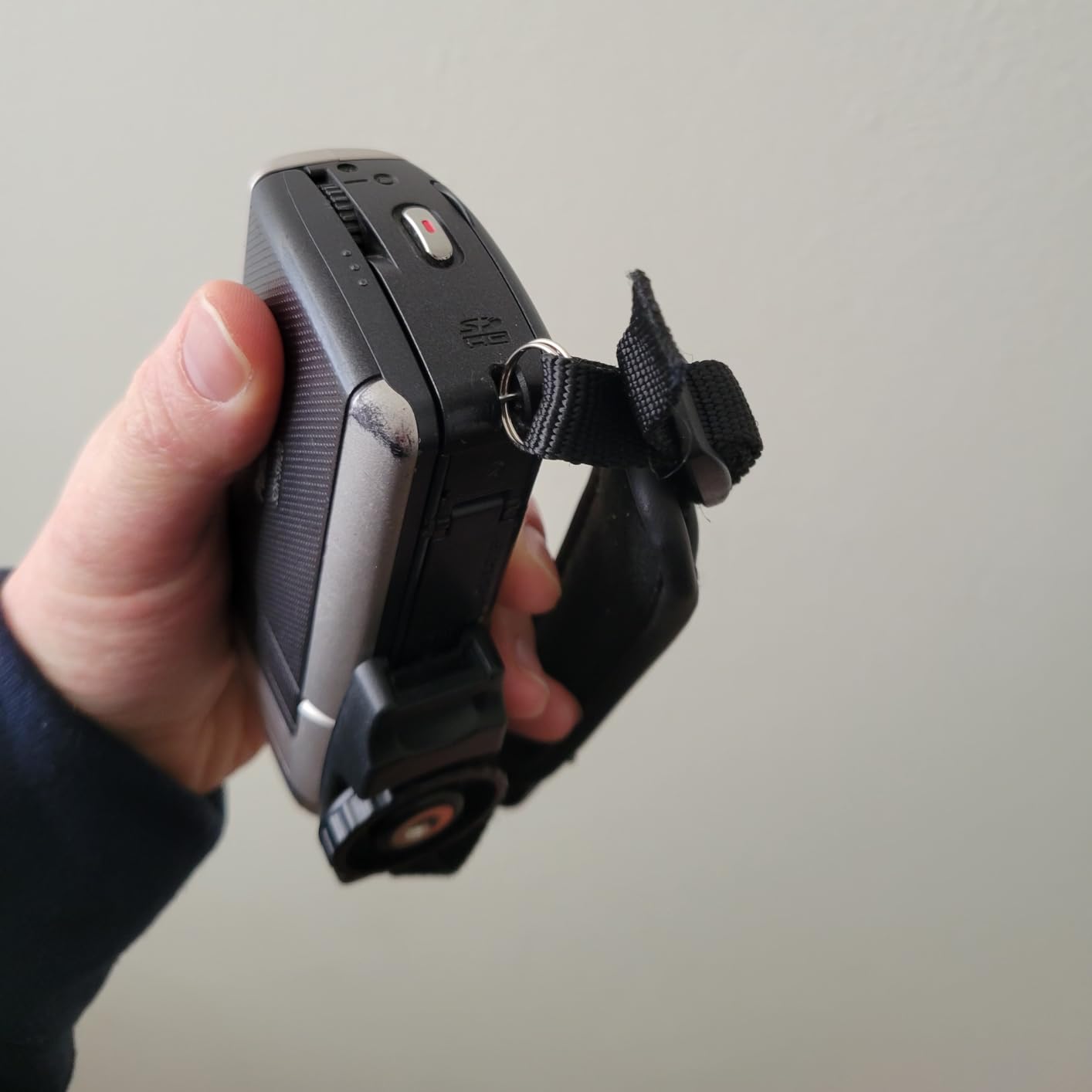
The R8’s small body is easy to carry but can feel cramped with larger hands. This hand grip strap adds a padded cushion and a more secure one-handed hold without the bulk of a full camera grip.
I especially like the 1/4-20 socket, which lets the camera attach to a tripod without removing the strap. That is a small feature, but it matters when I switch often between handheld and supported shooting.
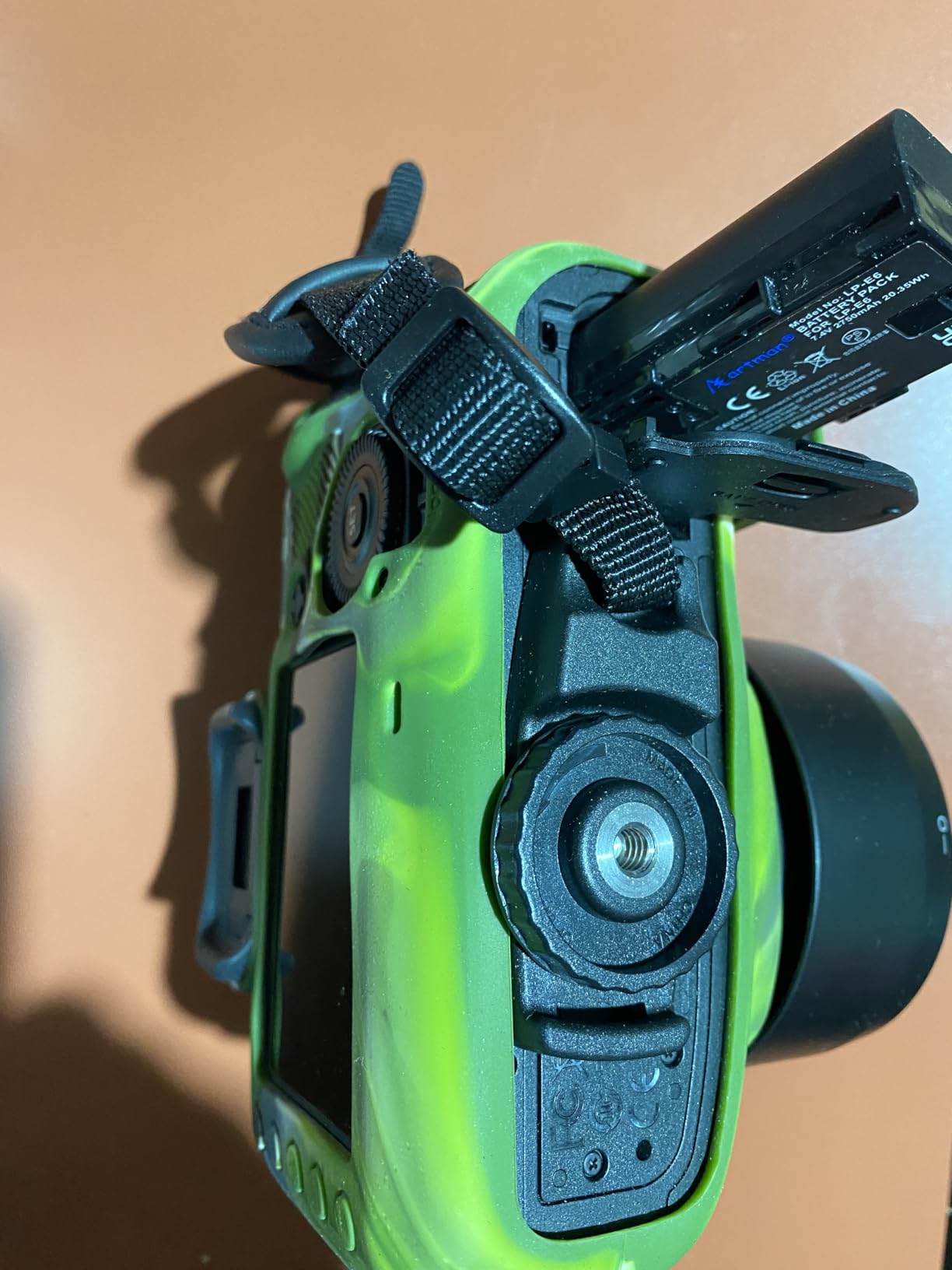
It is not water resistant, so I would not treat it as outdoor weather protection. Installation also takes longer than a standard neck strap, and the fit depends on hand size and how the length is adjusted.
Who benefits from the hand grip
Travelers, street photographers, and anyone who regularly carries the R8 one-handed should try this style. It is a good low-cost answer to the small-body handling issue that comes up often in R8 discussions.
When to choose a grip instead
If you need a more substantial platform for large lenses, vertical controls, or a dummy battery, compare a dedicated extension grip or cage. The hand strap is about control and comfort, not battery capacity.
Buying Guide: Choose Canon R8 Accessories by What You Shoot
Start with the R8’s real constraints
The R8 is compact and lightweight, but that same design leaves less room for a large grip and no in-body image stabilization. I would buy a tripod, grip, or cage based on whether I value stillness, handling, or mounting flexibility more.
For a beginner kit, I would prioritize a reliable SD card, an extra LP-E17 battery, a screen protector, and a comfortable strap. Those solve the most common problems without immediately making the camera much heavier.
Match memory cards to 4K and bursts
Choose a UHS-I card with U3 and V30 ratings at minimum, especially for 4K UHD video. The SanDisk option here has 128GB, 90MB/s listed write speed, and a 200MB/s read speed, which gives me a practical balance for travel and event work.
Capacity is not the only number that matters. I would use reputable sellers, format cards in the R8, and keep a backup workflow because a fast-looking counterfeit card can fail when the camera is recording continuously.
Plan power before a long video day
Extra batteries are more useful than a single high-capacity cell when outlets are unavailable. The K&F CONCEPT set charges three batteries at once, but I would include a genuine Canon battery when accurate charge communication is important.
For extended video work, I would also test the camera’s temperature behavior with the exact resolution, frame rate, and recording limits I plan to use. A dummy battery can provide continuous power, but only when the cable routing, fit, and safety setup have been checked.
Build a video rig in layers
My simple R8 video setup would start with the SmallRig cage, a stable tripod, a fast card, and an external microphone. I would add a top handle or monitor only when the extra weight and cable management solve a real production problem.
A cage gives the most mounting options, but a cage does not replace stabilization. I would use a tripod for locked shots and test a gimbal or other support before relying on it for a paid shoot.
Choose protection by how you travel
A case works well for a small, deliberate kit; a backpack is better for multiple lenses and a tripod. I would use the L LTGEM case for a compact setup and add a screen protector because the R8’s touch screen is exposed every time I change a setting.
A shoulder strap with pockets is useful for short walks, while a hand grip strap is better when I need one-handed security. The best choice is the one I will actually carry rather than the one with the most compartments.
Think about lenses before adapters
Native RF lenses are the most direct choice, but the R8’s RF mount can accept EF and EF-S lenses through an adapter. I would use the adapter only for lenses I already own or a specific focal length I understand, because the adapter adds size and another connection point.
The selected RF lenses cover a useful range: 50mm for bright everyday portraits, 35mm for travel and close work, and 24-105mm for one-lens flexibility. A lens choice can change the character of the camera more than any single accessory.
Frequently Asked Questions
Is the Canon R8 good enough for professional photography?
Yes. Its 24.2MP full-frame sensor, DIGIC X processor, 4K video capability, and fast burst shooting make it capable of professional work when paired with suitable lenses, reliable storage, and enough power. It is especially practical for events, portraits, travel, and lightweight assignments where portability matters.
What is the Canon R8 best for?
The Canon R8 is best for travel, portraits, street photography, events, and content creation when you want full-frame image quality in a small body. The 4K video features and RF mount also make it useful for hybrid shooters.
What accessories are available for the Canon EOS R8?
Available accessories include LP-E17 batteries and chargers, UHS-II-compatible SD cards, camera cages, tripods, extension or hand grips, microphones, flashes, RF lenses, EF/EF-S adapters, camera bags, straps, screen protectors, cleaning tools, and remote controls.
Which lens is best for the Canon R8?
The best lens depends on your subject. The RF50mm F1.8 STM is a compact choice for portraits and low light, the RF35mm F1.8 IS Macro STM adds stabilization and close focusing, and the RF 24-105mm f/4L IS USM is the most flexible travel option.
Conclusion: The Best Canon R8 Accessories Are the Ones That Remove Friction
For most R8 owners, I would start with a fast SD card, an extra LP-E17 battery, a comfortable strap, and a screen protector. If video is central to the kit, add a tripod and a SmallRig cage before buying more gear than you need.
The 50mm lens is my pick for portraits and everyday low-light work, while the 24-105mm is the best one-lens travel setup. The K&F CONCEPT battery kit, SanDisk card, and K&F Concept tripod give the best value in this roundup, but genuine Canon power and a support system matched to your lens weight are worth prioritizing for critical work.
This best accessories for Canon R8 roundup is designed for 2026: choose the few accessories that solve your actual shooting problem, then keep the compact advantage that makes the R8 appealing in the first place.