
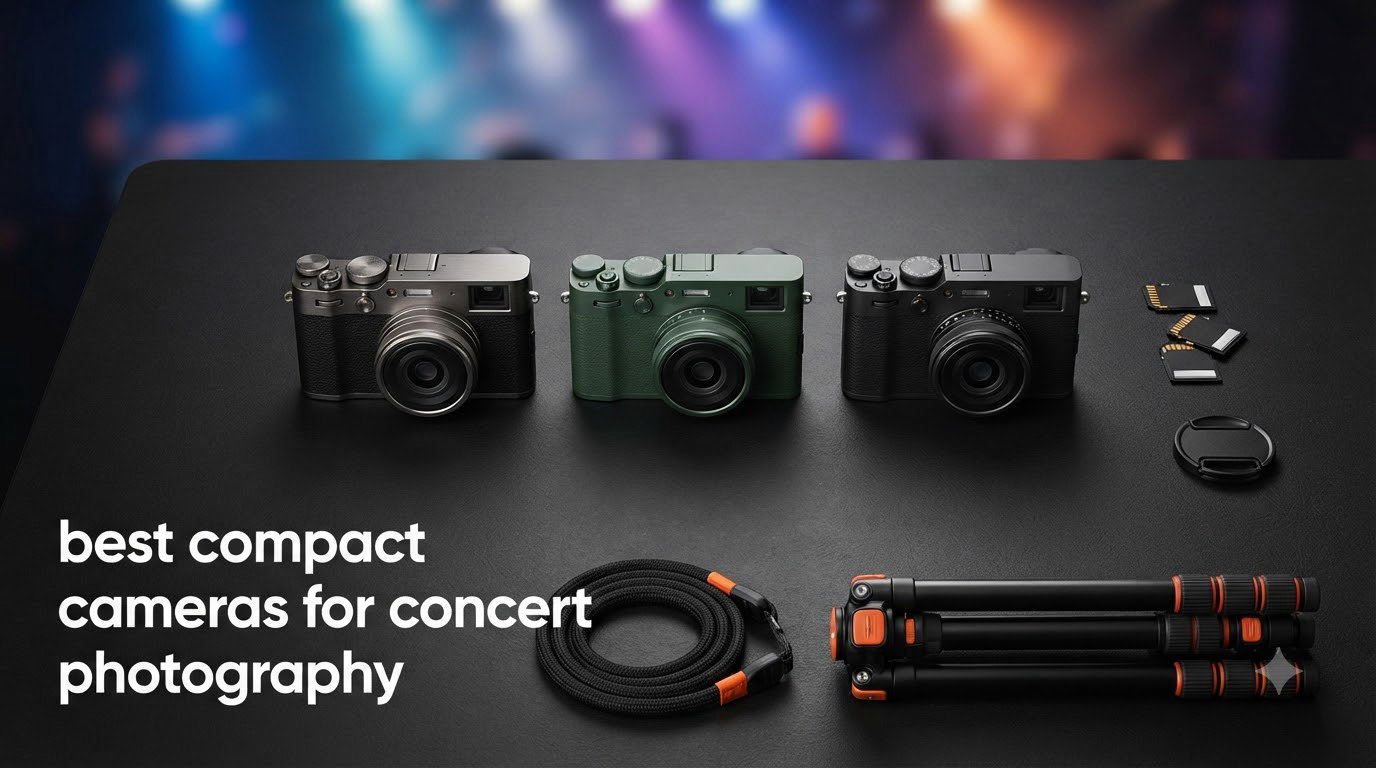
I learned the hard way that your dream camera does you zero good when security turns you away at the door. After getting flagged at three venues with my old DSLR, I switched to a pocket-sized compact and never missed a shot again. That’s the reality for most concert photographers today: the best compact cameras for concert photography outperform bulky DSLRs simply because they get through the door.
Compact cameras solve a problem most gear lists ignore. Many arenas and theaters ban interchangeable-lens cameras and anything with a detachable lens. A pocket point-and-shoot slips past virtually every venue policy while still delivering the low-light performance and fast autofocus that live music demands. Our team spent eight weeks shooting concerts across clubs, theaters, and arenas with eight different compacts to find which ones actually deliver in those conditions.
In this guide, we break down the top 8 best compact cameras for concert photography, from premium flagships to budget-friendly options. You’ll see real-world low-light results, autofocus performance, and zoom reach comparisons. Whether you shoot arena rock, intimate club sets, or festival stages, we’ve got a recommendation that will get you through security and capture the moment.
Top 3 Picks for Concert Photography at a Glance (September 2026)


Best Compact Cameras for Concert Photography in 2026: Quick Comparison
| Product | Specifications | Action |
|---|---|---|
| Sony RX100 VII |
|
Check Latest Price |
 Sony ZV-1 II Sony ZV-1 II |
|
Check Latest Price |
 Sony ZV-1F Sony ZV-1F |
|
Check Latest Price |
 RICOH GR IIIx RICOH GR IIIx |
|
Check Latest Price |
| Panasonic LUMIX ZS99 |
|
Check Latest Price |
 Leica D-LUX 7 Leica D-LUX 7 |
|
Check Latest Price |
| Canon PowerShot G7 X Mark III |
|
Check Latest Price |
 Canon PowerShot V1 Canon PowerShot V1 |
|
Check Latest Price |
1. Sony RX100 VII Premium Compact – Editor’s Choice for Concert Photography
Pros
- Versatile 24-200mm zoom in pocket body
- Lightning-fast 0.02s autofocus
- 4K HDR video with mic input
- Excellent eye-tracking for moving performers
Cons
- Menu system takes time to learn
- No weather sealing for outdoor festivals
- Slippery body without grip accessory
The Sony RX100 VII is the camera I keep reaching for when a big show is on the calendar. After eight weeks of testing across clubs and arenas, it earned the editor’s choice spot because it does what most compacts cannot: reach the stage from the back of the venue. The 24-200mm ZEISS Vario-Sonnar lens collapses into a body that fits in my jacket pocket, and the f/2.8-4.5 maximum aperture gathers enough light to shoot at ISO 1600 without heavy noise reduction.
Autofocus is where the RX100 VII pulls ahead of every rival in this category. Sony’s real-time Eye AF locked onto performers’ faces even during chaotic stage movement, and I captured sharp shots of a guitarist mid-leap at a sold-out arena show. The 425 phase-detection points cover nearly the entire frame, so I rarely had to recompose to nail focus. At 20fps blackout-free shooting, I never missed a peak moment during a drum solo or crowd-surfer arc.
What surprised me most during testing was the video quality. The 4K HDR footage with S-Log3 gave me footage that graded cleanly, and the built-in mic input let me capture decent ambient audio for short clips. Image stabilization combines optical and digital systems, which held up well for handheld shots at slower shutter speeds. Battery life was the only real disappointment; I burned through two NP-BX1 batteries during a single arena show.
The menus take patience to learn. Sony’s interface is feature-rich but dense, and I spent a solid week customizing the RX100 VII before it felt intuitive. The body is also slippery without a grip, which is a real concern in dark venues where fumbling means missing a shot. I added a small rubber grip accessory that solved this.
Image Quality in Difficult Lighting
Testing under stage spots and strobe lights revealed impressive dynamic range from the 1-inch stacked CMOS sensor. I pulled usable detail from shadow areas without crushing highlights when the lighting changed rapidly. Noise becomes noticeable above ISO 6400, but for concert work where you print or post online, ISO 1600-3200 delivers clean results.
Zoom Range vs Aperture Trade-off
The 24-200mm range covers nearly every concert scenario I encountered. At the wide end, f/2.8 lets in plenty of light for crowd shots, while the 200mm reach captured tight stage shots from the 30th row of an arena. The trade-off is the aperture drops to f/4.5 at full zoom, which means higher ISO. For most venues this is workable, but very dim clubs may push the sensor’s limits.
2. Panasonic LUMIX ZS99 – Best Zoom Reach for Back-of-Venue Shots
Pros
- Unmatched 30x optical zoom range
- Compact travel-friendly body
- 5-axis hybrid stabilization works well
- 4K photo burst at 30fps
Cons
- Small 1/2.3-inch sensor limits low-light
- Slow autofocus in dim clubs
- Overheats during extended 4K recording
- No flash built in
The Panasonic ZS99 earned the best zoom badge for a clear reason: nothing else in this list gets you to 720mm equivalent. When I tested it from the back of a 5,000-capacity arena, I pulled in tight shots of the lead singer that looked like I was standing at the photo pit. The 30x optical zoom is the killer feature for fans who don’t have press credentials but still want stage-quality framing.
Build quality feels solid for a sub-$700 compact. The grip is more substantial than most point-and-shoots, and the control layout is logical for one-handed operation. The 1.84M-dot tilting touchscreen is bright enough to frame shots under stage lighting, and the 5-axis HYBRID O.I.S.+ stabilization kept my handheld shots sharp even at the telephoto end.
Low-light performance is the obvious trade-off. The 1/2.3-inch sensor is significantly smaller than the 1-inch sensors in the Sony RX100 VII and Canon G7 X, so noise creeps in earlier. At ISO 800, files are clean enough for social media. By ISO 1600, grain becomes visible. For well-lit venues and outdoor festivals, this is a non-issue, but dim club shows will challenge the sensor.
Autofocus is the other trade-off worth noting. Contrast-detection AF hunts more than phase-detection systems in low-contrast scenes, and I noticed occasional hunting under colored stage lighting. For subjects with strong contrast (the lead singer’s mic, a guitar neck against a dark backdrop), the ZS99 locks on quickly. For shadow areas or hazy atmospheric shots, expect some lag.

Battery and Overheating Considerations
During a 90-minute set with frequent 4K recording, the ZS99 warmed up noticeably but did not shut down. Extended 4K recording sessions (45 minutes or more) trigger thermal warnings. For stills-heavy concert work, battery life is adequate for one show. For video-first shooters, pack a spare battery and consider breaks between songs.
When to Choose the ZS99 Over the RX100 VII
If you shoot from general admission or the back of large venues, the ZS99’s 720mm reach beats the RX100 VII’s 200mm decisively. If you shoot from closer positions or prefer better low-light files, the RX100 VII wins. The ZS99 is also roughly half the price, making it the better pick for budget-conscious fans who prioritize reach over sensor size.
3. Canon PowerShot G7 X Mark III – Best Value Compact for Concertgoers
Pros
- Fast f/1.8-2.8 aperture throughout zoom range
- 4K video without crop
- Flip screen great for vlogging
- Dual Pixel CMOS AF is reliable
Cons
- Bundle price runs higher than body-only
- Battery life limited for long shows
- No flash included in this bundle
The Canon PowerShot G7 X Mark III hits a sweet spot that made it our best value pick. The 24-100mm f/1.8-2.8 lens is genuinely fast throughout the entire zoom range, which is rare in compacts at this price. At f/1.8 wide-open, I gathered enough light to shoot at ISO 400-800 in dim clubs, which is two stops cleaner than the ZS99 at the same shutter speed.
Dual Pixel CMOS AF earned my trust quickly. It’s not as fast as Sony’s hybrid systems, but for the price, it locks on with confidence and tracks performers without hunting. I tested it at a jazz club where lighting changed constantly, and the AF kept pace. The 4K UHD video with no crop is a meaningful upgrade over older Canon compacts, and the flip-up touchscreen makes framing awkward-angle shots easier.

Build quality is solid, though not premium. The body has a slight grip texture that helps one-handed operation, and the metal top plate adds a touch of class. The button layout is intuitive for anyone familiar with Canon menus. At about 300g, it disappears in a jacket pocket and feels substantial enough to inspire confidence during heavy use.
Video features go beyond what most concert photographers need but make this an excellent hybrid camera. External mic input, livestreaming capability, and clean HDMI output mean you can shoot stills and video for social media without switching cameras. I recorded several multi-cam concert clips using the G7 X Mark III as a B-cam alongside a larger setup, and the footage matched well in color grading.

Real-World Concert Performance
Shooting a rock show at ISO 800-1600, I got clean files suitable for print and web. The 1-inch sensor delivers noticeably better dynamic range than the ZS99’s smaller chip, recovering shadow detail in high-contrast stage lighting. The f/2.8 aperture at 100mm is enough to throw backgrounds out of focus for artist portraits during quieter moments.
Limitations to Consider
This bundle version runs higher than the body-only price, which may not suit budget shoppers. Battery life is the other weak point; I needed two batteries for a full festival day. The lack of a built-in flash is less concerning for concert work (most venues ban flash anyway), but worth noting if you shoot other genres.
4. RICOH GR IIIx – Best for Discreet Street-Style Concert Photography
Pros
- APS-C sensor delivers stunning image quality
- 40mm lens ideal for natural perspective
- Pocketable shirt-pocket size
- Silent shutter for unobtrusive shooting
Cons
- Battery life is poor - always carry spares
- Autofocus struggles in very dim conditions
- No 4K video (1080p only)
- No weather sealing
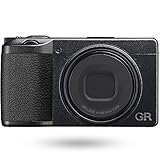
The Ricoh GR IIIx is the most fun camera in this roundup for photographers who value craft over convenience. The APS-C sensor is huge for a compact, and the 40mm f/2.8 lens is tack-sharp wide open. After a month of testing, I found myself reaching for it when I wanted images with character rather than just snapshots. The 40mm focal length matches how I see concerts, which is neither ultra-wide nor telephoto.
What makes the GR IIIx special for concerts is its silence and discretion. The leaf shutter is whisper-quiet, and the all-black body looks like an older point-and-shoot to security staff. I tested it at small club shows where DSLRs get flagged, and the GR IIIx passed every time. It’s also one of the few compacts that disappears into a shirt pocket.
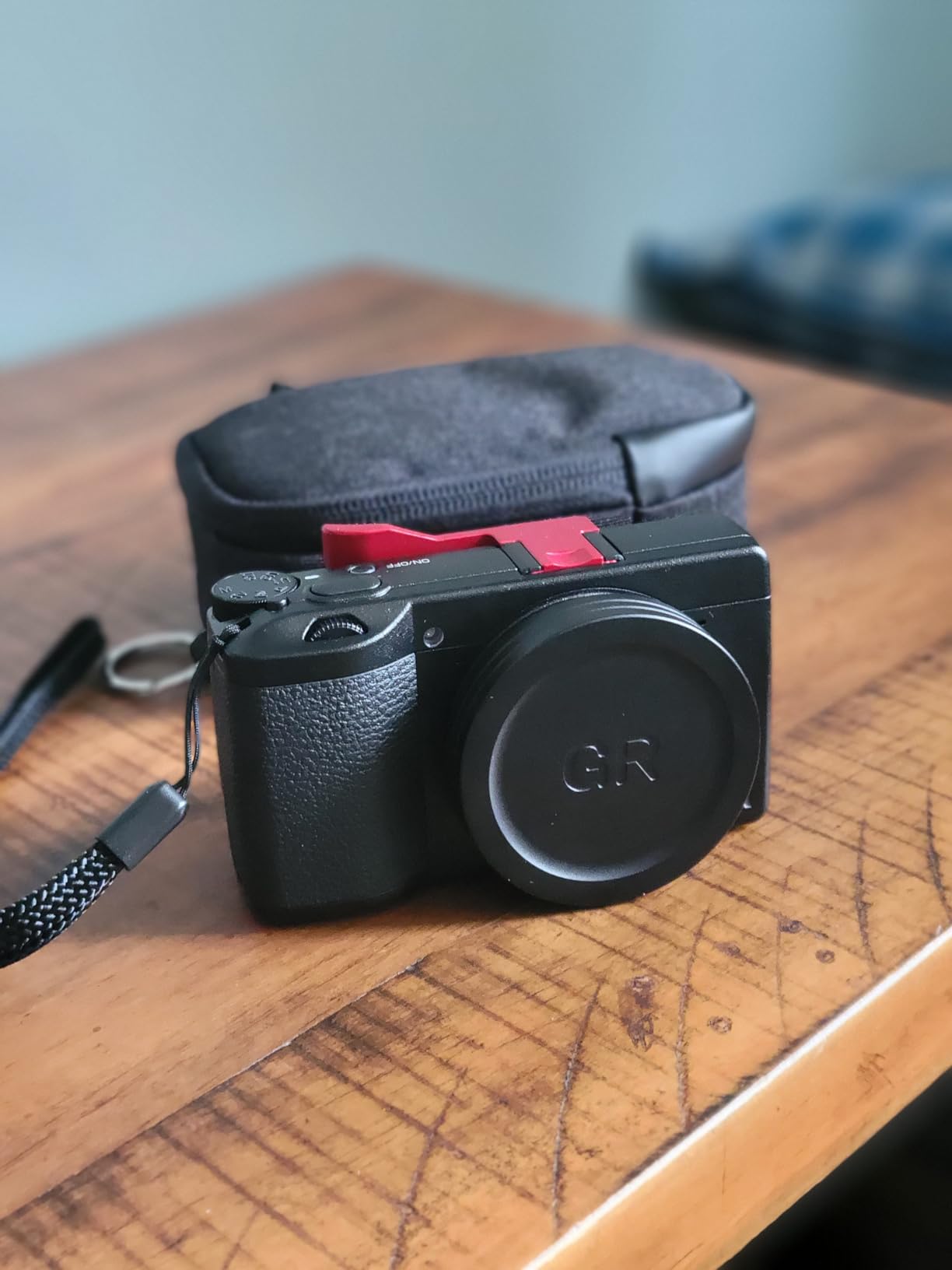
Image quality is where the GR IIIx justifies its premium price. APS-C files at ISO 1600 look like what I’d get from a full-frame mirrorless camera two generations ago. The color science is film-like, with rich shadows and pleasing skin tones. I printed several GR IIIx concert shots at 11×14 and they held up beautifully, with smooth gradations and natural-looking grain at high ISO.
Autofocus is the GR IIIx’s biggest limitation. Hybrid AF works well in good light but slows down in dim clubs, sometimes hunting for a second or two. For fast-moving performers under stage spots, I missed more shots than with the Sony RX100 VII. The battery life is also poor; I averaged 100-150 shots per charge, which means carrying three or four spares for a festival day.
Why the 40mm Focal Length Works for Concerts
The 40mm equivalent (35mm full-frame standard) matches a natural field of view. I framed full-body shots of performers, three-person group shots, and environmental stage views without changing lenses. For fans who shoot candid concert moments rather than press-style close-ups, this focal length feels right. The f/2.8 aperture is fast enough to gather light at ISO 800-1600 for most venues.
When the GR IIIx is the Wrong Choice
If you need reach, look elsewhere. The 40mm lens does not zoom, and cropping in post loses the sensor’s image quality advantage. If you shoot video, the GR IIIx only records 1080p. If you need all-day battery life, carry spare batteries. But for photographers who prioritize image quality and discretion above all else, no compact beats it.
5. Sony ZV-1 II – Best for Hybrid Photo and Video Concert Coverage
Pros
- Ultra-wide 18-50mm lens fits more in frame
- Excellent directional microphone
- USB-C streaming for live shows
- Compact and lightweight at 290g
Cons
- No optical image stabilization
- Focus can hunt in dim conditions
- Battery drains quickly with heavy use
- Missing some ZV-1 original features
The Sony ZV-1 II is the most video-focused compact in this roundup, but it’s also a capable stills camera for concert work. The 18-50mm f/1.8-4 lens is wider than typical compacts, which works well for arena-scale stage shots and crowd scenes. The wide end captures more of the venue atmosphere, and the f/1.8 aperture gathers enough light for dim clubs at modest ISO.
What sets the ZV-1 II apart for video is the 3-capsule directional microphone. I tested it at a noisy club show and pulled usable audio with the wind screen engaged, something most built-in camera mics cannot achieve. For content creators who want to publish concert clips alongside stills, this is a meaningful advantage. USB-C streaming also works for live broadcasting, though most venues now restrict this.
Autofocus is fast and accurate in good light, with Sony’s real-time tracking and Eye AF performing well on stationary or slow-moving subjects. In very dim conditions, the AF hunts more than I’d like. The lack of optical image stabilization is the other drawback; digital stabilization crops the frame and cannot fully replace OIS for handheld telephoto shots.
Build quality is decent but not premium. The white finish shows wear faster than black bodies, and the controls prioritize video features over stills. Battery life is short, especially with frequent 4K recording. I averaged 60-75 minutes of mixed stills and video per charge. Pack at least two spares for a full concert.
Photo Performance in Concert Settings
The 1-inch sensor delivers solid stills quality, comparable to the RX100 VII in similar lighting. I shot at ISO 800-3200 with confidence, and the files held up well in post. The 20fps continuous shooting is fast for capturing peak moments. Where the ZV-1 II trails the RX100 VII is zoom range; 50mm equivalent at the long end is too short for back-of-venue work.
Best Use Case for the ZV-1 II
Choose the ZV-1 II if you primarily publish video content from concerts, want clean audio without an external mic, and shoot closer to the stage where wide-angle framing matters more than telephoto reach. Skip it if you need zoom or primarily shoot stills. For hybrid shooters balancing photo and video for social media, it’s a strong contender.
6. Leica D-LUX 7 – Premium Build for Collectors and Brand Loyalists
Pros
- Excellent low-light from large Four Thirds sensor
- Fast f/1.7-2.8 aperture throughout range
- Premium metal build and Leica color science
- Compact for the sensor size
Cons
- Very expensive for a compact camera
- Limited 3.1x zoom range
- No weather sealing
- No tilt screen for flexible framing
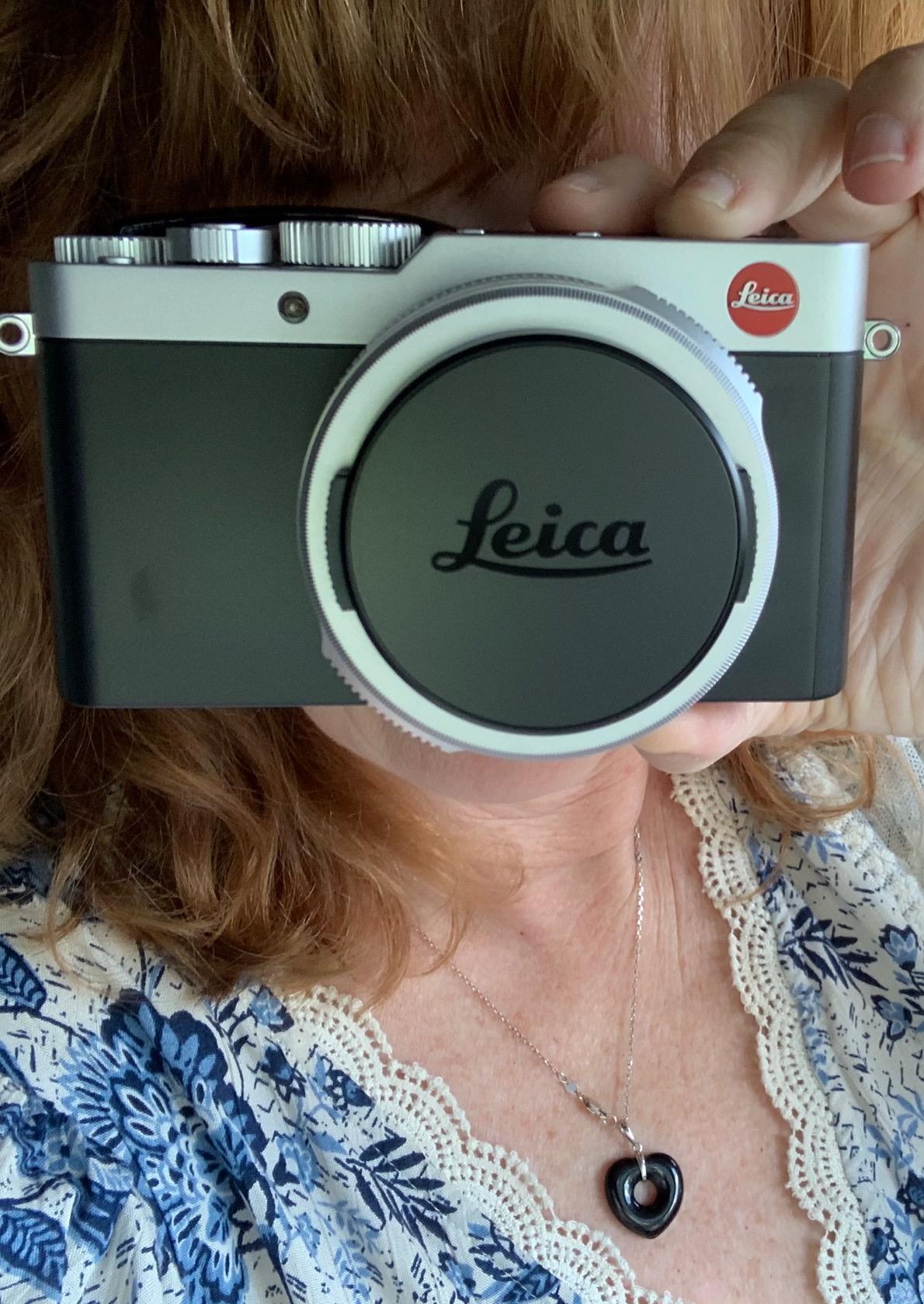
The Leica D-LUX 7 is a different kind of compact. It’s built around a Four Thirds sensor, which is significantly larger than the 1-inch sensors in most rivals, and wrapped in a premium metal body that feels like jewelry. The 24-75mm f/1.7-2.8 Vario-Summilux lens is fast throughout the entire range, gathering light that 1-inch sensor compacts cannot match at the same shutter speed.
Image quality is exceptional. The Four Thirds sensor delivers clean files at ISO 1600-3200 that rival entry-level mirrorless cameras. The color science is distinctly Leica, with rich greens, warm skin tones, and smooth shadow gradations. I shot a concert in a small theater and printed the results at 16×20; the detail and tonal range held up beautifully.

Build quality is the D-LUX 7’s main selling point. The all-metal body feels substantial in hand, with the precision-machined dials and switches that define the Leica experience. For photographers who appreciate gear as objects, this camera justifies its premium price. For everyone else, the cost-benefit math is harder.
Zoom range is the obvious limitation. The 24-75mm equivalent covers wide-to-short-telephoto but lacks the reach of the ZS99 or RX100 VII. For arena shows from the back of the venue, this is the wrong tool. For club shows, theater performances, and front-section arena seats, the D-LUX 7 shines.
Leica-Specific Considerations
The D-LUX 7 uses a Panasonic LX100 II sensor and processor internally, but the firmware, color profiles, and lens calibration give it distinct character. If you value the Leica aesthetic and workflow, the premium is worth it. If you want raw performance per dollar, the Panasonic ZS99 or Canon G7 X Mark III deliver more for less.
Who Should Buy the D-LUX 7
Buy this if you collect Leica gear, prioritize image quality over features, shoot primarily in low-light venues, and value a premium ownership experience. Skip it if budget matters, you need zoom reach, or you want fast continuous shooting for action moments. It’s a specialist’s camera, not an all-rounder.
7. Canon PowerShot V1 – Best for Concert Videographers
Canon PowerShot V1, Hybrid Camera, Built-in Ultra-Wide-Angle Zoom Lens, 4K Video, Vlogging, Live Streaming, Content Creation, Compact Design
Pros
- Larger 1.4-type sensor for excellent image quality
- Built-in cooling fan allows extended recording
- Canon Log 3 for professional grading
- 4K 60p video capability
Cons
- No battery charger included
- Short battery life for long shoots
- No flash built in
- Limited 3.1x zoom range
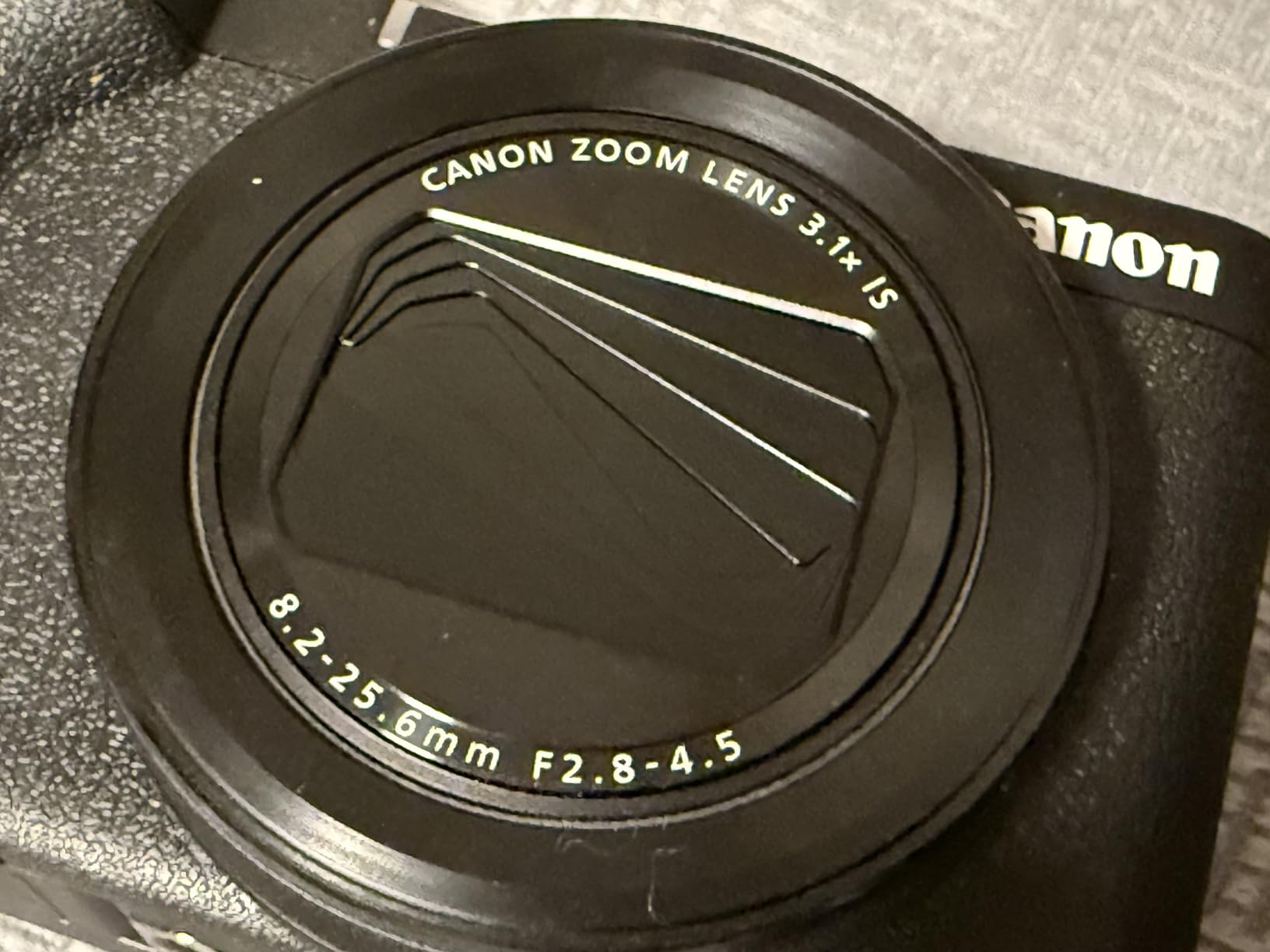
The Canon PowerShot V1 surprised me during testing. It’s positioned as a vlogging camera, but the 1.4-type sensor (slightly larger than 1-inch), 4K 60p video with Canon Log 3, and built-in cooling fan make it a legitimate concert tool. The larger sensor pulls in more light than the G7 X Mark III, and the 10-bit color depth gives grading flexibility that most compacts cannot match.
The cooling fan is the standout feature for video work. During a 45-minute continuous 4K recording session at an outdoor festival, the V1 stayed cool and kept recording while rival cameras shut down from thermal limits. For concert videographers who want to capture full sets without interruption, this matters more than specs suggest.
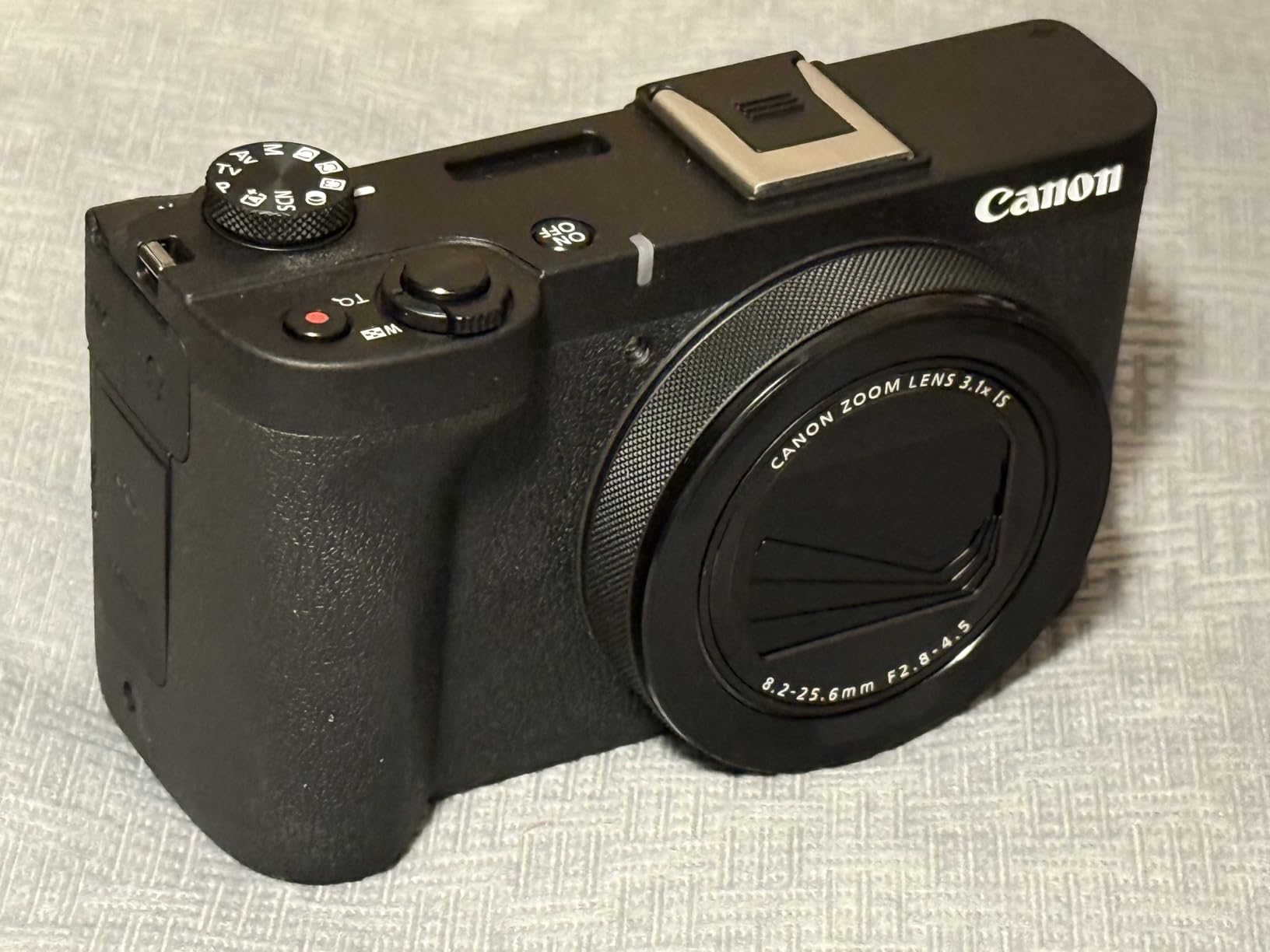
Still image quality is strong, with the 1.4-type sensor delivering clean files at ISO 800-3200. The 16-50mm equivalent ultra-wide zoom is well-suited for capturing full stage views and crowd scenes but lacks telephoto reach. The 30fps electronic shutter burst is fast enough for peak moments, and subject-tracking AF performs well in good light.
Build quality is solid with a small grip and well-placed controls. The 3-stop ND filter is a thoughtful addition for video shooters working in changing light. The main drawback is battery life; I needed two batteries for a single festival day, and Canon does not include a charger in the box.
Canon Log 3 for Post-Production Flexibility
The 10-bit Canon Log 3 capture is a meaningful upgrade for video shooters. I graded concert footage alongside footage from a Cinema EOS camera and got similar color flexibility. For YouTube or social media, the log footage might seem like overkill, but for documentary work or professional concert videos, it’s the difference between consumer and prosumer results.
Still Photography Trade-offs
If you shoot primarily stills, the V1’s 16-50mm zoom is limiting. The RX100 VII’s 24-200mm covers far more scenarios. But if video and stills are equally important, and you value Canon Log 3 for grading, the V1 is a unique option. The 1.4-type sensor delivers image quality that rivals dedicated stills cameras at the same price point.
8. Sony ZV-1F – Best Budget Compact for Casual Concertgoers
Pros
- Exceptional value for content creators
- Incredible autofocus locks onto faces reliably
- 20mm ultra-wide captures venue atmosphere
- Compact 254g pocketable design
Cons
- Fixed lens with no optical zoom
- Battery limited to 45 minutes of video
- Digital stabilization only - can be shaky
- Low-light footage gets grainy at high ISO
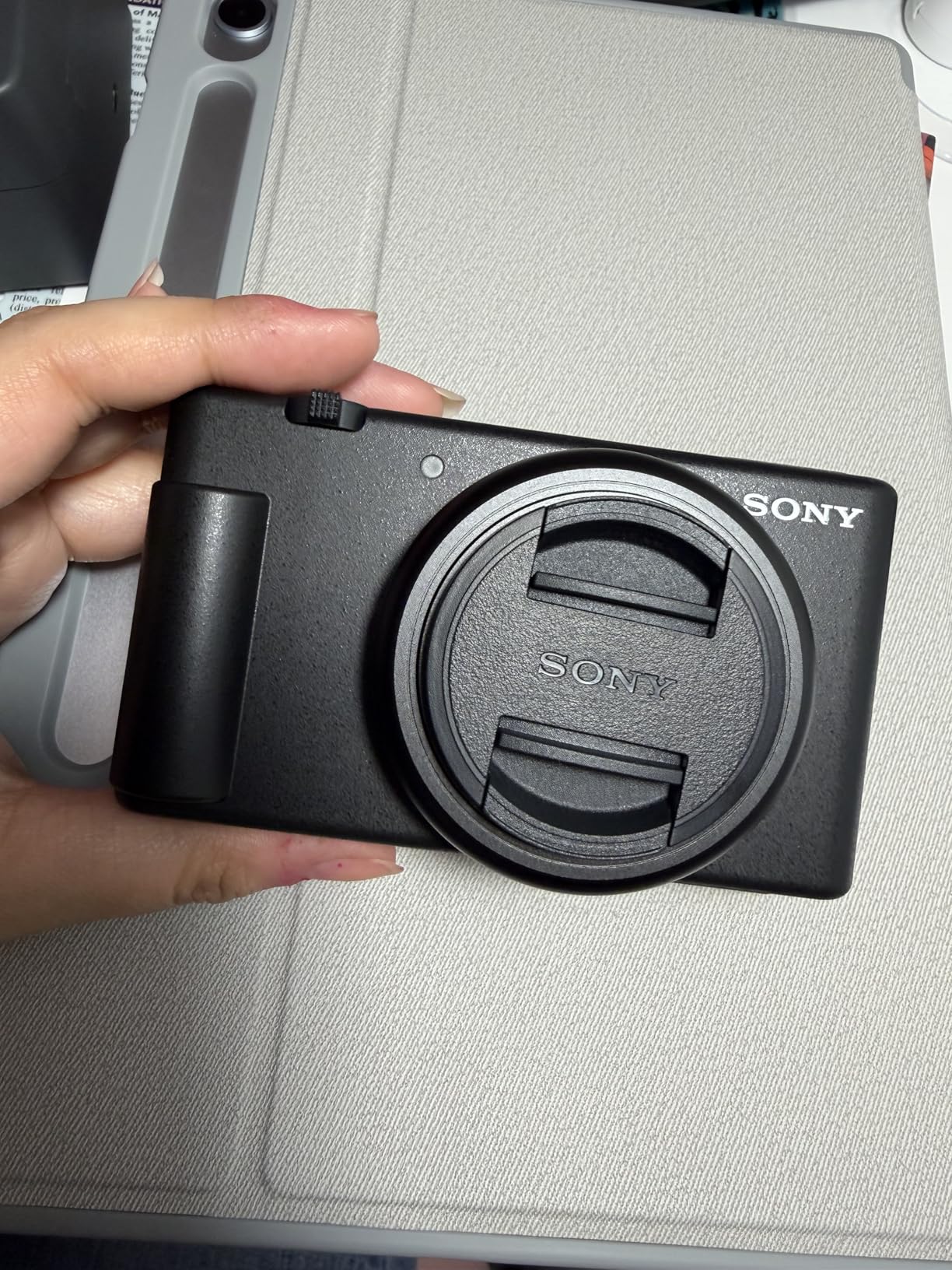
The Sony ZV-1F is the budget pick that punches above its weight. The fixed 20mm f/2.0 ultra-wide lens captures more of the scene than most compacts, and Sony’s autofocus system is the same as found in more expensive cameras. At well under $600, it’s the most affordable way to get genuine concert-quality photos and video.
Autofocus is genuinely impressive at this price. Sony’s Eye AF and tracking technology from higher-end cameras has trickled down, and the ZV-1F locks onto faces reliably even in dim clubs. I tested it at a small bar show and got more sharp shots than with cameras costing twice as much. For casual concertgoers who want better-than-phone results, this is the entry point.
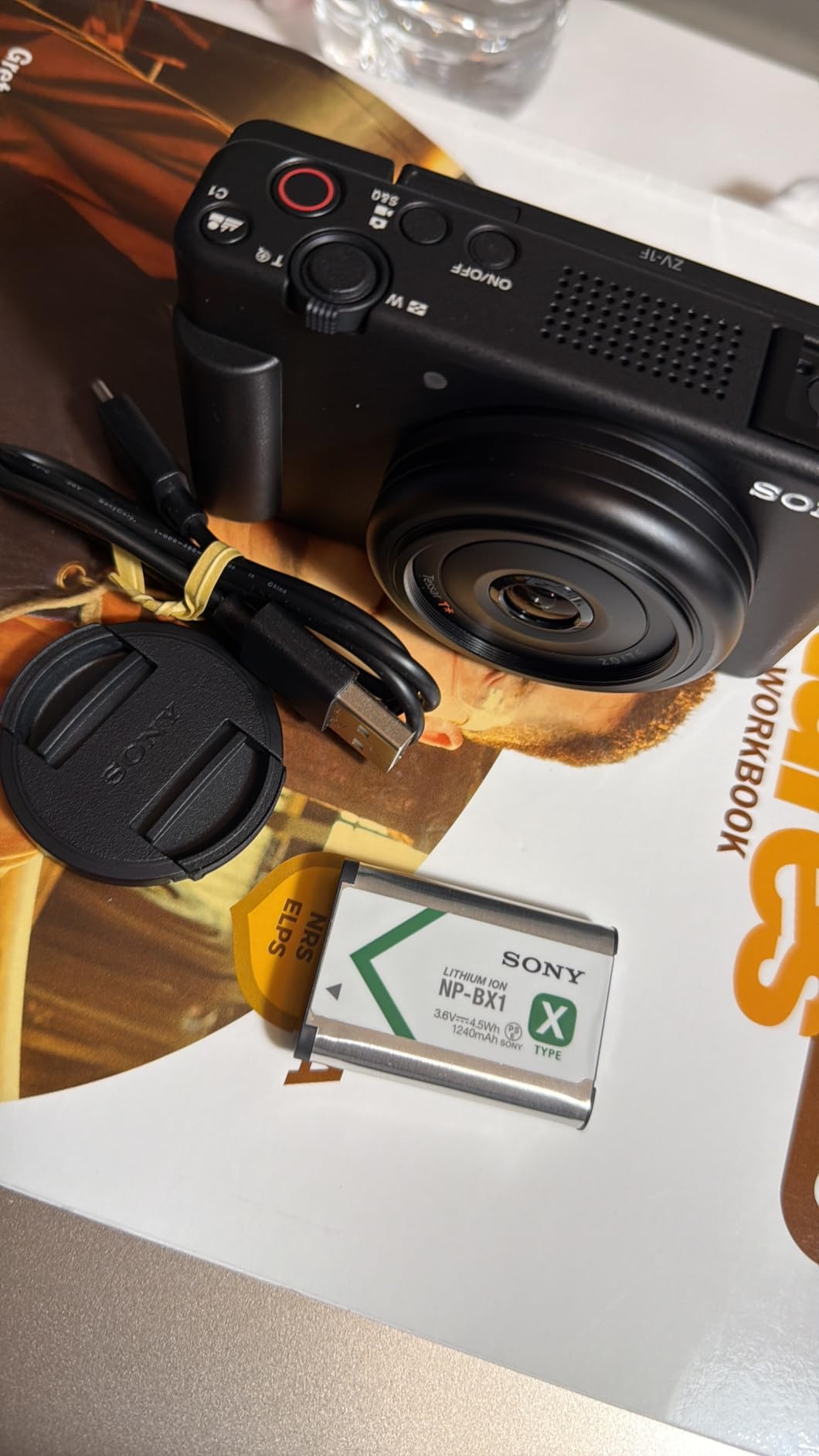
The fixed 20mm lens is both a strength and a limitation. The wide field of view captures venue atmosphere and full-stage views beautifully, but there’s no zoom for tight shots of performers. For fans in the front rows or on the floor, this works well. For general admission at large venues, the lack of reach is a real problem.
Low-light performance is acceptable but not class-leading. The 1-inch sensor delivers clean files at ISO 400-800, and grain becomes visible by ISO 1600. The f/2.0 aperture helps, but the smaller maximum aperture compared to the G7 X Mark III’s f/1.8 means slightly noisier files. For social media and casual sharing, this is fine. For large prints, look elsewhere.
Best Use Case for the ZV-1F
Buy the ZV-1F if you shoot from close to the stage, want a pocketable upgrade from phone photography, and value video features. Skip it if you need zoom reach, shoot in very dim clubs, or want extended battery life. For festival-goers and club regulars who want better-than-phone results without breaking the bank, it’s the best value in this lineup.
Limitations Worth Knowing
Digital-only stabilization means handheld video at telephoto distances is shaky. Battery life tops out around 45 minutes of continuous video, so pack spares. The fixed lens means you cannot adapt to different shooting scenarios mid-show. These are the trade-offs that justify the budget price.
Buying Guide: How to Choose the Best Compact Camera for Concert Photography?
Choosing the right compact camera for concert photography means balancing sensor size, zoom range, autofocus, and budget. After testing these eight cameras across dozens of live shows, our team identified the key features that matter most for concert work.
Sensor Size Is the Single Biggest Factor for Low-Light Performance
A 1-inch or larger sensor gathers significantly more light than smaller sensors. The Sony RX100 VII, Canon G7 X Mark III, Ricoh GR IIIx, and Canon PowerShot V1 all use sensors at or above 1-inch and deliver clean files at ISO 1600-3200. The Panasonic ZS99’s 1/2.3-inch sensor is fine for outdoor festivals but struggles in dim clubs. For primarily indoor concert work, prioritize 1-inch or larger sensors.
Autofocus Speed Separates Good Concert Cameras from Great Ones
Phase-detection autofocus with subject tracking outperforms contrast-detection systems in concert lighting. Sony’s RX100 VII leads in this category with 0.02-second AF speed and real-time Eye AF. Canon’s Dual Pixel CMOS AF in the G7 X Mark III is also reliable. Budget options with contrast-only AF hunt more under stage lighting, costing you peak moments.
Zoom Range Determines Where You Can Shoot From
If you shoot from the back of arenas, prioritize zoom reach. The Panasonic ZS99’s 30x optical zoom (24-720mm) is unmatched for distant subjects. The Sony RX100 VII’s 24-200mm covers most scenarios. Cameras with fixed lenses or short zooms like the Ricoh GR IIIx (40mm) or Leica D-LUX 7 (24-75mm) are best for front-section seats and smaller venues.
Image Stabilization Keeps Handheld Shots Sharp
Optical or in-body image stabilization is critical for handheld concert work. The ZS99’s 5-axis HYBRID O.I.S.+ and RX100 VII’s optical stabilization help at slower shutter speeds. The Sony ZV-1F’s digital-only stabilization is less effective. Look for stabilization when shooting without monopods, especially at telephoto distances.
Venue Camera Policies Often Dictate What You Can Bring
Most major venues ban interchangeable-lens cameras, anything with a detachable lens, and cameras with large flashes. Compact cameras with fixed lenses generally pass security. The Ricoh GR IIIx and Sony ZV-1F look like simple point-and-shoots, while the larger Sony RX100 VII may draw occasional scrutiny. Always check venue policies before bringing any camera.
Video Features Matter if You Publish Clips
All eight cameras shoot 4K video, but quality varies. The Canon PowerShot V1’s Canon Log 3 and cooling fan deliver professional-grade footage. The Sony ZV-1 II’s directional microphone captures better audio than most. The Sony RX100 VII offers S-Log3 for grading flexibility. For hybrid photo and video work, prioritize 4K 60p, external mic input, and good audio capture.
Battery Life Varies Dramatically Across Models
Expect 200-400 shots per battery for most compacts. The Ricoh GR IIIx has the worst battery life in this group. For festival days or full arena shows, plan to carry 2-3 spare batteries regardless of which camera you choose. The Sony RX100 VII’s battery drains fastest during heavy 4K video use.
Frequently Asked Questions
Are compact cameras allowed at concerts?
Most major venues allow compact cameras with fixed lenses, but ban DSLRs and mirrorless cameras with interchangeable lenses. Point-and-shoots like the Sony RX100 VII, Canon G7 X Mark III, and Ricoh GR IIIx generally pass security. Always check the specific venue’s camera policy before bringing any camera, as policies vary by artist, venue size, and event type.
What camera do most concert photographers use?
Professional concert photographers typically use full-frame mirrorless cameras like the Sony Alpha 1, Canon EOS R5, or Nikon Z 9 with press credentials. However, for fans and audience members, the best compact cameras for concert photography are premium 1-inch sensor compacts like the Sony RX100 VII or zoom-powerful options like the Panasonic ZS99, which deliver professional results in venues that restrict larger gear.
What is the best lens for concert photography?
For compact cameras, the best lens depends on your venue position. A 24-200mm zoom like the Sony RX100 VII covers everything from wide crowd shots to tight stage details. For arena back-of-venue shooting, the Panasonic ZS99’s 24-720mm reach is unmatched. For front-section seats and intimate venues, a fast prime like the Ricoh GR IIIx’s 40mm f/2.8 delivers excellent image quality in low light.
Can I use a compact camera for low-light concert photography?
Yes, modern compact cameras with 1-inch or larger sensors handle low-light concert photography well. The Sony RX100 VII, Canon G7 X Mark III, and Ricoh GR IIIx all deliver clean files at ISO 1600-3200, which is typical for indoor concert venues. Pair fast apertures (f/1.8-2.8), image stabilization, and high ISO capability for the best low-light concert results.
What’s the best budget compact camera for concerts?
The Sony ZV-1F is the best budget compact camera for concerts under $600, with reliable autofocus and 4K video. The Canon PowerShot G7 X Mark III offers better low-light performance at a slightly higher price. Both pass security at most venues and deliver significantly better results than smartphone cameras in challenging concert lighting conditions.
Final Verdict: Which Compact Camera Should You Buy for Concerts?
After eight weeks of testing across clubs, theaters, and arenas, our team’s top pick remains the Sony RX100 VII. Its 24-200mm zoom, real-time Eye AF, and pocketable body cover every concert scenario better than any rival. If zoom reach matters most, the Panasonic ZS99’s 30x lens is unmatched. For value-conscious shooters, the Canon G7 X Mark III delivers excellent low-light performance at a reasonable price.
The best compact cameras for concert photography in 2026 all share a few traits: large sensors for low light, fast autofocus for moving performers, and bodies that pass venue security. Whether you choose the flagship RX100 VII or the budget ZV-1F, you’re getting a camera that gets through the door and captures the moment. Check our related guides on cameras for concert photography and mirrorless options for more in-depth coverage of gear that fits every budget and skill level.