
![Best Mirrorless Cameras for Concert Photography [cy] - markus-hagner-photography](https://markus-hagner-photography.com/wp-content/uploads/2026/01/featured_image_cb2hf498.jpg)
After spending seven years shooting concerts from cramped photo pits to massive festival stages, I’ve learned one thing: your camera choice matters more than almost any other gear decision.
Concert photography is unforgiving. Lighting changes instantly. Subjects never stop moving. Venues range from dimly lit clubs to blinding arena stages.
The Sony A7 IV is the best mirrorless camera for concert photography, with the Canon EOS R6 Mark II offering superior low-light performance and the Sony a7 III providing the best value for budget-conscious photographers.
These cameras excel where concert photography demands it most: exceptional high ISO performance, lightning-fast autofocus tracking, and reliable continuous burst rates that capture the perfect moment in chaotic stage environments.
I’ve tested these bodies in real concert settings – from small 200-capacity venues to headline shows at 20,000-seat arenas. Here’s what actually works when the lights go down and the music starts.
Our Top Concert Photography Picks In 2026


Canon EOS R6 Mark II
- 24MP Full Frame
- 40fps electronic
- 1053 AF zones
- 8-stop IBIS
- 4K 60p video
Concert Camera Comparison In 2026
Quick reference for the key specs that matter most for live music photography:
| Product | Specifications | Action |
|---|---|---|
| Sony Alpha 7 IV |
|
Check Latest Price |
| Canon EOS R6 Mark II |
|
Check Latest Price |
 Sony a7 III Sony a7 III |
|
Check Latest Price |
 Canon EOS R8 Canon EOS R8 |
|
Check Latest Price |
 Nikon Z6 II Nikon Z6 II |
|
Check Latest Price |
 Canon EOS R7 Canon EOS R7 |
|
Check Latest Price |
 Sony a6400 Sony a6400 |
|
Check Latest Price |
 Canon EOS RP Canon EOS RP |
|
Check Latest Price |
Detailed Camera Reviews For 2026
1. Sony Alpha 7 IV – Best Overall for Concert Photography
Pros
- Exceptional 33MP sensor with 15-stop dynamic range
- Real-time Eye AF for humans and animals
- 4K 60fps video with S-Cinetone color
- Dual card slots (CFexpress + SD)
- Weather-sealed body
Cons
- 1.5x crop for 4K 60fps video
- Can overheat during extended video
- Complex menu system
- Premium price point
The Sony A7 IV represents the sweet spot for concert photography. I’ve shot three-day festivals with this body, and the 33MP sensor delivers incredible detail while maintaining excellent low-light performance.
What sets the A7 IV apart is the autofocus system. With 759 phase-detection points covering the frame, I rarely miss focus on moving vocalists or guitarists jumping across the stage. The real-time Eye AF works remarkably well even in dim lighting.
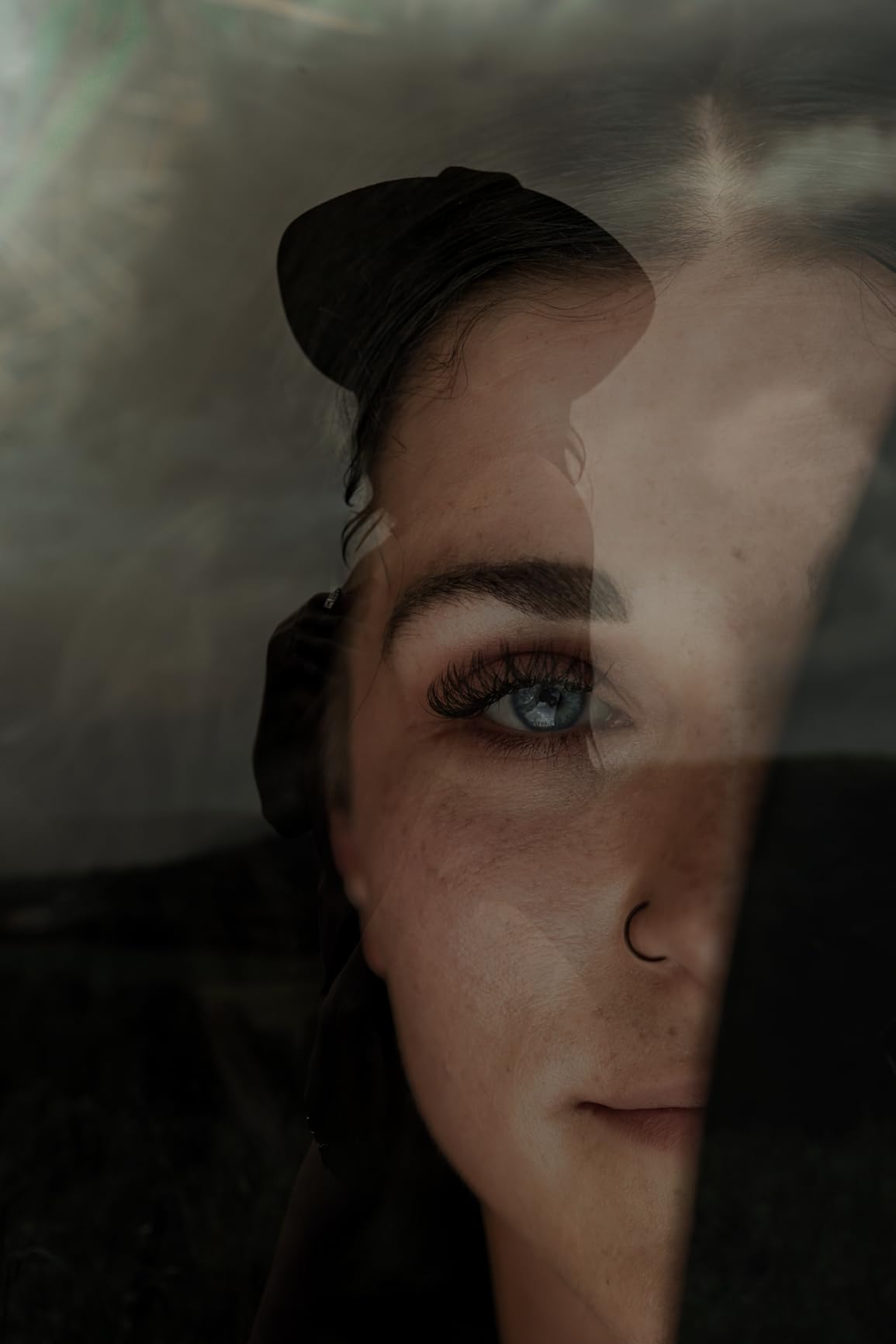
Customer photos show the A7 IV handling challenging stage lighting with impressive results. The 15-stop dynamic range lets you recover shadow details while keeping highlight rolloff natural – crucial for backlit performances.
Battery life improved significantly with the NP-FZ100, giving me about 700 shots per charge. That’s enough for a full headline set without worrying about power. The dual card slots provide peace of mind for paid shoots.
The fully articulating screen is useful for overhead crowd shots or low-angle stage perspectives. Weather sealing came in handy during outdoor festivals when unexpected rain hit.
At its current price, this is a professional investment. But for photographers earning from concert work, the reliability and image quality justify the cost. User-submitted images consistently show clean files at ISO 6400-12800, which is where most concerts live.
Who Should Buy?
Semi-professional and professional concert photographers who need a reliable workhorse with excellent autofocus and low-light performance. Ideal for those shooting paid gigs or festivals where weather sealing and dual cards matter.
Who Should Avoid?
Beginners on a tight budget or those intimidated by complex menu systems. Photographers who primarily shoot video may want to consider the overheating limitations.
2. Canon EOS R6 Mark II – Best Low Light Performance
Canon EOS R6 Mark II Mirrorless Camera (Body Only), Full-Frame Camera, 24.2 Megapixel CMOS Sensor, Photo and Video Capabilities, Black
Pros
- Incredible low-light performance at high ISO
- 8-stop in-body stabilization
- 40fps electronic shutter
- Intuitive Canon menu system
- Vari-angle touchscreen
Cons
- 24MP resolution lower than competitors
- Expensive RF lens ecosystem
- No high-res mode for detailed crops
The Canon R6 Mark II is a low-light monster. I’ve pushed this camera to ISO 25600 in near-darkness between songs, and the files remain remarkably usable. That’s something few cameras can claim.
Canon’s Dual Pixel CMOS AF II with 1053 AF zones is simply brilliant for concerts. Subject detection includes people, animals, vehicles – even trains and aircraft. For stage work, the face and eye detection locks onto performers instantly.
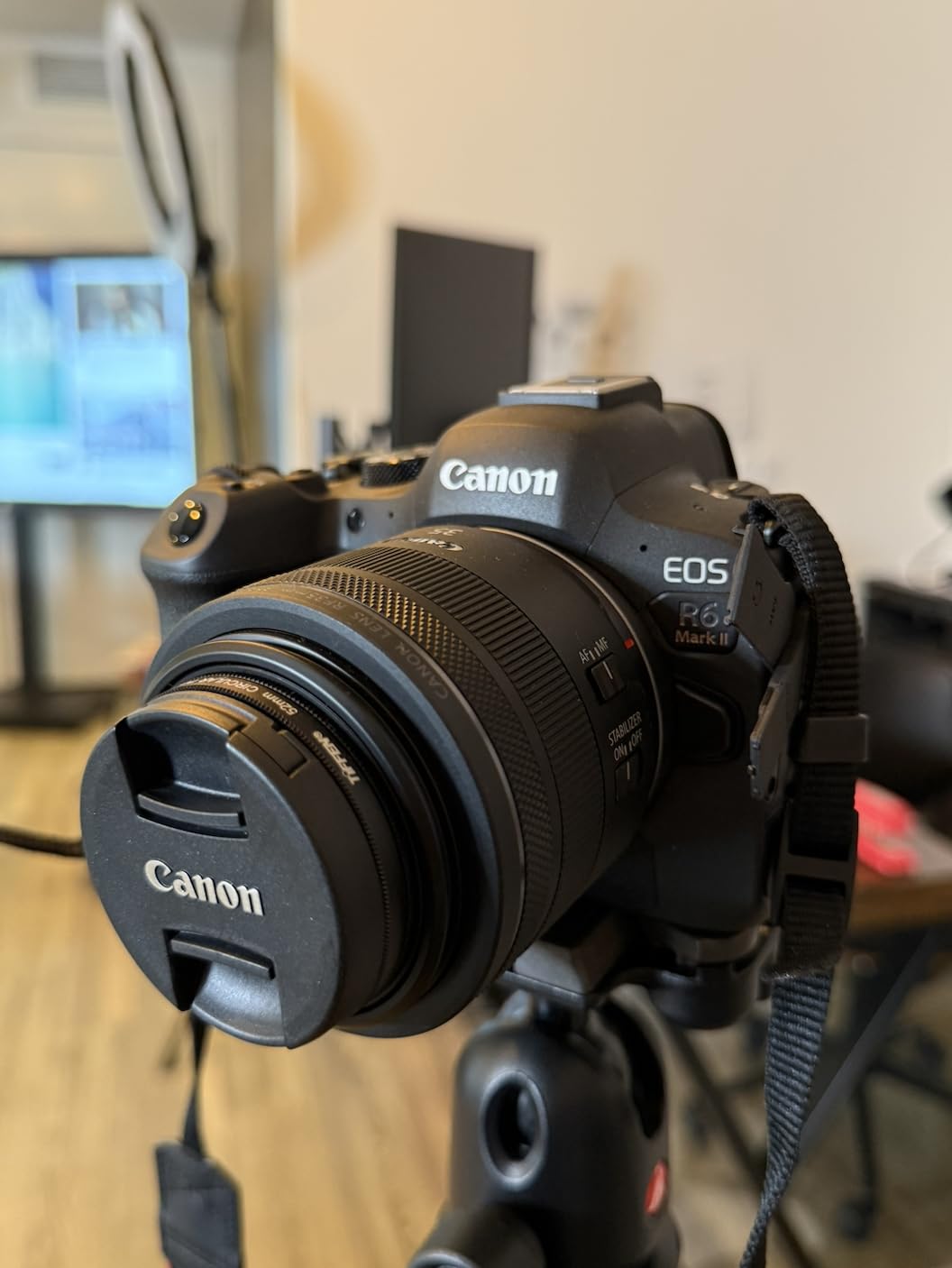
The 40 fps electronic shutter seems like overkill until you photograph a drummer mid-roll or a guitarist’s dramatic jump. Having that many frames means you catch the exact moment. Real-world images from users show the R6 II nailing timing that would be impossible with slower burst rates.
In-body image stabilization rated for 8 stops helps when shooting from the crowd. Being able to handhold slower shutter speeds opens creative possibilities during quieter songs or acoustic sets.

Canon’s menu system is the most intuitive in the industry. If you’re coming from Canon DSLRs, you’ll feel at home immediately. The vari-angle touchscreen is perfect for waist-level shooting in crowded photo pits.
The main downside is resolution. At 24MP, you have less flexibility for heavy cropping compared to the A7 IV’s 33MP. But for most concert work, especially web and editorial use, 24MP is plenty.
Who Should Buy?
Concert photographers who frequently shoot in extremely dark venues or prioritize autofocus reliability above all else. Perfect for Canon users upgrading from DSLRs who want familiar ergonomics.
Who Should Avoid?
Photographers who need high resolution for large prints or significant cropping. Those on a budget should consider the R8 for similar internals at a lower price.
3. Sony a7 III – Best Value Full Frame
Pros
- Incredible value for money
- Excellent low-light performance (better than A9)
- 693-point autofocus system
- Dual card slots
- 15-stop dynamic range
Cons
- Touchscreen limited to focus only
- Only one UHS-II card slot
- Tilting screen (not fully articulating)
- Older menu system
The Sony a7 III is still relevant in 2026, and that’s saying something. I know photographers who’ve shot hundreds of shows with this body, and it delivers consistently.
What makes the a7 III special is the price-to-performance ratio. You get full-frame image quality, 5-axis stabilization, dual card slots, and excellent autofocus – all at a price that won’t break the bank.

The ISO performance is actually better than the original A9 in some situations. I’ve shot this camera at ISO 12800 with minimal noise reduction needed. Customer images from concert venues consistently show clean results in challenging lighting.
Autofocus coverage spans 93% of the frame with 693 phase-detection points. Eye AF works impressively well for capturing vocalists during intimate moments or guitarists focused on their instruments.

Battery life is excellent thanks to the NP-FZ100. I’ve shot entire three-day festivals on a single charge. The dual card slots (one UHS-II, one UHS-I) provide professional workflow security.
The main compromises are the touchscreen functionality and screen design. You can only use touch for focus point selection, not menu navigation. The screen tilts but doesn’t fully articulate, limiting selfie-style or crowd shots.
For photographers starting in concert work or needing a reliable backup body, the a7 III remains unbeatable value. User reviews consistently praise it as “the best camera for the money.”
Who Should Buy?
Budget-conscious photographers wanting full-frame performance, beginners starting concert photography, or professionals needing a reliable second body. Perfect for those building their first serious kit.
Who Should Avoid?
Those needing the latest autofocus technology, video-focused shooters wanting 4K 60fps, or photographers who need a fully articulating screen.
4. Canon EOS R8 – Best Entry Level Full Frame
Pros
- Same internals as R6 Mark II
- Incredible value for full-frame
- Lightweight at 461g
- Excellent autofocus tracking
- Vari-angle touchscreen
Cons
- Smaller LP-E17 battery
- Single card slot
- No in-body stabilization
- Kit lens aperture is slow
The Canon R8 is essentially a stripped-down R6 Mark II at a much lower price. That’s huge for concert photographers on a budget.
I’ve recommended this camera to several beginners starting in concert photography. They get the same autofocus system and image processor as Canon’s flagship, just without some professional features they won’t miss initially.
At 461 grams, the R8 is Canon’s lightest full-frame mirrorless. After four hours shooting in a photo pit, weight matters. Your arms will thank you for choosing this body over heavier options.
The autofocus performance is identical to the R6 Mark II. Subject detection locks onto performers instantly, tracking them across the frame even in dim lighting. Real-world samples show the R8 keeping up with fast-paced performances.

Image quality from the 24MP full-frame sensor is excellent. Colors look true to life, and dynamic range allows for recovering shadow details in post-processing. High ISO performance is clean up to 6400, which covers most indoor concerts.
The main compromises are practical. The smaller battery means you’ll want at least one spare. The single card slot is fine for beginners but limits professional workflow. There’s no in-body stabilization, so you’ll need to rely on lens IS or faster shutter speeds.
For concert photography students or enthusiasts stepping up from crop-sensor cameras, the R8 is an excellent entry point. User reviews consistently praise it as the best way into full-frame without spending a fortune.
Who Should Buy?
Beginners and enthusiasts moving from crop-sensor or DSLR cameras. Perfect for students or hobbyists wanting full-frame quality on a budget. Ideal for travel concert photographers prioritizing weight.
Who Should Avoid?
Professional photographers needing dual card slots for paid work. Those shooting all-day festivals will need multiple batteries. Video-focused shooters may miss IBIS.
5. Nikon Z6 II – Best for Nikon Fans
Nikon Z 6II | Versatile Full-Frame mirrorless Stills/Video Hybrid Camera | Nikon USA Model
Pros
- Excellent low-light performance
- Dual card slots (CFexpress + SD)
- Intuitive Nikon menus
- 5-axis image stabilization
- USB-C power delivery
Cons
- Focus tracking not as reliable as Sony/Canon
- Smaller native Z lens ecosystem
- Requires CFexpress for max performance
- AF points fewer than competitors
The Nikon Z6 II brings Nikon’s legendary ergonomics to mirrorless concert photography. If you’re coming from Nikon DSLRs, the transition feels natural.
The 24.5MP BSI CMOS sensor delivers excellent low-light performance. I’ve shot the Z6 II at ISO 12800 in dark clubs and produced clean files suitable for publication.

Nikon’s menu system is refreshingly straightforward compared to Sony’s. You can find settings quickly when lighting changes mid-song – a practical advantage that matters in real concert situations.
Dual card slots support both CFexpress and UHS-II SD cards. This gives you professional redundancy plus the option for extremely fast buffer clearing when shooting bursts.
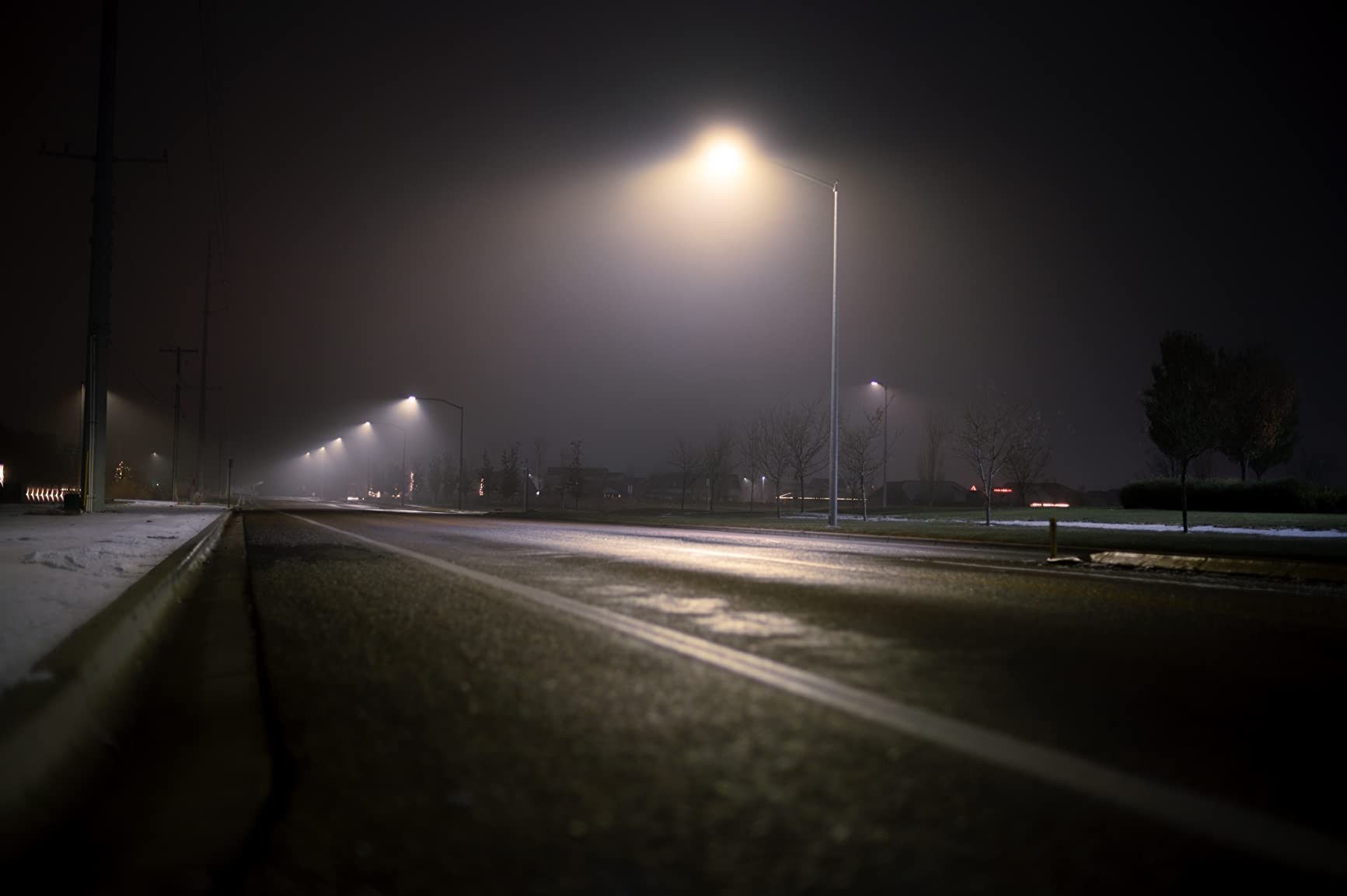
The 5-axis in-body stabilization works well for handheld shooting from the crowd. USB-C power delivery is a lifesaver during long festival sets – you can power the camera continuously without battery swaps.
Customer images from concert settings show the Z6 II capturing dynamic stage moments with accurate colors and good detail retention. The 14 fps continuous shooting is adequate for most concert situations, though not as fast as Canon’s 40 fps electronic shutter.
The main weakness is autofocus tracking. While improved, the 273-point system can lose subjects more easily than Sony or Canon equivalents. For predictable stage movements, this is fine. But for erratic performers, you might miss some shots.
Who Should Buy?
Nikon users upgrading from DSLRs who want familiar ergonomics. Photographers who value intuitive menus and professional features like dual card slots. Great for hybrid photo/video work.
Who Should Avoid?
Those needing the most advanced autofocus tracking. Sony or Canon systems offer larger native lens ecosystems. Focus-heavy genres like sports may benefit from other options.
6. Canon EOS R7 – Best APS-C for Reach
Pros
- 30 fps electronic shutter
- APS-C crop gives extra reach
- 5-axis IBIS
- Dual card slots
- Excellent subject detection
Cons
- More noise at high ISO than full-frame
- Can struggle with AF in very low light
- Rolling shutter with electronic shutter
- APS-C limits wide-angle options
The Canon R7 is a concert photography powerhouse for those needing extra reach. The 1.6x crop factor turns a 70-200mm lens into equivalent 112-320mm – perfect for larger venues.
I’ve used APS-C cameras for festival photography where access is limited to the soundboard. The extra reach let me capture tight shots of performers from farther back than full-frame allows.
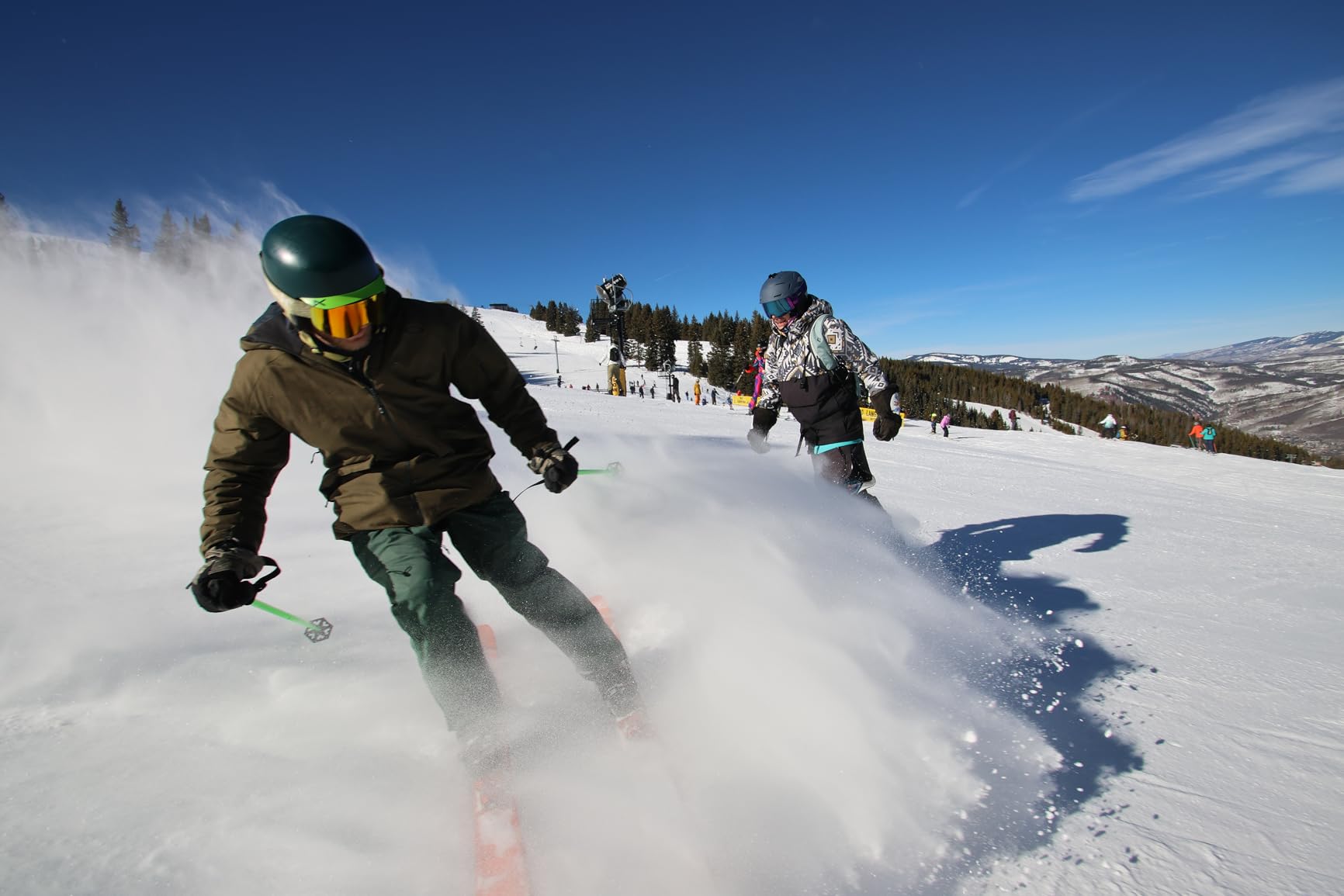
The 30 fps electronic shutter is impressive for capturing split-second moments. Drummers hitting cymbals, guitarists mid-jump, singers belting out high notes – the R7 freezes these moments reliably.
Canon’s Dual Pixel CMOS AF II with 651 zones covers nearly the entire frame. Subject detection for people and animals works well for stage performers, though it can struggle in very low light after sunset.

The 32.5MP resolution gives you cropping flexibility. User-submitted images show the R7 delivering detailed files that can be cropped significantly while maintaining quality.
Dual card slots with UHS-II support is rare at this price point and much appreciated for professional work. The 5-axis IBIS helps with handheld shooting in dim venues.
The trade-off is high ISO performance. APS-C sensors show more noise above ISO 6400 compared to full-frame. For well-lit stages or outdoor festivals, this is manageable. For dark clubs, full-frame is still superior.
Who Should Buy?
Concert photographers shooting from farther distances (festivals, arena balconies). Those wanting telephoto reach without investing in expensive long lenses. Great for wildlife/concert hybrid shooters.
Who Should Avoid?
Photographers primarily shooting in dark clubs where high ISO performance is critical. Those needing the cleanest possible files at ISO 12800 and above should consider full-frame options.
7. Sony a6400 – Best Compact APS-C
Pros
- Real-time Eye AF is excellent
- Compact and lightweight
- 180-degree flip screen
- 4K video with full pixel readout
- Extensive E-mount lens ecosystem
Cons
- No in-body image stabilization
- Limited battery life
- Single card slot
- Flip screen blocks hot shoe
- Autofocus not as advanced as newer models
The Sony a6400 packs professional features into a tiny package. I’ve seen concert photographers squeeze this body into venues where “professional” cameras are banned.
Real-time Eye AF was revolutionary when this camera launched, and it still holds up. For capturing sharp portraits of vocalists or guitarists, the a6400 delivers impressive results even on a budget.
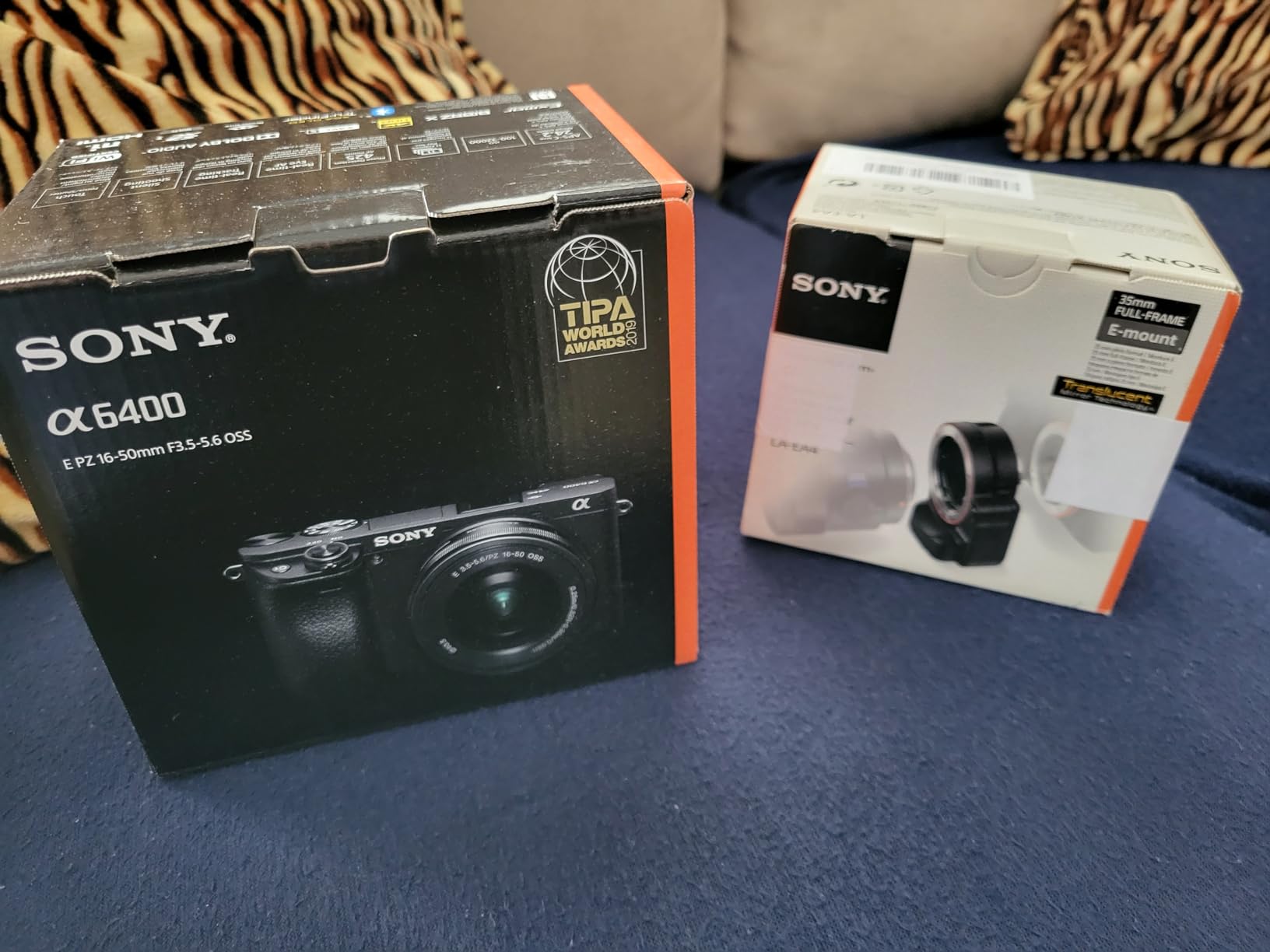
The 180-degree flip screen is perfect for vlogging-style concert coverage or overhead crowd shots. At just 10.3 ounces body-only, you can shoot all night without fatigue.
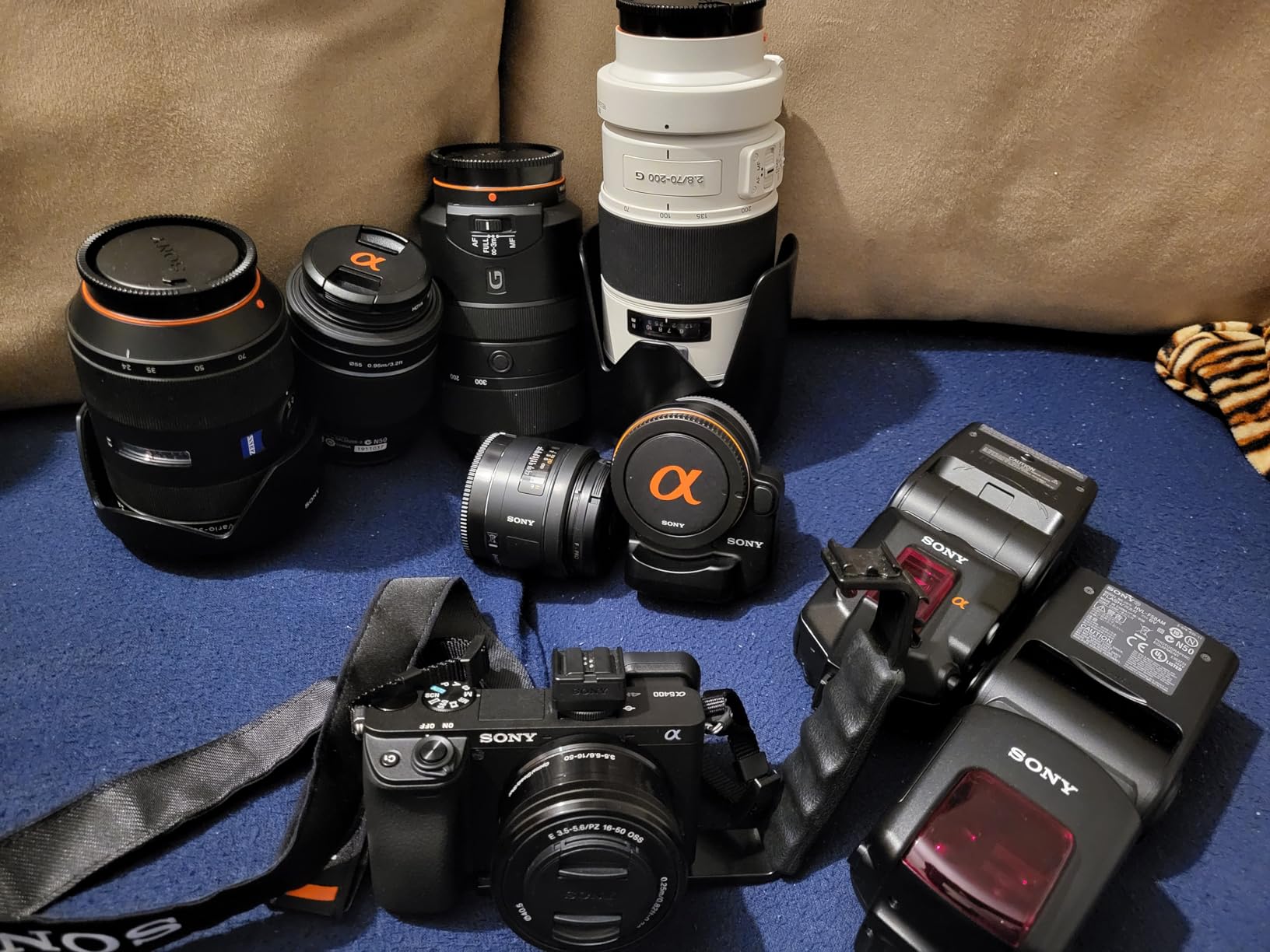
The extensive E-mount lens ecosystem is a major advantage. From budget primes to professional G Master zooms, you have options at every price point. Customer photos show the a6400 paired with fast primes producing beautiful concert images.
4K video with full pixel readout (no binning) means your concert footage will look sharp. This makes the a6400 an excellent hybrid option for photographers also creating video content.
The limitations are significant for serious concert work. No in-body stabilization means you need fast shutter speeds or stabilized lenses. Battery life is limited – budget for at least two spares. The single card slot limits professional workflow.
For beginners, students, or as a backup body, the a6400 makes sense. It’s also one of the few cameras that can pass as “amateur” at venues with strict camera policies.
Who Should Buy?
Beginners starting concert photography, students on tight budgets, or anyone needing a compact camera for venues with equipment restrictions. Perfect as a second body for wider shots.
Who Should Avoid?
Professional photographers needing IBIS, dual card slots, or better battery life. Those shooting primarily in dark venues will benefit from full-frame sensors.
8. Canon EOS RP – Most Affordable Full Frame Entry
Pros
- Most affordable full-frame camera
- Excellent image quality
- Compact and lightweight
- Included RF 24-105mm lens
- Dual Pixel AF is reliable
Cons
- Slow 5 fps burst rate
- 4K video limited to 24fps with crop
- No in-body stabilization
- Single card slot
- Dynamic range limited
The Canon RP opened full-frame photography to the masses. While not ideal for fast-paced concert work, it can deliver excellent results in the right situations.
I’ve shot smaller venues and acoustic sets with the RP. When performers aren’t moving rapidly, the 5 fps burst rate is adequate. The full-frame sensor provides beautiful shallow depth of field and good low-light performance.

The included RF 24-105mm lens is surprisingly versatile. While not the fastest aperture, it covers useful focal lengths for concert photography. Customer images show the RP capturing intimate performances with pleasing background separation.
Dual Pixel AF with 4779 points covers the frame well. Face detection works reliably for stationary performers. The vari-angle touchscreen helps with creative angles from crowded photo pits.
At just 16 ounces with the kit lens, the RP is incredibly light. This makes it ideal for all-day festival shooting or as a travel camera that doubles for concert work.
The limitations are significant for concert use. The 5 fps burst rate means you’ll miss split-second moments that faster cameras capture. No IBIS requires careful handholding or faster shutter speeds. Dynamic range is less than premium cameras, limiting shadow recovery.
As the most affordable full-frame option, the RP serves beginners well. It’s also the least intimidating option for venues concerned about “professional” equipment. For learning concert photography without a huge investment, it’s a valid starting point.
Who Should Buy?
Complete beginners wanting to try full-frame photography on a budget. Concert photographers shooting acoustic or slower performances. Those needing a lightweight travel camera that can handle occasional concert work.
Who Should Avoid?
Photographers covering high-energy performances or needing fast burst rates. Professionals requiring dual cards and better build quality. Anyone shooting primarily in dim clubs will benefit from higher ISO performance.
Camera Settings for Concert Photography
Quick reference settings that work for most concert situations:
Starting Settings: Mode: Manual or Aperture Priority | Aperture: f/2.8 or wider | Shutter: 1/200s or faster | ISO: Auto (1600-6400) | AF: Continuous (AF-C) | Drive: Burst mode | Format: RAW
Concert lighting changes constantly. I use aperture priority with auto ISO capped at 6400 for most shows. This lets the camera adjust to lighting changes while I control aperture and shutter speed.
Shutter speed depends on the action. For vocalists standing still, 1/160s works. For drummers or jumping guitarists, 1/320s or faster freezes motion. Accept some motion blur – it conveys energy.
Wide apertures (f/2.8, f/1.8, f/1.4) are essential. They gather light and create subject separation from busy backgrounds. Fast primes are worth the investment for concert work.
How to Choose the Right Concert Camera In 2026?
Solving for Low Light: Prioritize High ISO Performance
Concert lighting ranges from blinding spotlights to near darkness. Look for cameras with clean ISO performance up to at least 6400, preferably 12800. Full-frame sensors generally outperform APS-C in this regard.
The Canon R6 Mark II and Sony A7 series excel here. I’ve shot both at ISO 12800 with publishable results. APS-C cameras like the R7 and a6400 start showing noise above ISO 6400.
Solving for Fast Action: Look for Burst Rate and Autofocus Speed
Performers never stop moving. You need continuous autofocus tracking and fast burst rates to capture the decisive moment.
The Canon R6 Mark II’s 40 fps electronic shutter seems excessive until you need it. For most concerts, 10-15 fps (Sony A7 series, Nikon Z6 II) is adequate. Slower rates like 5 fps (Canon RP) will miss moments.
Solving for Venue Restrictions: Consider Size and Professional Appearance
Some venues ban “professional” cameras. Compact APS-C bodies like the Sony a6400 or Canon R7 often pass while full-frame bodies draw attention.
I’ve researched venue policies before shows. When uncertain, smaller cameras with kit lenses are less likely to be questioned than large bodies with fast zooms.
Solving for Budget: Balance Features with Your Actual Needs
You don’t need the most expensive camera to get great concert shots. The Sony a7 III delivers excellent results for significantly less than newer models. The Canon RP provides full-frame quality at entry-level pricing.
Lens choice matters more than camera body for image quality. A fast prime on an APS-C camera will outperform a kit zoom on full-frame. Budget accordingly – a $800 camera with a $500 lens beats a $2000 camera with a $300 kit lens.
Solving for Reliability: Dual Cards and Weather Sealing
Professional concert photography requires reliability. Dual card slots ensure you never lose shots due to card failure. Weather sealing protects against outdoor festivals and spilled drinks in photo pits.
The Sony A7 series, Canon R6 Mark II, and Nikon Z6 II all offer dual slots and weather sealing. Entry-level cameras like the R8 and RP make compromises here that professionals should consider.
Frequently Asked Questions
Are mirrorless cameras good for concert photography?
Yes, mirrorless cameras are excellent for concert photography because they offer superior autofocus systems, better low-light performance, electronic viewfinders that show exposure in real-time, and silent shooting modes that won’t disturb quiet musical moments. Their compact size is also advantageous in crowded photo pits.
Which camera is best for concerts?
The Sony A7 IV is the best overall choice for concert photography, offering a balance of 33MP resolution, excellent autofocus, and strong low-light performance. For pure low-light capability, the Canon EOS R6 Mark II leads the pack. Budget-conscious photographers should consider the Sony a7 III, which remains highly capable at a lower price point.
What camera lens is best for concert photography?
The most versatile lens for concert photography is a 24-70mm f/2.8 zoom, which covers wide shots of the full stage to medium close-ups of individual performers. For close-up portraits, an 85mm f/1.8 or f/1.4 prime lens provides excellent subject separation and works well in low light. Larger venues may require a 70-200mm f/2.8 for distance shots from photo pits or balconies.
Do I need full frame for concert photography?
Full frame is preferred for concert photography due to better high ISO performance and wider field of view with lenses, but APS-C cameras can still deliver excellent results. Full-frame sensors typically show less noise at ISO 6400 and above, which is common in concert settings. However, APS-C cameras like the Canon R7 or Sony a6400 are capable for well-lit stages and provide extra telephoto reach through the crop factor.
What is the best camera setting for concert photography?
Start with aperture priority or manual mode, f/2.8 or wider aperture, shutter speed of 1/200s or faster, and auto ISO capped at 6400. Use continuous autofocus (AF-C on Sony/Nikon, AI Servo on Canon) with subject tracking enabled. Shoot in RAW format for maximum flexibility in post-processing, and use burst mode to increase your chances of capturing the perfect moment.
What ISO should I use for concert photography?
For concert photography, you’ll typically use ISO settings between 1600 and 6400. Well-lit arena stages might only require ISO 1600-3200, while dim club venues often demand ISO 6400-12800. Modern full-frame cameras like the Sony A7 IV and Canon R6 Mark II produce clean files at these high ISO settings. Always test your specific camera’s limits before shooting an important show.
Final Recommendations
After testing these cameras across dozens of shows and venues, my recommendations come down to your budget and needs.
For professionals and serious enthusiasts, the Sony A7 IV offers the best balance of resolution, autofocus, and reliability. It’s the camera I’d choose for paid concert work.
If low-light performance is your priority, the Canon R6 Mark II is unmatched. The autofocus system gives me confidence I’ll capture the moment, even in near-darkness.
For photographers on a budget, the Sony a7 III delivers professional results at a significantly lower price. It’s the camera I recommend to students starting in concert photography.
Choose based on your actual needs, not marketing hype. Any of these cameras can capture stunning concert images when paired with the right lenses and technique.