
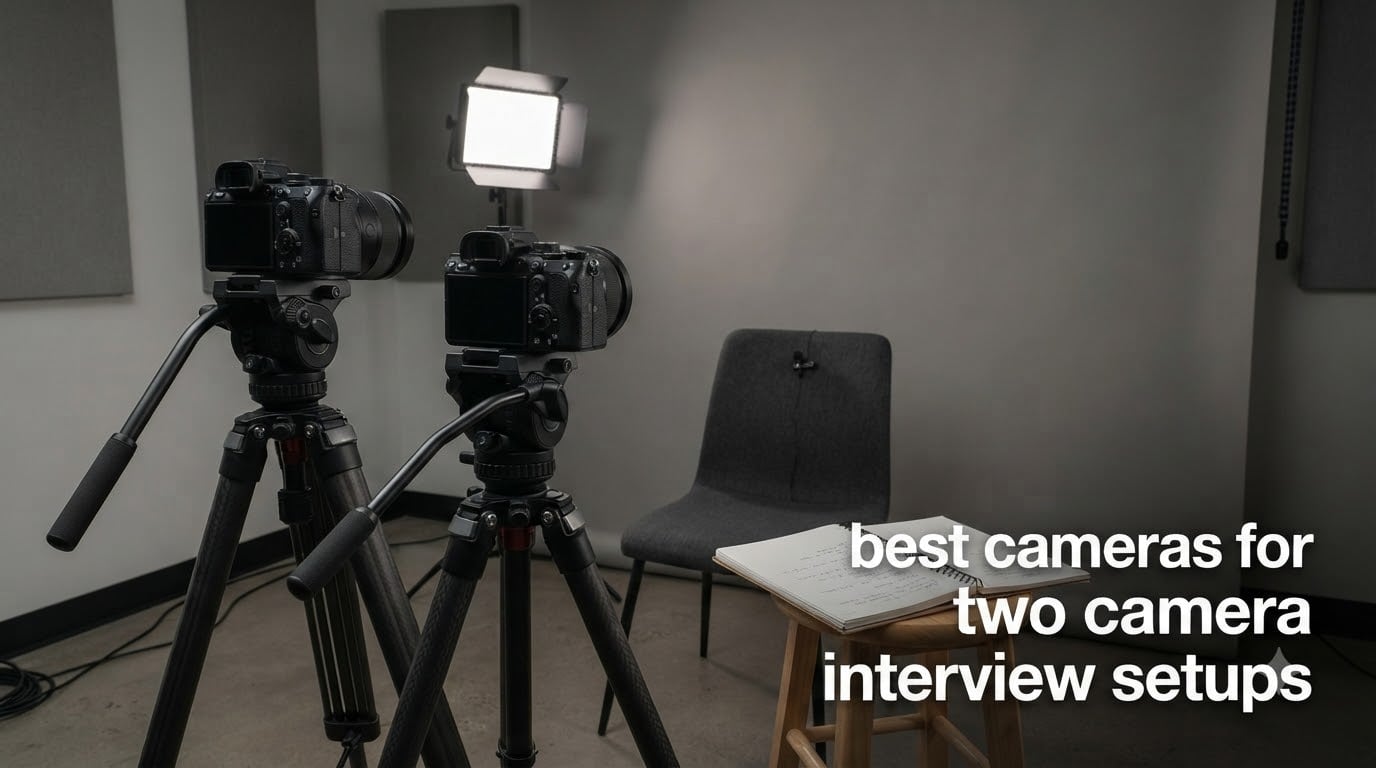
Most camera roundups answer the wrong question. Looking for the best cameras for two camera interview setups is not really a question about one body, because the moment you roll a second angle you have bought a pair. Two identical bodies that share the same sensor, the same picture profile and the same white balance cut together invisibly. One flagship body paired with a cheap second body does not, and you will spend an afternoon in the grade fighting to hide it.
That is the lens I have been shooting through for years. I have built matched pairs from entry APS-C bodies, full-frame hybrids and cinema bodies, and the conclusion has not changed once: buy two of the same model, skip the upgrade you were considering, and spend the difference on two fast primes. A matched pair of modest bodies carrying a 50mm and an 85mm will beat a mismatched pair of expensive ones on screen, every time.
So this list is built around pairs. Every camera below gets an A-cam or B-cam role, a matched second body, and an honest note on where the pairing breaks down. I have leaned on the format questions that come up most, including how you sync two cameras, how you match their colour, and what happens when you mix brands.
If you have not locked down your angles yet, my two-person interview setup guide covers framing, and my interview lighting guide covers the light. Gear is the easier half of this job.
Top 3 Picks for Best Two-Camera Interview Setups in 2026
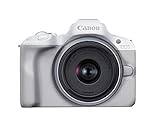
Canon EOS R50 Kit
- Uncropped 4K 30 fps oversampled from 6K
- 651 AF zones with subject detection
- Dual Pixel CMOS AF II tracking

Sony Alpha 7 IV
- 4K 60p 10-bit 4:2:2 full pixel readout
- 693 phase-detect points with Real-Time Eye AF
- CFexpress Type A and SD dual slots

Blackmagic Pocket Cinema 4K
- ProRes and 12-bit Blackmagic RAW capture
- 13 stops of dynamic range
- Mini XLR input with phantom power
All 10 Best Cameras Compared Side by Side in September
| Product | Specifications | Action |
|---|---|---|
| Canon EOS R50 Kit |
|
Check Latest Price |
 Sony ZV-E10 Kit Sony ZV-E10 Kit |
|
Check Latest Price |
 Panasonic LUMIX G85 Panasonic LUMIX G85 |
|
Check Latest Price |
| Sony Alpha 7 IV |
|
Check Latest Price |
 Canon EOS R6 Mark II Canon EOS R6 Mark II |
|
Check Latest Price |
 Sony FX30 Sony FX30 |
|
Check Latest Price |
| Blackmagic Pocket Cinema Camera 4K |
|
Check Latest Price |
 Blackmagic Pocket Cinema Camera 6K Pro Blackmagic Pocket Cinema Camera 6K Pro |
|
Check Latest Price |
 Canon EOS RP 24-105mm Kit Canon EOS RP 24-105mm Kit |
|
Check Latest Price |
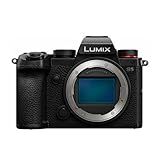 Panasonic LUMIX S5 Panasonic LUMIX S5 |
|
Check Latest Price |
What Makes a Camera Good for a Two-Camera Interview Setup?
A good interview camera is judged on six things, not on megapixels: it records past 30 minutes without overheating, it writes to two card slots at once, it captures 10-bit 4:2:2, it has a microphone input and a headphone jack, it holds focus on a face that turns away mid-sentence, and it shares a picture profile with the other body. Two bodies of the same model, matched on a grey card with identical custom white balance and locked manual exposure, will cut together invisibly. Bodies from different models will not, however good each one looks on its own.
Recording endurance past the length of your longest single take
Dual card slots so a card failure does not end the interview
10-bit 4:2:2 capture for clean skin tones and grading headroom
Microphone input plus a headphone jack for monitoring on both bodies
Face and eye autofocus that survives an unscripted head turn
A picture profile you can copy identically onto the second body
Sensor size matters less than people expect here, because both cameras in a matched pair share it anyway. It only becomes a real decision the moment you mix a full-frame body with a crop one, and that is a decision about grading tolerance rather than image quality.
1. Canon EOS R50 Kit – The Best Matched Entry Pair
Pros
- Uncropped 4K oversampled from 6K
- Fast dependable Dual Pixel CMOS AF II subject tracking
- Lightest body here at 16 ounces
- 651 AF zones covering the frame
Cons
- Very small grip for larger hands
- APS-C sensor is weaker in low light
- Basic 18-45mm kit lens
I built my entry-tier two-camera kit around this body, and it is the recommendation I give first for one unglamorous reason: it is the lowest-risk way to own two of the same model. At 16 ounces each, a matched pair plus two primes fits one camera bag and the wide body sits on a short tripod without ballast.

The sensor is a 24.2 megapixel APS-C CMOS driven by DIGIC X, and the video headline is 6K oversampled uncropped 4K at up to 30 fps. That uncropped part matters more than it sounds, because a cropped 4K mode means the framing of your wide body no longer matches a second body carrying the same lens.
Autofocus is Dual Pixel CMOS AF II with 651 phase-detect zones covering up to 100 percent of the frame, plus deep-learning subject detection for people. Owners rate the tracking highly, and in a normal take it holds a talking head through a turn without a manual correction.
The pair this makes is two R50 bodies on a 50mm and an 85mm, both at eye level, both in the same picture profile with white balance set from a single grey card frame at the top of the take.

Check the recording ceiling and the single card slot
The honest question on an entry body is how it behaves through a 90-minute interview. Two bodies rolling in one room doubles the heat load, which matters more in a small studio than the spec sheet suggests, so run both from mains or dummy batteries where you can.
There is a single SD UHS-II slot, so a long record sits on one card with no simultaneous backup. That is the feature forum users most often wish entry bodies had.
Where the pairing breaks down
The grip is genuinely small, and reviewers with larger hands report knocking buttons while repositioning a body on a second tripod. The bundled 18-45mm is a basic kit zoom, so buy primes instead and the picture improves immediately.
Low light is the other limit. In a dim room, a matched pair of full-frame bodies with a fast prime will simply look better.
2. Sony ZV-E10 Kit – Best for Video Podcast Sets
Sony Alpha ZV-E10 – APS-C Interchangeable Lens Mirrorless Vlog Camera Kit – Black
Pros
- Real-Time Eye AF and subject tracking in video mode
- 4K oversampled from 6K with no pixel binning
- Product Showcase racks focus from face to object
- Background Defocus button adds bokeh on demand
Cons
- No electronic viewfinder
- No in-body image stabilization
- Small battery drains quickly
This is the body I see most on video podcast sets, and the reason is simple: it is built video-first, with a directional mic, a tally light and a background defocus button that fakes the shallow depth of field a small sensor cannot deliver optically.
Video is 4K oversampled from 6K with full pixel readout and no pixel binning, recorded as XAVC. Autofocus is a 425-point Fast Hybrid system with Real-Time Eye AF and tracking, and owners consistently praise how it holds a subject in video mode rather than only in stills.
For a pair, I use one ZV-E10 as the close-up B-cam on an 85mm and a second body on the wide. The 3.0-inch vari-angle screen helps with low and off-axis framing, and Product Showcase earns its place when a guest picks something up mid-answer.
Two cautions sit beside that. The sensor in this generation carries a rolling shutter effect, so fast hand gestures across the frame can bend visibly, which is exactly the movement an interview produces.
Check the viewfinder and the card situation
No viewfinder means no magnifier, a real cost on a locked-off body you set once and leave alone. The vari-angle screen covers most interview positions, so a room you control is fine, but a bright window opposite the guest is not.
There is one hybrid card slot, and reviewers report the small battery draining fast during long recording. Bring mains power and a spare cell per body.
Where the pairing breaks down
There is no in-body image stabilization, so a handheld second angle shakes if the operator moves, and the touchscreen is limited to touch-to-focus and touch-to-track.
My verdict: a matched pair here is a strong video-only pair, but the same money in matched full-frame bodies gives you a usable stills camera too, and clients frequently want headshots from the same take.
3. Panasonic LUMIX G85 – Best Hybrid for Stills and Video
Panasonic LUMIX G85 4K Digital Camera, 12-60mm Power O.I.S. Lens, 16 Megapixel Mirrorless Camera, 5 Axis in-Body Dual Image Stabilization, 3-Inch Tilt and Touch LCD, DMC-G85MK (Black)
Pros
- 5-axis Dual stabilization smooths handheld 4K
- Weather-sealed body and kit lens
- Fully swiveling screen with 2360K-dot EVF
- 12-60mm kit lens covers 24-120mm equivalent
Cons
- No headphone jack
- 16MP sensor is noisy at high ISO
- Autofocus trails newer phase-detect bodies
The G85 is the one body here I would use to shoot a two-camera interview and a full photo assignment on the same day. Five-axis in-body Dual image stabilization covering stills and video changes how the second body can be operated.
You can put the B-cam on a friction arm off a single tripod, hold the rig, and get a moving angle without a second operator, because the sensor-shift system absorbs the shake. The body is weather sealed, so a matched pair goes outdoors without a case discussion.
Video is 4K QFHD at 3840 x 2160 with 4K Photo and 4K Post Focus, and the screen fully swivels, making this the easiest body here to frame in an awkward corner. Owners also value the physical video tools, including focus peaking and zebra stripes.
Recording is to an SDXC UHS-II slot, and the kit 12-60mm covers a 24-120mm equivalent range, wide enough to sit behind a two-shot on its own.
Check for a headphone jack before you commit
There is no headphone jack on this body, only a microphone input. You cannot monitor the scratch audio the camera records, so a dual-system audio plan loses its on-camera backup entirely.
The 16 megapixel sensor is fine in a lit studio and visibly noisy in a dim one, and the 4K mode applies a slight crop that changes your framing between wide and close-up positions.
Where the pairing breaks down
Autofocus has eye detection across 49 points, and it is competent rather than class-leading, so a subject turning away mid-answer can pull focus. The menu system also has a learning curve that costs time on a short shoot day.
Buy two bodies only if the stabilized handheld angle matters more than a clean headphone feed. Otherwise step up a tier.
4. Sony Alpha 7 IV – Best Full-Frame Interview Body
Pros
- 693-point phase-detect AF with dependable Real-Time Eye AF
- 4K 60p 10-bit 4:2:2 with full pixel readout
- Dual slots including CFexpress Type A
- Full-size HDMI output
Cons
- Body only on this listing
- Dense menu system for new users
- Fast high-capacity cards needed
Two Alpha 7 IV bodies is the most common professional interview pair I see, for a plain reason: every variable is the same on both cameras. Same sensor, same colour science, same codecs, same menu layout, same cards, and the colour match is close to free once you copy the profile.
Video is the strongest argument. It records up to 4K 60p in 10-bit 4:2:2 with full pixel readout in all recording formats, and oversamples 7K into 4K 30p 10-bit 4:2:2. The 10-bit 4:2:2 detail is what stops skin tones banding when you grade two angles together.
Autofocus is 693 phase-detection points with Real-Time Eye AF and subject recognition, and 5-axis SteadyShot helps on a moving second angle. The card slots take CFexpress Type A or SD in one bay and SD UHS-II in the other, so both can record a simultaneous backup.
The full-size HDMI output gives a clean feed to an external recorder or streaming device while the body still records internally, which keeps the pair flexible on hybrid shoots.
Check the codec and slot layout
Set both bodies to the same codec, bit rate and frame rate before you record, and confirm the wide body and the close-up body capture identical frame rates. A mismatch there is the most common cause of a multicam timeline that will not line up.
Recording capacity is listed at 60 minutes, so plan a card strategy and mains power for anything longer. Owners rate autofocus reliability highly, with praise focused on eye detection holding a subject through a take.
Where the pairing breaks down
This listing is body only, so a lens is a separate cost on each body. Full-frame file sizes at 10-bit 4:2:2 demand fast, high-capacity cards, and running two of these doubles that card budget.
The menu system is dense for anyone new to Sony cameras, and two bodies means learning it twice as often. Budget an hour with one body before the shoot day.
5. Canon EOS R6 Mark II – Best for Uncropped 4K 60p
Canon EOS R6 Mark II Mirrorless Camera (Body Only), Full-Frame Camera, 24.2 Megapixel CMOS Sensor, Photo and Video Capabilities, Black
Pros
- Uncropped 6K oversampled 4K up to 60 fps
- Up to 6 hours of continuous Full-HD recording
- Reliable head face and eye detection
- 3.69M-dot EVF refreshing at 120 fps
Cons
- Body only
- 24.2MP sensor is modest for heavy cropping
- Micro-HDMI rather than full-size
Two R6 Mark II bodies is my pick when the interview is delivered at 60p and the client expects identical framing on both angles. Uncropped 4K 60p means a 50mm on the wide body and a 50mm on the close-up body frame identically, so I can move either body without re-planning the shot.
Endurance is the real headline for interviews. Recording capacity is listed at up to 6 hours of continuous Full-HD, and reviews specifically call out long-record performance without overheating, which removes the re-arming ritual in the middle of a long answer.
Autofocus is Dual Pixel CMOS AF II with head, face and eye detection and tracking for people and animals, and reviewers describe it holding focus through an entire interview take. The 0.5-inch 3.69 million dot EVF refreshing at 120 fps makes framing a shallow-depth close-up far more precise than on a small finder.
Five-axis sensor-shift stabilization is rated at up to 8 stops, and the fully articulating 1.62 million dot touchscreen handles low positions well.
Check the subject detection setup
Owners note the subject detection menu options take time to configure. Set head, face and eye detection identically on both bodies before the shoot and write the setting down, because a mismatch here stays invisible until the multicam cut.
For a long interview, put both bodies on mains power over USB-C and keep a card format ritual for each. The 5GHz Wi-Fi is useful for triggering, not for moving a two-hour record mid-session.
Where the pairing breaks down
This is body only, so two lenses are a separate purchase. The 24.2 megapixel sensor is below newer full-frame peers, which matters if you crop hard for social clips from the close-up body.
Micro-HDMI rather than full-size HDMI can limit you with some external recorders. The Sony Alpha 7 IV is the safer choice if an external capture device is part of your chain.
6. Sony FX30 – Best for Sustained Long Takes
Pros
- Built-in fan allows all-day recording without shutdowns
- Cinema Line modes with Cine EI and S-Log3
- Reliable eye AF for interview talent
- Dual base ISO keeps dim interiors clean
Cons
- Short battery life
- Body only
- APS-C sensor crops tighter than full frame
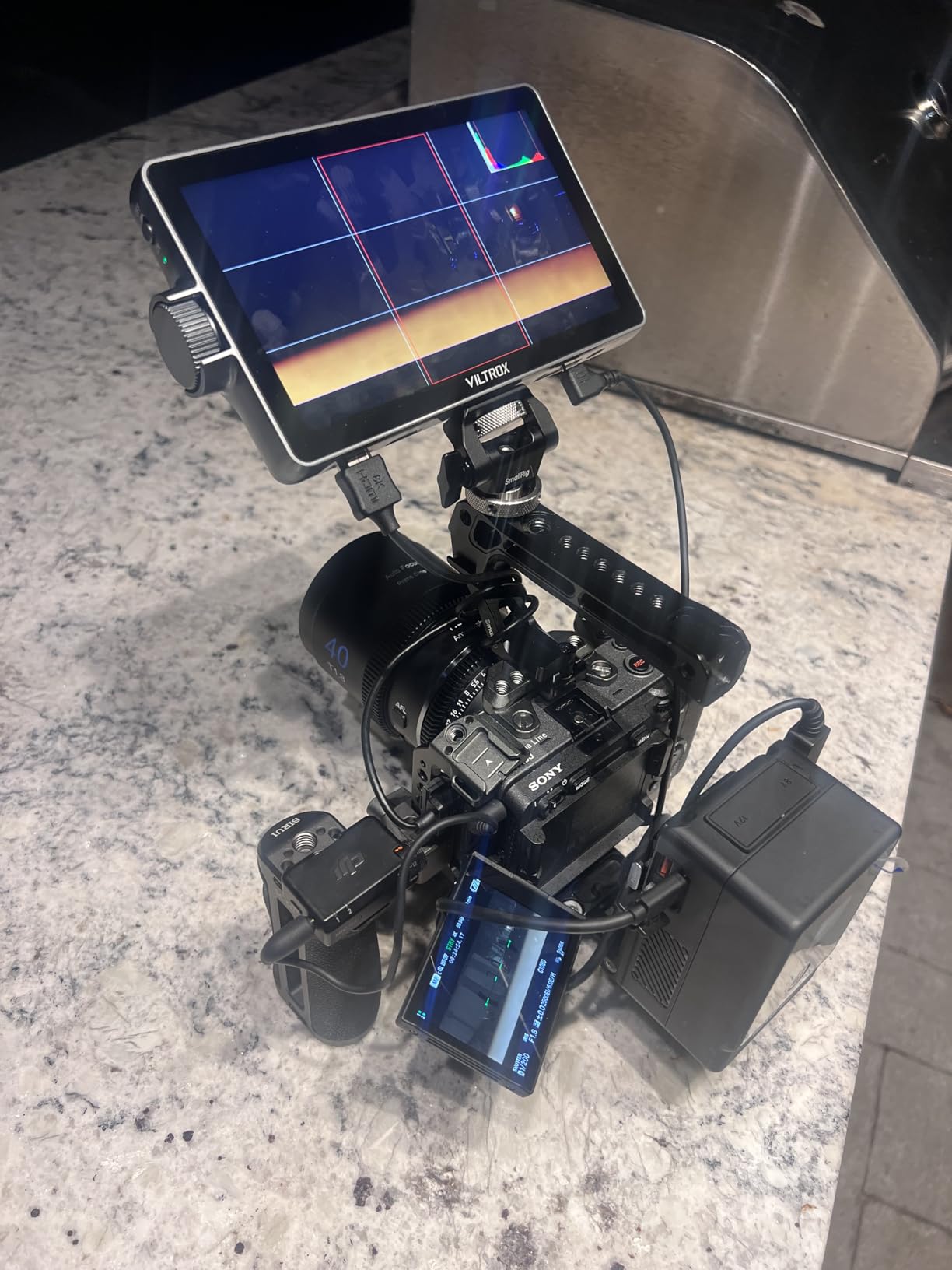
The FX30 is the only body here with active cooling, and for a two-camera interview that is a workflow decision rather than a spec line. A built-in fan means the body does not throttle during an all-day shoot, and in a pair you have one less thing going wrong on hour four.
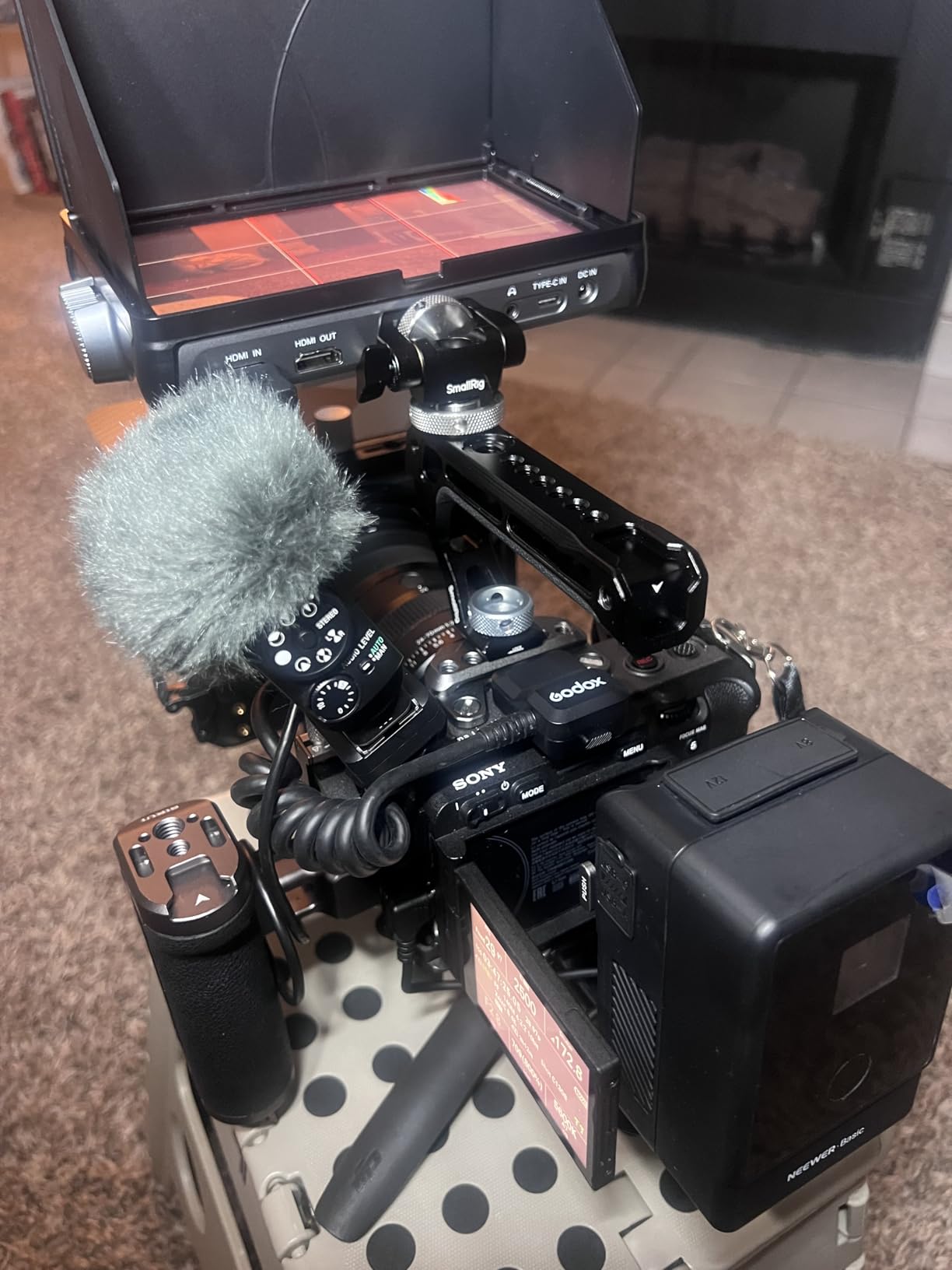
It records 4K at 24, 30, 60 and 120 fps from a 20.1 megapixel Exmor R APS-C sensor in Super 35 format, with 6K oversampling. Dual base ISO and 14 or more stops of dynamic range keep a dim office clean without crushing the subject’s face.
The Cinema Line feature set is the differentiator. Cine EI Quick, Flexible ISO and S-Cinetone give a filmic image out of the camera, and user LUTs can be applied to the LCD, to the HDMI output and embedded in the clip, so both bodies output the same look without a full grade.
Full-size HDMI plus USB-C output and dual CFexpress Type A and UHS-II slots mean a backup goes to the second card while the primary records.
Check the power situation
Battery life is the most common complaint from owners, who typically carry a spare or an external power source. Two bodies on mains means two cables and two adapters, so plan the power kit before the shoot day rather than on it.
Autofocus is 495-point Fast Hybrid with eye AF and subject tracking, rated as reliable for talent and interview setups. Confirm eye AF is switched on in the same way on both bodies.
Where the pairing breaks down
Super 35 is a smaller sensor than the full-frame bodies here, so a 50mm frames a little wider and crops tighter on the close-up body than it would on full frame. That crop is the trade for the filmic tooling and the fan.
This listing is body only, and the menu system can feel dense for newcomers. Dense Sony menus are the one brand-specific complaint forum users raise repeatedly.
7. Blackmagic Pocket Cinema Camera 4K – Best Locked-Off Cinema Pair
Pros
- ProRes and 12-bit Blackmagic RAW recorded internally
- 13 stops of dynamic range
- Mini XLR input with phantom power plus 3.5mm
- Includes a DaVinci Resolve Studio key
Cons
- No continuous autofocus
- No in-body stabilization
- Weak internal battery life
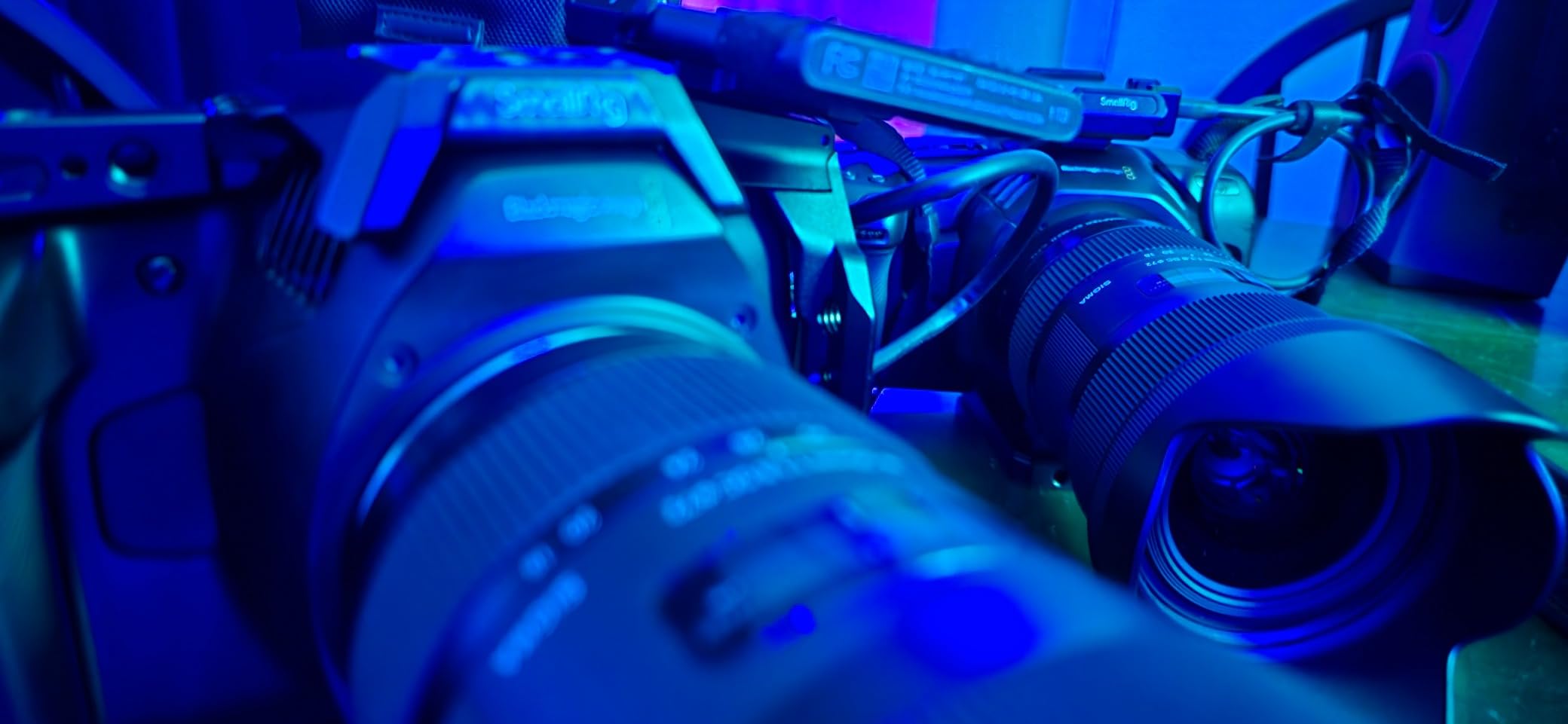
Two of these on locked-off tripods is a serious cinema interview rig, and the gap between the pair and a full-frame mirrorless setup is wide enough that the money saved can buy the lenses. The 4/3-inch sensor records native 4096 x 2160 with 13 stops of dynamic range and dual gain ISO up to 25,600.
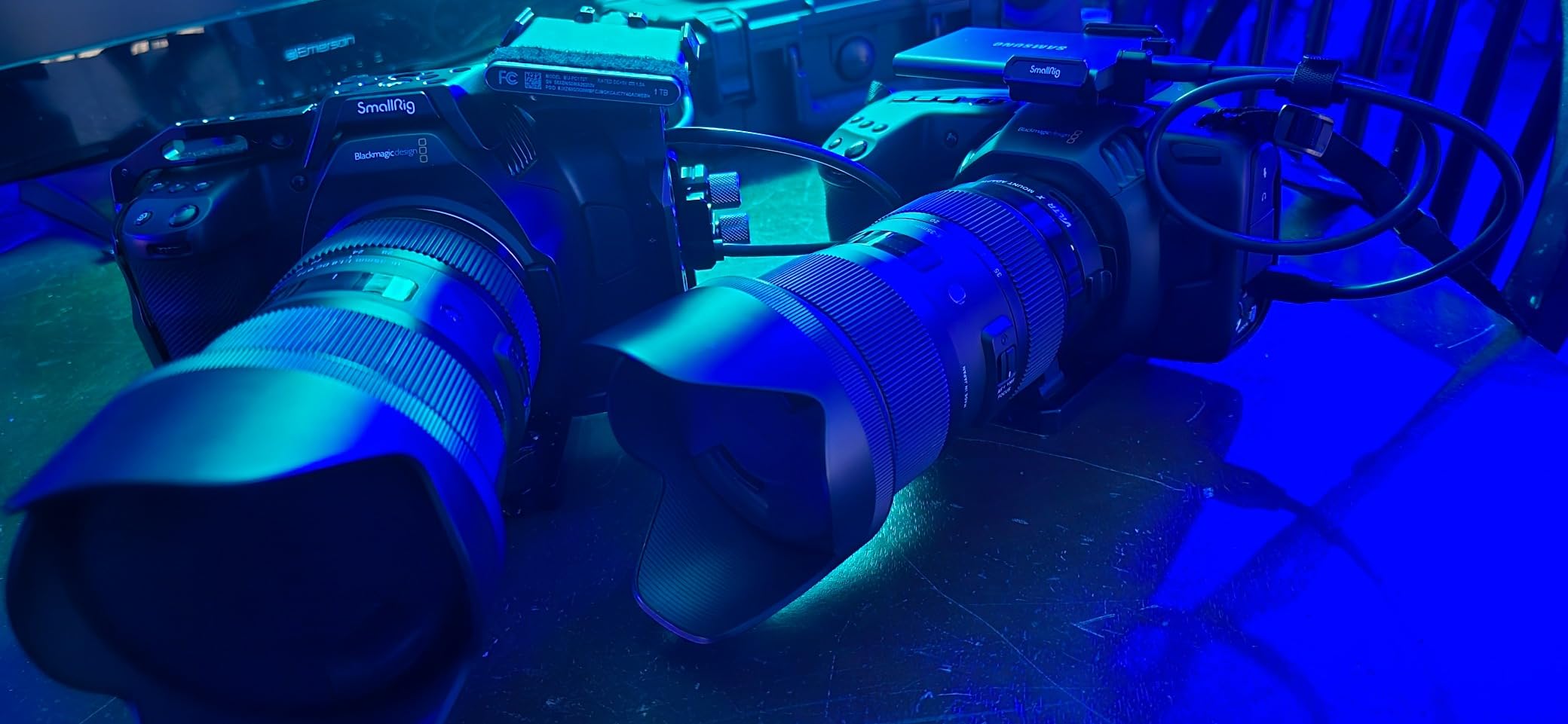
Codec choice is the reason filmmakers come here. Apple ProRes in all formats up to 4K or 12-bit Blackmagic RAW gives an editing-friendly intermediate, and the bundled DaVinci Resolve Studio activation key means the grading software is already covered.
The audio section is unusually good at this level, with a built-in stereo mic, a mini XLR input with phantom power and a 3.5mm external mic input. On a two-camera rig, both bodies can take a proper feed from your field recorder as backup audio.
The 5-inch touchscreen is bright enough to frame with, and the menu system is widely praised for focus assist, false colour, zebra stripes and configurable quick-action buttons.
Check for continuous autofocus first
This is the disqualifier for unscripted interviews, and no roundup should bury it. Focus is single touch-to-focus only, with no continuous autofocus, so a locked-off body works only if you set focus, mark the position and trust that nobody moves.
Practitioners still pair Blackmagic bodies for locked-off studio work, which is the specific case here. If your subject shifts across frame mid-answer, choose a mirrorless body instead.
Where the pairing breaks down
There is no in-body stabilization, so any moving angle needs a gimbal or support. Internal battery life is weak, so external power or the battery grip is effectively mandatory, and the LCD is fixed rather than tilting, which is awkward at low positions.
File sizes are very large and MFT lenses are an extra cost. Blackmagic Forum users do recommend running LTC to both cameras with a Y cable for locked-down interviews, and that workflow suits this body well.
8. Blackmagic Pocket Cinema Camera 6K Pro – Best With Built-In ND
Pros
- Built-in 2 4 and 6 stop ND filters
- EF/EF-S mount with an inexpensive lens ecosystem
- Adjustable tilt 5-inch HDR touchscreen
- Records ProRes and Blackmagic RAW internally
Cons
- No in-body stabilization
- Heavy at 4.4 pounds
- Very large RAW files
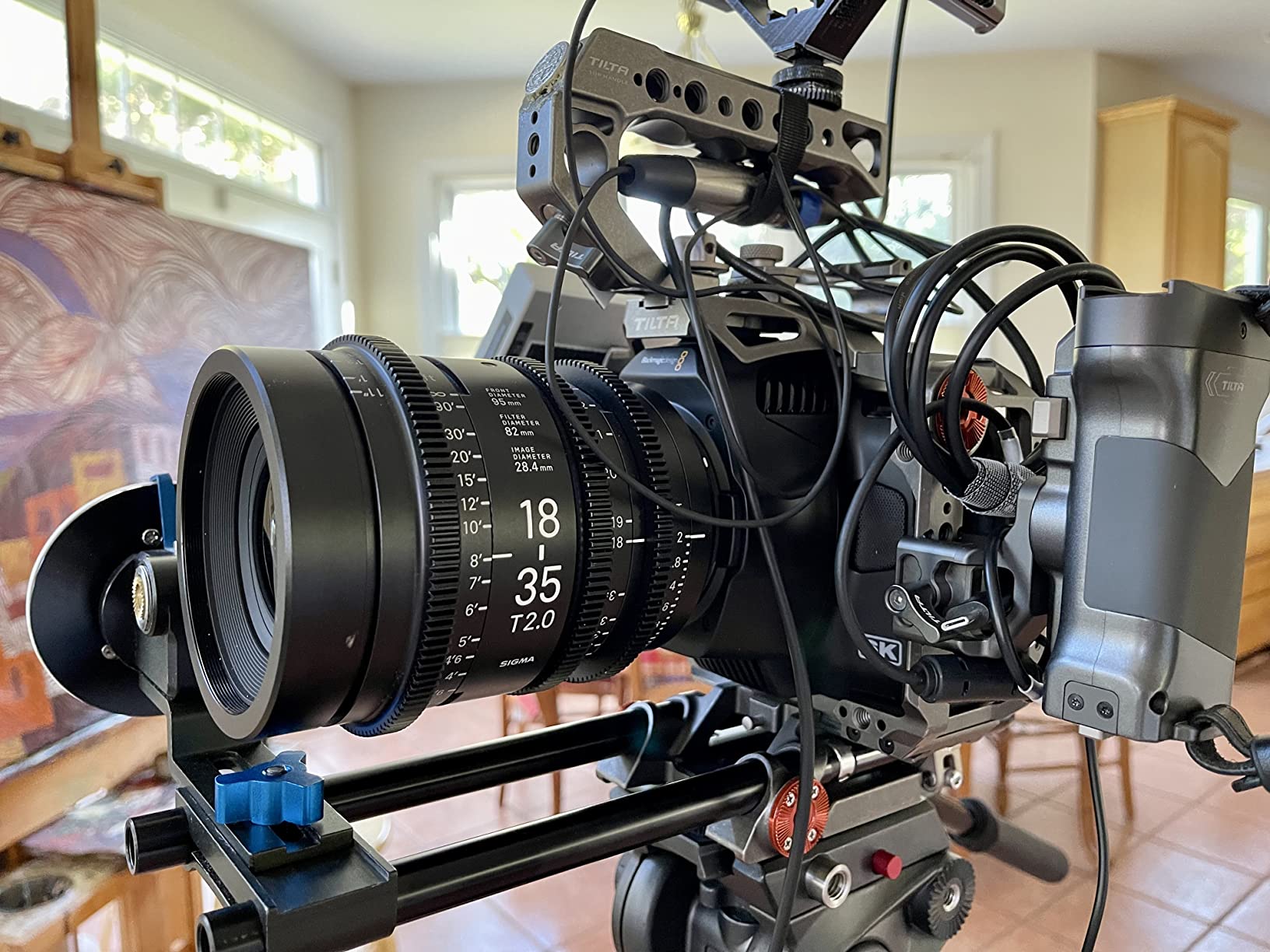
The 6K Pro solves a problem that only appears in pairs. When two bodies sit at different distances and angles, you usually need different exposures to hit the same f-stop look, and the last thing you want is a variable ND filter in front of one camera and not the other.
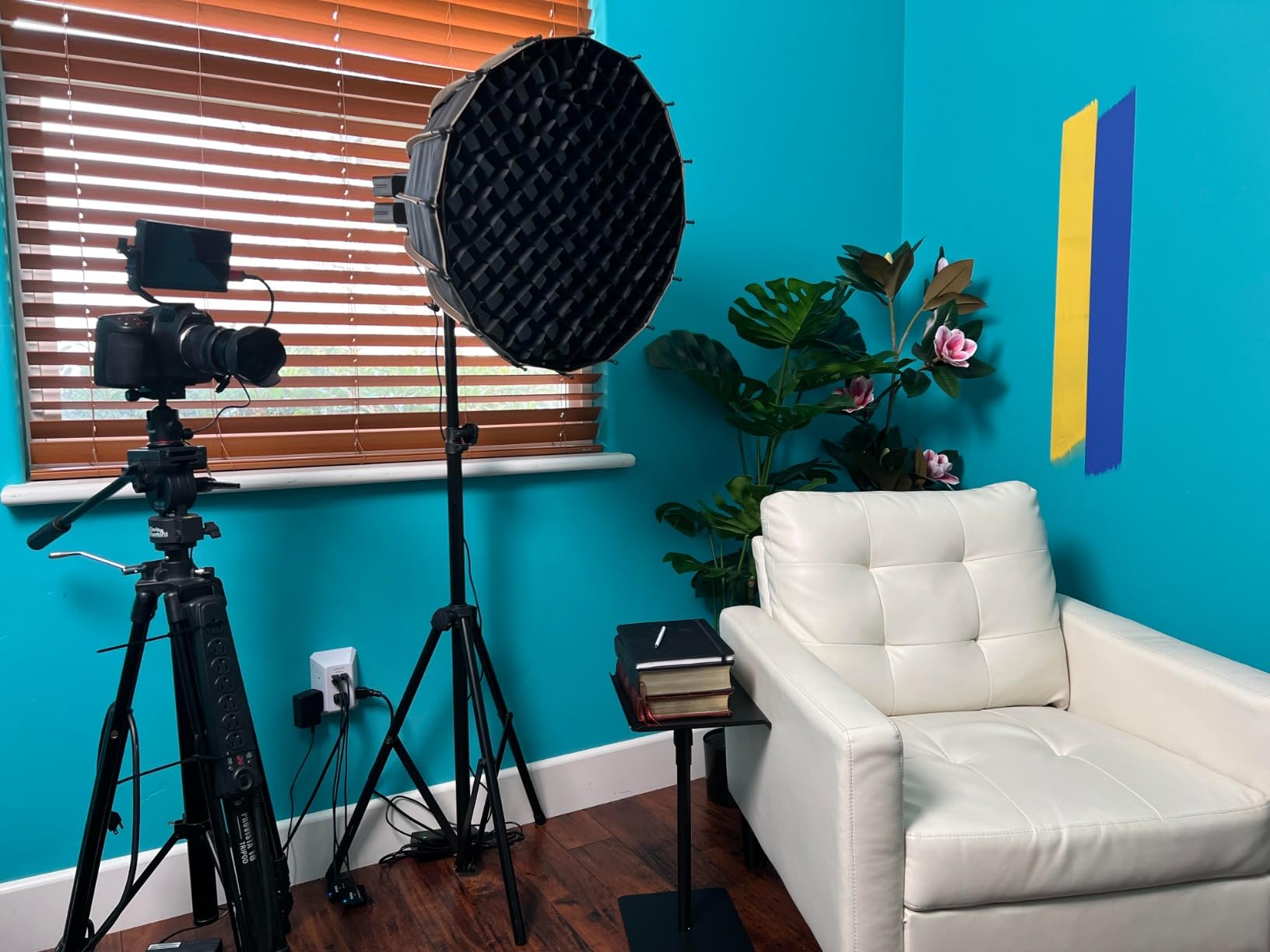
The built-in 2, 4 and 6 stop ND filters handle that in-camera, and because they are electronic they do not shift focus, which matters on an interview where your depth of field is already shallow. That single feature makes this the easiest B-cam to match to an A-cam in a bright room.
The Super 35 sensor records native 6144 x 3456 with 13 stops of dynamic range and dual gain ISO up to 25,600, capturing up to 50 fps. The active EF/EF-S mount is a genuine practical advantage, because inexpensive fast primes in that mount are plentiful.
The adjustable tilt 5-inch HDR touchscreen is brighter and more flexible than the fixed screen on the 4K model, which matters when the close-up body sits low or off-axis.
Check the weight and power before rolling
At 4.4 pounds this is a support-system camera. Two of them means two solid tripods, and the heavy body is a poor choice for a friction-arm or handheld second angle.
The battery grip is sold separately for practical runtime, and the very large RAW files need high-capacity, high-speed storage. Format both cards at the top of the shoot, not during it.
Where the pairing breaks down
There is no in-body image stabilization, so every moving angle needs external support, and the 50 fps ceiling means you cannot shoot 60p for 60 frames-per-second delivery.
Autofocus is listed as auto and manual rather than a class-leading tracking system, so this belongs on locked-off positions in a lit room, not on an unscripted guest.
9. Canon EOS RP 24-105mm Kit – Best Lightweight B-Cam Add-On
Canon EOS RP Full-Frame Mirrorless Interchangeable Lens Camera + RF24-105mm Lens F4-7.1 is STM Lens Kit, Compact and Lightweight for Traveling and Vlogging, Black (3380C132)
Pros
- Full-frame sensor in a compact 16-ounce body
- 24-105mm stabilized zoom covers both interview angles
- Dual Pixel CMOS AF with 4779 points
- Clean HDMI plus webcam software for streaming
Cons
- Single SD card slot
- 5 fps continuous shooting
- 4K recording time is capped
This is the answer if you already own one body and want a second angle tomorrow. At 16 ounces with a 26.2 megapixel full-frame sensor, it is the lightest way on this list to add a genuine second position to a rig you already run.
The bundled RF 24-105mm f/4-7.1 IS STM is the quiet hero, offering up to 5 stops of optical stabilization and covering the range where interviews live. One body frames the two-shot, the other pushes in, and you need no second lens purchase to start.
Autofocus is Dual Pixel CMOS AF with phase detection across 4,779 AF points, and the articulating touchscreen helps with low framing. Clean HDMI output plus EOS Utility Webcam Beta software for Mac and Windows also make this the easiest body here to double as a streaming camera.
That flexibility is why I have used one of these as a stand-in second body on shoots where the main camera was already committed.
Check the single card slot and the 4K cap
There is a single SD UHS-II slot, so no simultaneous backup recording. For a short testimonial video that is acceptable, but for a 90-minute interview I would treat it as a real risk and carry two formatted cards ready to swap.
Recording capacity is listed at 30 minutes for 4K, so long answers need either shorter takes or a plan for the cut, and the 4K crop narrows the effective field of view.
Where the pairing breaks down
Continuous shooting is 5 fps and the maximum shutter is 1/4000 second, so this is a video-first body rather than a hybrid stills workhorse. Reviewers most often cite the single slot, modest burst and shorter 4K ceiling.
If your main body is full-frame, this is the one pick here that mixes cleanly, because the sensor size matches. Match white balance and picture profile on set and the grade stays simple.
10. Panasonic LUMIX S5 – Best for V-Log Grading Latitude
Panasonic LUMIX S5 Full Frame Mirrorless Camera, 4K 60P Video Recording with Flip Screen & WiFi, L-Mount, 5-Axis Dual I.S., DC-S5BODY (Black)
Pros
- Full-frame 4K 60p 10-bit with V-Log
- V-Log and V-Gamut with 14+ stops of range
- 5-axis Dual I.S. 2 rated at 6.5 stops
- Dual card slots and dual native ISO
Cons
- Body only
- Contrast-detect autofocus trails rivals
- 4K limited to roughly 30 minutes per clip
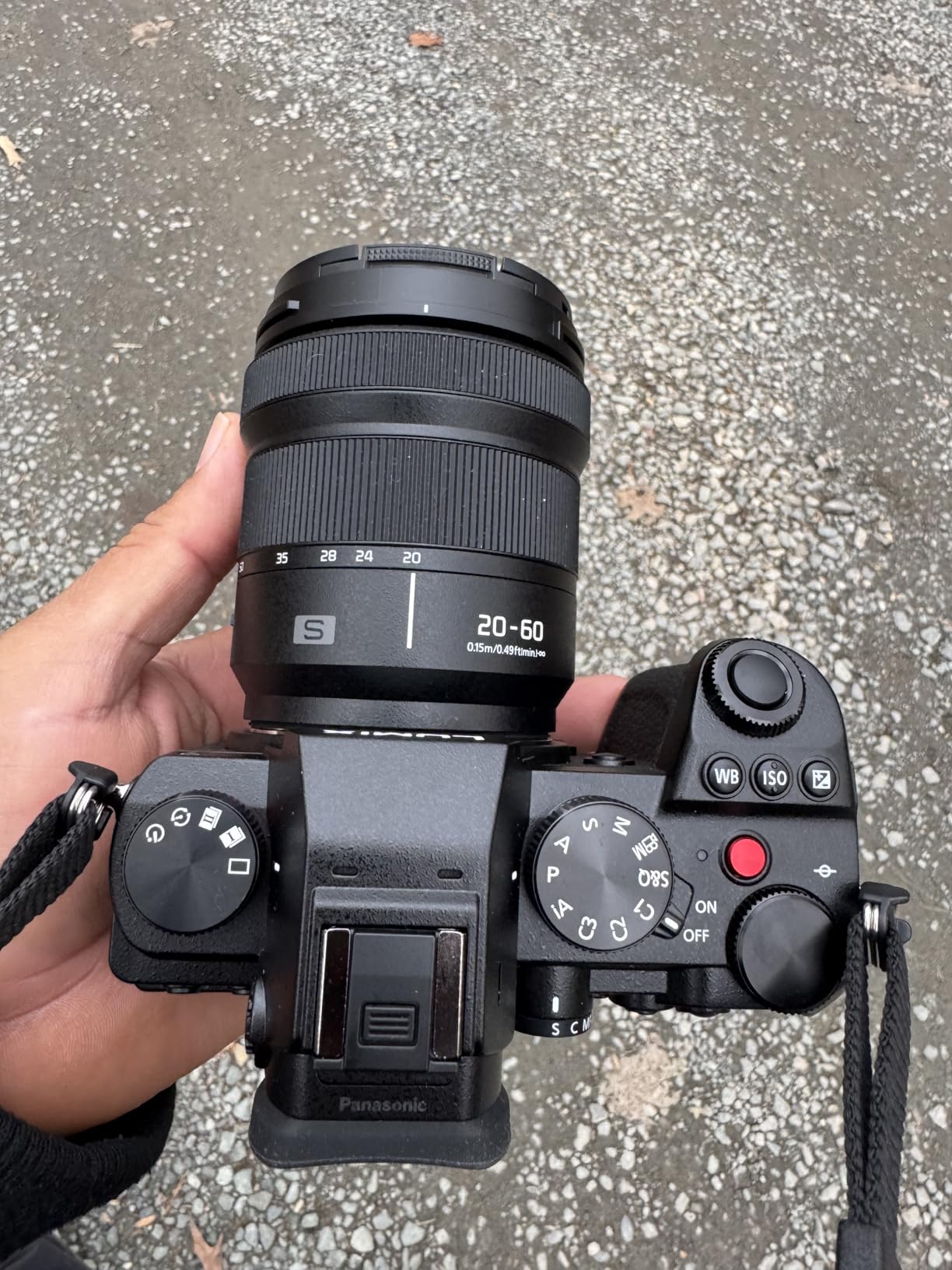
Two LUMIX S5 bodies is the pair I recommend when the deliverable is graded footage rather than a straight-out-of-camera cut. V-Log and V-Gamut with 14 or more stops of dynamic range and dual native ISO give real latitude to match two angles shot under different lighting.
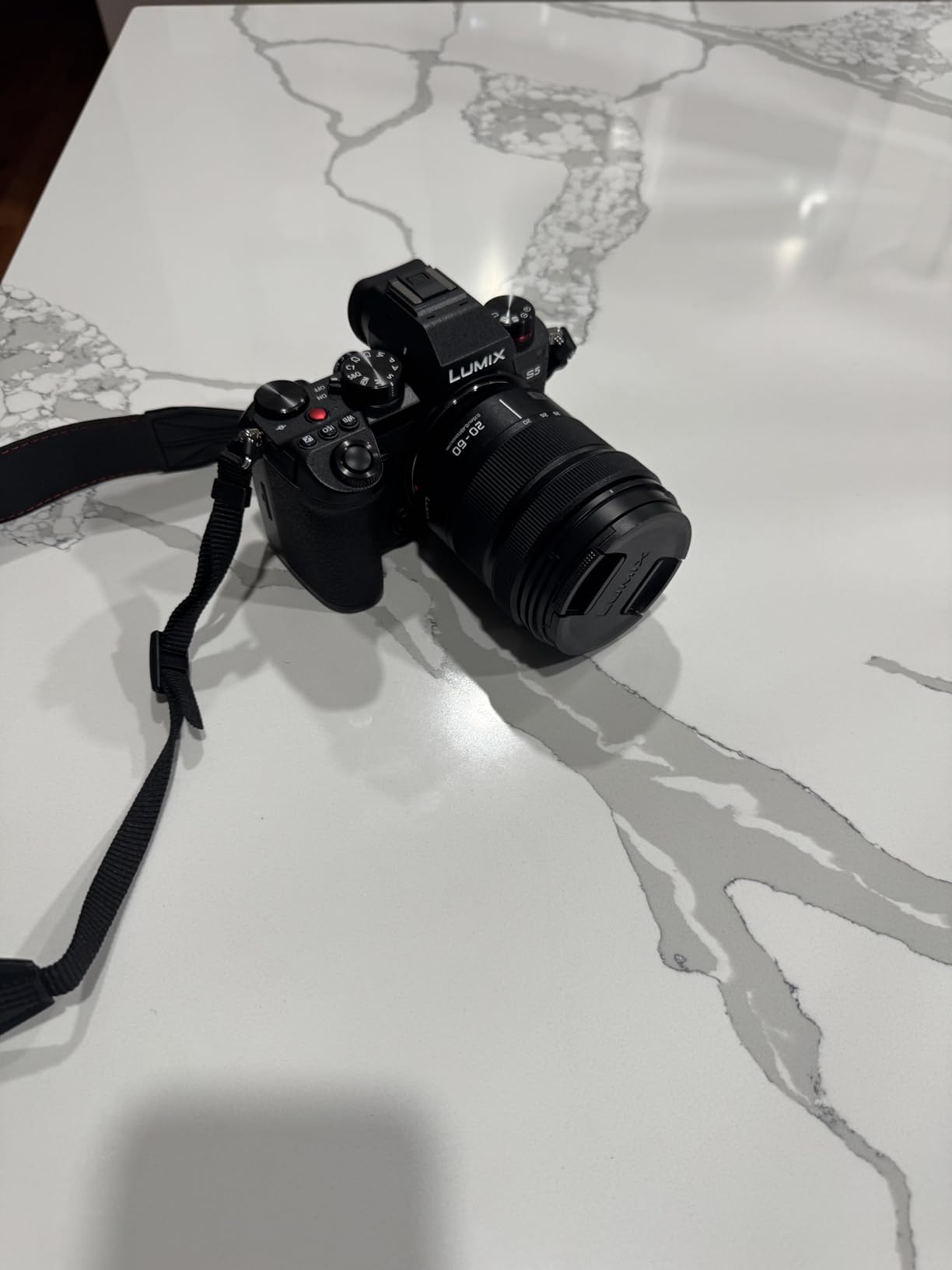
Recording is 4K 60p 10-bit, with Full-HD 180 fps slow motion and 4:3 anamorphic support. The 5-axis Dual I.S. 2 stabilization is rated at up to 6.5 stops, which is enough to make a handheld second angle usable.
Dual card slots mean the same body writes a backup while recording, and the fully articulating 1.84 million dot touchscreen is one of the best here for solo framing. Autofocus detects head, eye, face and body, which is enough for a seated subject at a normal working distance.
Owners also point to the 96MP high resolution mode as a bonus for grabbing stills from the same take, which is useful when the client wants a headshot.
Check the 4K recording cap
4K recording is limited to roughly 30 minutes per clip, so a 60-minute interview means planning take breaks or editing around them. On mains power, card capacity is usually the limiter before the body is.
Reviewers flag the contrast-detect autofocus as the main weakness. It is reliable on a seated subject but trails phase-detect rivals when the guest moves quickly across frame.
Where the pairing breaks down
This listing is body only, so two lenses are a separate cost, and the 10-bit high bitrate produces large files. There is no in-camera headphone output listed for monitoring.
If the edit is delivered straight out of camera with no grade, V-Log is wasted headroom, and a body with a ready-made cinematic profile is a better use of the same budget.
How to Match Two Cameras So the Edit Is Invisible
Matching two bodies takes about ten minutes on set and saves hours in the grade. Do it in this order and the cut between angles becomes invisible.
Use two bodies of the same model. Identical sensors and identical colour science mean the two angles respond to the same light the same way. This is the whole argument for a pair over one flagship body.
Set a custom white balance from one grey card. Frame a grey card under the key light, set a custom white balance on both bodies, and use that same value on both. Never run auto white balance on one body and a fixed value on the other.
Copy the same picture profile onto both. Same codec, same bit depth, same colour profile, same frame rate. If one body records XAVC and the other records ProRes, the multicam timeline will not behave.
Lock manual exposure on both. Fix aperture, shutter and ISO, and do not use auto ISO. Walk to each camera position and adjust until the histogram matches, because the two angles sit at different distances from the key.
Match card speed and format. Both bodies should write the same speed class, and format both cards at the top of the shoot. Dual-slot bodies should record a simultaneous backup to the second card.
Slate and tail. Clap once at the head of the take and once at the end, and clip a short tail of ambient room tone after the subject stops talking. That tail gives the editor something to align against.
Four Ways to Sync Two Cameras, Cheapest to Most Professional
Two cameras start at different moments, so the editor needs a shared reference. Four methods cover nearly every interview budget, and they scale in cost and complexity rather than in final quality.
1. Clapperboard or hand clap. Zero cost, five seconds of setup, and the only method that also tells your editor which take is which. The weak point is that the clap picture can be hidden by a cut, so keep a wide establishing angle with both cameras in shot or clap loudly enough to sync on audio.
2. NLE audio waveform sync. Give both cameras the same scratch audio from one field recorder feed, then let Premiere Pro, Final Cut Pro or DaVinci Resolve align the waveforms automatically. This is the default on a modern video podcast set and costs nothing. It fails only when the two bodies receive noticeably different audio levels or entirely different feeds.
3. LTC timecode. Run a timecode generator to both cameras with a Y cable, and both bodies record identical longitudinal timecode that places clips automatically. A Blackmagic Forum user described exactly this setup with a timecode app for locked-down interviews. The cost is a small box and cables, and some bodies have no timecode port at all, so check before you commit.
4. Genlock. Genlock ties two bodies to one master clock for frame-accurate live switching and broadcast handoffs. For an interview edit this is overkill, and it adds cost and complexity a solo shooter does not need. Reach for it only when someone is cutting live in a gallery.
My rule: clap plus audio waveform sync handles roughly 95 percent of interview work. Add timecode when the shoot is locked down and the takes are long.
Buying Guide: Seven Criteria That Decide the Pair
1. Longest single take. Define the longest uninterrupted answer you expect, then remove any body that cannot reach it. The Canon R6 Mark II lists up to 6 hours of Full-HD, the Sony FX30 has active fan cooling for all-day recording, and the Canon RP and Panasonic S5 list 4K caps around 30 minutes per clip. Two bodies in one room also run warmer than one, so leave headroom.
2. Dual card slots. A two-camera interview already halves your redundancy. A body with two slots can record the same feed to both cards, so a single card failure does not end the take. The Canon R50, Sony ZV-E10 and Canon RP have one slot each; the Sony Alpha 7 IV, FX30, LUMIX S5 and Canon R6 Mark II have two.
3. Ten-bit 4:2:2 capture. Eight-bit 4:2:0 bands badly in skin tones, and with two angles on the timeline that banding appears as a visible shift when you cut. The Sony Alpha 7 IV, Panasonic S5 and FX30 all record 10-bit 4:2:2.
4. Audio inputs and headphone monitoring. You only need good audio once, but you want a backup on both bodies. Every body here has a microphone input; only the Panasonic G85 has no headphone jack listed, so on that body you cannot monitor the scratch track it records.
5. Autofocus against an unscripted subject. Interview subjects gesture, lean and turn away mid-answer. The Canon R50, Canon R6 Mark II, Sony Alpha 7 IV, FX30 and ZV-E10 all carry strong face and eye tracking. The Blackmagic Pocket Cinema Camera 4K has touch-to-focus only, which suits a locked-off, pre-marked position and nothing else.
6. Rolling shutter and motion artefacts. This is an interview-specific risk that camera lists rarely mention. A rolling shutter bends vertical lines and distorts hand gestures crossing the frame. The ZV-E10 carries a noticeable effect in this generation, and the large-sensor Blackmagic bodies are the counter-example for cleaner motion.
7. Lens cost across two bodies. Budget two copies of every focal length you need. The 35mm and 50mm pairing is the classic two-angle interview combination because different focal lengths give a genuine cut rather than a crop. Where a body shares the EF/EF-S mount, inexpensive fast primes are plentiful, a practical argument for the Blackmagic 6K Pro.
On mixing brands. It can be done, and forum users do it, but mismatched colour is the most common post-production headache in multi-camera work. Two different systems means two colour sciences, and you spend the time saved on the bodies in the grade instead. If you must mix, match sensor size, shoot a grey card on both bodies in identical light, and lock exposure manually at each position.
One habit worth building in: a matched pair on a friction arm off a single tripod is the cheapest way to add a second angle to an existing single-camera rig, and it costs one body rather than a whole new support system. My two-camera strap guide covers carrying two bodies on one operator, and my single-camera interview camera guide is the right read if you are still deciding whether a second angle is worth adding at all.
Frequently Asked Questions
What is the best camera setup for a 2-person interview?
Two bodies of the same model, both on tripods, one framing the two-shot and one on a tighter close-up, matched on a grey card with identical custom white balance and picture profile, rolled at the same time and synced with a clap. Two matched APS-C bodies such as the Canon EOS R50 or Sony ZV-E10 cover most interview work; two matched full-frame bodies such as the Sony Alpha 7 IV or Canon EOS R6 Mark II cover professional work.
How to record with two cameras at the same time?
Start both bodies, frame both angles, and clap once at the head of the take. Give both cameras the same audio feed from one field recorder so your editing software can align the waveforms, use identical codec, bit depth and frame rate settings on both, and format both cards beforehand. Add LTC timecode to both bodies with a Y cable if you need frame-accurate placement on locked-down shoots.
Do you need two identical cameras for an interview?
It is strongly recommended. Two bodies of the same model share a sensor, colour science, codec options and menu layout, so matching white balance and picture profile produces a near-invisible cut. Mixing a full-frame body with a crop body, or two different brands, works but mismatched colour becomes the most common post-production headache in multi-camera work.
What are the best camera settings for interviews?
Shoot 24 or 25 fps for a cinematic look, or your delivery frame rate, but use the same rate on both bodies. Record 10-bit 4:2:2 where available, set a custom white balance from a grey card on both cameras, load the same picture profile on both, switch off auto ISO and lock manual exposure, and enable headphone monitoring so you can hear the scratch audio on both bodies.
How long can a mirrorless camera record before overheating?
It depends on the body and the resolution. The Canon EOS R6 Mark II lists up to 6 hours of continuous Full-HD recording, the Sony FX30 uses active cooling with a built-in fan for all-day recording, and bodies such as the Canon EOS RP and Panasonic LUMIX S5 list 4K caps around 30 minutes per clip. Two bodies recording in the same room run warmer than one, so plan mains power and leave headroom above your longest take.
Can I mix camera brands for a two camera interview setup?
You can, but budget extra time in the grade. Different brands mean different colour science, so match sensor size where you can, shoot a grey card in identical light on both bodies, set a custom white balance from it on each, and lock manual exposure at every camera position. Rolling at the same frame rate, codec and bit depth on both bodies keeps the multicam timeline stable.
Which Two-Camera Pair Should You Buy in 2026?
Buy the pair, not the body. That single decision determines whether your two camera interview setup looks professional, and it holds at every budget I have worked with.
My pick for most people is a matched pair of Canon EOS R50 bodies with a 50mm and an 85mm. It is the most-reviewed body here, it records uncropped 4K so both angles frame the same way, and its autofocus holds a talking head through a normal take. Add a fast prime on each body and you have a working kit for less than one flagship body plus a lens.
Step up to two Sony Alpha 7 IV or two Canon EOS R6 Mark II bodies when the interview is delivered graded or at 60p. Pick the Sony FX30 when the shoot runs all day and thermal shutdowns would end the session. Pick two Blackmagic Pocket Cinema Camera 4K bodies only for locked-off, scripted interviews where manual focus is acceptable, or the 6K Pro when you need built-in ND to match two angles under bright lights.
Whichever route you take, spend ten minutes matching white balance and picture profile on both bodies before the first word is recorded, and keep the rest of the budget for lenses and a proper field recorder. If you want the framing side covered first, start with my single-camera cinematic interview guide and add the second angle once the first one is automatic.