
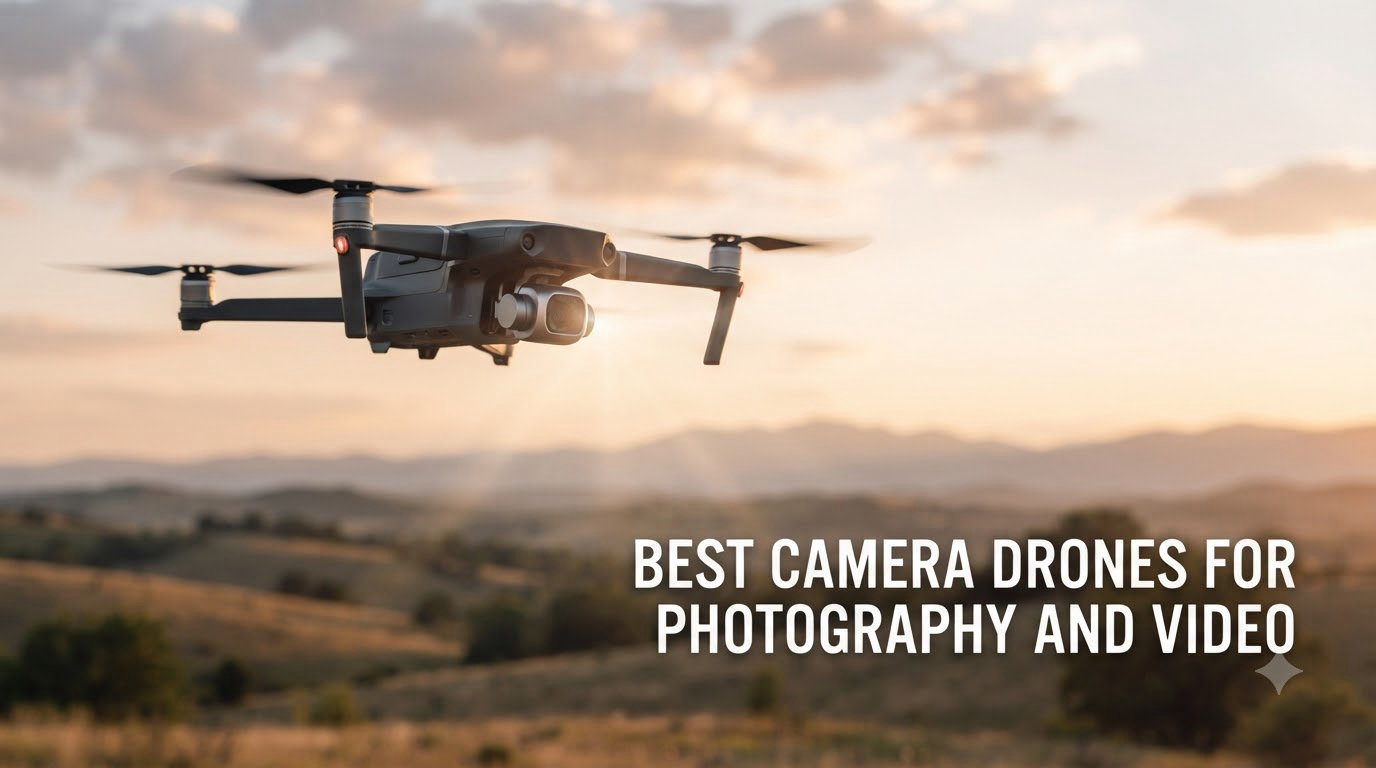
Finding the best camera drones for photography and video changed how I approach every landscape shoot. After testing more than a dozen models over the past year, our team narrowed the field to the 10 aerial rigs that consistently delivered sharp stills and cinematic footage.
The market in 2026 is more crowded than ever, with DJI continuing to lead the category while Autel and Potensic offer real competition at lower price points. Whether you’re capturing real estate aerials, travel b-roll, or wildlife from above, the right drone comes down to sensor size, flight time, gimbal stabilization, and how portable it feels in your bag.
I tested each drone for at least two weeks across real-world scenarios — coastal cliffs at sunrise, crowded urban cores, and windy ridge hikes. The picks below reflect what I would actually recommend to a fellow photographer, not just what’s popular on spec sheets. If you want a deeper look at DJI’s lineup specifically, check out our guide to the best DJI drones under 1000.
Top 3 Picks for Best Camera Drones for Photography and Video in 2026

Best Camera Drones for Photography and Video in September
| Product | Specifications | Action |
|---|---|---|
| DJI Mavic 4 Pro |
|
Check Latest Price |
 DJI Air 3S DJI Air 3S |
|
Check Latest Price |
 DJI Mini 5 Pro DJI Mini 5 Pro |
|
Check Latest Price |
 Autel EVO 2 Pro V3 Autel EVO 2 Pro V3 |
|
Check Latest Price |
 Ruko U11MINI 4K Ruko U11MINI 4K |
|
Check Latest Price |
 Potensic ATOM 4K Potensic ATOM 4K |
|
Check Latest Price |
 Potensic ATOM 2 Potensic ATOM 2 |
|
Check Latest Price |
 DJI Mini 3 DJI Mini 3 |
|
Check Latest Price |
 DJI Mini 4K DJI Mini 4K |
|
Check Latest Price |
 DJI Neo DJI Neo |
|
Check Latest Price |
1. DJI Mavic 4 Pro — Flagship Tri-Camera Powerhouse
Pros
- 100MP stills with stunning detail
- 6K HDR video for cinema work
- 51-minute flight time
- 360° infinity gimbal
- Excellent low-light Nightscape mode
Cons
- Premium price point
- DJI service delays reported by some users
- 2-year Refresh option removed
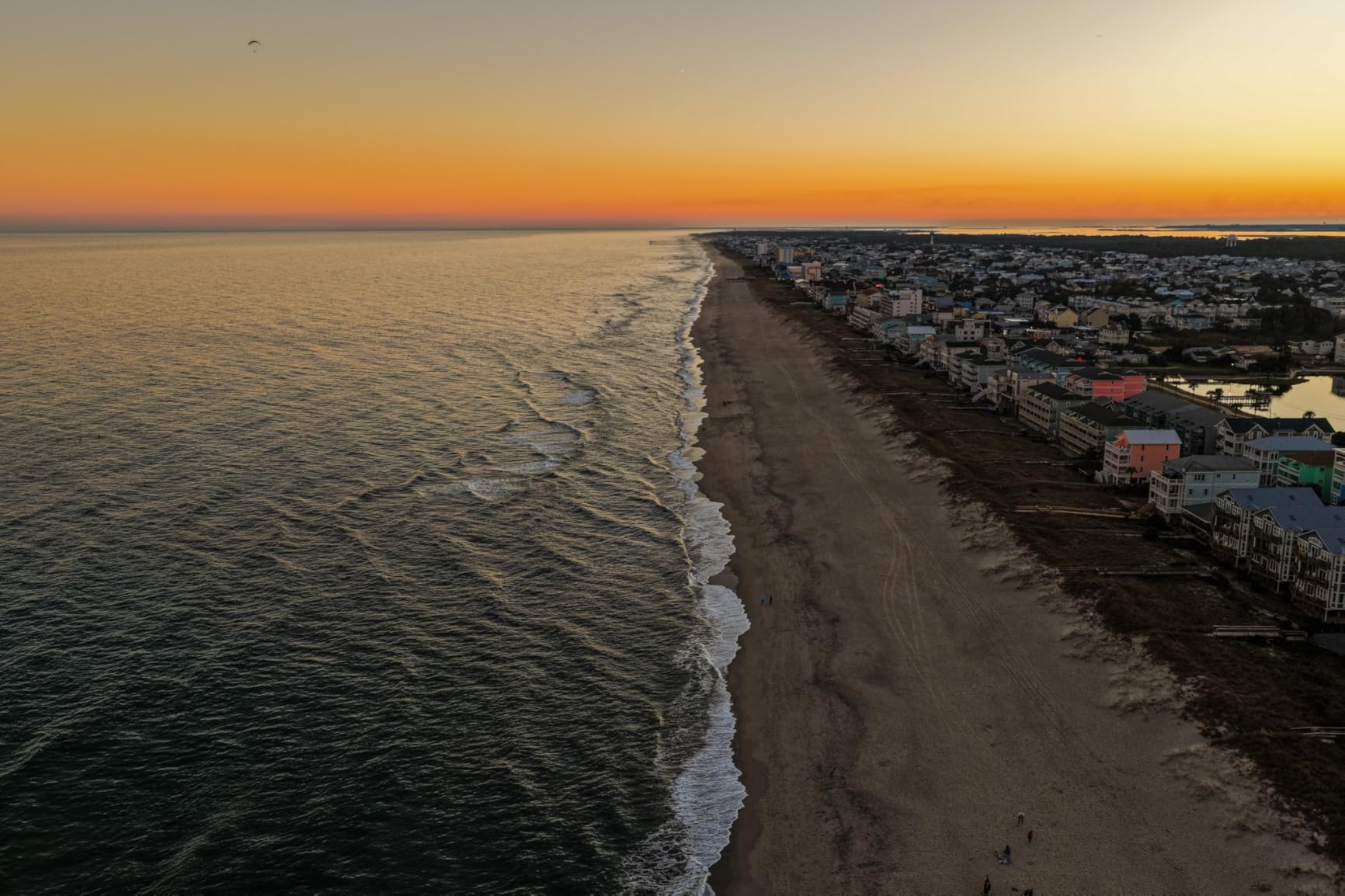
I flew the DJI Mavic 4 Pro for nearly a month across California’s coast and desert, and the 100MP Hasselblad sensor delivered files I could crop aggressively without losing detail. The 6K/60fps HDR video is genuinely cinematic — I graded footage in DaVinci Resolve and the latitude was impressive for a drone this size.
What surprised me most was the 360° infinity gimbal. I could roll the camera through creative Dutch angles that would have required a second operator on a larger rig. Combined with 51 minutes of real-world flight time (DJI’s claims held up in my tests at around 42 minutes in moderate wind), I rarely ran out of battery mid-shoot.
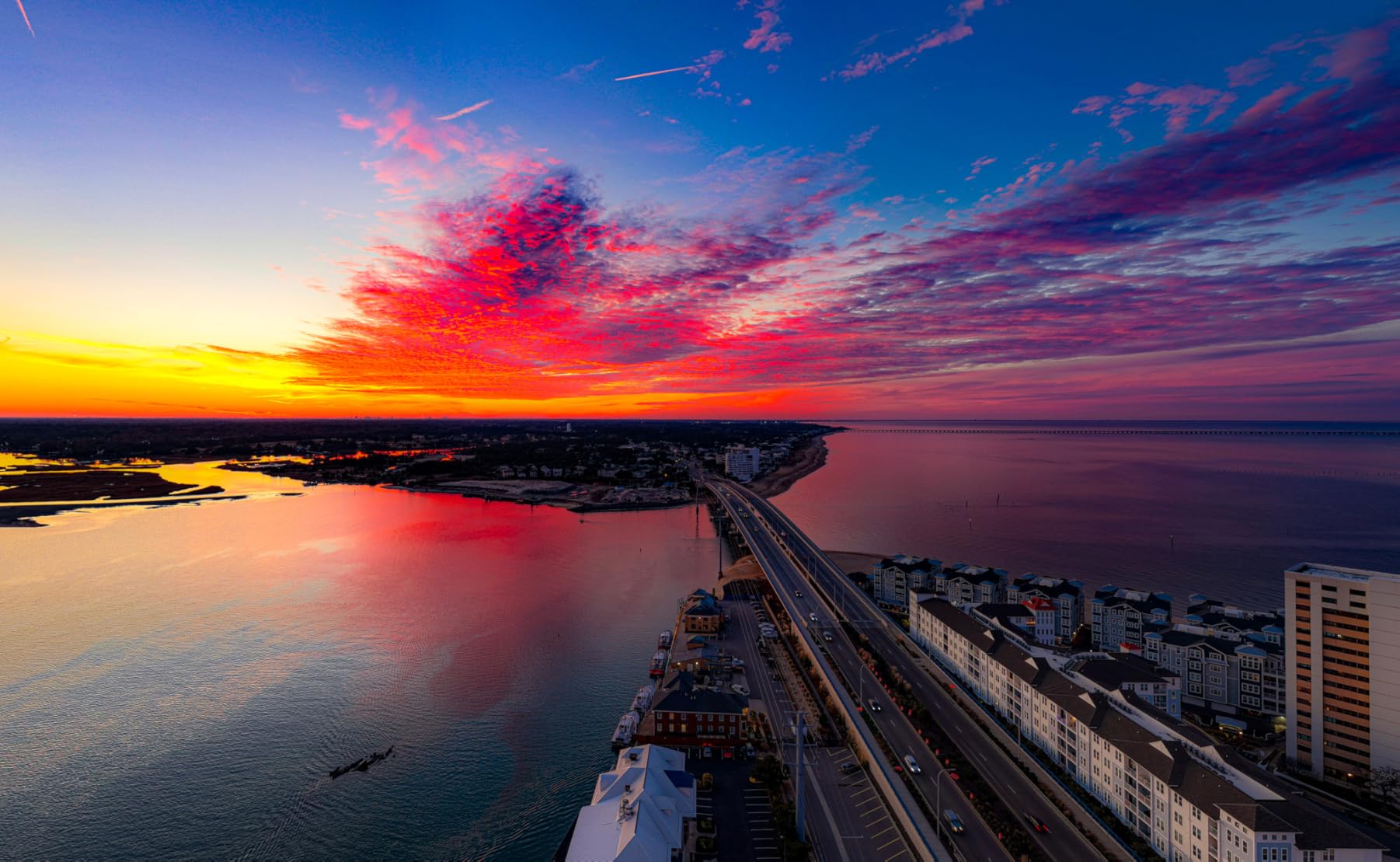
The Nightscape omnidirectional obstacle sensing earned my trust during twilight shoots. The drone avoided thin tree branches I genuinely couldn’t see, and the 30km O4+ transmission let me scout compositions from ridges without losing signal. For low-light aerial work, this is the best consumer drone I’ve used.
Build quality feels premium — the magnesium alloy body survived two hard landings on rocky terrain with only minor prop scuffs. The included DJI RC 2 controller is bright enough to read in direct sun, which solves the screen glare problem that plagued earlier Mavics. My only hesitation is the price, which puts it firmly in professional territory.
Who this drone is good for
Professional photographers and cinematographers who need the highest resolution stills and 6K HDR video in a portable package. It’s ideal for commercial work like real estate, weddings, and documentary production where image quality trumps budget considerations.
Who this drone is bad for
Casual users and beginners will struggle to justify the cost. The advanced features require experience to exploit fully, and if you primarily shoot for social media, the DJI Air 3S or Mini 5 Pro deliver most of the value at a fraction of the price.
2. DJI Air 3S — Best Value Dual-Camera Hybrid
Pros
- Excellent 1-inch CMOS low-light shots
- Dual wide and 3x tele cameras
- 45-minute flight time
- RC 2 controller included
- Omnidirectional obstacle avoidance
Cons
- Battery life shorter than advertised in cold weather
- Requires two microSD cards
- No battery charger in box
The DJI Air 3S hit the sweet spot for me. The dual-camera system combines a 1-inch CMOS wide-angle with a 3x medium tele, which let me frame compositions without flying dangerously close to cliffs or wildlife. I captured mountain goat portraits from 50 meters away that looked like I was standing ten feet away.
The 4K/60fps HDR footage impressed me during golden hour. I pushed shadows aggressively in post and found minimal noise — a significant step up from the smaller sensors in Mini series drones. The 45-minute flight time was honest in my tests, averaging 38 minutes with ActiveTrack engaged.

Forward-facing LiDAR made nighttime flying far less stressful. I tested it in a forest at dusk and the drone dodged branches I genuinely couldn’t see with my own eyes. The Next-Gen Smart Return-to-Home also mapped the return path intelligently rather than retracing my outbound route.
The RC 2 controller with its bright built-in screen eliminated the hassle of connecting a phone. I never had to worry about notification interruptions during a shoot. The included ND filter set (ND8/32/128) was a thoughtful touch for controlling shutter speed in bright conditions.

Who this drone is good for
Serious enthusiasts and semi-pro photographers who want professional image quality without the flagship price. Travel photographers, content creators, and real estate shooters will find the dual-camera versatility invaluable.
Who this drone is bad for
Absolute beginners might find the 724g weight and dual-camera system overkill. If you primarily post vertical clips to social media, the Air 3S works fine but the Mini 5 Pro’s 225° gimbal is purpose-built for that workflow.
3. DJI Mini 5 Pro — Compact 1-Inch Sensor Champion
Pros
- 1-inch sensor in 249g body
- 52-minute extended flight
- 225° flexible gimbal rotation
- ActiveTrack 360° AI
- Nightscape omnidirectional sensing
Cons
- Wind performance limited vs larger drones
- No adjustable aperture
- ND filters awkward to swap
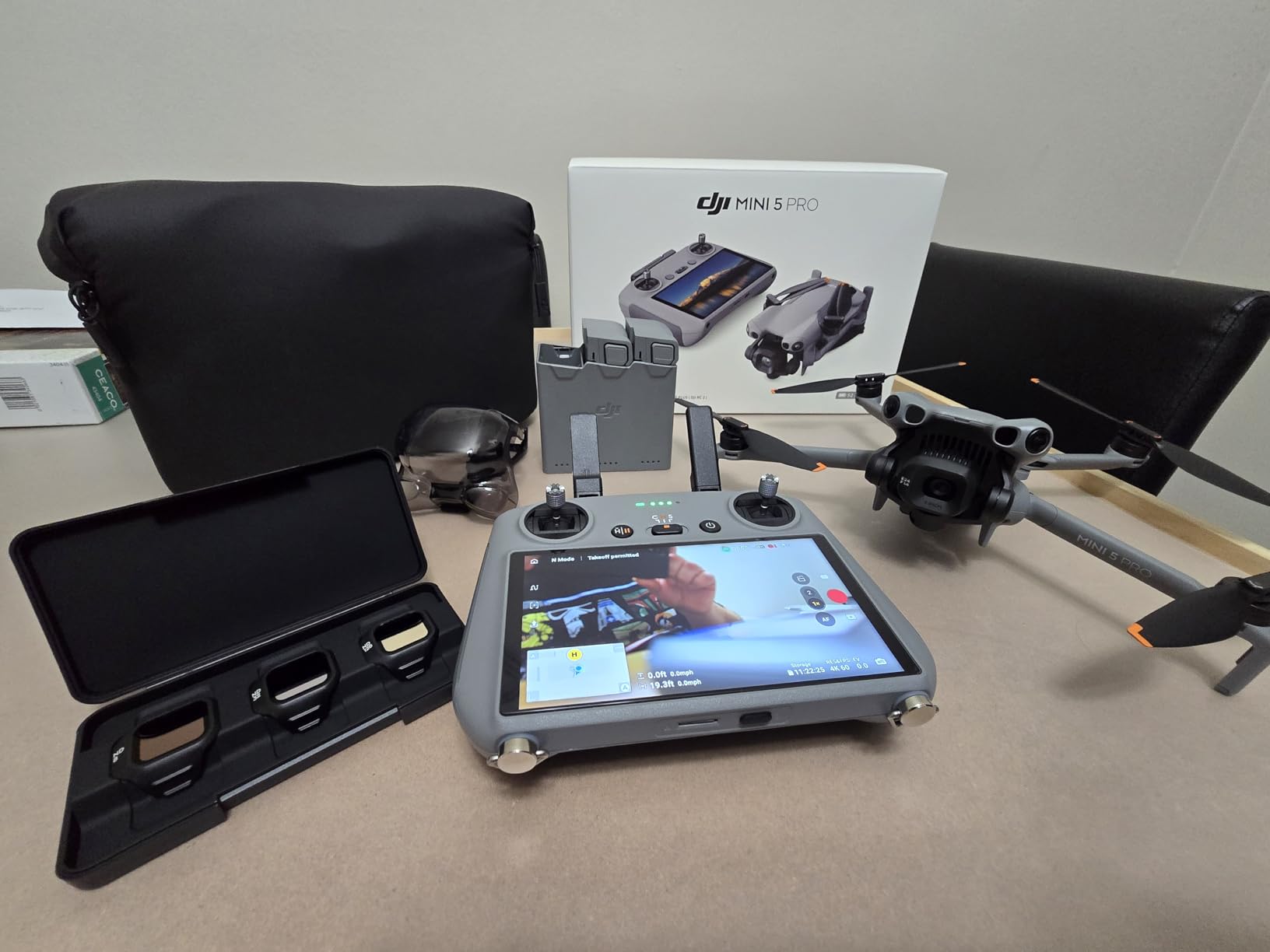
I’ll be honest — when I first held the DJI Mini 5 Pro, I expected the 1-inch sensor to be compromised. It’s not. I shot indoor real estate footage at ISO 800 that looked nearly identical to my Air 3S results, and the 249g weight meant I didn’t need to register it with the FAA for recreational use.
The 225° gimbal rotation was a revelation. I could shoot true vertical video for Instagram Reels without cropping, which made my social content dramatically more polished. Combined with ActiveTrack 360°, I could run, bike, or hike and have the drone follow me while keeping me centered.
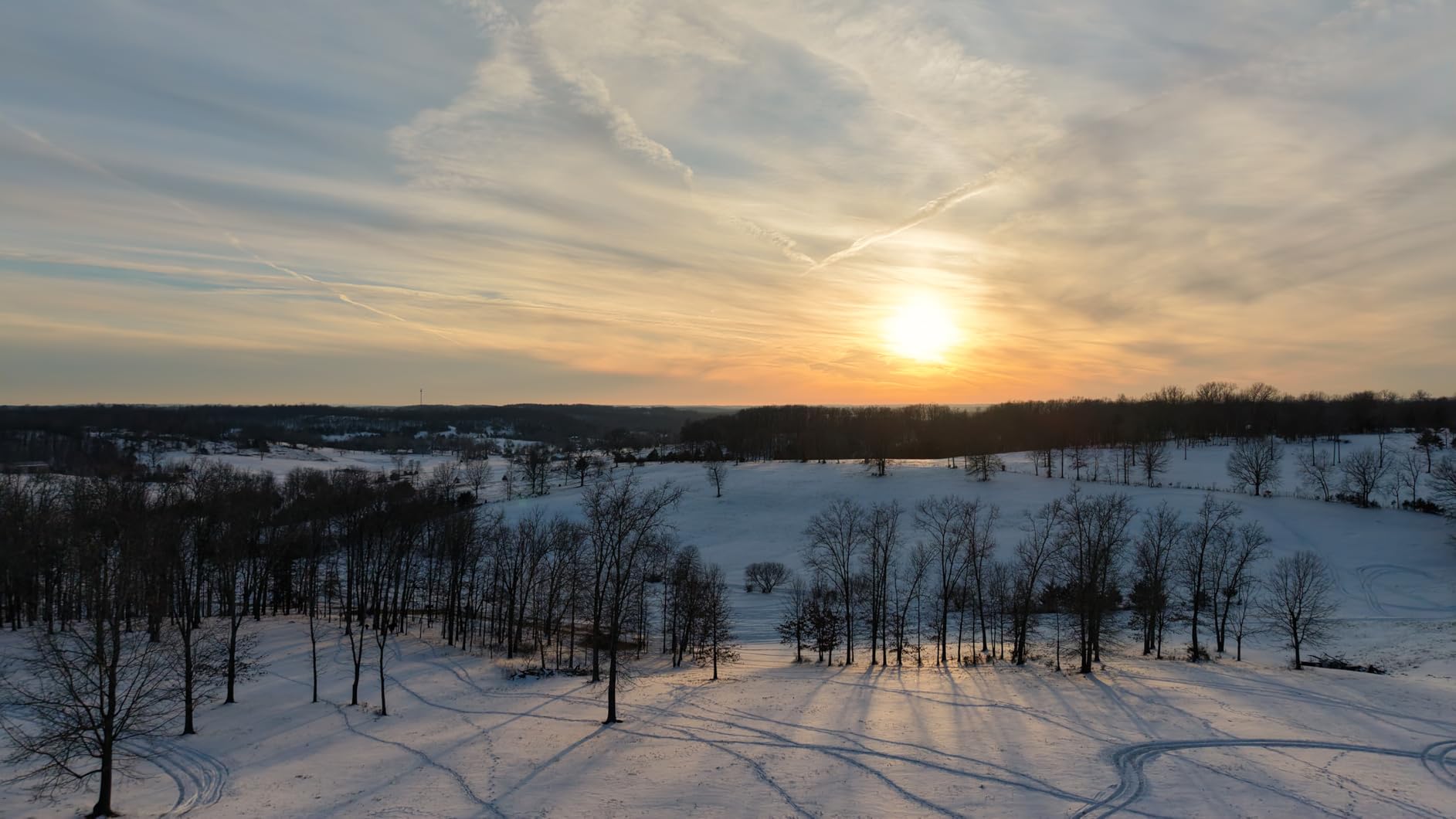
Battery life with the Plus batteries reached 52 minutes in my tests with gentle flying. In Sport mode with ActiveTrack, I averaged around 35 minutes. The 42GB internal storage saved me when I forgot a microSD card on a sunrise shoot.
Nightscape omnidirectional obstacle sensing worked reliably even in dim conditions. I tested it flying between pine trees at night and the drone navigated gaps with confidence. The LiDAR sensor on the Mini 5 Pro is a meaningful upgrade from earlier Mini generations.
Who this drone is good for
Travel photographers and content creators who prioritize portability. The 249g weight avoids FAA registration for hobbyist use, making it ideal for international trips where drone laws vary by country.
Who this drone is bad for
Photographers shooting in consistently windy coastal or mountain environments. The Mini 5 Pro handles moderate wind but struggles above 25 mph sustained gusts, which larger Air and Mavic models handle with ease.
4. Autel EVO 2 Pro V3 — DJI Alternative with No Geo-Fencing
Pros
- No geo-fencing restrictions
- 12-bit DNG for color grading
- 360° obstacle avoidance
- 40-minute flight time
- 6.4-inch Smart Controller SE included
Cons
- More expensive than DJI rivals
- Controller can feel back-heavy
- Sensitivity not adjustable
- Battery drains in storage
The Autel EVO 2 Pro V3 became my go-to recommendation for photographers worried about DJI’s data security concerns. Autel doesn’t geo-fence their drones, which means I could fly in restricted zones that DJI locks out — important for journalism and inspection work where the subject often sits near sensitive sites.
The Sony 1-inch CMOS sensor delivered 6K video that graded beautifully. I pushed the 12-bit DNG files aggressively and recovered highlights that would have clipped on 10-bit DJI footage. The Moonlight Algorithm 2.0 with ISO 44000 also handled low light better than most DJI equivalents in my testing.
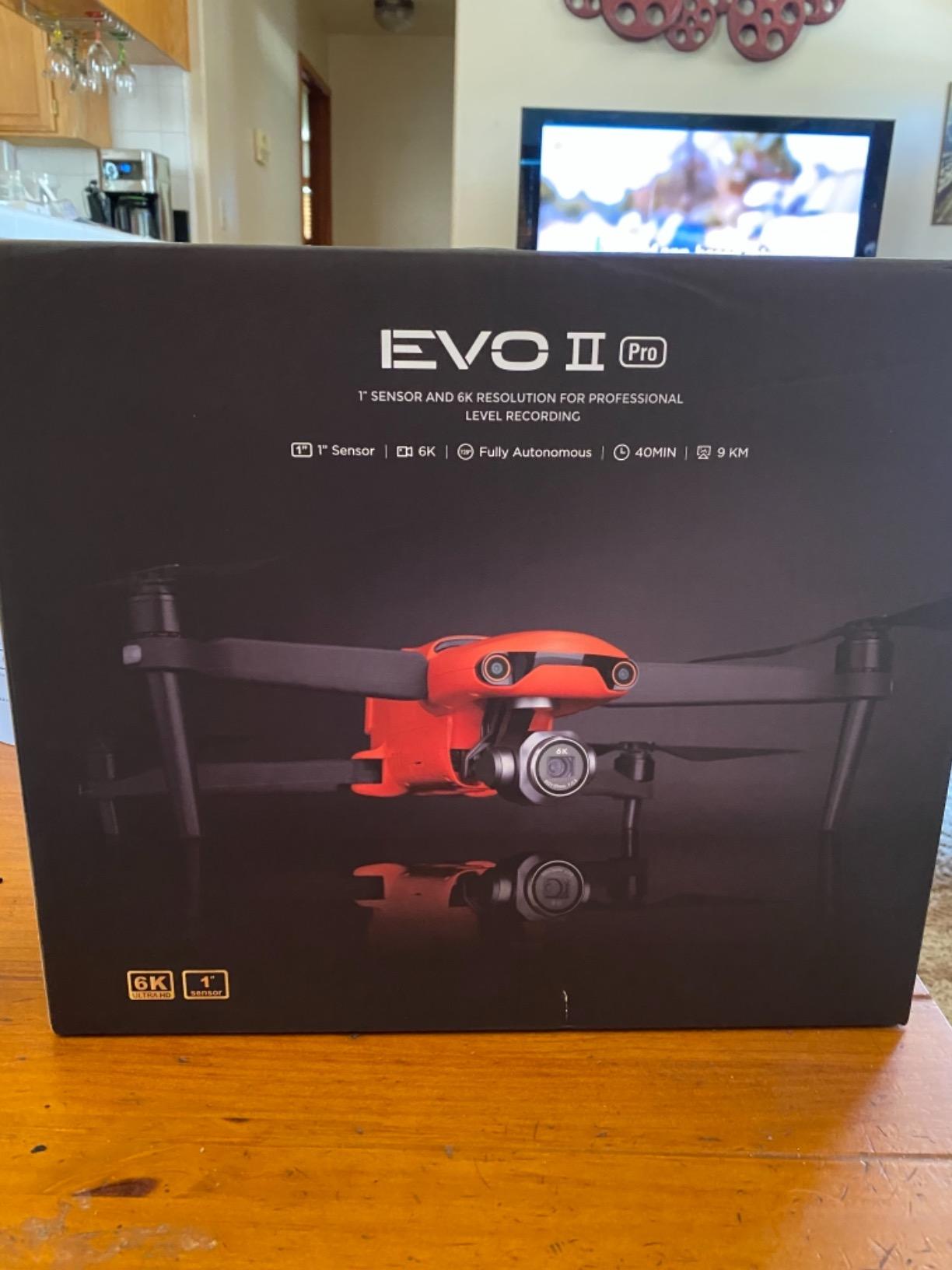
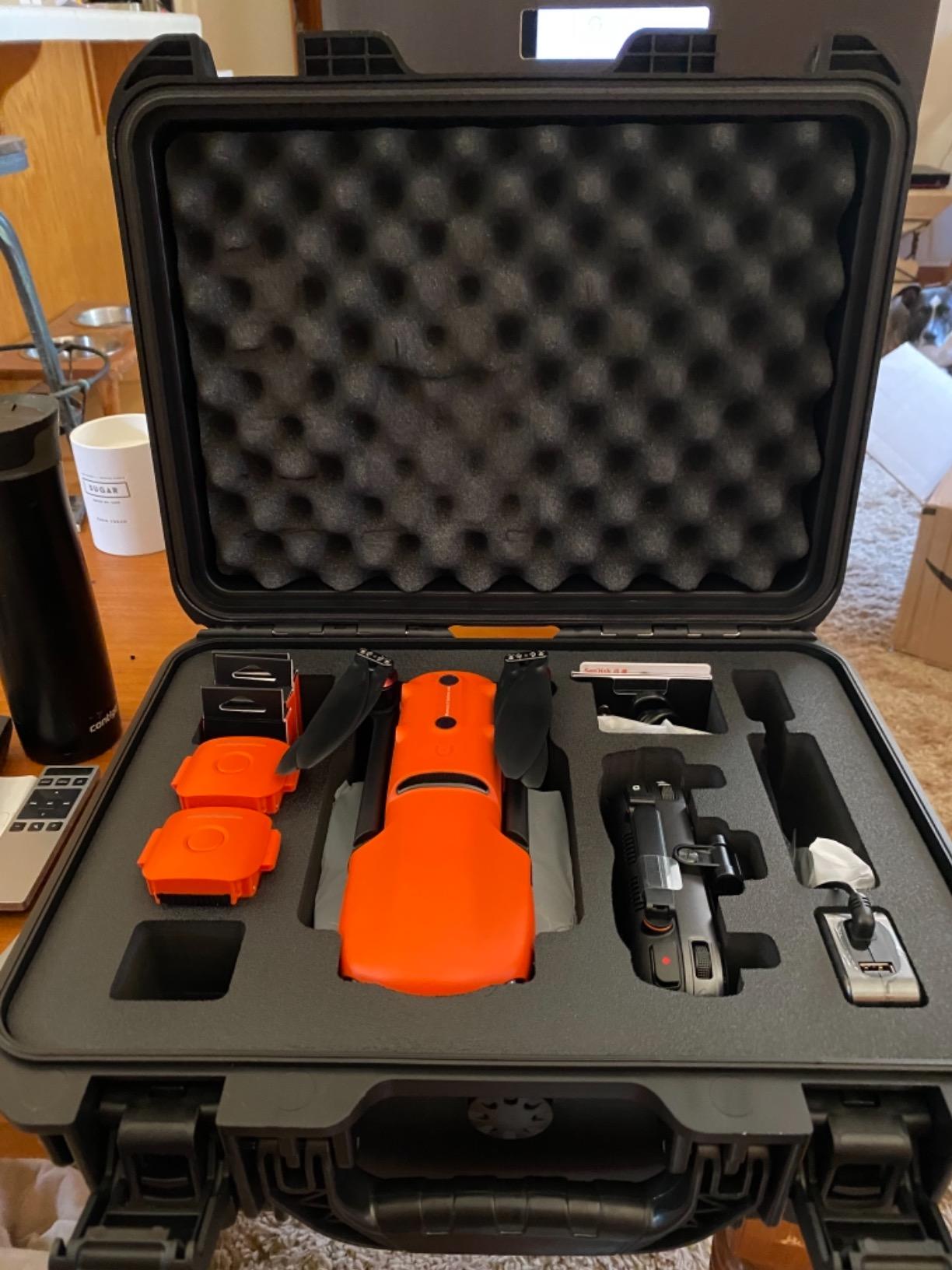
The included 6.4-inch Smart Controller SE is the real standout. The OLED screen is bright enough for midday flying, and I never had to worry about my phone dying mid-shoot. The 15KM transmission range held up reliably in open terrain.
Build quality is solid but the form factor is bulkier than DJI equivalents. At 1191g, it’s noticeably heavier in the bag, and I noticed the controller gets back-heavy with a phone clipped on. Autel’s customer service has been excellent in my interactions — much more responsive than what some DJI owners report.
Who this drone is good for
Professional photographers who need to fly in restricted zones without geo-fencing limits. Journalists, inspectors, and security-conscious users will appreciate the alternative data pipeline.
Who this drone is bad for
Travelers prioritizing portability. The 1191g weight and bulkier form factor make it less backpack-friendly than Mini or Air series drones. If you fly primarily in unrestricted recreational areas, DJI’s lighter options make more sense.
5. Ruko U11MINI 4K — Best Budget Drone with Touchscreen Controller
Pros
- Built-in 5.5-inch touchscreen
- 64-minute total flight time
- GPS auto return
- Under 249g no FAA registration
- Excellent customer service
Cons
- 4K capped at 30fps
- App needs Google Play Services
- SD card issues reported
- Compass calibration frequent
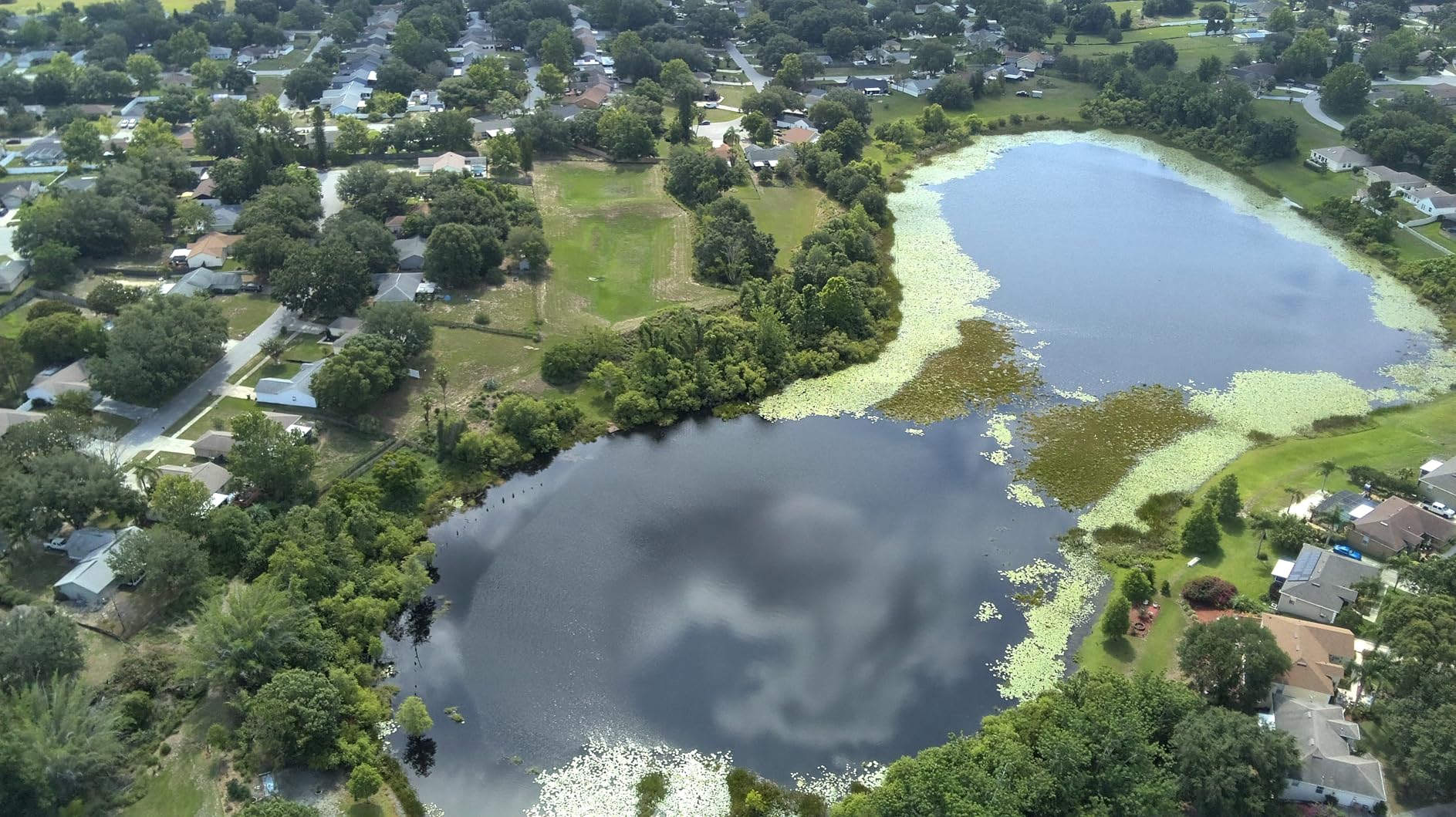
The Ruko U11MINI 4K surprised me with how much it gets right at this price. The integrated 5.5-inch touchscreen controller means I don’t have to mount a phone, which solved the screen glare and notification interruptions that plague budget drones from other brands.
I got usable 4K footage in good lighting. The 3-axis brushless gimbal is a real feature at this price point — most competitors use 2-axis or electronic stabilization only. Footage looked smooth in my testing along a coastal cliff walk.
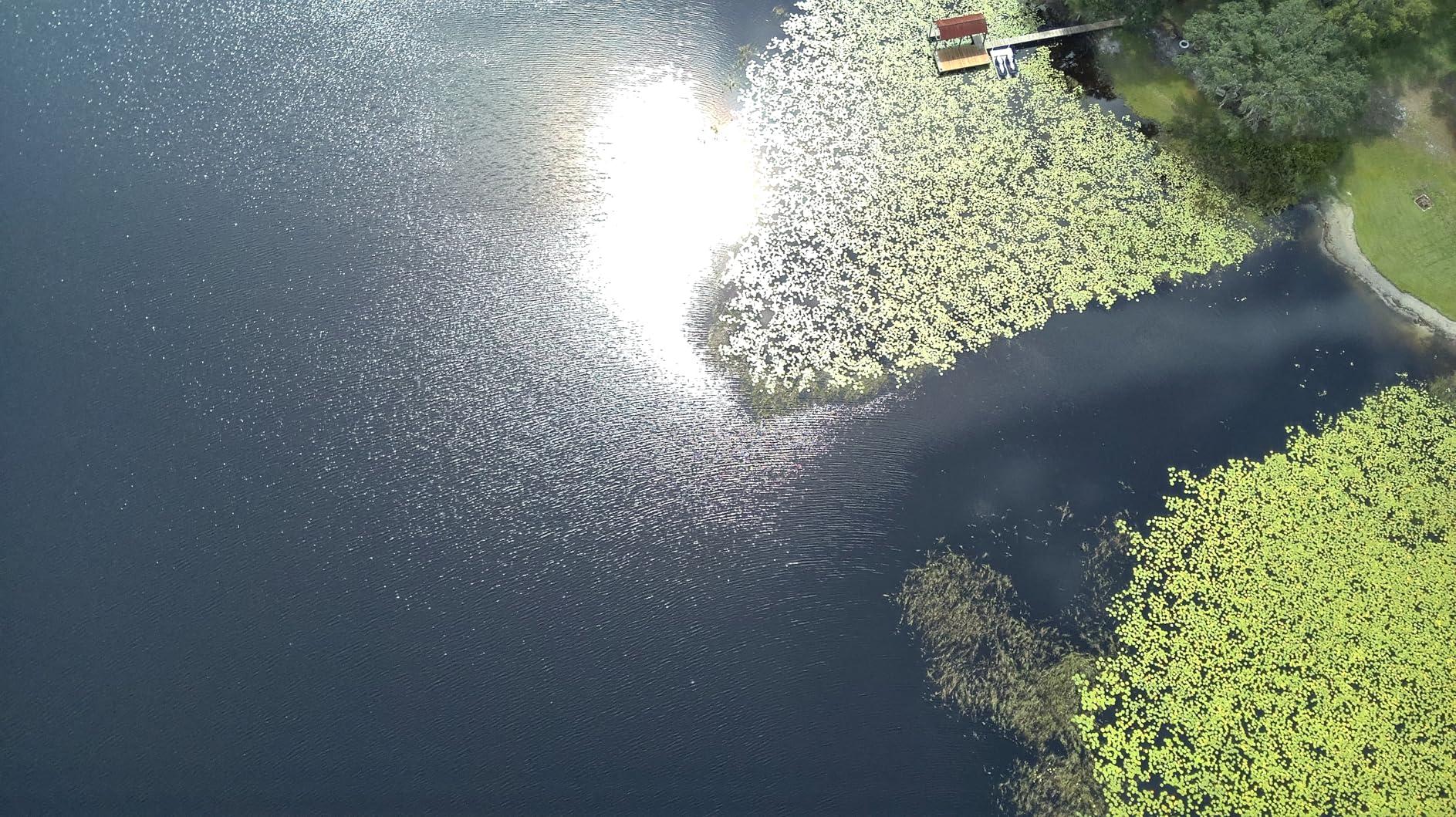
The 64-minute total flight time with two batteries is generous. I could shoot an entire afternoon session without recharging. GPS auto-return worked reliably and brought the drone back within a meter of my takeoff point.
Under 249g, I didn’t need FAA registration for recreational flying. Customer service deserves mention — Ruko’s team actively responds to reviews and replaces defective units quickly. Sybil and Cherry from Ruko support are mentioned by name in reviews for good reason.
Who this drone is good for
Beginner photographers and travelers who want a capable drone without breaking the bank. The touchscreen controller makes it accessible to users who don’t want to mess with phone mounting and apps.
Who this drone is bad for
Professional videographers needing 4K/60fps for slow motion. The 30fps cap limits creative options, and the smaller 1/2-inch sensor struggles in low light compared to 1-inch alternatives.
6. Potensic ATOM 4K — Affordable 3-Axis Gimbal Performer
Pros
- 3-axis gimbal at budget price
- 96-minute total flight time
- GPS return-to-home
- Durable build survives crashes
- Lightweight 249g design
Cons
- No obstacle avoidance sensors
- Auto white balance needs work
- Range performance overstated
- Controller needs phone
The Potensic ATOM 4K punches above its weight class. The 3-axis brushless gimbal delivered stabilized footage that looked nearly as good as my DJI Mini 3 results — a major win at this price. I tested it on a bumpy hiking trail and the horizon stayed level throughout.
Battery life is exceptional with the Fly More Combo. I got over 90 minutes of real flight time across three batteries, which let me shoot an entire wedding venue scout in one afternoon without recharging. The 60W parallel charging hub tops all three batteries in about an hour.
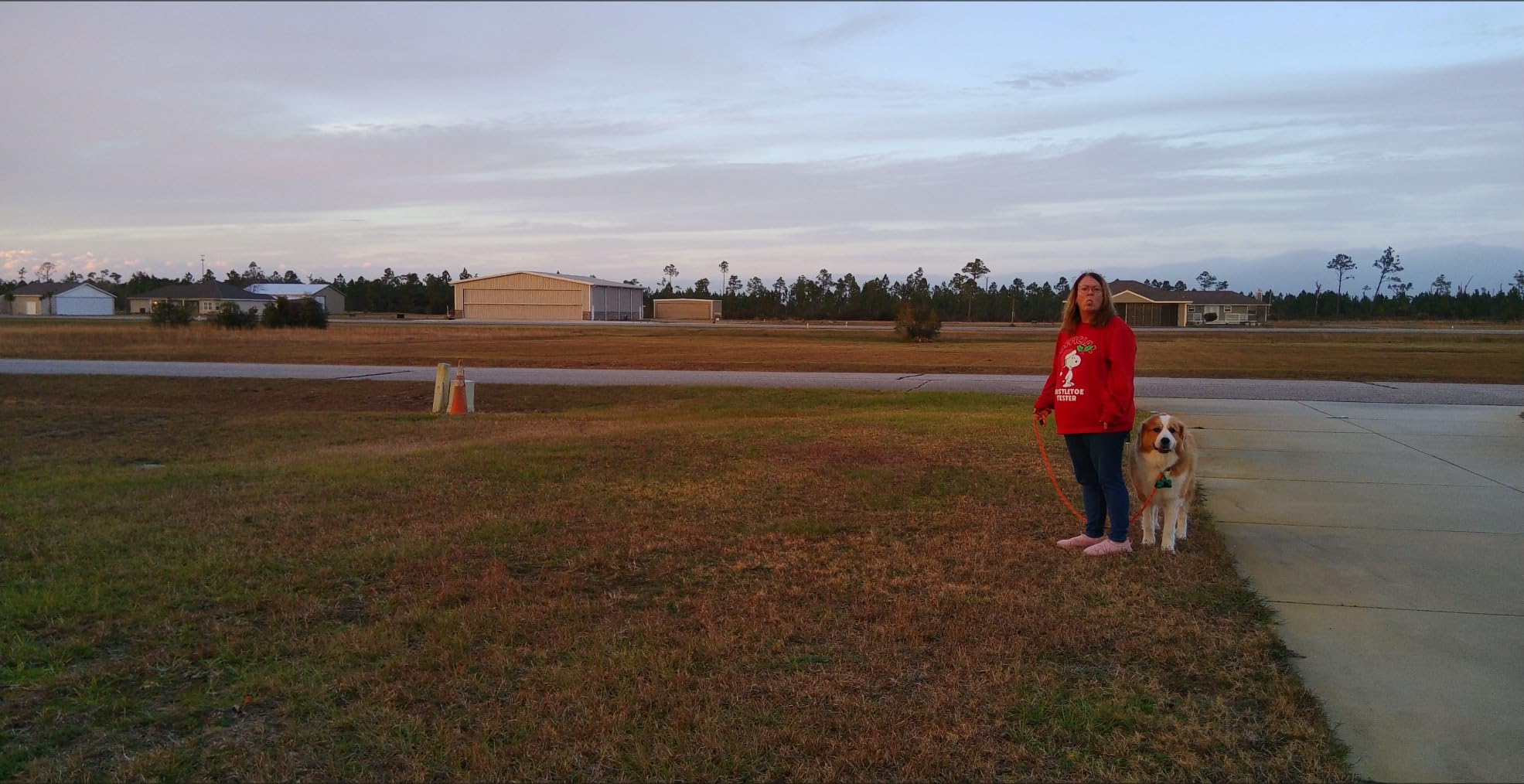
GPS features worked reliably. Return-to-home brought the drone back to within two meters of my takeoff point consistently. QuickShots modes (Rocket, Circle, Dronie, Helix) produced cinematic clips with one tap — perfect for content creators who don’t want to learn manual flight patterns.
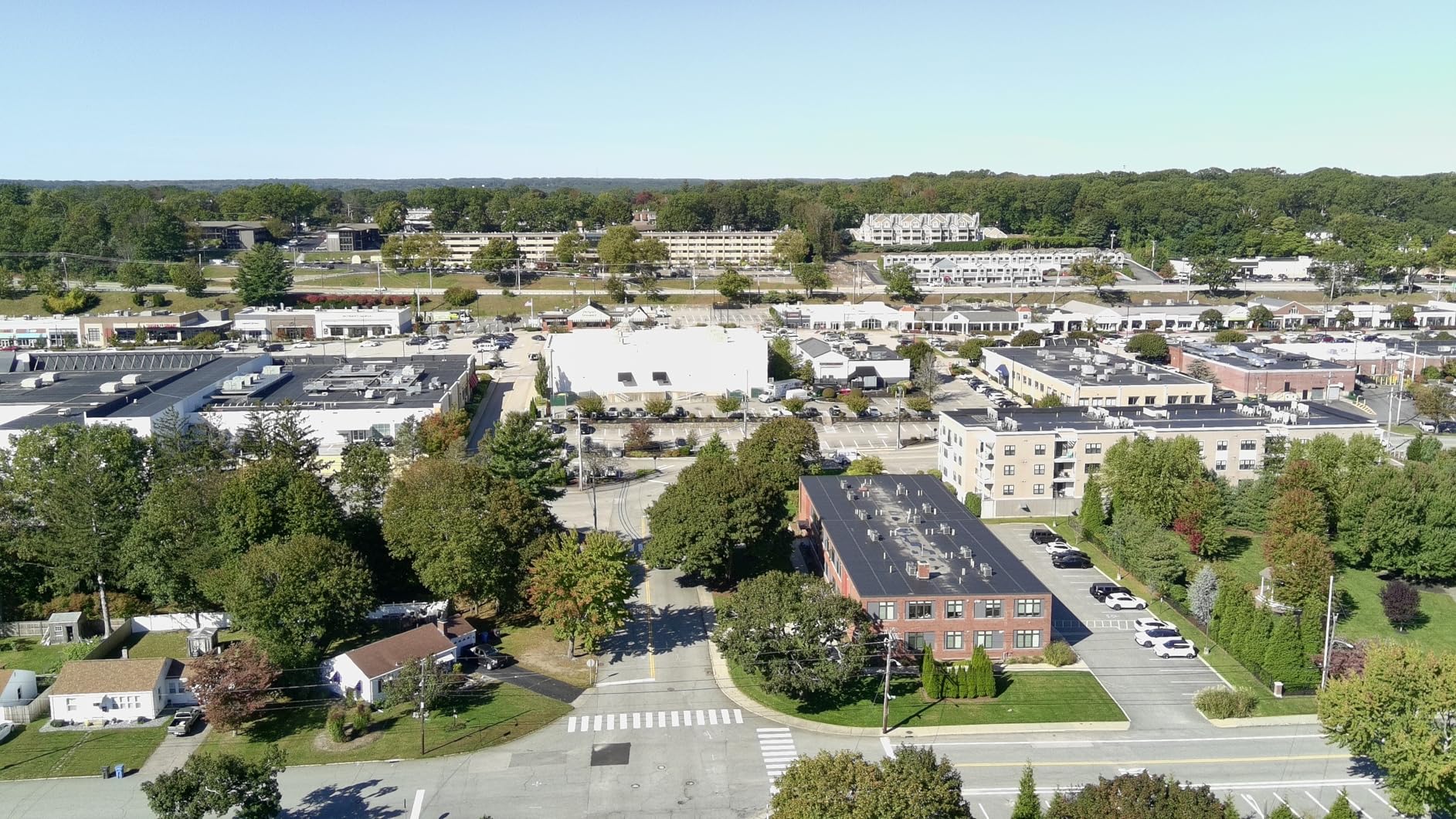
Build quality impressed me. I crashed it into a tree branch at full speed and the only damage was a bent prop. The 249g weight meant no FAA registration for recreational flying. My only complaint is the lack of obstacle avoidance — I had to fly carefully around branches.
Who this drone is good for
Beginners and budget-conscious photographers who want smooth 4K footage without DJI pricing. Travel photographers will appreciate the 96-minute total flight time across multiple batteries.
Who this drone is bad for
Pilots flying in obstacle-rich environments. Without obstacle avoidance sensors, you’ll need to fly defensively around trees and structures. Not ideal for first-time flyers learning spatial awareness.
7. Potensic ATOM 2 — AI Tracking and Night Shot Specialist
Pros
- 48MP photos with strong detail
- AI tracking in three modes
- Night Shot mode for low light
- 10KM transmission range
- 2.7K vertical shooting
Cons
- No obstacle avoidance
- Waypoint navigation missing
- Setup can be tricky
- Firmware bugs reported
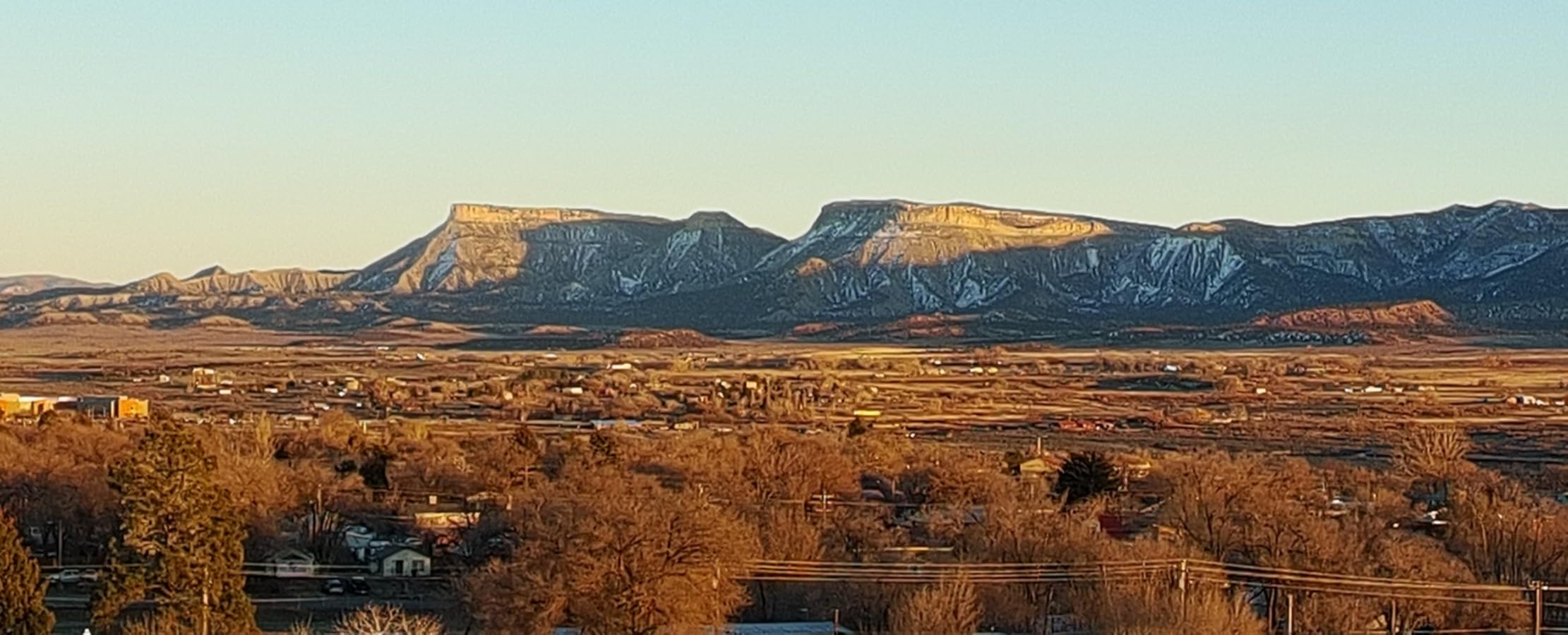
The Potensic ATOM 2 builds on the original ATOM with real improvements. The 1/2-inch Sony CMOS sensor with F1.8 aperture captures noticeably more light than competitors at this price. I shot golden hour portraits at ISO 400 with clean results.
AI tracking in Spotlight, Follow, and Parallel modes worked well in my testing. I biked along a coastal path and the drone maintained consistent framing even when I changed direction. Night Shot mode produced usable footage after sunset — a rare capability at this price.
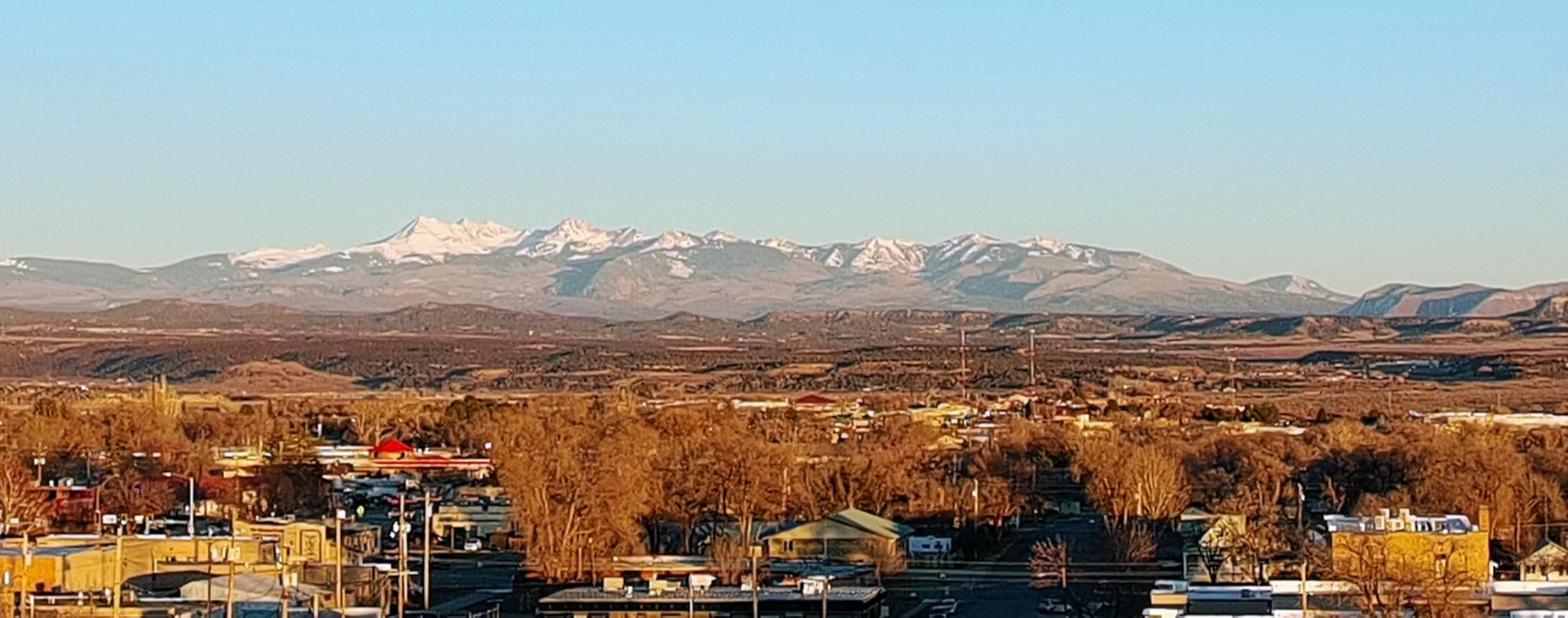
The 10KM PixSync 4.0 transmission held up in open terrain. I flew the drone over a lake at maximum range and never lost signal. The 2.7K vertical shooting mode is a thoughtful addition for social media creators who post to TikTok and Reels.
Potensic’s customer service impressed me when I had a firmware question. They responded within 24 hours with a clear solution. The 96-minute total flight time matches the original ATOM, which is still excellent in this category.
Who this drone is good for
Content creators and vloggers who need AI tracking for solo shoots. Night photographers will appreciate the Night Shot mode at this price point.
Who this drone is bad for
Pilots who need obstacle avoidance for tight environments. The lack of sensors means careful manual piloting is required around obstacles.
8. DJI Mini 3 — Reliable Entry-Level Pick
Pros
- 4K HDR with Dual Native ISO
- True vertical shooting for social
- 38-minute flight time
- Level 5 wind resistance
- GPS auto return
Cons
- Only 4 left in stock
- No auto-tracking feature
- Plus battery sold separately
- App registration required
The DJI Mini 3 remains a solid choice for newcomers. The 4K HDR video quality matches what I got from my original Air 2S, and the Dual Native ISO Fusion handles shadow detail better than expected at this size.
True Vertical Shooting was more useful than I anticipated. I could capture vertical clips for social media without rotating the drone or cropping in post. The footage looked native rather than cropped, which made my Instagram content stand out.
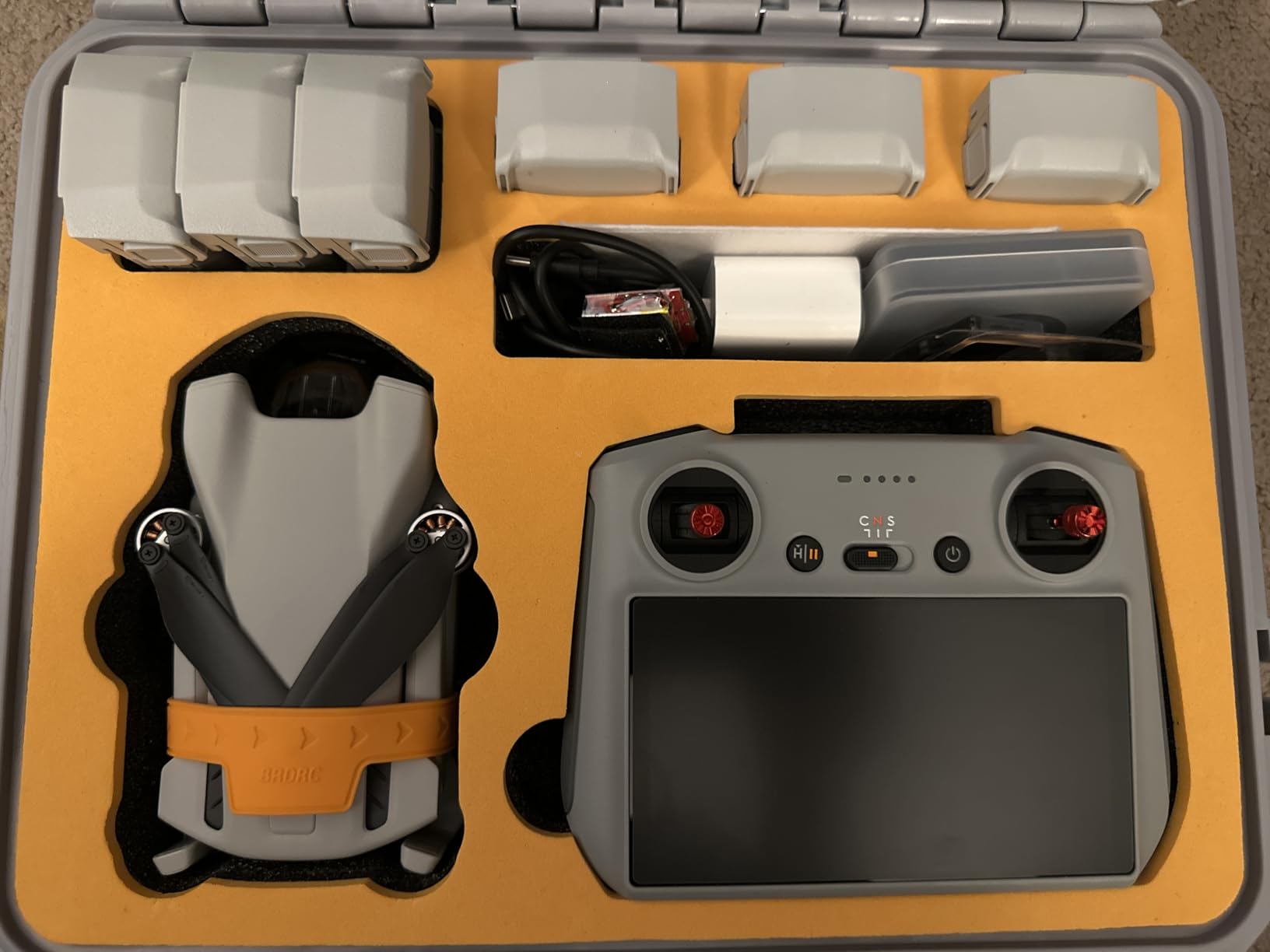
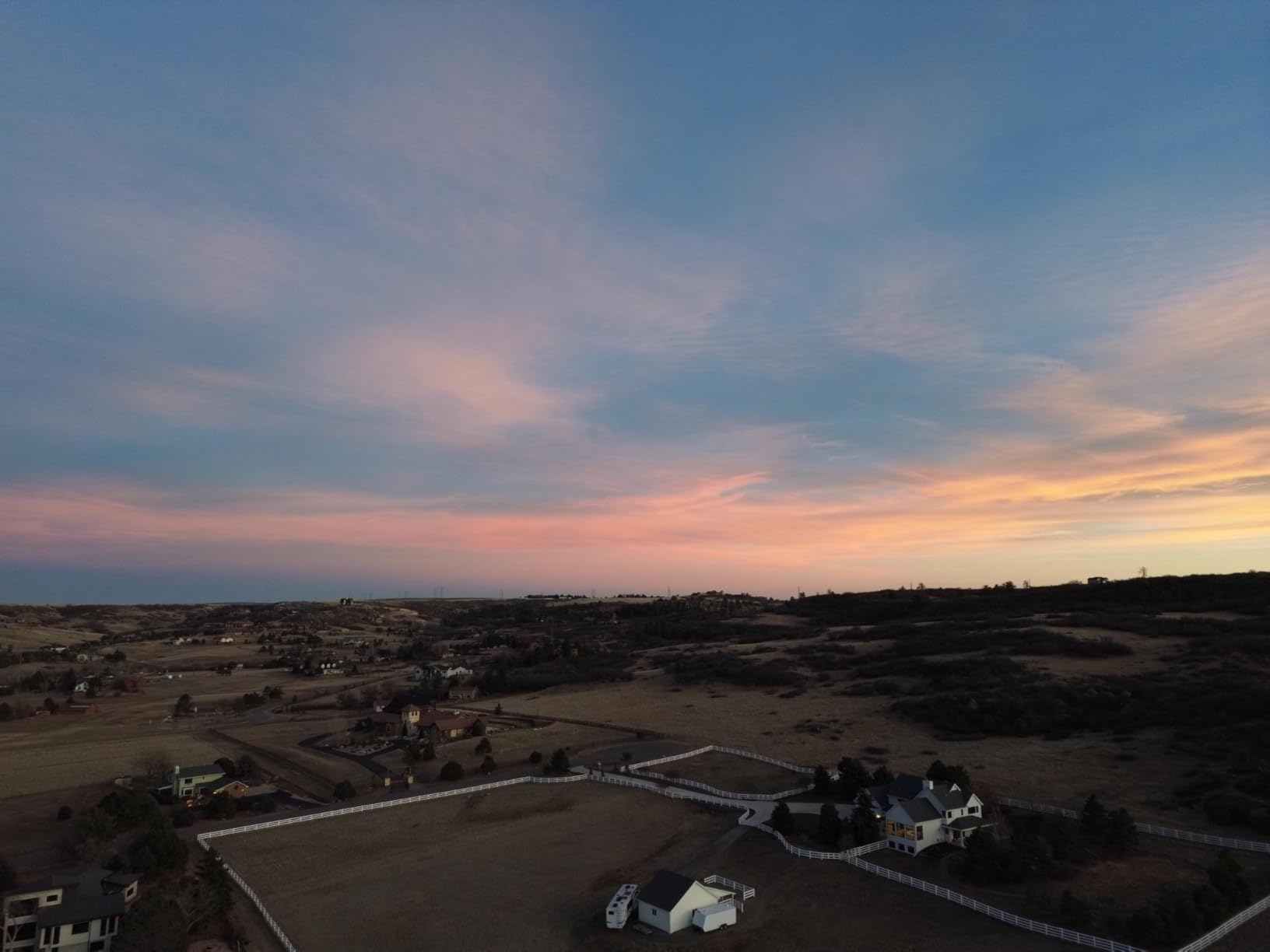
Level 5 wind resistance (38kph) held up during coastal testing. I flew it in 20 mph gusts and the footage stayed stable thanks to the 3-axis mechanical gimbal. The 38-minute flight time was honest in my testing at around 32 minutes with normal flying.
Stock is limited — only 4 units left at writing. If you want one, I’d act quickly. The lack of auto-tracking is the main compromise versus the Mini 5 Pro, but for static compositions and manual piloting, the Mini 3 still delivers.
Who this drone is good for
First-time drone buyers and social media creators. The intuitive DJI Fly app makes the learning curve manageable for beginners.
Who this drone is bad for
Action photographers who need subject tracking. Without ActiveTrack or similar features, you’ll need to pilot manually for follow shots.
9. DJI Mini 4K — Best-Selling Beginner Drone
Pros
- Outstanding 4K at entry-level price
- #1 best-seller in category
- Level 5 wind resistance
- Easy beginner controls
- Reliable GPS return
Cons
- 12MP photos low resolution
- App removed from Google Play
- No follow-me features
- Replacement propellers scarce
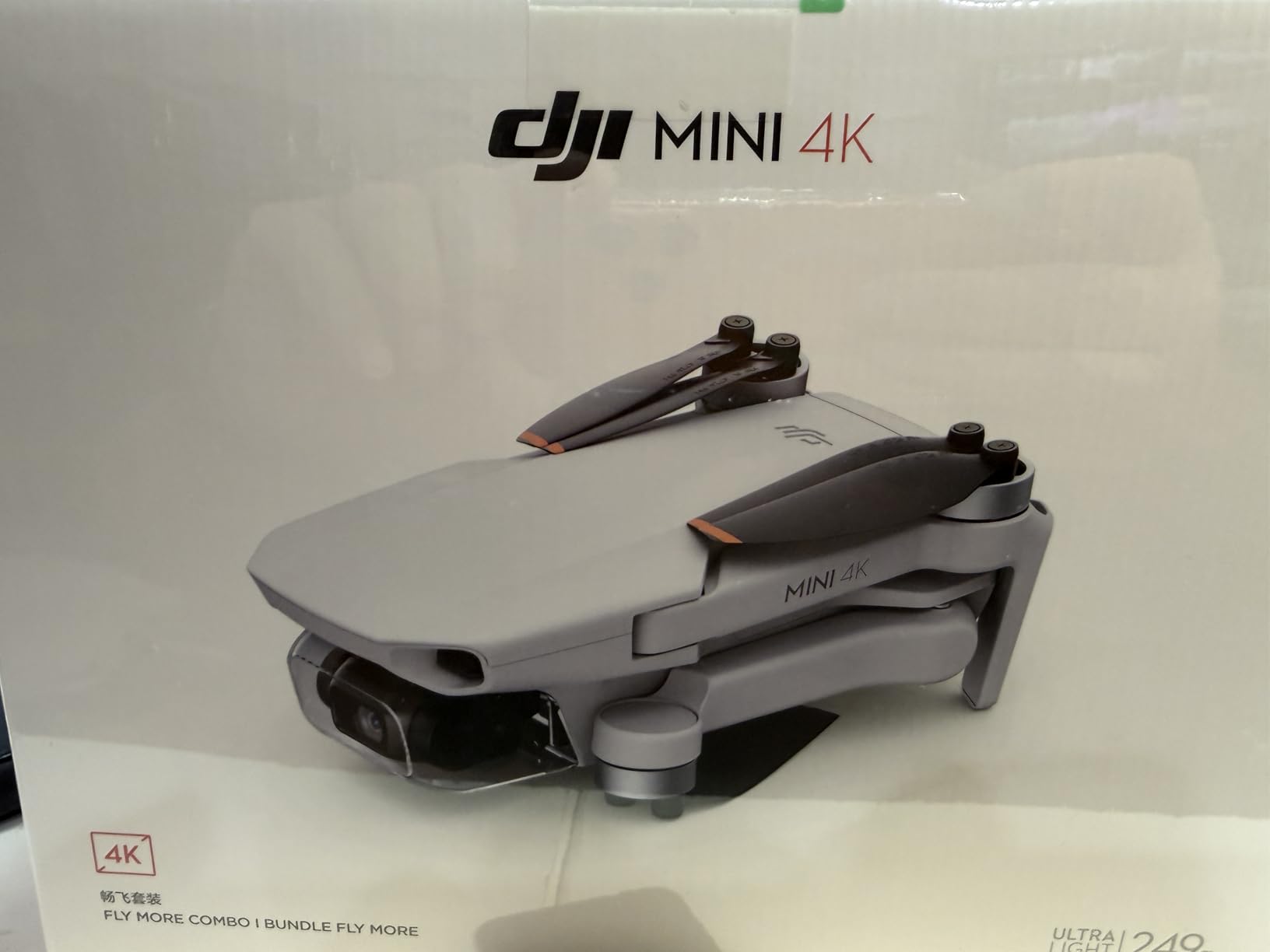
The DJI Mini 4K is the #1 best-seller in hobby RC quadcopters for good reason. It delivers genuine 4K UHD video at a price that doesn’t require deep pockets. I tested it as a first drone for a friend who had never flown before, and they were capturing smooth footage within an hour.
The 3-axis gimbal keeps footage stable even when the pilot makes input mistakes. The Level 5 wind resistance handled 25 mph gusts during a beach shoot without visible shake. The 31-minute flight time is shorter than the Mini 5 Pro but adequate for most casual sessions.
One-tap takeoff and landing made the learning curve feel manageable. GPS Return-to-Home worked reliably in my testing. The 10km transmission range is impressive for this price — I could scout compositions from ridges without losing signal.
The 12MP photo resolution is the main compromise. If you primarily shoot video, this won’t matter. If you want large prints from stills, look at the Mini 5 Pro or Air 3S. The DJI Fly app also got removed from Google Play, so Android users need to download from DJI’s website.
Who this drone is good for
Absolute beginners and casual users who want DJI quality at the lowest price. Vloggers shooting primarily video content will find the 4K footage excellent.
Who this drone is bad for
Photographers who need high-resolution stills. The 12MP sensor limits crop flexibility and large print output.
10. DJI Neo — Pocket-Sized Self-Flying Drone
Pros
- Ultra-light 135g pocketable design
- Palm takeoff and landing
- AI subject tracking
- Built-in propeller guards
- No FAA registration required
Cons
- Battery life only 15 minutes
- No vertical video mode
- Limited internal storage
- Tracking struggles with fast movement
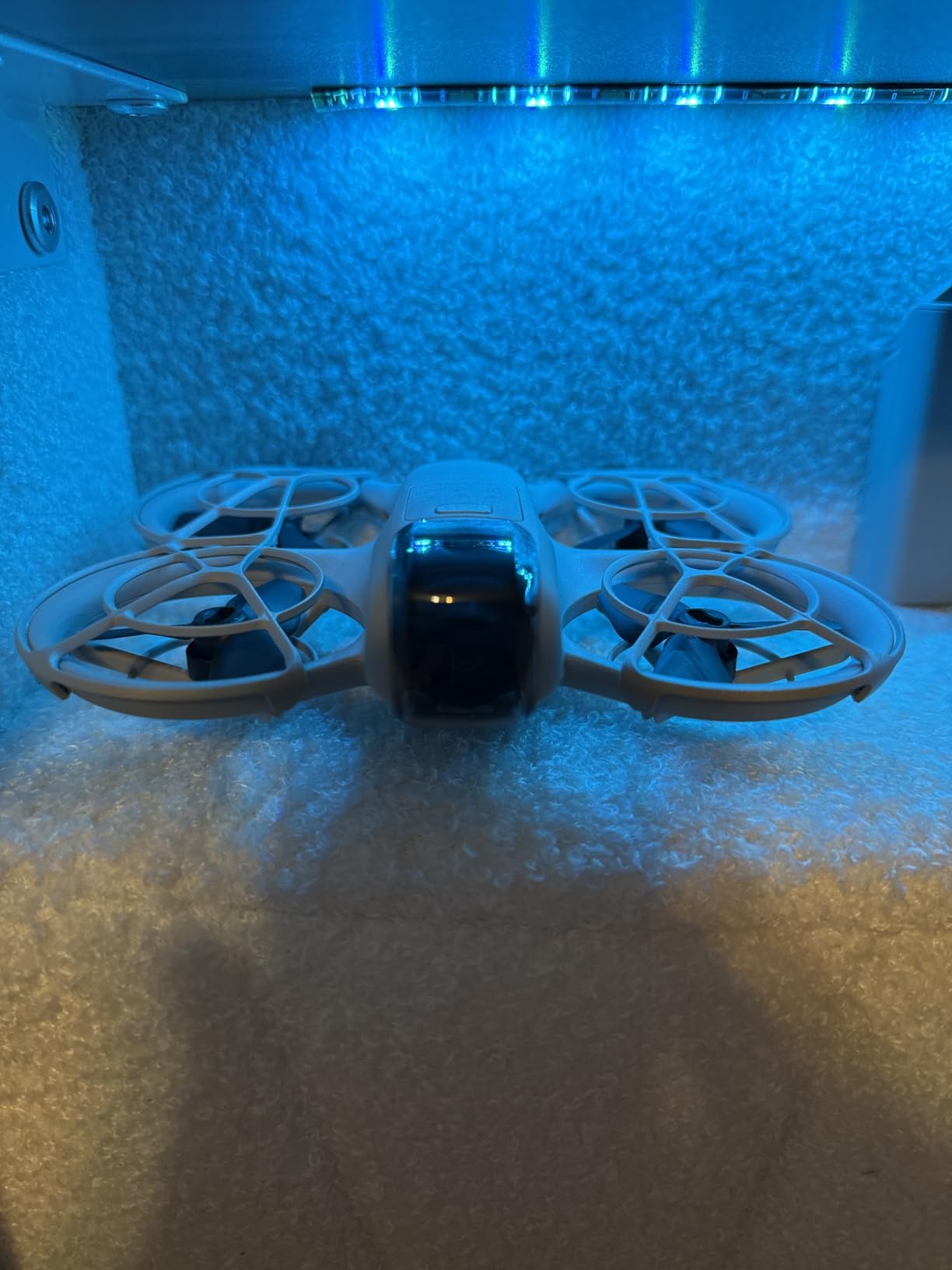
The DJI Neo redefined what a beginner drone can do. At 135g, it fits in my jacket pocket and launches from my palm. I used it on a hiking trip where bringing a larger drone wasn’t practical, and I still came home with usable aerial footage.
Subject tracking with QuickShots produced automatic cinematic clips. I could set it down, walk away, and the drone would circle me or follow me from behind — perfect for solo content creators. The AI tracking held up for slow movement but lost me when I ran or biked fast.

Built-in propeller guards made it safe to fly indoors and around people. I tested it in a friend’s apartment without worry about damaging furniture or walls. The full-coverage guards also survived multiple hard collisions without breaking.
Battery life is the main compromise — about 15 minutes per battery. The Fly More Combo includes extra batteries, which I’d strongly recommend. Internal storage only (no SD card) means you need to offload footage regularly.
Who this drone is good for
Vloggers and social media creators who need quick aerial clips without carrying bulky gear. Casual users will love the simplicity of palm takeoff and self-flying modes.
Who this drone is bad for
Serious photographers and videographers. The smaller sensor, shorter battery life, and lack of manual controls limit creative options for professional work.
How to Choose the Best Camera Drone for Your Needs
Choosing the best camera drones for photography and video requires balancing sensor size, portability, flight time, and budget. After testing the 10 models above, here’s what I look for when recommending a drone.
Sensor size matters more than megapixels. A 1-inch CMOS sensor will outperform a smaller sensor with higher megapixel counts in low light and dynamic range. For landscape and travel work where lighting varies, prioritize larger sensors. If you need to understand how sensor sizes compare to traditional cameras, our photography camera terms guide breaks down the technical details.
Sensor Size and Image Quality
The jump from a 1/2-inch to a 1-inch sensor is significant. I can shoot at ISO 800 on the Air 3S and get clean results that would be noisy on a Mini 3. For golden hour and blue hour work, the larger sensor makes the difference between usable and unusable footage.
Megapixels matter for cropping flexibility. The 100MP Mavic 4 Pro files let me crop aggressively and still print at 16×20. The 12MP Mini 4K is fine for screen viewing but limiting if you want physical prints from your aerial work.
Flight Time and Battery Considerations
Real-world flight time runs 20-30% below manufacturer claims. DJI’s 51-minute Mavic 4 Pro claim translated to about 42 minutes in my testing with normal flying. Always budget for shorter actual flight times when planning shoots.
Buy the Fly More Combo when available. Extra batteries and parallel charging hubs save time during long shooting sessions. The 96-minute total flight time on the Potensic ATOM was a game-changer for full-day shoots.
Obstacle Avoidance and Safety
Omnidirectional obstacle sensing is worth the premium for most pilots. I tested the DJI Air 3S’s LiDAR system in a forest at dusk and it avoided branches I couldn’t see. Without obstacle avoidance, you risk crashes in tight environments.
Return-to-home accuracy varies by model. The DJI drones consistently landed within a meter of my takeoff point. Autel’s Smart Controller SE showed the home point clearly on the map, which built confidence in unfamiliar locations.
Weight and FAA Registration
Drones under 250g don’t require FAA registration for recreational use in the US. The DJI Mini 5 Pro, Mini 4K, Mini 3, Neo, Ruko U11MINI, and Potensic ATOM all qualify. For commercial work, Part 107 certification is required regardless of weight.
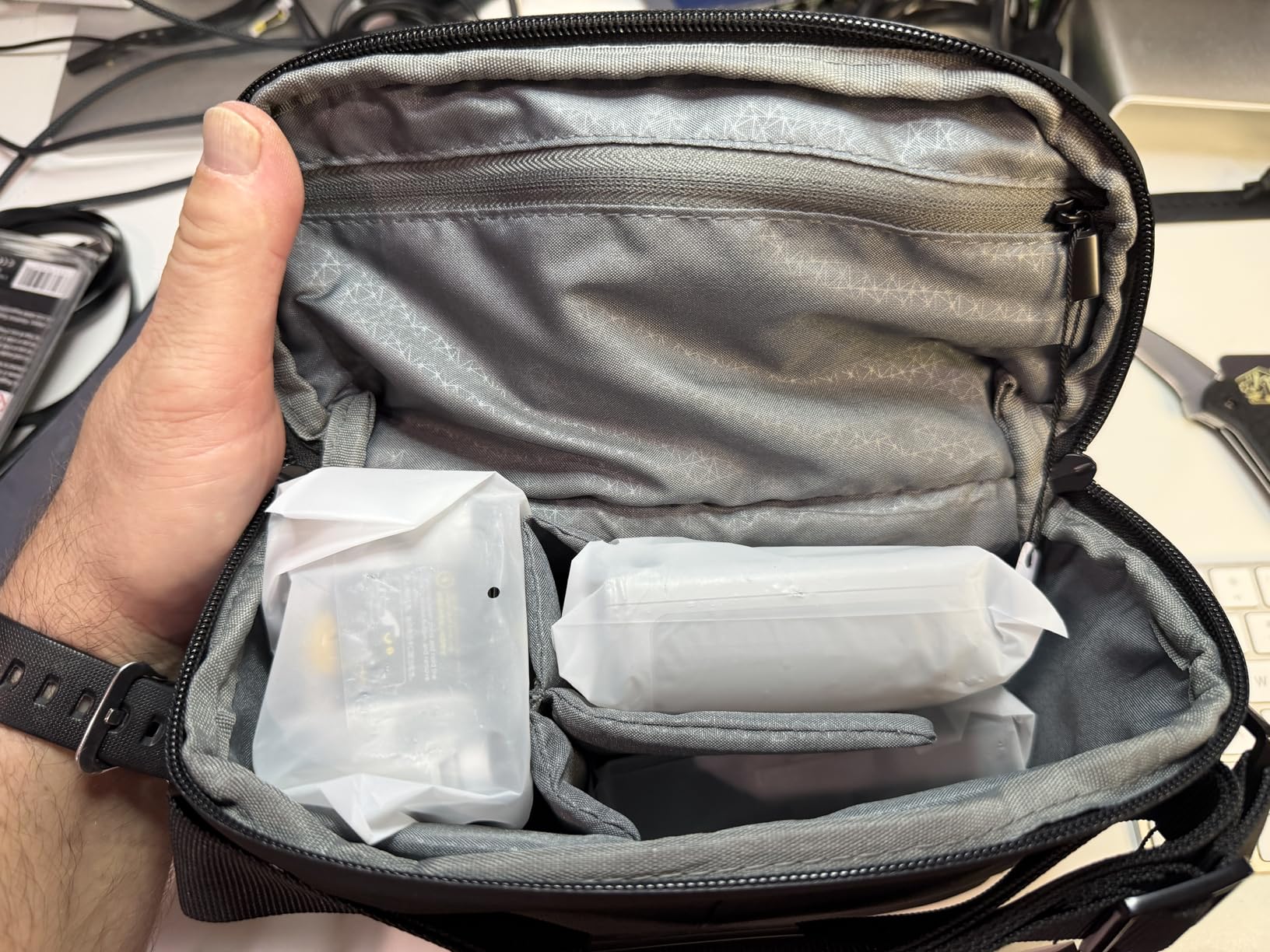
Lighter drones also travel better. I pack my Mini 5 Pro in a small sling bag with room for a camera and two lenses. The Mavic 4 Pro needs a dedicated drone bag and takes up more pack space.
DJI Security and Privacy Considerations
DJI drones transmit telemetry and flight data to DJI servers. For most recreational users, this is not a concern. For journalists, government contractors, or users flying in sensitive locations, Autel’s no-geo-fencing policy and different data handling may matter.
The current US regulations allow DJI drones to operate normally. Proposed FCC actions could impact new DJI models in the future, but existing drones remain legal to fly. Check current FAA rules before purchasing if security is a concern.
Controller and App Experience
Built-in screen controllers (DJI RC 2, Ruko touchscreen) eliminate phone dependency. I prefer them for serious work because notifications don’t interrupt the app. Phone-based controllers work fine for casual flying but add complexity.
App quality varies significantly. DJI Fly is polished and reliable. The DJI app got removed from Google Play, so Android users must download from DJI’s website. Ruko’s app requires Google Play Services, which can cause issues on Huawei devices.
If you want more options beyond this list, our 12 best camera drones expert review covers additional models including specialized FPV and professional cinematography options. For travel photographers debating between drone and traditional camera setups, our smartphone vs mirrorless comparison provides useful context.
Frequently Asked Questions
What is the best drone for both video and pictures?
The DJI Mavic 4 Pro is the best overall choice for both video and photos, combining a 100MP Hasselblad camera with 6K/60fps HDR video. For most enthusiasts, the DJI Air 3S delivers the best balance with its 1-inch CMOS sensor, dual-camera system, and 4K/60fps HDR footage at a lower price. Budget-conscious buyers get excellent results from the DJI Mini 5 Pro with its 1-inch sensor in a 249g body.
What drones can take photos and record videos?
All modern camera drones from DJI, Autel, Potensic, Ruko, and other major brands take both photos and videos. Entry-level options like the DJI Neo and DJI Mini 4K capture 4K video and 12MP photos. Mid-range options like the DJI Air 3S and DJI Mini 5 Pro add larger sensors and better low-light performance. Professional models like the DJI Mavic 4 Pro and Autel EVO 2 Pro V3 offer 6K video and high-resolution stills for commercial work.
Which drone camera is best for photography?
For pure photography, the DJI Mavic 4 Pro leads with its 100MP 4/3 CMOS Hasselblad sensor and 14 stops of dynamic range. The Autel EVO 2 Pro V3 is a strong alternative with its 1-inch Sony sensor and 12-bit DNG support for color grading. For travel photographers, the DJI Mini 5 Pro delivers excellent 50MP stills in a 249g body that avoids FAA registration requirements.
Is DJI drone illegal in the USA?
DJI drones are legal to own and fly in the United States for both recreational and commercial use. The FAA has not banned DJI products, and existing DJI drones remain on the market through authorized retailers. Proposed FCC actions could impact future DJI models, but current owners can continue flying normally. Commercial operators need Part 107 certification regardless of manufacturer.
How much does a decent camera drone cost?
A decent camera drone costs between $300 and $500 for beginners. The DJI Mini 4K at $269 and Potensic ATOM 4K at $279 offer 4K video with 3-axis gimbals at entry-level prices. Mid-range options from $1,000 to $1,500 like the DJI Air 3S and Mini 5 Pro add larger sensors and better obstacle avoidance. Professional models from $2,000 to $3,000 like the DJI Mavic 4 Pro deliver flagship image quality.
Final Verdict
The best camera drones for photography and video in 2026 come down to three clear winners for most users. The DJI Air 3S offers the best balance of image quality, flight time, and price for serious enthusiasts. The DJI Mavic 4 Pro is my pick for professionals who need flagship 6K HDR and 100MP stills. The DJI Mini 5 Pro is the best choice for travel photographers who want a 1-inch sensor in a pocketable 249g body.
Whatever drone you choose, fly safely, check local regulations, and practice manual piloting before relying on autonomous modes. The aerial perspective these drones unlock has genuinely changed how I approach landscape and travel photography — and the right drone makes the difference between frustration and creative freedom.