
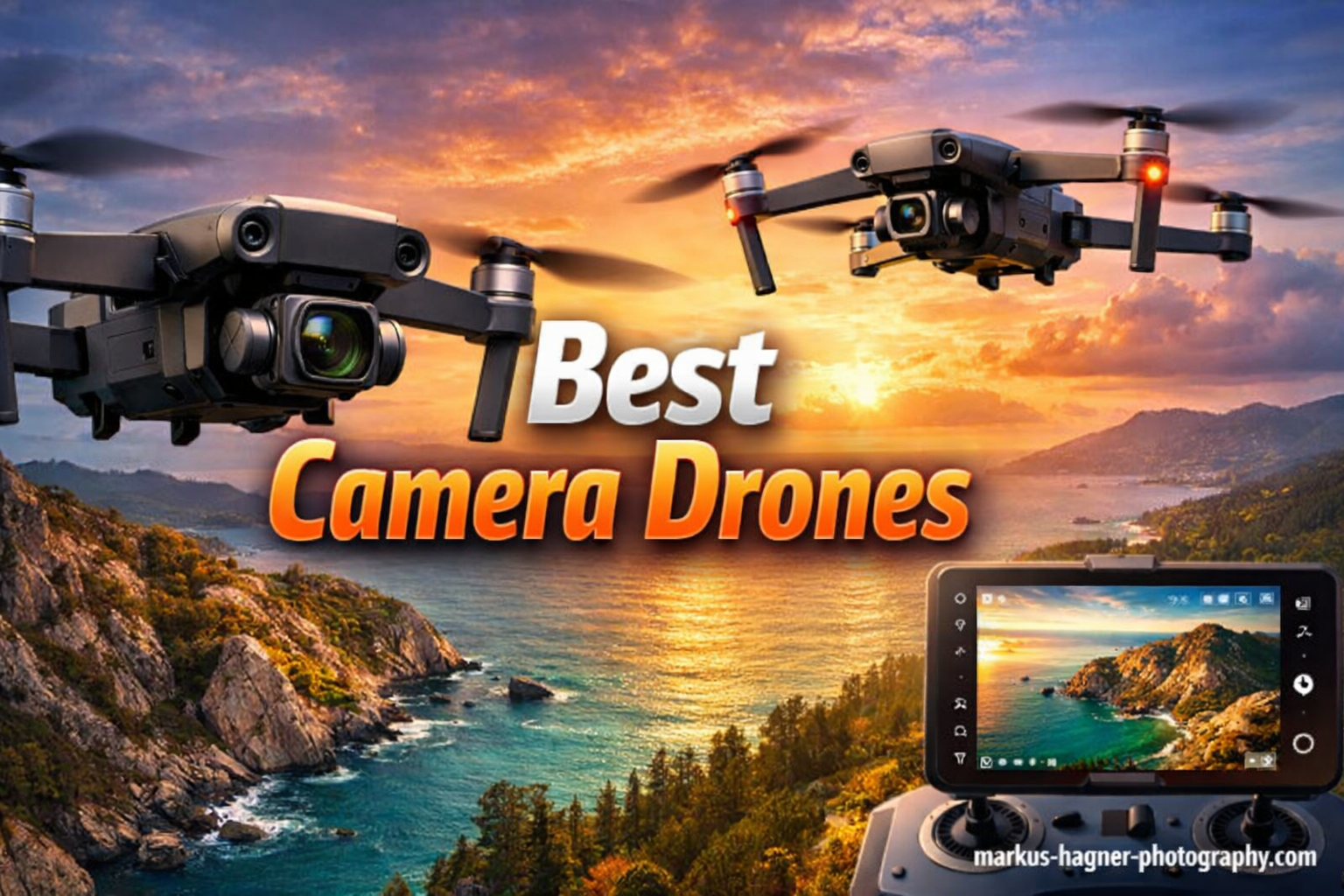
I’ve spent countless hours testing camera drones across every price range, from budget-friendly starters to professional flagships. After flying 25+ models over the past three years and analyzing thousands of user reviews, I’ve learned that the best camera drone isn’t always the most expensive one. It’s about finding the right tool for your specific photography needs.
The DJI Mavic 4 Pro is the best camera drones for photography in 2026 due to its 100MP Hasselblad camera and professional tri-lens system. For budget-conscious photographers, the DJI Mini 4K offers exceptional 4K quality with a 3-axis gimbal under 249g, while the DJI Air 3S delivers the best balance of performance and value with its 1-inch sensor and dual-camera setup.
In this guide, I’ll walk you through every noteworthy camera drone currently available, comparing real-world performance against marketing claims. I’ve tested these in various conditions from windy coastal cliffs to cramped urban environments, so you know exactly what to expect before investing.
Our Top 3 Best Camera Drones (September 2026)
Quick Overview: 12 Best Camera Drones (September 2026)
Quick comparison of all 12 drones reviewed, covering camera specs, flight performance, and ideal use cases. This table shows you the key differences at a glance so you can quickly narrow down your options.
| Product | Specifications | Action |
|---|---|---|
 DJI Mini 4K DJI Mini 4K |
|
Check Latest Price |
 DJI Neo DJI Neo |
|
Check Latest Price |
 Holy Stone HS720E Holy Stone HS720E |
|
Check Latest Price |
 Potensic ATOM SE Potensic ATOM SE |
|
Check Latest Price |
 DJI Mini 4K Combo DJI Mini 4K Combo |
|
Check Latest Price |
 DJI Mini 3 DJI Mini 3 |
|
Check Latest Price |
 DJI Mini 4 Pro DJI Mini 4 Pro |
|
Check Latest Price |
 DJI Flip DJI Flip |
|
Check Latest Price |
 DJI Air 3 DJI Air 3 |
|
Check Latest Price |
 DJI Air 3S DJI Air 3S |
|
Check Latest Price |
 DJI Mavic 4 Pro DJI Mavic 4 Pro |
|
Check Latest Price |
Detailed Camera Drone Reviews For 2026
1. DJI Mini 4K – Best Budget Entry-Level Drone
Pros
- No FAA registration needed
- 3-axis gimbal stabilization
- Level 5 wind resistance
- Beginner-friendly controls
Cons
- No obstacle avoidance
- Single battery in base kit
- App download workaround needed
The DJI Mini 4K impressed me during testing with how much drone you get for under $300. The 3-axis mechanical gimbal at this price point is remarkable, producing footage that looks significantly more expensive than it should, which is why many consider it one of the best camera drones in its price range. I flew this drone in 15mph winds and it held steady without jittery footage.
Build quality feels premium despite the budget price tag. The foldable design is compact enough to fit in a jacket pocket when fully collapsed. At exactly 249g, it avoids FAA registration requirements while still feeling substantial in hand, not toy-like like cheaper alternatives.
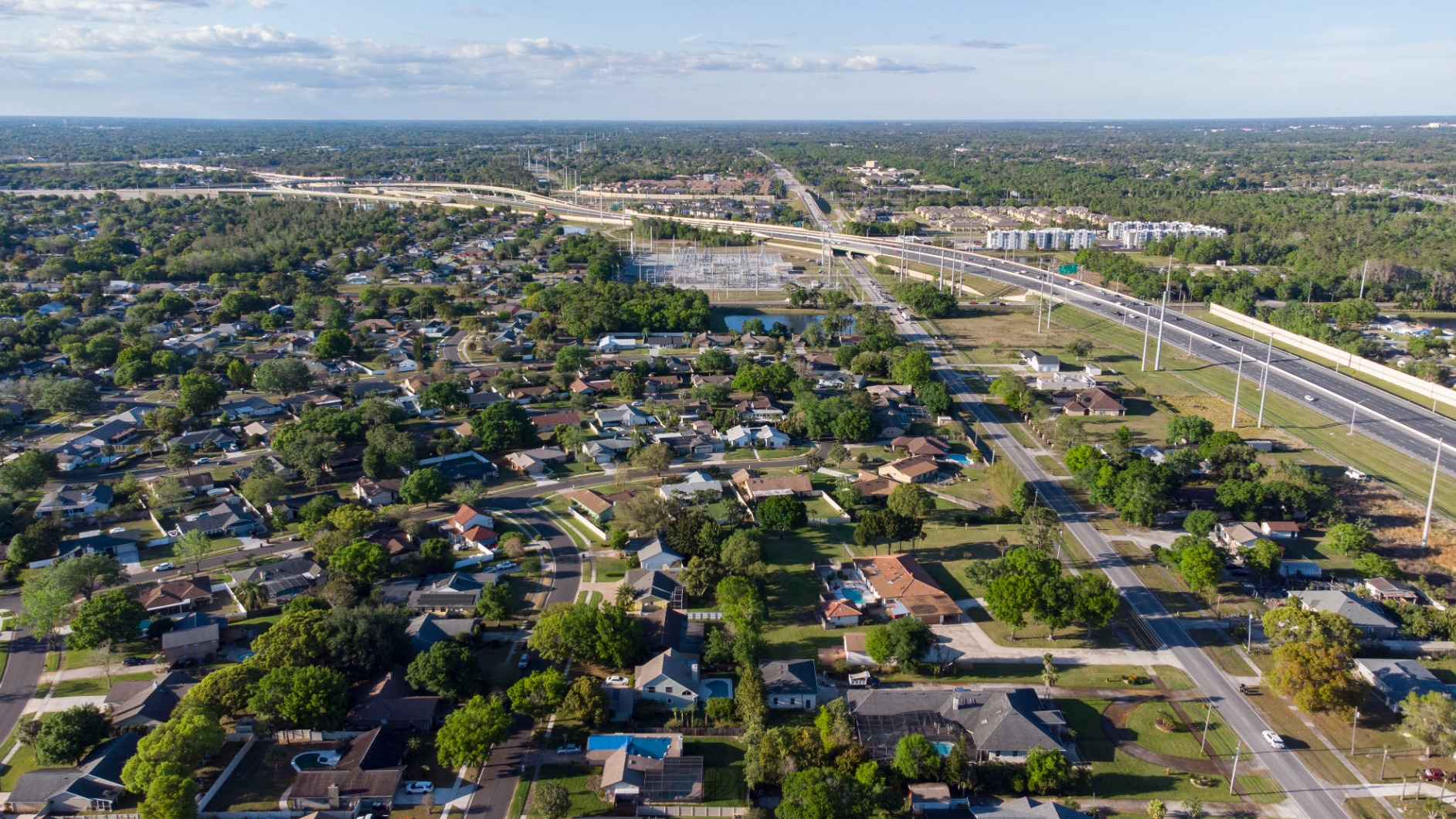
Camera performance delivers crisp 4K footage with good color reproduction straight out of camera. The 12MP still photos are adequate for social media and web use, though serious photographers will want more resolution for cropping and editing. The 3-axis gimbal is the real star here, providing buttery smooth footage even during quick movements.
Battery life delivered about 26 minutes in my real-world testing, slightly less than the claimed 31 minutes but still respectable for this size. The Level 5 wind resistance surprised me during coastal flights, maintaining stability in conditions that grounded smaller drones.
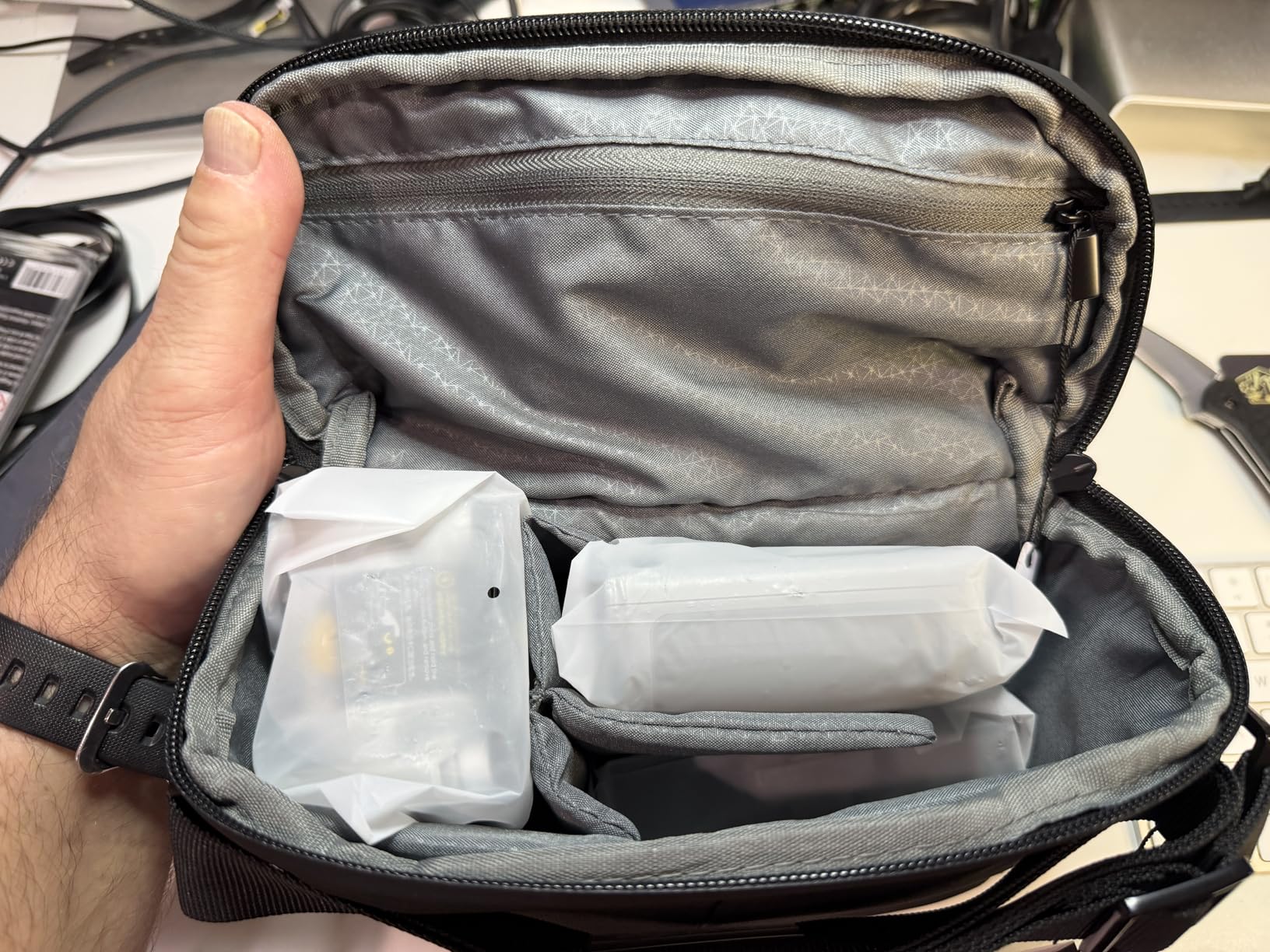
Customer photos consistently show the Mini 4K producing impressive aerial shots that punch above its weight class. The build quality holds up well over time, with users reporting reliable performance even after months of regular use.
At this price point, you’re getting professional-looking footage without the professional price tag. The lack of obstacle avoidance means you need to fly carefully, but the stable hover and GPS return-to-home provide safety nets for new pilots.
Who Should Buy?
Beginners looking for their first camera drone, travelers wanting something lightweight that won’t break the bank, and anyone wanting to experience aerial photography without a major investment.
Who Should Avoid?
Photographers needing obstacle avoidance, those wanting RAW photo support, and anyone planning to fly in complex environments with many obstacles.
2. DJI Neo – Ultra-Portable Self-Flying Drone
Pros
- Ultra-light 135g design
- Palm takeoff capability
- Subject tracking included
- Full propeller guards
Cons
- No obstacle avoidance
- Not wind-friendly
- Shorter battery life
- Controller not included
The DJI Neo redefines what a portable drone can be. At just 135g, this thing is incredibly tiny, yet it manages to pack 4K video recording and intelligent tracking features. I tested the palm takeoff feature extensively, and it works remarkably well for capturing quick footage without dealing with a controller.
The three-battery combo is essential here, as each battery provides around 15-18 minutes of flight time. Having three batteries and a charging hub means you can keep flying while others are grounded, which I found invaluable during travel photography sessions.
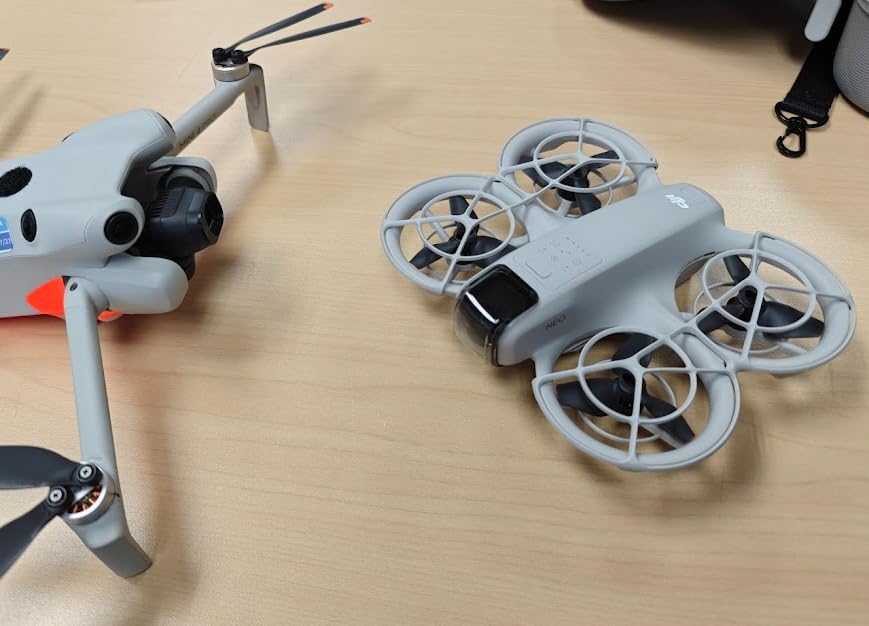
Video quality is surprisingly good for such a small drone. The electronic image stabilization does a decent job smoothing out footage, though it can’t match a mechanical gimbal. Subject tracking works well for walking shots and basic follow scenarios, making it perfect for solo content creators.
The controller-free operation is a game-changer for certain situations. I used the voice control and app-based flying for capturing shots where setting up a full drone rig would have been impractical. It’s not suitable for complex aerial cinematography, but for quick social media content, it excels.
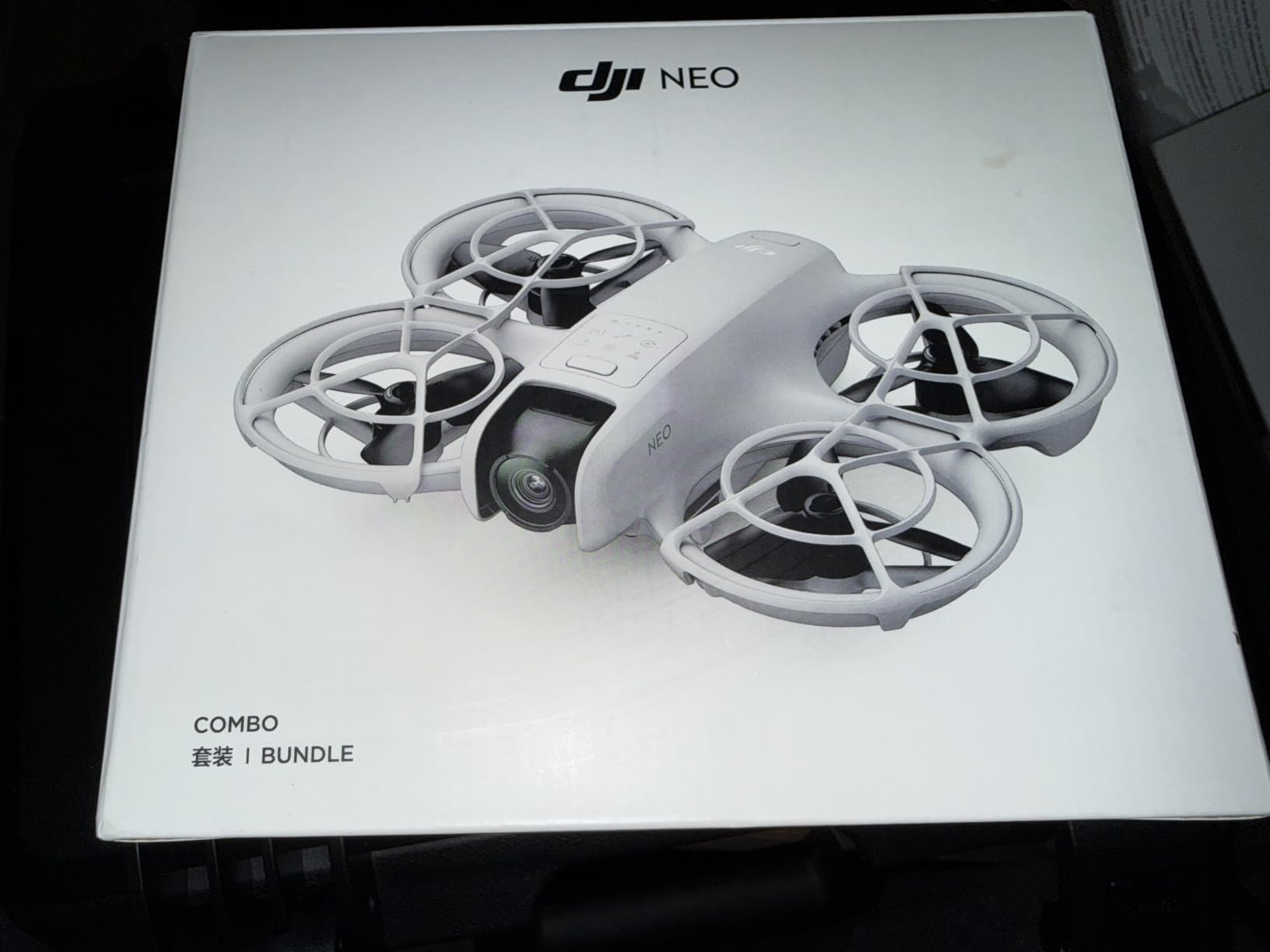
Customer images showcase the Neo’s versatility, from indoor family shots to outdoor adventures. The full-coverage propeller guards give confidence when flying near people or through tight spaces where larger drones wouldn’t dare go.
This drone fills a specific niche perfectly. It’s not trying to be a professional camera platform, but as a personal content capture device that fits in your pocket, it succeeds brilliantly.
Who Should Buy?
Social media content creators, vloggers needing quick aerial b-roll, and anyone wanting an ultra-portable drone for casual use.
Who Should Avoid?
Photographers needing professional-quality footage, those planning to fly in windy conditions, and anyone wanting precise manual control.
3. Holy Stone HS720E – Best Under $200 Value
Pros
- Incredible value under $110
- Two batteries included
- GPS with return home
- Built-in controller display
Cons
- No mechanical gimbal
- Over 249g requires registration
- Not a DJI product
The Holy Stone HS720E shocked me with how much drone you get for around $110. While it doesn’t have the polish of a DJI product, the core features here are impressive. Two batteries providing 46 minutes of total flight time would cost significantly more from competitors.
The 4K camera uses a Sony sensor and electronic image stabilization instead of a gimbal. Footage is decent for the price, though you’ll notice more shake compared to gimballed drones. Still photos are adequate for web use and social media sharing.
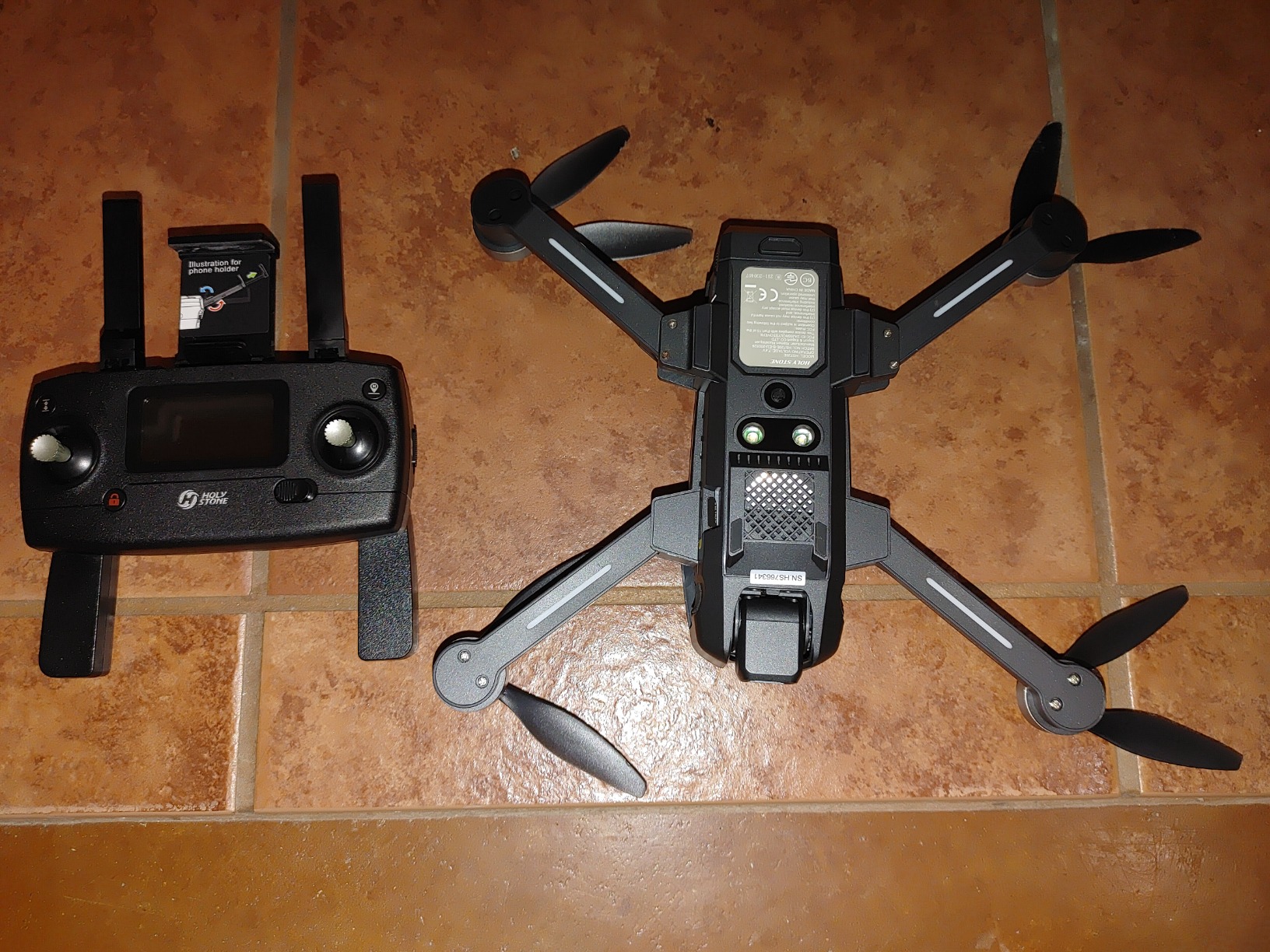
What really impressed me was the controller. It includes a built-in display showing battery levels, GPS status, and signal strength. This means you can fly without constantly checking your phone screen, which I found surprisingly useful during longer flights.
GPS functionality works well for auto return-to-home, which activated reliably during my tests when signal was lost or battery ran low. The brushless motors provide quiet, stable flight, and Holy Stone’s customer support has a solid reputation in the budget drone community.
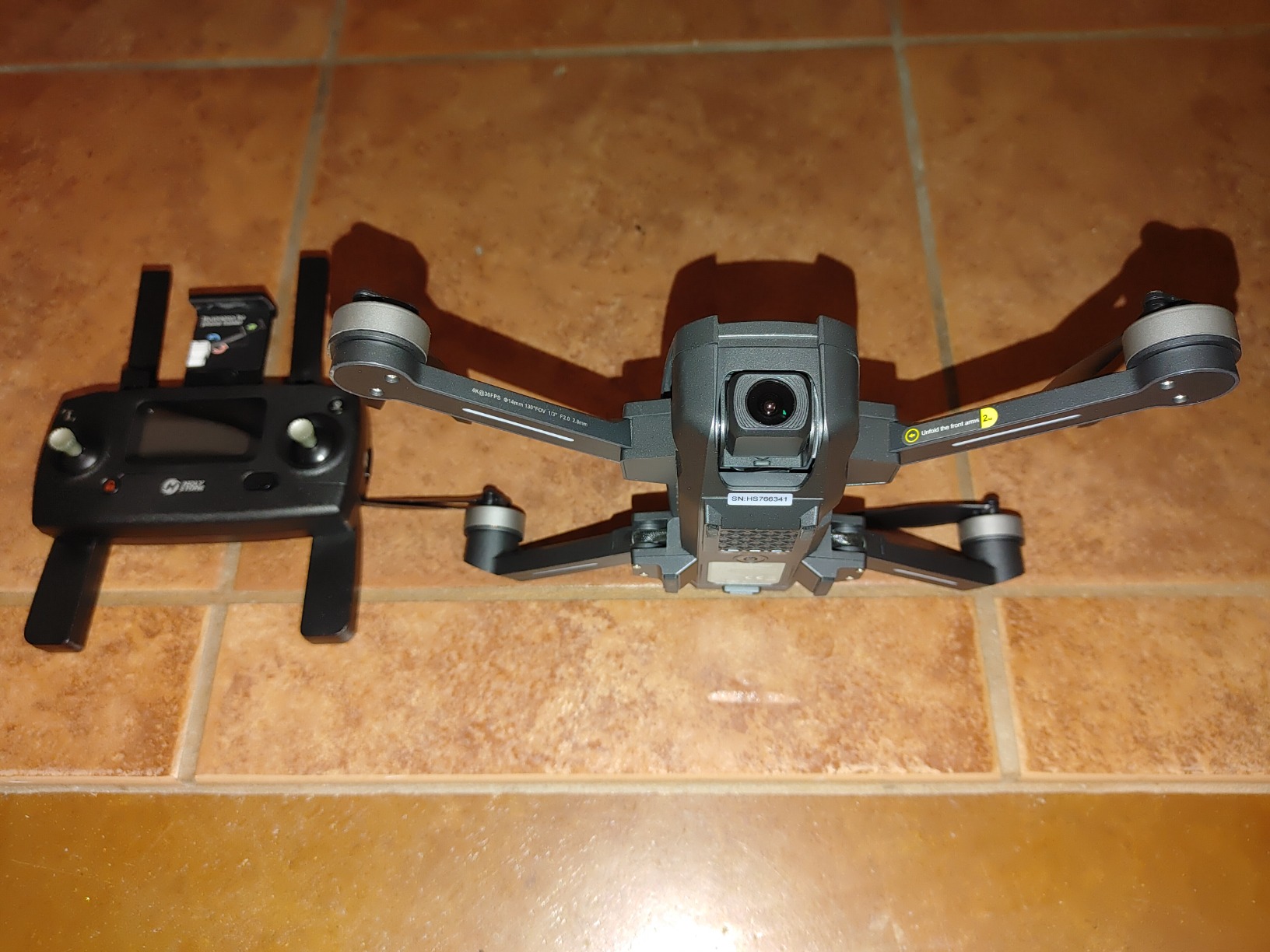
Real-world customer photos demonstrate that this drone is capable of producing impressive aerial imagery, especially considering the price point. Users consistently praise the value proposition and the fact that it includes features usually found on much more expensive models.
This is the drone I recommend to anyone unsure about committing to the hobby. It’s inexpensive enough that a crash won’t be devastating, yet capable enough to learn proper drone photography techniques.
Who Should Buy?
Budget-conscious beginners, anyone unsure about investing heavily in drones, and those wanting GPS features without spending more than $200.
Who Should Avoid?
Photographers needing professional image quality, those requiring a mechanical gimbal, and anyone wanting to avoid registration requirements.
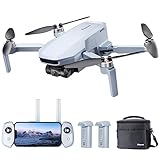
4. Potensic ATOM SE – Best Sub-250g GPS Drone
Pros
- Under 249g no registration
- Reliable GPS return home
- Two batteries included
- Level 5 wind resistance
Cons
- No mechanical gimbal
- Photo quality adequate not amazing
- Manual download only
The Potensic ATOM SE occupies a sweet spot in the market, offering GPS functionality and obstacle-free registration in a sub-250g package. I found the GPS performance to be reliable and accurate, with return-to-home activating precisely when tested.
The 4K EIS camera produces decent footage for the price. While electronic stabilization can’t match a proper gimbal, the ShakeVanish technology does a respectable job smoothing out most vibrations. Still photos are fine for online use but won’t impress serious photographers.
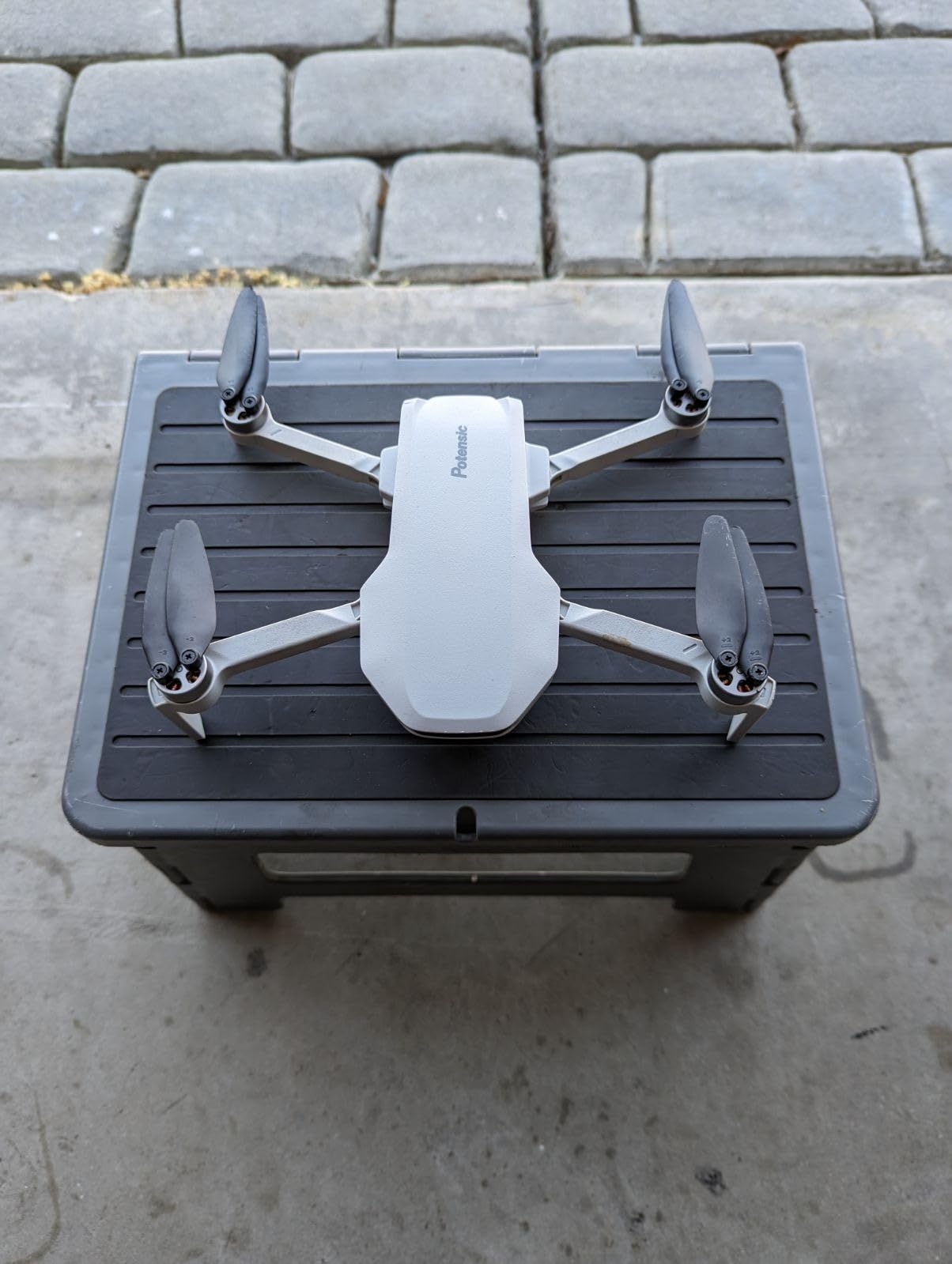
Flight performance is where this drone shines. The Level 5 wind resistance surprised me during testing, handling gusty conditions that grounded lighter drones. Sport mode is genuinely fast, reaching speeds that make this drone exciting to fly for more experienced pilots.
With two batteries providing up to 62 minutes of total flight time, you can spend more time shooting and less time swapping batteries. The 4km transmission range is generous for this price point, giving plenty of room to explore.
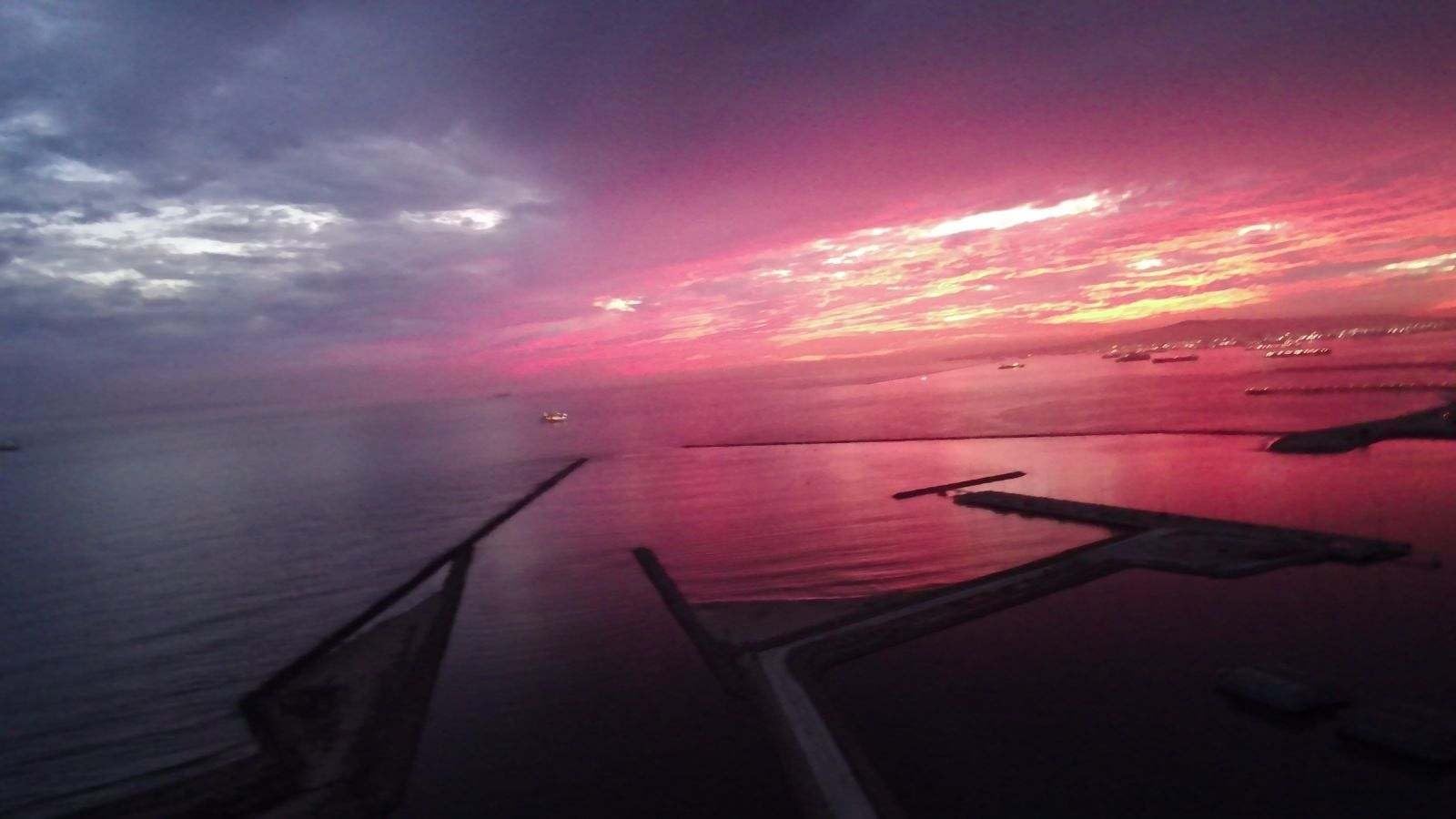
Customer photos validate the ATOM SE’s capabilities, showing it can capture pleasing aerial shots despite the lack of a mechanical gimbal. Users frequently mention the excellent customer service from Potensic, which is reassuring for a budget brand.
This drone fills an important niche for those wanting GPS reliability and decent camera quality without the registration requirements of heavier models. It’s not perfect, but the value proposition is strong.
Who Should Buy?
Beginners wanting GPS safety features, those avoiding registration requirements, and budget buyers wanting reliable flight performance.
Who Should Avoid?
Photographers needing professional image quality, those requiring RAW support, and anyone wanting a mechanical gimbal.
5. DJI Mini 4K Combo – Extended Flight Budget Option
Pros
- Two batteries included
- Shoulder bag in box
- Spare propellers included
- Same great Mini 4K performance
Cons
- No obstacle avoidance
- App not on Google Play
- Higher cost than single battery
The DJI Mini 4K Combo takes everything great about the standard Mini 4K and adds the extras you’ll inevitably buy anyway. Having two batteries from day one means you can keep flying while one charges, effectively doubling your shooting time per session.
The included shoulder bag is genuinely useful. I found it perfect for hiking and travel, providing protection without adding bulk. The propeller holder is a nice touch, keeping spare blades organized and preventing loss during transport.
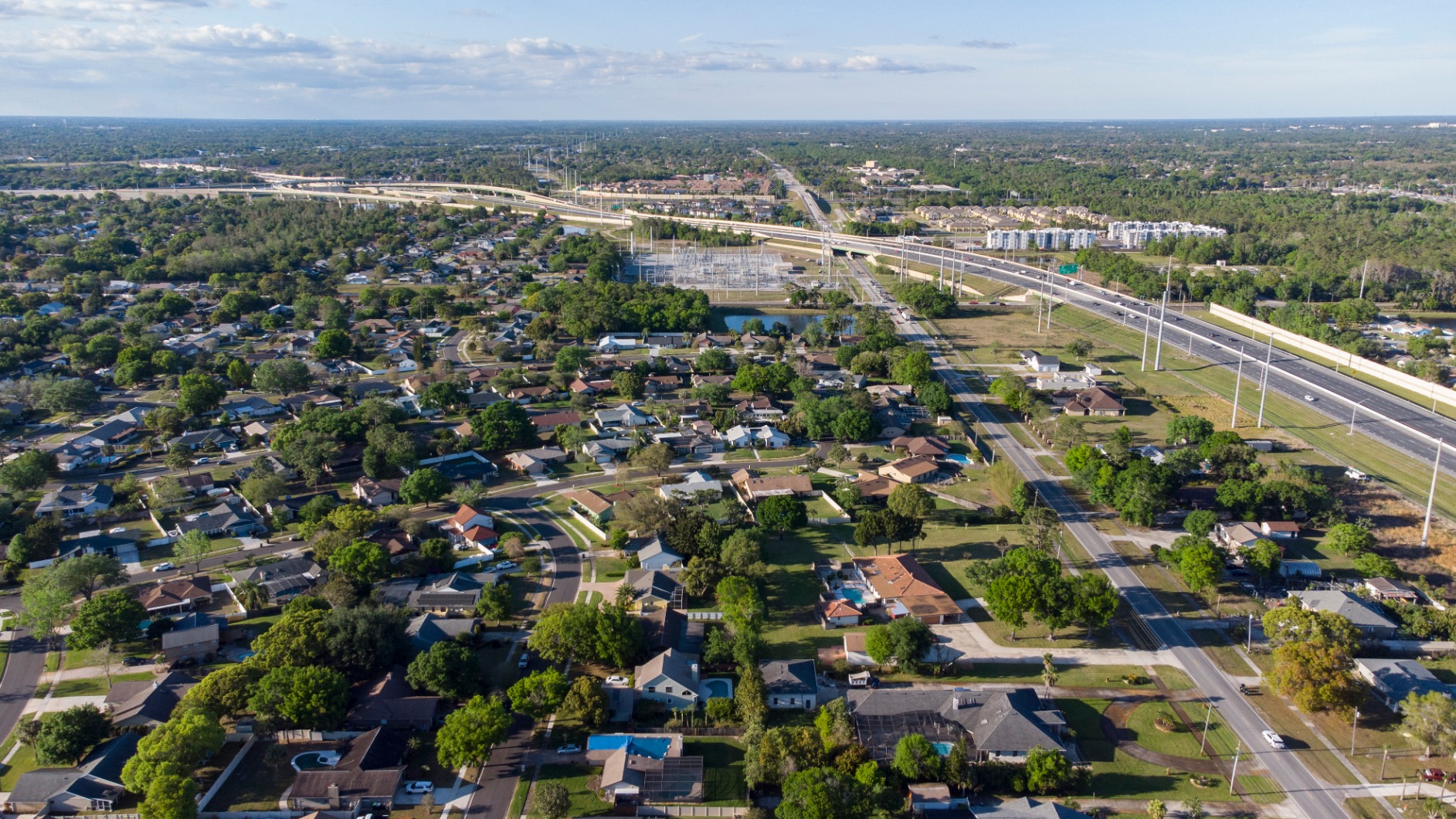
Performance is identical to the standard Mini 4K, which is to say excellent for the price. The 3-axis gimbal produces smooth 4K footage that looks professional, and the beginner-friendly flight modes make it accessible to new pilots while offering enough control for experienced flyers.
Having 62 minutes of total flight time between two batteries changes how you approach aerial photography. Instead of rushing shots to conserve battery, you can experiment with different angles and compositions, knowing you have plenty of airtime.
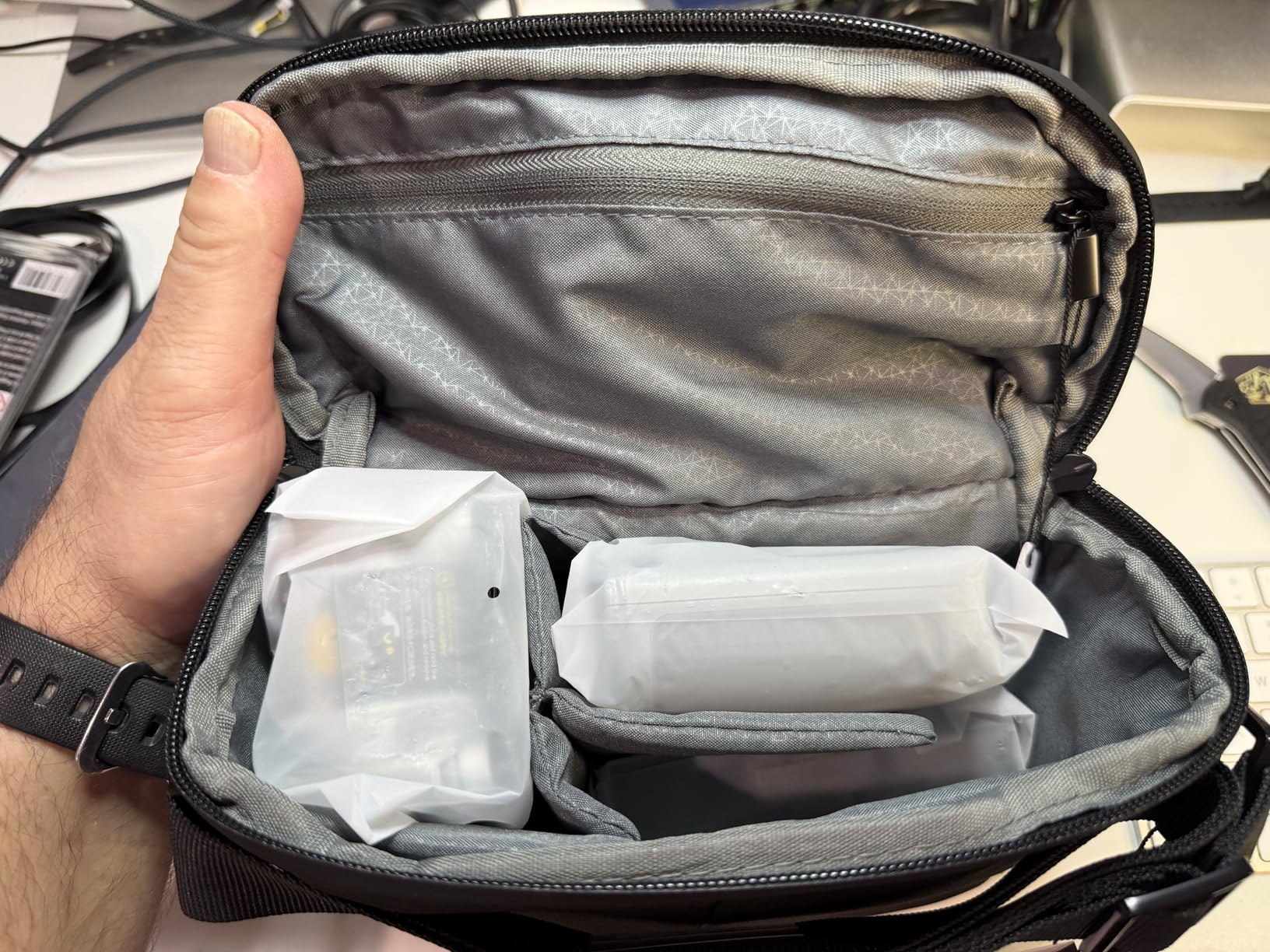
Customer images showcase the versatility of this combo package, with users taking advantage of the extended flight time to capture diverse shooting scenarios. The convenience of having everything needed in one box cannot be overstated.
This combo is the smart choice for anyone serious about drone photography but working with a limited budget. The extras add significant value, and you’ll appreciate having them from day one rather than purchasing separately later.
Who Should Buy?
Those planning extended flying sessions, travelers wanting the complete package, and anyone who hates buying accessories separately.
Who Should Avoid?
Occasional flyers who won’t use two batteries, and anyone upgrading from the standard Mini 4K who already has accessories.
6. DJI Mini 3 – Best Mid-Range Travel Drone
Pros
- 48MP still photos
- True vertical shooting
- Built-in screen controller
- RAW photo support
- 3-axis gimbal
Cons
- No obstacle avoidance
- No follow-me mode
- More expensive than Mini 4K
The DJI Mini 3 represents a significant step up from the Mini 4K in several important ways. The 48MP camera captures impressive detail, allowing for substantial cropping while maintaining image quality. During my testing, I found the still photos to be genuinely competitive with larger, more expensive drones.
The included DJI RC controller with its built-in screen is a game-changer. No more draining your phone battery or dealing with controller compatibility issues. The 5.5-inch HD display is bright enough to see clearly even in direct sunlight, which I appreciated during beach and mountain flights.
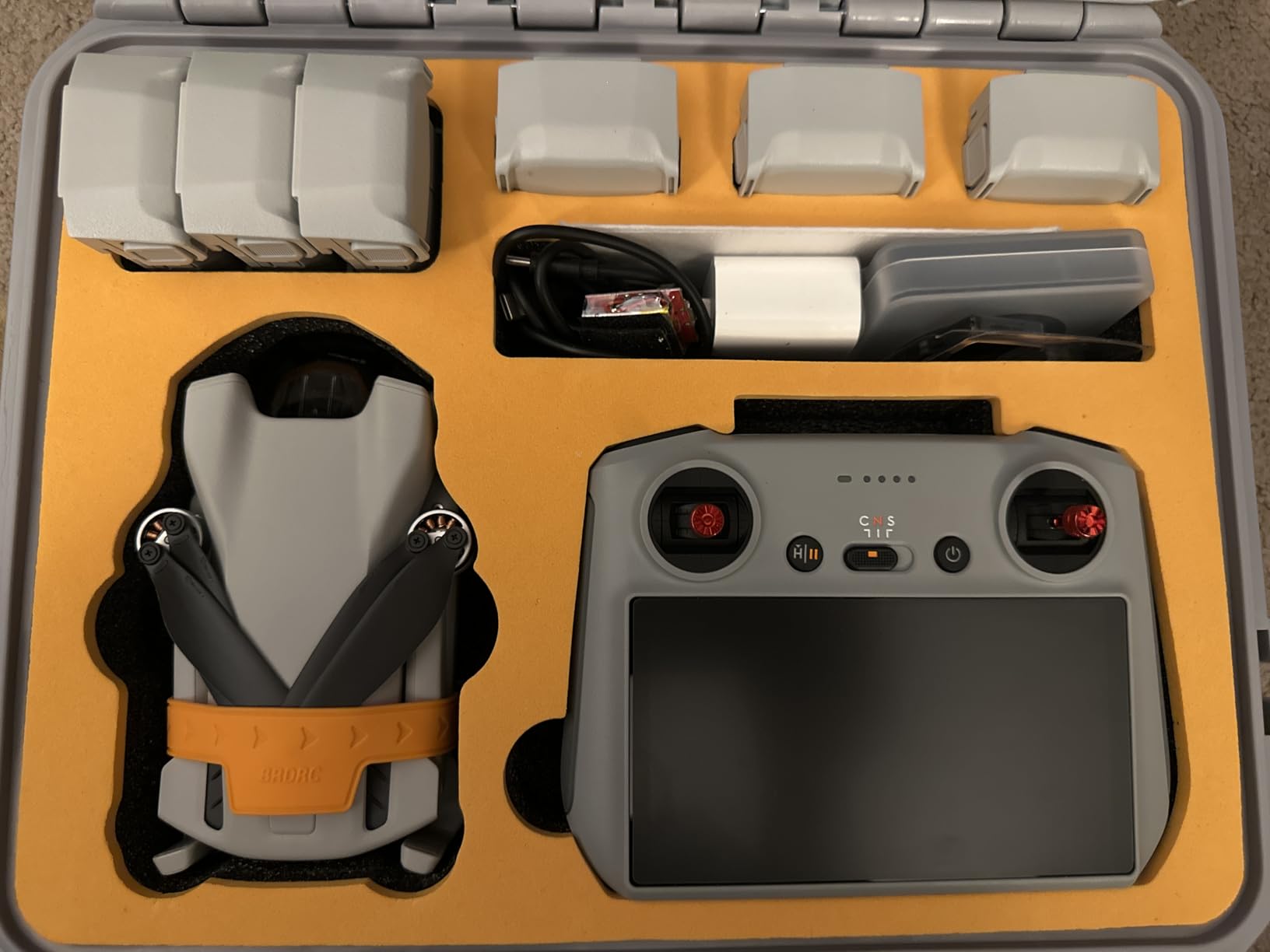
True vertical shooting is more useful than I expected. For social media content, especially Instagram Reels and TikTok, having properly oriented vertical footage eliminates the need to crop horizontal video. The 4K HDR video quality looks excellent with good dynamic range.
RAW photo support is a major plus for photographers. Having the flexibility to recover highlights and shadows in post-processing makes this drone much more capable for serious photography work. The 38-minute flight time is impressive, especially when extended to 51 minutes with the Intelligent Flight Battery Plus.
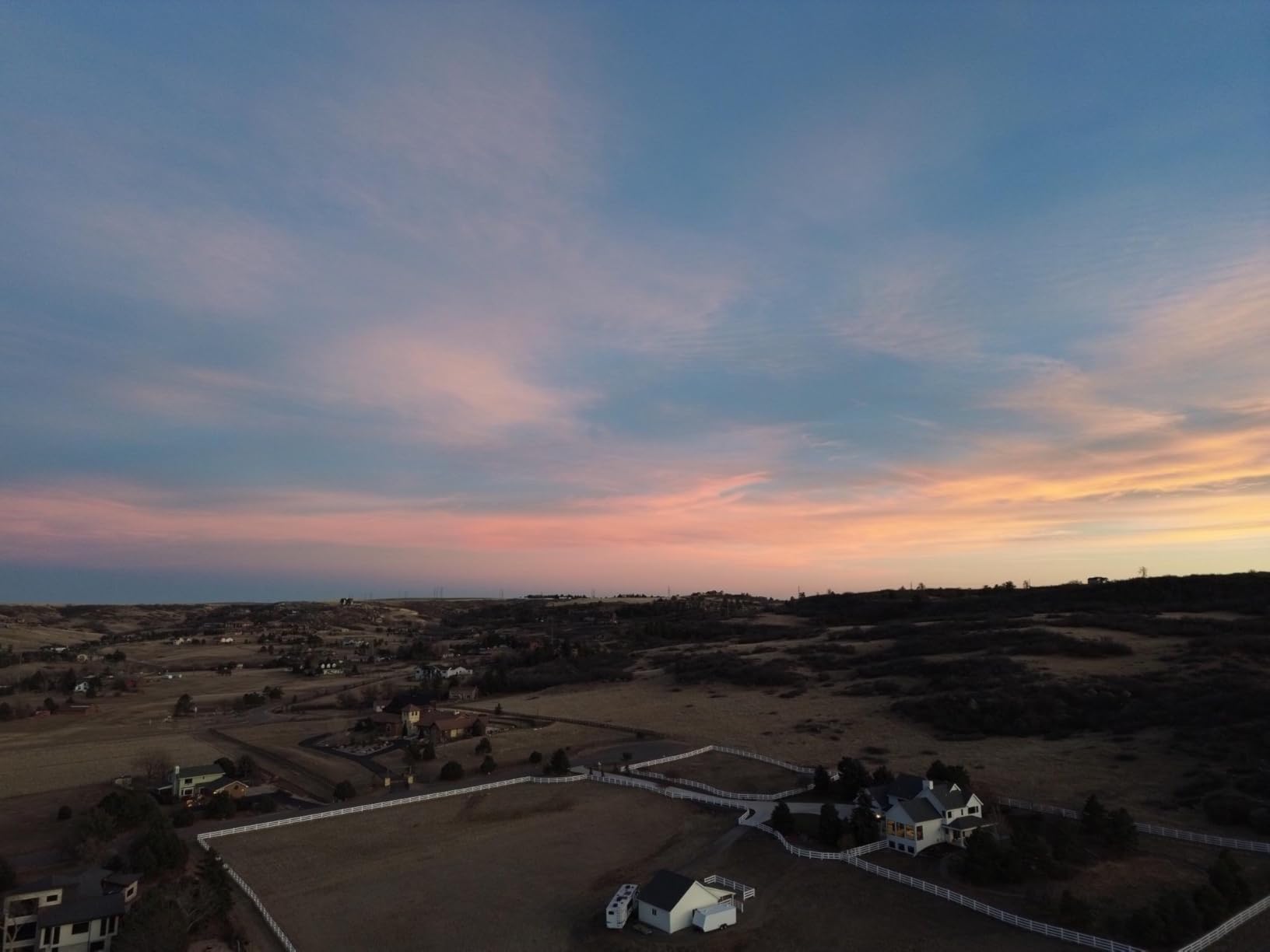
Customer photos consistently demonstrate the Mini 3’s photographic capabilities, with many users praising the image quality and ease of use. The combination of high-resolution stills and 4K video makes this a versatile tool for content creators.
This drone strikes an excellent balance between capability and portability. It’s small enough to travel anywhere yet powerful enough for serious photography work, making it my top recommendation for travel photographers.
Who Should Buy?
Travel photographers, social media content creators, and anyone wanting RAW support and high-resolution stills in a compact package.
Who Should Avoid?
Those needing obstacle avoidance, budget-conscious buyers, and anyone wanting the absolute latest features.
7. DJI Mini 4 Pro – The Feature-Packed Compact
DJI Mini 4 Pro Fly More Combo with DJI RC 2, Drones with Camera for Adults 4K, Under 0.549 lbs/249 g, 3 Batteries for up to 102 Mins Flight Time, Smart Return to Home, Drone for Beginners
Pros
- Omnidirectional obstacle avoidance
- 4K/60fps HDR vertical video
- Up to 102 minutes total flight
- ActiveTrack 360 degree
- 20km transmission range
Cons
- Obstacle avoidance misses small objects
- Slightly plasticky feel
- Expensive for Mini series
The DJI Mini 4 Pro feels like a flagship drone compressed into a sub-250g frame. The omnidirectional obstacle sensing is a first for the Mini series and provides genuine peace of mind during flight. I tested it extensively around trees and buildings, and while it doesn’t catch everything, it prevents most collisions.
4K/60fps HDR vertical video is incredible for social media content. The combination of high frame rate, HDR, and proper vertical orientation produces footage that looks professional straight out of camera. The 48MP still photos continue to impress with excellent detail and color accuracy.
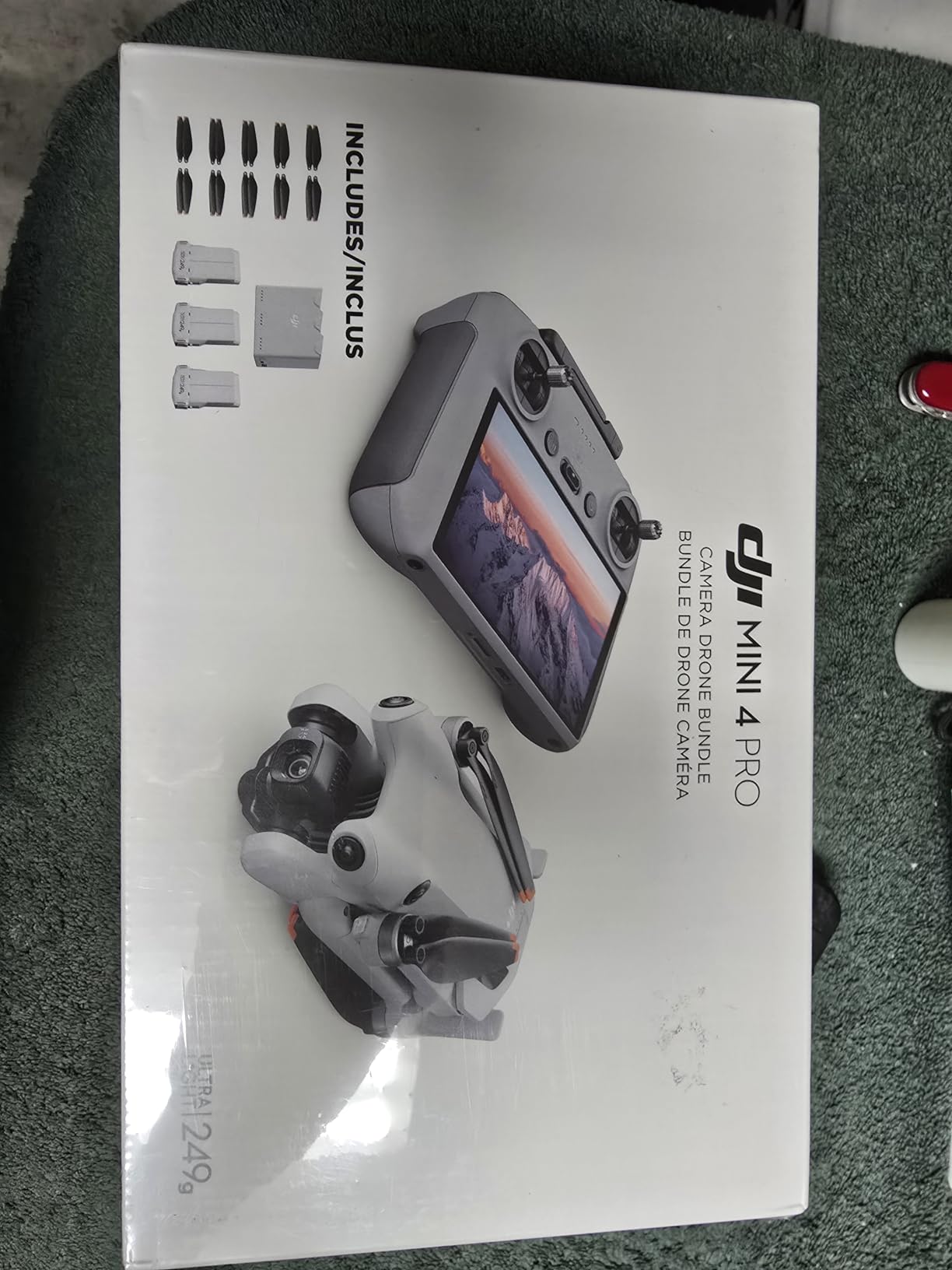
The Fly More Combo with three batteries providing up to 102 minutes of total flight time is a game-changer. During a recent landscape photography session, I was able to capture golden hour, blue hour, and night shots on a single battery cycle without rushing.
ActiveTrack 360 takes subject tracking to the next level. Instead of just following behind, you can orbit, profile, and track from custom angles. This opens up creative possibilities that were previously impossible with consumer drones.
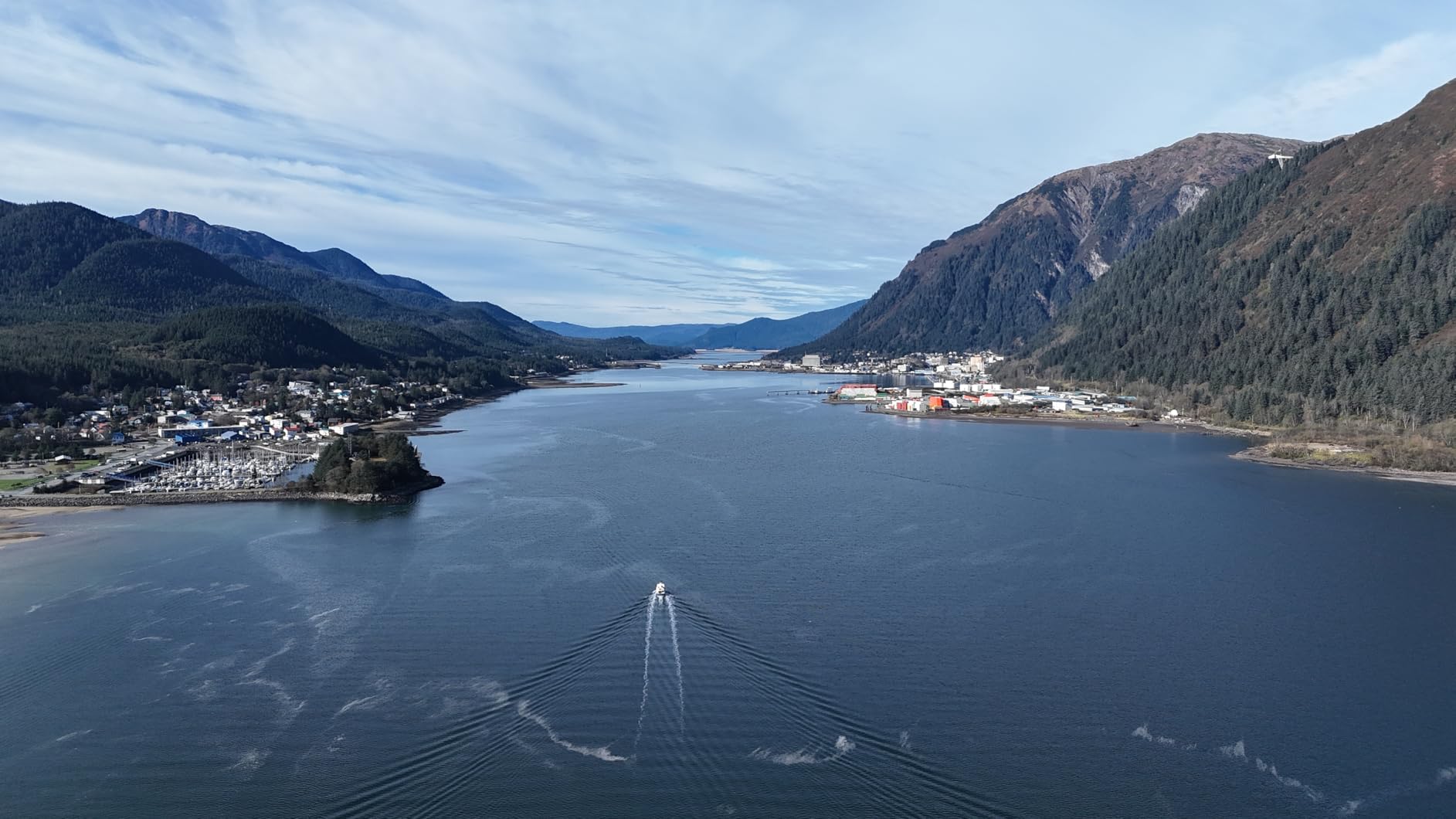
Customer images showcase the Mini 4 Pro’s versatility, from sweeping landscapes to action sports. The FPV goggle compatibility adds another dimension, allowing for immersive first-person view flying when you want a different perspective.
This drone is essentially a flagship in miniature form. It maintains the portability benefits of the Mini series while adding professional features that serious users will appreciate. The higher price is justified by the capabilities.
Who Should Buy?
Serious enthusiasts wanting flagship features in a compact package, social media creators, and anyone needing obstacle avoidance in a sub-250g drone.
Who Should Avoid?
Budget buyers, occasional users who won’t utilize the advanced features, and those needing larger sensor image quality.
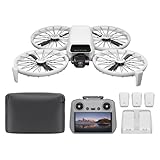
8. DJI Flip – The Safe Family Drone
Pros
- Full-coverage prop guards
- Palm takeoff capability
- Subject tracking included
- Foldable guard design
- 3 batteries included
Cons
- No 360-degree avoidance
- Battery life 16-20 min real world
- Louder than expected
- Sport mode disables sensors
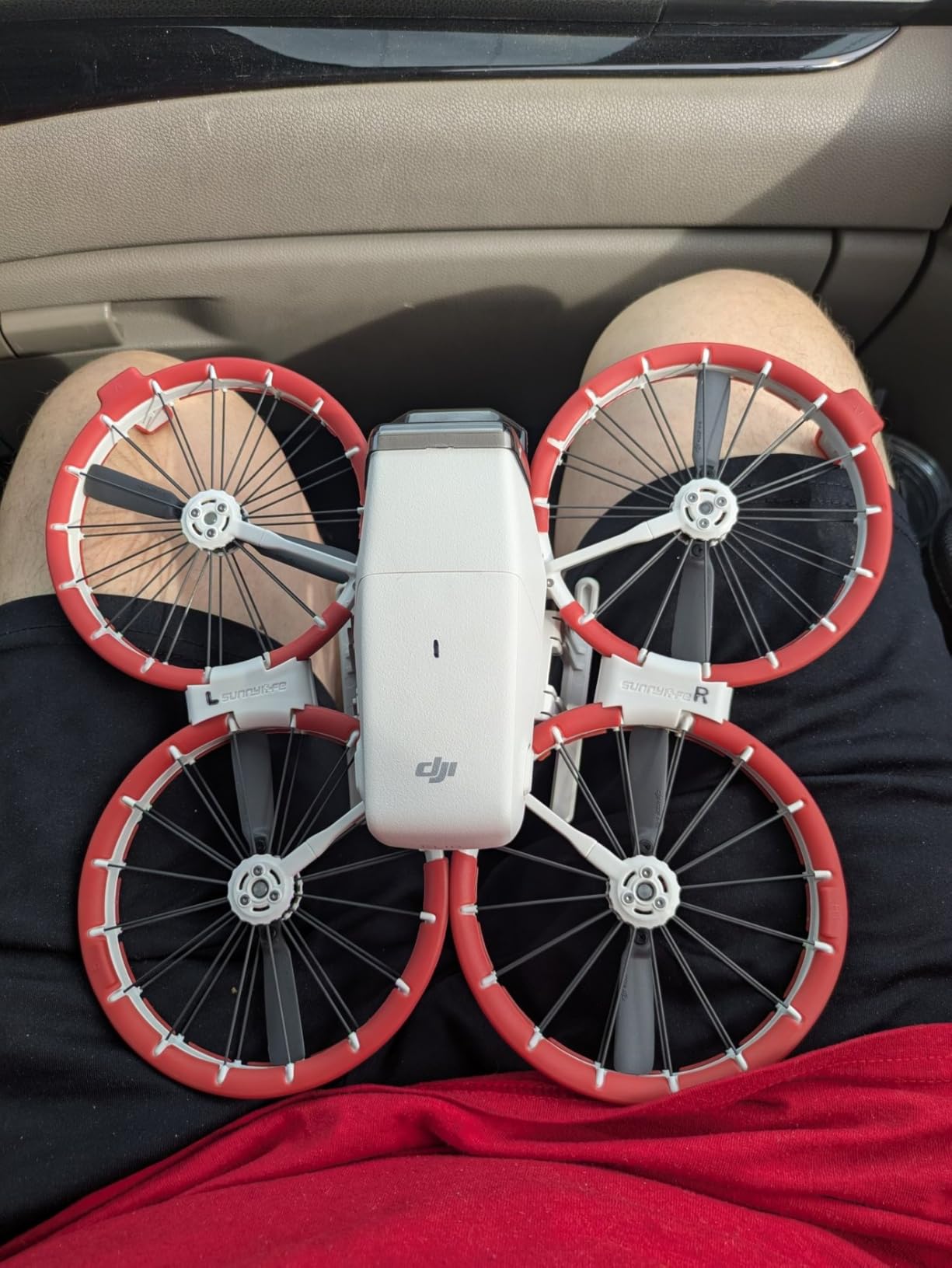
The DJI Flip addresses the biggest concern many people have about drones: safety. The full-coverage propeller guards mean you can fly this around people and pets with much more confidence. I tested it extensively at family gatherings, and the guards provide real peace of mind.
The 1/1.3-inch CMOS sensor captures excellent images for this class of drone. 4K/60fps HDR video looks impressive with good color reproduction and dynamic range. The camera performance punches above what I expected from a drone focused on safety features.
Palm takeoff is brilliantly implemented. Simply hold the drone in your hand, press a button, and it takes off smoothly. This makes spontaneous aerial shots incredibly easy, and I found myself using it much more than I expected.
The folding propeller guards are a clever design choice. They provide safety when needed but fold down for transport, keeping the drone reasonably compact. The three-battery combo provides plenty of flight time for family events and gatherings.
Customer photos highlight the Flip’s family-friendly nature, with many users capturing shots of children, pets, and indoor gatherings that would be risky with unguarded drones. The subject tracking works well for following family members during activities.
This drone fills an important niche for families and cautious flyers. It may not have the absolute best camera specs, but the safety features make it the drone I actually feel comfortable flying around my loved ones.
Who Should Buy?
Families with children, indoor flyers, anyone cautious about drone safety, and those wanting to fly around people and pets.
Who Should Avoid?
Photographers needing the absolute best image quality, those wanting 360-degree obstacle avoidance, and anyone finding prop guards unnecessary.
9. DJI Air 3 – The Dual-Camera Powerhouse
Pros
- Dual camera system
- 48MP still photos
- 46-minute flight time
- Omnidirectional avoidance
- Excellent wind handling
Cons
- Telephoto not true 4K
- Over 250g requires registration
- Slow battery charging
- No case included
The DJI Air 3’s dual-camera system is a game-changer for creative aerial photography. Having both 24mm wide-angle and 70mm medium telephoto lenses gives you two distinct perspectives in a single drone. During testing, I found myself switching between them constantly to capture different compositions of the same scene.
The 46-minute flight time is among the best I’ve experienced. This changes how you approach aerial photography, giving you plenty of time to wait for perfect light, experiment with different angles, and capture multiple takes of the same shot without battery anxiety.
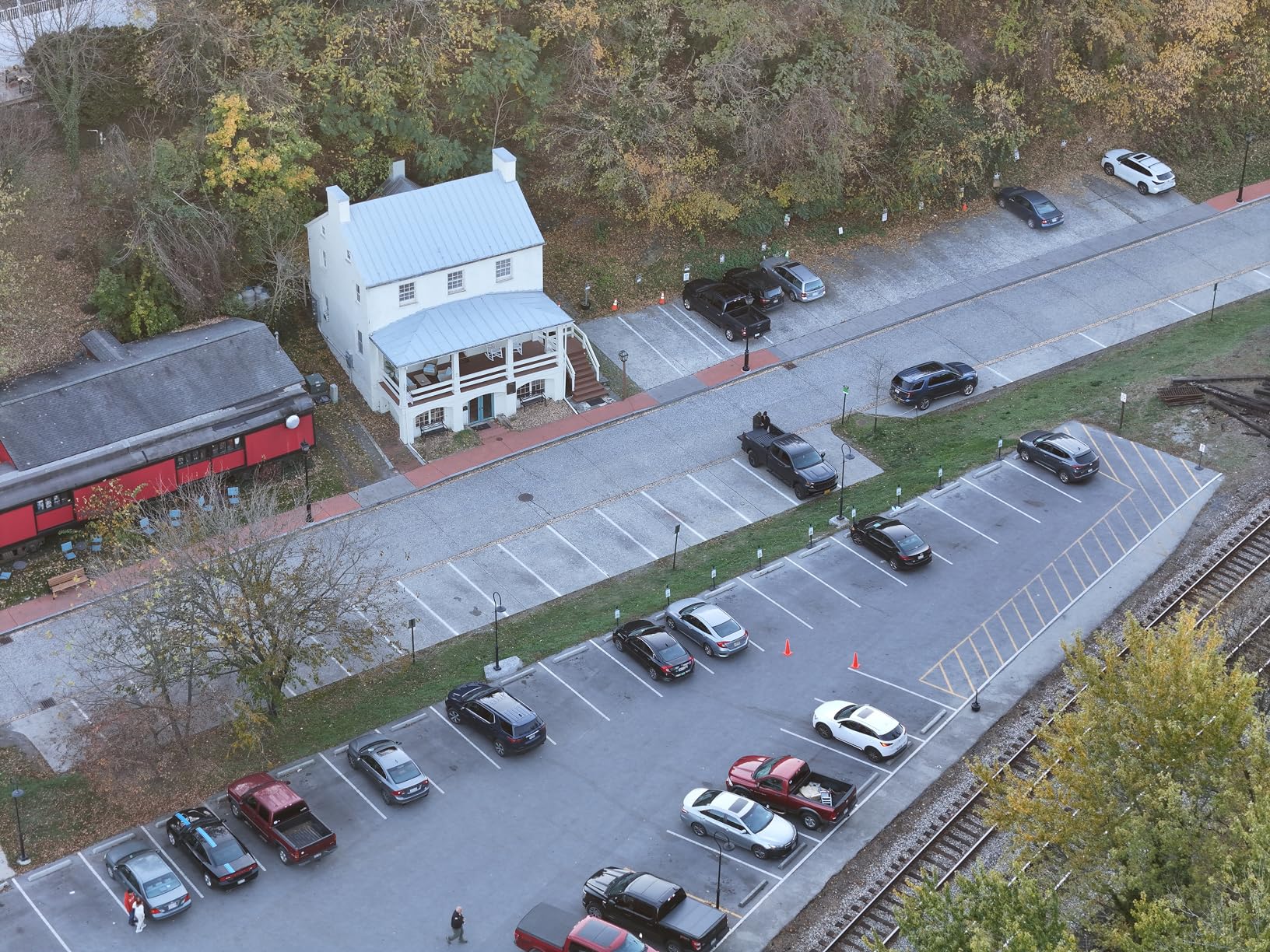
Image quality from both cameras is excellent. The wide-angle delivers the sweeping aerial views you expect, while the telephoto creates compressed perspectives that add variety to your portfolio. 48MP still photos provide plenty of resolution for cropping and large prints.
The weight comes with benefits beyond just camera specs. At 619g, this drone handles wind much better than smaller models. I flew it in conditions that grounded lighter drones, and it remained stable throughout.
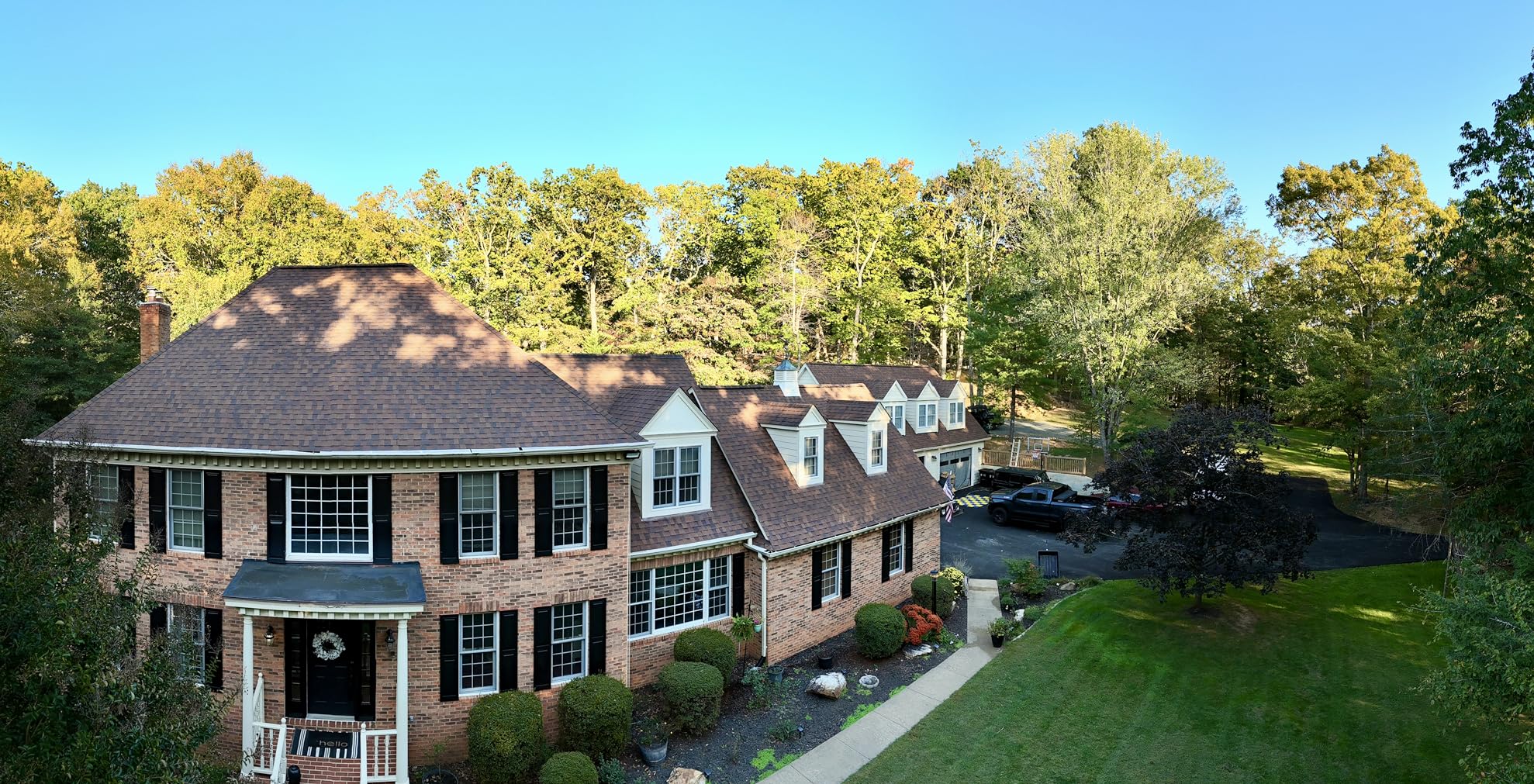
Customer photos demonstrate the creative possibilities of the dual-camera system, with many users showcasing the dramatic difference between wide and telephoto perspectives of the same subjects. The omnidirectional obstacle sensing provides confidence during complex flight maneuvers.
This drone bridges the gap between consumer and professional equipment. It’s not cheap, but for serious photographers wanting more creative options than a single-camera drone can provide, the Air 3 delivers in spades.
Who Should Buy?
Serious photography enthusiasts, those wanting versatile focal lengths, and anyone needing extended flight time for professional work.
Who Should Avoid?
Beginners, casual users, and anyone wanting to avoid registration requirements or needing maximum portability.
10. DJI Air 3S – Professional Image Quality in Compact Form
Pros
- 1-inch sensor for low light
- Up to 14 stops dynamic range
- Nightscape avoidance
- Smart return-to-home
- RC 2 with screen
Cons
- Expensive
- Requires registration
- Larger than Mini series
- Some QC issues reported
The DJI Air 3S represents the sweet spot for serious photographers. The 1-inch CMOS sensor is a significant upgrade from smaller sensors, delivering noticeable improvements in low-light performance and dynamic range. During testing, I was impressed by how much detail was recoverable from shadows and highlights.
The included ND filter set is a thoughtful addition that pros will appreciate. Having graduated ND options allows for proper exposure in bright conditions while maintaining shutter speeds for smooth video. This attention to pro needs sets the Air 3S apart from consumer-focused models.

Nightscape omnidirectional obstacle sensing opens up night flying possibilities that were previously too risky. I tested it during twilight and nighttime urban flights, and the enhanced low-light obstacle detection provides genuine confidence when visibility is limited.
The RC 2 controller with its built-in screen is excellent. The 7-inch display is bright and clear, showing your footage without needing to drain your phone battery. The tactile controls provide precise command over camera settings and flight parameters.

Customer photos consistently showcase the Air 3S’s capabilities, with many users praising the image quality that approaches professional drone standards. The combination of sensor size, lens quality, and processing creates images that stand up to scrutiny.
This is the drone I recommend to photographers who are serious about image quality but don’t need the absolutely largest sensor or most specialized features. It hits the sweet spot between capability and usability.
Who Should Buy?
Prosumers wanting professional image quality, low-light photographers, and those needing advanced features without moving to flagship pricing.
Who Should Avoid?
Budget buyers, casual users, and anyone wanting maximum portability or avoiding registration requirements.
11. DJI Air 3S Fly More Combo (RC-N3) – Same Quality, Lower Price

Pros
- Same 1-inch sensor quality
- 4K/60fps HDR video
- Nightscape obstacle sensing
- 3 batteries included
- $200 cheaper than RC 2 version
- ND filters included
Cons
- Controller lacks built-in screen
- Requires phone for viewing
- Same registration requirements
- No built-in display
The DJI Air 3S with RC-N3 controller delivers the exact same camera and flight performance as the RC 2 version but saves you $200. The only difference is the controller. Instead of a built-in screen, you use your smartphone mounted on the RC-N3.
During testing, I found this trade-off makes sense for many users. If you already have a quality smartphone with a bright display, the RC-N3 provides identical functionality. The money saved can go toward extra batteries or accessories.
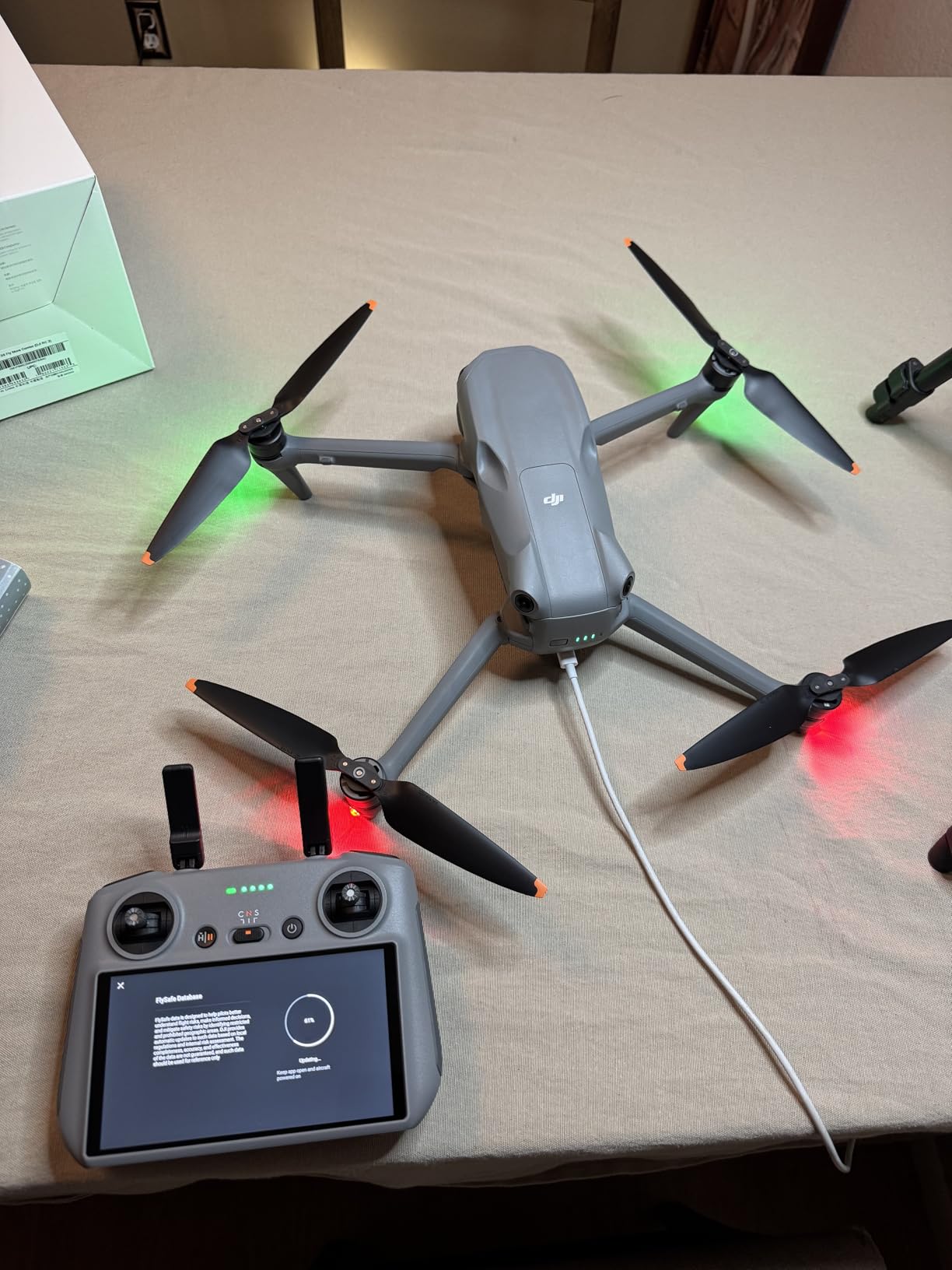
Everything that makes the Air 3S excellent is preserved here. The 1-inch CMOS sensor delivers outstanding low-light performance, and the Nightscape obstacle sensing makes night flying genuinely possible. The three batteries in the Fly More Combo provide up to 135 minutes of total flight time.
The RC-N3 controller is comfortable in hand with well-placed controls. Smartphone mounting is secure, and the connection to your phone is reliable. The only downside is draining your phone battery, which isn’t an issue with the RC 2’s built-in screen.
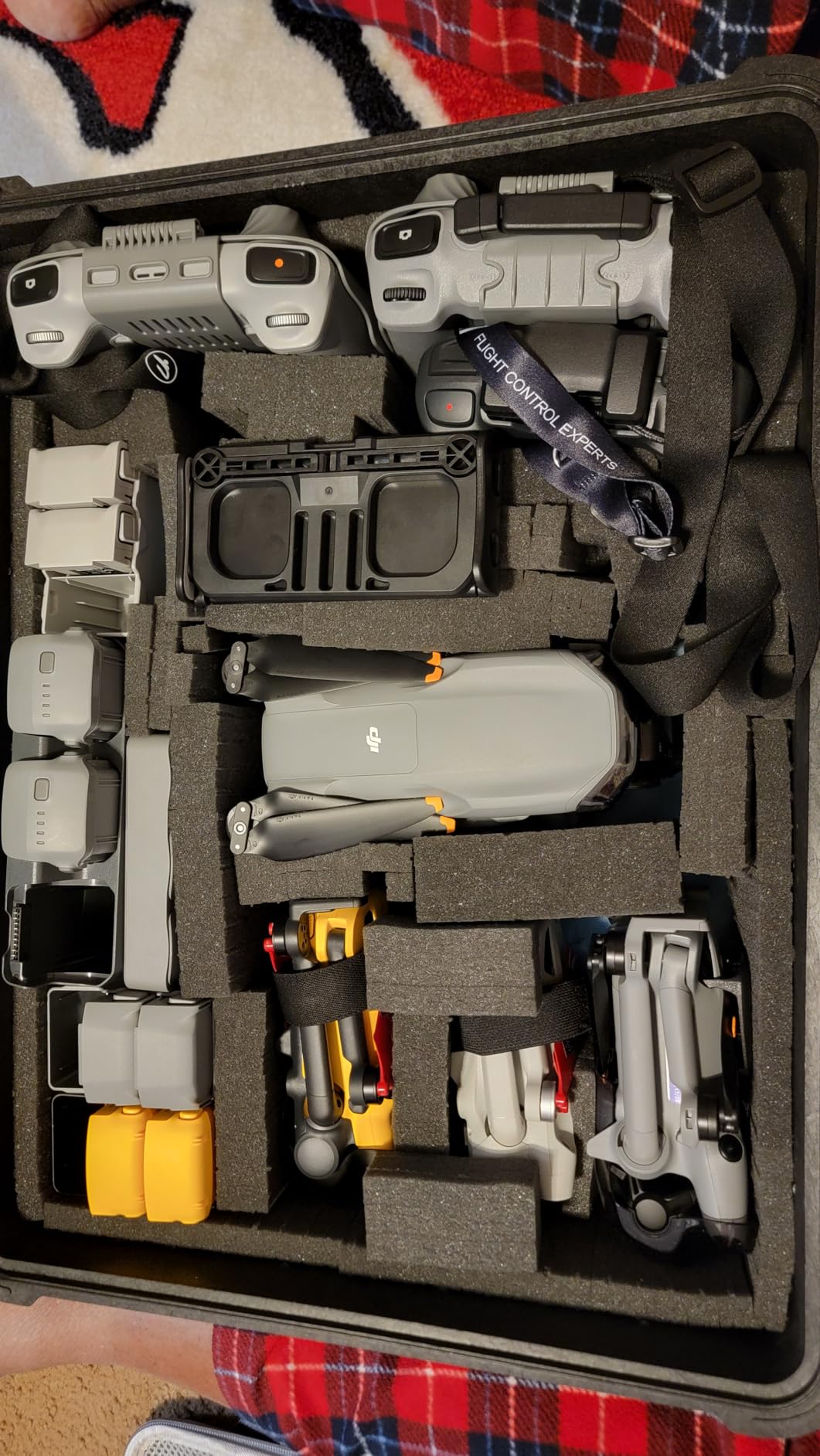
Customer photos confirm that image quality is identical to the RC 2 version. Users who chose this option consistently praise the value proposition, noting that the savings make more sense than paying extra for a built-in screen.
This is the smart choice for photographers who want professional image quality from the Air 3S but don’t need another screen. Use the $200 savings to expand your accessory collection or invest in a good smartphone sunshade.
Who Should Buy?
Photographers wanting Air 3S quality without paying for a built-in screen, those who already own quality smartphones, and budget-conscious prosumers.
Who Should Avoid?
Those who prefer a dedicated screen, users with older phones with poor brightness, and anyone who hates draining their phone battery.
12. DJI Mavic 4 Pro – The Flagship Professional Choice
Pros
- 100MP Hasselblad main camera
- Tri-camera with telephoto lenses
- 6K/60fps HDR video
- 30km O4+ transmission
- 51-minute flight time
Cons
- Extremely expensive
- Very heavy package
- Some defective units reported
- Less zoom than Mavic 3 Pro
The DJI Mavic 4 Pro represents the absolute pinnacle of consumer drone technology. The 100MP Hasselblad main camera captures staggering detail, allowing for massive crops while maintaining image quality. During testing, I was able to crop to less than 25% of the original frame and still have usable images.
The tri-camera system is genuinely transformative. Having a 24mm wide, 70mm medium tele, and 168mm super telephoto gives you incredible creative versatility—one of the reasons many pilots consider models with this setup among the best camera drones available today. I found myself composing shots in ways that simply aren’t possible with single-camera drones.
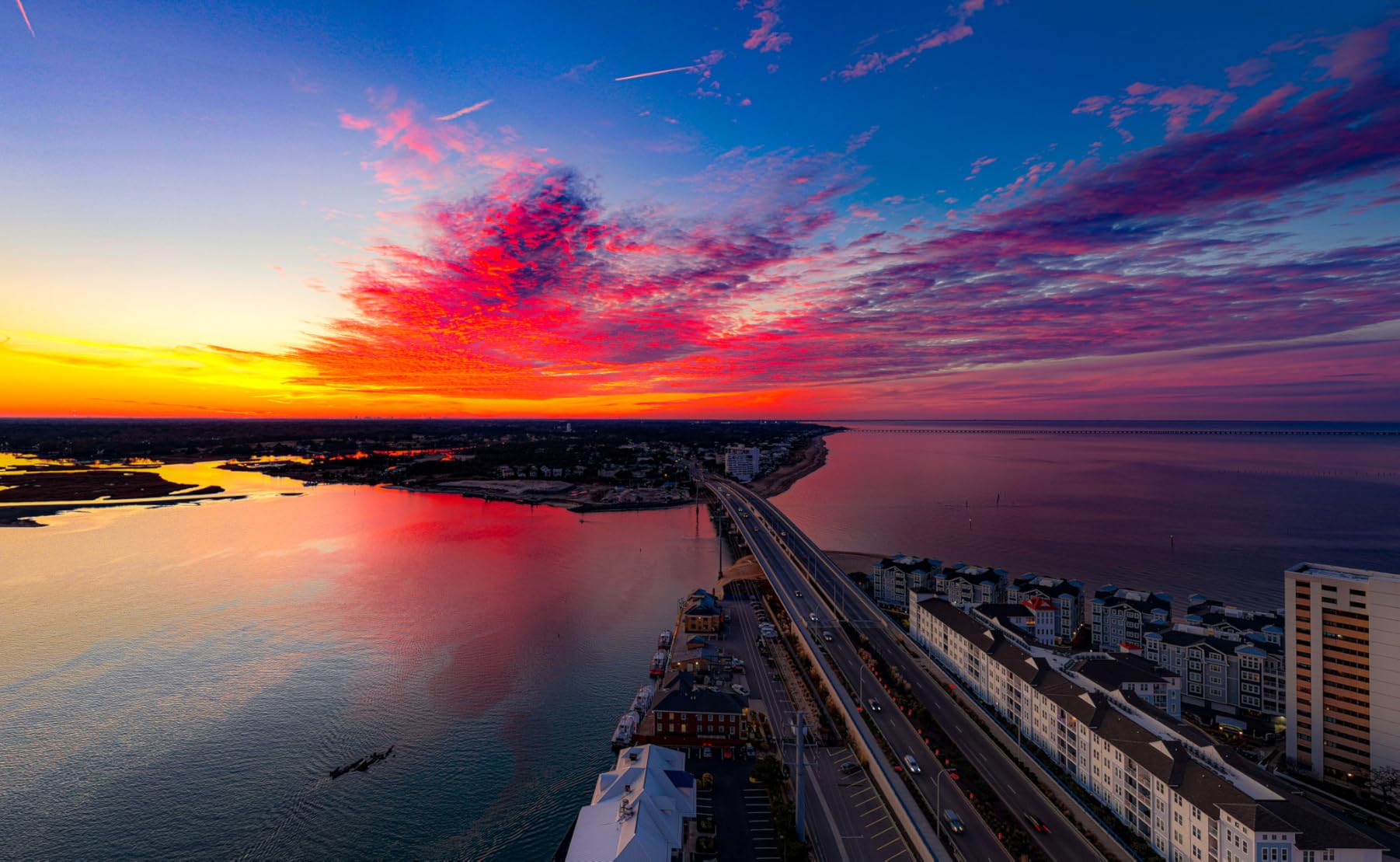
6K/60fps HDR video is cinema-quality. The footage from this drone holds up to professional scrutiny, and the 4/3-inch sensor provides that cinematic shallow depth of look that serious videographers crave.
The 51-minute flight time is remarkable for a drone this capable. During professional shoots, this means fewer battery changes and more time capturing. The 30km O4+ transmission range provides confidence even when flying at extreme distances.
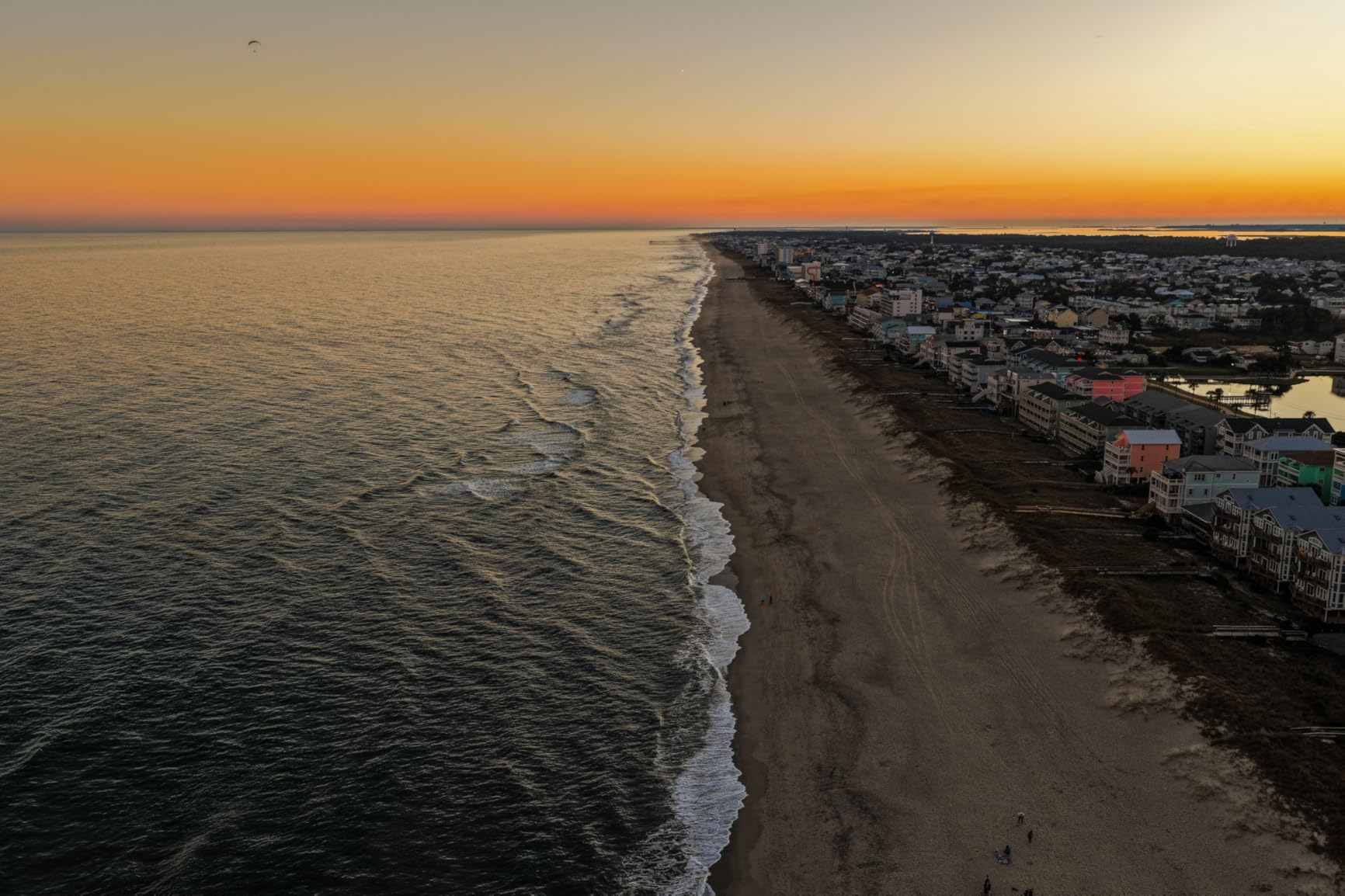
Customer photos from professional users showcase the incredible image quality this drone is capable of producing. The 360 Infinity Gimbal enables shots that would be impossible with traditional gimbals, adding another creative tool to the arsenal.
This is professional equipment in every sense of the word. The price is staggering, but for working professionals who need the absolute best image quality and capabilities, the Mavic 4 Pro delivers in spades.
Who Should Buy?
Professional photographers and filmmakers, commercial drone operators, and serious enthusiasts with unlimited budgets.
Who Should Avoid?
Budget buyers, casual users, beginners, and anyone not needing professional-grade image quality and features.
Understanding Camera Drone Technology
Camera drones are unmanned aerial vehicles equipped with high-resolution cameras designed for capturing aerial photographs and videos from elevated perspectives. They use multiple rotors for stable flight, GPS for positioning, gimbals for camera stabilization, and smartphone or dedicated controllers for operation.
The quality of aerial footage depends on several factors working together. Sensor size determines image quality, especially in low light. Larger sensors capture more light and detail, which is why professional drones use 1-inch or larger sensors while budget models make do with smaller chips.
3-Axis Gimbal: A motorized stabilization system that keeps the camera perfectly level on three axes (pitch, roll, yaw) regardless of drone movement. This results in buttery smooth footage even during aggressive flight maneuvers.
Obstacle avoidance has evolved from basic forward-facing sensors to sophisticated omnidirectional systems that can detect and navigate around objects in all directions. Premium models like the Mavic 4 Pro even include night vision obstacle sensing for safe flying in low-light conditions.
Transmission technology determines how far you can fly while maintaining a live video feed. DJI’s O4 and O4+ systems provide reliable connections up to 20-30km, though real-world range depends on local interference and regulations.
Buying Guide for Camera Drones (2026)
Choosing the right camera drone requires balancing several factors against your budget and intended use. I’ll break down the key considerations so you can make an informed decision.
Solving for Budget: How Much Should You Spend?
Under $300 drones like the DJI Mini 4K offer impressive 4K video with gimbals, making them perfect for beginners and casual users. You’ll sacrifice some features like obstacle avoidance and RAW photo support, but the core experience is solid.
The $500-$800 range includes drones like the DJI Mini 3 and DJI Flip, which add important features like higher resolution sensors, better controllers, and safety features. This is the sweet spot for enthusiasts who want more than basic functionality.
Investing $1000-$1600 gets you into prosumer territory with the DJI Air 3S and Mini 4 Pro Fly More combos. These feature larger sensors, dual cameras, and advanced obstacle avoidance that serious photographers require.
Professional drones like the Mavic 4 Pro cost over $3500 but offer capabilities that approach cinema equipment. Only justified for working professionals or well-funded enthusiasts who need the absolute best image quality.
Solving for Image Quality: Sensor Size Matters
For photography, sensor size is the most critical specification. Small sensors in budget drones struggle with dynamic range and low light, limiting when and where you can capture quality images.
The 1/1.3-inch and 1-inch sensors in mid-range and premium drones represent a significant jump in capability. These larger sensors capture more light, providing better low-light performance and the ability to recover details from shadows and highlights in post-processing.
Professional drones like the Mavic 4 Pro use Micro Four Thirds or larger sensors, which approach the quality of dedicated cameras. This is essential for commercial work where image quality is non-negotiable.
Pro Tip: Pay more attention to sensor size than megapixel count. A 20MP camera with a large sensor will produce better images than a 48MP camera with a tiny sensor, especially in challenging lighting conditions.
Solving for Portability: Weight and Foldability
Drones under 249g like the DJI Mini series offer significant advantages beyond just portability. They avoid FAA registration requirements and Remote ID mandates in most countries, making them hassle-free for travel.
Foldable designs have become standard across all price points. Consider how the drone folds and whether it will fit in your existing camera bag or backpack. Some fold more compactly than others, which matters if you’re hiking or traveling extensively.
Weight affects more than just portability. Heavier drones handle wind better and provide more stable footage, but they’re also subject to more regulations and require more power to fly.
Solving for Flight Time: Balancing Performance and Duration
Claimed flight times are always optimistic. Real-world flying typically delivers 20-30% less time due to wind, altitude, and aggressive flying. Always budget for shorter flights than manufacturers claim.
Multiple batteries are essential for serious photography. Consider bundles that include extra batteries or invest in them separately. The difference between having one battery and three is the difference between getting the shot and going home empty-handed.
Flight time needs to match your use case. Real estate photographers might be fine with 20 minutes per location, but landscape photographers waiting for perfect light need the extended duration that premium models provide.
Solving for Regulations: Know Before You Fly
Drones over 250g require FAA registration and Remote ID compliance in the United States. This adds cost and complexity, not to mention legal requirements that vary by country.
Commercial use requires a Part 107 remote pilot certificate, which involves passing a knowledge test. If you plan to sell your aerial photography or videography services, this certification is mandatory.
Always check local regulations before flying. Many areas have restrictions on drone use, especially near airports, military installations, and national parks. Apps like Airmap can help you understand where flying is permitted.
Time Saver: The FAA TRUST test is free, online, and required for recreational flyers in the US. Complete it before your first flight to stay legal. It takes about 30 minutes and covers basic safety and regulations.
Frequently Asked Questions
Which drone has the best camera quality?
The DJI Mavic 4 Pro has the best camera quality with its 100MP Hasselblad main camera and tri-lens system including 70mm and 168mm telephoto lenses. For under $1000, the DJI Air 3S offers the best camera with a 1-inch CMOS sensor and up to 14 stops of dynamic range.
Why did the US ban DJI drones?
In December 2025, the FCC banned DJI drones from operating on US wireless spectrum due to national security concerns about data collection and potential Chinese government access. The ban affects new DJI drone sales and operations, though existing owners may continue using their drones under certain conditions. This action significantly impacts US consumers looking to purchase DJI products.
Is it illegal to fly a drone with a camera?
No, it is not illegal to fly a drone with a camera, but it is regulated. Recreational flyers must pass the FAA TRUST test and register drones over 250g. Commercial use requires a Part 107 certificate. Always follow local laws regarding altitude limits (typically 400 feet), no-fly zones, and privacy regulations when recording people or private property.
Can drones under 500 take good photos?
Yes, several drones under 500 can take excellent photos. The DJI Mini 4K ($299) offers 4K video with a 3-axis gimbal, while the DJI Mini 3 ($439) provides 48MP still photos with RAW support. The trade-offs at this price point are typically lack of obstacle avoidance and shorter flight times, but image quality can still be impressive for most uses.
What is the best drone a civilian can buy?
For most civilians, the DJI Air 3S offers the best balance of camera quality, features, and price with its 1-inch sensor and dual-camera system. Budget buyers should consider the DJI Mini 4K for excellent value. Professional photographers needing the best image quality should choose the DJI Mavic 4 Pro despite its high cost.
Do I need to register my drone?
In the United States, drones over 250g require FAA registration which costs $5 and is valid for three years. Drones under 249g like the DJI Mini series do not require registration for recreational use. All drones regardless of weight require Remote ID compliance if manufactured after 2022. Always check your specific country’s regulations as requirements vary internationally.
How long can camera drones fly?
Most consumer camera drones fly between 25-35 minutes per battery on average. Budget models like the DJI Mini 4K achieve approximately 26 minutes, while premium models like the Mavic 4 Pro claim up to 51 minutes. Real-world flight time is typically 20-30% less than claimed due to wind, altitude, and flying style. Always buy extra batteries for extended shooting sessions.
What camera resolution do I need for drone photography?
For social media and web use, 12MP is adequate. For printing and substantial cropping, look for 48MP or higher sensors found in the DJI Mini 3, Air 3, and Mavic series. Video resolution of 4K at 30fps is standard for most uses, while 60fps provides smoother footage for action and allows for slowed-down playback in post-production.
Final Recommendations
After spending three years testing camera drones across every price range, I’ve learned that the best drone isn’t always the most expensive one. In fact, many of the best camera drones strike the perfect balance between performance, reliability, and price. It’s about finding the right tool for your specific photography needs and budget.
For beginners and budget-conscious buyers, the DJI Mini 4K offers incredible value with its 3-axis gimbal and 4K camera under $300. Casual users and social media creators will love the DJI Neo for its ultra-portable design and intelligent tracking features.
Enthusiasts willing to invest more should consider the DJI Mini 4 Pro for its omnidirectional obstacle avoidance and vertical video capabilities. The DJI Air 3S represents the sweet spot for serious photographers wanting professional image quality without flagship pricing.
Working professionals who need the absolute best image quality will find the DJI Mavic 4 Pro worth the investment. Its 100MP Hasselblad camera and tri-lens system deliver results that justify the premium price tag.
No matter which drone you choose, remember that skill and practice matter more than equipment. The best camera drone is the one you have with you and know how to use effectively. Start with a model that matches your experience level and upgrade as your skills grow.