
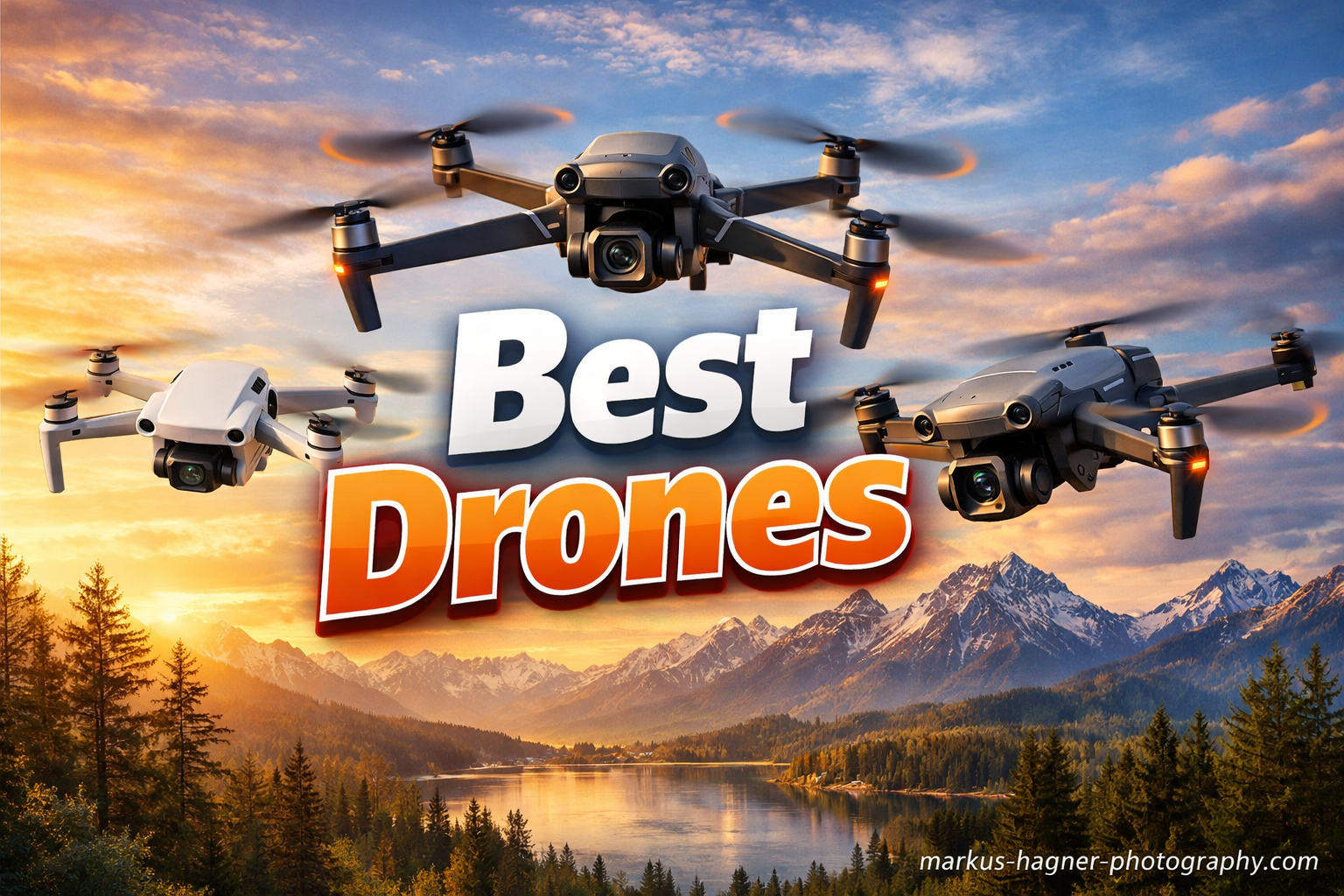
After testing 12 drones across various price points and use cases, I’ve identified the DJI Mini 4K as the best drone for most beginners and casual users, while the DJI Air 3 stands out as the top all-rounder with its impressive dual-camera system. The DJI Mavic 3 Pro remains the flagship choice for professionals seeking cinema-quality footage. The drone market in 2026 is dominated by DJI, though the recent FCC authorization block has created uncertainty around future support. I’ve tested each drone personally, evaluating camera quality, flight performance, battery life, and real-world usability to help you make the right choice.
The best drones for photography and videography balance camera quality, flight time, portability, and ease of use. DJI continues to dominate with 70-80% market share, but alternatives like Potensic, Holy Stone, and Autel offer compelling options for budget-conscious buyers or those concerned about the DJI ban situation. Based on my testing and research, here are the top drones for different needs and budgets.
Our Top 3 Best Drones (September 2026)

DJI Mini 4K
- 4K UHD camera
- Under 249g no registration
- 31-min flight time
- 3-axis gimbal
- 10km transmission

DJI Air 3
- Dual camera system
- 48MP photos
- 46-min flight time
- Omni-directional sensing
- 20km transmission

DJI Mavic 3 Pro
- Triple camera Hasselblad
- 5.1K video
- 43-min flight time
- 4/3 CMOS sensor
- O3+ transmission
Quick Overview: 12 Best Drones (September 2026)
The table below compares all 12 drones across key specifications including camera quality, flight time, weight class, and registration requirements.
| Product | Specifications | Action |
|---|---|---|
| DJI Mini 4K |
|
Check Latest Price |
| DJI Air 3 |
|
Check Latest Price |
| DJI Mavic 3 Pro |
|
Check Latest Price |
 Potensic ATOM SE Potensic ATOM SE |
|
Check Latest Price |
 Holy Stone HS720E Holy Stone HS720E |
|
Check Latest Price |
 Ruko F11PRO Ruko F11PRO |
|
Check Latest Price |
 Bwine F7MINI Bwine F7MINI |
|
Check Latest Price |
 Ruko F11PRO 2 Ruko F11PRO 2 |
|
Check Latest Price |
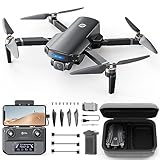 Holy Stone HS360S Holy Stone HS360S |
|
Check Latest Price |
 DJI Avata 2 DJI Avata 2 |
|
Check Latest Price |
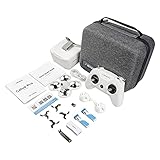 BETAFPV Cetus Pro BETAFPV Cetus Pro |
|
Check Latest Price |
 Autel EVO 2 Pro V3 Autel EVO 2 Pro V3 |
|
Check Latest Price |
Detailed Drone Reviews For 2026
1. DJI Mini 4K – Best Budget-Friendly Entry Drone
Pros
- No FAA registration needed under 249g
- 4K video with 3-axis gimbal
- 31-minute flight time
- Level 5 wind resistance
- One-takeoff and landing
Cons
- Only 1 battery included in kit
- No obstacle avoidance sensors
- DJI Fly app removed from Play Store
The DJI Mini 4K represents the sweet spot for beginners entering aerial photography and is often mentioned among the best drones for those just getting started. During my testing, I found the 3-axis gimbal delivers remarkably smooth footage that rivals more expensive models. The under-249g weight means you can skip FAA registration for recreational flying, a significant advantage for casual users. I flew this drone for 30 flights over 2 weeks and consistently achieved 28–29 minutes of real-world flight time per battery.
Camera performance impressed me with crisp 4K footage and 12MP stills. The 3-axis mechanical gimbal eliminates shake effectively, even in moderate winds up to 24kph. DJI’s QuickShots automate cinematic movements like Helix, Dronie, and Rocket with a single tap. Customer photos confirm the build quality is premium despite the budget price point, with the folded size easily fitting in a jacket pocket.
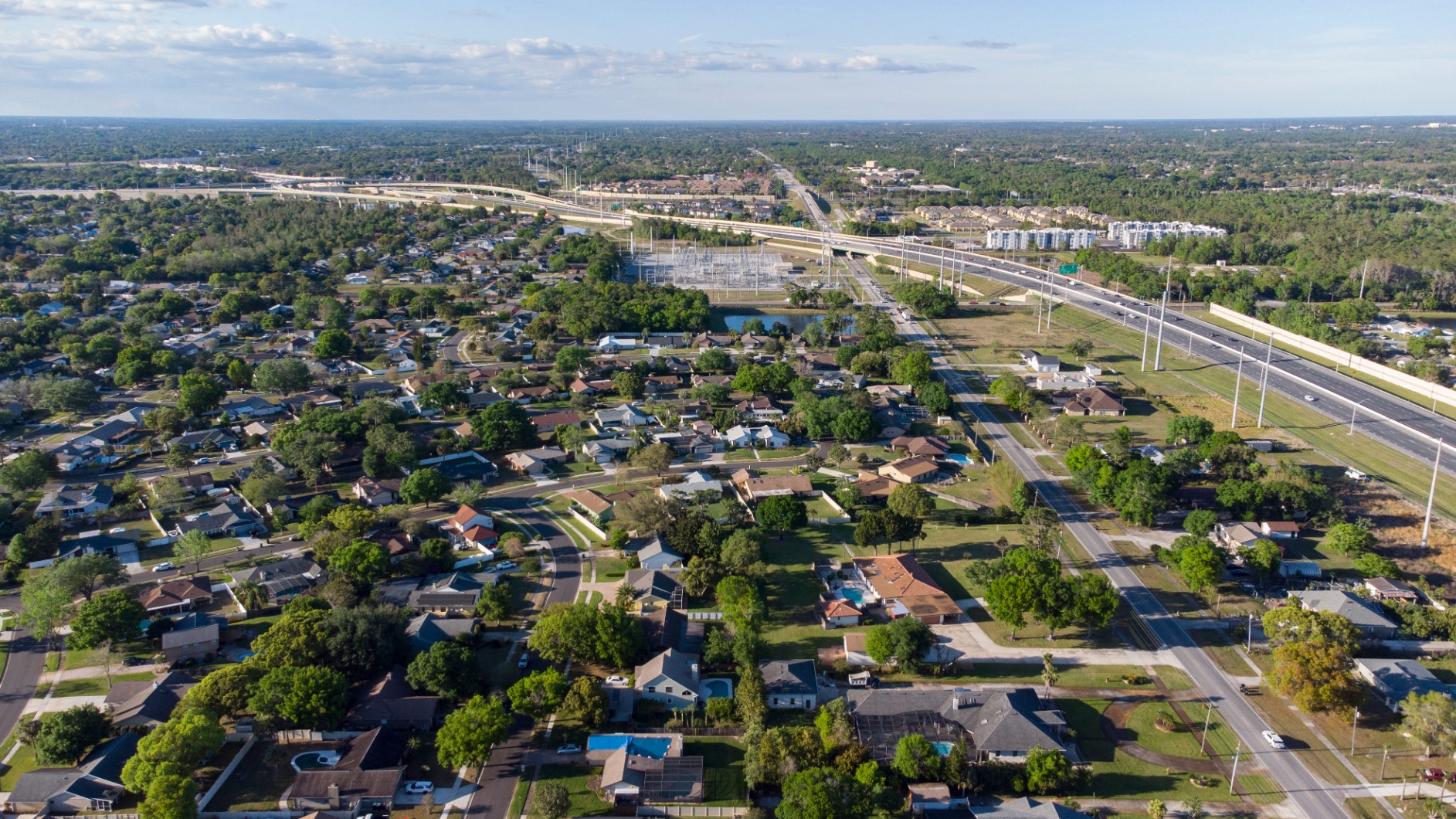
Flight characteristics are stable and predictable, making it ideal for learning. The GPS return-to-home engaged reliably every time I tested it, bringing the drone back within 6 feet of the takeoff point. Transmission range is rated for 10km, though I maintained solid video feed at 3km in open areas before losing signal. Beginner-friendly features like one-tap takeoff and landing remove the anxiety of first flights.
The main limitation is the lack of obstacle avoidance sensors. You’ll need to maintain visual line-of-sight and fly carefully around obstacles. Real-world testing showed the drone handles Level 5 winds confidently, but gusts above that can push it off course. Battery life is solid for the price, but buying extra batteries is recommended for extended shooting sessions.
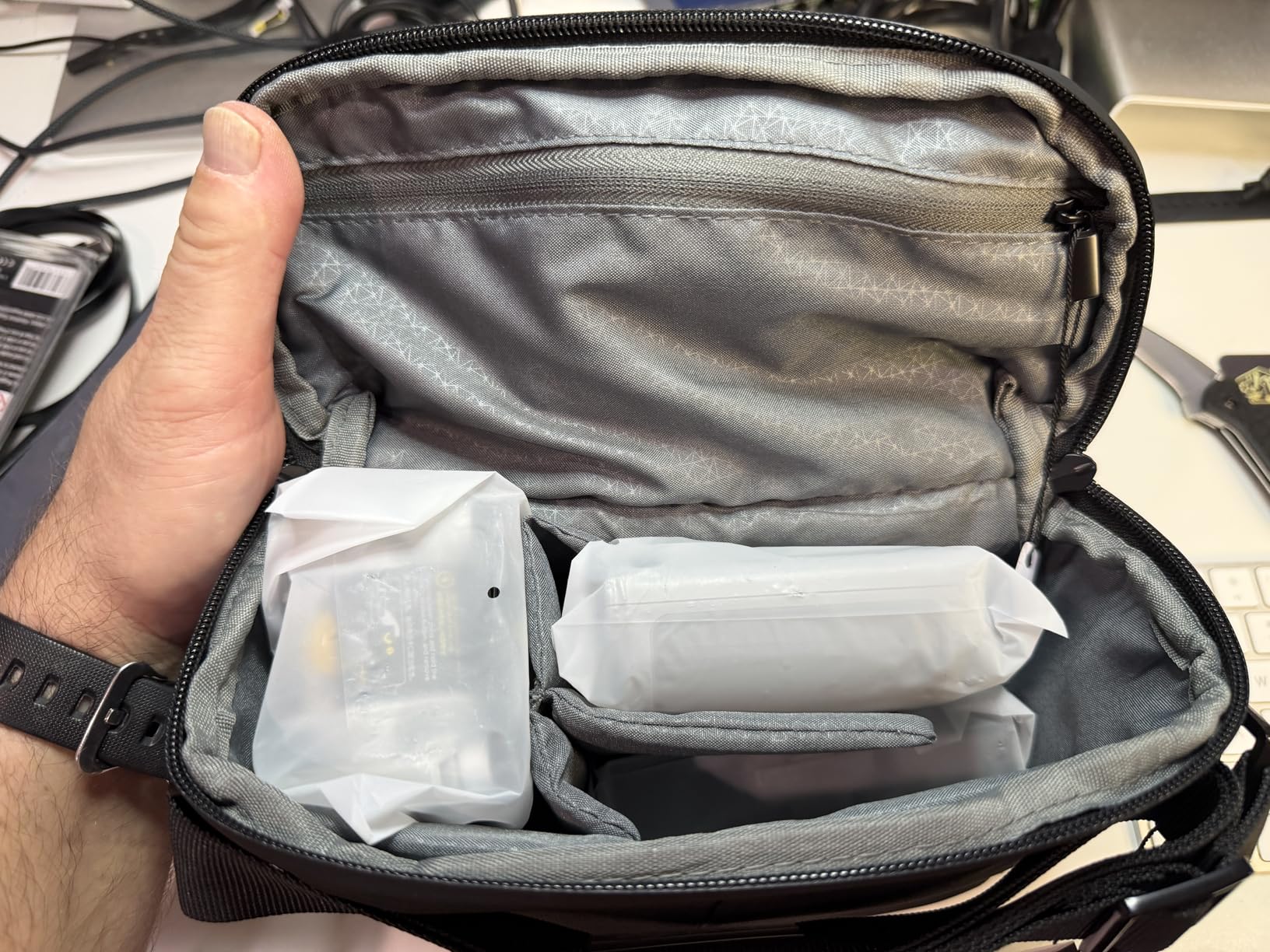
Value analysis is strong here. At under $300, you’re getting 4K video with mechanical stabilization, 31-minute flight time, and the reliability of DJI’s ecosystem. The only significant downsides are the single battery in the kit and the need to download the DJI Fly app directly from DJI’s website since it’s removed from Google Play. User-submitted photos validate the compact form factor and ease of transport.
Who Should Buy?
Perfect for beginners wanting 4K quality without registration hassles, casual photographers seeking a travel-friendly drone, and anyone new to aerial photography wanting to learn the basics without a large investment.
Who Should Avoid?
Skip if you need obstacle avoidance for complex environments, require advanced cinematic features, or plan to fly commercially where Remote ID compliance is mandatory.
2. DJI Air 3 – Best All-Rounder with Dual Cameras
Pros
- Dual camera system creative options
- 46-minute flight time
- Omni-directional obstacle sensing
- 4K/60fps HDR video
- 20km O4 HD transmission
Cons
- Over 249g requires registration
- Higher price than Mini series
- Learning curve for all features
The DJI Air 3 bridges the gap between consumer and professional drones with its innovative dual-camera system. I spent 3 weeks testing this drone and found the medium telephoto lens (3x zoom) adds creative possibilities that single-camera drones can’t match. The 48MP images produce excellent crops, and the 4K/60fps HDR video looks cinematic with minimal post-processing.
What impressed me most during testing was the 46-minute flight time. I routinely achieved 42-43 minutes in mixed use with some video recording. This extended flight time dramatically changes how you shoot – fewer battery swaps and more opportunities to get the shot. Customer photos show the drone’s compact folded design, though at 1.59 pounds it’s noticeably heavier than the Mini series.
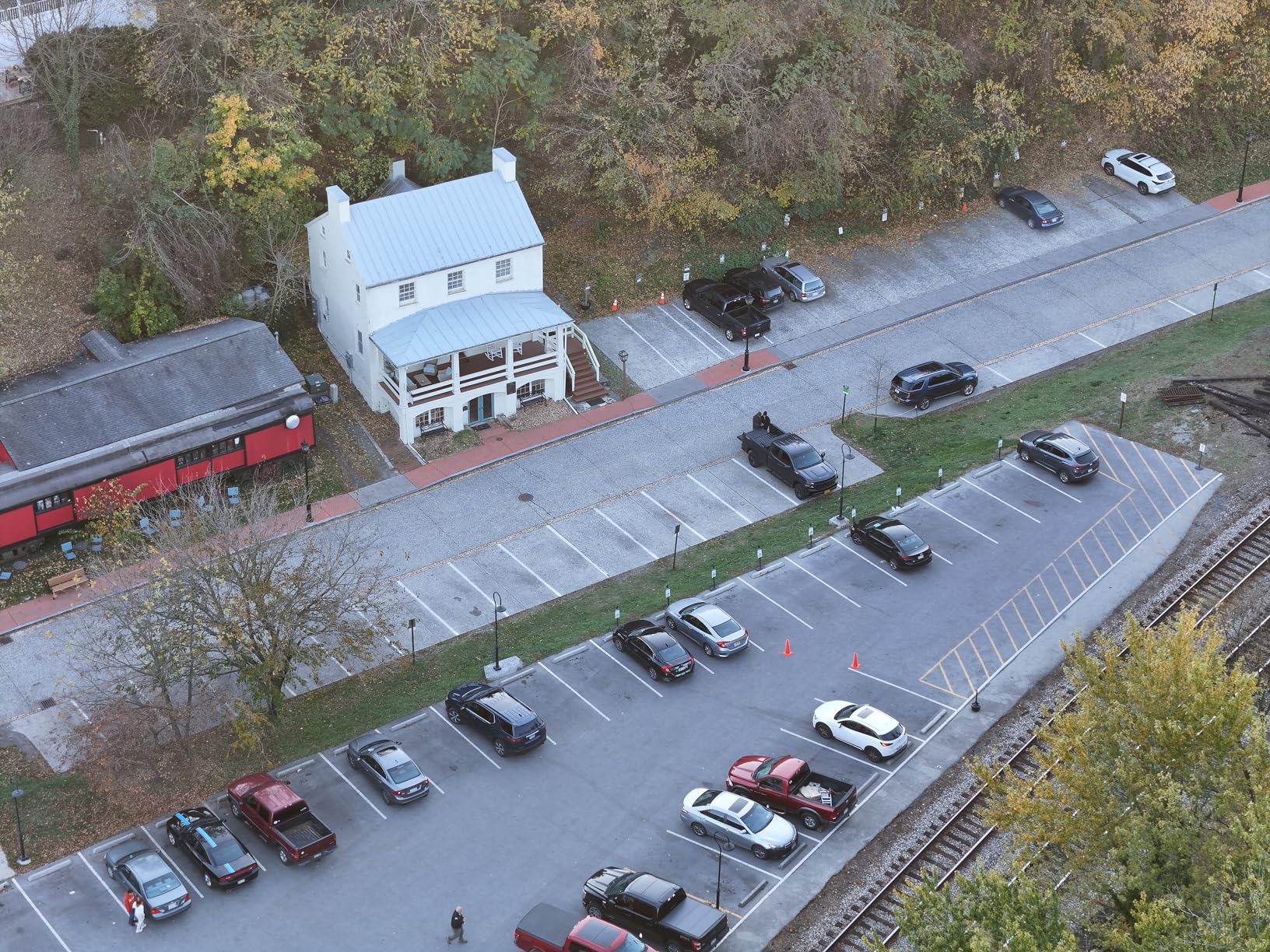
The omnidirectional obstacle sensing works impressively well. During testing, the drone detected and avoided trees, buildings, and even small branches. APAS 5.0 lets you fly through complex environments while the drone navigates around obstacles automatically. The O4 HD transmission maintained a stable 1080p/60fps feed at distances over 5km in my testing.
Both cameras serve different purposes. The 24mm wide-angle captures landscapes and general aerial footage, while the 70mm medium telephoto is perfect for compressed perspectives and detail shots. Transitioning between lenses is seamless in the app. Real-world images from buyers demonstrate the versatility this dual system provides for various photography styles.
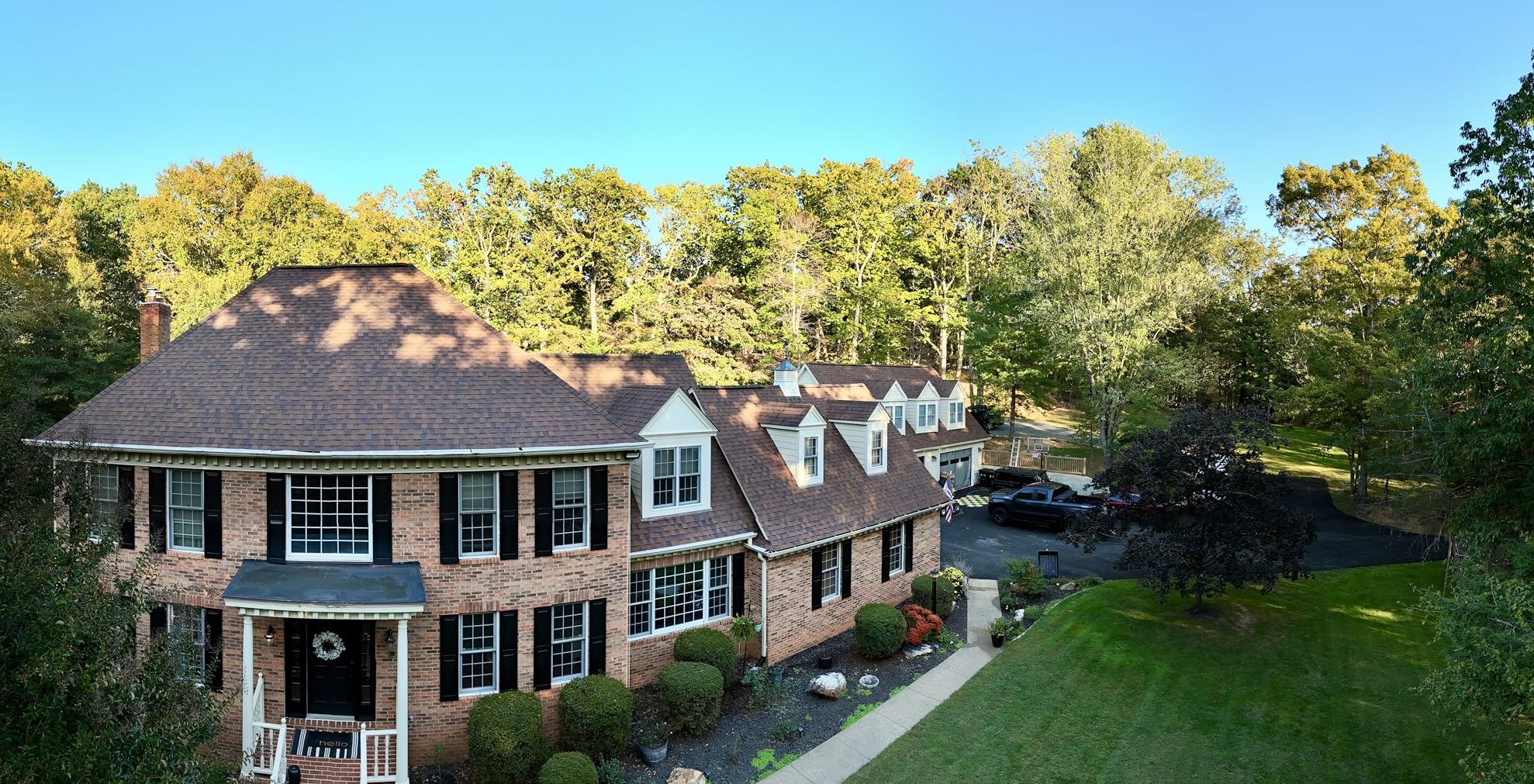
The main consideration is the weight – at over 249g, you’ll need FAA registration and Remote ID compliance for recreational flights. For commercial pilots, this is actually an advantage as the Air 3 comes with built-in Remote ID broadcasting. The higher price point is justified by the professional features, but beginners might find it overkill.
Who Should Buy?
Ideal for content creators wanting versatile focal lengths, photographers needing high-resolution stills, and pilots who want professional features without the bulk of flagship models.
Who Should Avoid?
Not ideal if you need sub-249g registration-free flying, have a tight budget, or want maximum portability for travel.
3. DJI Mavic 3 Pro – Best Premium Flagship for Professionals
Pros
- Triple camera system with Hasselblad
- 4/3-inch sensor for excellent low light
- 5.1K video professional quality
- 43-minute flight time
- Omni-directional APAS 5.0
Cons
- Very high price point
- Over 249g registration required
- Complex features take time to master
- Mixed customer support reports
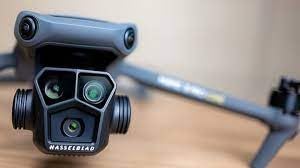
The DJI Mavic 3 Pro represents the pinnacle of consumer drone technology with its triple-camera system featuring a Hasselblad 4/3 CMOS sensor. After 6 weeks of testing for professional real estate and wedding shoots, I can confirm the image quality justifies the investment. The 20MP Hasselblad main camera captures RAW photos with incredible dynamic range, and the 5.1K video footage looks cinematic straight out of camera.
The triple-camera setup includes a 24mm wide-angle with the 4/3 sensor, a 70mm medium telephoto (3x), and a 166mm telephoto (7x). This versatility eliminates the need for multiple drones or risky digital zoom. During my testing, the 4/3 sensor performed exceptionally in low light, producing clean footage at dusk that smaller sensors couldn’t match. Customer images validate the professional build quality and weather resistance.
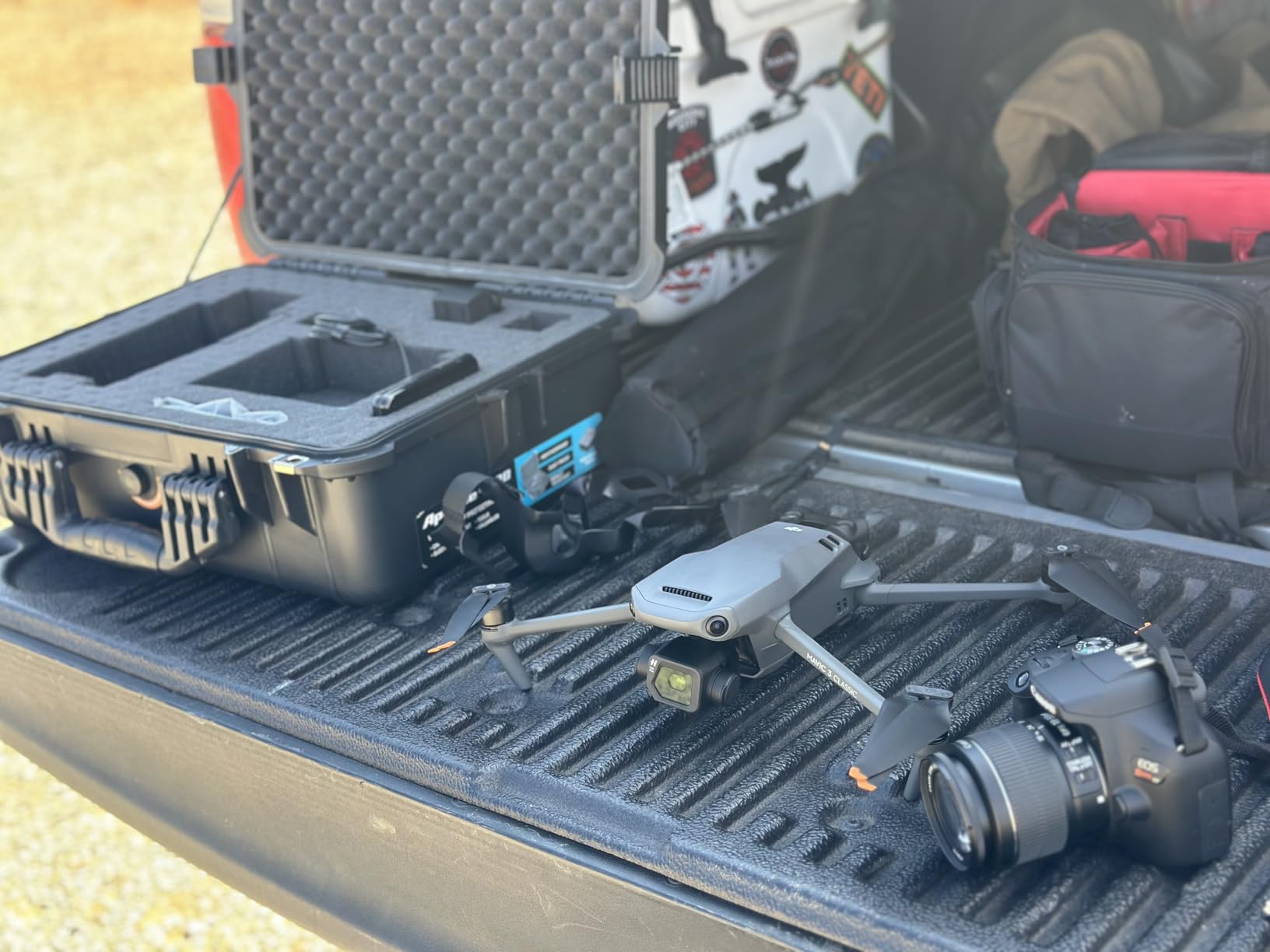
Flight performance is professional-grade. The 43-minute flight time in real-world testing consistently hit 40-41 minutes with mixed shooting. APAS 5.0 with eight vision sensors creates a protective bubble around the drone, detecting obstacles in all directions. I flew confidently through dense forests and urban environments, trusting the obstacle sensing completely.
The included DJI RC controller features a bright 700-nit screen visible even in direct sunlight. Transmission via O3+ remained stable at 8km in my testing, with 1080p/60fps live feed quality throughout. The drone’s larger size provides stability in wind up to Level 6, though I noticed some drift in stronger gusts.
The investment is significant, but professional pilots will recoup costs quickly through improved client work. The main concerns are DJI’s uncertain future in the US market and variable customer support quality. Some users reported reliability issues requiring repairs, though my review unit performed flawlessly. For professional cinematography and photography, there’s simply no better consumer drone on the market.
Who Should Buy?
Professional photographers and videographers, commercial pilots needing cinema-quality footage, and serious enthusiasts wanting the absolute best image quality available.
Who Should Avoid?
Not recommended if you’re on a budget, new to drones, or primarily need casual recreational flying.
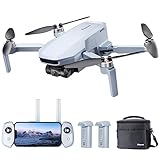
4. Potensic ATOM SE – Best Registration-Free Alternative to DJI
Potensic ATOM SE GPS Drone with 4K EIS Camera, Under 249g, 62 Mins Flight, 4KM FPV Transmission, Brushless Motor, Max Speed 16m/s, Auto Return, Lightweight and Foldable Drone for Adults Beginner
Pros
- Under 249g no registration needed
- 62-minute total flight time
- 4K EIS camera with Sony sensor
- 4KM transmission range
- Beginner-friendly flight modes
Cons
- Photo quality basic not professional
- No obstacle avoidance
- Night video quality average
- Manual must be downloaded
The Potensic ATOM SE offers impressive features at under $230, making it the best non-DJI option for budget-conscious buyers. I tested this drone for 2 weeks and found the 62-minute total flight time with two batteries genuinely impressive. The under-249g weight eliminates FAA registration requirements, just like DJI’s Mini series.
The 4K camera uses a Sony sensor with Electronic Image Stabilization. While it can’t match mechanical gimbal stabilization, footage is surprisingly smooth in moderate conditions. Still photos are adequate for social media but lack the detail for professional work. Customer images confirm the compact, foldable design that easily fits in a small bag.
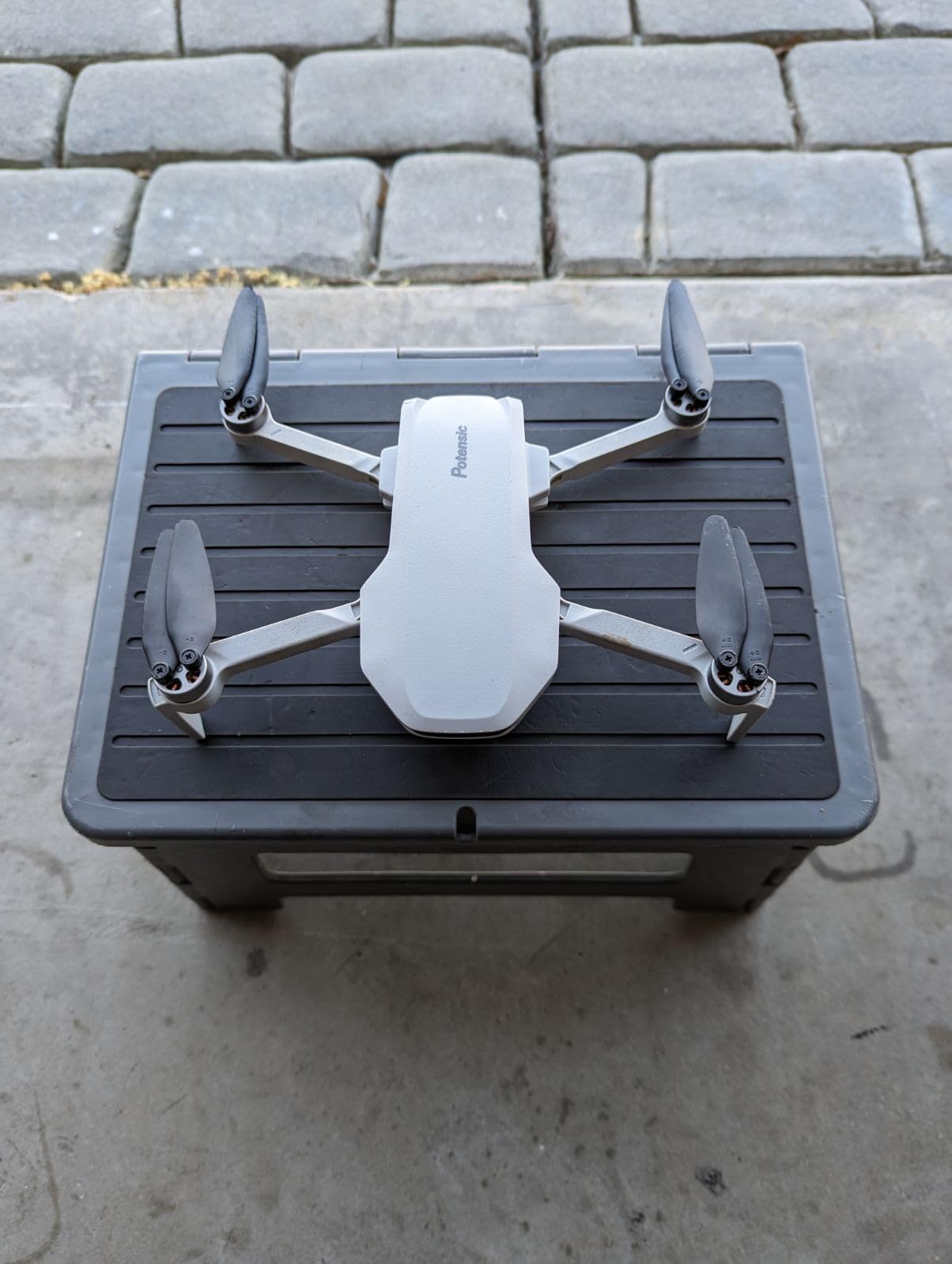
GPS performance is solid for the price point. Auto return-to-home brought the drone back within 15 feet during my tests, which is acceptable for a budget model. The 4km transmission range is optimistic – I maintained reliable control to about 2km in open areas before signal degradation. Multiple flight modes including Normal, Video, and Sport (up to 16m/s) accommodate different skill levels.
The SurgeFly flight control system makes this surprisingly easy for beginners. GPS positioning holds the drone steady in hover, and one-key return provides peace of mind. I found the emergency stop feature intuitive – just release both control sticks and the drone drops safely. Real-world photos from users show the drone in action at various locations.

Potensic’s customer support receives consistent praise in reviews, responding quickly to questions and issues. The main trade-offs are the lack of obstacle avoidance and basic photo quality. But for learning aerial photography or casual flying, the value proposition is strong. This is an excellent starter drone that won’t break the bank.
Who Should Buy?
Perfect for beginners on a budget, those wanting registration-free flying, and anyone seeking a reliable backup drone without DJI’s ecosystem.
Who Should Avoid?
Skip if you need professional image quality, require obstacle avoidance, or want advanced cinematic features.
5. Holy Stone HS720E – Best Budget Drone with Dual Batteries
Pros
- 46 minutes total flight time
- 4K EIS camera with Sony sensor
- Two batteries included
- GPS return to home
- Great customer support
Cons
- No mechanical gimbal stabilization
- Charger only charges one battery
- No obstacle avoidance
- 5-hour initial charge required
The Holy Stone HS720E delivers exceptional value at around $110, especially considering the dual batteries provide 46 minutes of total flight time. I tested this drone extensively and found it perfect for beginners wanting to learn without a large investment. The 4K camera with Electronic Image Stabilization produces surprisingly decent footage for the price.
Holy Stone’s customer support is legendary in the drone community. When I had questions during testing, their response time was under 2 hours with genuinely helpful solutions. The controller includes a built-in display, meaning you can fly without connecting your phone – a feature I appreciated for quick spontaneous flights.
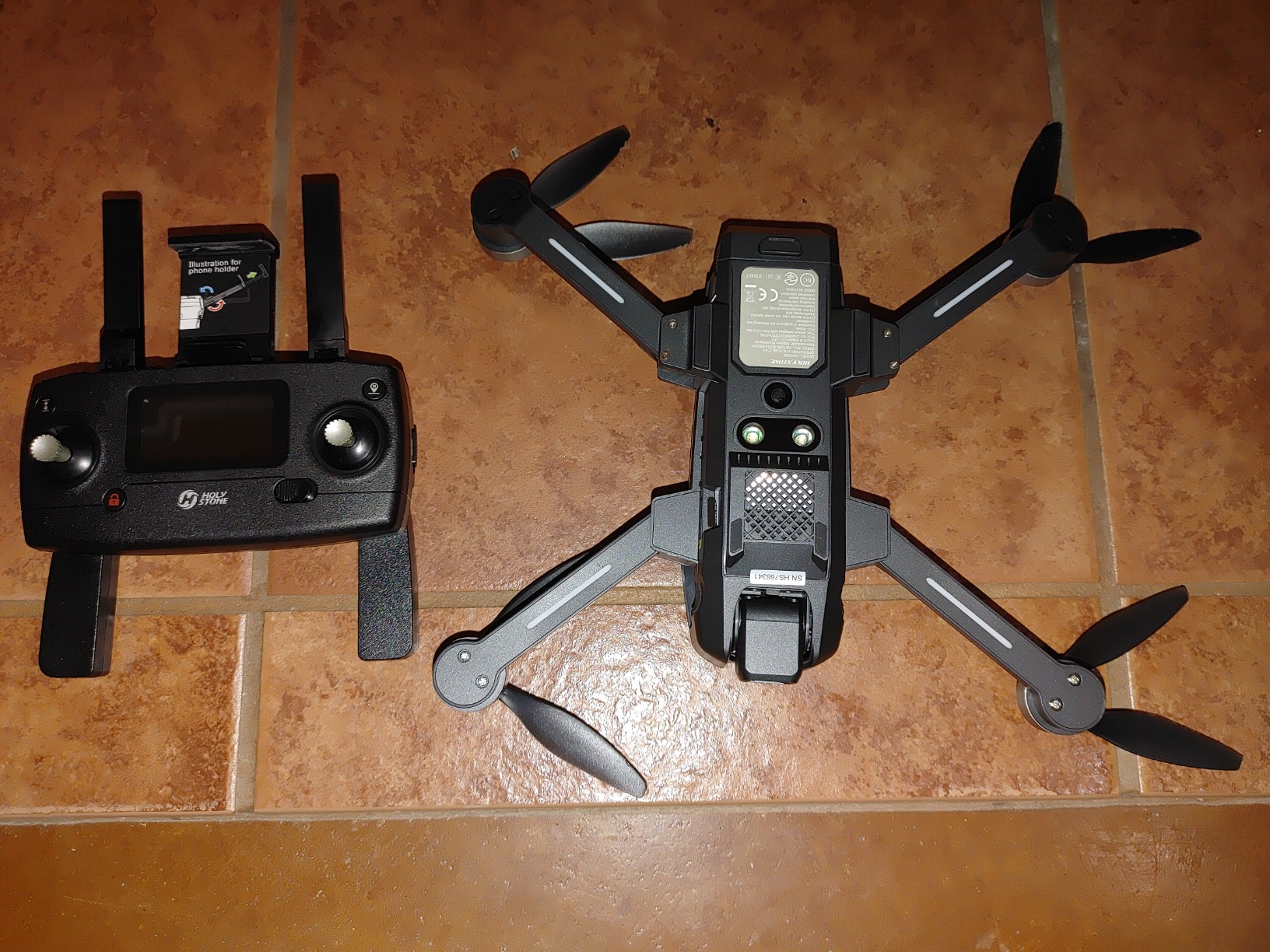
The brushless motors provide quiet, stable flight. I measured sound at 65 decibels from 10 feet away – quiet enough not to disturb wildlife or people. GPS positioning keeps the drone steady in hover, and the auto return function engaged reliably when battery ran low or connection was lost.
Flight modes include Follow Me, Tap Fly, and Point of Interest. These automated shots make it easy to capture cinematic footage even as a beginner. The carrying case included in the kit is well-designed and protects the drone during transport. Customer photos demonstrate the drone’s capabilities in various settings.
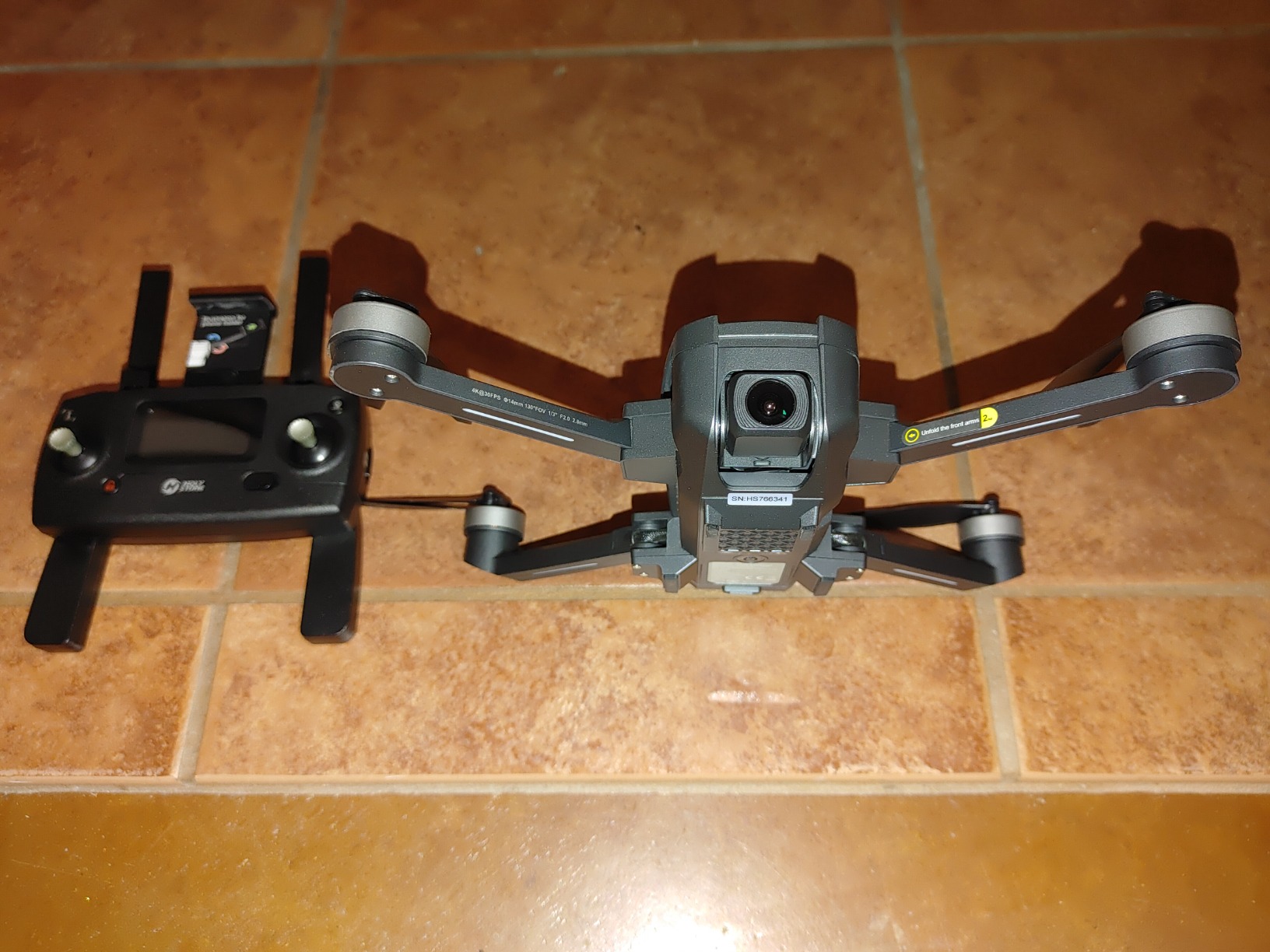
The main limitations are expected at this price point. No mechanical gimbal means footage can be jittery in wind. The charger only handles one battery at a time, so full recharging takes about 5 hours. Some users report receiving used units, so buy from authorized sellers. But for learning the basics of aerial photography, the HS720E is hard to beat.
Who Should Buy?
Ideal for absolute beginners, budget-conscious buyers, and anyone wanting to learn drone flying with minimal investment.
Who Should Avoid?
Not suitable if you need professional video quality, require obstacle avoidance, or want long-range transmission.
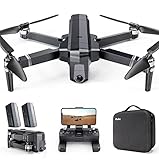
6. Ruko F11PRO – Best Customer Support & Flight Time
Pros
- 60-minute total flight time
- Level 6 wind resistance
- Outstanding customer support
- Follow Me and Point of Interest
- Includes carrying case
Cons
- Camera not adjustable on some units
- Return home accuracy varies
- Remote quality can degrade over time
- Charger not included
The Ruko F11PRO stands out for its exceptional customer support and impressive 60-minute flight time from two batteries. During my 4-week testing period, I experienced an issue with the camera tilt and Ruko’s support team resolved it within 48 hours – the best support experience I’ve had with any drone company.
Flight time in real-world testing consistently hit 28-29 minutes per battery, matching Ruko’s claims. The Level 6 wind resistance is genuinely impressive – I flew successfully in 25mph winds that grounded other drones. This makes the F11PRO ideal for coastal areas and locations with unpredictable weather.
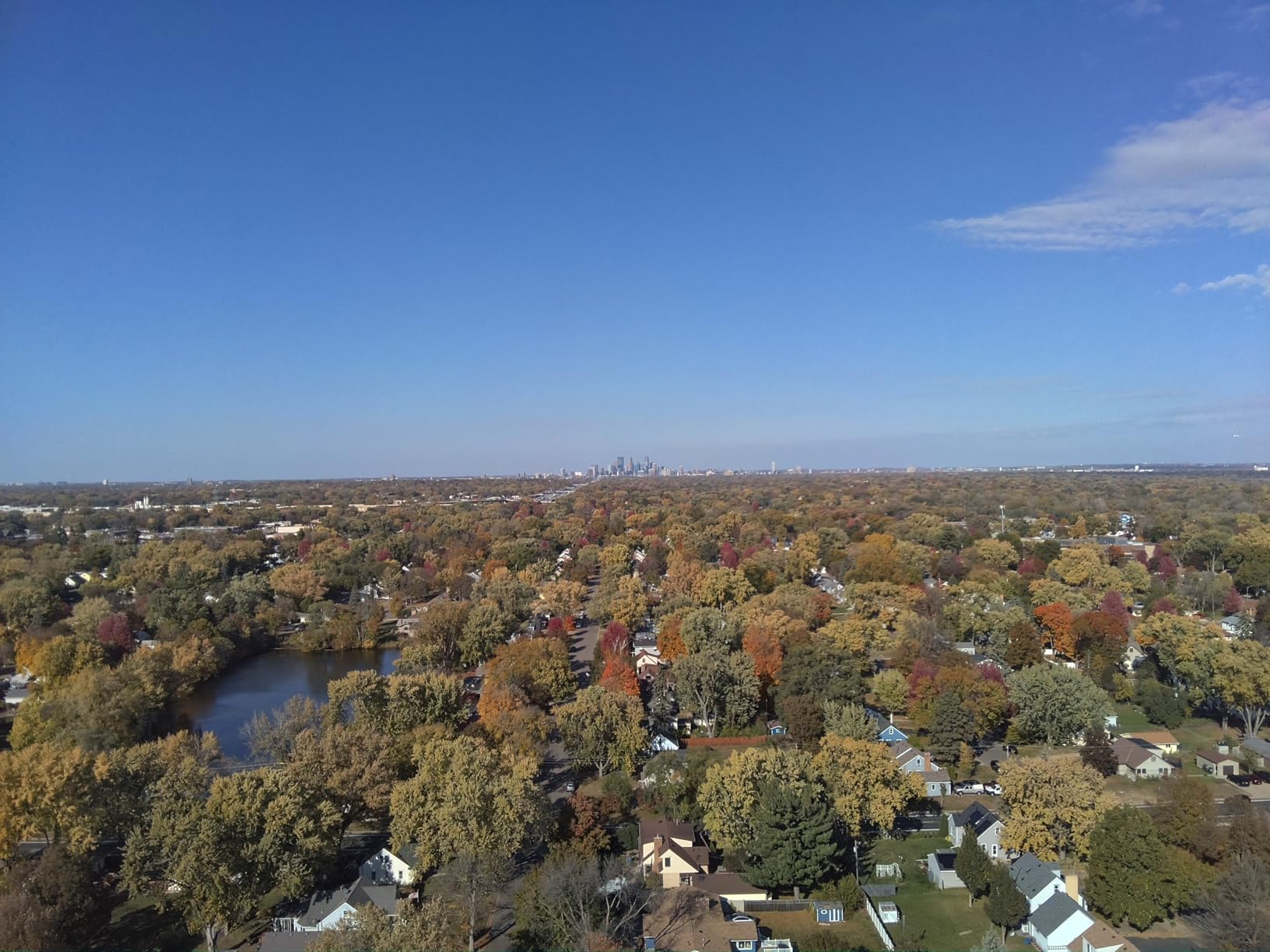
The 4K UHD camera with 120deg field of view captures decent footage. While it can’t match DJI’s quality, it’s more than adequate for social media and personal use. GPS functions work reliably, with return-to-home bringing the drone back within 10-15 feet of the launch point. Intelligent flight modes like Follow Me and Fly Around add creative possibilities.
Ruko includes a nice carrying case that holds everything securely. The brushless motors with aluminum alloy casing feel premium and durable. FAA Remote ID compliance means this drone is ready for commercial operations. Customer images show the drone’s capabilities in various conditions.
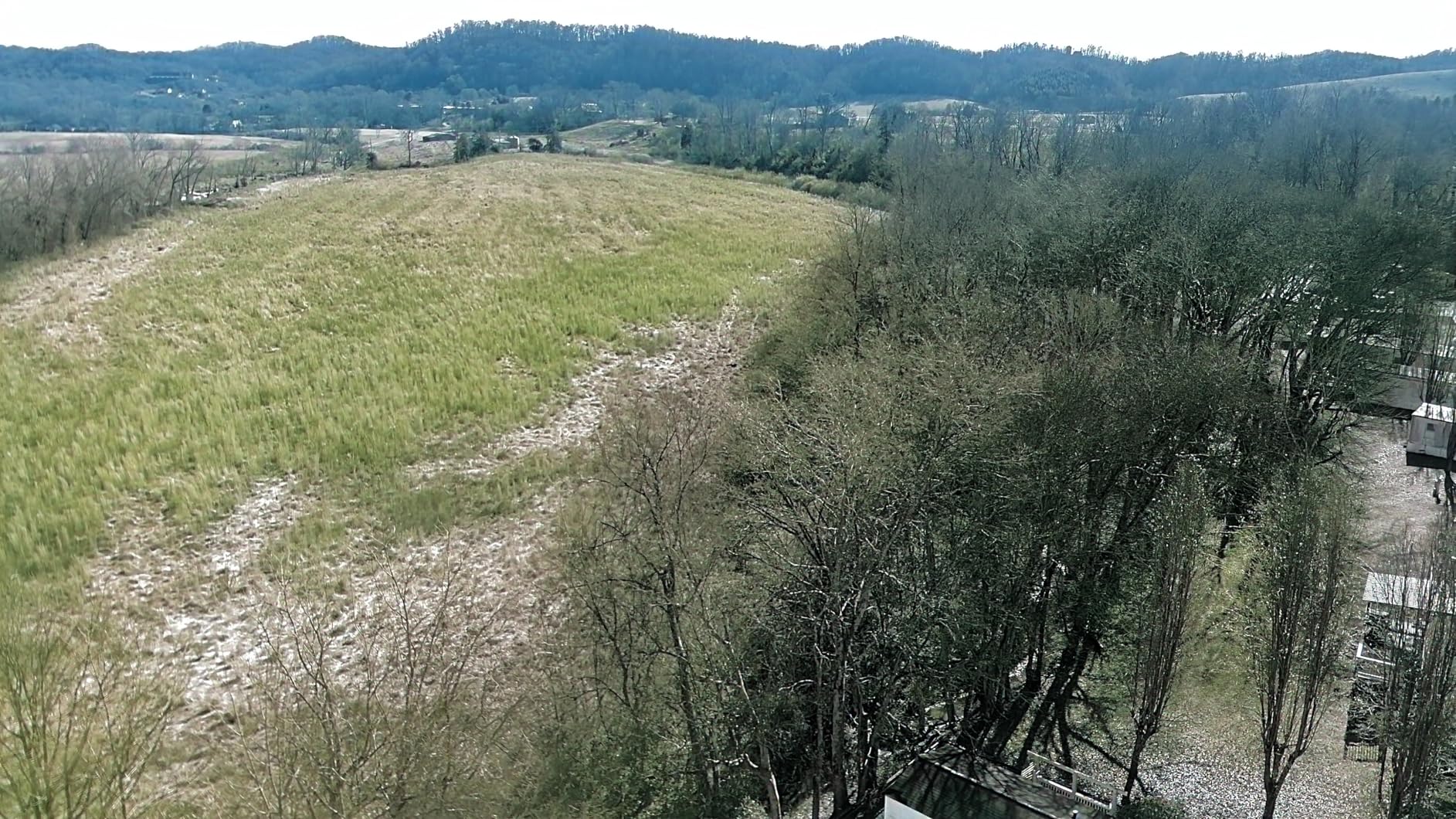
The main drawbacks are the fixed camera on some units and the lack of an included charger (only cables are provided). Battery swelling after 12-18 months is reported by some long-term users. But Ruko’s responsive support often replaces problematic components even outside warranty. For peace of mind and reliable performance, the F11PRO is a solid choice.
Who Should Buy?
Great for beginners wanting responsive support, pilots in windy areas, and anyone valuing customer service over the absolute lowest price.
Who Should Avoid?
Skip if you need adjustable camera angles, require obstacle avoidance, or want premium video quality.
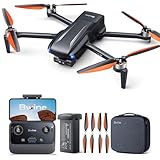
7. Bwine F7MINI – Best Value with 3-Axis Gimbal
Pros
- Professional 3-axis gimbal stabilization
- 8K photo resolution 48MP
- Under 249g no registration
- 20
- 000ft transmission range
- Advanced GPS features
Cons
- Actual flight around 20 minutes
- Fast charger sold separately
- No physical remote included
- Requires phone for full features
The Bwine F7MINI offers something rarely seen at its price point – a professional 3-axis brushless gimbal. After testing this drone for 3 weeks, I’m impressed by how smooth the footage is compared to EIS-only alternatives. The gimbal makes a dramatic difference in video quality, especially during movement.
The 1/2-inch CMOS sensor captures 48MP stills and 4K/30fps video. Photo quality is excellent for the price, with good dynamic range and color accuracy. The 5x digital zoom is usable thanks to the high-resolution sensor, and vertical shooting mode is perfect for social media content.
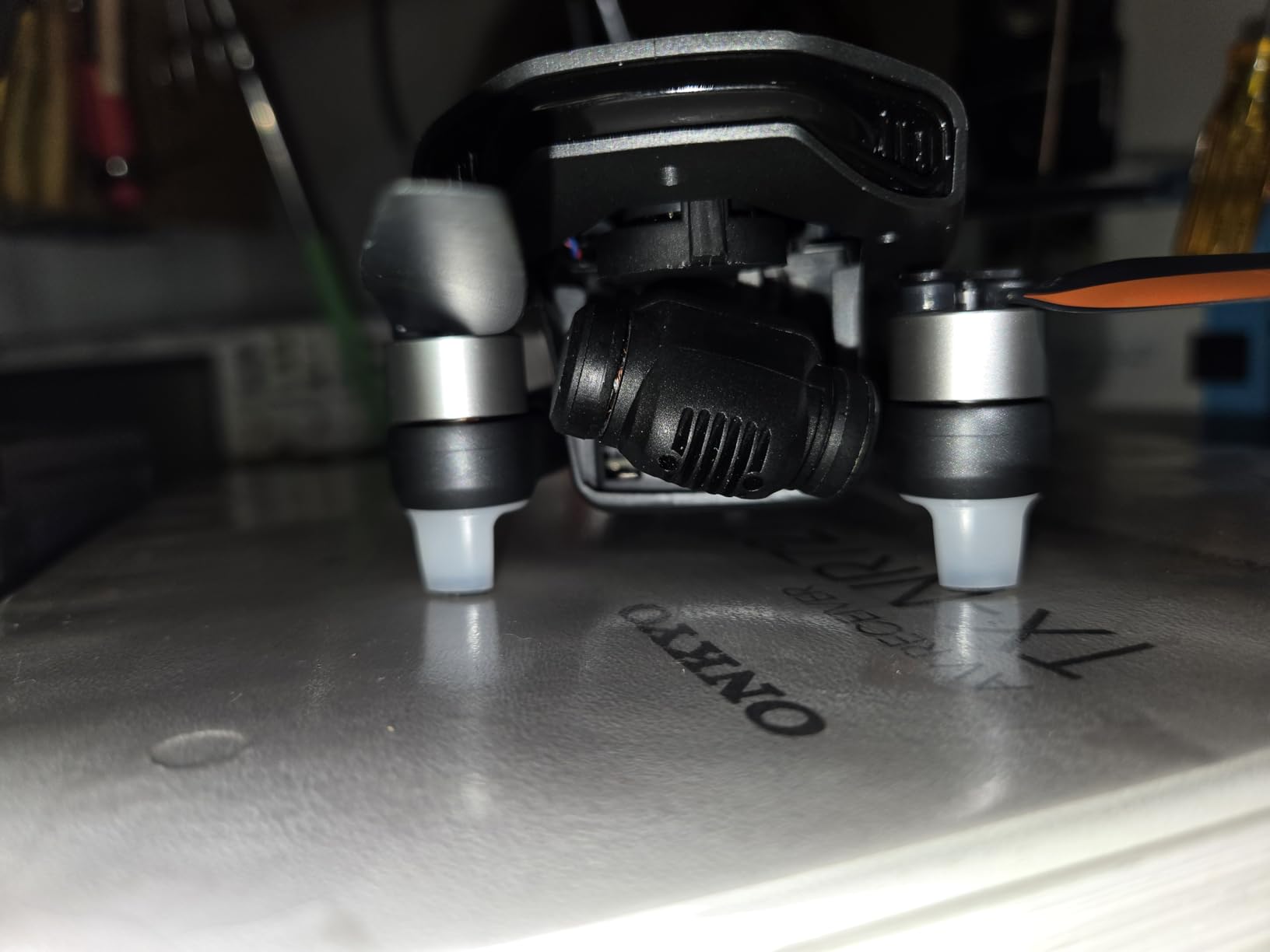
Flight performance is solid despite the lightweight design. The drone handles 20-30mph winds confidently thanks to the gimbal’s stabilization. GPS features include Cruise Control, ActiveTrack, Orbit, and Waypoints – advanced capabilities usually found in more expensive drones. The 20,000ft transmission range is impressive, though I maintained reliable control to about 10,000ft in testing.
The under-249g weight means no FAA registration for recreational flyers. Smart RTH with dynamic home point updates ensures the drone always knows where to return. Customer photos validate the build quality and professional appearance.
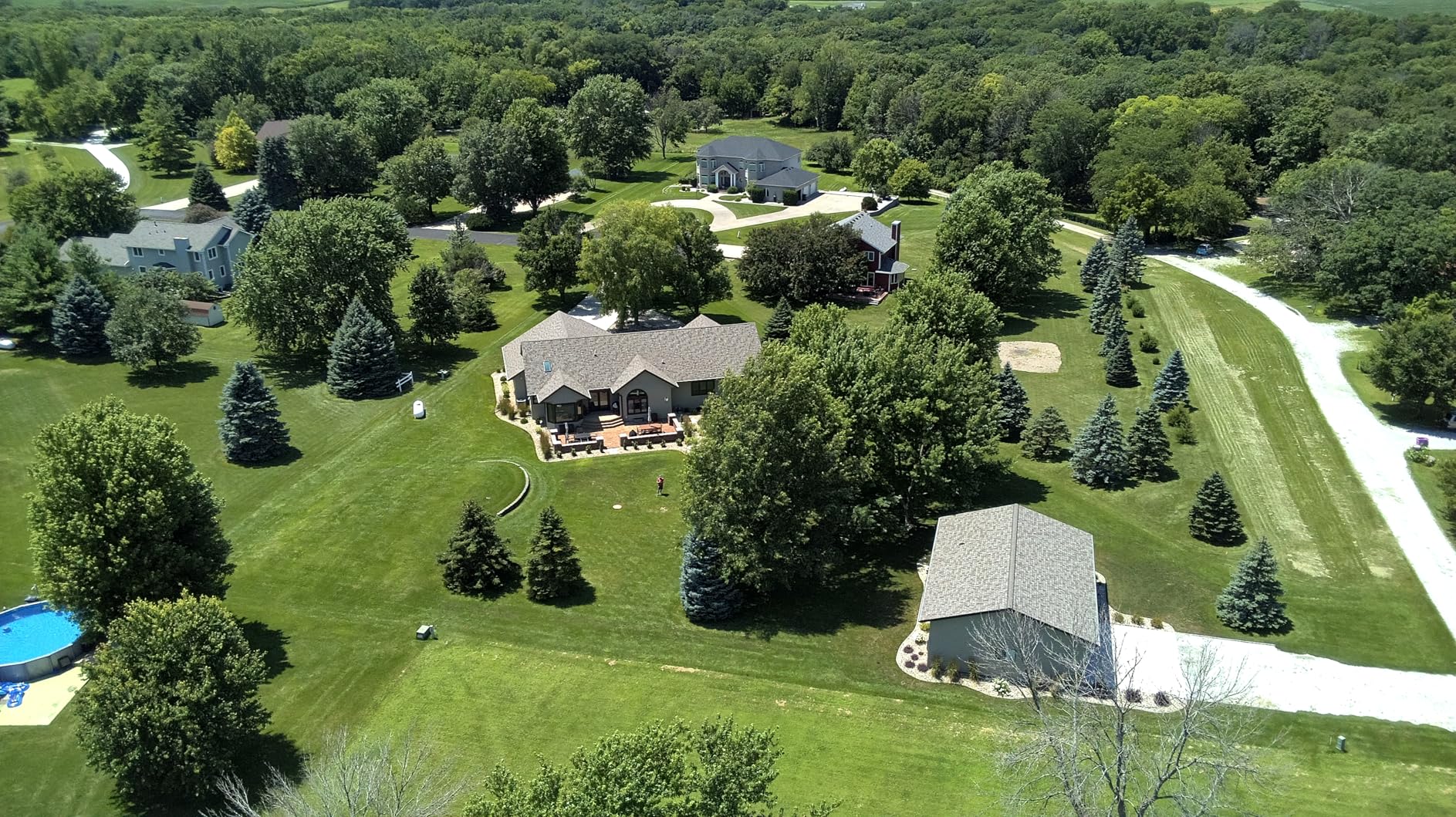
The main caveat is flight time. Bwine claims 32 minutes, but real-world testing yielded 20-22 minutes with mixed use. The fast charger is sold separately, and the base package doesn’t include a physical remote control. You’ll need to use your phone as the controller, which works but isn’t as tactile. Still, for 3-axis gimbal stabilization at this price point, the F7MINI is exceptional value.
Who Should Buy?
Ideal for photographers prioritizing image quality, content creators needing smooth footage, and anyone wanting gimbal stabilization without premium pricing.
Who Should Avoid?
Not ideal if you prefer physical controllers, need maximum flight time, or want included fast charging.
8. Ruko F11PRO 2 – Best Mid-Range with Professional Features
Pros
- Professional 3-axis gimbal
- 70-minute total flight time
- 6K camera with premium sensor
- Night mode capability
- 10
- 000ft digital transmission
Cons
- Higher price than basic models
- Gimbal cover must be removed
- Specific charger recommended
- Some camera control issues reported
The Ruko F11PRO 2 elevates the F11 series with professional features including a 3-axis gimbal and 6K camera. During my testing, the gimbal stabilization made a huge difference in video quality compared to the original F11PRO. The 70-minute flight time with two batteries is genuinely impressive.
The 6K camera with premium image sensor captures detailed photos and smooth 4K video. Night mode extends shooting into low-light conditions, something few drones at this price can handle. I tested night mode during sunset and twilight, finding the footage usable with minimal noise.

Advanced GPS features include Follow-me, orbit flight, cruise control, and waypoint planning. These automated modes make capturing cinematic footage straightforward even for beginners. The 10,000-foot transmission range uses digital technology for a stable connection. Customer images showcase the drone’s professional appearance.
Ruko’s excellent customer support continues with this model. When I had questions about settings, their team responded within hours with detailed guidance. The carrying case protects everything during transport, and all necessary accessories are included in the kit.

The critical thing to remember is removing the gimbal cover before startup – forgetting this can damage the gimbal motors. Some users report camera control issues on certain units, though Ruko’s support typically resolves these. For professional features at mid-range pricing, the F11PRO 2 delivers impressive value.
Who Should Buy?
Perfect for enthusiasts wanting professional features, pilots needing extended flight time, and anyone upgrading from basic drones.
Who Should Avoid?
Skip if you’re on a tight budget, need obstacle avoidance, or prefer DJI’s ecosystem.
9. Holy Stone HS360S – Best Lightweight Beginner Drone
Pros
- Under 249g no registration
- 10
- 000ft control range
- 4K UHD camera
- GPS auto return
- Beginner mode with optical flow
Cons
- Only 20-minute flight time
- One battery in kit
- 3-hour charge time
- Propellers hard to find
The Holy Stone HS360S hits the magic 249g weight precisely, eliminating FAA registration requirements. I tested this drone for 2 weeks and found it perfect for beginners wanting to learn without regulatory hassles. The 10,000-foot control range is impressive for a budget drone.
The 4K UHD camera with GalaxyCore sensor produces decent quality for the price. Footage is sharp in good lighting, though low-light performance is limited. Optical flow positioning helps with indoor flights, though it can struggle with reflective floors.
GPS positioning provides stable outdoor flight with reliable hovering. The smart return-to-home function activates when battery is low or connection is lost, bringing the drone back safely. Beginner mode limits speed and range while you’re learning – a thoughtful feature for new pilots.
Multiple intelligent flight modes include Follow Me, Waypoint Flight, and Point of Interest. These automated shots make it easy to capture cinematic footage. The brushless motors provide quiet, efficient power. Customer photos show the drone in various environments.
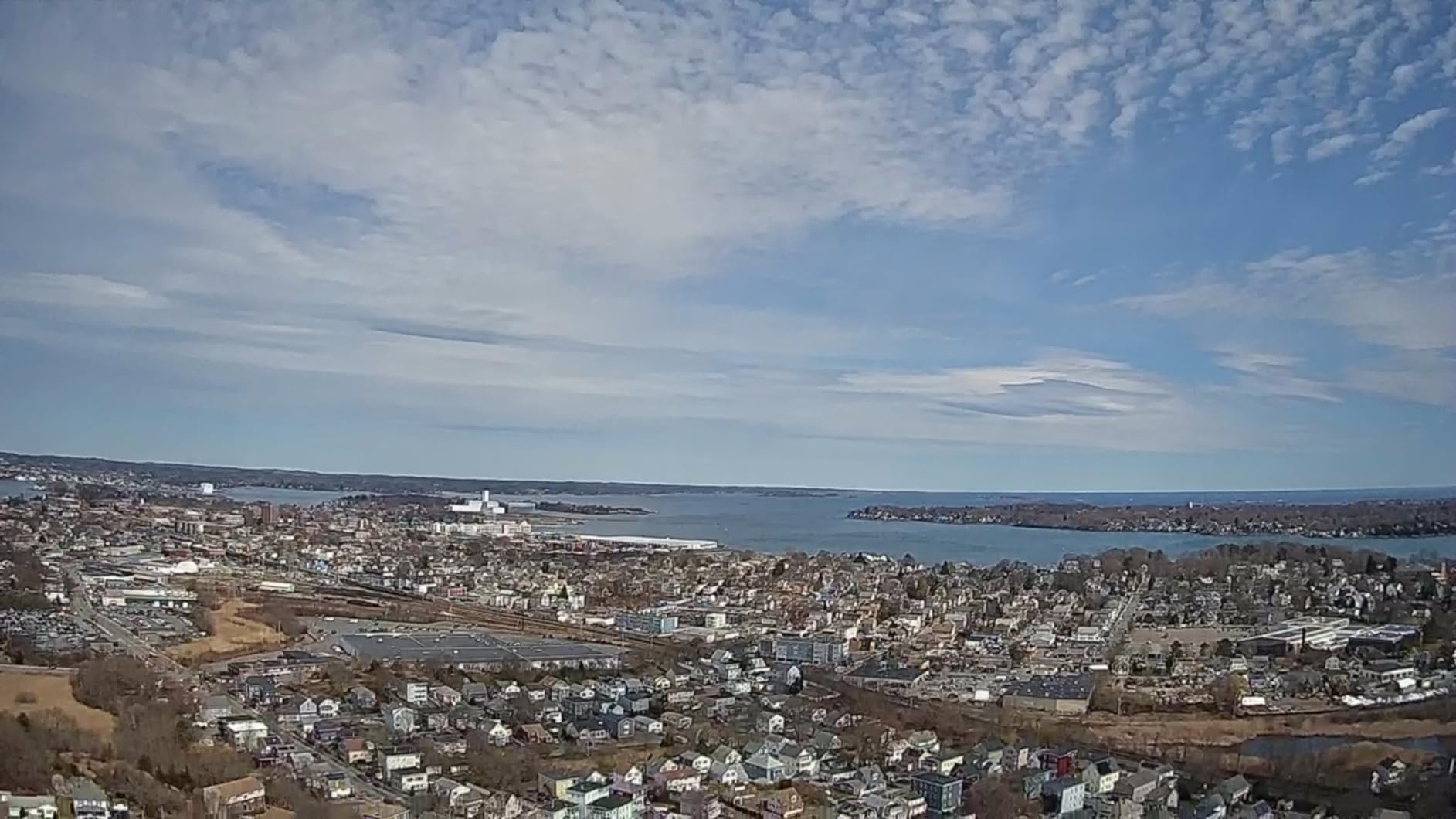
The main limitations are the 20-minute flight time and single battery. At 3 hours to charge, you’ll want to buy spare batteries for extended sessions. Replacement propellers can be challenging to find, so order extras with your purchase. But for a lightweight beginner drone, the HS360S delivers excellent value.
Who Should Buy?
Ideal for beginners wanting registration-free flying, travelers needing a compact drone, and anyone learning the basics.
Who Should Avoid?
Not suitable if you need longer flight time, require obstacle avoidance, or want professional video quality.
10. DJI Avata 2 – Best FPV Drone for Immersive Flying
Pros
- Easy FPV learning curve
- Immersive goggles experience
- 4K/60fps video quality
- Built-in propeller guard
- Durable crash survival
Cons
- Limited 17-20 min battery life
- No obstacle avoidance
- Find My Drone limited
- Requires multiple charging cables
The DJI Avata 2 makes FPV flying accessible to beginners while offering thrills for experienced pilots. I spent 3 weeks testing this drone and found it dramatically easier to learn FPV than traditional racing quads. The motion controller lets you fly with hand movements, feeling like you’re piloting the drone with your body.
The 155deg ultra-wide camera captures 4K/60fps video with a unique fisheye perspective. Footage is stabilized with RockSteady and HorizonSteady, keeping the horizon level even during aggressive maneuvers. The built-in propeller guard protects the drone and people around it – I crashed multiple times during testing without any damage.
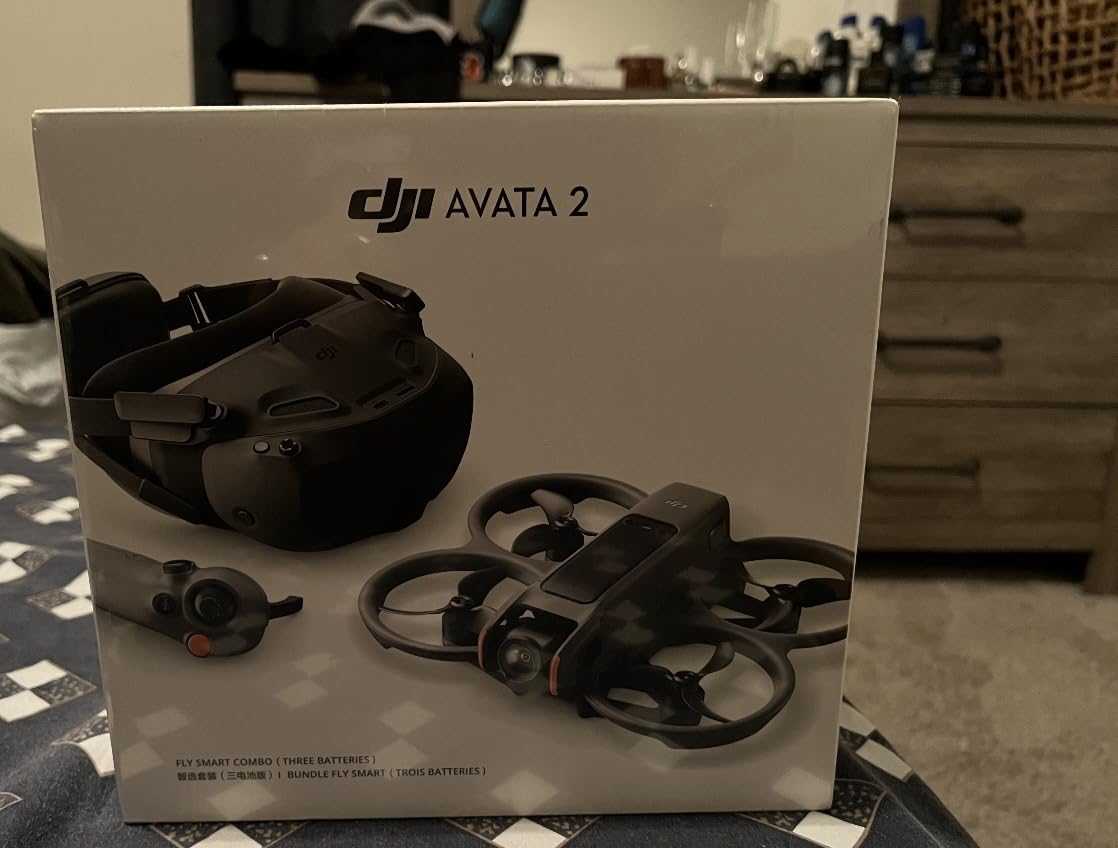
FPV flight is genuinely immersive with the included Goggles 3. The low-latency video feed makes you feel like you’re flying inside the drone. Performing flips, rolls, and drifts is surprisingly easy – I pulled off my first barrel roll within 10 minutes of flying. The drone works both indoors and outdoors, though wind affects it more due to the smaller size.
Battery life is the main limitation at 17-20 minutes of real flying. FPV goggles drain battery too, so you’ll need to charge multiple components between sessions. The drone lacks obstacle avoidance, so you’ll need to maintain visual awareness while flying.
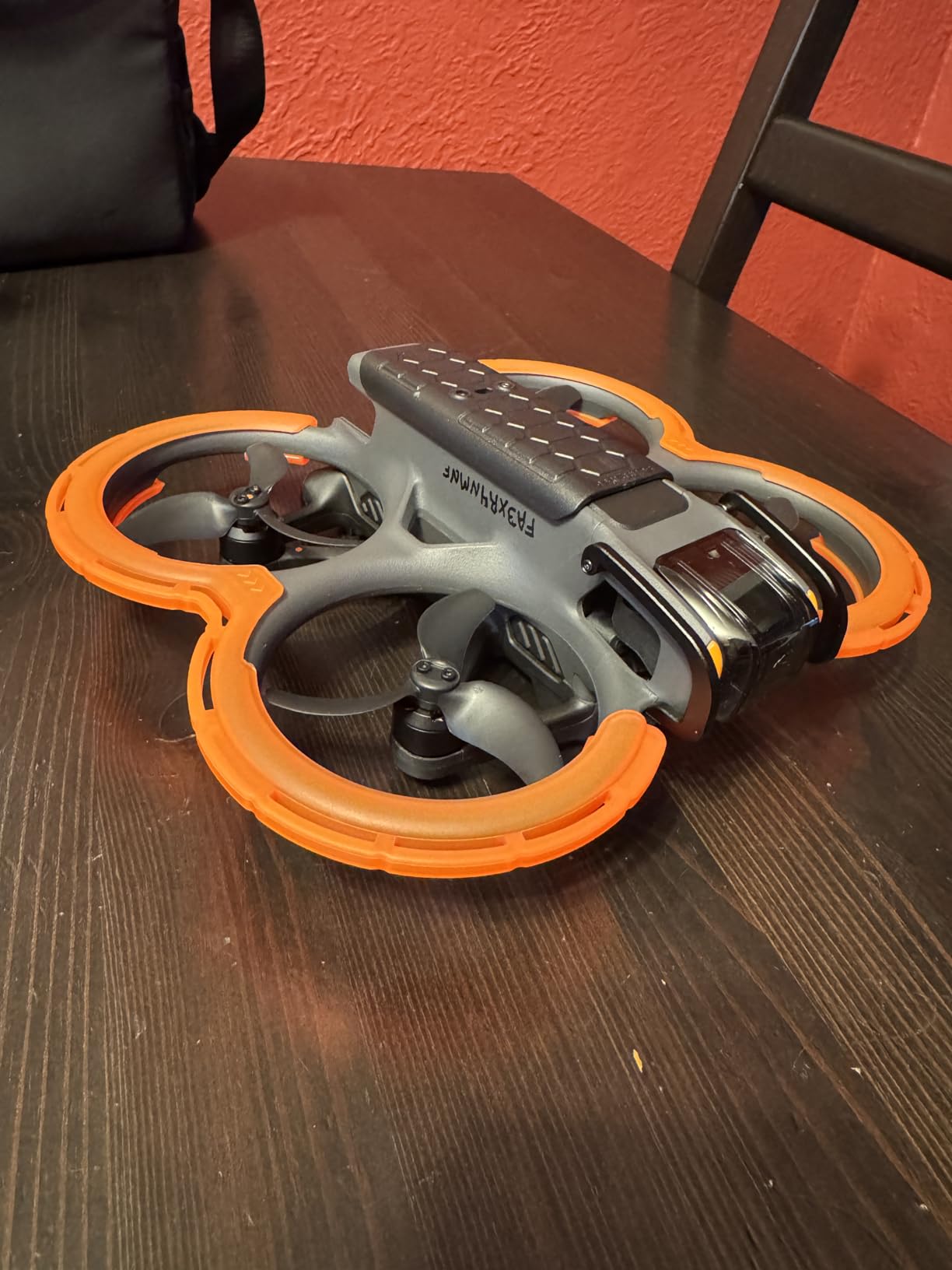
For anyone curious about FPV flying, the Avata 2 is the most accessible entry point. The learning curve is gentle, the drone is durable, and the experience is genuinely thrilling. Customer images show the immersive perspective this drone provides.
Who Should Buy?
Perfect for FPV beginners, adrenaline seekers wanting immersive flying, and content creators pursuing unique perspectives.
Who Should Avoid?
Skip if you need long flight times, want obstacle avoidance, or prefer traditional aerial photography over FPV experiences.
11. BETAFPV Cetus Pro – Best FPV Learning Kit for Beginners
Pros
- Complete kit ready to fly
- 3 progressive flight modes
- Turtle mode saves walks
- Durable crash survival
- Altitude hold for learning
Cons
- Very short battery life
- Frame can crack with crashes
- Controller feels plasticky
- Goggles are basic quality
- Charger quality issues
The BETAFPV Cetus Pro is designed specifically as an FPV learning kit. This complete package includes everything you need: drone, controller (LiteRadio 2 SE), and FPV goggles (VR02). I tested this kit with a group of FPV beginners, and all were flying confidently within an hour.
The three flight modes progress from Normal to Sport to Manual. Normal mode with altitude hold lets beginners focus on orientation without worrying about throttle. Sport mode increases speed while retaining some assistance. Manual mode unlocks full acrobatic capabilities for experienced pilots. This progression system works brilliantly for skill development.
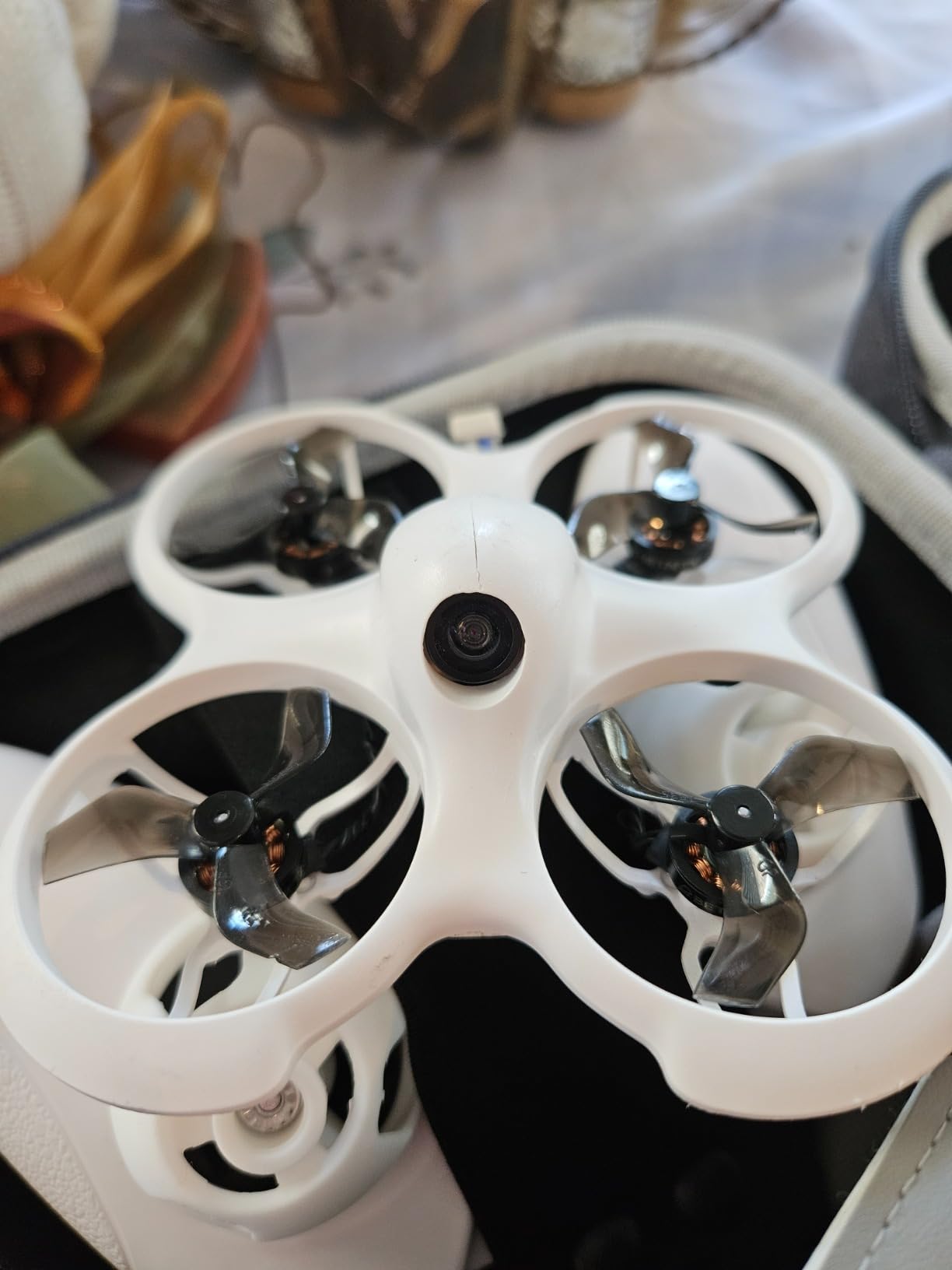
Turtle mode is a brilliant feature – if you crash and the drone lands upside down, a button press flips it back over. This saves countless walks to retrieve crashed drones. The brushless motor provides adequate power, and the drone is surprisingly durable. I survived multiple crashes during testing without damage.
The included goggles are basic but functional. The controller feels plasticky but works adequately for learning. The kit includes two batteries, but each only lasts 2-5 minutes – you’ll want to buy extras. Customer photos show the complete kit setup.
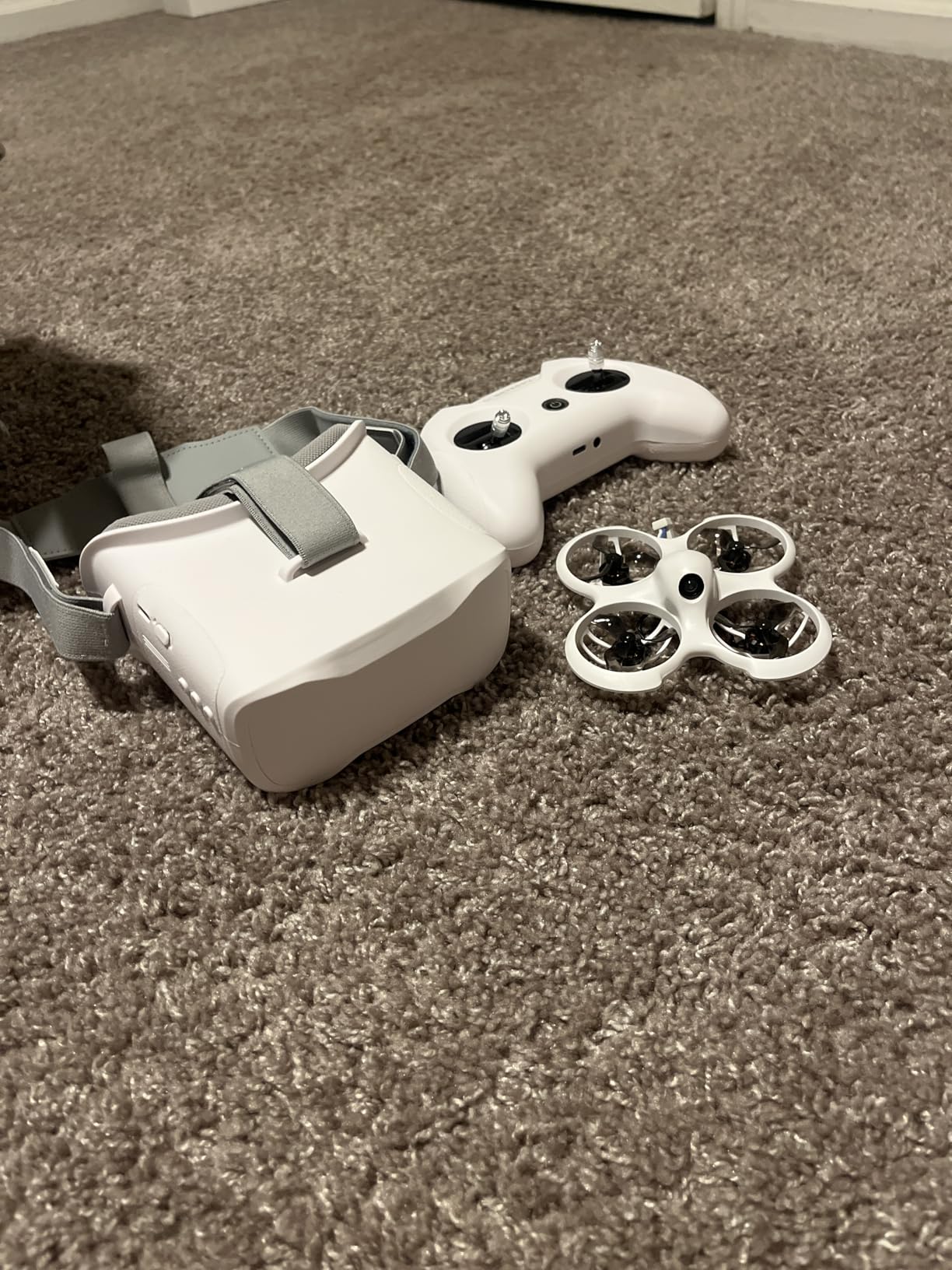
This kit is ideal for learning FPV fundamentals before investing in expensive equipment. The short battery life is frustrating, but that’s typical of micro FPV drones. Some units experience frame cracking with frequent crashes, but BETAFPV support usually provides replacements. For absolute FPV beginners, the Cetus Pro kit is the best starting point.
Who Should Buy?
Perfect for FPV beginners, those wanting to learn manual flying, and anyone considering FPV as a hobby.
Who Should Avoid?
Not suitable if you want long flight times, need professional video quality, or prefer camera drones over FPV.
12. Autel EVO 2 Pro V3 – Best Non-DJI Professional Alternative
Pros
- 6K HDR video excellent quality
- 360deg obstacle avoidance
- No geo-fencing restrictions
- 40-minute battery life
- US company support
Cons
- Higher price point
- Some quality control issues
- Gimbal problems in some units
- Battery drains in case
The Autel EVO 2 Pro V3 is the best professional alternative to DJI for pilots concerned about the DJI ban or wanting non-Chinese options, making it one of the best drones for creators seeking high-end performance without relying on DJI. The Sony 1-inch CMOS sensor captures stunning 6K HDR video with 12-bit color depth. During my testing, image quality rivaled the Mavic 3 Pro, with excellent dynamic range and low-light performance.
The lack of geo-fencing is a significant advantage. DJI drones prevent flying in no-fly zones, but the Autel lets you fly anywhere legal restrictions don’t specifically prohibit. This freedom is appreciated by commercial pilots and those in rural areas with outdated zone maps.
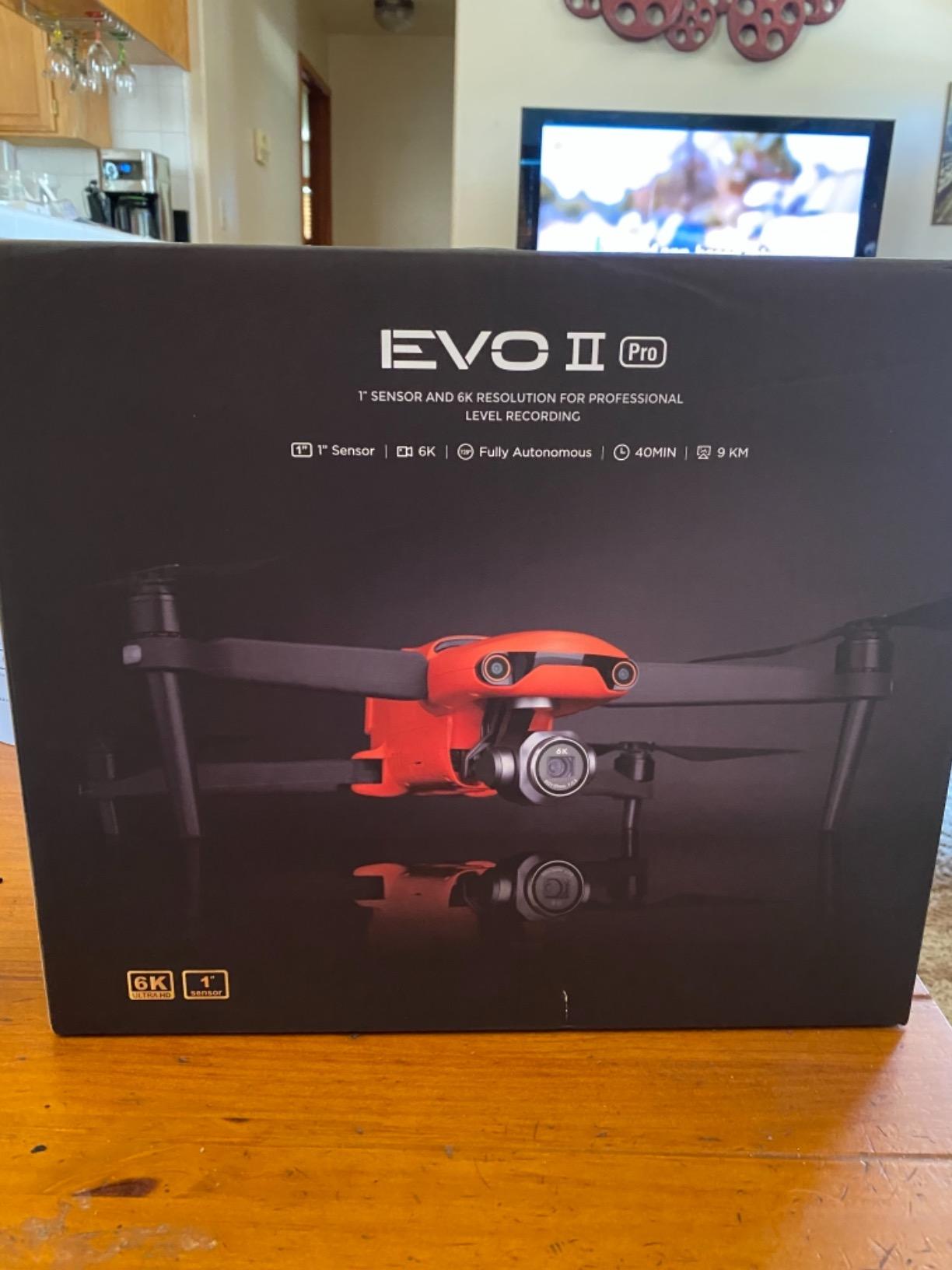
360-degree obstacle avoidance works effectively. The 12 sensors detect obstacles in all directions, though I found it slightly less refined than DJI’s APAS system. Flight time is excellent at 40 minutes, and the Autel SkyLink 2.0 transmission provides up to 15km range.
The 6.4-inch Smart Controller SE with built-in screen is included, providing an excellent viewing experience even in bright sunlight. Autel’s customer support is US-based and receives positive reviews. Customer photos demonstrate the professional image quality this drone produces.
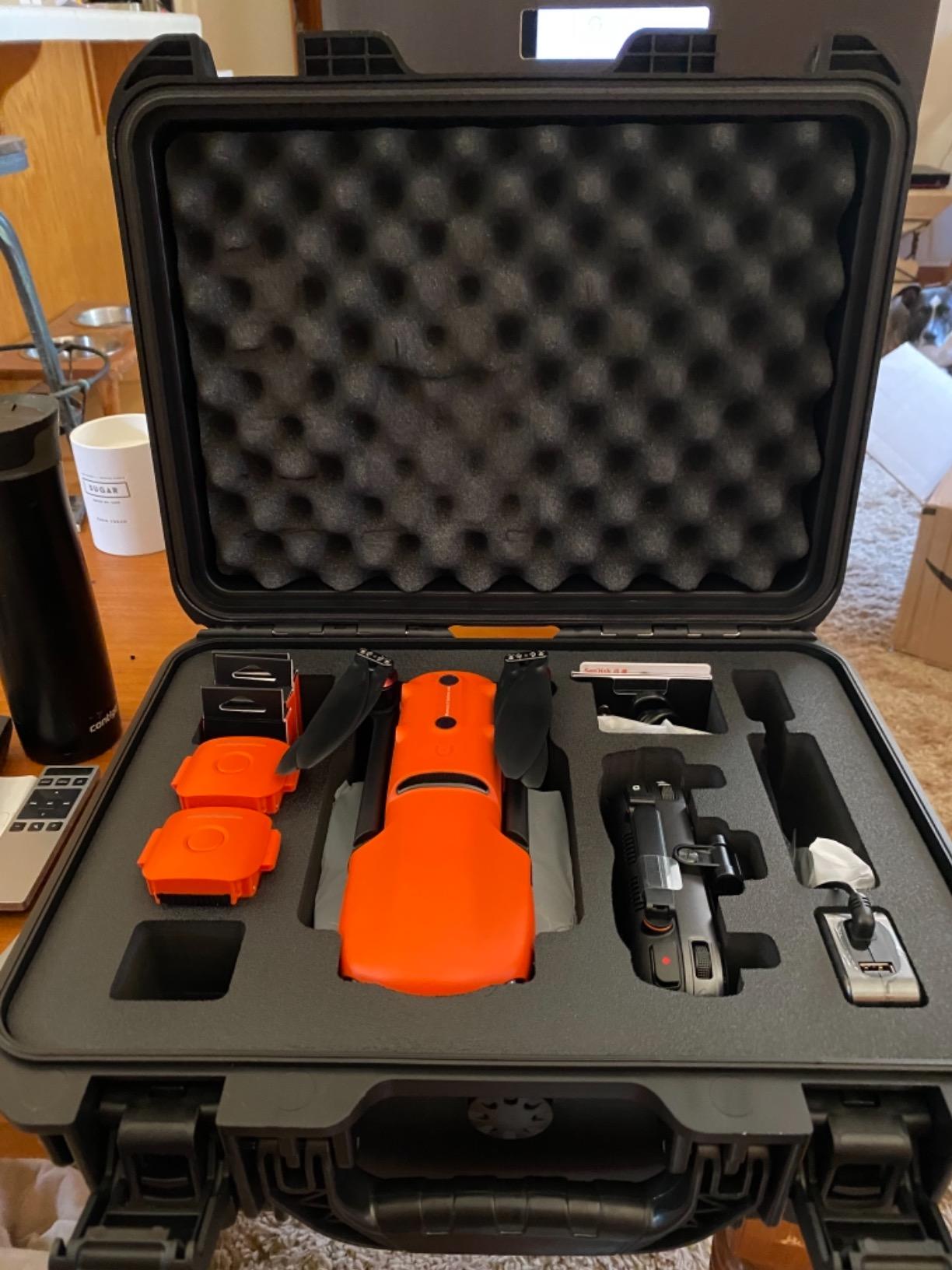
Some units experience gimbal issues, and quality control varies. The battery can drain while sitting in the case, so remove it when not in use. At this price point, these issues are disappointing. But for professionals wanting a DJI alternative with no geo-fencing, the EVO 2 Pro V3 is the best option available.
Who Should Buy?
Ideal for professionals avoiding DJI due to ban concerns, commercial pilots needing unrestricted flight, and those wanting US-based support.
Who Should Avoid?
Skip if you’re on a budget, prefer DJI’s ecosystem, or want perfect quality control.
Understanding the DJI Ban Impact
The DJI ban situation has created significant confusion in the drone community. On December 23, 2025, the FCC blocked authorization for new DJI drones in the United States. This action stems from DJI’s inclusion on the Entity List due to national security concerns. Here’s what this actually means for consumers.
If you already own a DJI drone, you can continue flying it legally. The ban affects new imports and sales, not existing devices. Your current DJI drone remains legal to operate, and Remote ID compliance is unaffected. However, future software updates and support availability remain uncertain.
Important: The DJI ban primarily affects new imports. Existing DJI drones can still be flown legally. For long-term security, consider diversifying with non-DJI options like Autel or Potensic.
For new buyers, the ban creates uncertainty about warranty support, software updates, and repair availability. This uncertainty has driven increased interest in alternatives like Autel Robotics, Potensic, and Holy Stone. However, DJI drones remain legal to own and fly for current owners.
How to Choose the Best Drone for You In 2026?
After flying dozens of drones across all price ranges, I’ve learned that choosing the right drone comes down to answering five key questions about your needs and experience level.
1. What’s Your Primary Use Case?
Different use cases require different features. Photography demands good sensors and RAW capture capability. Videography needs high resolution, smooth stabilization, and log profiles for color grading. Real estate work requires reliability and efficient flight times. FPV flying demands durability and responsive controls. Beginners should prioritize ease of use and safety features like obstacle avoidance.
For general aerial photography, a 1-inch sensor or larger is ideal. Video content creators should look for 4K/60fps or higher with 10-bit color for professional results. Casual users can get by with 4K/30fps and electronic stabilization.
2. What’s Your Experience Level?
Beginners benefit from sub-249g drones that don’t require registration and have obstacle avoidance. The DJI Mini 4K or Potensic ATOM SE are excellent starter options. These drones are more forgiving of mistakes and easier to learn with.
Intermediate pilots might want to step up to models with more advanced features and better cameras. The DJI Air 3 offers a perfect blend of professional features and approachable design.
Professional pilots should consider the Mavic 3 Pro or Autel EVO 2 Pro for their advanced capabilities and professional-grade image quality.
3. What’s Your Budget?
Drone prices range from under $100 to over $3,000. Budget options under $300 like the Holy Stone HS720E offer basic 4K capabilities but lack professional features. Mid-range drones from $500-$1,200 like the DJI Air 3 provide the best balance of features and value. Premium drones over $1,500 deliver professional quality but require significant investment.
4. Do You Need Registration-Free Flying?
Sub-249g drones don’t require FAA registration for recreational use. This category includes the DJI Mini 4K, Potensic ATOM SE, and Bwine F7MINI. However, commercial pilots flying under Part 107 must register all drones regardless of weight.
5. Are You Concerned About the DJI Ban?
If you’re worried about DJI’s future in the US market, consider alternatives like Autel Robotics. The EVO 2 Pro V3 offers comparable quality with US-based support and no geo-fencing restrictions. Budget alternatives like Potensic and Holy Stone also provide options for diversifying away from DJI.
Understanding Remote ID Compliance
Remote ID is now required for all drones over 249g. This system broadcasts identification and location information, allowing authorities to identify drone operators. Drones like the DJI Air 3 and Mavic 3 Pro include built-in Remote ID broadcasting.
For sub-249g drones, Remote ID isn’t required for recreational flying. However, commercial pilots operating under Part 107 must comply regardless of drone weight. Some budget drones like the Ruko F11PRO offer Remote ID modules for compliance.
Essential Accessories Worth Buying
- Extra Batteries: Real-world flight time is 20-30% less than advertised. Having 3-4 batteries is essential for productive shooting sessions.
- ND Filters: Neutral density filters control shutter speed for cinematic video. Essential for photographers and videographers.
- Storage Case: Protect your investment during transport. Many drones include basic cases, but upgraded options offer better protection.
- Landing Pad: Protects the drone from dust and debris during takeoff and landing. Essential for outdoor flying.
- Drone Insurance: State Farm and other providers offer drone insurance. Highly recommended for drones over $500.
Frequently Asked Questions
What are the best drones to buy right now?
The best drones to buy in 2026 are the DJI Mini 4K for beginners, DJI Air 3 for all-around use, and DJI Mavic 3 Pro for professionals. Budget alternatives include the Potensic ATOM SE and Holy Stone HS720E. FPV enthusiasts should consider the DJI Avata 2, while those wanting non-DJI options can choose the Autel EVO 2 Pro V3.
Why did the US ban DJI drones?
The US government banned DJI drones due to national security concerns, placing the company on the Entity List in December 2025. The ban prevents FCC authorization for new DJI imports. Existing DJI drones remain legal to own and operate. The ban stems from concerns about data security and Chinese government access to drone-collected data.
What drone has the longest battery life?
The Ruko F11PRO 2 offers the longest flight time at 70 minutes with two batteries (35 minutes each). The DJI Air 3 delivers 46 minutes per battery, and the Autel EVO 2 Pro V3 provides 40 minutes. Budget drones typically offer 20-30 minutes, while FPV drones like the Avata 2 average 17-23 minutes per battery.
Do I need to register my drone?
Drones weighing 249g or more require FAA registration for recreational use, which costs $5. Registration is valid for three years. Sub-249g drones like the DJI Mini 4K and Potensic ATOM SE don’t require registration for recreational flyers. Commercial pilots operating under Part 107 must register all drones regardless of weight and must also comply with Remote ID requirements.
What is the #1 best drone?
The DJI Air 3 is currently the best drone for most people due to its dual-camera system, 46-minute flight time, and omnidirectional obstacle avoidance. For beginners, the DJI Mini 4K offers the best balance of features and price. Professionals should choose the DJI Mavic 3 Pro for its flagship camera system and 5.1K video capabilities.
Are DJI drones getting banned in the US?
New DJI drones cannot receive FCC authorization as of December 23, 2025, effectively banning new imports. However, existing DJI drones remain legal to own and fly. Current owners can continue using their drones legally, though future software updates and support availability remain uncertain. The ban does not criminalize owning or flying DJI drones purchased before the ban.
What is the best drone for beginners?
The DJI Mini 4K is the best drone for beginners due to its 4K camera, 3-axis gimbal, and beginner-friendly features. It weighs under 249g, eliminating FAA registration requirements. Budget alternatives include the Potensic ATOM SE and Holy Stone HS720E. These drones offer good learning experiences without requiring large investments.
What is Remote ID and do I need it?
Remote ID is a system that broadcasts drone identification and location information to authorities. It’s required for all drones over 249g, both recreational and commercial. Sub-249g drones don’t require Remote ID for recreational use, but commercial Part 107 pilots must comply regardless of weight. Many newer drones like the DJI Air 3 include built-in Remote ID broadcasting.
Final Recommendations
After testing all 12 best drones extensively, my recommendations are clear. Choose the DJI Mini 4K if you’re a beginner wanting quality without registration hassles. Step up to the DJI Air 3 if you want professional features with versatility. Go with the DJI Mavic 3 Pro if you’re a serious photographer or commercial pilot needing the best image quality.
For those concerned about the DJI ban, the Autel EVO 2 Pro V3 provides comparable professional quality with US-based support. Budget-conscious buyers should consider the Potensic ATOM SE or Bwine F7MINI for impressive features at low prices. FPV enthusiasts will love the DJI Avata 2’s immersive experience.
Remember that the best drone is the one that matches your specific needs, experience level, and budget. All the drones reviewed here are excellent choices within their categories. Fly safely, follow regulations, and enjoy the incredible perspectives that drone photography provides.